

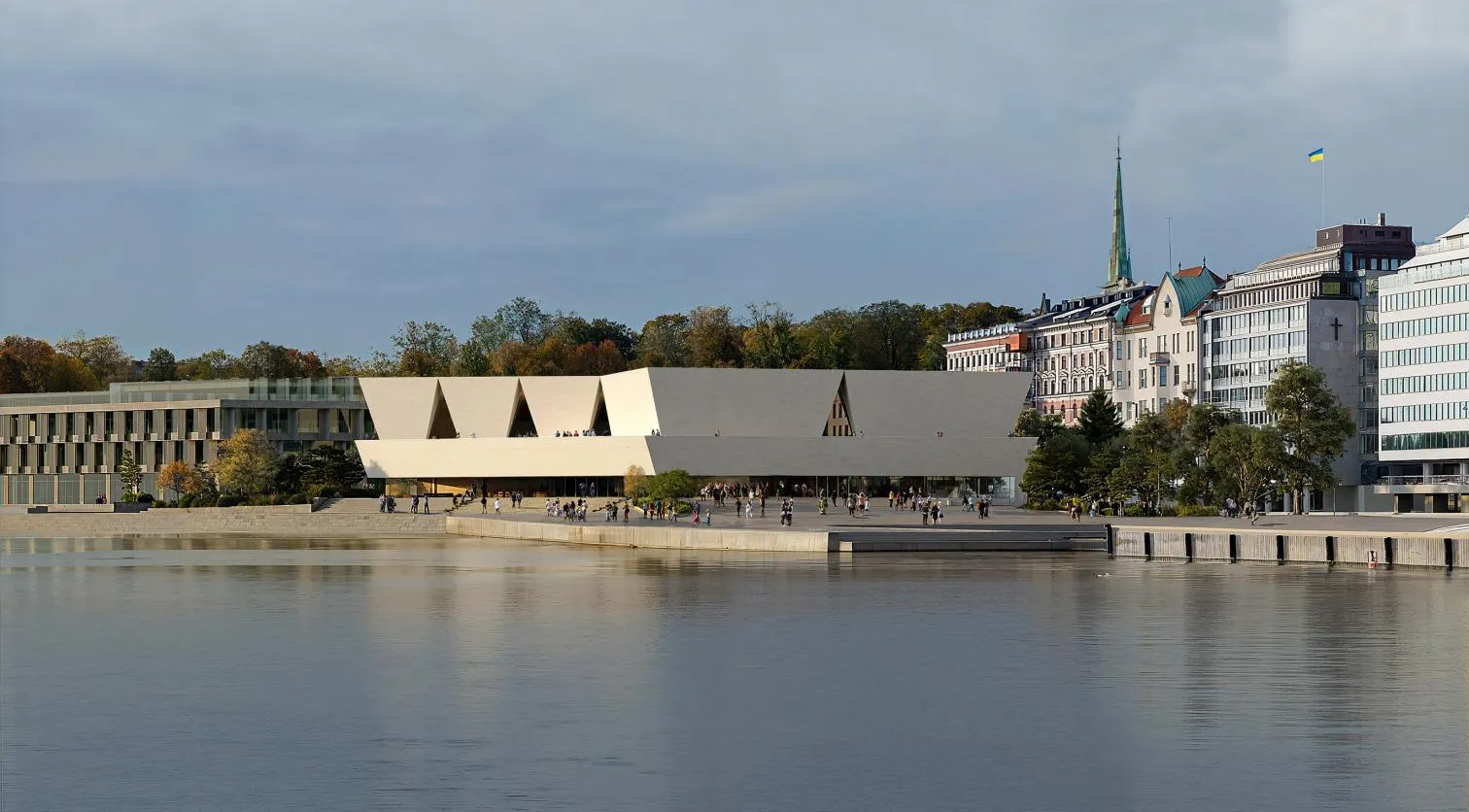
Helsinki practice JKMM Architects has been announced as the winner of the international competition to design Finland’s new Museum of Architecture and Design with a proposal called Kumma. The low-lying, triangular-volume building is planned for the city’s South Harbour (Makasiiniranta) waterfront and was selected from a field of 624 anonymous entries. The scheme will house a consolidated collection of approximately 10,050 m² of floor area and 900,000 artifacts and is scheduled to begin construction in 2027, with a public opening targeted for 2030.
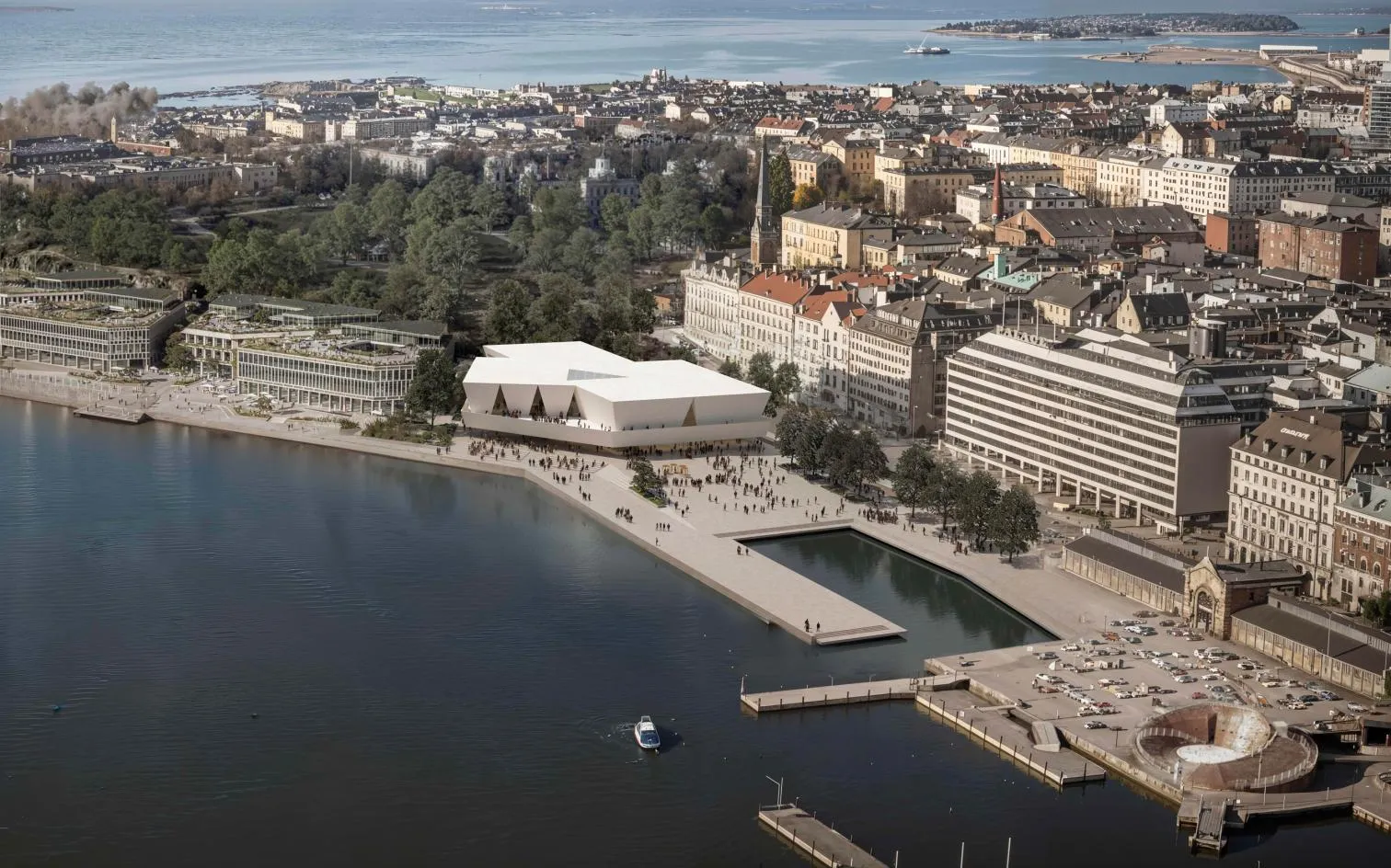
JKMM’s Museum of Architecture and Design in Helsinki
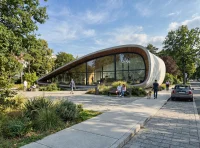
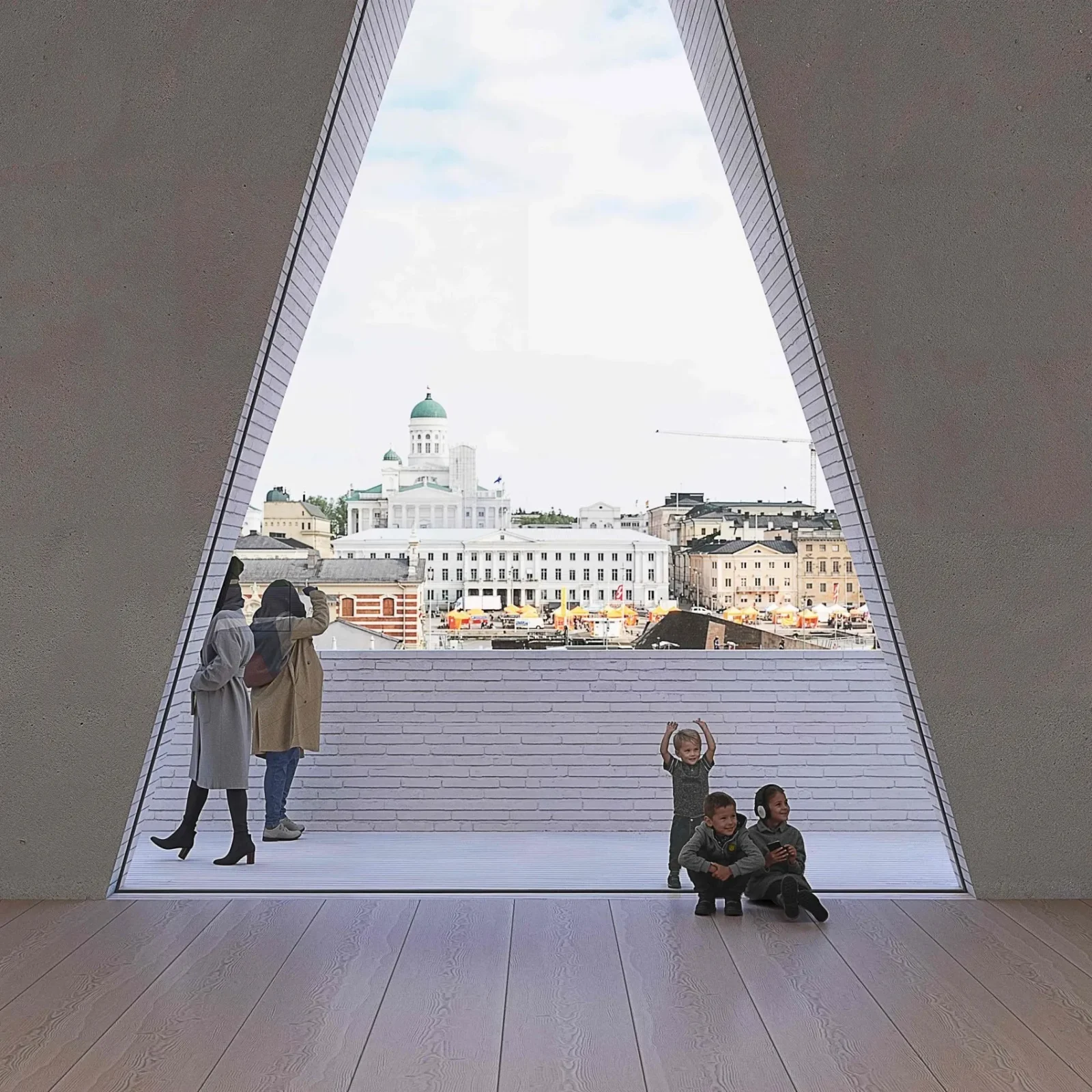
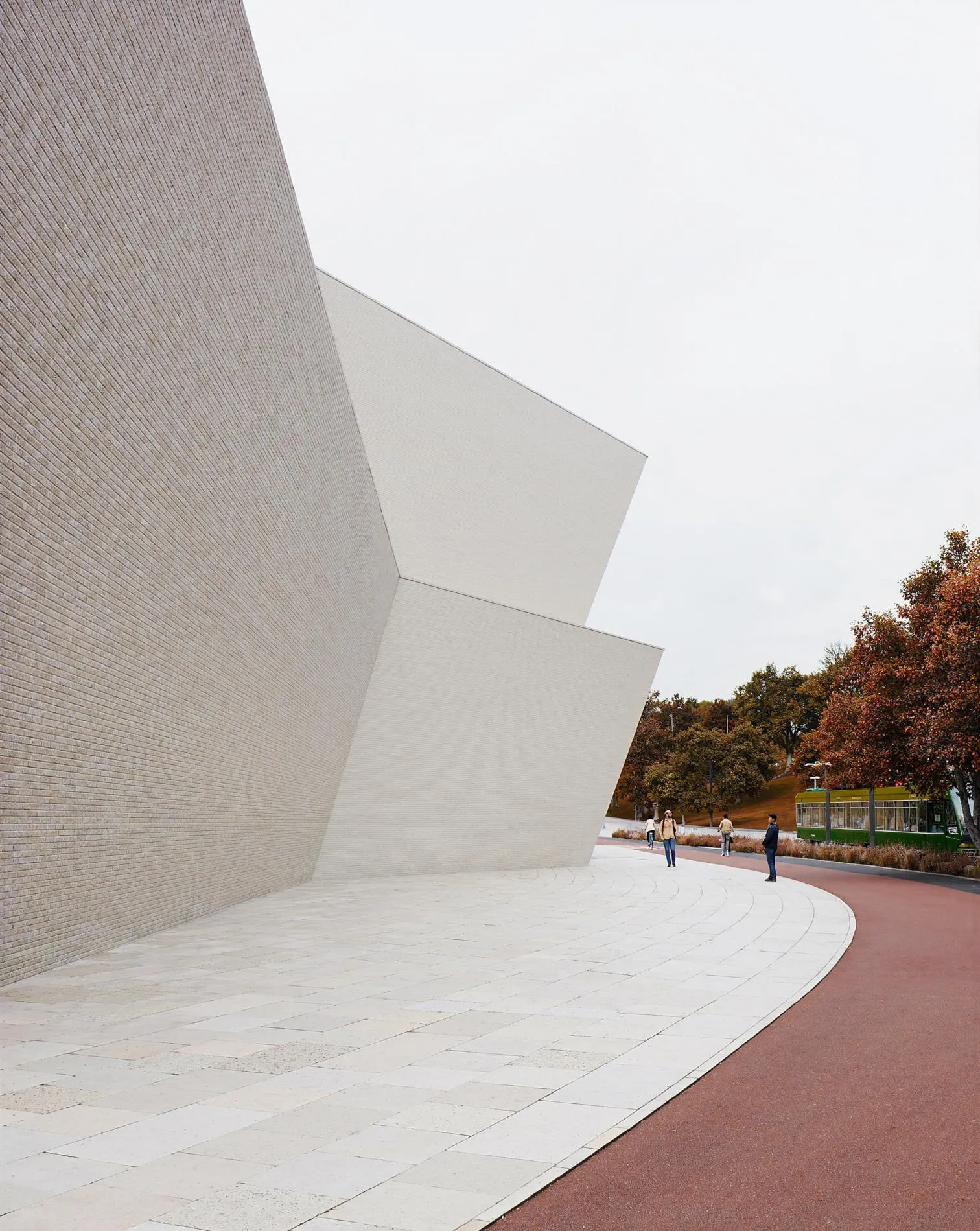
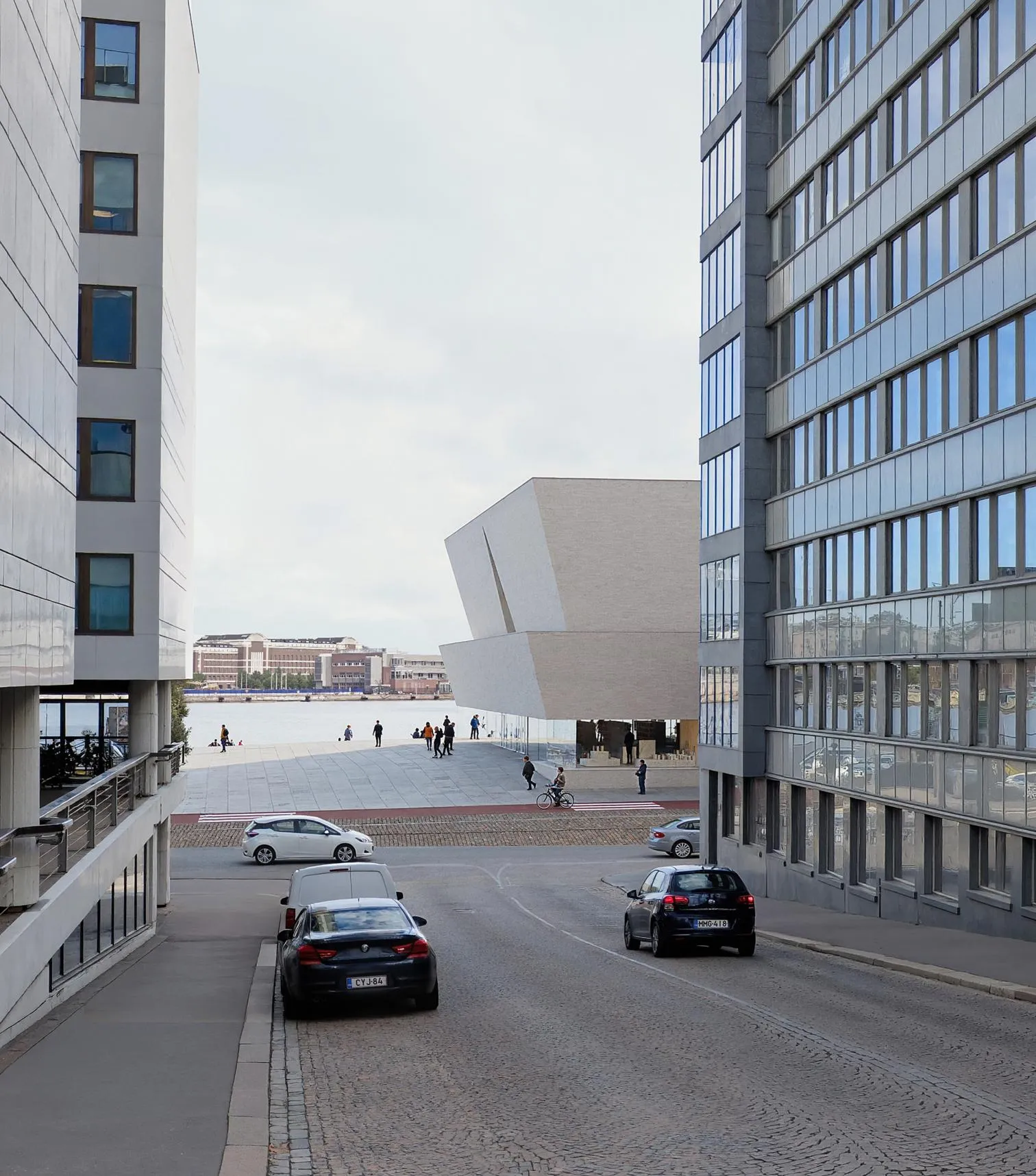
JKMM Architects have envisioned the new museum as an adaptable and inclusive cultural hub, one that feels inviting to the public while making a bold architectural statement without overwhelming its urban context. The proposed design centers on a striking triangular atrium, with sloping façades pierced by angular windows. These elevations will be constructed from recycled brick, tying contemporary form to sustainable practice.
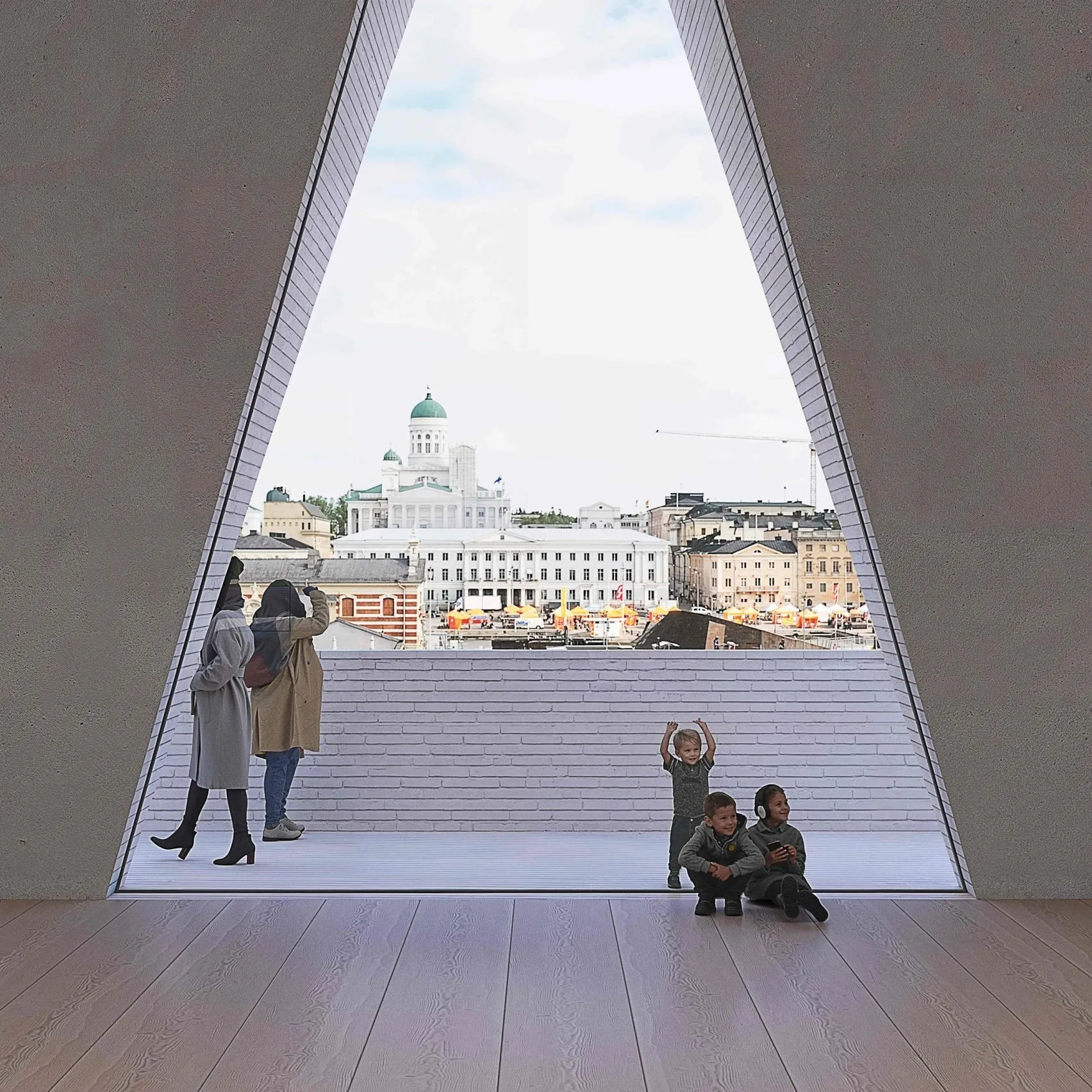
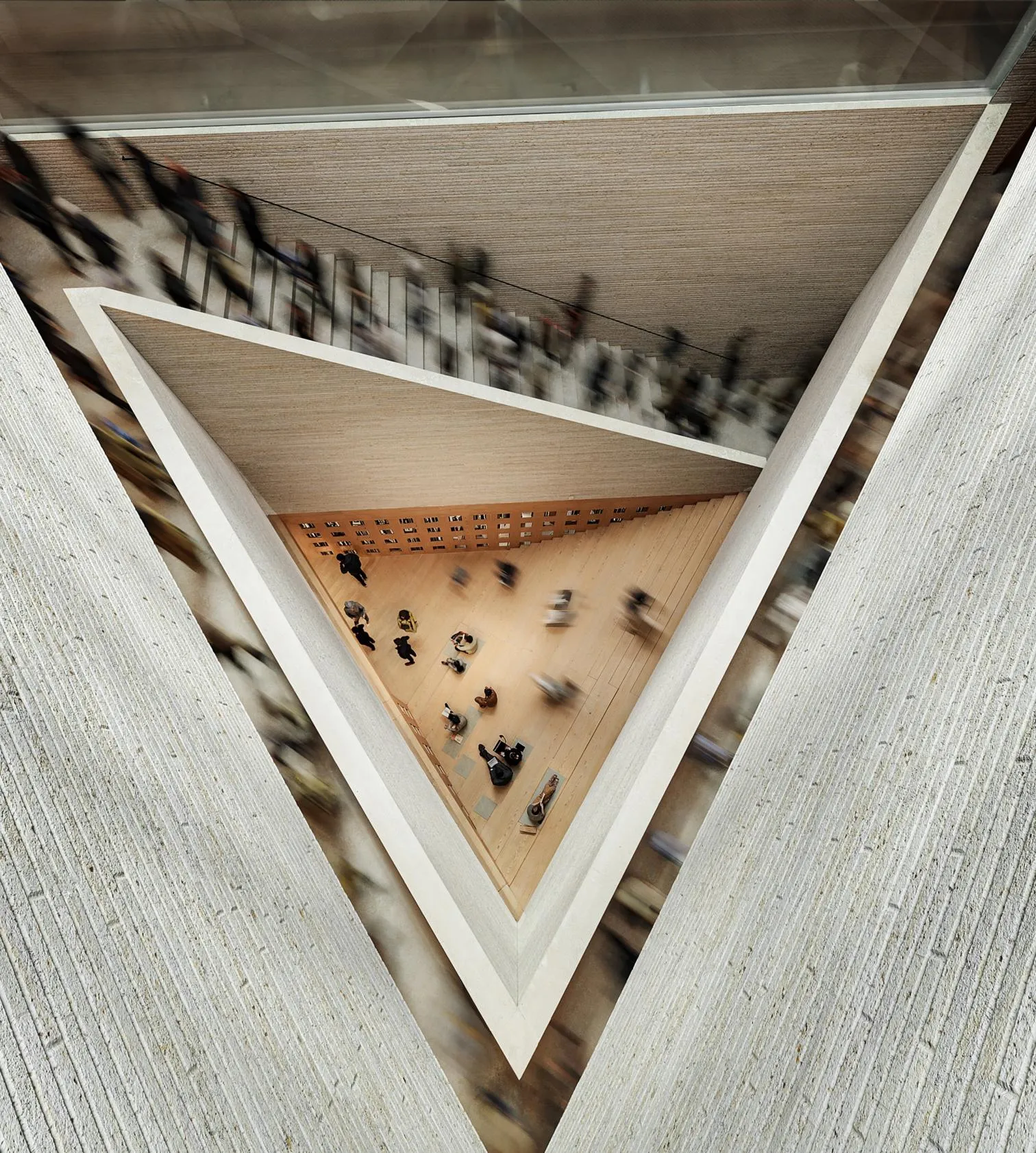
Beyond its primary galleries, the Museum of Architecture and Design in Helsinki will also feature a dedicated design library and an outdoor terrace encircling the top floor, offering space for interaction and reflection. Renderings show a sequence of generous, column-free gallery volumes and a clear emphasis on daylighting and visitor routes that orient toward the water.
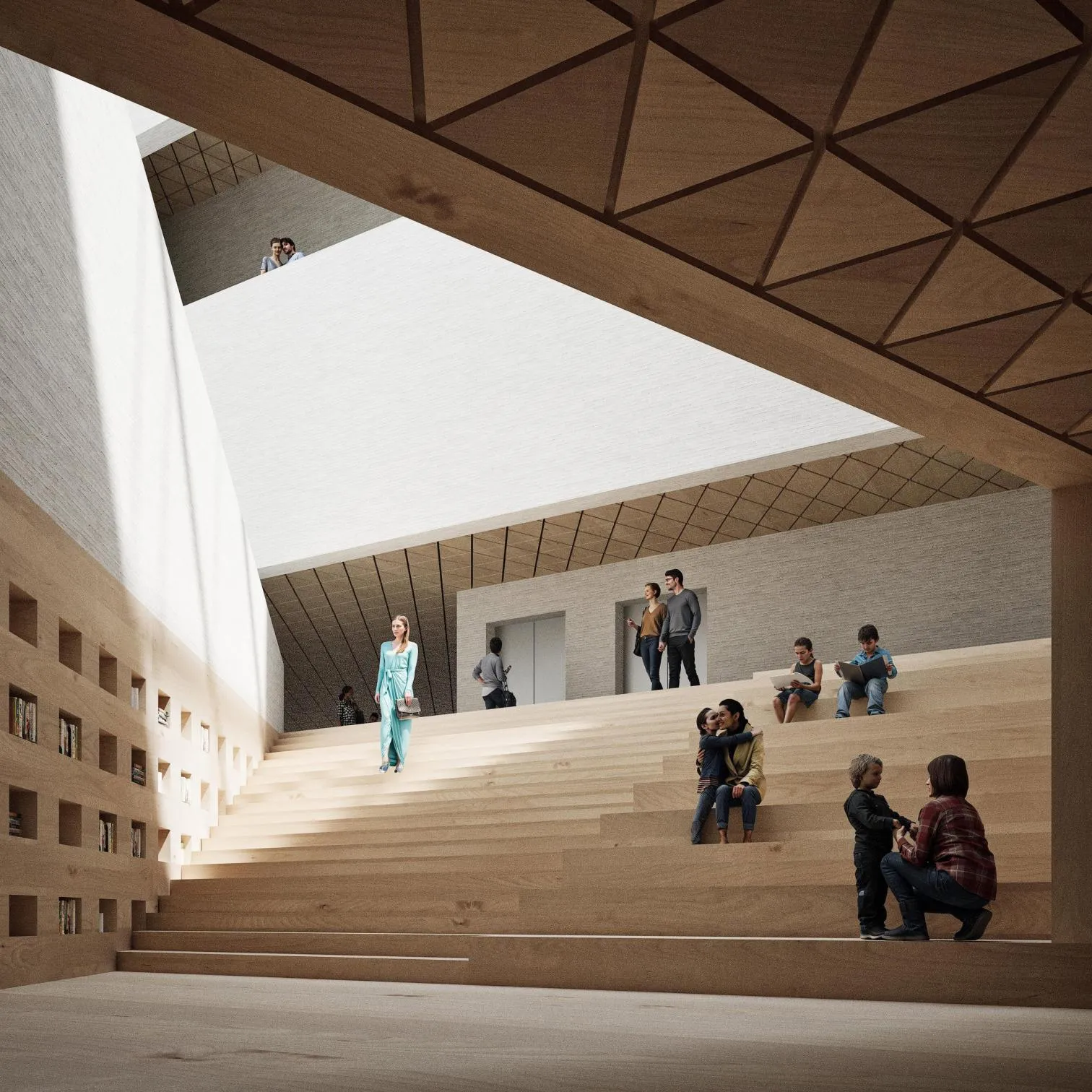
Materiality and tactile warmth are central to the scheme’s civic presence. Jury comments and published visuals highlight the use of recycled brick on the façade to give the museum a sculptural, textural warmth, paired with timber-finished interiors and a series of framed apertures that modulate daylight.
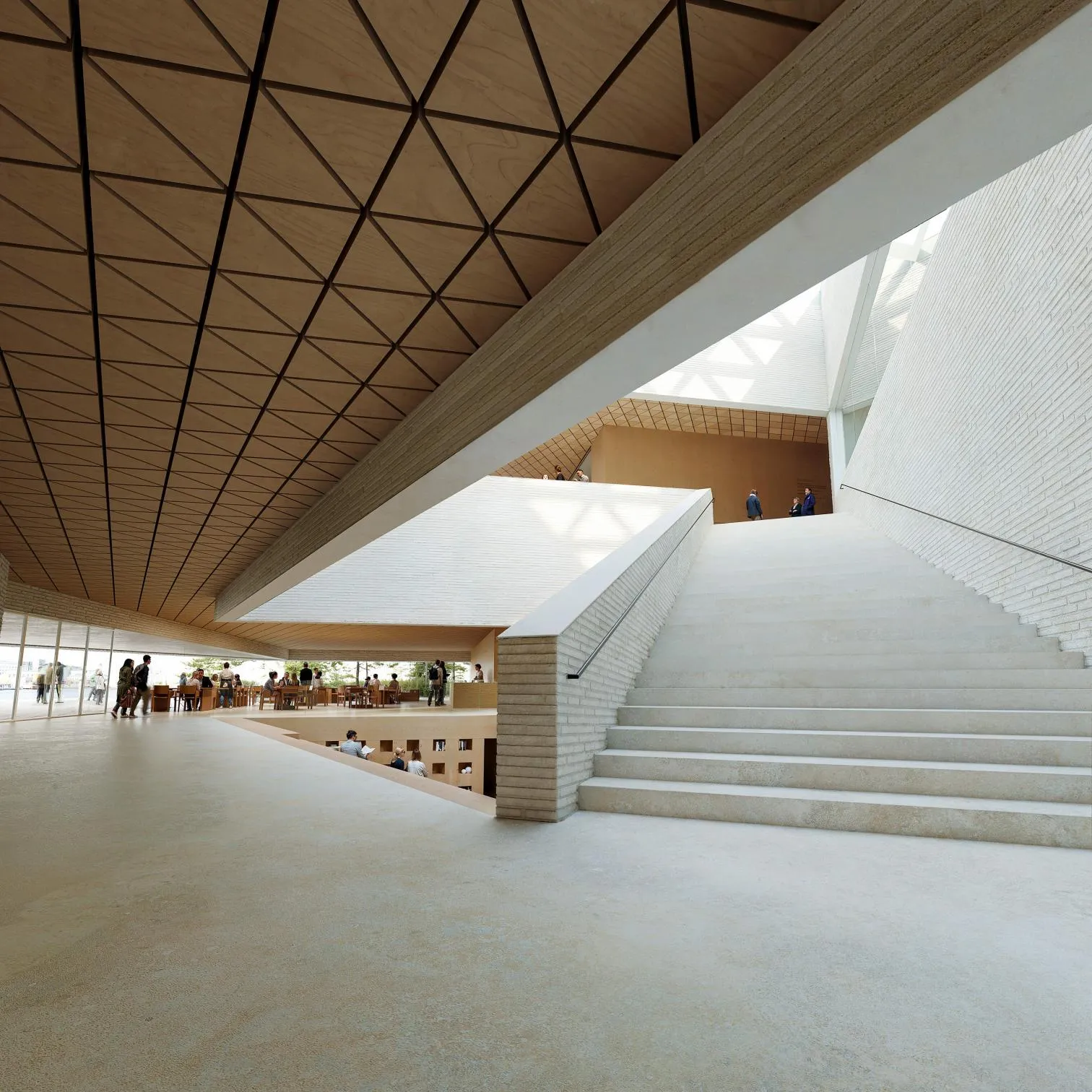
Bringing Finland’s Design Heritage and Innovation Under One Roof
The project is the physical consolidation of Finland’s museum resources for design and architecture, bringing together the Museum of Finnish Architecture and the Design Museum under one roof to create a single, internationally visible institution. Organizers and JKMM describe the merged program as an opportunity to “democratize the tools of design,” placing Finland’s material culture, from Aino and Alvar Aalto to contemporary design firms, within a single narrative and visitor offer.
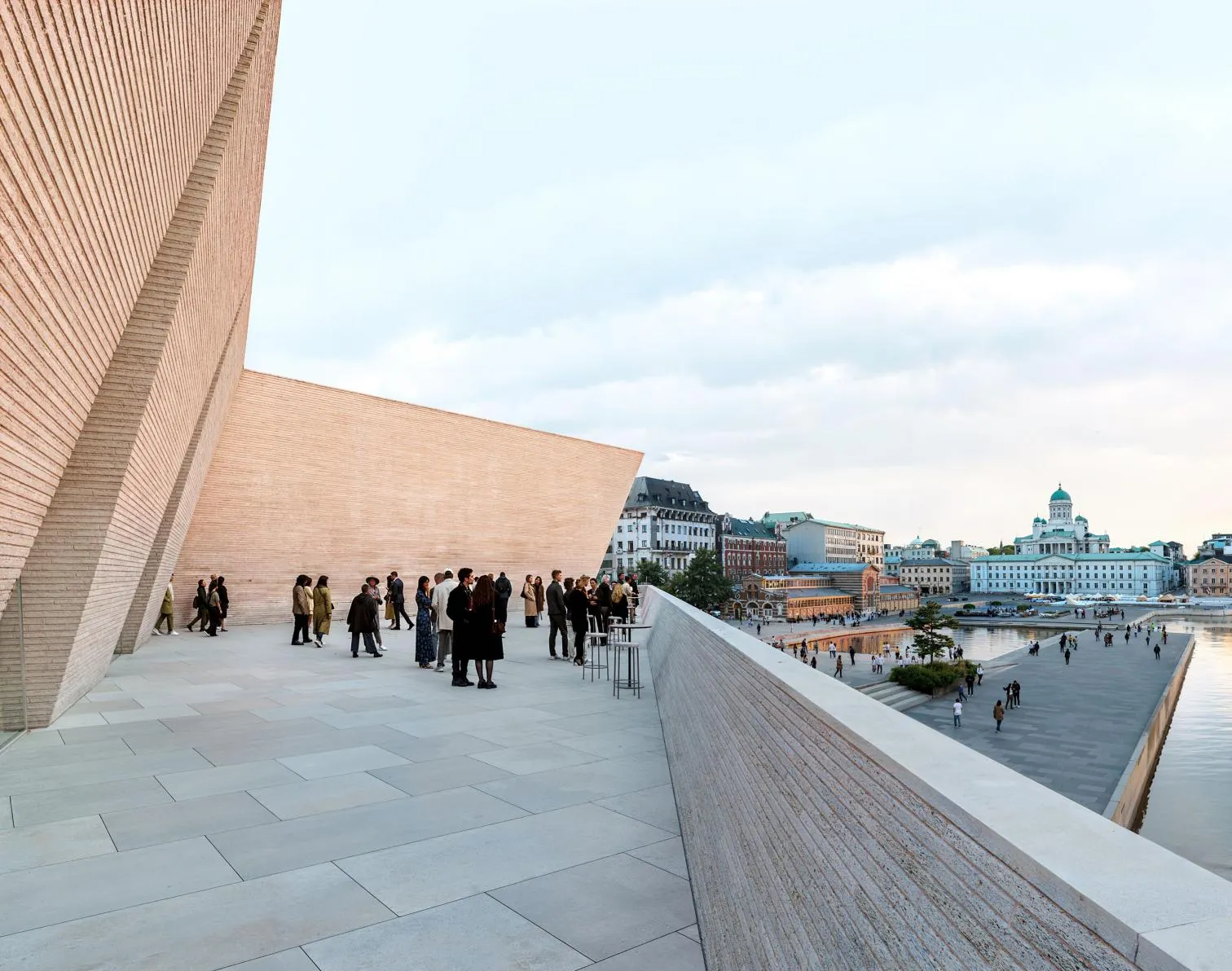
The contemporary museum building is designed to create an institution that is at once civic and social, robust enough to display collections and flexible enough to host contemporary exhibitions and programs. JKMM’s solution leans into Finnish traditions of material tactility and urban restraint instead of vertical spectacle. Kumma opts for a horizontal, publicly accessible roofline and a material language intended to age gracefully alongside the historic docks it neighbors.
JKMM assembled a multidisciplinary team for the competition. Collaborators named in coverage include Akukon (acoustics/AV), Granlund (HVAC/energy), MIR (visualization), Pentagon Design (service design), and Ramboll Finland (structural design and carbon-footprint calculations), among others. The jury explicitly praised the proposal’s balance between contextual sensitivity and architectural invention, a balance that the design seeks to deliver through careful siting, a modest silhouette, and material restraint.
The competition attracted strong international interest. The anonymous process drew 624 proposals and ran over roughly eighteen months, with JKMM awarded first prize (60,000 euros). Runners-up included proposals by Cossement Cardoso and Lopes Brenna, which received second and third prizes, respectively. With construction set to begin in 2027 and a 2030 opening date, Kumma looks set to become both a local cultural anchor and a new chapter in Helsinki’s waterfront sequence.
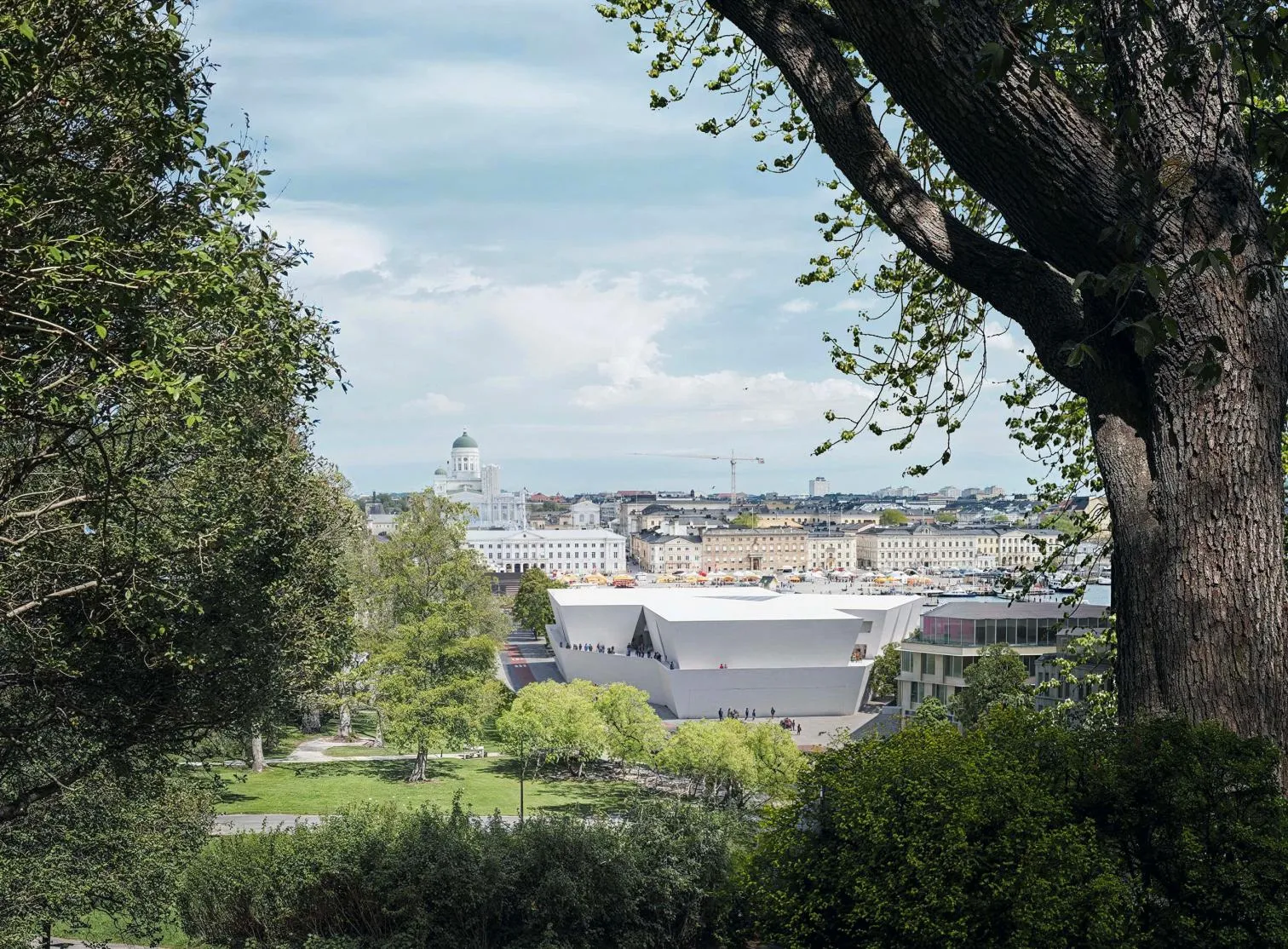
The team will move from competition mode into detailed design and permitting, with engineering and carbon-reduction strategies expected to be refined during the design development phase. Given the scale of the collections and the site’s heritage context, the museum’s delivery will be one of Helsinki’s major cultural projects of the decade and one to watch for how it negotiates sustainability, accessibility, and the exhibiting of architecture and design at the civic scale.
Image courtesy JKMM Architects and Mir.
Explore Courses
.jpg "Ondrej Chybik - Rethinking Architecture")