

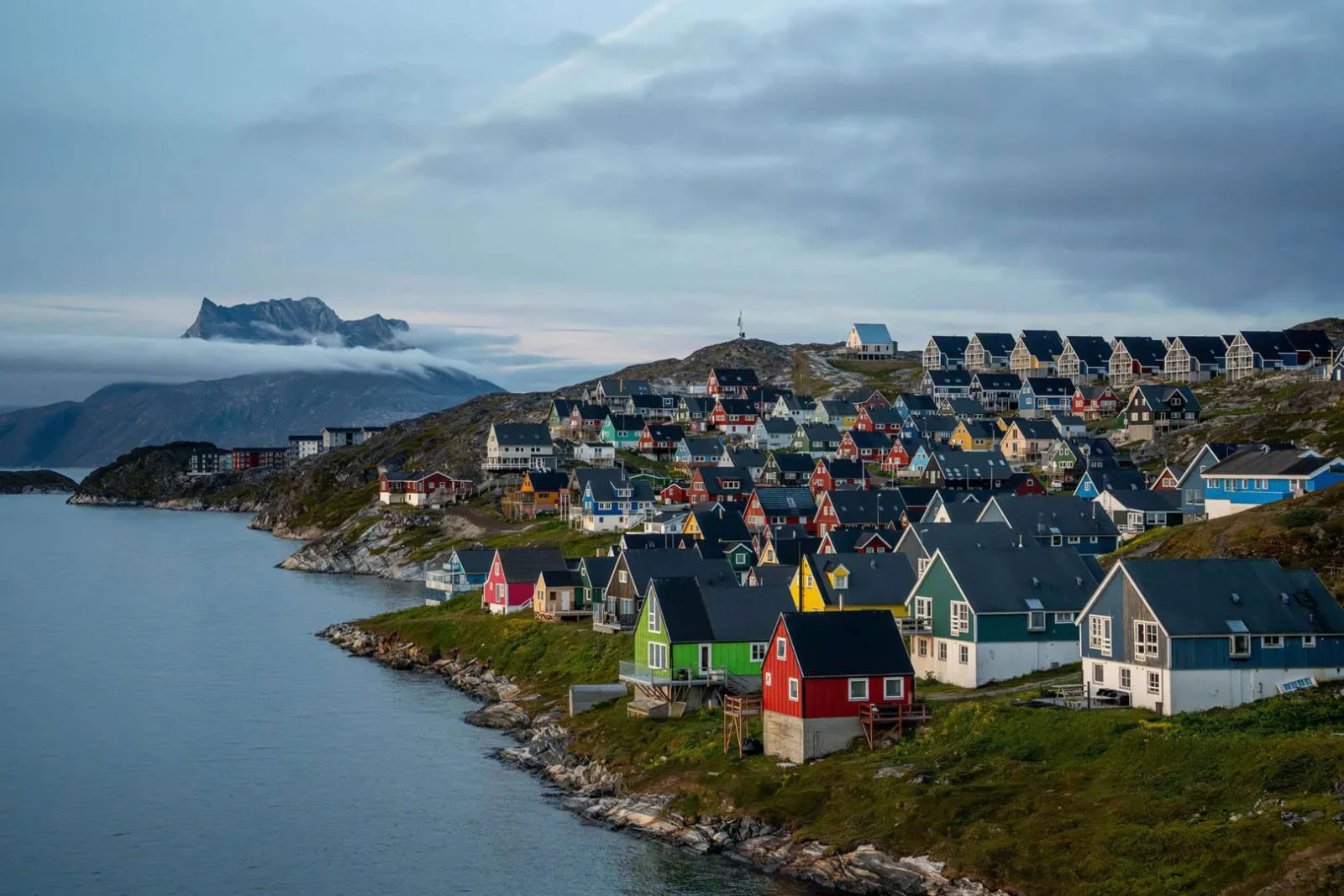
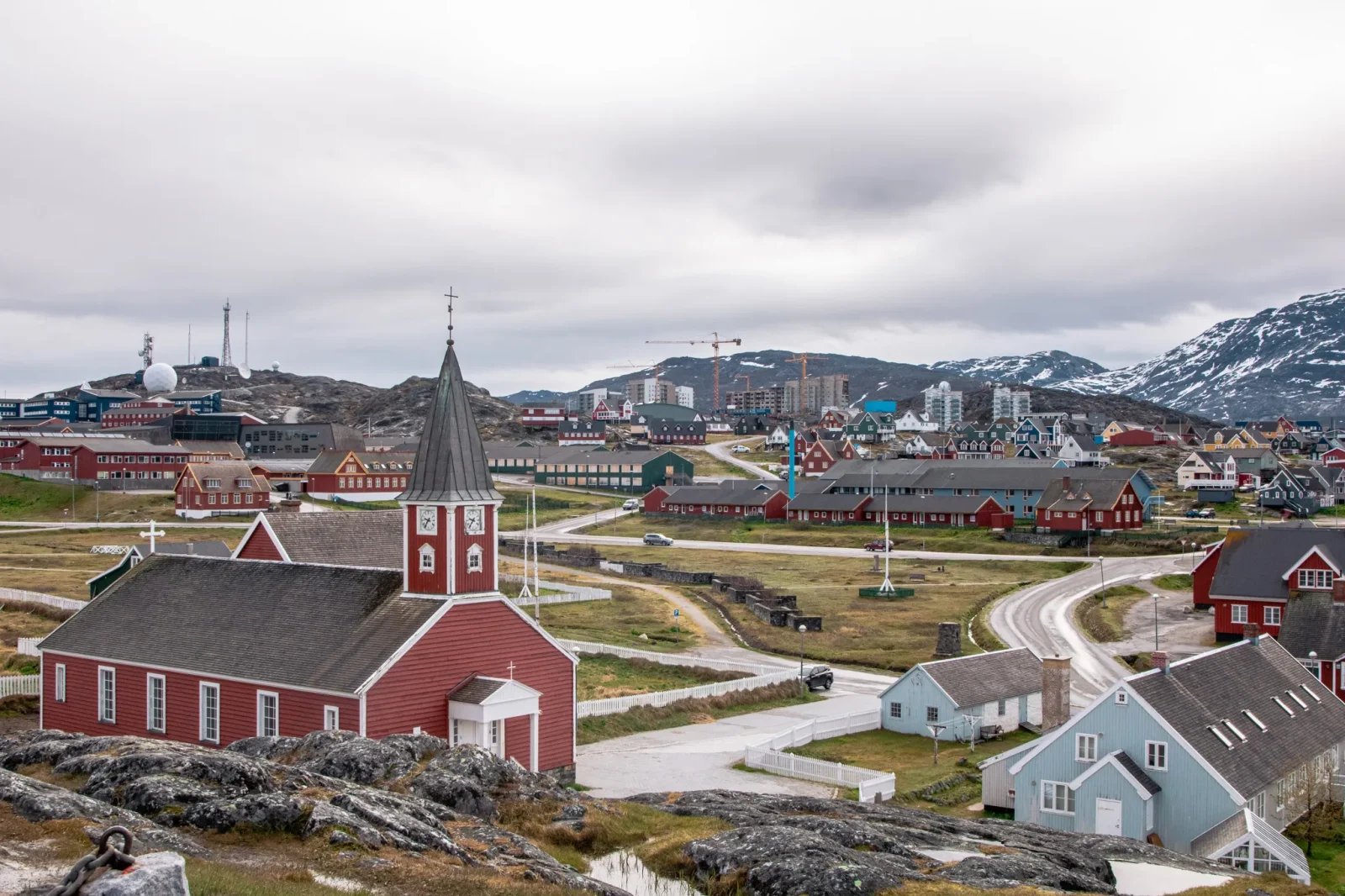
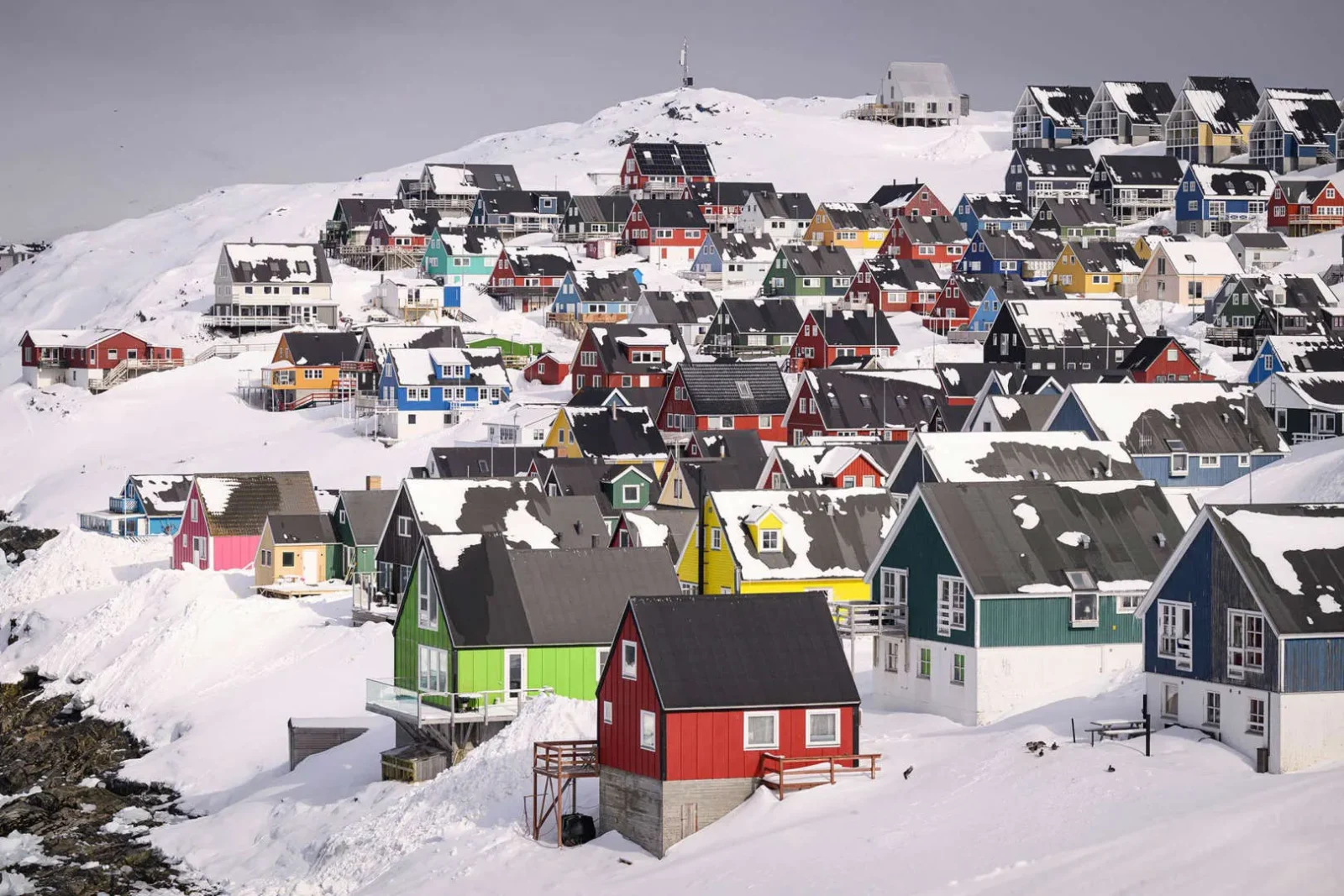
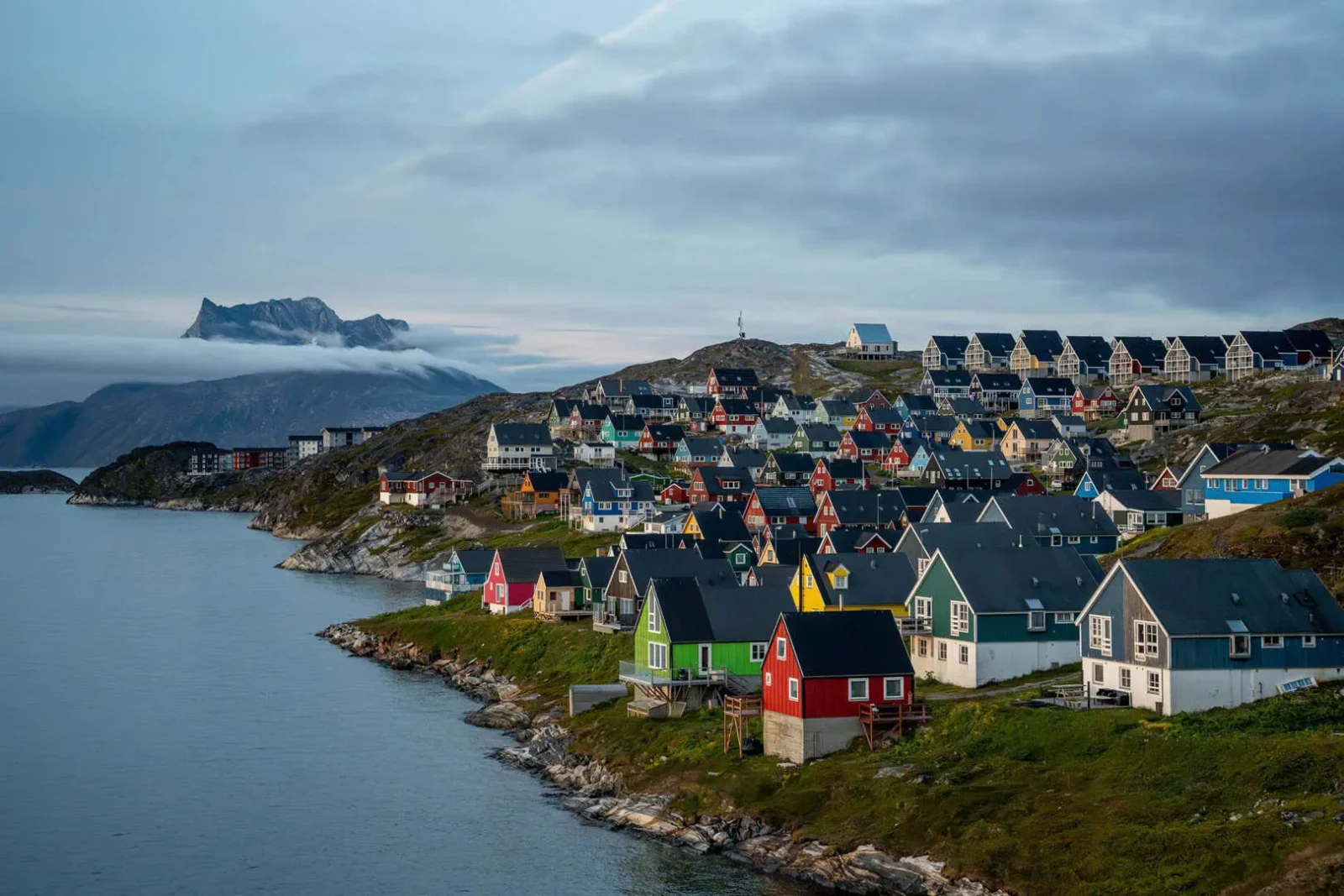
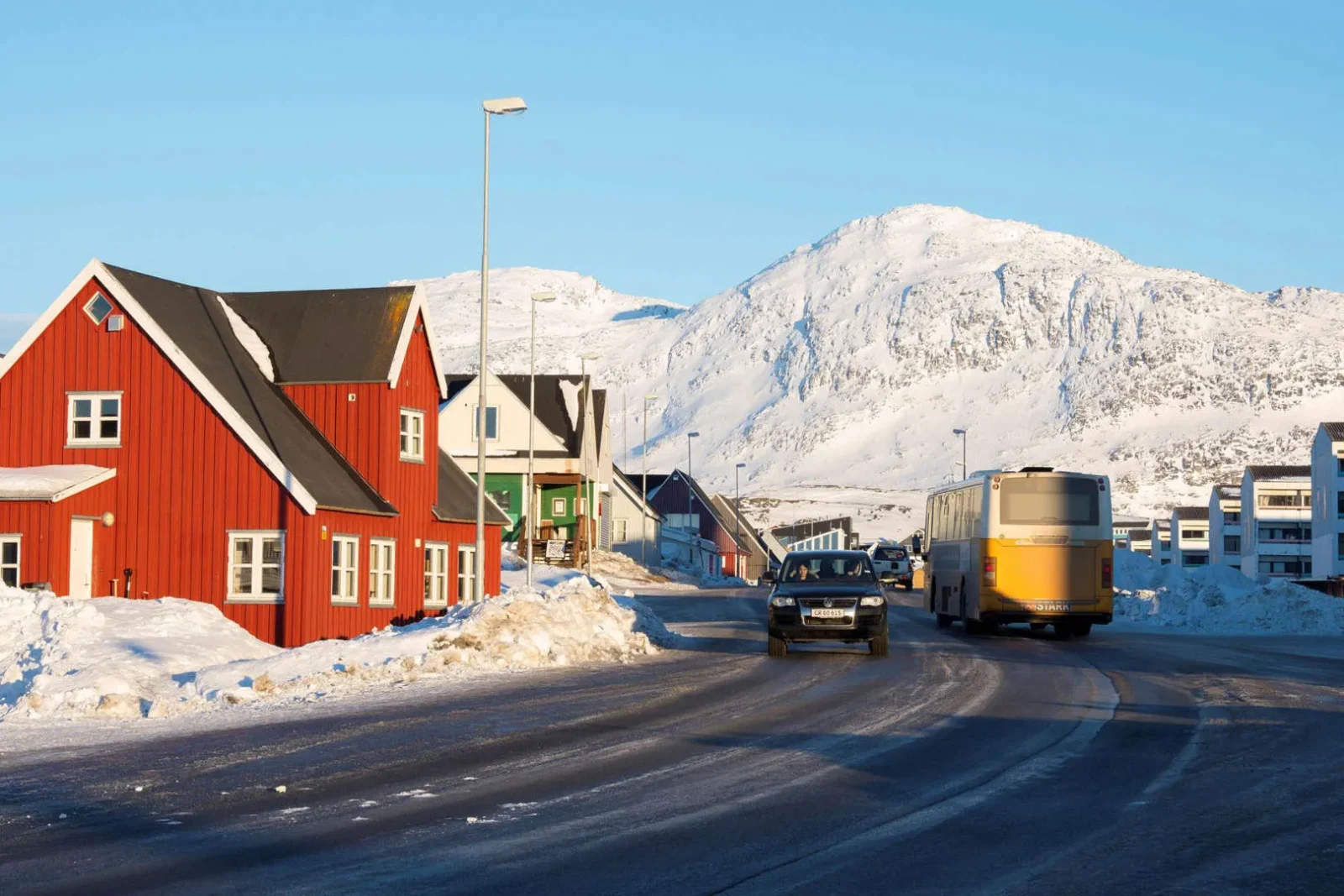
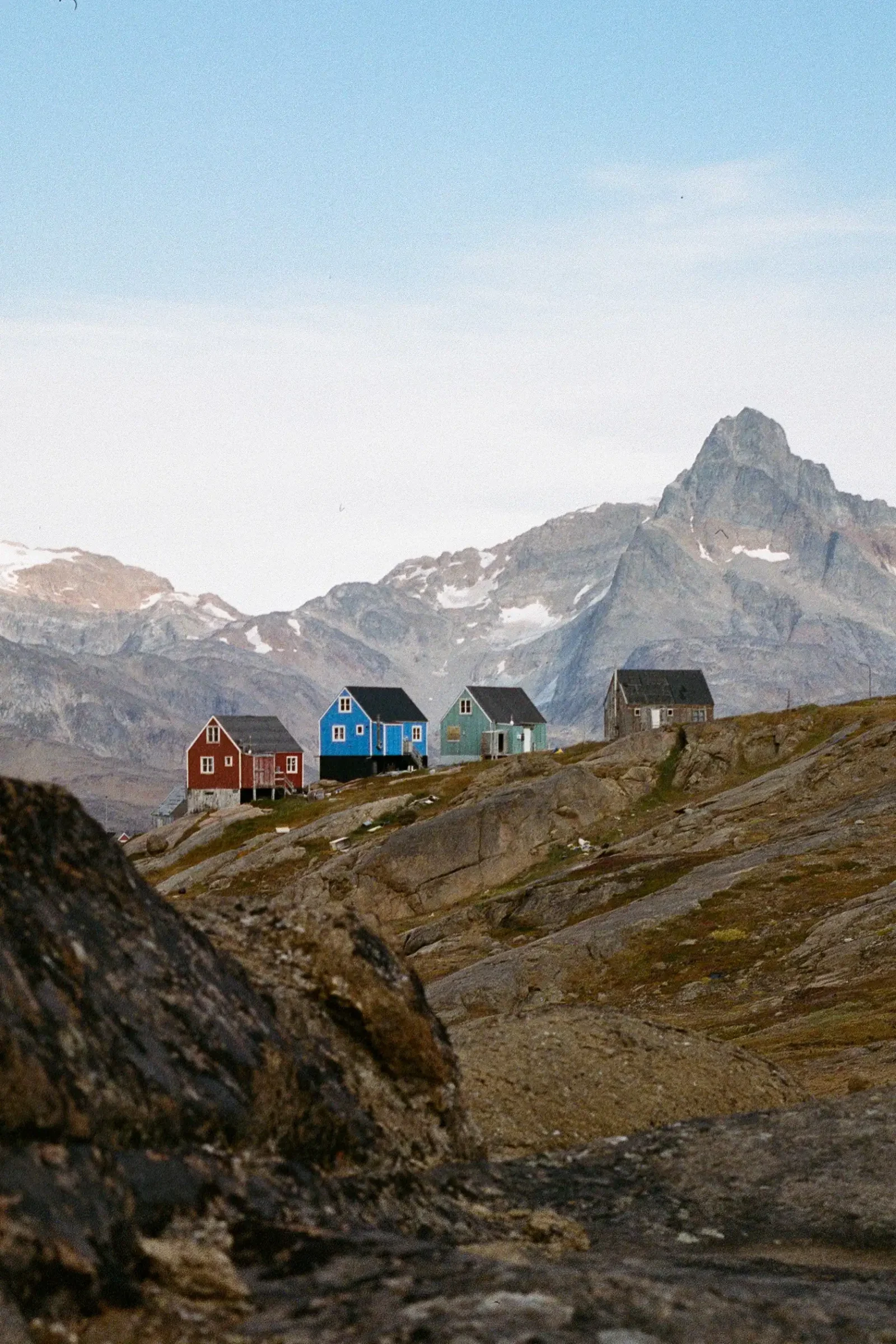
Greenland, the world’s largest island, is largely covered by a permanent ice sheet, challenging the built environment at the edge of ice, wind, and isolation. The architectural landscape of Greenland demands a deep understanding of historical adaptations, geotechnical instabilities, and the logistical complexities of an island-based society, where no roads connect major settlements. Donald Trump’s interest in Greenland may dominate the news, but Greenland’s architecture is shaping a new narrative of Arctic innovation.
Evolution of Greenlandic architecture: Ice, Wind, and Permafrost
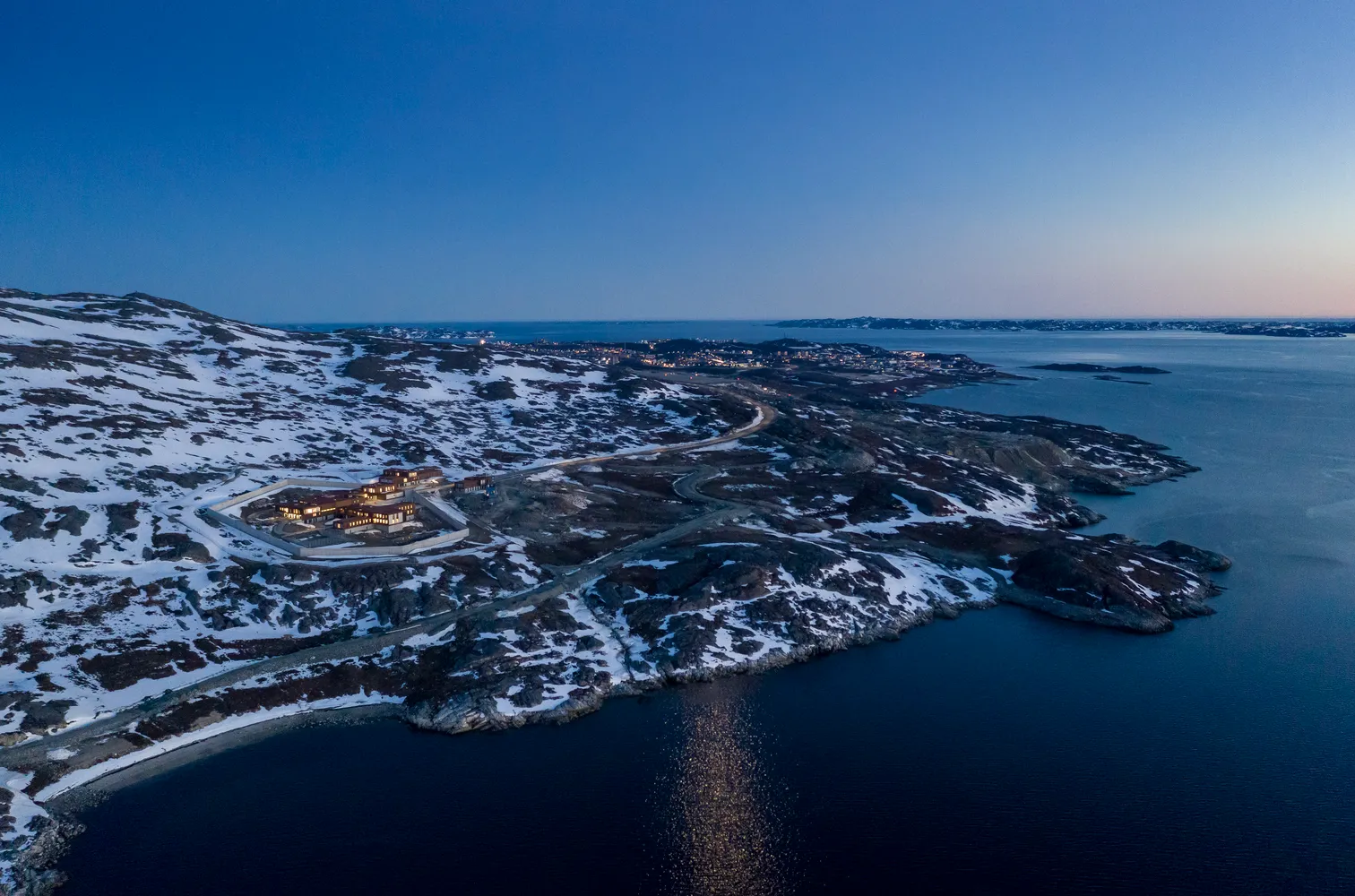
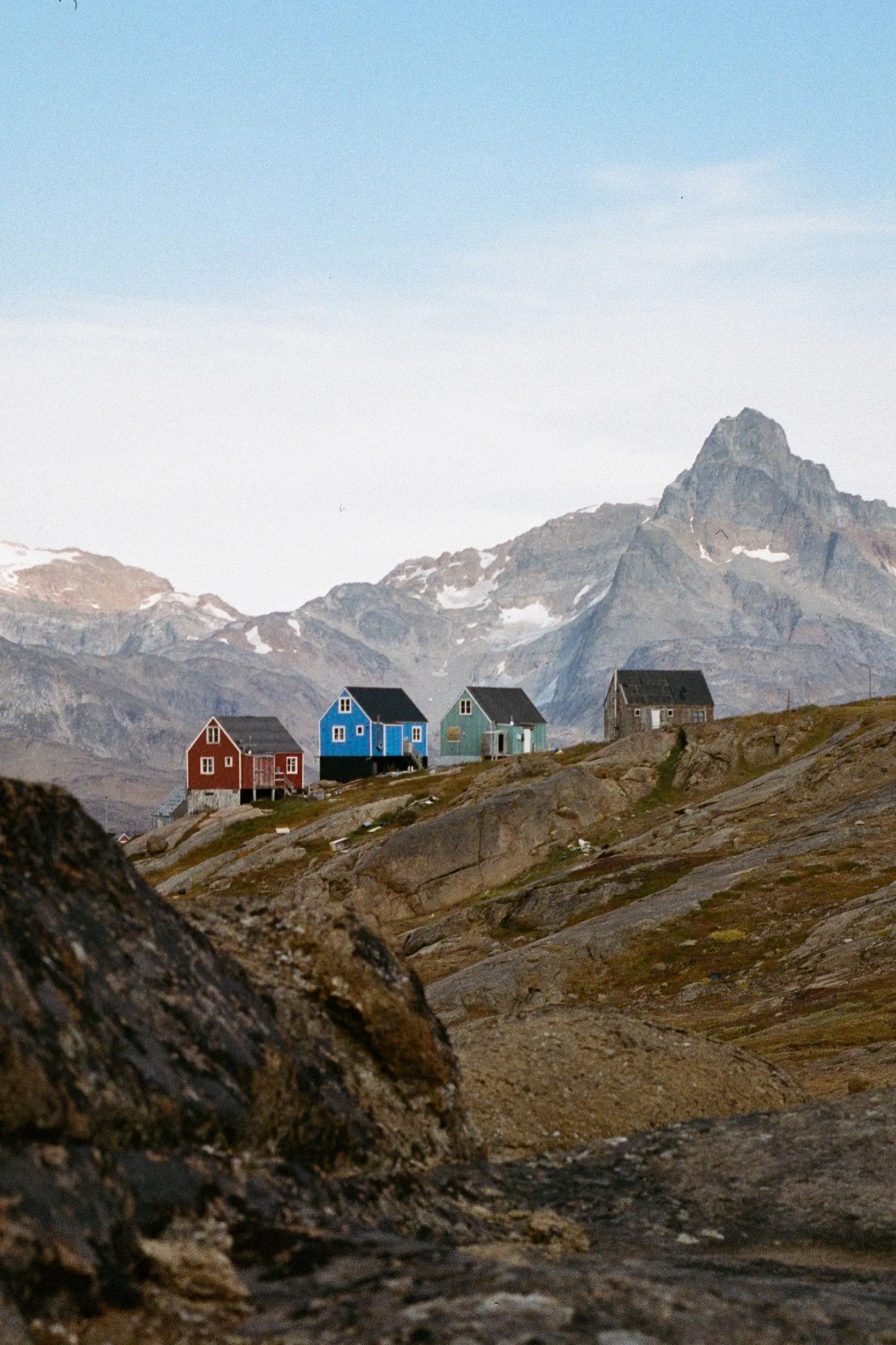
The evolution of Greenlandic architecture is characterized by waves of migration, ranging from the nomadic, flexible structures of the Inuit to the permanent pastoral investments of the Norse and the prefabricated colonial structures of the modern Danish–Norwegian era. The architectural language of Greenlandic architecture is primarily responsive to extreme environmental conditions, spanning from the subarctic south to the High Arctic north. These conditions include sub-zero temperatures, intense wind loads, and the instability of permafrost.
Geotechnical Engineering: Building on a Moving Foundation
The defining challenge of Greenlandic architecture is the presence of permafrost, ground that remains at or below 0°C for at least two consecutive years. Covering approximately 23 million square kilometers across the Northern Hemisphere, this frozen soil is a primary factor governing foundation design. As global temperatures rise, the Arctic is warming at nearly three times the global average, resulting in the deepening of the active layer, where soil thaws in the summer and freezes in winter. This process results in structural instability, causing buildings to tilt and foundations to crack.
Here are several strategies employed to maintain thermal separation, preventing the building’s heat from reaching the frozen ground.
Elevated Pile Foundations: Buildings are typically constructed on raised platforms supported by steel or concrete piles driven into the permafrost. An air gap of approximately 1–2 meters is maintained between the ground and the building floor.
Adjustable Supports: In areas of degrading permafrost, foundations are often designed with adjustable screw jacks or post-and-pad systems, allowing for realignment as ground conditions shift.
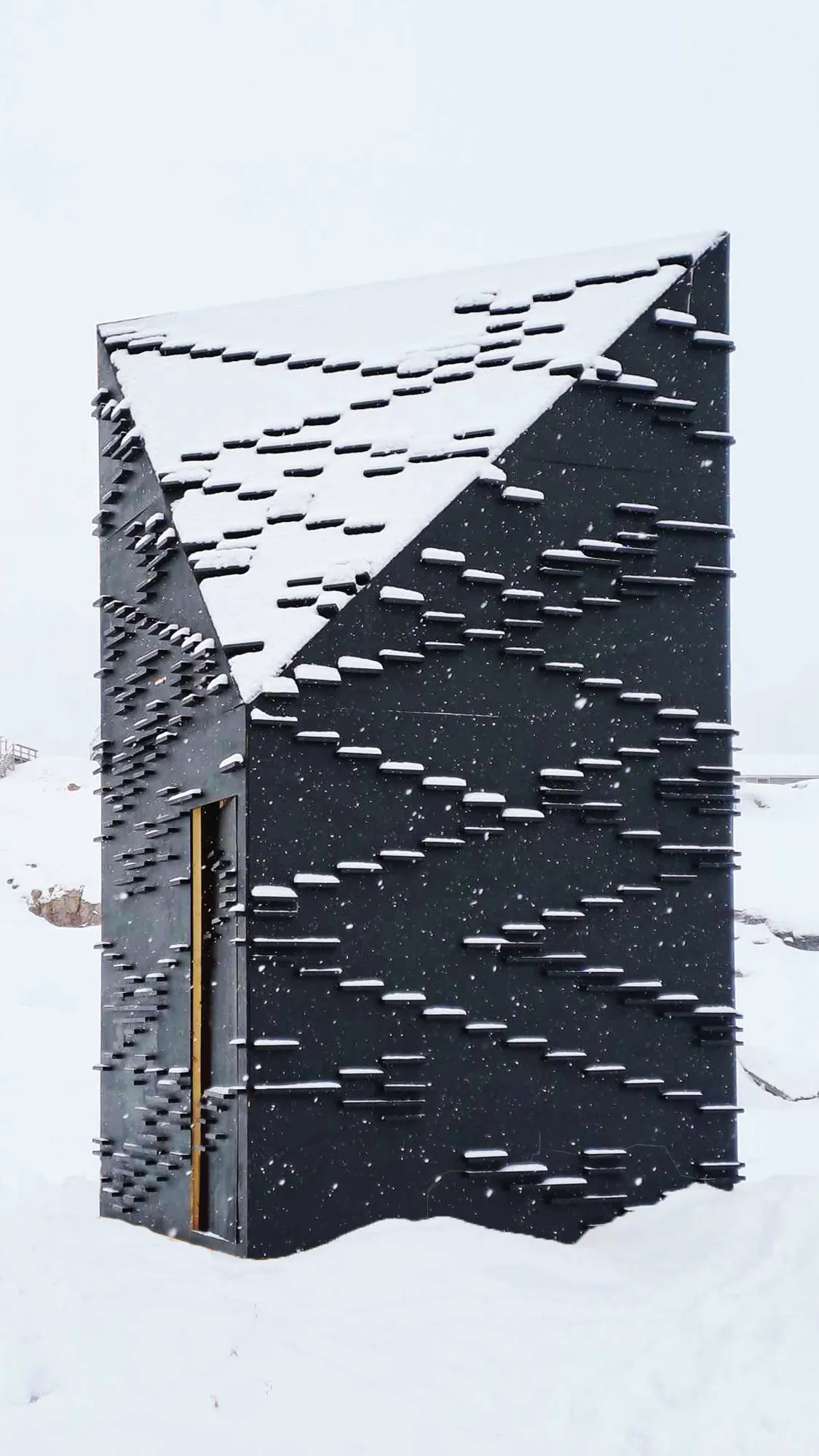
Thermosyphons: For more complex structures, passive cooling systems are employed. Thermosyphons are sealed pipes containing a refrigerant that undergoes phase change, drawing heat away from the soil during winter months.
Foam Rafts and Rigid Insulation: For small-scale projects, high-density rigid insulation is placed beneath the foundation, minimizing heat conduction from the heated interior to the underlying permafrost.
The Paleo-Inuit and the Thermodynamic Dome
The earliest architecture of Arctic survival reflects a pursuit of maximum efficiency. The circular dome form provided resistance to multidirectional winds and minimized the surface-to-volume ratio, a critical factor for heat retention in sub-zero environments. For thousands of years, Arctic cultures developed the mid-passage house typology. This structure featured a stone-paved corridor made of flagstones, walls constructed from local stone and peat (turf), and roof supports formed from driftwood or whale bone, a construction technique that achieved high thermal resistance long before the advent of modern synthetic materials.
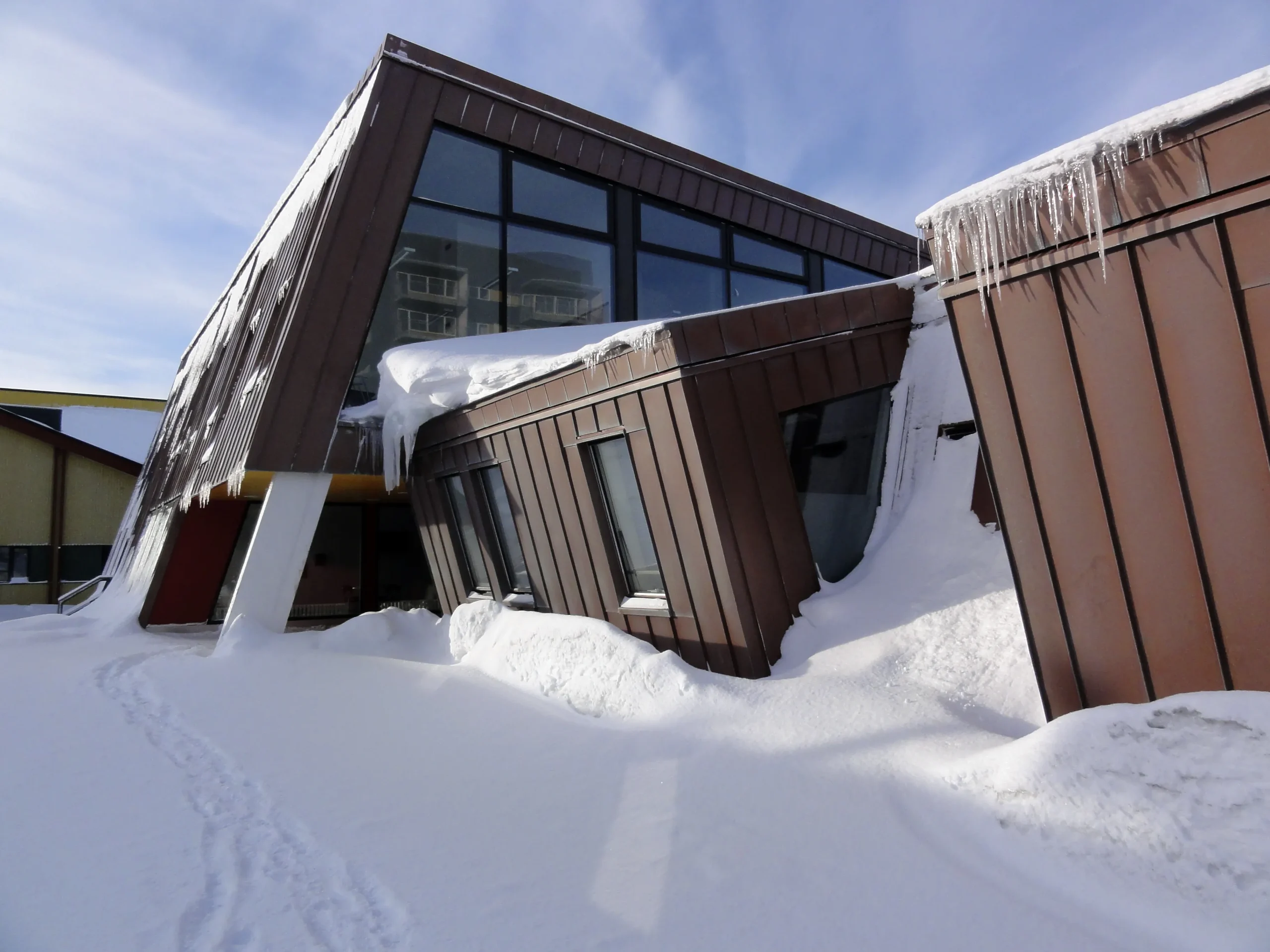
Later, the Greenlandic Dorset culture redefined these principles of design by developing three distinct dwelling types: winter houses built from heavy turf and stone, spring snow houses (also known as igloos) used during hunting transitions, and summer skin tents. The Thule culture further expanded architectural expression through communal structures such as aasiviit (festival houses), which could reach lengths of up to 43 meters and accommodate dozens of families, fostering the social cohesion essential for survival.
Cold-Climate Materials and Thermal Performance
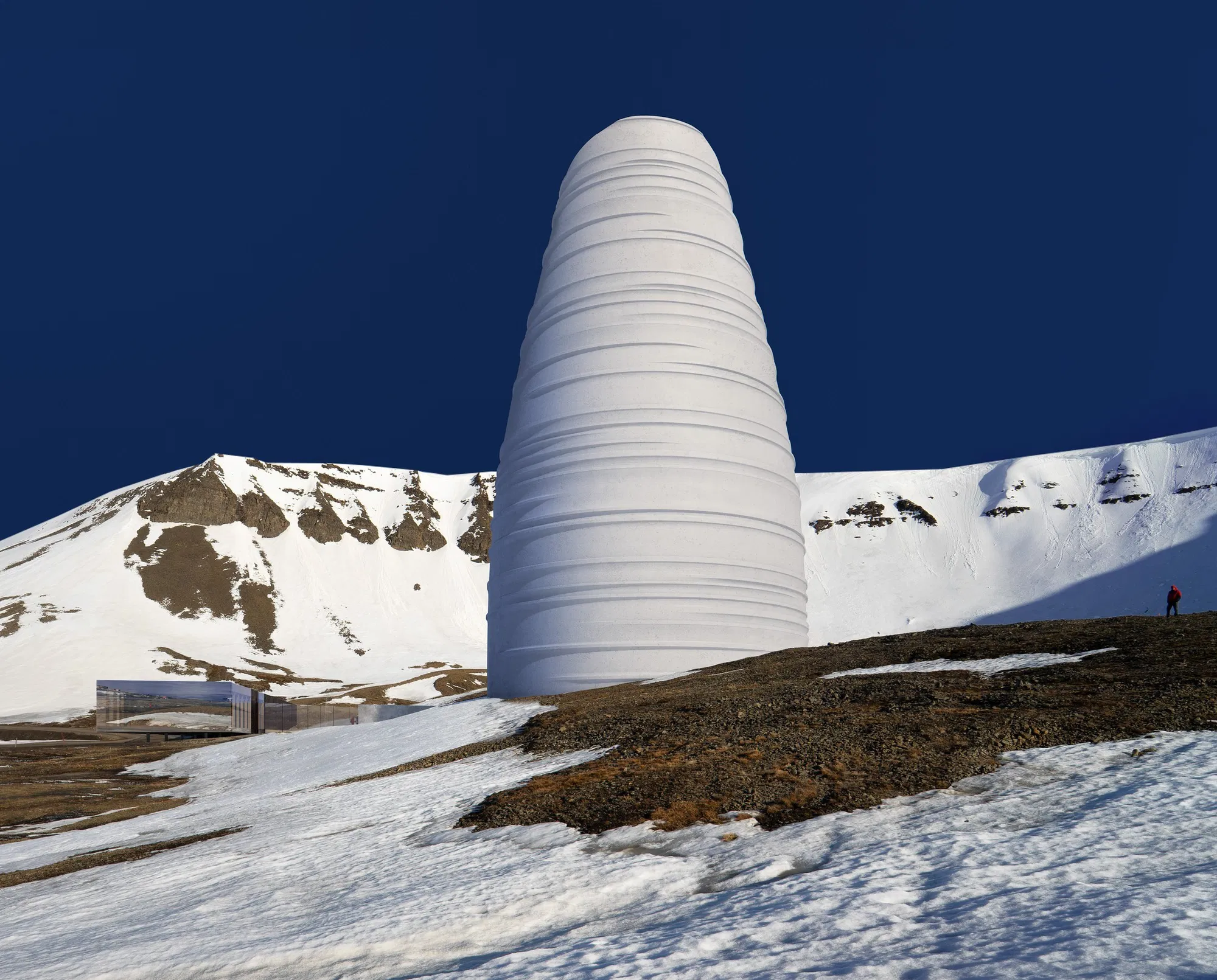
Building material selection is governed by two primary factors: thermal performance and transport logistics. As most materials must be imported, there is a strong emphasis on lightweight systems with high volumetric efficiency.
Insulation: Glass wool and rock wool are commonly used due to their fire resistance and availability. In addition, polyurethane foam (PUR) and expanded polystyrene (EPS) are increasingly favored, as they can be transported in a compressed state and expand on-site, reducing shipping volume.
Glazing: Modern structures utilize triple-glazed windows, often with 12 mm argon-filled cavities, allowing for optimal daylight capture while providing uninterrupted views of the Arctic landscape.
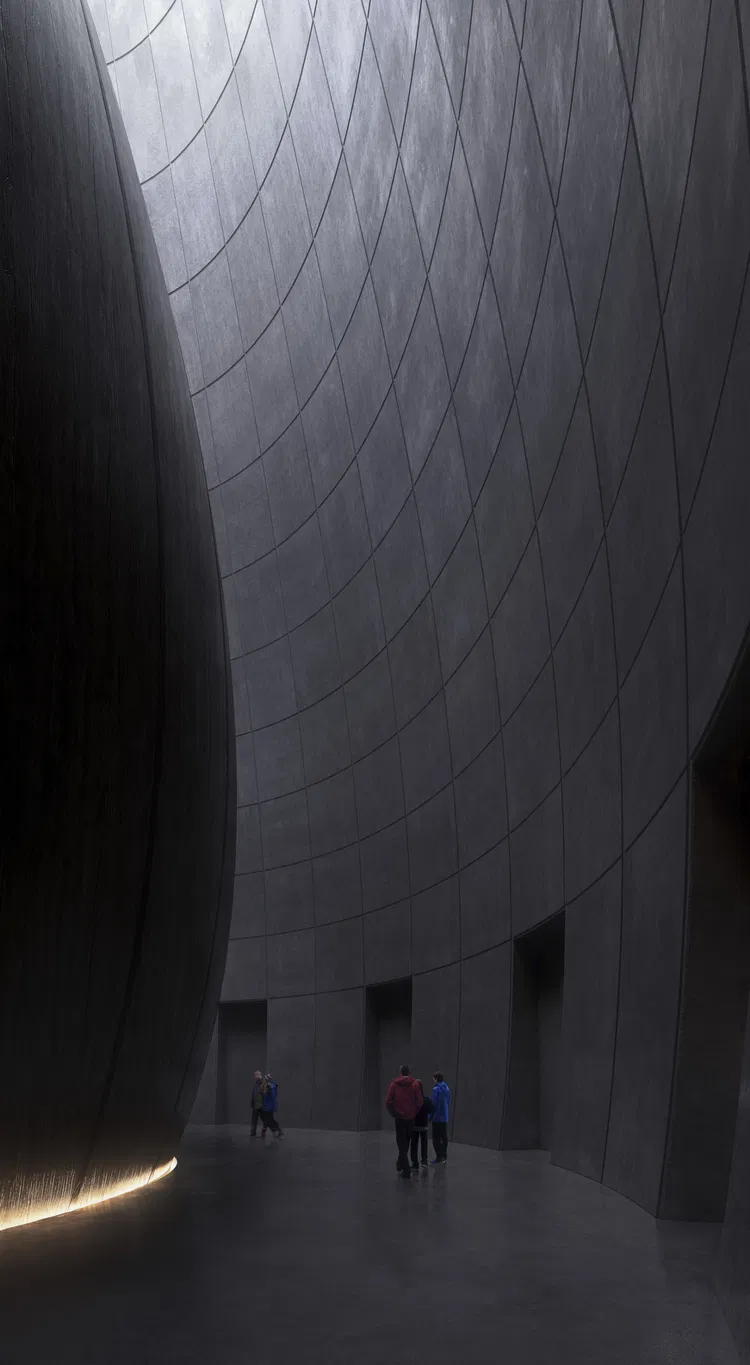
Airtightness: To prevent moisture condensation within structural cavities, which can lead to mold growth and material decay, designers typically employ continuous external airtight insulation membranes or boards.
Modern Greenlandic Architecture
In the 21st century, a new wave of architecture in Greenland has sought to move beyond mere survival, creating structures that respond to the complexity of nature while addressing the social, cultural, and ecological needs of its population.
1. The Katuaq Cultural Centre in Nuuk
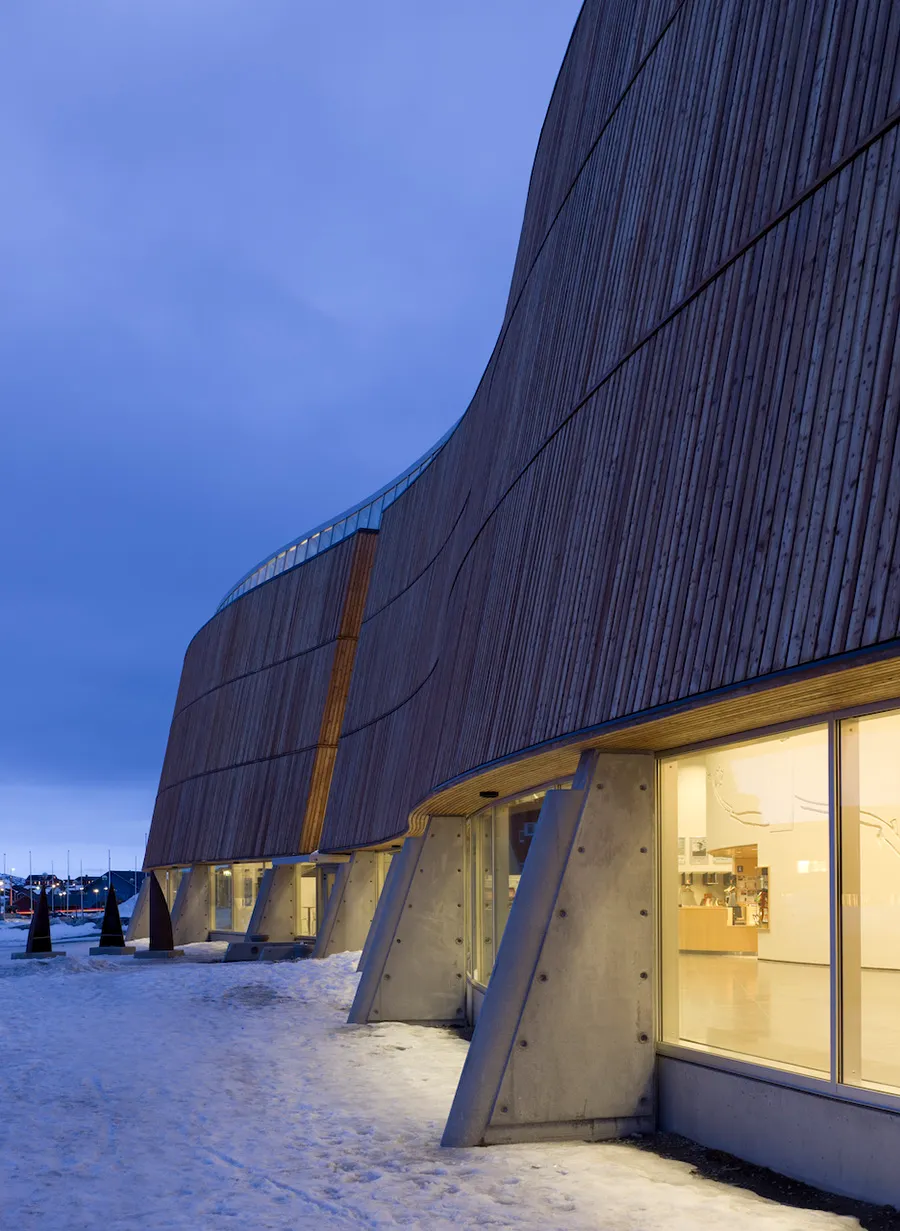
Location: Nuuk 3900, Greenland
Completion year: 1997
Architect: Schmidt Hammer Lassen Architects
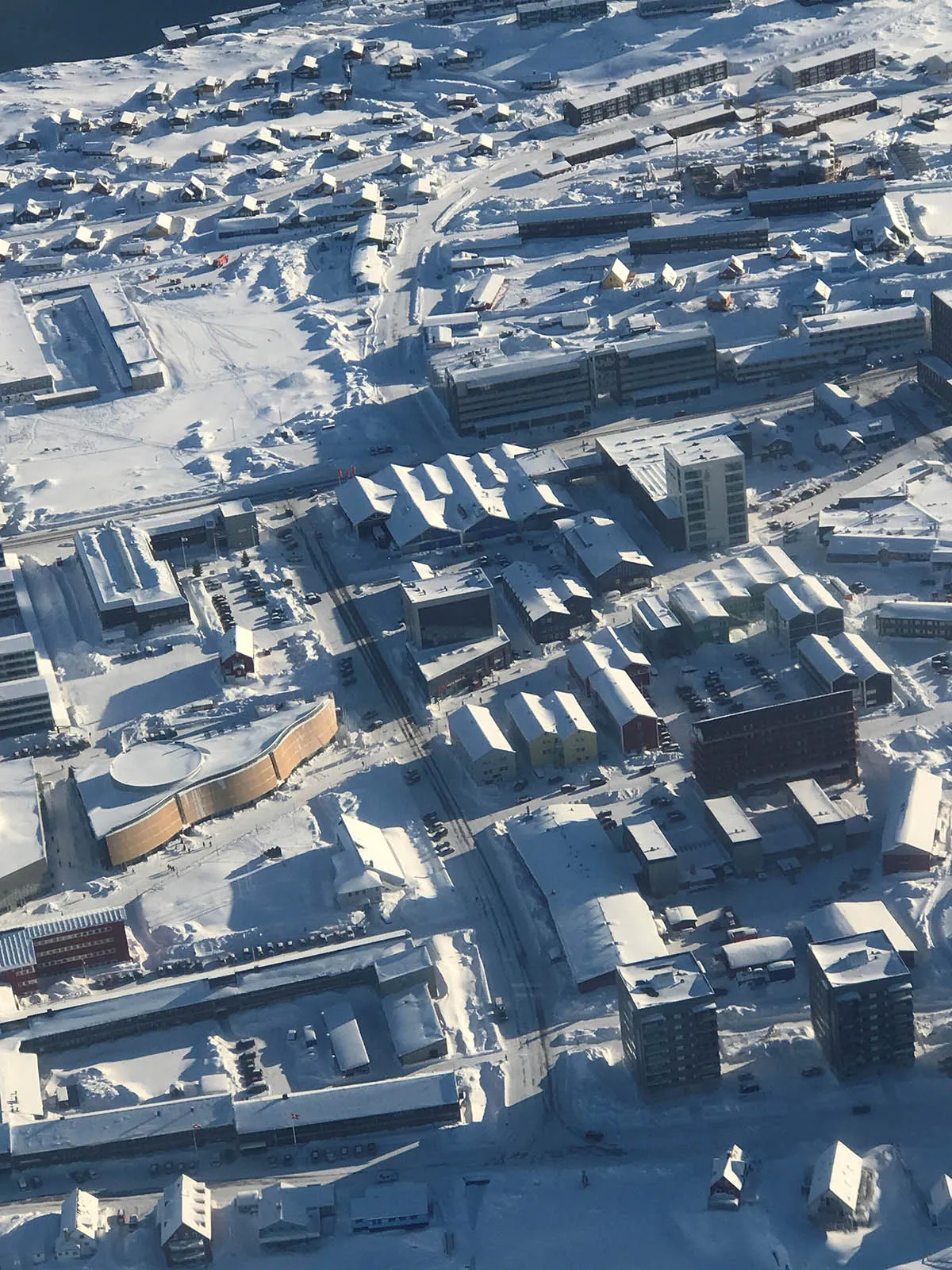
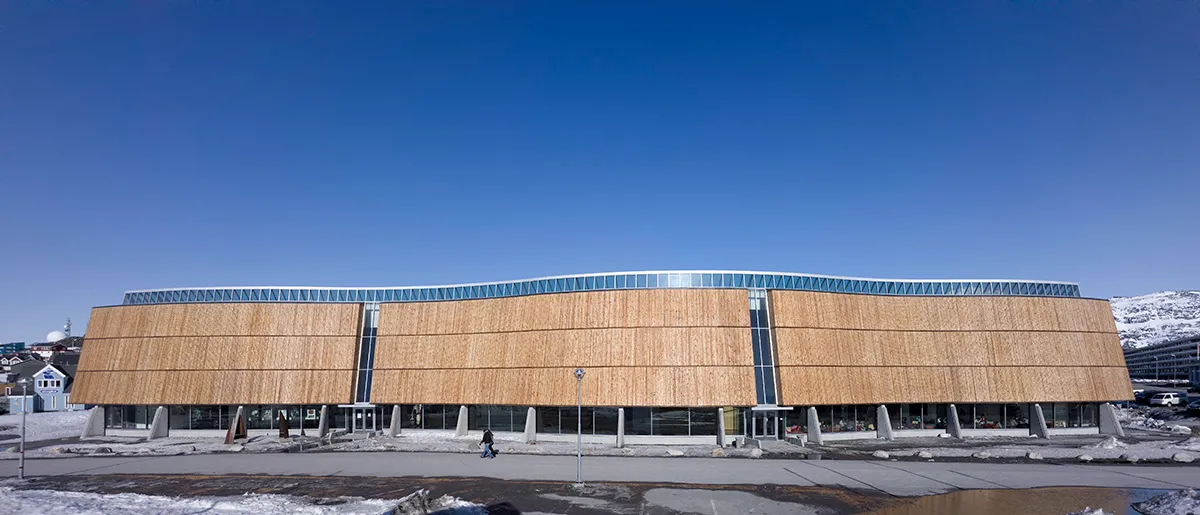
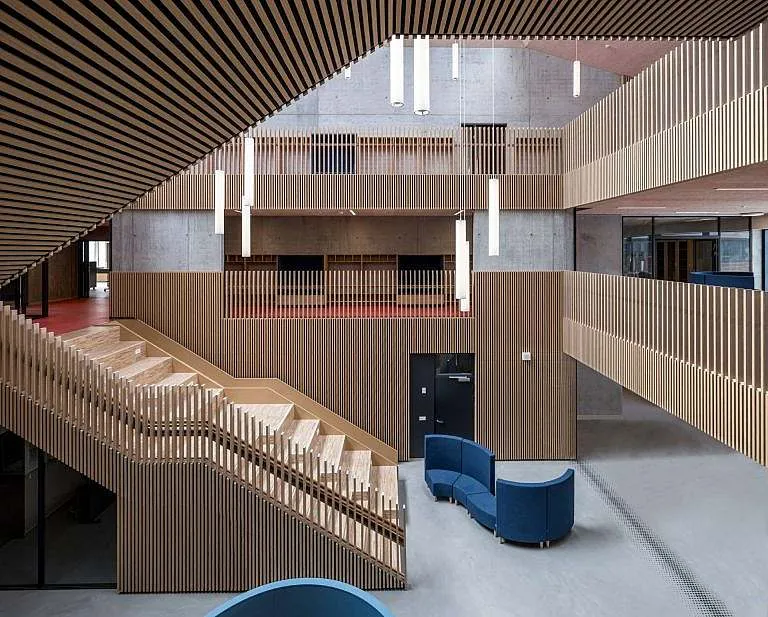
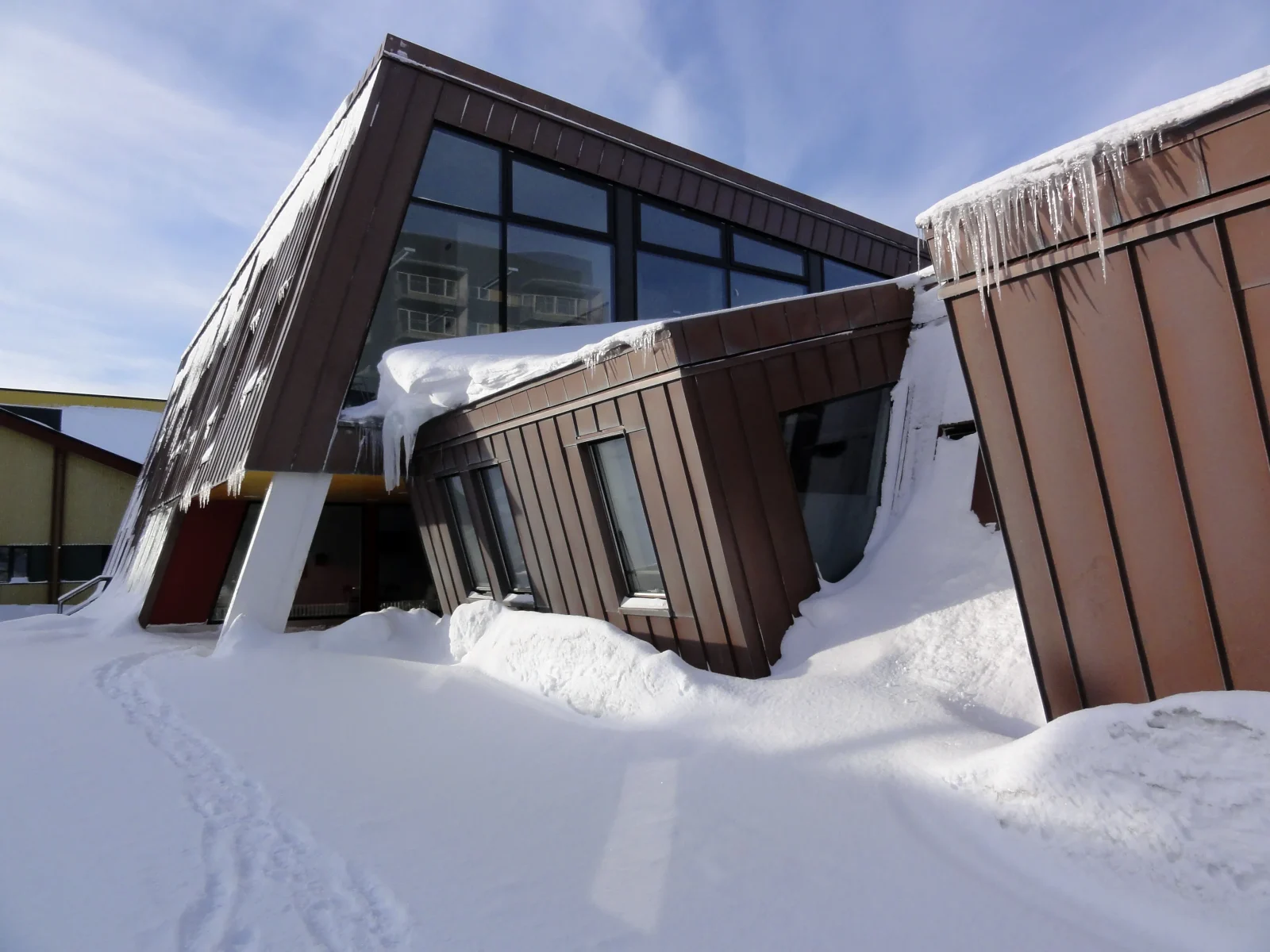
Exemplifying modern Greenlandic architecture, the Katuaq Cultural Centre, designed by Schmidt Hammer Lassen, features an undulating, backwards-leaning screen clad in golden larch wood. This sustainable screen acts as a metaphor for the Northern Lights (Aurora Borealis), while the dark, monolithic structure behind it evokes the surrounding icy mountains. The foyer functions as a vital public gathering space in a city where climatic conditions often limit outdoor social life.
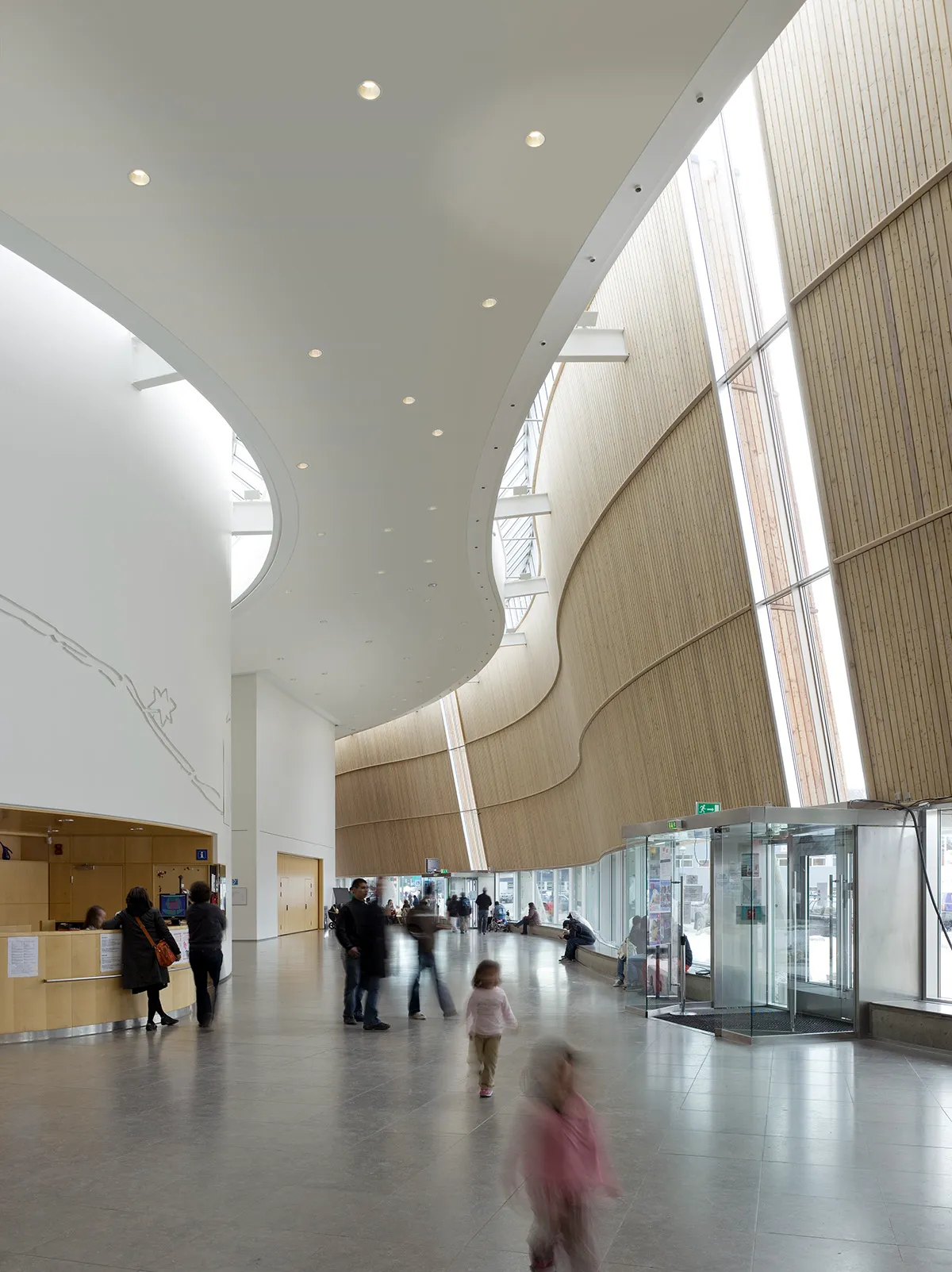
The building accommodates a television studio, a library, and a large auditorium known as the Hans Lynge Hall. The central interior is organized around three distinct geometric volumes that house its primary functions: a cylindrical form containing the multipurpose auditorium, a triangular volume housing the cafe, and a square volume dedicated to the TV studio.
2. Ilulissat Icefjord Centre
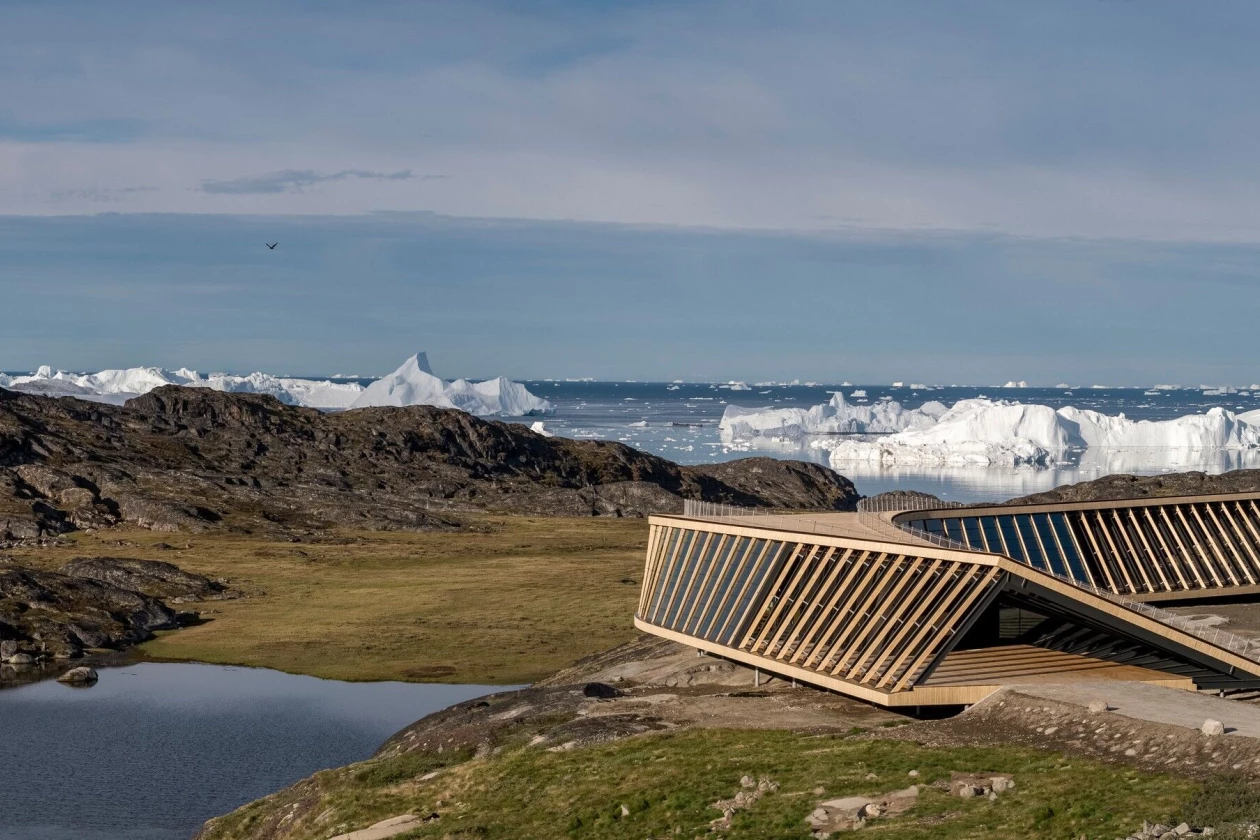
Location: Ilulissat, Greenland
Completion year: 2021
Architect: Dorte Mandrup
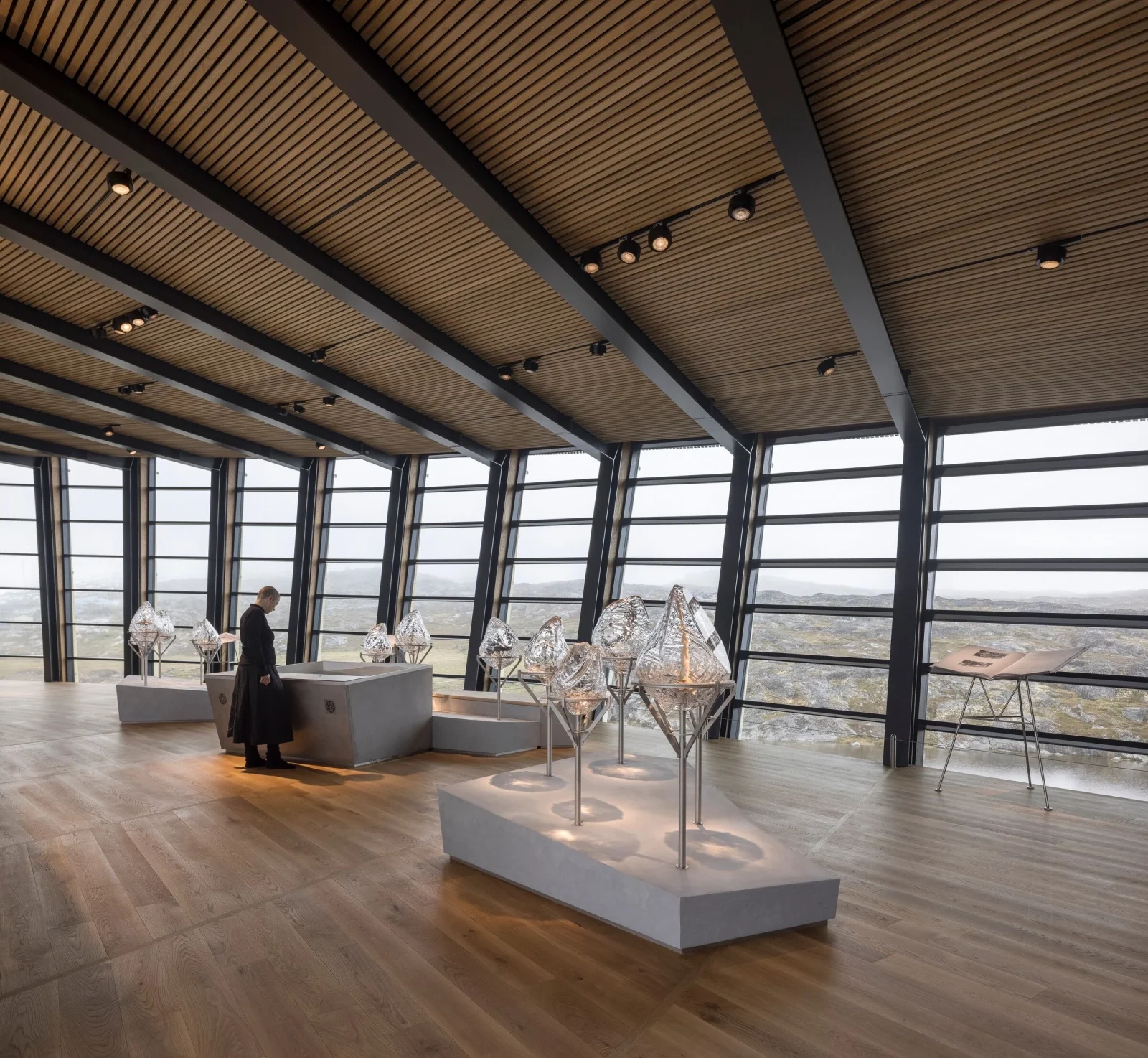
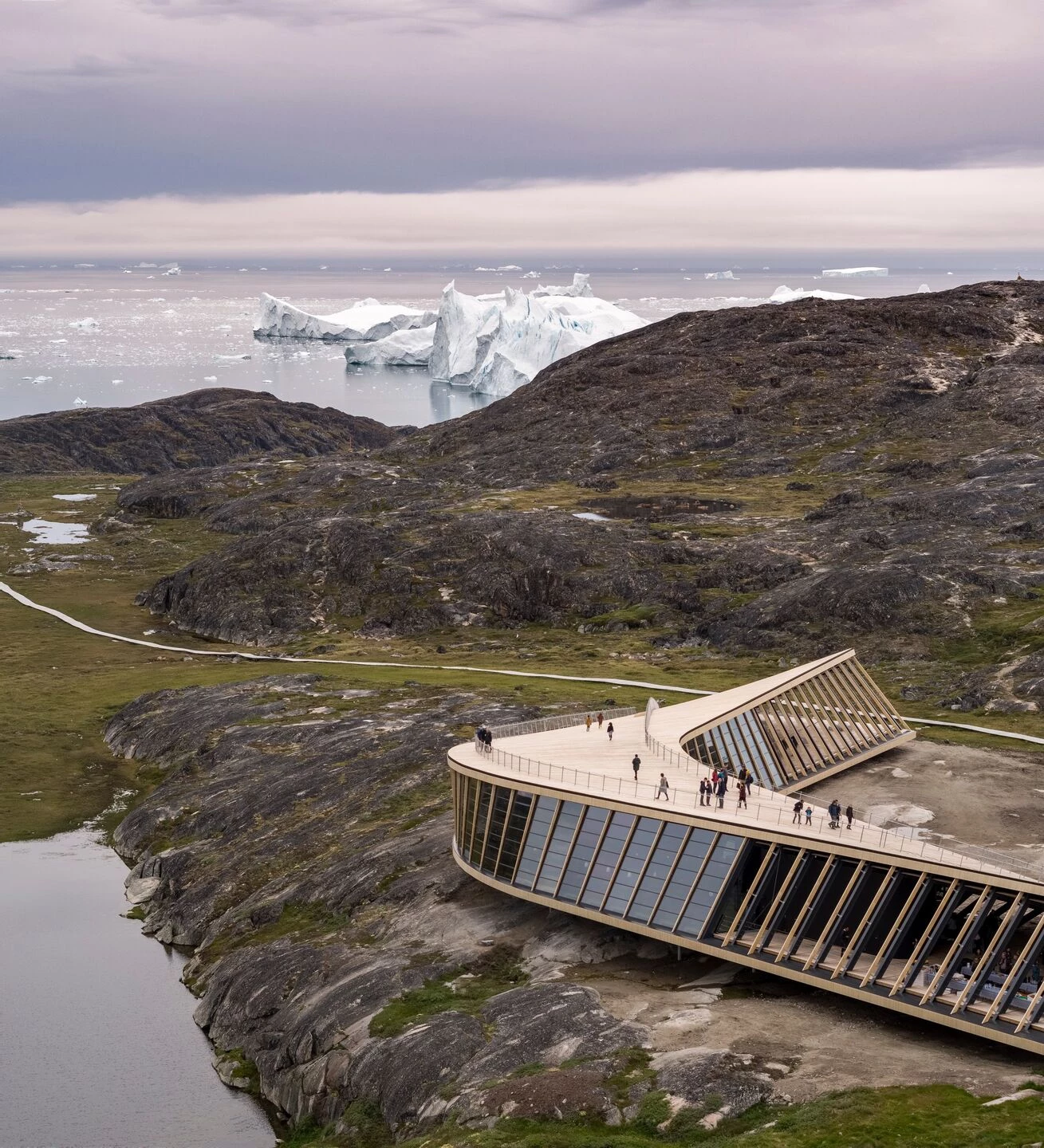
Designed by Danish architect Dorte Mandrup, this visitor centre and research hub is a climate-responsive structure located at the edge of the UNESCO-protected Kangia Icefjord. Its aerodynamic, wing-like form is inspired by the flight of a snowy owl, allowing Arctic winds to sweep snow away from the façade. Elevated on steel piles, the building permits meltwater to follow its natural path into Lake Sermermiut.
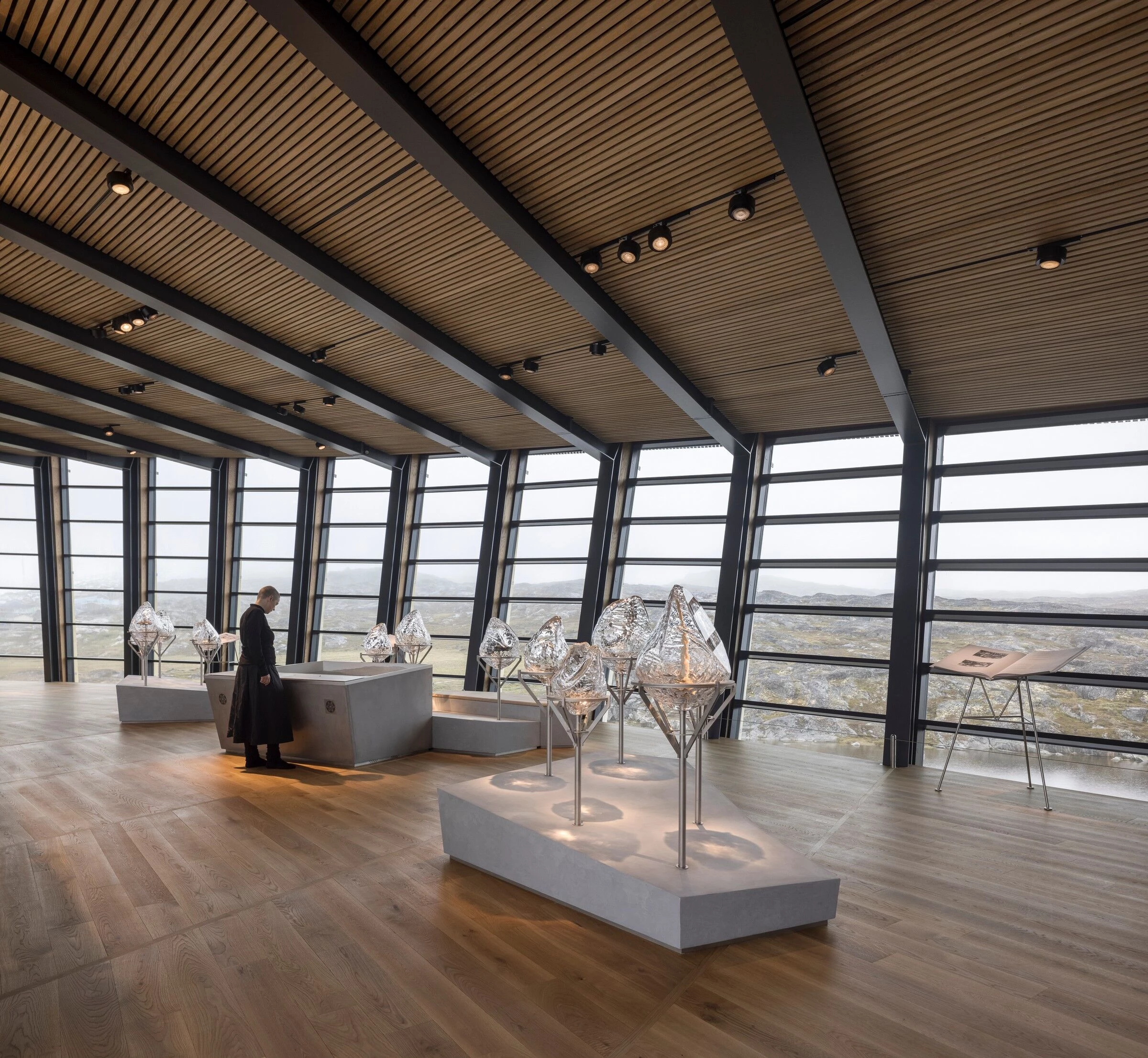
The structure comprises 52 unique steel frames that gradually rotate to create the building’s signature twist. The built form utilizes approximately 400 tonnes of steel and recycled oak, combined with triple-glazed façades that offer panoramic views of the icebergs. The rooftop functions as a public boardwalk, seamlessly connecting the town of Ilulissat to the World Heritage Path.
3. Qaammat Pavilion (Sarfannguit)
Location: Sarfannguit, Greenland
Completion year: 2024
Architect: Konstantin Ikonomidis
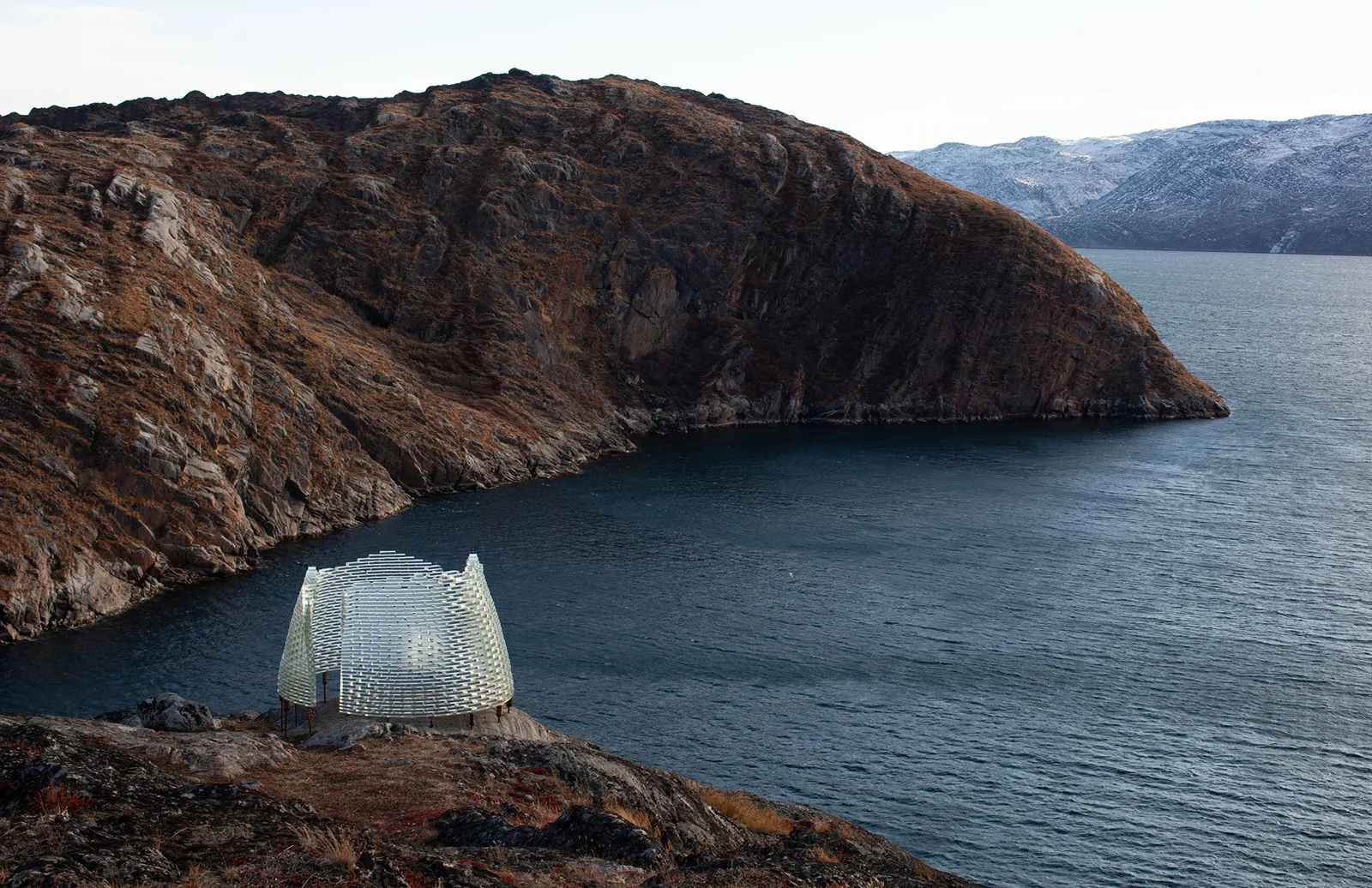
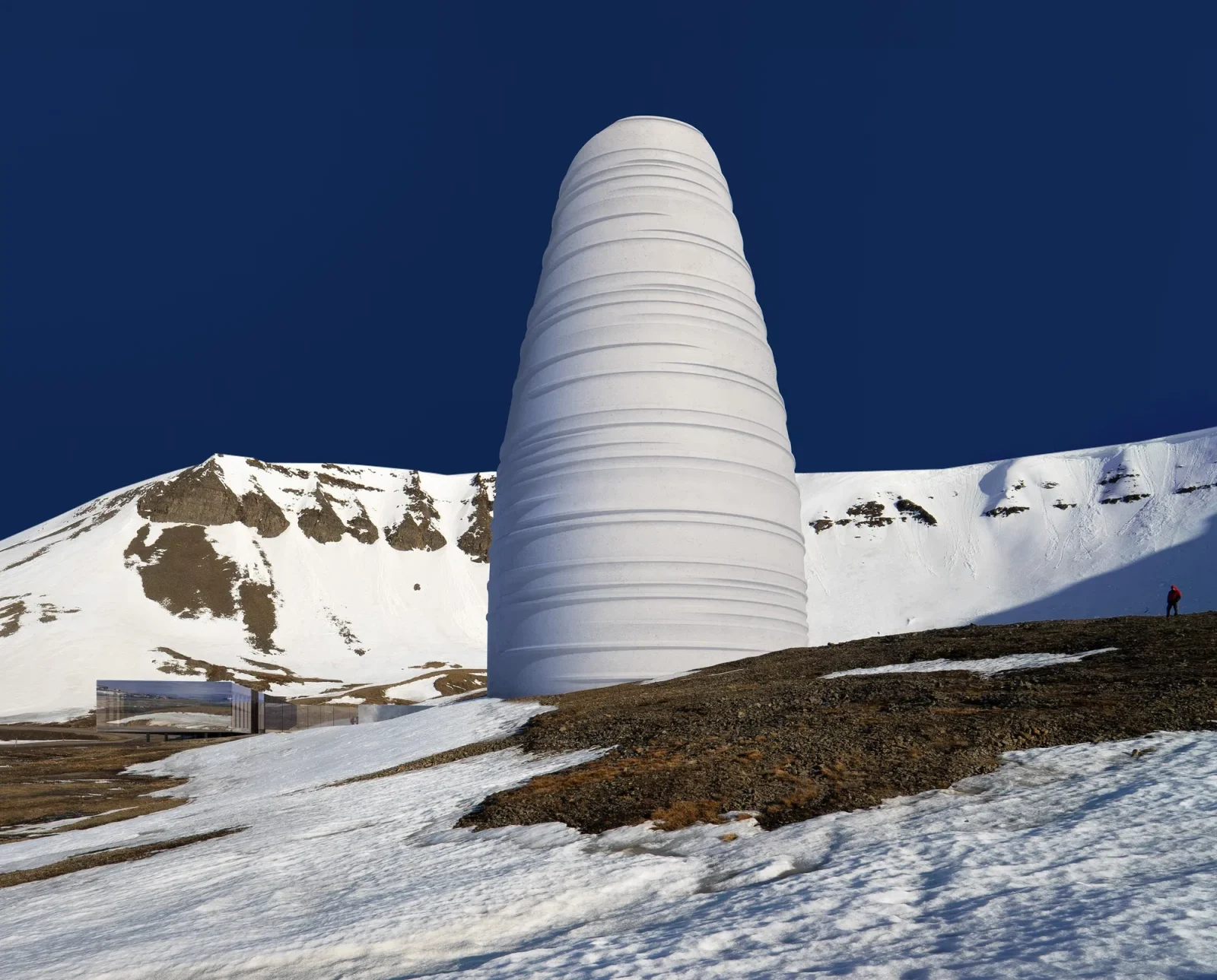
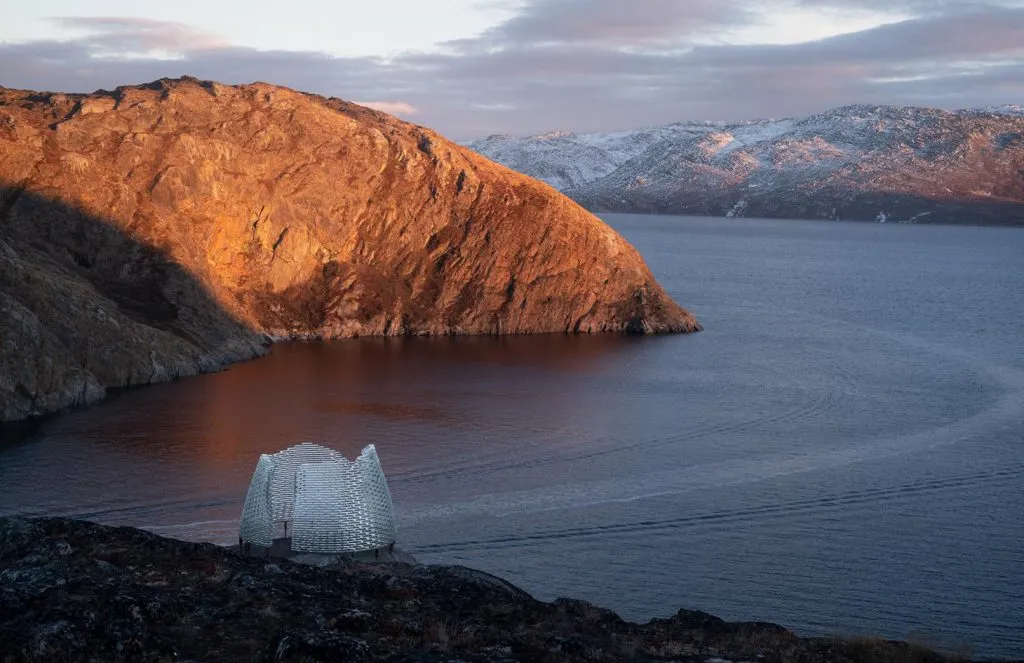
An architectural installation at the UNESCO World Heritage Site of Sarfannguit, Greenland, serves as a landmark celebrating the intangible cultural heritage and traditional knowledge of the Arctic environment. Deeply rooted in local mythology and the surrounding landscape, the design draws inspiration from traditional Inuit stone structures used for navigation and the marking of sacred sites. The installation features two curved walls of glass bricks, forming a circular, semi-open space with two narrow openings.
Composed of 1,200 solid cast-glass bricks, the pavilion is anchored directly into the bedrock using 40 mm drilled holes and metal poles. One of the project’s key innovations was the development of a specialized, fast-curing adhesive in collaboration with researchers from TU Delft, capable of withstanding extreme Arctic temperatures and high levels of UV exposure.
Nuuk Urban Growth: Sustainable Arctic City Planning
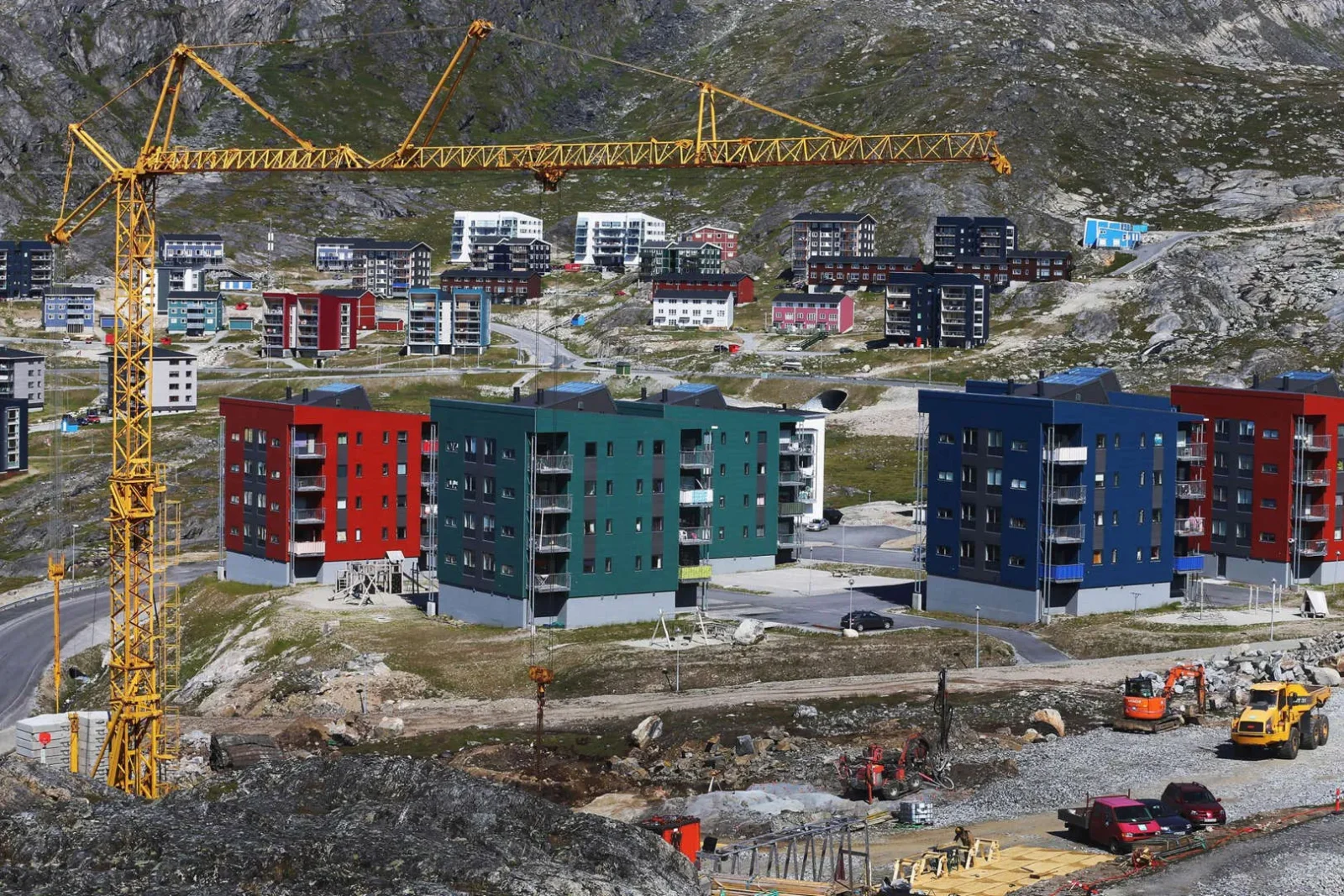
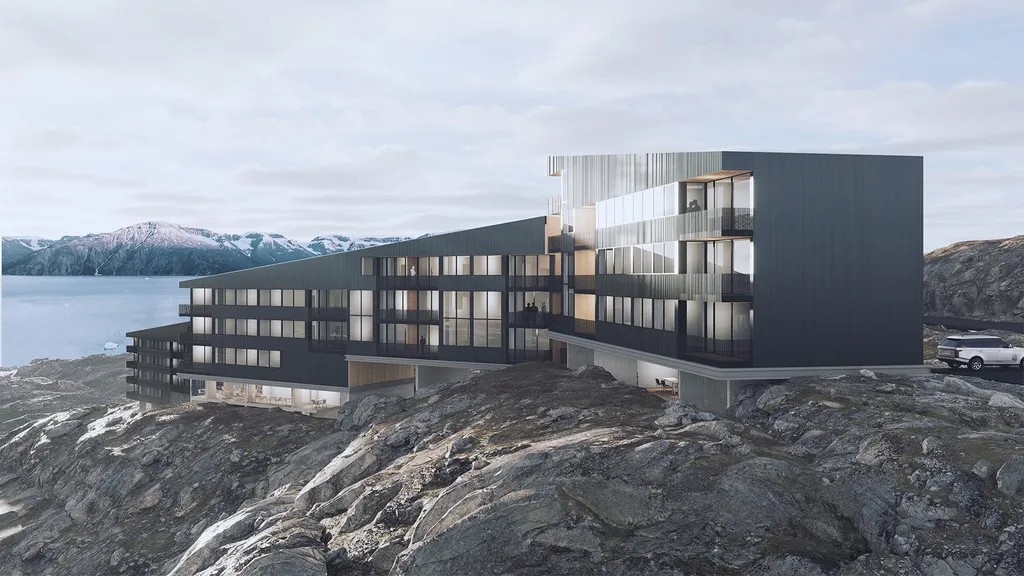
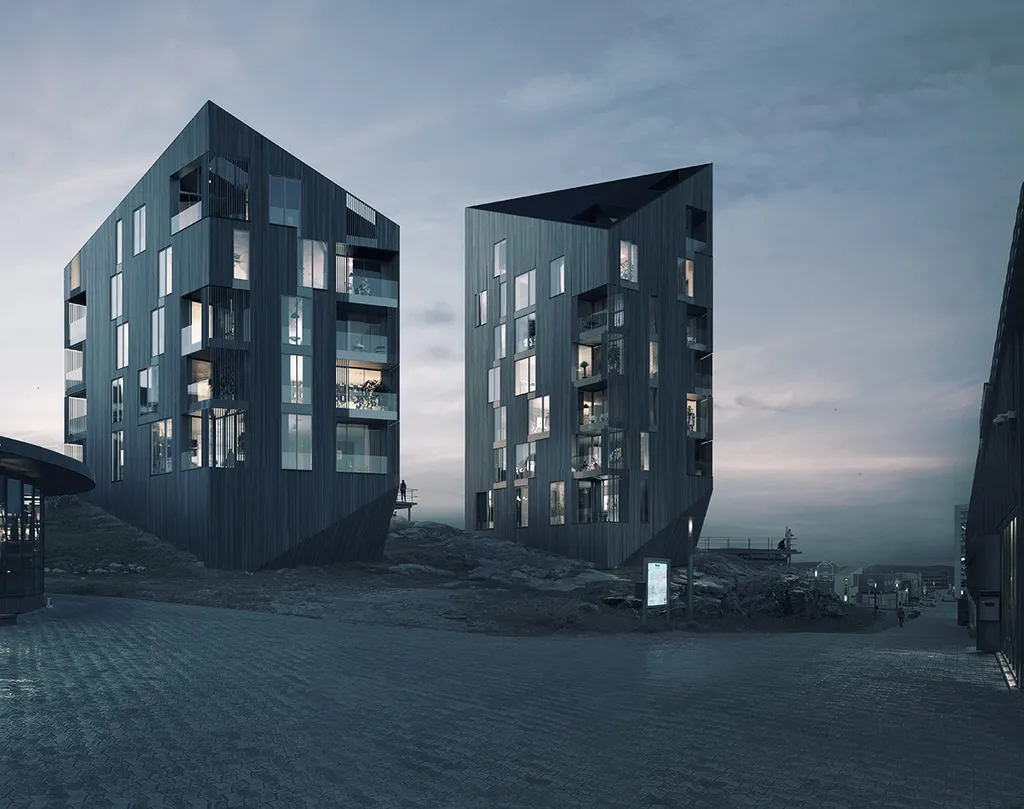
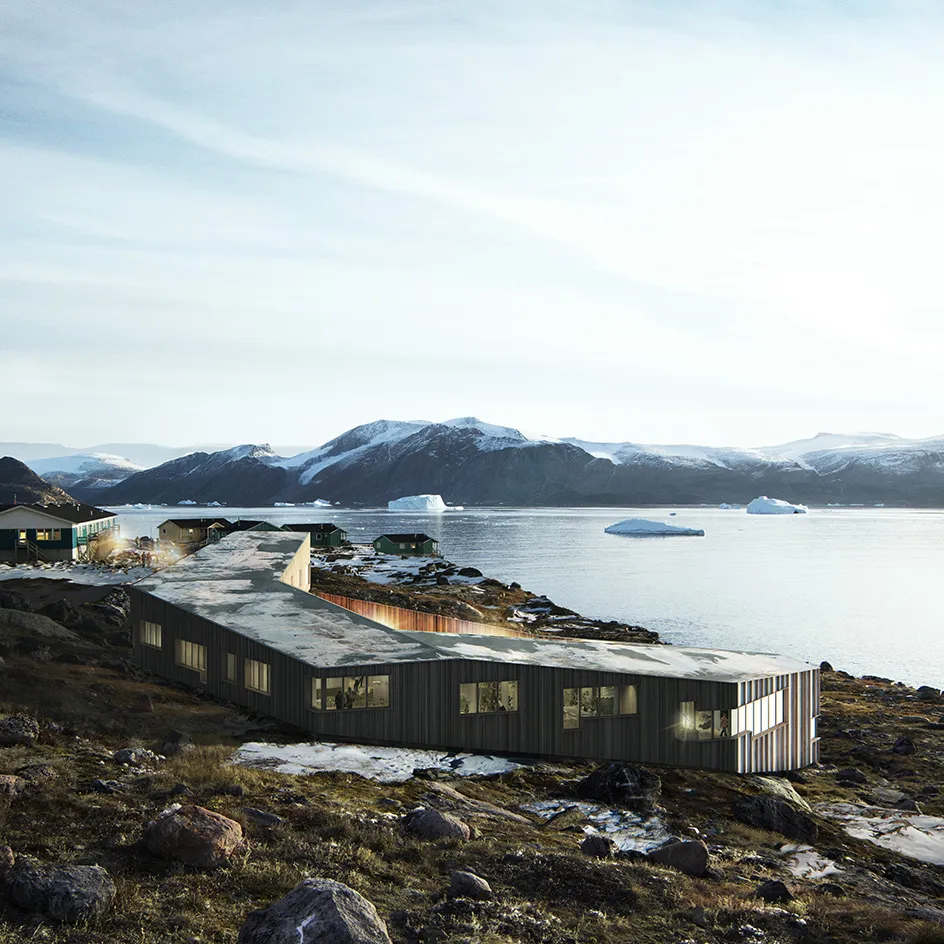
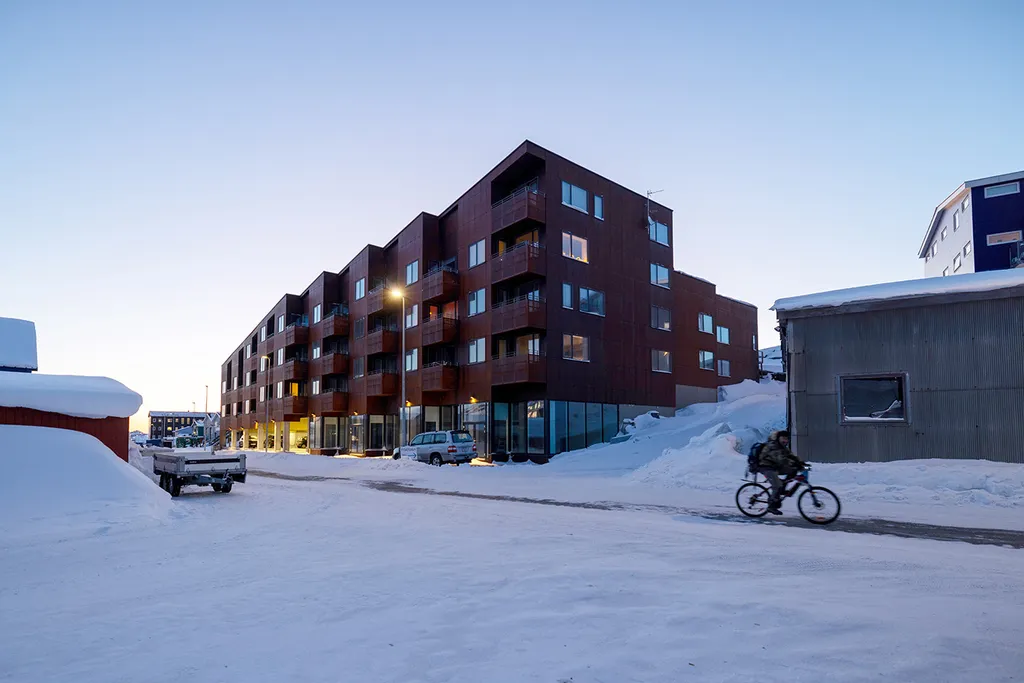
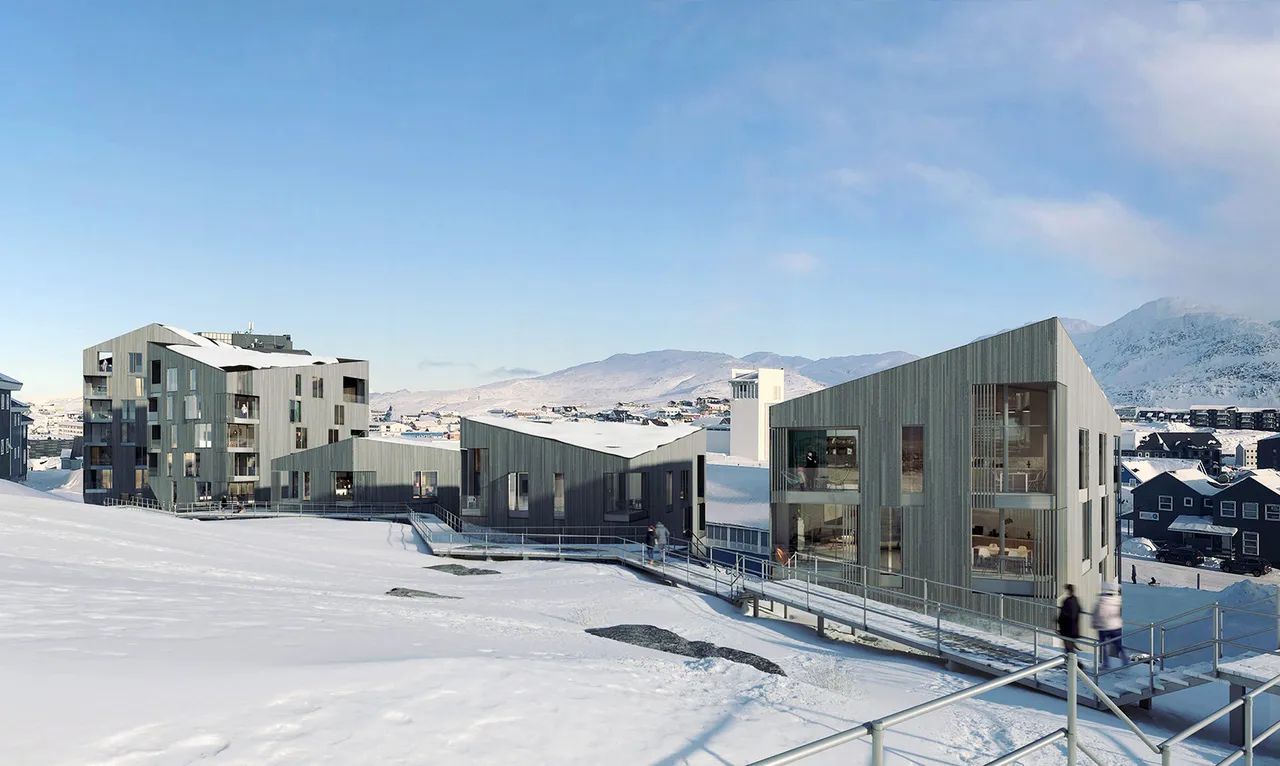
Nuuk is experiencing significant population growth, necessitating new strategies for urban development. The new masterplan for the Blok P and Tujuuk areas focuses on regenerating wetlands and lThe new masterplan for the Blok P and Tujuuk areas focuses on regenerating wetlands and landscapes. Housing is designed in cluster formations to break wind flow and create protected courtyards that encourage community engagement. The Siorarsiorfik project, developed by the Nordic Office of Architecture, emphasizes sustainability and human-centric design.
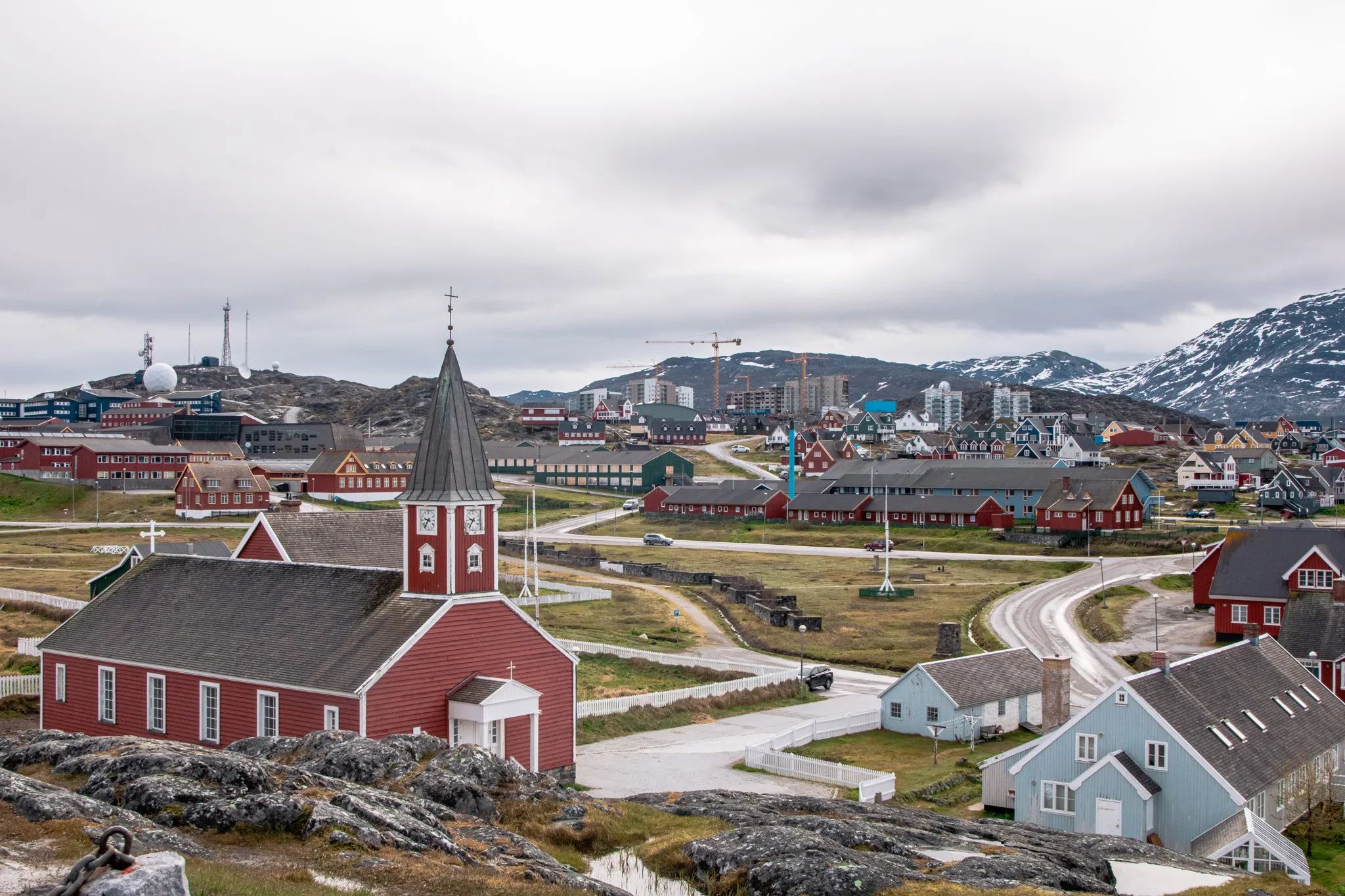
Nuuk is also working toward becoming the first capital city in the world to be certified under the EarthCheck Destination Standard, a commitment to monitoring and improving environmental performance in areas such as greenhouse gas emissions and water consumption. Greenland currently derives 70% of its energy from hydropower, intending to reach 90% in the coming years. Large-scale projects like the 76 MW Buksefjord-3 hydropower plant will provide the energy needed to decarbonize Nuuk’s heating and district electricity systems.
Future of Greenland Architecture
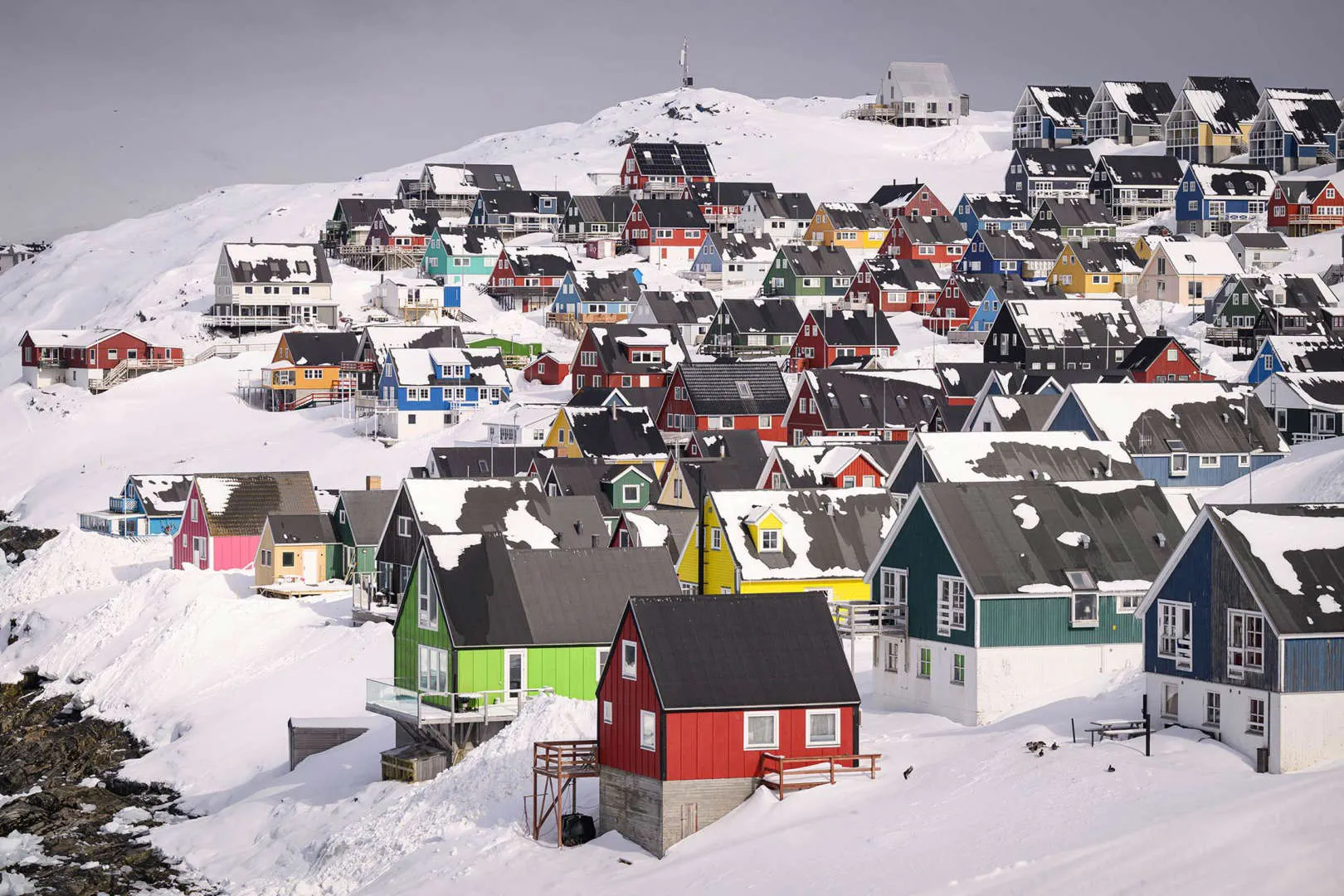
The future of architecture in Greenland lies in balancing the infinite complexities of nature with the intimate needs of human communities. As the climate changes, traditional strategies such as nomadic flexibility and turf insulation are being reinterpreted through the lens of modern building design. Designers are embracing emerging technologies like mycelium-based biocomposites, which offer a carbon-negative alternative for building blocks and insulation. By integrating community-driven approaches, climate-responsive urban planning, advanced foundation engineering, and high-performance materials, Greenland is shaping a built environment that is both resilient to its surroundings and deeply connected to its cultural roots.
Explore Courses
.jpg "Ondrej Chybik - Rethinking Architecture")