

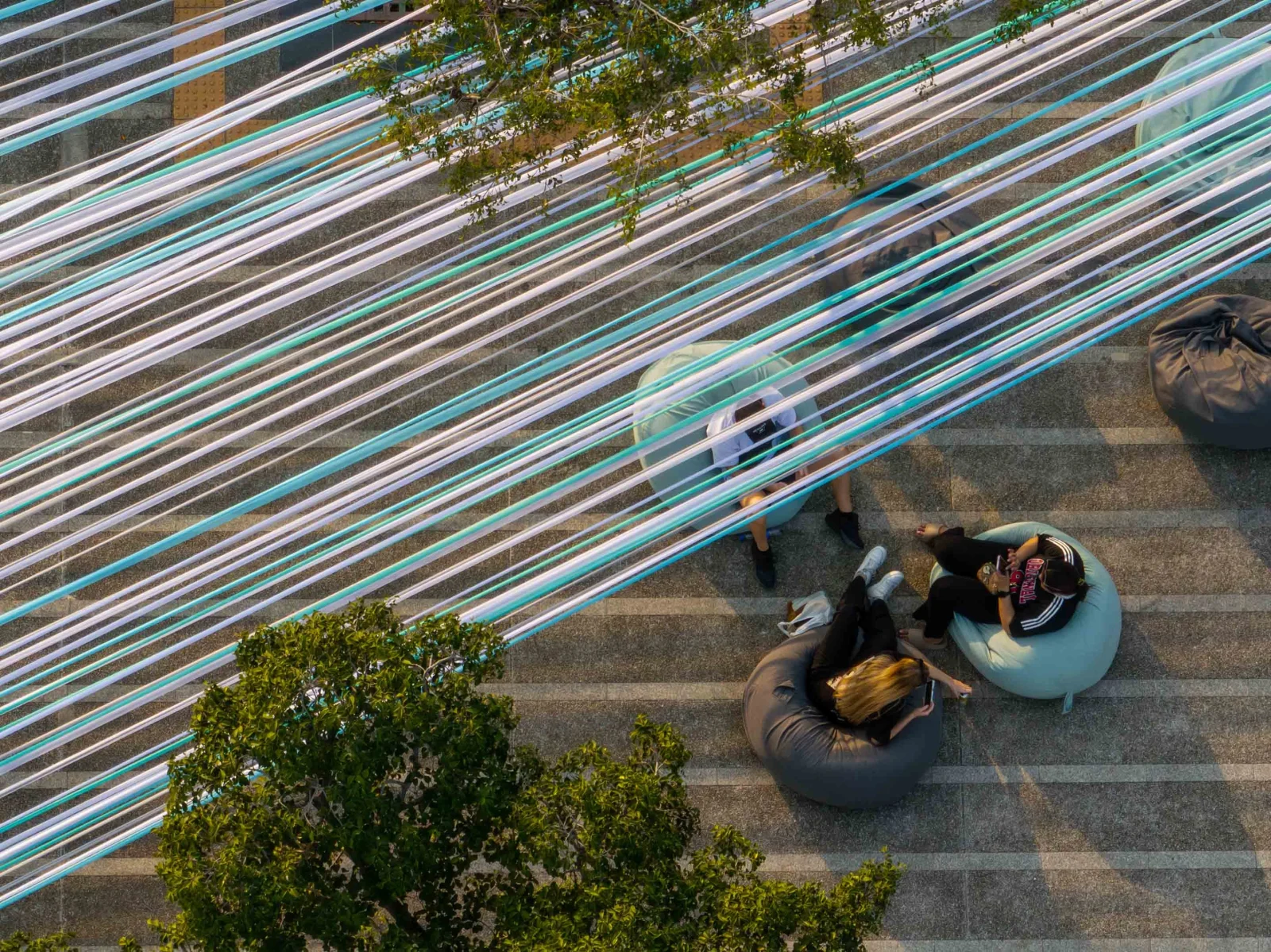
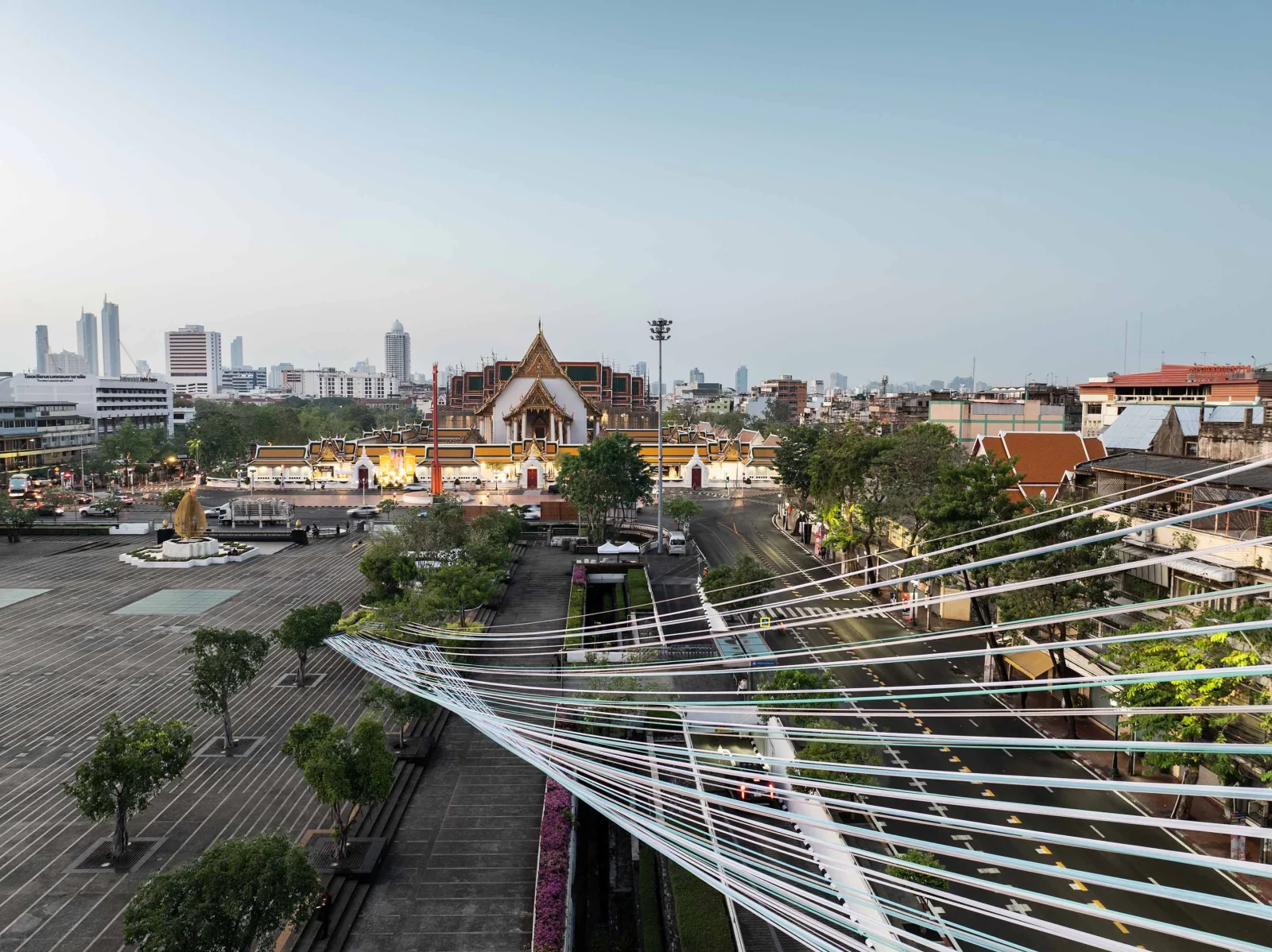
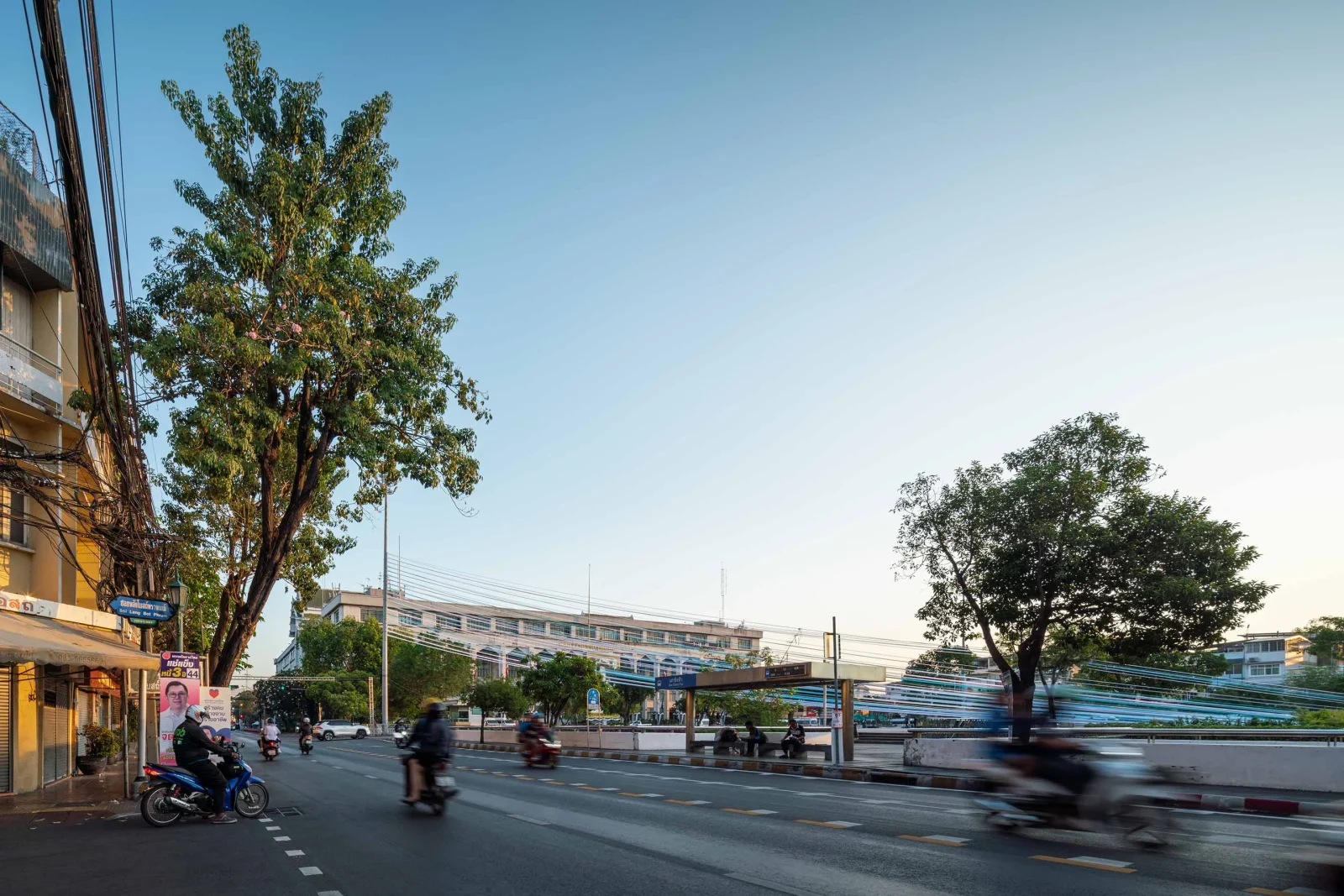
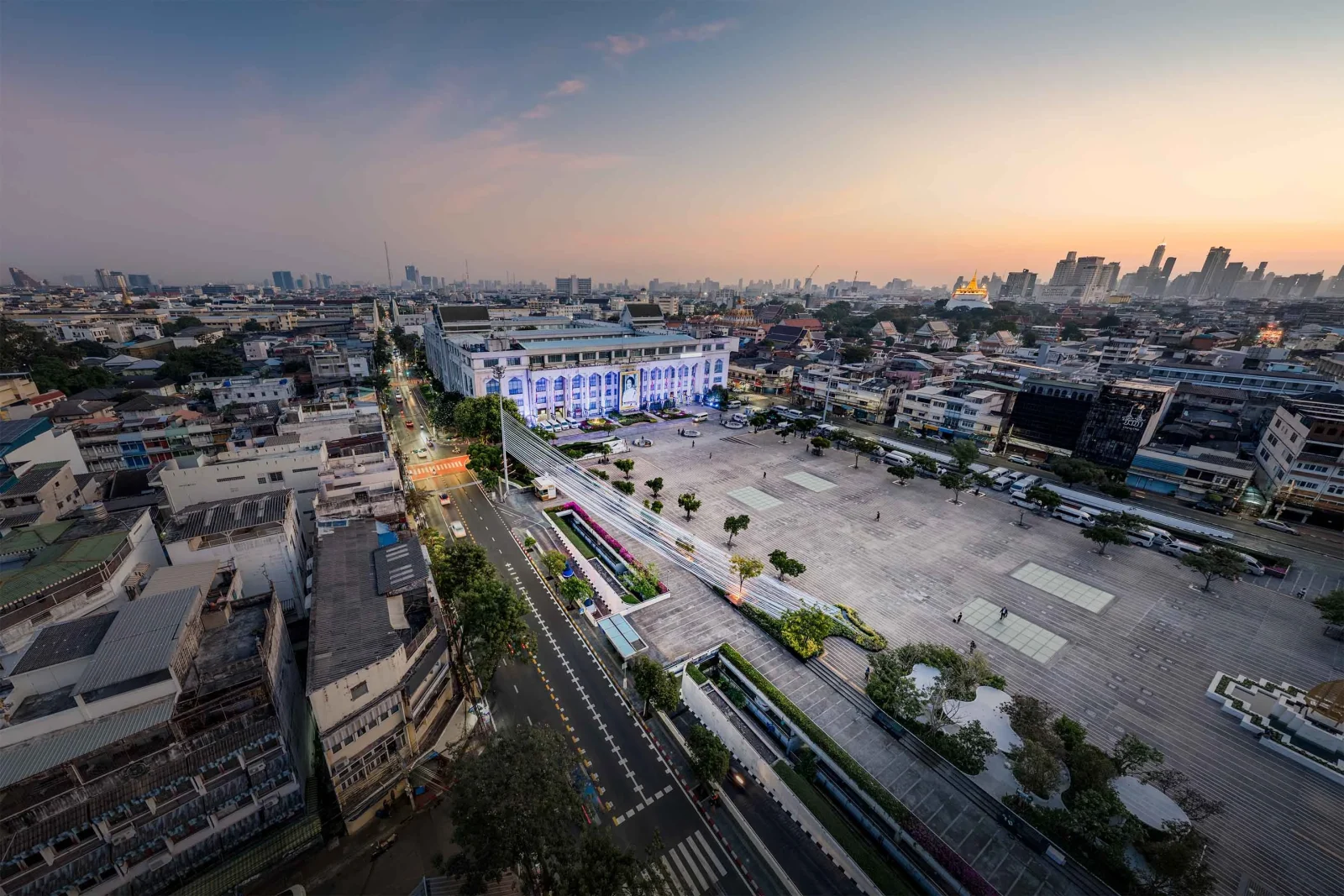
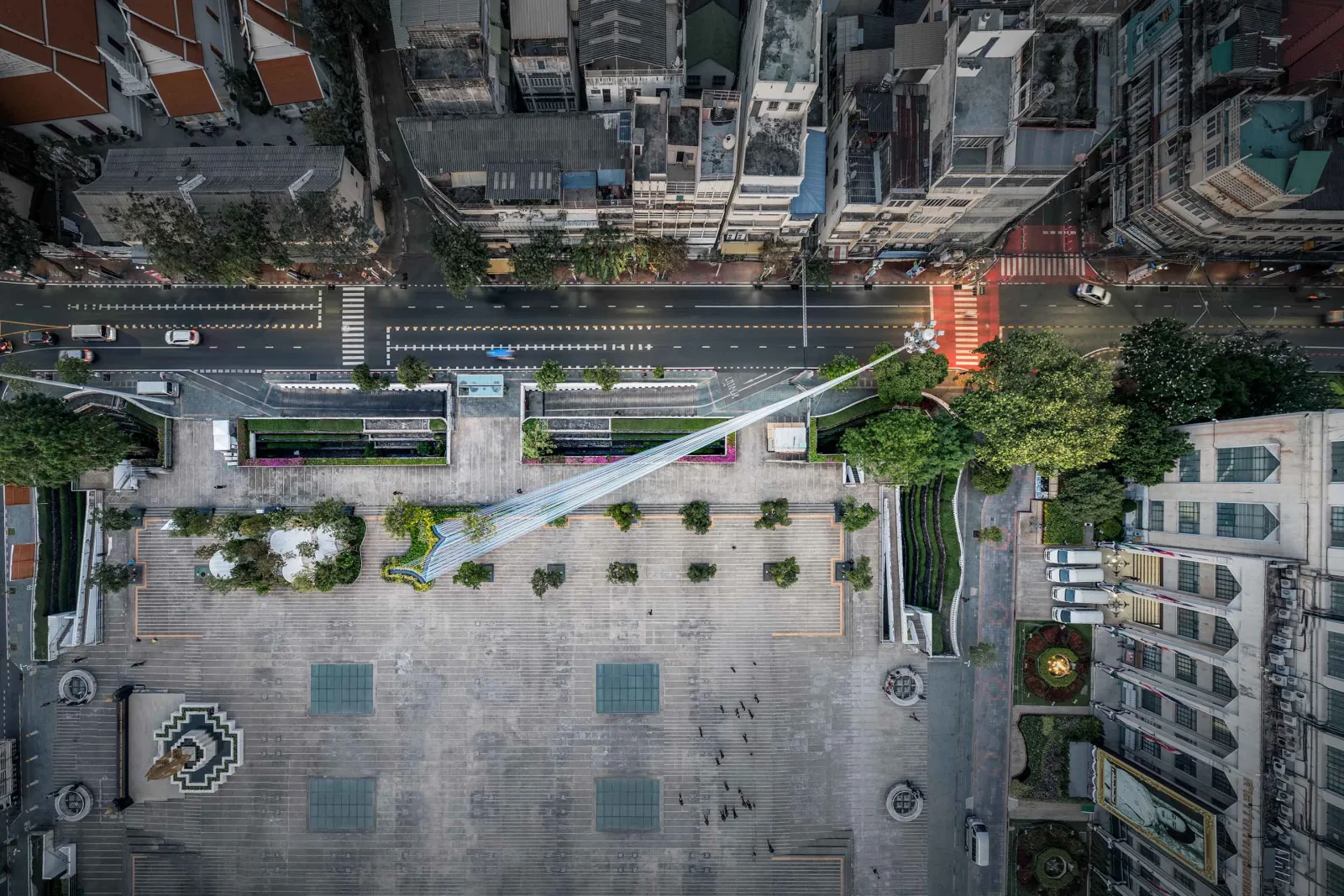
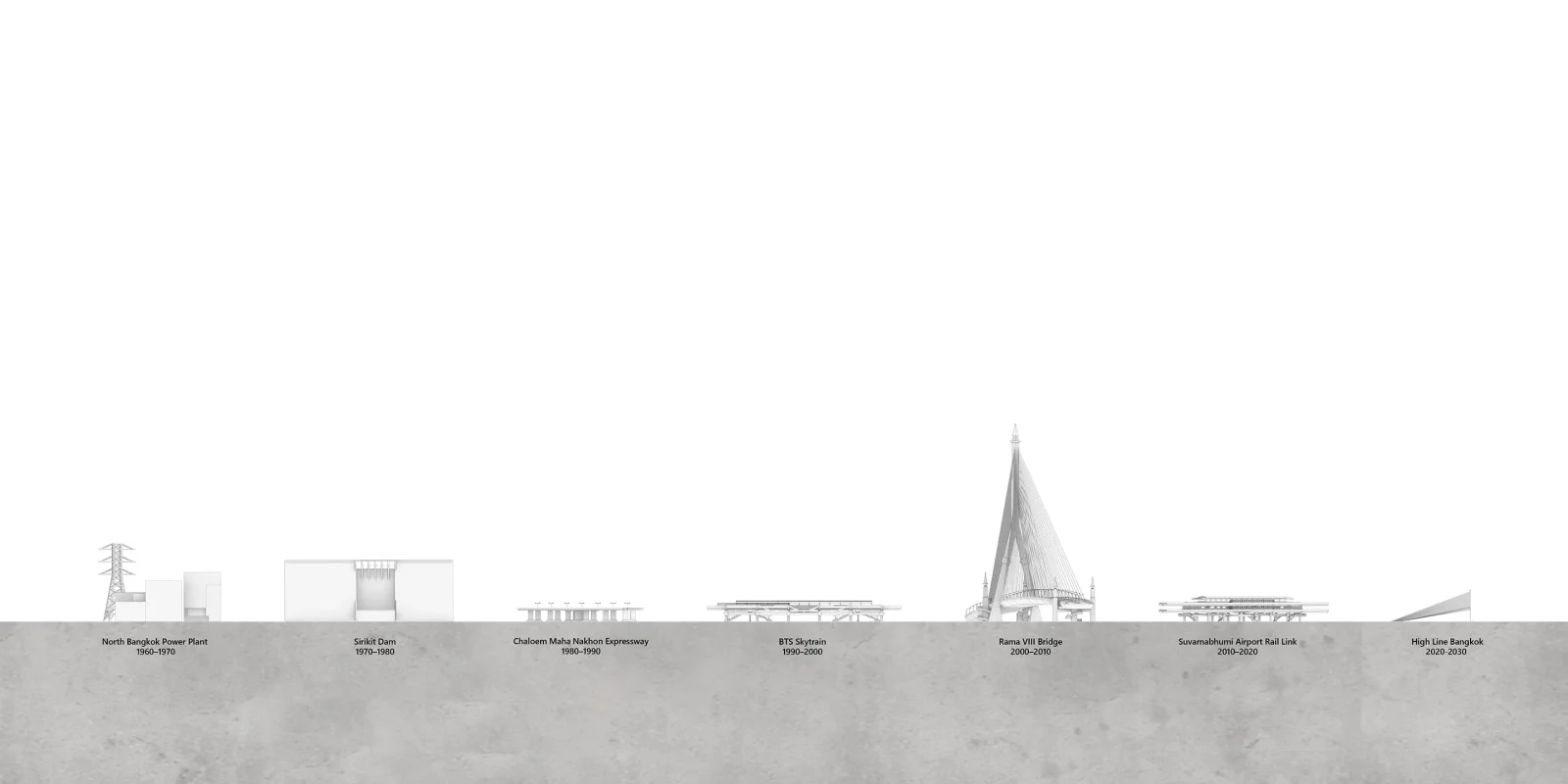
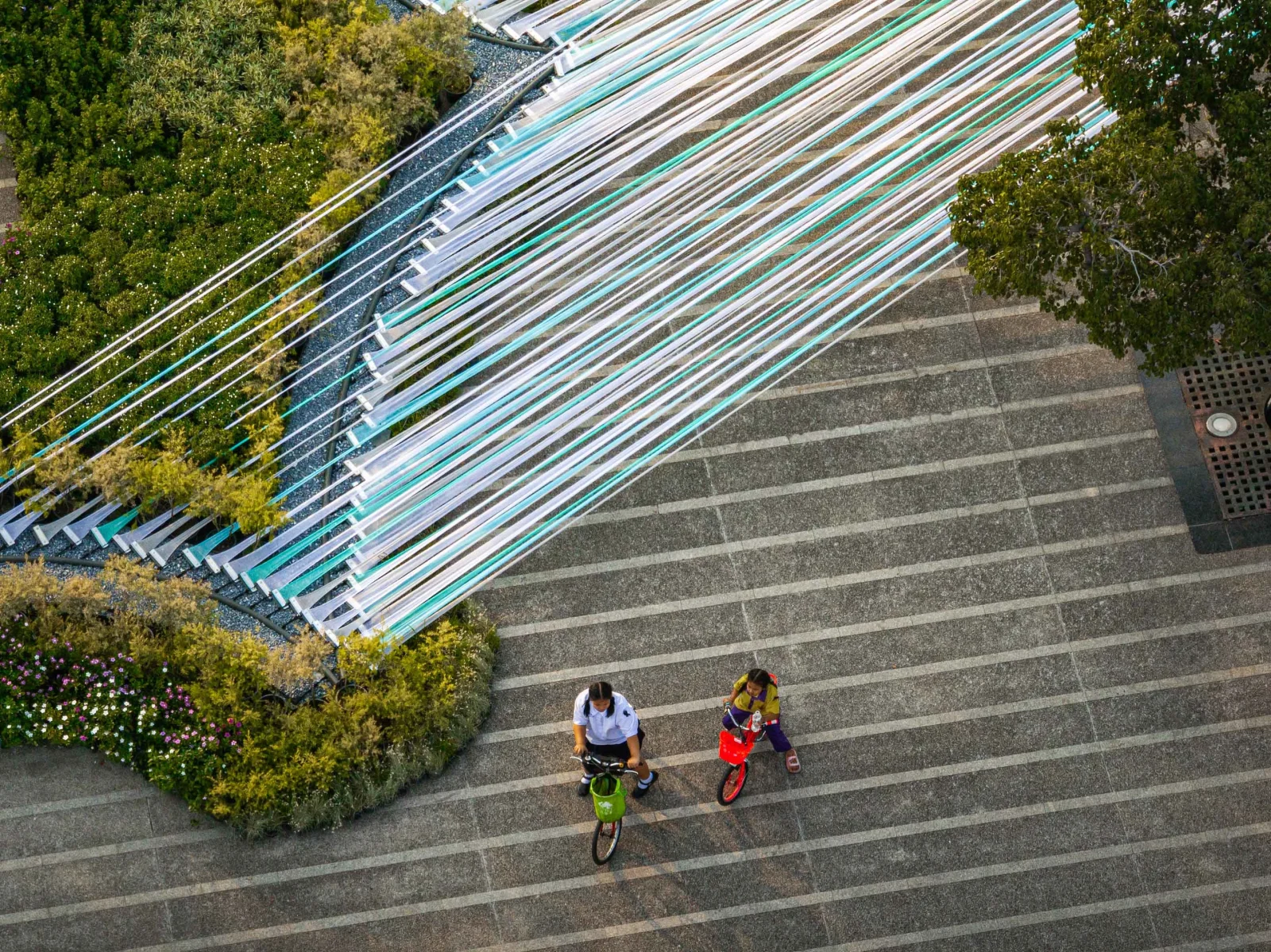
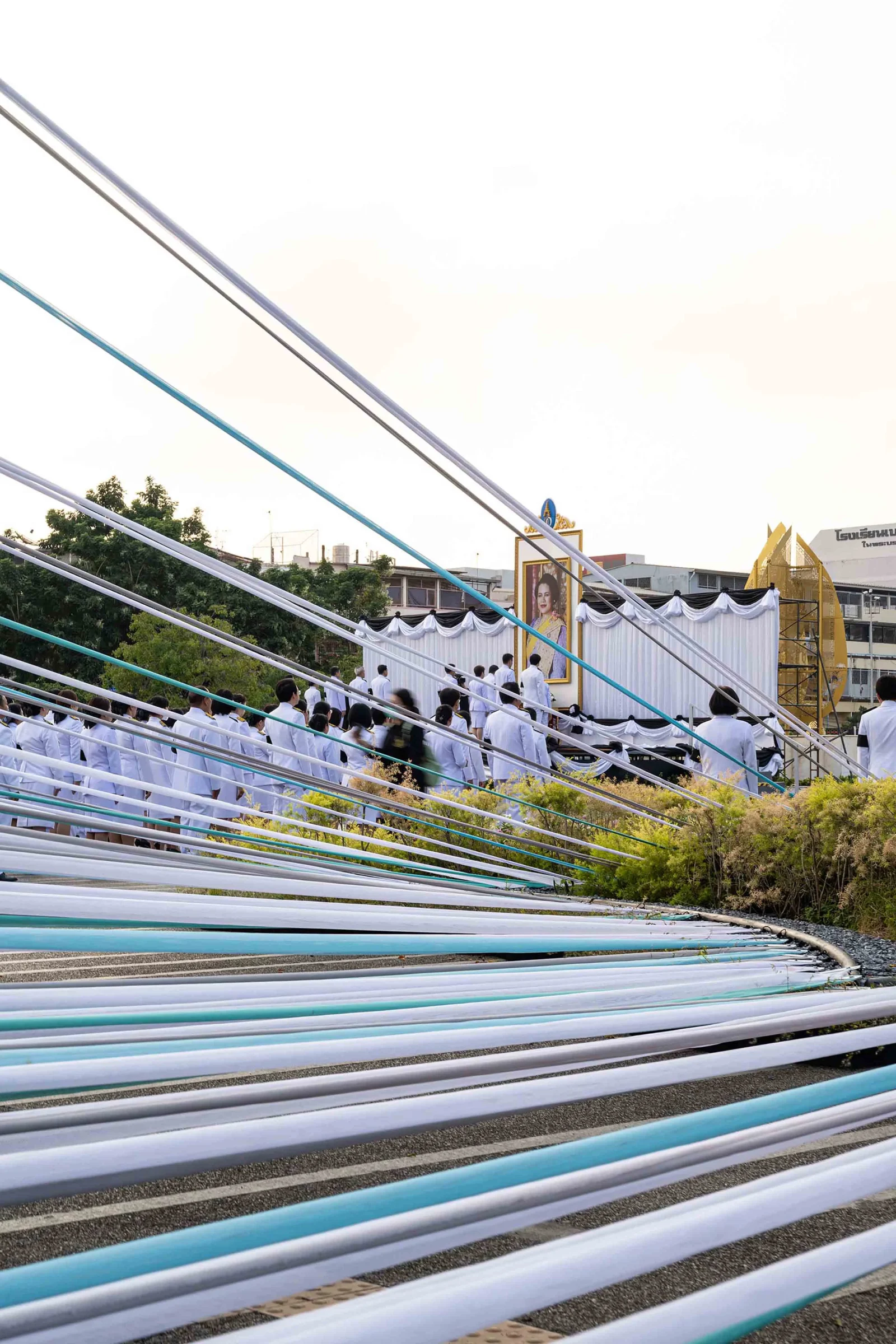
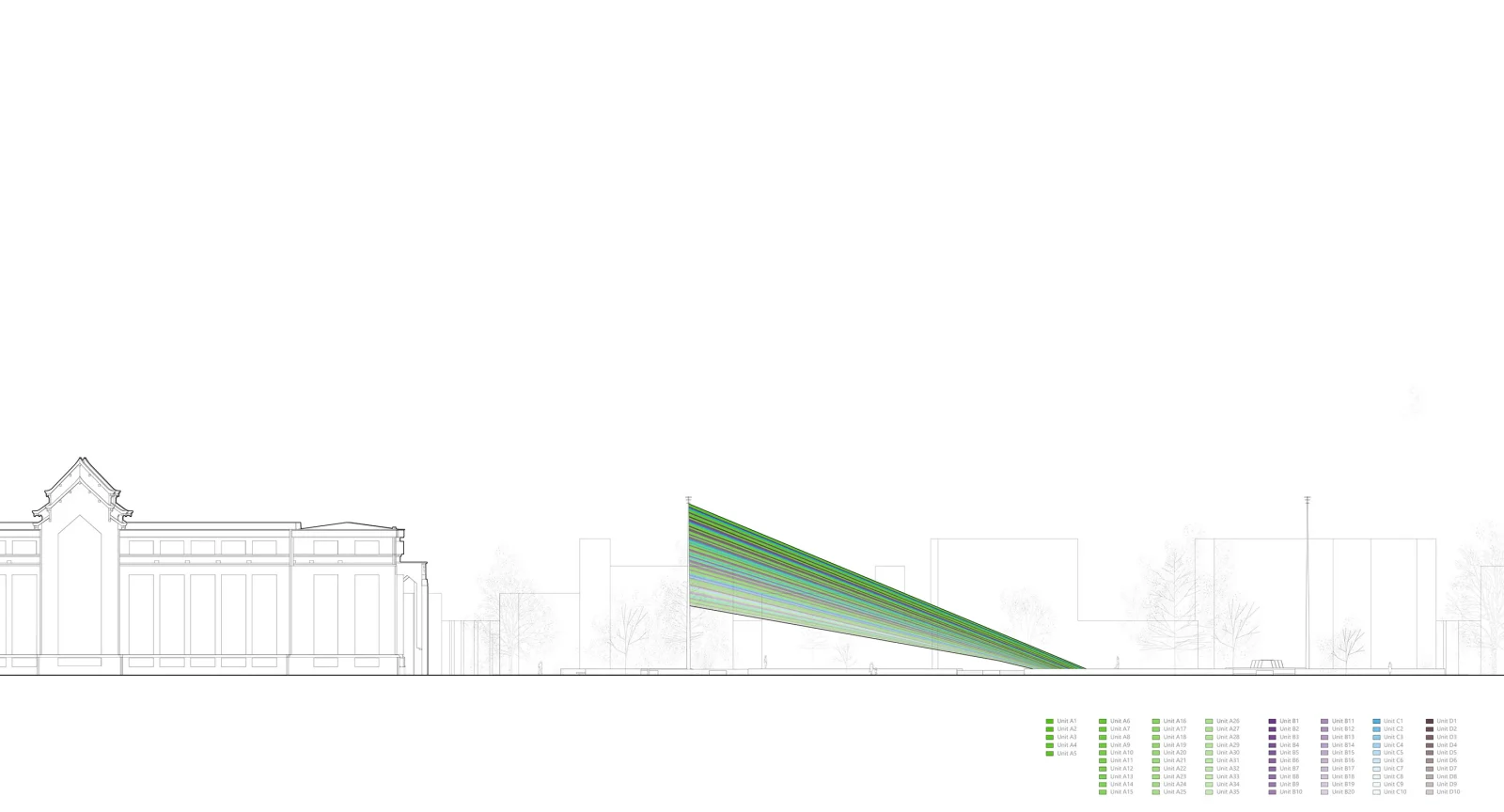
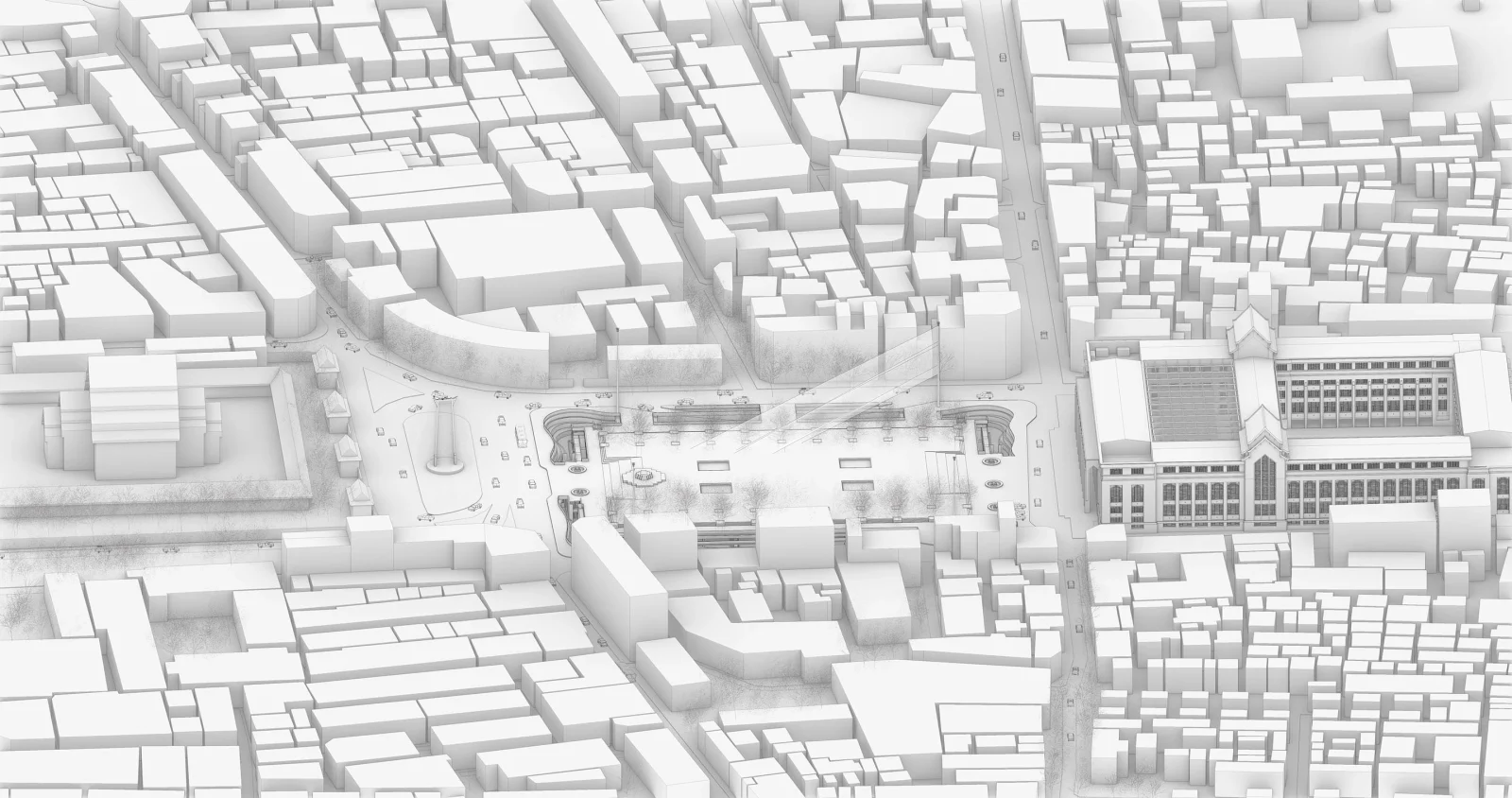
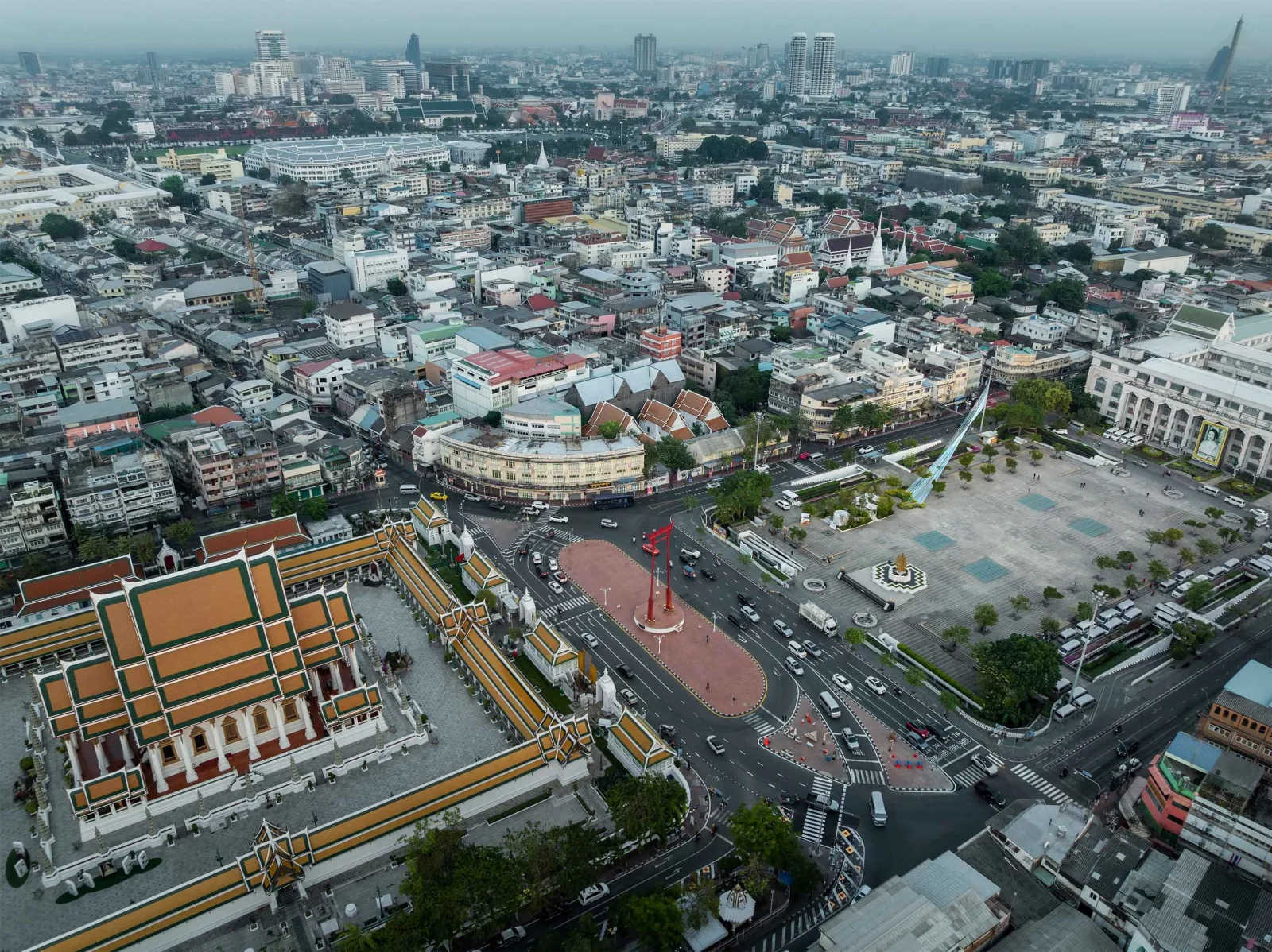
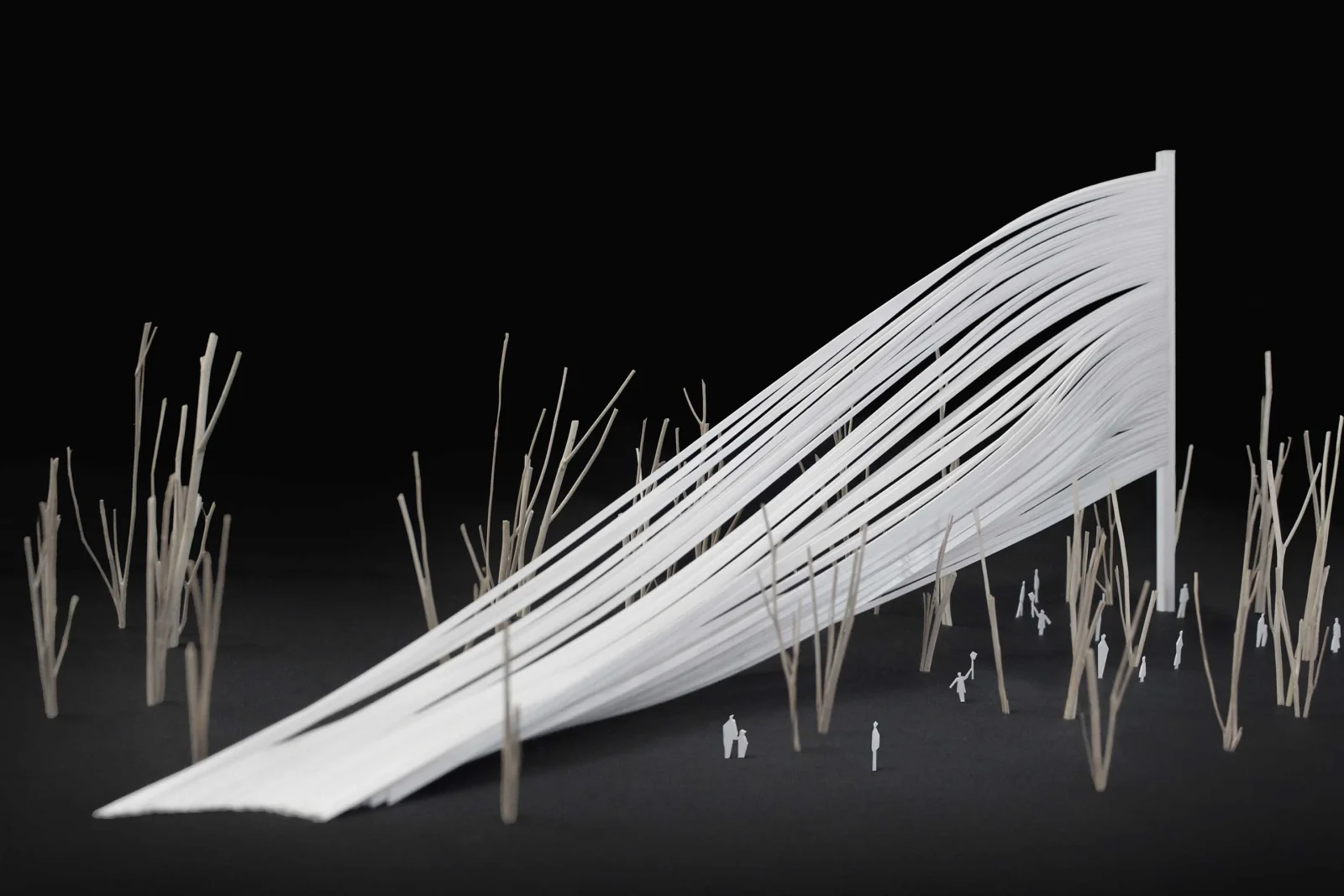
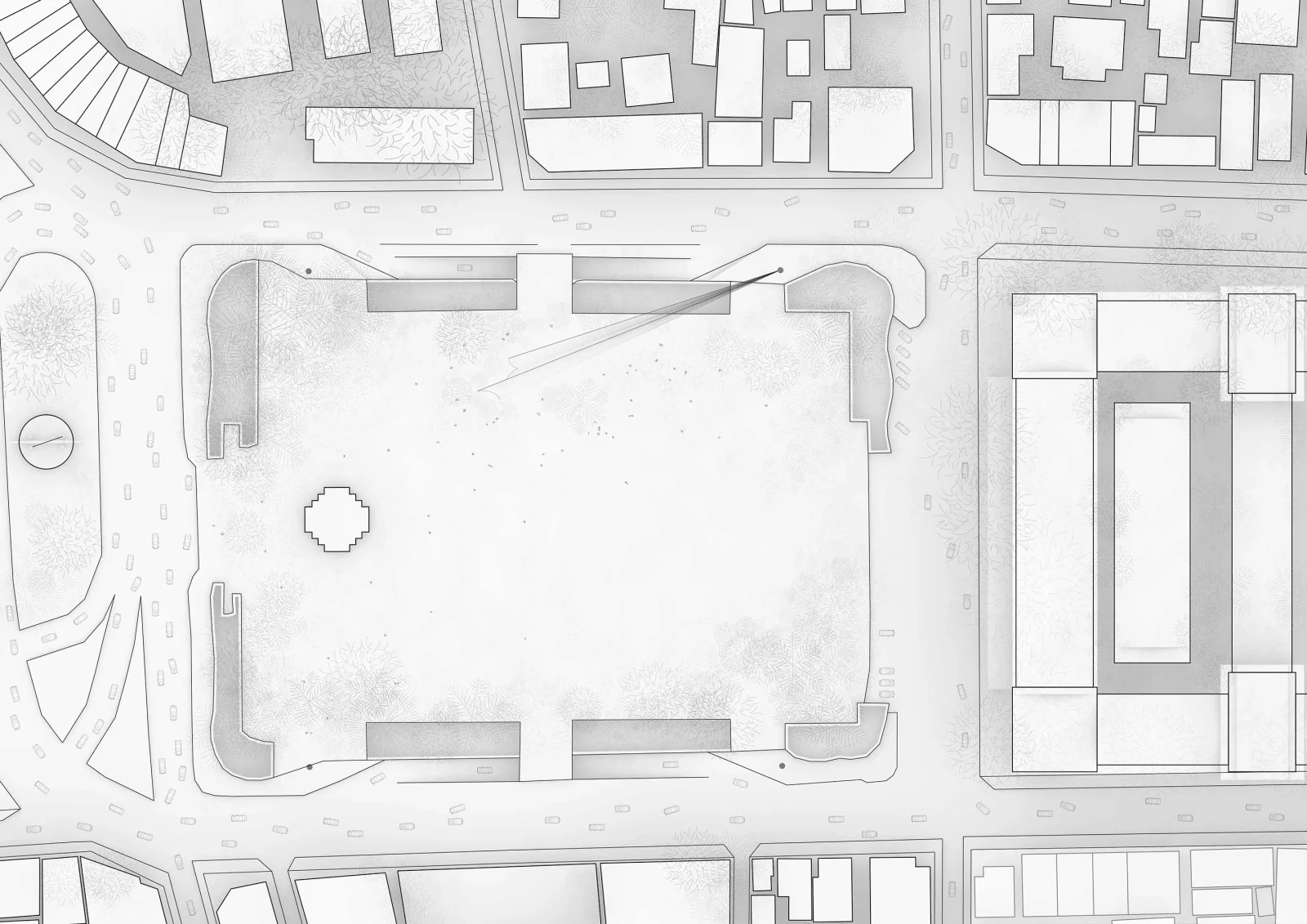
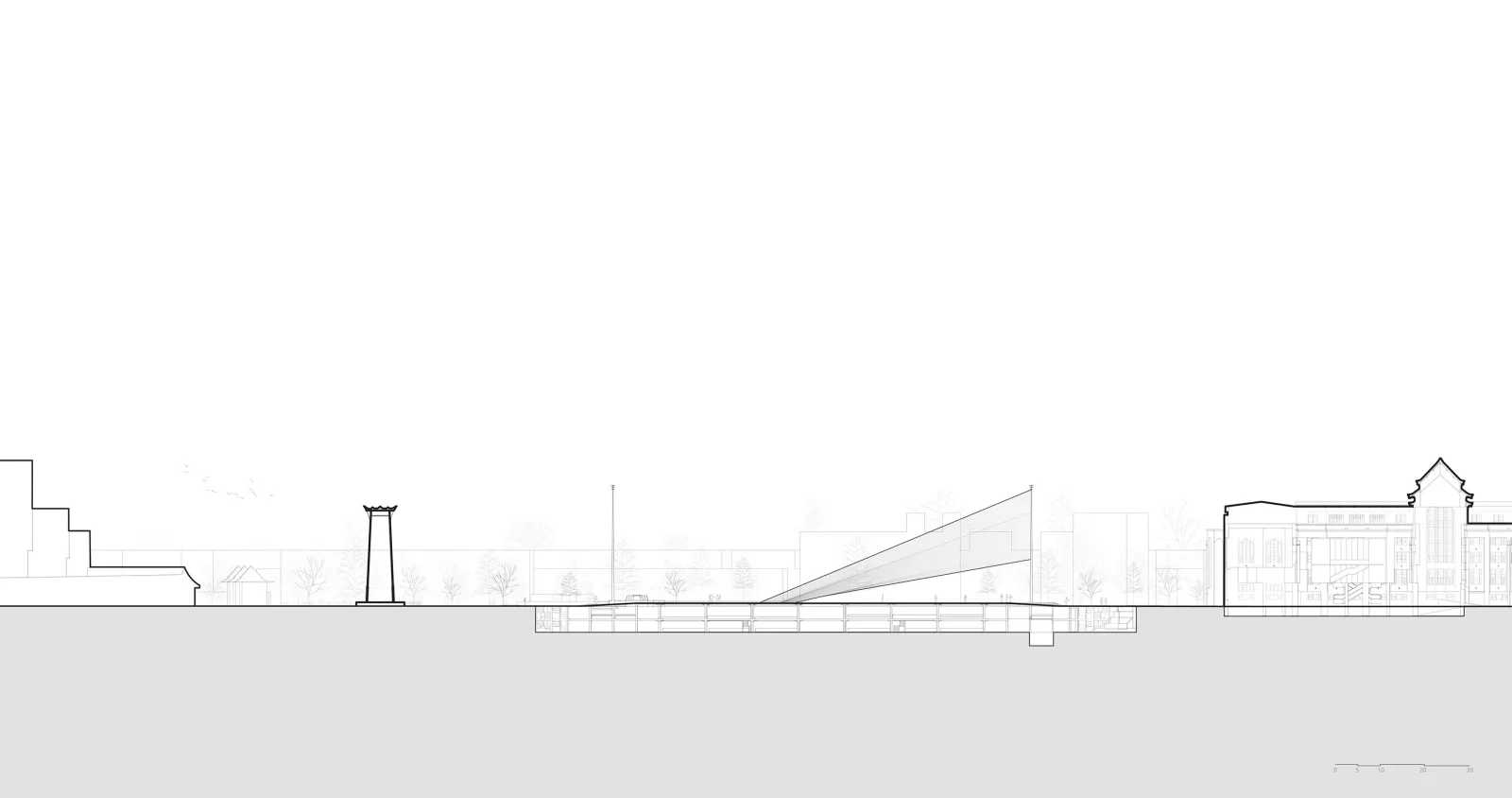
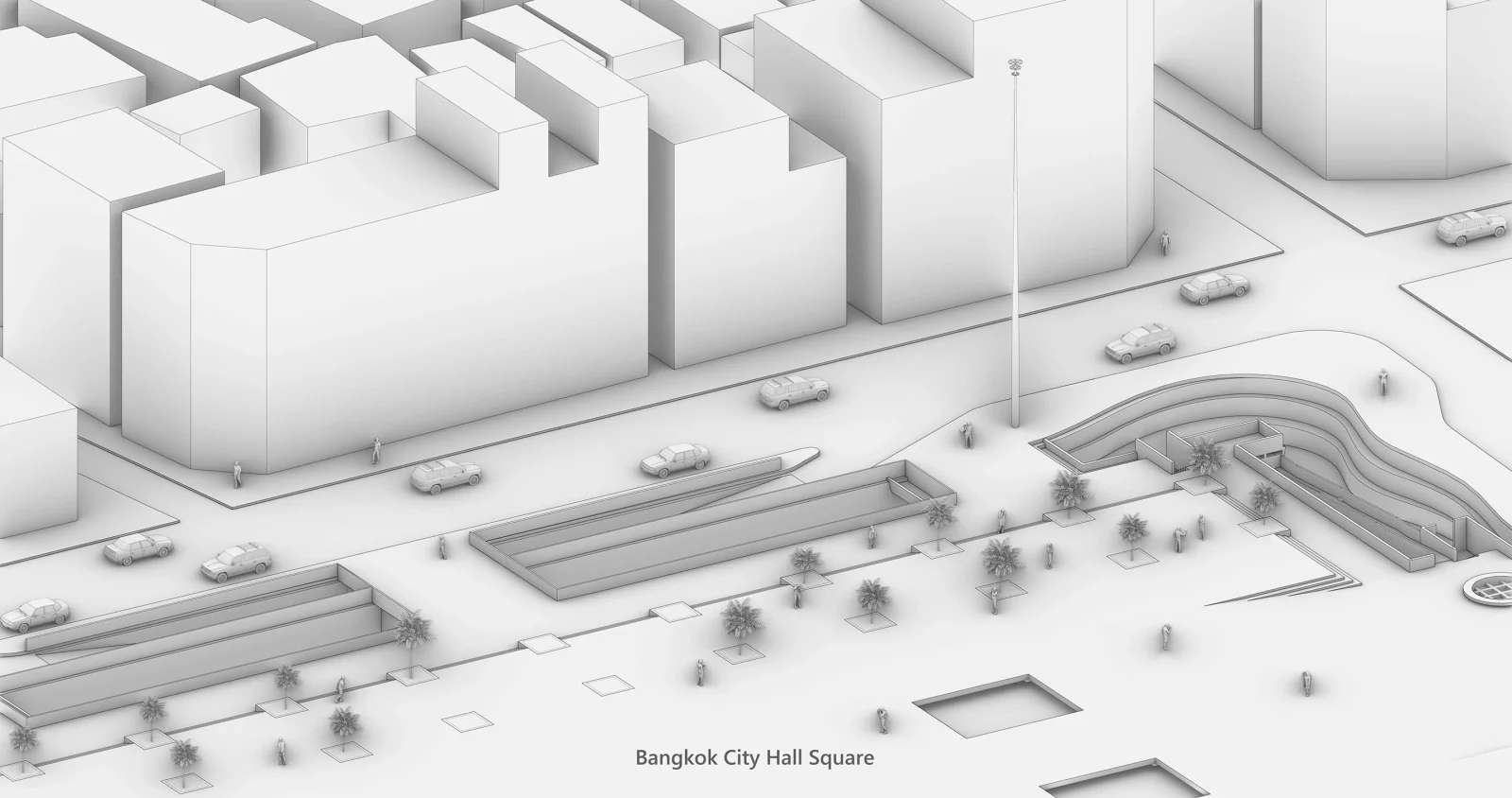
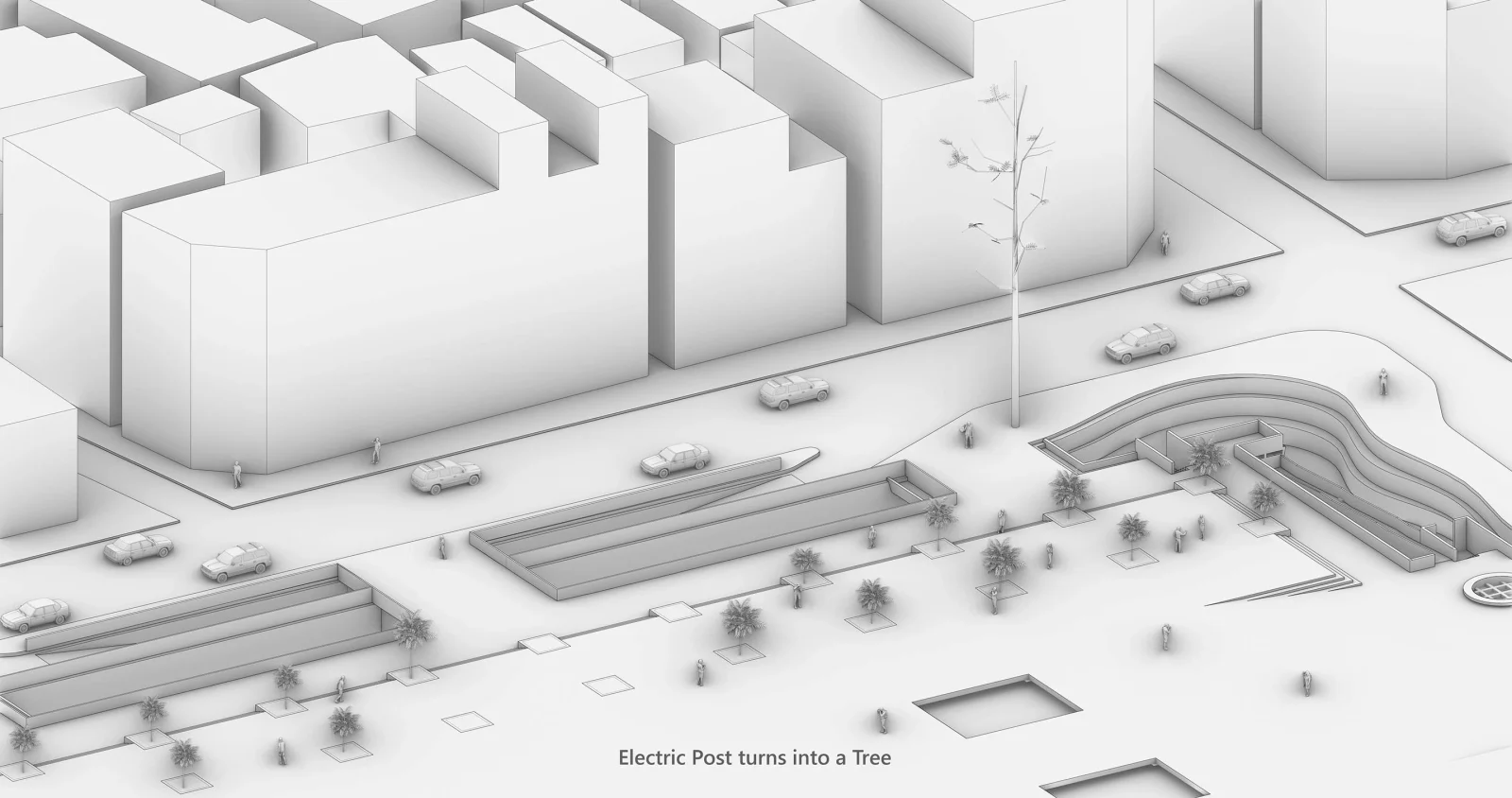
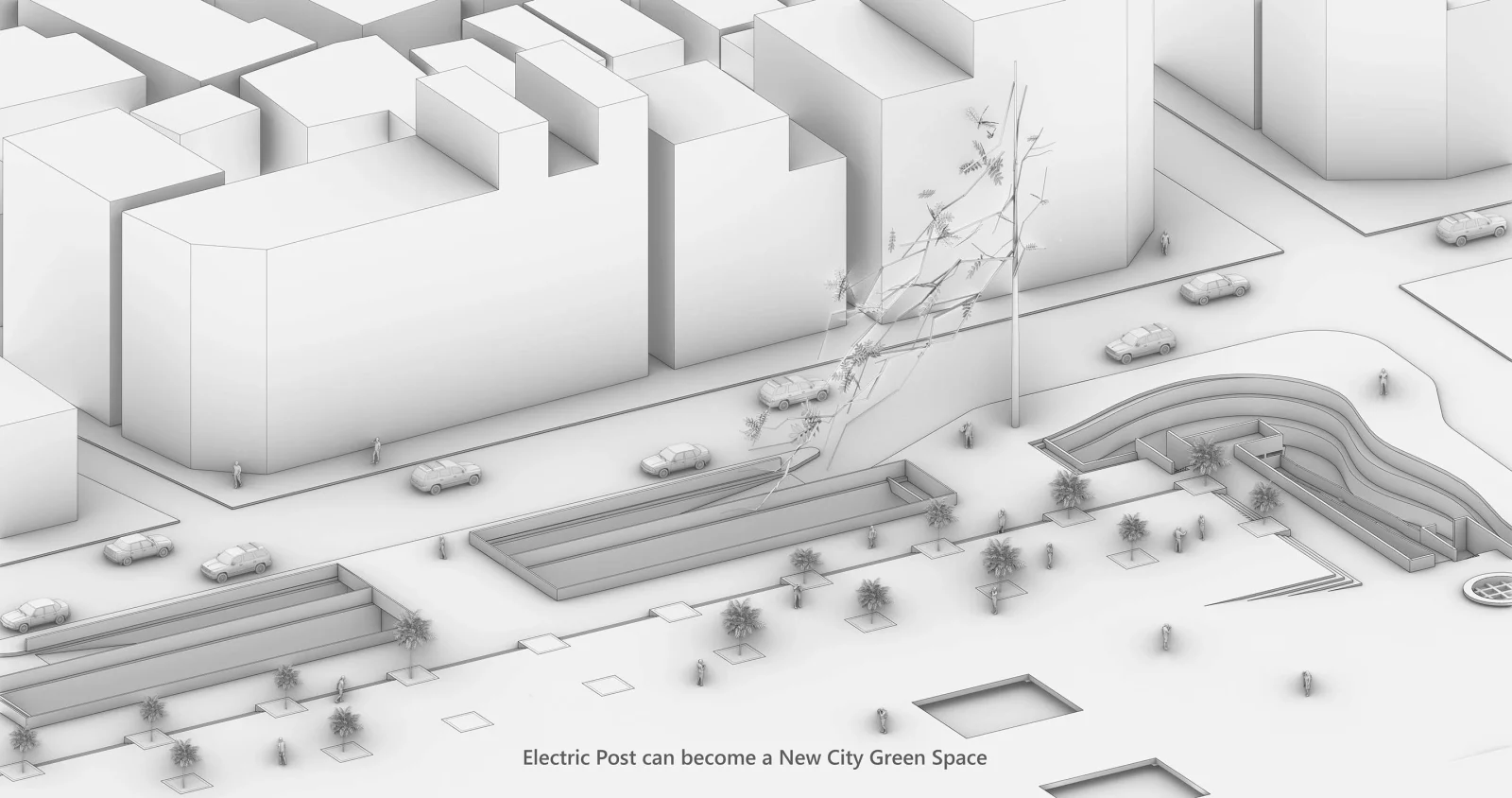
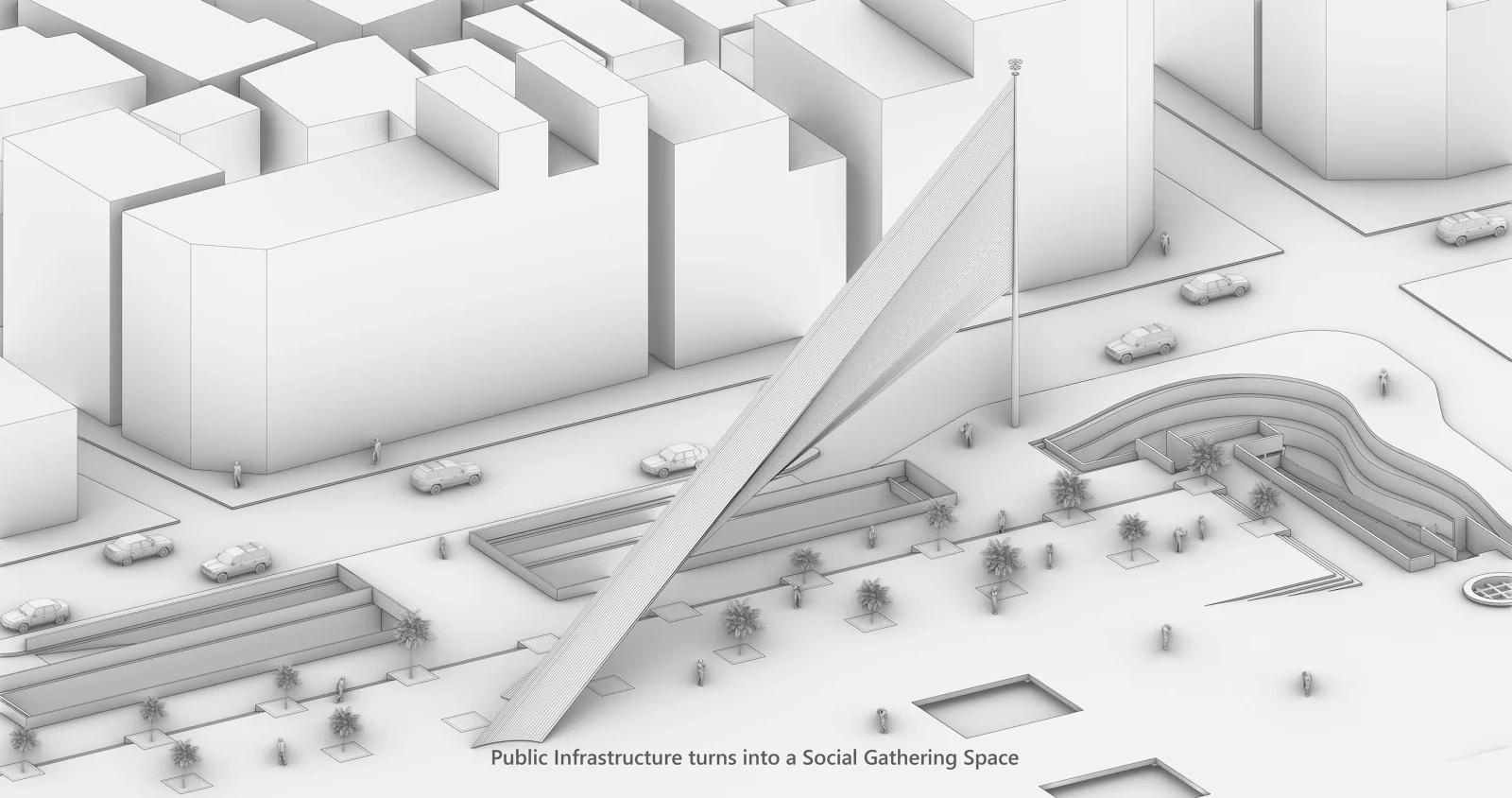
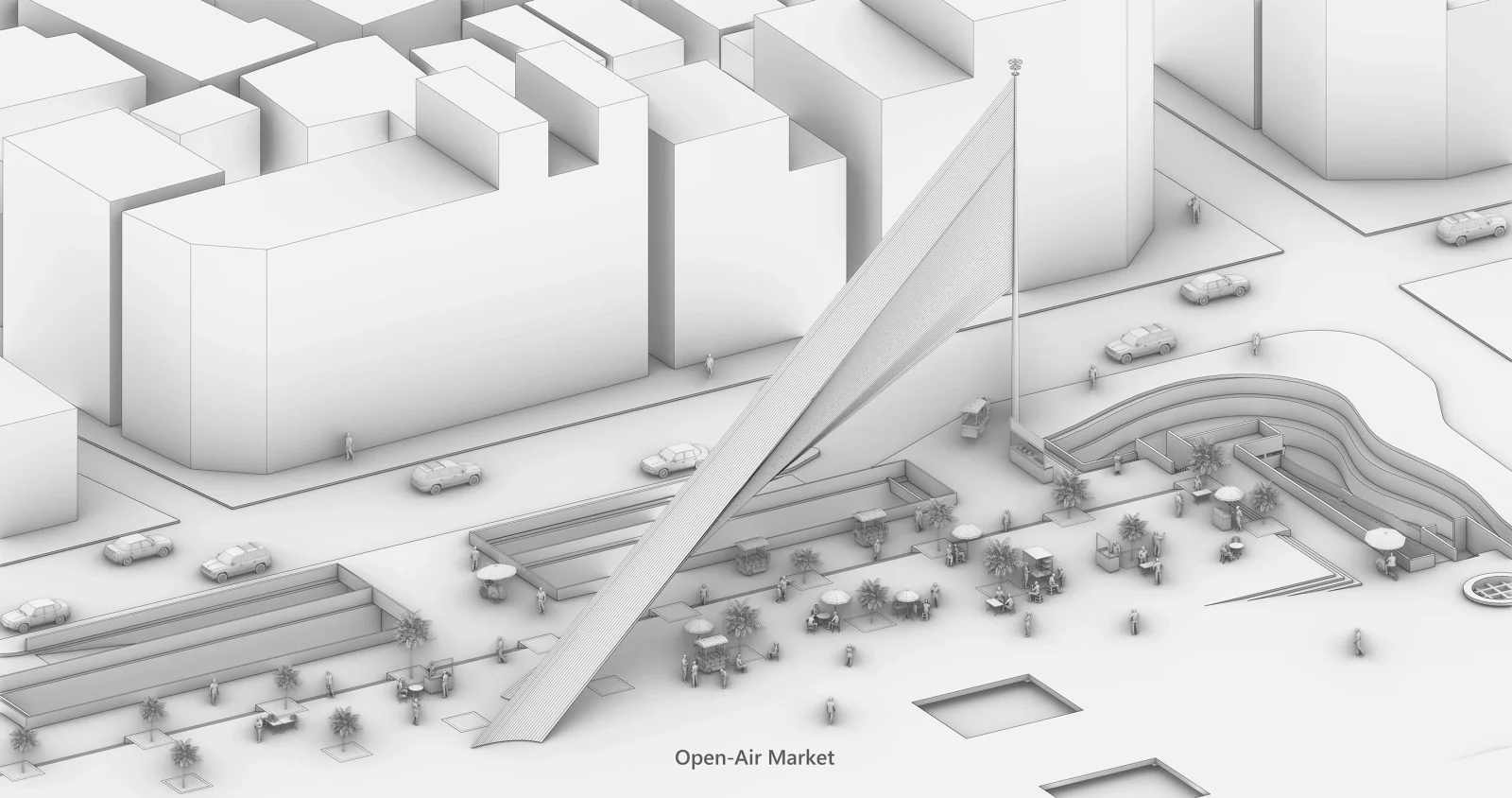
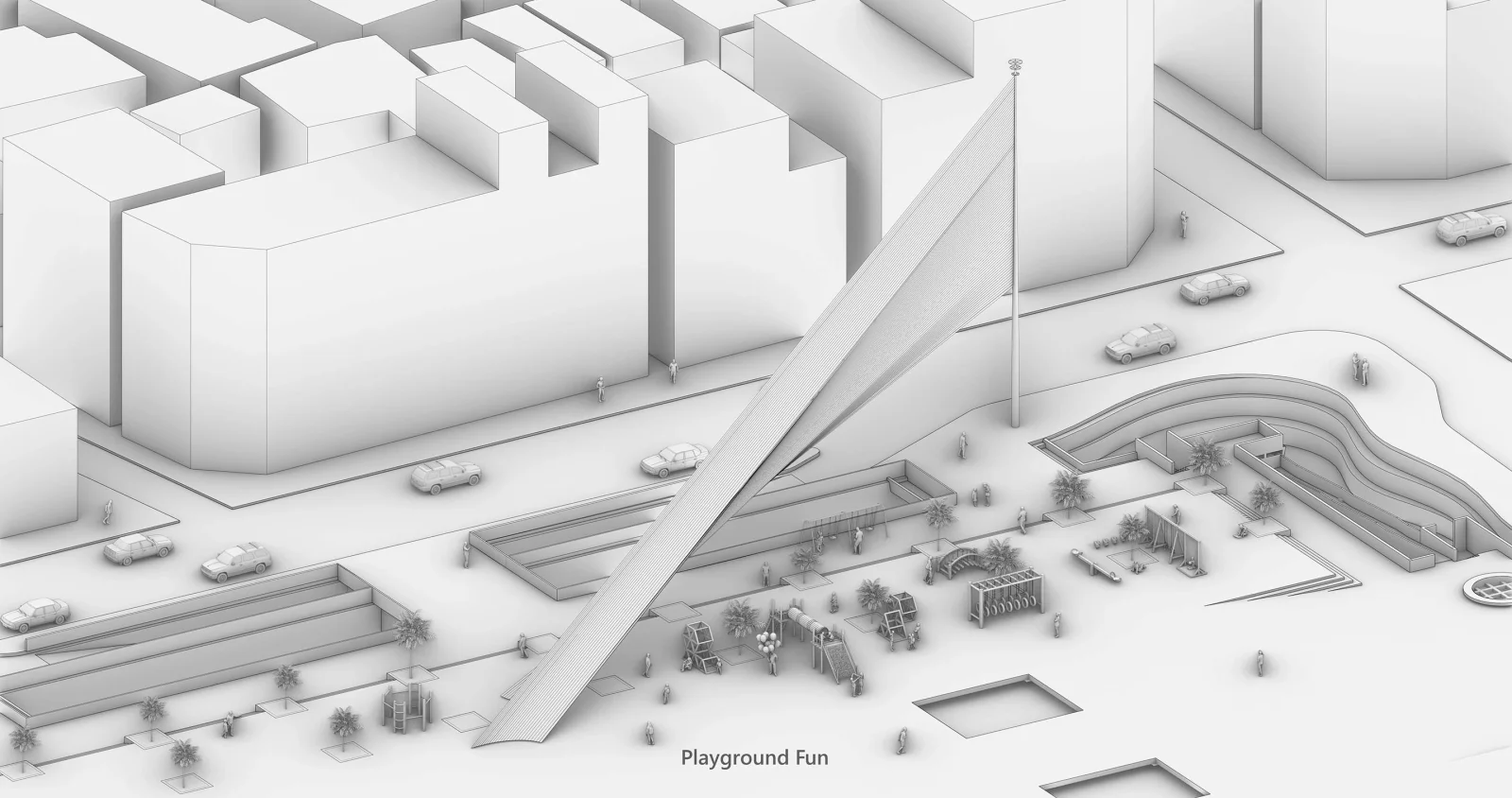
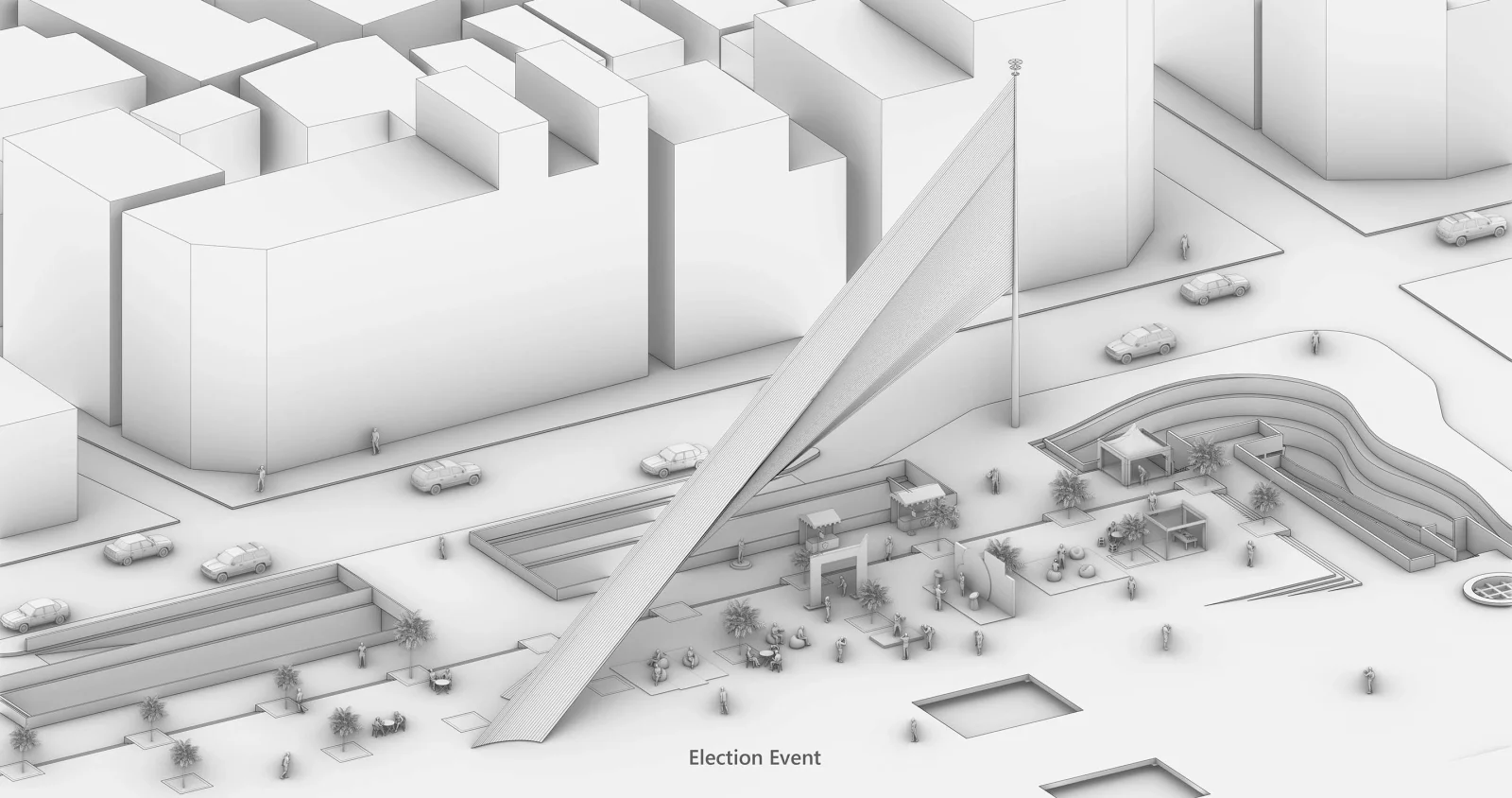
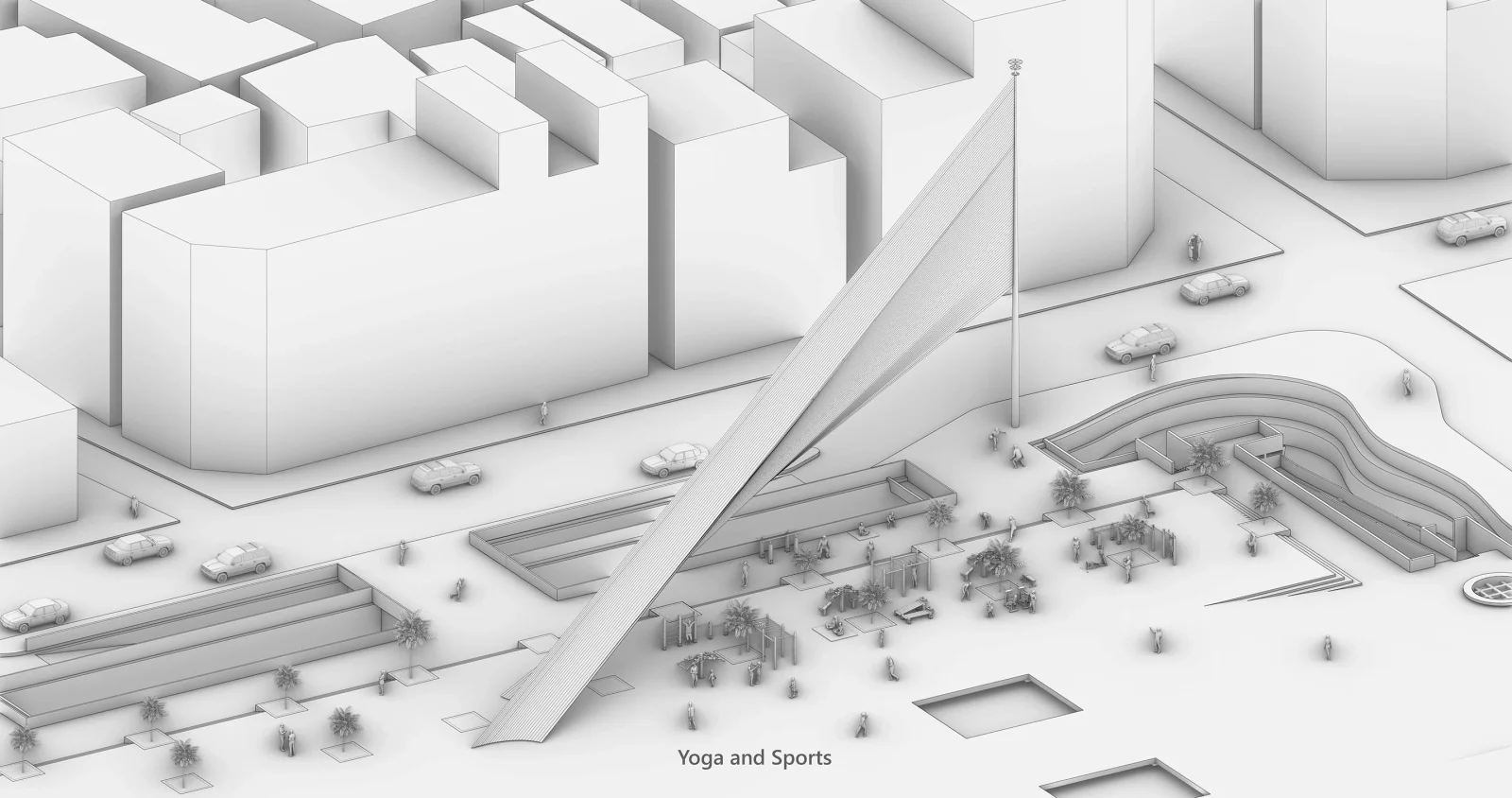
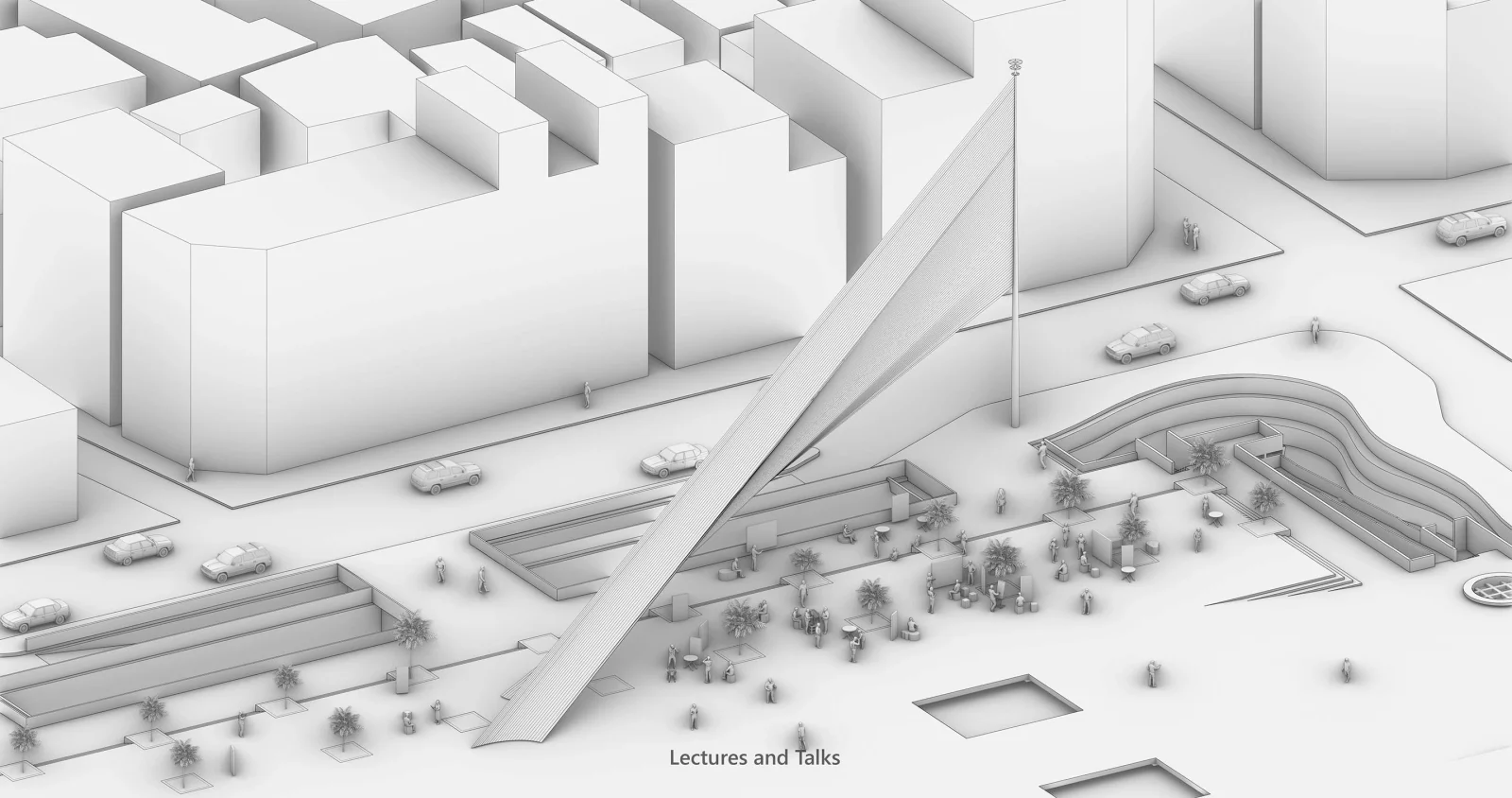
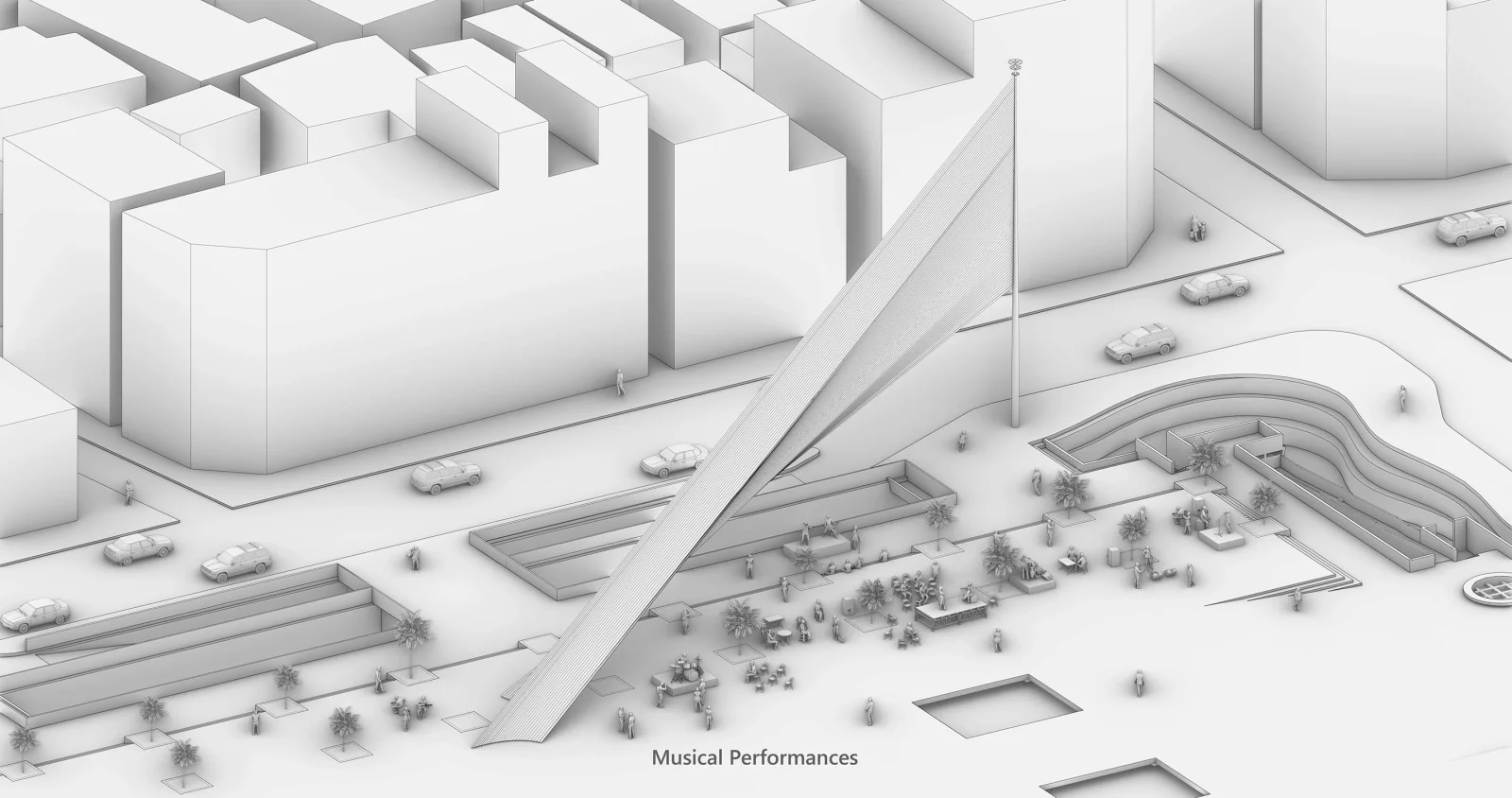
High Line Bangkok is an innovative zero-waste thematic pavilion that reimagines Bangkok’s urban infrastructure by transforming ordinary electric lighting posts into meaningful public spaces. Developed by architects Jenchieh Hung and Kulthida Songkittipakdee of HAS design and research, the project positions infrastructure as both a social and spatial asset. In a city where millions of streetlights line the roads yet rarely engage public life, the pavilion introduces an environmentally responsive alternative that encourages participation and reactivates the urban experience.
A Living Urban Canopy of Light, Shade, and Collective Life
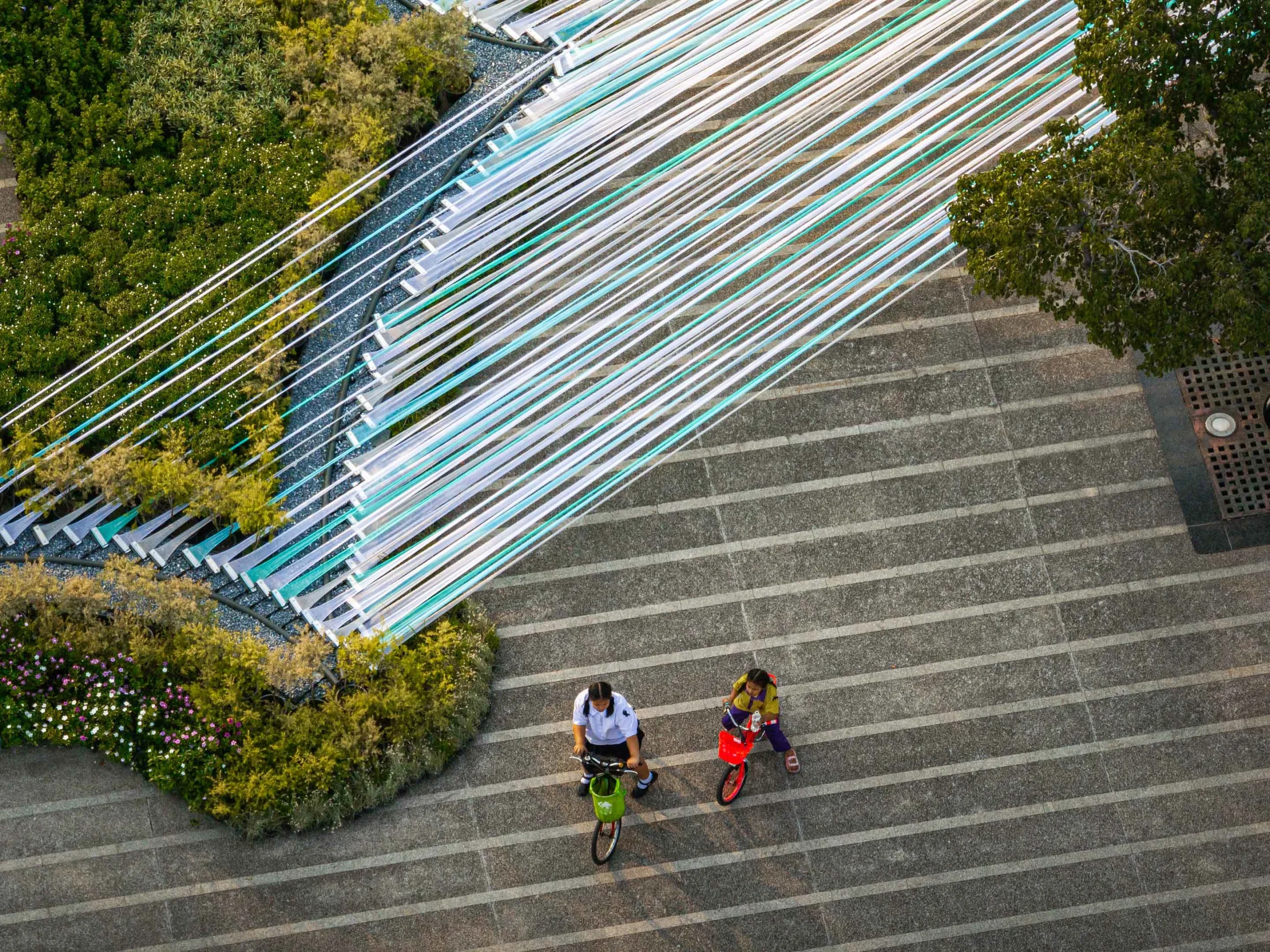
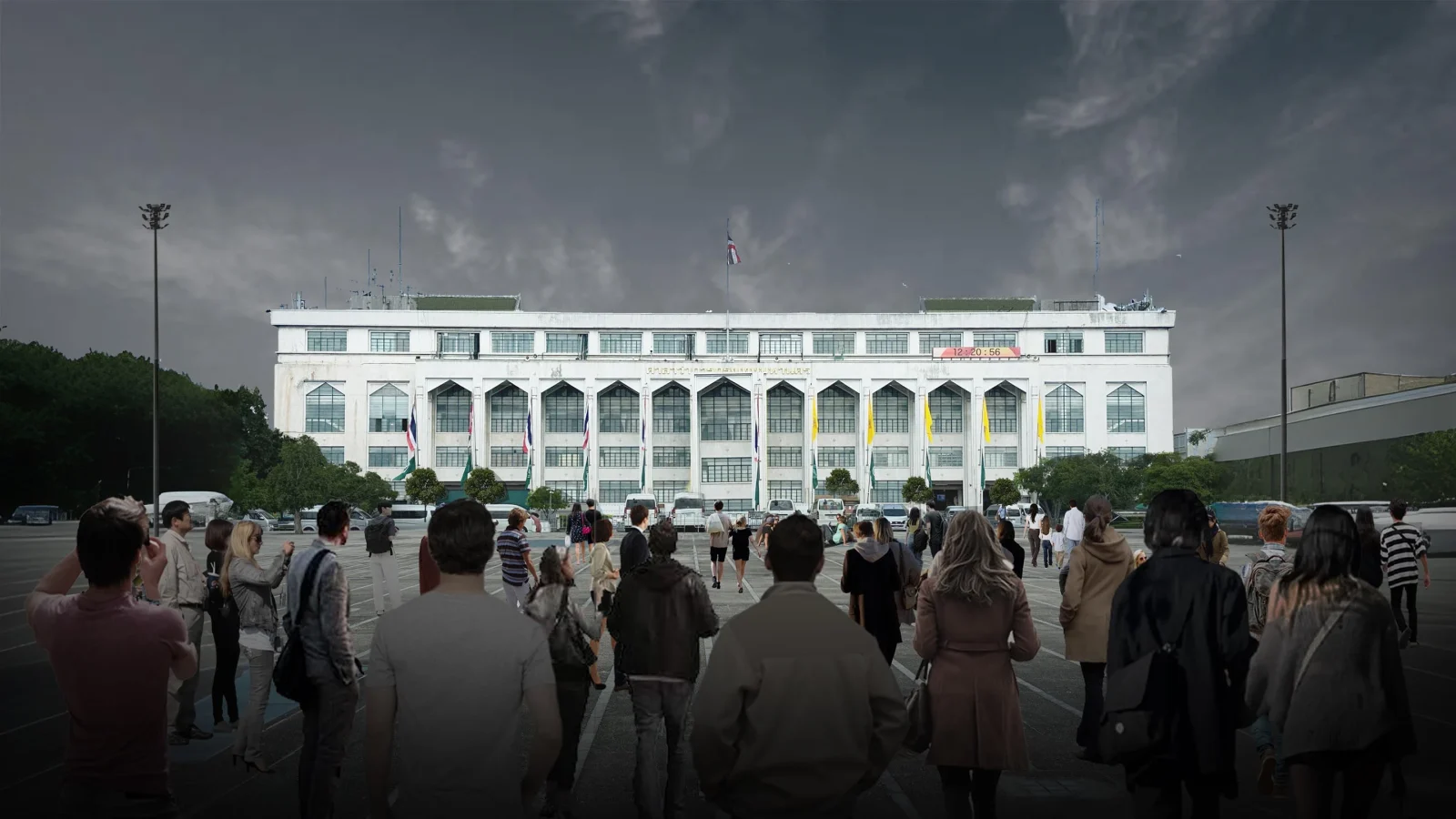
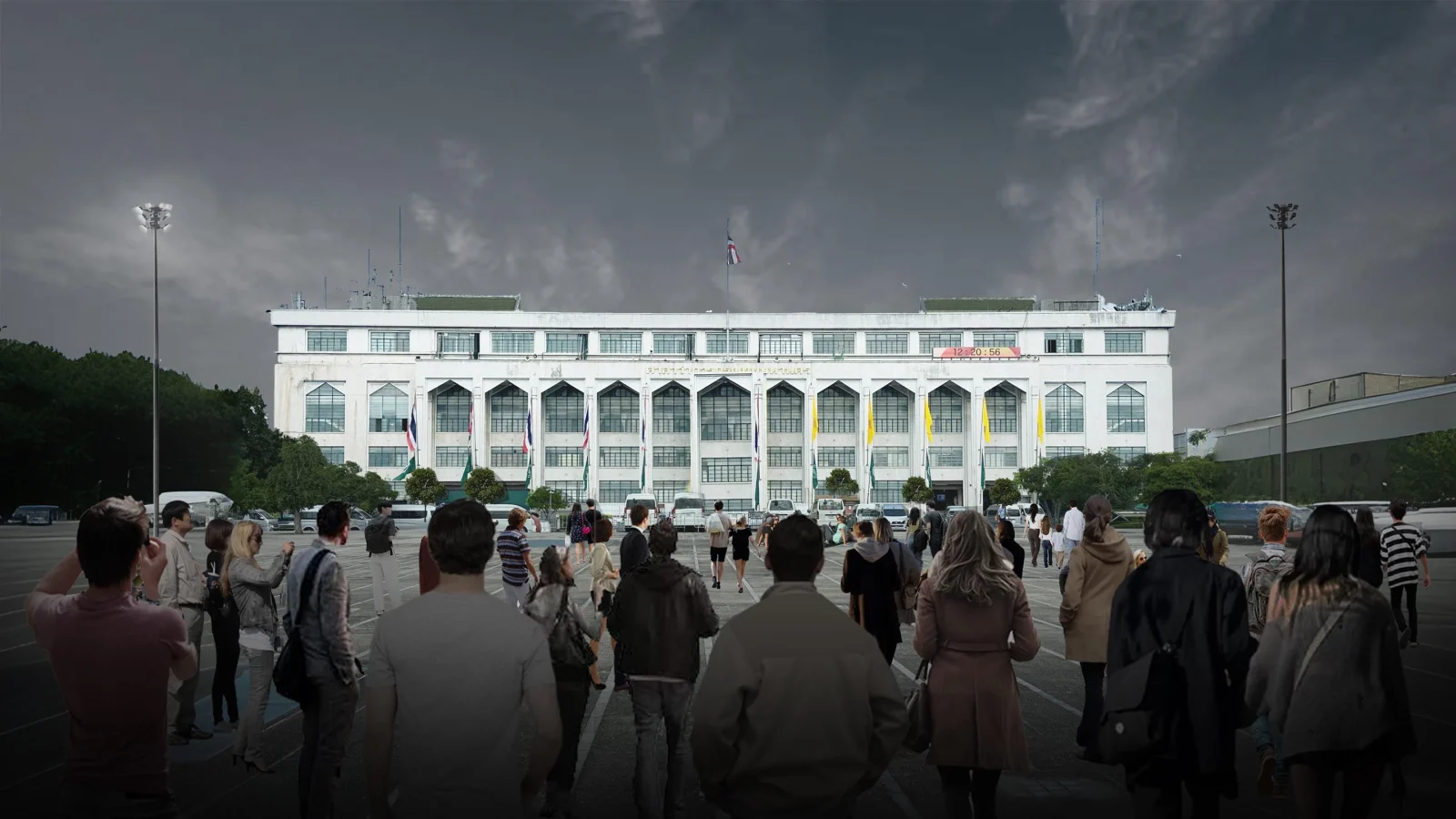
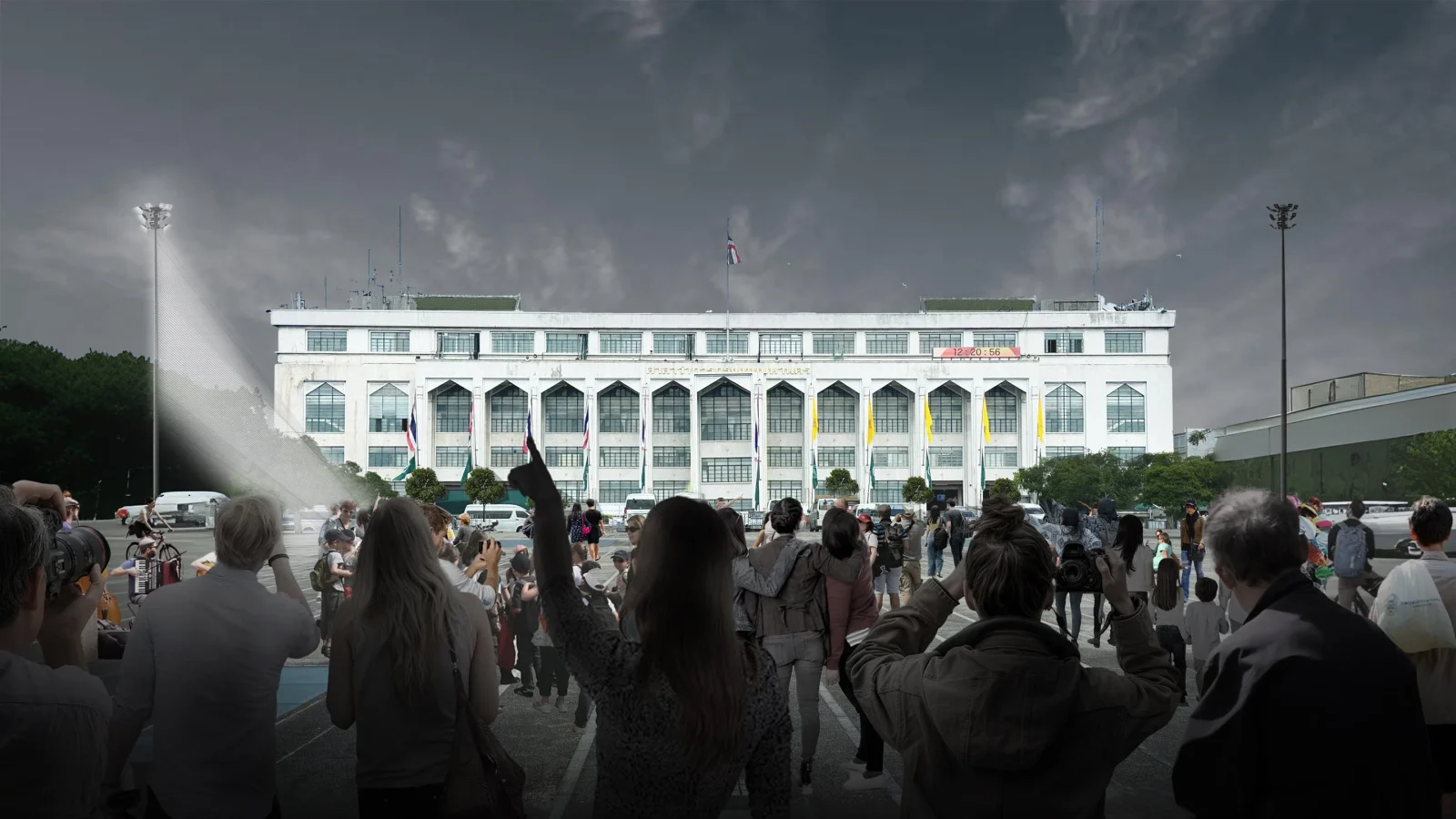
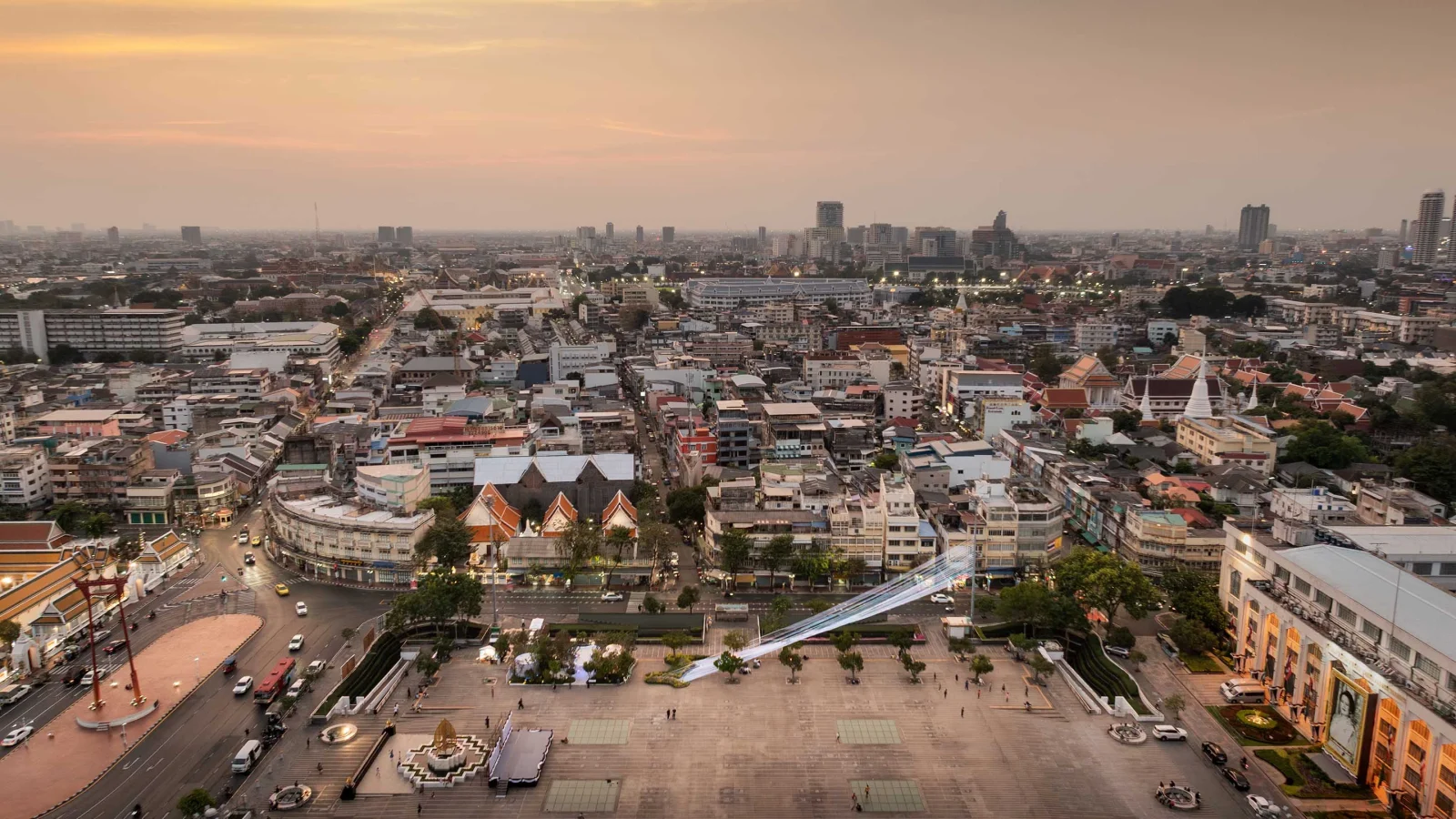
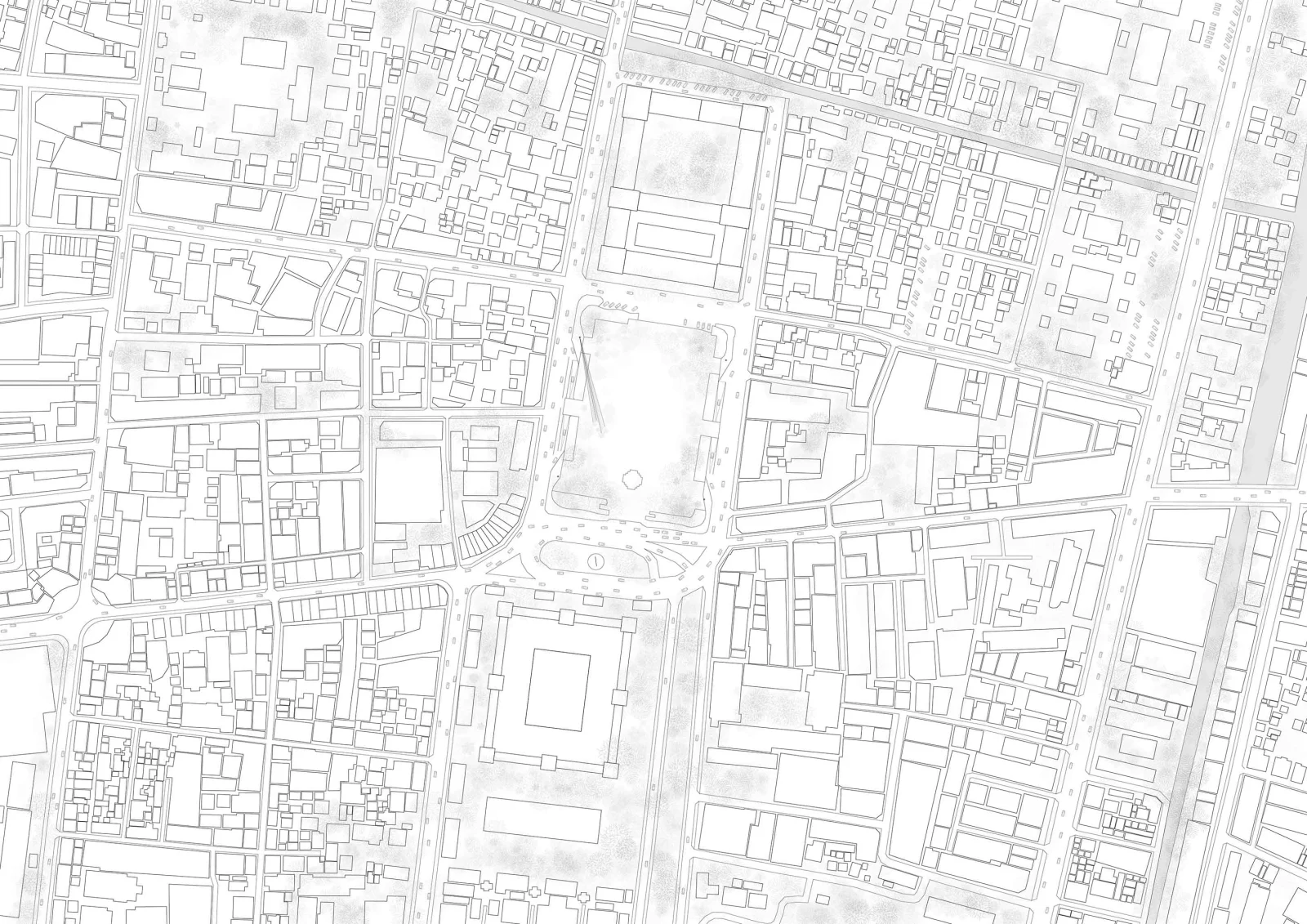
Installed in Bangkok’s Phra Nakhon district as part of Bangkok Design Week, the pavilion is set within the prominent City Hall Square, located directly in front of the Bangkok Metropolitan Administration City Hall. The site serves as the backdrop for a project that is both locally grounded and globally relevant, having previously featured installations by internationally renowned practices such as MVRDV. Commissioned by the Bangkok Metropolitan Administration and the Creative Economy Agency, and developed in collaboration with Urban Ally, the intervention highlights Bangkok’s rising position as a hub for design innovation and cultural expression.
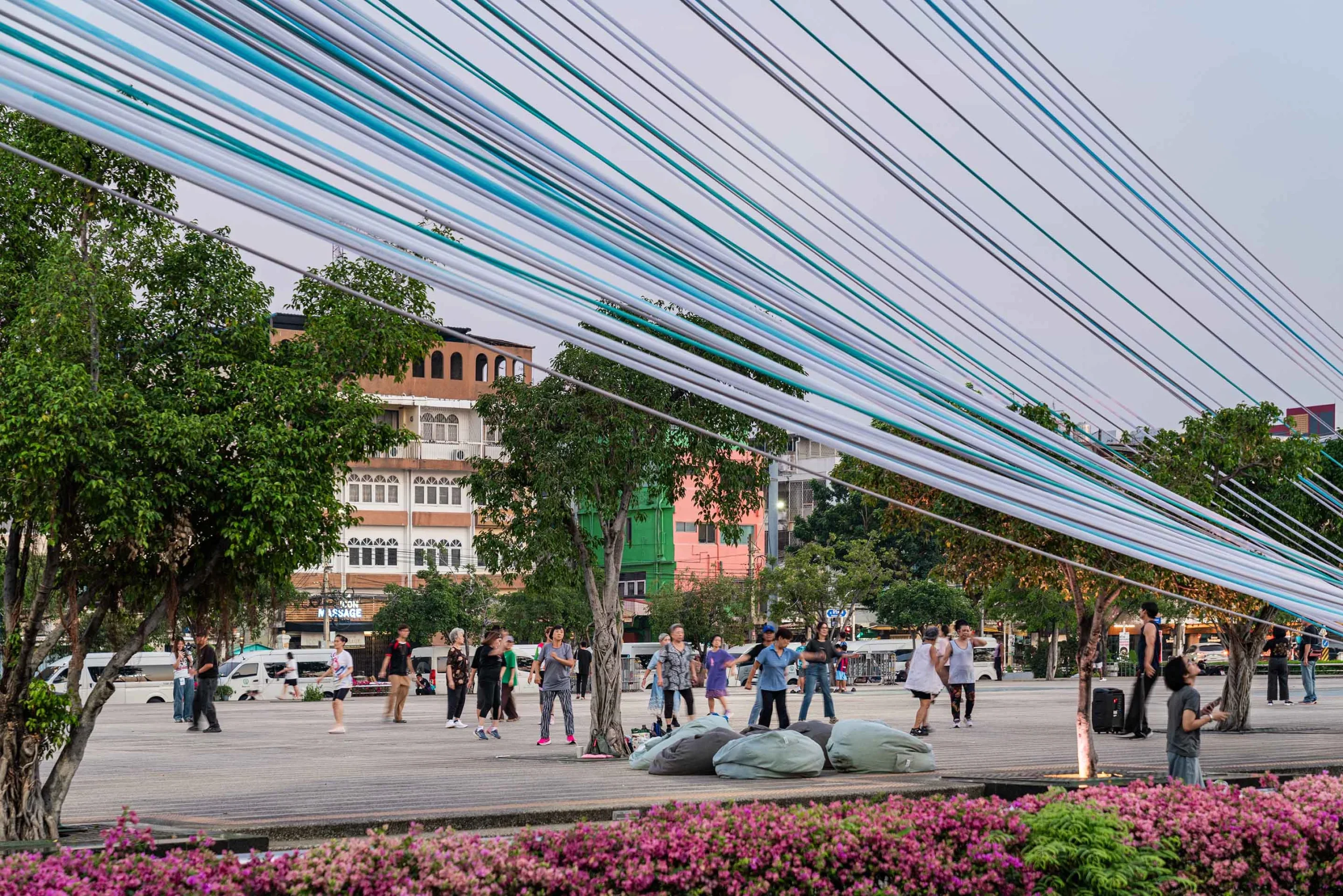
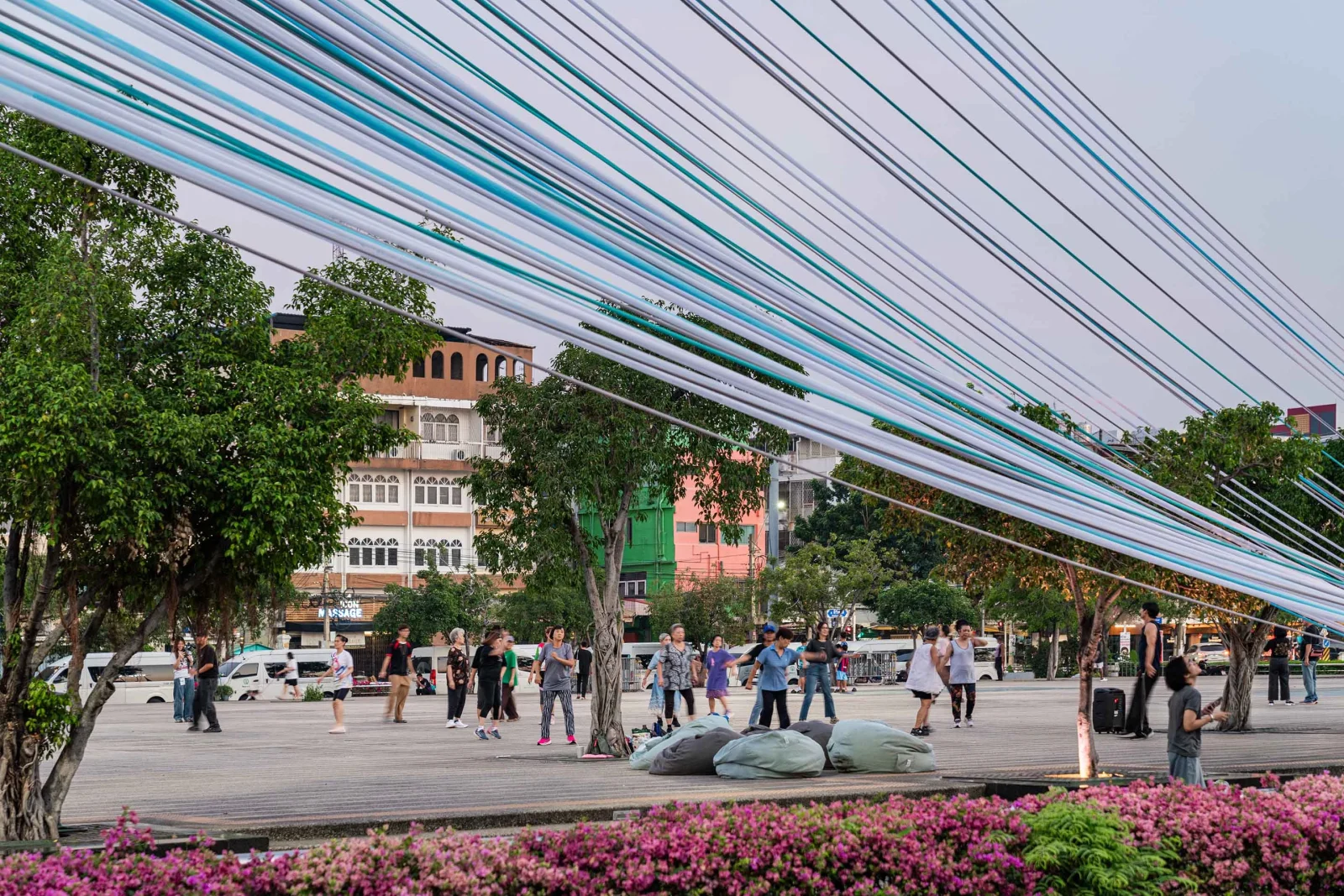
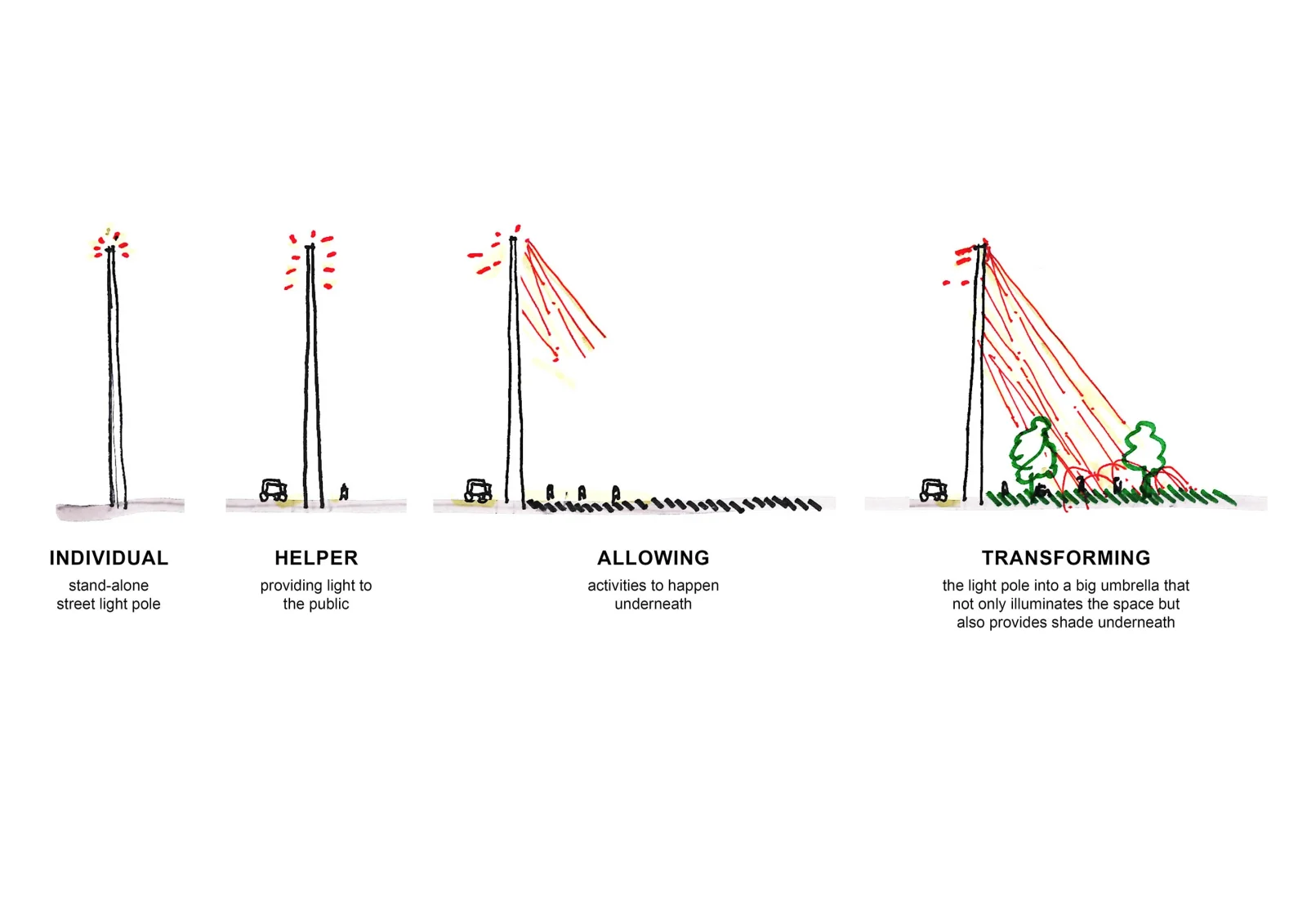
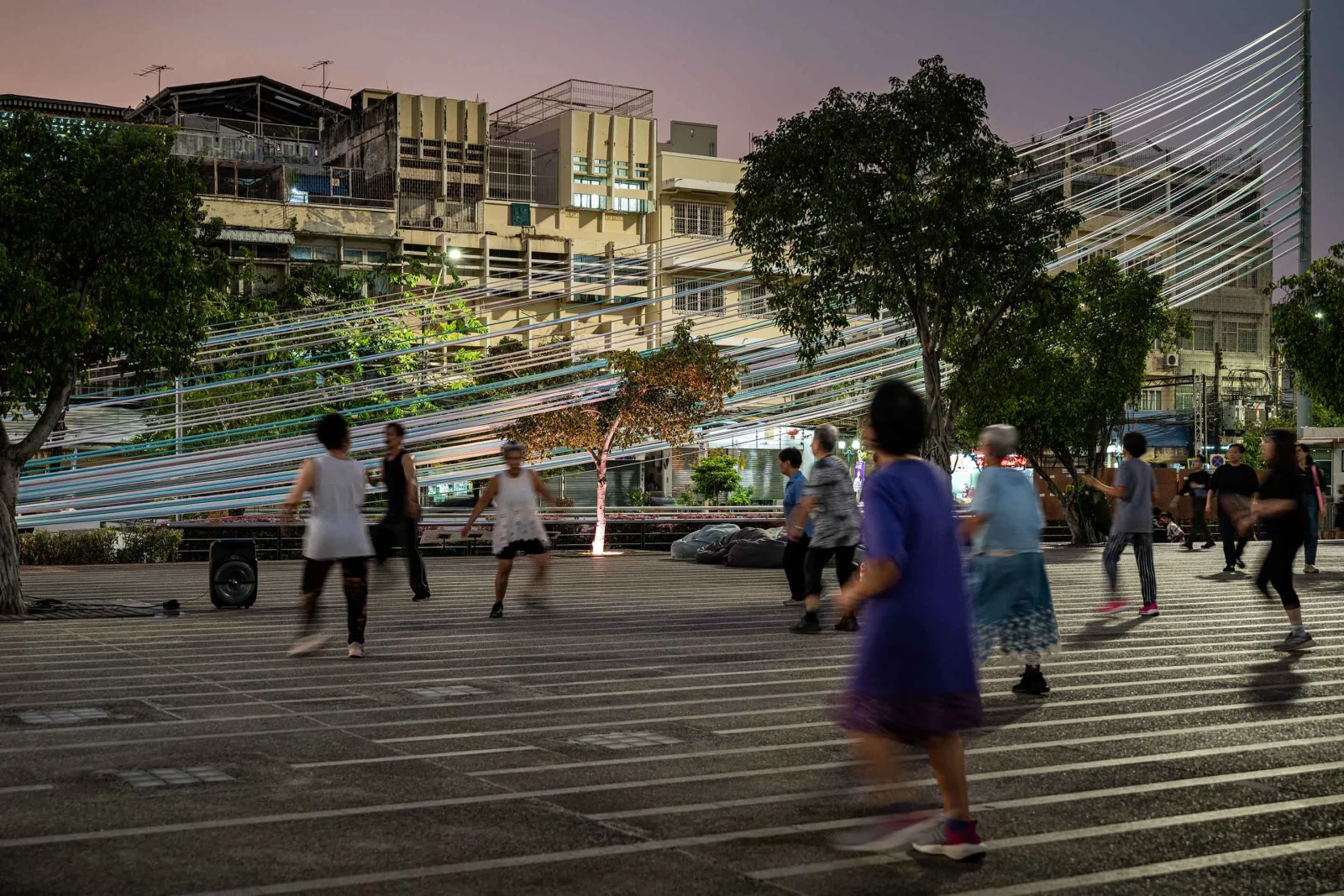
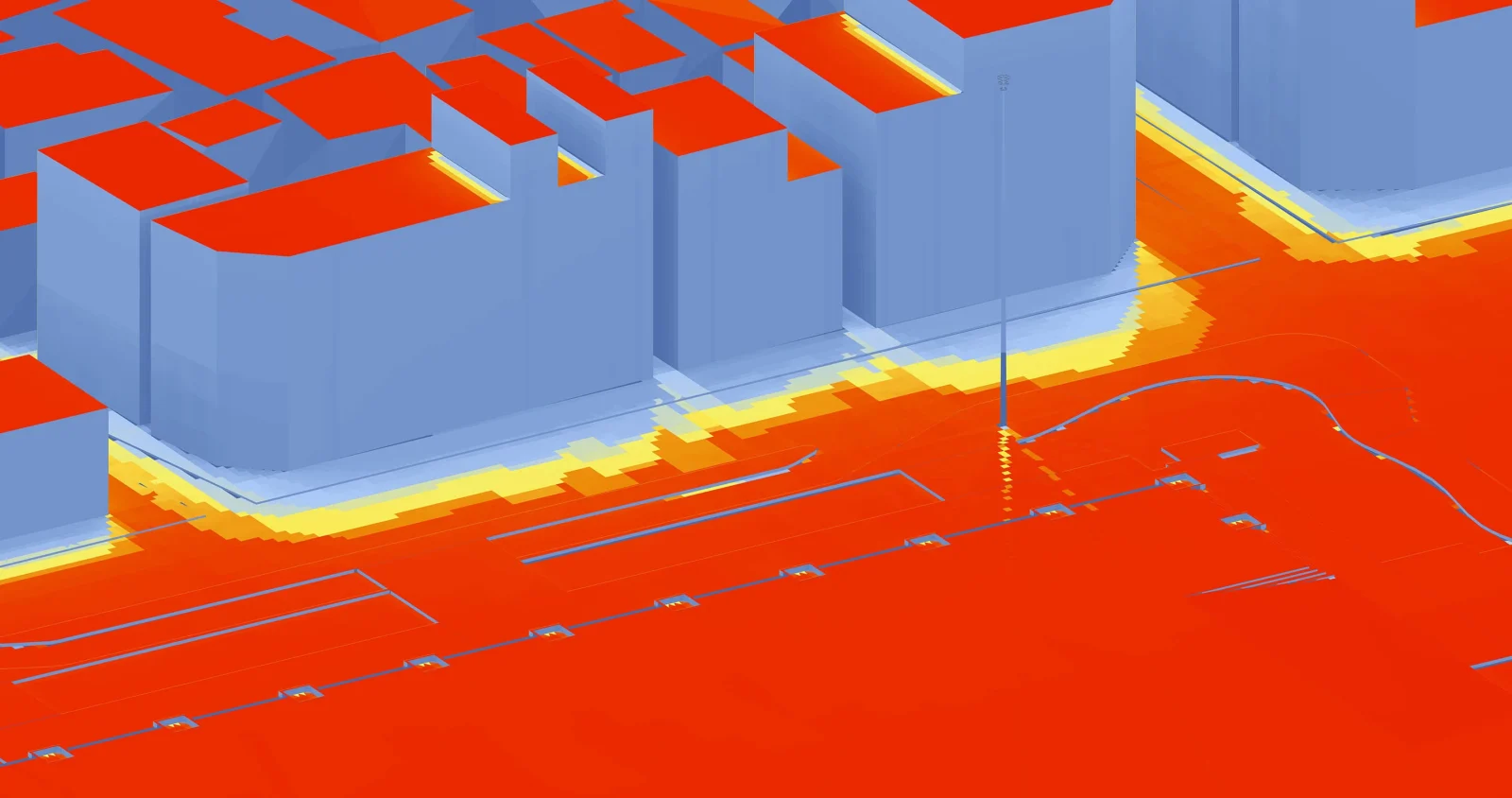
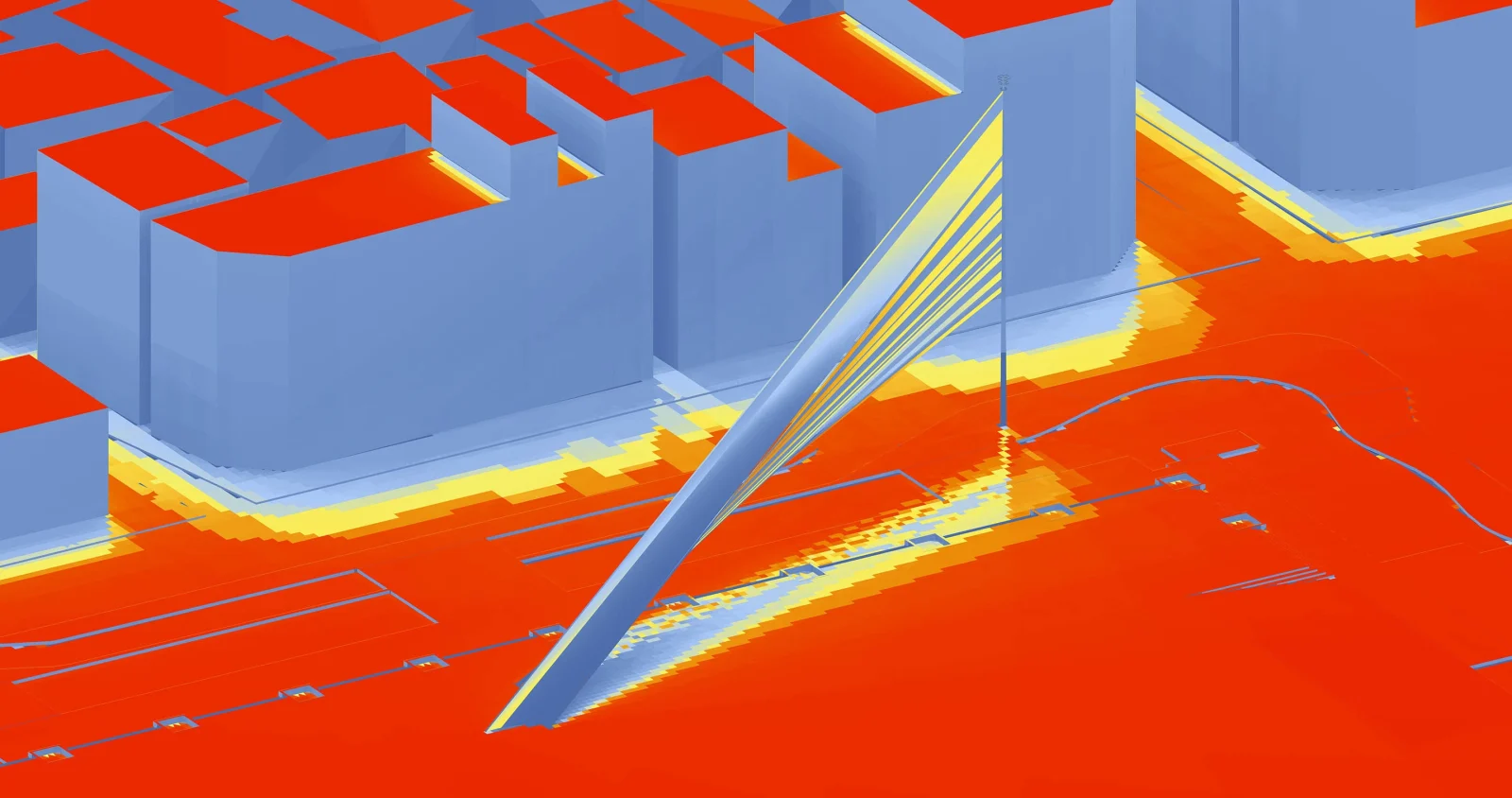
The design emerges from close observation of how people use public space in a tropical climate. During the heat of the day, activity gathers under shaded areas, especially beneath large trees. At night, as temperatures drop, people gravitate toward illuminated zones around streetlights.
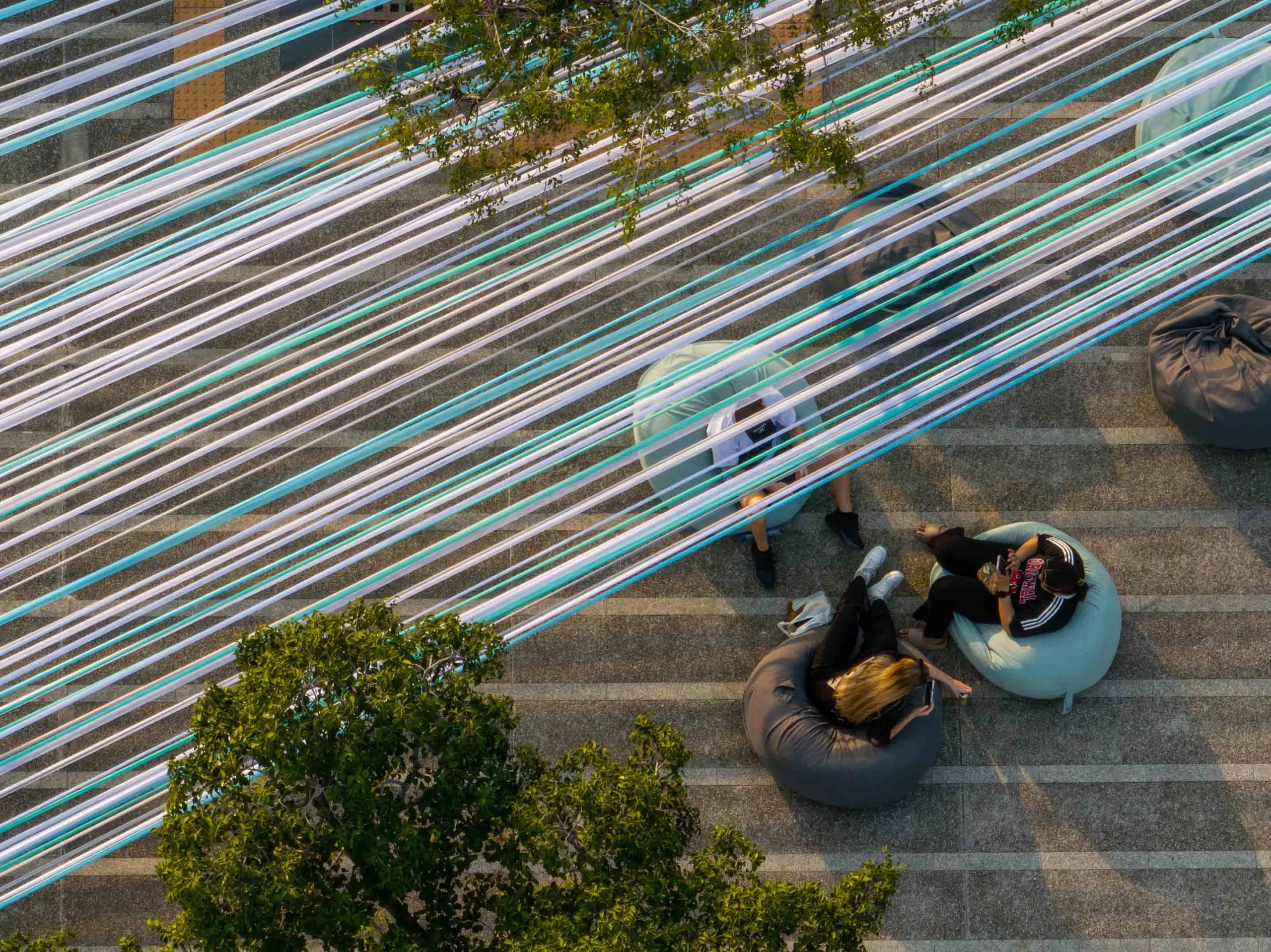
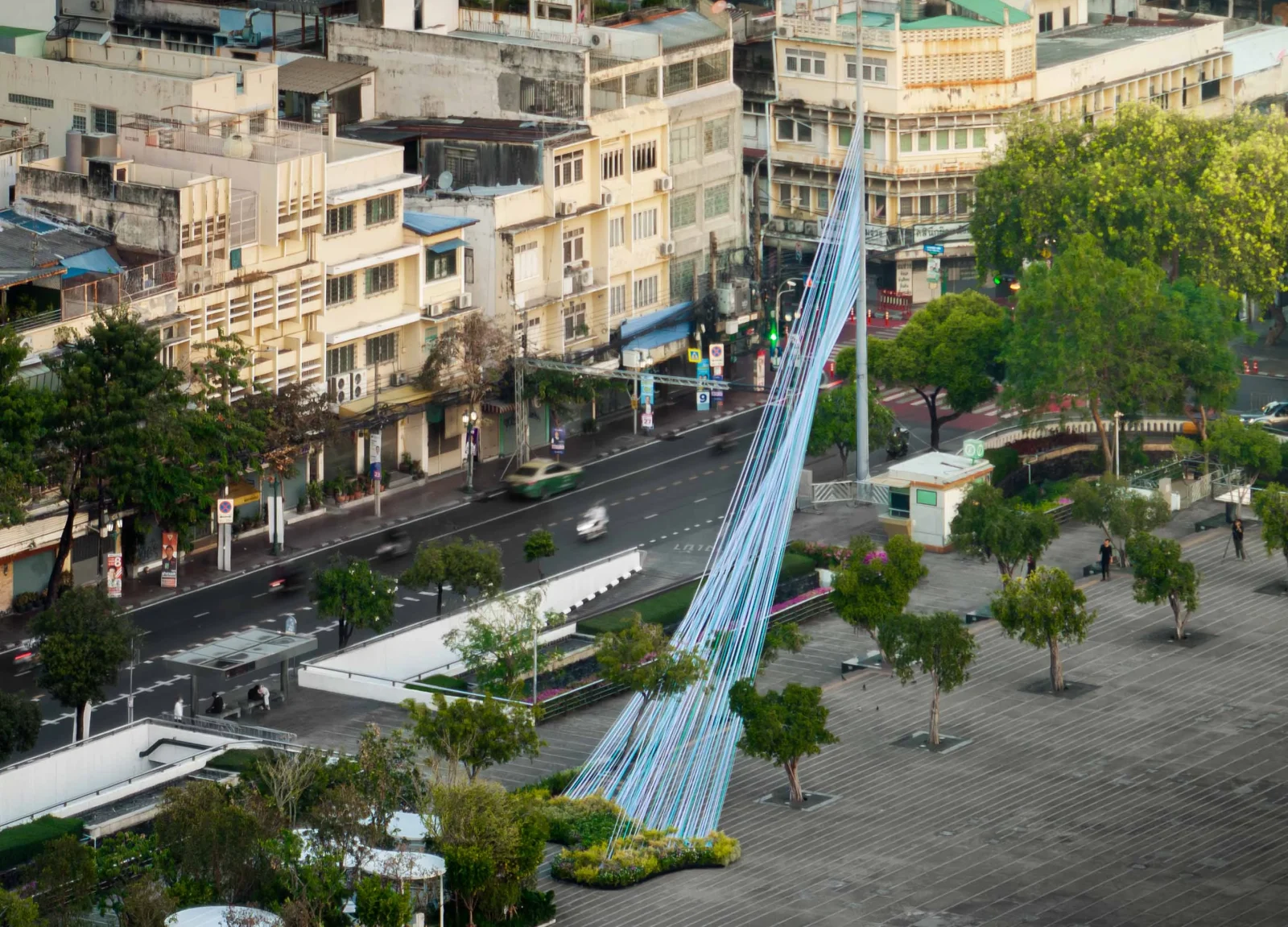
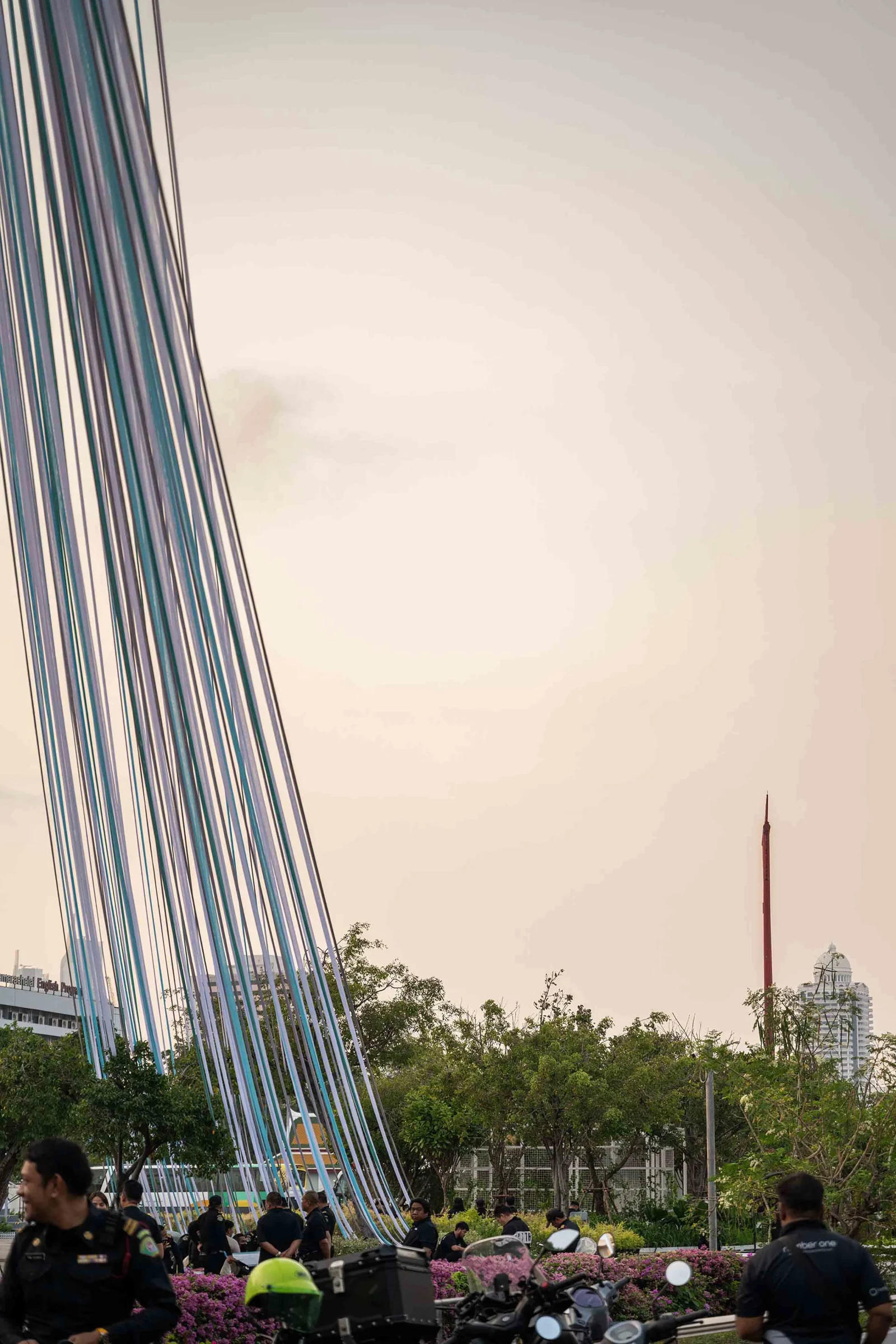
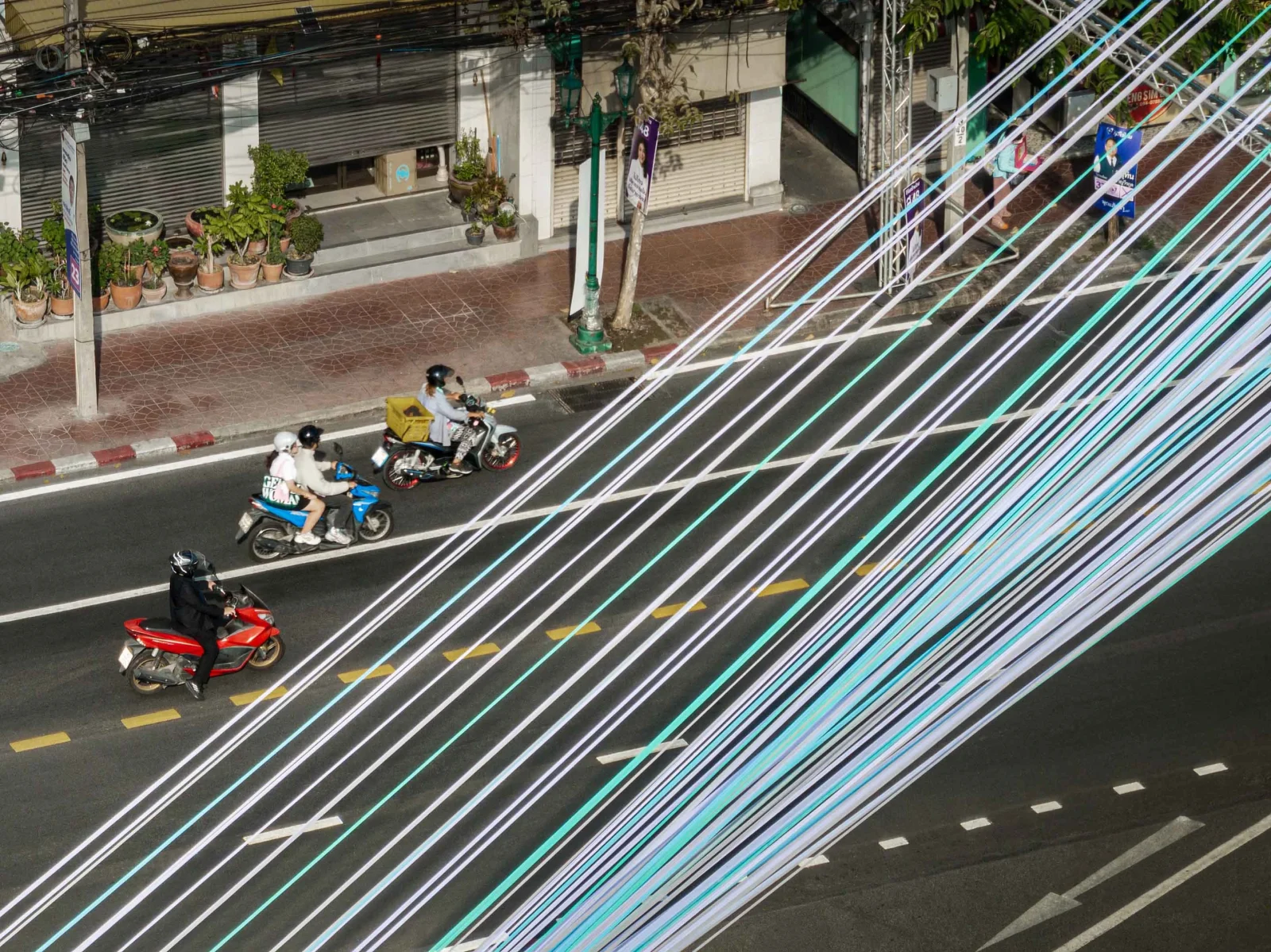
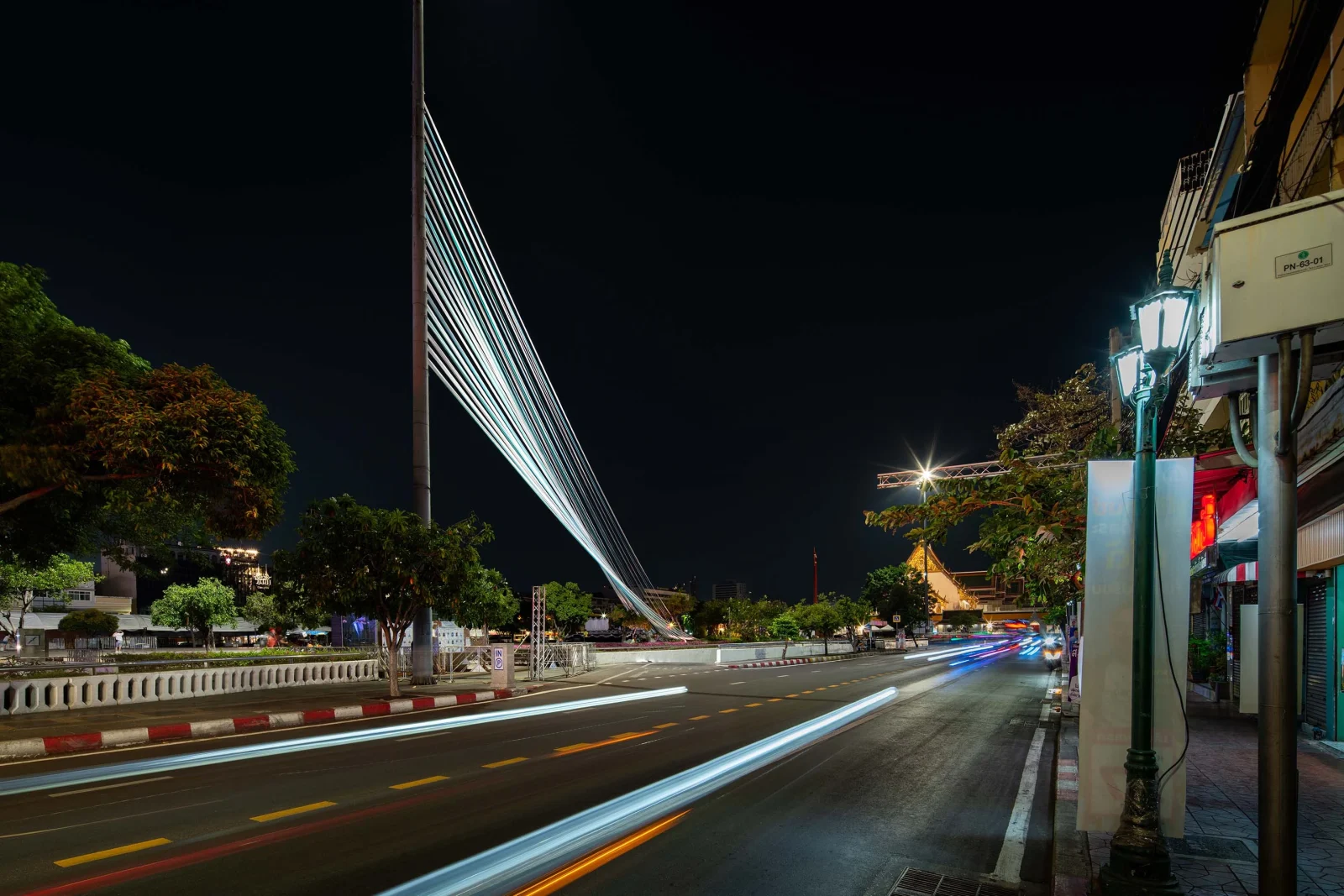
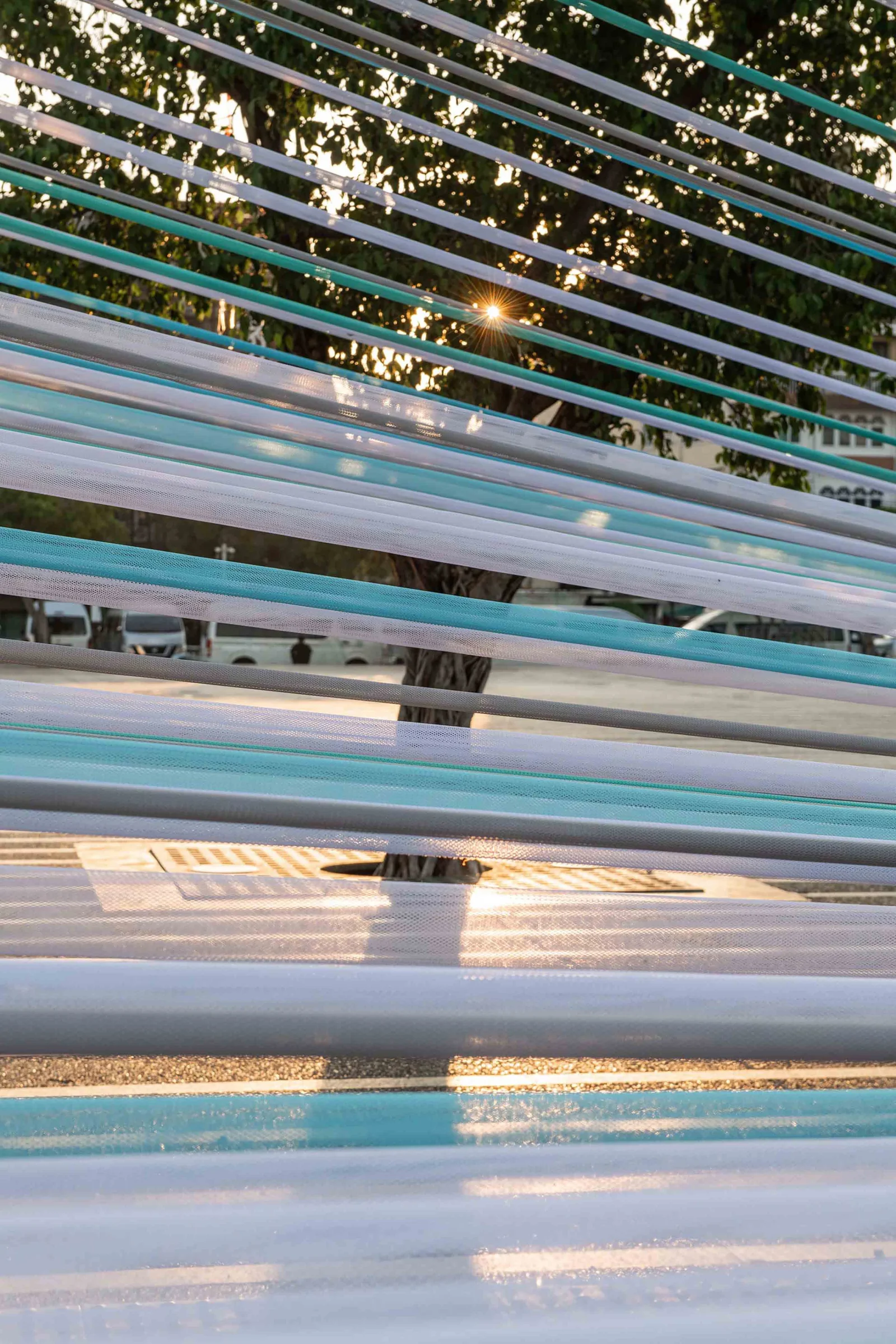
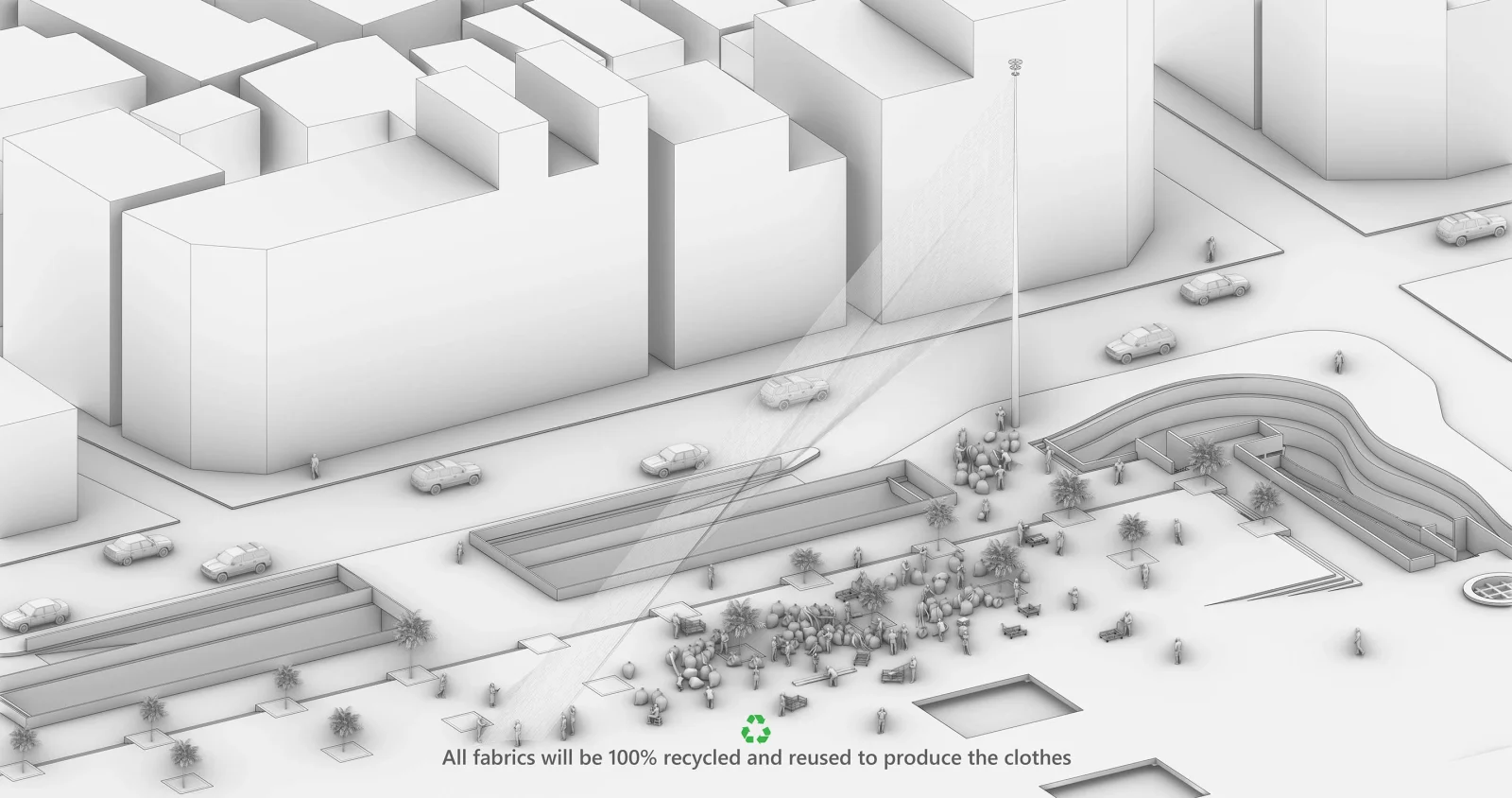
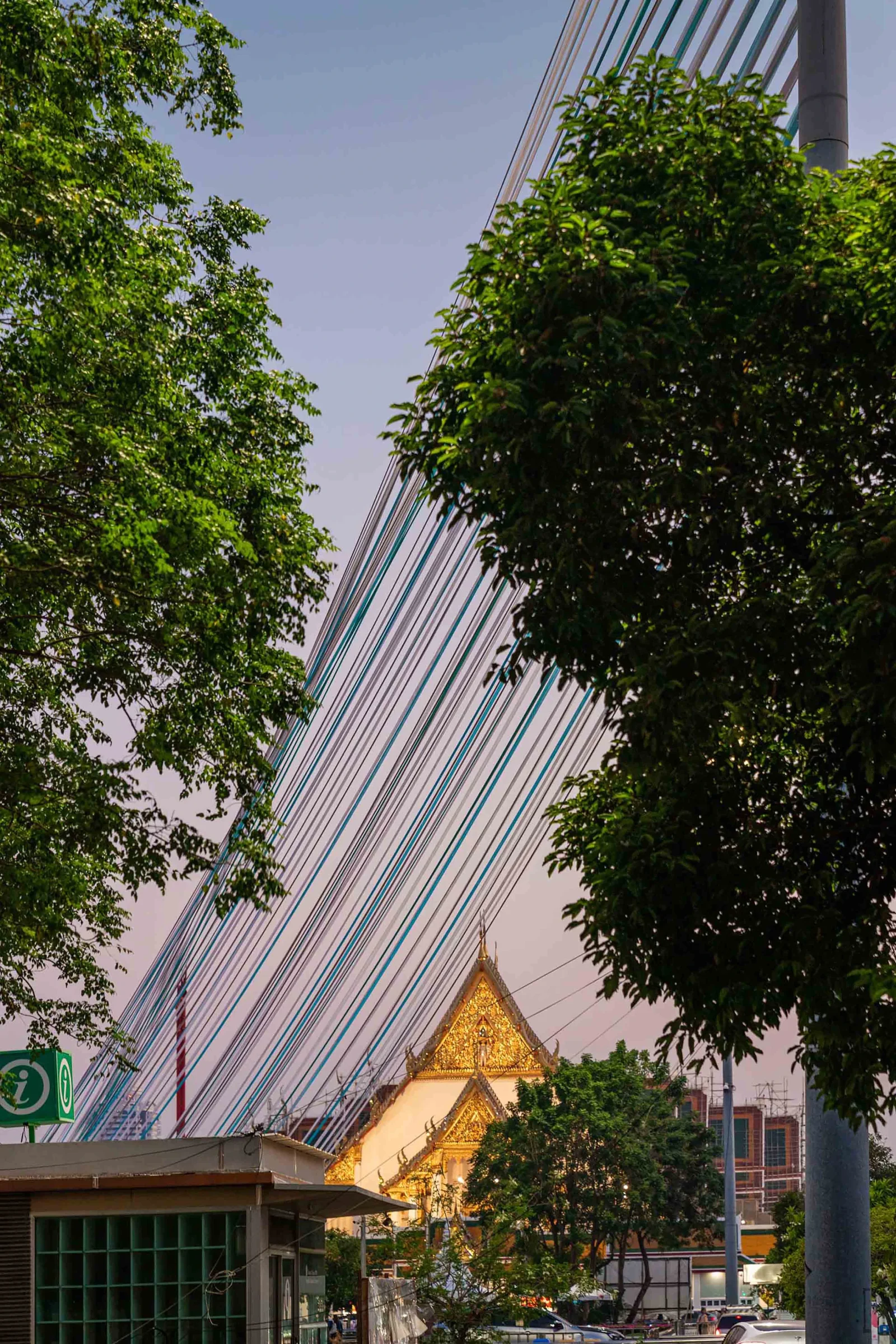
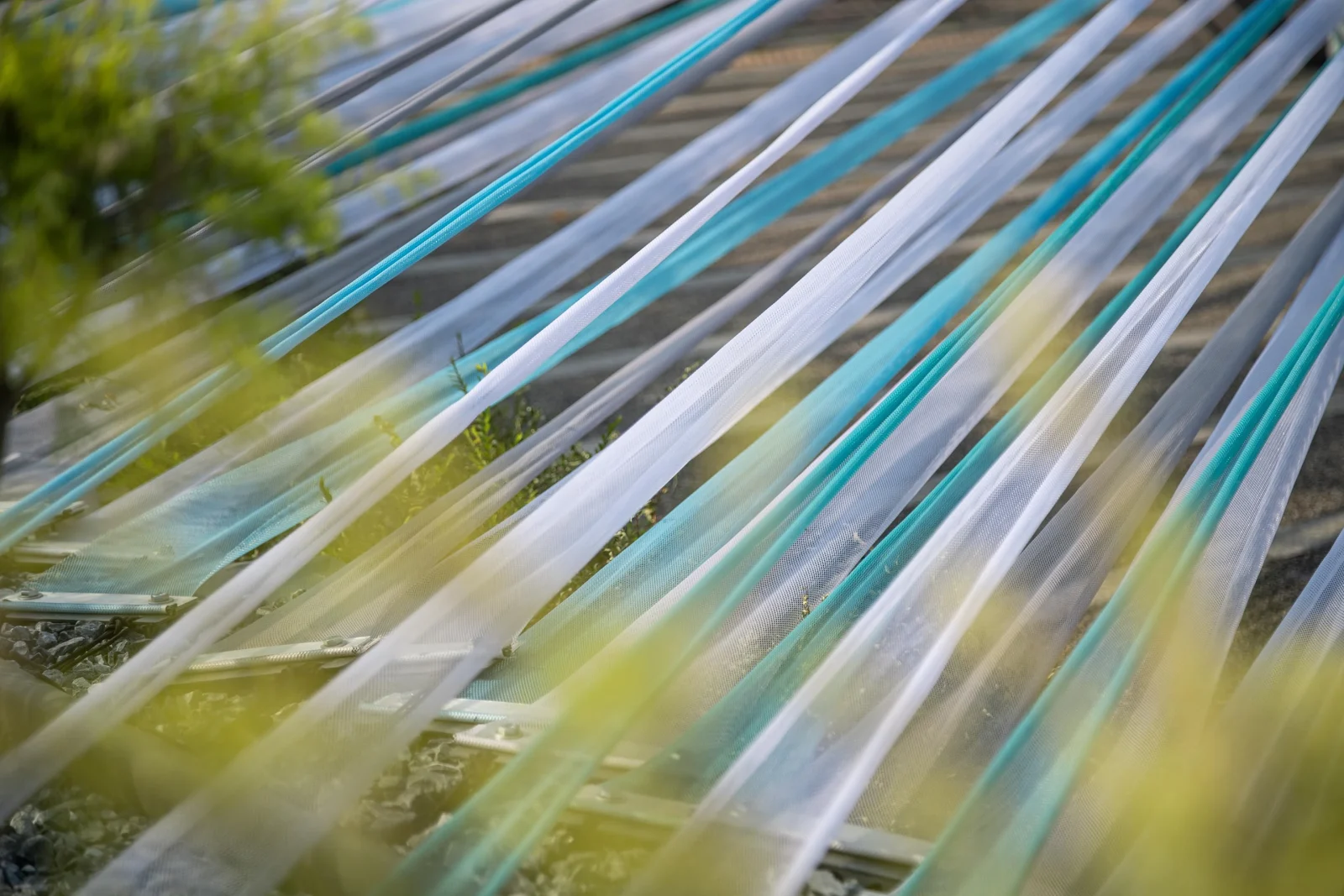
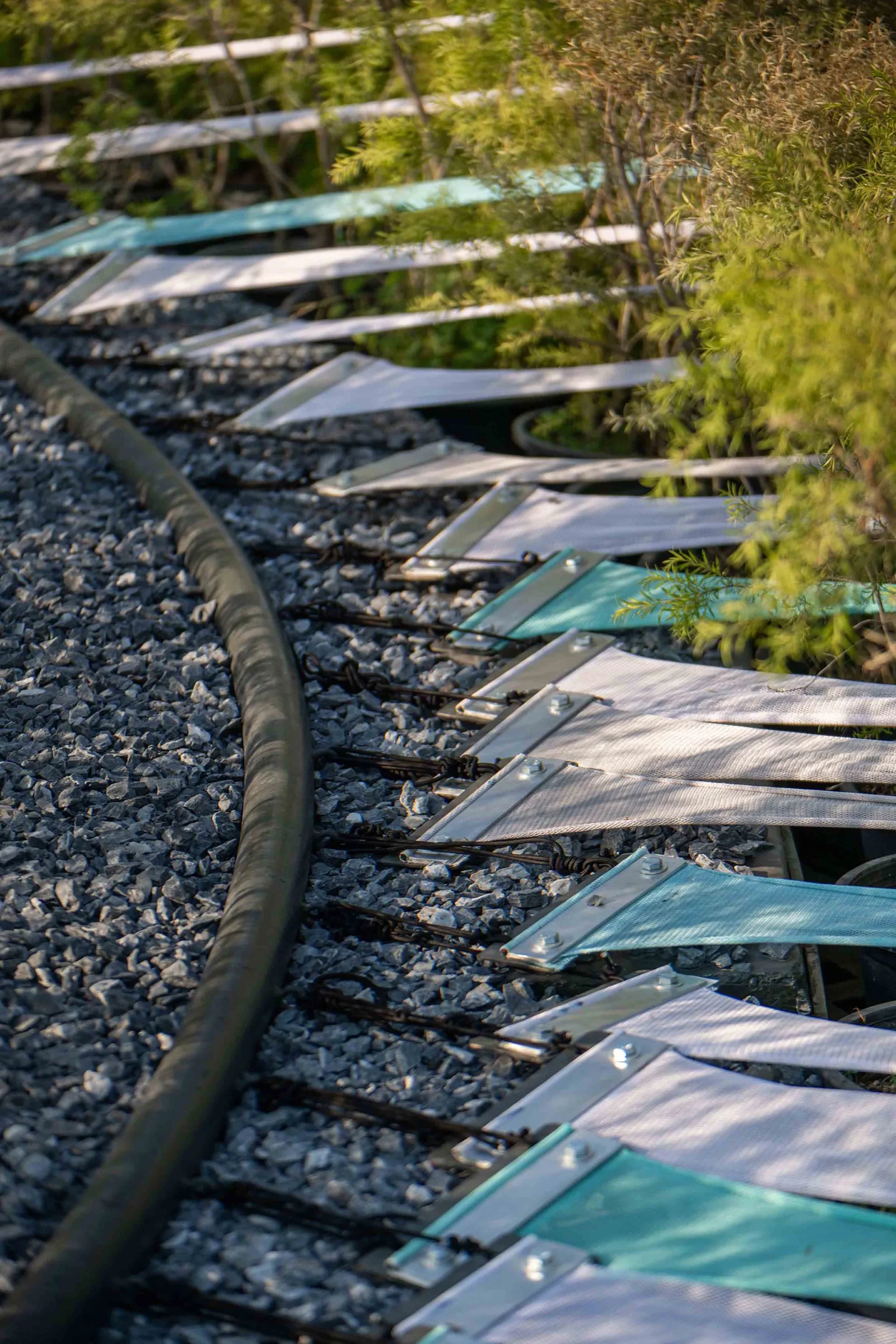
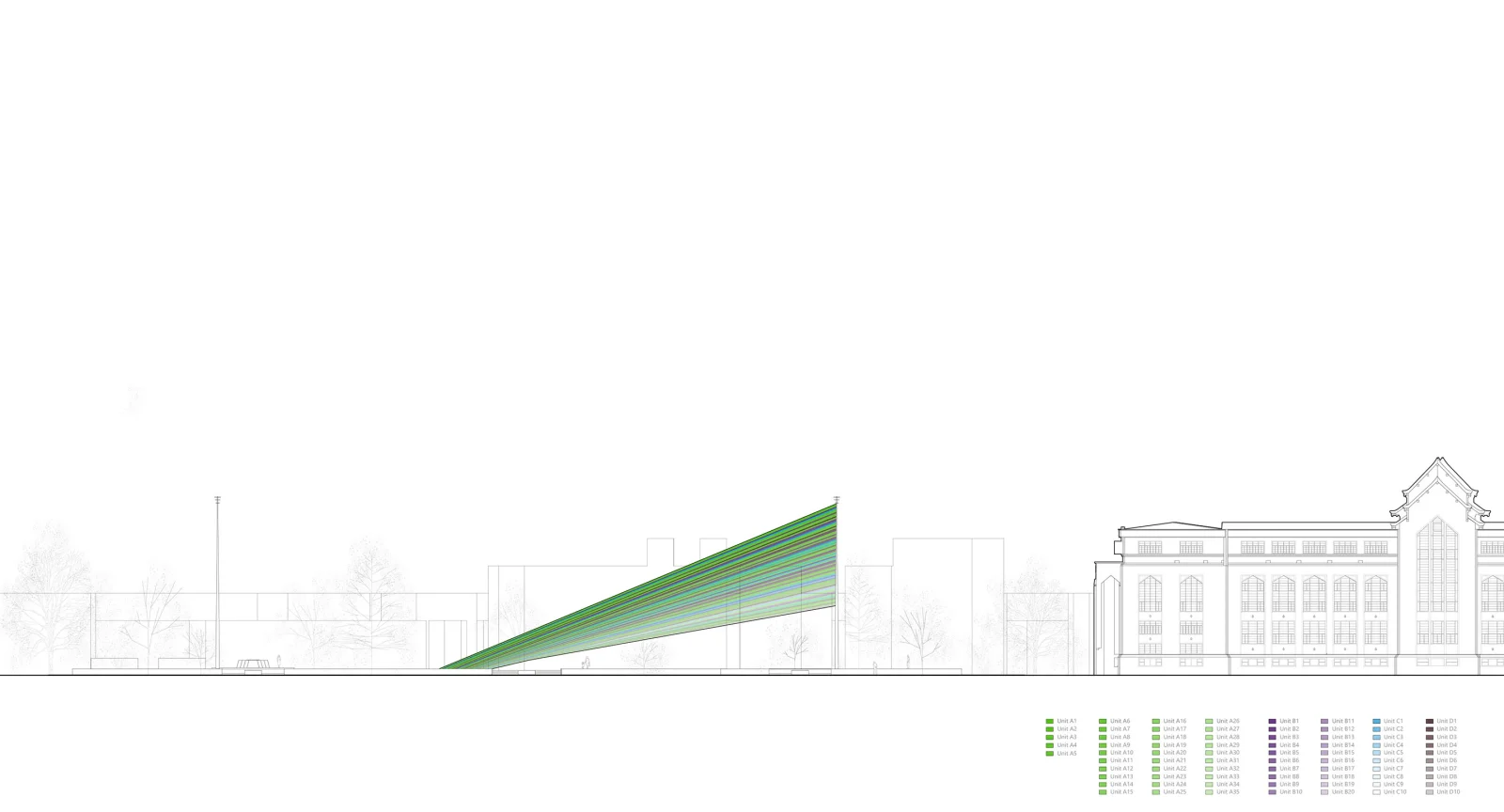
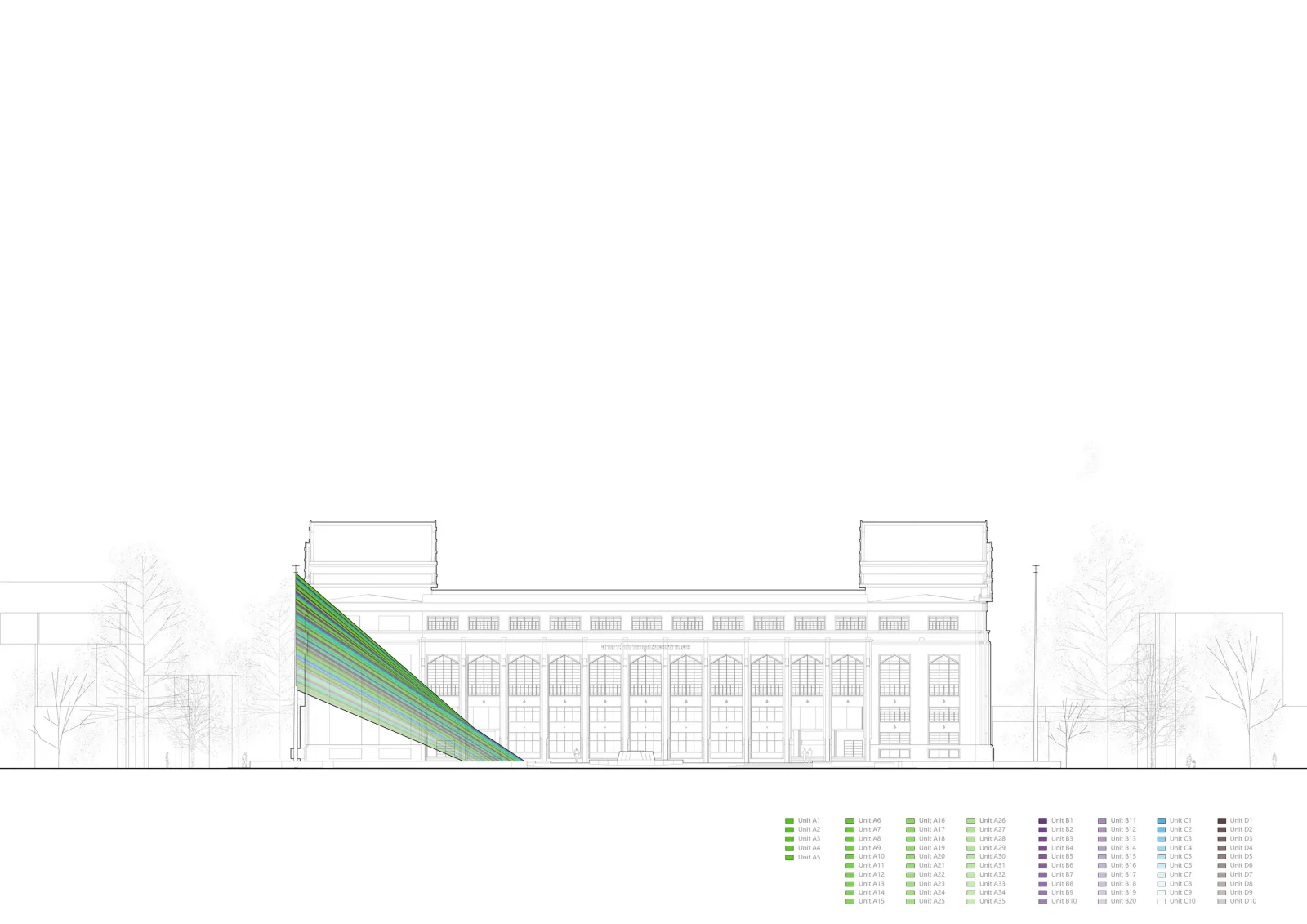
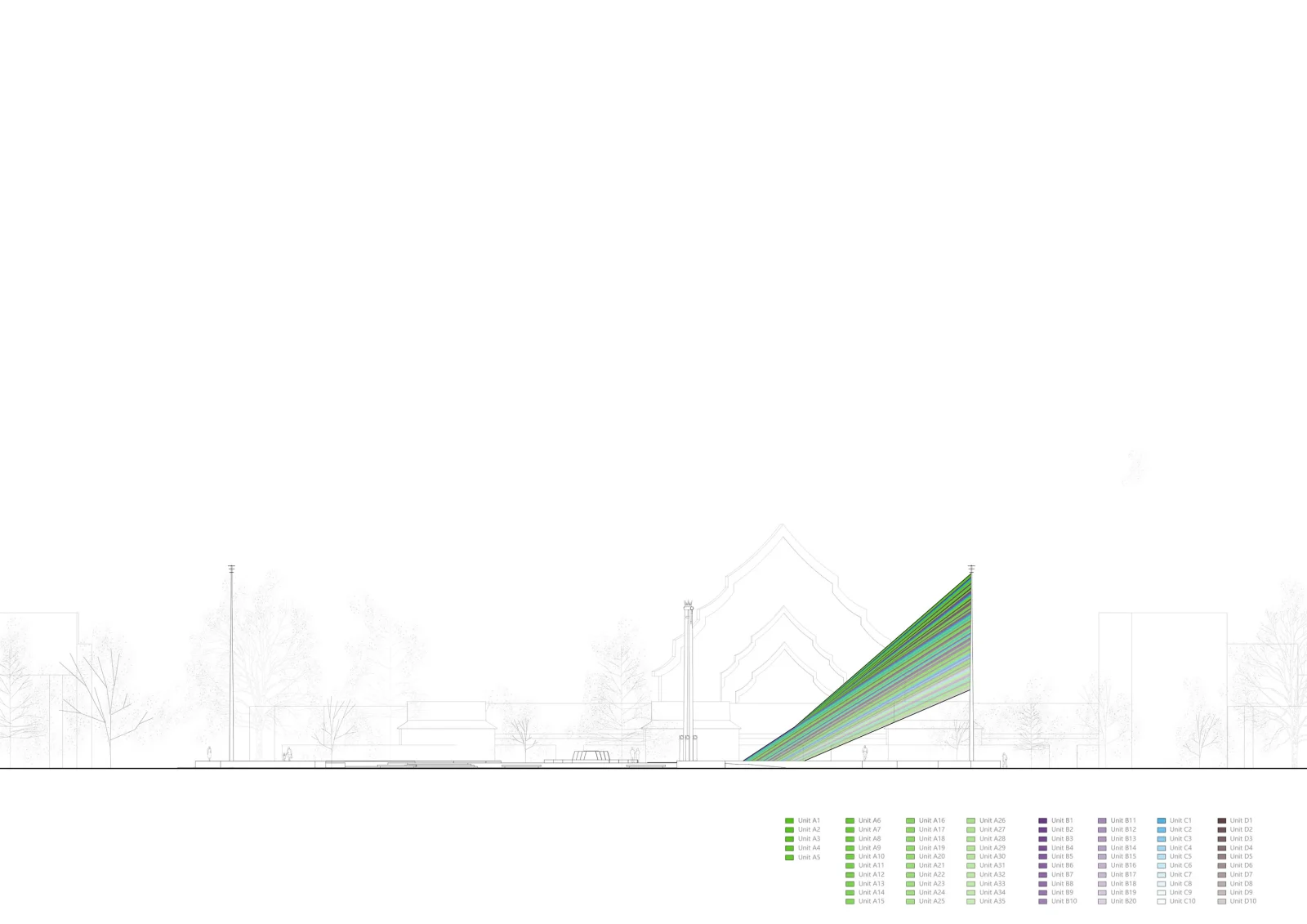
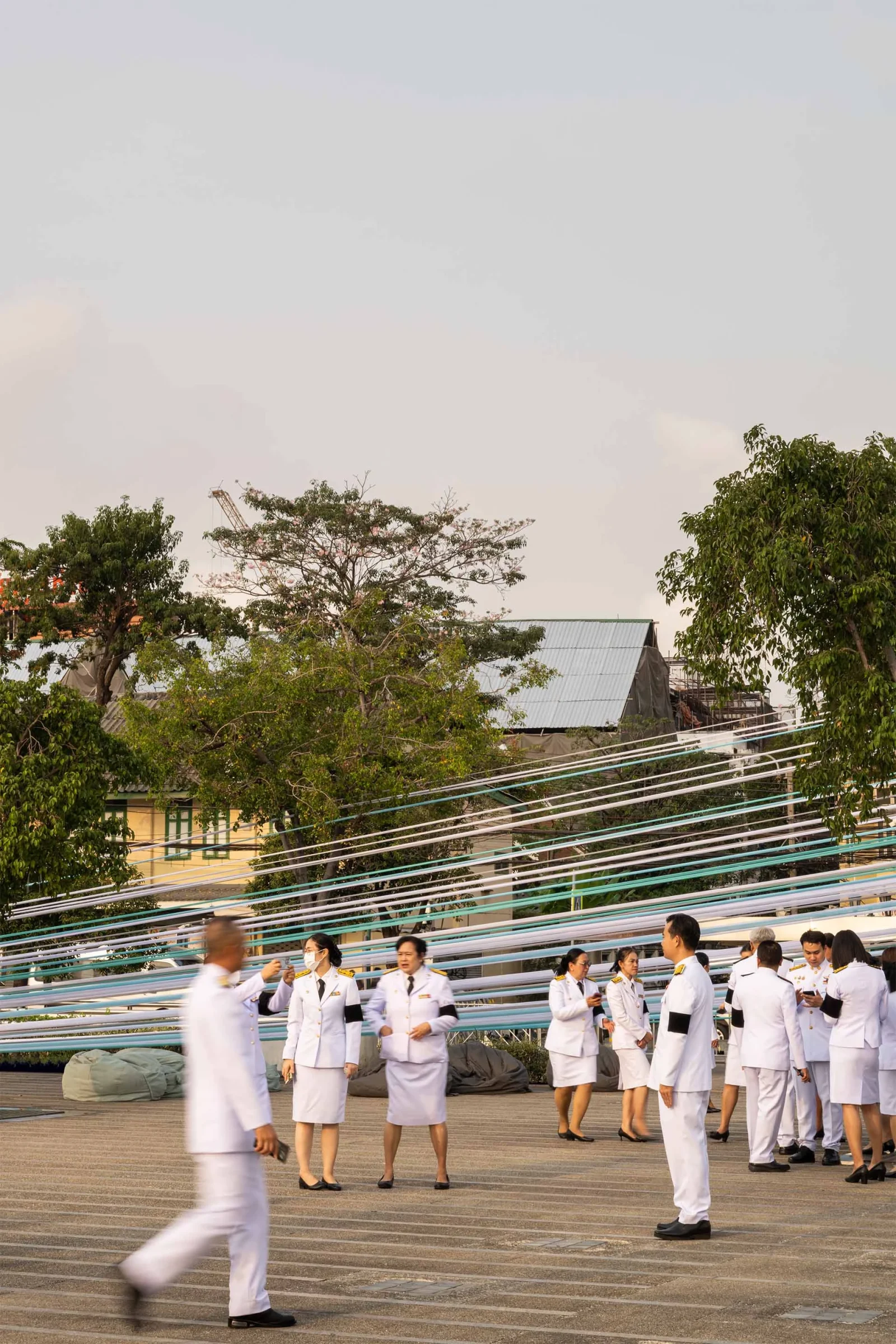
High Line Bangkok responds directly to this pattern by bridging the environmental roles of shade and light. Existing streetlights are repurposed as the structural framework, eliminating the need for new foundations and minimizing material use. The intervention incorporates shading devices, natural ventilation strategies, and arcade-like spatial qualities while integrating locally recyclable Thai fabrics that emphasize both sustainability and cultural identity.
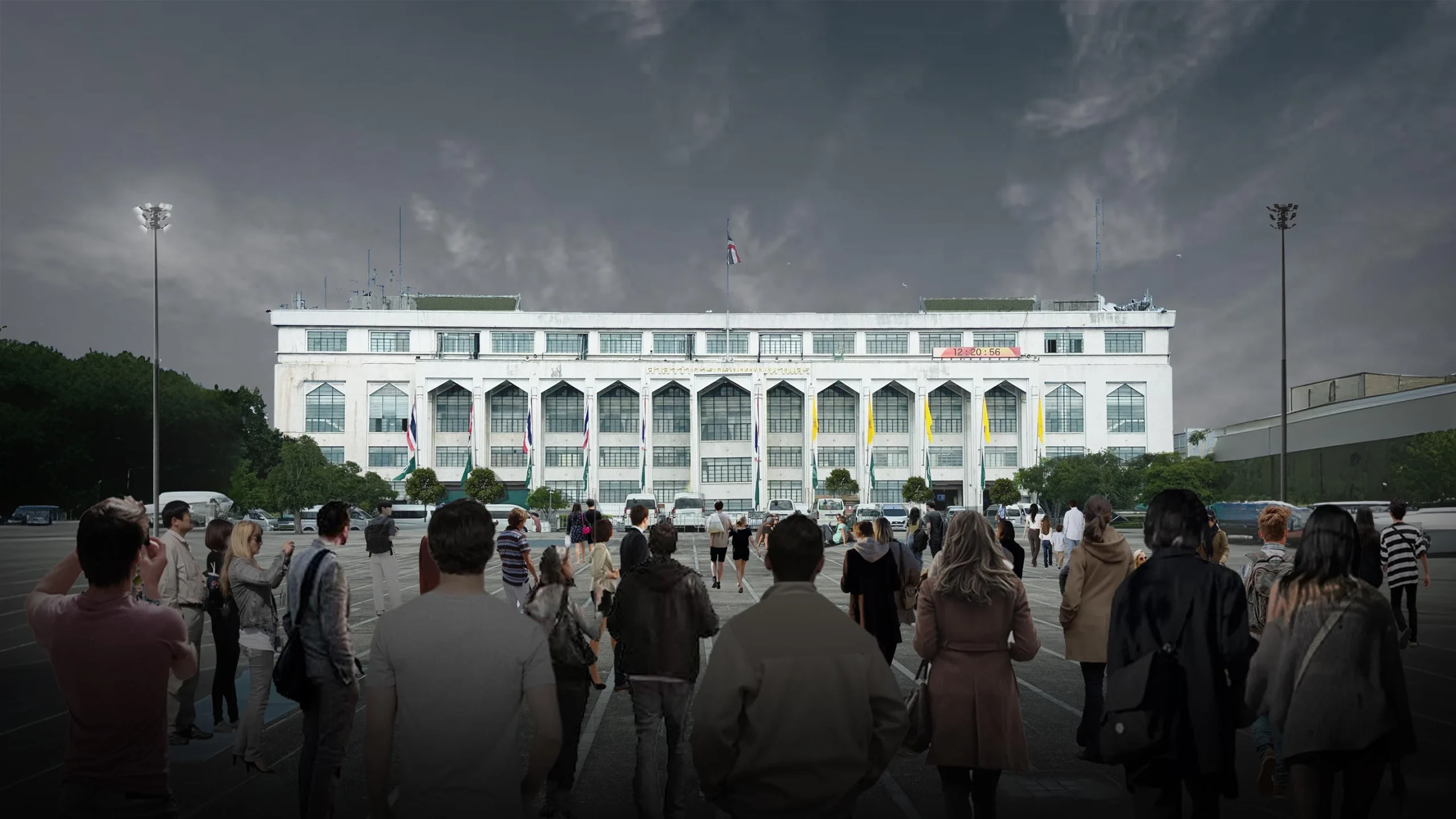
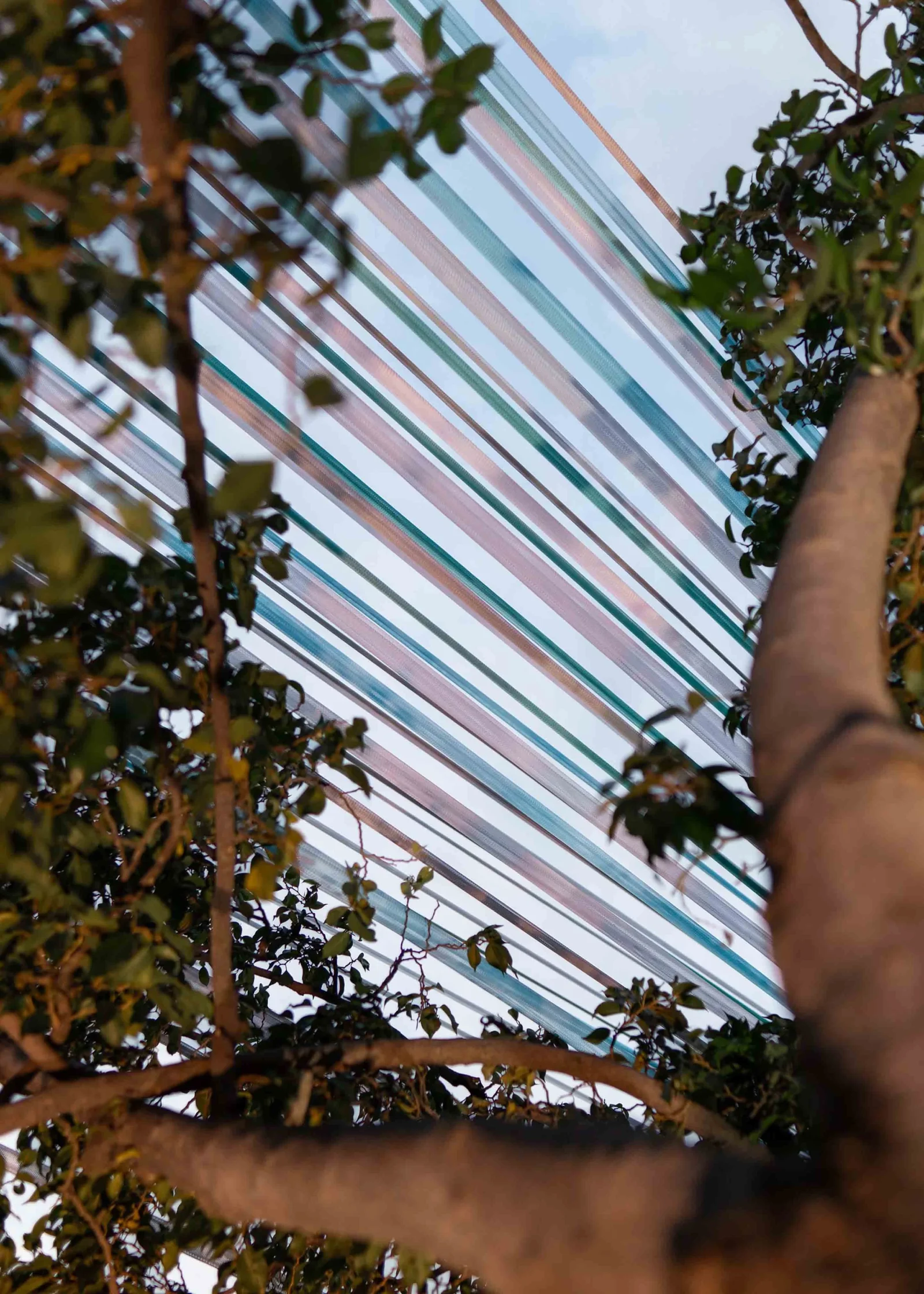
Throughout the day, the pavilion shifts in character. In daylight, it reads as a rainbow-like canopy, casting colorful, diffused shade that creates a comfortable semi-outdoor environment. After dark, it transforms into a glowing beacon, extending light across the plaza and reinterpreting familiar urban elements as symbols of collective life. This dual condition reinforces the project’s central idea: infrastructure can actively shape social behavior and enhance everyday urban experience.
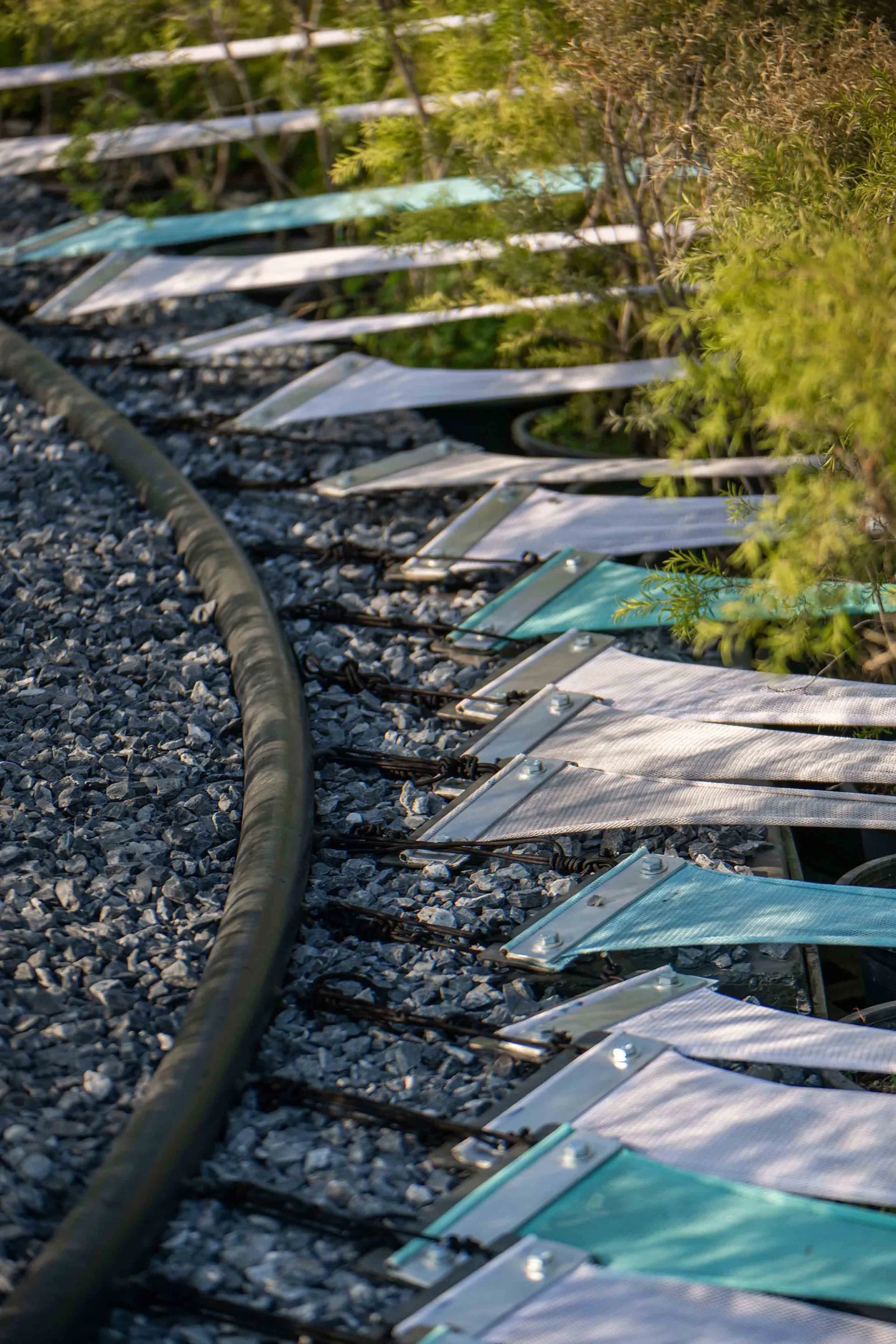
High Line Bangkok ultimately proposes a replicable design approach, one that enhances infrastructure both functionally and experientially. By merging principles of tropical architecture with adaptive reuse, it invites citizens to engage more deeply with their environment and demonstrates how thoughtful design can elevate public spaces.
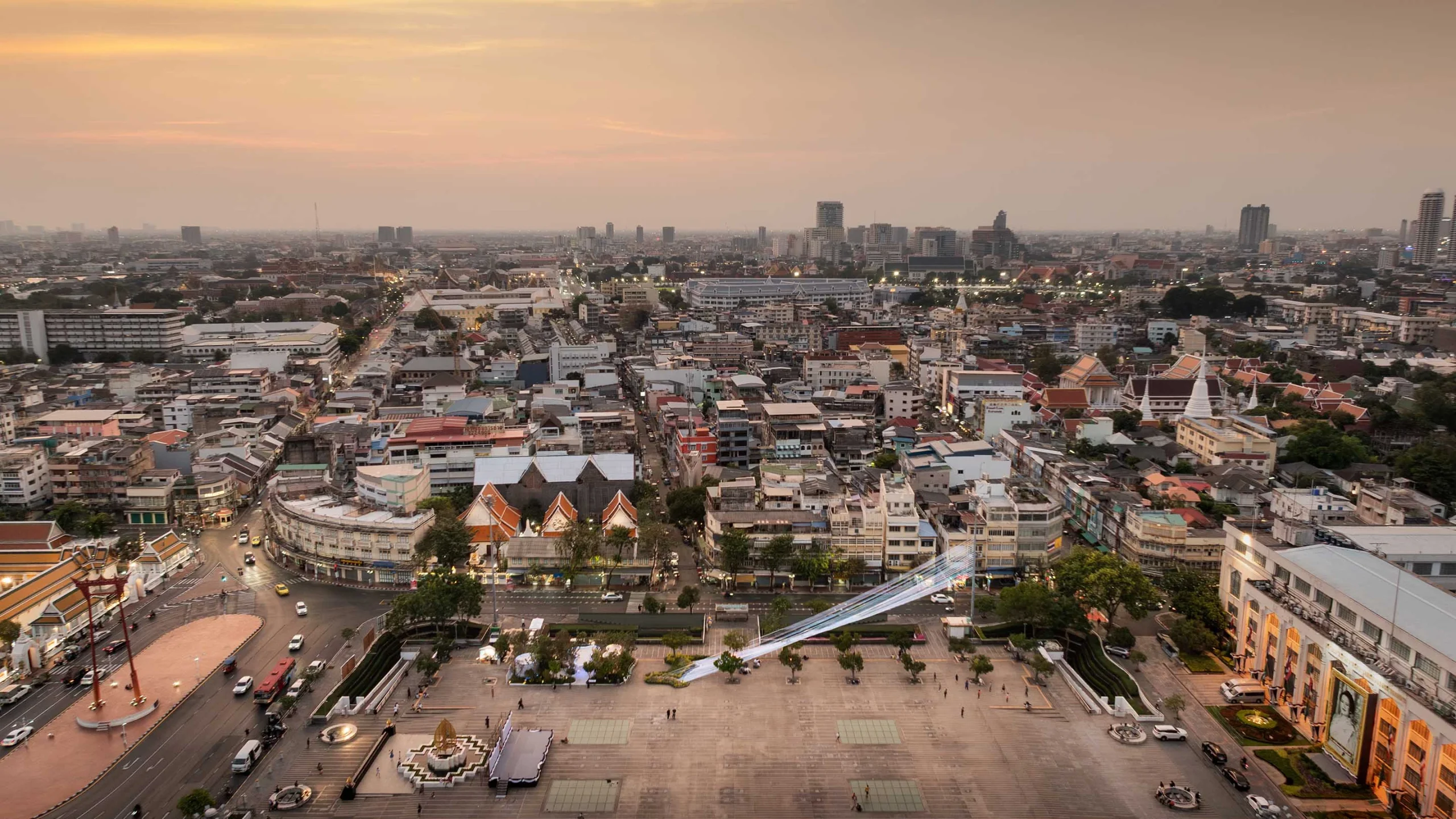
High Line Bangkok Project Details
Project Name: High Line Bangkok
Location: Bangkok, Thailand
Architecture Firm: Jenchieh Hung + Kulthida Songkittipakdee / HAS design and research
Lead Architects: Jenchieh Hung, Kulthida Songkittipakdee
Design Team: Jenchieh Hung, Kulthida Songkittipakdee, Darin Thonongtor, Vich Chinpraditsuk, Reefa Panawa, Sasitorn Sueatao
Completed: 2026
Site Area: 13,800 sq.m.
Gross Built Area: 1,050 sq.m.
Urban Research Consultant: Urban Ally
Structure Consultant: Isarapon Udomtham, Buncha Layangkoon
Landscape Design: Shma Company Limited (Shma SoEn)
Lighting Consultant: LUNDI
Collaborator: Masco Enterprise Thailand
Contractor: Bangkok Canvas
Clients: Bangkok Metropolitan Administration, Creative Economy Agency
Photography: DOF Sky|Ground
Explore Courses
.jpg%202.jpg "Building Performance with Forma & Opossum")
.jpg "Ondrej Chybik - Rethinking Architecture")