



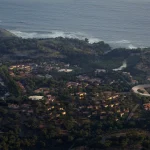
A new master plan is being developed along the Black Sea coast in the Riva area north of Istanbul. The project brings together three internationally known architecture studios, Snøhetta, MVRDV, and Bjarke Ingels Group, and regional studios KEYM, DB Architects, Rasa, and Bilgin Architects to design a new neighborhood structured around landscape, culture, and community.
The development, known as the Ion Riva master plan, covers roughly 84 hectares and is planned as a mixed-use coastal district for about 3,000 residents. Housing forms the core of the development, but the plan also includes cultural venues, hospitality spaces, retail areas, educational facilities, and large areas of green infrastructure.
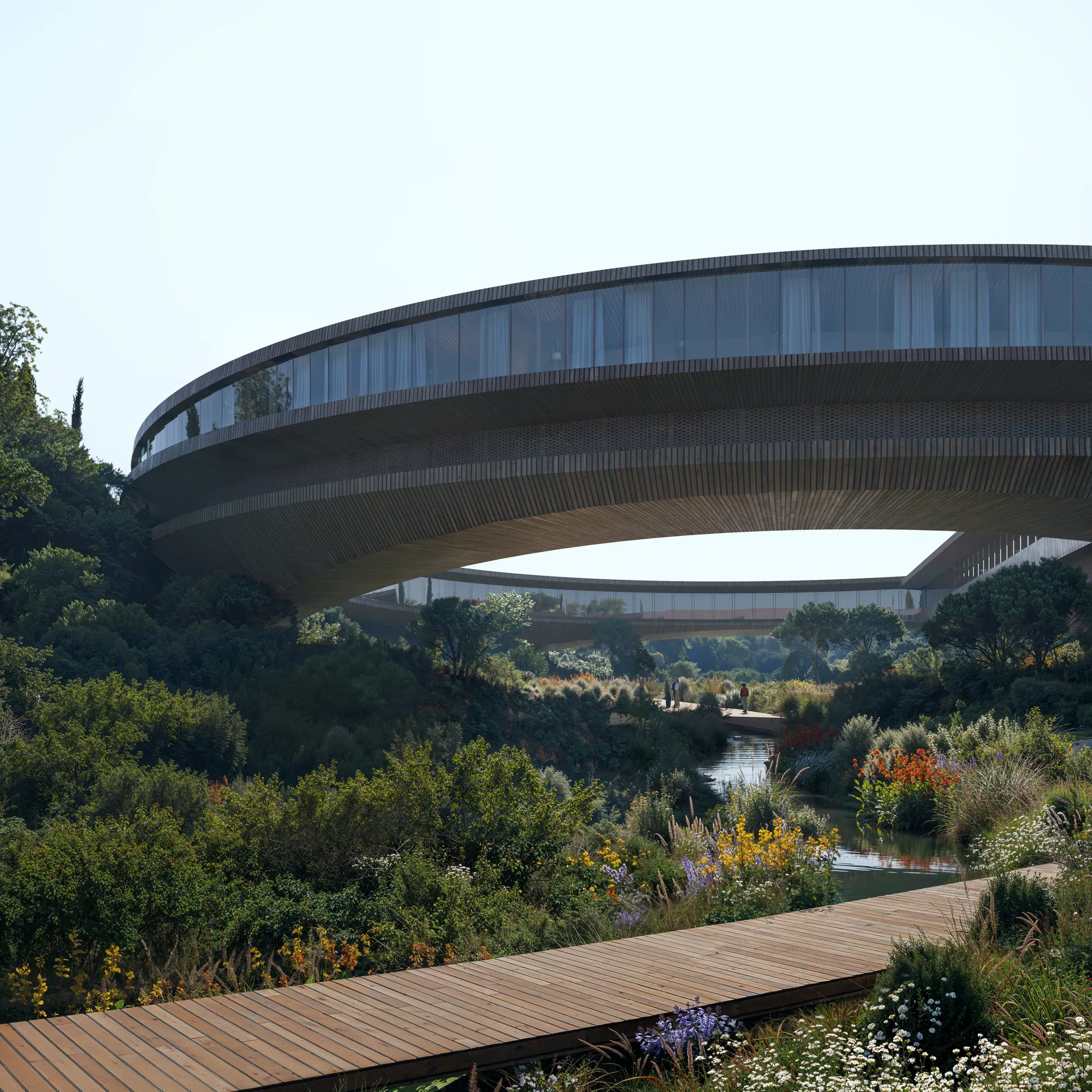
The master plan follows the existing terrain and ecological systems where forest, river, and sea intersect. Buildings, paths, and public spaces are arranged along the natural contours of the land to preserve views and minimize environmental impact.
Ion Riva Master Plan Organized Around the Landscape
The planning strategy treats the landscape as the main framework for development. The distribution of residential clusters and public facilities occurs within a network of green corridors, walking paths, and recreational spaces.
The first phase of the project includes nearly 1,000 residential units and around 100,000 square meters of biodiverse green space. Parks, trails, and shaded pedestrian routes connect the neighborhood’s different districts and encourage walking rather than car use.
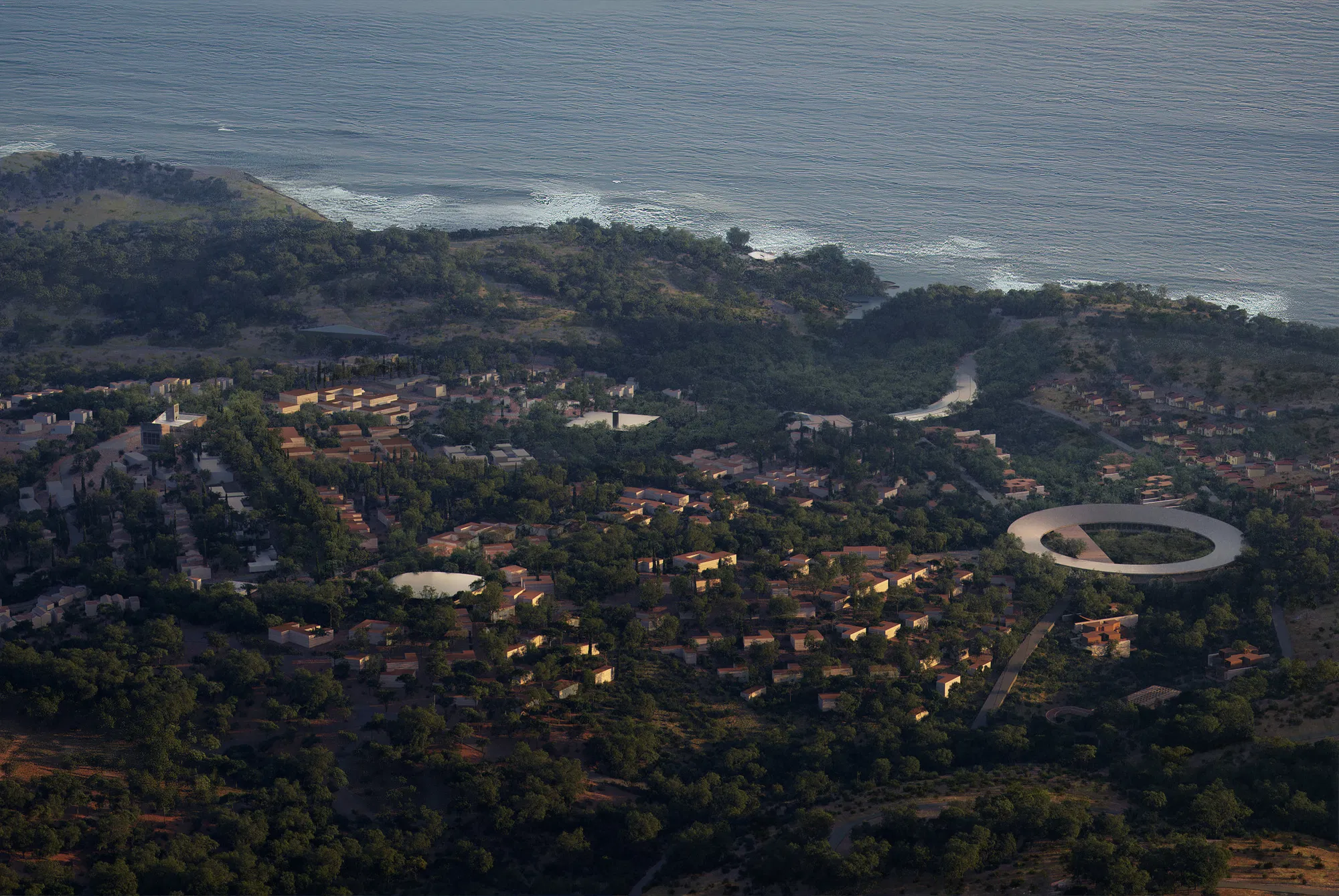
The architecture of the Ion Riva development supports walkability and easy public access. Buildings and pathways are arranged to maintain clear visual connections toward the sea and the surrounding valley, allowing the landscape to remain a visible part of daily life in the neighborhood.
The design also integrates natural systems through green corridors, planted areas, and ecological infrastructure that connect different parts of the site. The district distributes shared facilities like community spaces, cultural venues, and recreational areas to foster social interaction among residents. Through this approach, the master plan brings together different architectural ideas from each studio while maintaining a coherent and connected urban environment.
Snøhetta: Greenhouse District and The Ring
Within the master plan, Snøhetta is accountable for the Greenhouse district, which includes around 400 homes, retail spaces, and offices.
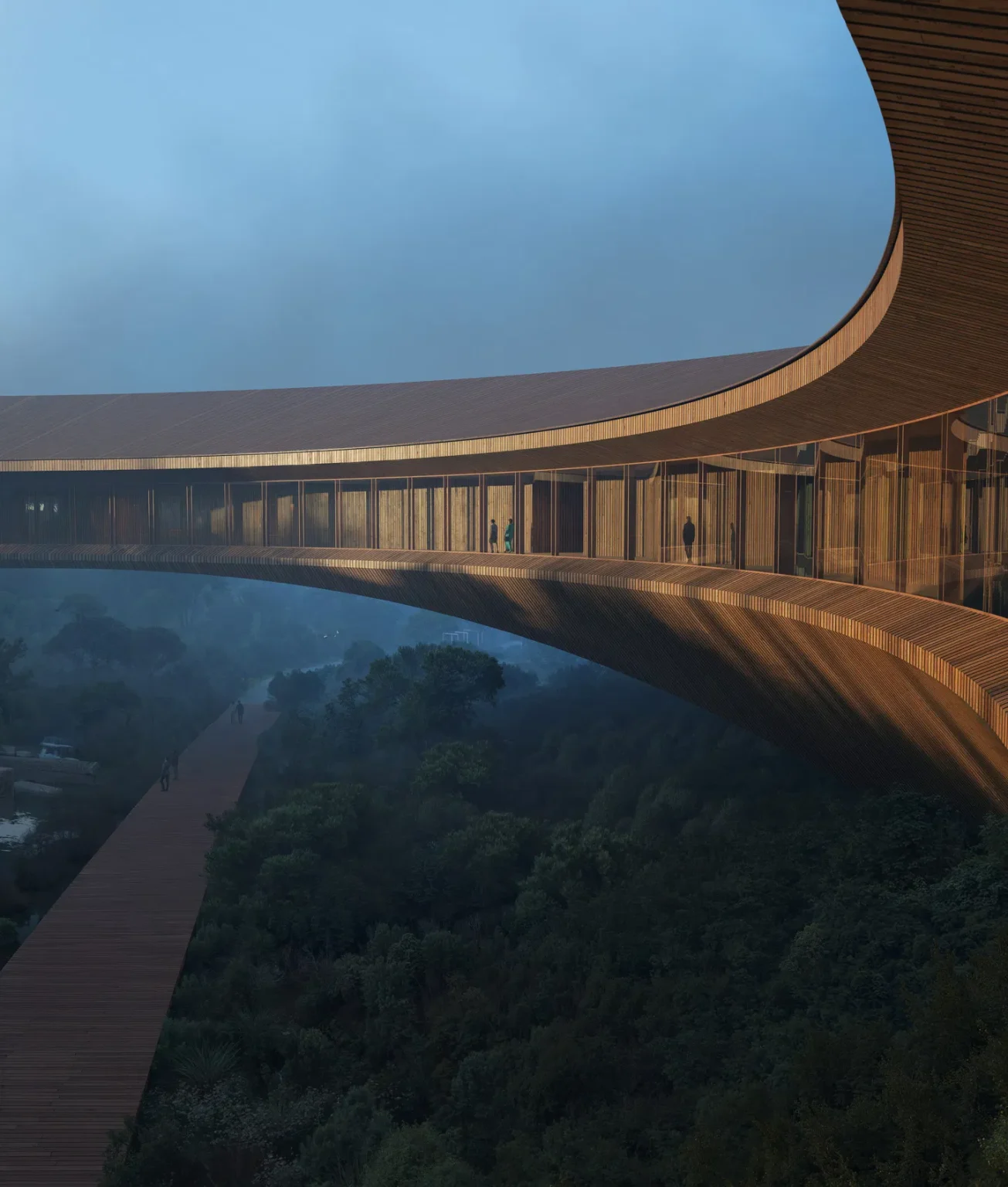
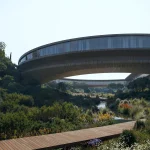
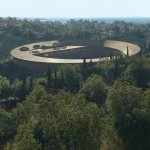
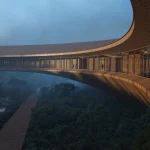
The architectural centerpiece of this area is The Ring, a circular building spanning a valley near the river. The structure forms a large ring-shaped bridge that creates a continuous public route and viewing platform over the landscape.
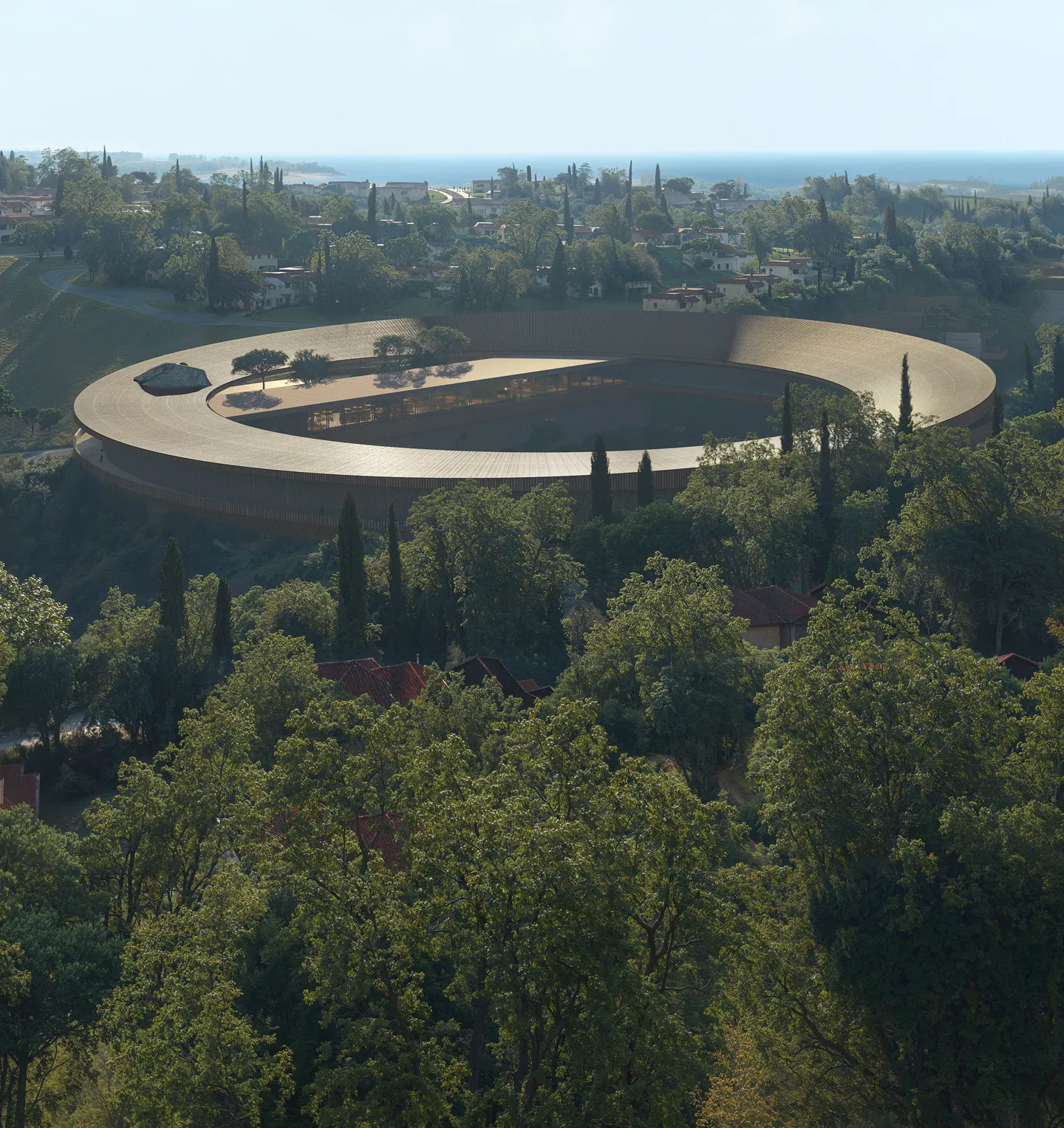
The building functions as a wellness and community hub, including a Longevity Center, outdoor recreation spaces, and areas connected to local food production, such as stables and allotment gardens.
Housing in the district is organized into smaller clusters of 50 to 80 homes, each designed with a distinct landscape identity. Shared facilities and public amenities encourage interaction between residents while maintaining strong connections to nature.
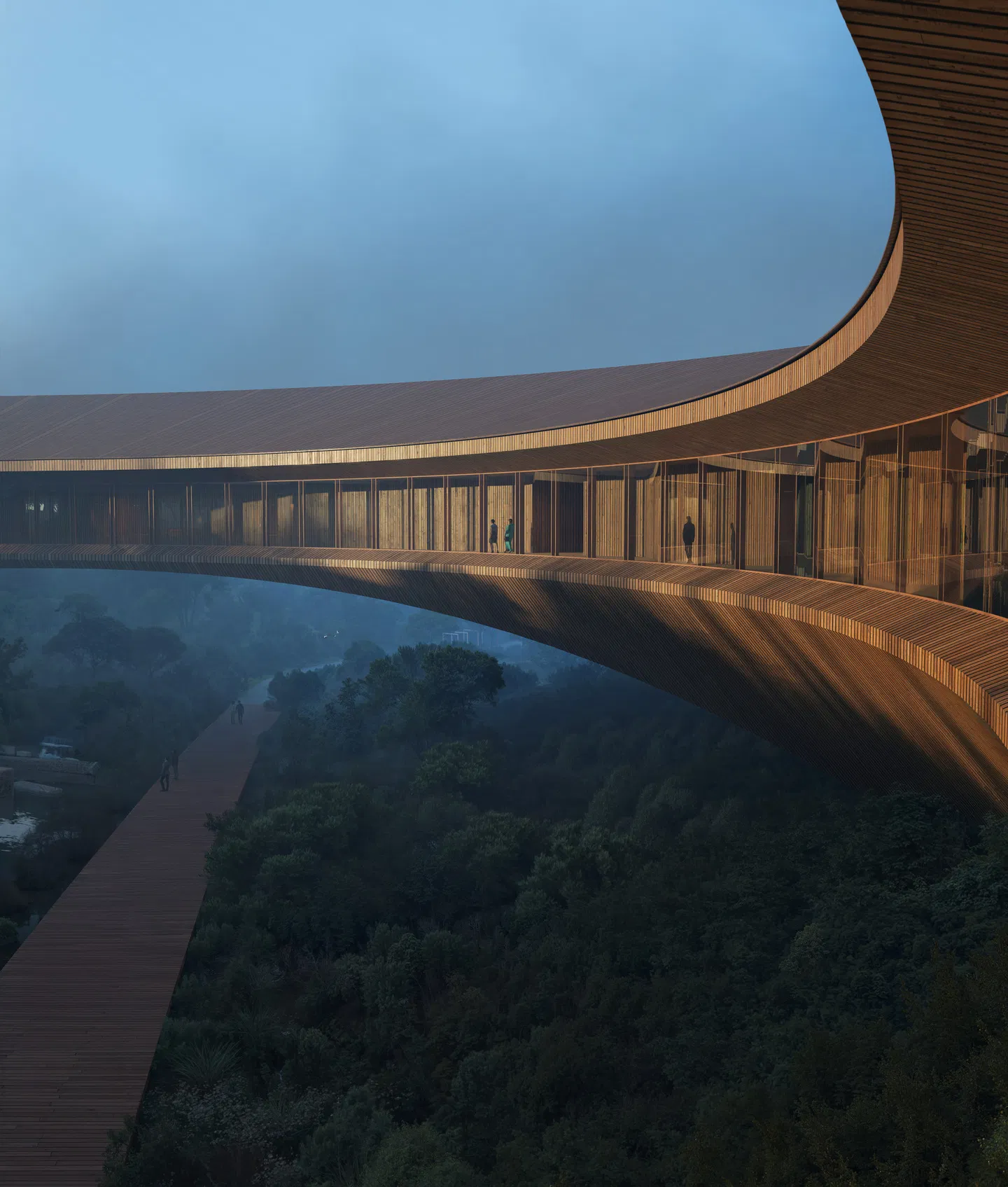
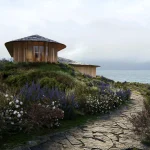
Materials are selected with reference to regional architecture, with a focus on locally sourced stone and timber. The buildings emphasize simple forms and low-impact construction to combine with the natural surroundings.
BIG: The Drop as a Coastal Landmark
The Bjarke Ingels Group contributes to one of the development’s key landmark buildings, called The Drop.
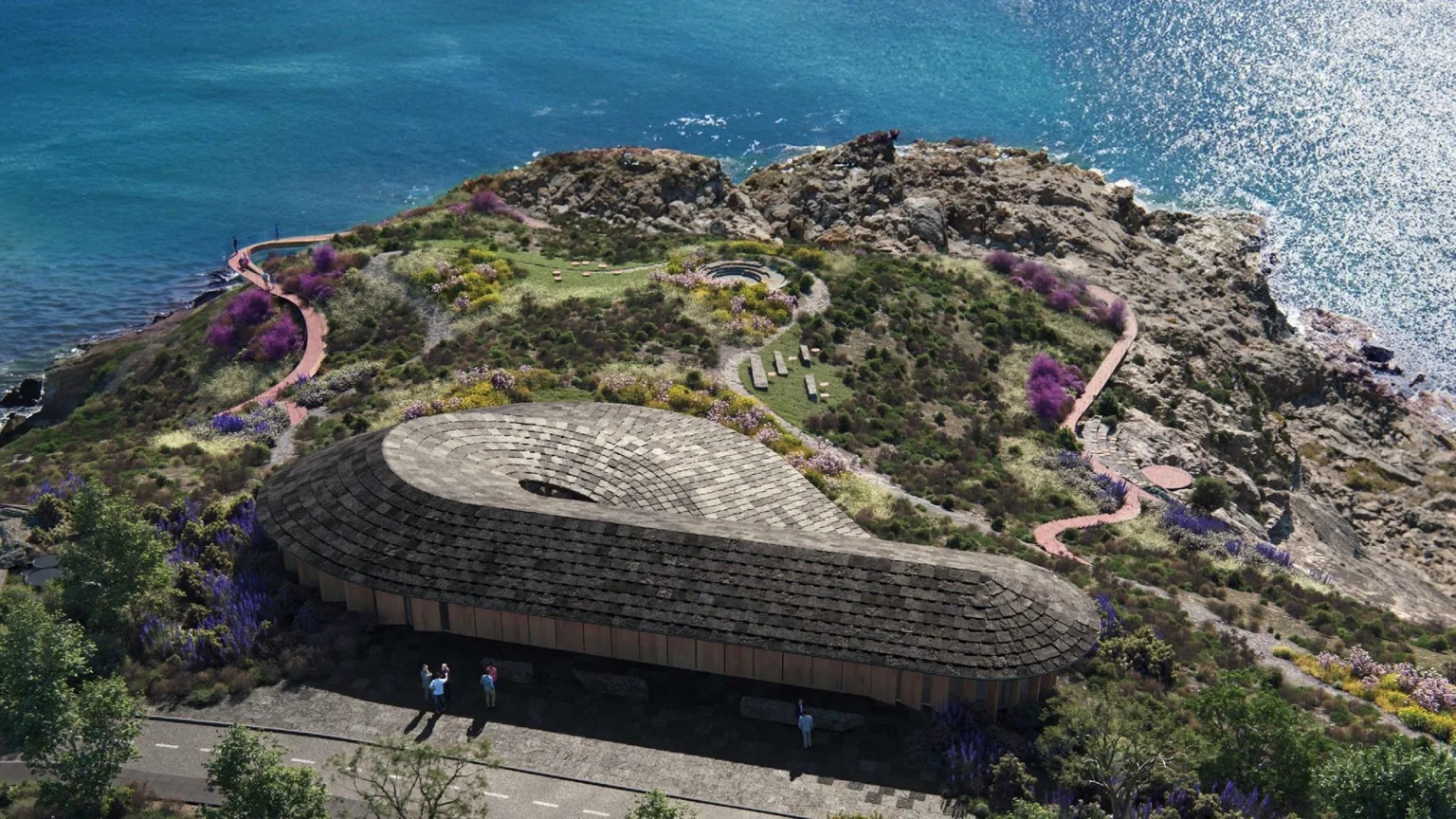
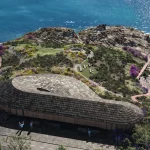
Located at the end of the master plan’s central axis facing the sea, the project acts as a public destination connecting the neighborhood to the coastline. The building’s form shifts from a linear street-facing bar to a curved volume that opens toward the Black Sea, creating a sheltered courtyard and framing views of the water.
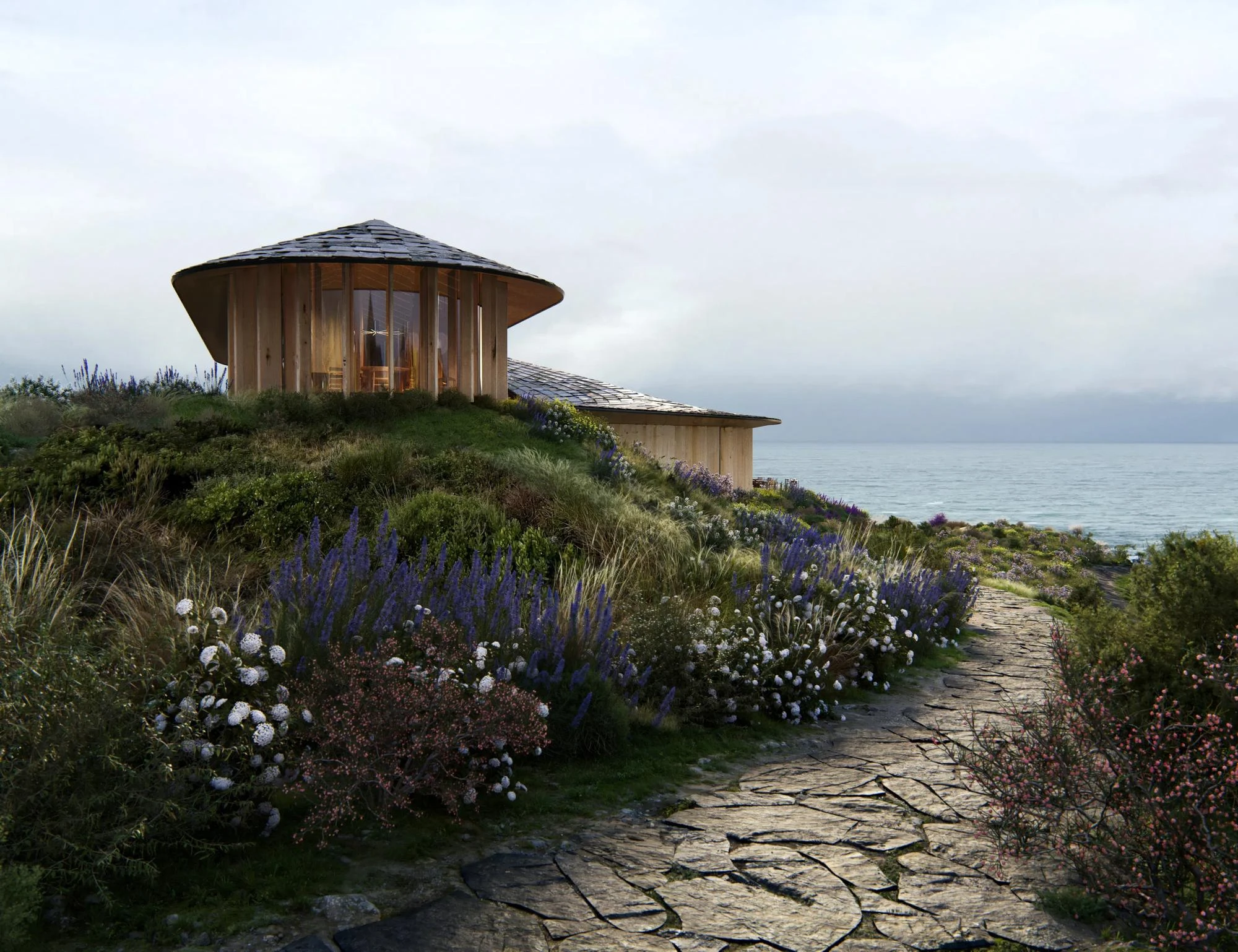
Visitors enter from the upper level, where a café overlooks the sea. Inside, a stepped reading lounge gradually descends toward a restaurant on the lower floor, forming a spatial sequence that connects the entrance to the dining areas below.
Material choices reference the coastal environment. Exposed timber structures and ceilings add warmth to the interior spaces, while basalt stone flooring ties the architecture to the rocky shoreline terrain.
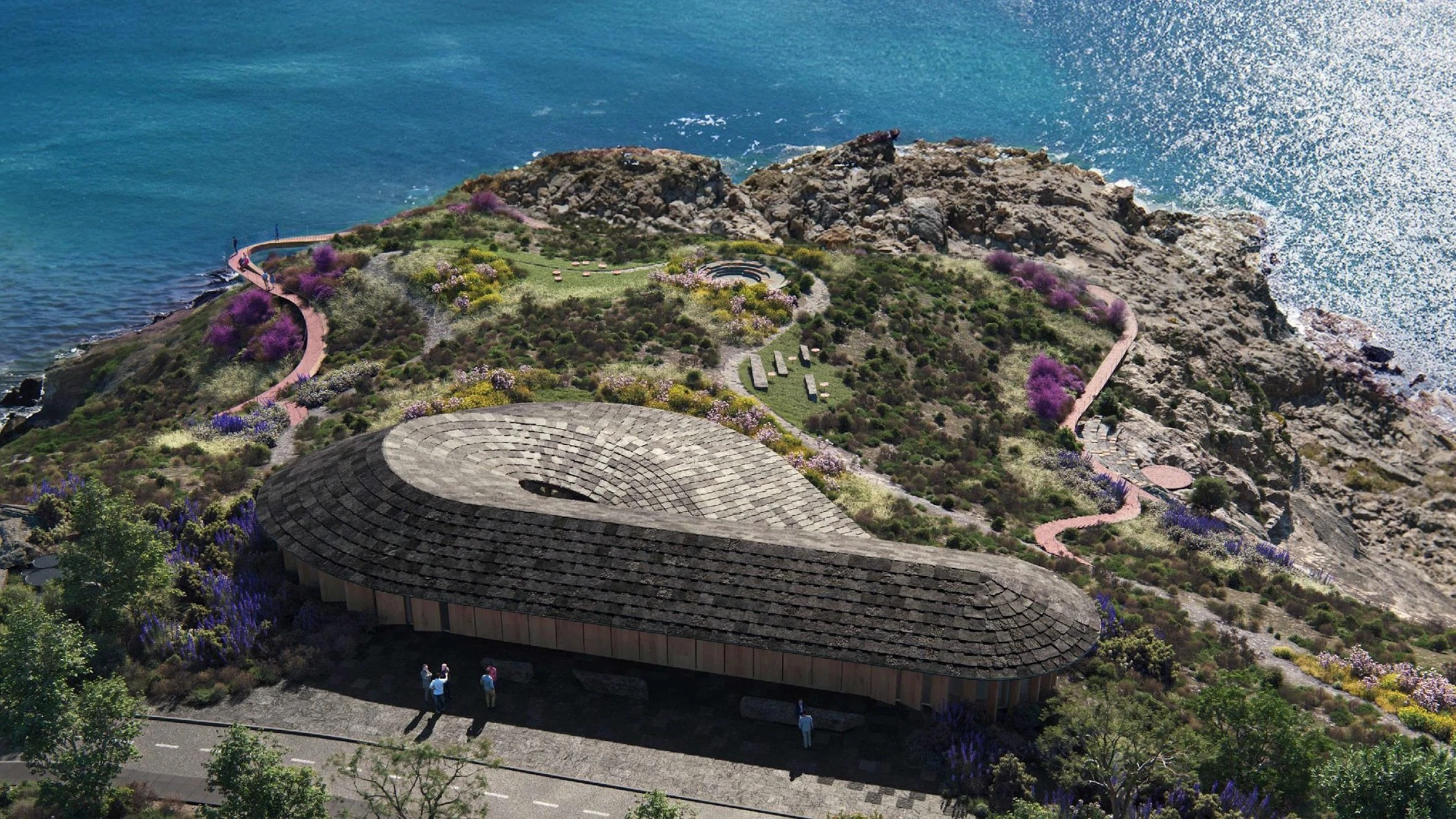
Below ground level, a spa carved into the hillside extends toward the sea with indoor and outdoor pools. Around the building, landscape paths and boardwalks guide visitors through outdoor spaces, including fire pits, seating areas, and small amphitheater-like terraces overlooking the water.
MVRDV: The Lantern Cultural Center
The Dutch studio MVRDV designed another important cultural building within the master plan called The Lantern.
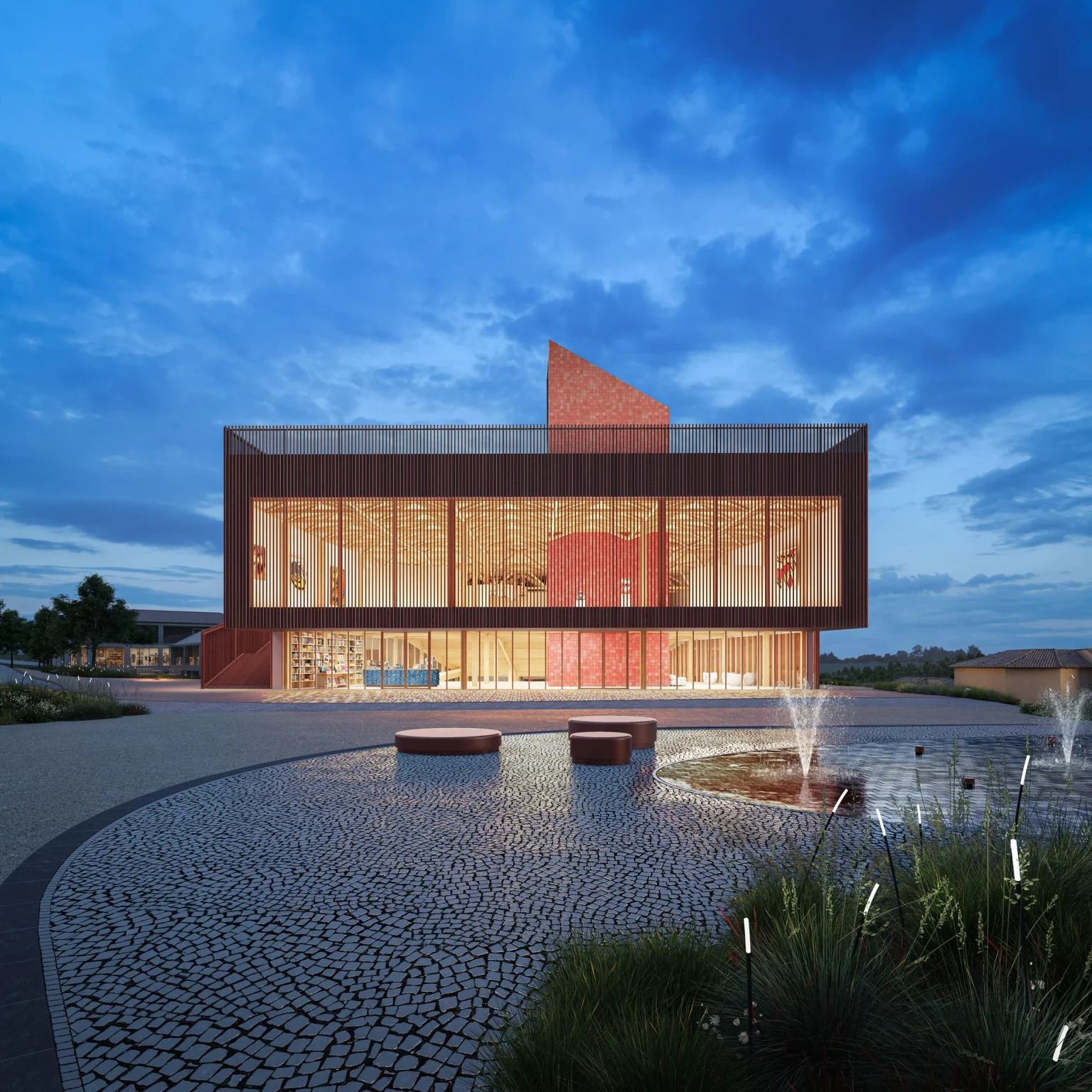
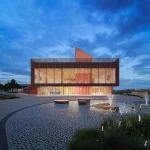
The project envisions itself as a performing arts and cultural center, incorporating an auditorium, art gallery, bookshop, café, and versatile public spaces. A continuous vertical circulation route structures the building’s spatial organization, leading visitors upward through the interior to a publicly accessible rooftop terrace.
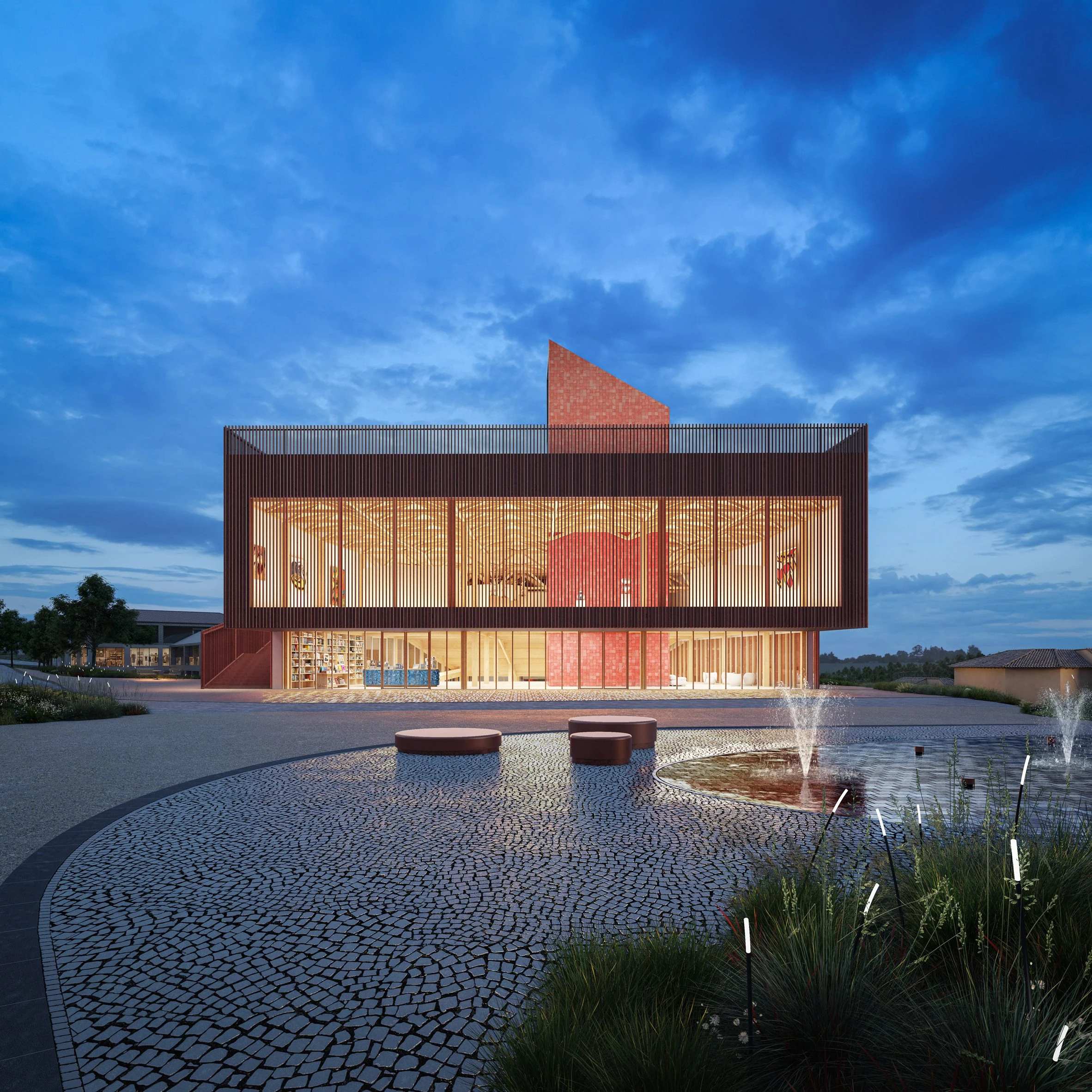
The rooftop space can host outdoor events such as theater performances, music programs, and community gatherings. This vertical movement through the building transforms the cultural center into an accessible public experience rather than a closed institution.
The façade is designed with a woven ceramic surface, which creates a semi-transparent appearance. During the day, it filters light into the interior spaces, while at night the illuminated structure acts as a glowing landmark within the neighborhood square.
A New Architectural District on Istanbul’s Northern Coast
The Ion Riva master plan reflects a broader shift in contemporary urban design. Instead of prioritizing density or iconic buildings alone, the project focuses on landscape-led planning where ecological systems shape the structure of the city. The development aims to create a new coastal neighborhood that is both socially active and environmentally responsive by bringing together housing, culture, and environmental infrastructure into one plan.
The project could become one of the most significant recent architectural developments on the northern edge of Istanbul.