




Comfort at home isn’t something you set and forget. HVAC systems take a beating across the seasons, and the difference between a system that runs well for 15 years and one that fails in year eight often comes down to habits most people don’t bother with.
Most homeowners ignore their systems until they stop working. That’s an expensive way to learn. Regular maintenance, thoughtful thermostat management, and knowing when to pick up the phone can significantly extend equipment life and keep utility bills from creeping upward. For anyone managing year-round climate control, consistent attention to heating and cooling systems in St. Charles matters far more than any single repair ever will. Local climate swings between cold winters and sticky summers, so timing your upkeep to the season makes a real difference.
Get Ahead of Winter with Pre-Season Prep
Don’t wait for the first cold night to think about your furnace. Start with the air filter if it hasn’t been swapped out in the last 30-90 days, depending on type; it’s likely restricting airflow and making the furnace work harder than it needs to. That kind of strain adds up fast.
Schedule an inspection in early fall before demand for technicians spikes. A good technician will check the heat exchanger for cracks, test ignition components, and confirm that carbon monoxide output remains within safe limits. The U.S. Department of Energy recommends annual heating tune-ups for exactly this reason.
While you’re at it, walk the perimeter of your home and check weatherstripping around doors and windows. Gaps bleed warm air all winter, so sealing them with caulk or foam costs almost nothing and pays off with lower bills. Attic insulation is also worth a look, since a surprising share of heat loss travels straight through the roof.
Thermostat Settings for Winter
Keep it at 68°F when you’re home and awake. Drop it 7-10 degrees at night or when the house is empty, and you can reduce annual heating costs by roughly 10%, according to the U.S. Department of Energy. A programmable thermostat handles this automatically, so you don’t have to think about it every day.
Cooling Your Home Efficiently in Summer
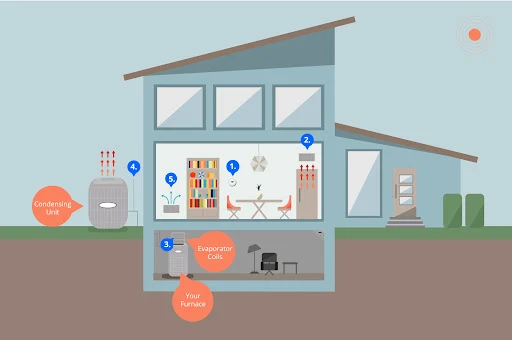
Summer is a different kind of stress on your system. Air conditioners lose ground quickly when the coils are dirty or the refrigerant level is low. Get it serviced before the heat hits, not after. A technician should clean the coils, check the refrigerant, and clear the condensate drain to prevent water damage from becoming the next problem.
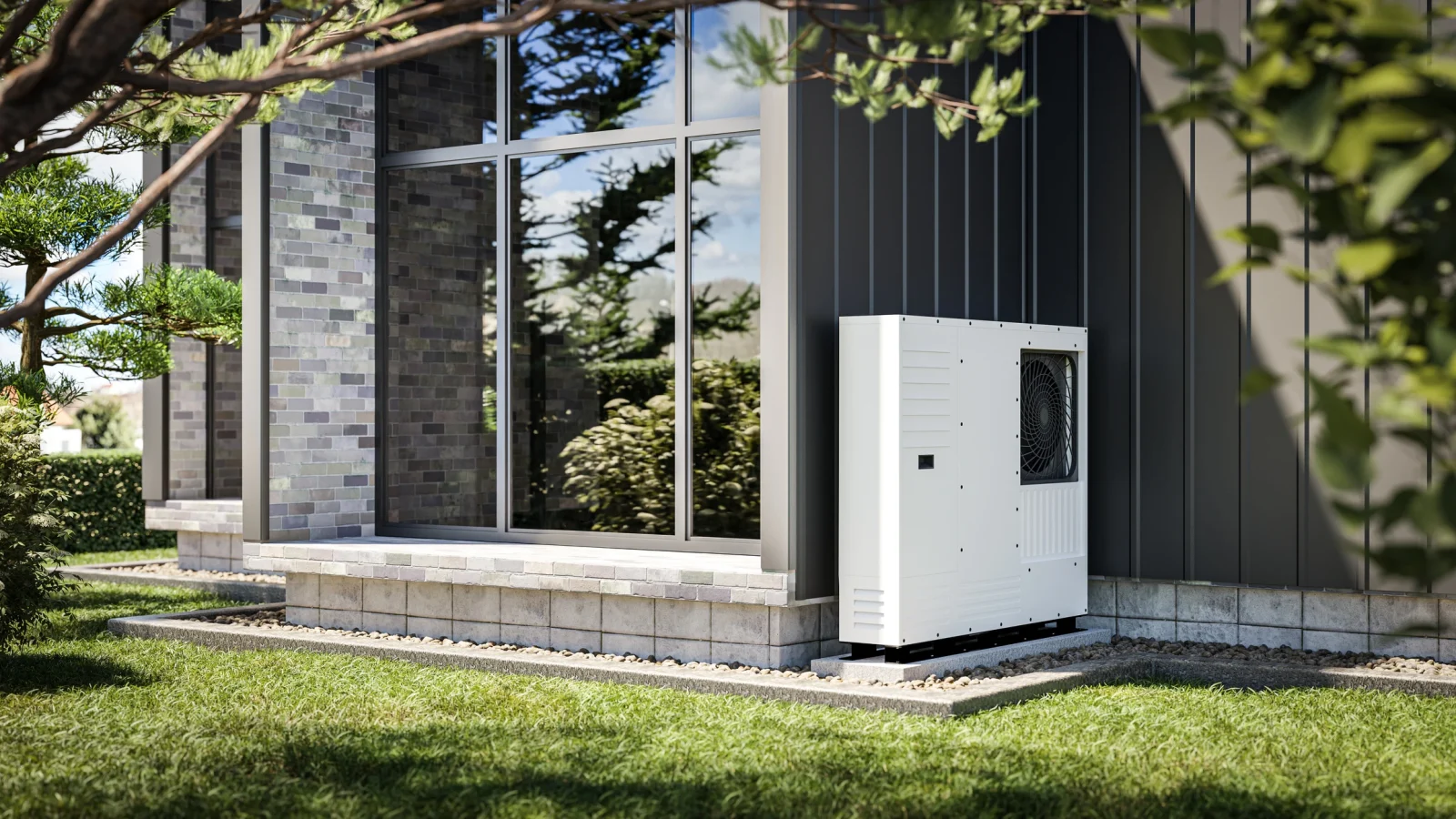
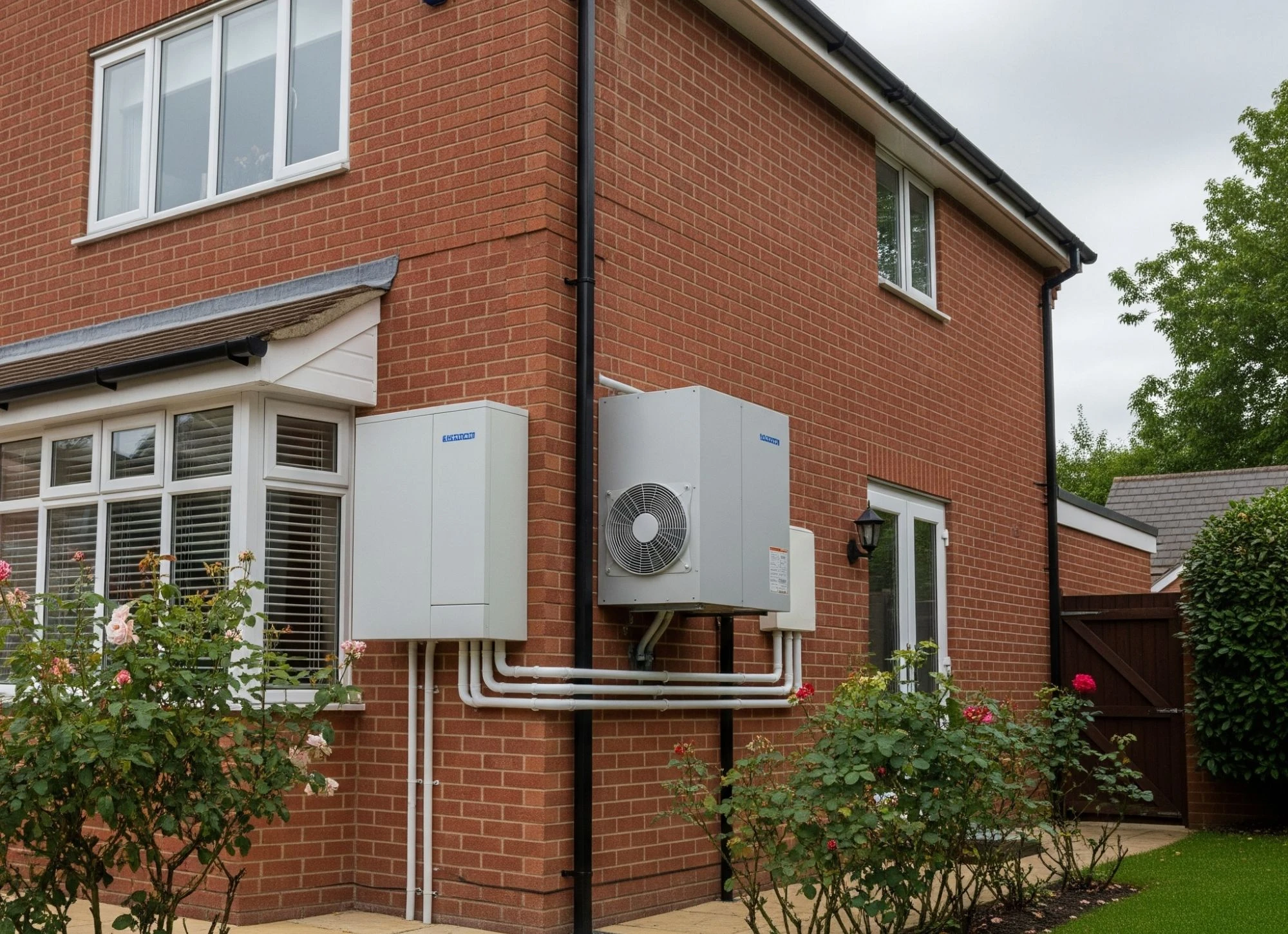
The outdoor unit needs breathing room. At least two feet of clearance around it, free of shrubs, grass clippings, and debris, is the baseline. A blocked unit runs the compressor harder, wearing it out faster.
Ceiling fans are underrated. Set them to spin counterclockwise in summer so they push cooled air down into the room. The wind chill effect can make a space feel a few degrees cooler without adjusting the thermostat at all.
Managing Indoor Humidity
Temperature and humidity are more closely tied than people realize. High indoor humidity in summer makes 78°F feel like 84°F. A whole-home dehumidifier, connected directly to your HVAC system, can maintain a relative humidity between 30% and 50%, the range ASHRAE identifies as the comfort zone for most people.
Winter flips the problem. Heated indoor air tends to dry out quickly, which irritates airways and makes the cold feel sharper. Adding a humidifier to the system helps maintain a livable level of moisture through the colder months.
Year-Round Habits That Make a Difference
Some of the best HVAC maintenance happens between service visits. Filter changes every 30-90 days, maintaining airflow and protecting internal components from dust accumulation. Homes with pets or allergy-prone occupants should lean toward the shorter end of that range.
Vents are easy to overlook. Furniture sitting over supply or return vents forces the system to compensate for blocked airflow, often without the homeowner noticing until efficiency drops. A quick walkthrough to confirm all vents are open and clear takes five minutes and genuinely helps.
Zoning is worth using if your system supports it. There’s no reason to condition rooms that aren’t occupied. That said, closing vents in unused spaces isn’t always the right call depending on how the system is designed, so check with a technician before making it a permanent habit.
Watching energy consumption through your utility provider’s dashboard can also flag problems early. A spike in usage without a behavior change often means something in the system is working harder than it should, sometimes weeks before anything breaks visibly.
When to Call a Professional
Short-cycling, strange sounds, ice on the outdoor unit, or a system that can’t hold a set temperature are all signs that a DIY fix isn’t the right move. Call a technician. Two service visits per year, one in the fall for heating and one in the spring for cooling, catch small issues before they turn into costly repairs. Most problems HVAC technicians find during routine visits would have gone unnoticed until they got worse. Getting ahead of them is just the more practical approach.
Explore Courses

.jpg "Ondrej Chybik - Rethinking Architecture")