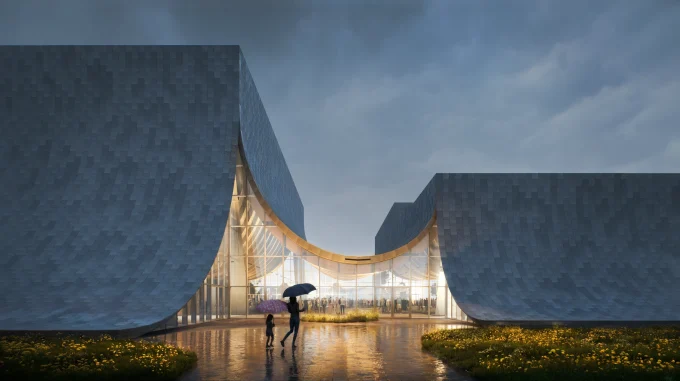


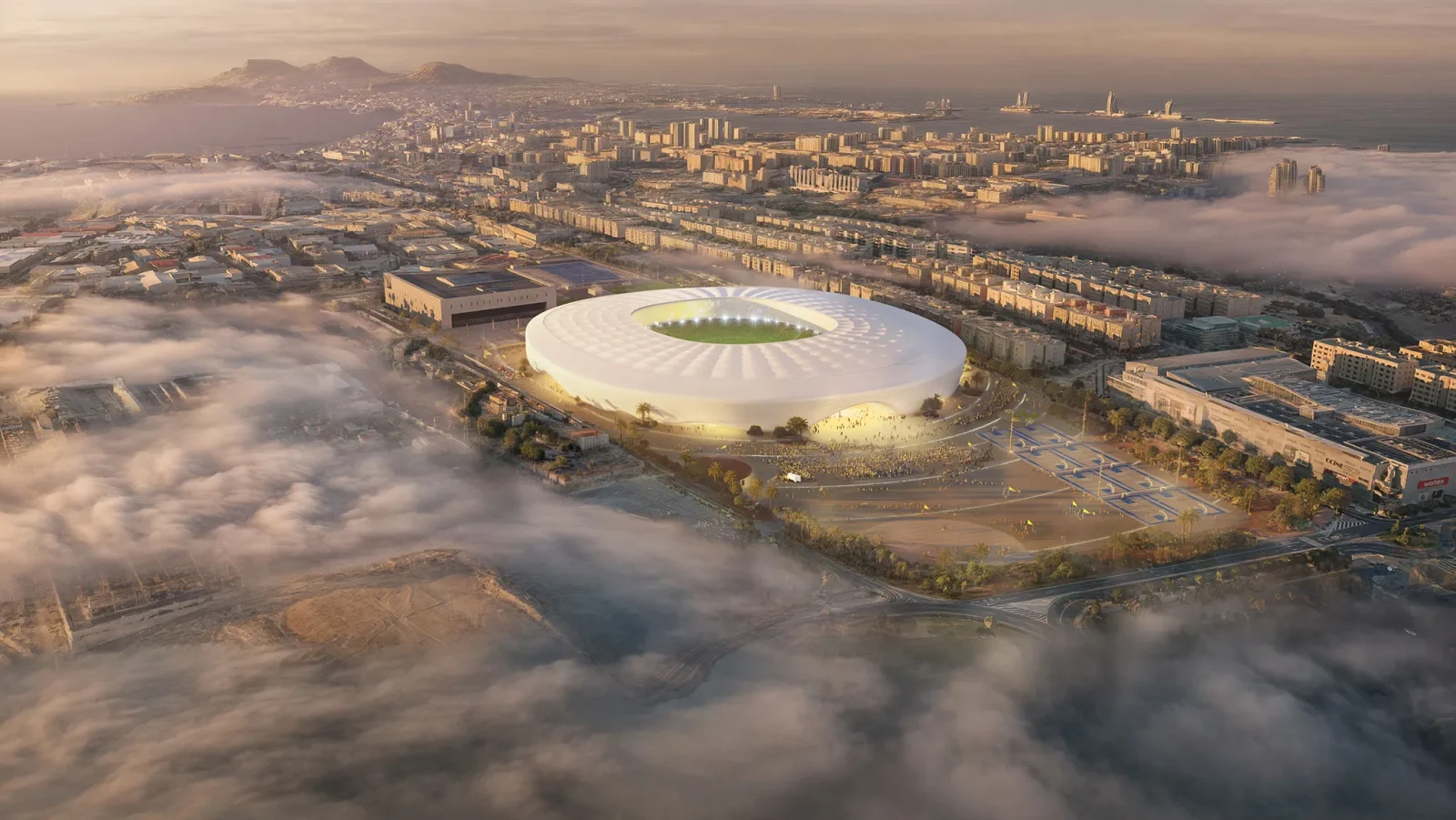
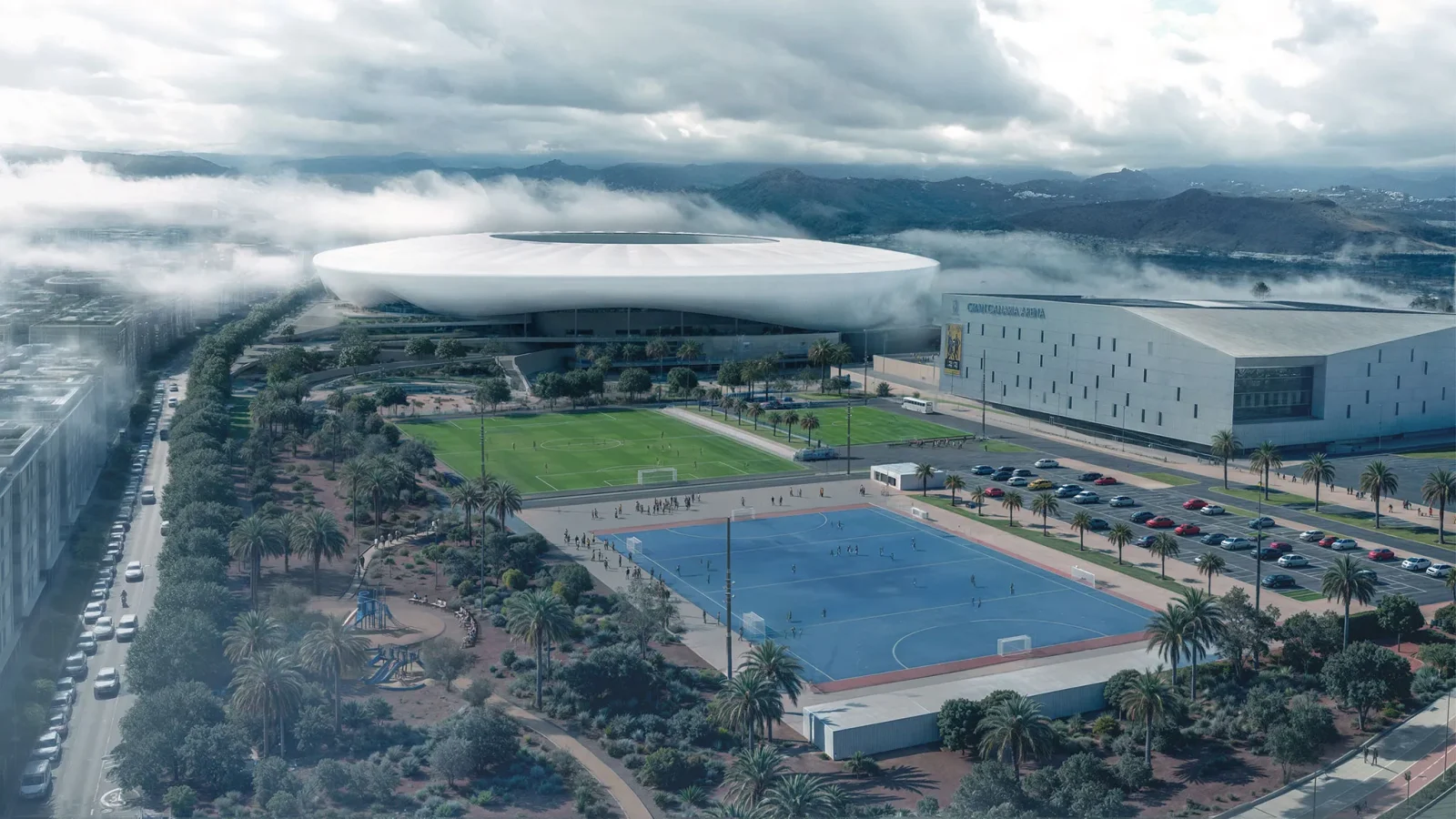
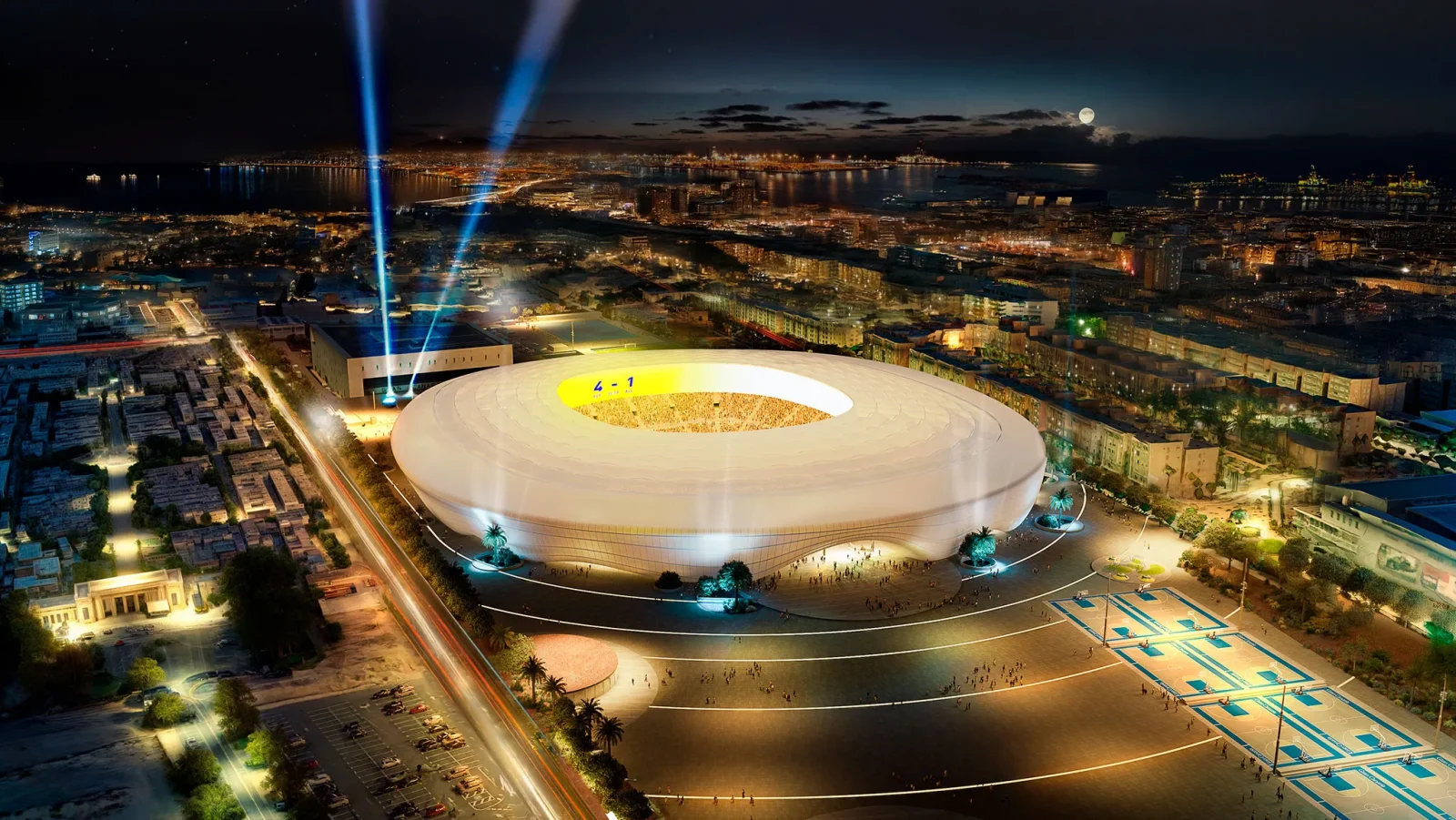
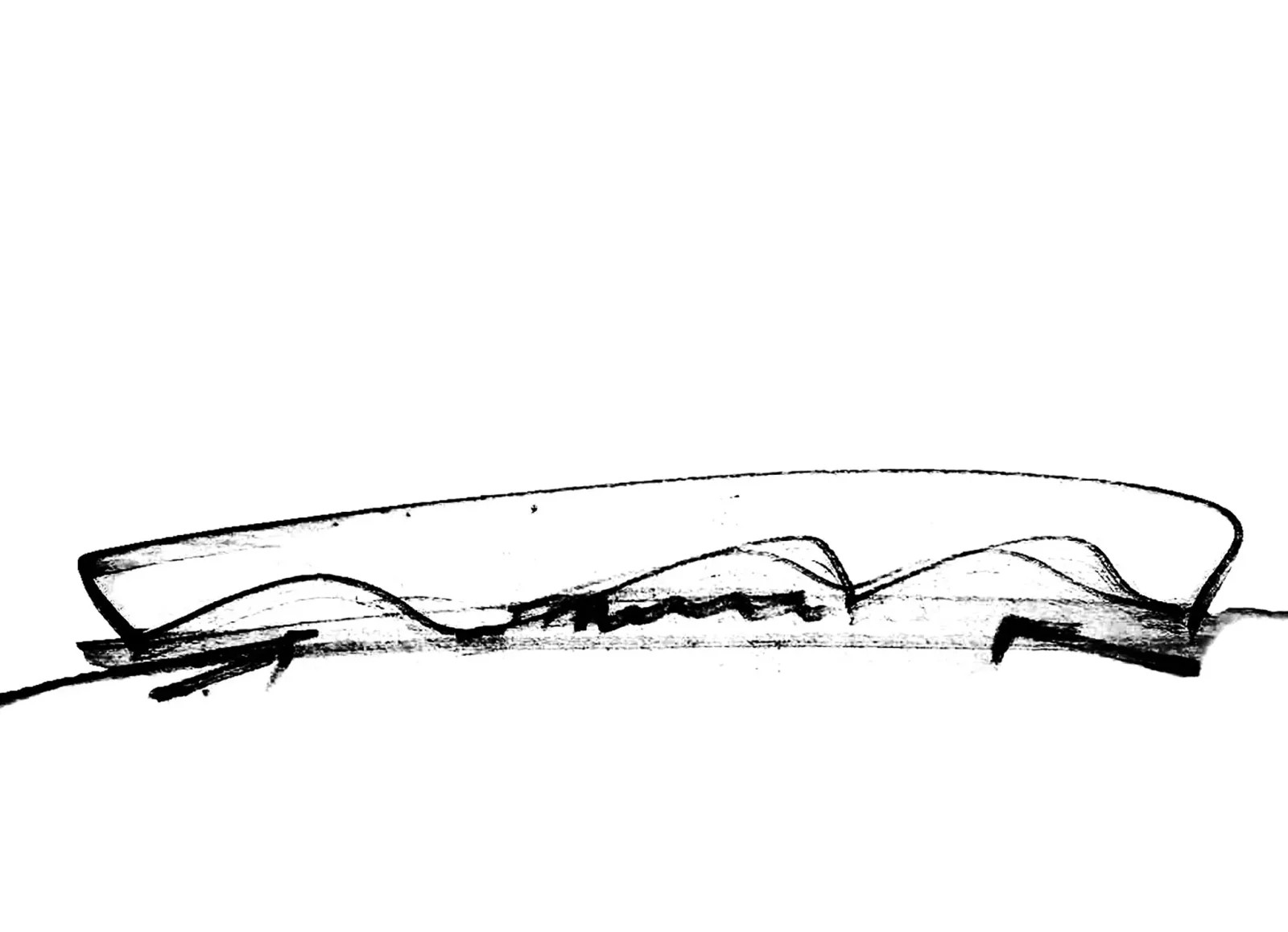
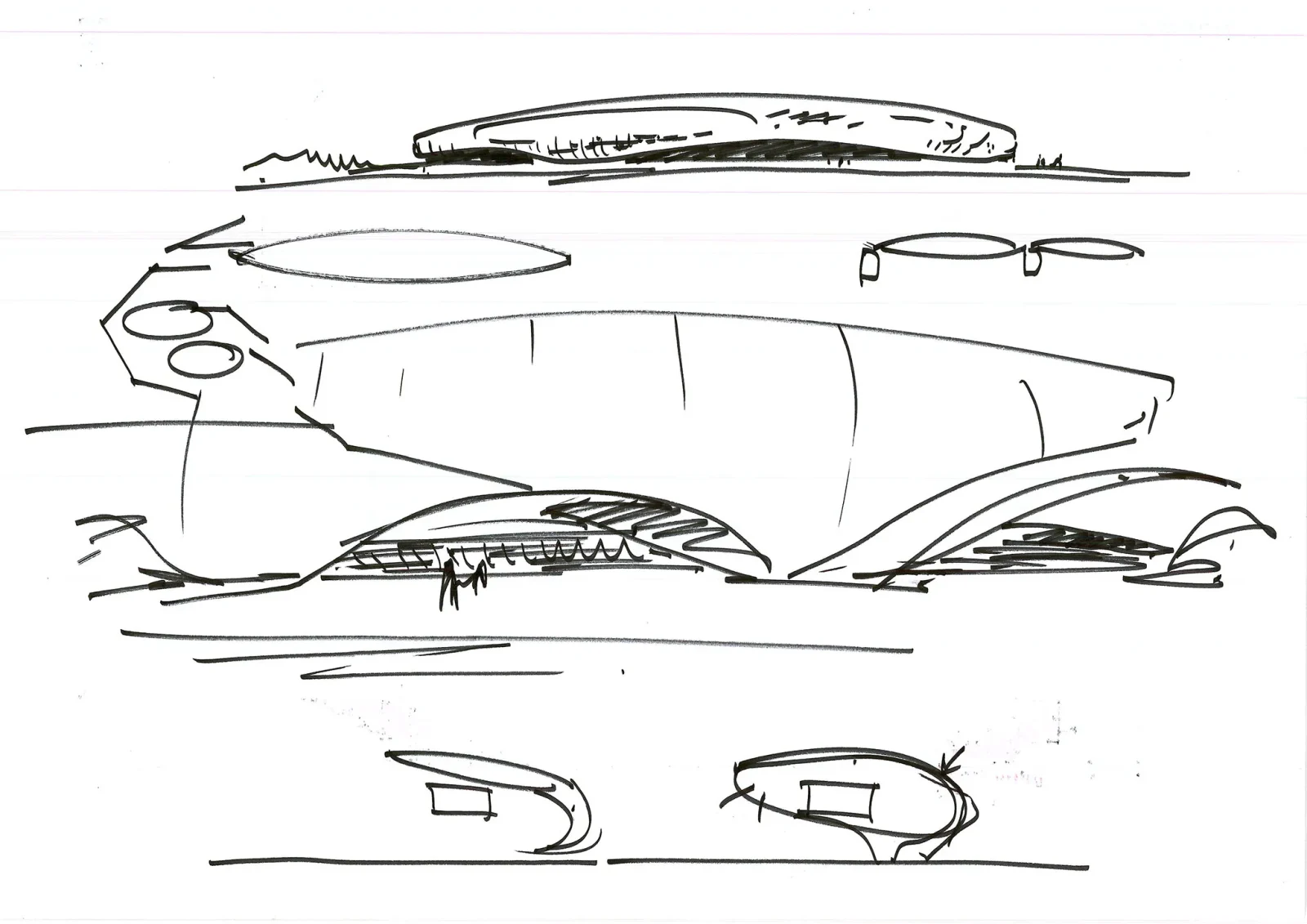
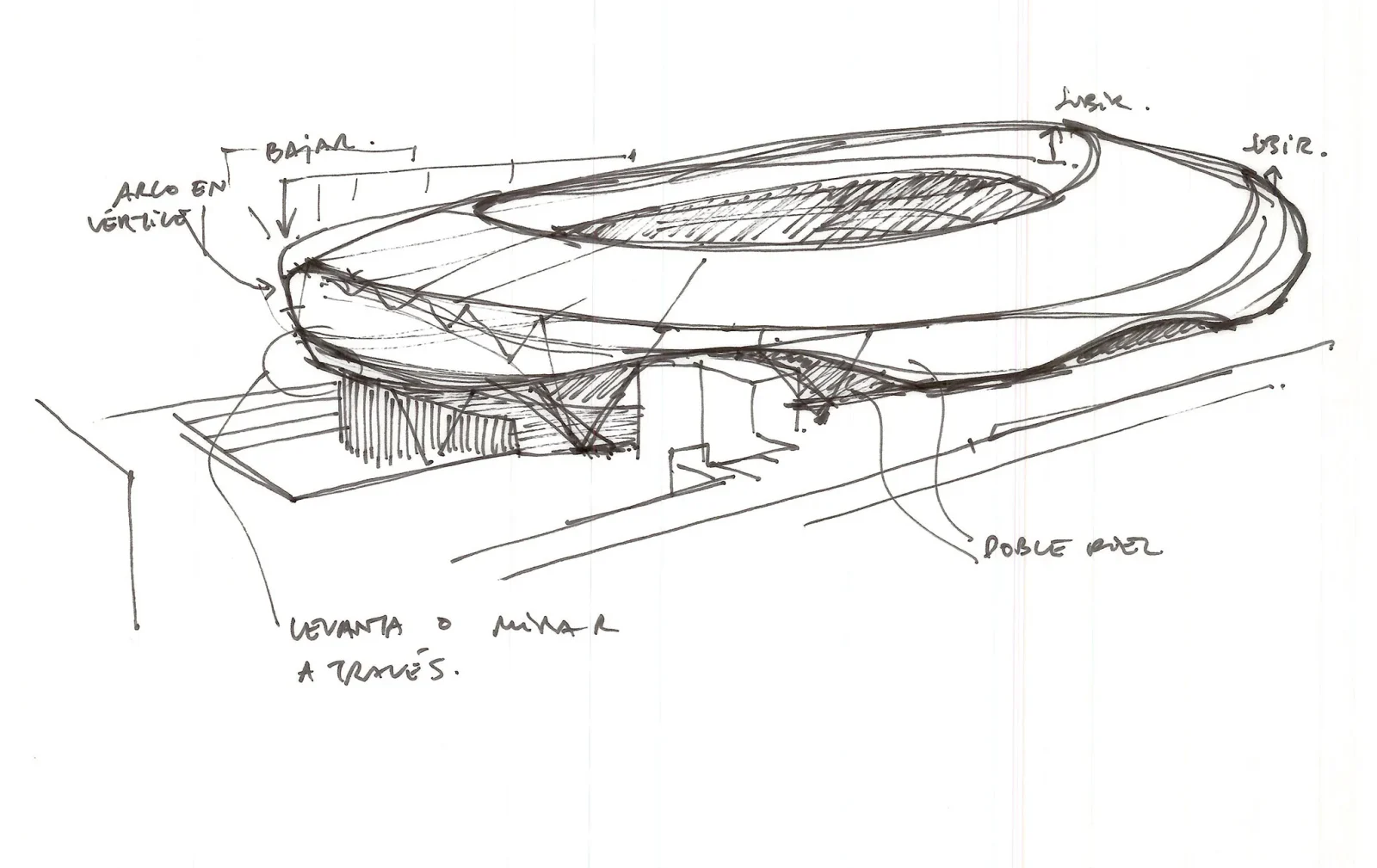
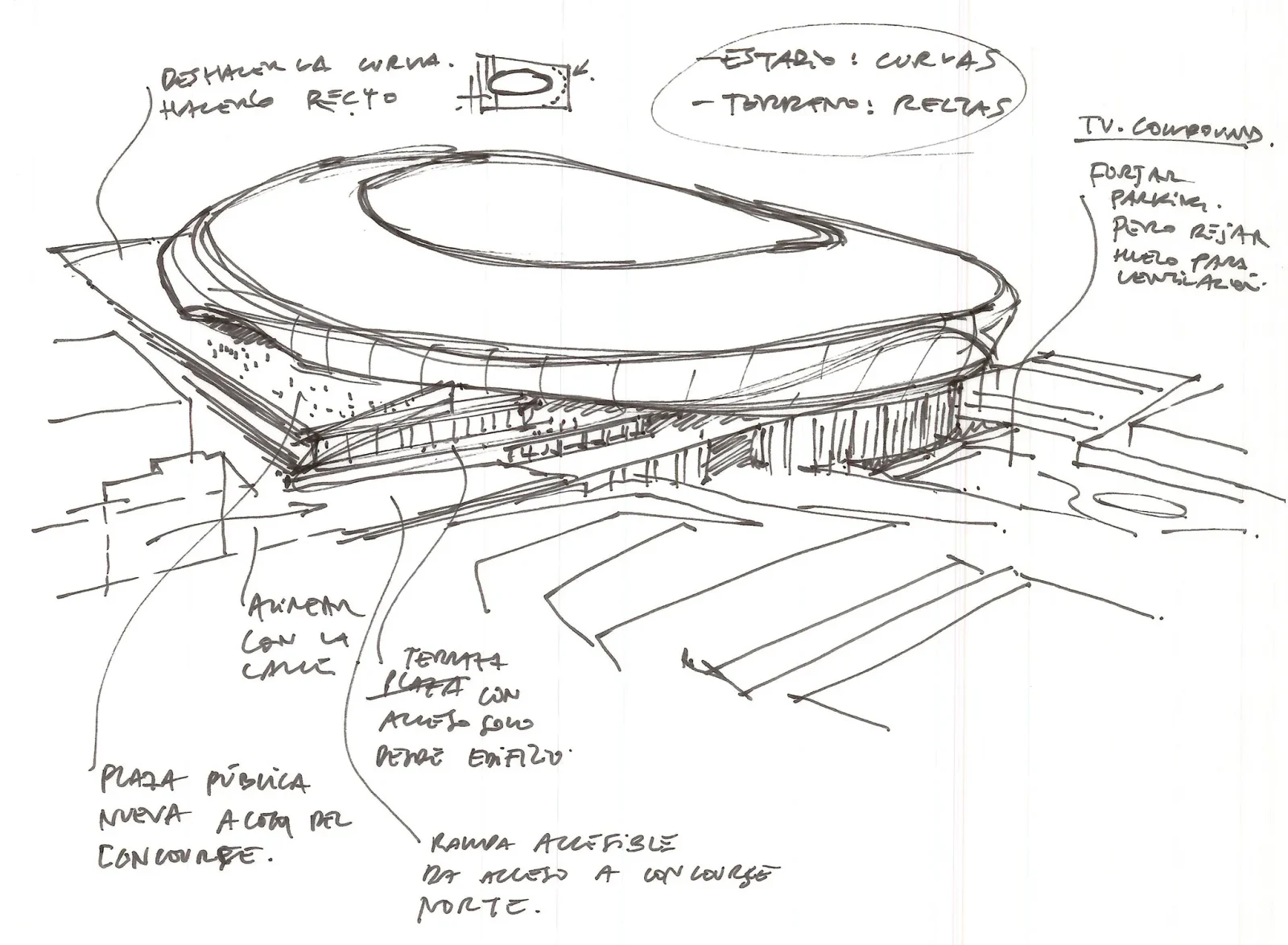
The Cloud proposal, titled La Nube, is a transformative expansion and renovation project for Gran Canaria Stadium (Estadio de Gran Canaria), located in Las Palmas, Spain. Winning the international competition, L35 Architects, in collaboration with Estudio 0710, unveiled a landmark that embodies holistic, future-forward design. Conceived to host global events, the project integrates sustainability with architectural innovation while meeting the rigorous FIFA standards set for the 2030 World Cup.
A Cloud Over Gran Canaria Stadium
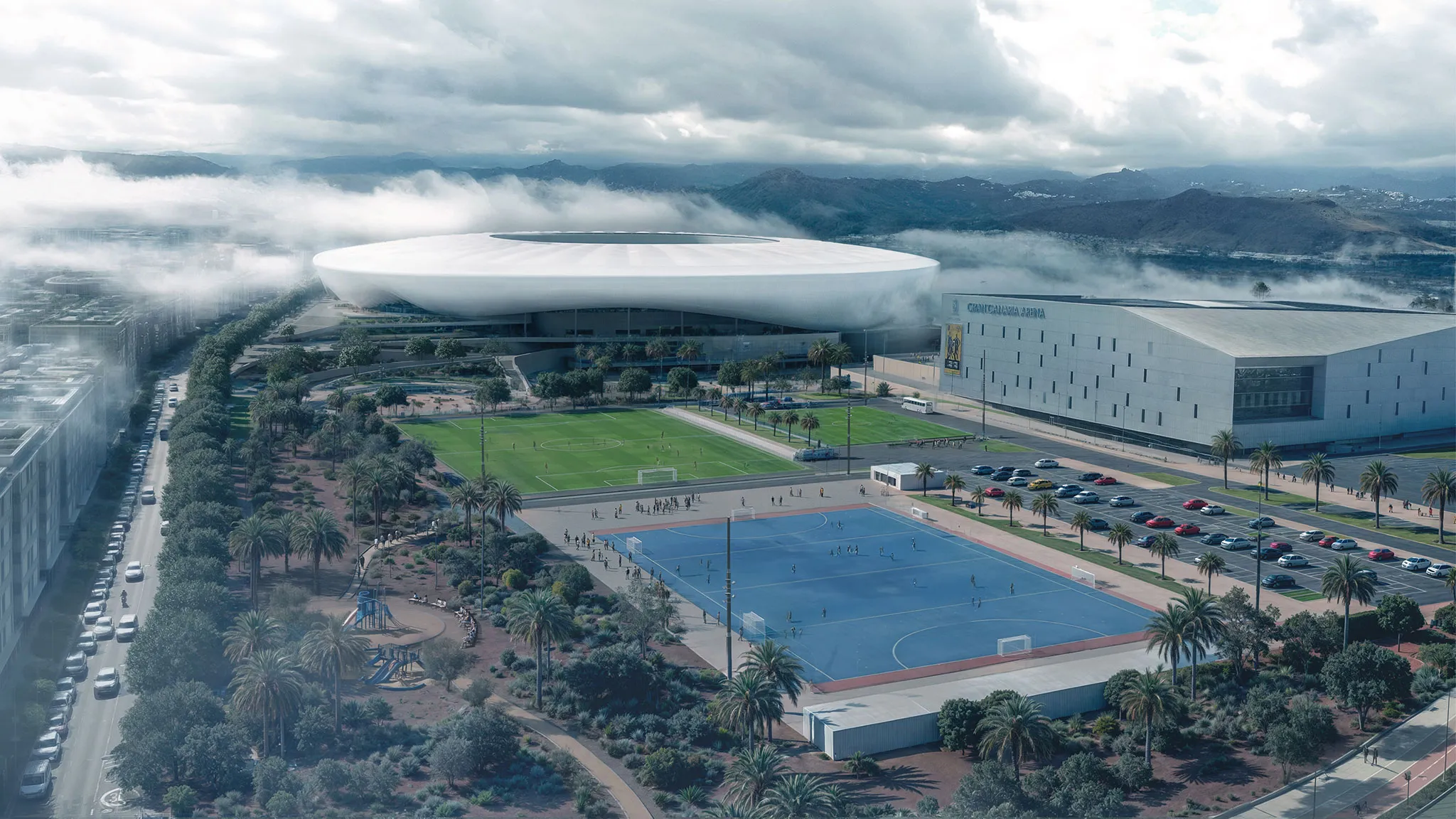
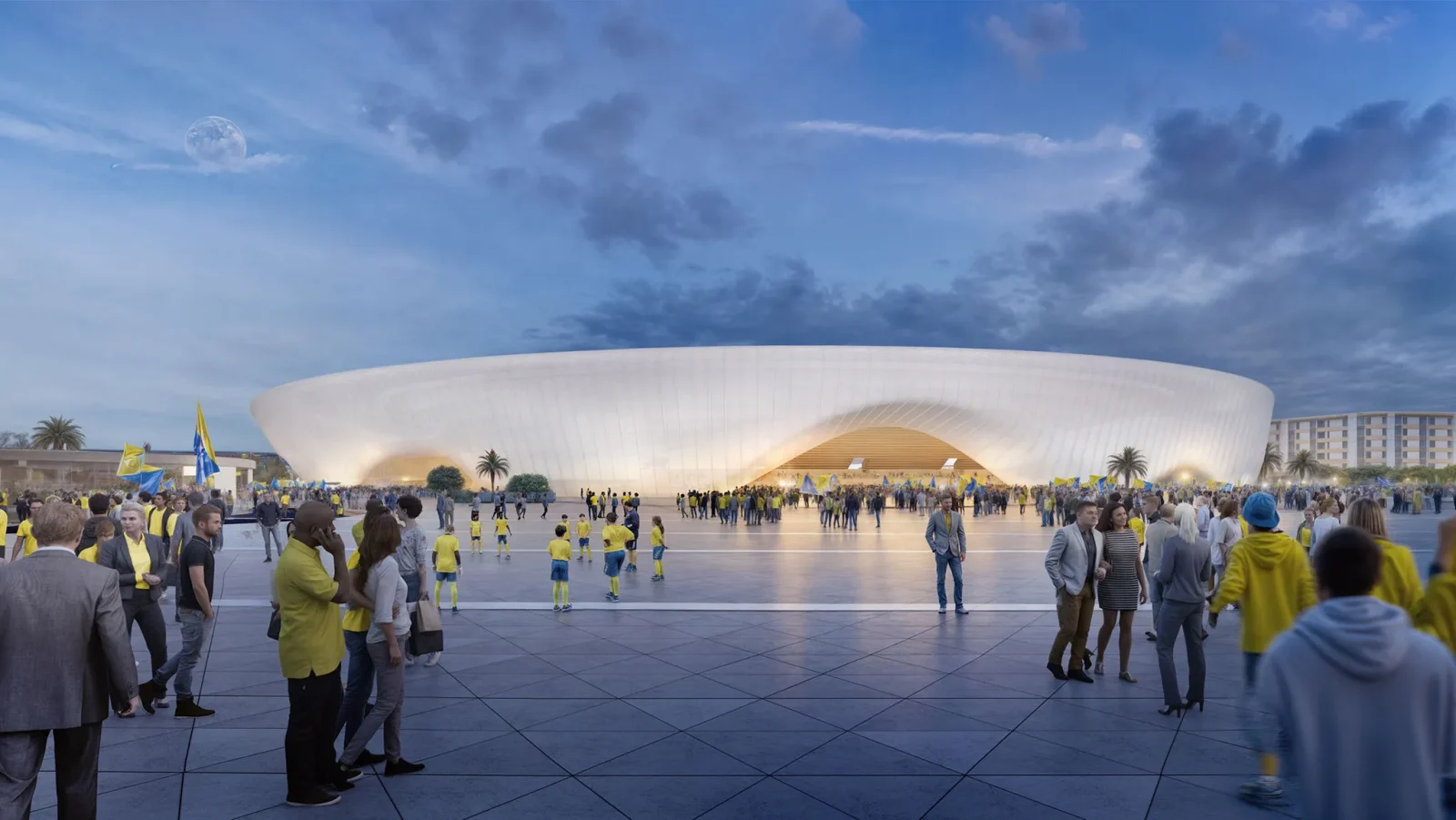
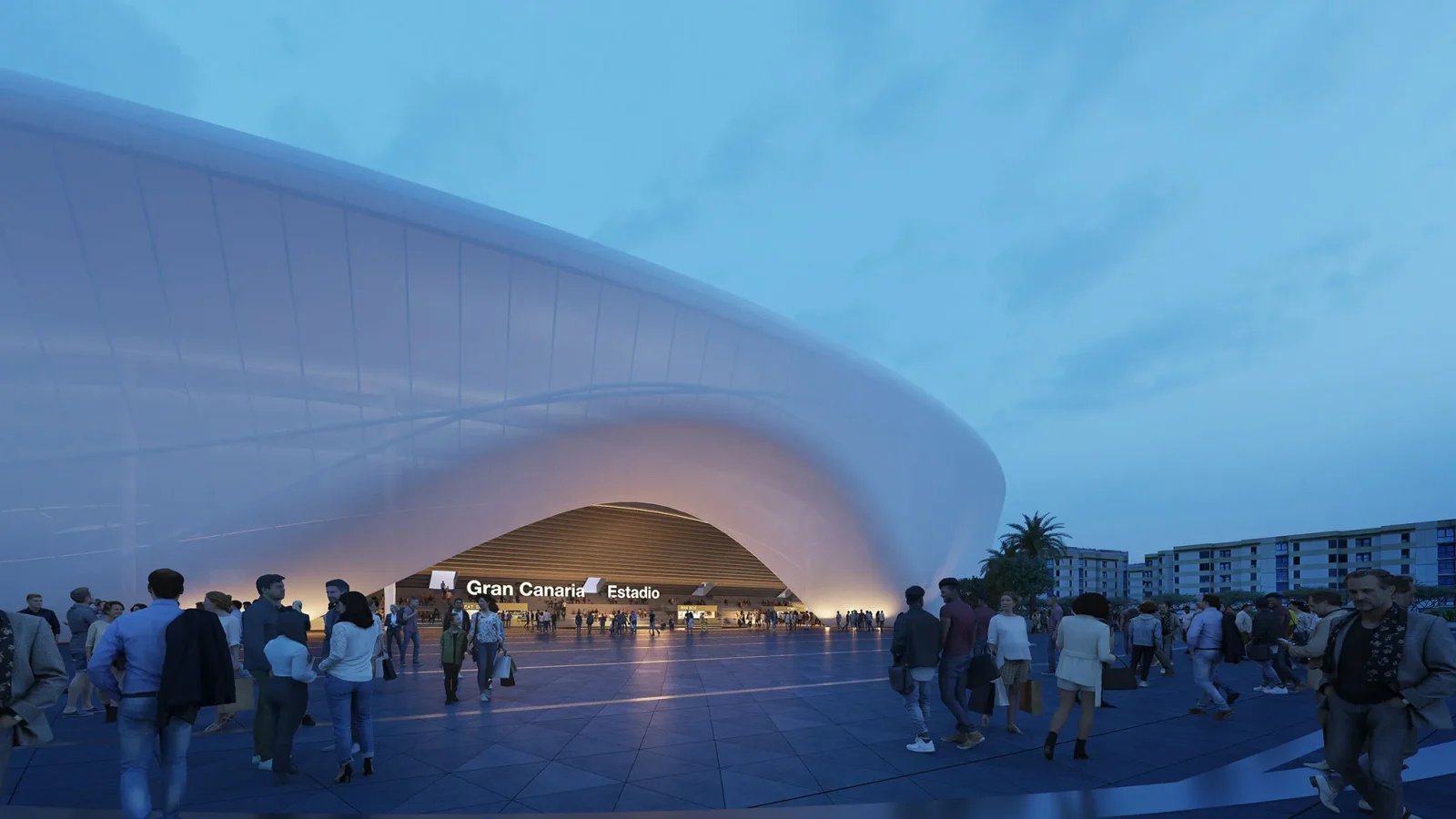
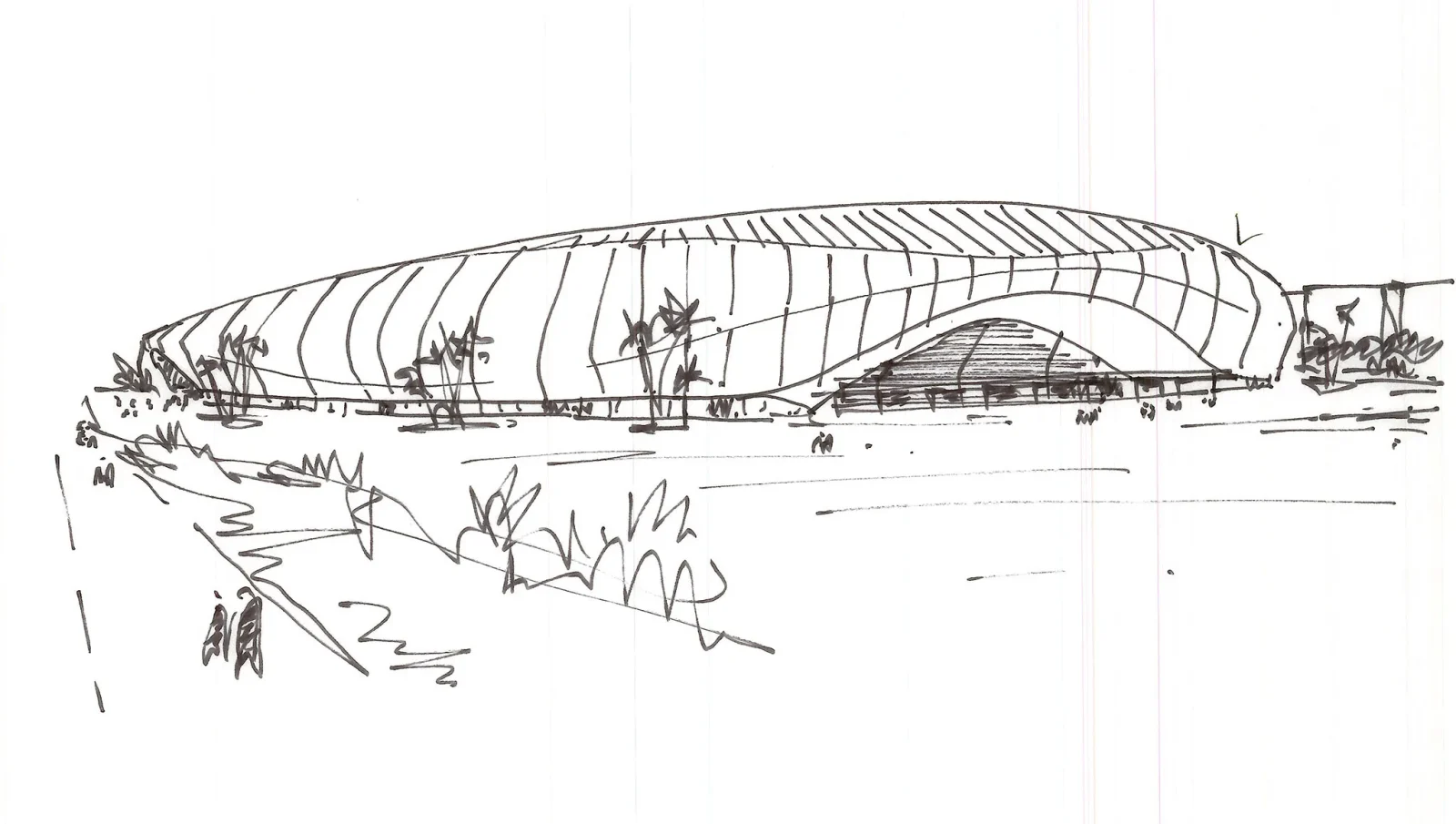
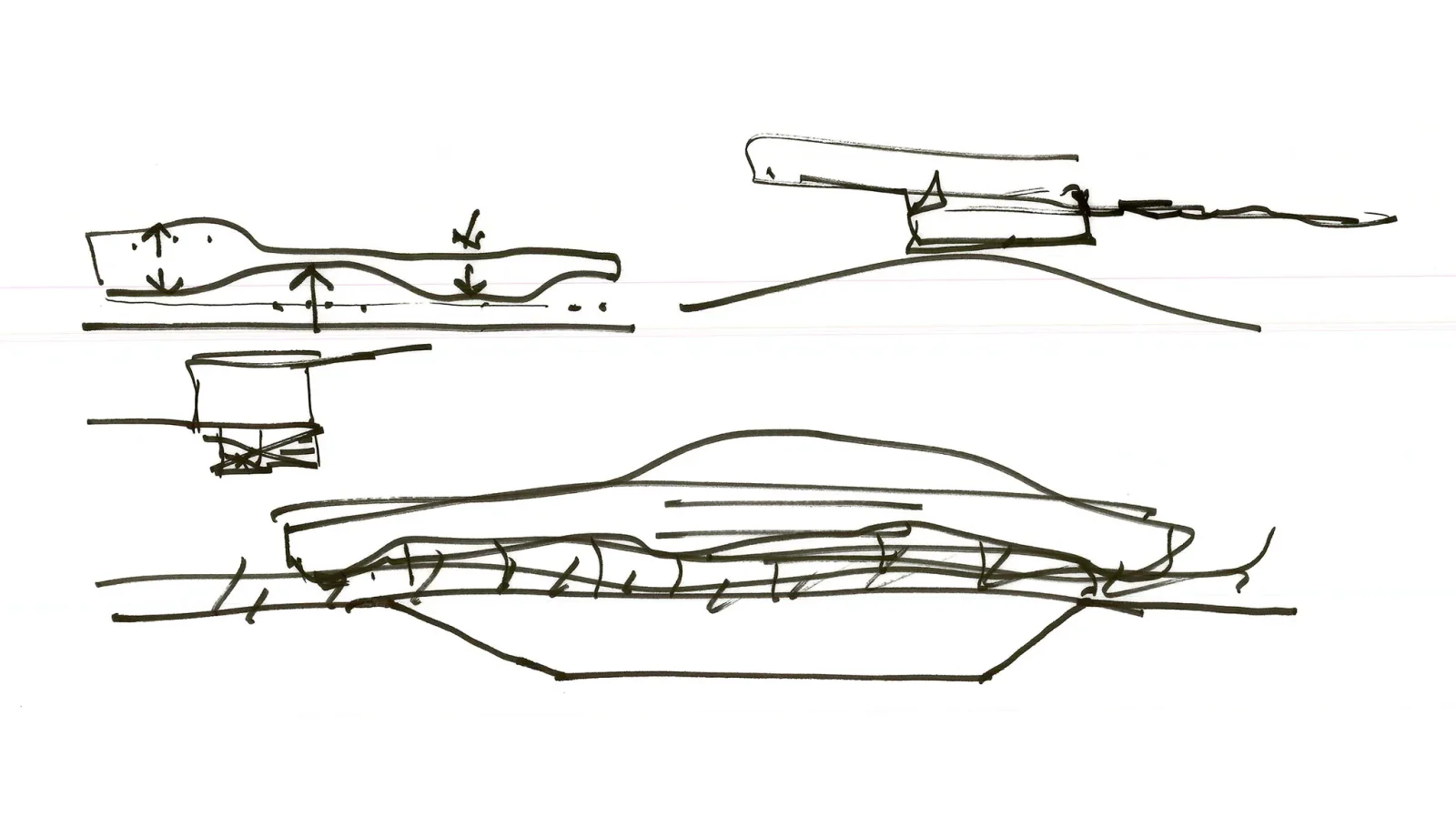
L35 Architects, renowned for designing complex infrastructure projects, reimagines the Estadio de Gran Canaria as a holistic, sustainable solution, aiming to exceed FIFA’s capacity requirements. The name, La Nube (The Cloud), symbolizes a light-colored, elegant envelope covering the entire stadium, ensuring functionality, aesthetics, and modern design.
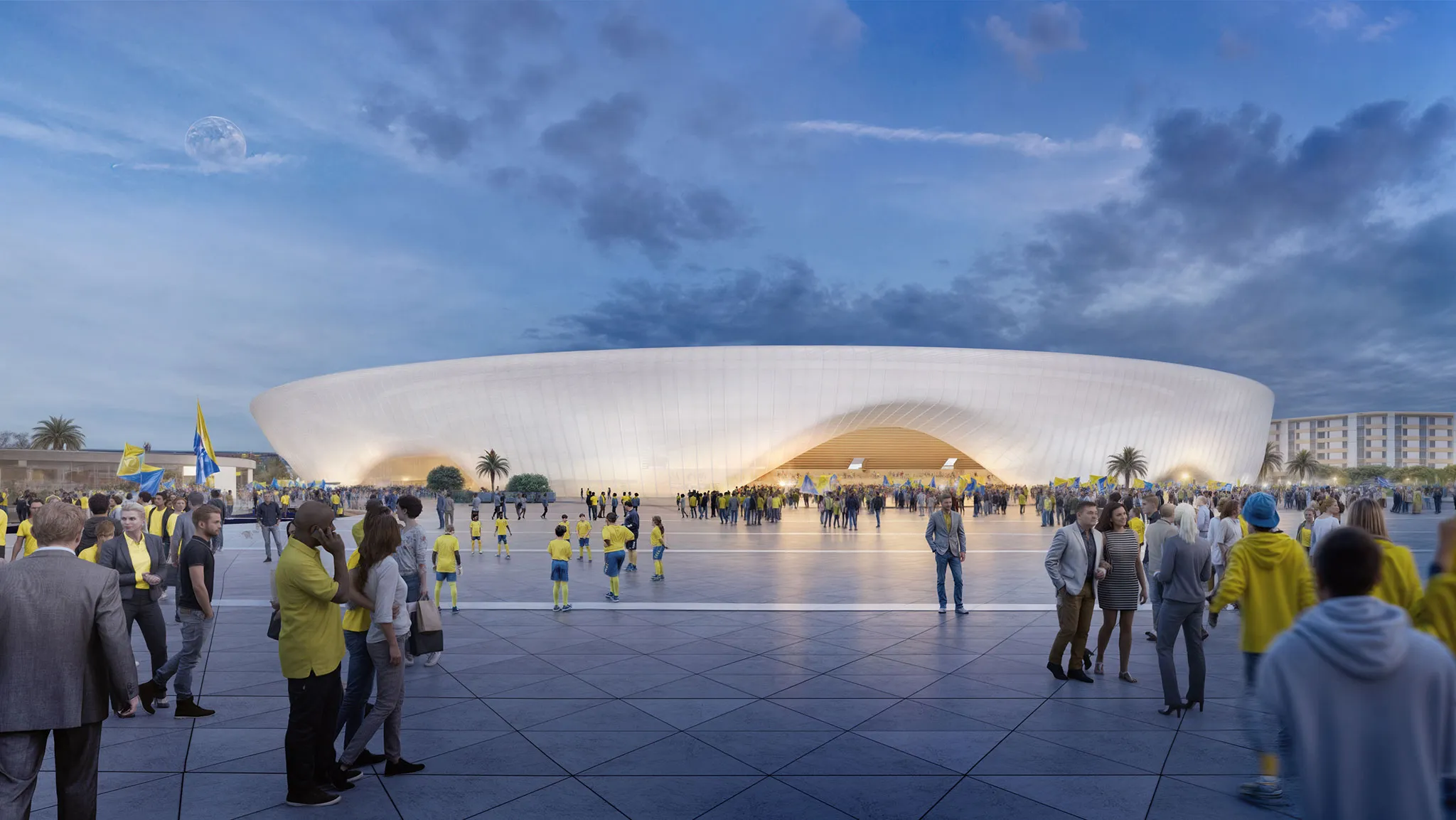
Alejandro Lorca, senior partner at L35, expressed that the team’s goal was to “respond to the needs of the community and be aligned with the challenges of climate change.” Further, Antonio Morales, president of the Cabildo de Gran Canaria, articulated the venue as a 21st-century “Coliseum” for large-scale events.
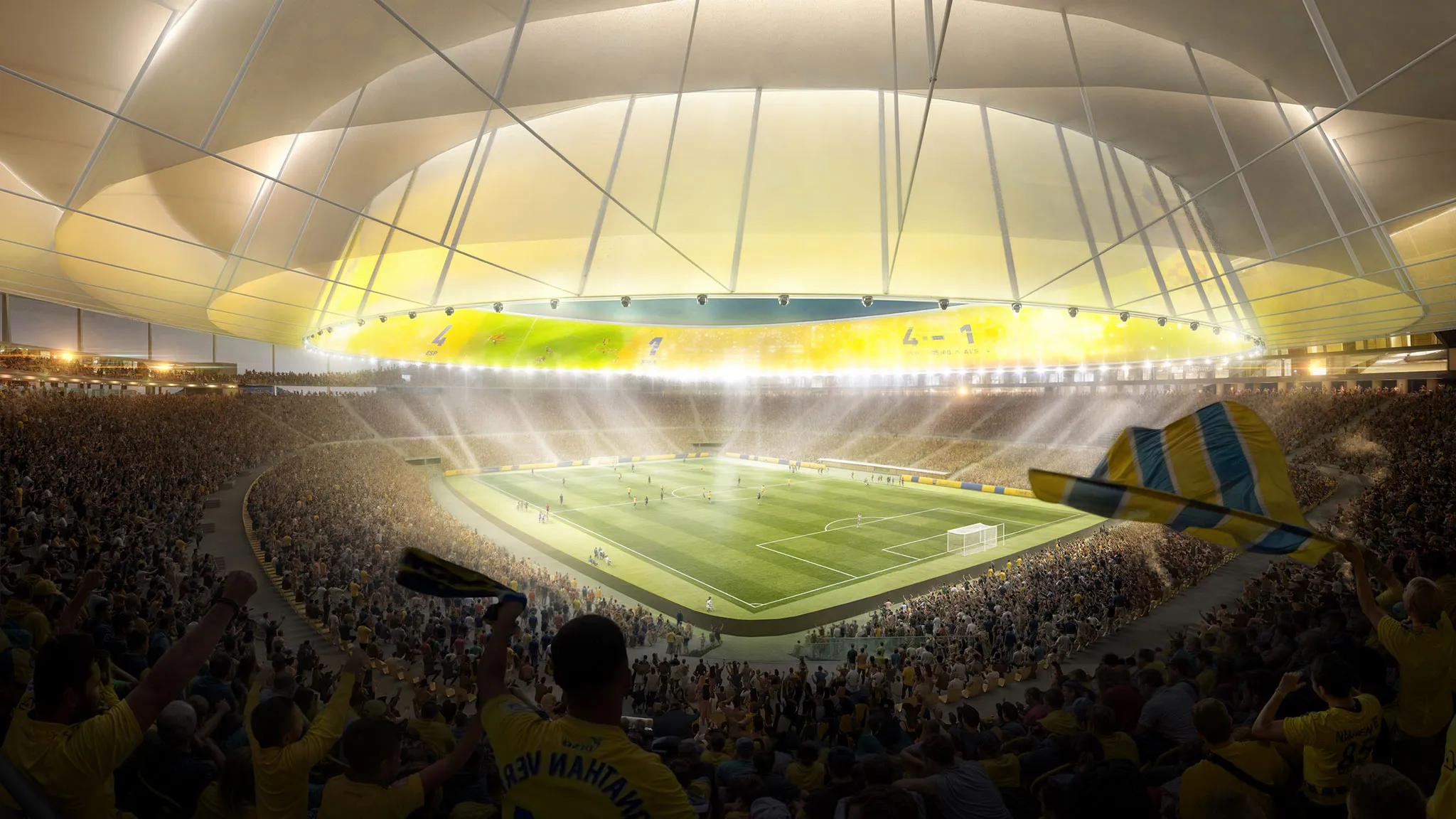
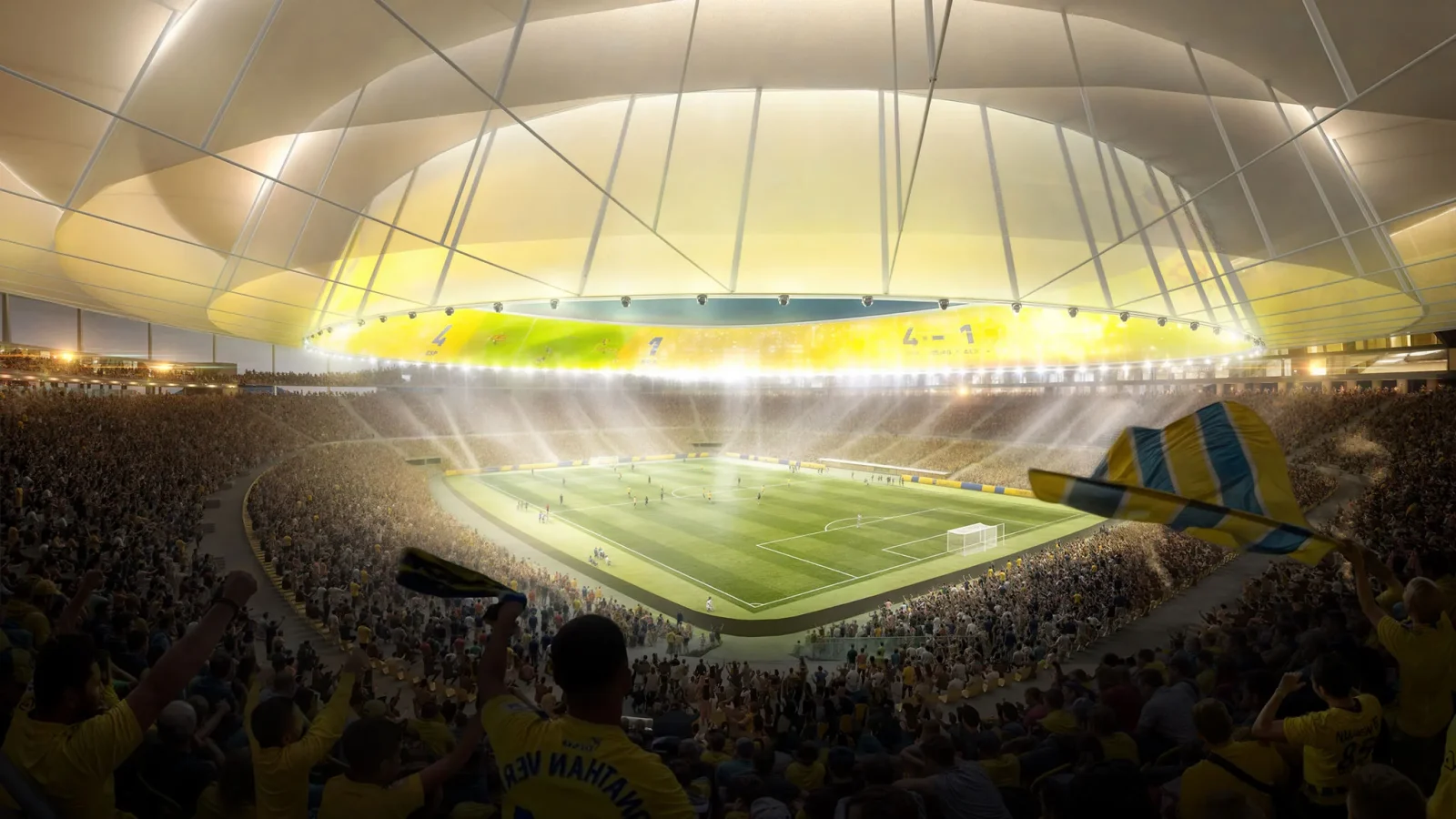
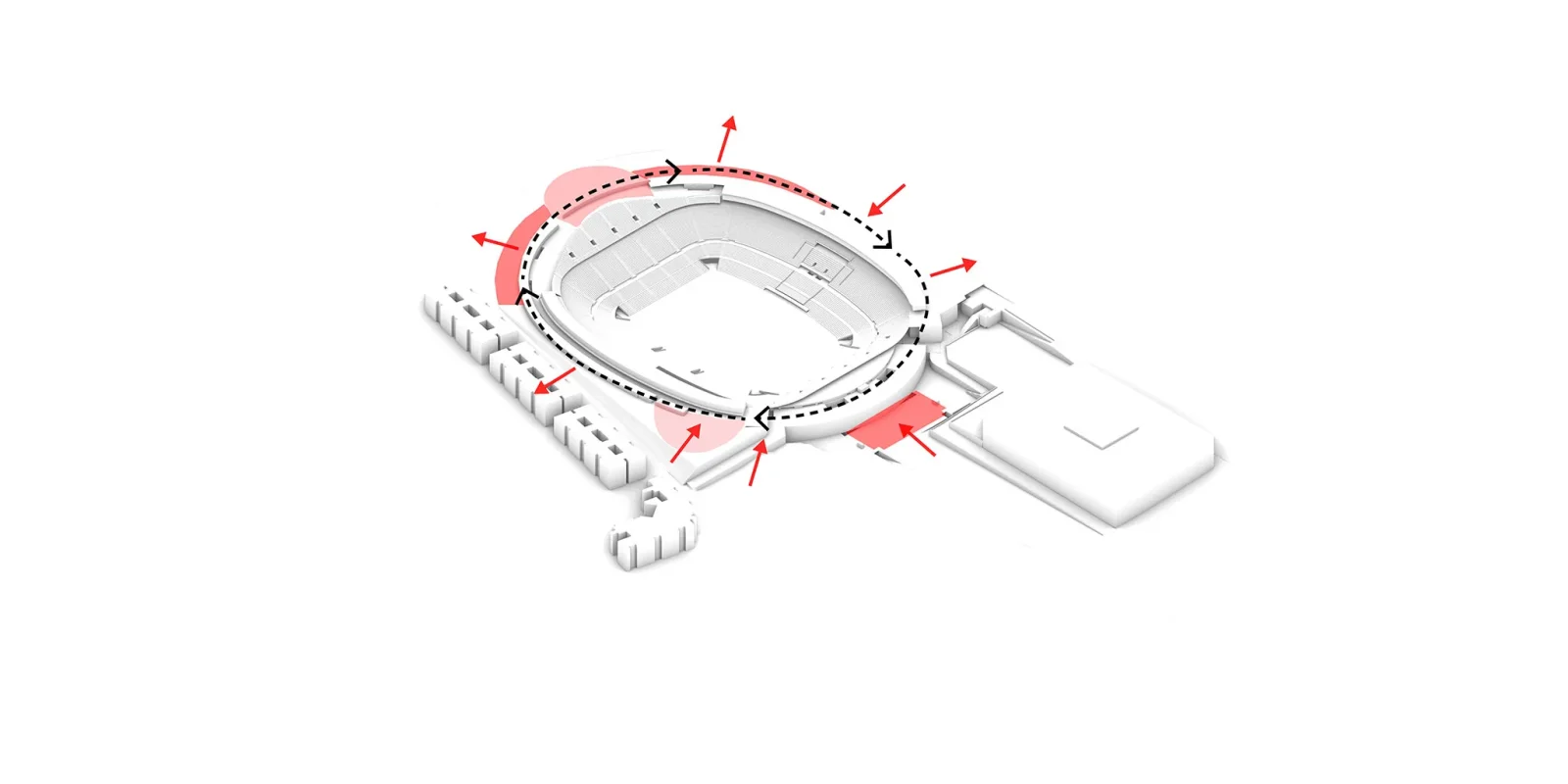
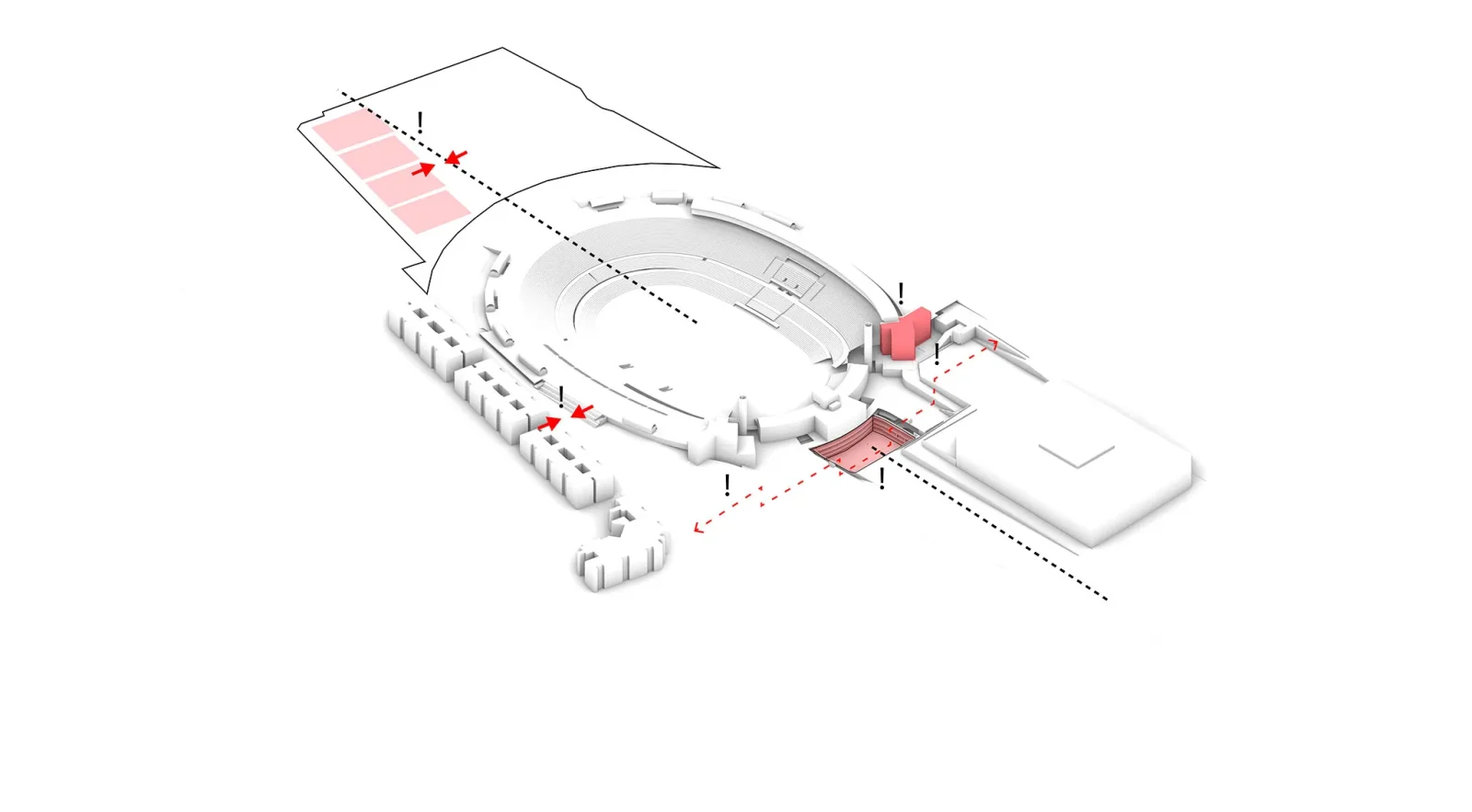
The core aspect of the renovation is the redesign of the seating bowl, which increases from the existing 32,418 spectators to a projected 44,020 to 44,484 seats, ensuring that the north and south stands move closer to the pitch. The design, with execution planned in phases, integrates detailed interventions in interior areas, the renovation of entrances, and a holistic approach to the external urban space.
Lightness as a Design Language
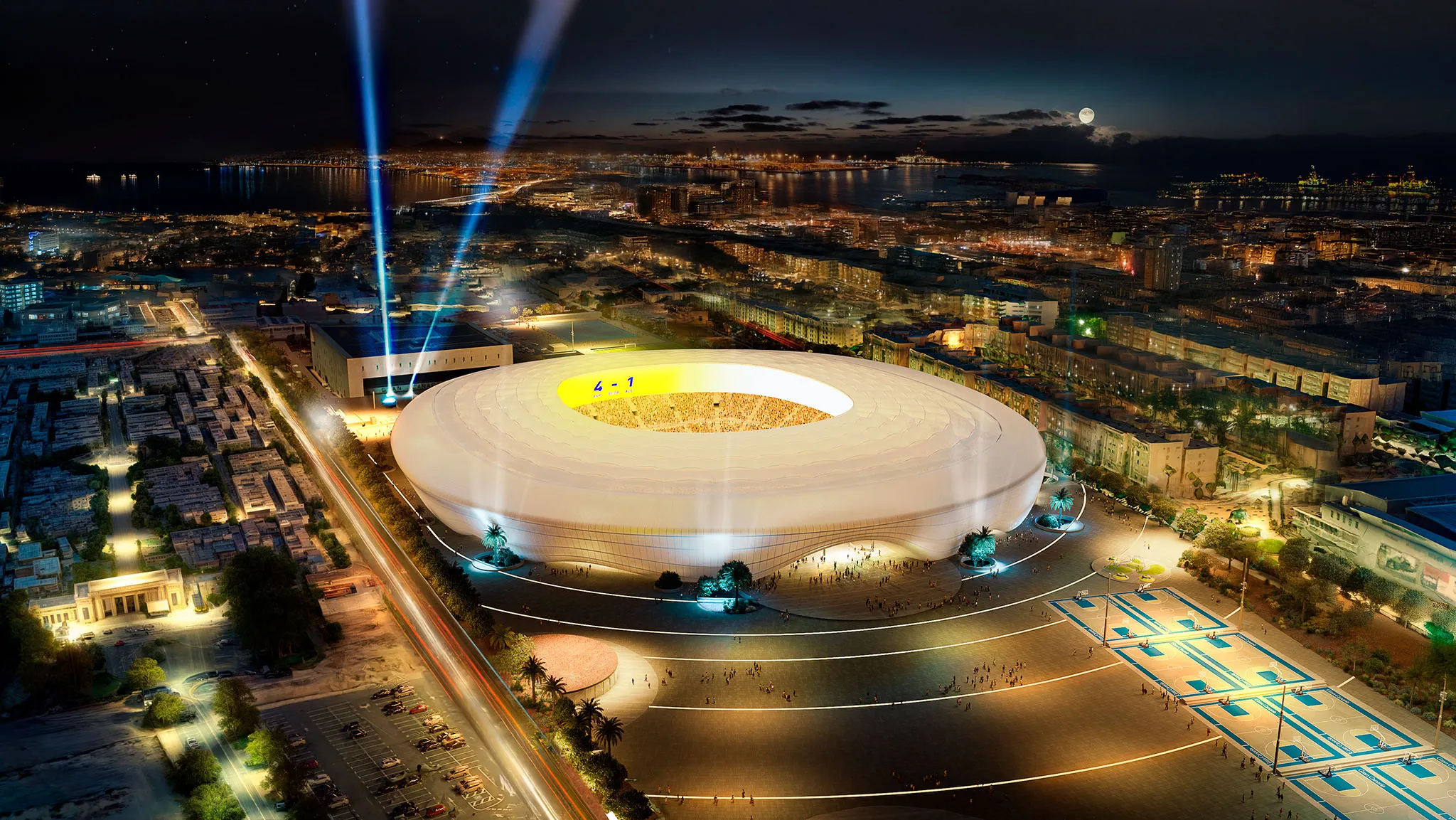
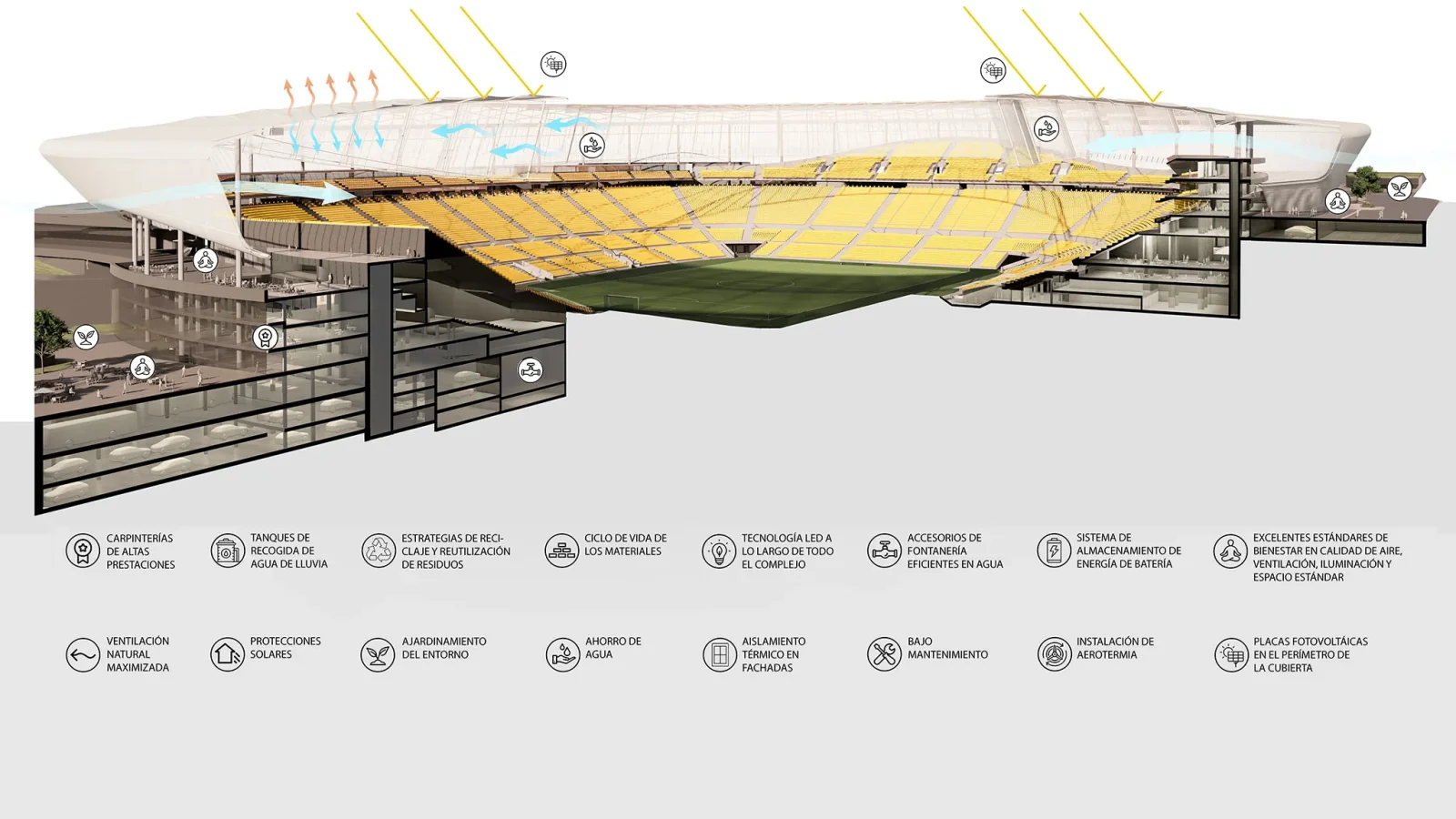
The cloud-inspired metaphor and lightness envelop the structure, which is aesthetically pleasing and deeply rooted in the local context. The material palette includes local stone alongside high-tech materials like concrete and textile membrane, defining the architecture through a sense of place. Functionally, the materials will maximize the transmission of natural light into the interior spaces while allowing passive ventilation. The proposed renovation design addresses the traditional challenge of stadiums being perceived as isolated structures, resulting in a social and cultural epicenter.
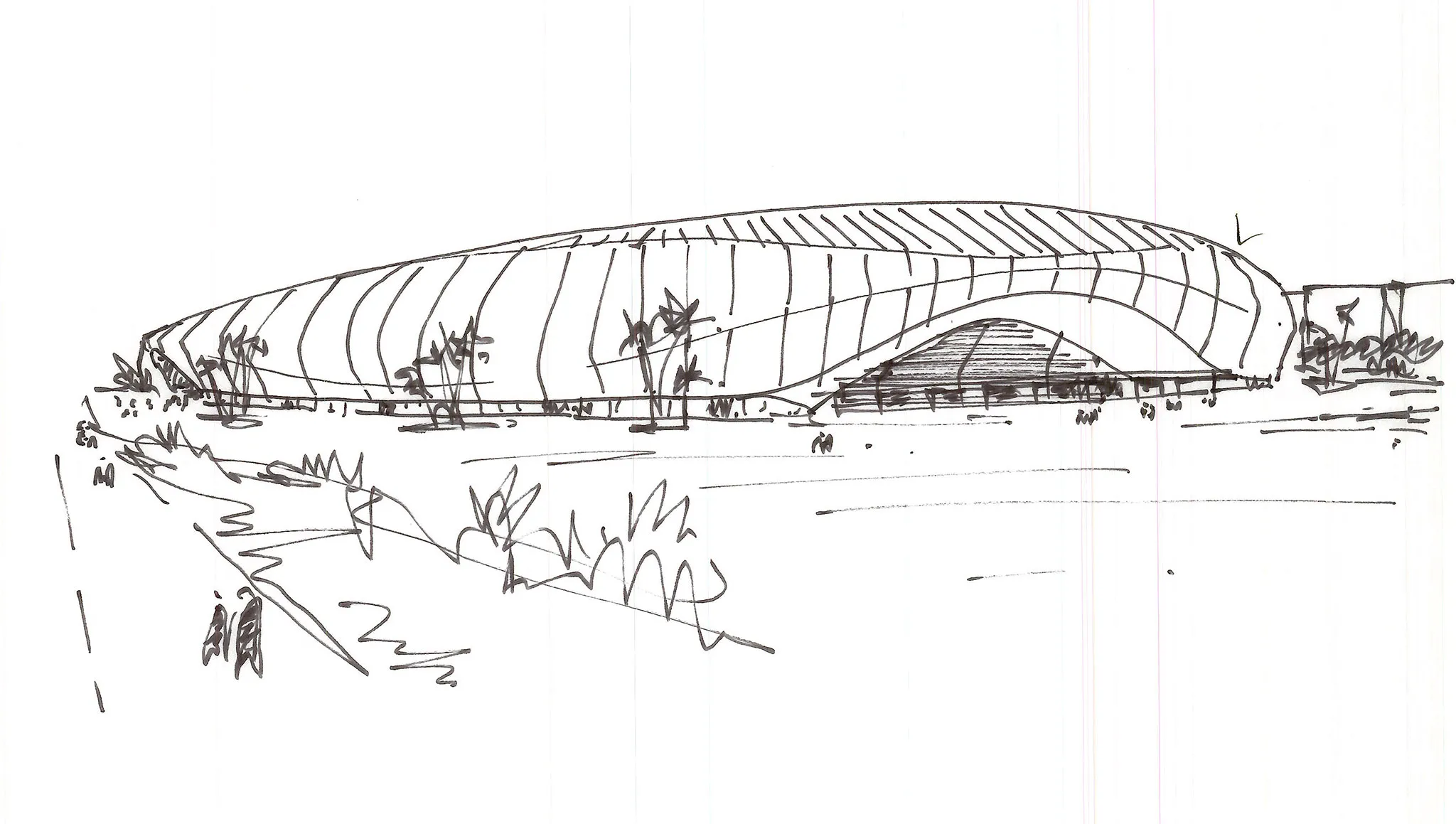
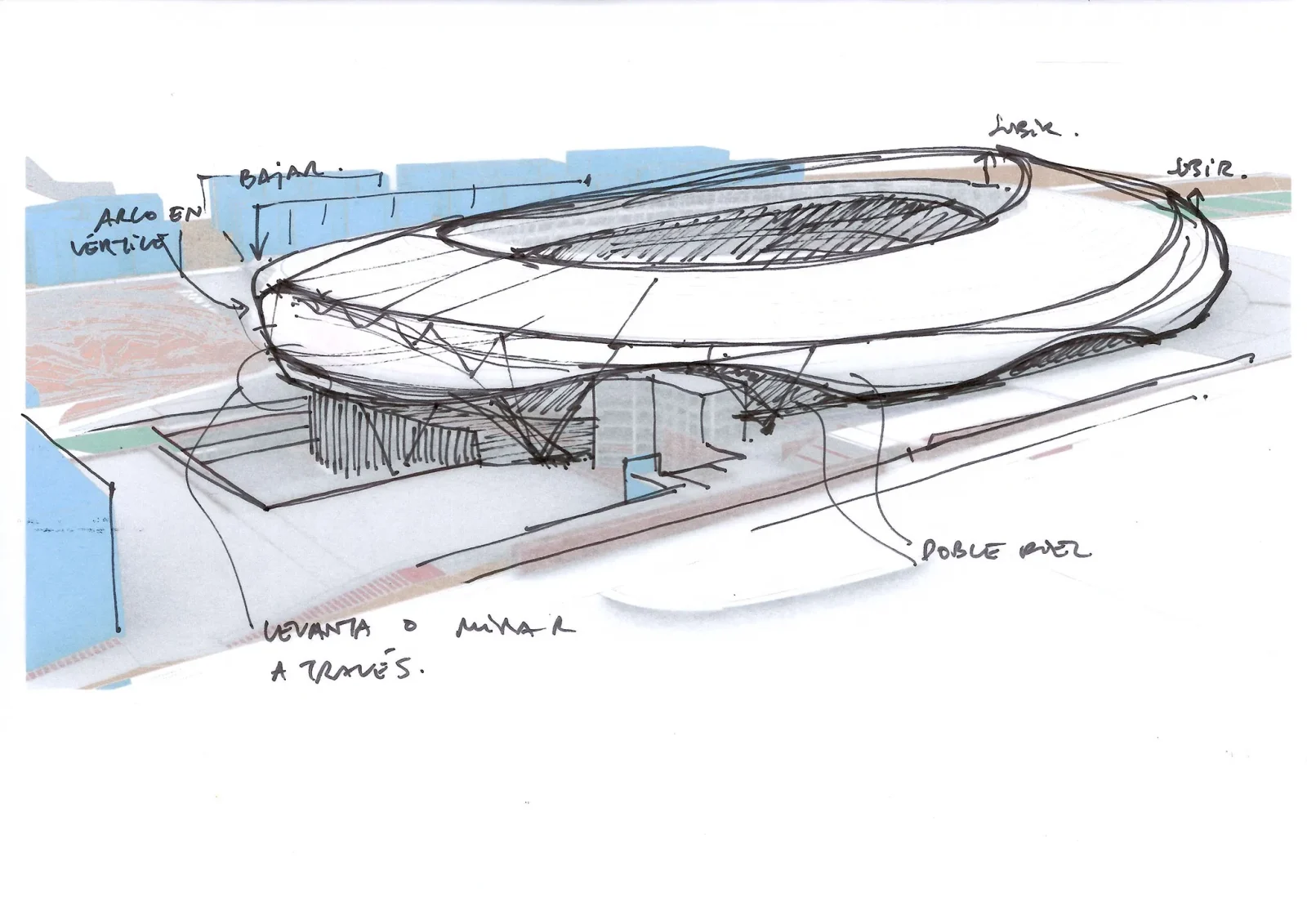
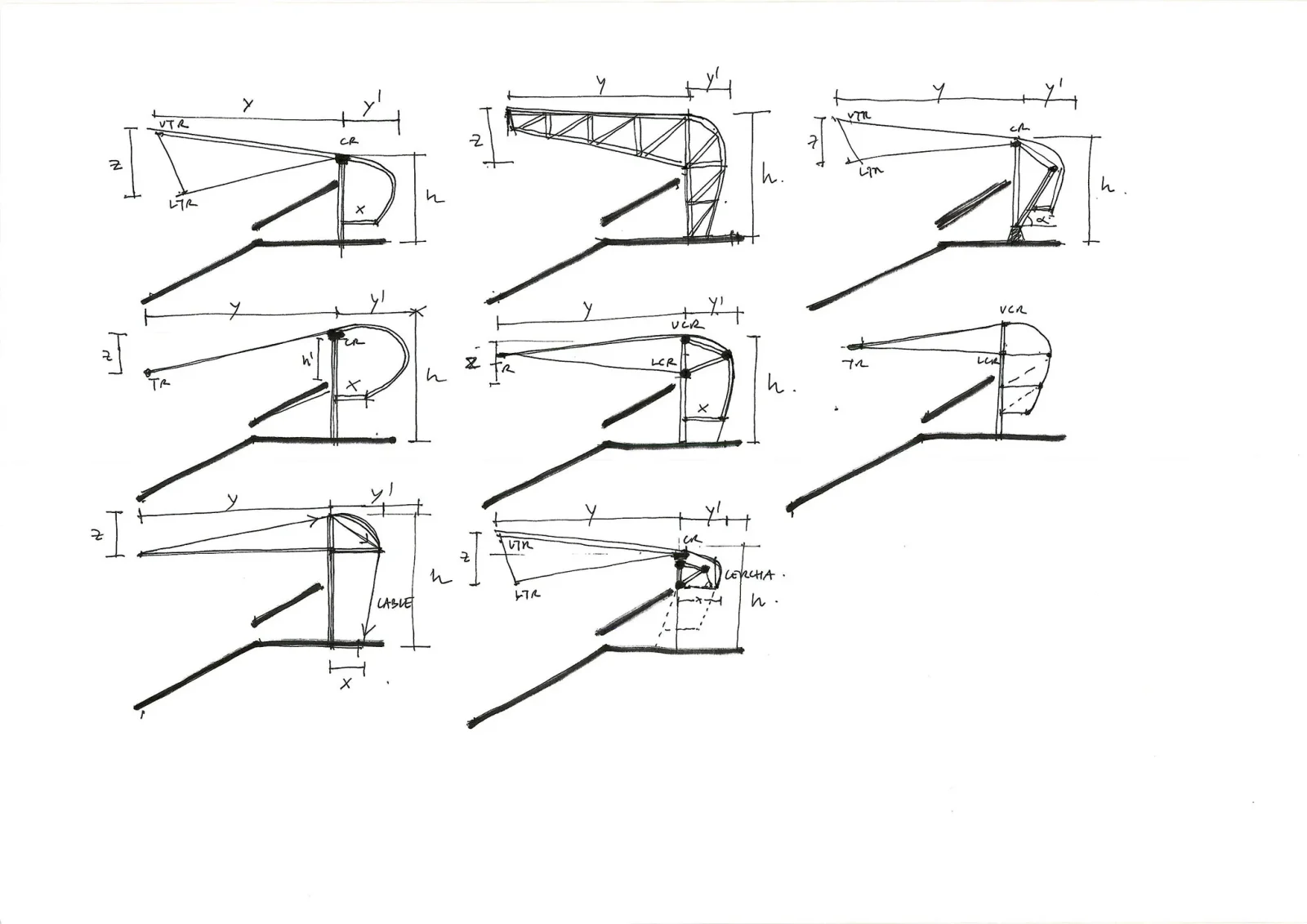
The striking element of the design is the roof, a lightweight radial structure designed based on the principle of a spoked wheel tension system. It is ideally suited for spanning massive, column-free distances. The structure consists of an outer compression ring, supported by 44 columns, which define the vertical scale of the stadium’s perimeter. The outer ring connects to two internal rings through a network of radial cables, ensuring stability and forming a triangulated geometry.
Sustainability and Urban Integration
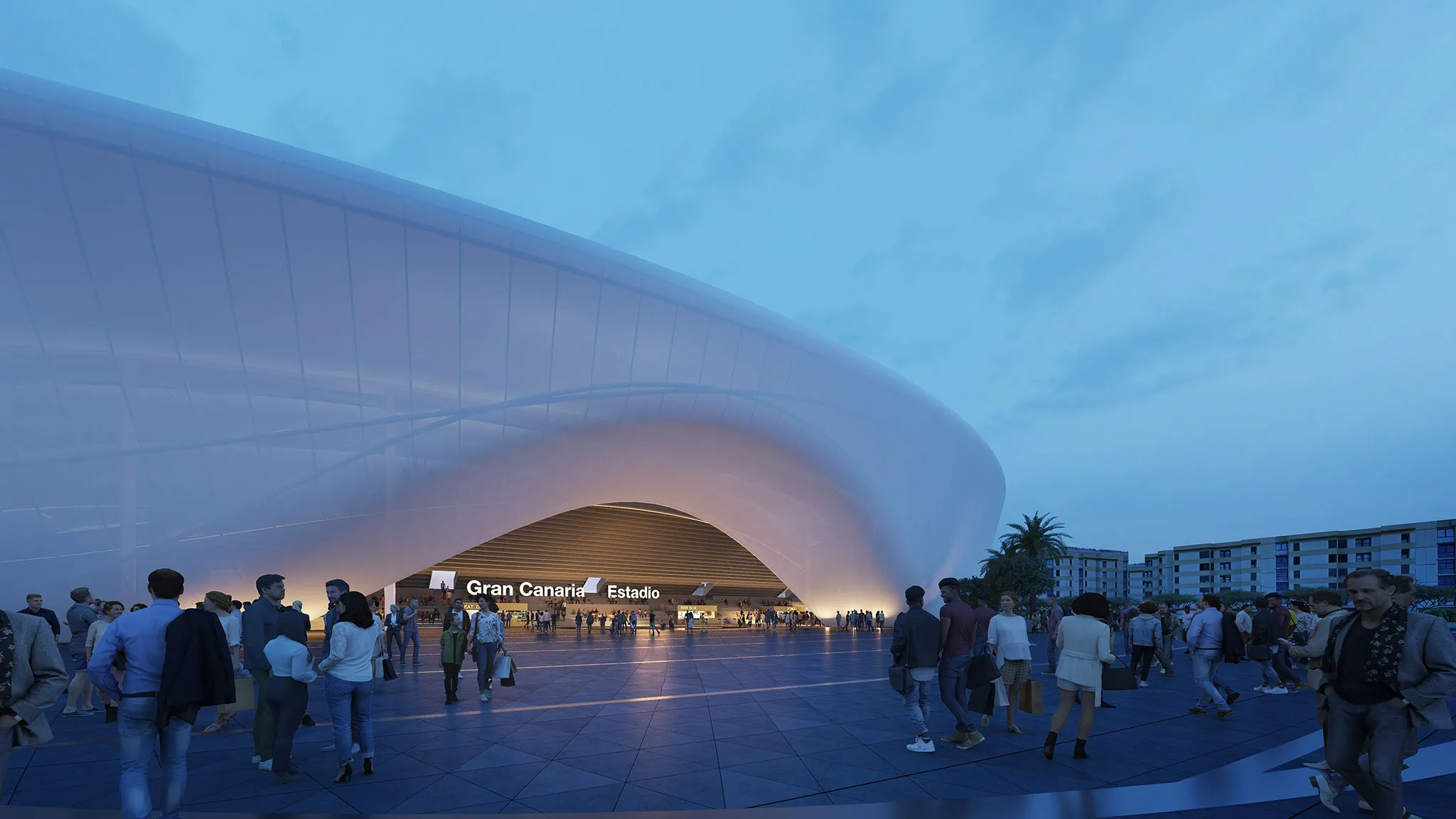
This architectural intervention includes a revamped retail and dining promenade that opens onto Fondos de Segura Street, transforming it into an active commercial and social space. The renovation of the stadium ensures that the stadium functions economically and socially throughout the week, drawing visitors and locals alike, thus solidifying its role as a driver of urban transformation.
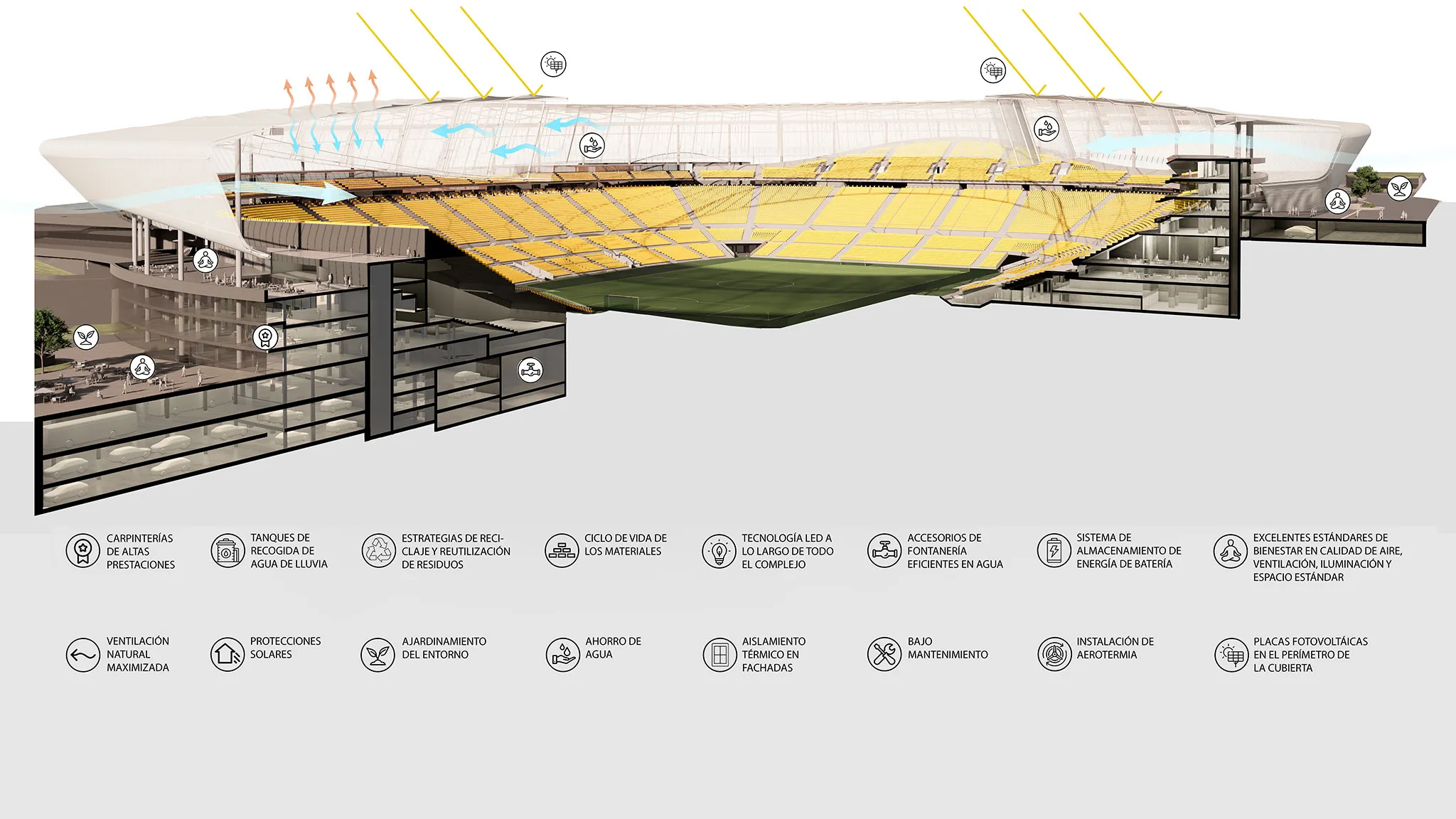
Rooted in the ethos of holistic sustainability, the design combines passive and active systems that reduce the building’s resource footprint. The innovative integration of the humidity-harvesting system, known locally as captabrumas (mist catcher), ensures that the stadium becomes an active water generator, working in concert with the rooftop rainwater harvesting systems and membranes to boost the facility’s efficiency and self-sufficiency.
Image Credits: © L35 Architects and Estudio 0710
Explore Courses
.jpg "Ondrej Chybik - Rethinking Architecture")