



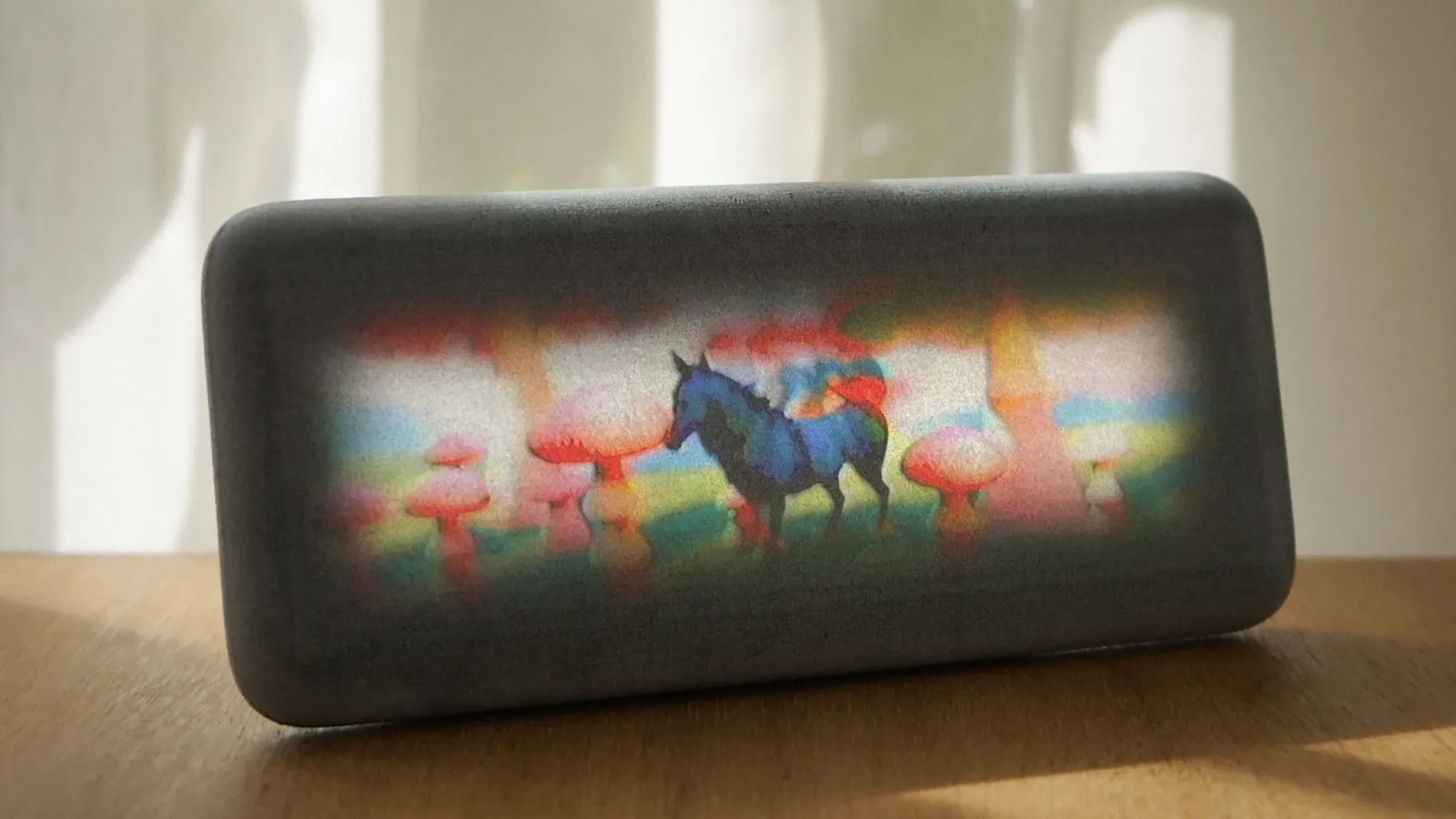
Imagine waking up and hearing your dream described back to you, not as a rambling memory, but as an evocative, low-fi vision you can watch. That’s what Dream Recorder AI does. Developed by the design studio Modem, it transforms spoken dream descriptions into intentionally fuzzy visual stories that you can revisit, without screens or phones, just analog-style dreamscapes to reflect on.
Key Features of the Dream Recorder AI
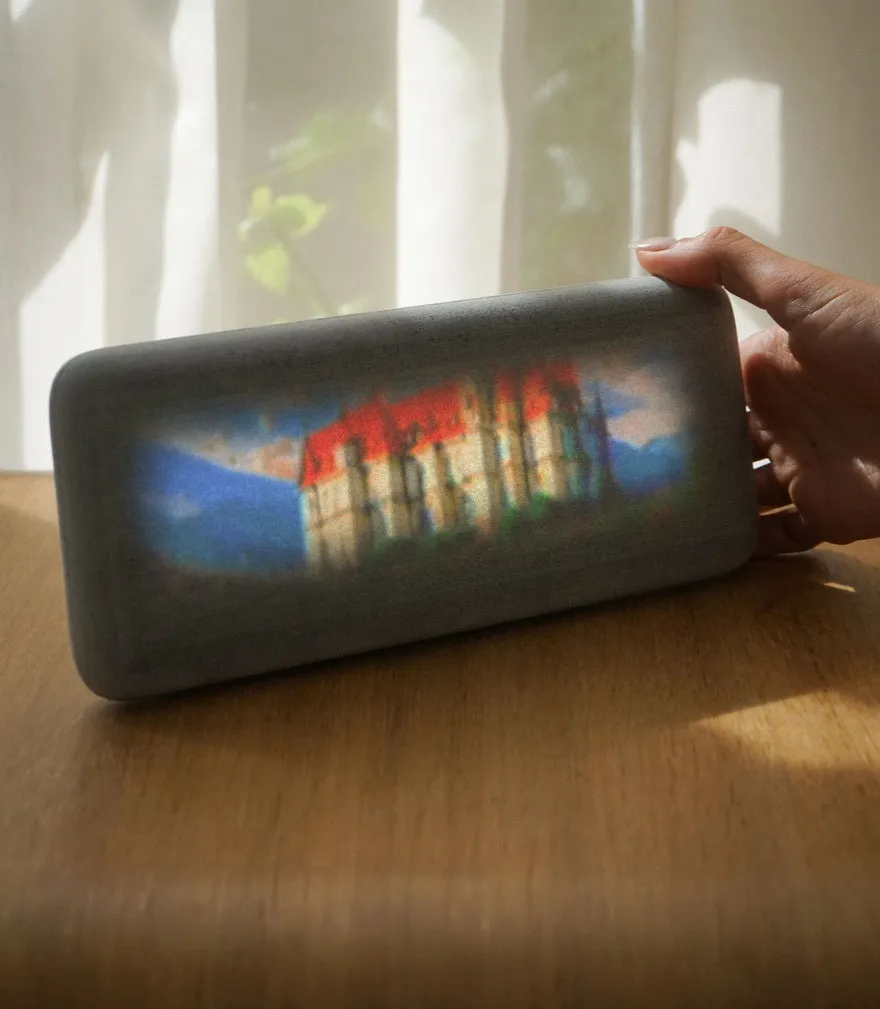
The Dream Recorder AI is a purpose-built device designed to transform fragmented dream recollections into replayable visual sequences. Its functionality and design distinguish it from conventional sleep-tracking technologies.
Speech-to-Visual Transformation
Upon waking, users articulate their dreams verbally in any language or span. The device records this narration and employs generative AI to convert the spoken account into visual representations. These outputs are intentionally abstract and blurred, closely reflecting the ambiguous and fragmented nature of actual dream recall rather than producing sharp or cinematic imagery.
Analog-Inspired Aesthetic
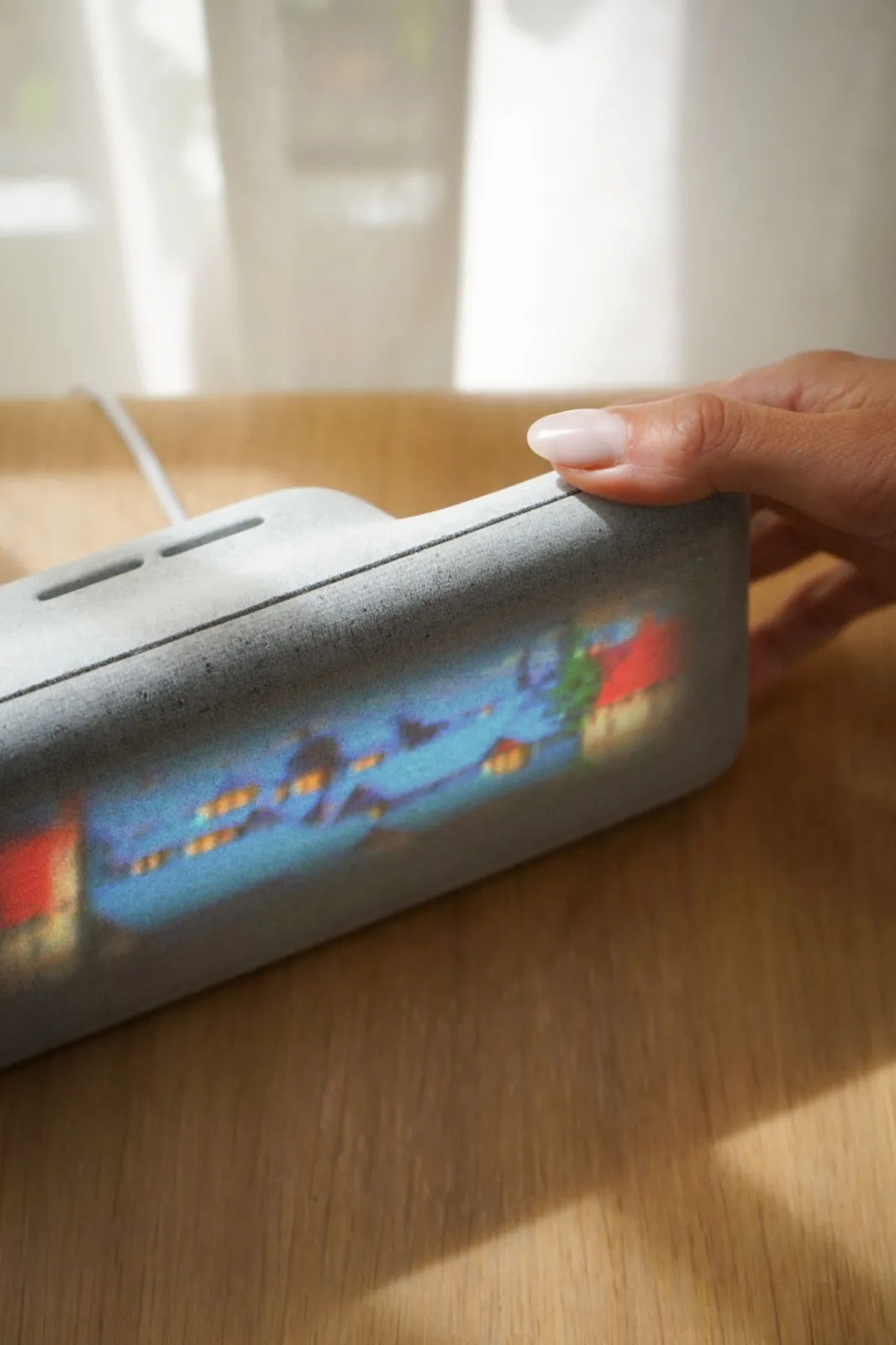
In contrast to most AI-generated content that prioritizes photorealism, the Dream Recorder AI incorporates an analog, retro-inspired aesthetic. Visual styles can be adjusted to appear coarse, lo-fi, or reminiscent of early film. Resolution is deliberately constrained to what Modem terms “ultra-low definition,” enhancing the resemblance to the fleeting, partially remembered qualities of dreams.
Screen-Free, Independent Design
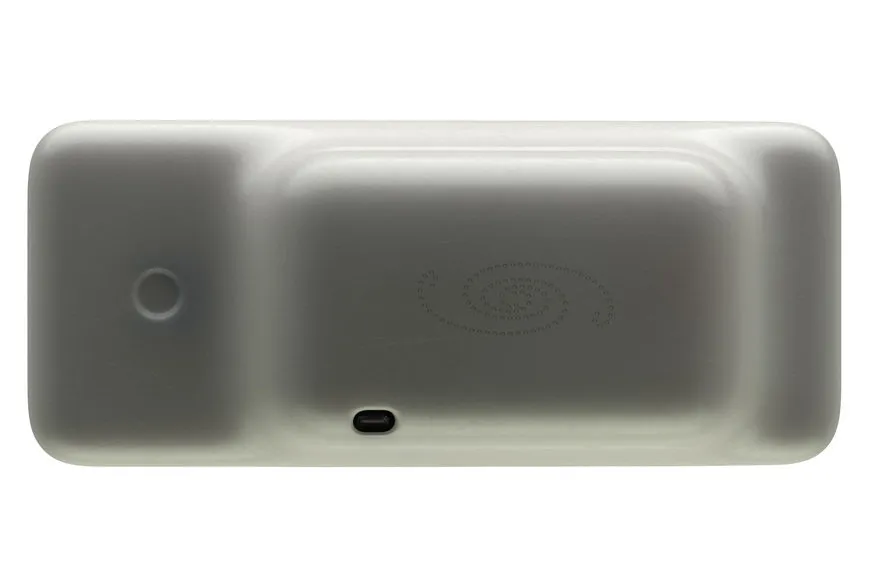
The hardware is conceived as a standalone device that functions independently of smartphones. Positioned beside the bed, it emits a soft glow and operates without reliance on apps or screens. This approach aligns with broader efforts to reduce digital distractions in sleep environments and to encourage healthier nighttime routines.
Archival Capacity
The system is capable of storing up to seven nights of dream recordings. This creates a short-term archive that allows patterns, recurring motifs, or symbolic imagery to be observed over time. Such functionality positions the device as both a personal reflection tool and a potential resource for creative or psychological exploration.
Open-Source and Accessible Engineering
Accessibility is central to the project’s design philosophy. Modem has released the Dream Recorder as an open-source system, providing software, 3D printing files for the enclosure, and a component list that relies on readily available hardware. Assembly requires no soldering, and the estimated build cost is approximately €285. This open framework makes the technology attainable for a broad audience, including designers, researchers, and hobbyists.
The Dream Recorder differentiates itself from conventional sleep technologies by prioritizing subjective meaning rather than biometric measurement. Instead of tracking metrics such as REM cycles or sleep stages, the device transforms subconscious narratives into visual content that can be revisited and analyzed. This reframing positions the technology as a tool for reflection rather than a diagnostic instrument.
The system also aligns with the emerging category of “quiet technology,” which emphasizes human well-being by minimizing reliance on screens, notifications, or constant connectivity. In addition, the Dream Recorder AI resonates with the expanding “dream economy,” a cultural trend that places increasing value on lucid dreaming, creative exploration, and the sharing of dream experiences as forms of personal expression and insight.
Images and video credit: Modem/Dream Recorder AI
Explore Courses
.jpg "Ondrej Chybik - Rethinking Architecture")