

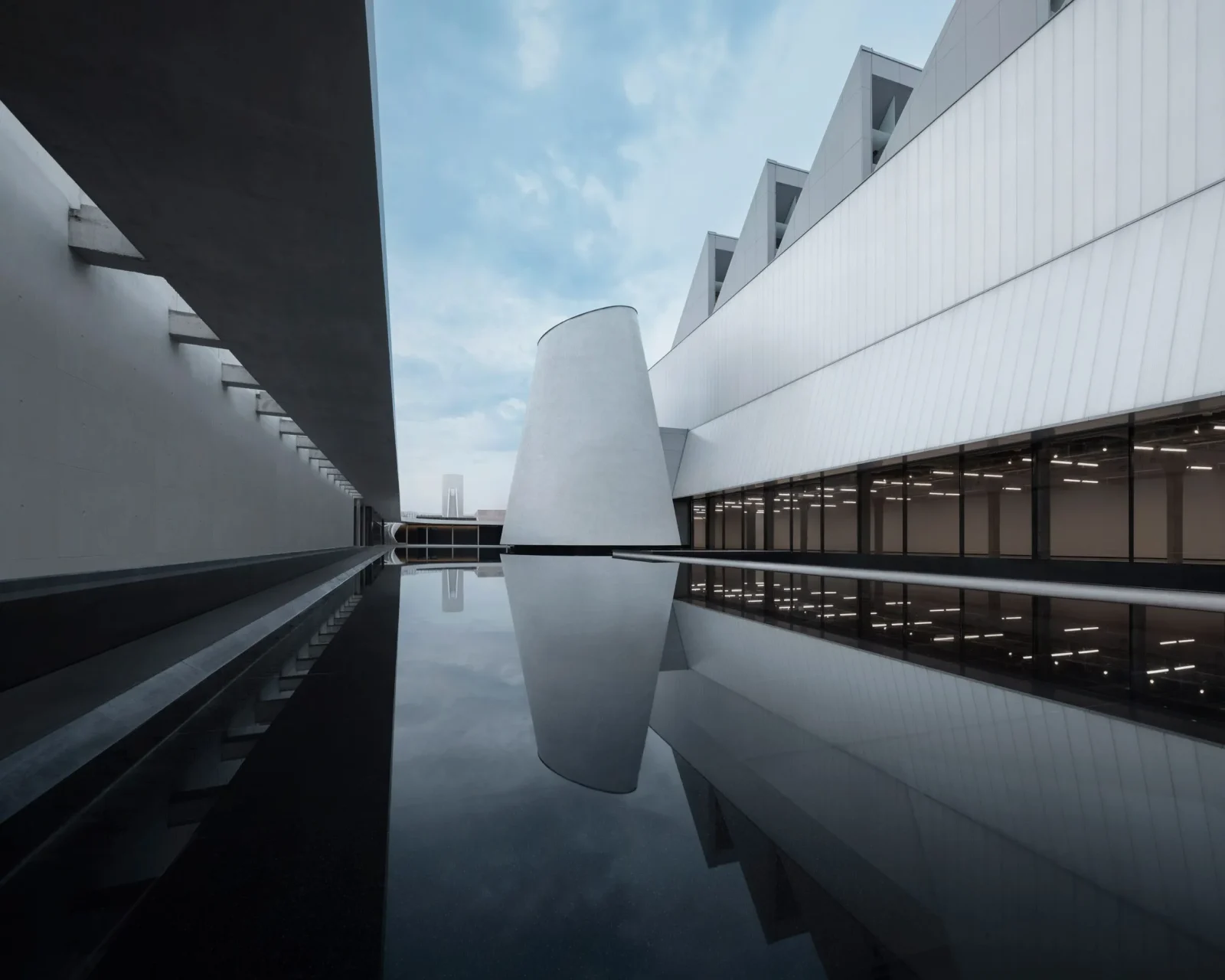
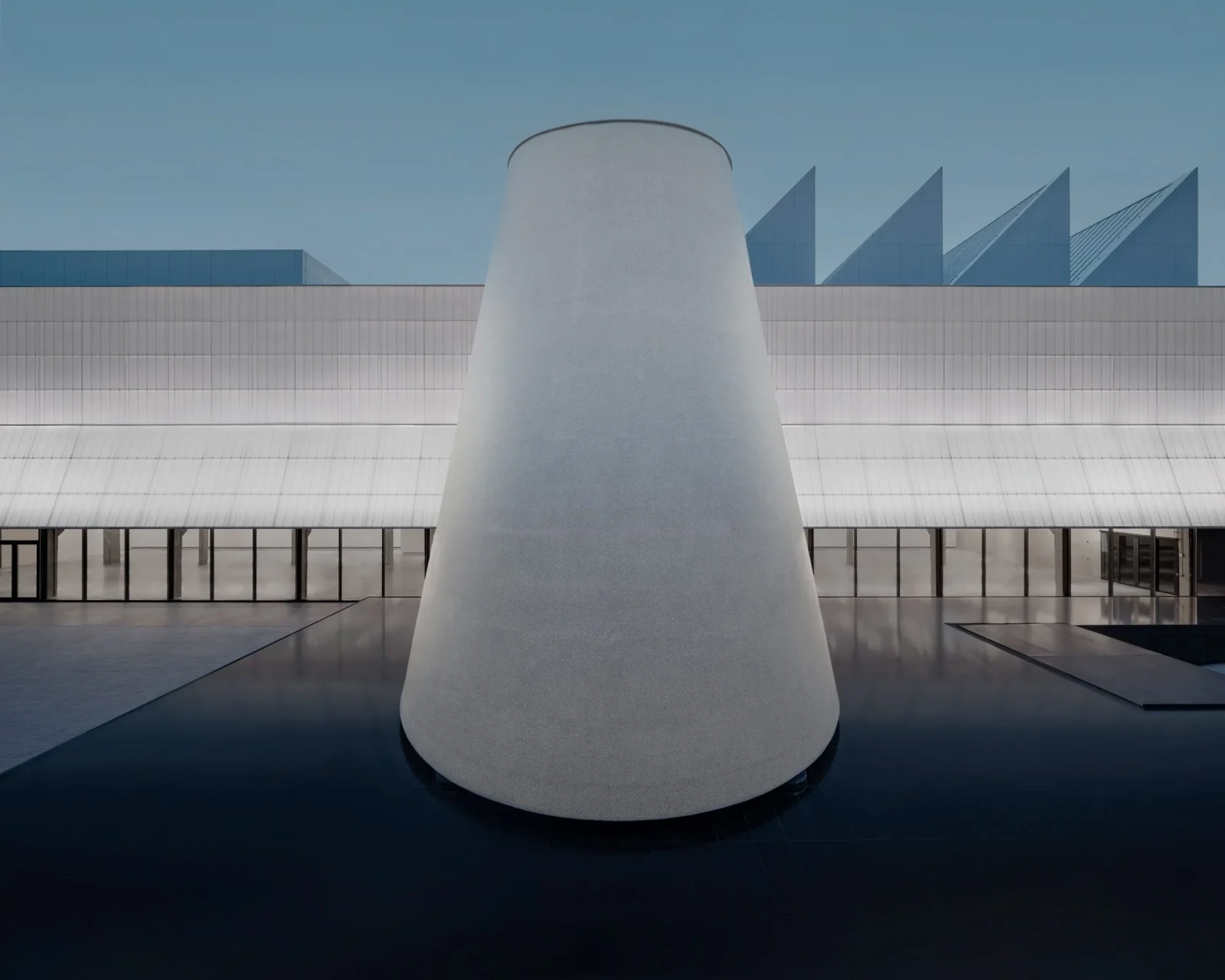
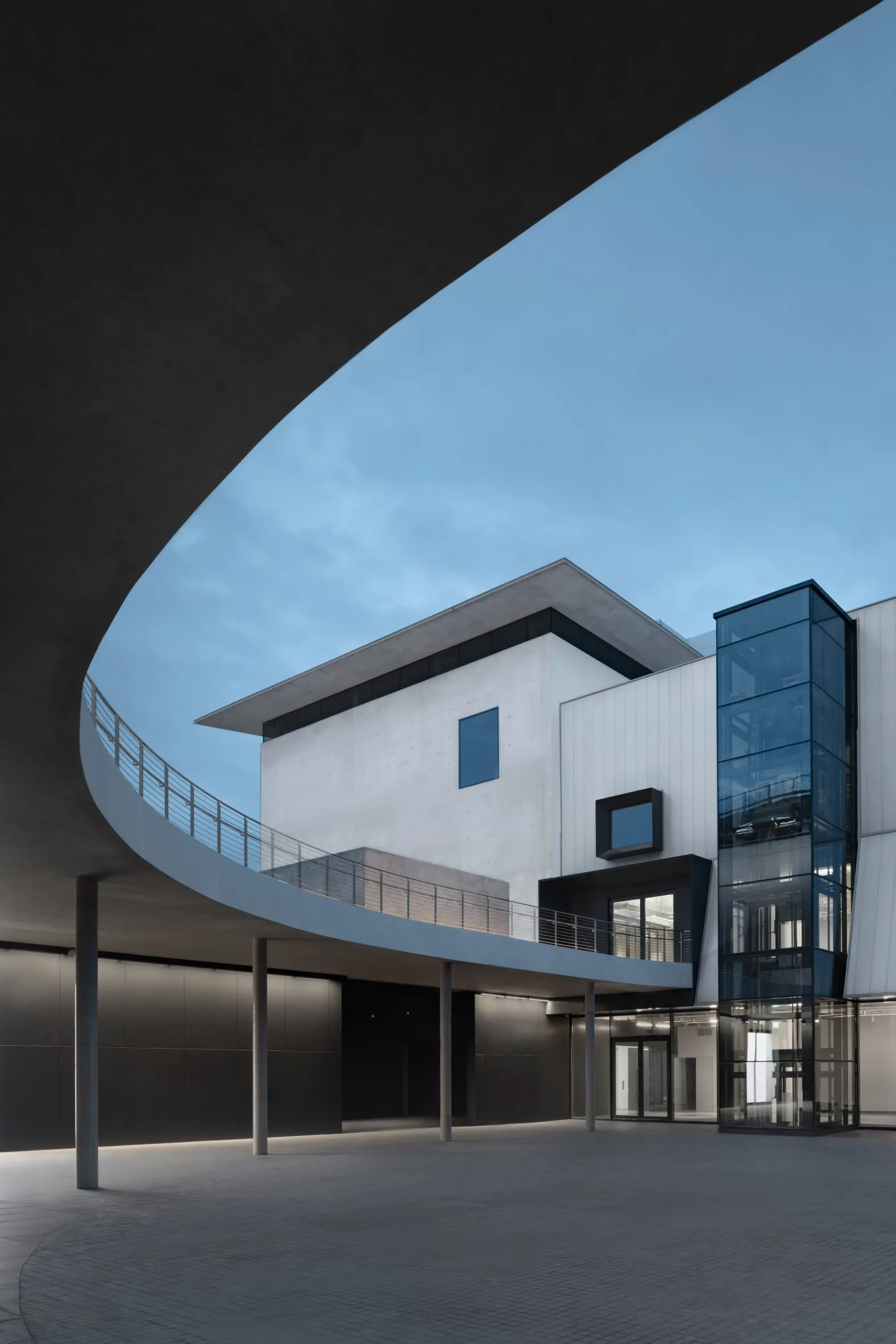
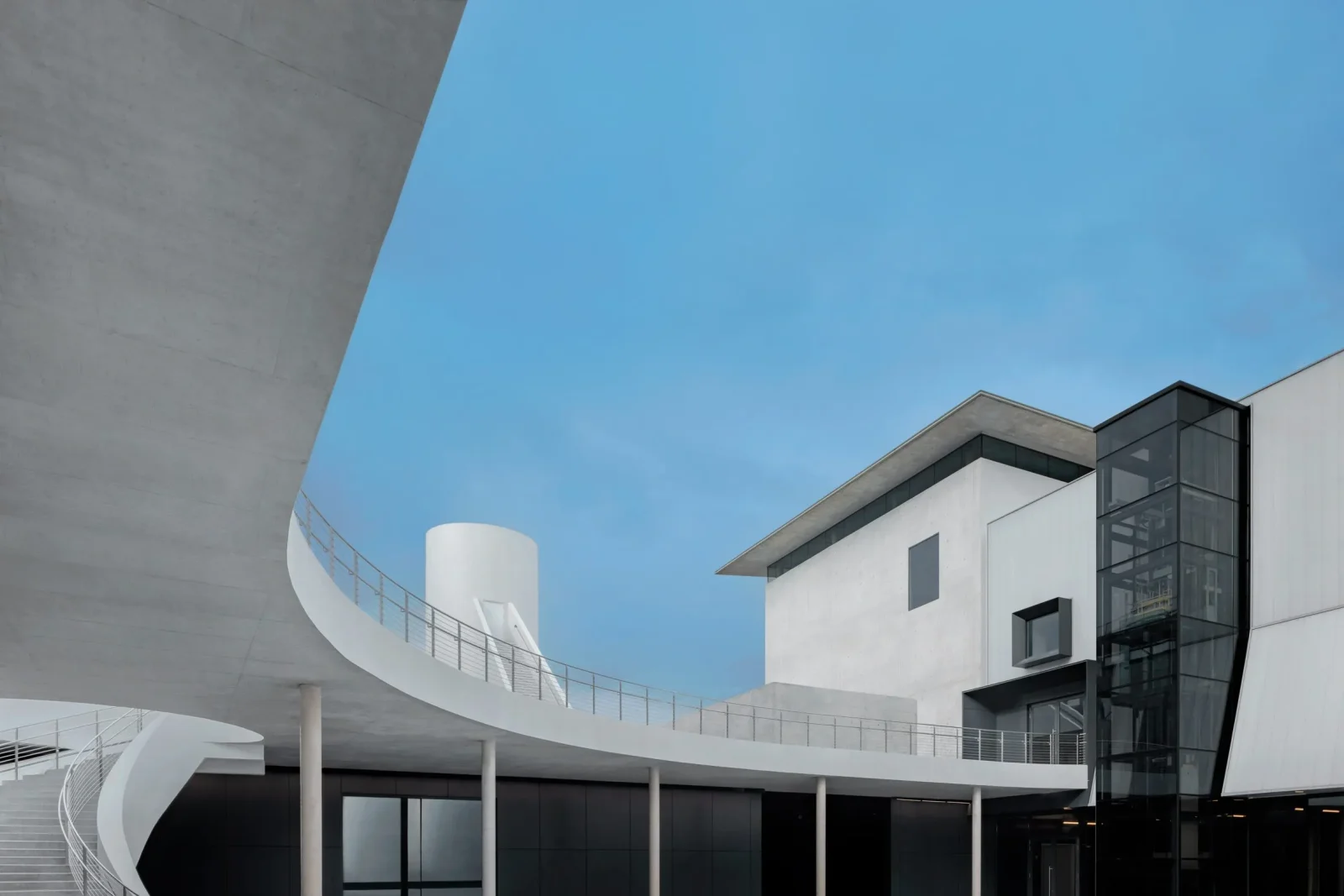
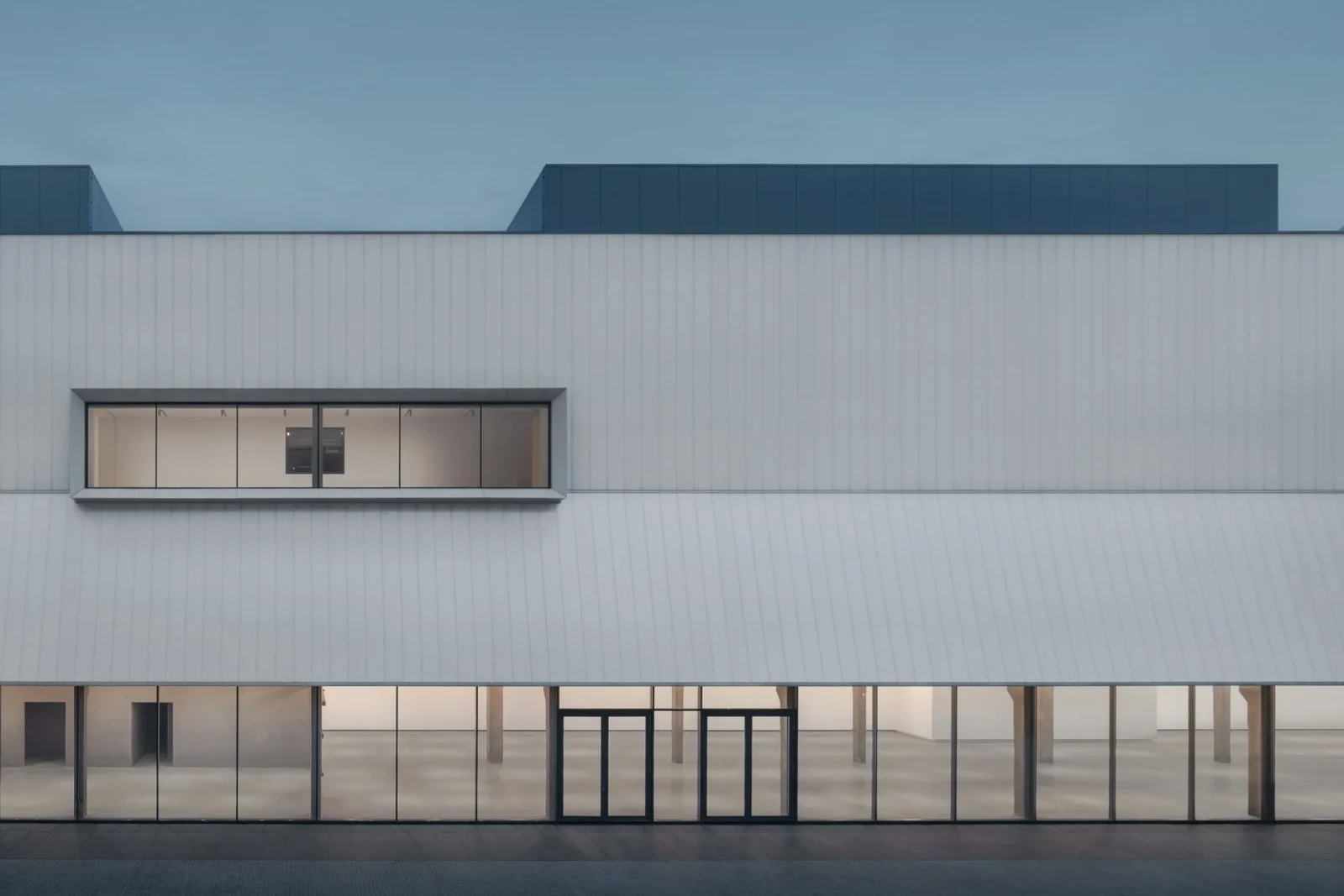
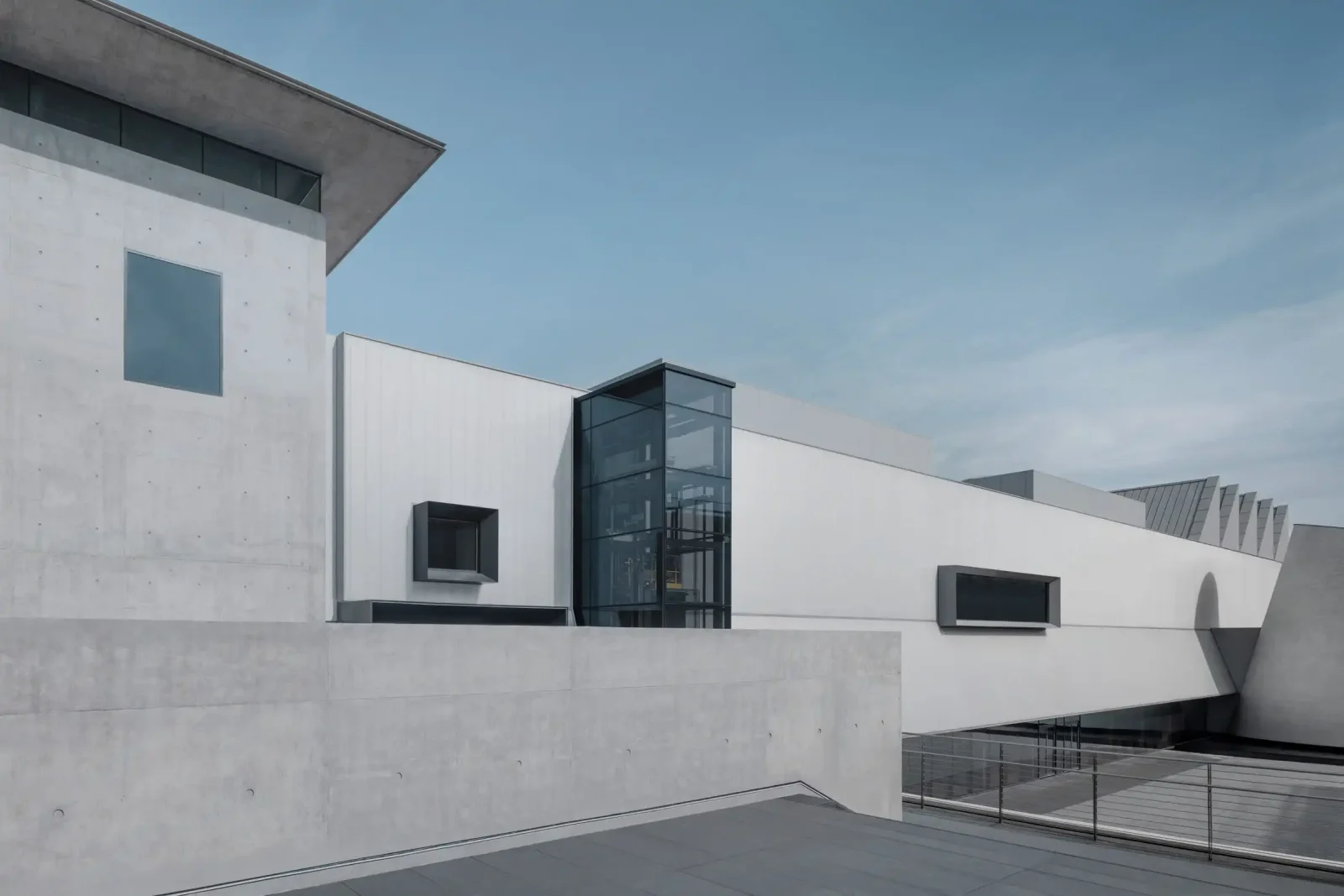
DIB Bangkok, the first international contemporary art museum, has been completed in a repurposed 1980s warehouse at the intersection of Rama IV and Sukhumvit. Designed by WHY Architecture in collaboration with Thailand’s Architects 49 (A49), the project adapts an industrial shell into a three-story cultural complex that balances raw material honesty with the spatial precision required for art display.
DIB Bangkok Museum Takes Shape in Bangkok
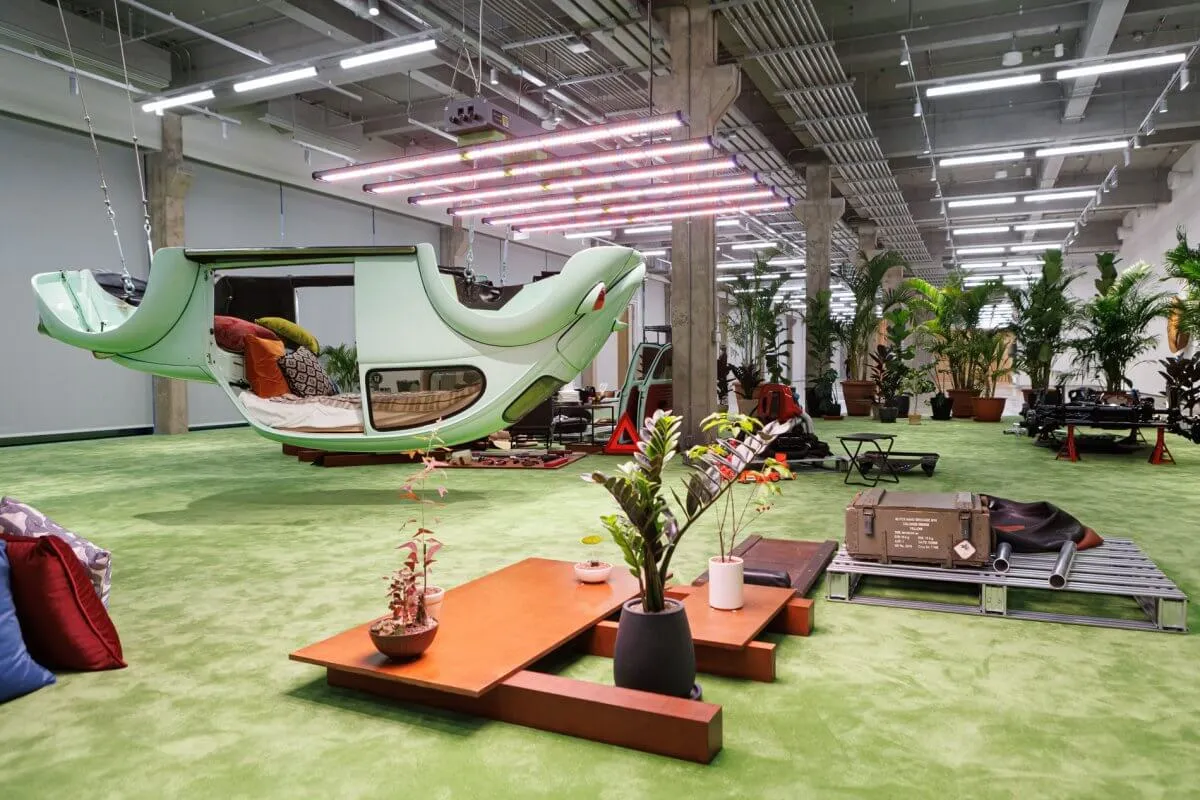
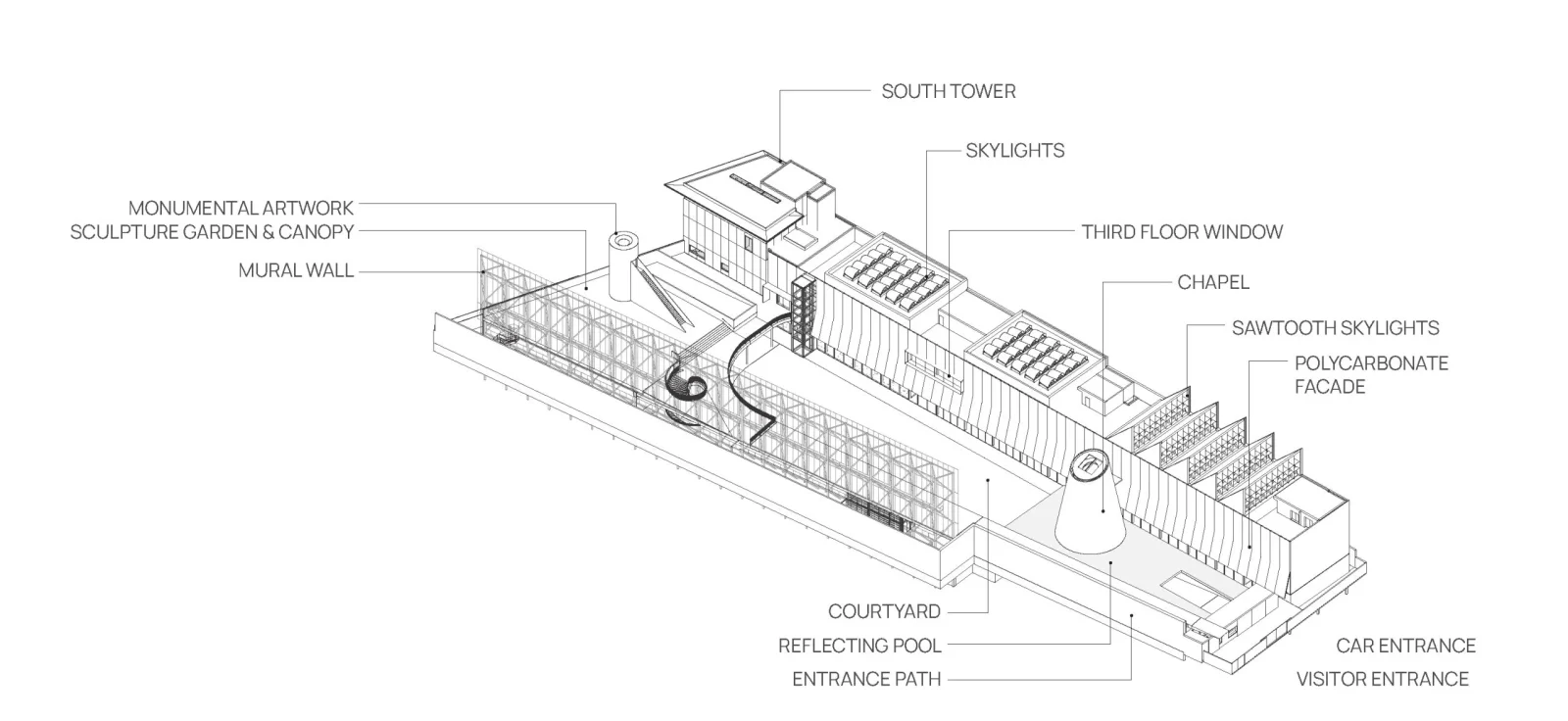
Occupying roughly 75,000–70,000 square feet of gallery space, the building’s adaptive reuse strategy retains the robust concrete bones of the original structure while layering new architecture that frames the museum’s programmatic journey. The ground level retains the warehouse’s original industrial exposed concrete columns, and minimal surfaces create a solid foundation that honors the building’s history. On the second floor, the design transitions to a more meditative atmosphere. Here, preserved Thai-Chinese window grilles from the existing fabric become tactile markers of place and memory, anchoring the old within the new.
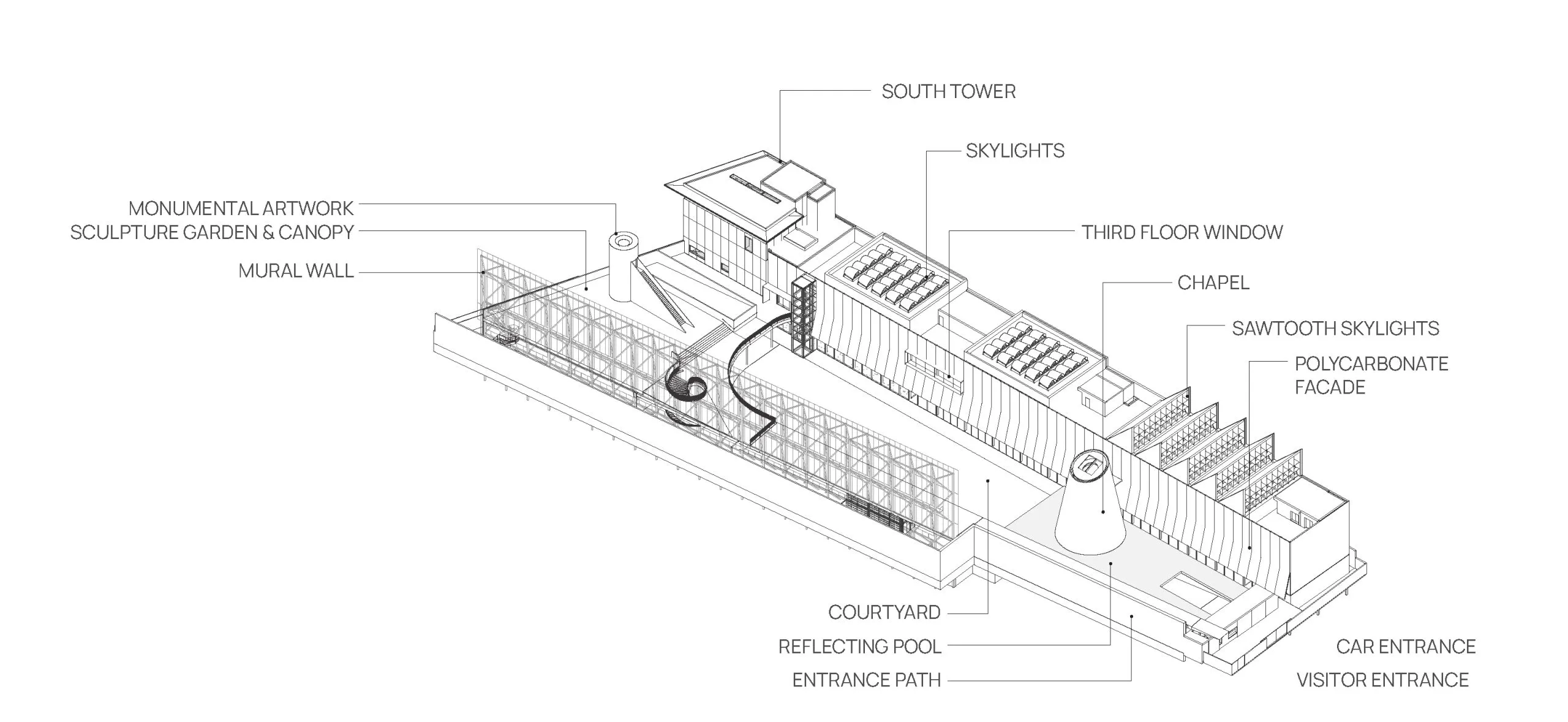
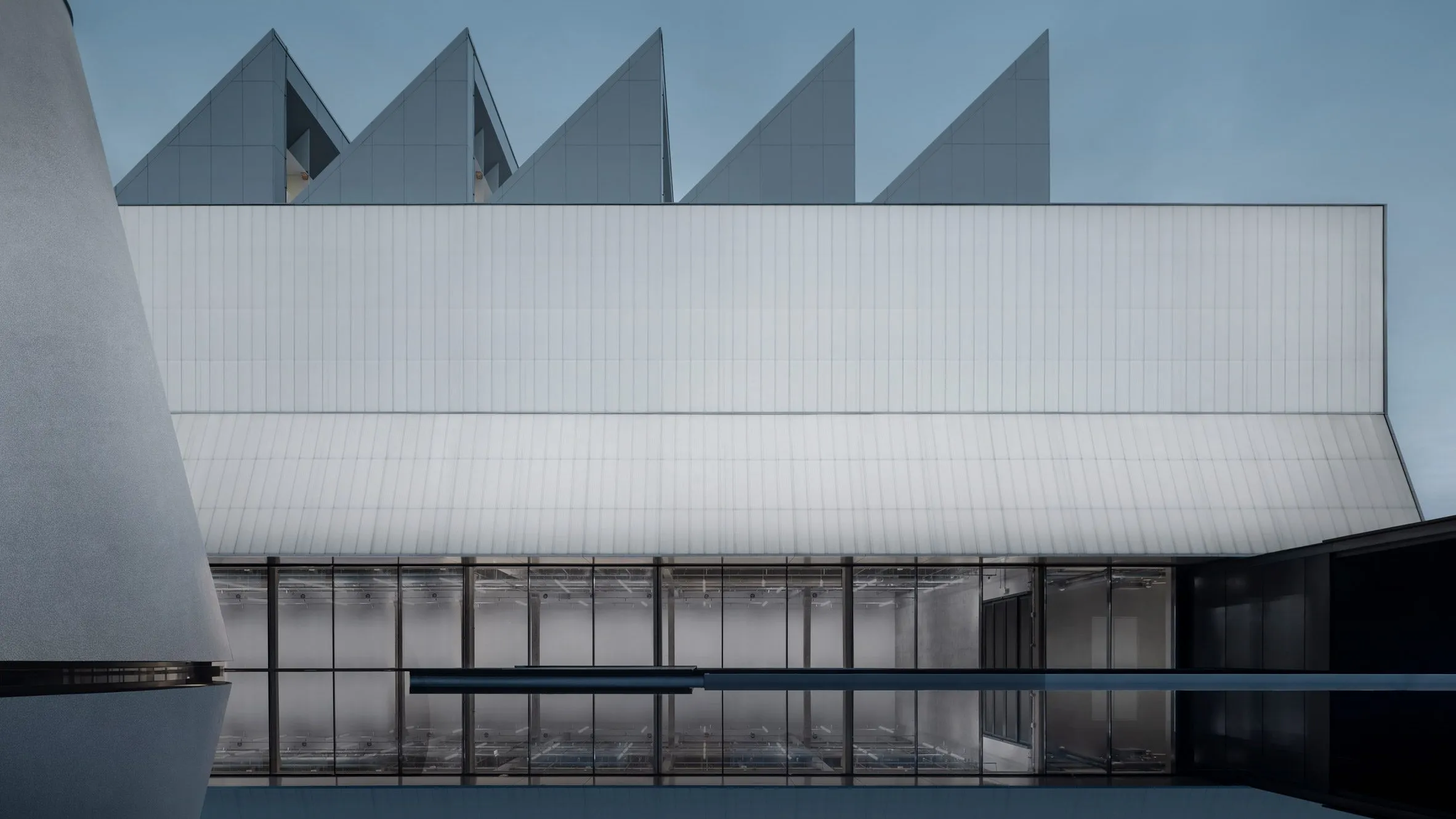
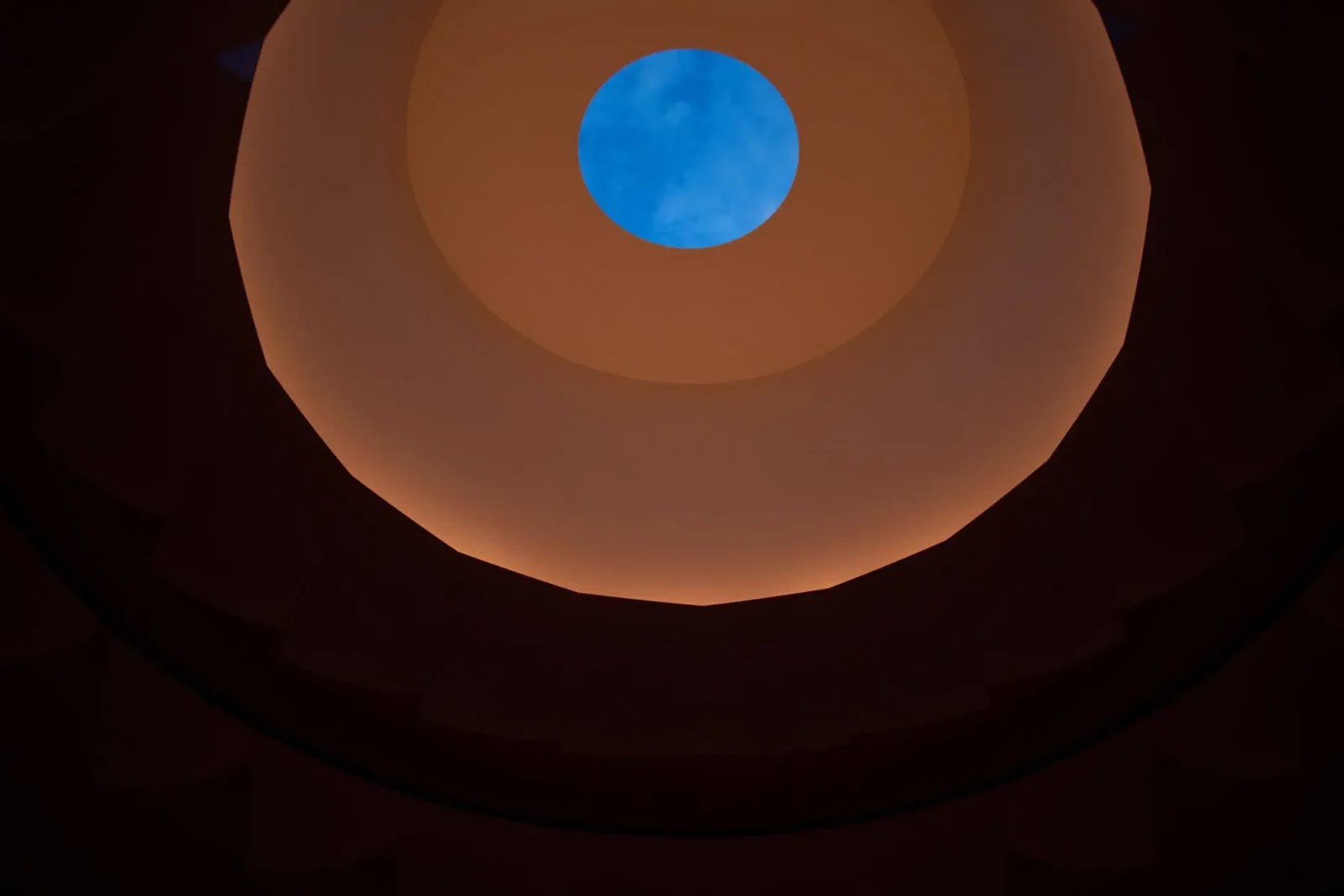
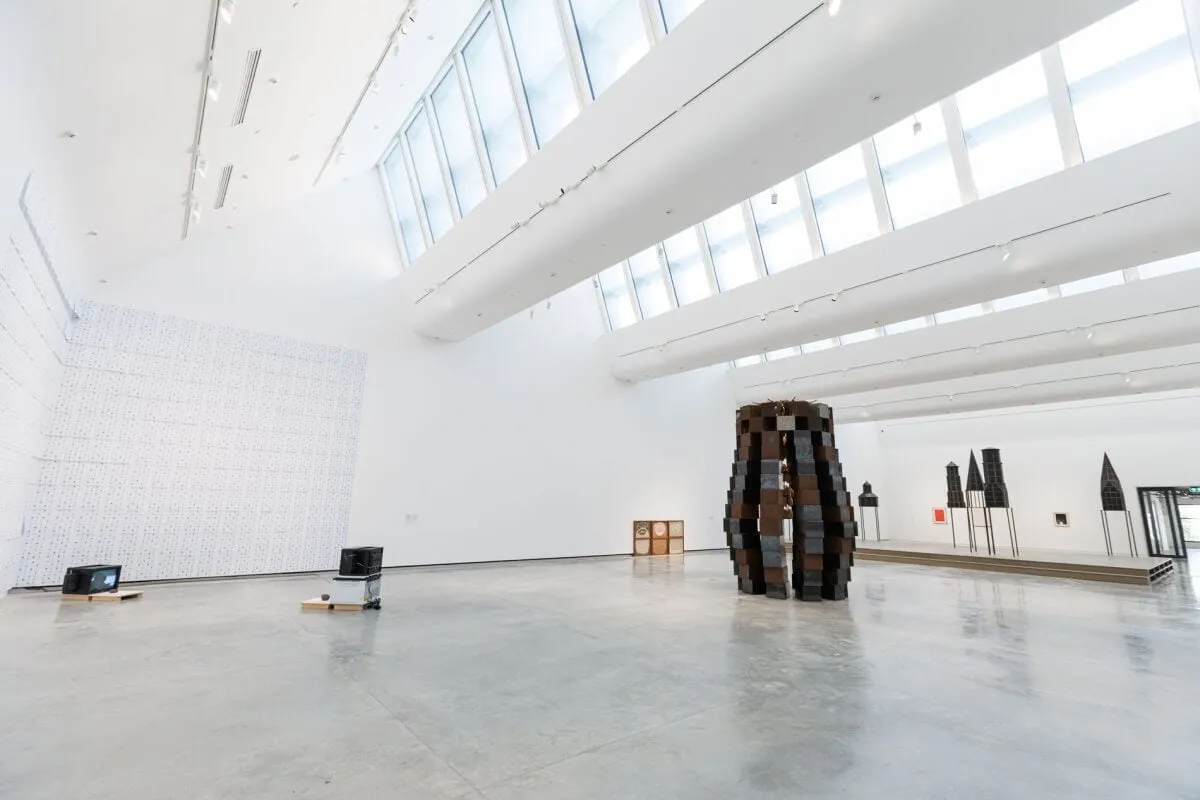
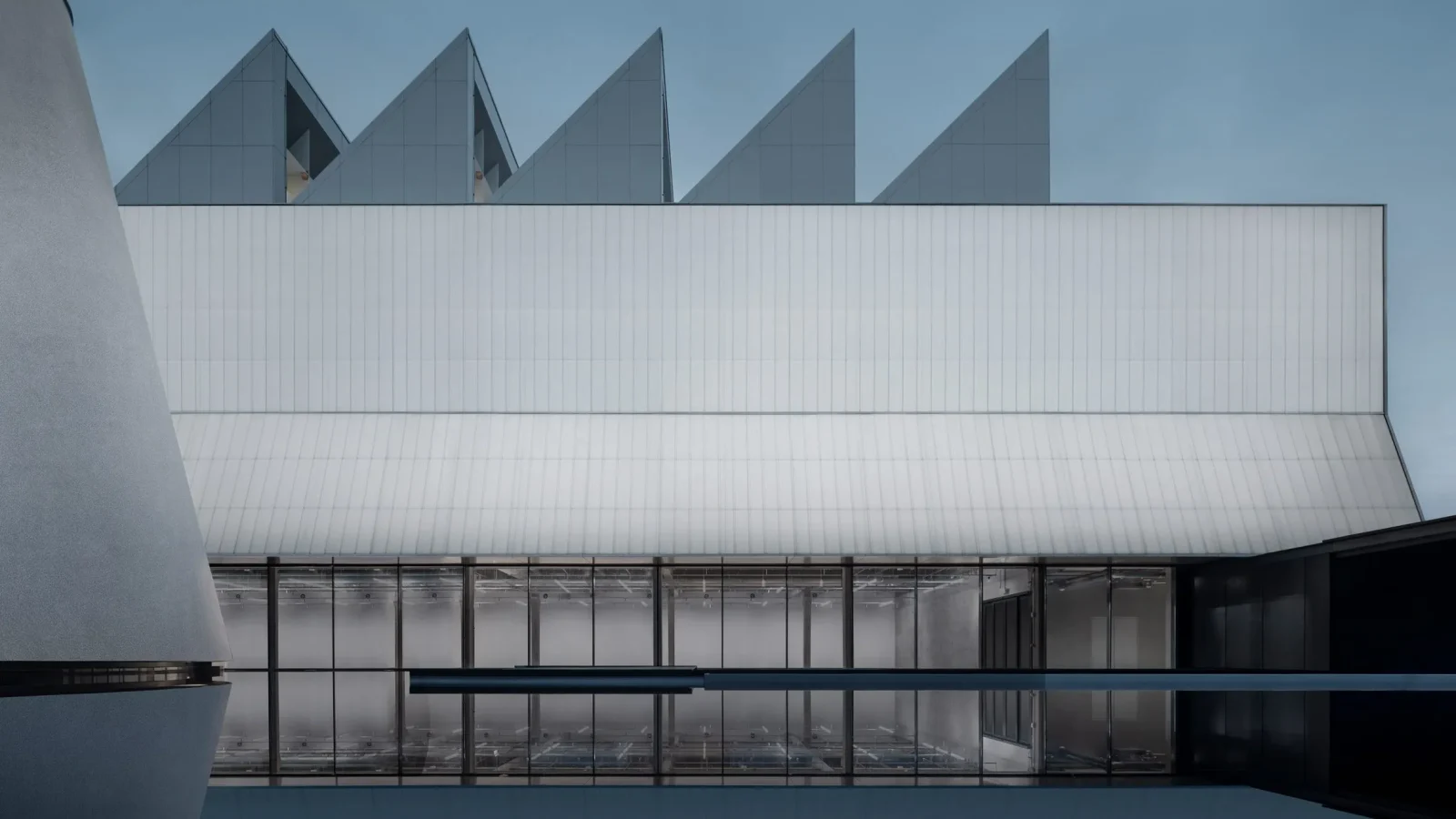
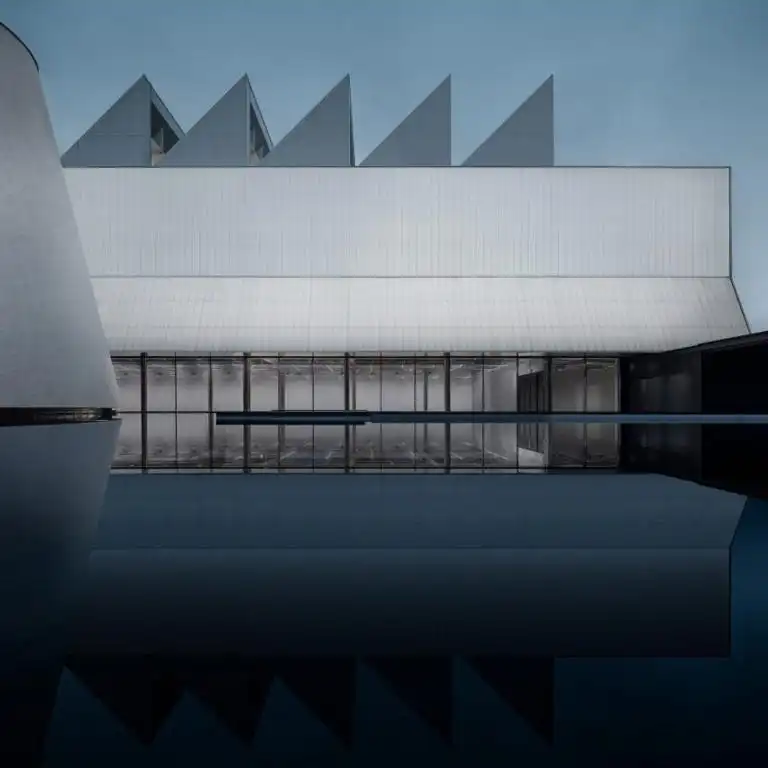
At the top level, this progression culminates in white-cube gallery spaces illuminated by skylights cleverly integrated into a north-facing sawtooth roof, reacting to light conditions ideal for art exhibitions. Natural light, moderated through architectural form, gives the upper galleries a serene, refined quality suited to large-scale and delicate artworks alike.
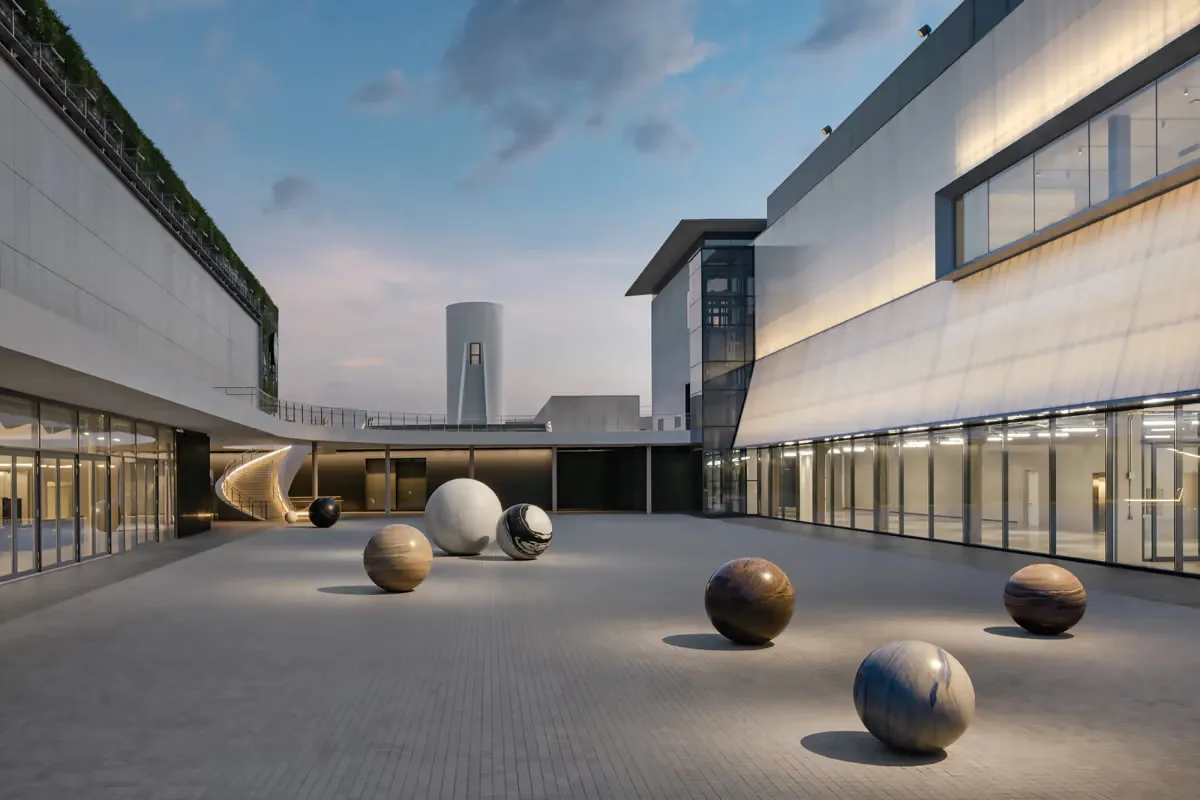
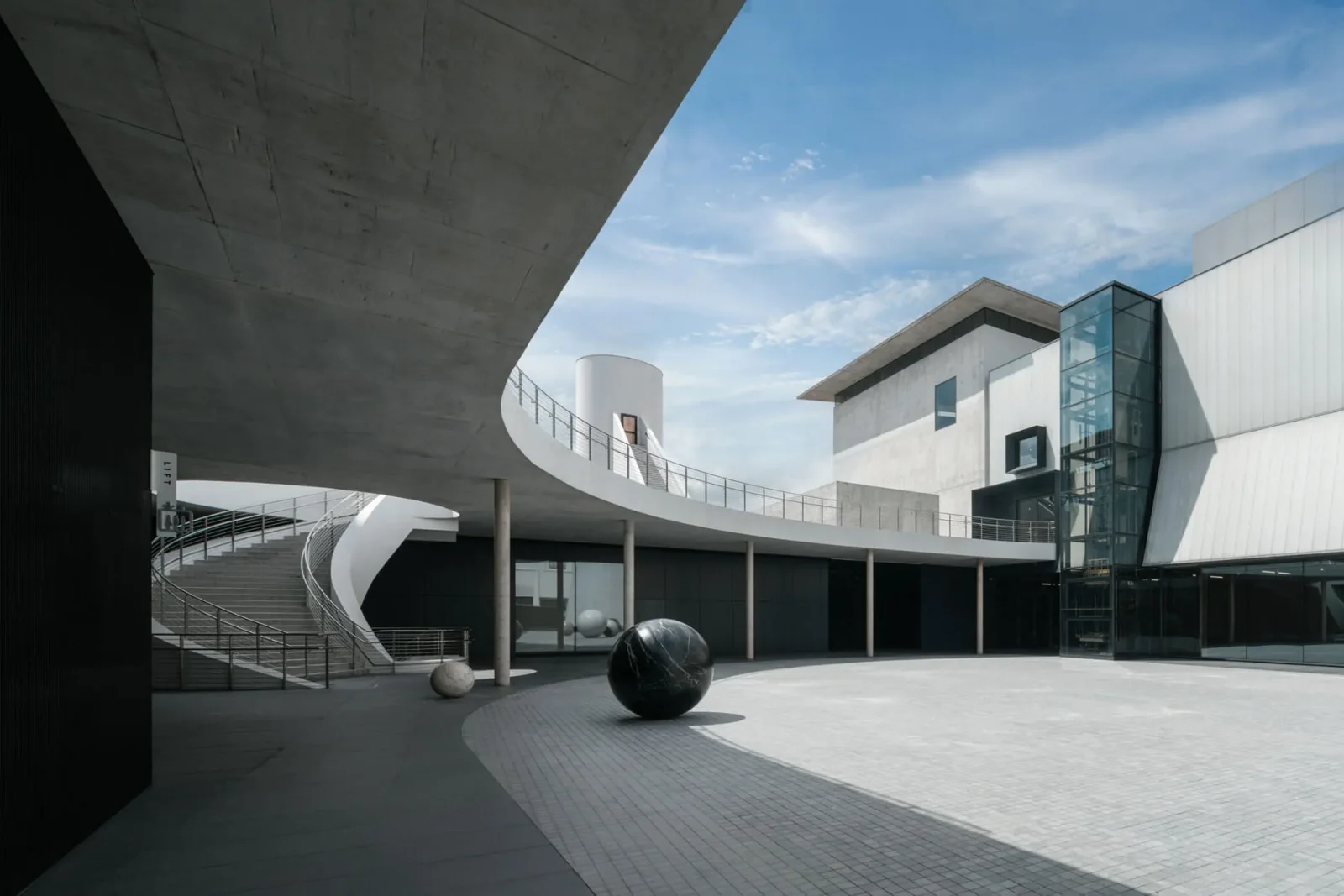
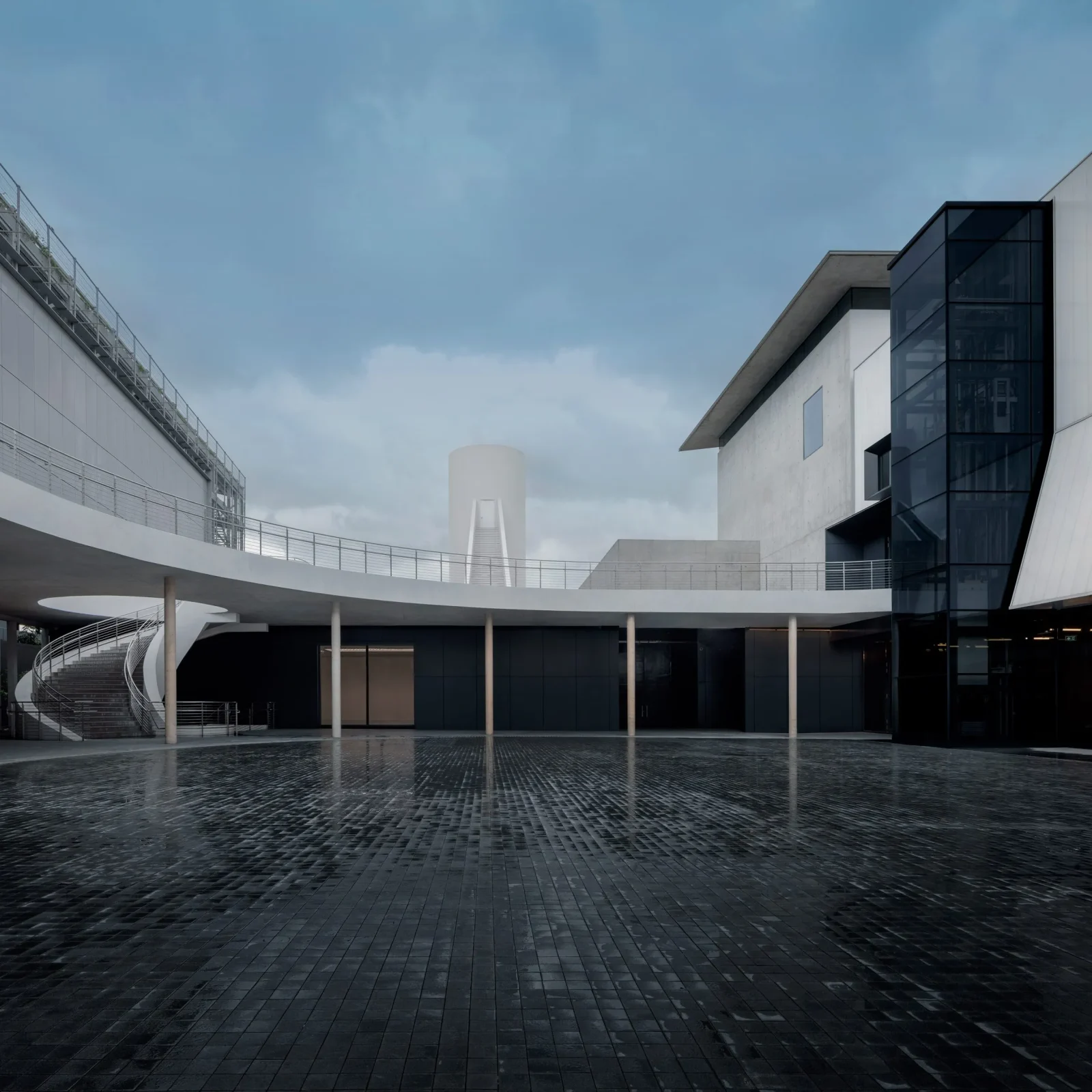
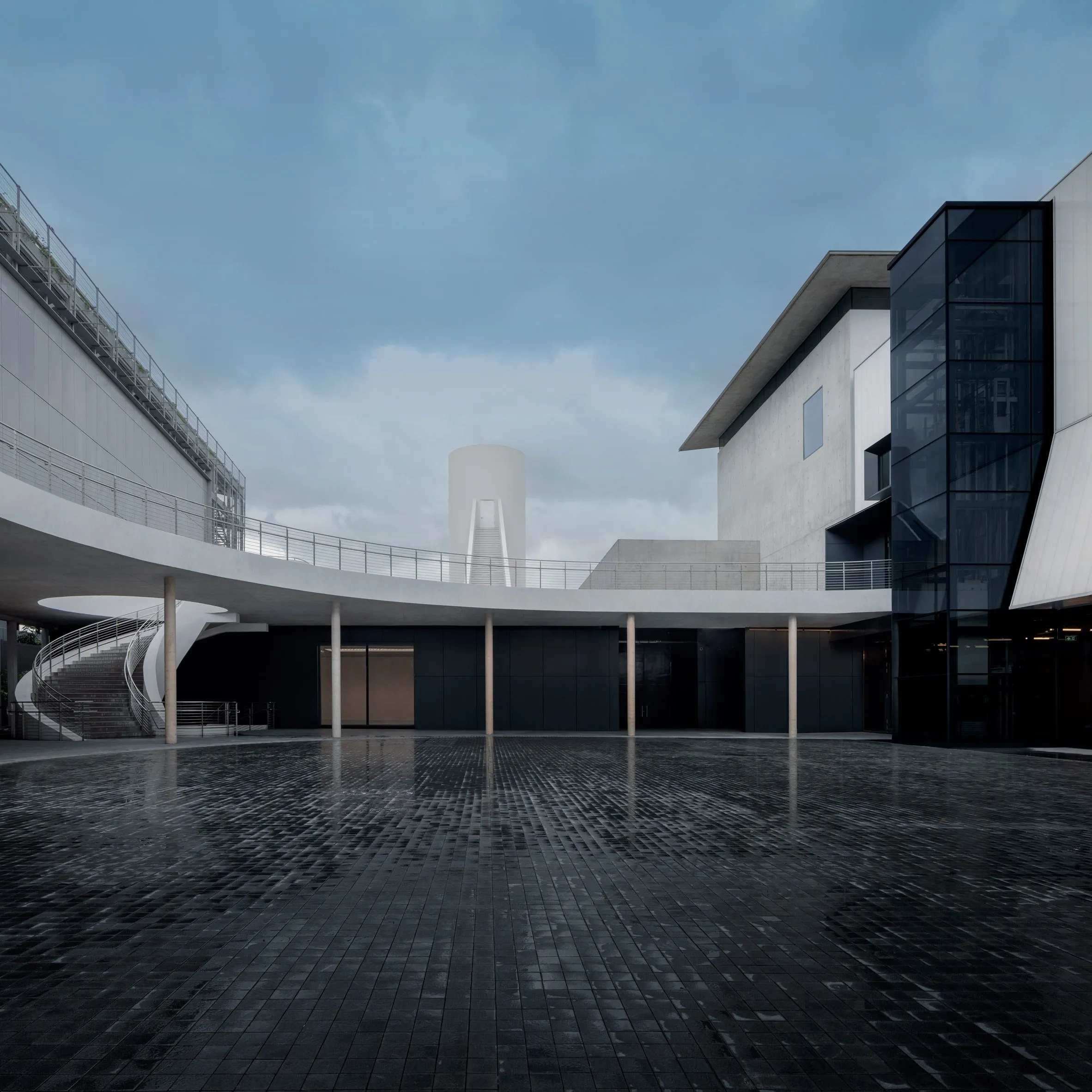
A defining feature of the museum’s plan is the 14,000–15,000-square-foot central courtyard, a pleasing outdoor space that anchors interior galleries and provides an extension of exhibition zones into the landscape. The courtyard connects to ancillary functions such as a café, flexible event spaces, and an outdoor sculpture garden, making the museum a civic space for larger cultural gatherings.
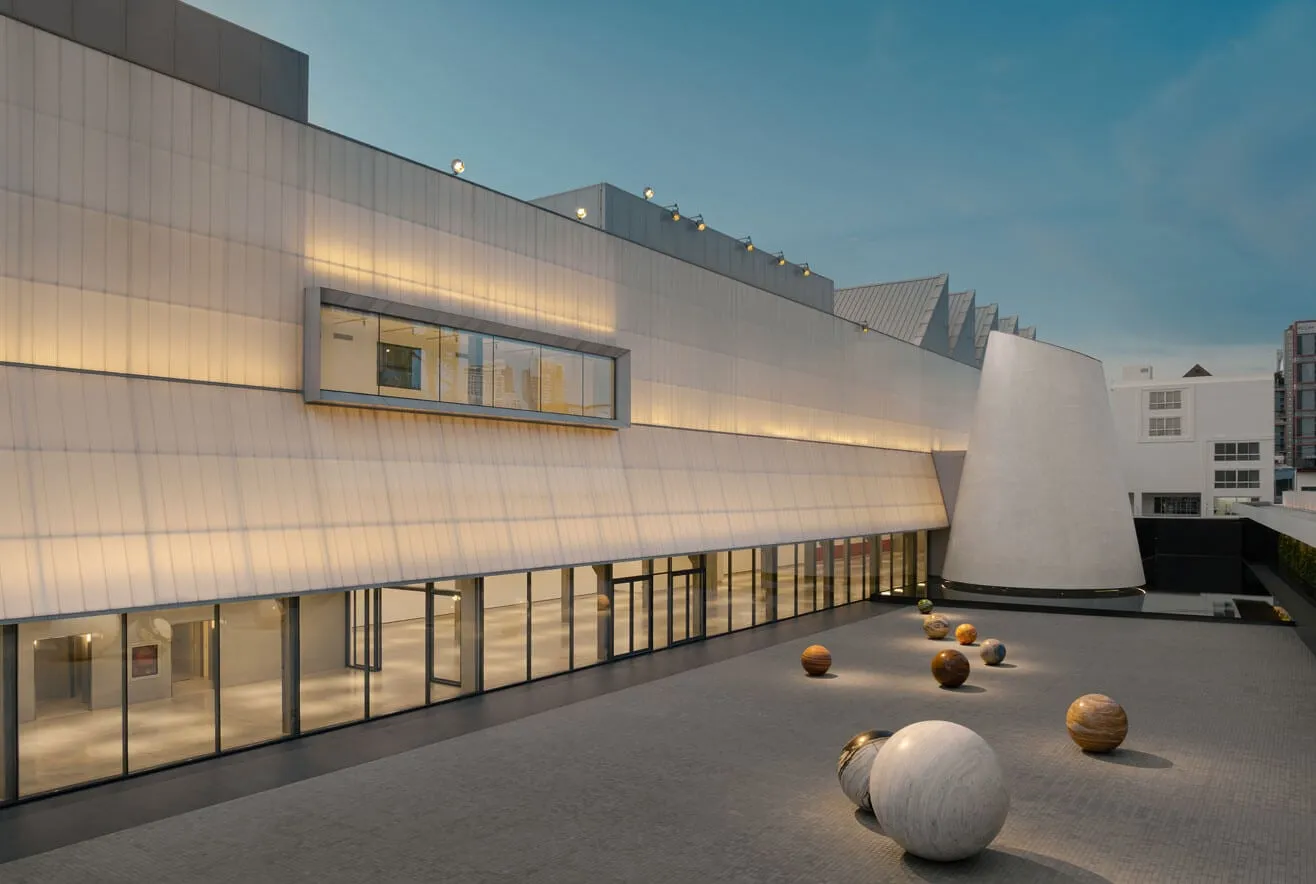
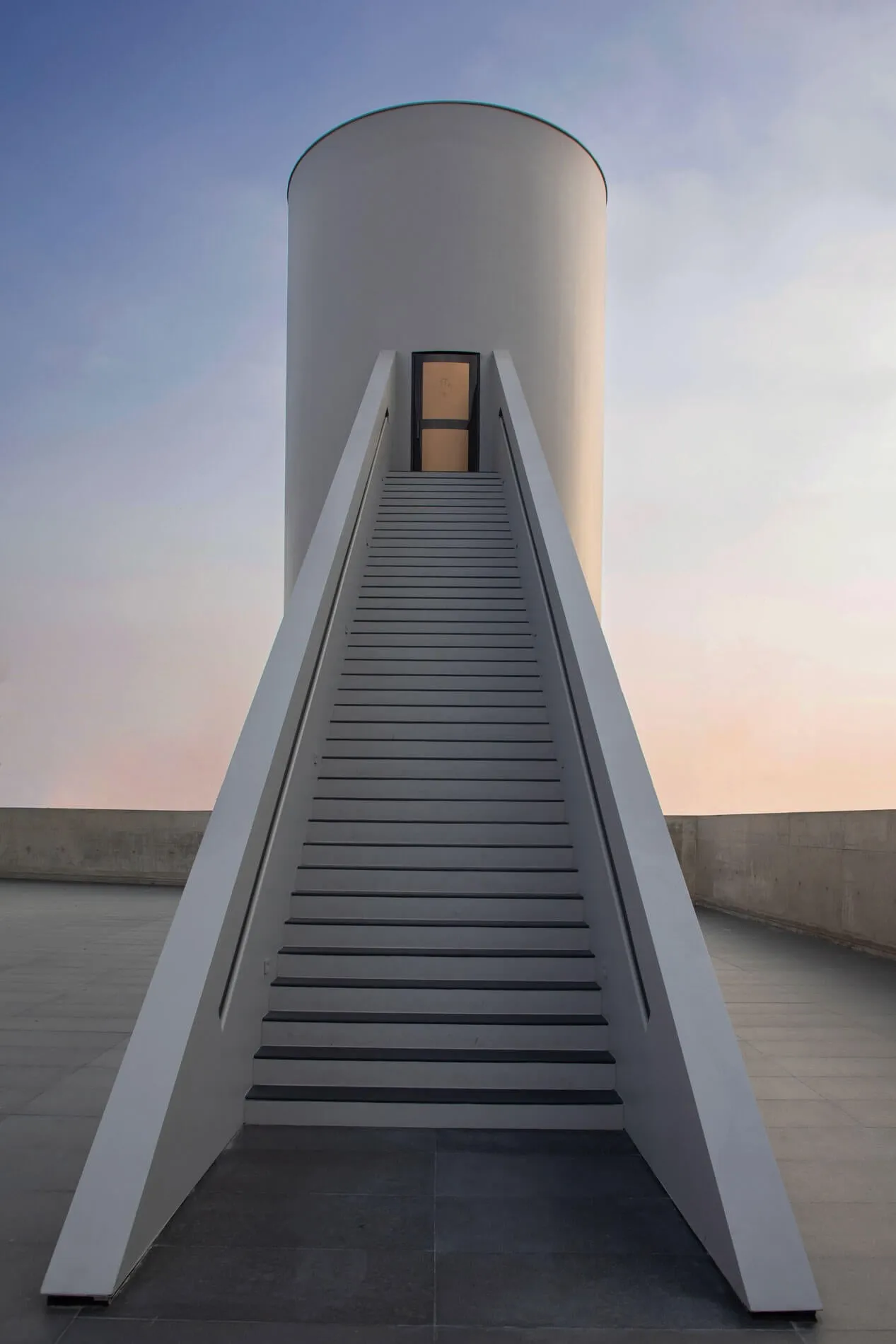
Among the project’s more sculptural architectural motions is the “Chapel,” a cone-shaped gallery clad in porcelain mosaic tiles that reinterprets motifs from traditional Thai temple ornamentation.
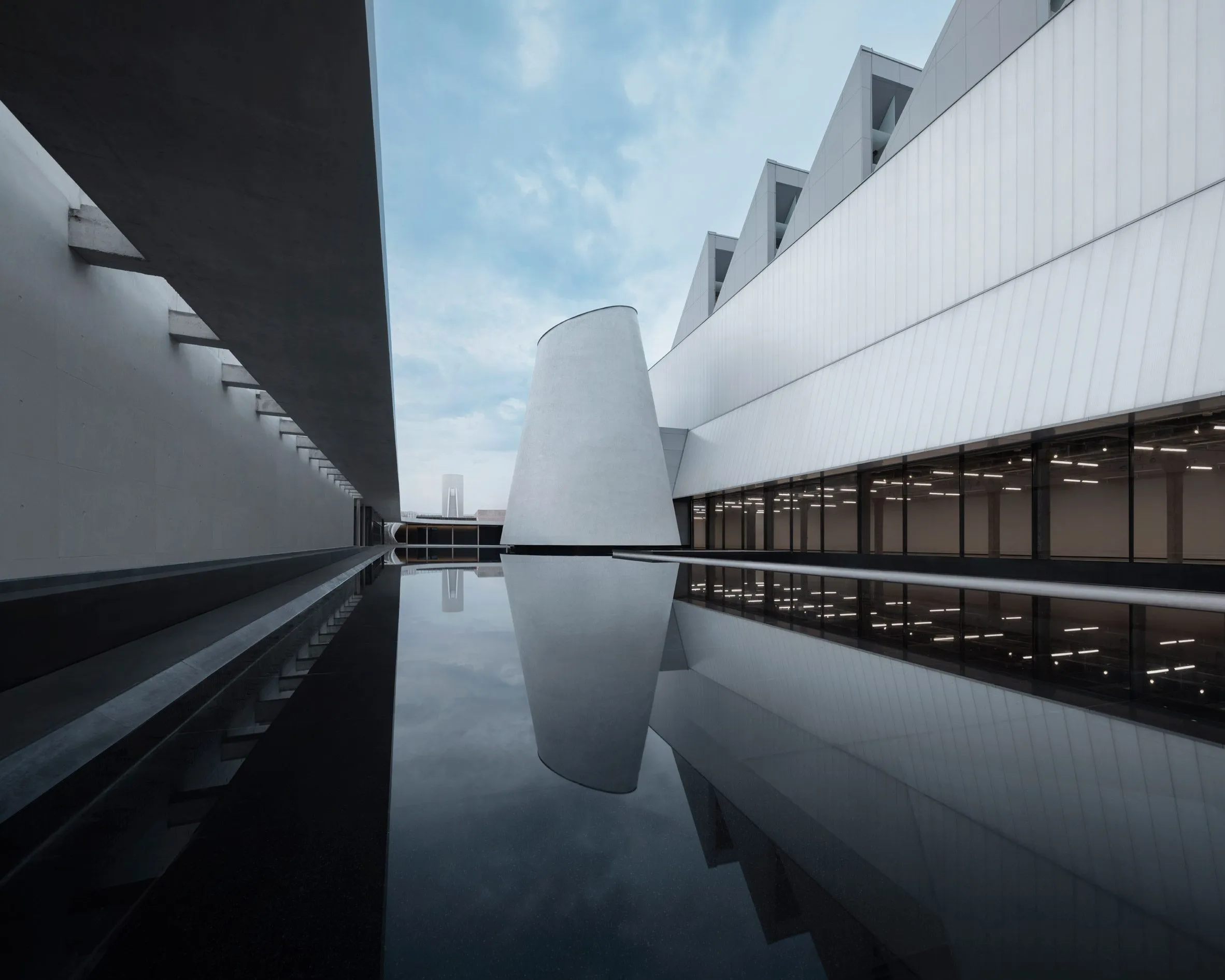
Set within a shallow reflecting pool and intersected by the ramp to underground parking, this element stands out both visually and experientially, offering an intimate space for reflective engagement with the site and program. The museum’s architectural language resonates as named “Dib,” from the Thai word for “raw” or “authentic”; the building embraces material exposure and spatial clarity between place, memory, and creative exchange.
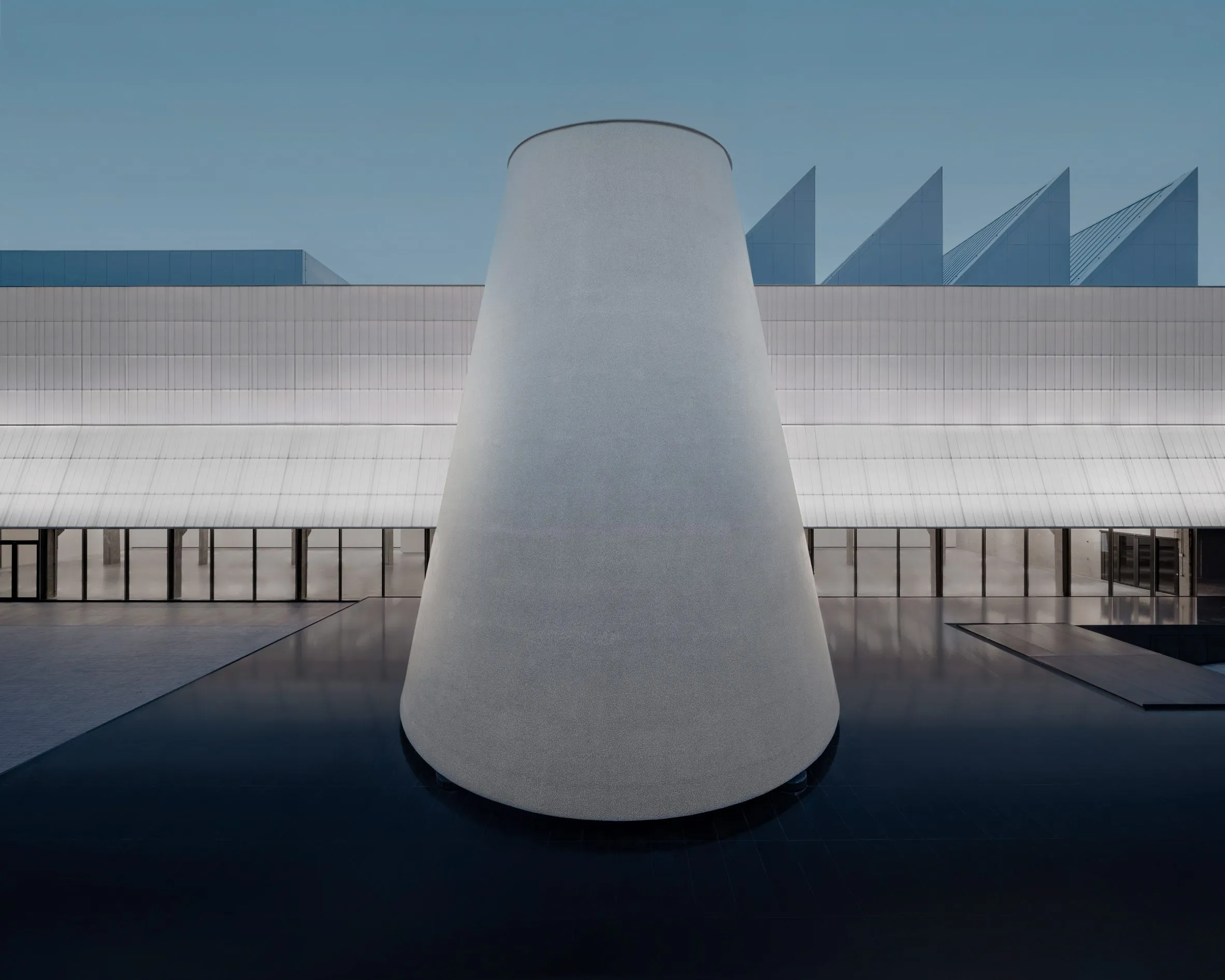
Beyond the galleries, WHY Architecture has designed the institution to function as an incubator for cultural engagement in Southeast Asia, offering programming that spans curator-led tours, workshops, and global assemblies. By preserving and reinterpreting the warehouse’s industrial character, their architecture reinforces these social initiatives, creating an environment where art becomes part of Bangkok’s everyday urban experience.
Image Credit: © DIB Bangkok
Explore Courses
.jpg%202.jpg "Building Performance with Forma & Opossum")
.jpg "Ondrej Chybik - Rethinking Architecture")