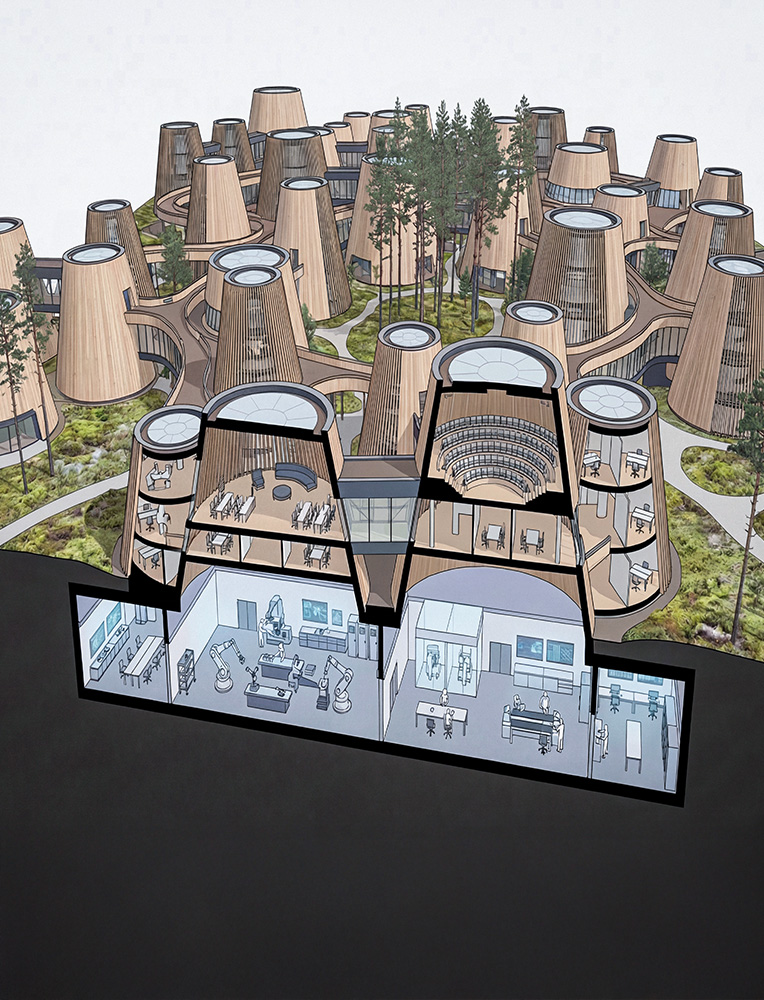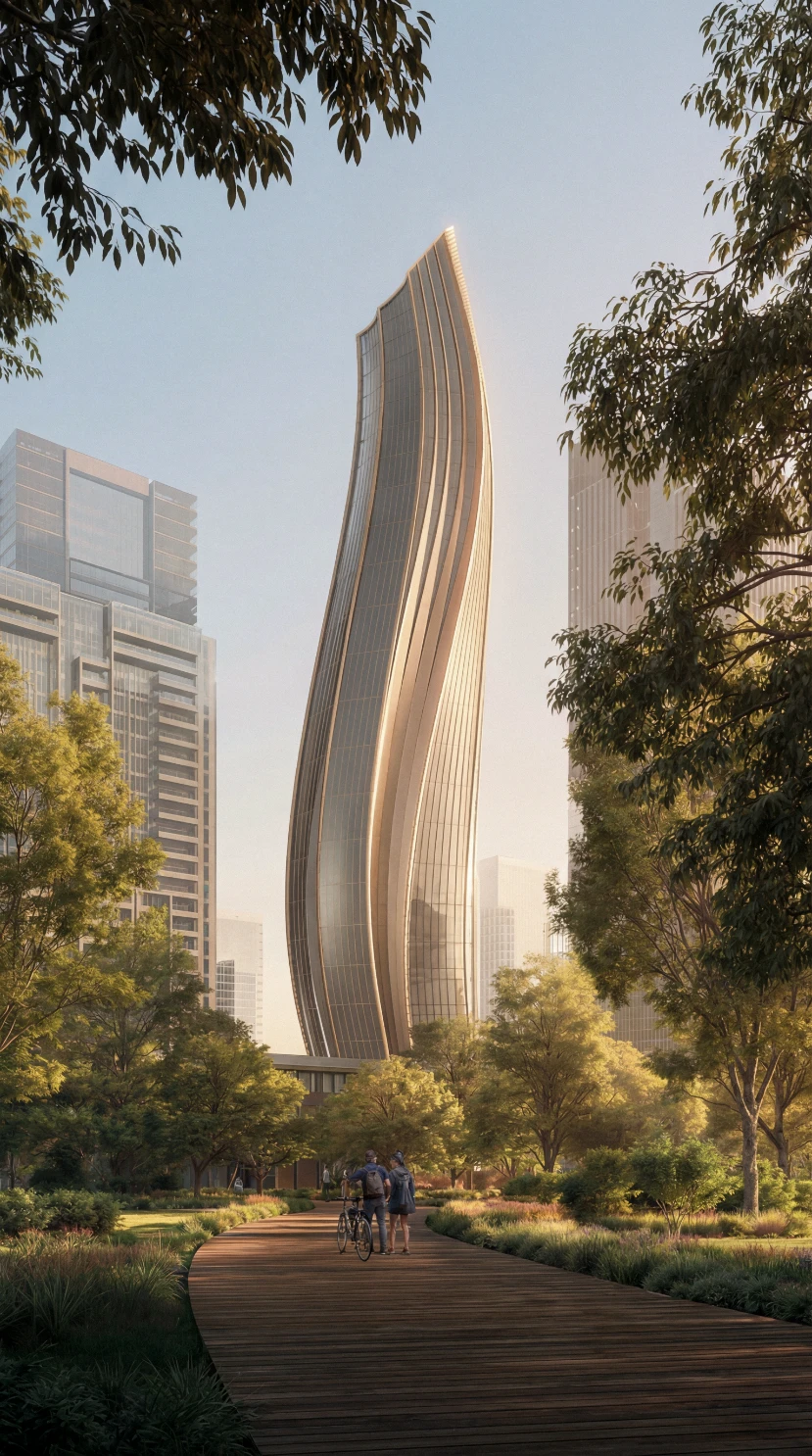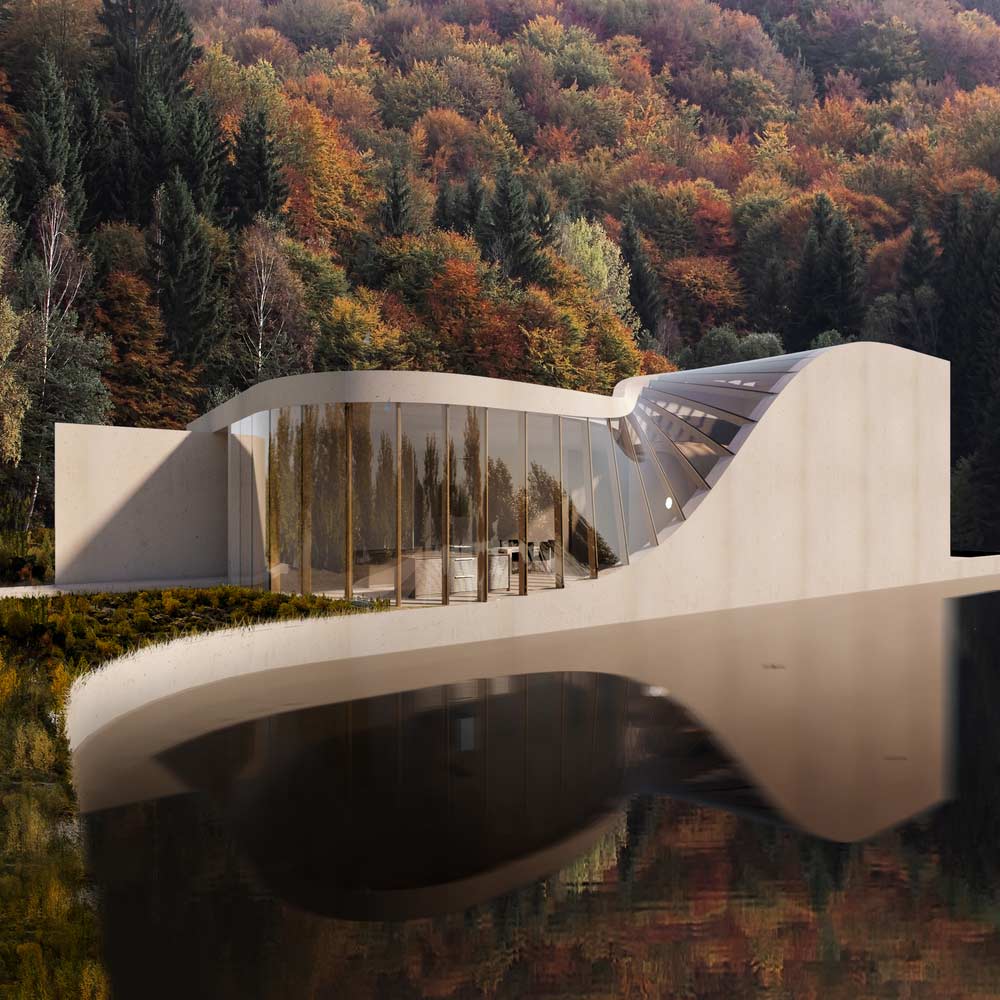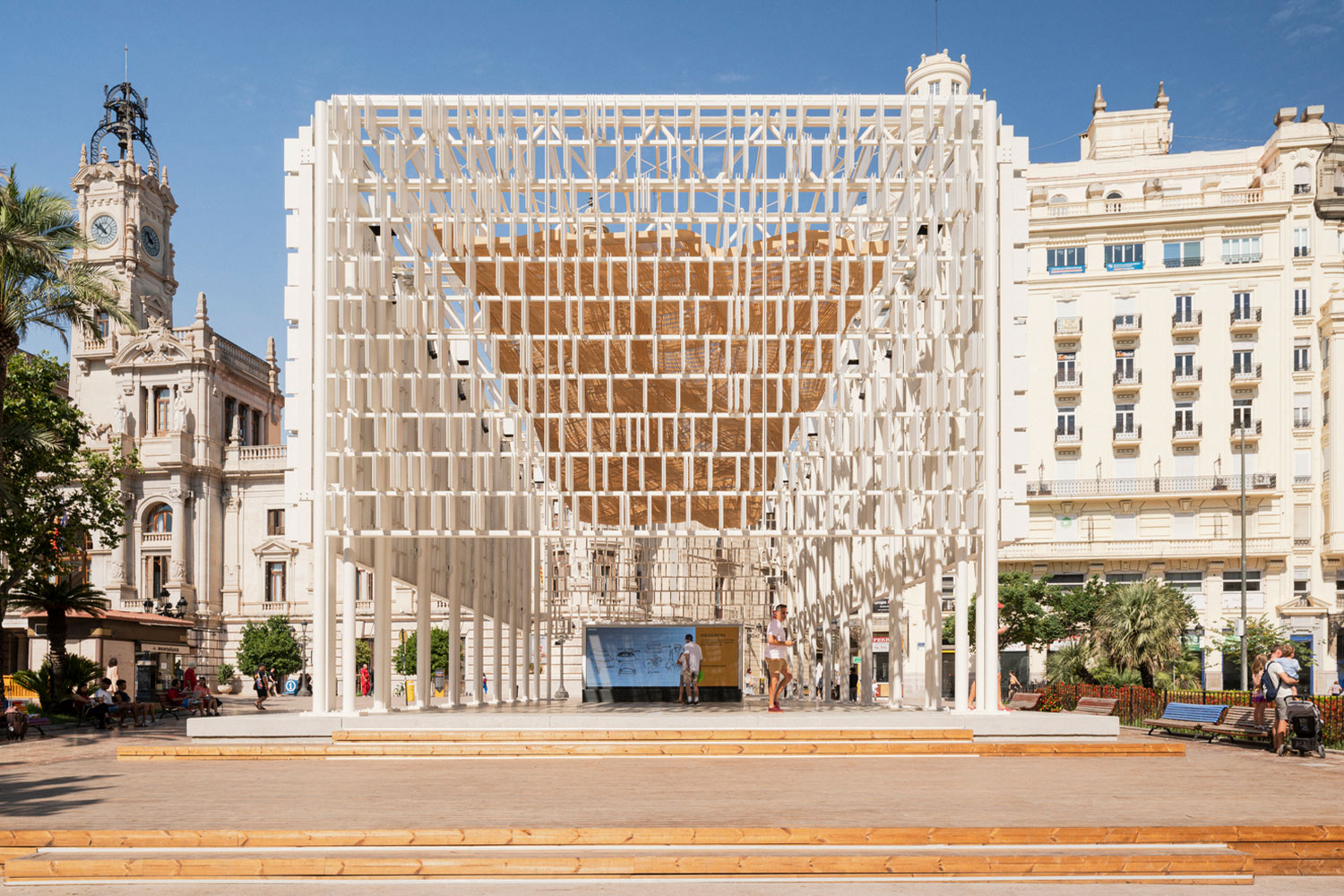


Historically, pavilions have been designed as secondary buildings on large residential properties, typically used for entertainment purposes. They are completely open, at least on one side, and sometimes incorporated into the landscape design. However, over the years, pavilions have evolved into structures that make statements on a global level. They became artistic and architectural symbols at international exhibitions and fairs, an opportunity for architects to explore various technologies, materials, and design styles.
These semi-permanent structures are experiments that give opportunity for designers to challenge the limits of structure, material, and space. And the more unique and creative the design, technology, or expression of a pavilion, the easier it is to make a name for the architectural firm.
Despite the fame it elicits or the bold attempts it triggers, are these transient structures environment-friendly? Or more importantly, can these structures that symbolise flexibility, experimentation, and significant community engagement be designed with sustainability as one of their core values? Sustainability has already become one of the most important facets in every project of every industry, and construction is no different. A project that is temporary should embrace it and go further to adopt circularity to justify its existence.
How to Design a Sustainable Pavilion?
Designing pavilions allows exploring and experimenting with new materials, construction techniques, structural forms, and innovative technologies, allowing for endless possibilities and testing new architectural ideas. They are cost-effective experiments that can be quickly constructed while crafting iconic statements that bring the community together to support a cultural or social cause.
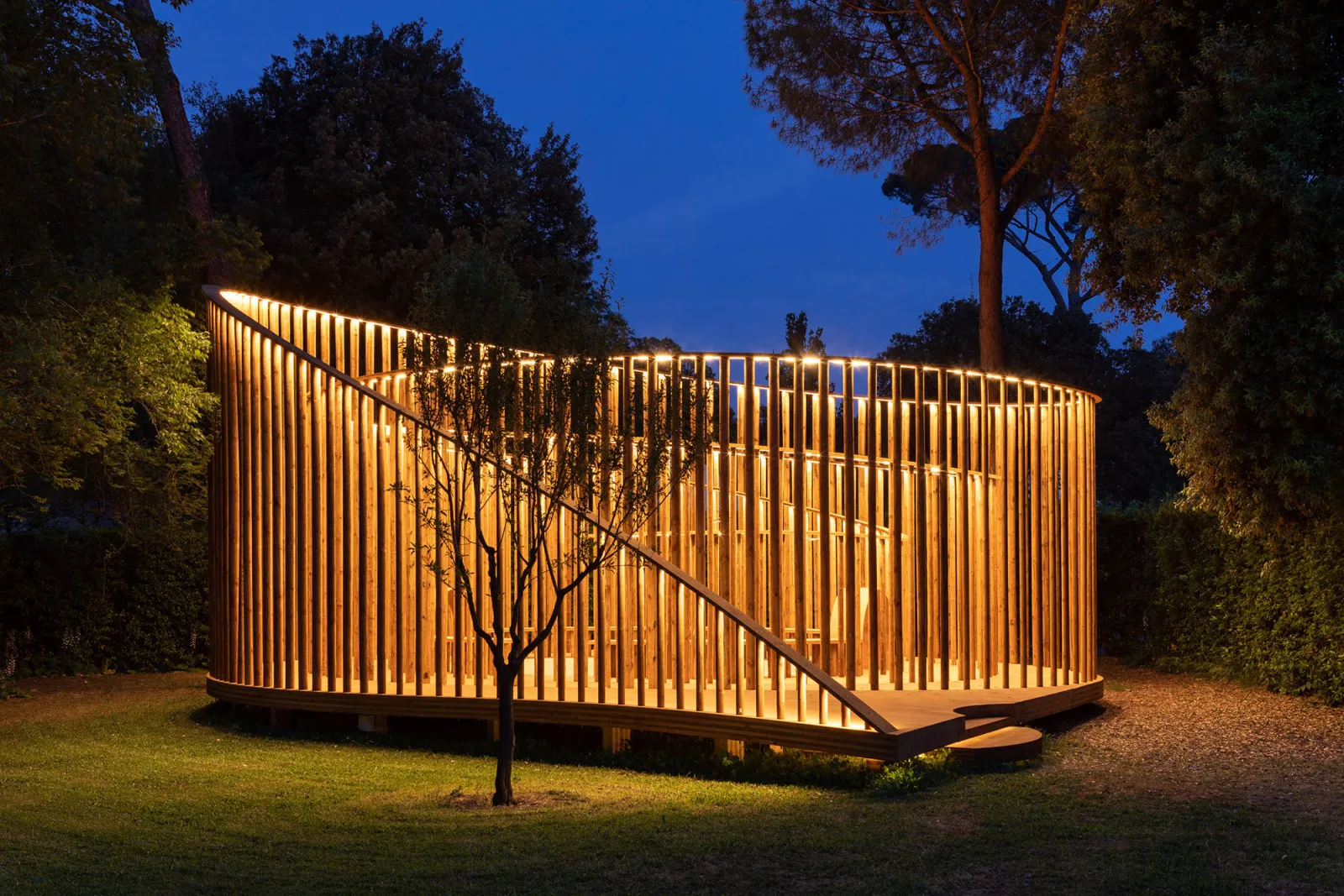
Its lack of permanence warrants the need to design a truly sustainable structure whose impact is environmentally friendly for the present and future generations. Therefore, pavilion architecture needs to emphasise the following features in the design:
1. Material selection – The component that is frequently experimented with is the building material for the pavilion. Renewable, recycled, and/or reusable materials that are locally sourced can make the structure sustainable and present an opportunity to experiment. Preferred materials are recycled plastic, reclaimed wood, timber, bamboo, and locally available mud. The structure can further reduce the carbon footprint and facilitate circularity when the same materials are durable and can be reused in other projects after disassembly.
2. Energy-efficient technology – Pavilions are typically open structures that enhance passive systems of natural ventilation and daylighting, and reduce the dependence on artificial electrical systems. Using other renewable energy systems, like solar panels, can also optimise energy use for the structure. The structure’s envelope should also be well insulated to minimise heat transfer and enable a comfortable interior environment. And implementing smart control systems can facilitate monitoring and optimising energy consumption within the structure.
3. Integrating with the environment – Incorporating biophilic designs can help create comfortable indoor temperatures. Many of the pavilions are designed in a specific location and for a specific event, whereby the focus is usually on the architecture firm’s style, but site factors should also be considered to reduce environmental impact and enhance the comfort of the user.
4. Waste management – The major waste will be generated after the demolition of the structure itself. A proper plan for the disposal of materials, either to reuse them elsewhere or to recycle and repurpose them for future use, helps to monitor the carbon footprint and contribute to the circular economy. Having a lifecycle assessment of the materials can facilitate a reduction in waste generation.
5. Construction practices – Employing off-site fabrication or modular units can ease the construction process and become cost and time-effective. This also helps reduce waste generation during construction while ensuring optimum use of materials. Tools like BIM can facilitate innovative designs and methods to accelerate the construction and demolition process.
To equip yourself with the techniques of designing and modelling pavilion structures with real-time rendering in specific site conditions, check out this course on Cyber Pavilion on the PAAcademy website.
Examples of Sustainable Pavilion Architecture
1. Re-Emerge Pavilion, England – AA students and Hassell

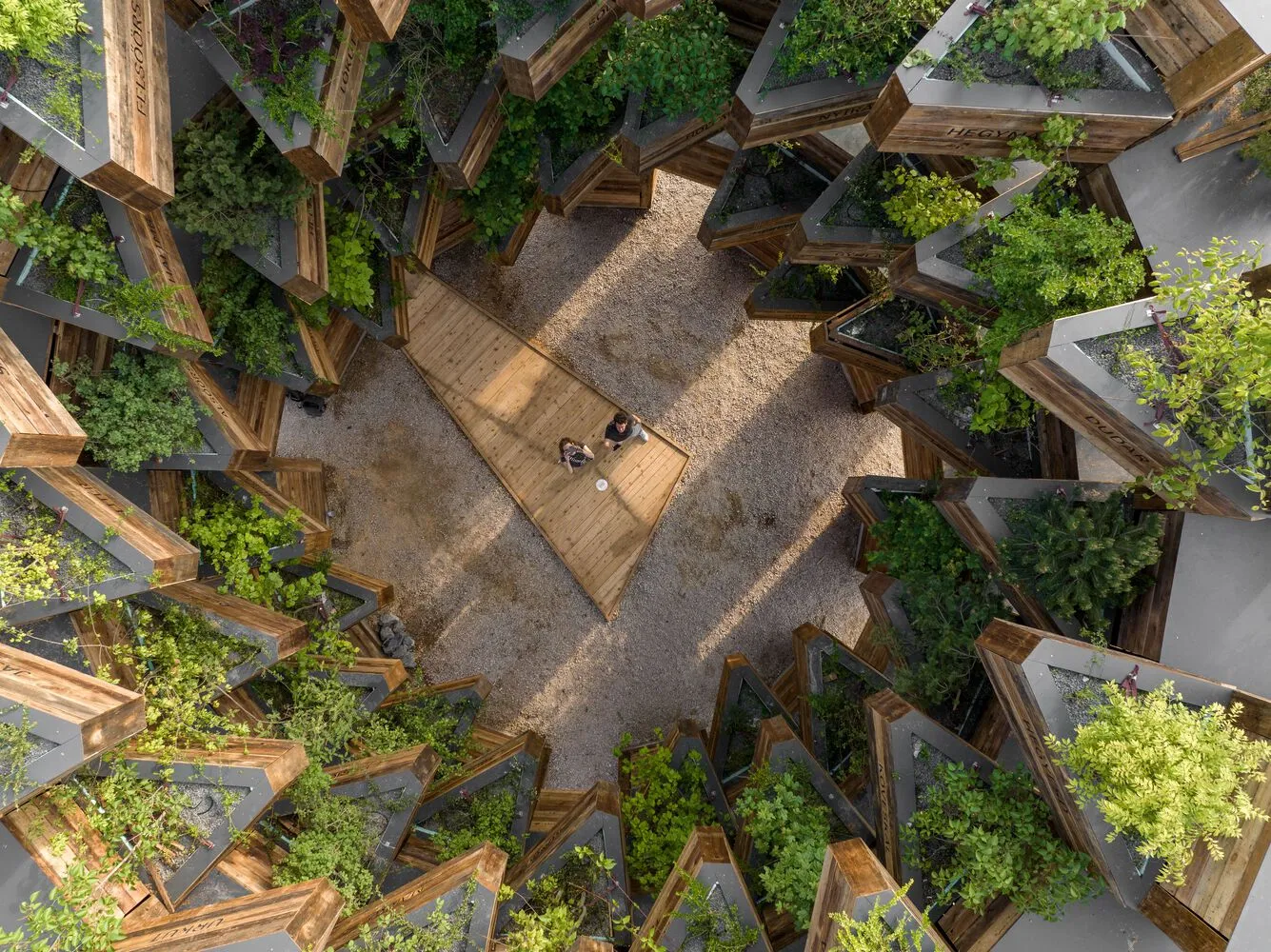
A competition project that focused on using reclaimed timber and keeping the carbon footprint to a minimum resulted in this unique parametric design by students of AA in London. The pavilion itself promoted sustainability, zero-waste construction, and parametric design among the students and exposed the local community to upcycling, recycling, and sustainable methods.
2. livMatS Pavilion, Germany – ICD-ITKE-IntCDC University of Stuttgart
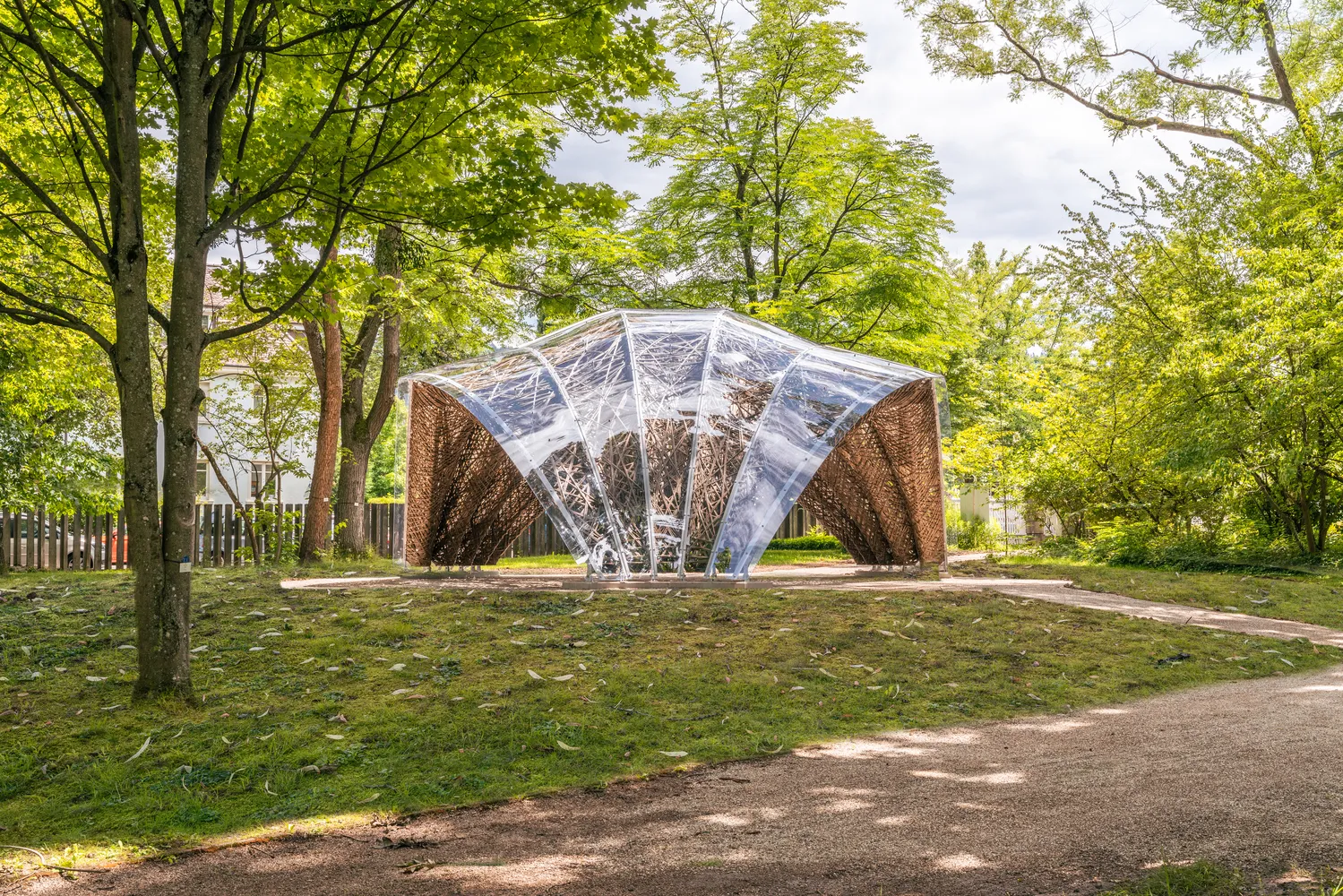
Designed by a collaboration of architects and engineers from the University of Stuttgart, this bio-inspired pavilion employed various digital technologies that even facilitated robots to weave the sustainable material, flax fibre, into prefabricated components. The material itself is naturally biodegradable and renewable, was locally sourced, and blended into the natural landscape.
3. Digital Bamboo Pavilion, Italy – Digital Building Technologie
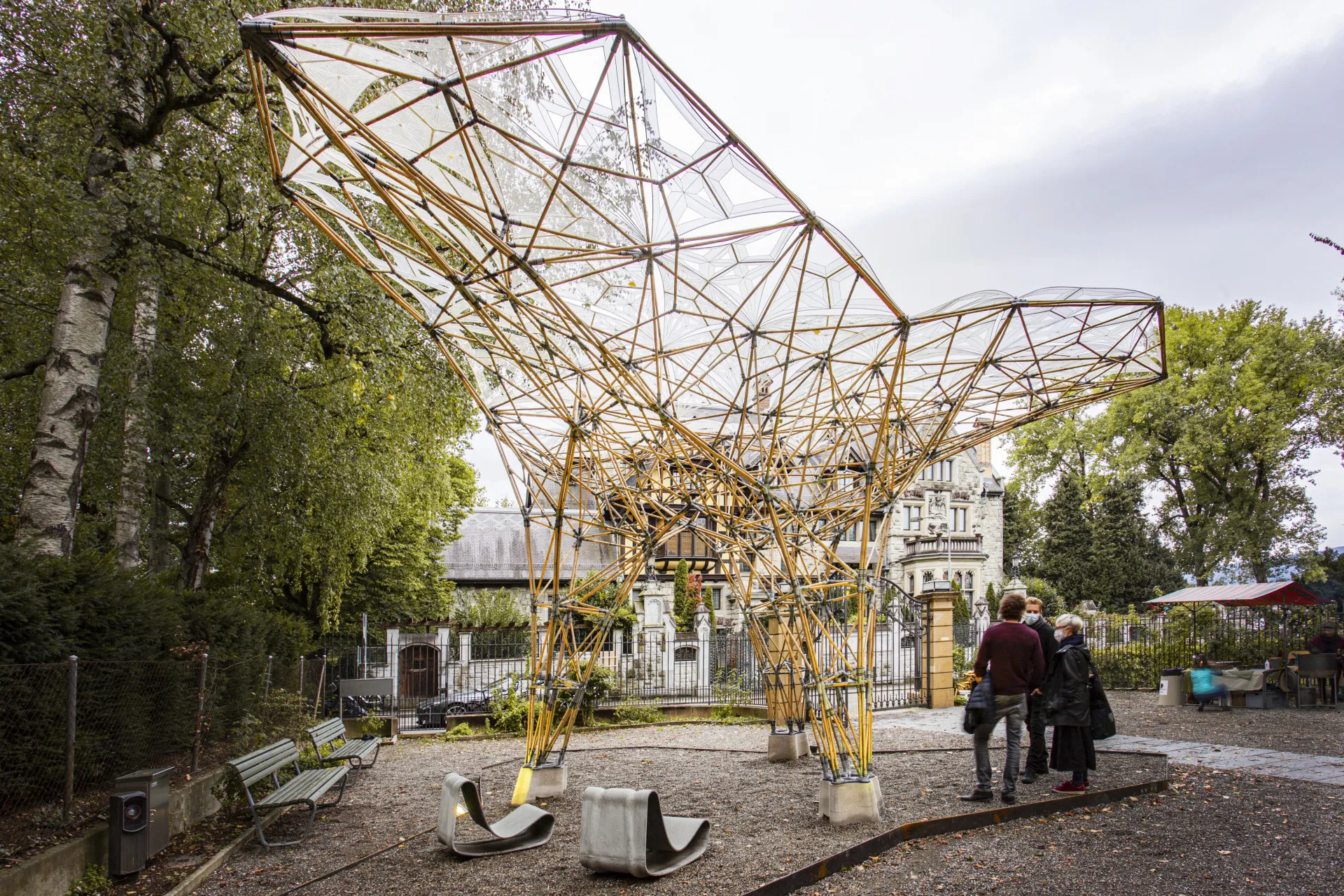
Modular by design, this pavilion experimented with bamboo to replace carbon-intensive building materials, effectively reducing the carbon footprint of the structure. Incorporating digital fabrication and 3D printing, the structure reduced efforts, used local sources, and enhanced efficient manufacturing of structural components that can be easily assembled and disassembled.
4. LightPRO Shell Pavilion, Germany – BioMat/ITKE University of Stuttgart
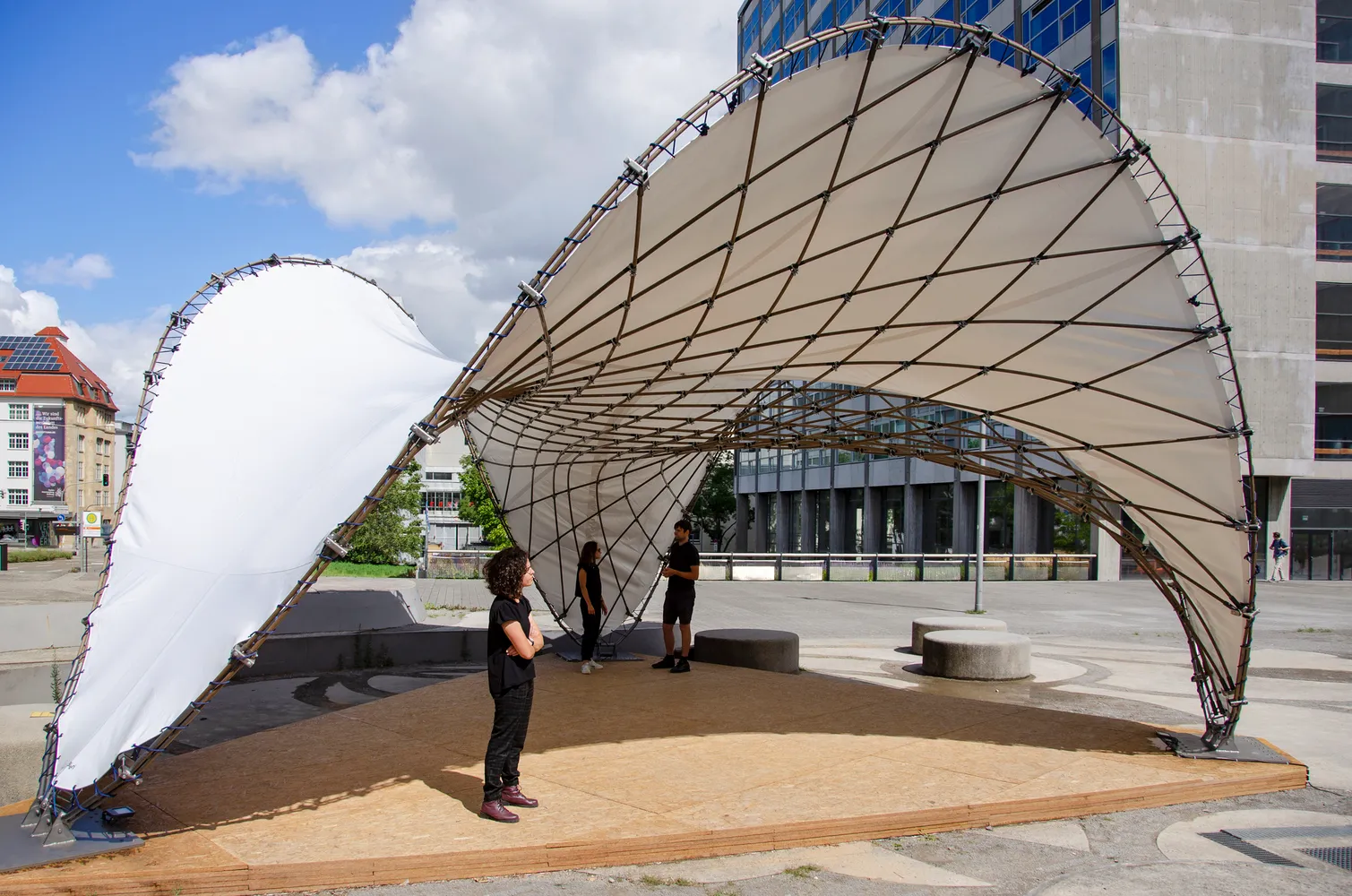
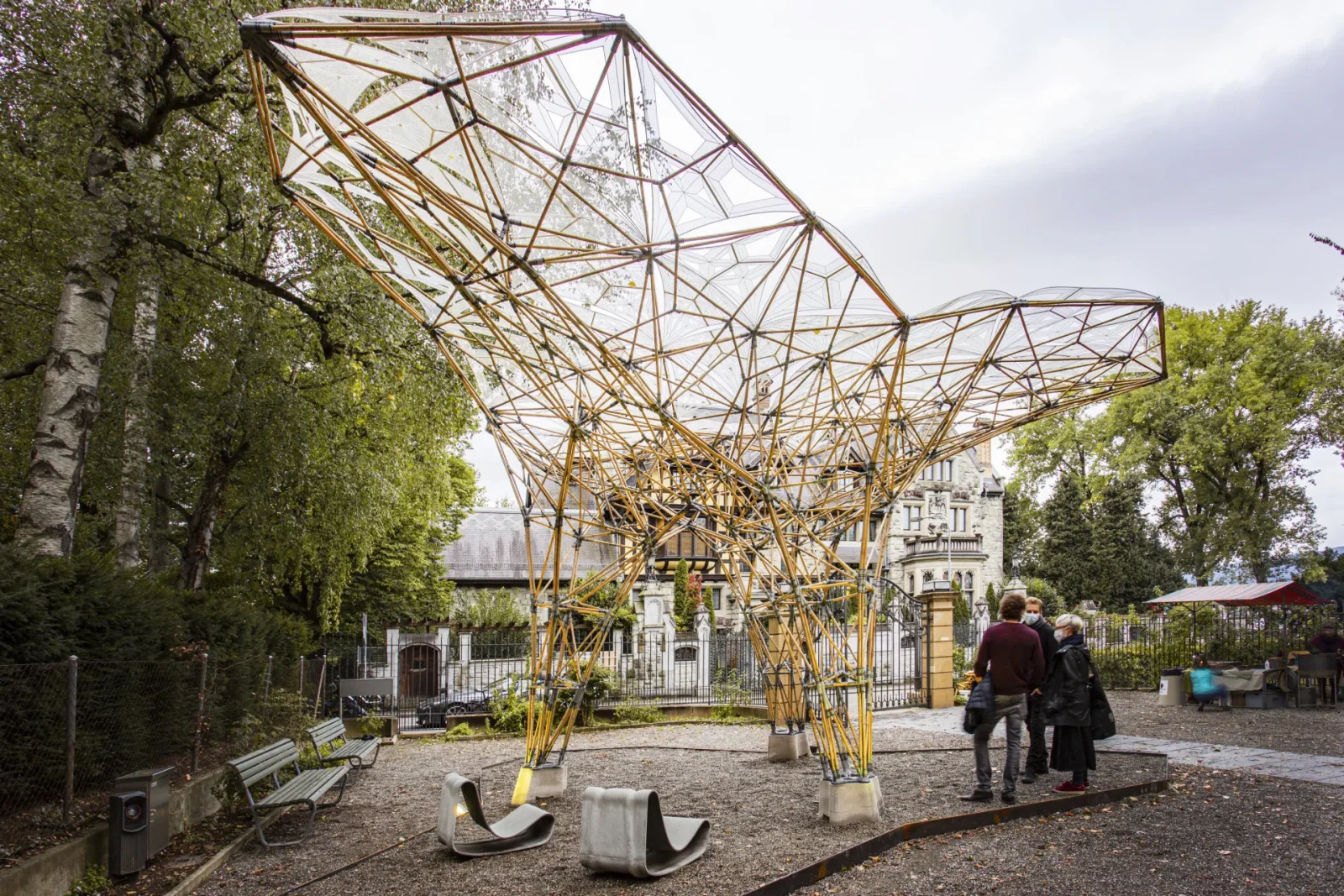
The LightPRO Shell Pavilion in Germany is constructed using bamboo-like components, using natural flax and hemp fibres – an innovative building material that is completely biodegradable. Reinforced with other renewable materials to make them stronger and reusable, this material was successful in promoting alternative sustainable materials.
5. Terra – the Sustainability Pavilion, Dubai – Grimshaw Architects
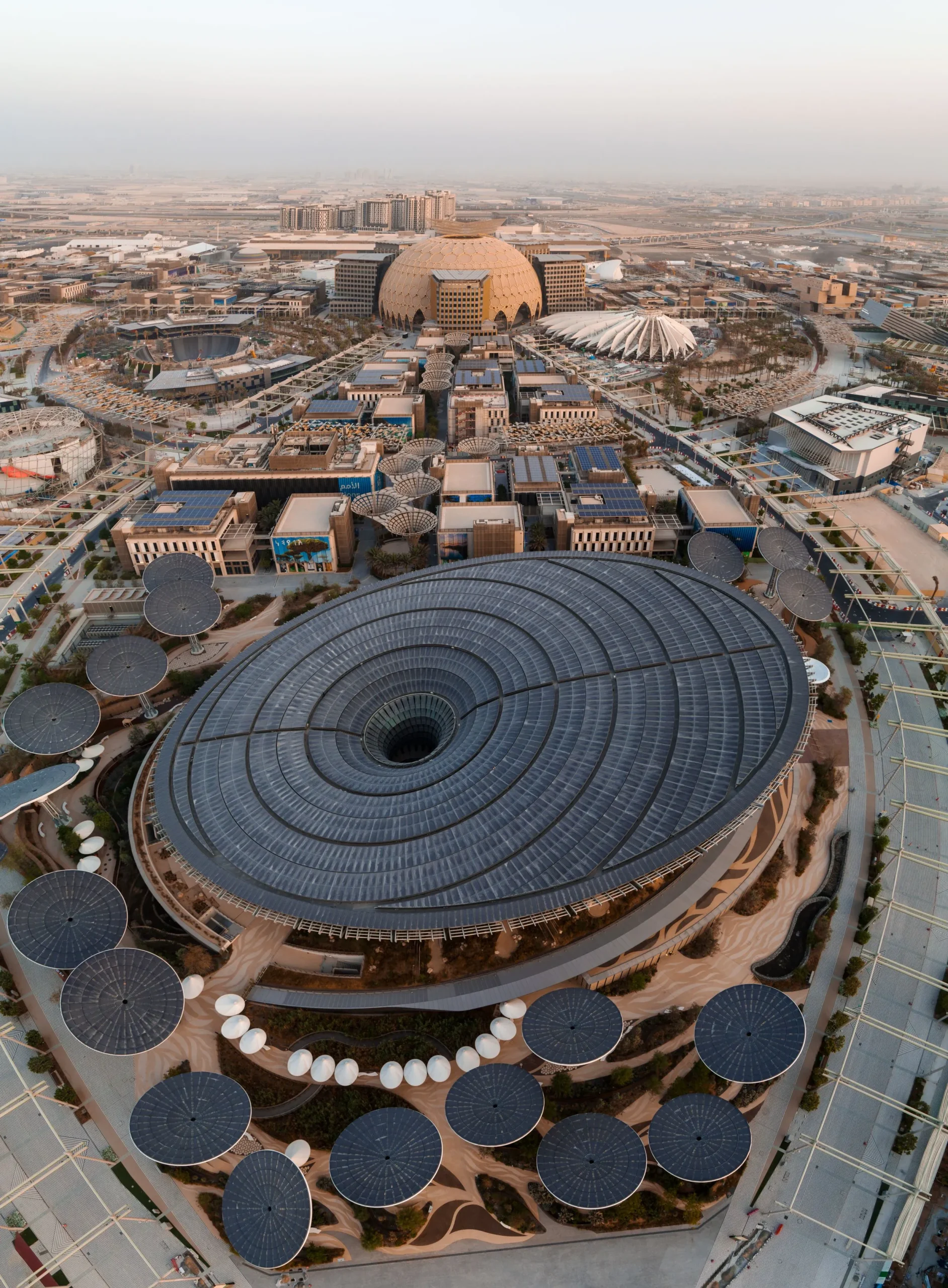
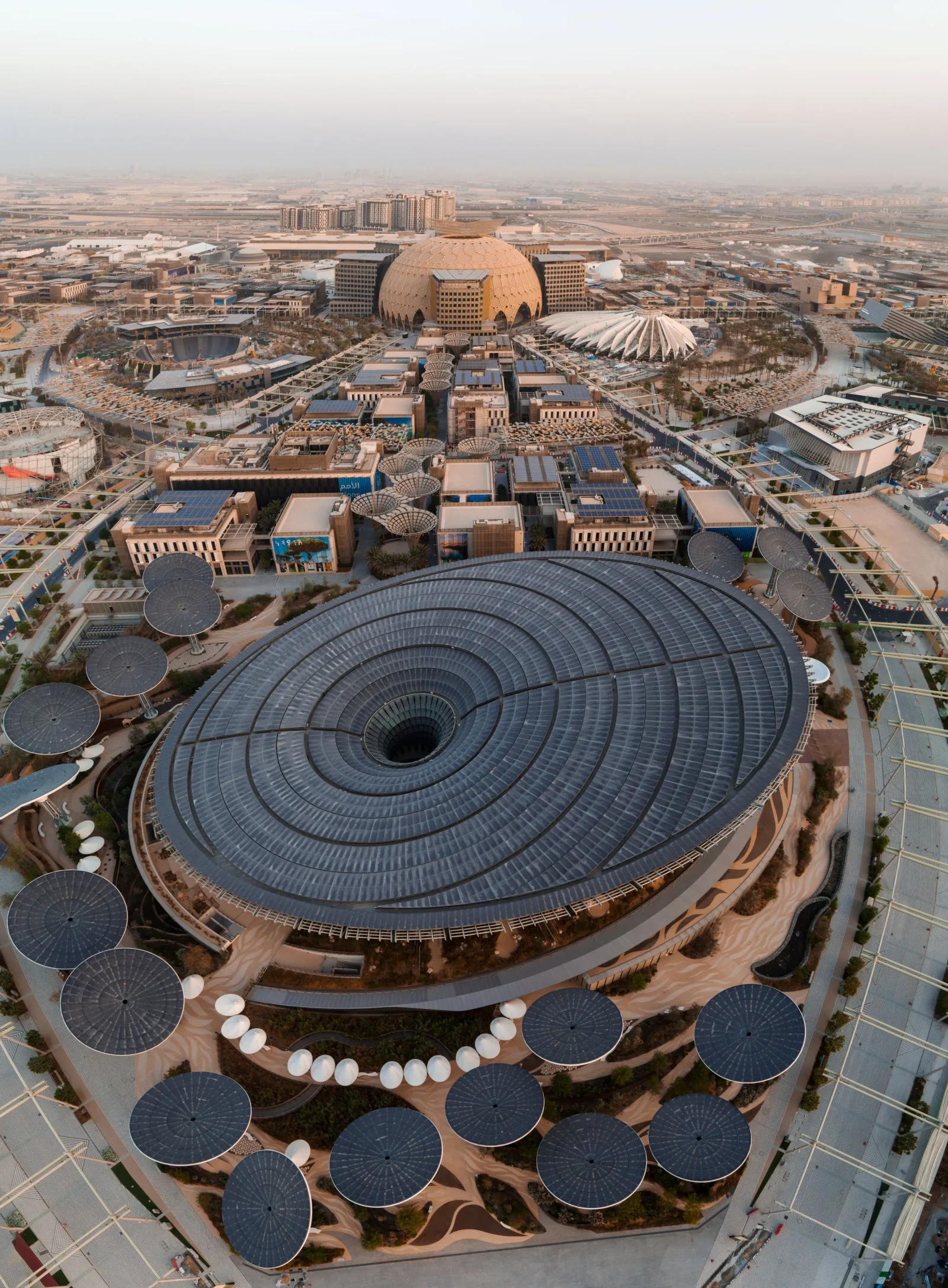
This pavilion by Grimshaw Architects was designed for an Expo where sustainability was a core theme. Designed for the harsh desert climate, the funnel-shaped structure brings natural light and ventilation into the spaces that have been located below ground to leverage the earth’s insulation. The building has now been adapted and is reused as an exhibition center.
6. Endesa Pavilion, Spain – IAAC
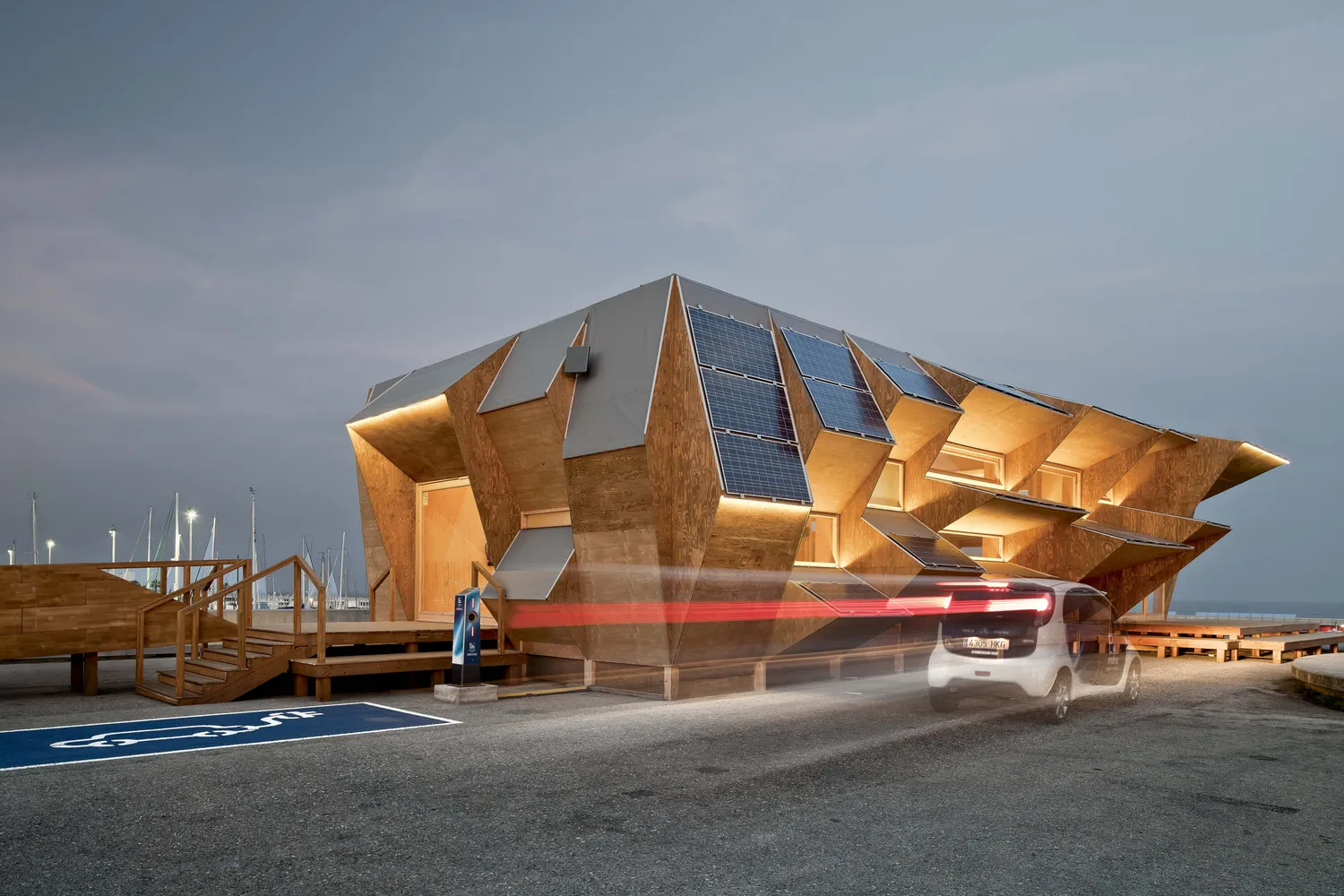
The Endsea Pavilion by Institute for Advanced Architecture of Catalonia (IAAC) incorporates modular units and was designed as a prototype for a self-sufficient system. The architects incorporated ‘Form follows Energy’, designing modules to follow the solar path, thus integrating with the site conditions. The modules are individually designed to obtain solar energy, protect from the harsh sun, embrace natural light, allow for natural ventilation, or be insulated against the local climate.
7. Xylem Pavilion, United States – Kéré Architecture
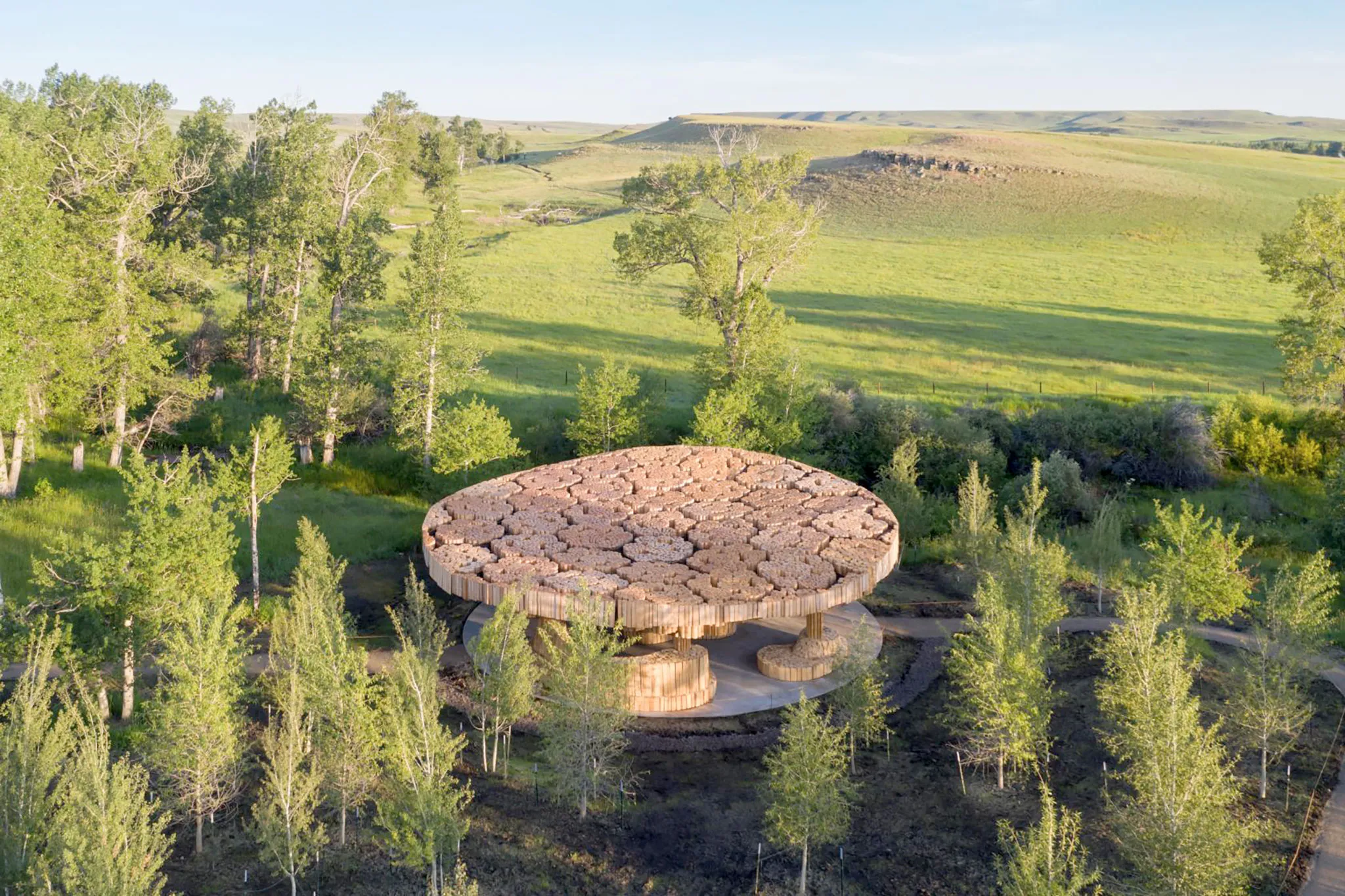
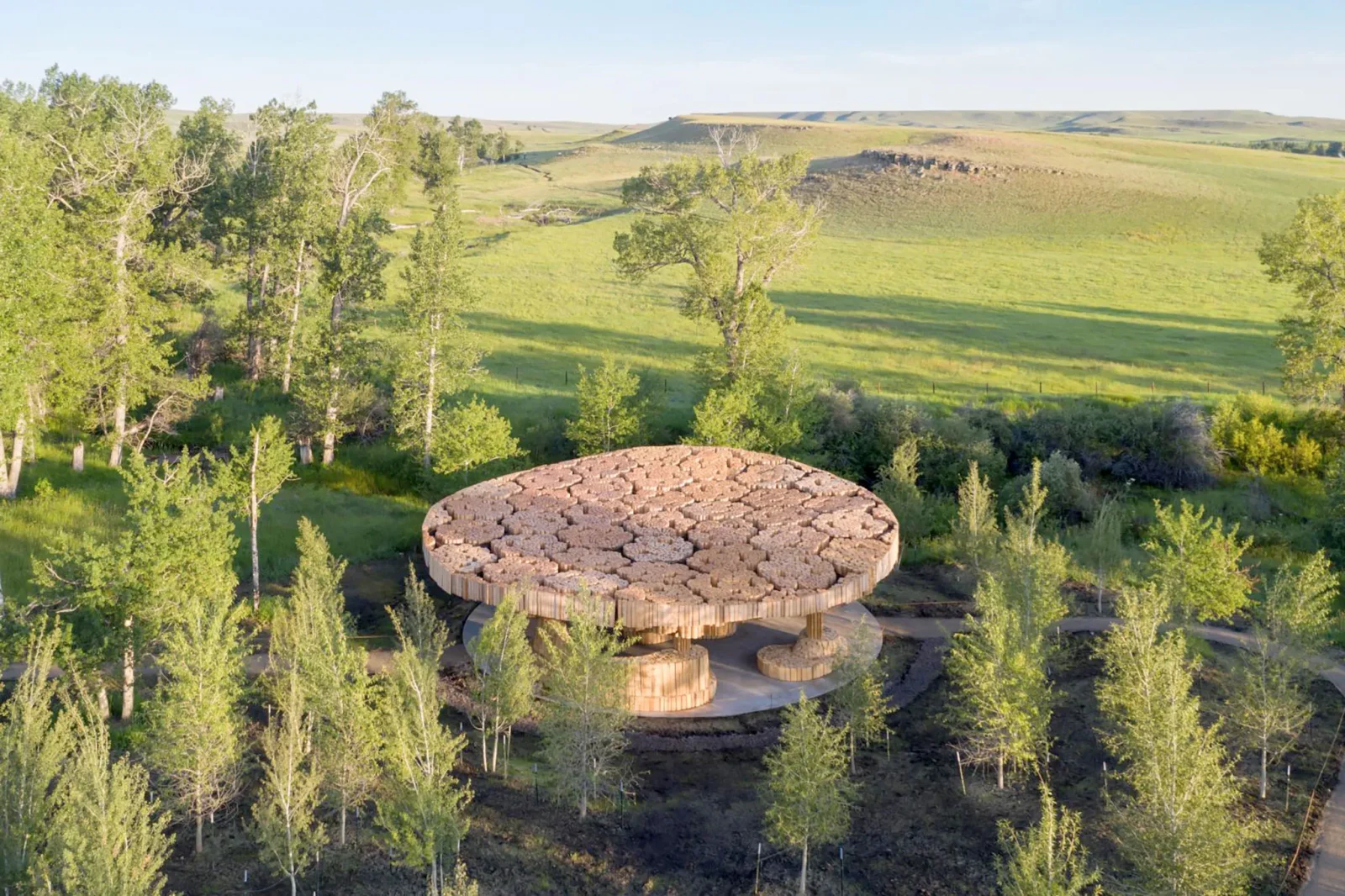
The Xylem Pavilion is part of the Tippet Rise Art Center, designed as a symbol to connect the built and the unbuilt, which the local community can experience alone or in a group. The structure is made of sustainable, locally sourced pine wood in its raw form to minimise waste. The design itself is passively designed to take advantage of the site, maximising natural light and ventilation.
Explore Courses
.jpg "Ondrej Chybik - Rethinking Architecture")