

Contemporary Emirati architecture is at its strongest when it does not simply borrow global aesthetics but transforms regional intelligence into modern design systems. Across the UAE, some of the most cutting-edge projects are not defined by spectacle alone, but by how they reinterpret traditional environmental and cultural devices through technology, geometry, and performance. Three components stand out repeatedly: the mashrabiya, the thermal chimney, and Islamic geometry. Each of these originates in long-standing architectural traditions, yet today they are being interpreted as active design strategies and not decorative references.
1. Mashrabiya as a Climate-Responsive Skin
In Emirati architecture, the mashrabiya has evolved far beyond its historic role as a carved screen for shade and privacy. Today, it operates as a high-performance façade system that controls glare, filters daylight, reduces heat gain, and gives buildings a culturally rooted visual identity. What makes it especially relevant in the UAE is that it allows architecture to respond to extreme desert light while still maintaining a strong relationship to regional craft and Islamic pattern. In its contemporary form, the mashrabiya becomes less of an ornament and more of a living environmental layer.
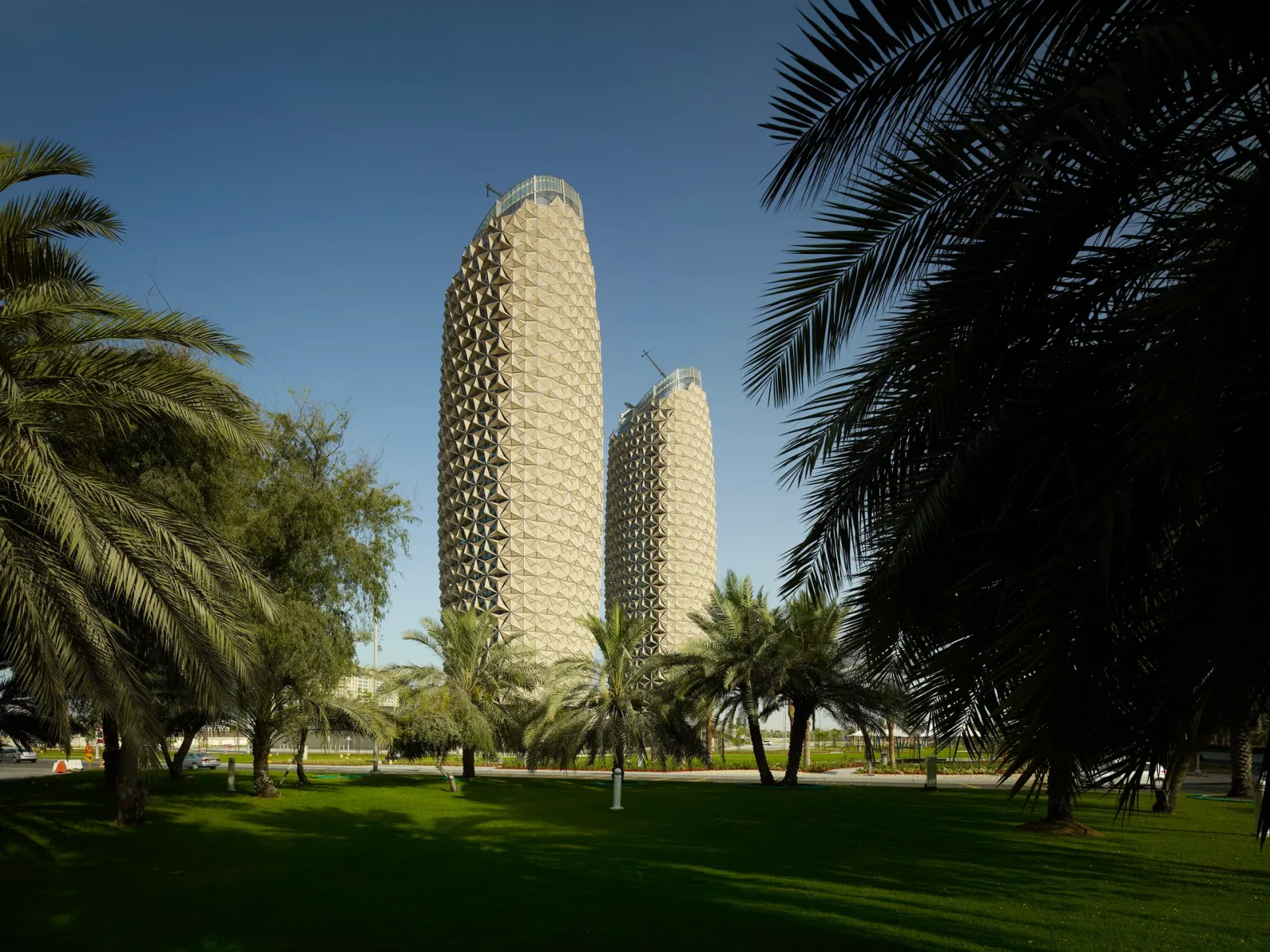
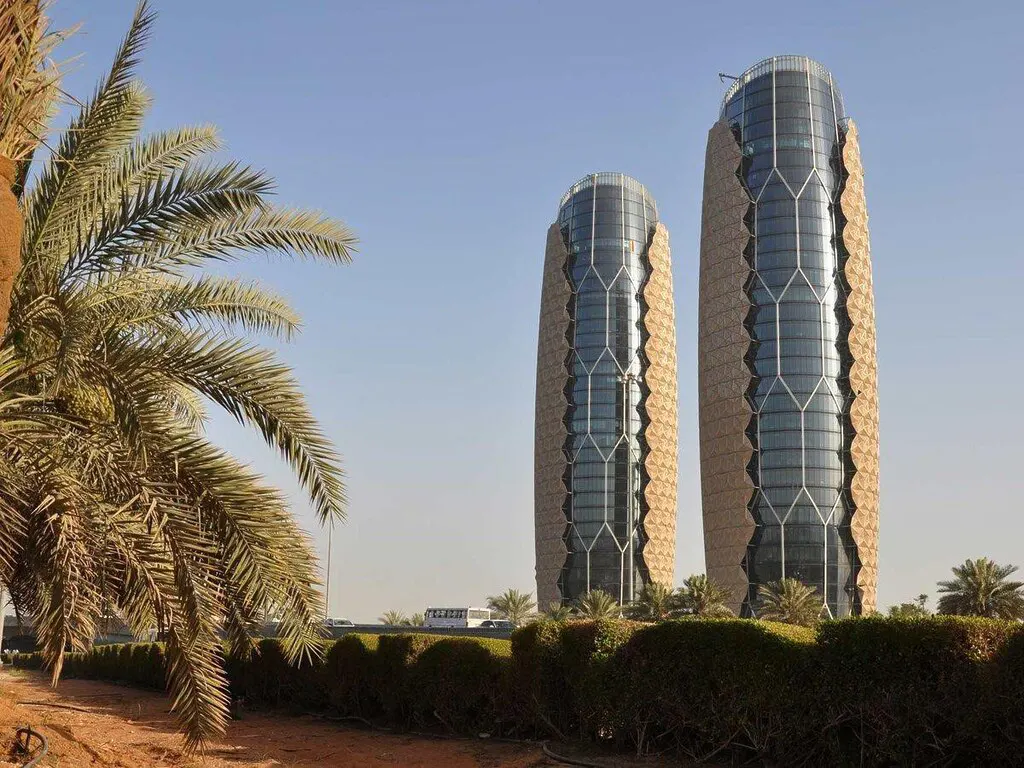
A strong example is Al Bahr Towers in Abu Dhabi, where the traditional mashrabiya is transformed into a kinetic façade. The towers use over 2,000 umbrella-like shading elements that open and close in response to the sun, reducing solar gain while creating a constantly changing exterior expression.
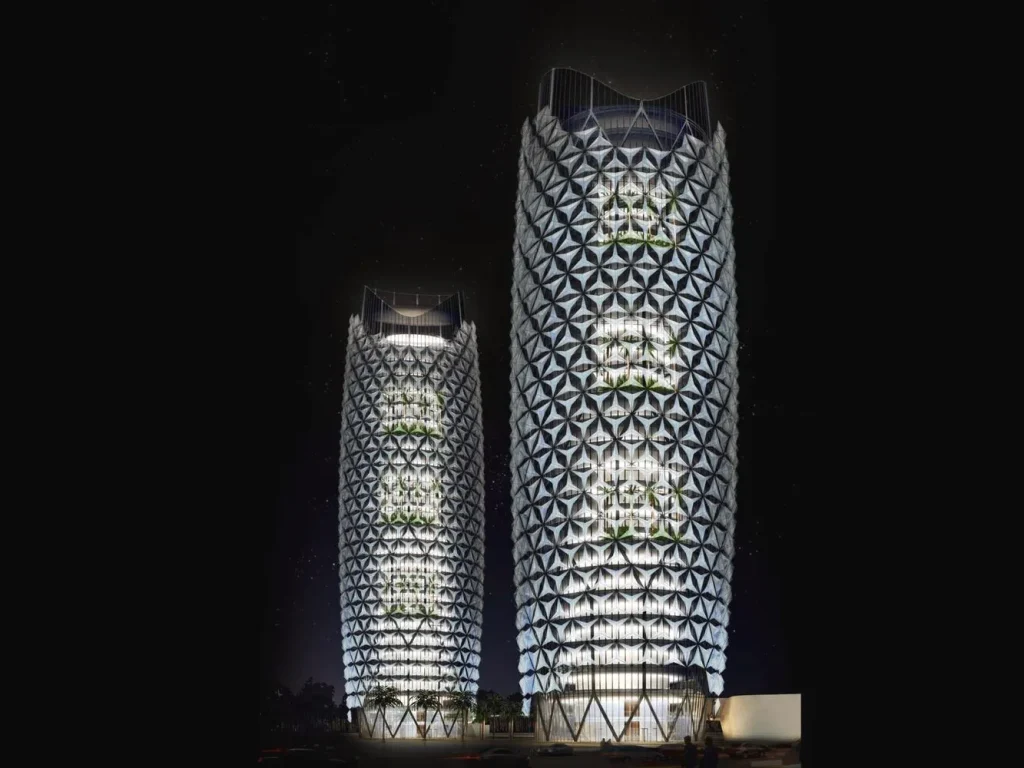
Instead of applying heritage superficially, the project turns a familiar Arab screen into a computationally controlled building envelope, showing how Emirati architecture can make tradition perform at an urban scale.
2. The Chimney as Passive Cooling Infrastructure
The chimney, especially when reinterpreted through the logic of the traditional barjeel or wind tower, remains one of the most powerful climatic ideas in Emirati architecture. In a hot-arid environment, vertical air movement has long been used to improve comfort, reduce dependence on mechanical cooling, and create breathable interior environments.
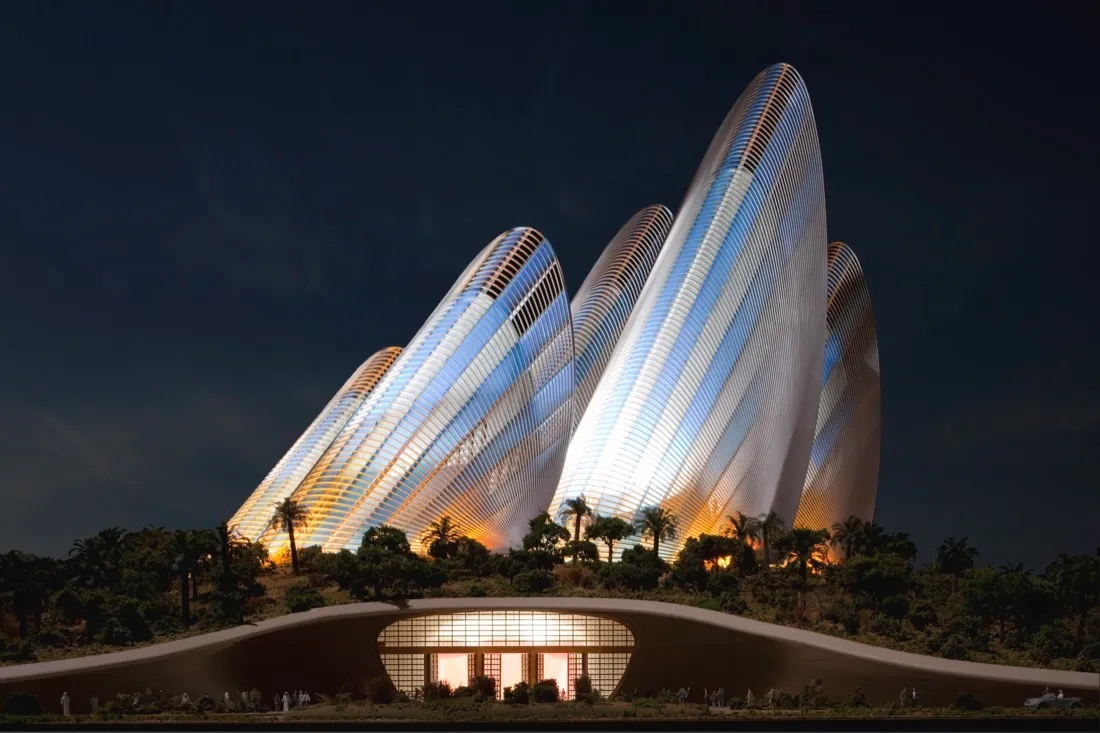
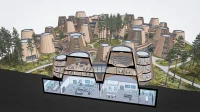
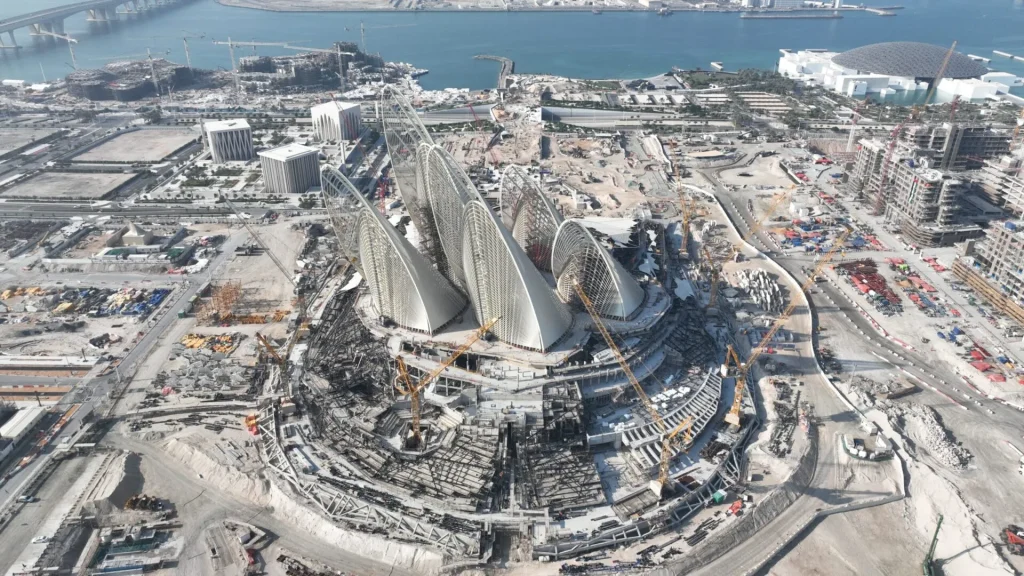
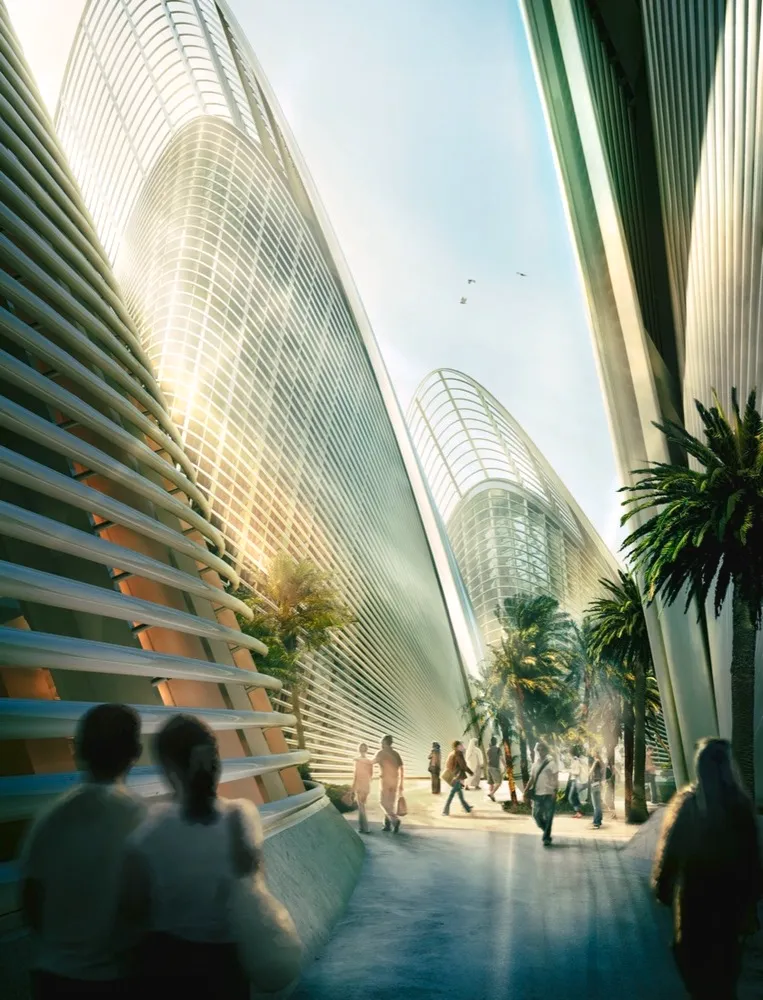
What is interesting in these recent UAE projects is how this principle is being scaled up and integrated into large cultural buildings, where passive cooling is treated as both infrastructure and architectural expression. This is most clearly seen in the Zayed National Museum, designed by Foster+ Partners, where five soaring steel towers function as solar thermal chimneys. Inspired by falcon wings and rooted in local symbolism, these towers draw hot air upward while cooler air is introduced through underground systems, helping regulate the building naturally.
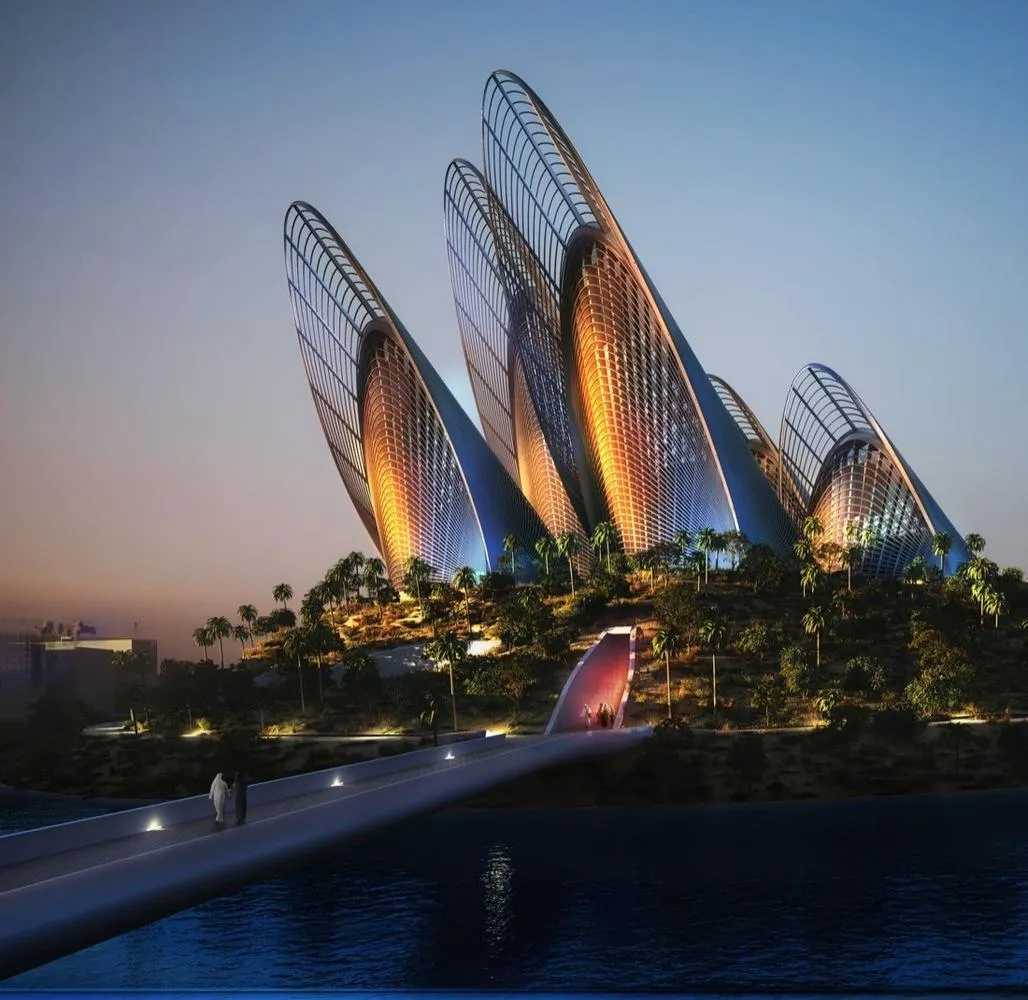
The result is a project where sustainability is not hidden in technical backrooms but embedded in the visual identity of the architecture itself. It reflects a distinctly Emirati approach in which climate, symbolism, and national narrative are designed together.
3. Islamic Geometry as Spatial Intelligence
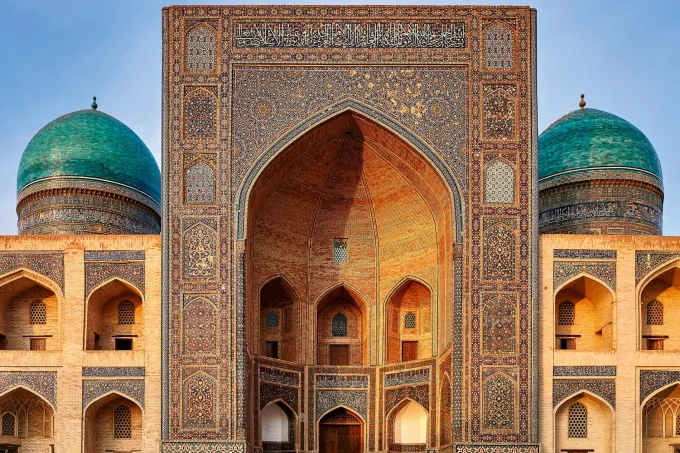
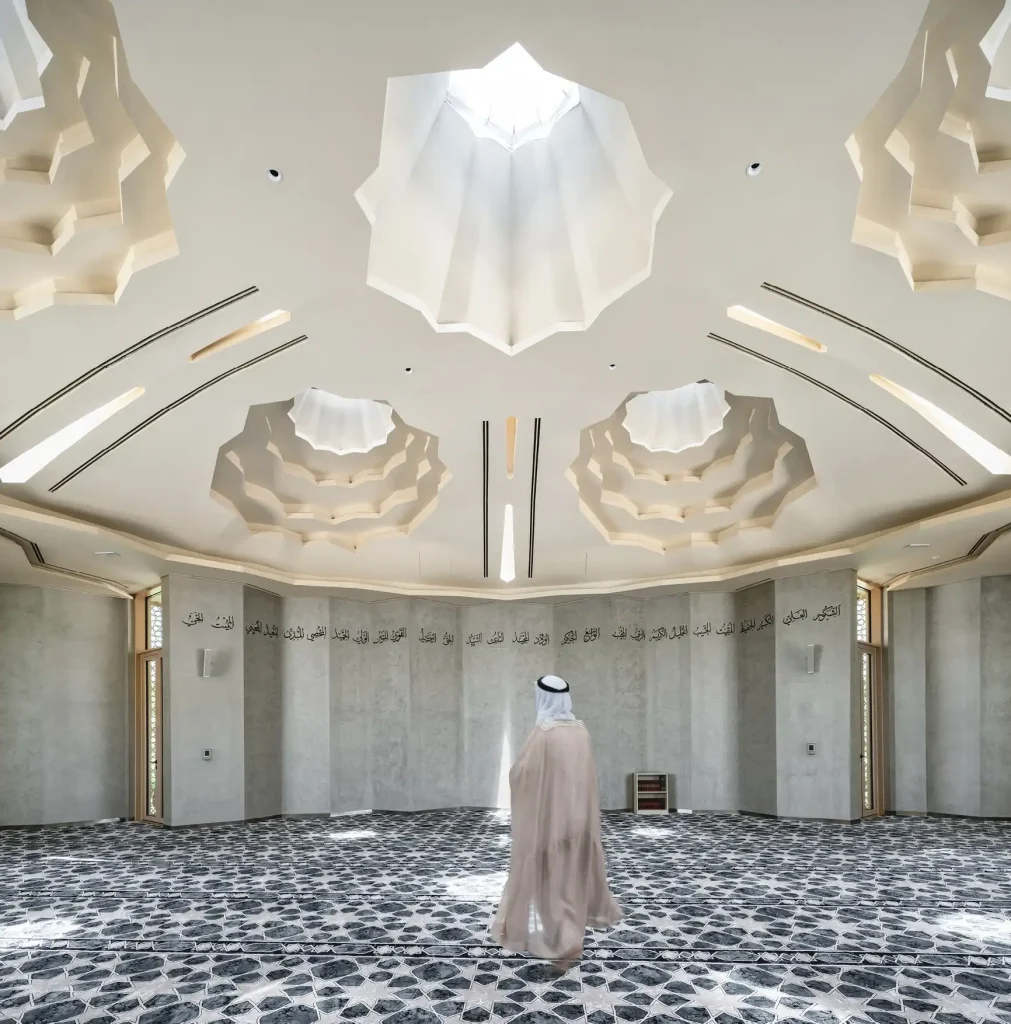
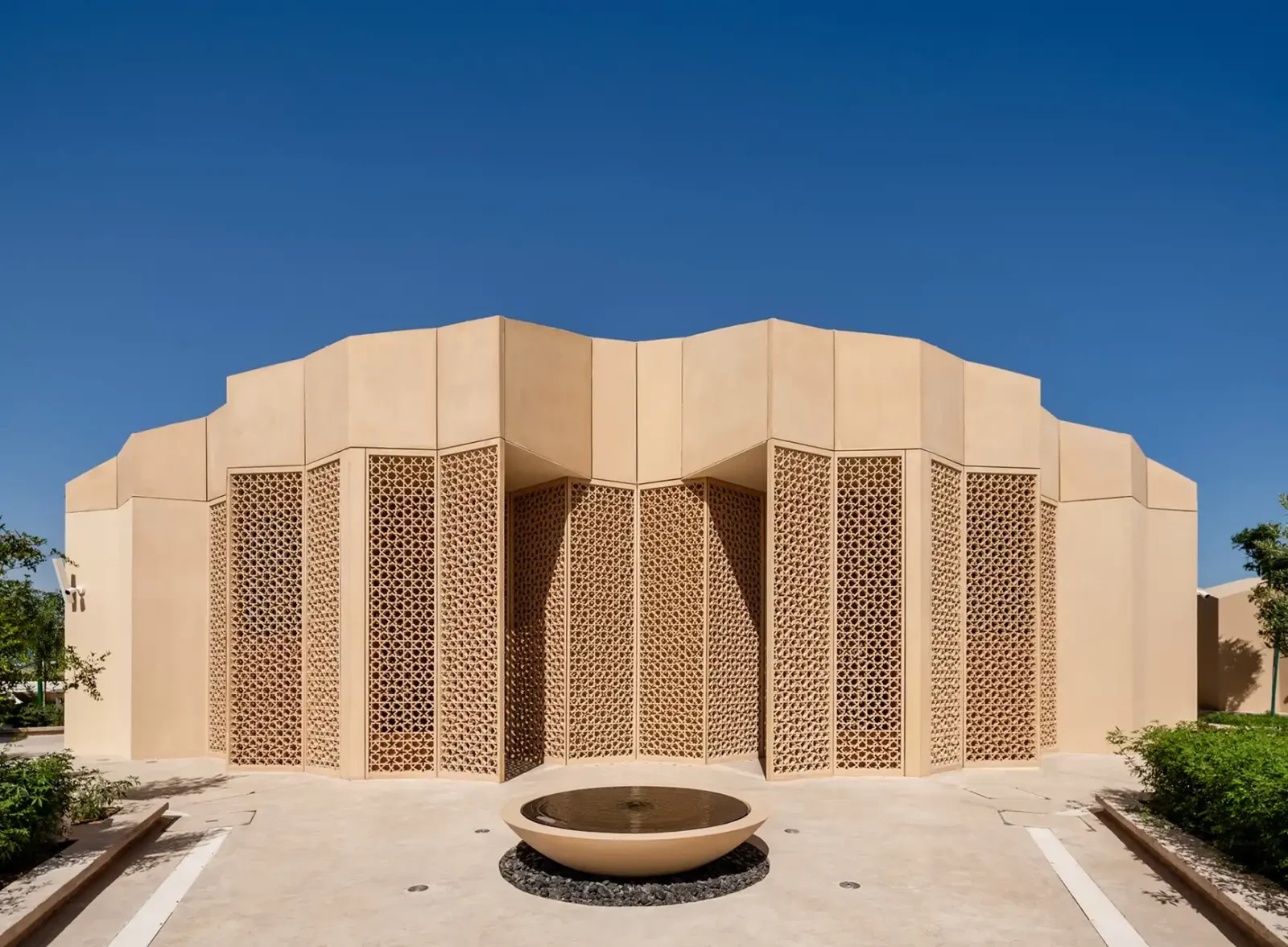
Islamic geometry in Emirati architecture is most compelling when it moves beyond pattern application and begins to shape space, light, structure, and movement. Its value lies in its ability to create order, rhythm, repetition, and spiritual depth while remaining open to computational reinterpretation. In the UAE, geometric systems are increasingly being used not only to reference Islamic visual culture, but to generate contemporary forms that feel both precise and atmospheric. This gives architecture a sense of continuity without making it feel historicist or fixed in the past.
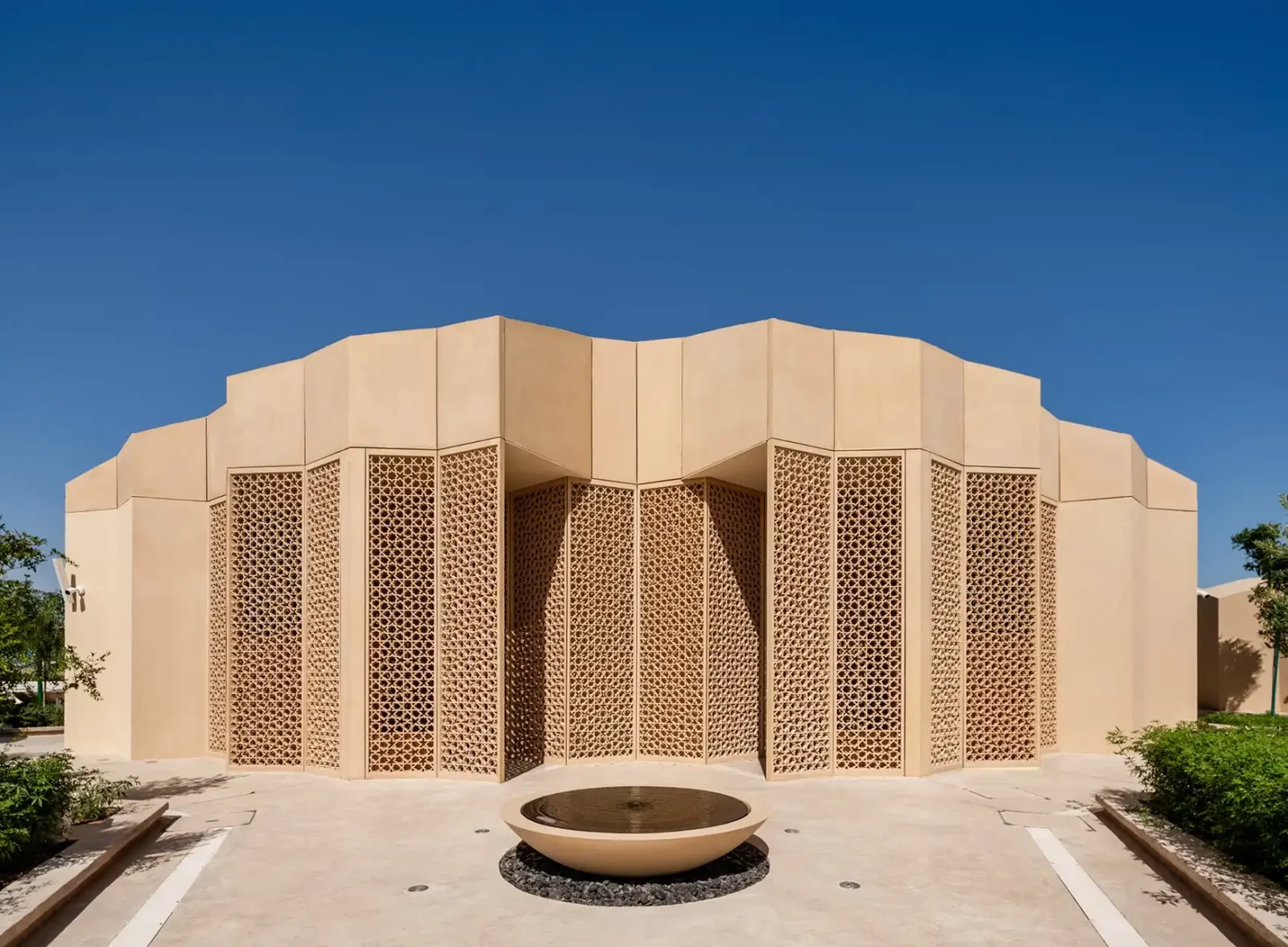
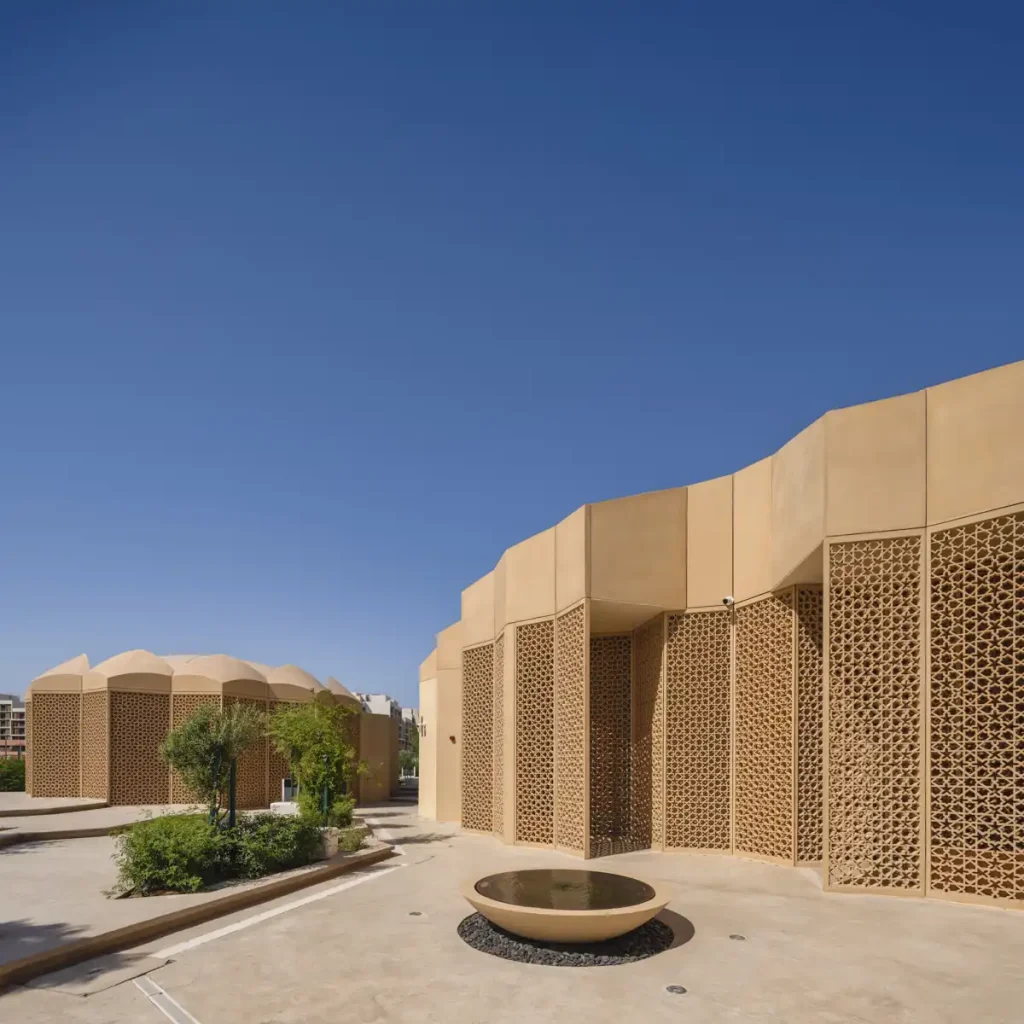
That approach is beautifully explored in Estidama Mosque, where geometric Islamic patterns drive the building’s form, roof articulation, and perforated envelope. The mosque’s dome emerges from a repeated radial system derived from fractal geometry, while skylights and patterned surfaces produce a carefully controlled interplay of light and shadow. The project shows how Islamic geometry can still function as a generative design language in contemporary Emirati architecture, especially when paired with sustainability, material precision, and spiritual atmosphere.
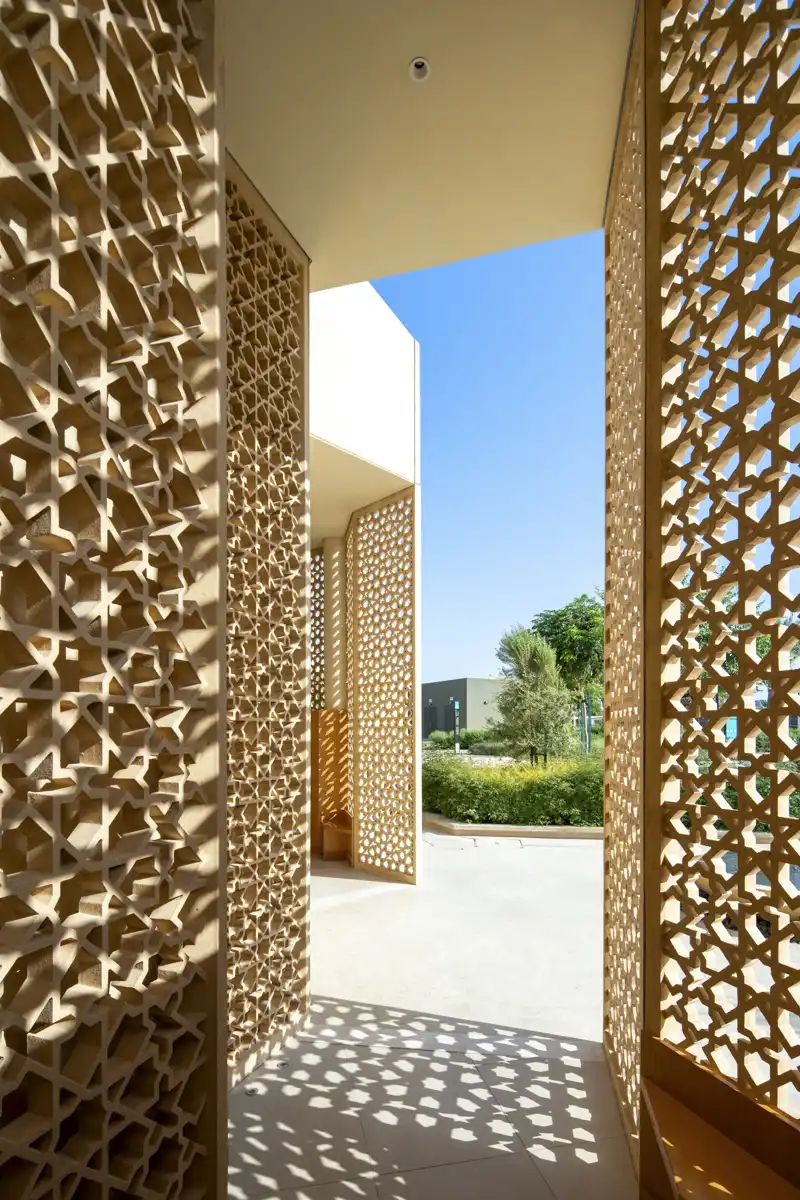
What makes contemporary Emirati architecture increasingly distinct is not just its formal ambition, but its ability to reactivate traditional design intelligence in meaningful ways. Whether through the responsive logic of the mashrabiya, the environmental efficiency of thermal chimneys, or the spatial depth of Islamic geometry, these components continue to shape a regional architectural language that feels both culturally grounded and future-facing.
Explore Courses
.jpg "Ondrej Chybik - Rethinking Architecture")