

Casa Batlló, one of the most celebrated works of Antoni Gaudí, has opened a remarkable new chapter in Barcelona. After a three-year restoration, the building’s third floor, described as the last original residence preserved according to Gaudí’s design, has been unveiled to the public for the first time. Hidden from visitors for more than a century, the apartment offers a rare look into how Gaudí imagined domestic life inside one of his greatest masterpieces.
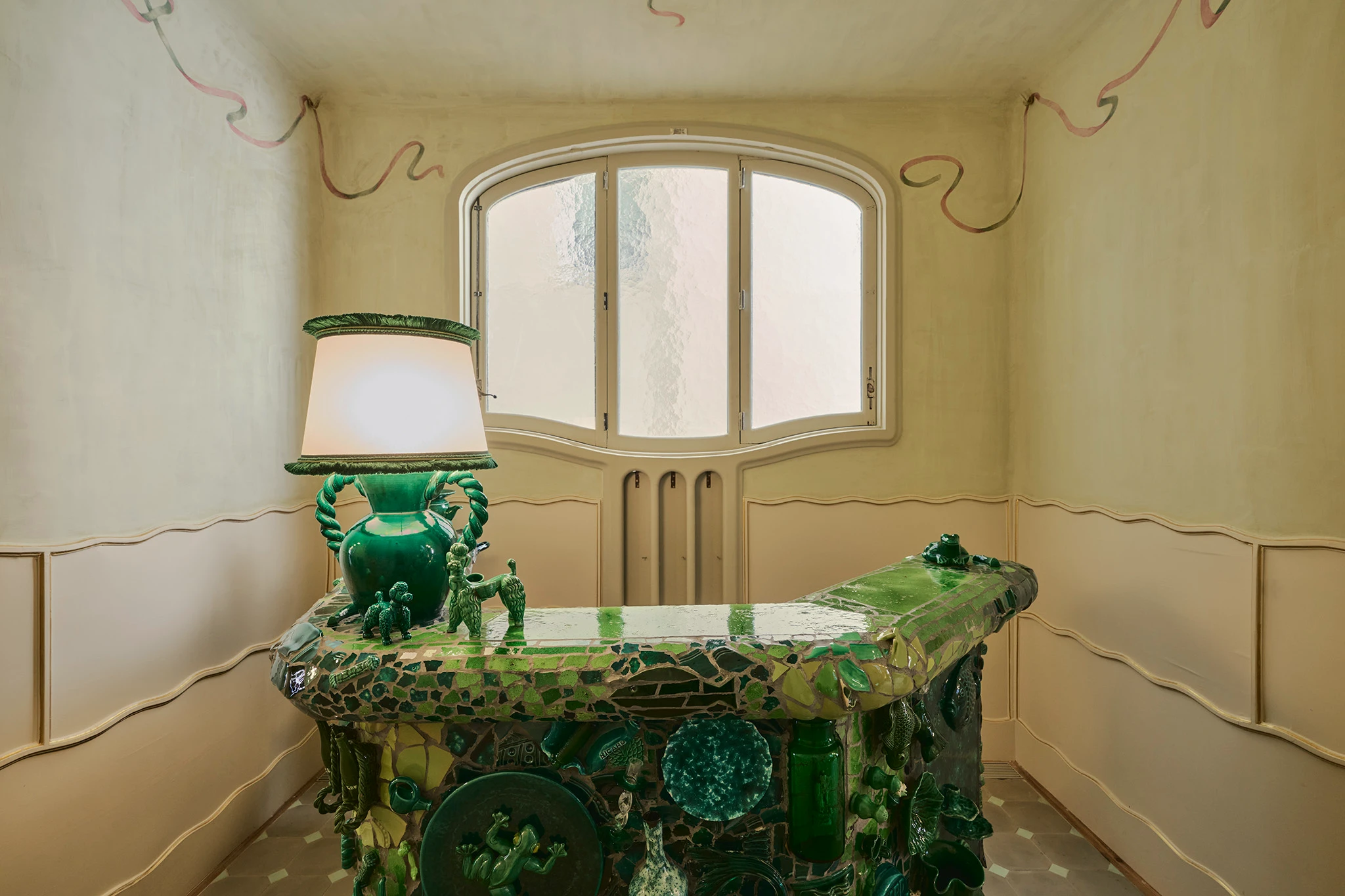
Located on Passeig de Gràcia, Casa Batlló has long stood as a symbol of Catalan Modernism. Known worldwide for its flowing façade, mosaic skin, and dreamlike roofline, the house was transformed by Antoni Gaudí between 1904 and 1906 for the Batlló family. While millions admire its exterior each year, this newly restored residence reveals a quieter side of the architect: Gaudí as designer of intimate living spaces, furniture details, circulation, and family life.
A Rare Interior Preserved Through Time
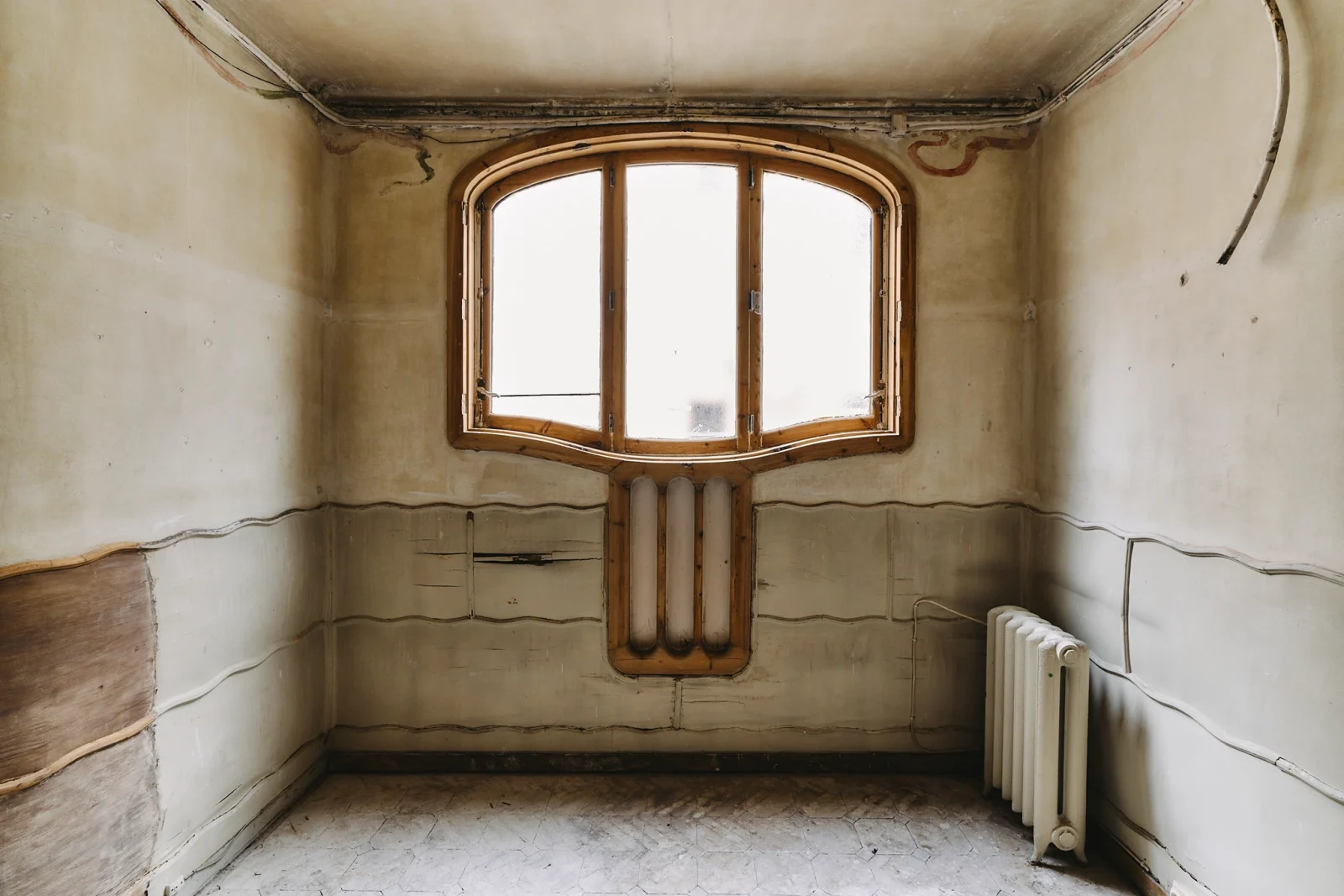
In other areas of Casa Batlló that changed over the decades, the Third Floor remained largely untouched. It continued to be used by descendants of the Batlló family for generations, which unexpectedly helped preserve many original elements. Because of this continuity, the apartment survived as one of the most authentic residential spaces inside the building.
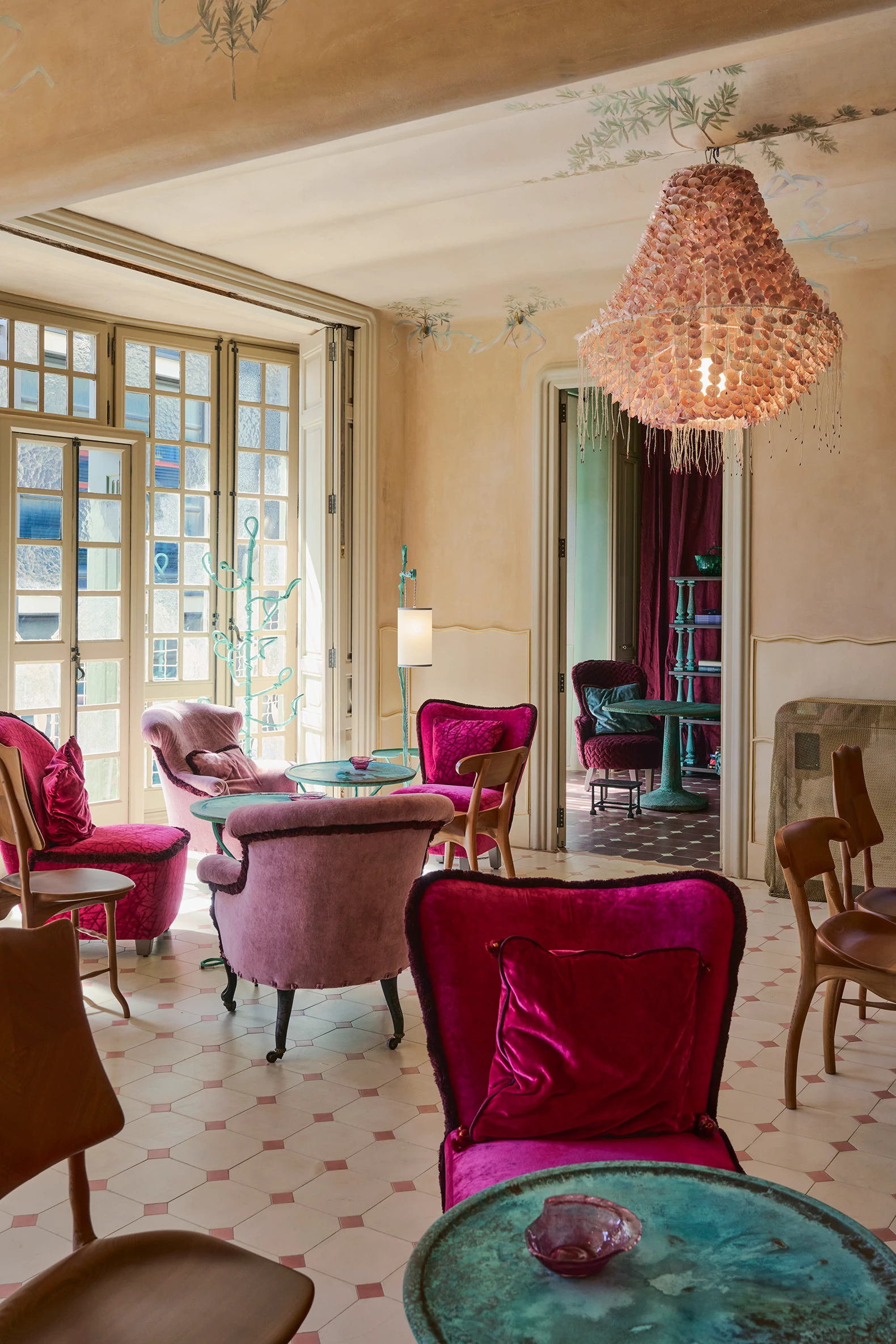
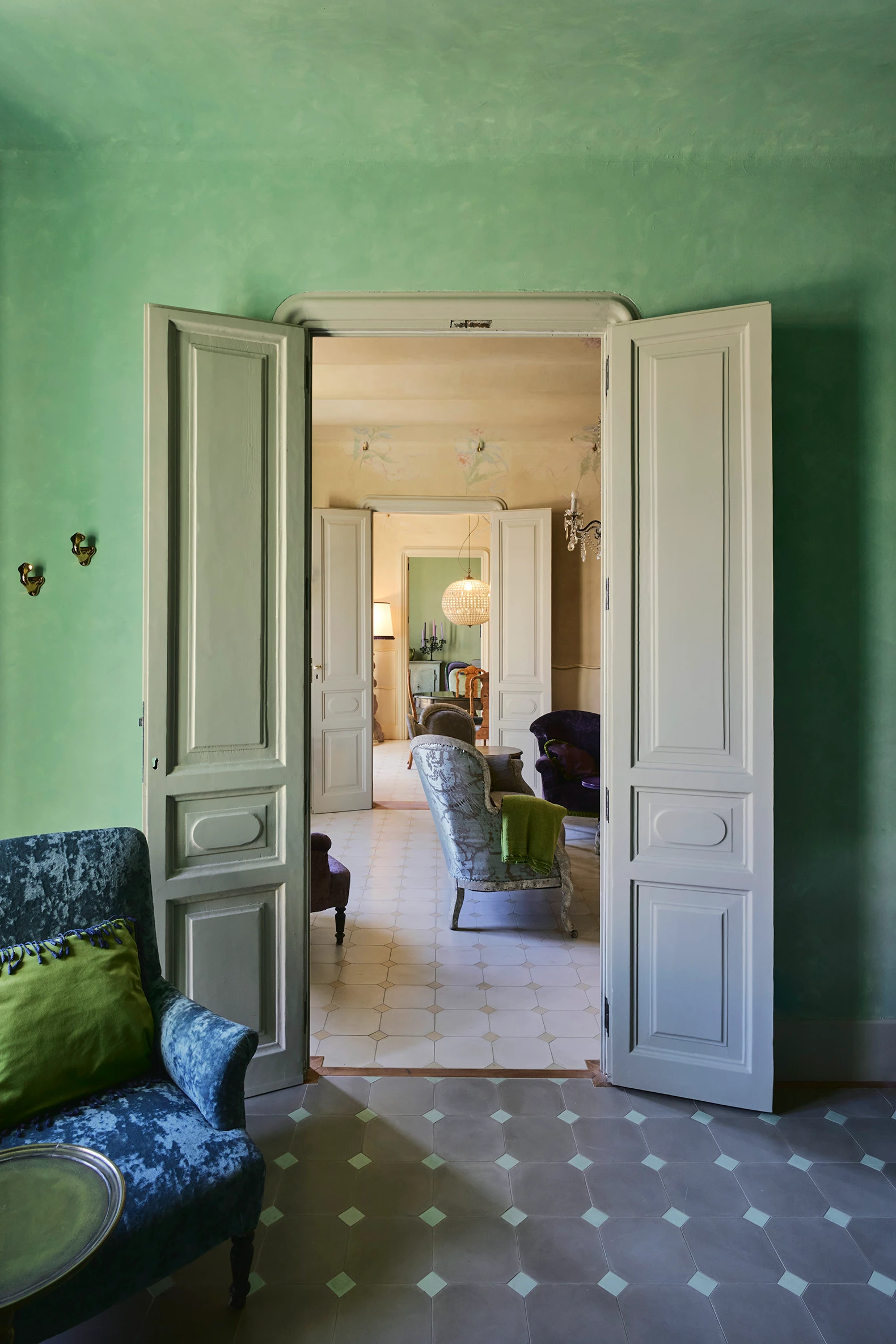
The reopening is significant because it allows visitors and design enthusiasts to experience Gaudí’s architecture as a home. The apartment still carries the proportions, warmth, and practical elegance of a lived space.
Antoni Gaudí’s House Design Inside Casa Batlló
Gaudí’s genius is often linked to dramatic façades and sculptural forms, yet Casa Batlló’s restored residence shows his deeper mastery of interiors. He approached architecture as a complete environment where walls, ceilings, doors, hardware, light, and furniture all worked together.
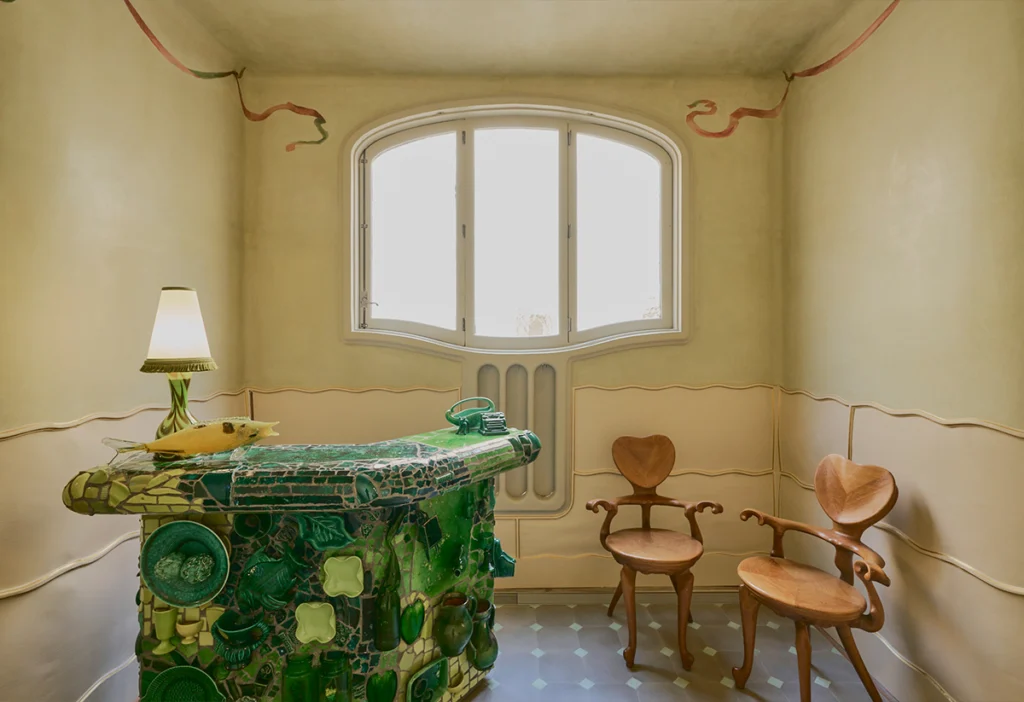
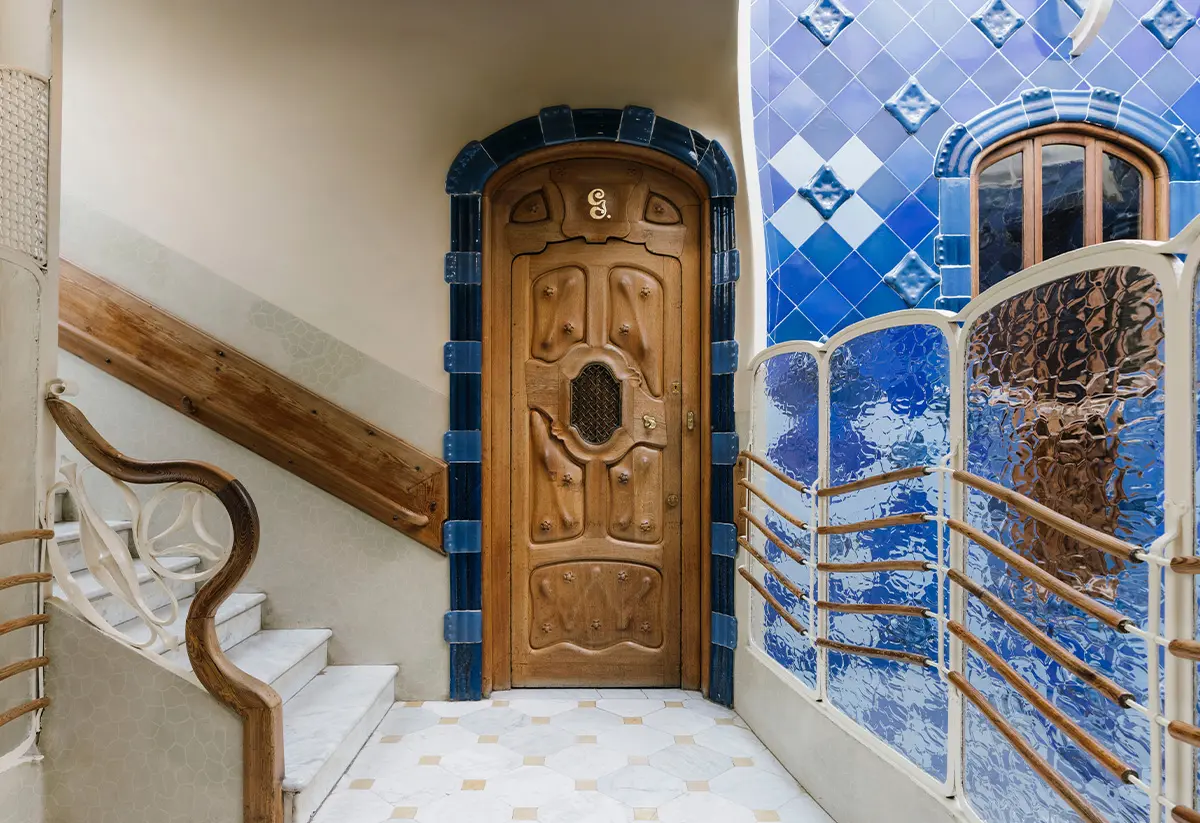
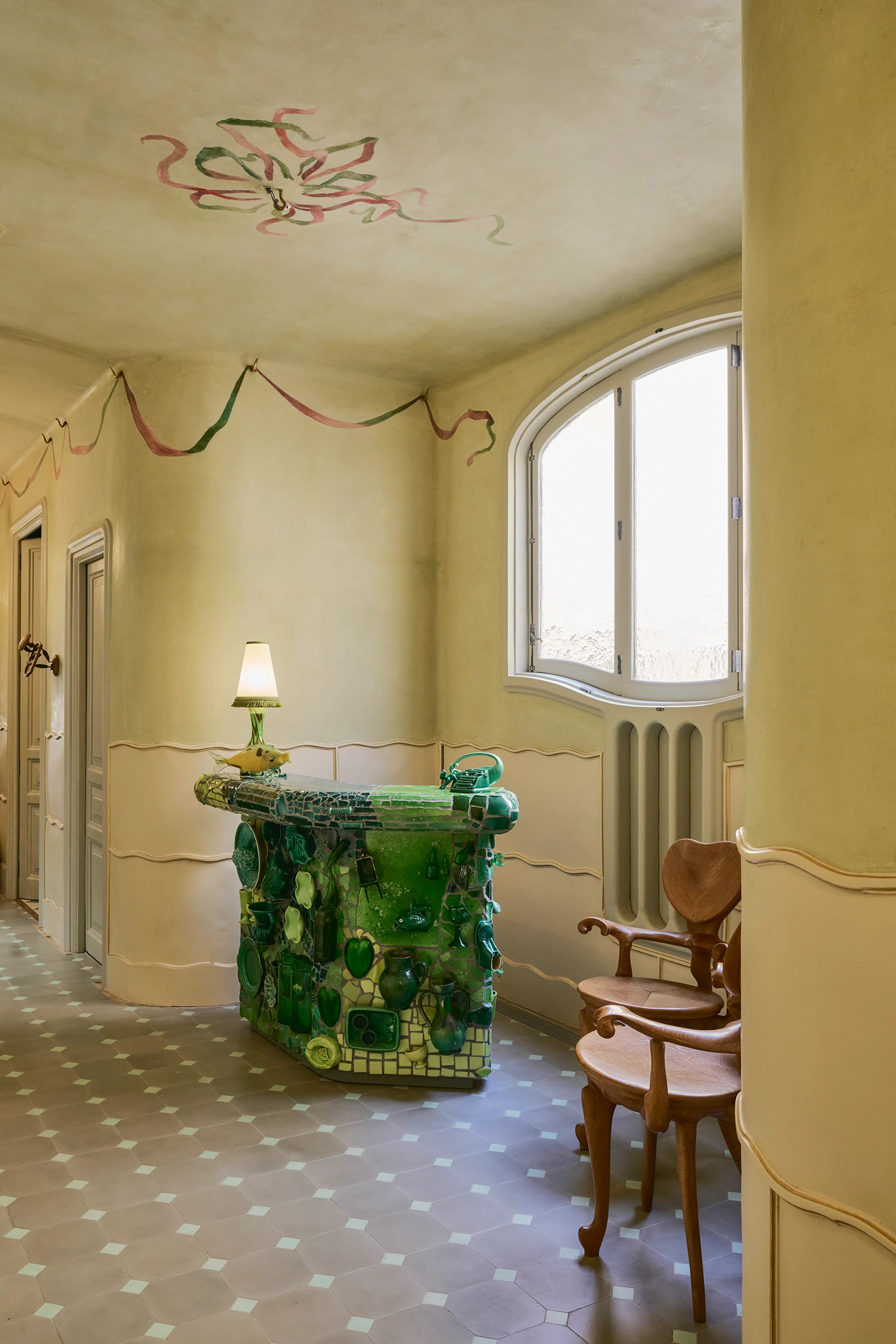
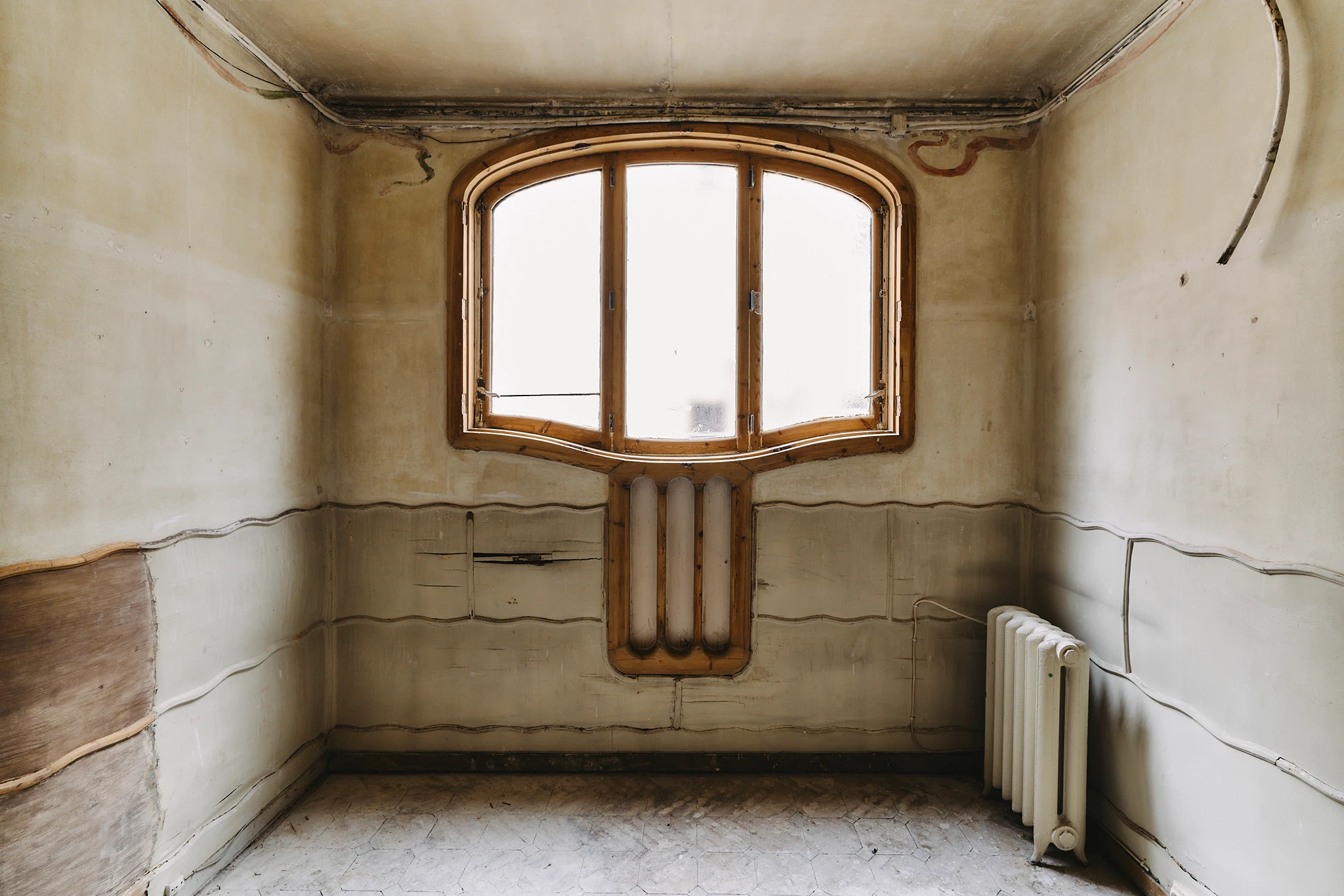
Inside the apartment, visitors can see Gaudí’s signature curved geometry. Straight lines are minimal, replaced by soft transitions and flowing surfaces that create movement through the rooms. Ceilings undulate like waves, while openings are shaped to feel organic. This gives the home a calm, natural rhythm.
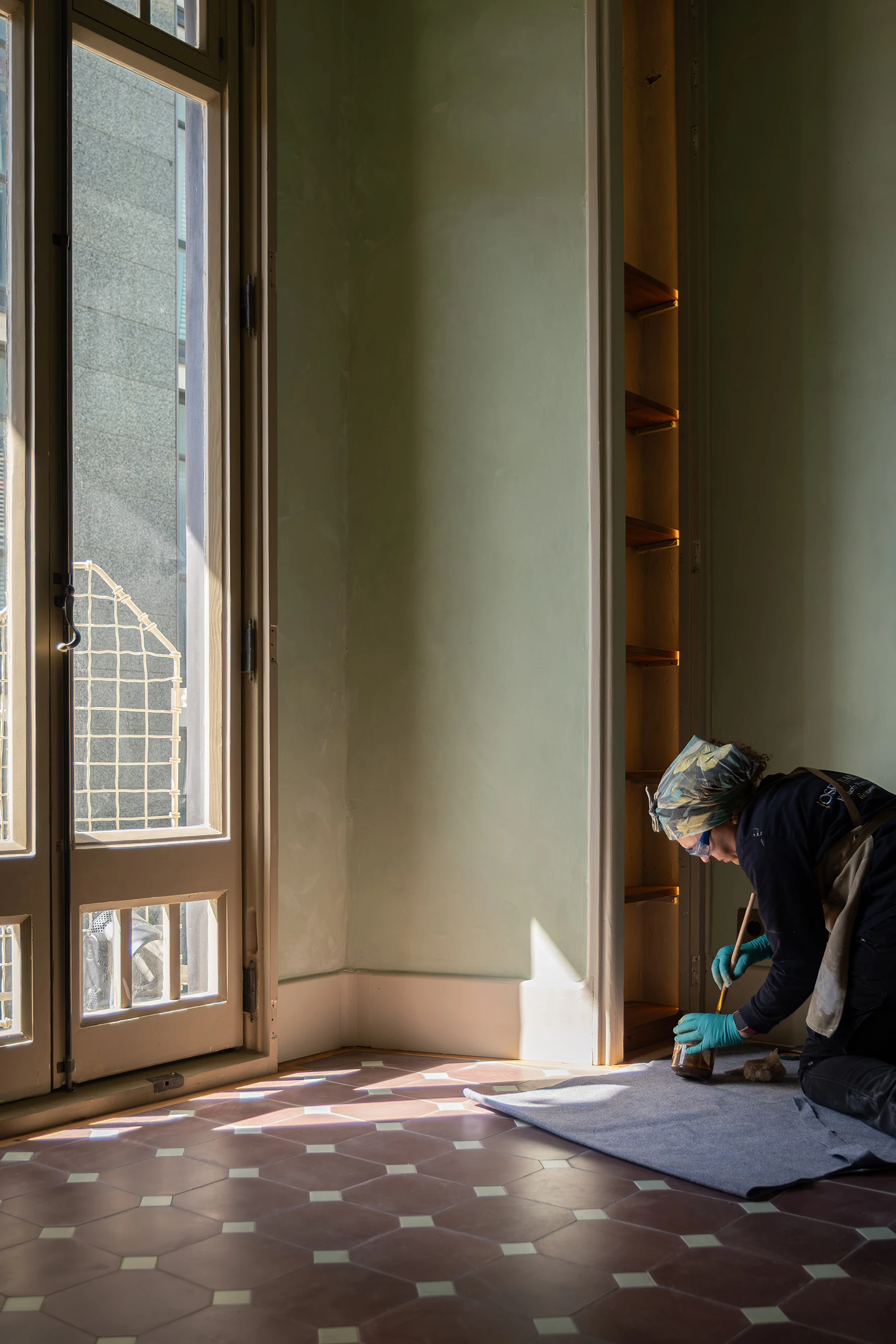
Natural light was also central to Gaudí’s thinking. He carefully designed windows and room layouts so daylight could move gently through the interior. Even in private rooms, light becomes part of the architecture.
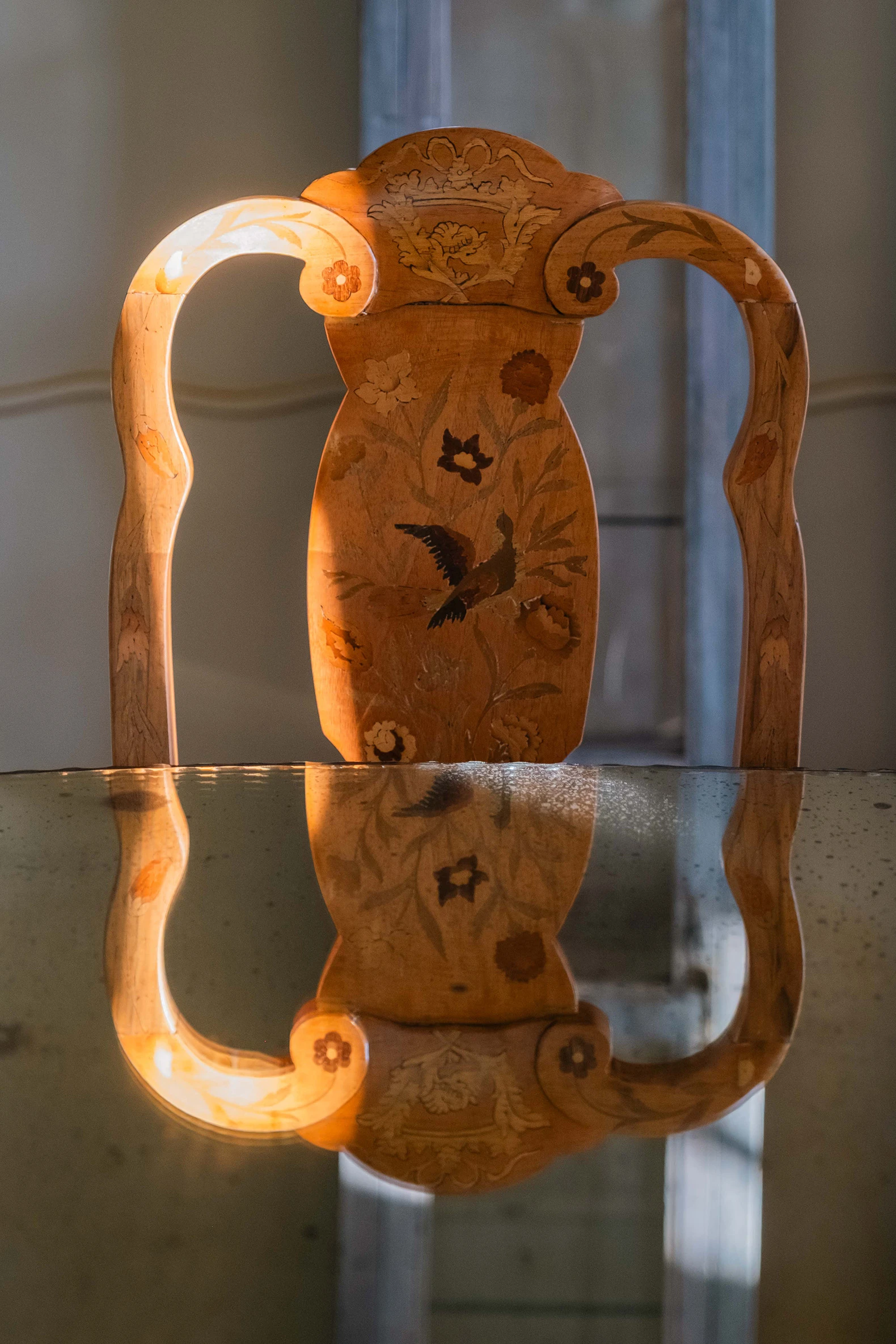
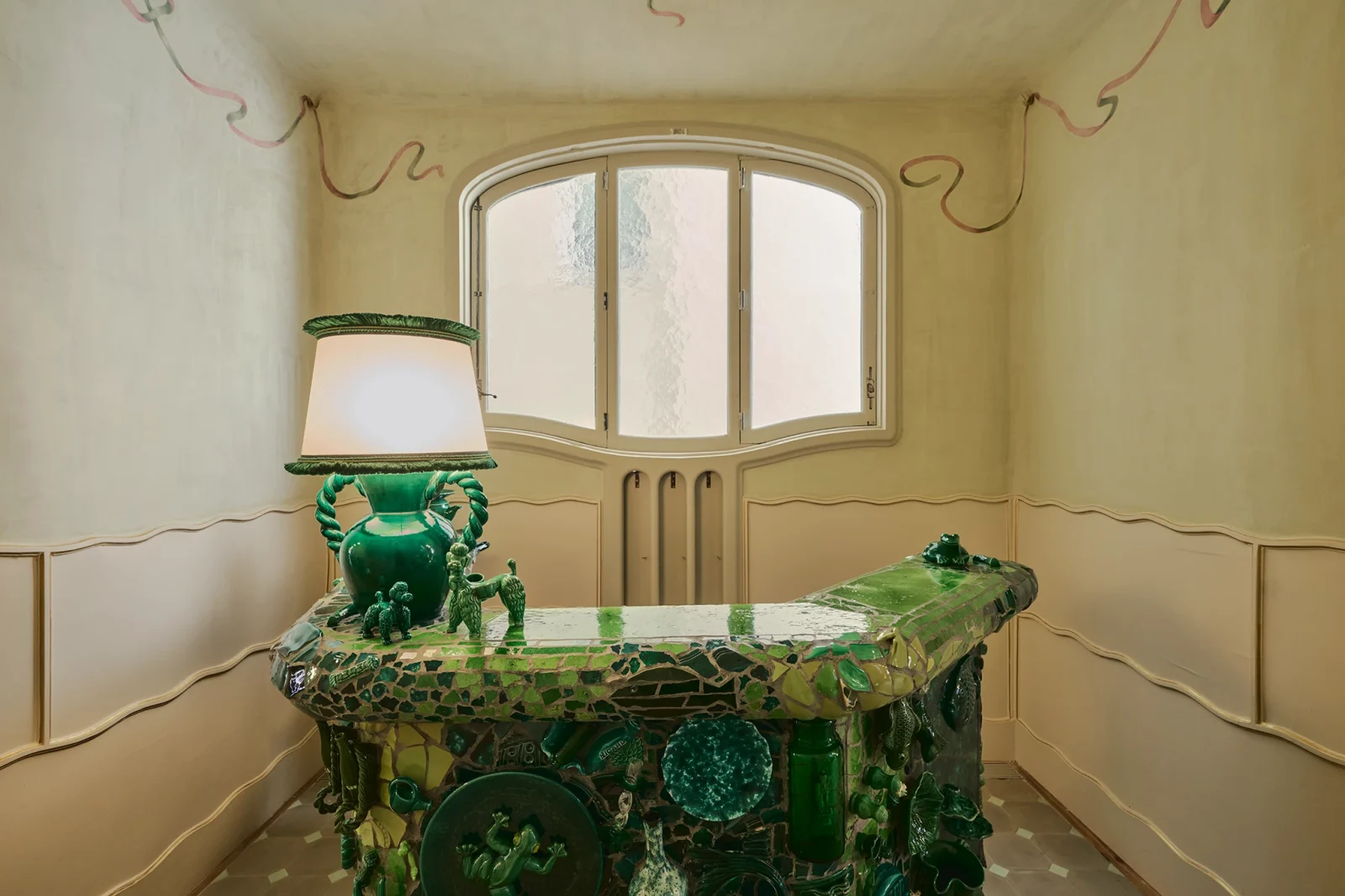
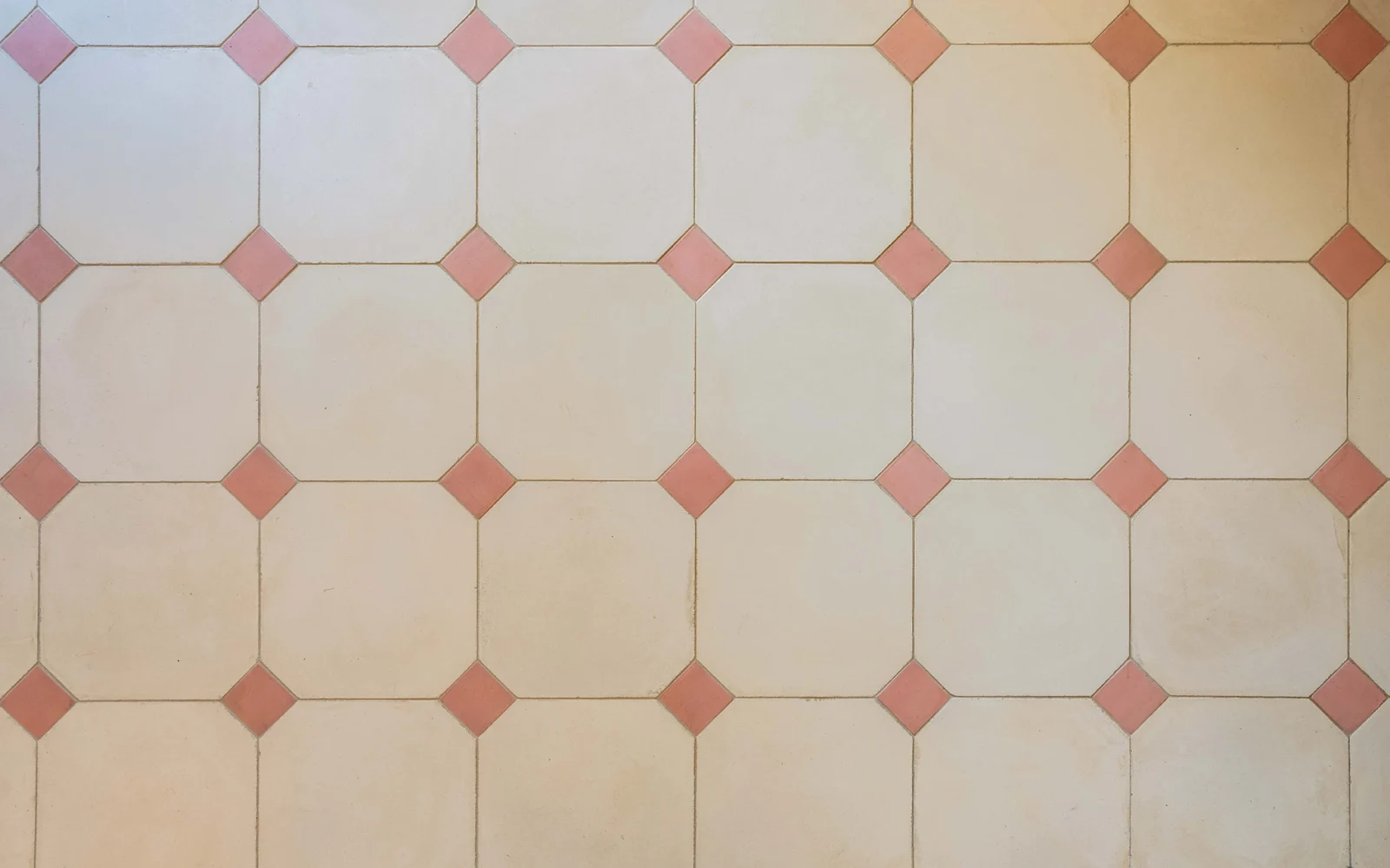
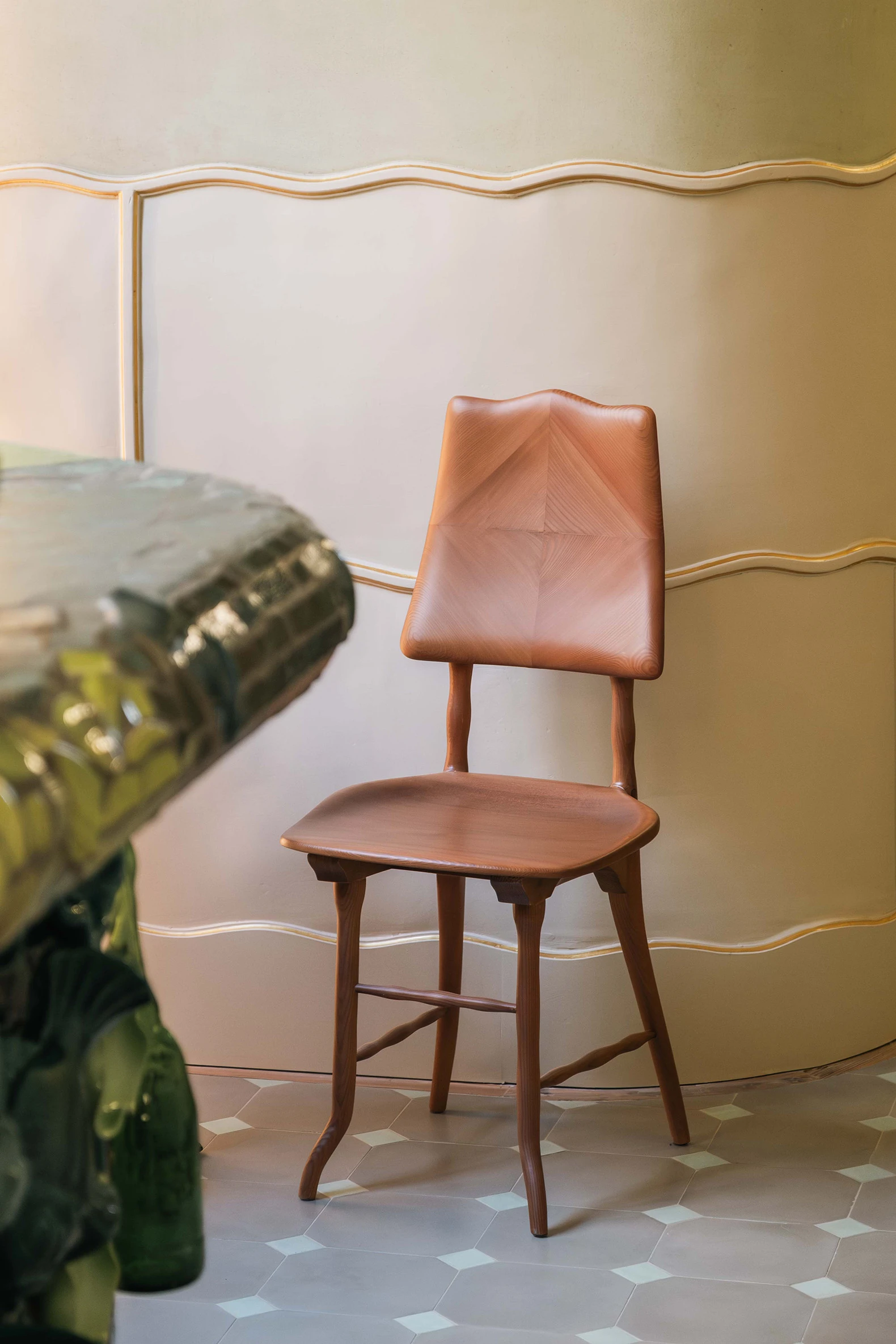
Materials and craftsmanship remain another defining feature. Woodwork, plaster surfaces, decorative stuccoes, flooring systems, and custom handles were all designed as part of one unified language. For Gaudí, beauty was never separate from function. A door handle, for example, was treated with the same care as a façade.
The Three-Year Restoration Process
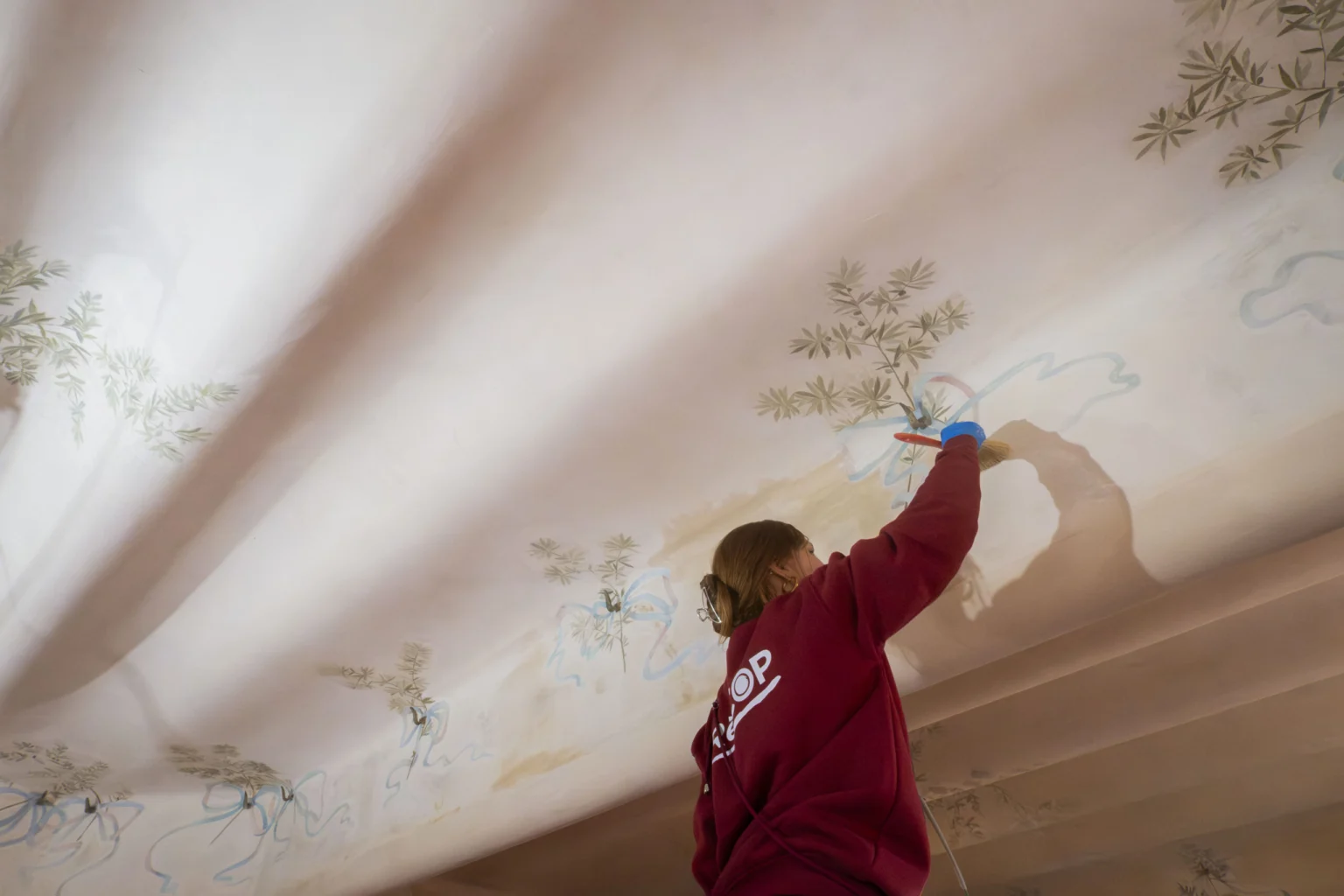
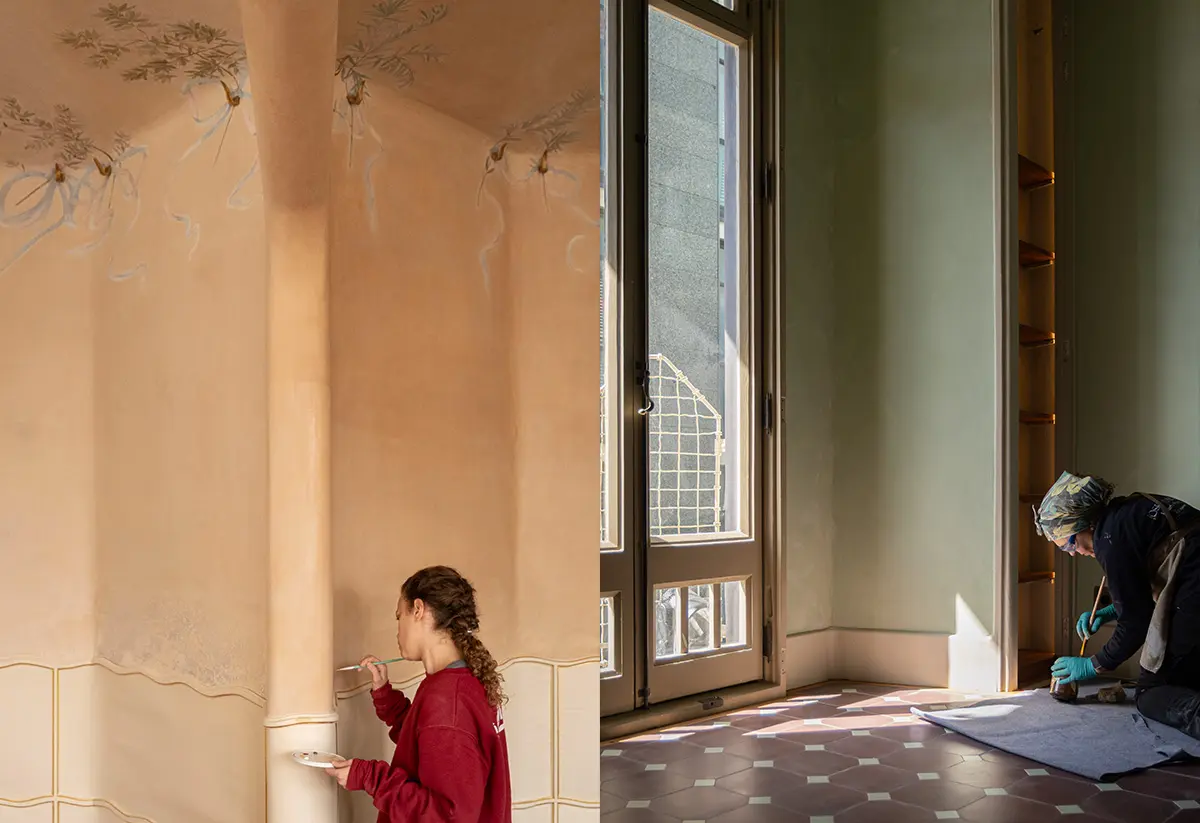
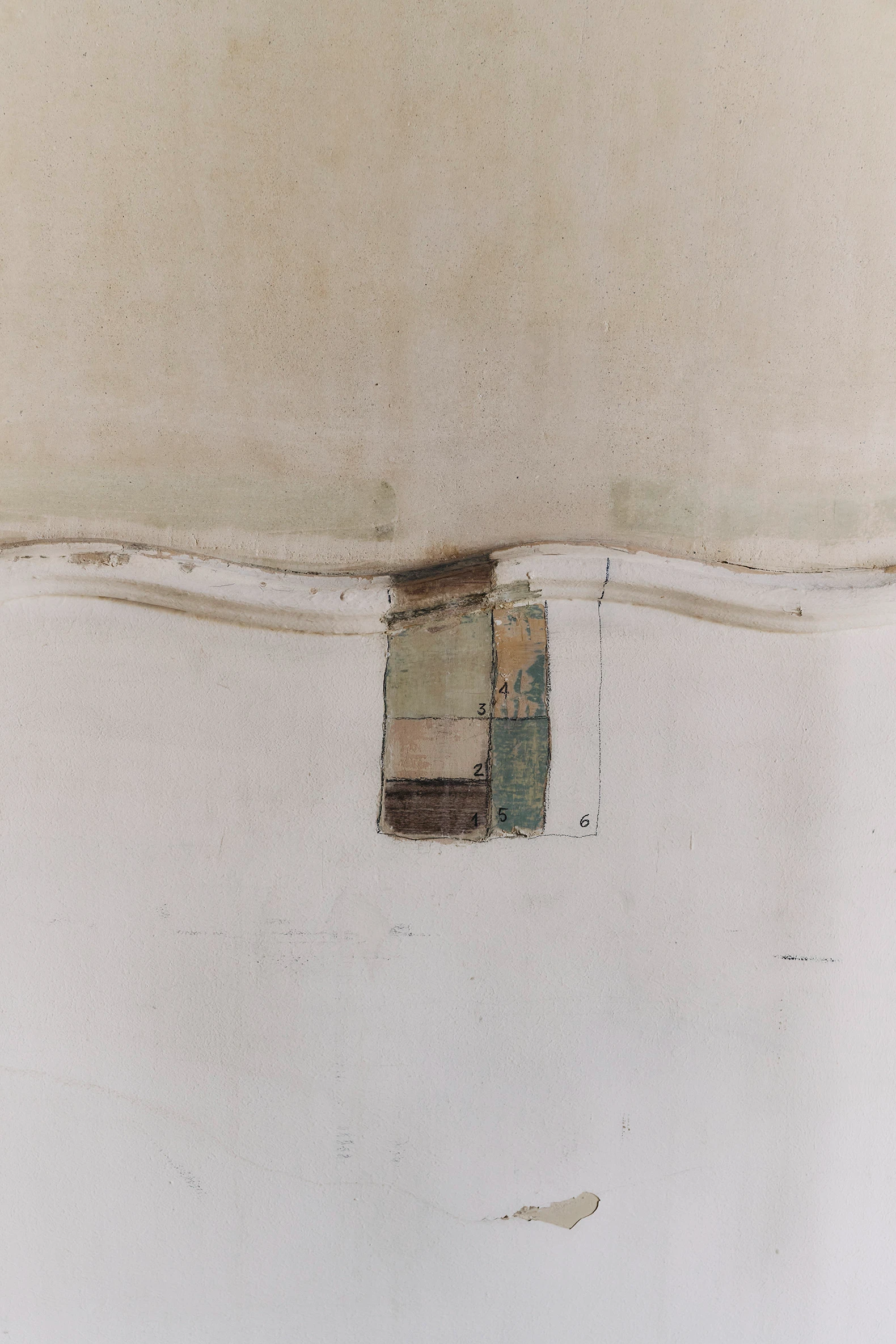
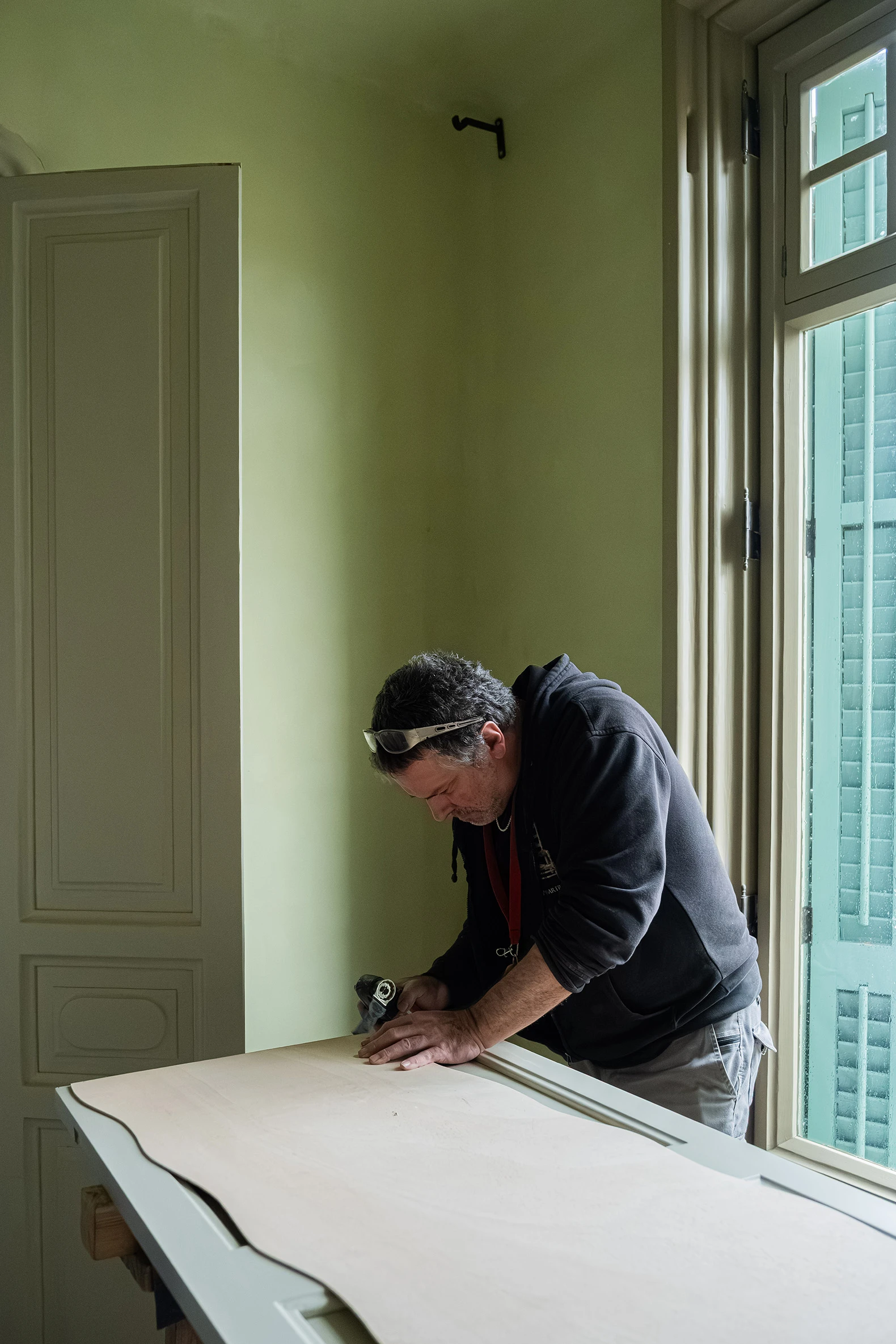
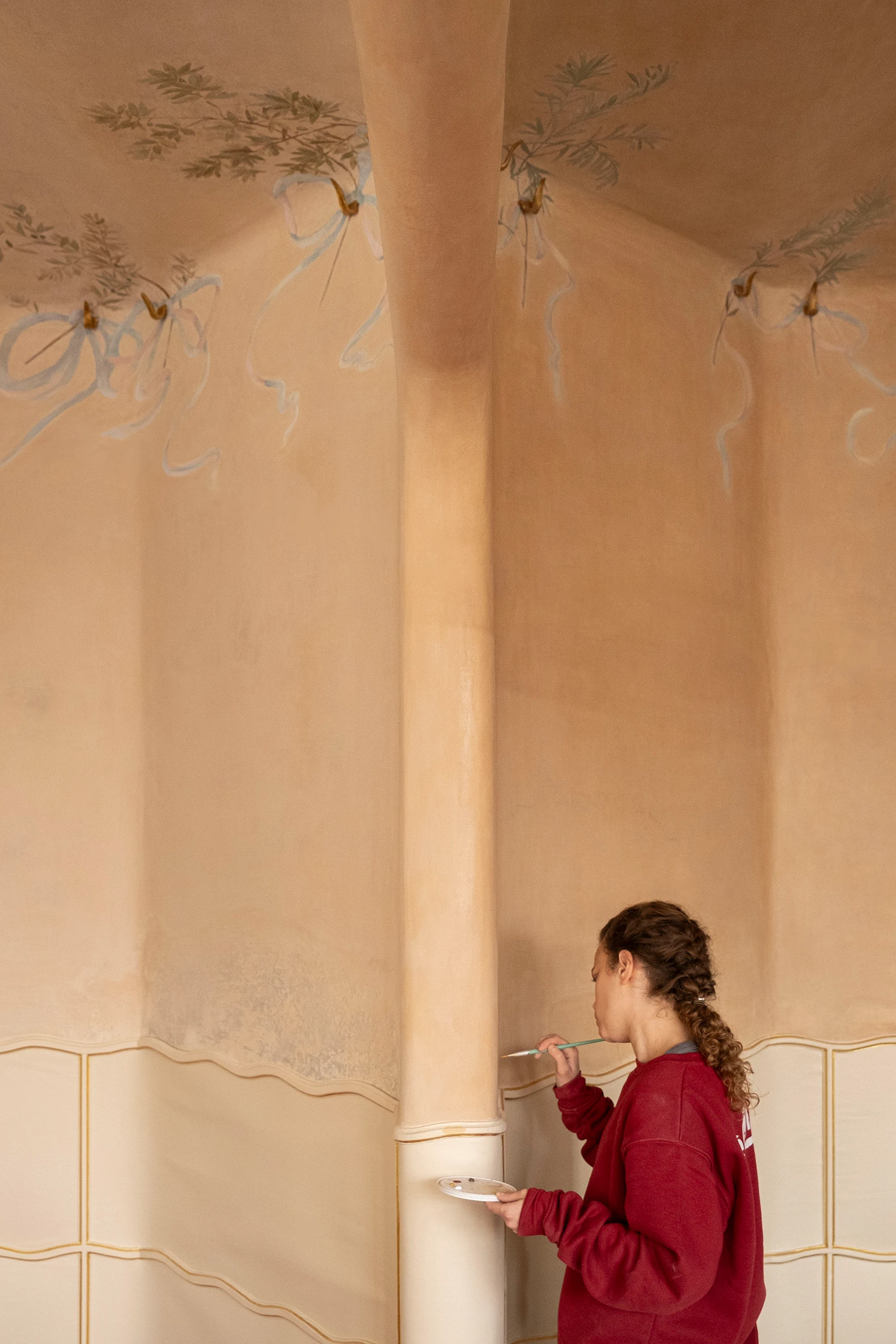
The recent restoration was led with what experts described as an archaeological approach. Instead of replacing history with new interpretations, the team carefully removed layers added during the twentieth century to uncover what remained beneath.
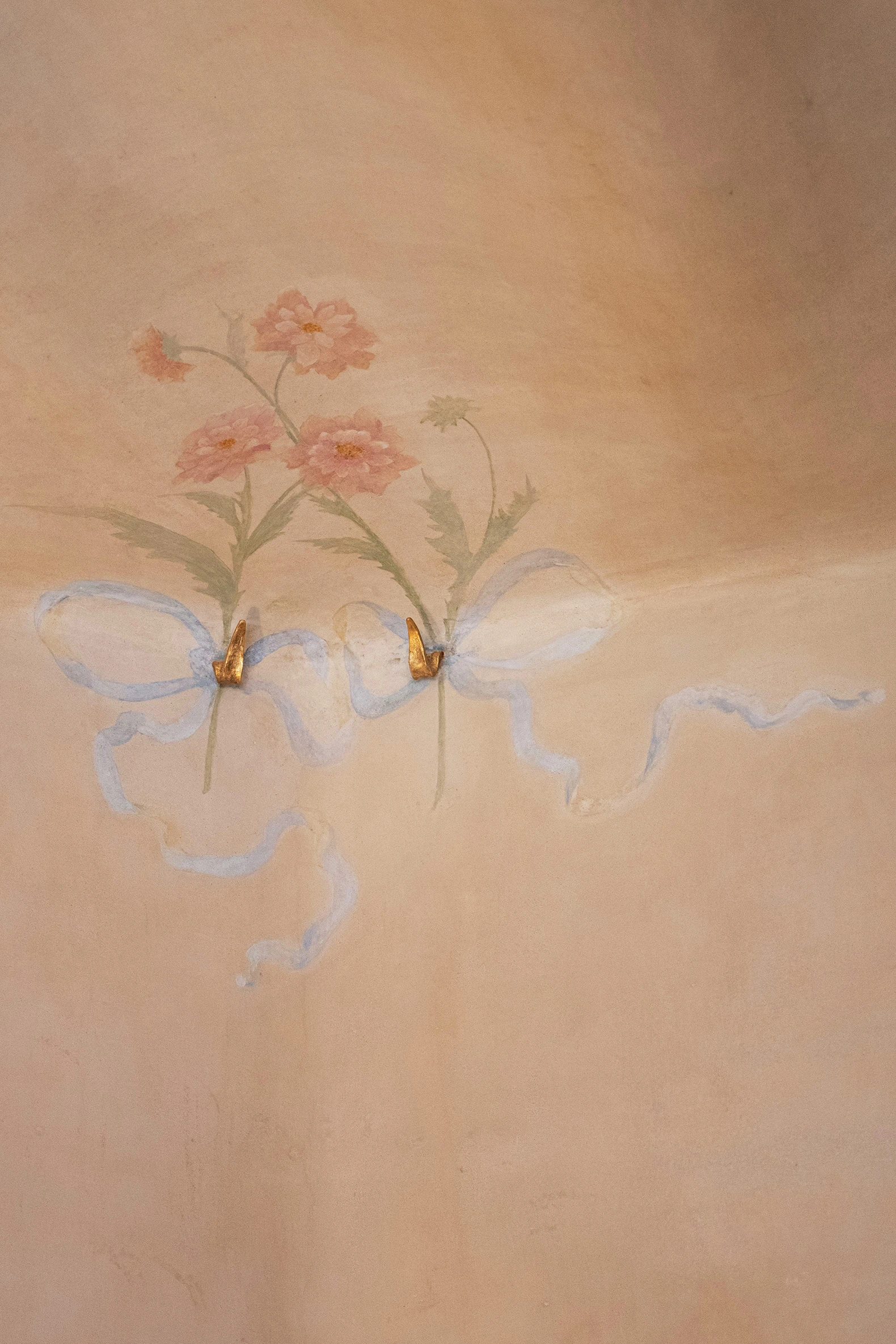
As later finishes were peeled away, the original 1906 surfaces emerged in surprisingly strong condition. Craftspeople then restored or accurately reproduced missing elements using traditional methods close to those used in Gaudí’s time.
This process highlights a growing trend in heritage conservation: restoring buildings through research, patience, and material honesty instead of decorative imitation.
Major Discoveries During Renovation
The restoration uncovered several important details that deepen understanding of Antoni Gaudí’s design methods.
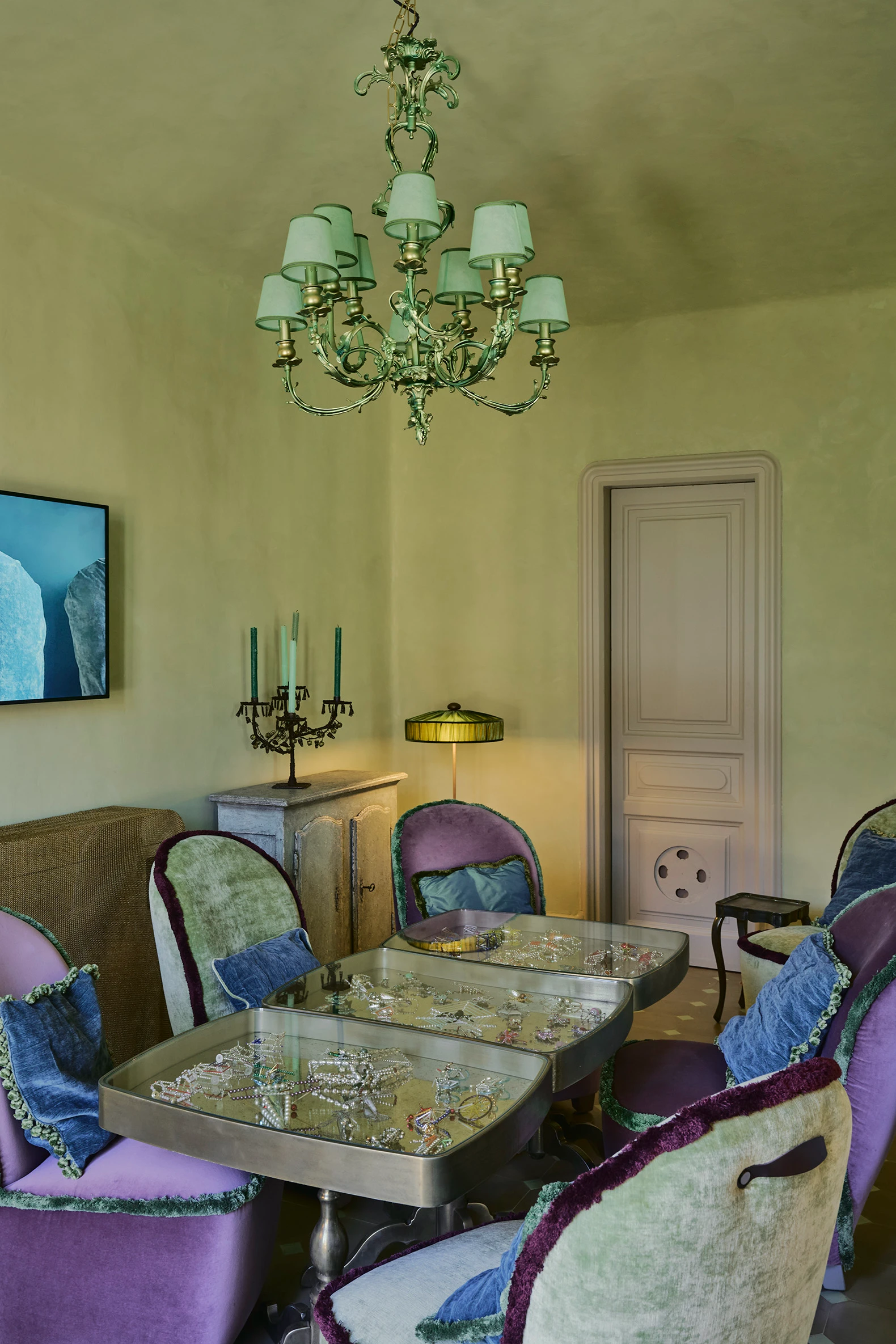
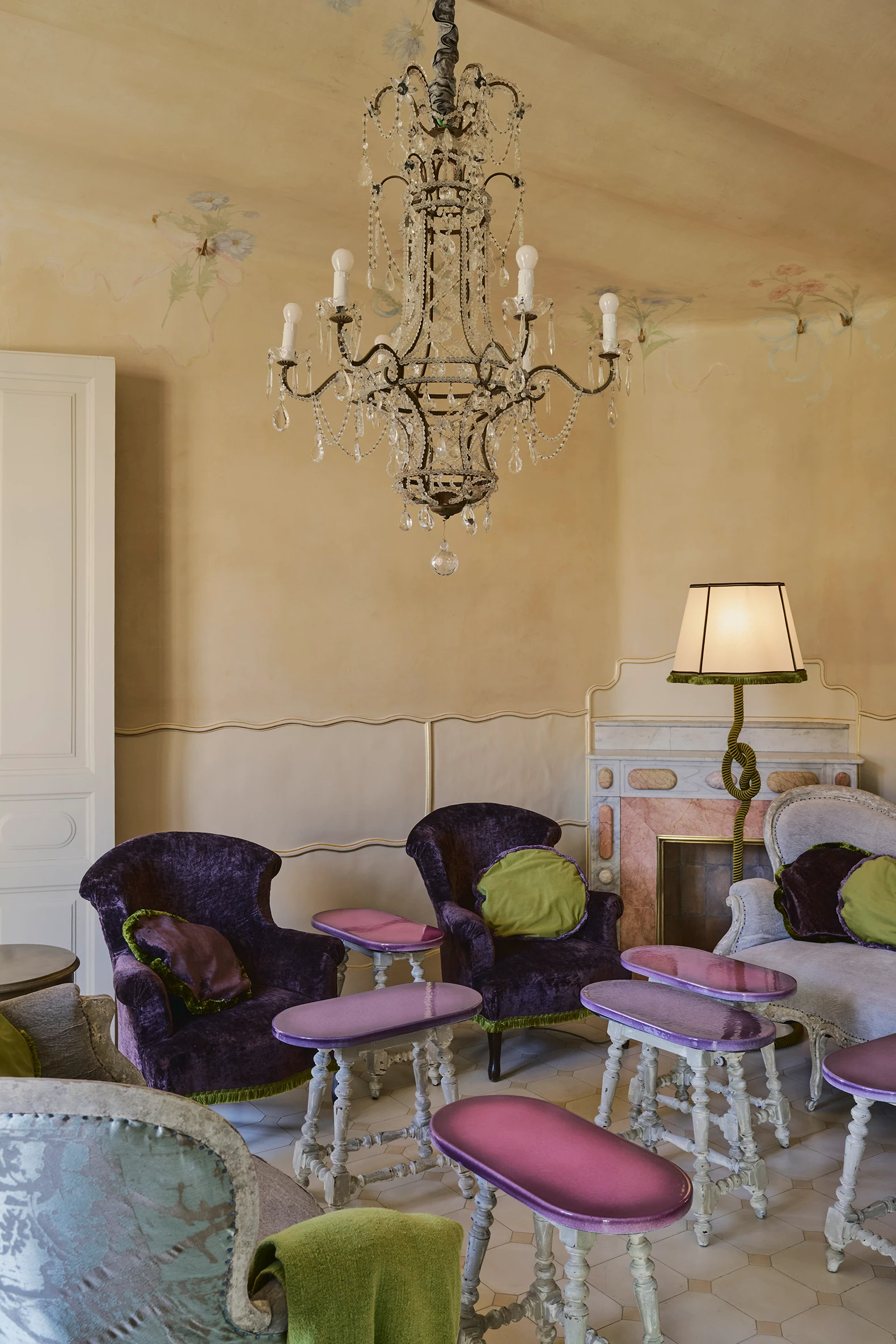
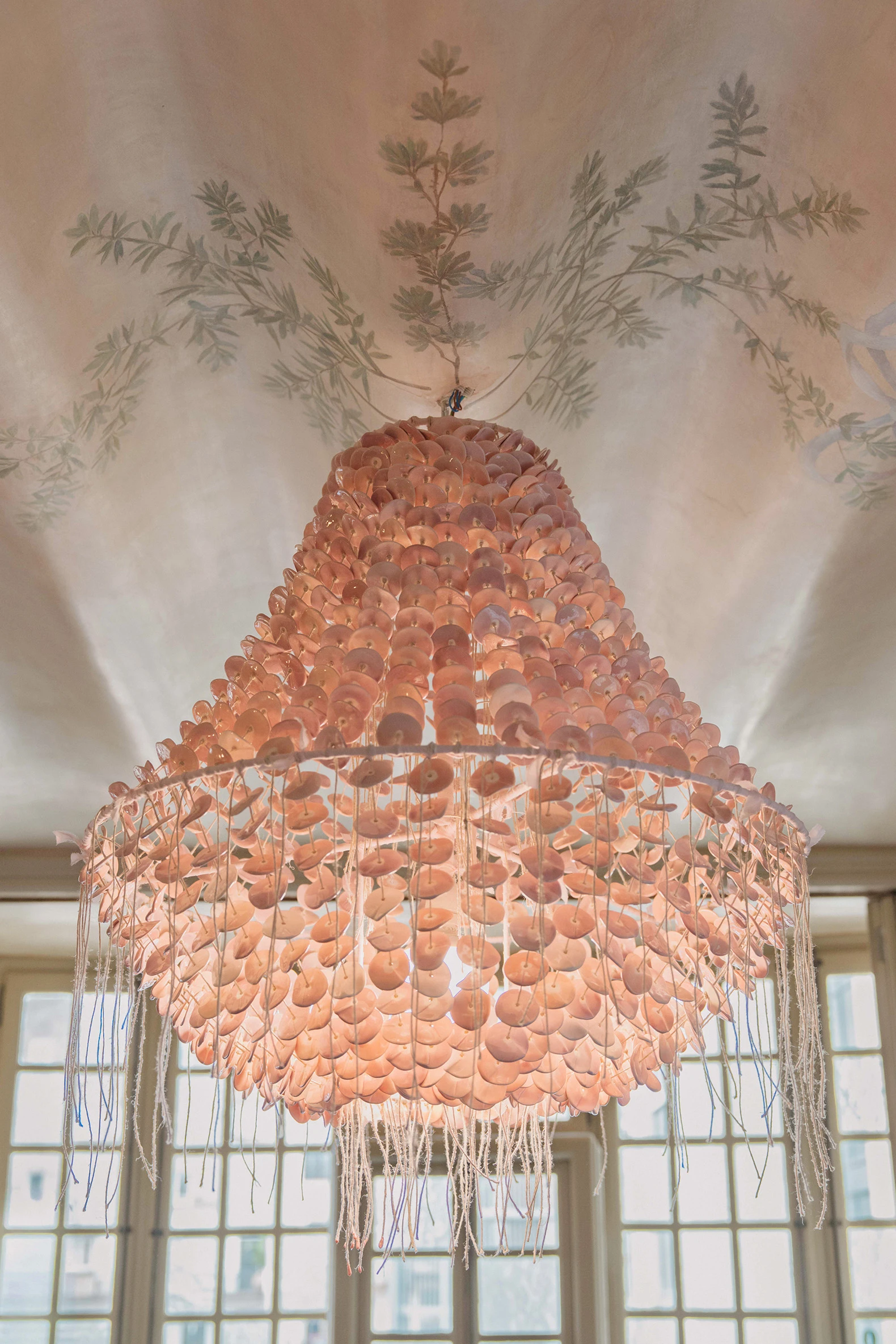
Floral stuccoes hidden for decades were found beneath later paint and coverings. These decorative surfaces reconnect the apartment to the nature-inspired ornament that defines much of Gaudí’s work.
Original undulating ceilings were also revealed, showing how Gaudí used overhead planes as sculptural elements.
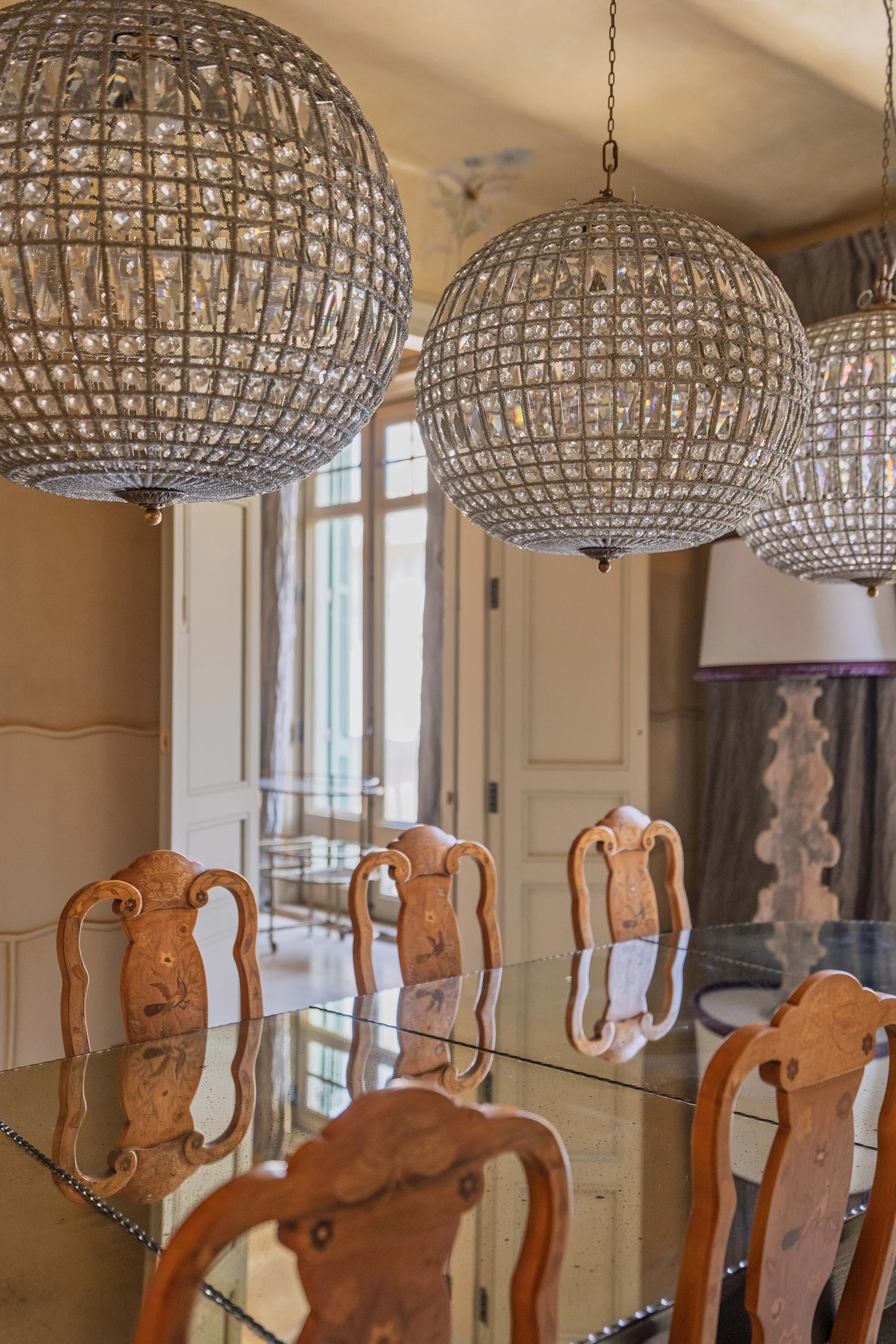
Another discovery was the reuse of adapted doors, reinforcing Gaudí’s practical creativity and his habit of transforming materials rather than wasting them.
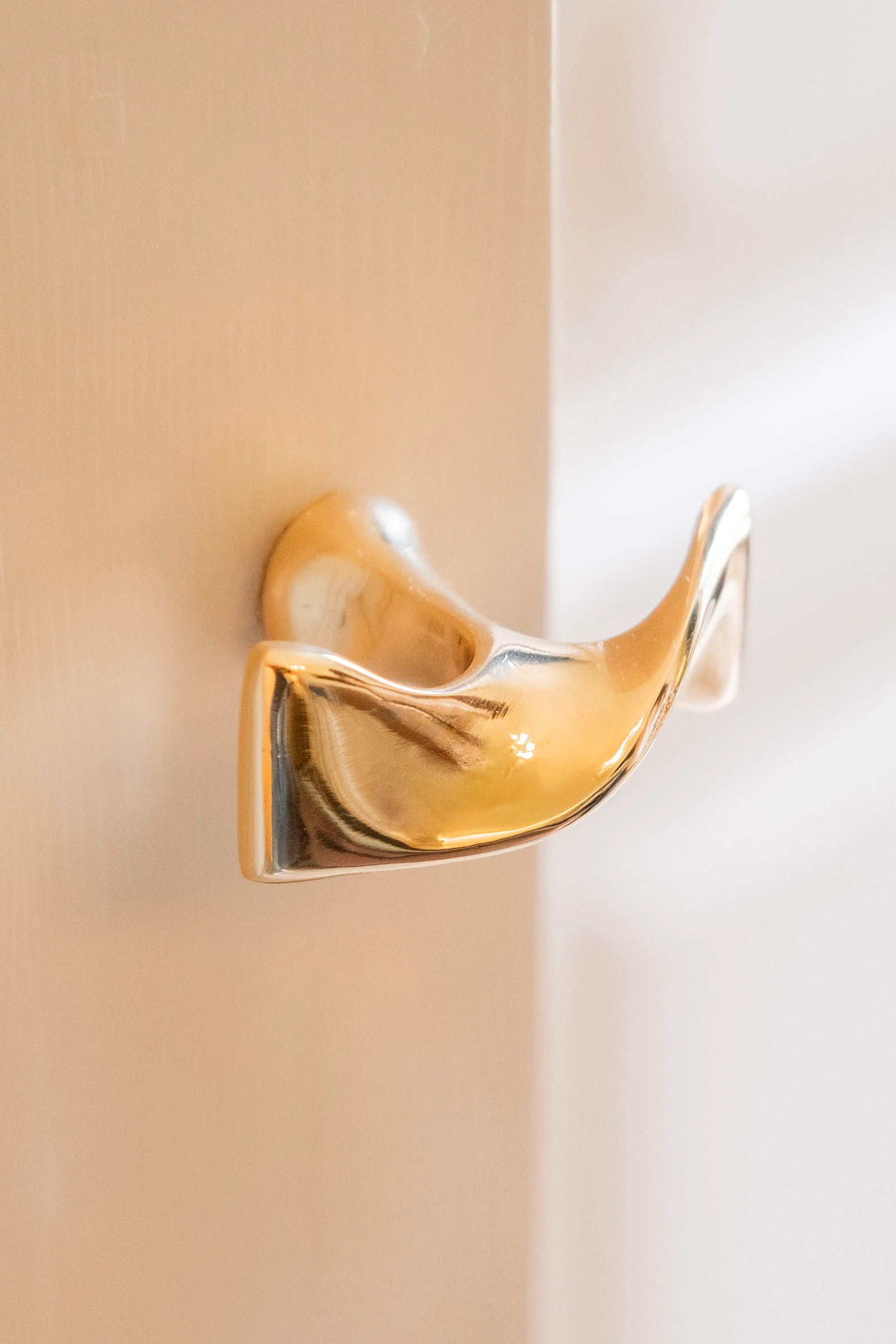
Perhaps most intriguing was the finding of a previously undocumented handle design. Small details like this matter greatly in Gaudí studies because they show how completely he designed every scale of the building, from city presence to hand touch.
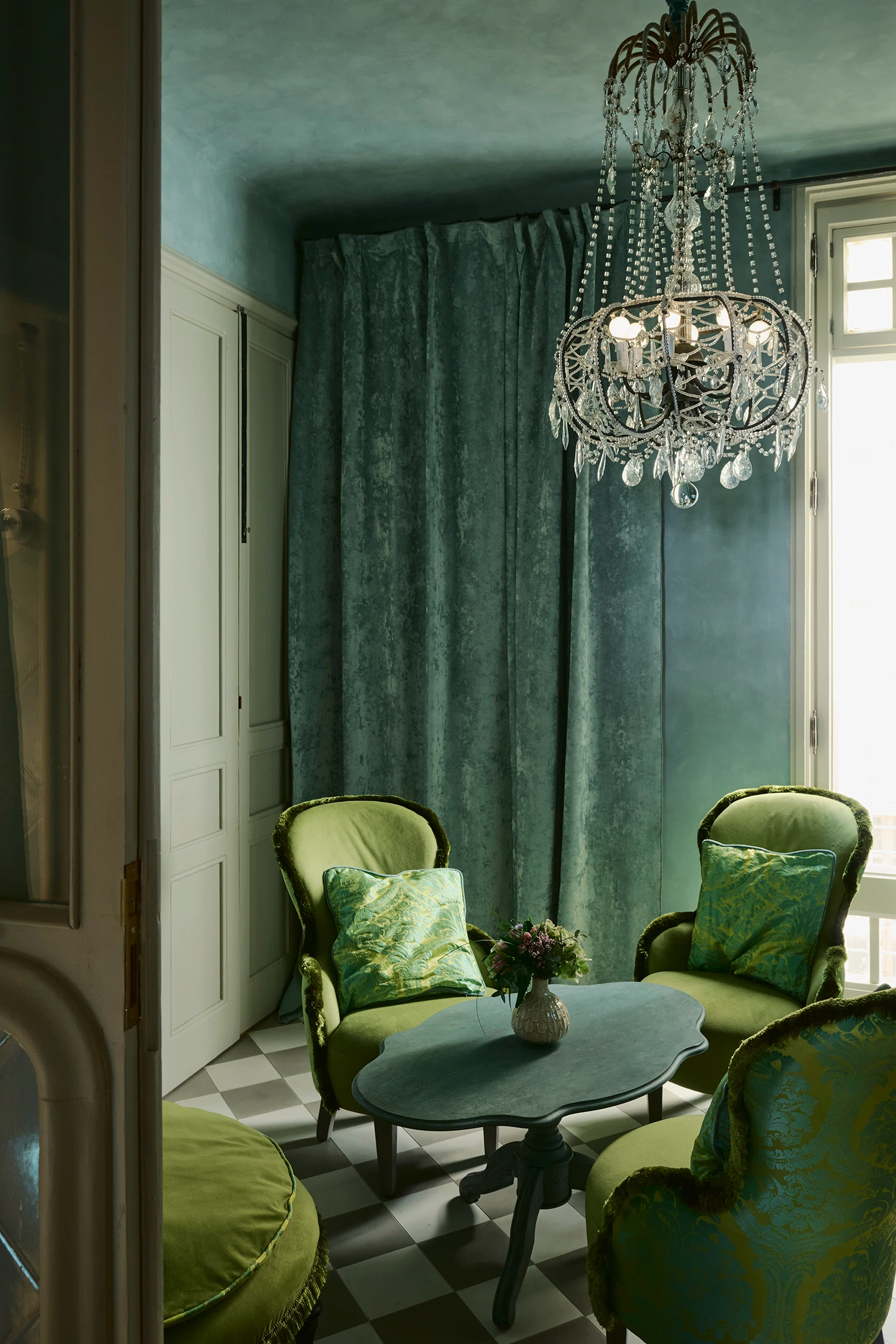
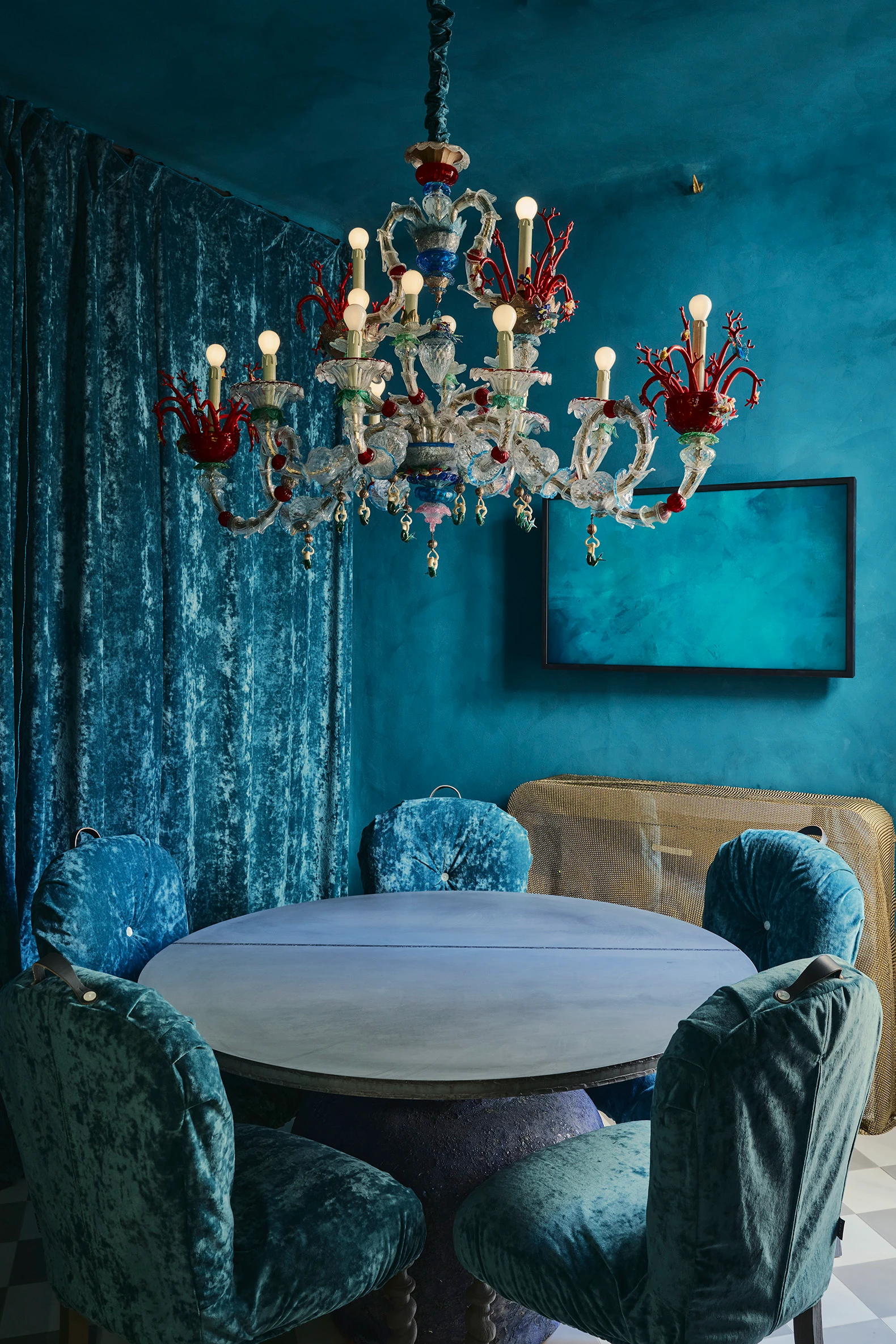
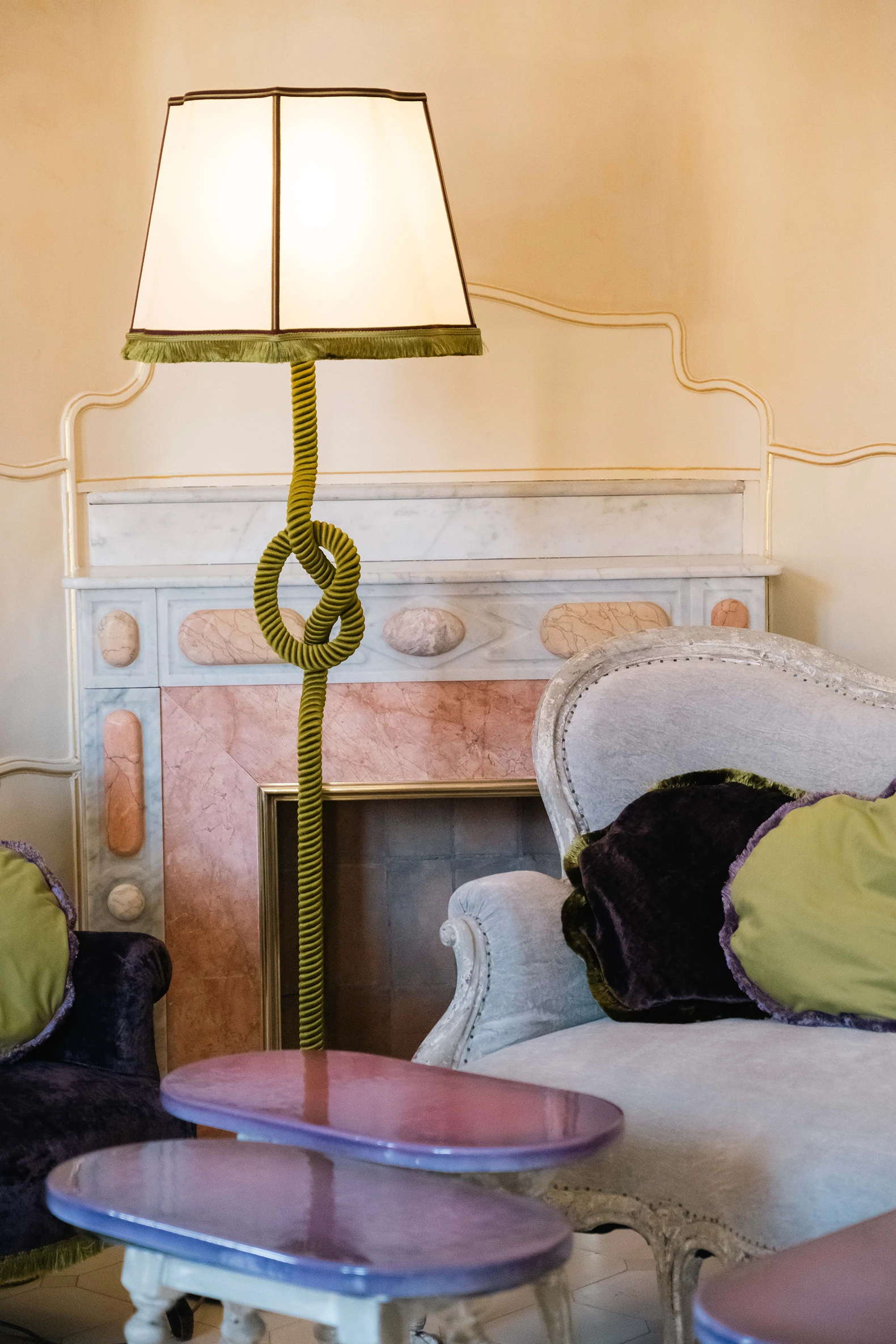
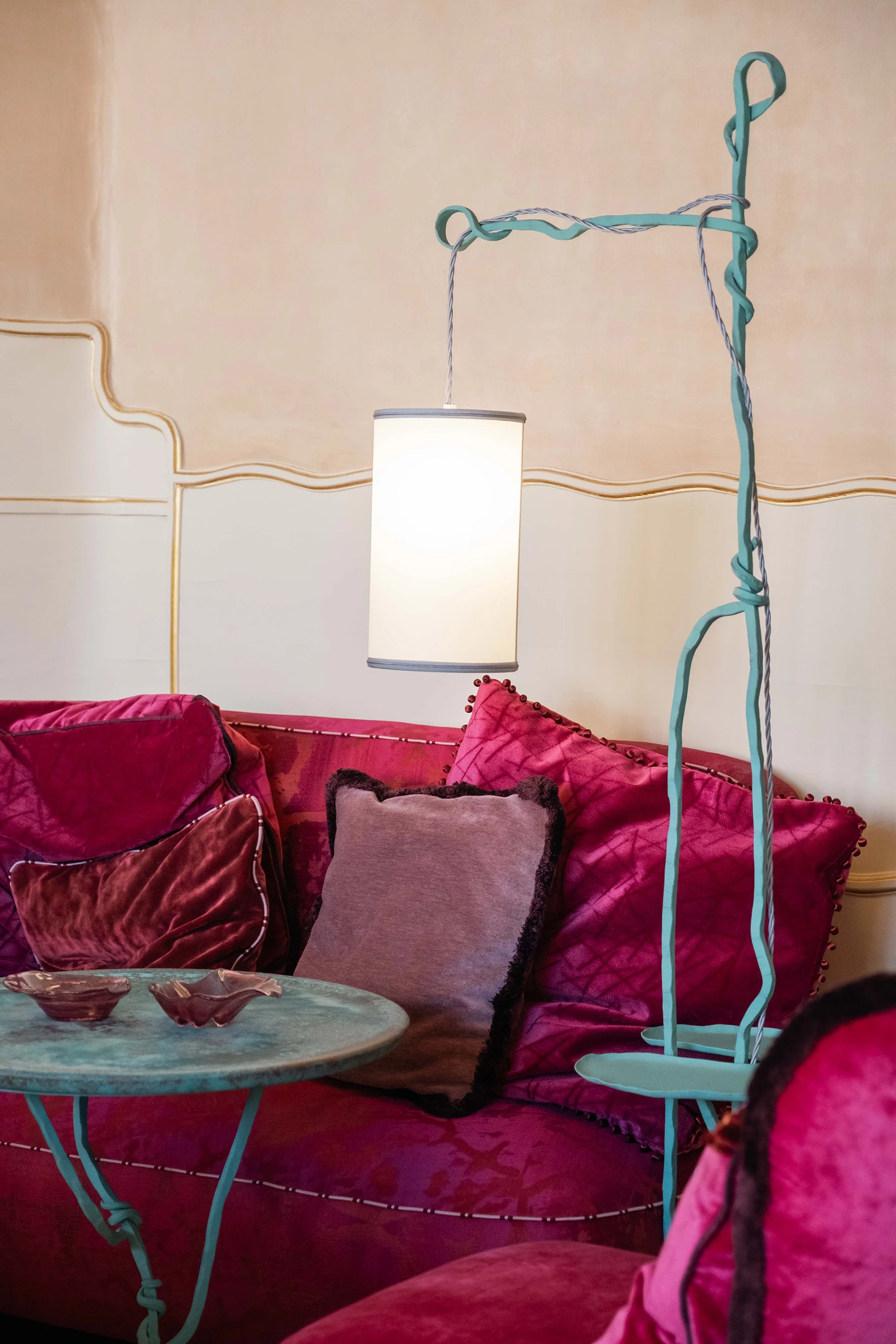
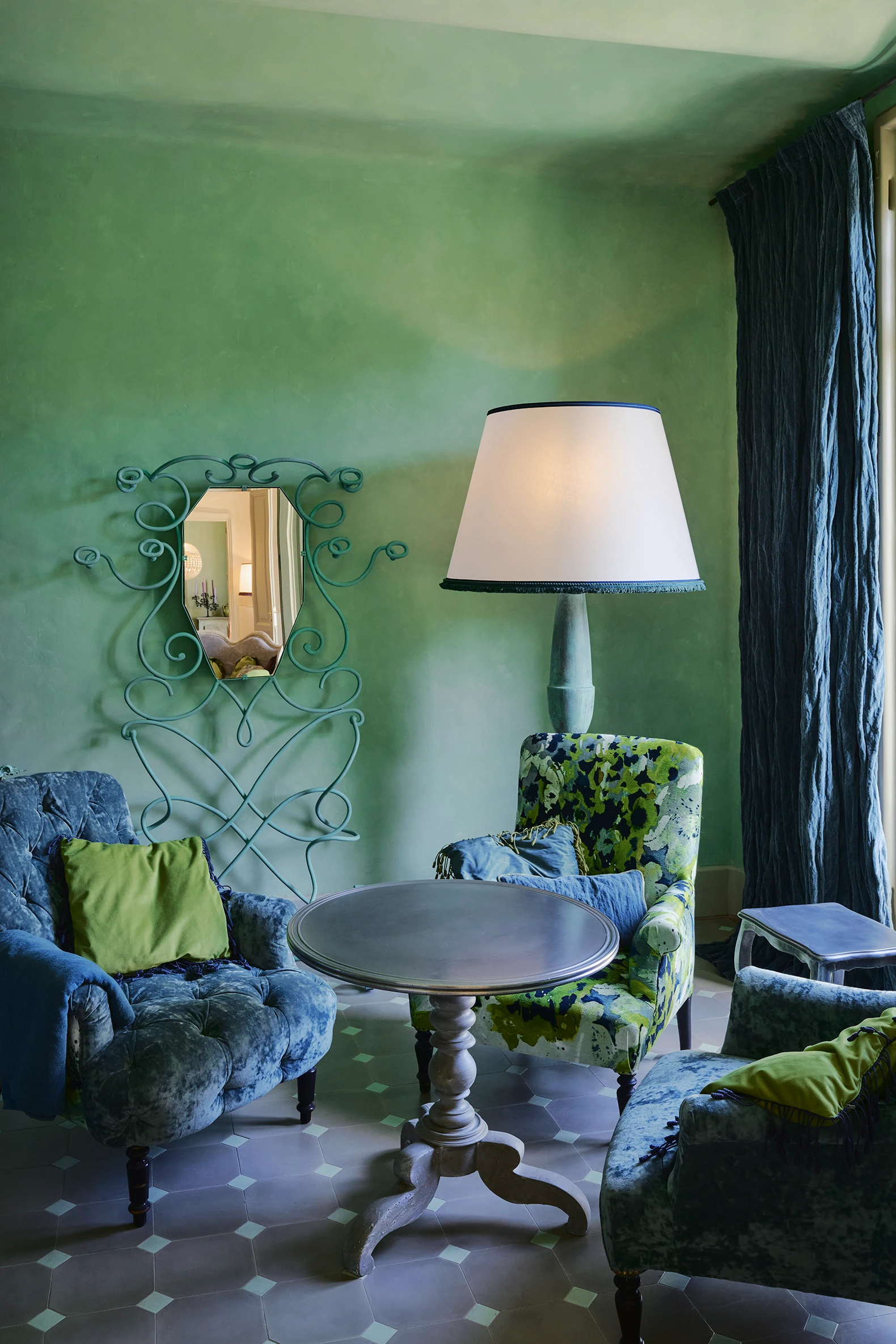
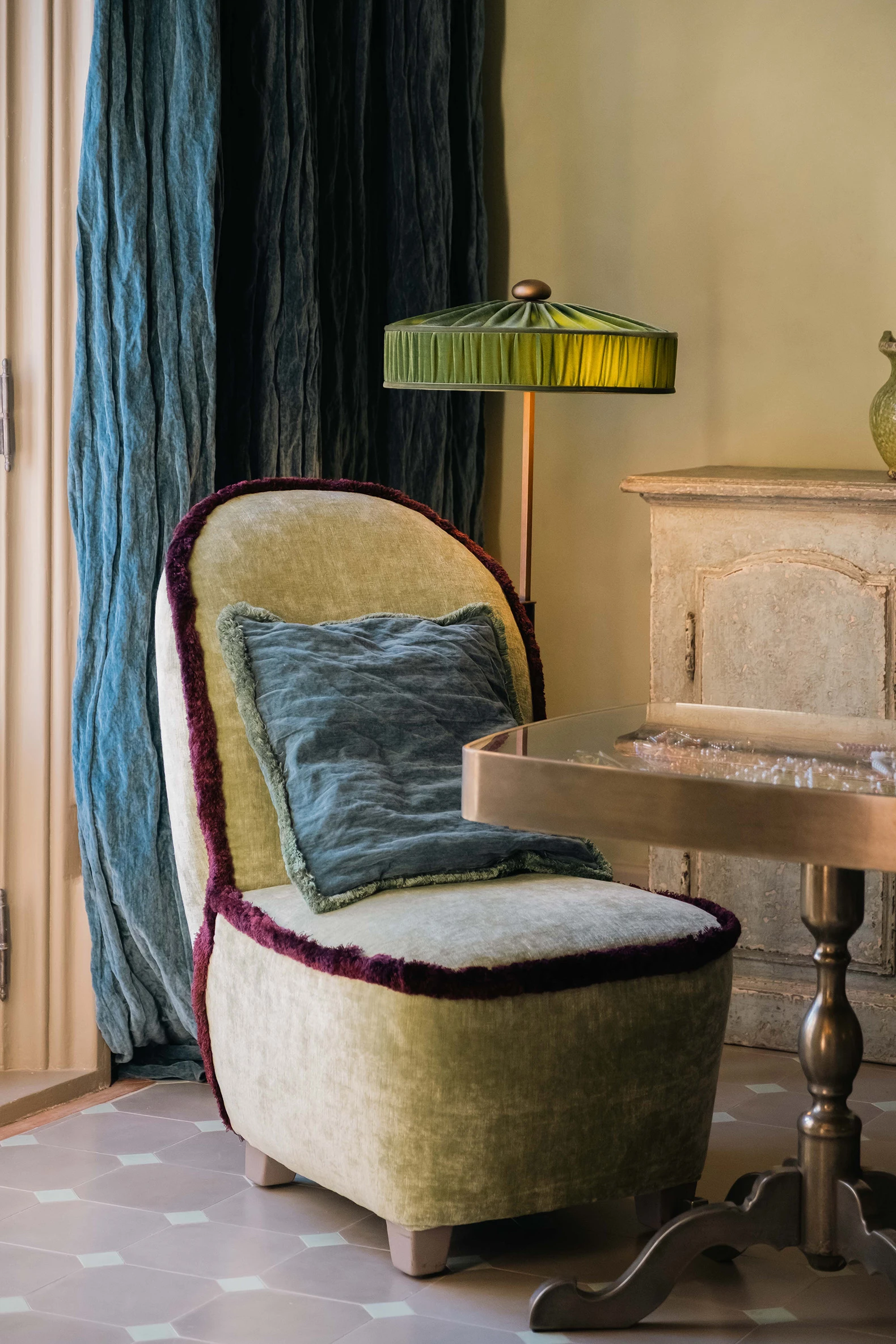
The renewed residence also includes a contemporary interior layer by designer Paola Navone and OTTO Studio. The intervention introduces furniture, textiles, and objects that support modern use while respecting the original character of the rooms.
The approach is notable because many heritage interiors struggle between strict preservation and modern comfort. Here, the designers chose a softer path: allowing the apartment to feel alive again.
A Living Monument
Casa Batlló’s newly opened residence is intended for private gatherings, cultural events, and curated experiences. That decision reflects an important idea in modern conservation: historic buildings survive best when they continue to be used. The project restores its original identity as a place for people. Guests can now move through rooms once occupied by the Batlló family and experience Gaudí’s architecture at a human scale.
For architecture lovers, the reopening of Casa Batlló’s Third Floor is one of the most prominent opportunities in recent years to understand Antoni Gaudí as an interior architect and residential designer.
The project reminds us that Gaudí’s brilliance was not only in bold skylines and iconic profiles. It was equally present in ceiling curves, tactile handles, filtered light, family rooms, and the emotional quality of space.
That is what makes this restoration so valuable. It brings back a way of living shaped by architecture.
Explore Courses
.jpg "Ondrej Chybik - Rethinking Architecture")