








Think about the last time you stepped into a theatre or concert hall. The lights dimmed, the curtain lifted, and suddenly you weren’t just watching a performance, you were part of an atmosphere carefully shaped by architecture, acoustics, and history.
The best stages in the world don’t just frame the show; they heighten it. Every curve of the balcony, every acoustic panel, every shaft of light is designed to pull you deeper into the moment. That’s why places like iconic concert halls and breathtaking opera houses linger in memory long after the final note fades. They remind us that architecture isn’t only about form and function, it’s about creating experiences that move us, connect us, and stay with us long after we’ve left our seats.
Here are the world’s most beautiful stages:
The Elgin Winter Garden Theatres
Location: Toronto, Ontario, Canada
Architect: Thomas W. Lamb
Year: 1913
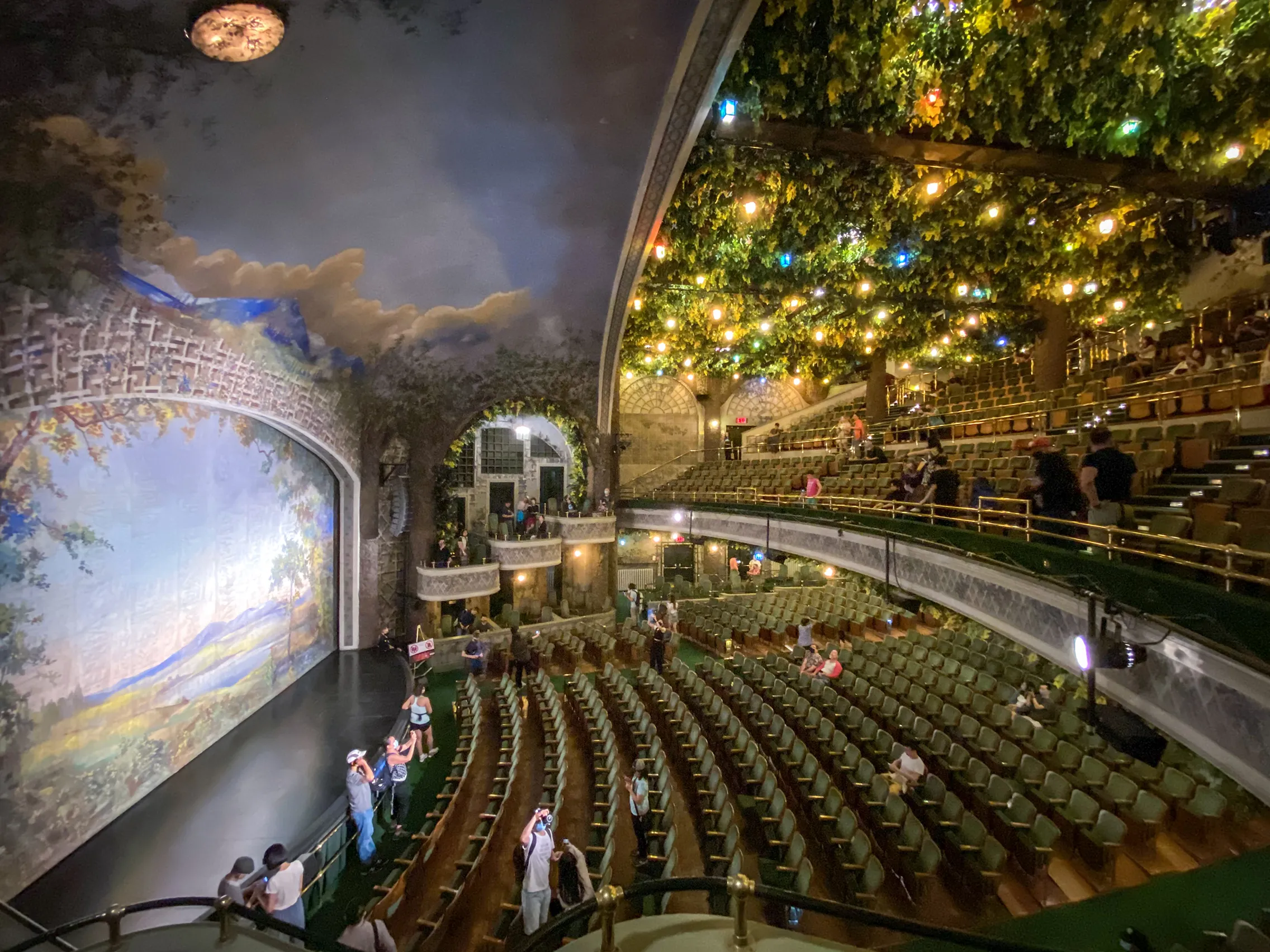
Located in downtown Toronto, the Elgin and Winter Garden Theatres boast a renowned stage design by Thomas W. Lamb. The Elgin and Winter Garden Theatres, a rare masonry theatre building, are the world’s last surviving examples of a stacked theatre.
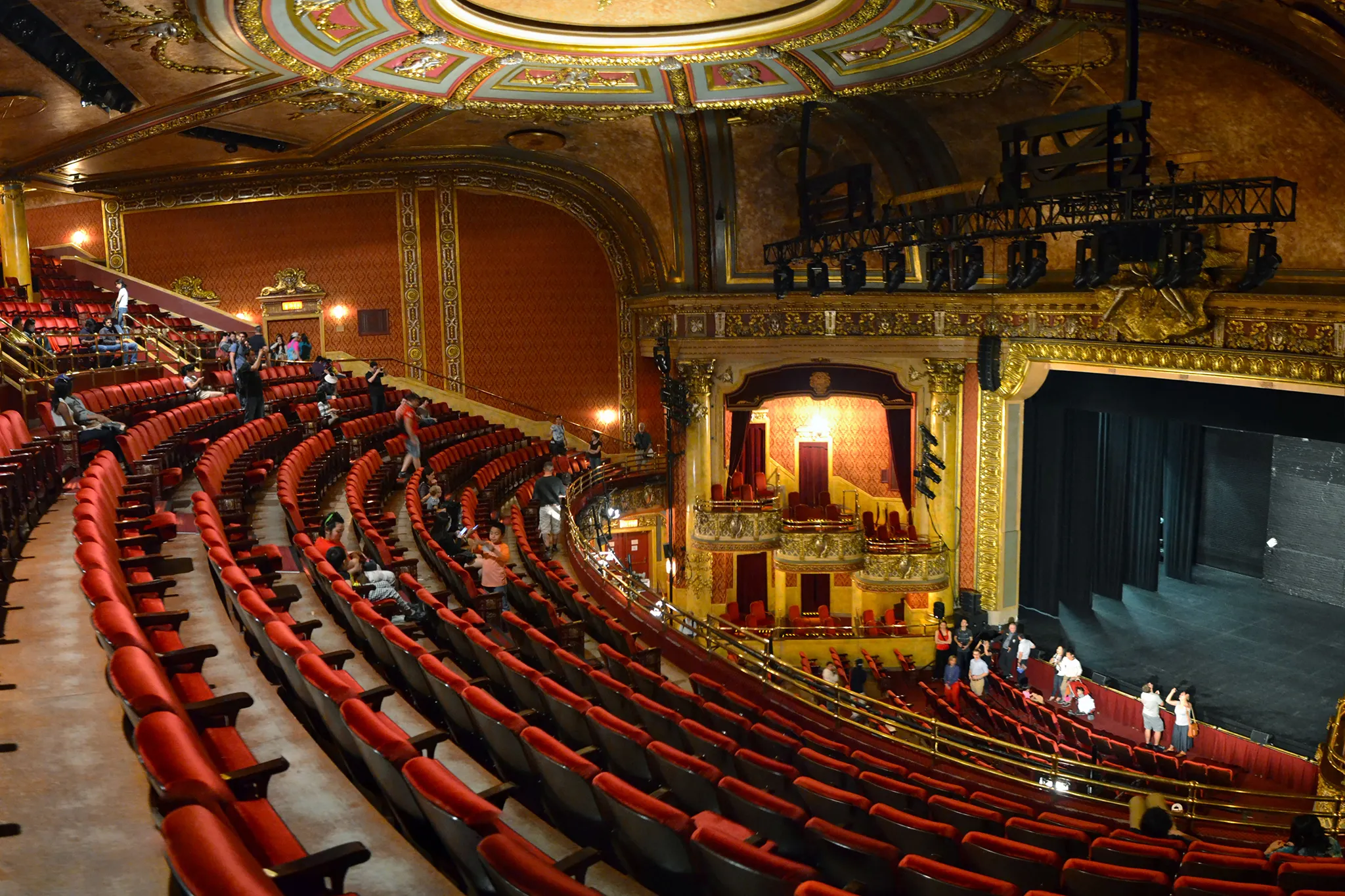
Built in the early 20th century for vaudeville performances, the two-tiered structure features a plain stone façade. The Elgin Theatre on the ground floor and the Winter Garden Theatre upstairs boast magical, opulent interiors. The Elgin Theatre, which opened in late 1913, displays a Renaissance-inspired décor, while the smaller Winter Garden Theatre, which opened in early 1914, enchants audiences with its magical “winter garden” atmosphere. Its ceiling and walls are adorned with dried leaves, vines, floral ornaments, and garden-themed murals, immersing visitors in a natural setting. The stage’s features provide excellent acoustics, making it ideal for theatrical performances, concerts, and smaller venues.
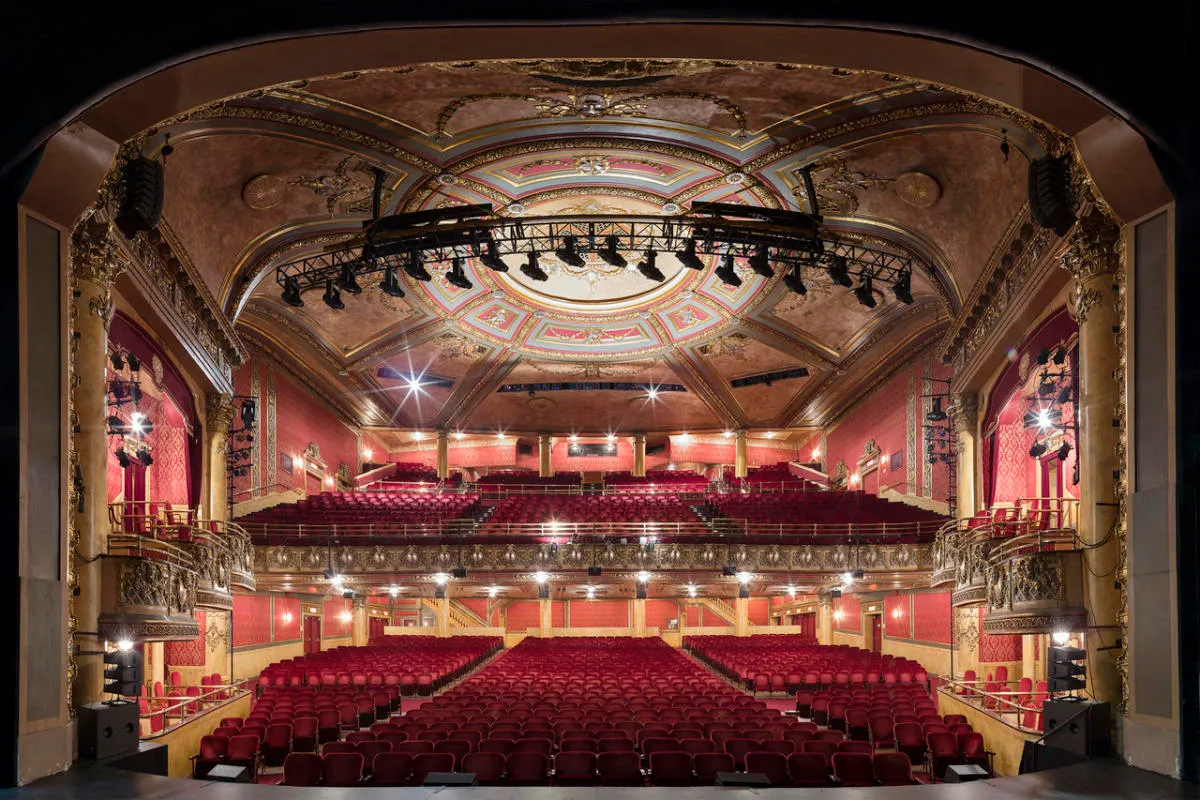
With the decline of vaudeville and the rise of cinema, the Winter Garden Theatre closed in 1928 and remained virtually untouched for more than half a century. The Elgin has remained open, frequently modified to adapt to the times. Two of its theaters were restored by the Ontario Heritage Foundation in the 1980s.
Teatro del Mando
Location: Venice, Italy
Architect: Aldo Rossi
Year: 1979
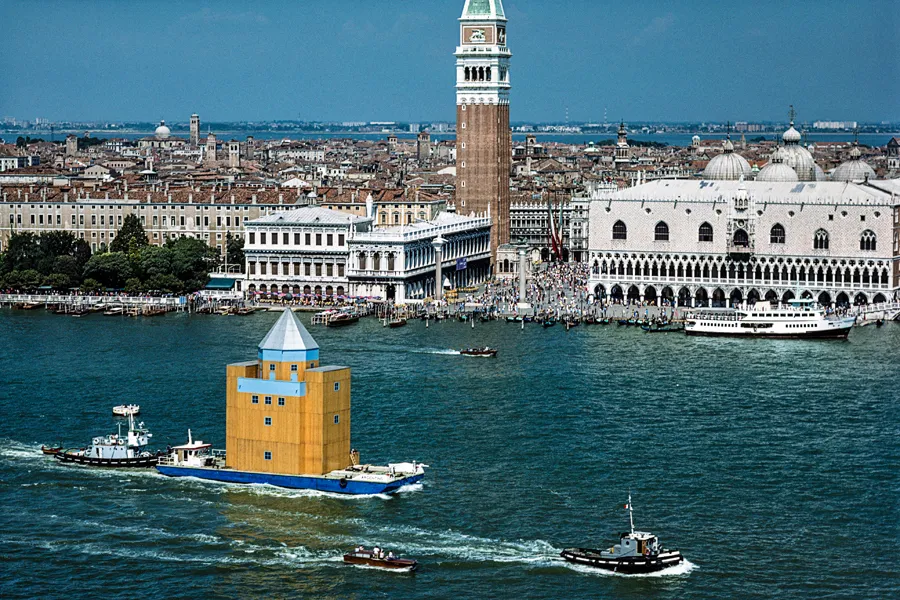
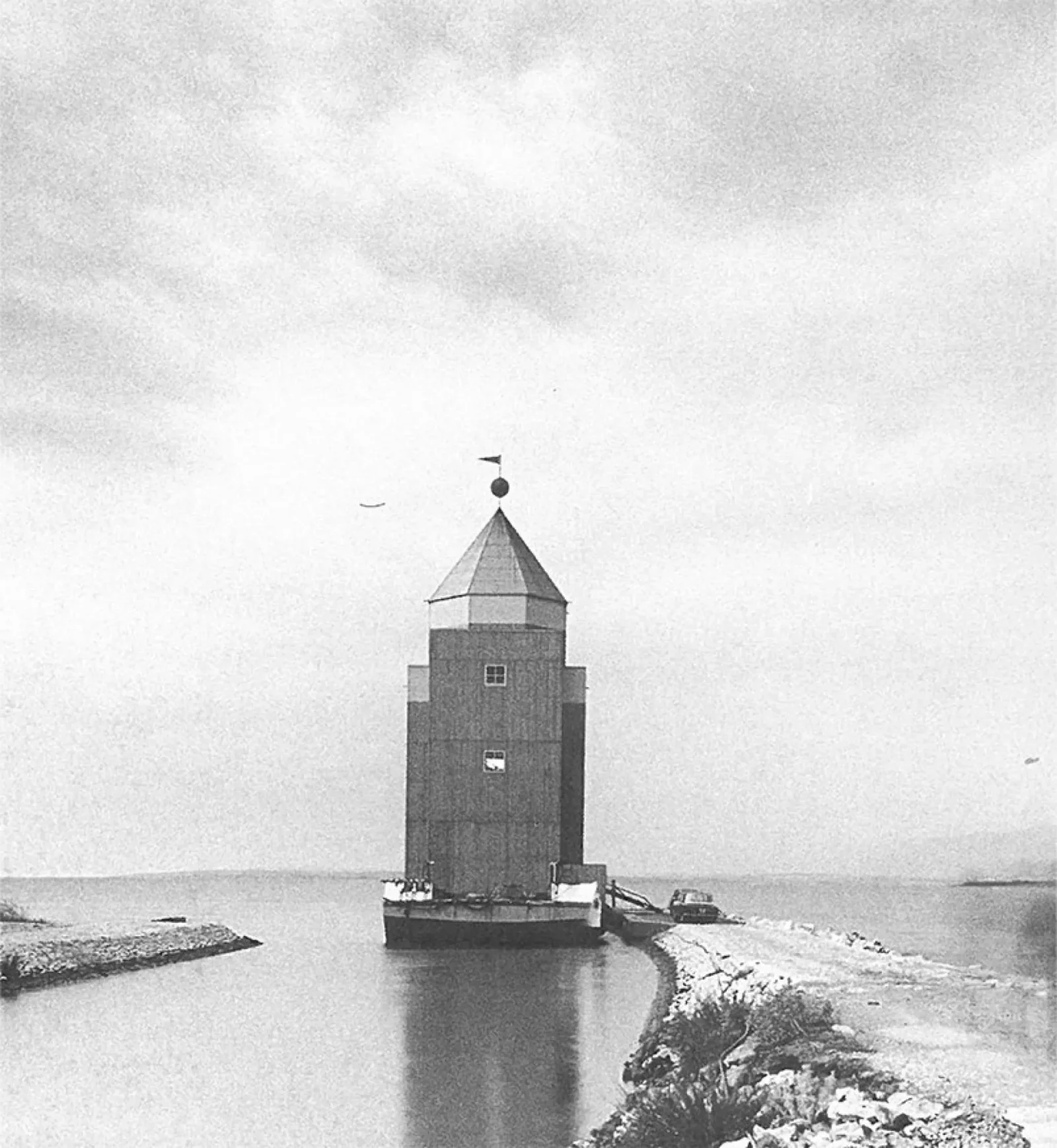
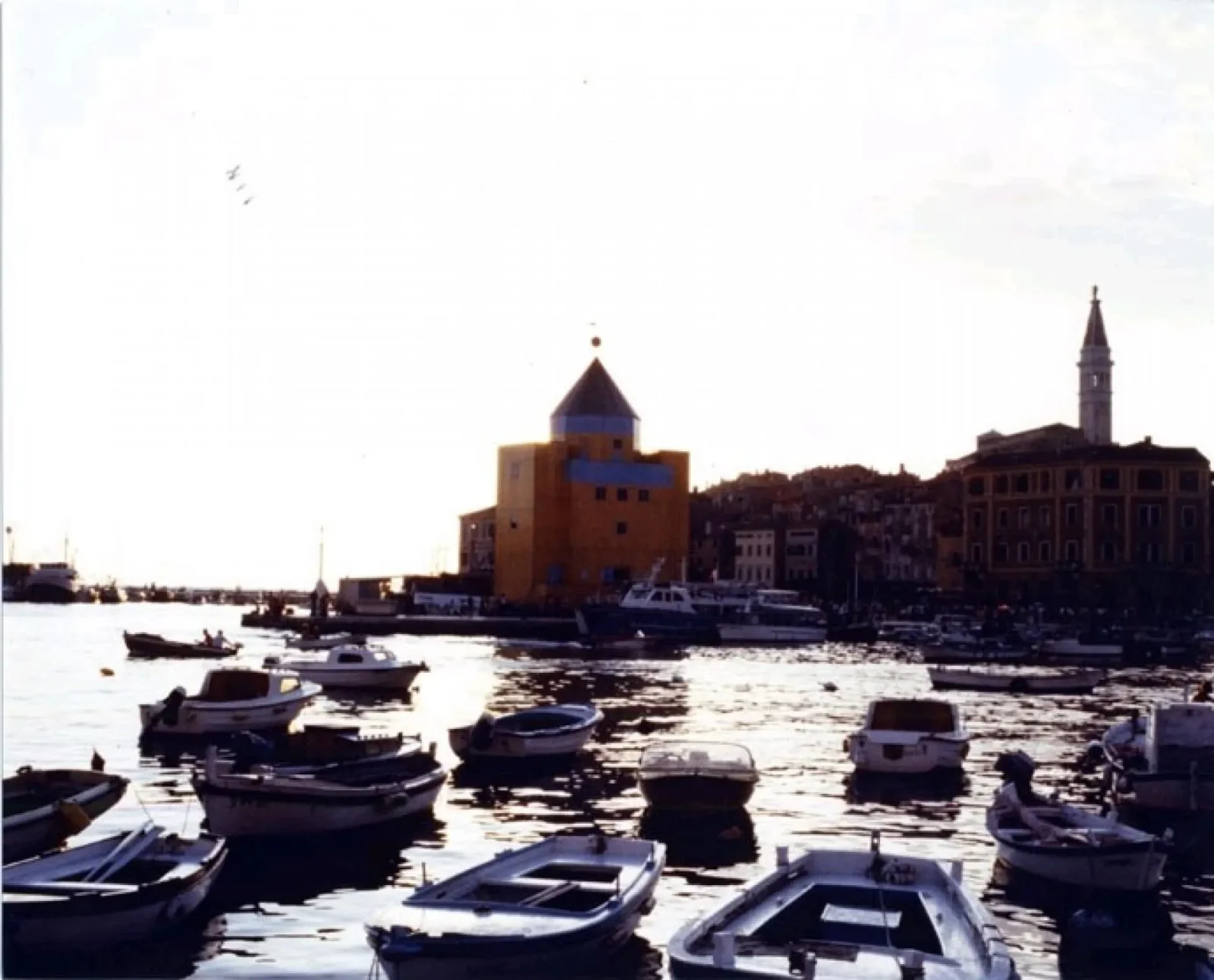
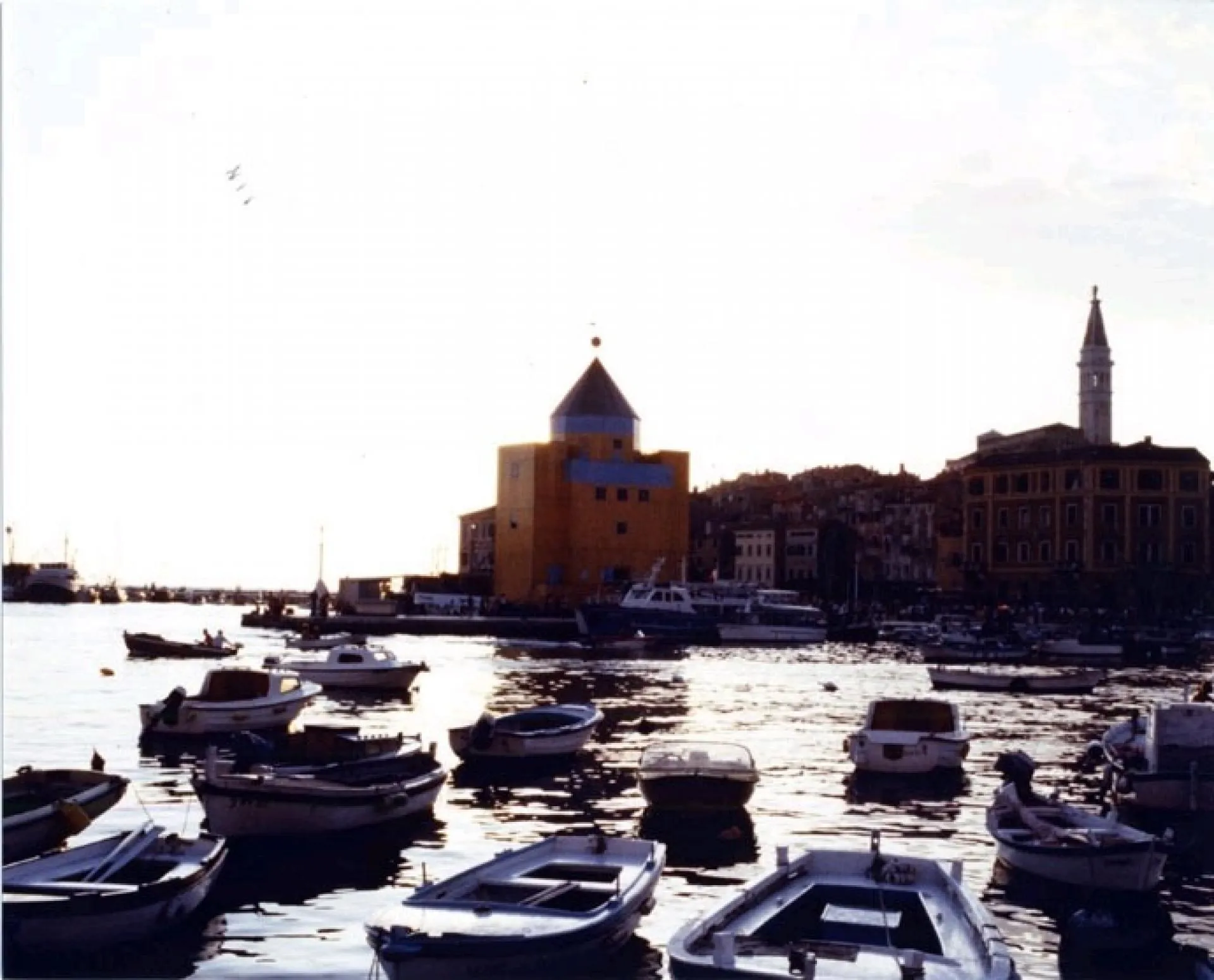
Aldo Rossi designed one of the world’s most beautiful stages, Teatro del Mando, for the Venice Architecture Biennale. Both temporary and archetypal, the project continues to inspire reflections on timelessness, imagination, and the collective memory embedded in cities.
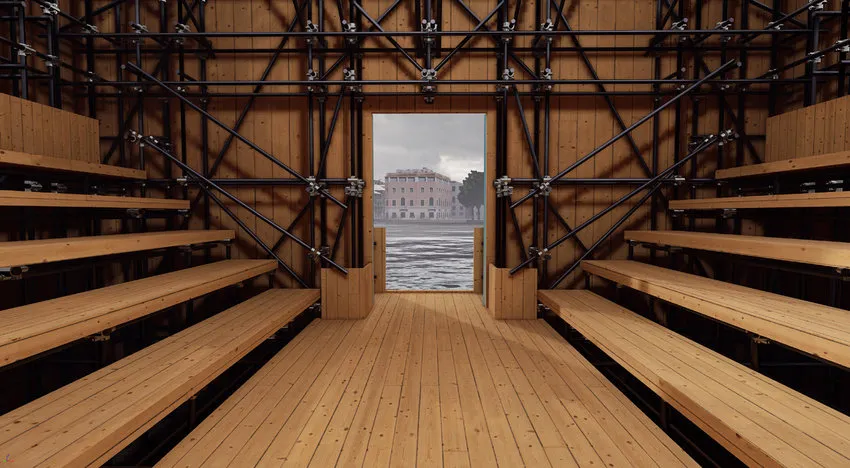
A floating structure that floats serenely within the city, the Teatro del Mondo’s tower-like form offers a simplified version of Venetian architecture. It echoes the 17th-century customs house and the nearby Church of Santa Maria della Salute, while also drawing from Venice’s tradition of temporary wooden constructions, reimagined here as a form of traveling architecture.
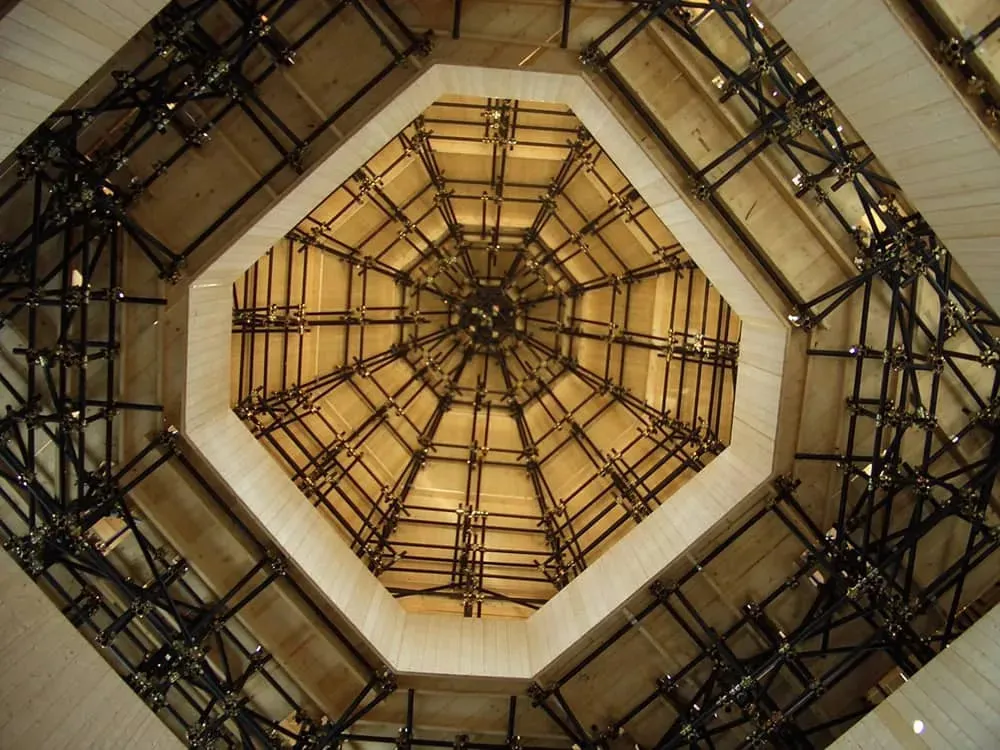
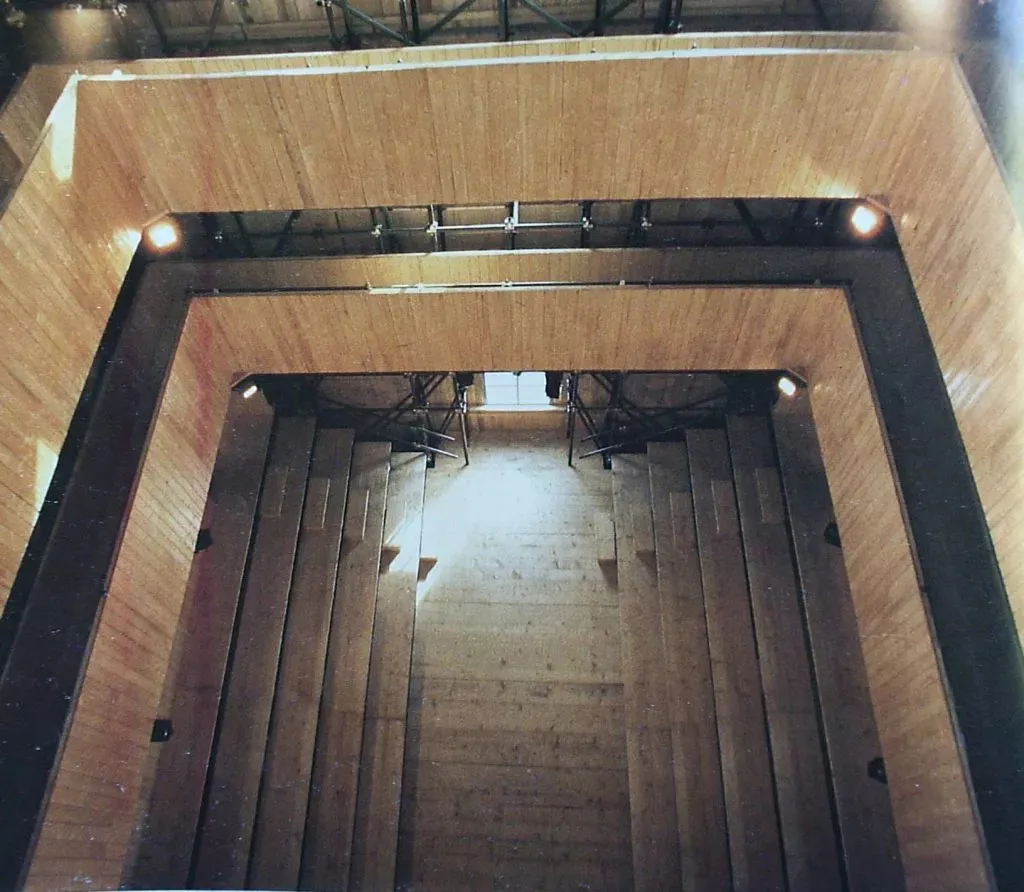
Despite its small size, the interior, which establishes a close relationship with the audience and offers an intense theatrical experience, is steeped in Renaissance theatre and characterized by its exposed steel structure. Dismantled after a brief performance in the lagoon and a voyage across the Adriatic Sea to Dubrovnik, Croatia, this temporary theater managed, during its short life, to give a new look to the city’s overly familiar monuments.
Castle Theatre in Český Krumlov
Location: Český Krumlov, Czech Republic
First Build: 1682
Rebuilt: 1766
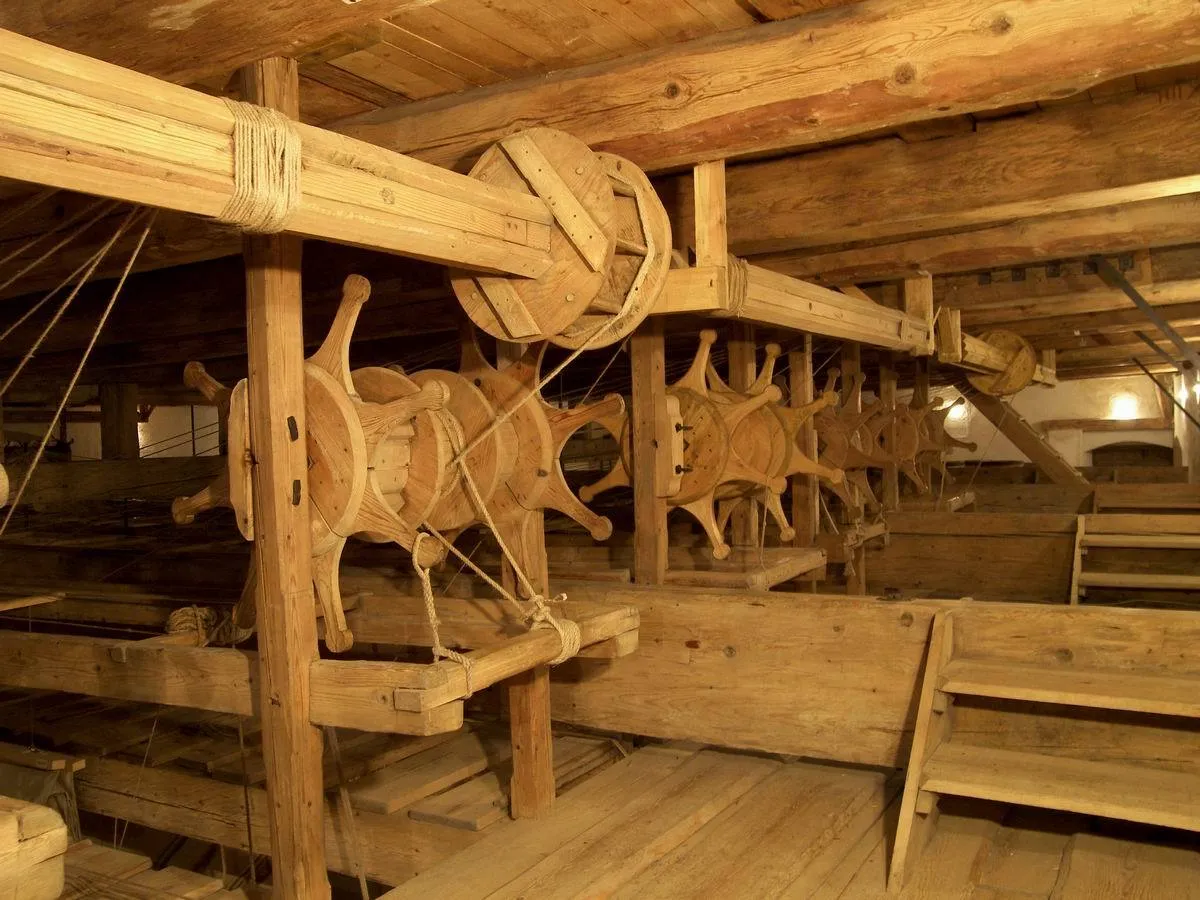
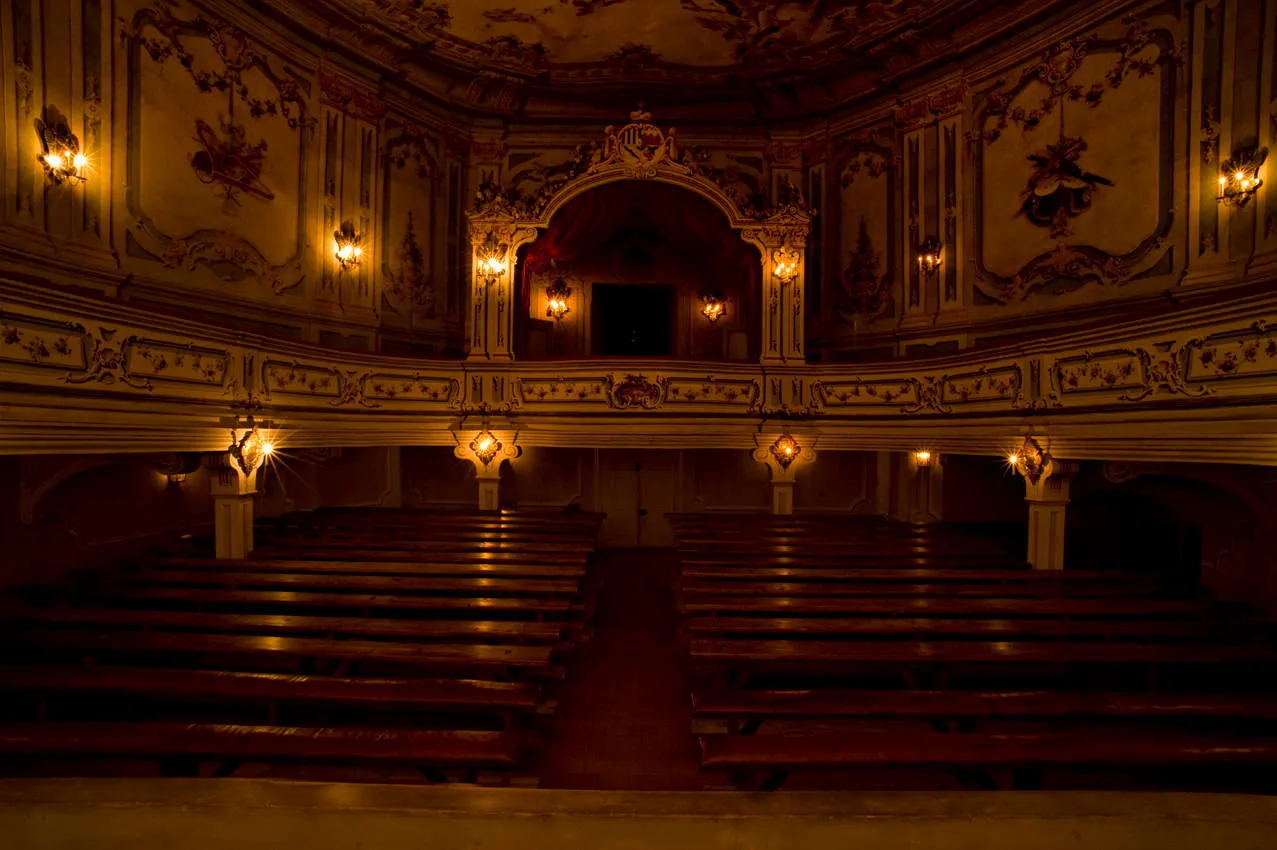
Located in the Fifth Courtyard of Český Krumlov Castle, the Castle Theatre was originally built in 1682 by Prince Johann Christian von Eggenberg. In 1766, it was rebuilt by Josef Adam zu Schwarzenberg and equipped with new stage machinery and ornate decorations. With its original orchestra pit, stage, stagecraft, sets, librettos, costumes, and more, it remains one of the best-preserved Baroque theatres in Europe. The theatre, representing a Baroque stage, exhibits classicist features with decorations dating back to 1780.
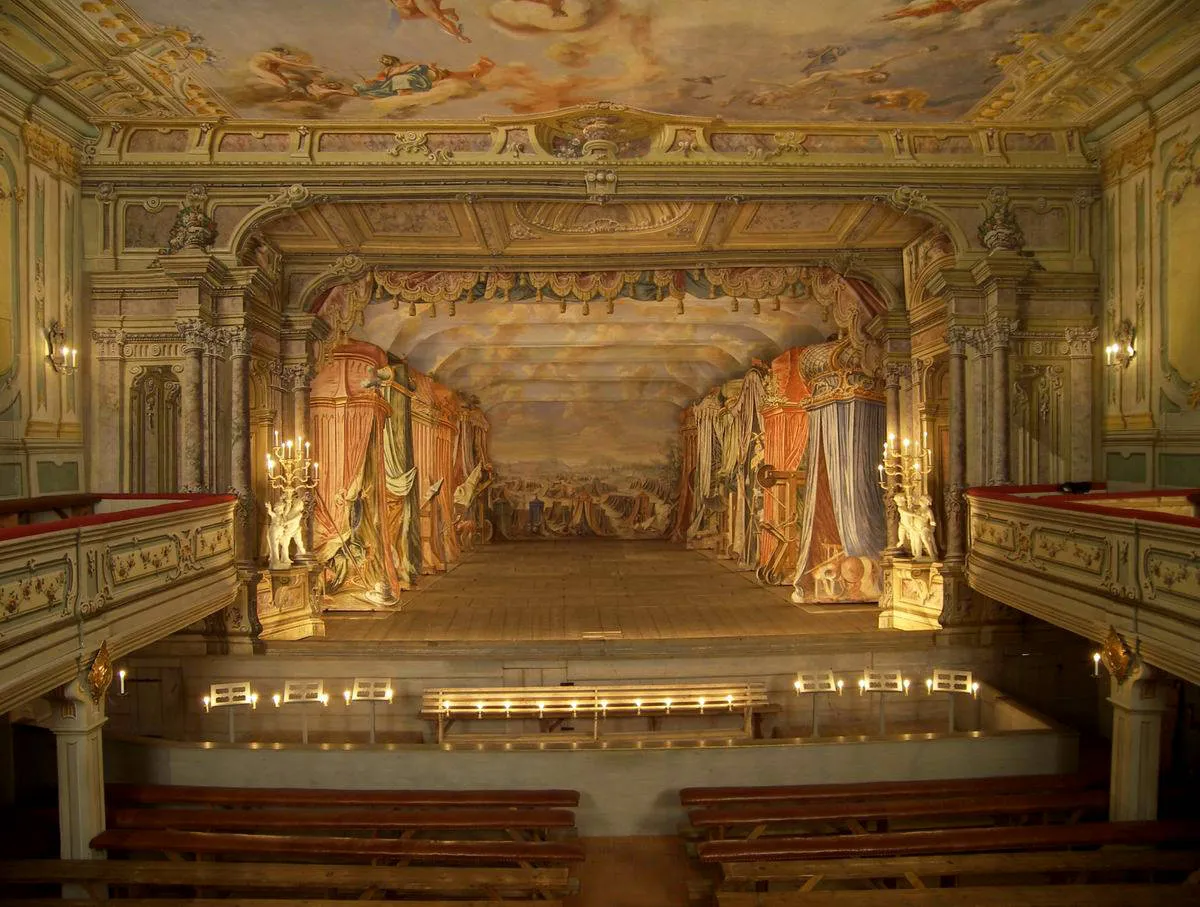
Serving as a vivid example of the social role of theatre in 18th-century court life, the stage was designed to create dramatic illusions. Sugarcane columns or rows of trees could be pulled back to simulate depth and perspective. The focal point of the audience hall is the curtained royal lodge where the aristocratic owners would sit. The small and introverted stage features an illusionistic sky on the ceiling to reduce the feeling of suffocation.
National Theatre
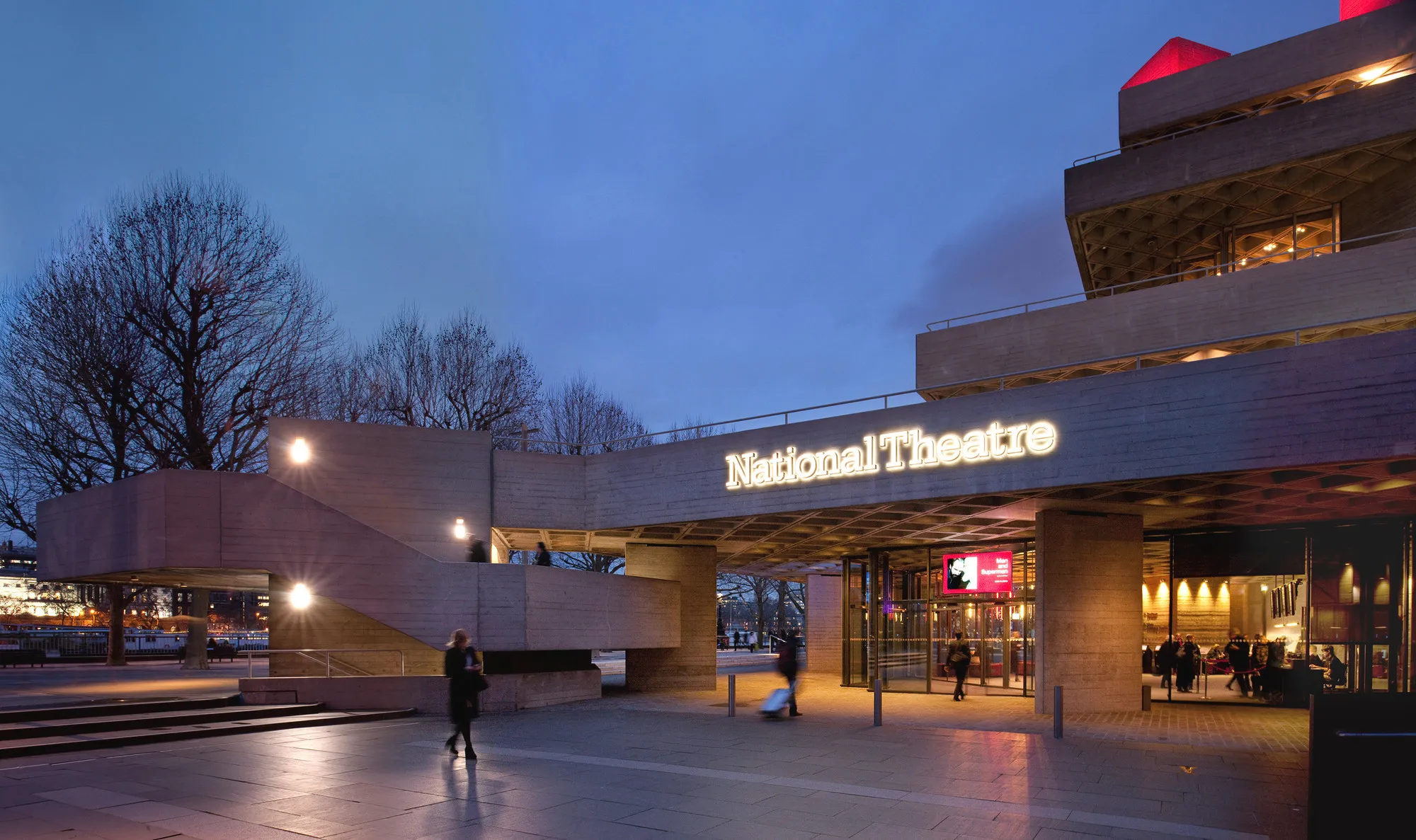
Location: London, England
Architect: Denys Lasdun
Year: 1976
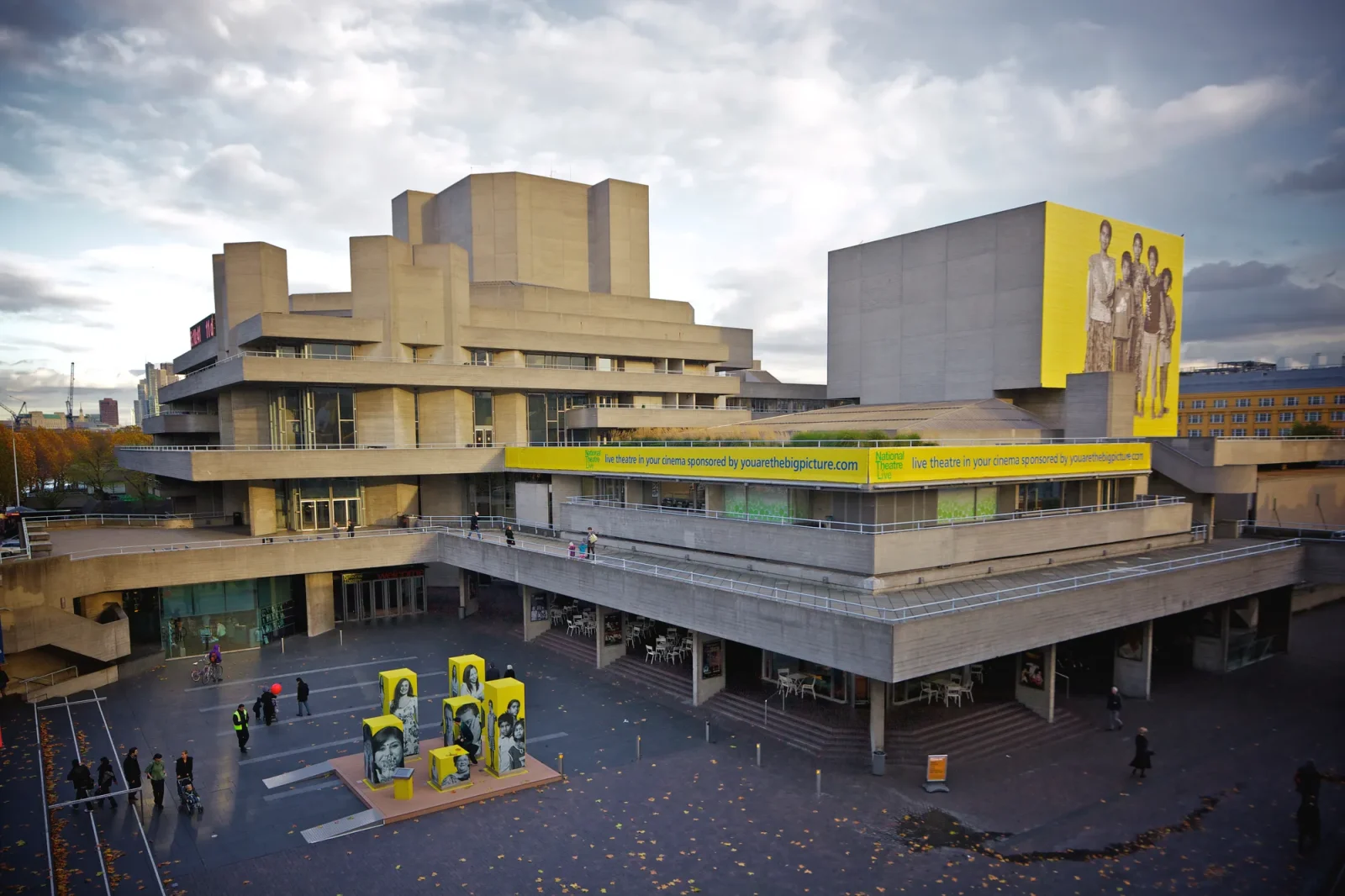
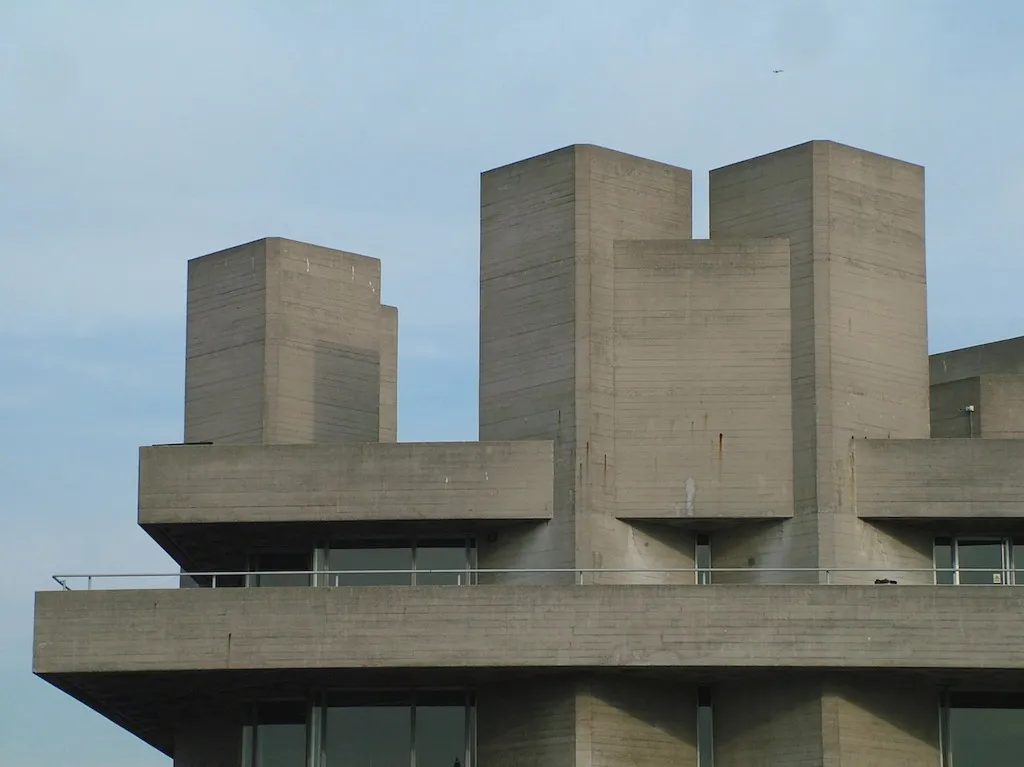
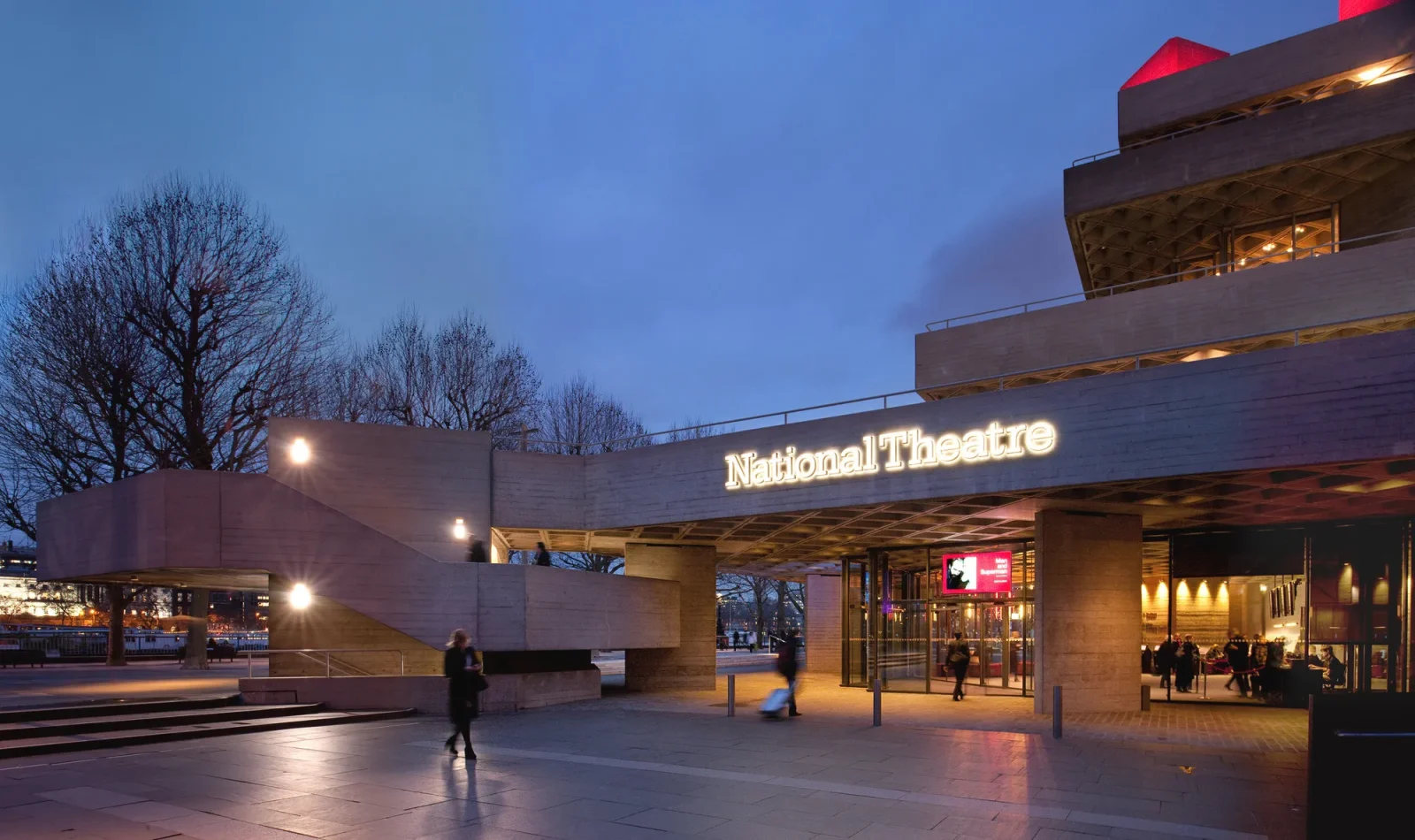
The National Theatre, one of London’s most recognizable buildings of Brutalist architecture, boasts one of the world’s most beautiful stages. The complex consists of two towers rising from layered horizontal terraces that extend down to river level, embodying the idea that “architecture is urban landscape.” Constructed with concrete blocks and modular volumes, the National Theatre achieves a powerful, sculptural form; the rough concrete façades, imprinted with the texture of wooden formwork, create a subtle illusion of delicacy.
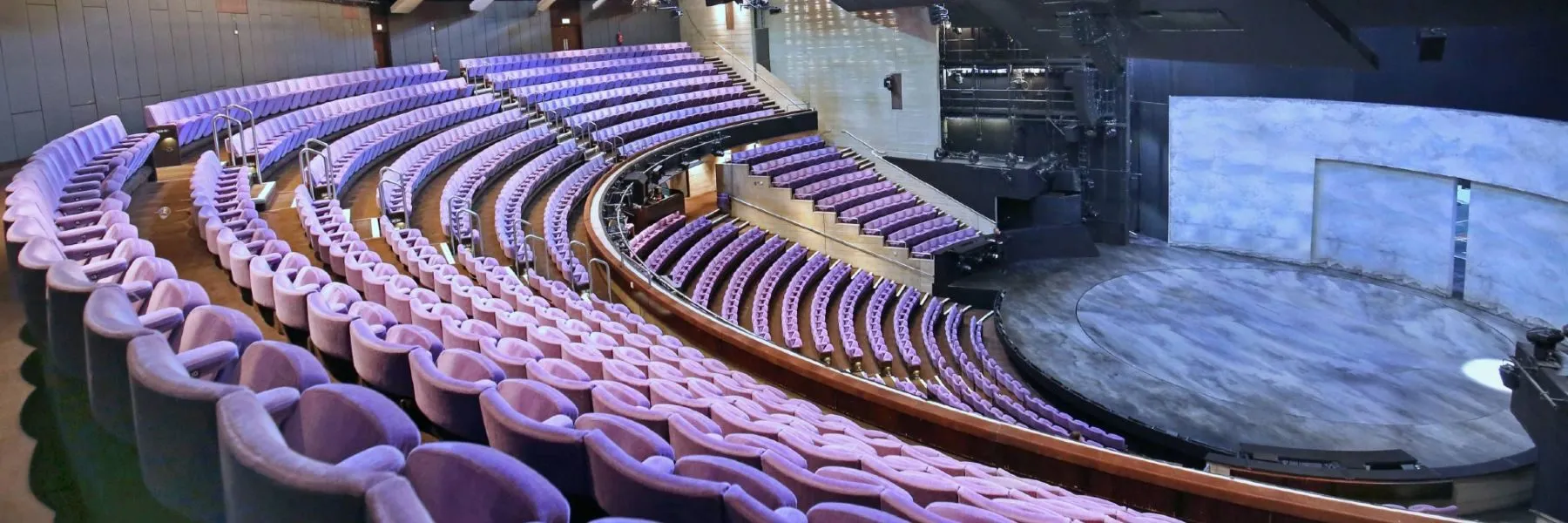
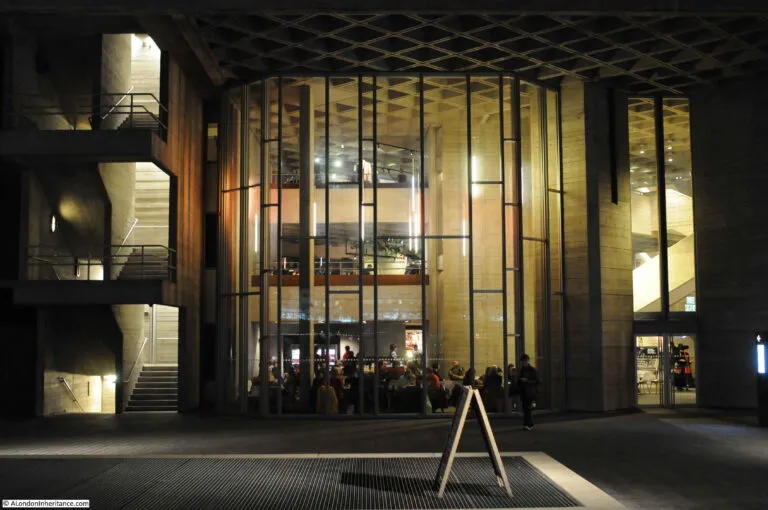
The spacious, urban-style structure houses three theatres, the largest of which seats 1,160, as well as restaurants, bars, foyers, and workshops. At the National Theatre, which breaks with the classical theatre approach and centers the audience experience, audiences wander through the staircases, foyers, and balconies, immersing themselves in the space between the stage and the auditorium, each individual becoming a participant in the scene.
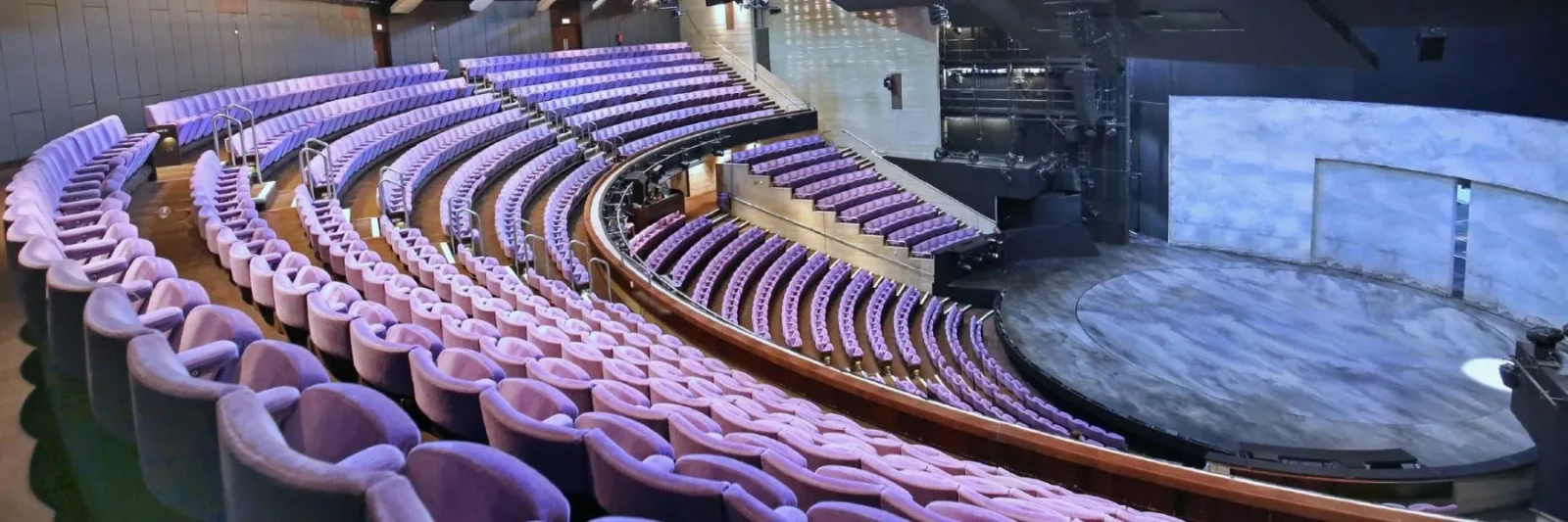
The Olivier Theatre, an open-stage theatre reminiscent of a massive ancient amphitheatre, occupies a large space set back from the bridge that runs along one side of the complex. The smaller Proscenium Theatre, with an arch over the stage, is situated on the bridge.
Grosses Schauspielhaus
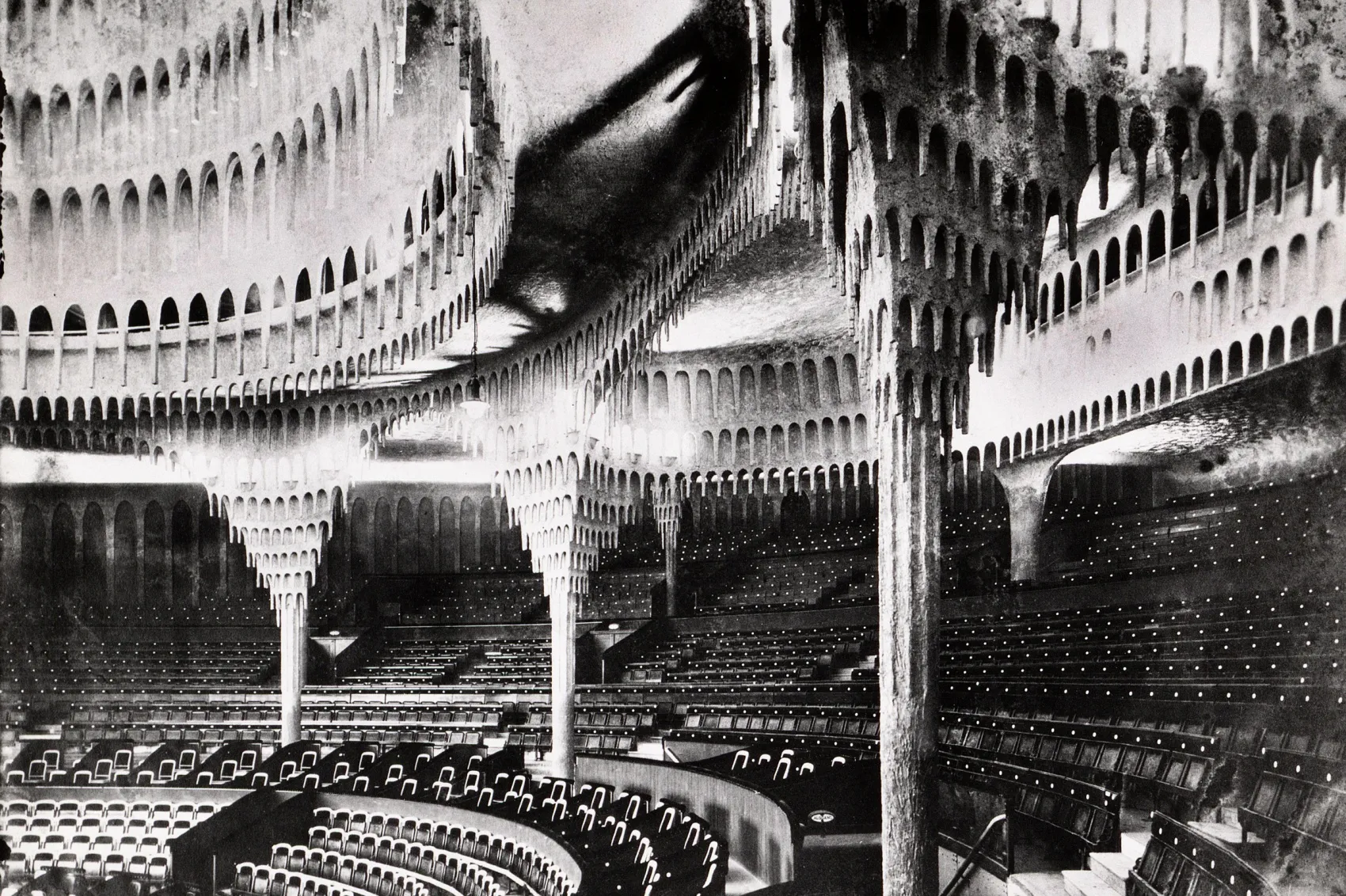
Location: Berlin, Germany
Architect: Hans Poelzig
Year: 1919
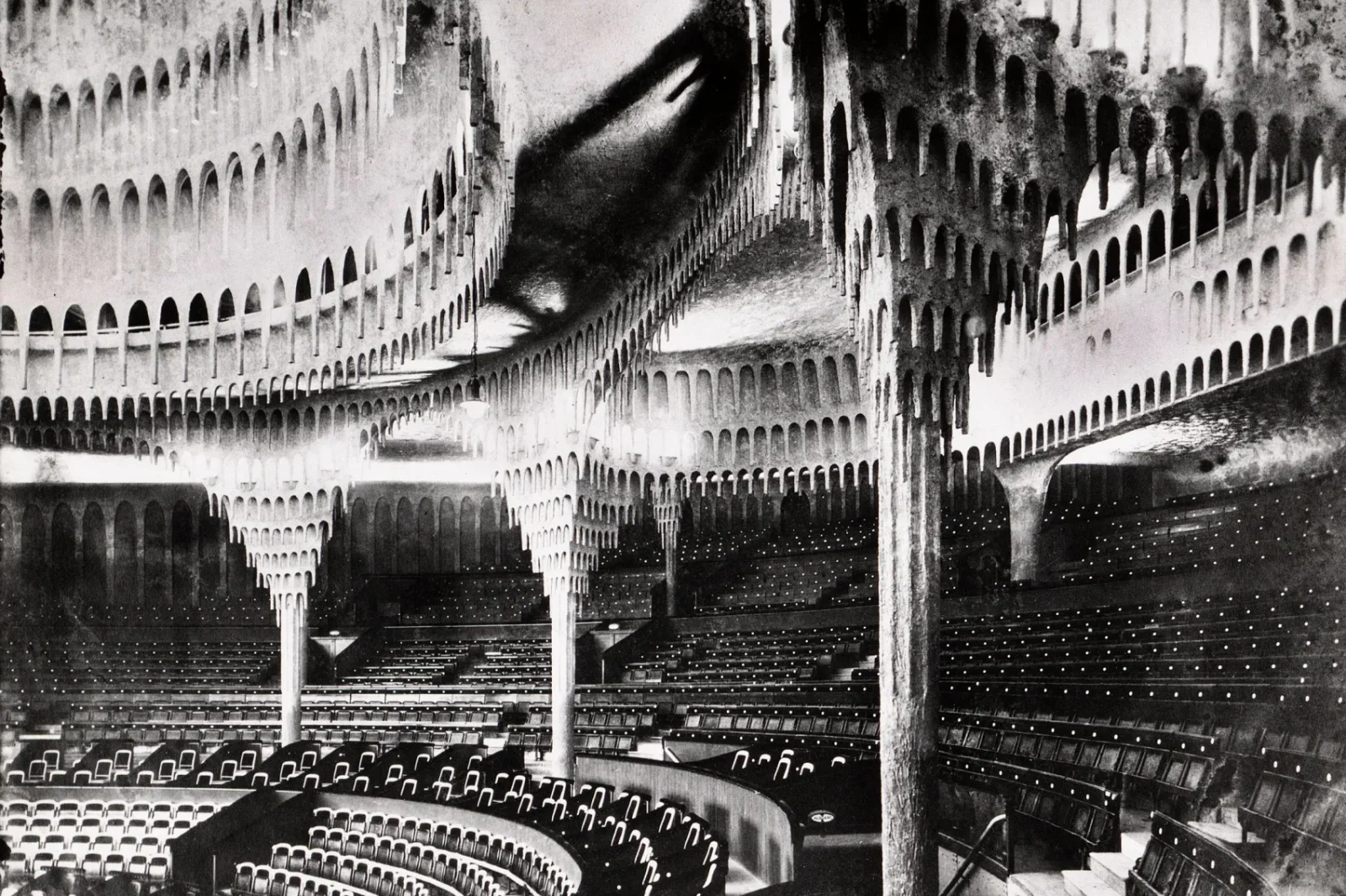
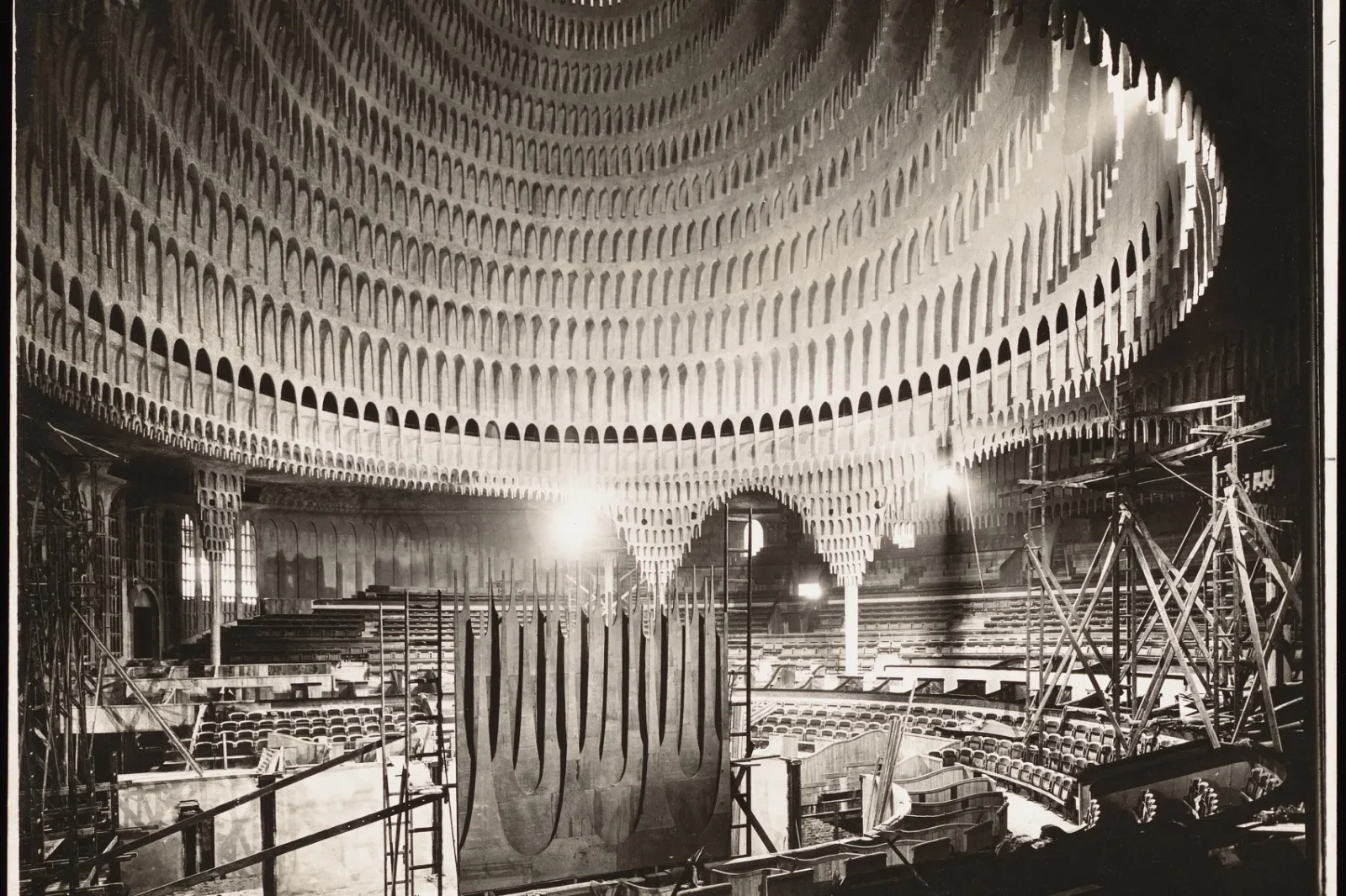
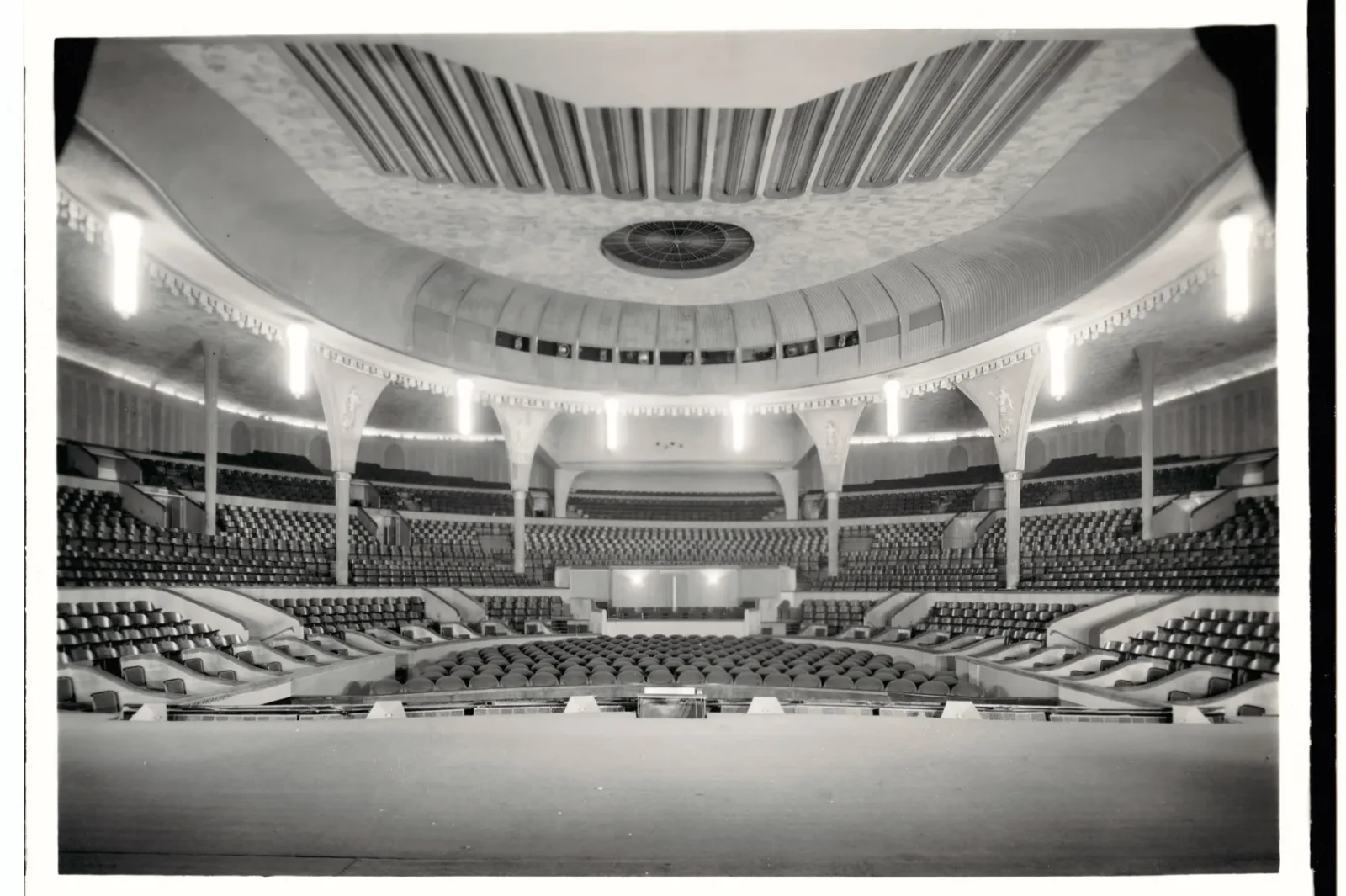
The Grosses Schauspielhaus reflects Weimar-era experimental modernism and Expressionist influences in stage architecture, designed in response to Max Reinhardt’s vision of a theatre accessible to all. Designed as a 3,000-seat theatre, the building aims to unite a society fragmented by war and technological advancement.
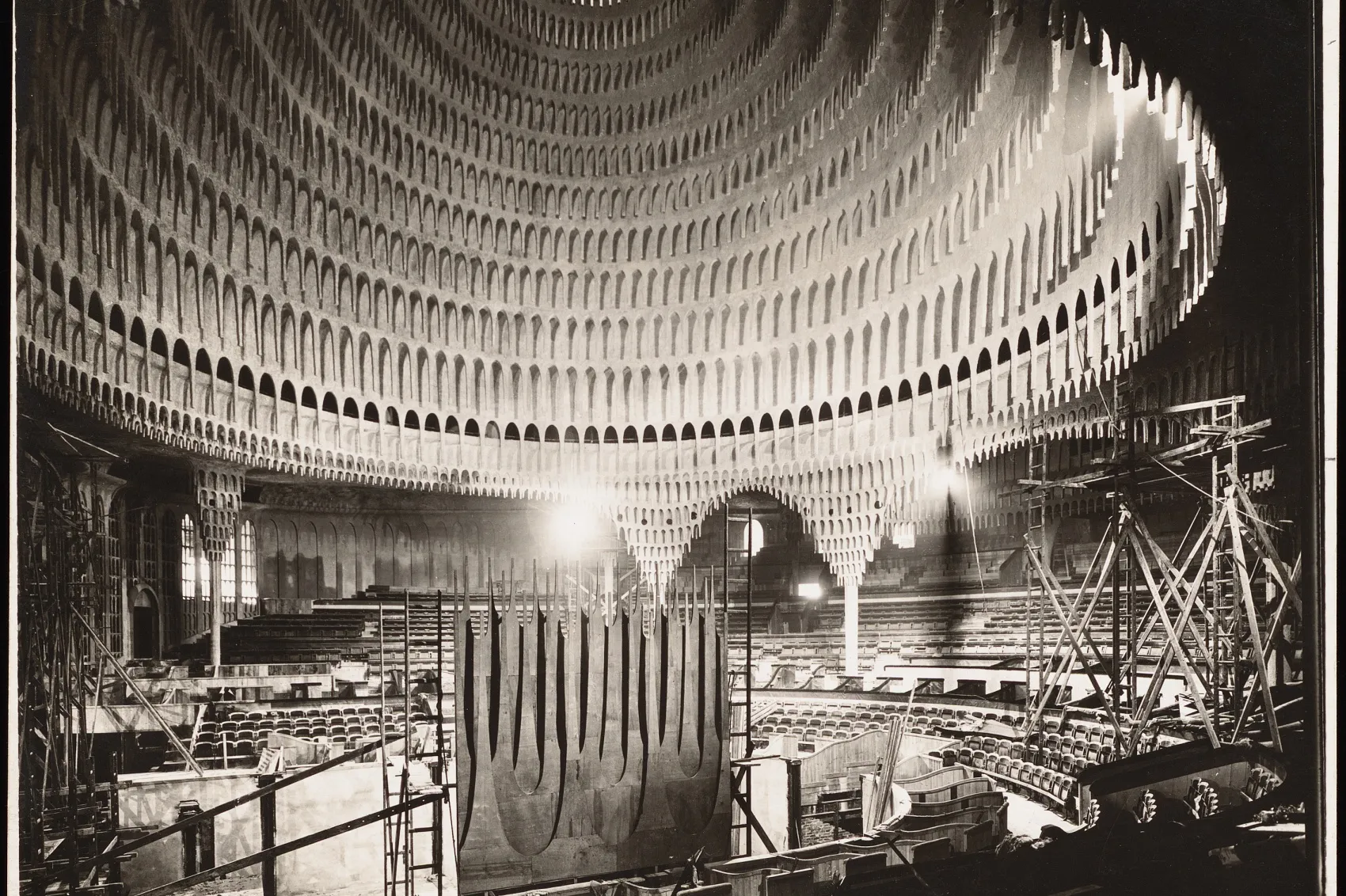
The interior, evoking both a circus tent and a cave, offers audiences a majestic and mystical experience. Columns transformed into fountains and adorned with abundant fluted stucco, along with carefully concealed and diffused lighting, create a dramatic, immersive environment. Grosses Schauspielhaus, one of the most striking examples of theatrical architectural experiments from the early 20th century, was severely damaged during World War II and subsequently demolished due to neglect.
Great Theatre of Epidaurus
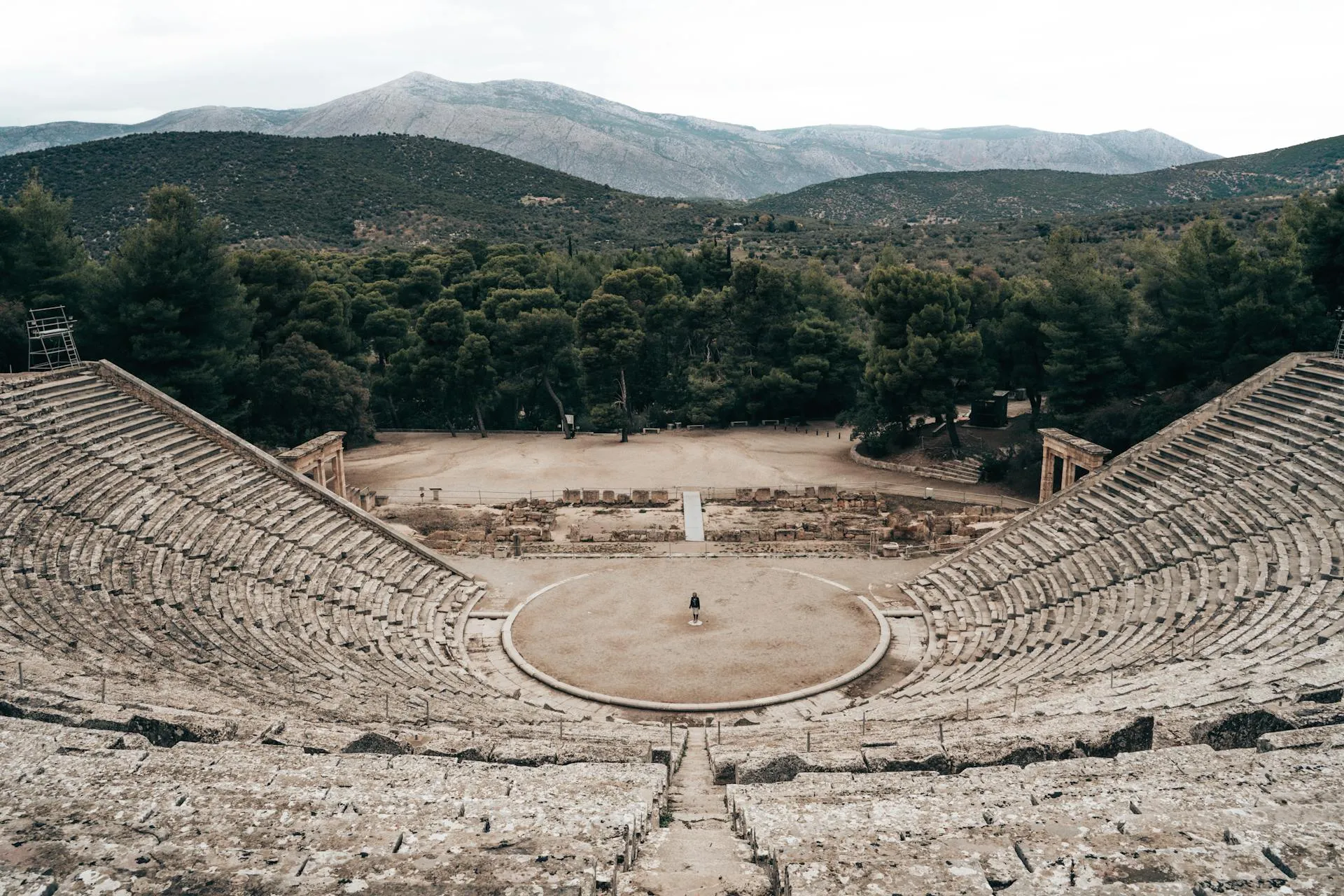
Location: Epidaurus, Greece
Architect: Polykleitos the Younger
Year: 4th Century BC
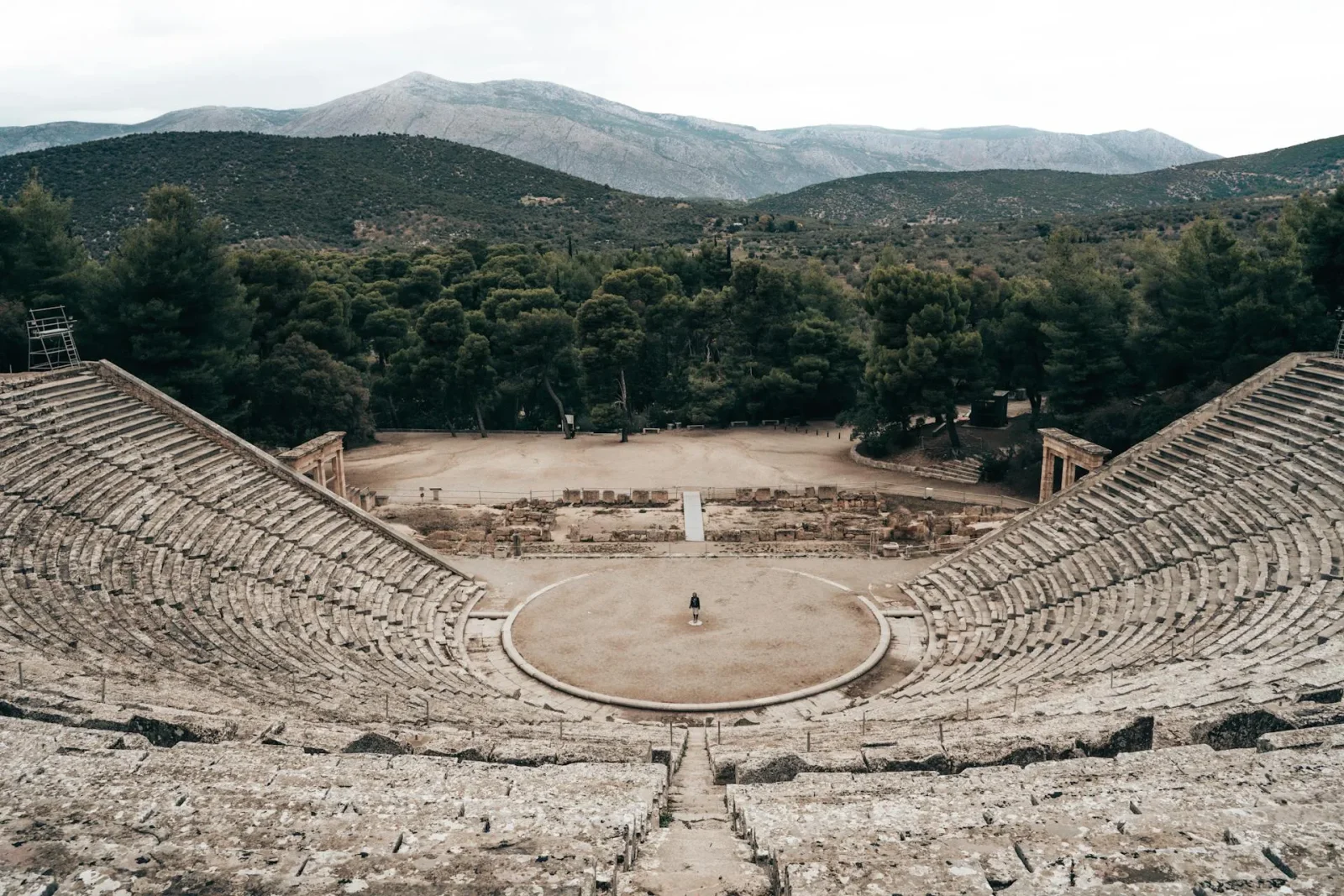
The Great Theatre of Epidaurus, the pinnacle of ancient Greek stage design, is one of the most beautiful stages in the world and renowned for its extraordinary acoustics. A model for later amphitheatres, the theatre was built entirely openly on a natural slope, in harmony with nature. The stage boasts excellent acoustics, allowing even the faintest sound to be heard clearly from the highest rows. The secret to this remarkable sound lies in the 55 semicircular rows of limestone seating, which act as acoustic traps and define the theater’s form. Symmetry plays a major role in the acoustics experienced in a theater with its near-perfect symmetry.
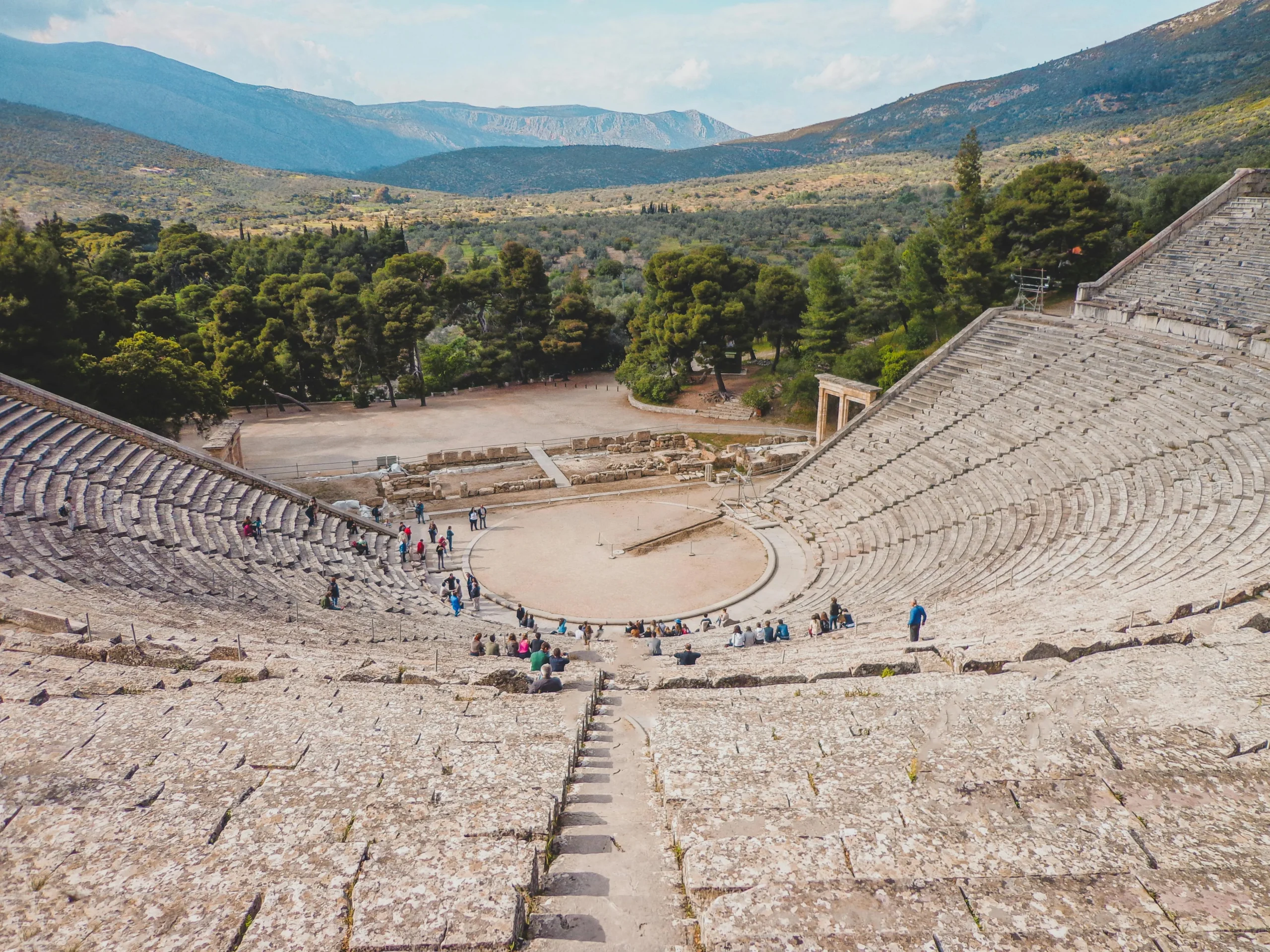
The Great Theatre of Epidaurus, which brings together the audience, the landscape, and the sky with its geometric simplicity and indescribable beauty, is one of the best preserved and functioning examples of ancient theatre architecture.
Teatro Scientifico
Location: Mantuna, Italy
Architect: Antonio Bibiena
Year: 1769
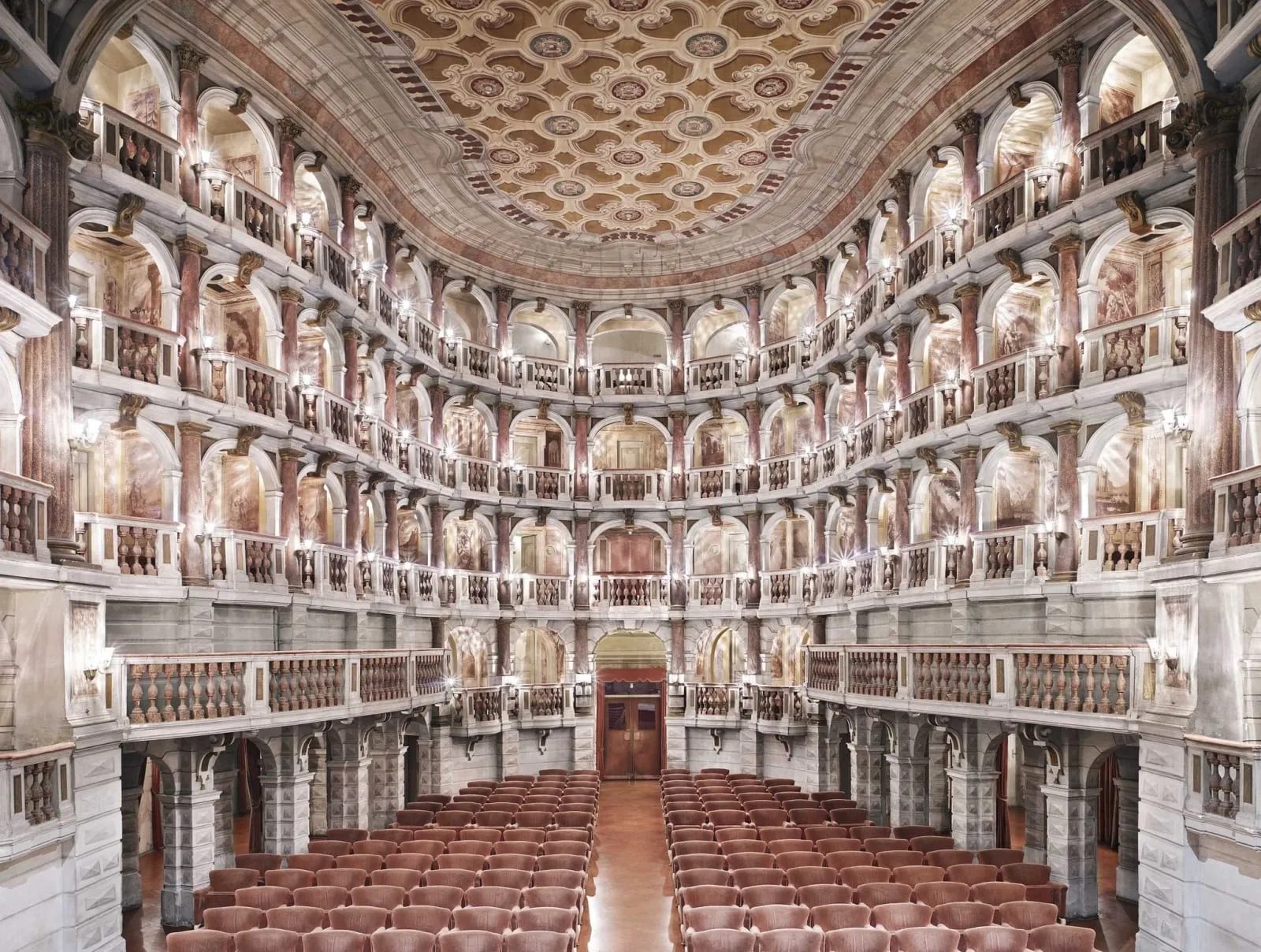
Teatro Scientifico, one of the finest examples of 18th-century Italian Baroque theatre architecture, is renowned for its perspectival stage decorations and exceptional acoustics. Built as a venue for scientific discussions, performances, and concerts, it is now listed as a UNESCO World Heritage Site. Giuseppe Piermarini designed the classical façade.
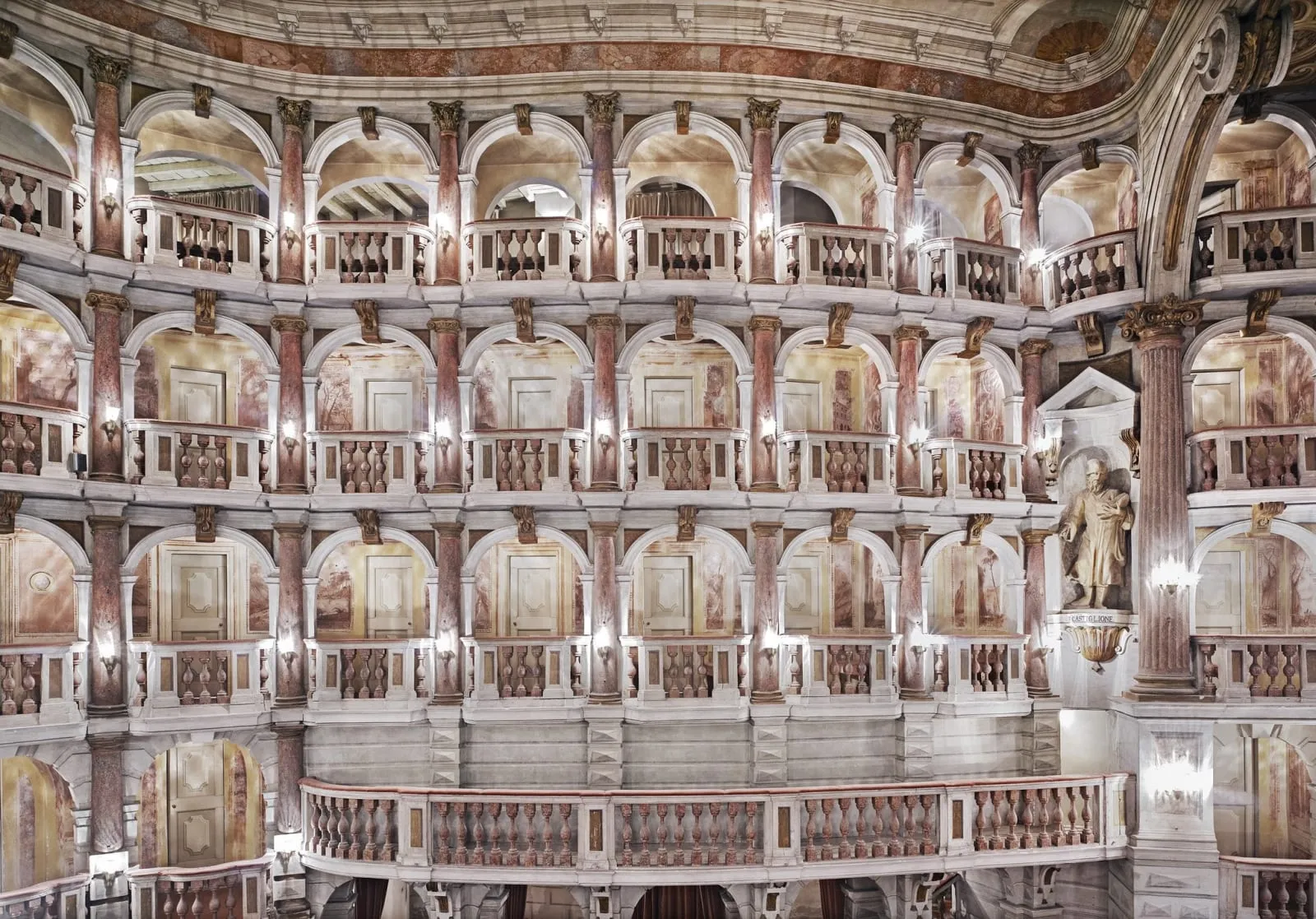
Reflecting the idea that the theatre is like a miniature city, where both actors and audience are encouraged to communicate and interact with one another, the Teatro Scientifico’s lodges are stacked in four-story arcades, like a multi-story town square. With a bell-shaped auditorium, the theater ensures that sightlines extend not only to the stage but also throughout the auditorium, allowing each audience member to be aware of both the performance and their fellow spectators.
Hackney Empire
Location: London, England
Architect: Frank Matcham
Year: 1901
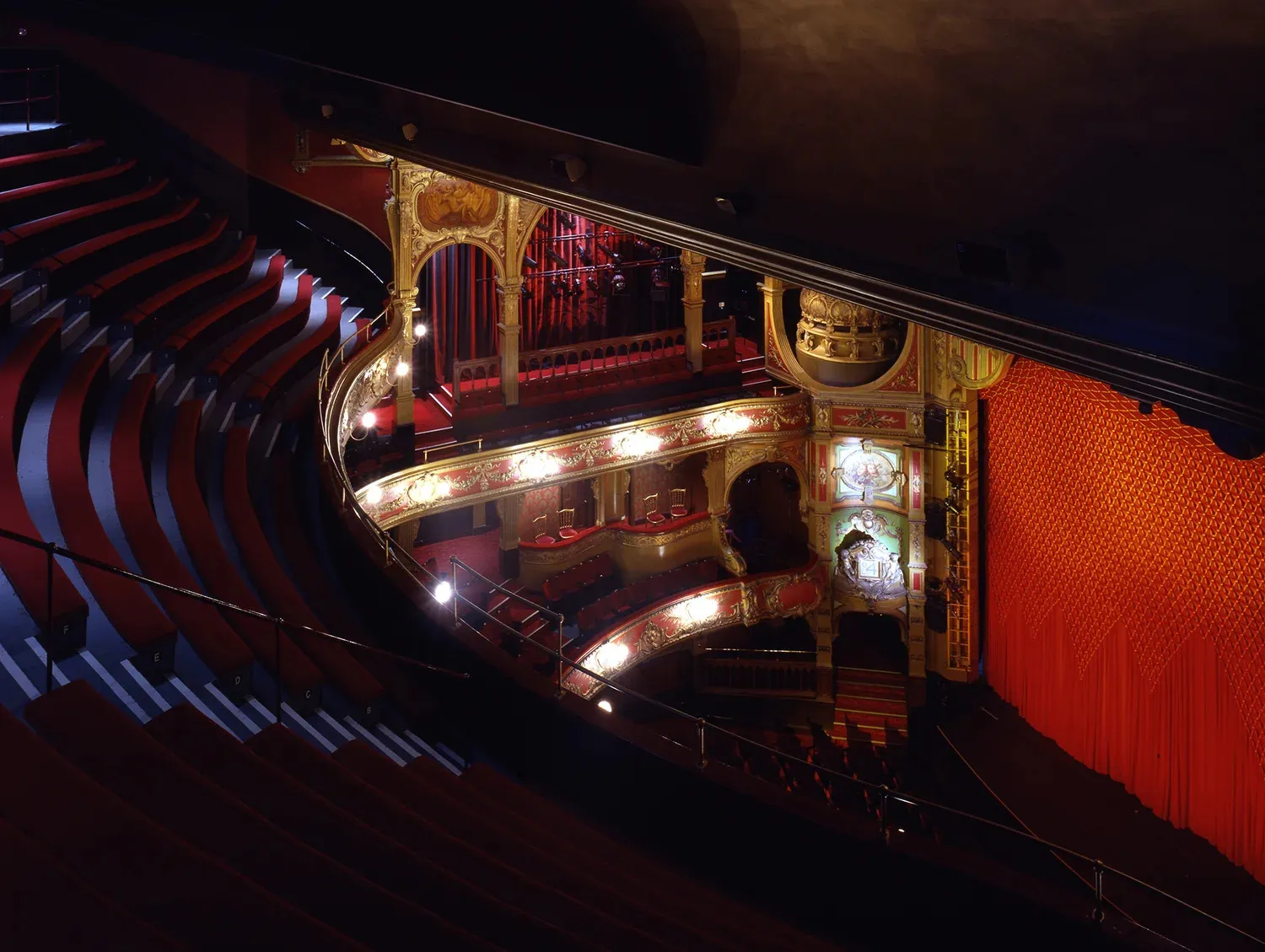
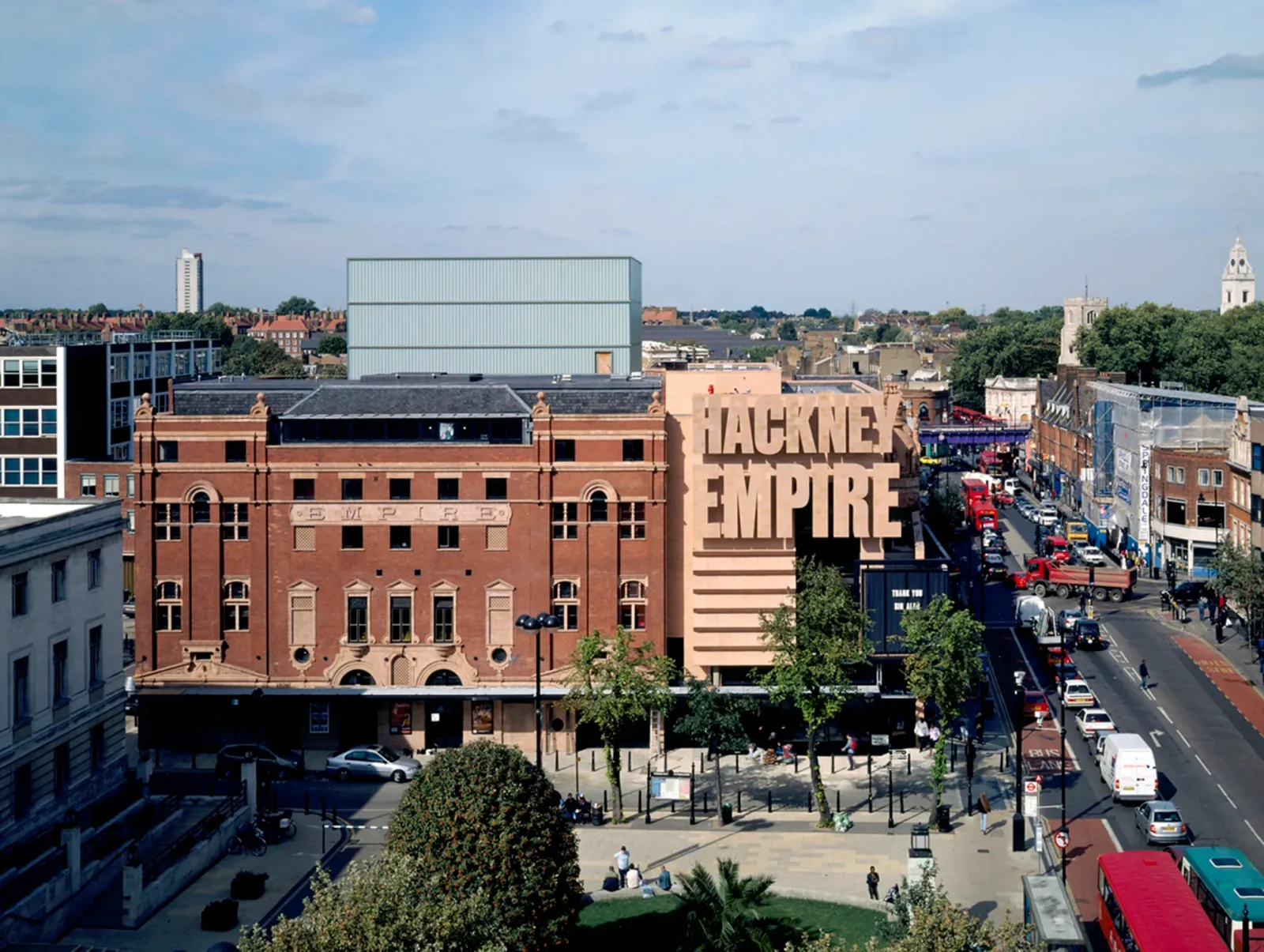
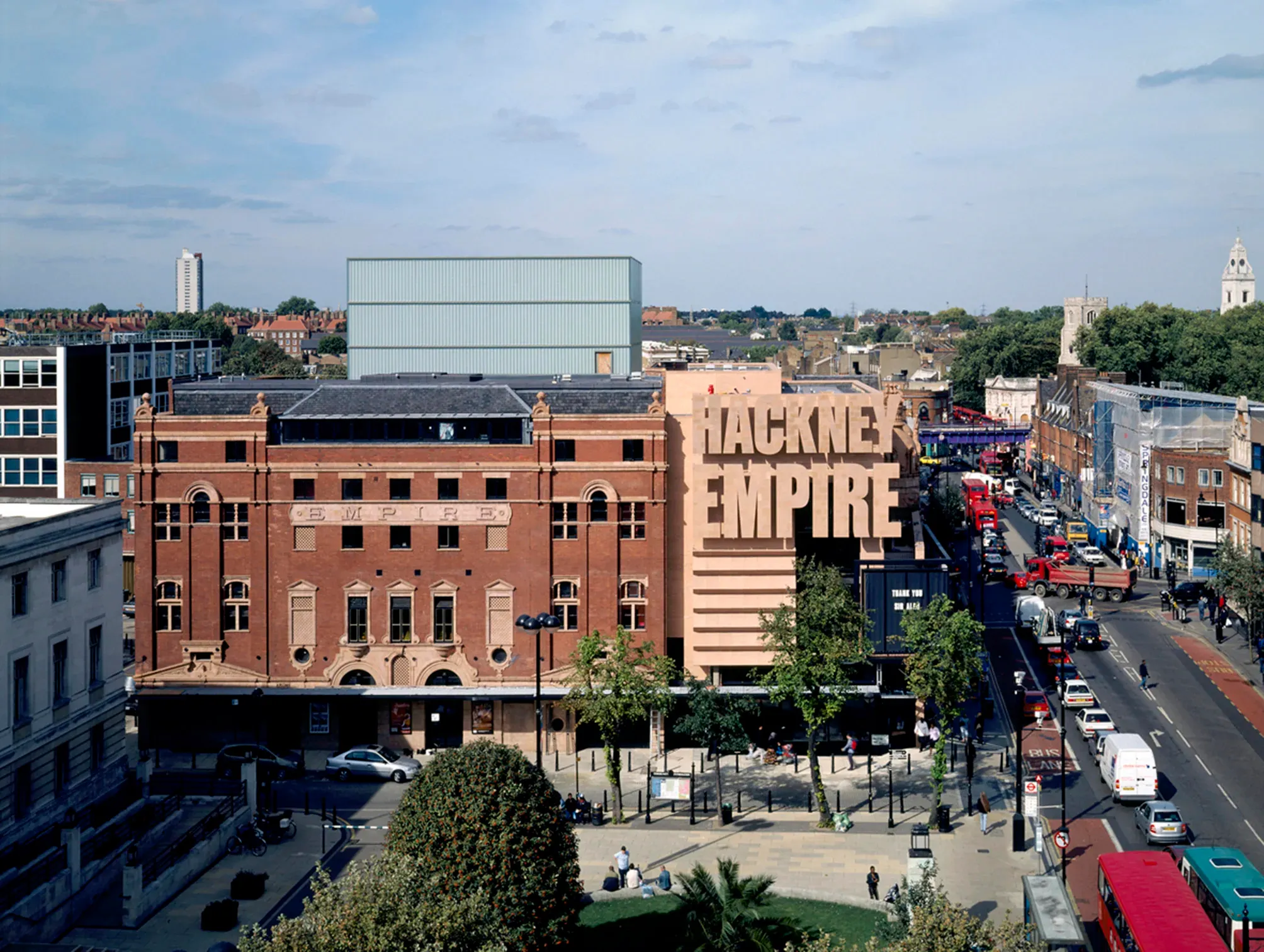
Hackney Empire, one of the most beautiful variety theatres ever built in Britain, was constructed as a state-of-the-art venue of its time, featuring electric lighting, steel cantilevers, and an ingenious internal vacuum system. Designed for both theatrical and music hall events, the building, with its horseshoe-shaped seating and stage-oriented, aristocratic boxes, reflects the classic English theater setting. The interior, with its Baroque ornamentation and Art Nouveau influences, is entirely covered in plaster and gilding. Architectural painting acts both as an illusory element and as a means of forging strong connections between the stage and audience, as well as among the spectators themselves.
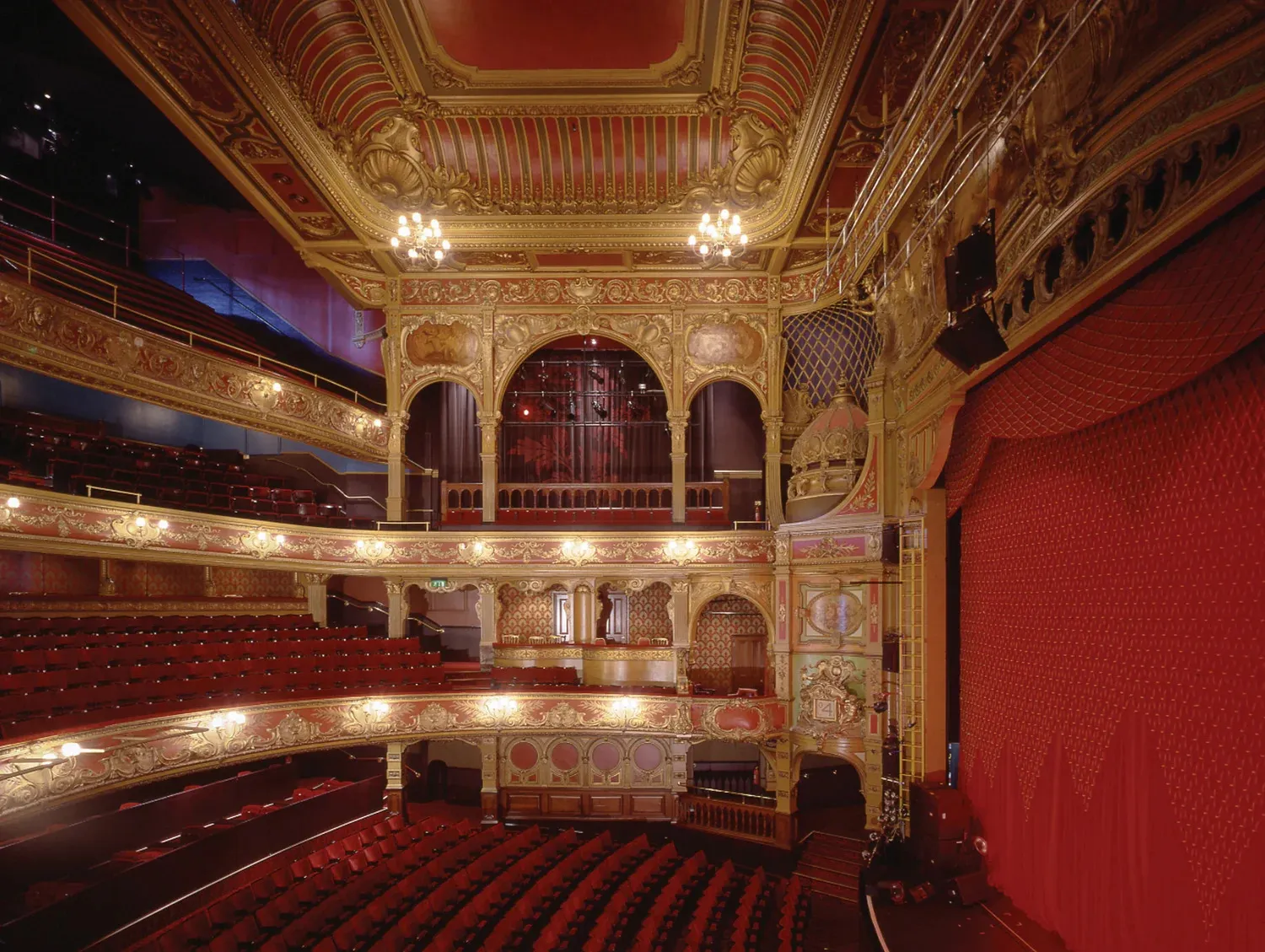
After winning an international competition, Tim Ronalds Architects undertook the restoration of the Hackney Empire in 2004. The 1,400-seat auditorium was renewed, and a new stage and backstage facility were constructed to allow the theater to function as a lively touring venue.
Radio City Music Hall
Location: New York, USA
Building Design: Edward Durell Stone
Interior Design: Donald Deskey
Year: 1932
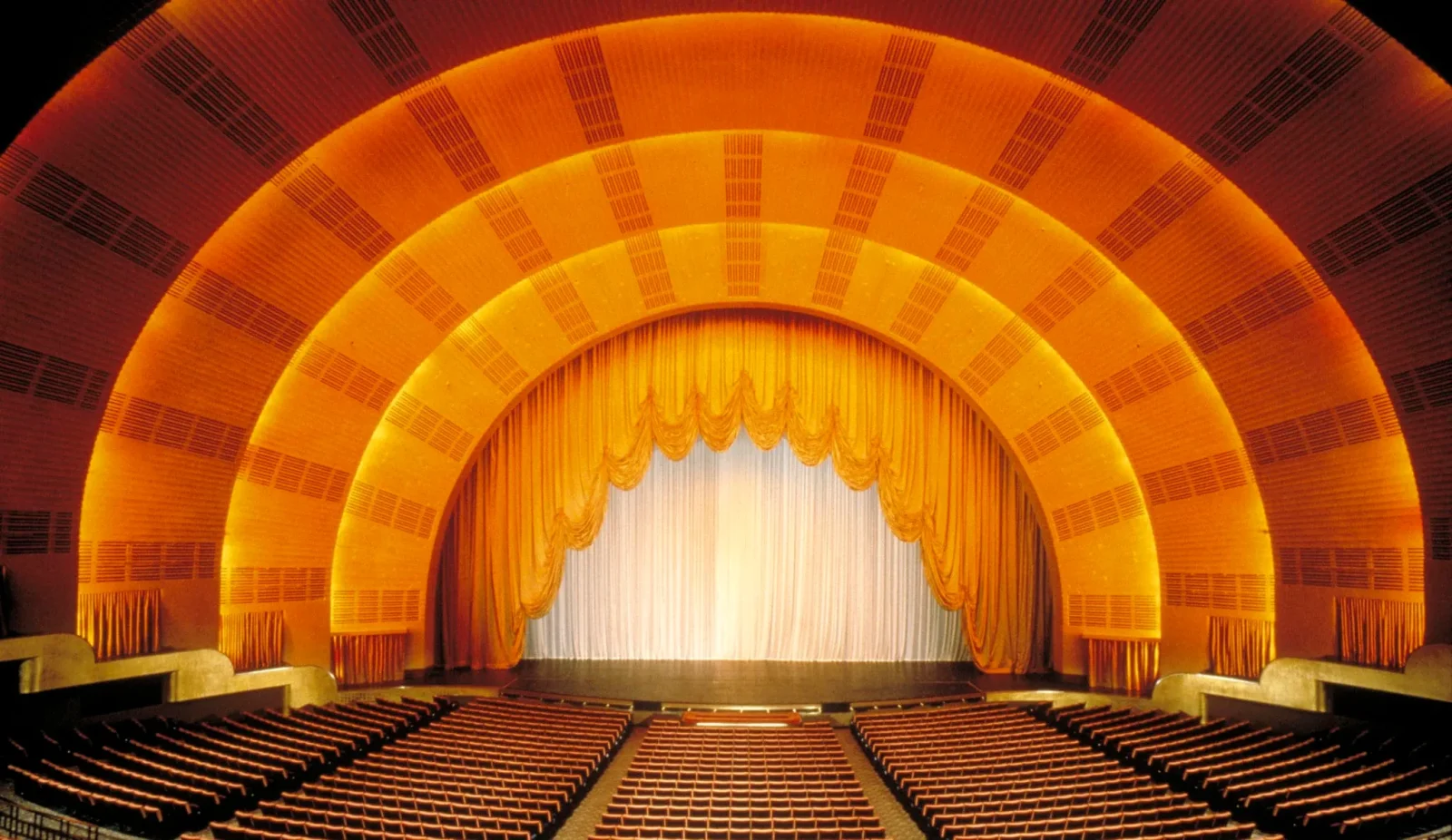
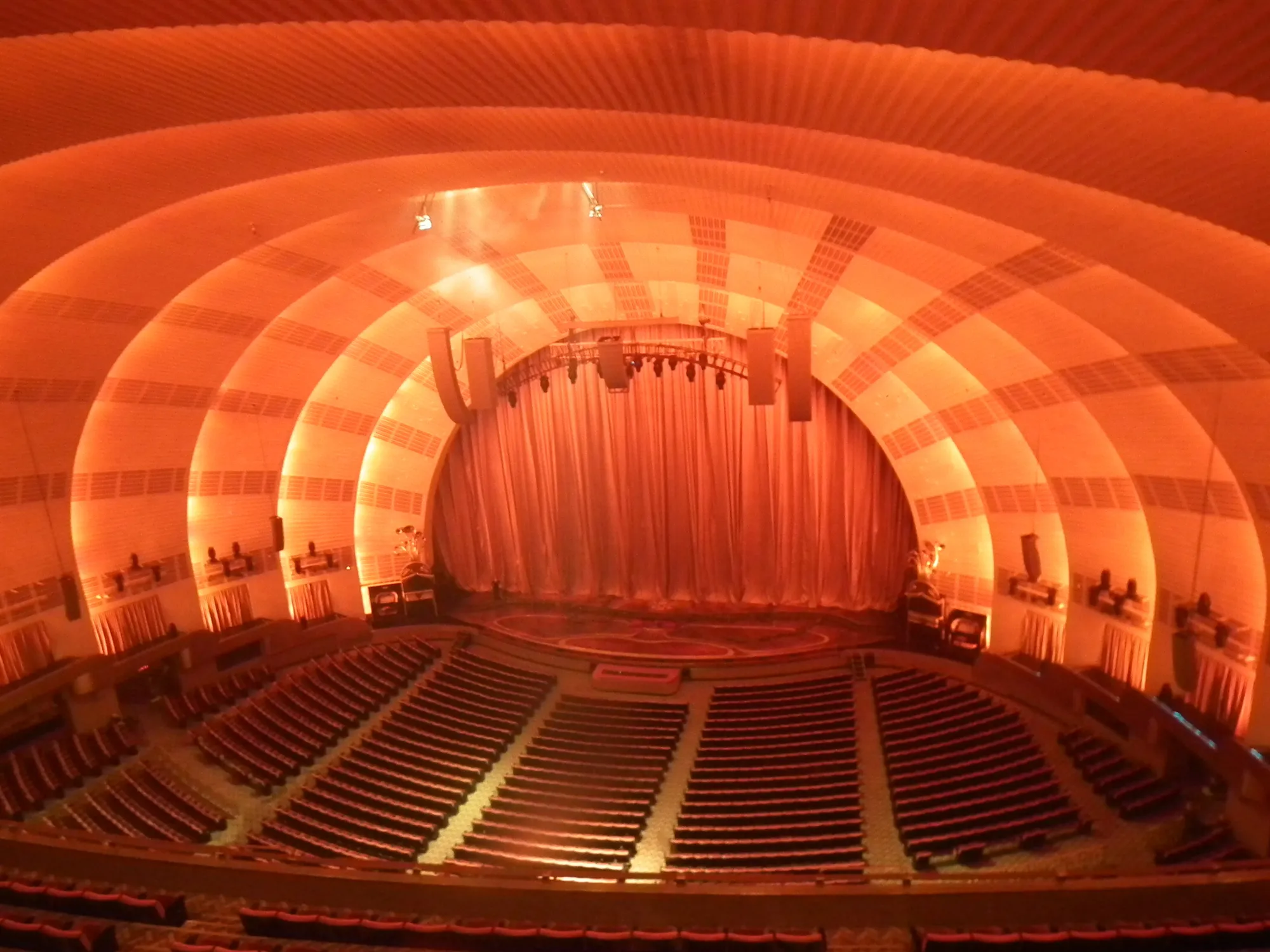
Radio City Music Hall, a part of Rockefeller Center, possessed extraordinary beauty even when empty and held the title of the world’s biggest theatre in terms of interior space for over 80 years. The design, which incorporates gold and marble alongside industrial materials like bakelite and aluminum, reflects the grandeur of Art Deco without the need for excessive ornamentation. The oval stage and spacious auditorium, which can accommodate over 6,000 people, create a captivating atmosphere with geometric patterns, plaster panels, colorful lighting, and the dominant colors of red and gold.
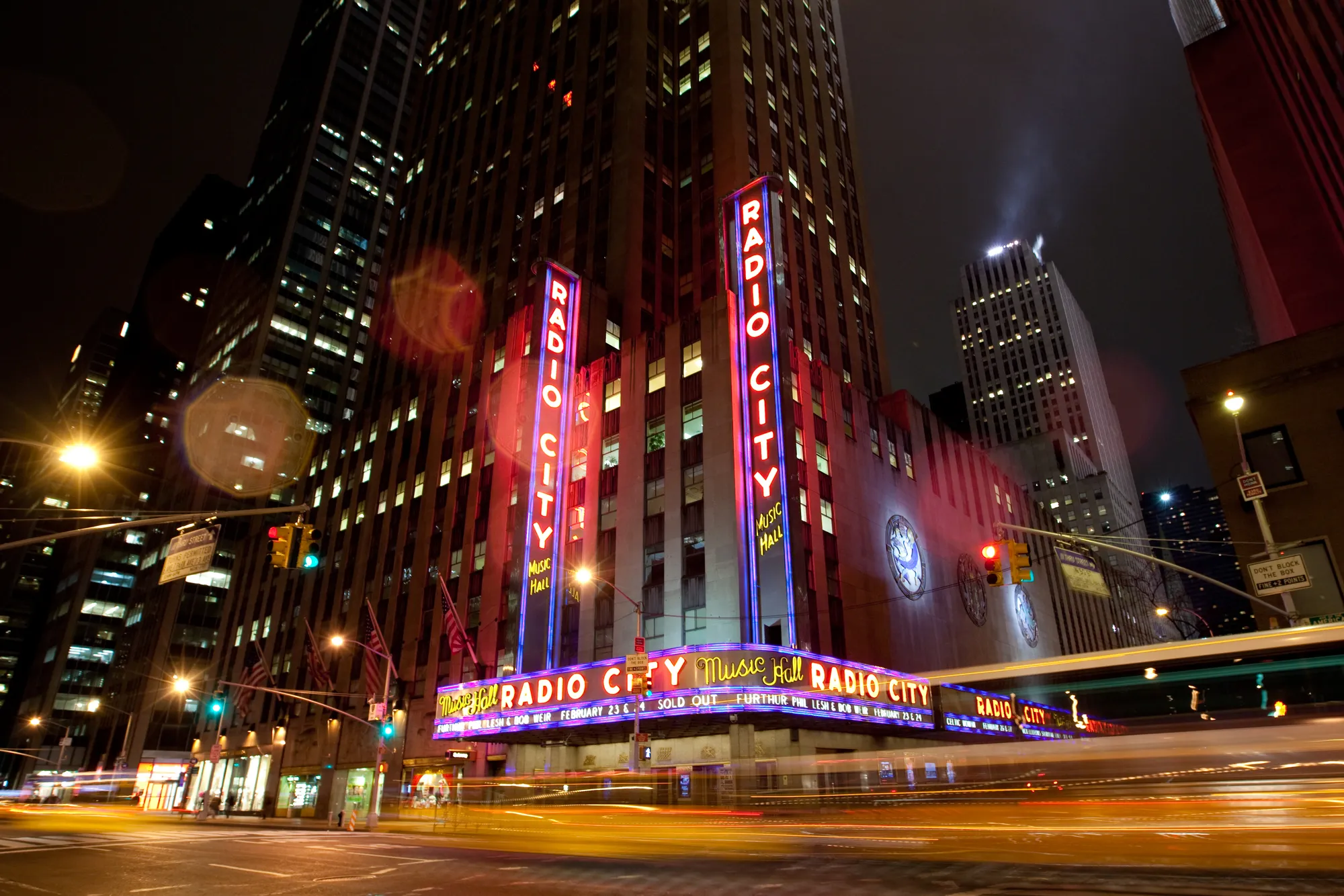
Donald Deskey combined technology with architecture to achieve one of the finest acoustics of the era, embedding speakers into gold panels on the sides while ensuring that plaster surfaces elsewhere absorbed sound. The stage machinery enables dynamic movement, allowing the stage to rise and lower while the curtain opens and closes automatically.
Teatro Oficina
Location: São Paulo, Brazil
Architect: Lina Bo Bardi
Year: 1991
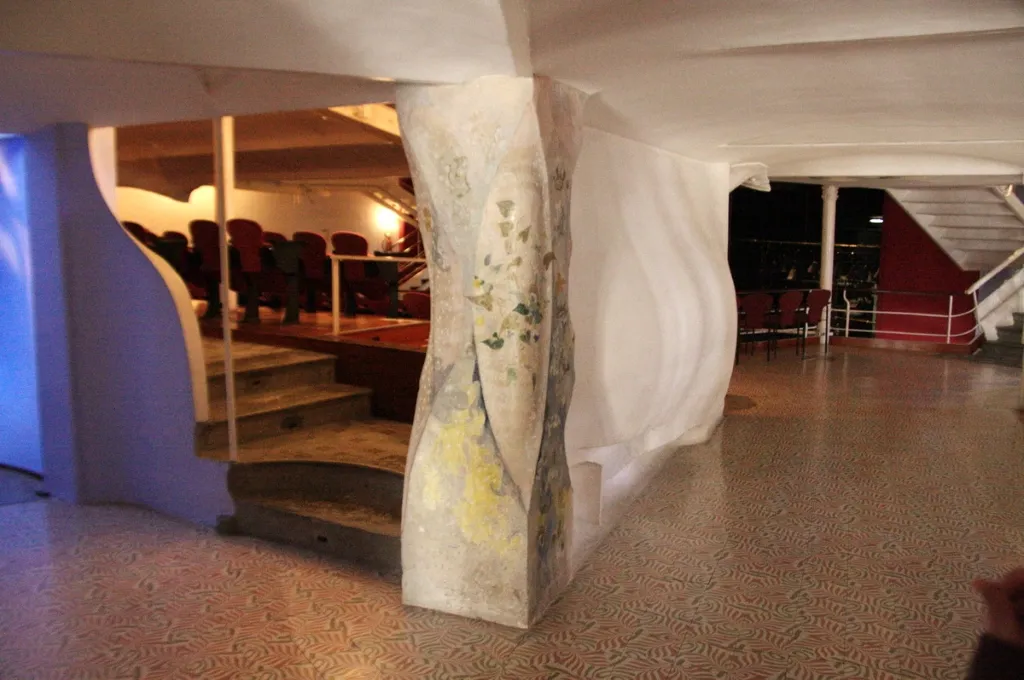
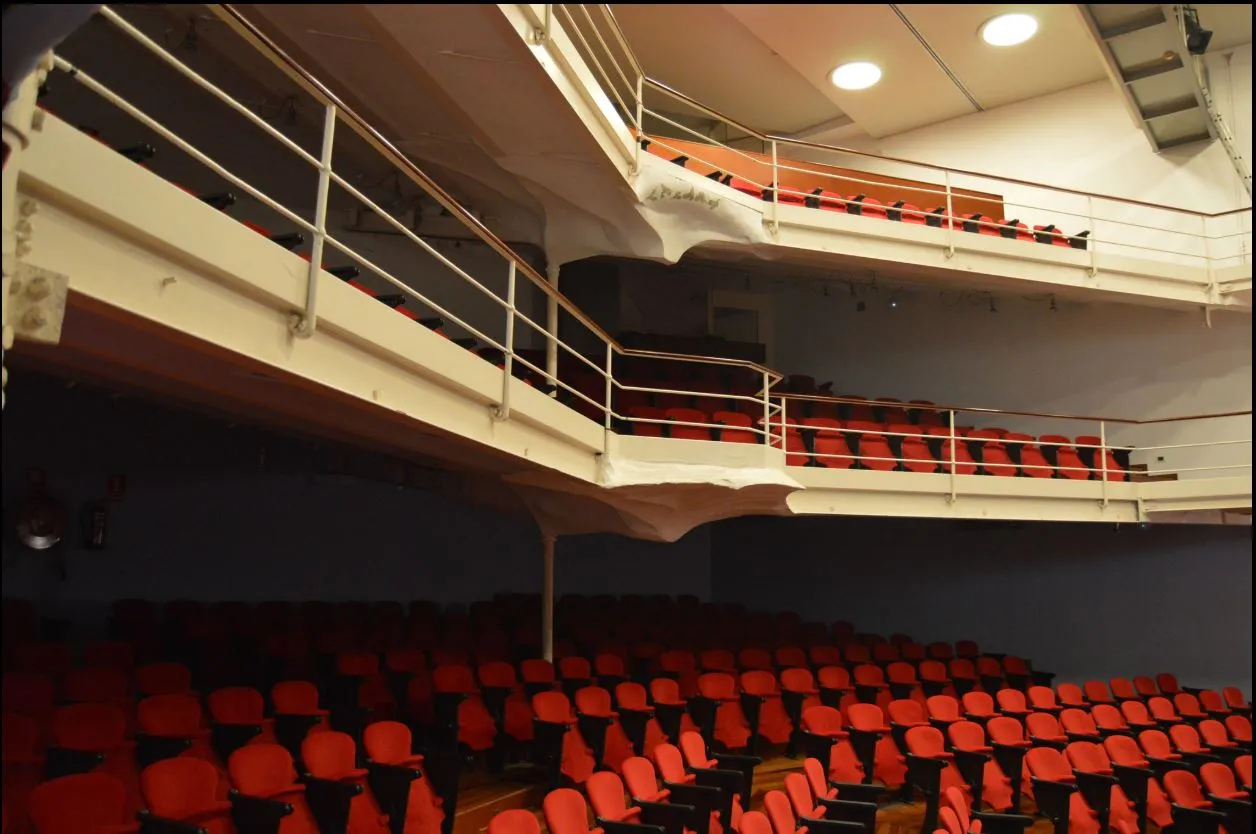
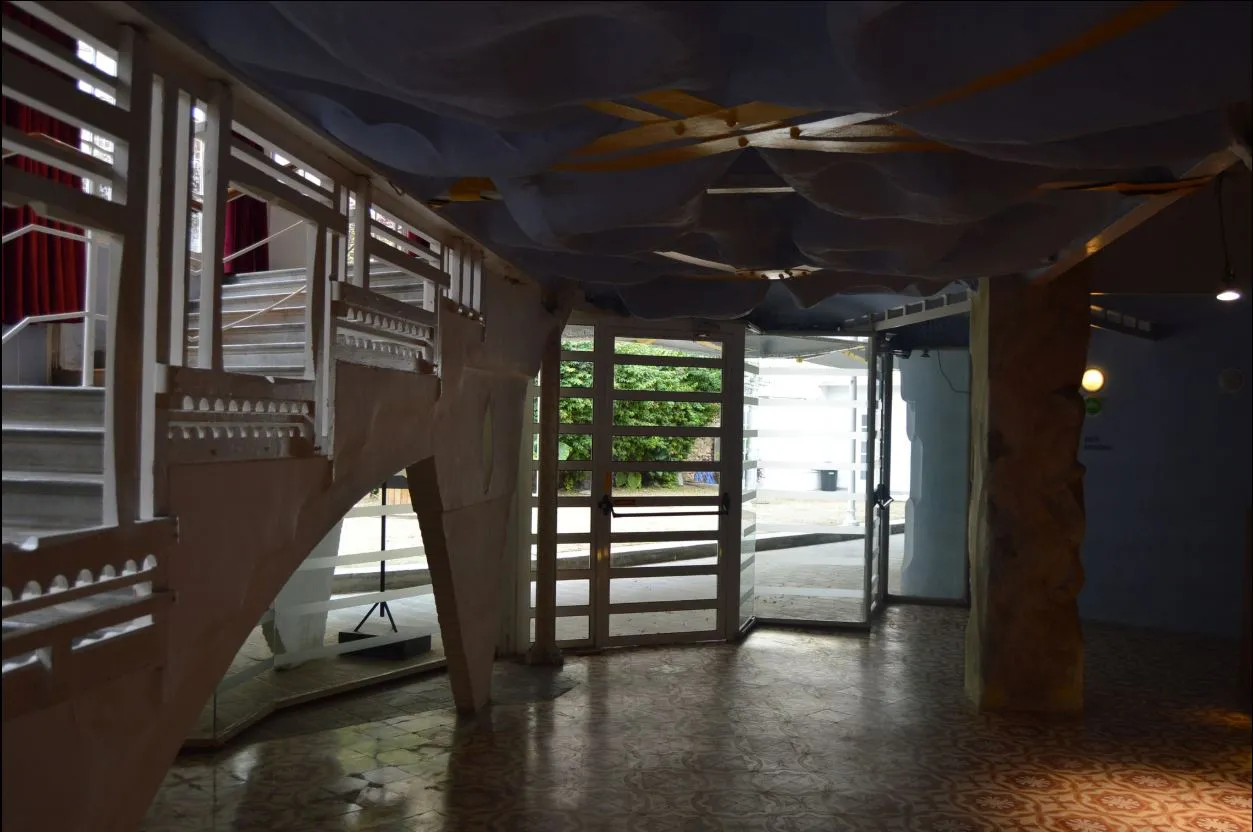
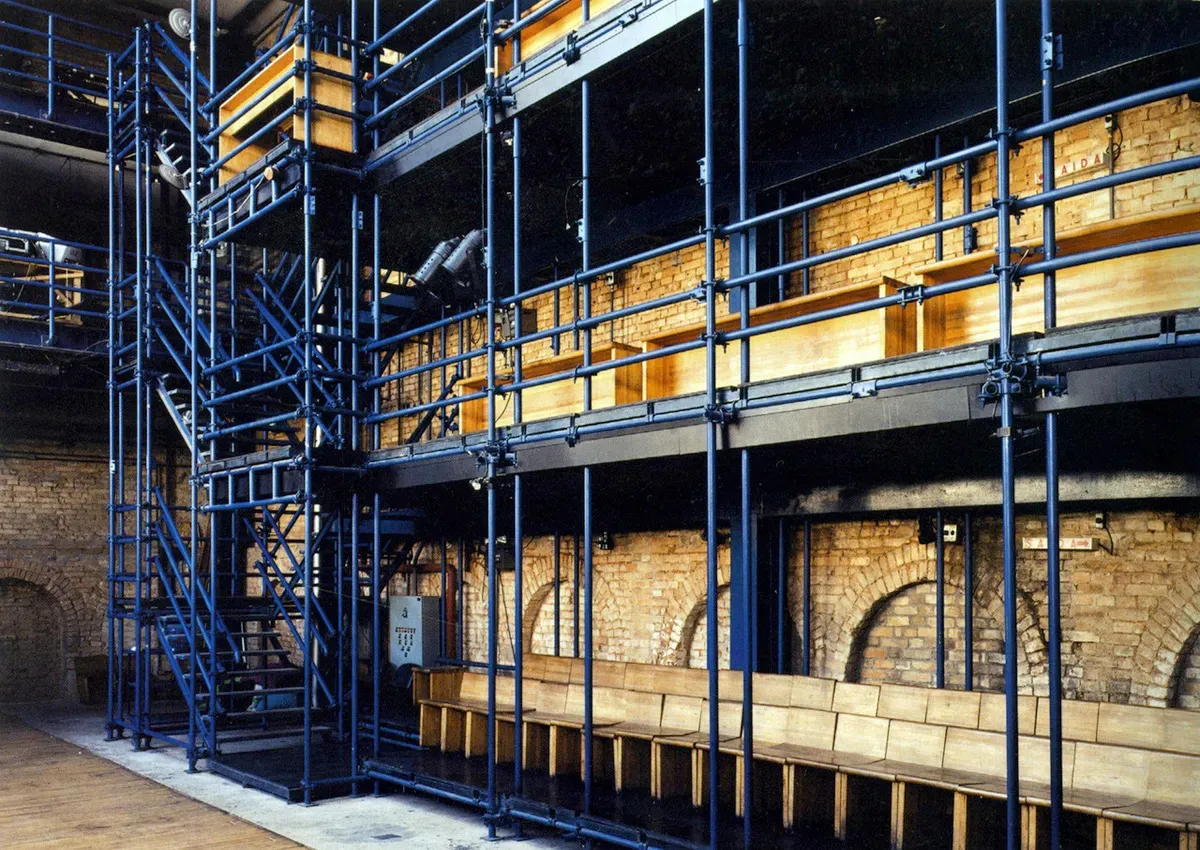
Originally built in the 1950s, Teatro Oficina, redesigned by Lina Bo Bardi in 1991, stands out as a pioneering example of modern and experimental stage design. Over decades, the theatre revolutionized performance practices, allowing architecture to actively contribute to the experience and enabling the dramatic aspects of performances to establish a closer connection with the audience.
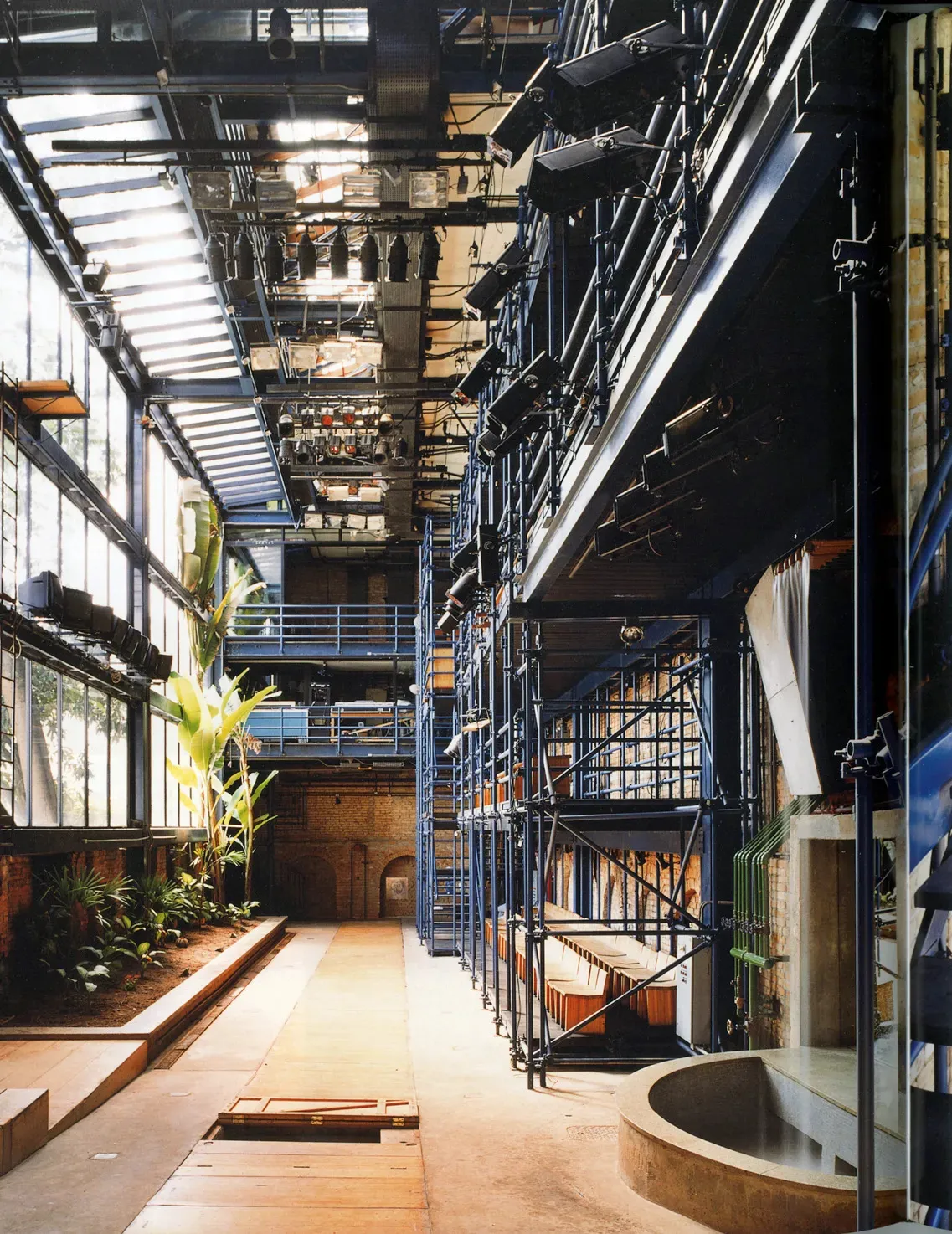
The theatre is organized along a central walkway approximately 1.5 meters wide and 50 meters long, stretching between the front and rear entrances along a narrow strip of land. This axis defines the performance space and blurs the boundary between stage and audience. A waterfall, constructed along an axis that decreases in height as it approaches the center, empties into a reflecting pool and recirculates the water, is a striking feature.
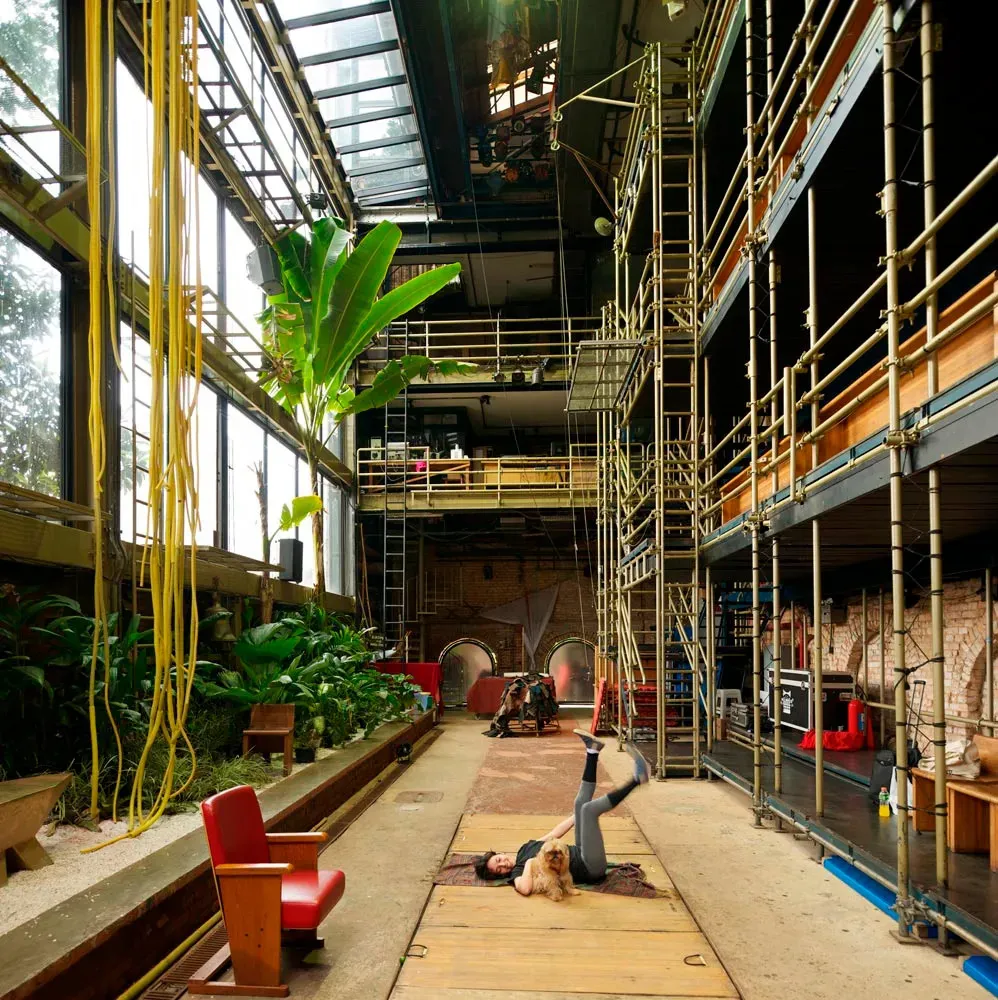
With four floors and seating for up to 350 spectators, the audience sits on side galleries made of thin, removable structures constructed from steel pipe profiles. This eliminates any potential barriers between the different areas, and the audience feels as if they are approaching the edge of the performance, becoming part of the stage.
Palau de la Musica Catalana
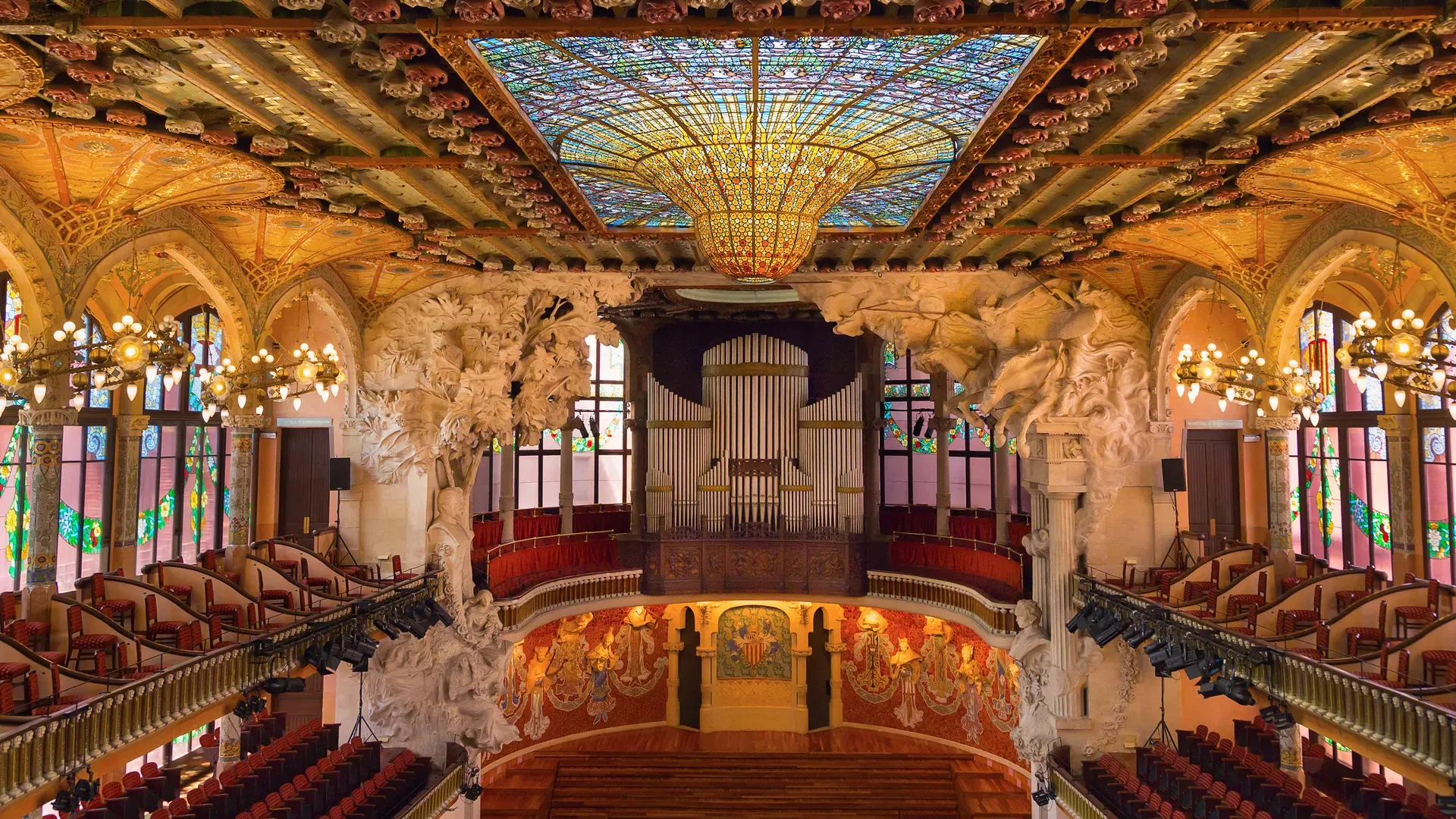
Location: Barcelano, Spain
Architect: Lluís Domènech i Montaner
Year: 1908
Palau de la Música Catalana, a visual feast in stage architecture, stands as one of the most dazzling examples of Barcelona’s Modernista movement. As the city’s leading classical music venue, it is the only concert hall in Barcelona listed as a UNESCO World Heritage Site.
The impressive red brick façade of the Palu de la Musica Catalana, dominated by thick columns adorned with elaborate mosaic decorations, features a wide and ornate balcony. Sculptures depicting Saint George slaying the dragon, Barcelona’s patron saint, along with busts of famous Catalan composers and musicians, complete the decorative scheme.
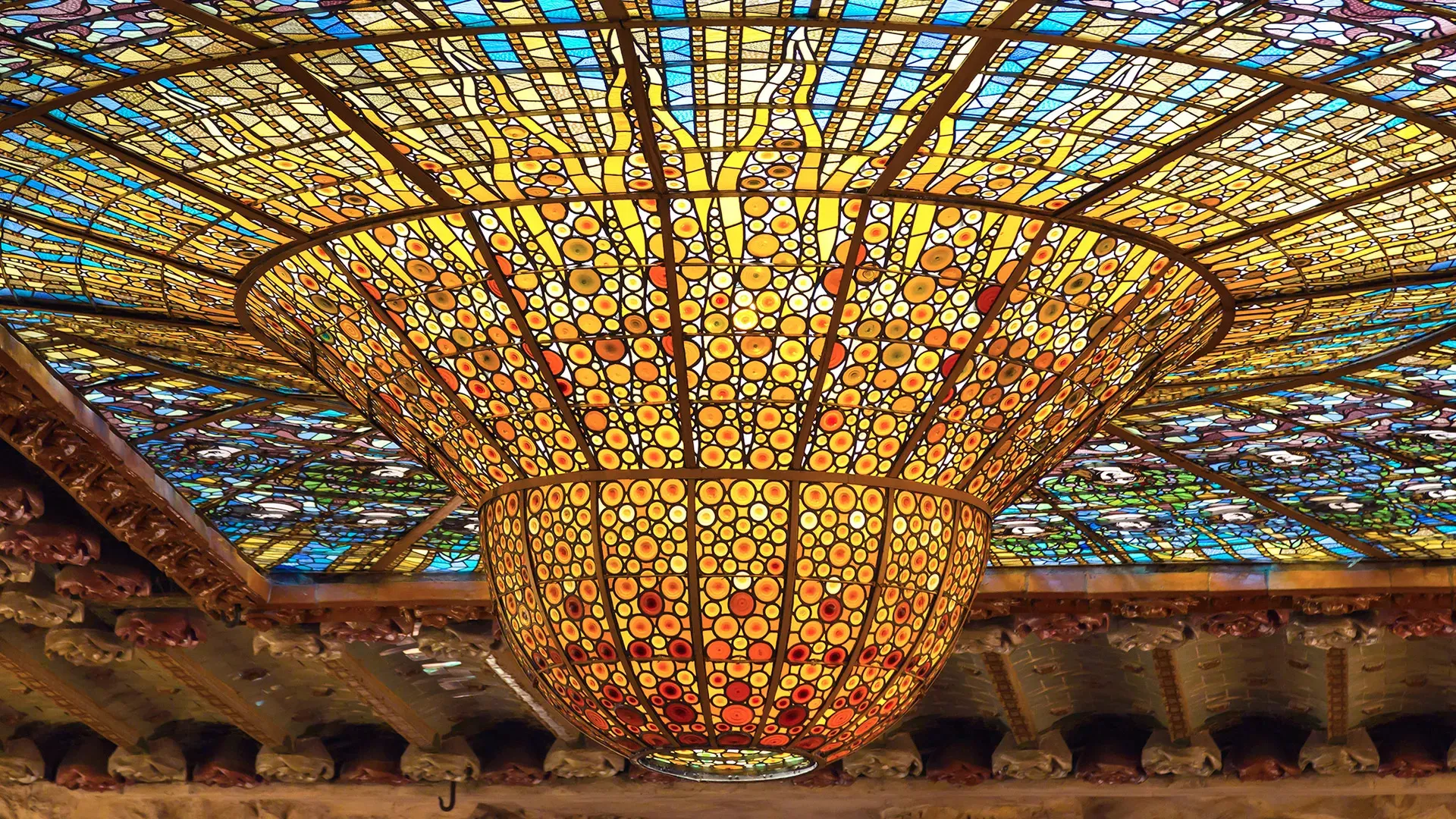
The impressive interior features a magnificent staircase, leading from the foyer to the rehearsal rooms and up to the concert hall. The auditorium, the centerpiece of the complex, seats 2,146 under a magnificent ceiling with luxurious red velvet seating. The auditorium features a kaleidoscope of stained glass, intricate floral reliefs, mosaics, fan-shaped vaults, and colorful tiles. A series of 18 sculptures of muses serves as classical inspiration for the musicians on stage. A portrait bust of Beethoven and figures inspired by Wagner’s Journey to the Valkyries enhance the sense of musical history that permeates the hall.
Explore Courses
.jpg "Ondrej Chybik - Rethinking Architecture")