


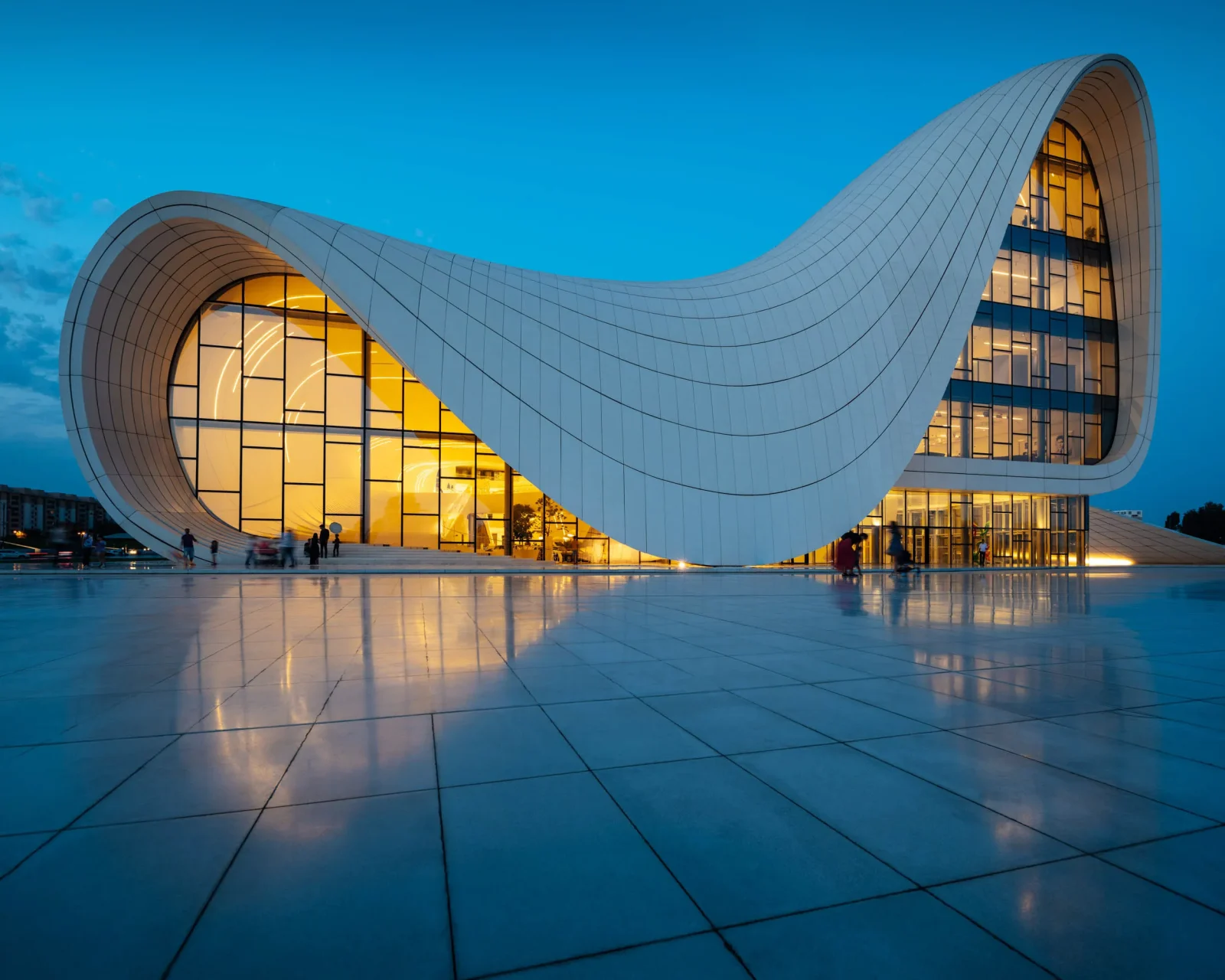
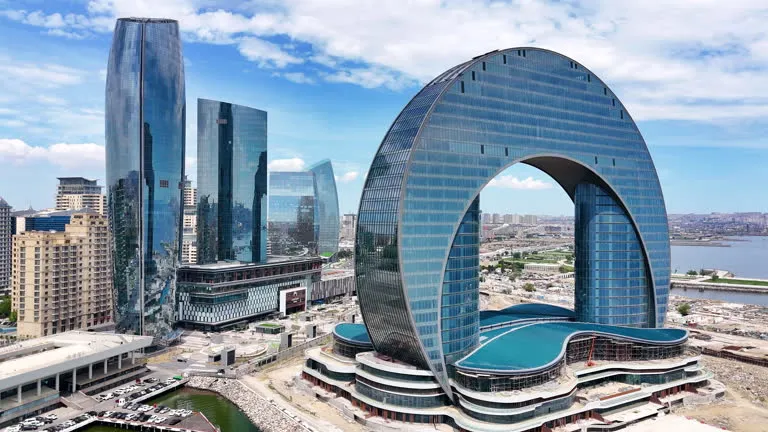
Azerbaijan has officially declared 2026 as the Year of Urban Planning and Architecture. The presidential legislation, signed by President Ilham Aliyev, establishes a national platform for urban policy, architectural culture, and sustainable development, aligning with the country’s preparations to host the 13th World Urban Forum (WUF13) in May 2026.
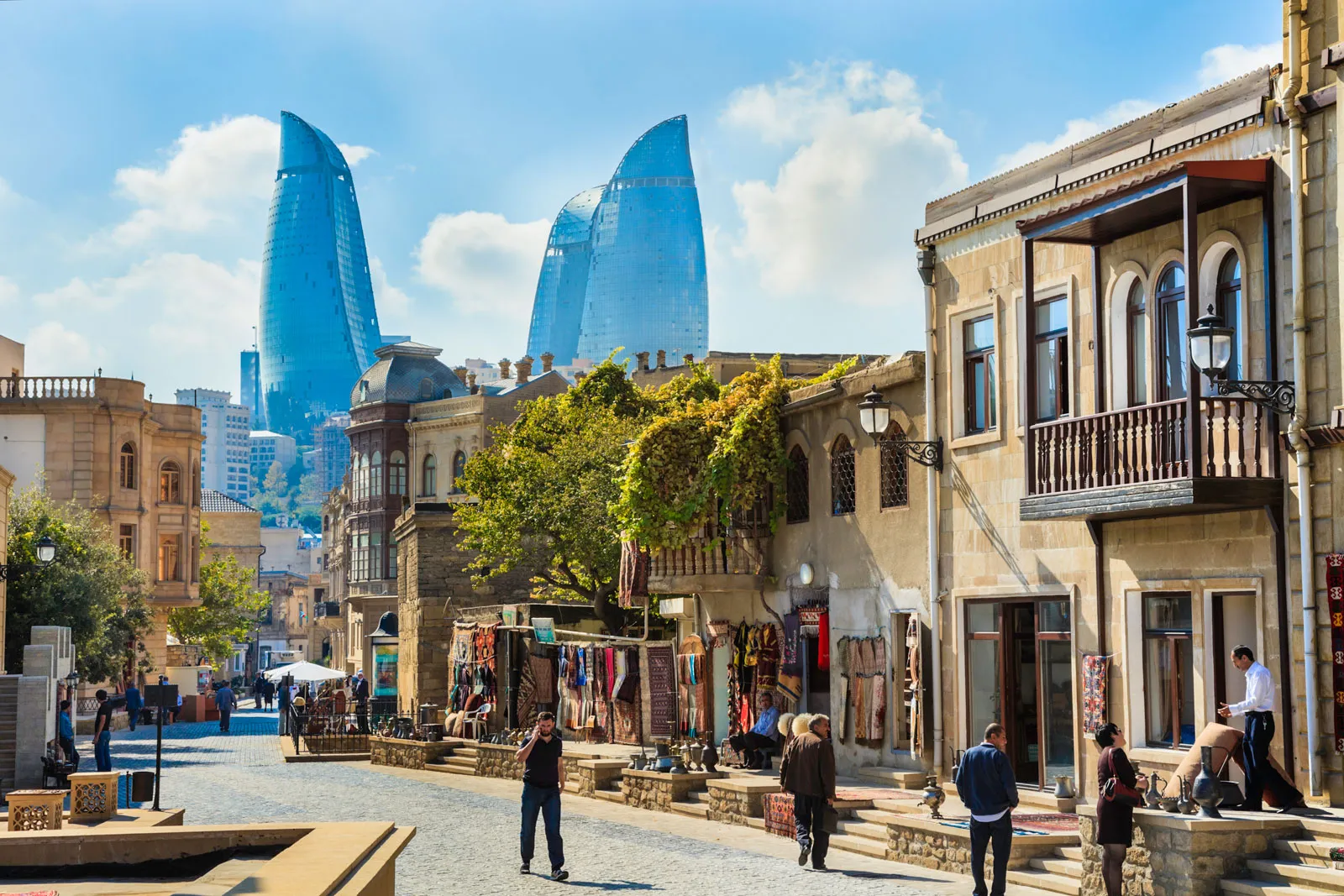
The designation frames a yearlong emphasis on planning principles that balance Azerbaijan’s rich architectural heritage with contemporary urban challenges. The government intends to integrate traditional construction wisdom with forward-looking strategies that address social needs, environmental resilience, and spatial equity. A comprehensive action plan is to be developed and submitted by the president’s administration within a month of the regulation.
World Urban Forum 13: A Global Urban Agenda in Baku
Baku will host World Urban Forum 13, a forum organized by UN-Habitat from May 17 to 22, 2026, under the theme “Housing the World: Safe and Resilient Cities and Communities.” The forum aims to tackle pressing global issues such as housing shortages affecting nearly three billion people and to forge strategies linking secure shelter with integrated urban planning, climate adaptation, and inclusive governance.
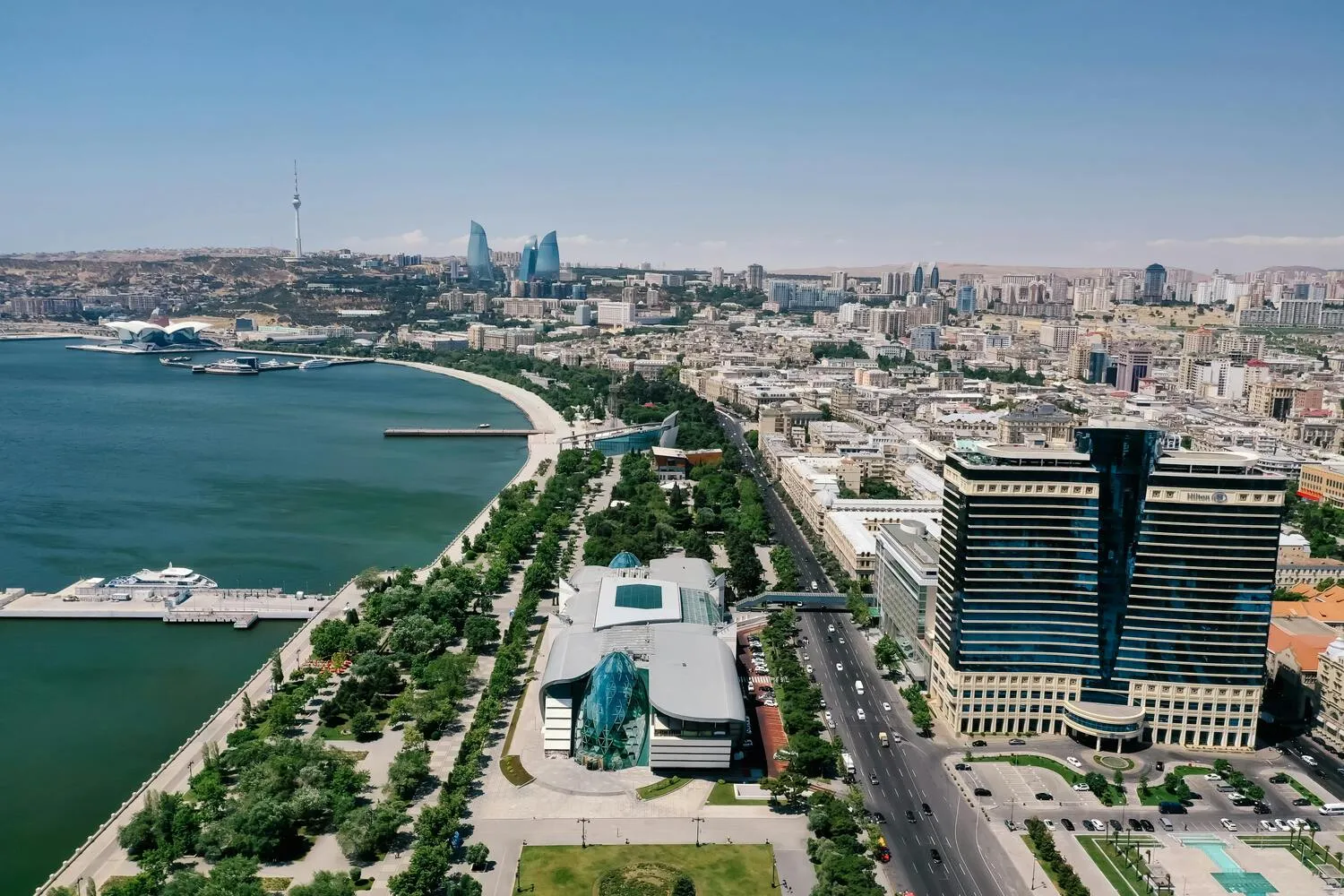
As part of these preparations, Azerbaijan has put in place an organizing committee led by senior government figures, including the Chairman of the State Committee for Urban Planning and Architecture, Anar Guliyev, who also serves as national coordinator for WUF13. The committee is tasked with drawing up and executing the plans necessary for hosting the international event at a high standard.
Linking National Priorities with International Goals
Designating 2026 as a year devoted to urban planning and architecture aligns Azerbaijan with broader development frameworks such as the United Nations New Urban Agenda and SDG 11 (Sustainable Cities and Communities). The focus reflects a desire to be an active participant in international discussions on urbanization, sustainability, and housing equity.
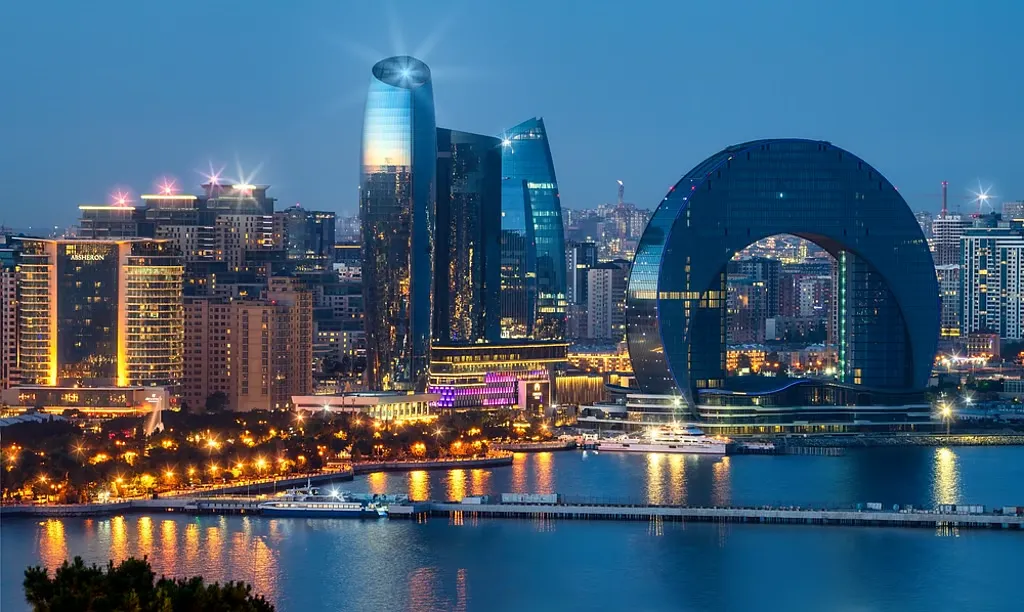
For Azerbaijan, these efforts extend beyond forum stages. Expanded cooperation with regional partners has already begun, including dialogue with Kyrgyz Republic representatives on strategic partnerships and potential participation at WUF13.
A Context of Urban Transformation
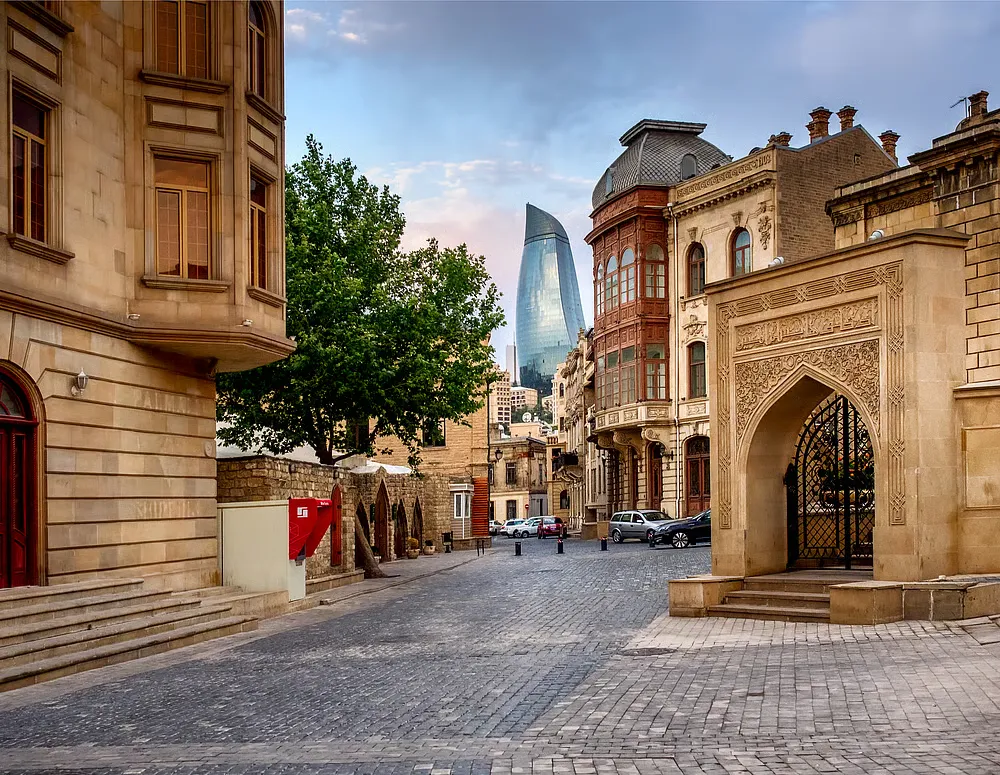
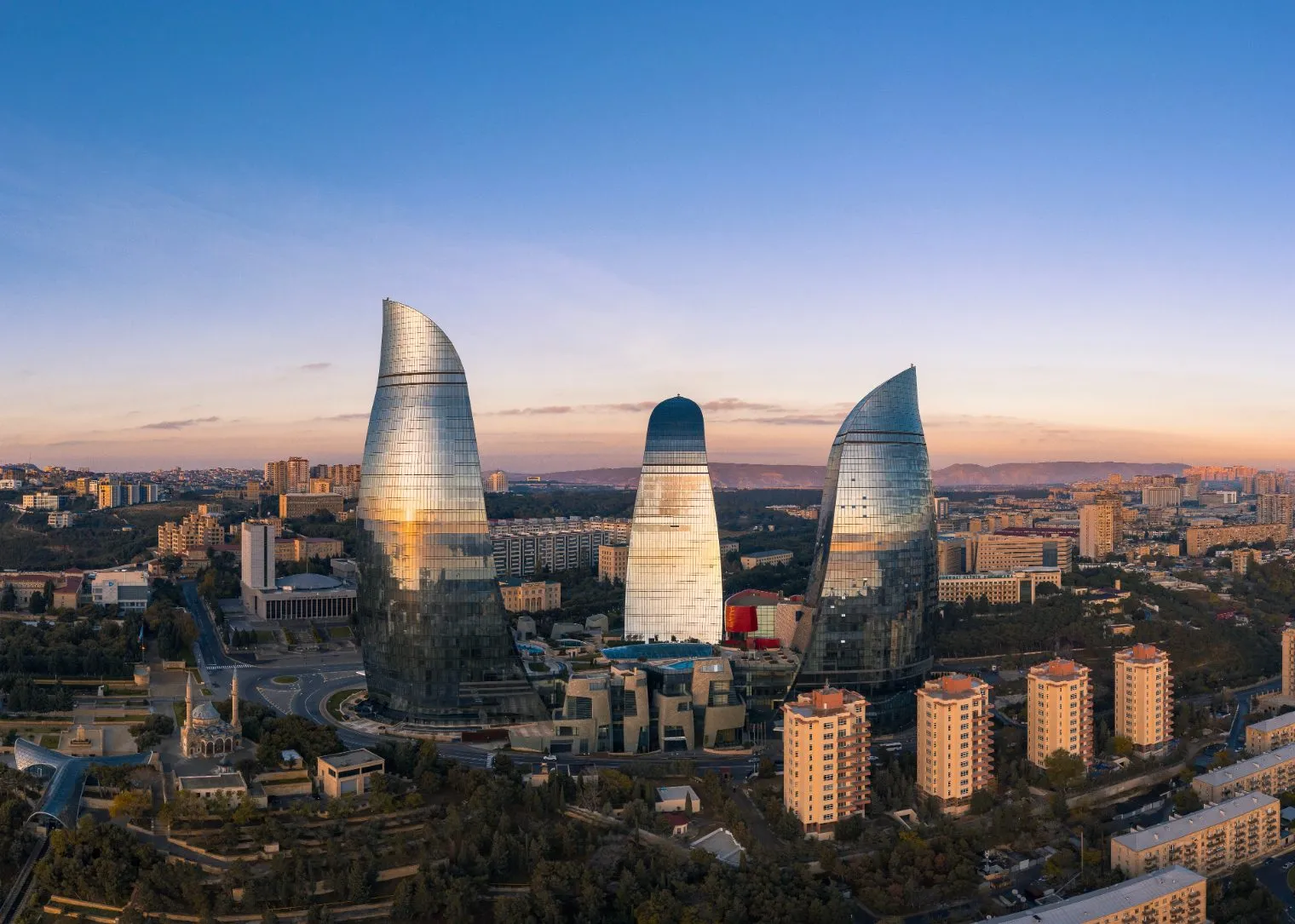
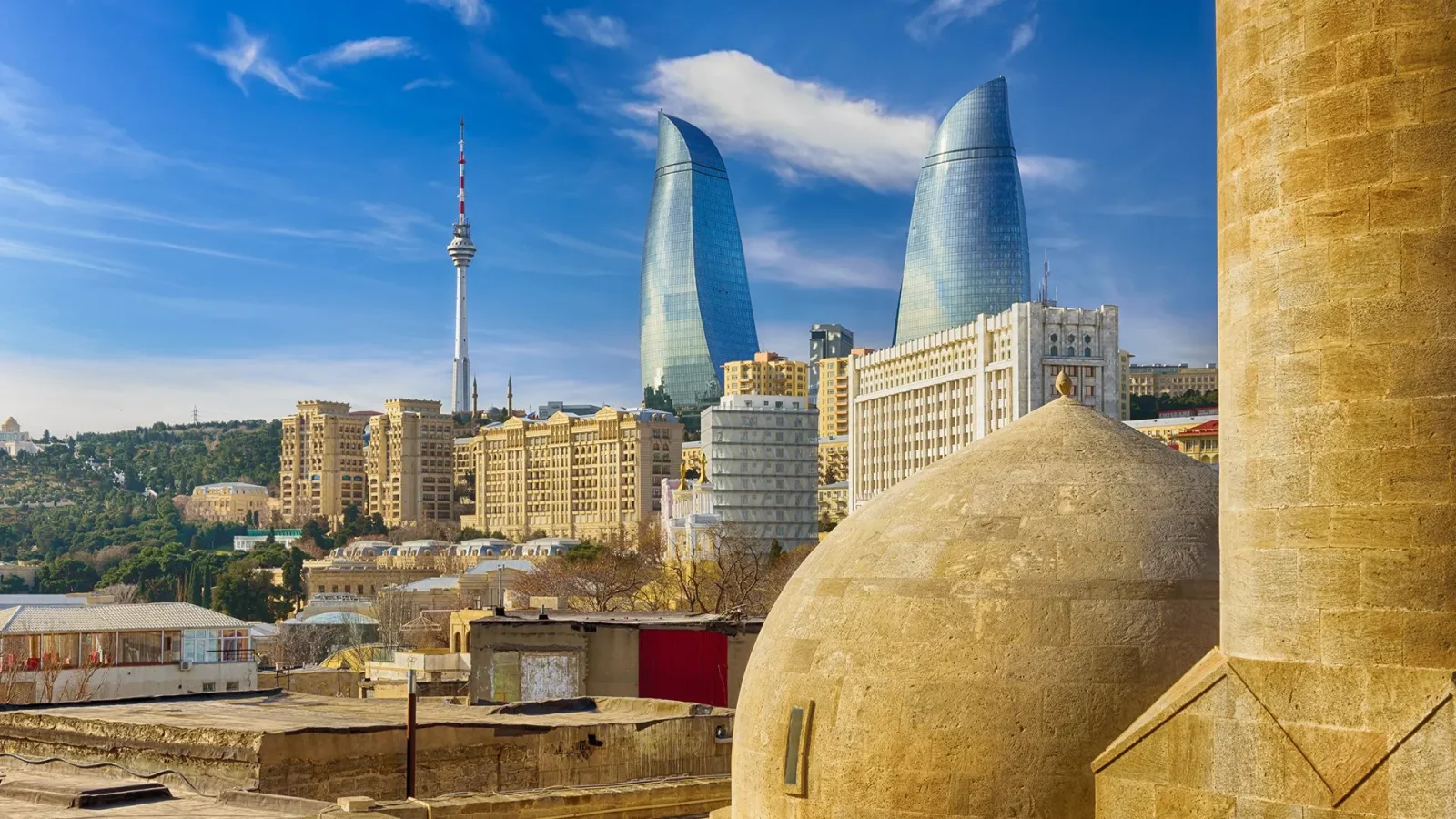
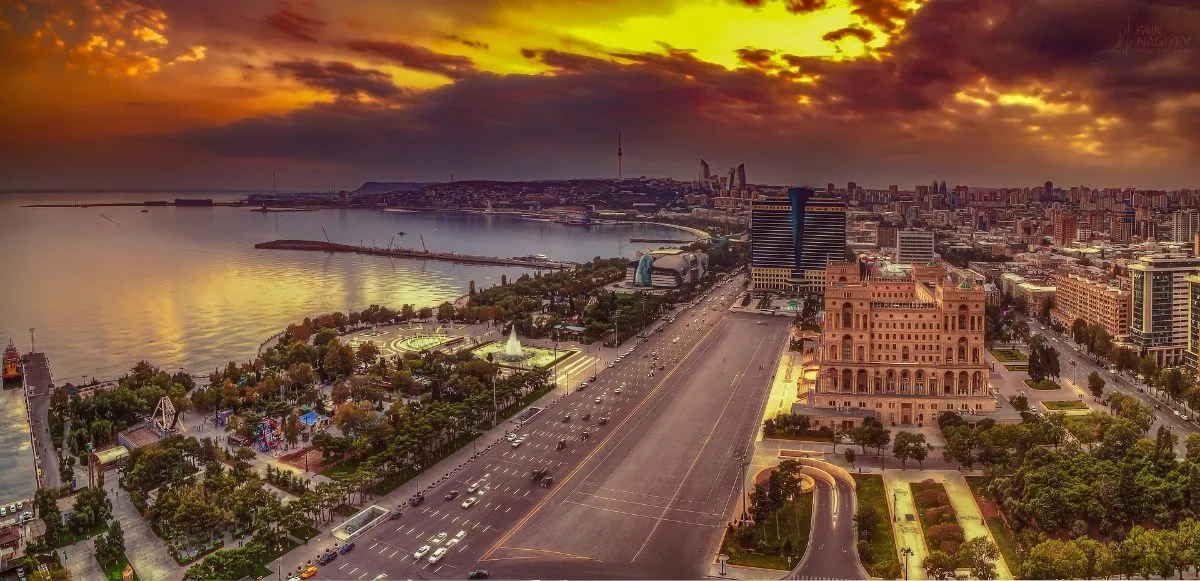
Azerbaijan’s cities, especially Baku, are experiencing rapid transformation. Historic areas like Icherisheher and architectural landmarks such as the Maiden Tower and the Shirvanshahs’ Palace anchor the capital’s centuries-old urban tapestry, now intersecting with contemporary development projects and sustainability-driven planning.
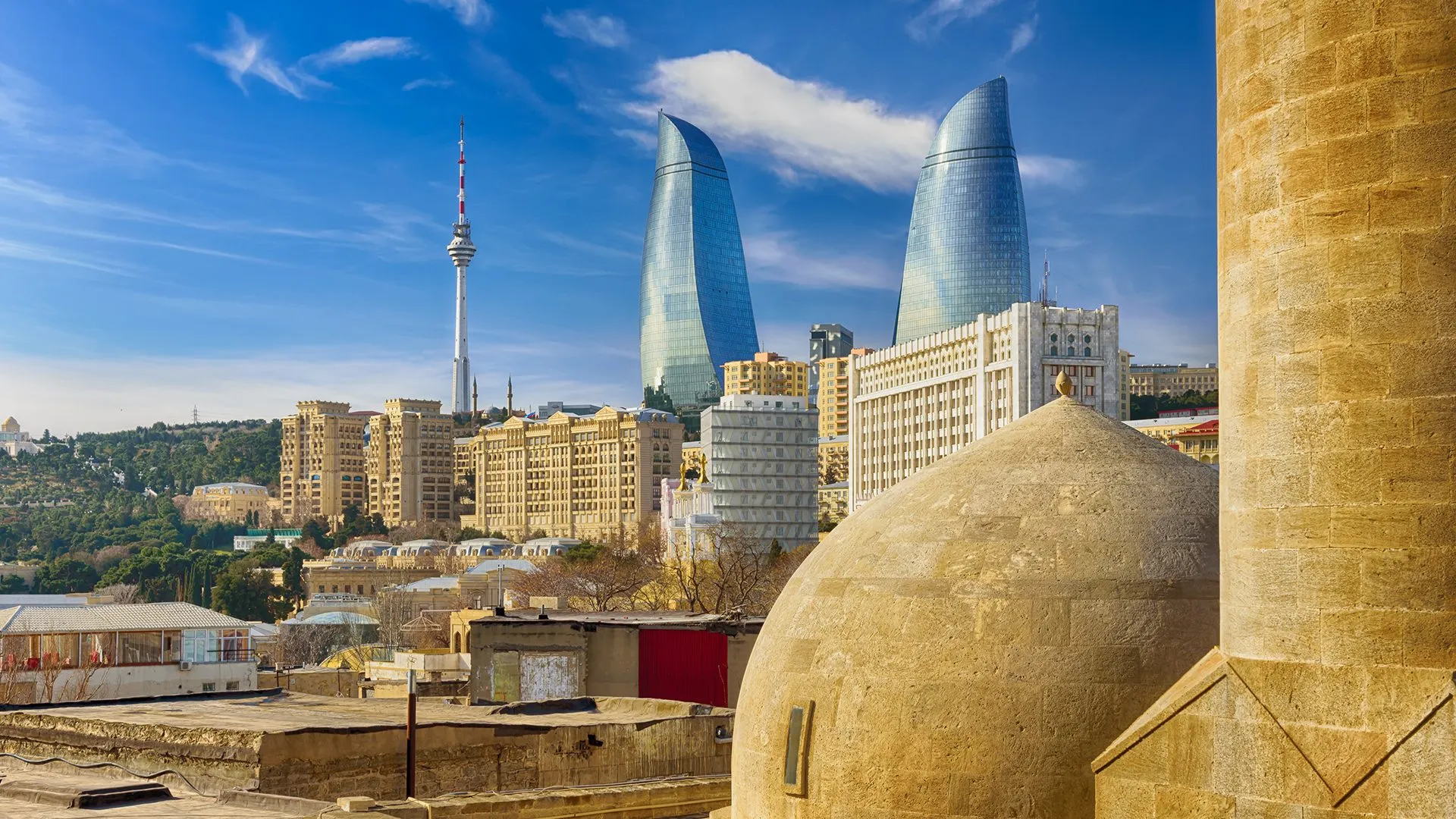
While the national initiative is framed around sustainable and inclusive growth, it comes amid local debates around urban change. Some residents and observers have raised concerns over demolition and redevelopment in historic quarters, highlighting the complex challenges cities face when balancing preservation with modernization.
What It Implies for Architects and Planners
For architects, planners, and city leaders, Azerbaijan’s initiative offers a case study in how national policy, global engagement, and urban design intersect. The Year of Urban Planning and Architecture could catalyze new design dialogues, international collaboration, and renewed attention on resilient city building. Hosting WUF13 also positions Baku as a focal point for the international urban community to share insights, best practices, and practical solutions for the future of cities.
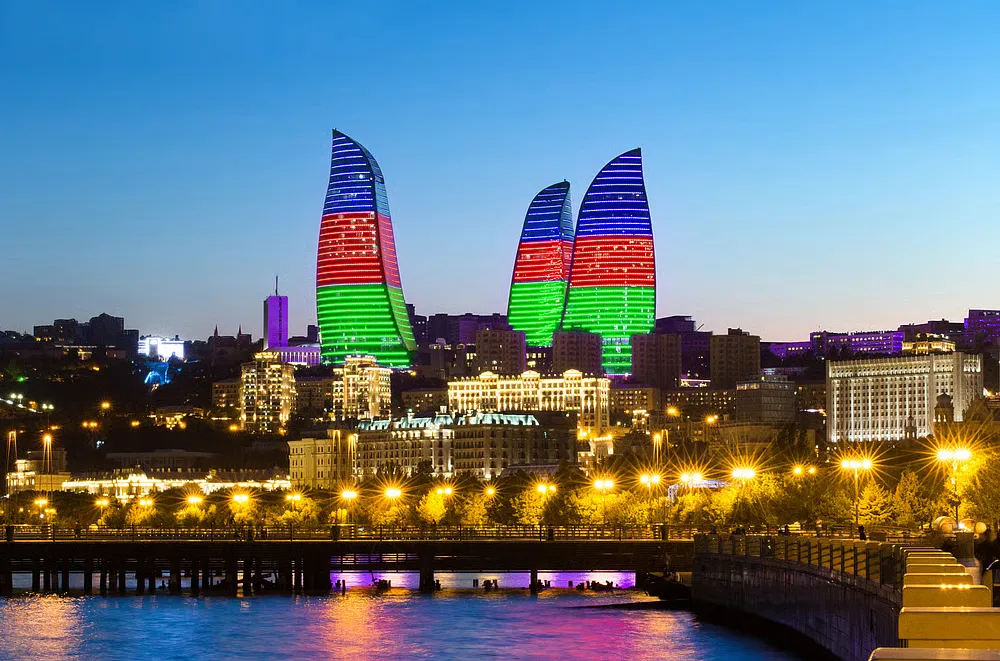
As 2026 unfolds, the outcomes of this initiative will be watched closely by professionals invested in sustainable, inclusive, and culturally grounded urban futures.
Explore Courses
.jpg "Ondrej Chybik - Rethinking Architecture")