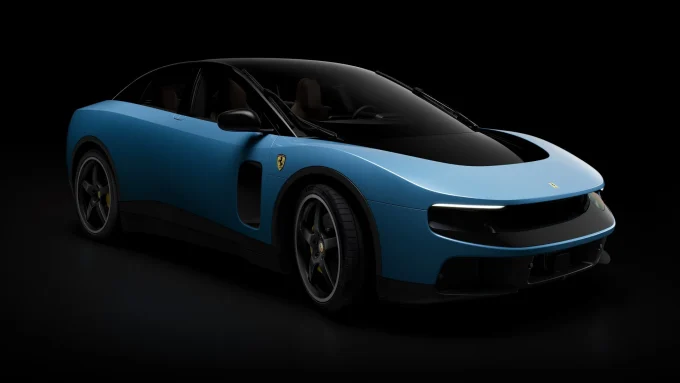





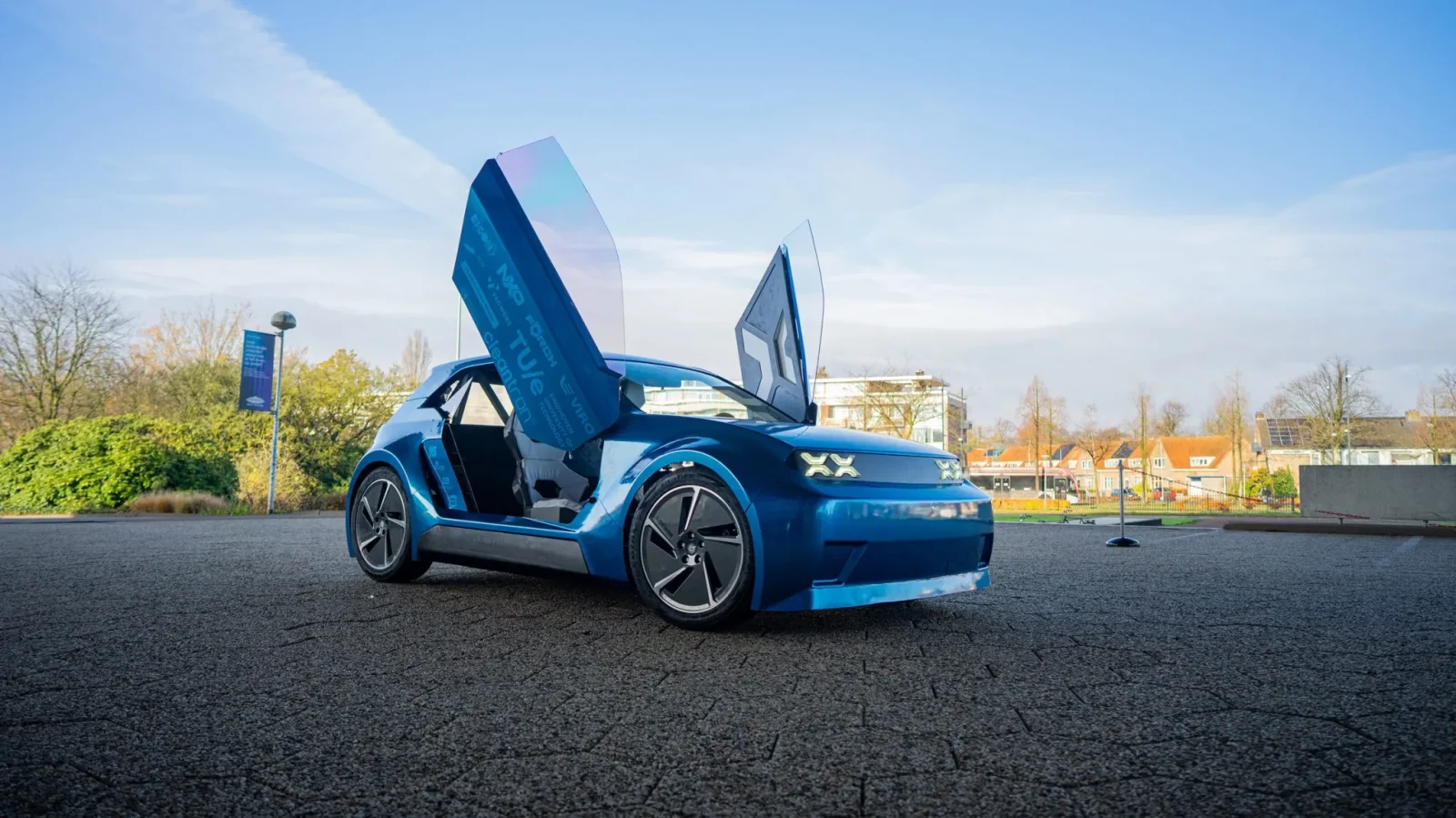
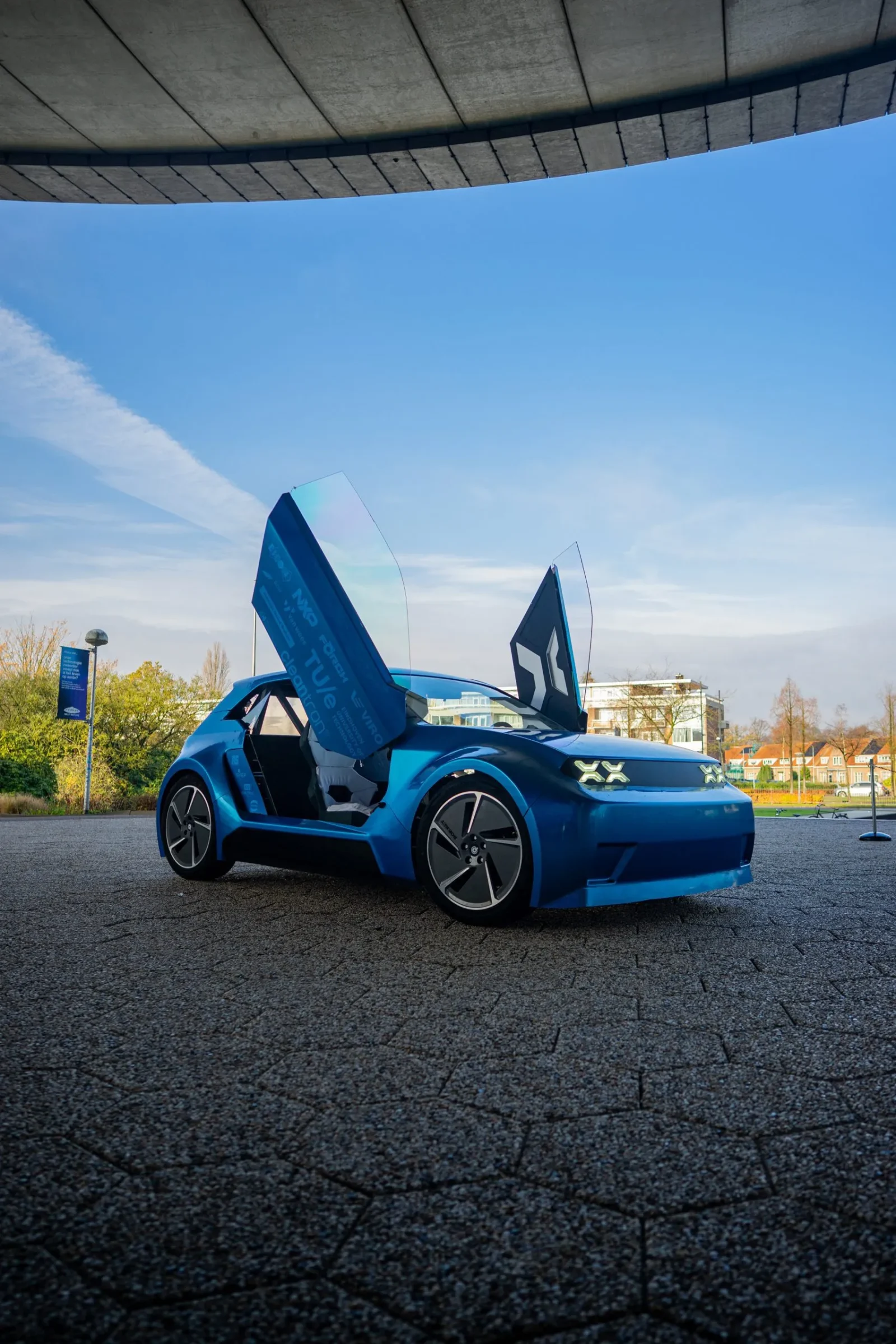
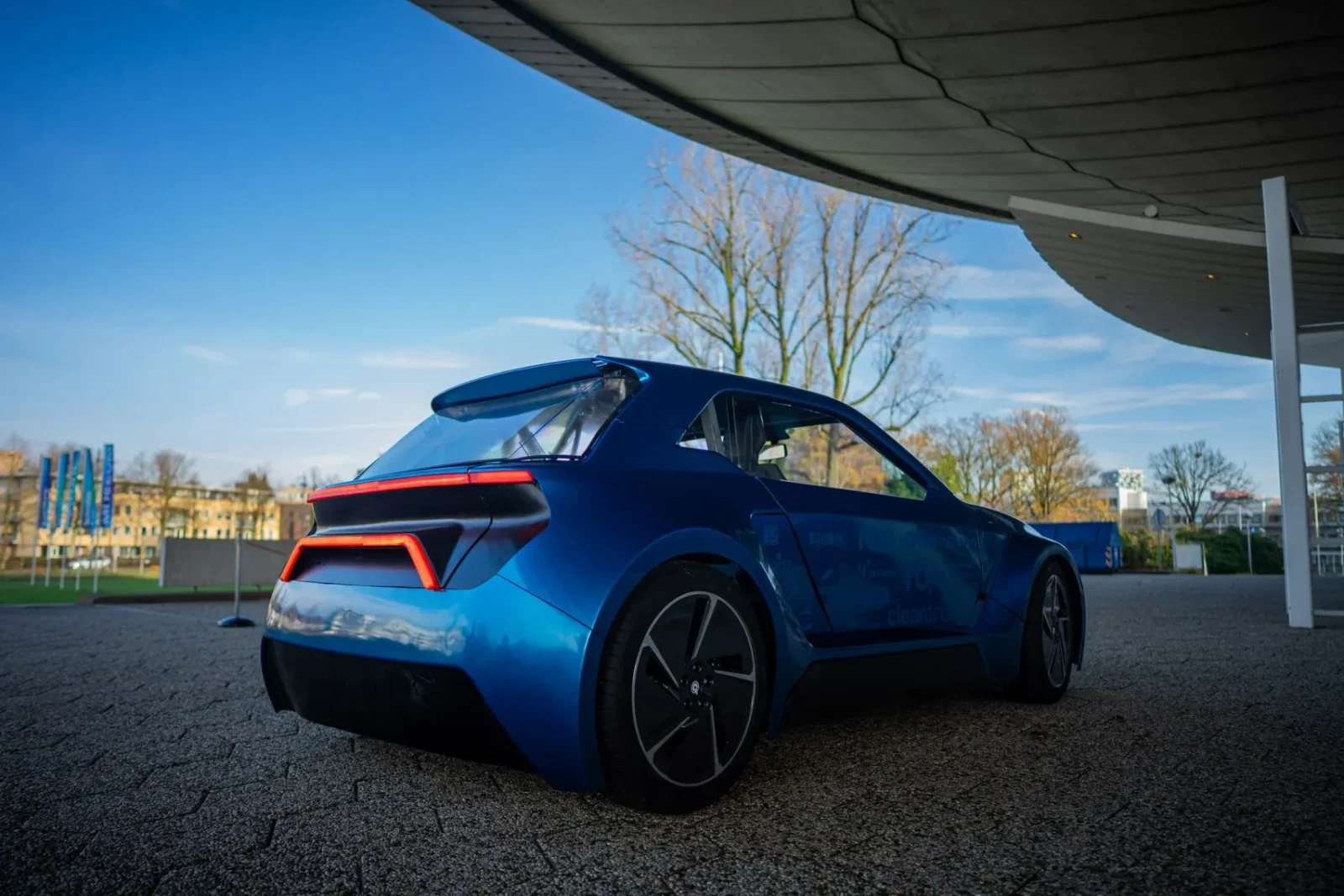
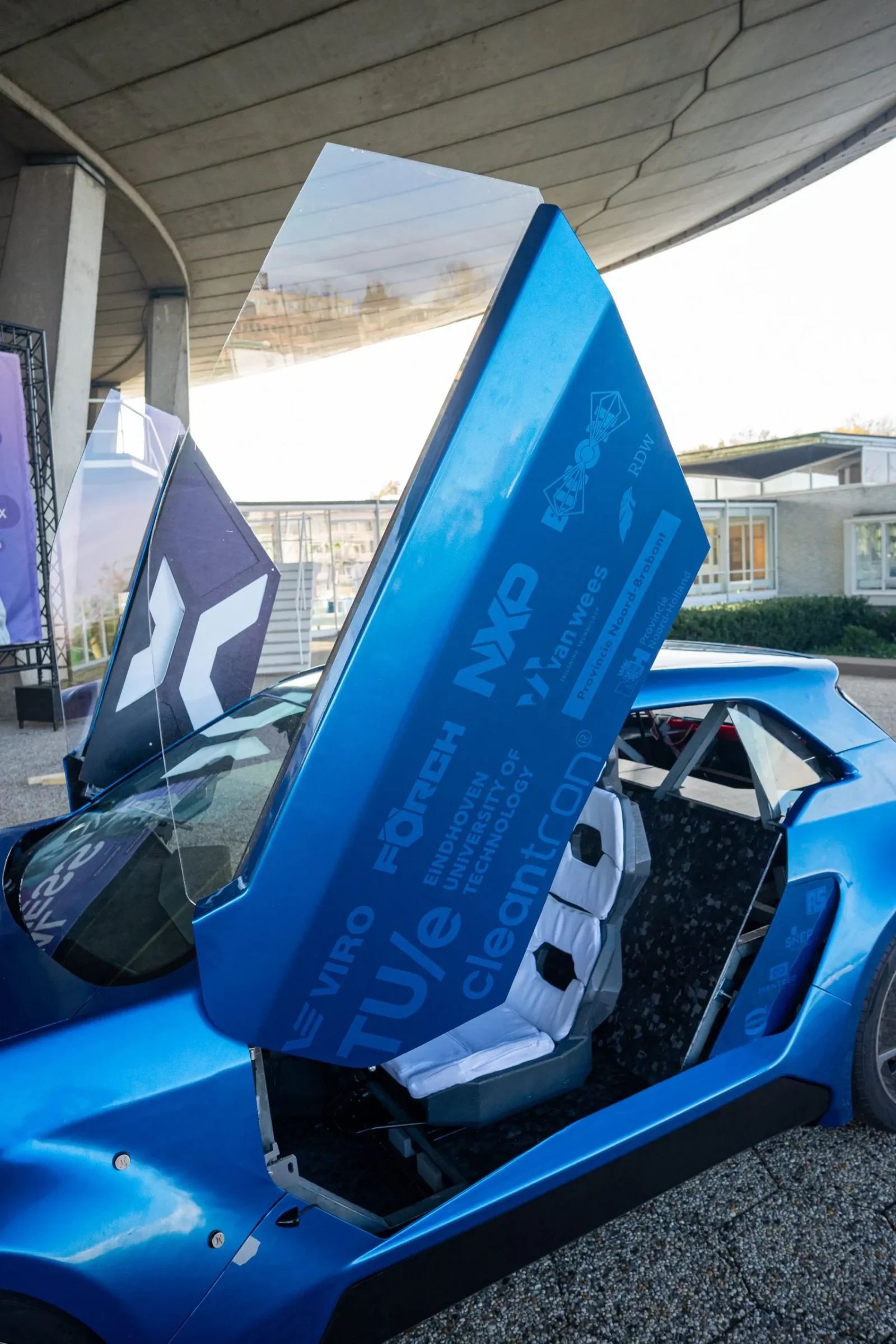
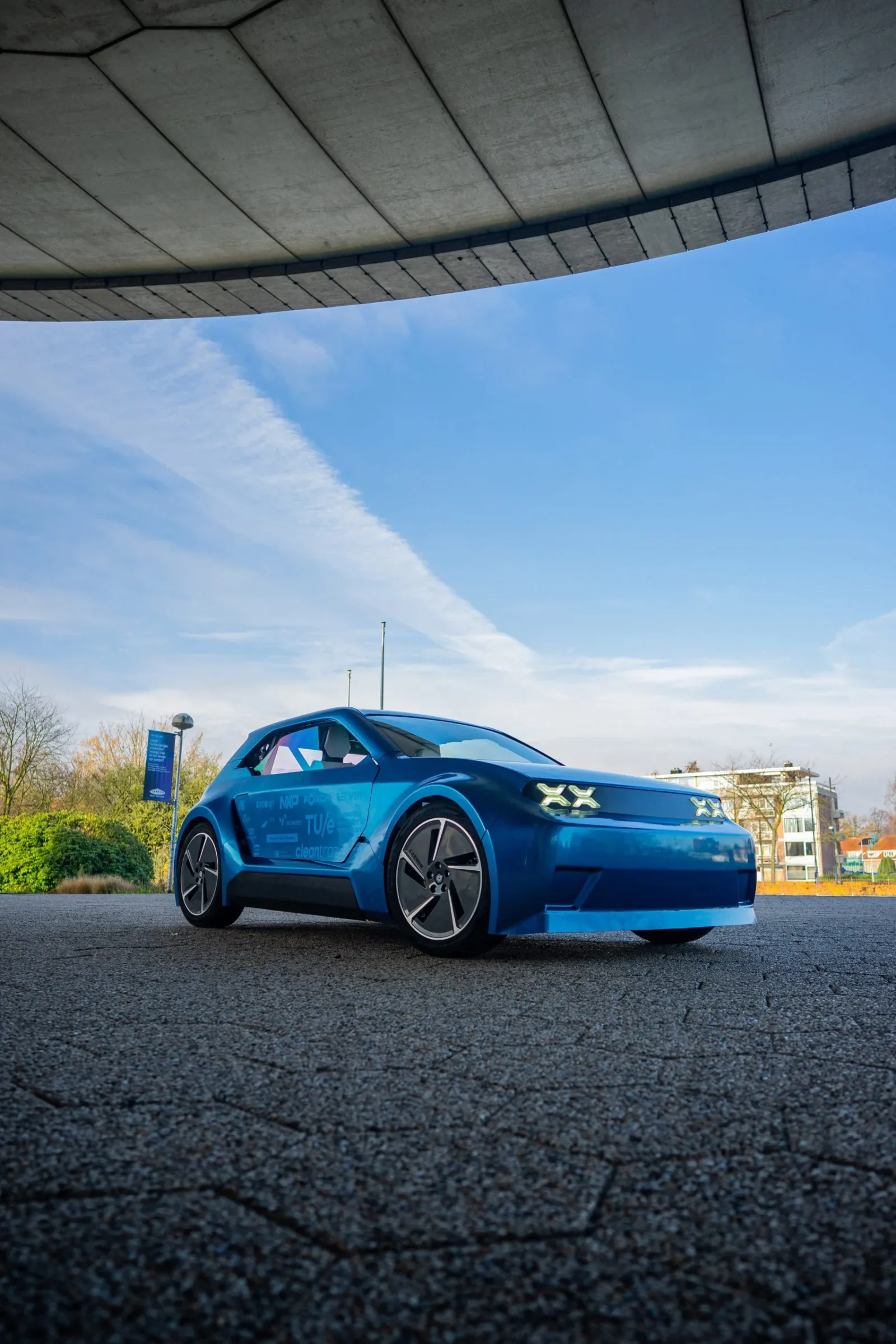
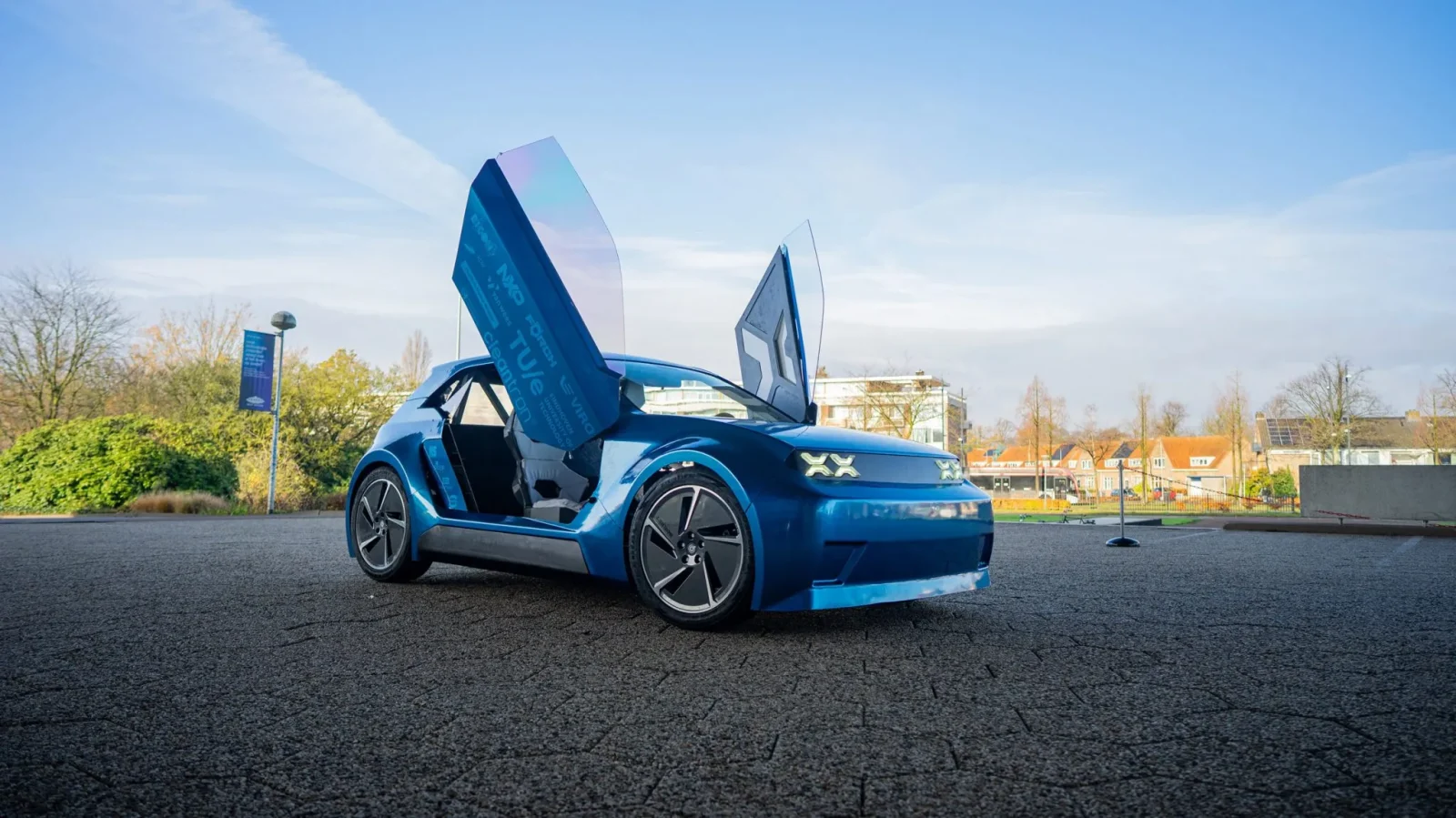
The global automotive industry’s transition to electric vehicles (EVs) is being redefined by the emergence of the ARIA concept, an acronym for “Anyone Repairs It Anywhere.” Developed by the TU/ecomotive student team at Eindhoven University of Technology (TU/e) in collaboration with Fontys University of Applied Sciences and Summa College, it represents a technological shift toward modular design.
TU/ecomotive ARIA – A Modular Electric Car Prototype
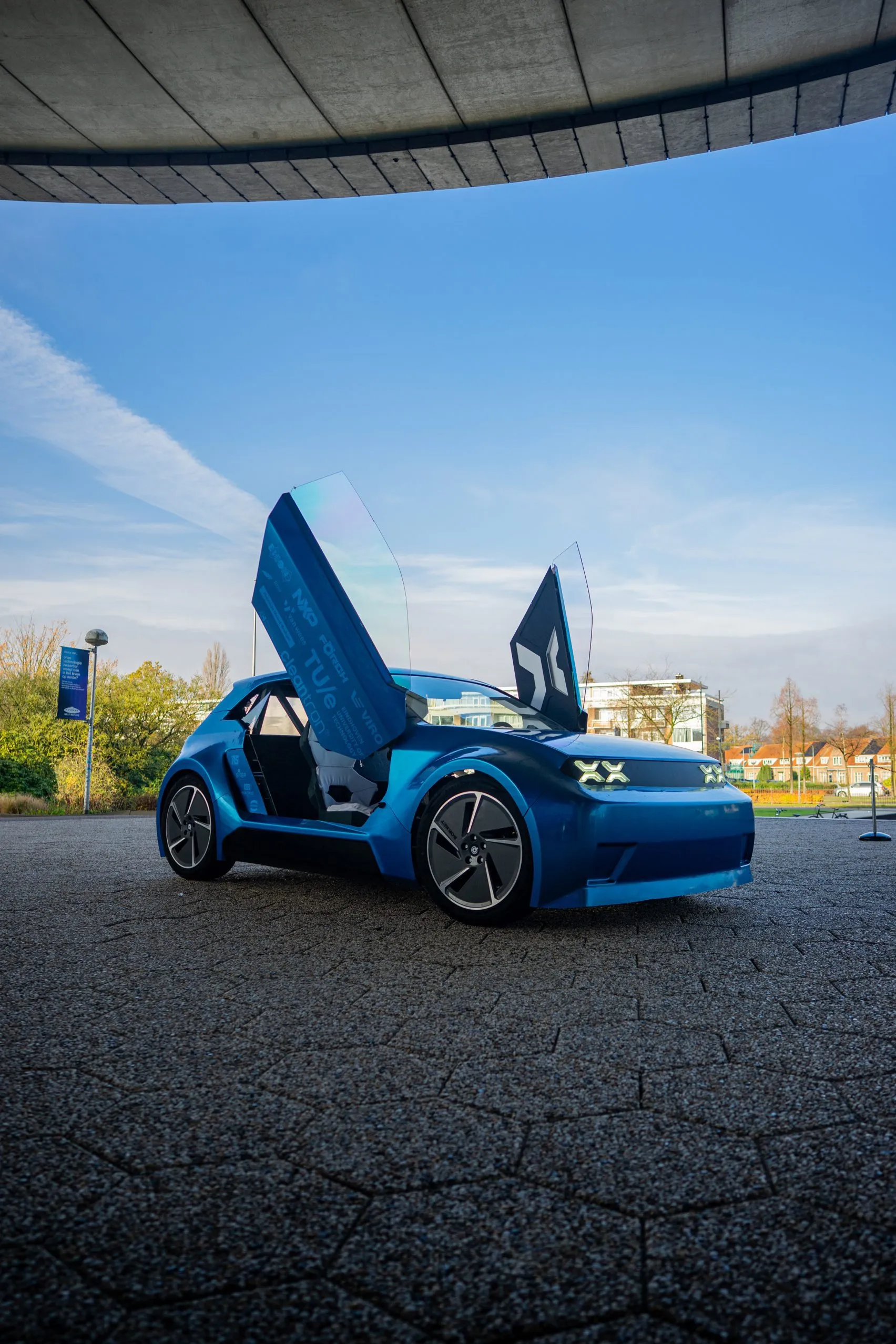
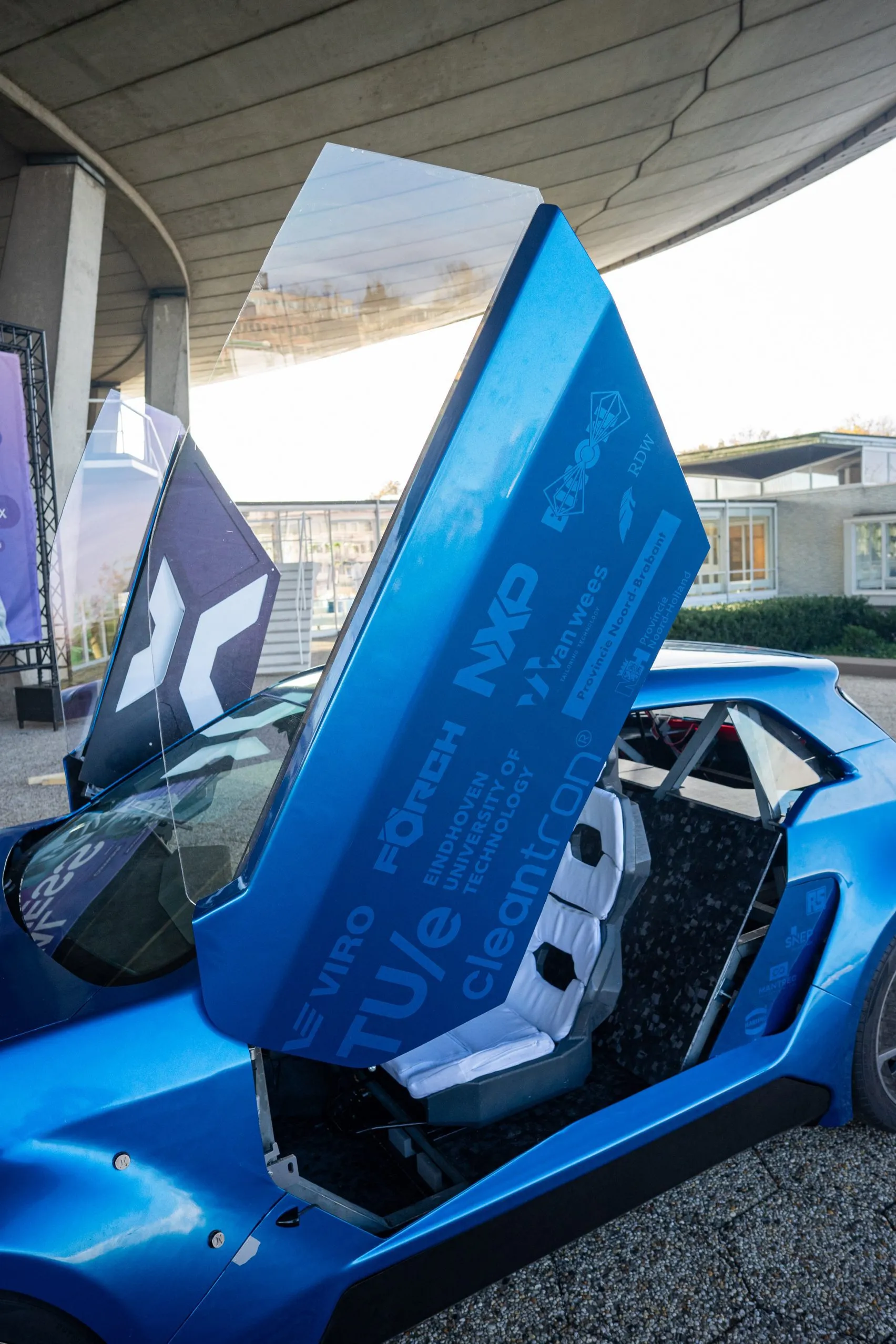
By addressing the technical complexity of electric mobility alongside practical requirements for user-led maintenance, this project was designed by a multidisciplinary team of approximately 20-30 students, drawing expertise from diverse educational tiers: the research-focused Eindhoven University of Technology, the applied sciences programs at Fontys, and the vocational training expertise of Summa College.
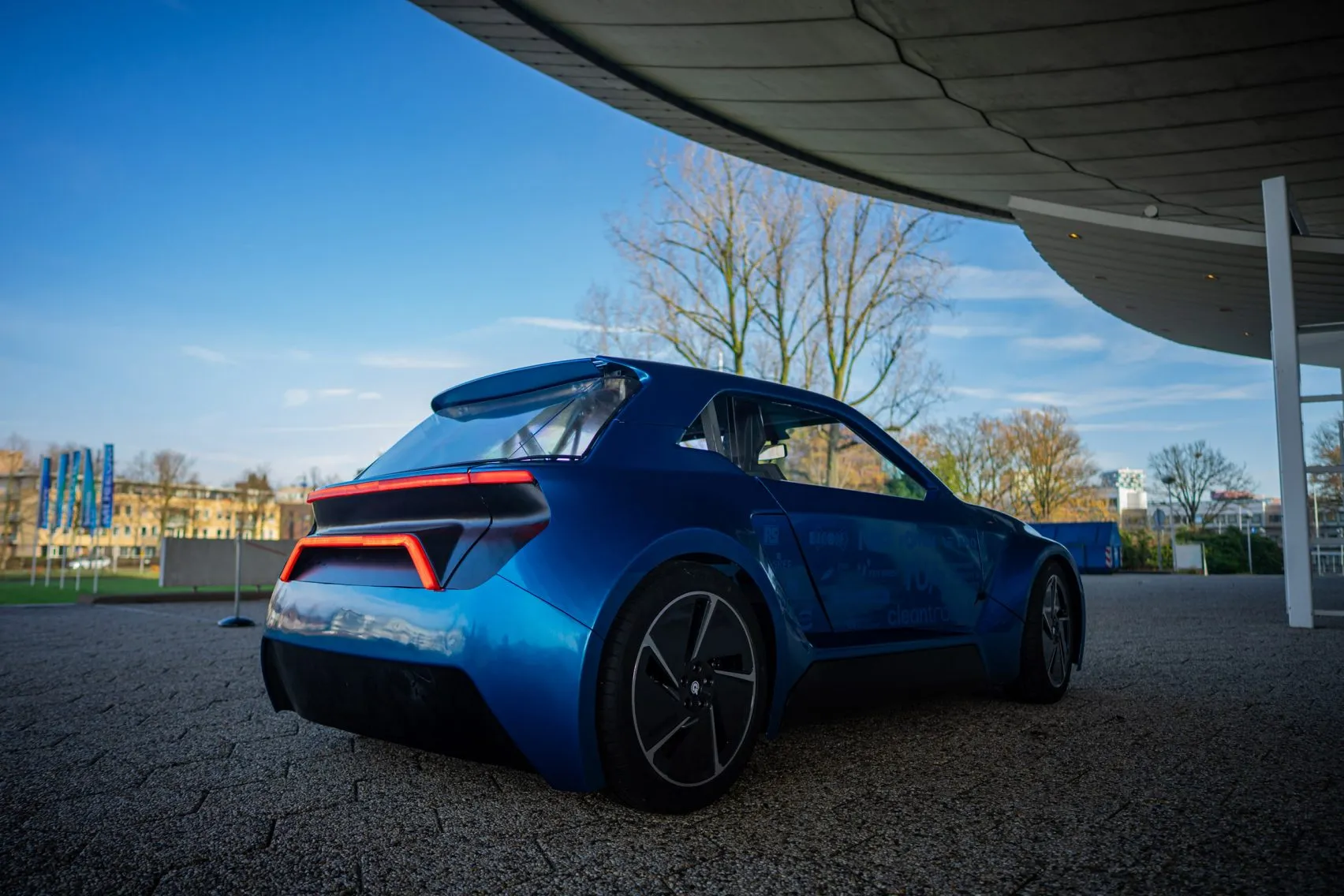
This design approach ensured that the vehicle remained both technologically advanced and user-friendly. Grounded in the Right to Repair (R2R) philosophy, the ARIA project addresses the consumer’s ability to fix the products they own. The most striking aspect of the design is its modular assembly strategy. Unlike a conventional vehicle, typically built as a single, cohesive unit, ARIA is constructed from discrete, standardized modules that can be removed and replaced individually without requiring specialist knowledge or industrial-grade equipment.
The Engineering of the ‘Anyone Repairs It Anywhere’ System
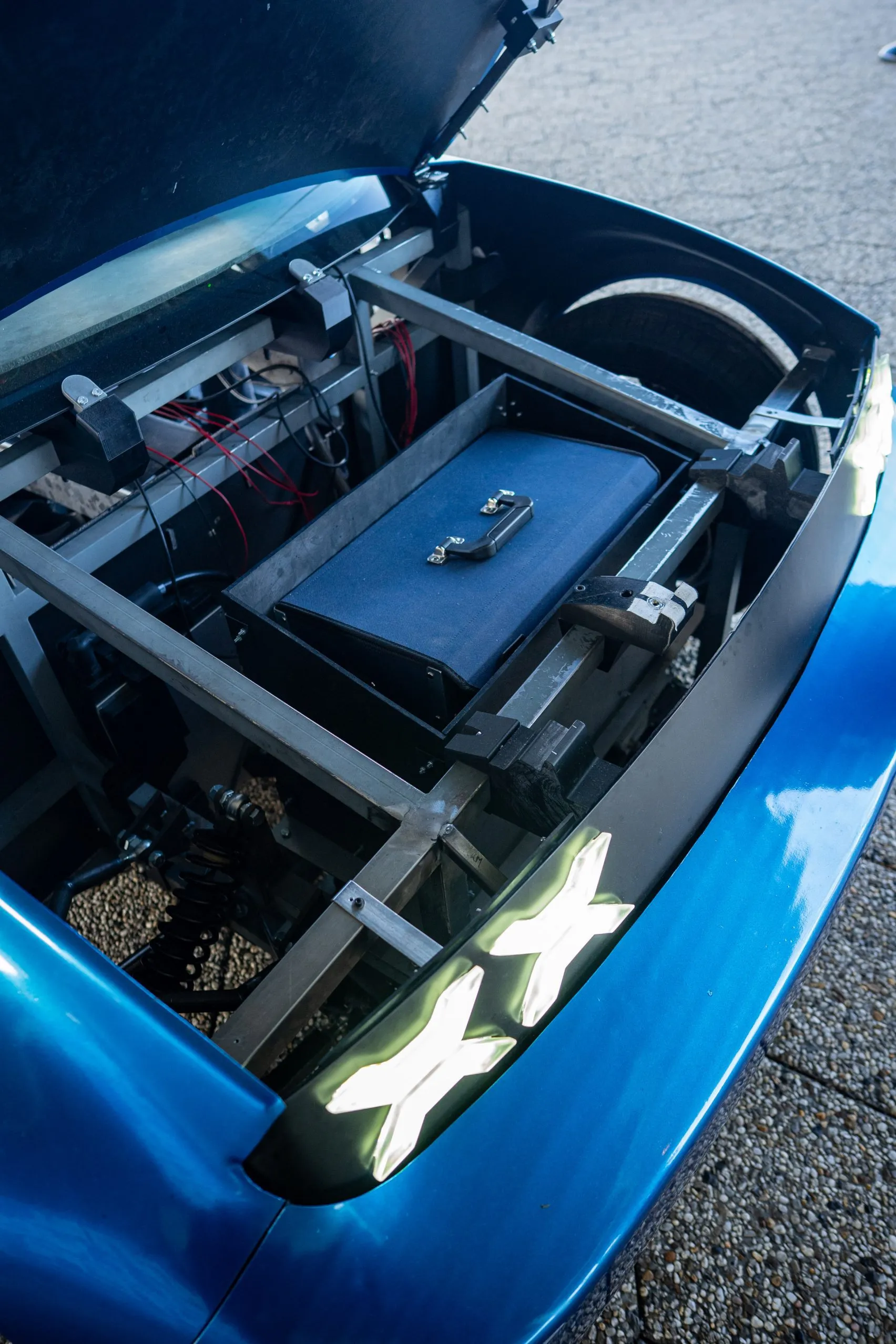
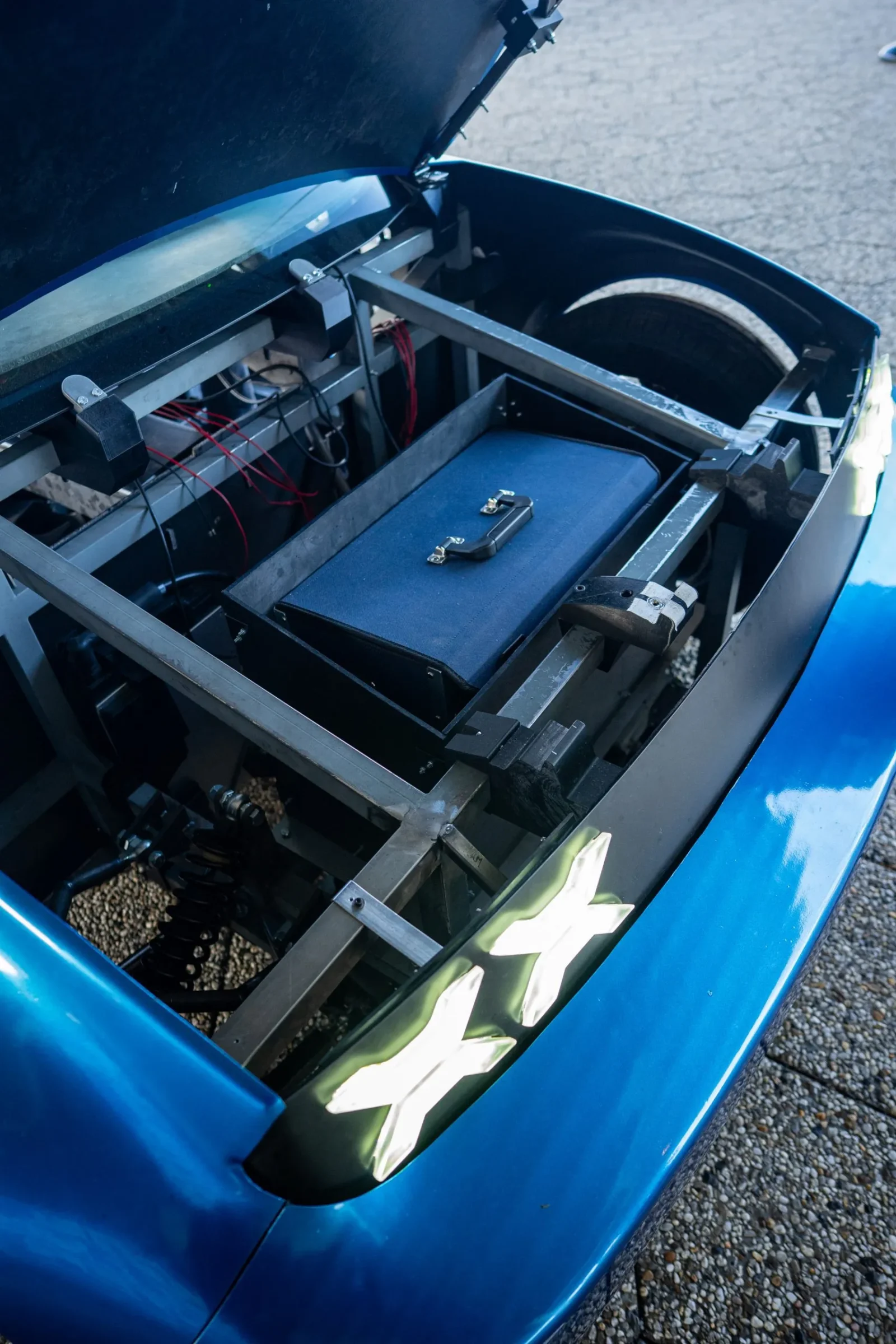
The design language prioritizes simplicity, easy access, standardized fasteners, and a reduced reliance on permanent bonding agents. The battery system in contemporary vehicles is heavy and embedded deep within the chassis; by contrast, ARIA employs a monolithic pack composed of six independent modules, each weighing approximately 12 kg. Housed within a removable tray beneath the floor, these modules can be detached and replaced by hand, eliminating the need for specialized tools.
This strategy provides several advantages, including the ability to replace only a single faulty or degraded module rather than the entire battery pack, thereby reducing the financial burden on the user. It also ensures that the system is safe for manual handling by the average consumer, eliminating the dependence on heavy machinery and certified high-voltage technicians for routine battery swaps or upgrades.
Click-On Exterior and Interior Ecosystem
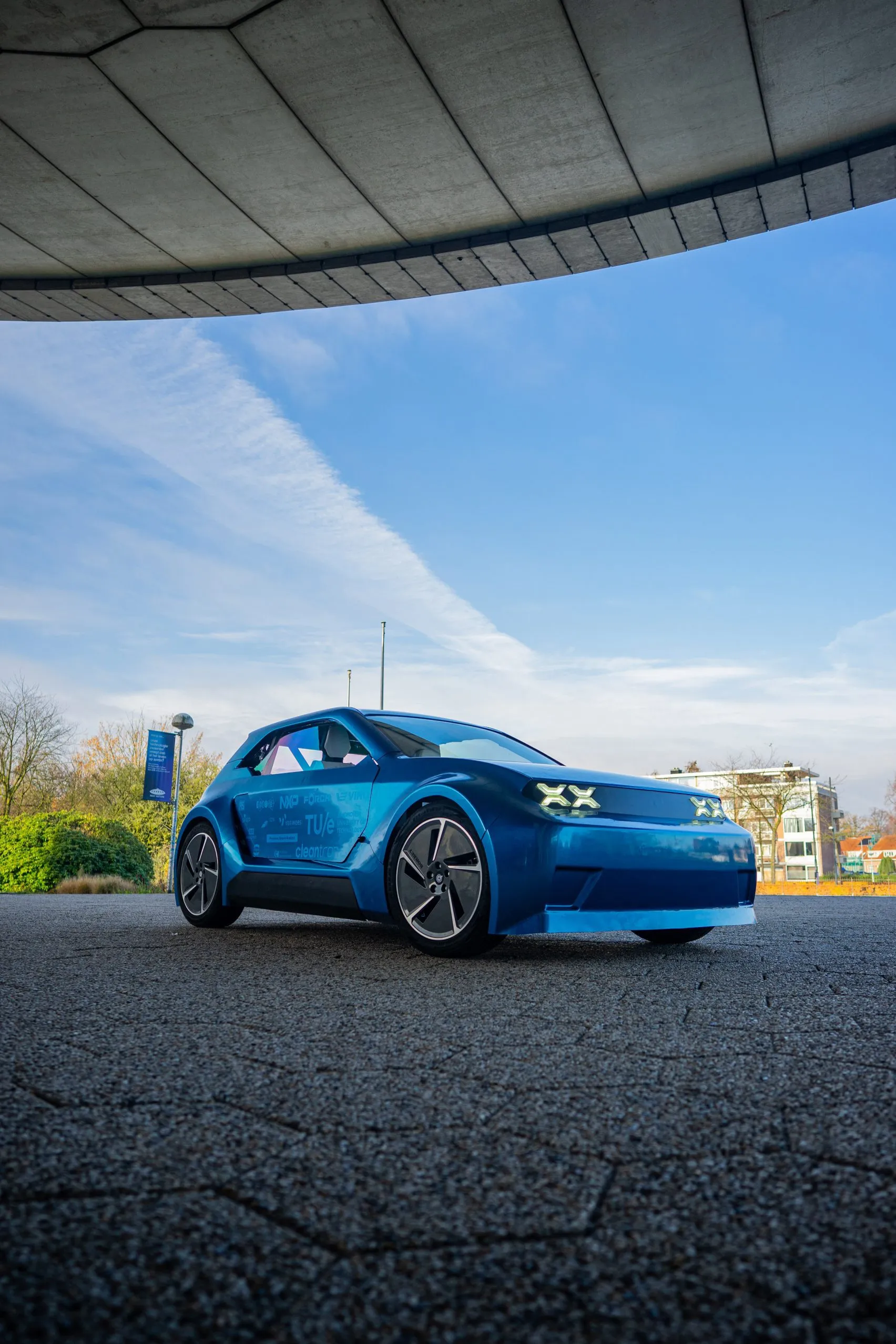
The exterior of the electric car employs a system of quick-release body panels that click onto the frame, significantly reducing the environmental impact of the maintenance cycle. Removing an exterior panel provides immediate access to the mechanical and electronic hardware positioned behind it. Rather than being concealed behind secondary structural layers, wiring looms, motor controllers, and sensor arrays are deliberately positioned for maximum visibility and accessibility.
Digital Diagnostics and the User Interface
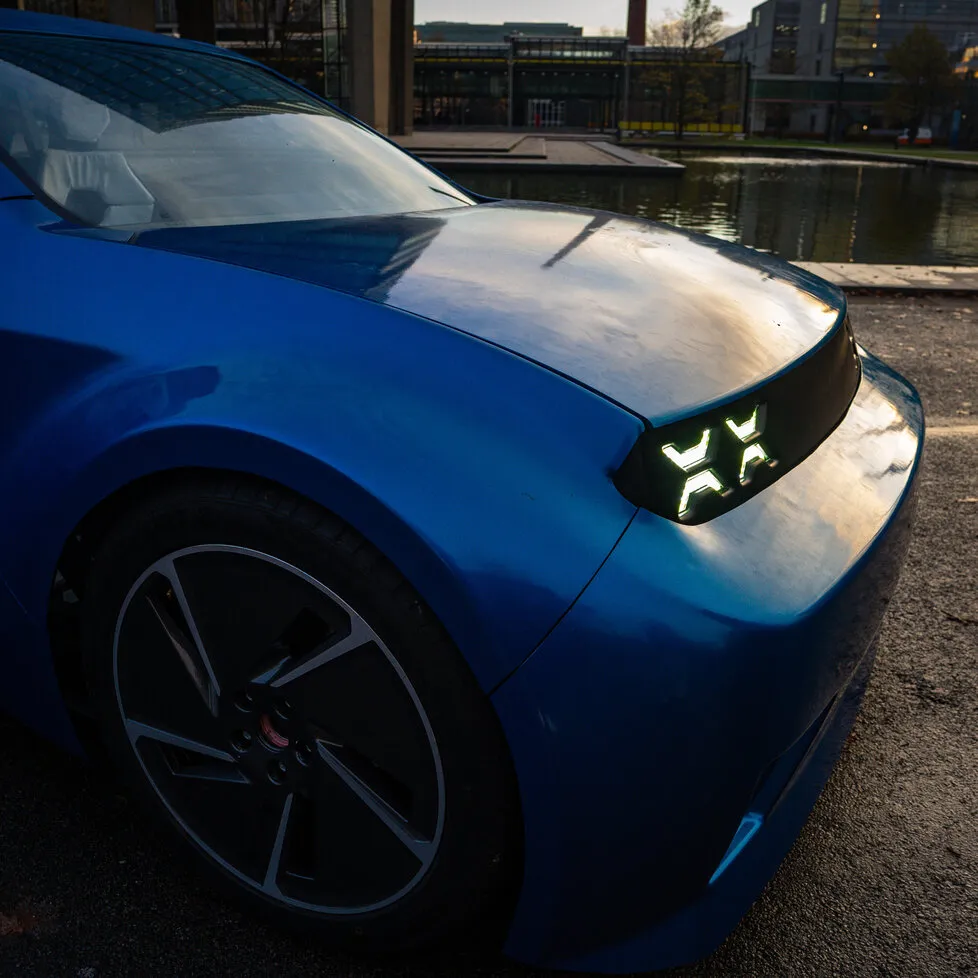
In support of the circular economy, the TU/ecomotive team developed several prototypes that explore the concept of automotive recycling by experimenting with mixed polymers and permanent adhesives. To address the complexity of modern automotive electronics, ARIA integrates a robust digital maintenance ecosystem. The system is paired with a dedicated diagnostic app that reads and displays the car’s status in real time.
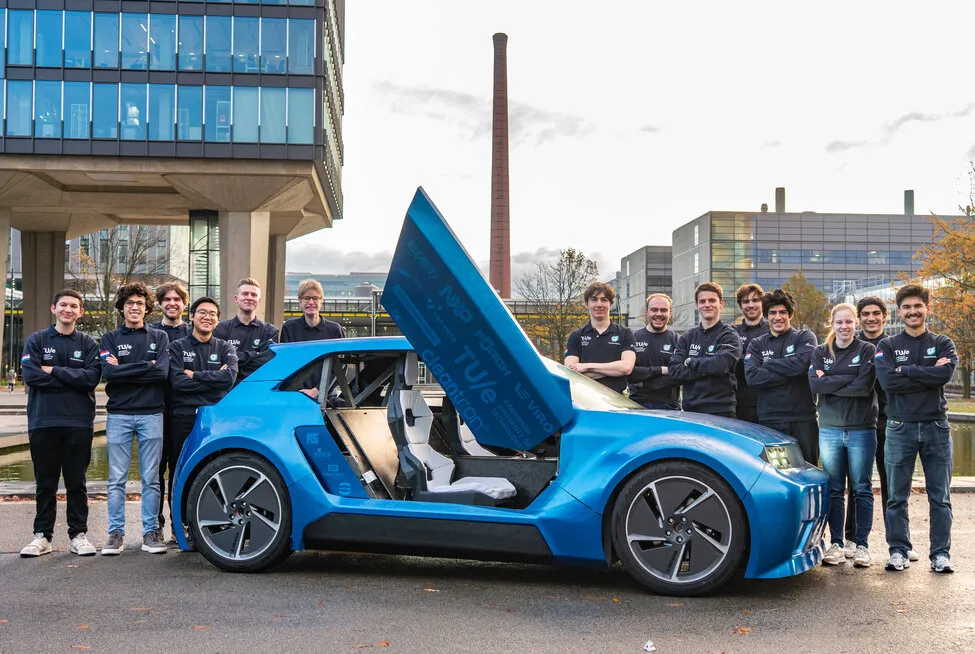
With the success of previous vehicles, ARIA is the tenth prototype developed by the TU/ecomotive team, and its design reflects a decade of iterative learning in the field of sustainable mobility. Anchored in the principles of the circular economy, high-quality components such as the planetary gearboxes supplied by Apex Dynamics ensure that the durable bottom possesses the longevity required for the system.
Following its unveiling at the Next Nature Museum in Eindhoven in November 2025, the team is now preparing for a series of high-profile engagements in 2026. This includes a planned tour across Western Europe, with visits to major automotive hubs in Germany, Belgium, and Italy.
Photo Credits: © Sarp Gürel
Explore Courses

.jpg "Ondrej Chybik - Rethinking Architecture")