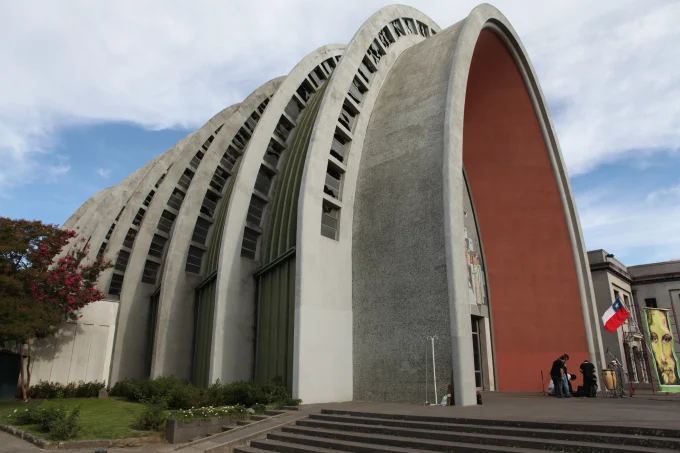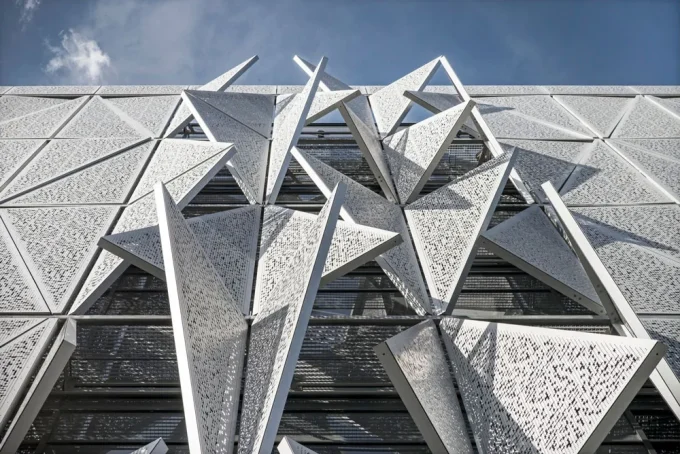



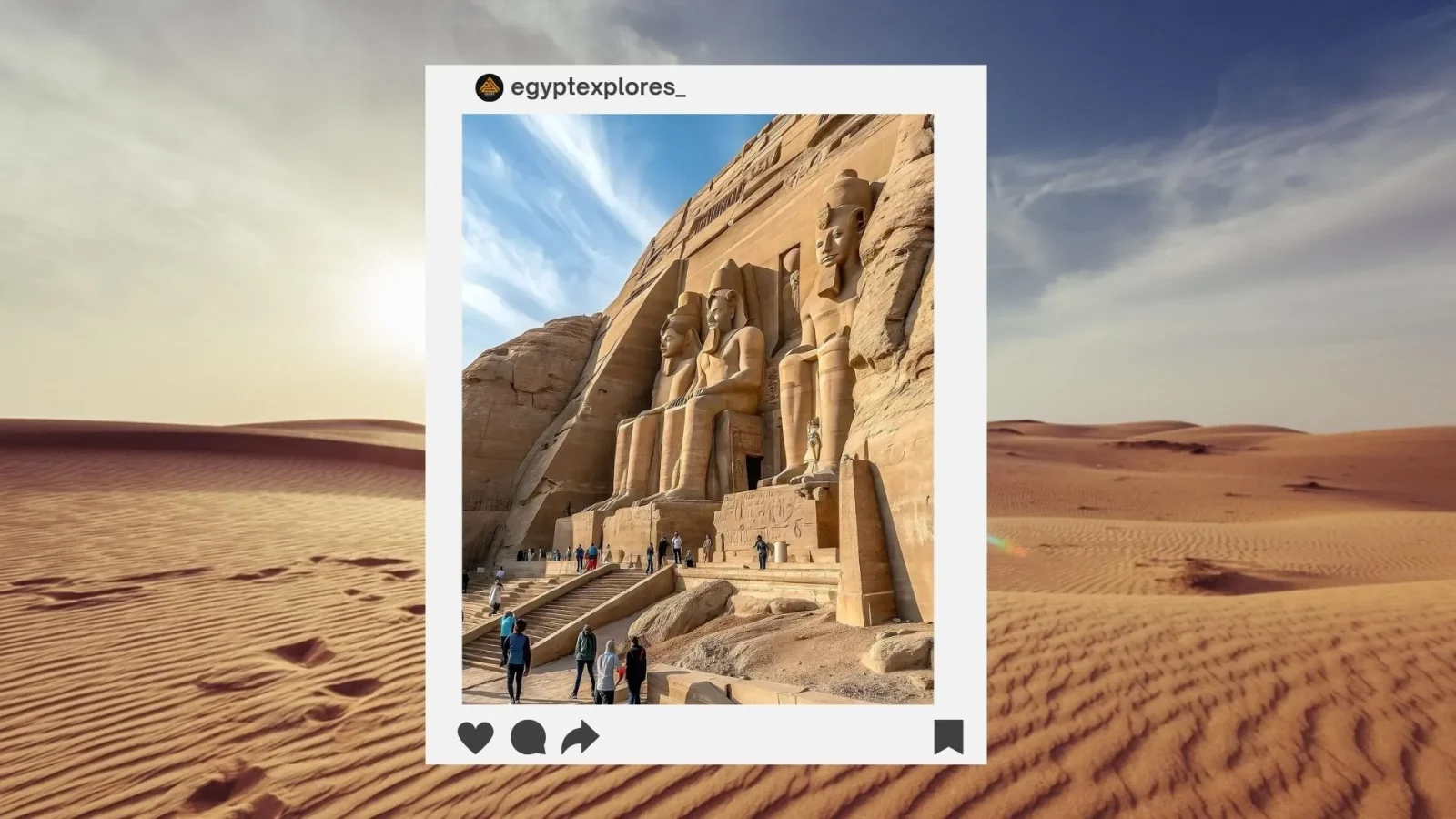
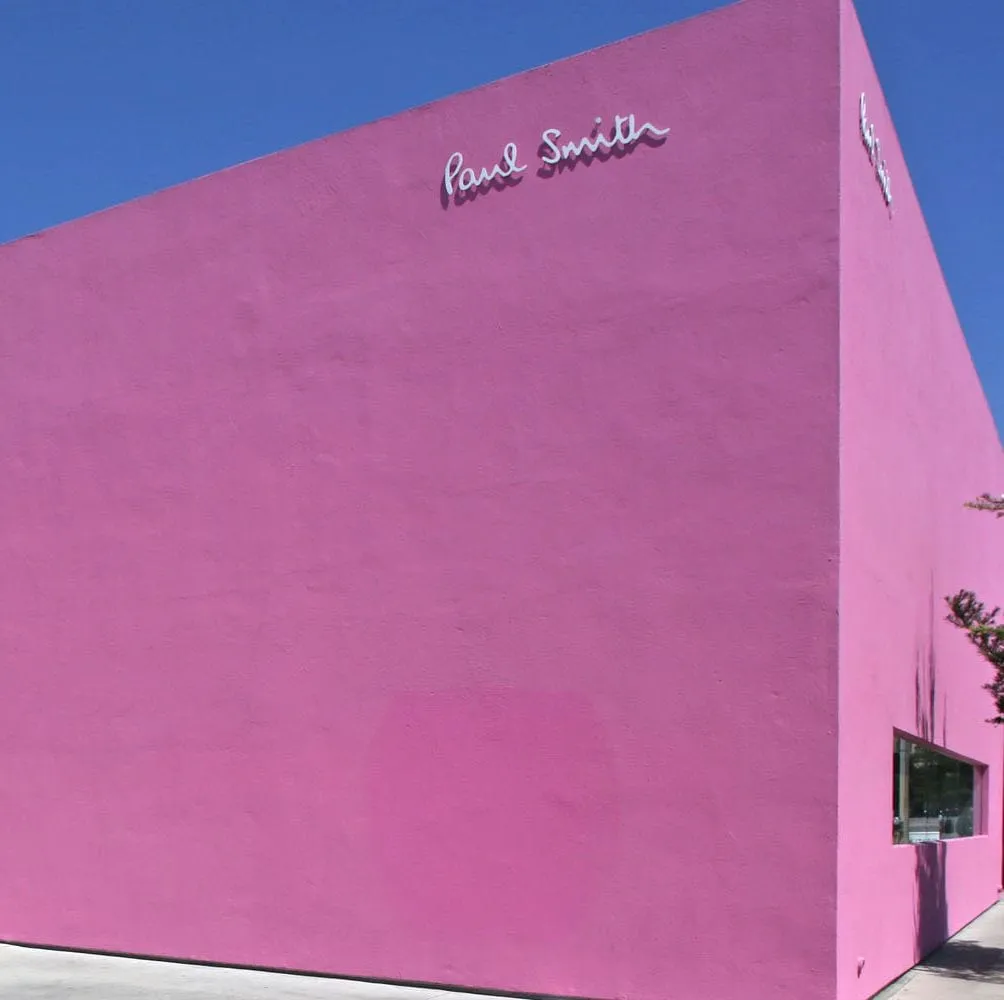
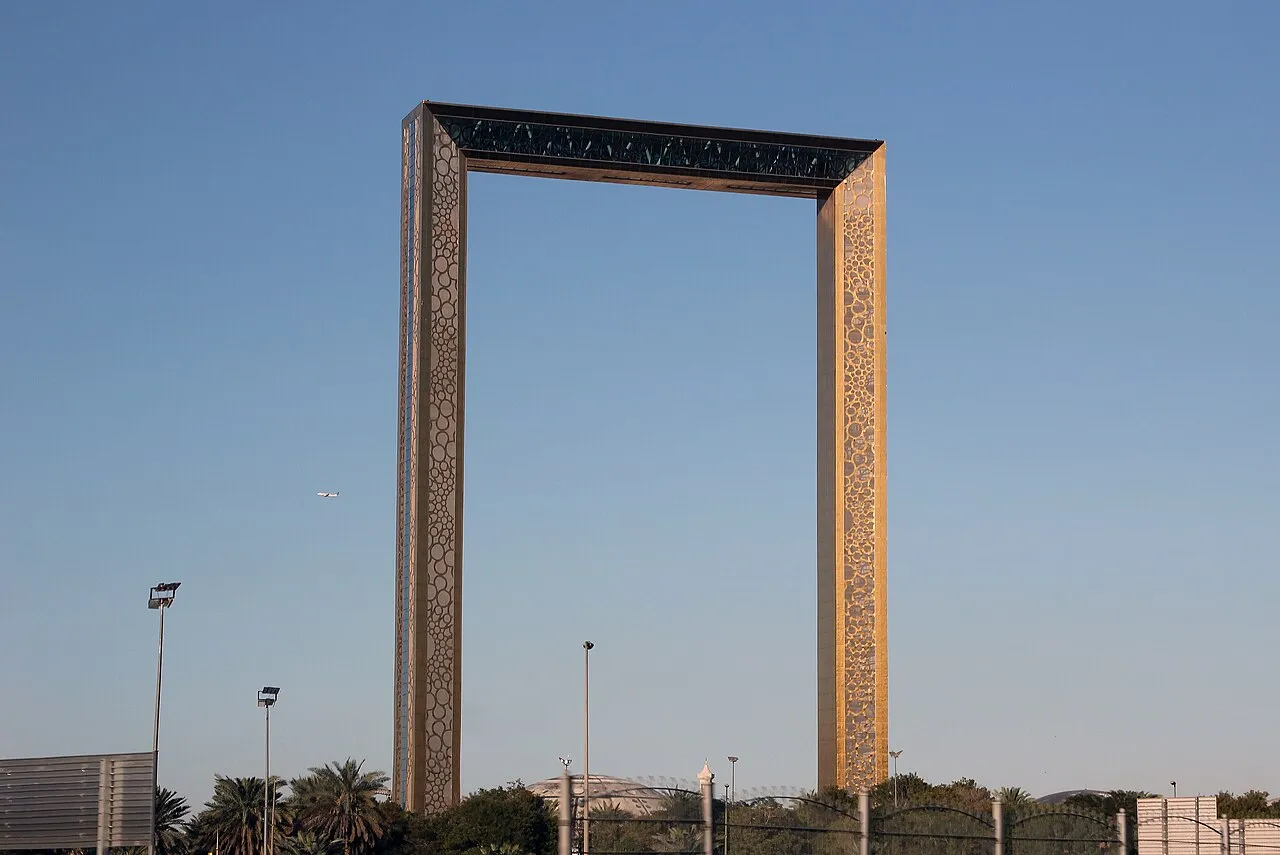
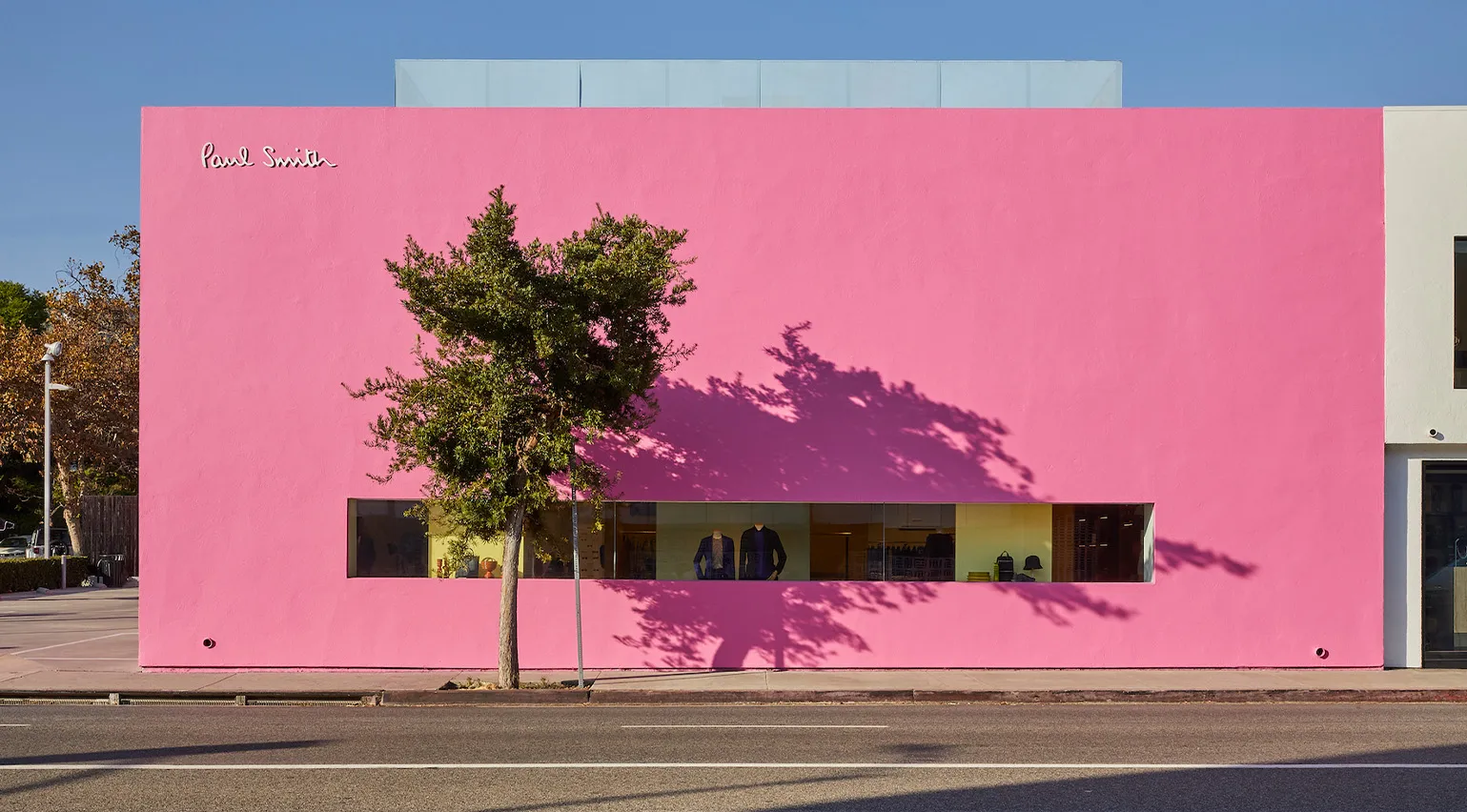
On Instagram alone, the #architecture tag boasts nearly 200 million posts showcasing everything from the Burj Khalifa to the Sydney Opera House. Even places never intended as landmarks can become icons, like the bright pink wall of the Paul Smith store in Los Angeles. Painted in 2005 to catch drivers’ attention, it has since drawn thousands of tourists and influencers, racking up over 221k posts under #pinkwall. However, the viral popularity of the Pink Wall has caused friction with local residents – at one point, fed-up neighbors even defaced it with graffiti saying “Go f*** ur selfie,” a telling sign of how social media stardom can impact real communities.
Oliver Wainwright, architecture critic for The Guardian, notes that many studios now openly admit “Instagrammability” is at the forefront of their concerns on new projects, with clients requesting designs that will look great on social feeds. In short, social media has created a new kind of architectural fame – one measured in likes, shares, and photo ops – which is influencing how architecture is conceived and appreciated worldwide.
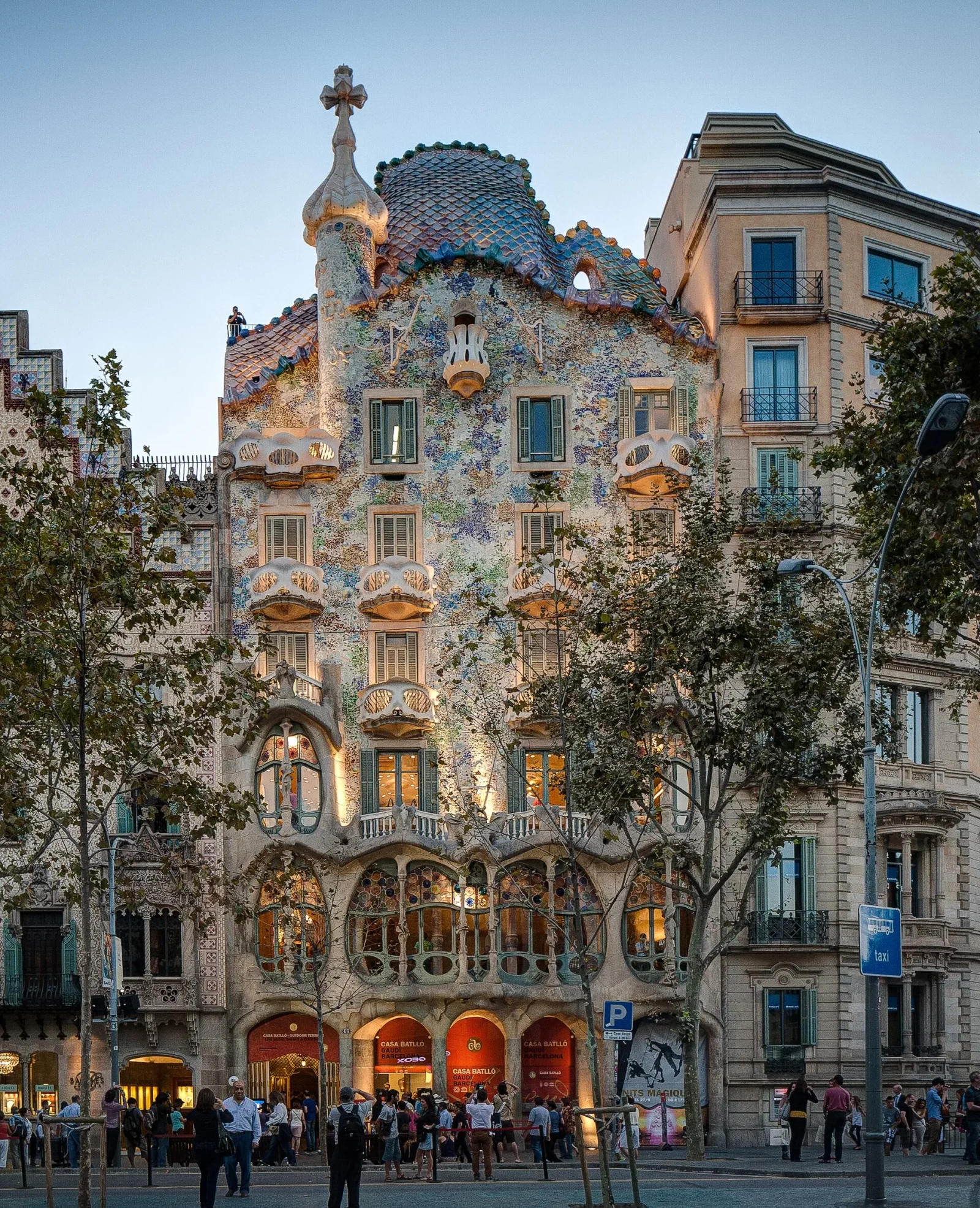
This influence is visible everywhere. Today about three-quarters of architects use social media professionally (by some estimates), seeking to increase their reach and engage a broader audience. The effect is that architecture is no longer an elite conversation confined to industry journals or academic circles. Design ideas now spread in real time to a global, non-specialist audience, sparking public interest on an unprecedented scale. A striking new building in Singapore or a quirky café interior in Seoul can go viral online and be seen by millions overnight. This democratization of architectural content means that everyday people are more aware of design trends and landmark projects than ever before. However, it also means that the success of a project can become entwined with its social media performance.
In extreme cases, popular buildings turn into pilgrimage sites for social media enthusiasts, which can boost local tourism but also lead to overcrowding and weariness among locals (as seen with the Pink Wall and other hotspots)
The Power of Visual Trends in Contemporary Design
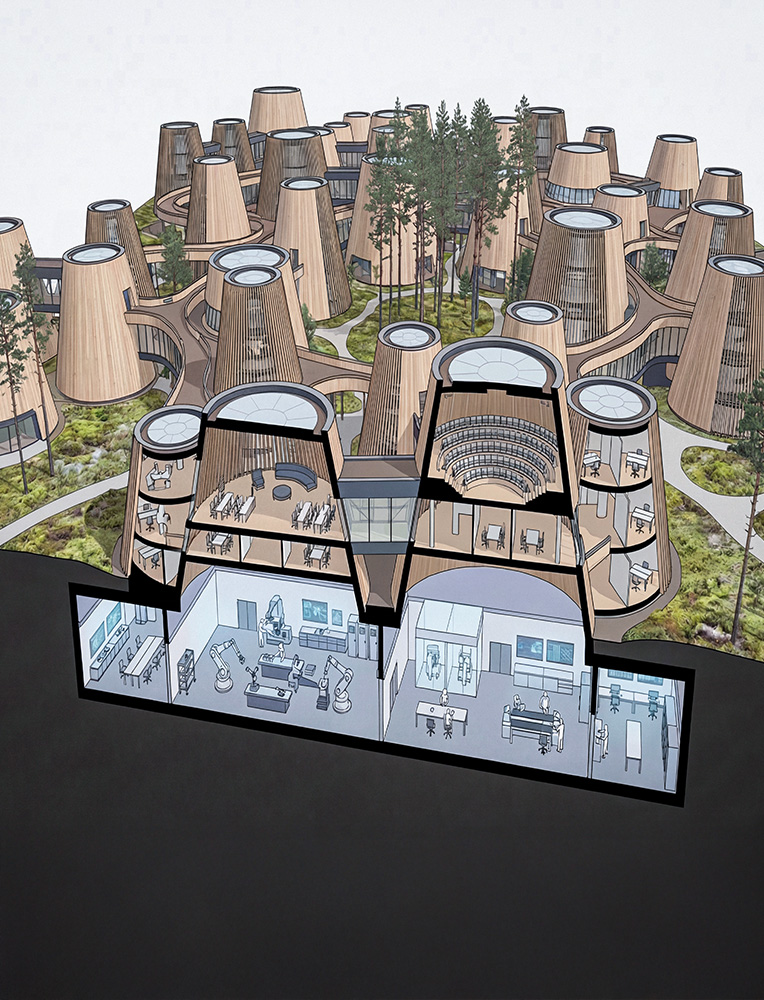
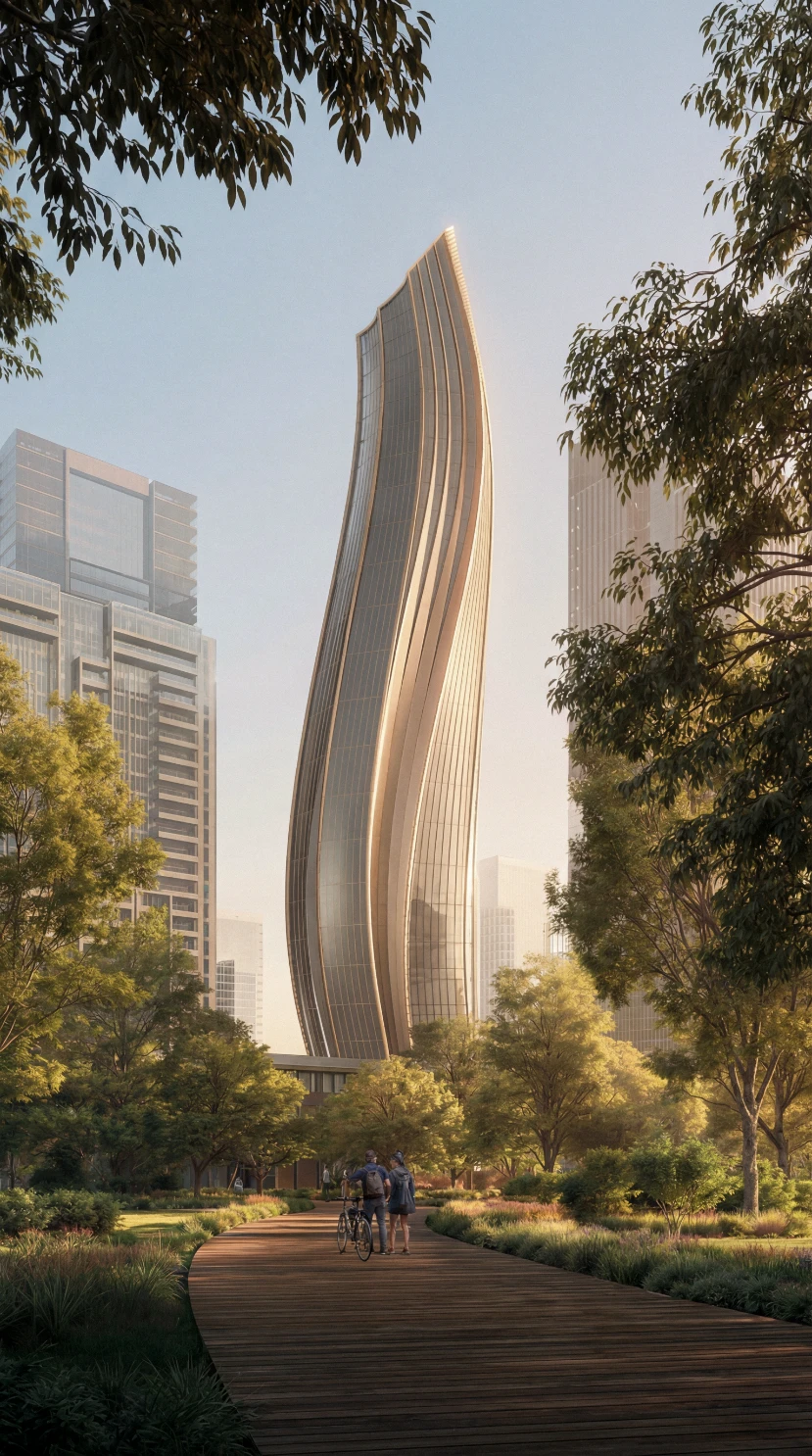
Social media’s emphasis on images has begun to reshape architectural design priorities. Platforms like Instagram – built around glossy visuals – encourage architects to think about how a building or space will photograph as much as how it will function. Form, texture, and color are now being emphasized in ways that might not have been as prominent before, all to produce “Instagrammable” buildings that capture light well and beg to be shared.
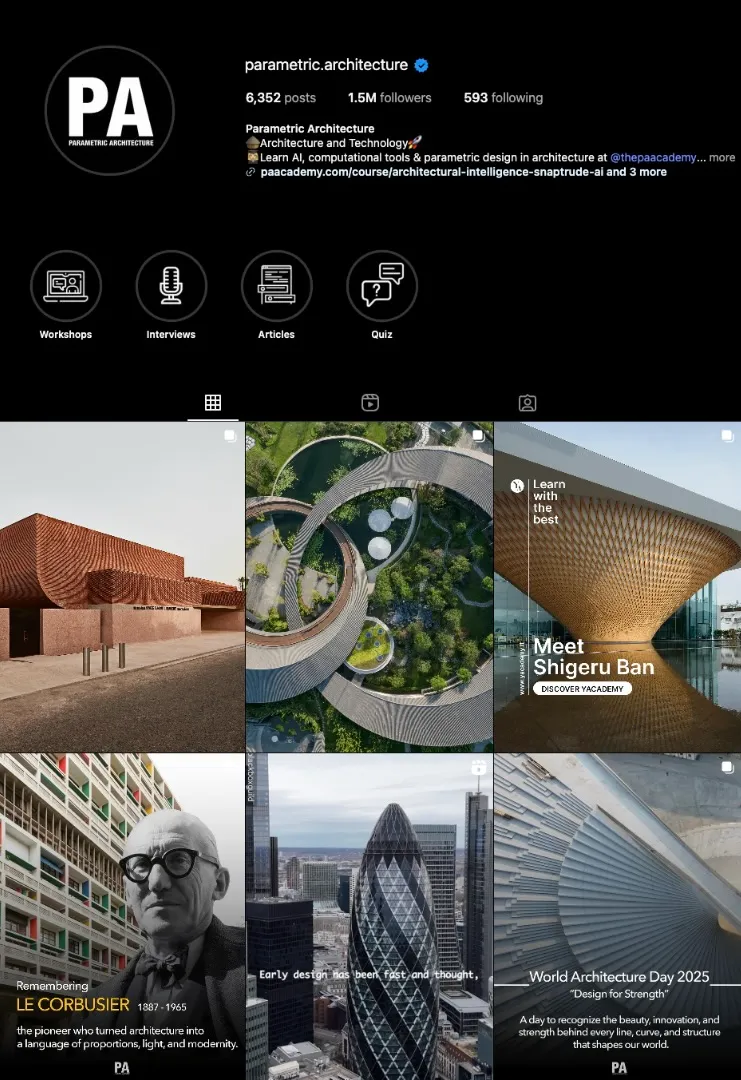
As people are inundated with images of cutting-edge buildings from every corner of the globe, architects are pushed to keep innovating, lest their work look dated. In effect, visual imagery has become a universal design language in the online era, fostering a constant exchange of ideas and inspiration across cultures. In this climate, Instagram accounts showcasing residential architecture have rapidly amassed vast followings, reflecting a global appetite for design inspiration.
How Architects Present Their Work Online Today
Before social media, architectural projects reached audiences mainly through print media and industry publications, limiting visibility to professionals and niche enthusiasts. Today, architects are finding that a strong visual hook can bring far more attention to a project online than it ever could through traditional exposure.
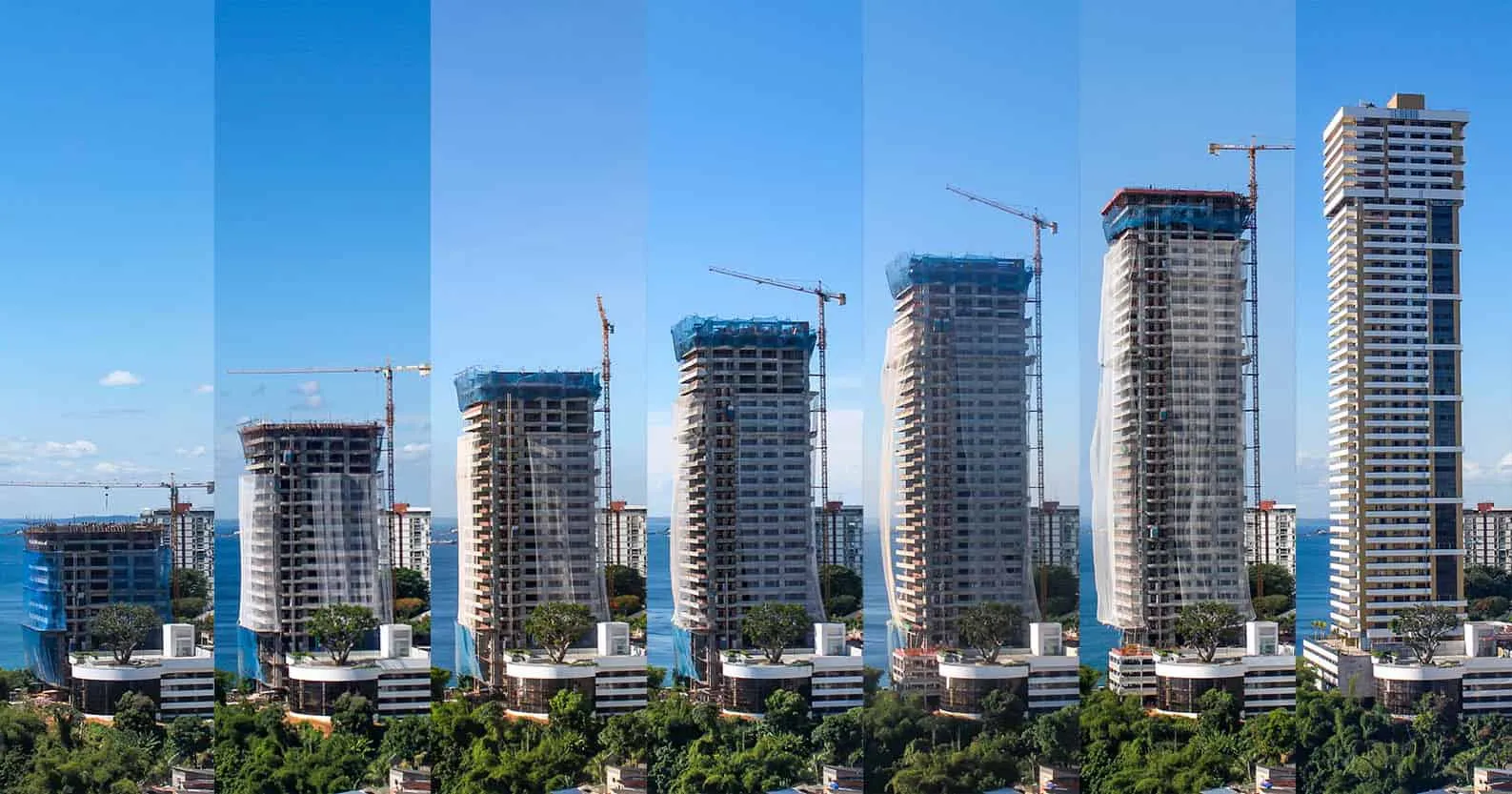
Architects now post not just the final structure, but also the entire journey and steps involved in creating it. These constant updates help generate buzz and even invite constructive feedback that architects can incorporate during the building phase. These details often reflect cultural or historical accuracy, such as the omission of amenities in the original concept. This shift has made architecture less of an exclusive club and more of a shared environment. This fuels curiosity amongst people to travel and adore these marvels in real life, boosting tourism. Burj Khalifa, the world’s tallest man-made building, welcomes over 17 million visitors annually.
How Public Feedback Influences Architecture
Real-time feedback now plays a significant role in shaping how architecture is perceived and valued. What was once the domain of critics, awards, and niche publications has expanded to include millions of voices online. Social media engagement, likes, shares, comments, and viral posts have become a new yardstick for evaluating a project’s impact.
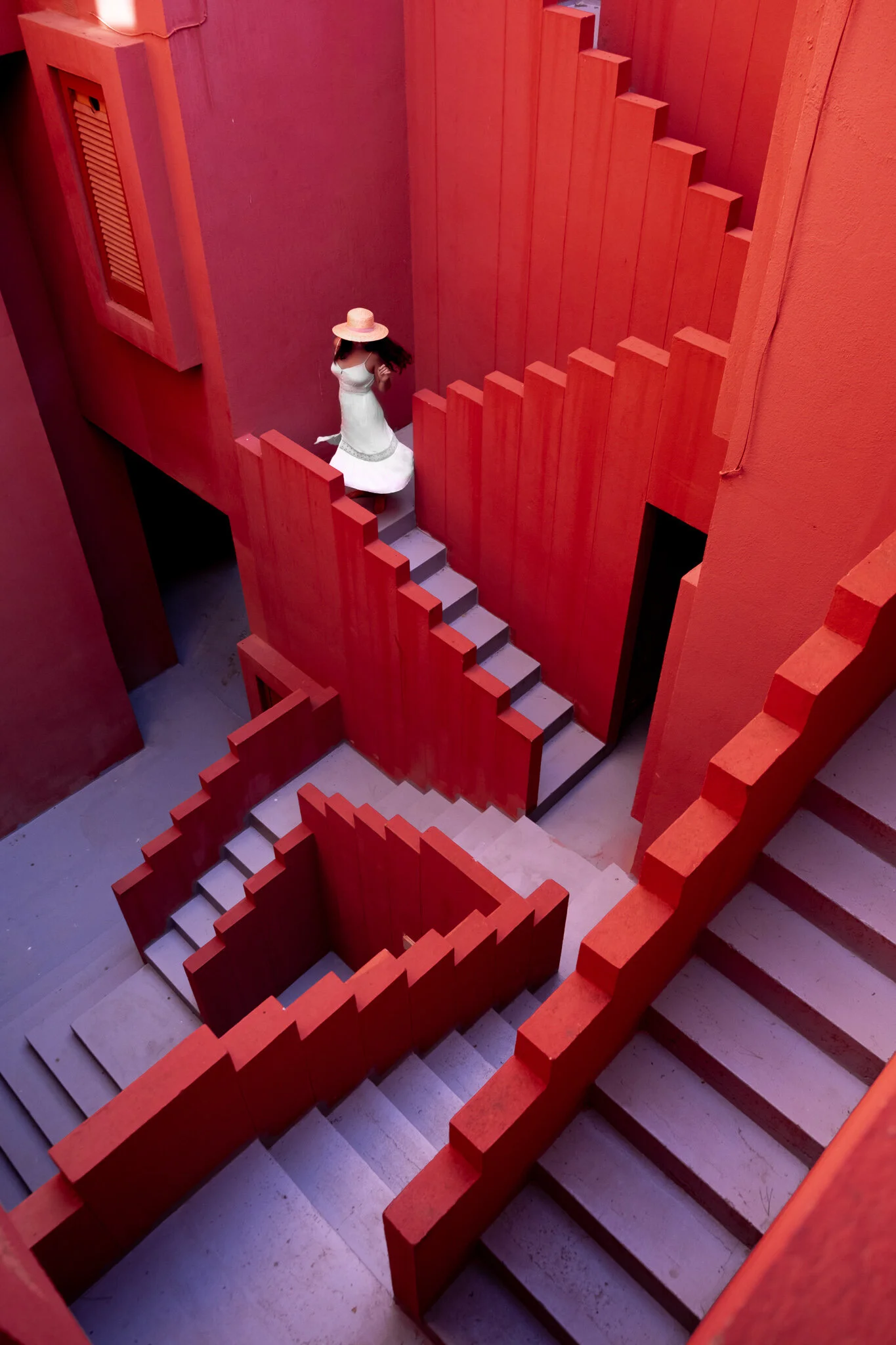
Consider the Muralla Roja in Calpe, Spain completed in 1973 by Ricardo Bofill, was rediscovered decades later by Gen Z travelers and influencers. Its candy-colored geometric staircases, once a postmodern critique of Mediterranean housing typologies, are now a staple backdrop on Instagram and TikTok, sparking new interest in Bofill’s entire body of work.
Are Social Media Trends Diluting Architectural Meaning or Democratizing Design?
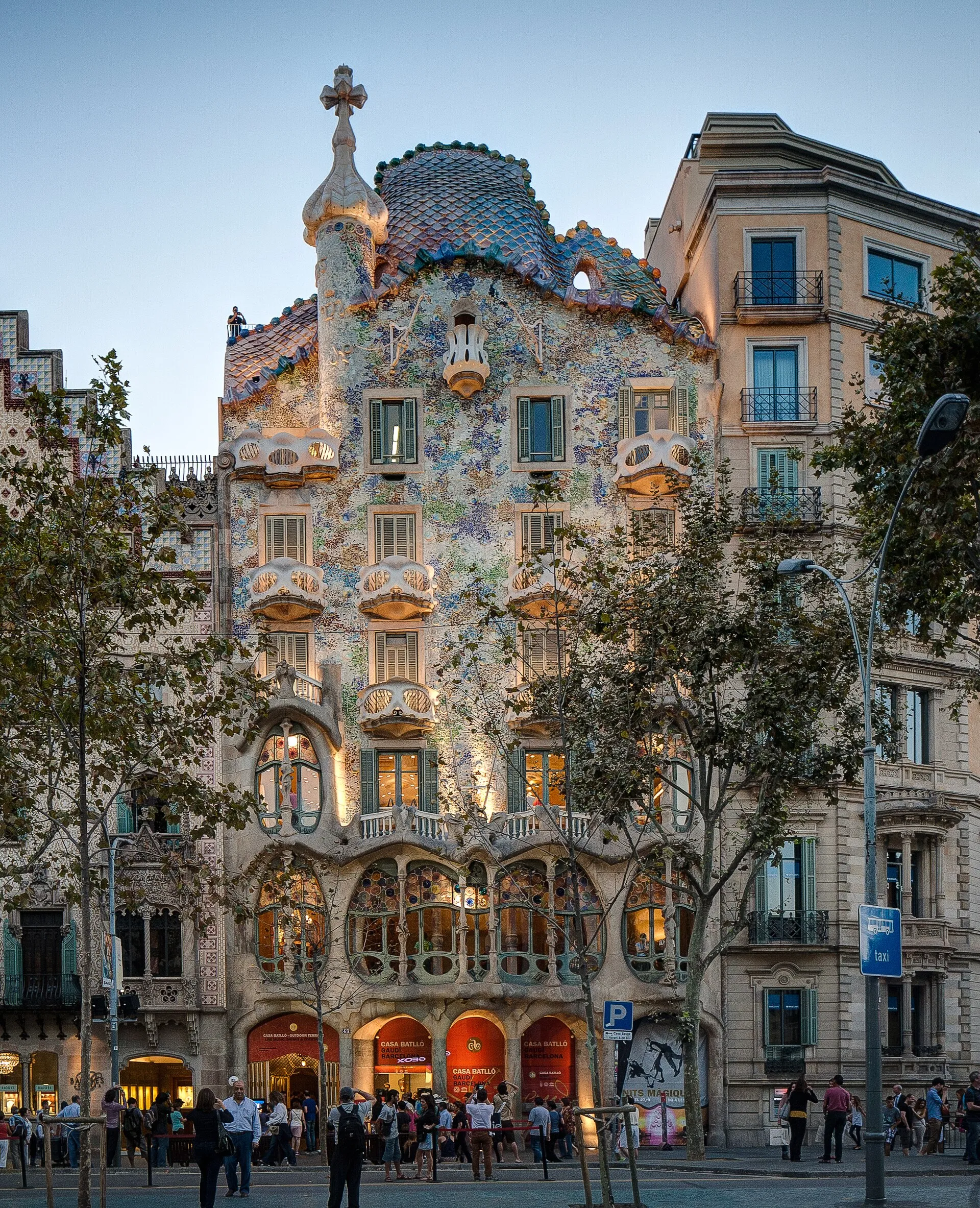
As certain visual trends and design features gain popularity online, a pattern of repetition begins to emerge across projects. Architects often replicate these features to align with what’s trending. While this boosts appeal and familiarity, it risks stripping designs of uniqueness and depth. When the same styles and forms appear frequently, buildings lose their cultural or geographical character. Over time, this recurrence can reduce architecture to surface-level aesthetics.
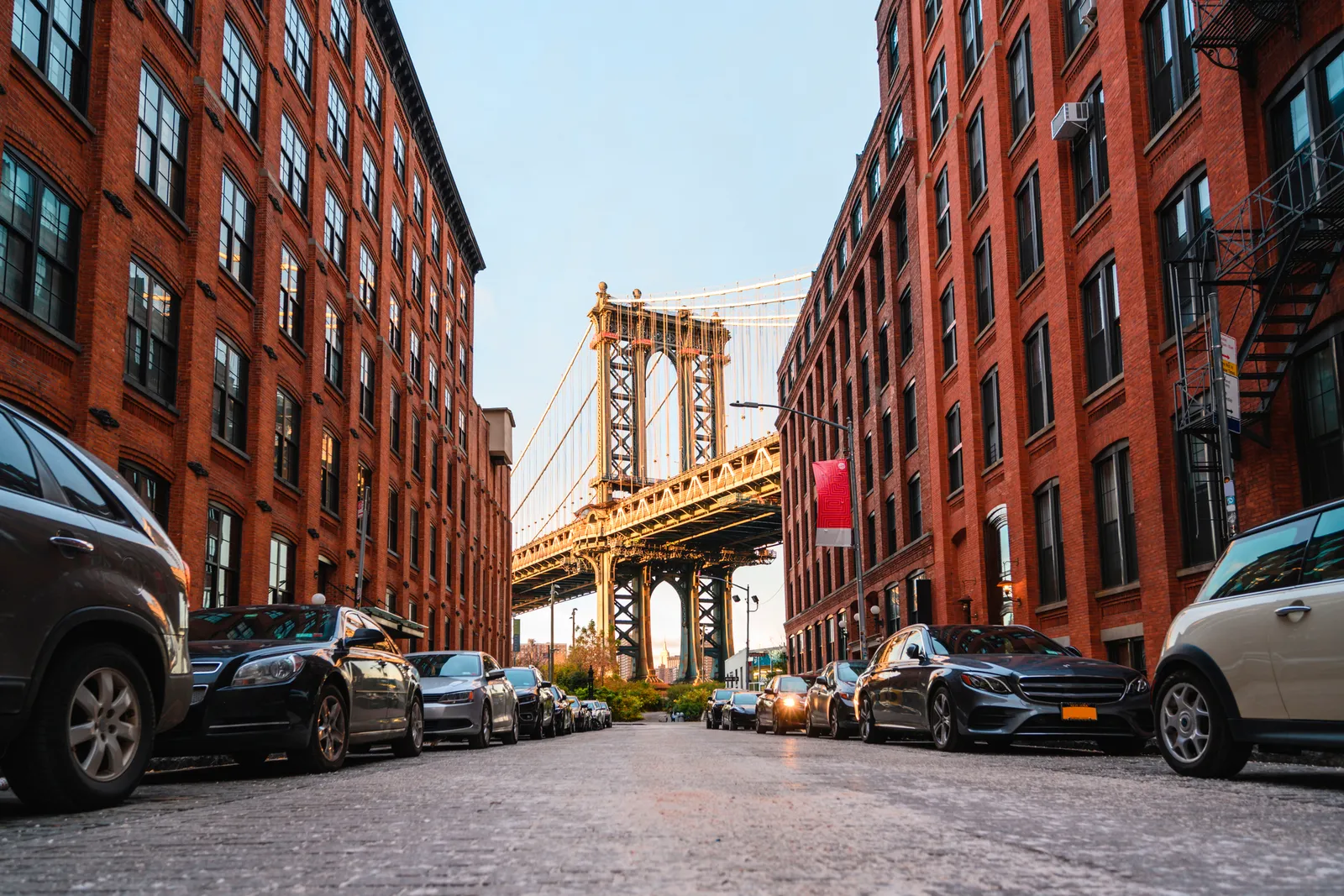
This visual standardization is often unintentionally driven by social media, which rewards shareable and eye-catching designs. As projects compete for attention in a fast-paced digital world, design decisions may shift toward visual appeal rather than functionality or innovation. The Pink Wall in Los Angeles also reflects that even after high engagement, only 0.17% of people sharing it follow the brand. It’s a reminder that viral fame doesn’t always equal meaningful engagement and the risk architecture faces when prioritizing aesthetics over substance.
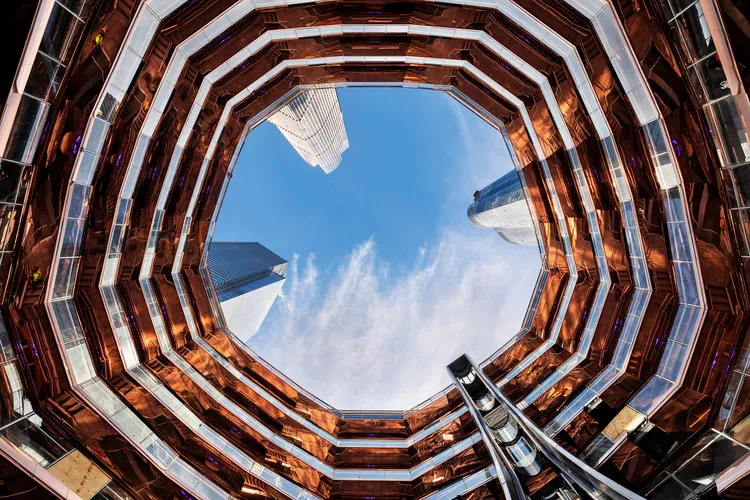
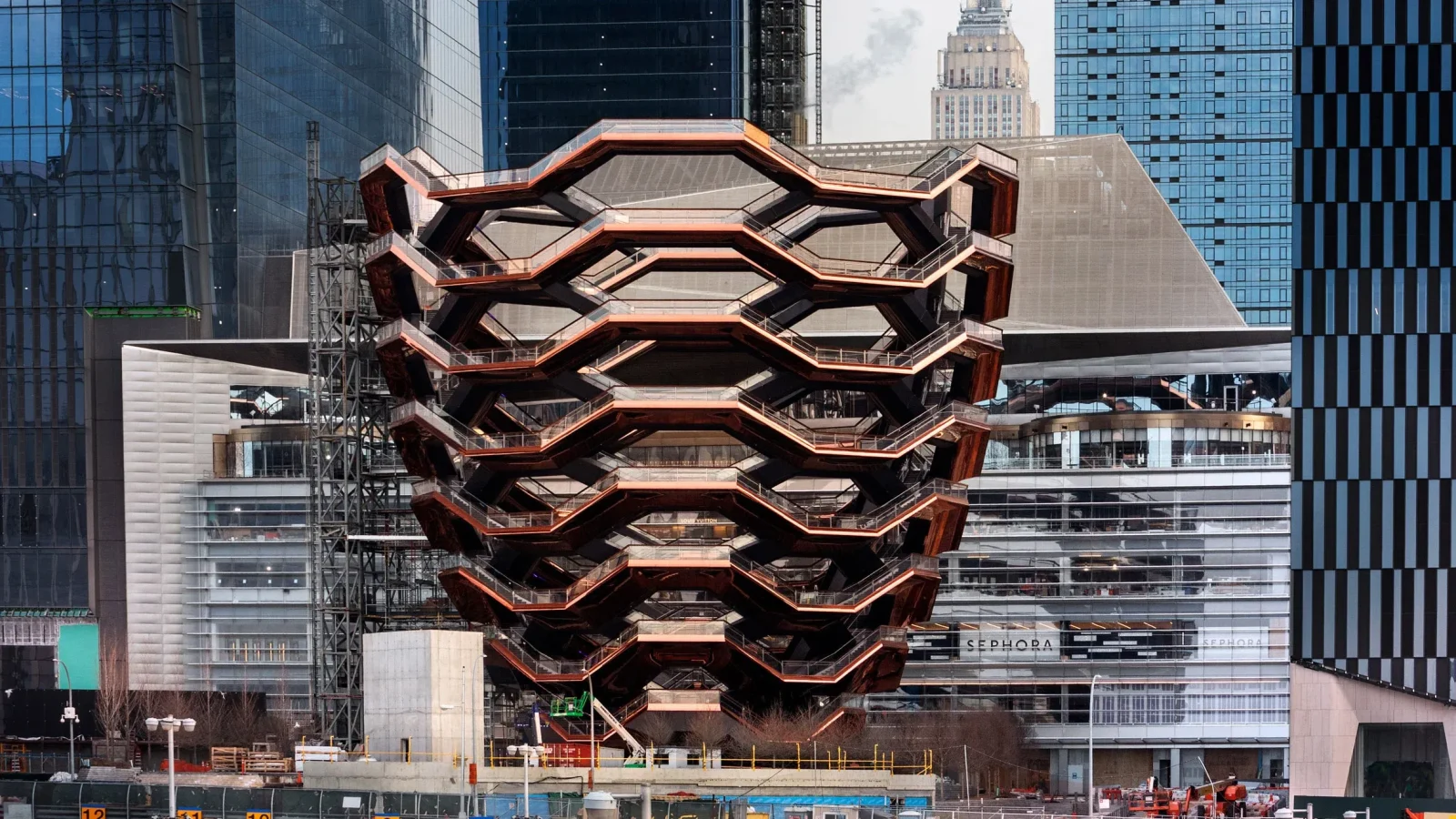
This emphasis on visual appeal can sometimes overshadow practical concerns, too, like the Vessel architectural project. Despite its viral success, it faced criticism for safety issues and a lack of accessibility. What started as a visual icon raised deeper questions about design responsibility. It demonstrates how visual-first solutions can garner viral traction while neglecting fundamental issues like accessibility and safety.
The Road Ahead: Balancing Spectacle and Substance
In an increasingly online world, architects face the exciting yet tricky task of engaging the “scrolling” audience without losing architectural integrity. It may mean doubling down on narrative, ensuring every visually pleasing element also has a meaningful story or function behind it. It may also mean pushing back on clients’ requests for gimmicky features by proposing alternatives that achieve the same buzz in a more thoughtful way. Ultimately, the goal is to enrich our built environment in reality, not just on screen.

Social media is simply the newest lens through which people encounter architecture; it magnifies both the good design and the bad. As such, architects are challenged to be more creative, responsible, and communicative. The world of architecture is becoming more interconnected and participatory, with global examples and emerging trends only a click away. If used wisely, this connectivity can lead to an era of architecture that is more innovative and inclusive than ever, buildings that both delight the eye and nourish the soul, whether you experience them in person or in a picture on your phone.
Explore Courses
.jpg "Ondrej Chybik - Rethinking Architecture")