


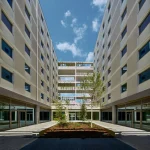
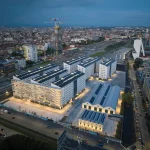
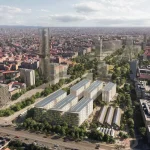
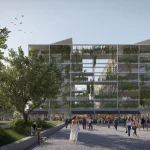
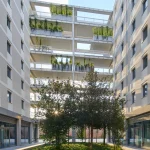
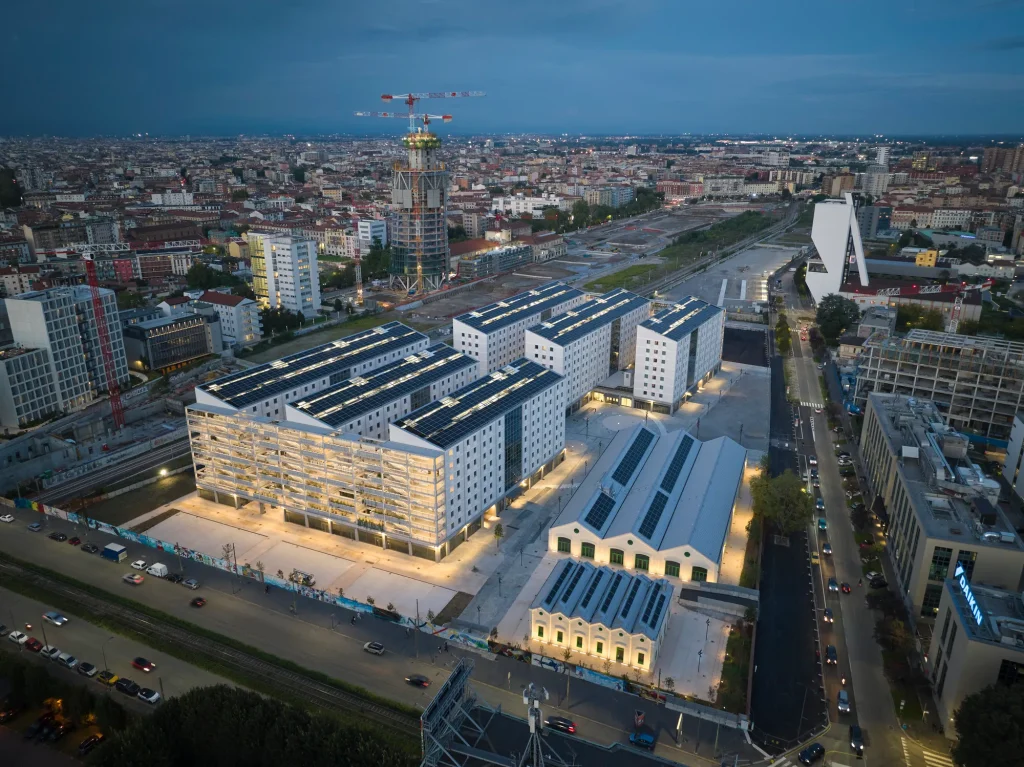
Skidmore, Owings & Merrill (SOM) and COIMA SGR (COIMA), Italy’s leading real estate developer and investor, have officially completed the Milano-Cortina Olympic Village in Porta Romana, Milan. The project has been handed over to the Milano Cortina Foundation for final preparations ahead of the 2026 Winter Olympic Games.
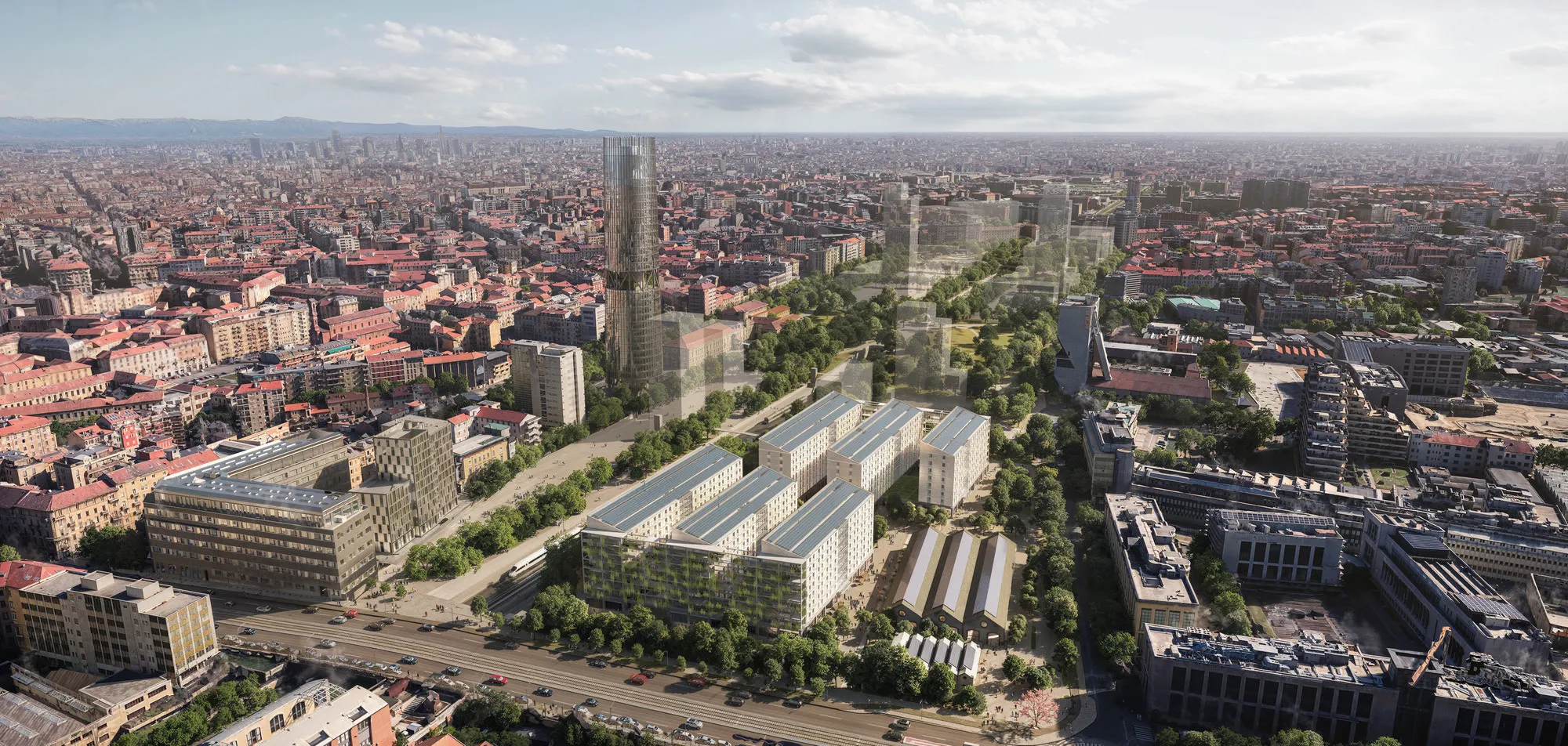
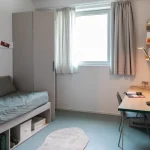
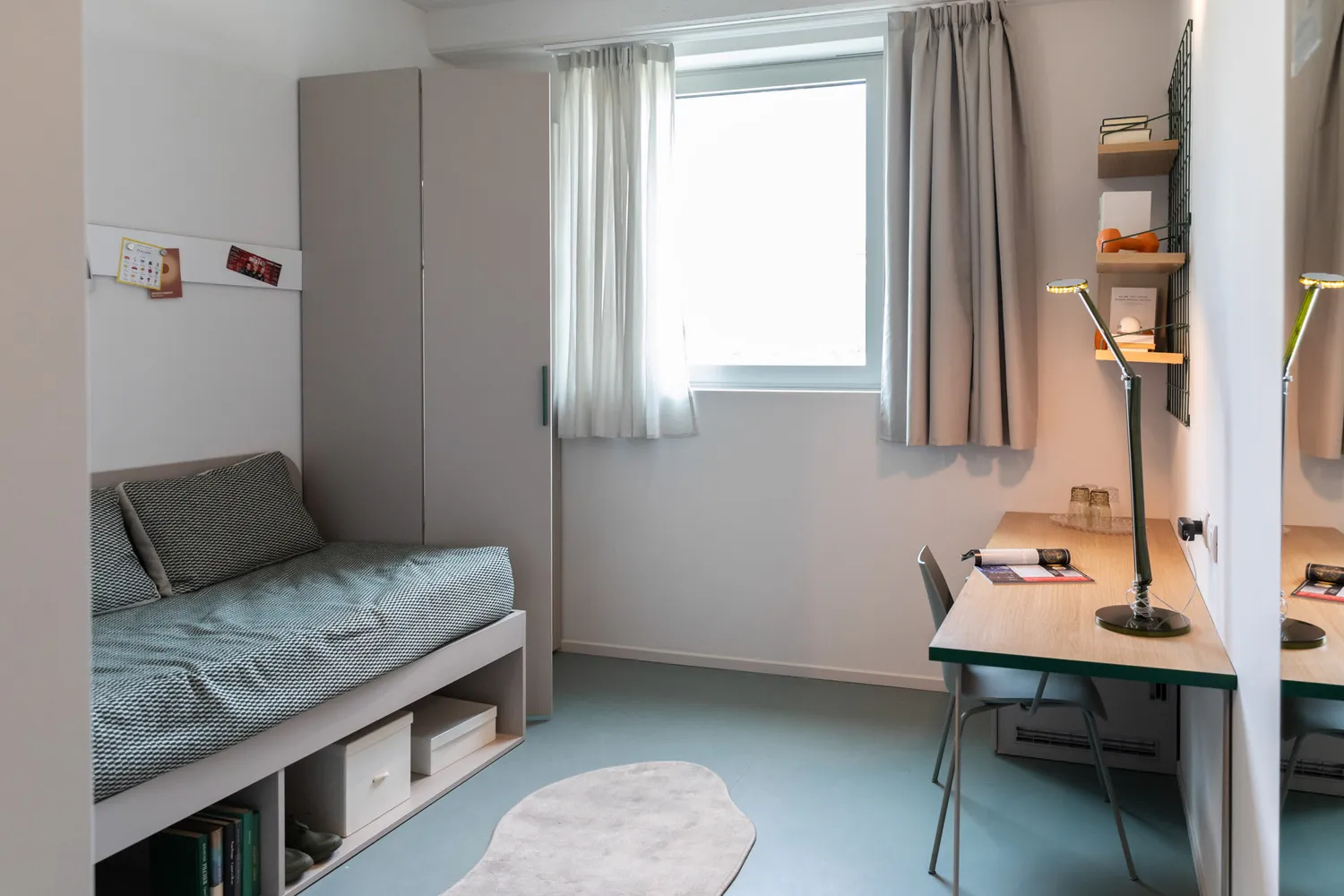
Completed in just 30 months and delivered 30 days ahead of schedule, the Village represents a forward-thinking model of urban regeneration. Designed as a sustainable, intergenerational community, the development will house Olympic athletes during the Games and later transform into Italy’s largest affordable student housing complex, addressing Milan’s chronic shortage of student accommodations.
From Olympic Village to Vibrant Student Community
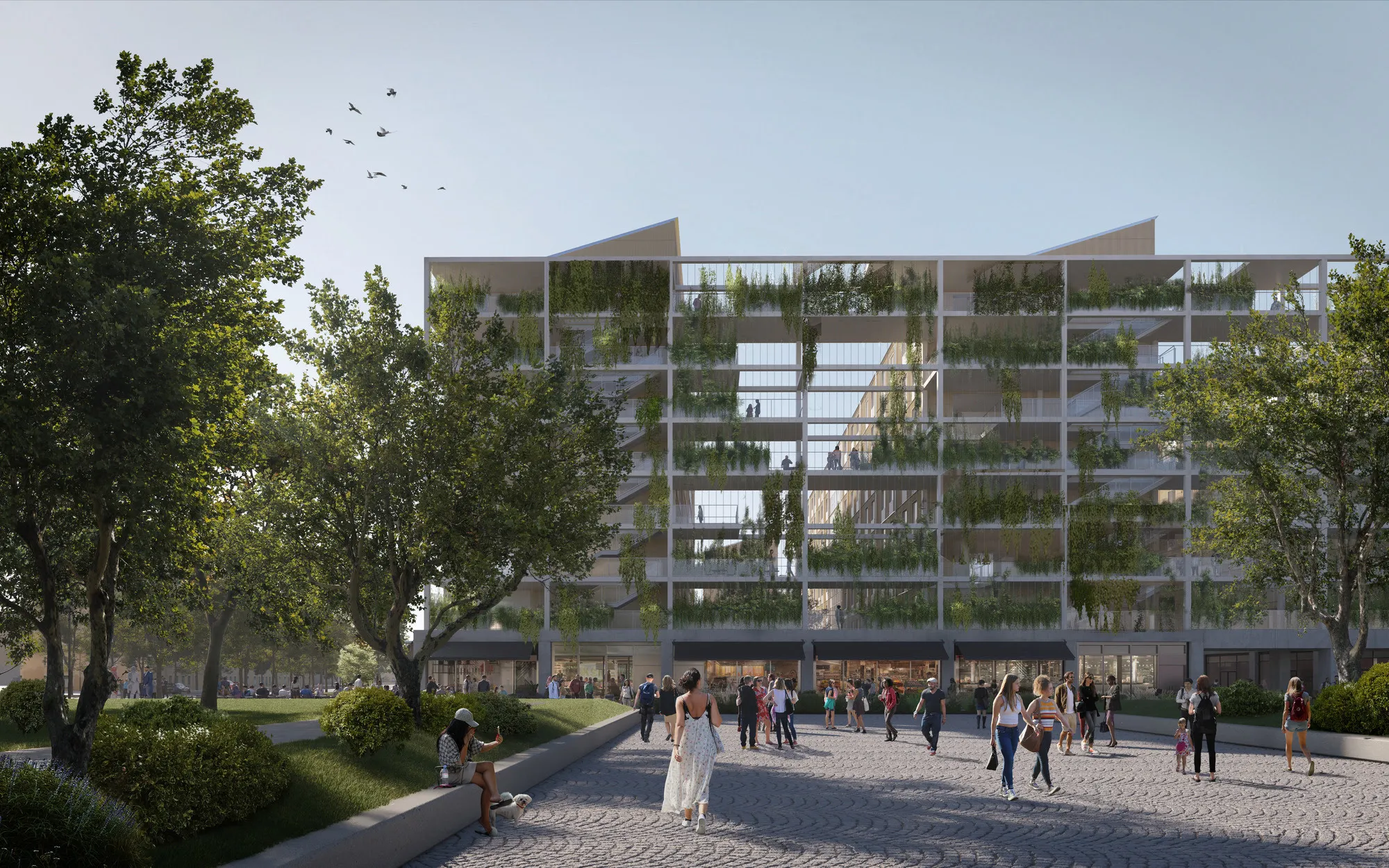
Once the Games conclude, the site will be swiftly transformed into a 1,700-bed student residence, ready in time for the 2026/27 academic year. What will be known as the Olympic Village Plaza is set to become a lively public square, animated by cafés, shops, and restaurants, with open spaces designed to host farmers’ markets, community gatherings, and cultural events.
SOM’s Partner in Charge, Colin Koop, reflected on the project’s dual purpose, noting that the design was driven by an ambition to create something enduring beyond the Games. He explained that the team saw a rare chance to build for one function and then reshape it for another, while maintaining a deep respect for sustainability and urban responsibility.
Echoing that vision, Manfredi Catella, founder and CEO of COIMA, emphasized the project’s long-term contribution to Milan. He highlighted the village as a new benchmark for sustainability, both in its minimal environmental footprint and in the legacy it leaves behind. “After the Games,” Catella said, “it will provide high-quality, affordable housing for students. It also marks the first phase of the broader Scalo Romana redevelopment, which will turn one of Milan’s historic transport hubs into a vibrant and resilient neighborhood for future generations.”
A Sustainable Architectural Legacy Rooted in Milan’s History for the 2026 Winter Olympics
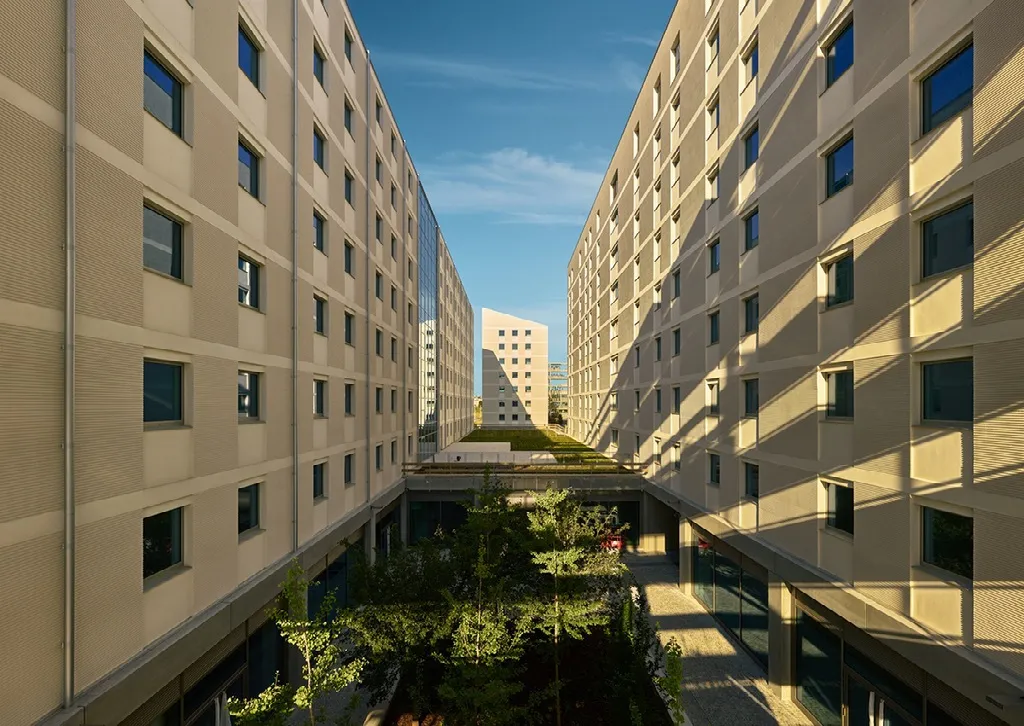
Built on the site of a former rail yard, the design draws inspiration from the area’s industrial heritage and Milanese building typologies. The master plan adopts the rhythm of the existing urban grid, introducing public green spaces, pedestrian pathways, and new connections within the Porta Romana district.
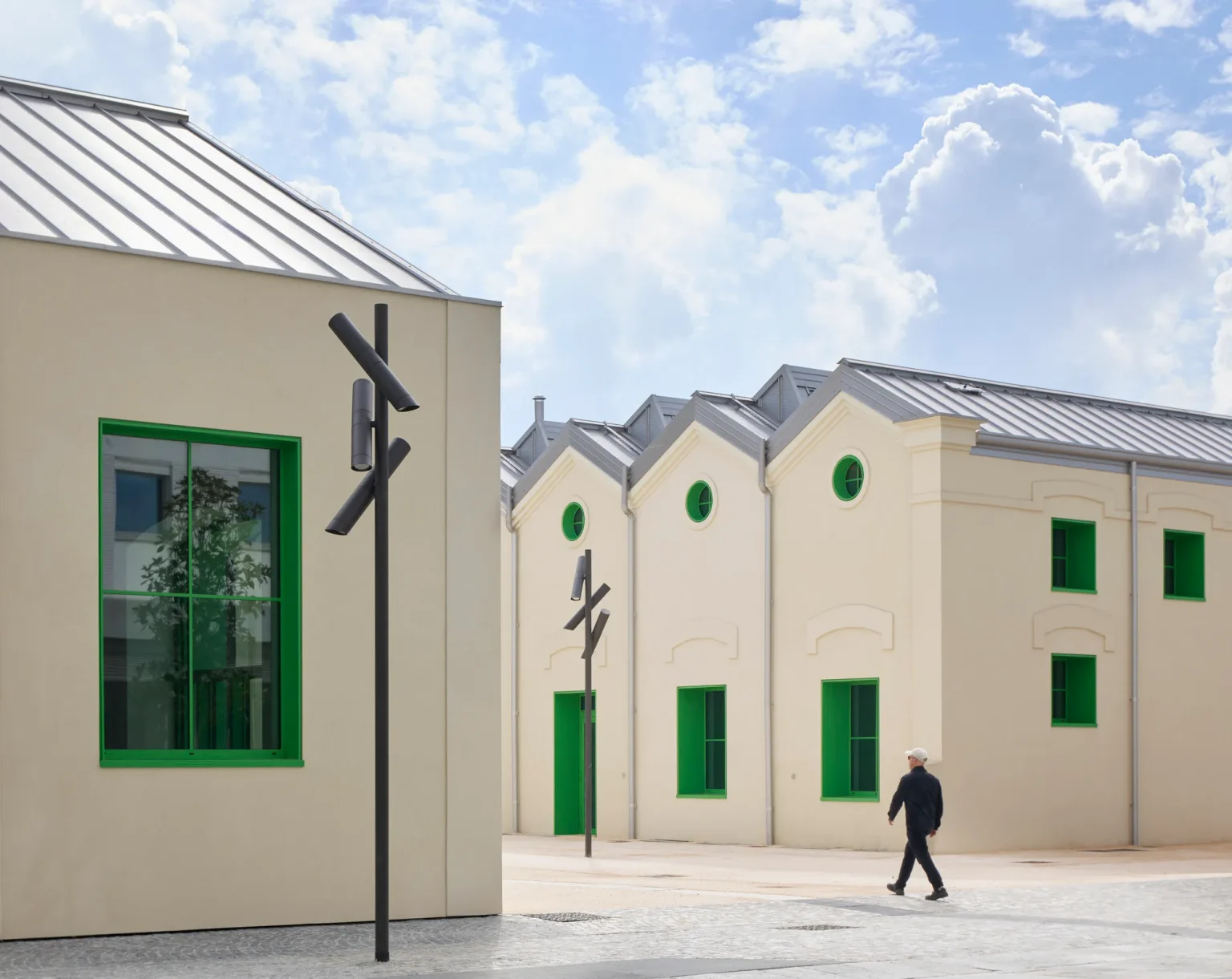
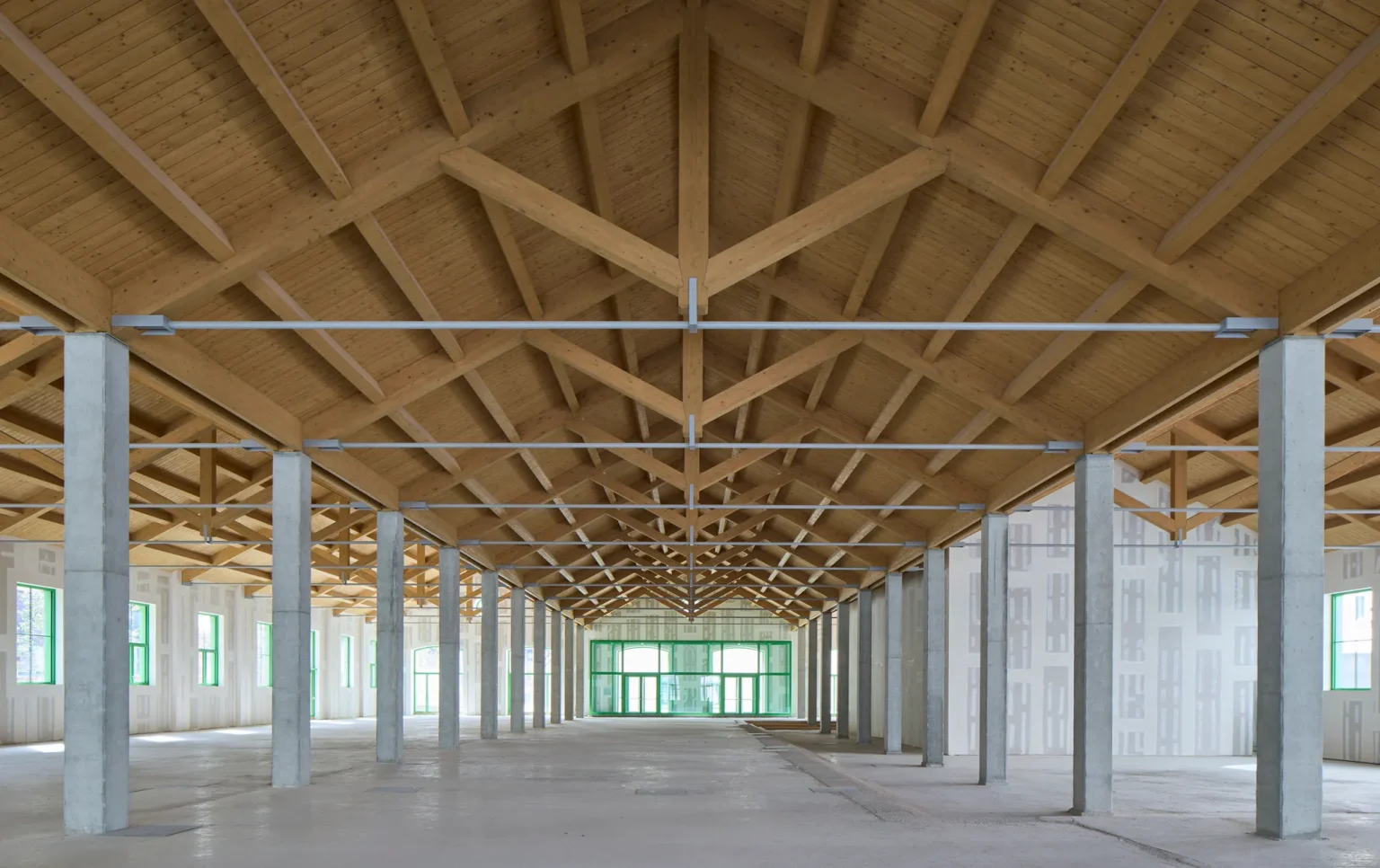
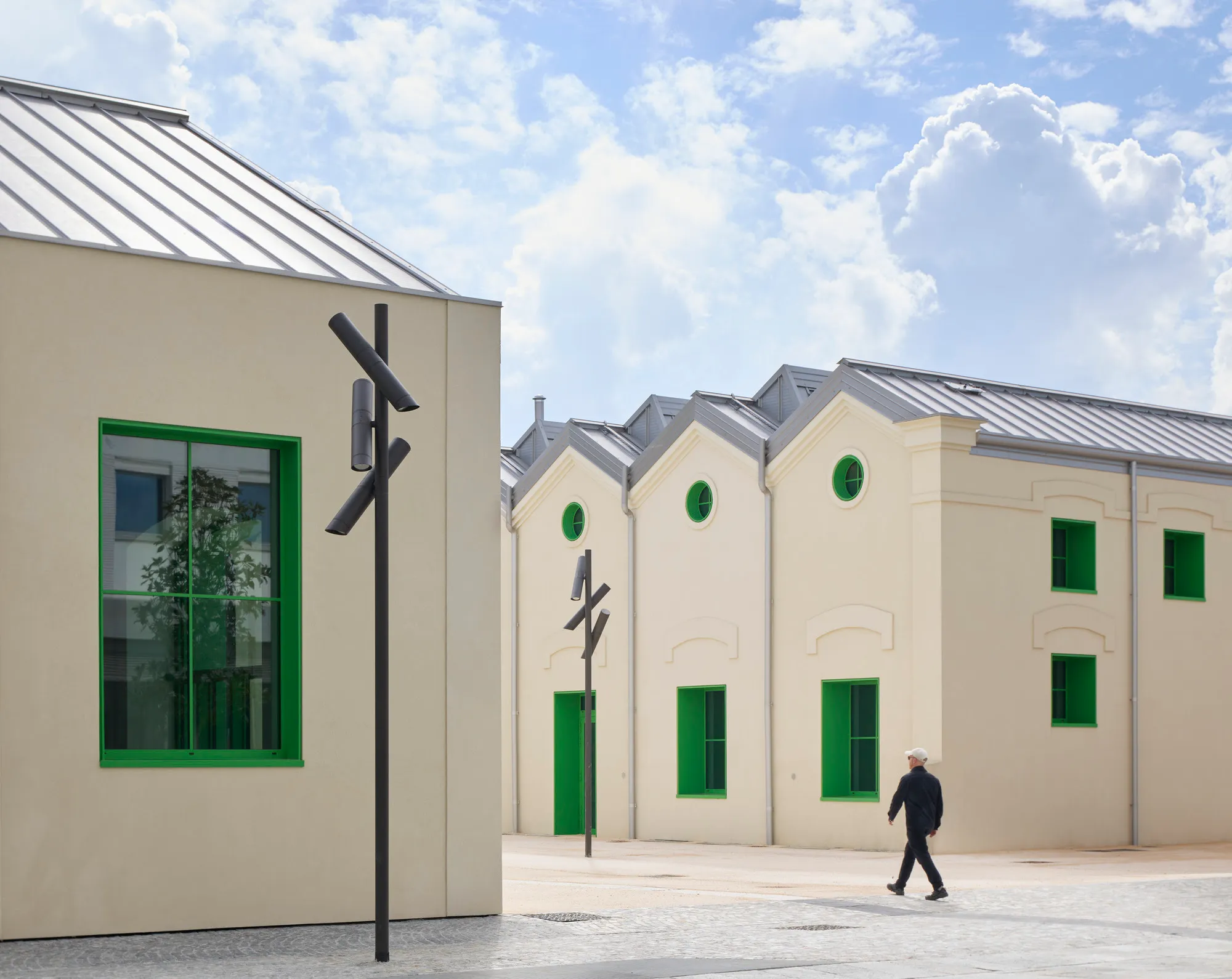
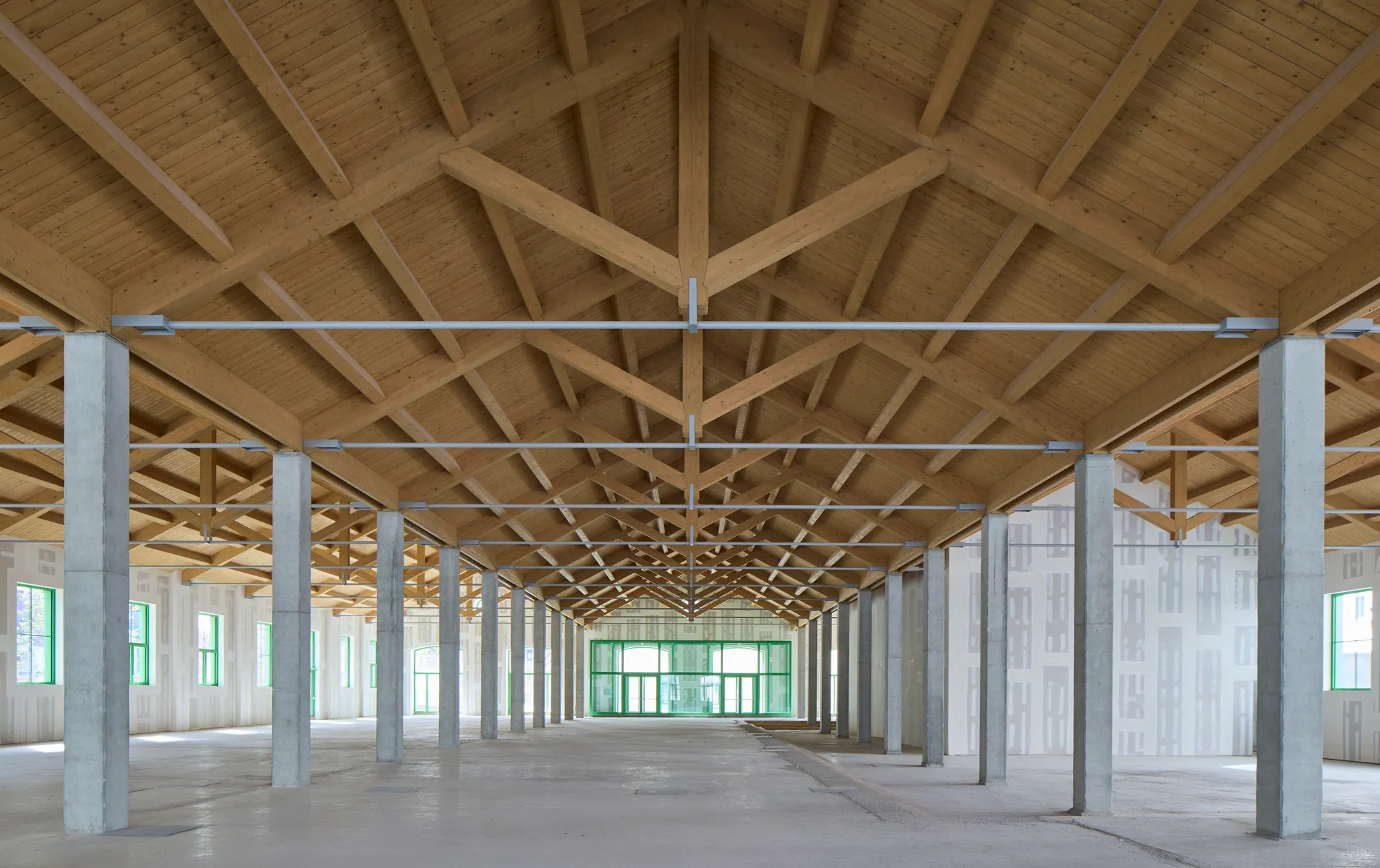
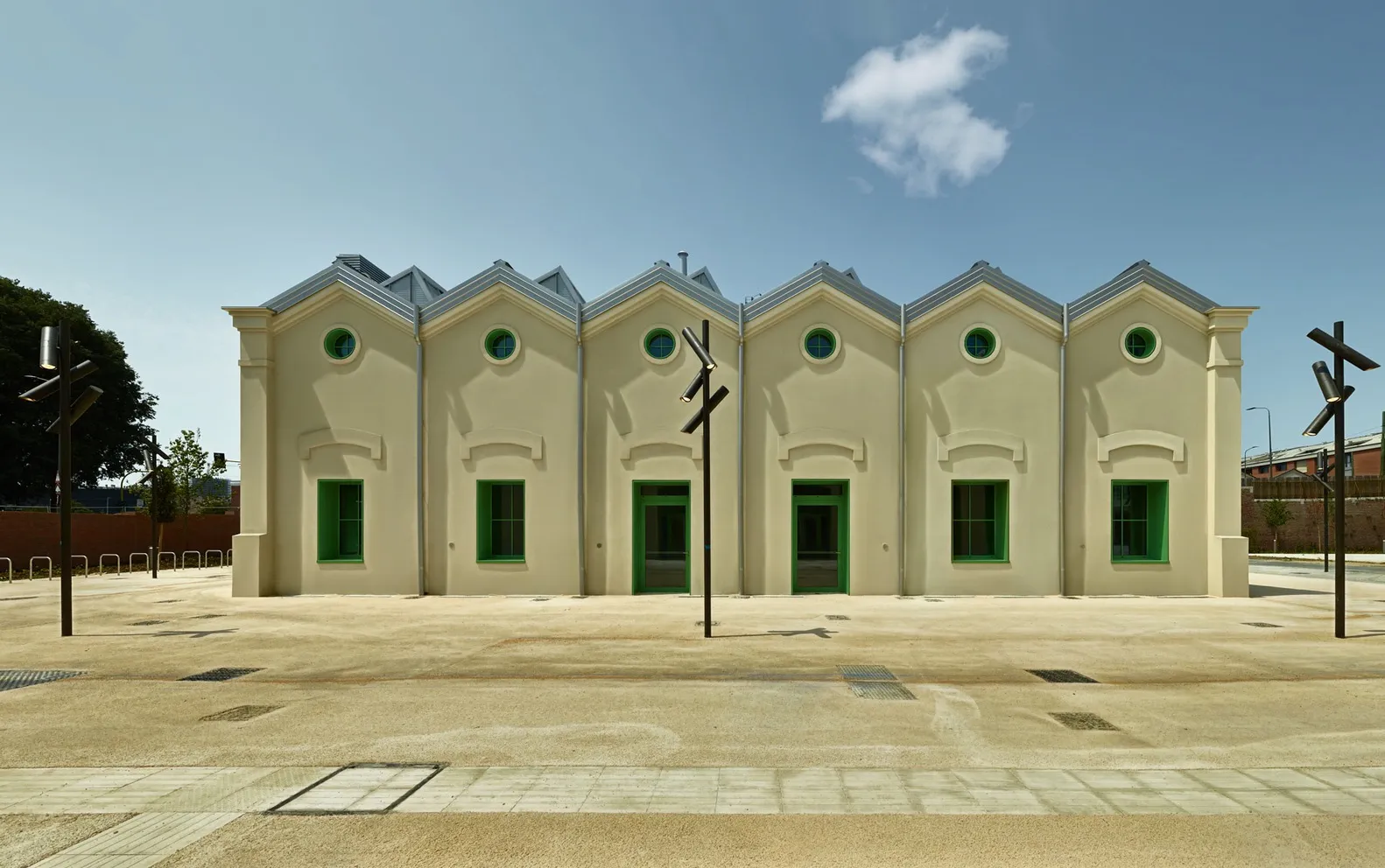
Two historic structures, the Ex Squadra Rialzo Building and the Basilico Building, anchor the southwestern corner of the site. These industrial-era landmarks will be restored with exposed masonry, timber, and ironwork to reflect the area’s evolution from an industrial hub to a contemporary urban district.
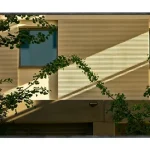
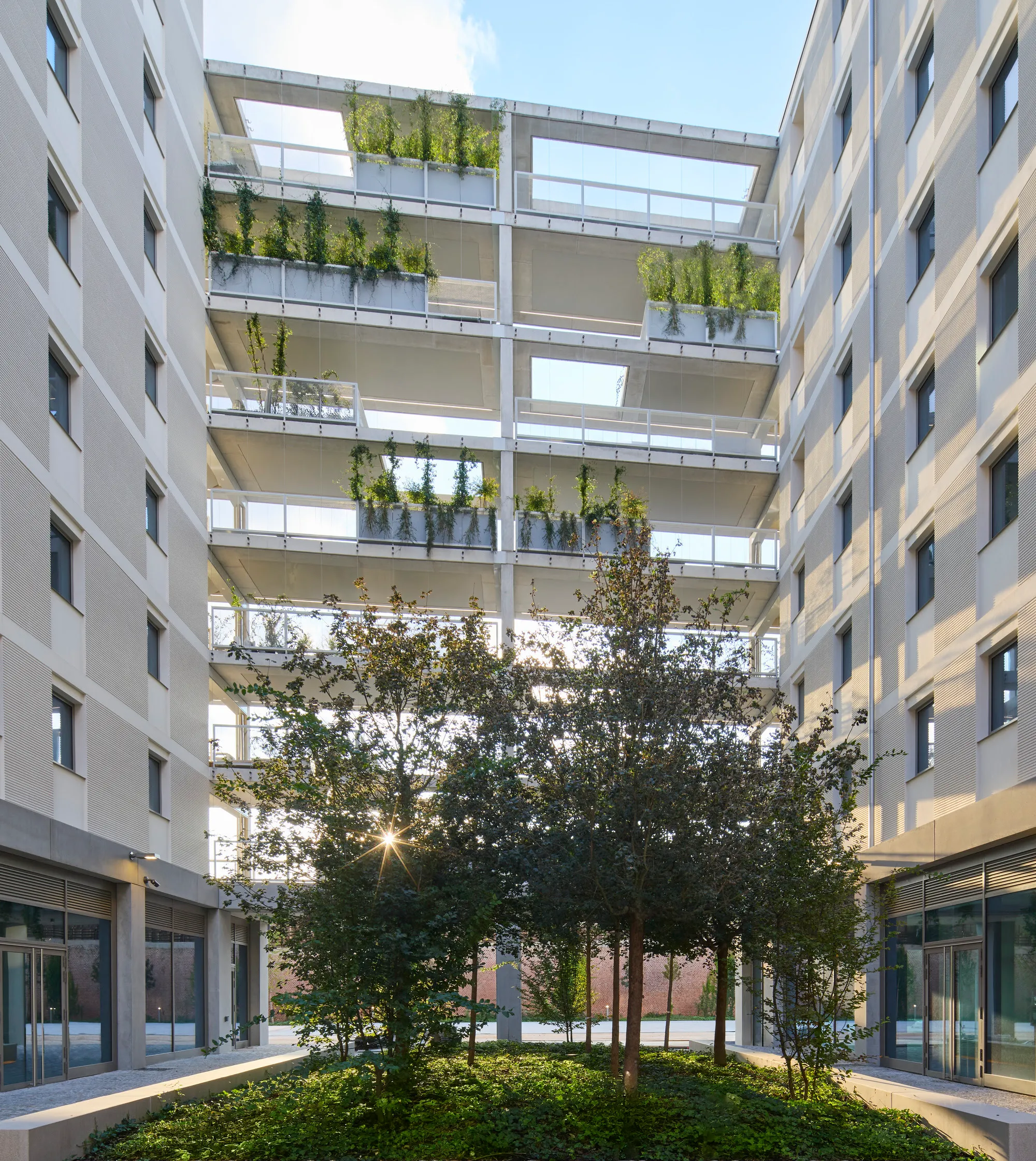
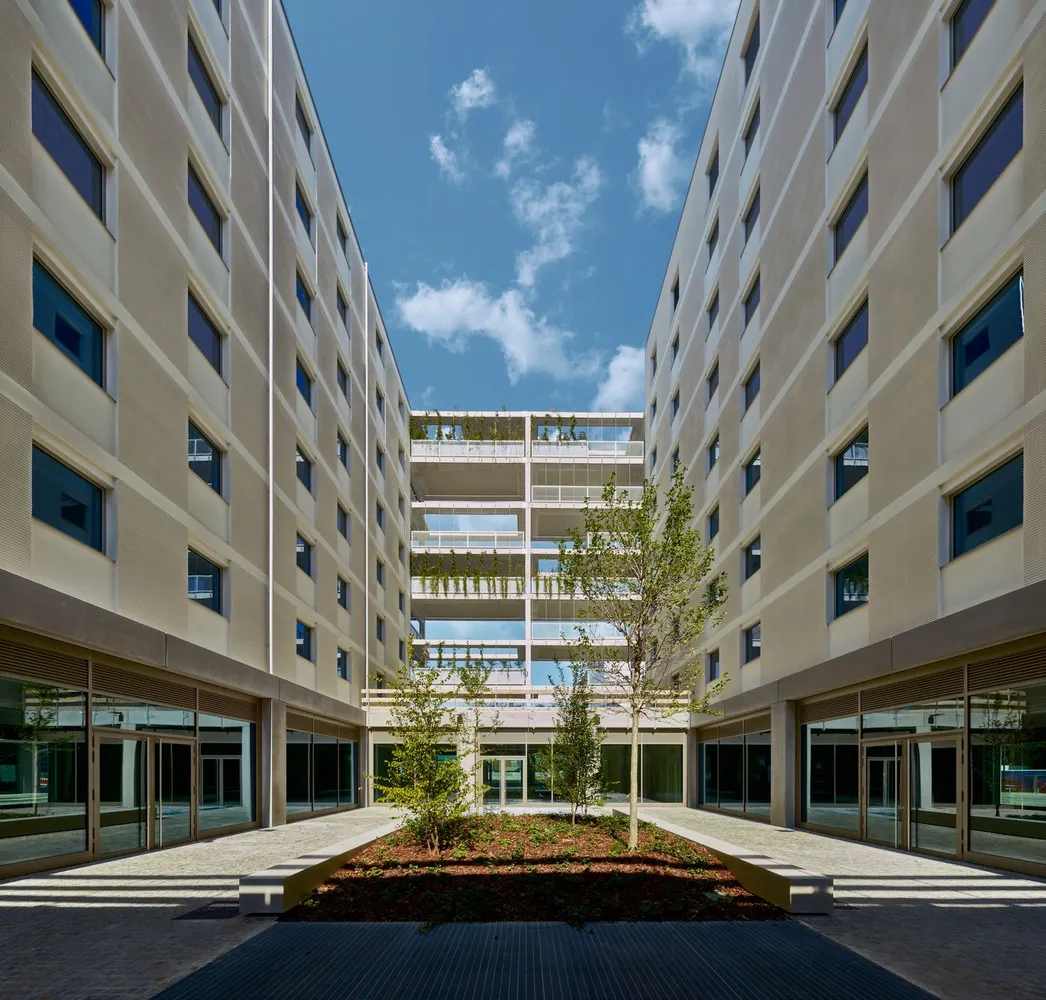
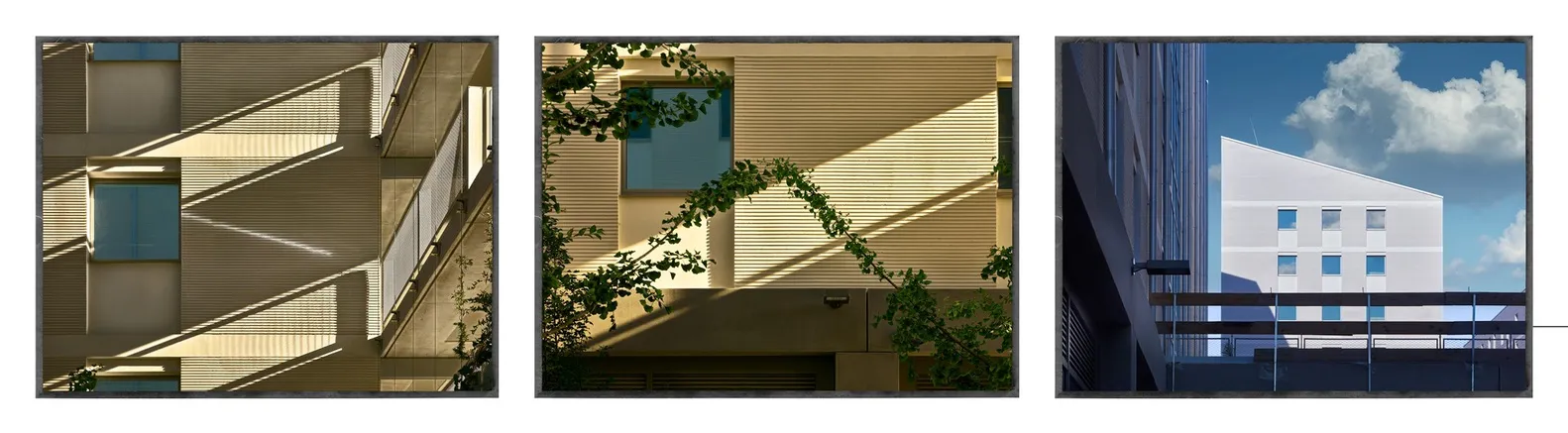
The six new residential buildings reinterpret Milan’s linear bar typology using a modern material palette that blends contextual sensitivity with contemporary detailing. Communal terraces shaded by vertical plantings connect the buildings socially and visually, creating shared outdoor study areas and gathering spaces that enhance the complex’s livability and ecological performance.
Sustainability lies at the heart of the Milano-Cortina Olympic Village’s design philosophy. Designed as part of a smart and sustainable city network, the complex integrates advanced energy systems and environmental strategies to operate efficiently and minimize its ecological footprint.
The development ties into the wider precinct’s energy loops while employing passive cooling strategies, solar panels, and rooftop gardens to reduce energy demand and generate power on-site. These measures ensure that the village functions as a largely self-sufficient ecosystem, avoiding unnecessary energy waste and supporting Milan’s broader sustainability goals.
The new residential buildings are constructed using mass timber structures and low-embodied carbon façade materials, dramatically lowering construction-related emissions. Green terraces and vertical plantings enhance both environmental performance and occupant well-being, contributing to improved air quality, thermal comfort, and urban biodiversity.
At street level, flexible podiums allow the architecture to evolve with time, serving as recreational and support facilities for athletes during the Games and later converting into student amenities and public spaces. This adaptability ensures long-term relevance and a reduced need for future redevelopment.
Post-Games, the site will feature three distinctive thematic districts, each reinforcing community life and environmental awareness:
- The Scene—a hub for cultural and media events
- The Social—coworking and collaborative community areas
- Live Well—spaces dedicated to fitness, health, and well-being
Together, these layers of innovation, spanning energy efficiency, flexible design, and human-centered sustainability, position the Milano-Cortina Olympic Village as a forward-looking model for resilient urban living.
Milano-Cortina Olympic Village Project Details
Location: Porta Romana, Milan, Italy
Architects: Skidmore, Owings & Merrill (SOM)
Developer: COIMA SGR
Completion: Delivered ahead of schedule (2025)
Primary Function (2026): Olympic Athletes’ Village
Post-Games Function: Student Housing (1,700 beds)
Key Features: Public plaza, retail spaces, cultural venues, and wellness districts