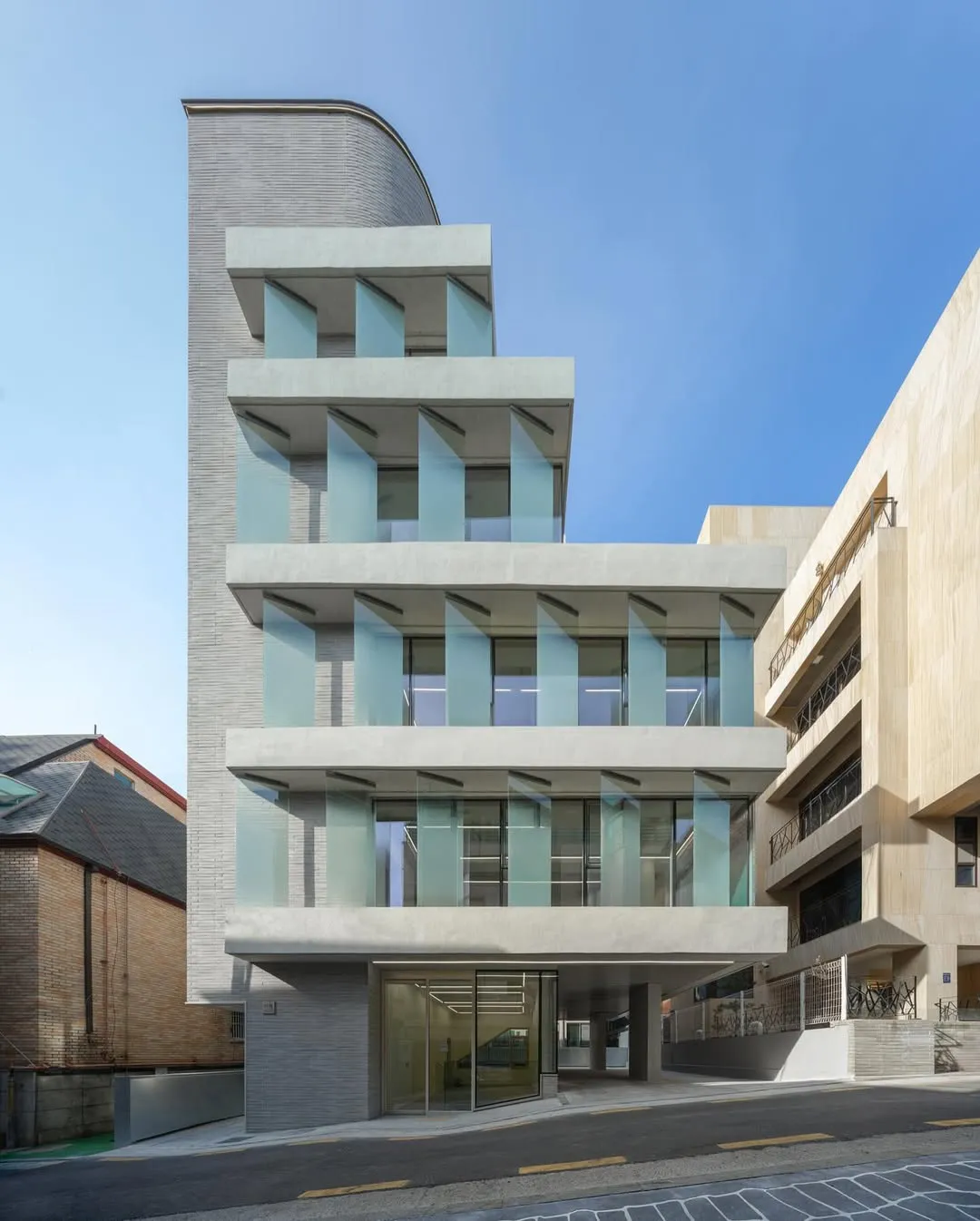
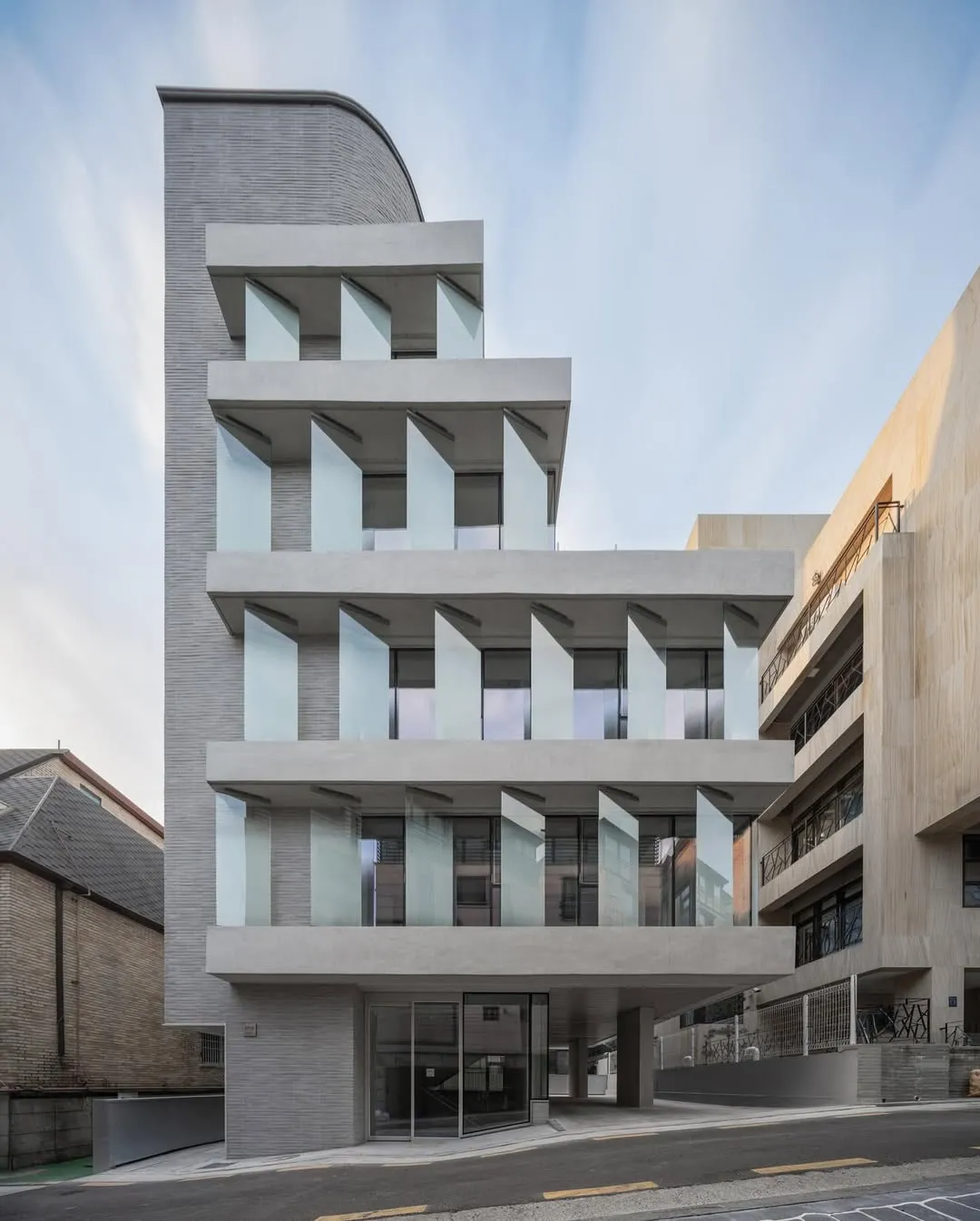

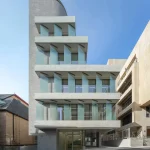
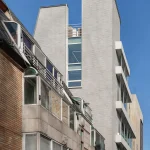
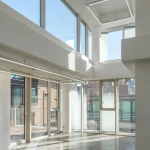
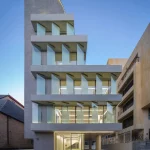
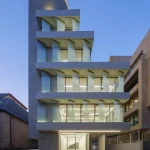
Nonhyeon 169 by See Architects is located at the intersection of a busy commercial street and a quiet residential alley in Gangnam, Seoul. The project sits within a first-class residential zoning area, where strict height and floor area regulations limit development intensity. Despite these constraints, the site demands a strong commercial presence due to its urban context and visibility.
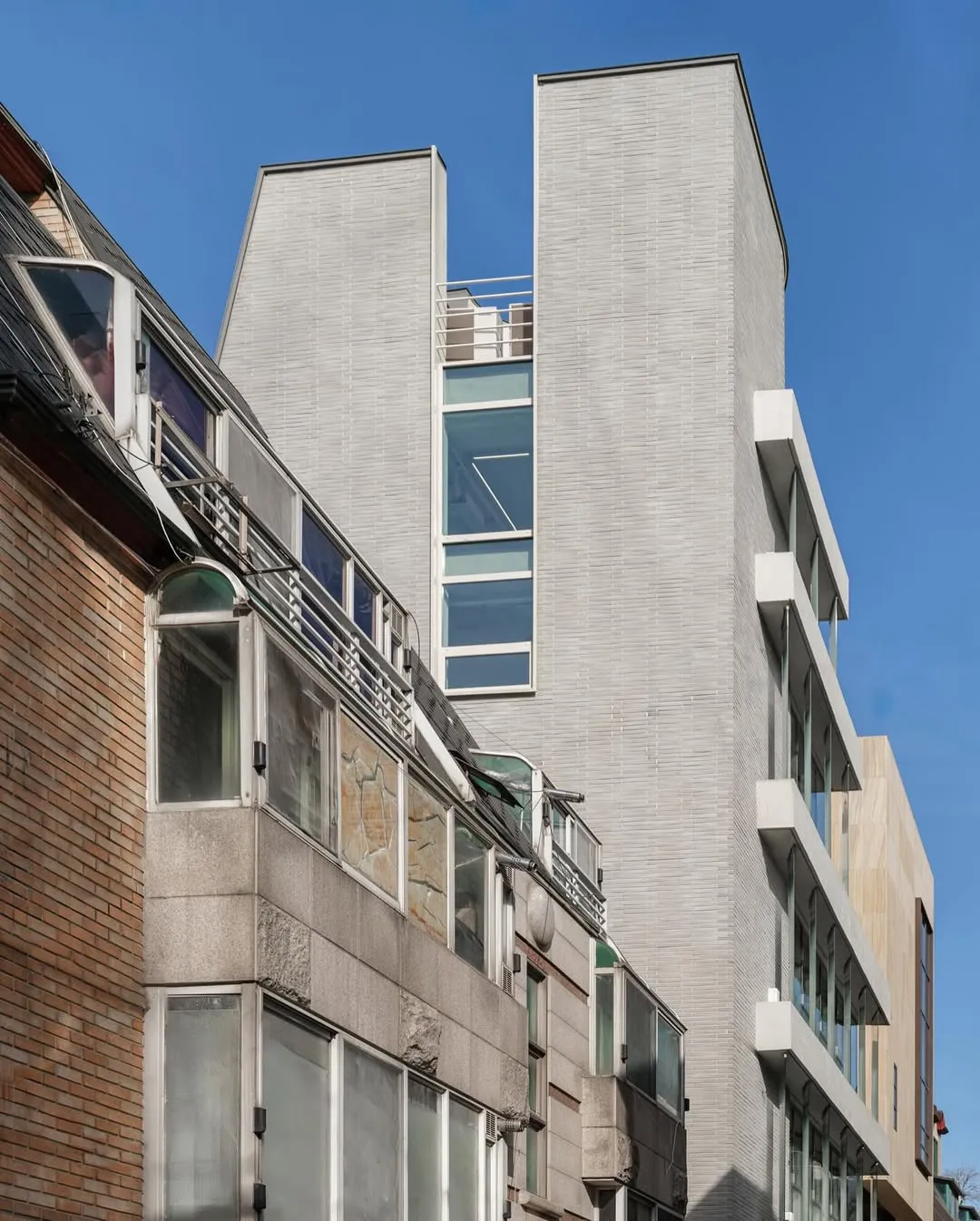
This contrast between restriction and expectation defines the design challenge. Instead of increasing volume, the architecture builds presence through layered façades, controlled transparency, and visual depth. The result is a compact building that feels taller, richer, and more dynamic than its regulated form allows, enhancing its urban identity significantly.
Facade Design Strategy
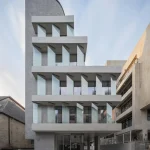
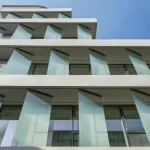
The main design strategy by See Architects focuses on creating depth and rhythm through a layered façade system. Each floor is marked by exposed concrete slabs that extend outward beyond the glass surface. These horizontal projections create strong lines across the elevation, breaking the building into stacked visual layers.
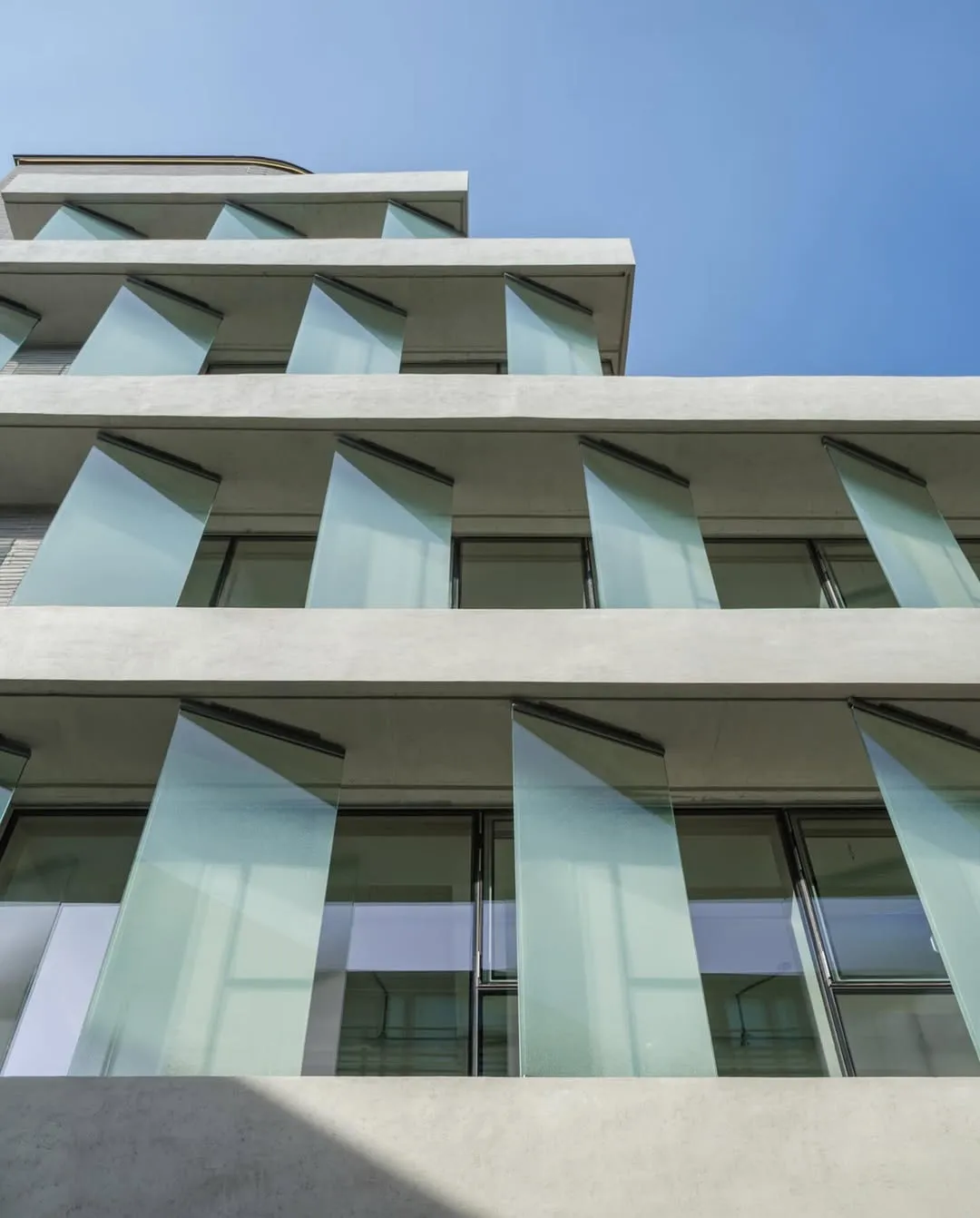
This approach reduces the sense of a single mass and produces a rhythmic composition. Light and shadow move across the slab edges throughout the day, giving the façade a changing character. The result is a building that feels active even when it is structurally simple.
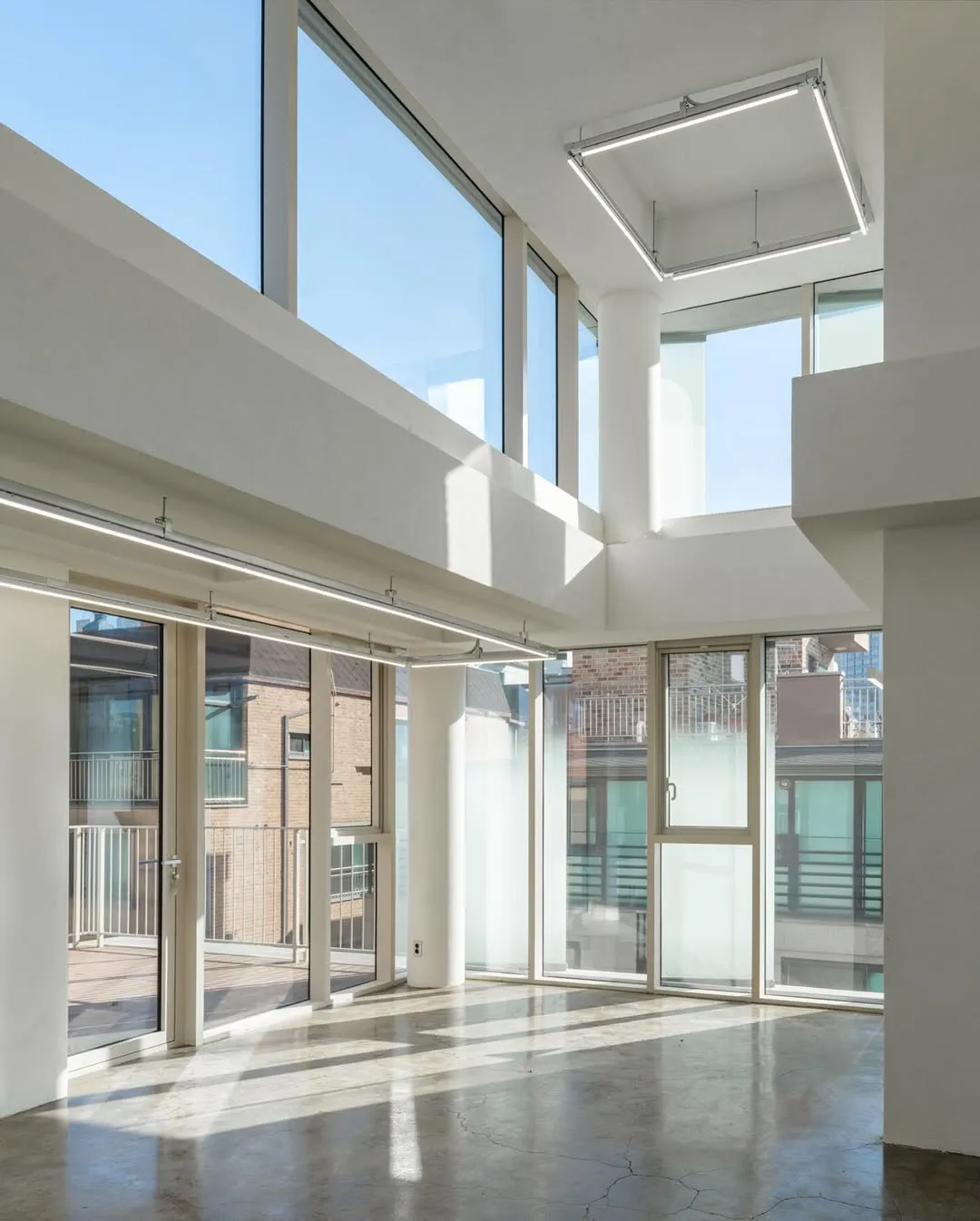
At the top level, a double-height space is subtly concealed behind an additional concrete plane. This visual trick makes the building appear as if it has five floors instead of four. It helps the project achieve a stronger vertical presence while still respecting zoning restrictions. The building therefore balances legal limits with perceptual expansion.
Gradient Glass Facade in Nonhyeon 169
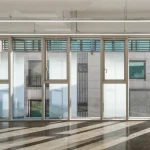
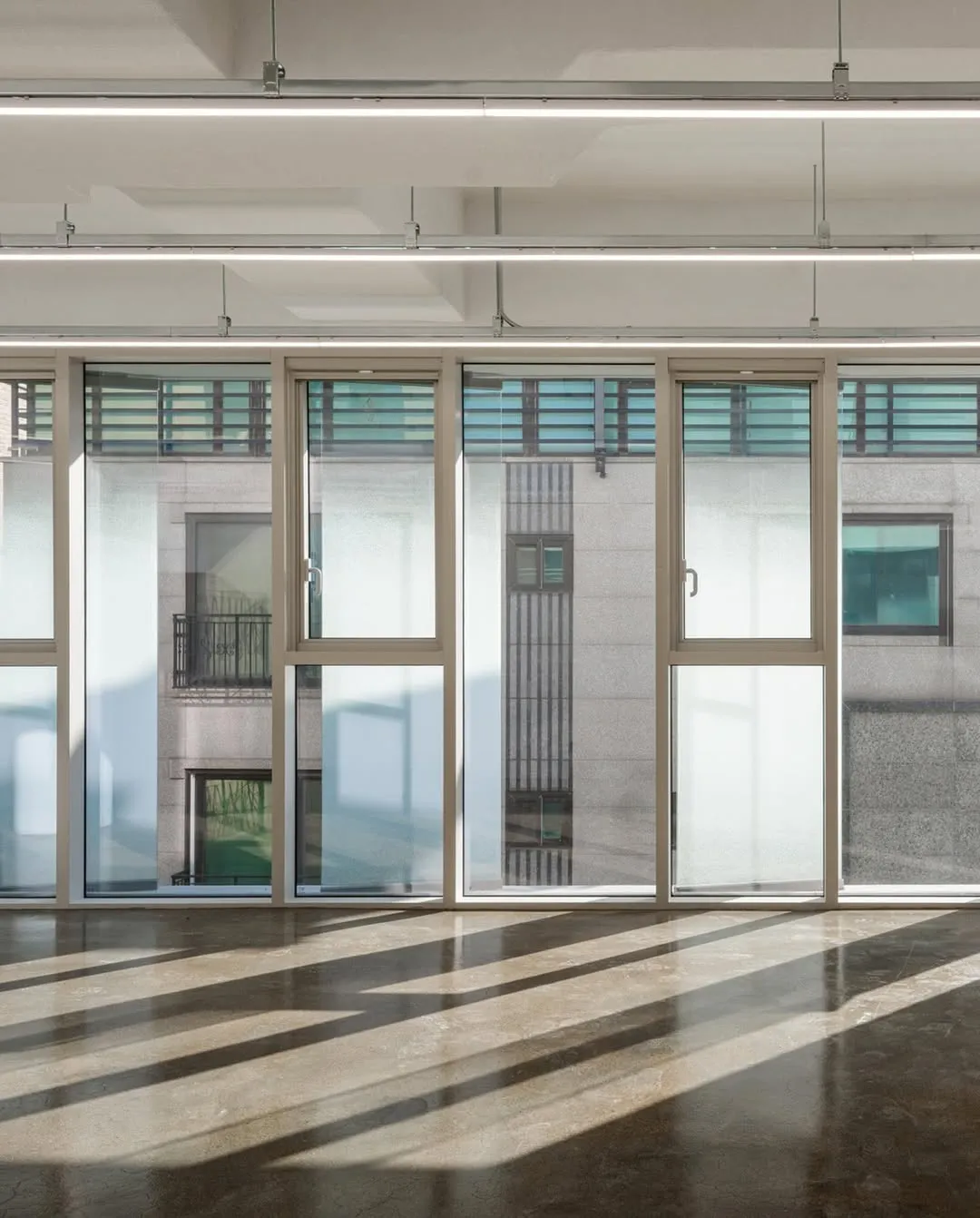
To manage its relationship with nearby residential buildings, See Architects uses gradient-printed glass across the façade. This material choice creates a balance between privacy and openness. From the outside, the interior is partially obscured, reducing direct visual intrusion into the building.
At the same time, the glass remains translucent enough to allow light and movement to animate the surface. The gradient effect softens the boundary between interior and exterior, making the façade appear lighter and more fluid. It also helps the building blend into its sensitive residential surroundings without losing its commercial identity.
This layer acts as a buffer zone. It protects privacy while still allowing the building to remain visually active within the street context.
Night Lighting Design by See Architects
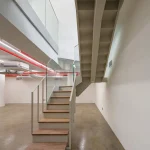
A key requirement of the project was nighttime activation. See Architects addresses this through a controlled lighting strategy that enhances the building’s form without overwhelming it. Linear lighting is integrated along slab edges, emphasizing the horizontal layering of the façade.
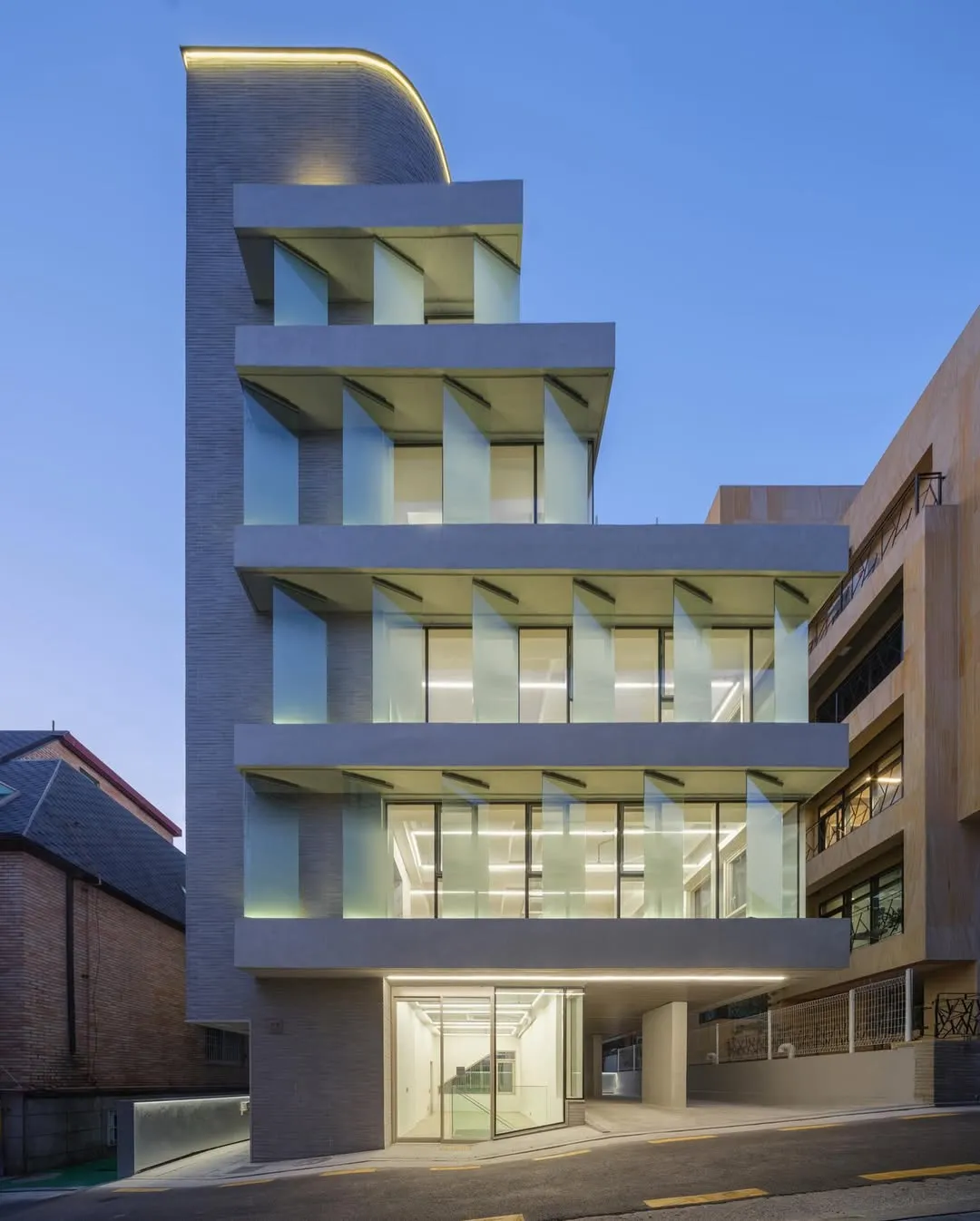
Additional soft lighting washes highlight material textures and deepen the sense of structure after dark. Together, these lighting techniques turn the building into a calm but visible urban element in the evening streetscape, creating a refined atmospheric presence in context.
At night, Nonhyeon 169 shifts from a subtle daytime presence into a glowing architectural frame. The lighting reveals its layered geometry and gives it a distinct identity within the dense fabric of Gangnam.
Through layered concrete slabs, gradient glass façades, and precise lighting design, the project creates depth, rhythm, and presence without increasing physical scale. Instead of resisting constraints, the design uses them as a framework for creativity. The result is a compact commercial building that feels visually strong, contextually sensitive, and carefully tuned to both day and night urban life in Gangnam.
It also establishes a refined architectural identity through subtle material articulation and controlled transparency. This balance between solidity and lightness allows the building to engage its surroundings dynamically while maintaining a calm, cohesive visual order within a dense urban environment, enhancing spatial perception and architectural clarity.