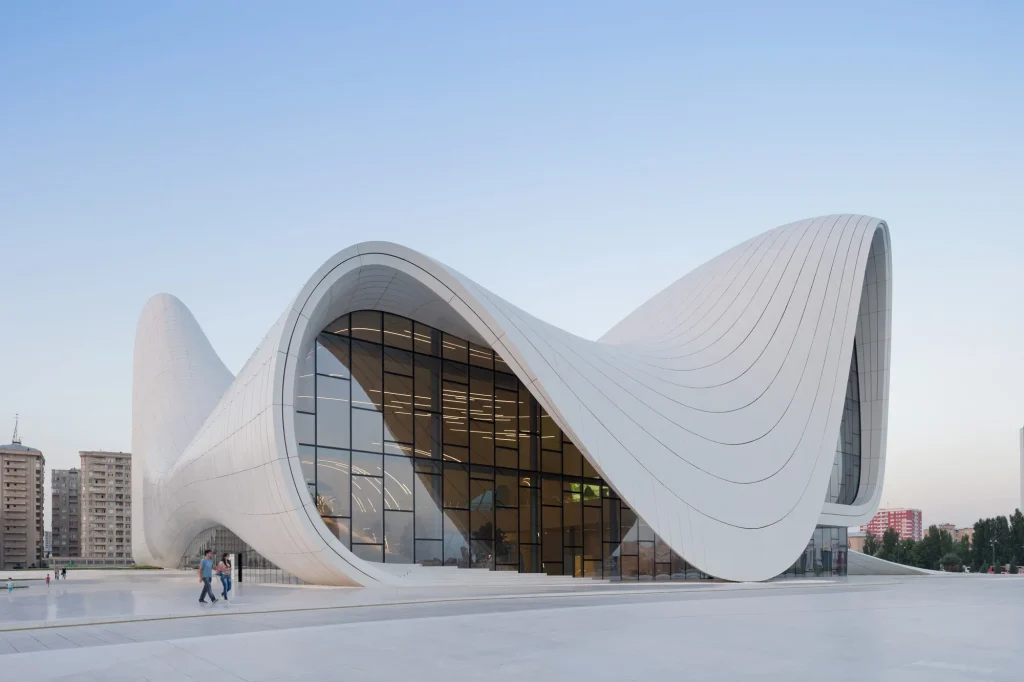



Low-rise sculptural architecture is entering a new phase where low-rise buildings do not just sit on landscapes but they emerge from them. Across deserts, steppes, and cultural terrains, architects are shaping sculptural, ground-hugging forms that blur the boundary between natural topography and built space. This approach prioritizes climate response, vernacular intelligence, and material continuity, creating environments that feel grown rather than constructed, fostering harmony between human habitation, ecology, and long-term spatial resilience within diverse geographic contexts.
Landscape as Living Sculptural Architecture
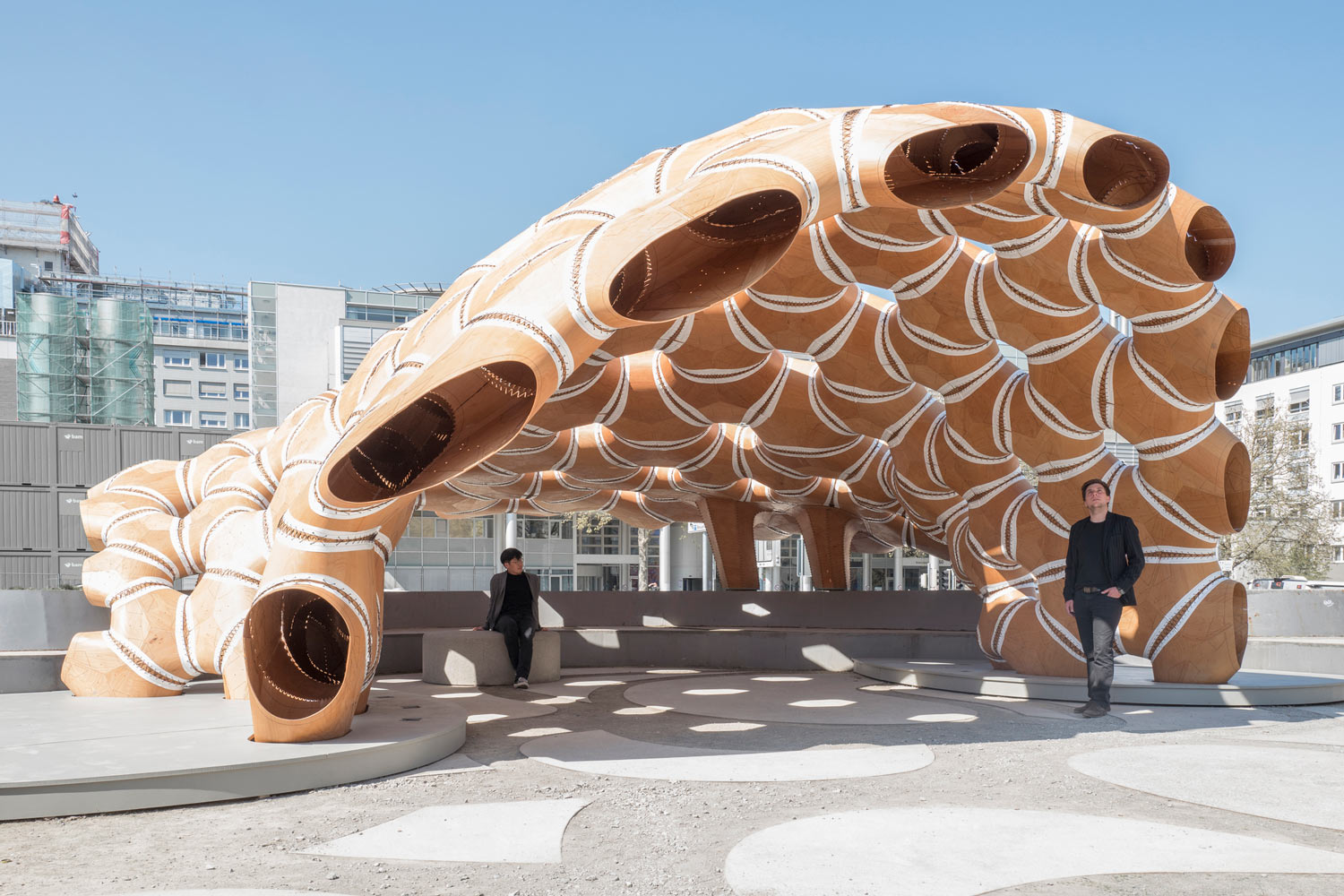
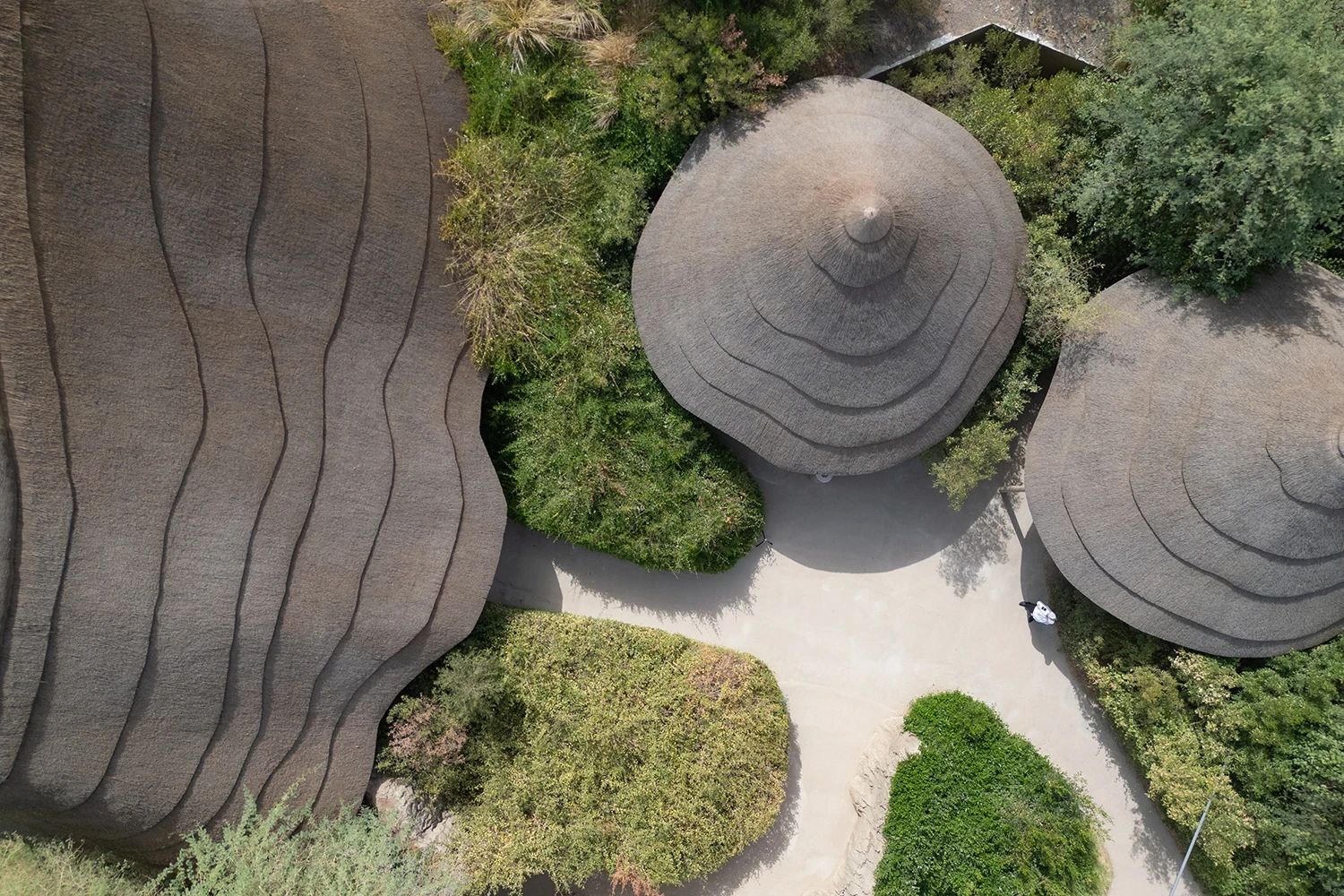
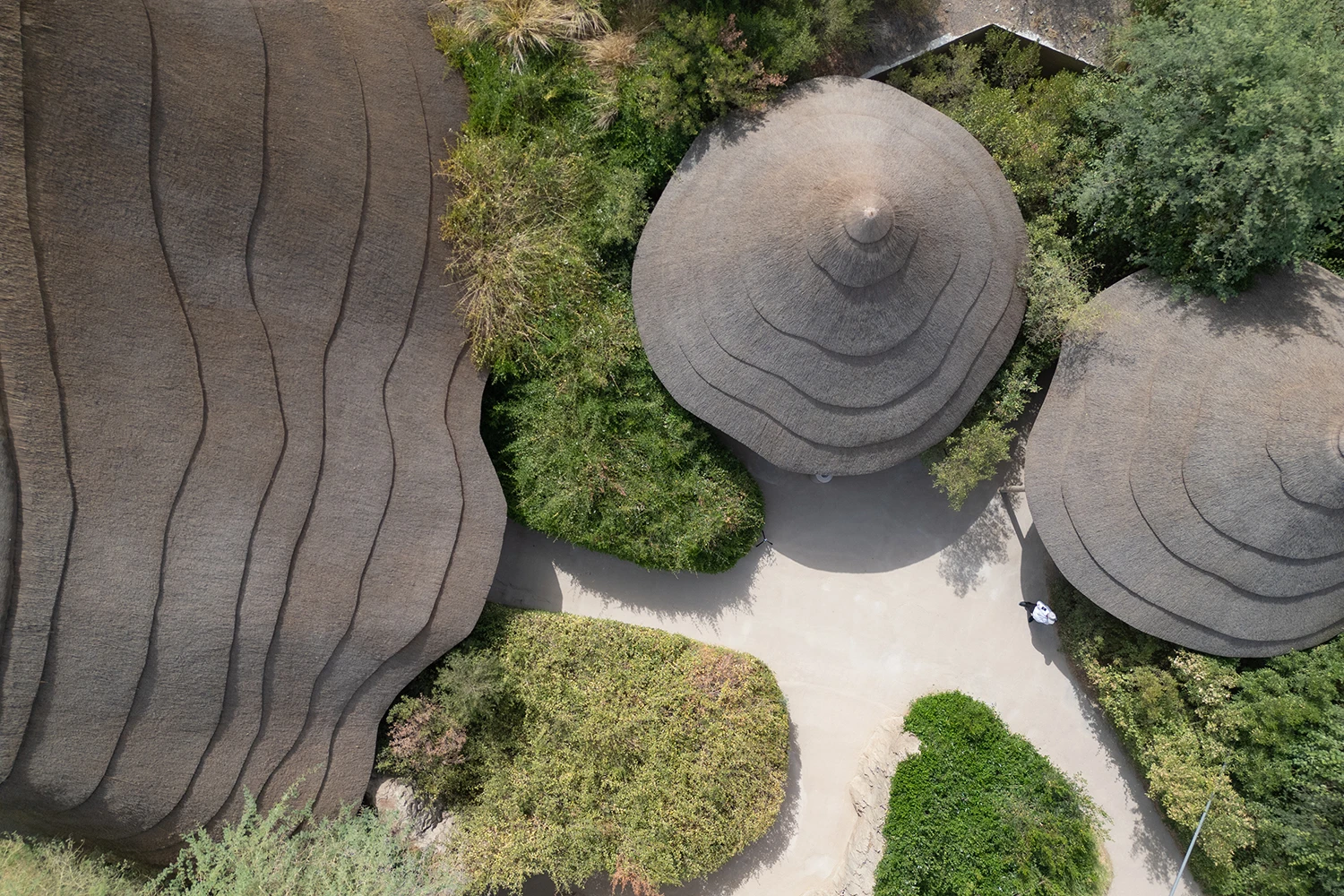
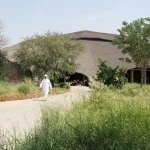
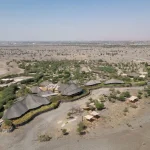
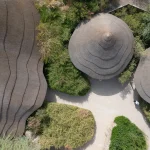
At the forefront of this shift is Sharjah Bridi Park by Urko Sánchez, a project that transforms the desert reserve into an immersive ecological landscape. The architecture is composed of low-rise pavilion clusters that rise gently from the terrain, echoing organic formations rather than conventional building massing.
Inspired by African vernacular systems, the sculptural architecture of the project reinterprets thatched roofing and timber structures into sculptural forms that resemble “creatures emerging from the desert.” These forms are not symbolic in themselves, but they serve as climactic devices. The thick thatch layers and timber frames regulate heat, filter sunlight, and create shaded microclimates adapted to extreme desert conditions.
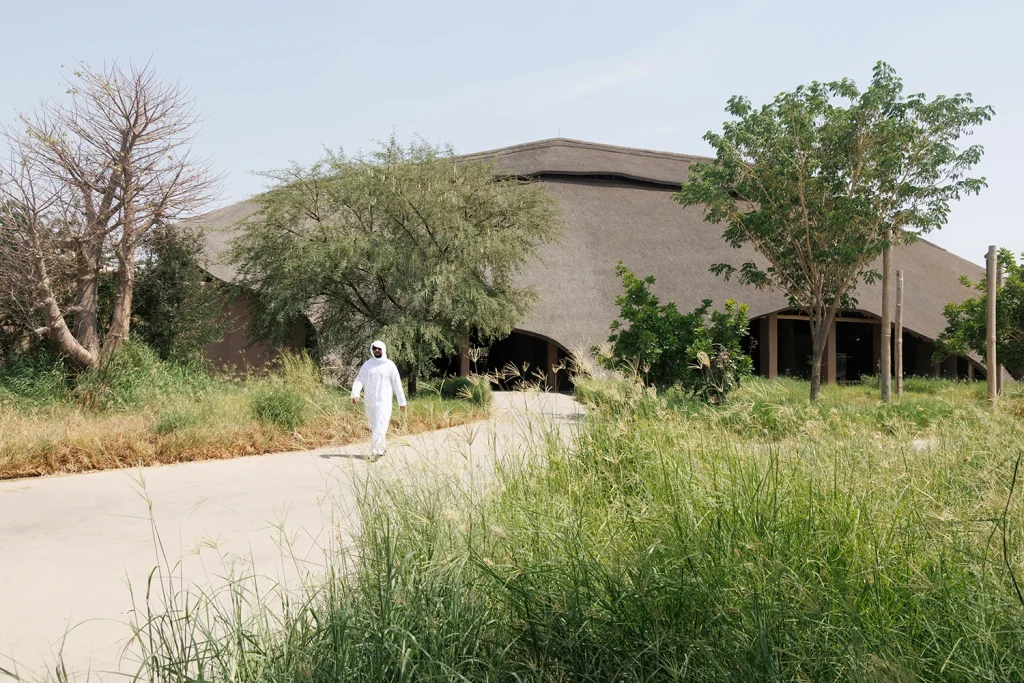
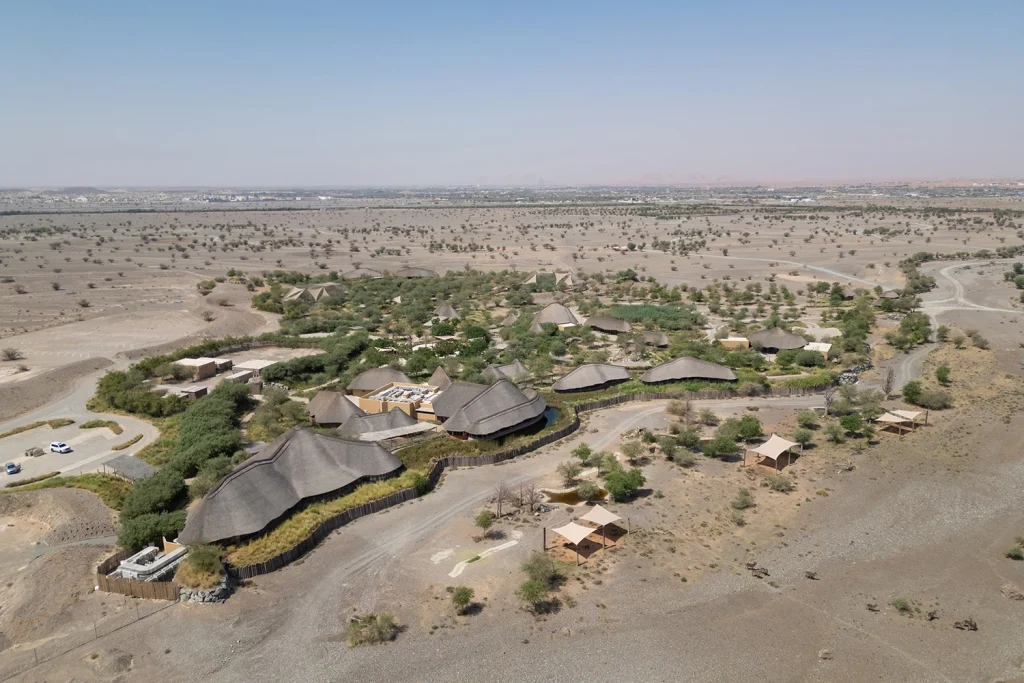
What makes the project significant is its refusal to dominate the site. Instead, it becomes part of the ecological system or an architectural landscape that supports education, movement, and discovery while remaining visually and physically low to the ground. The result is a seamless dialogue between built form, vegetation, and desert topography.
Earth as Sculptural Architectural Form
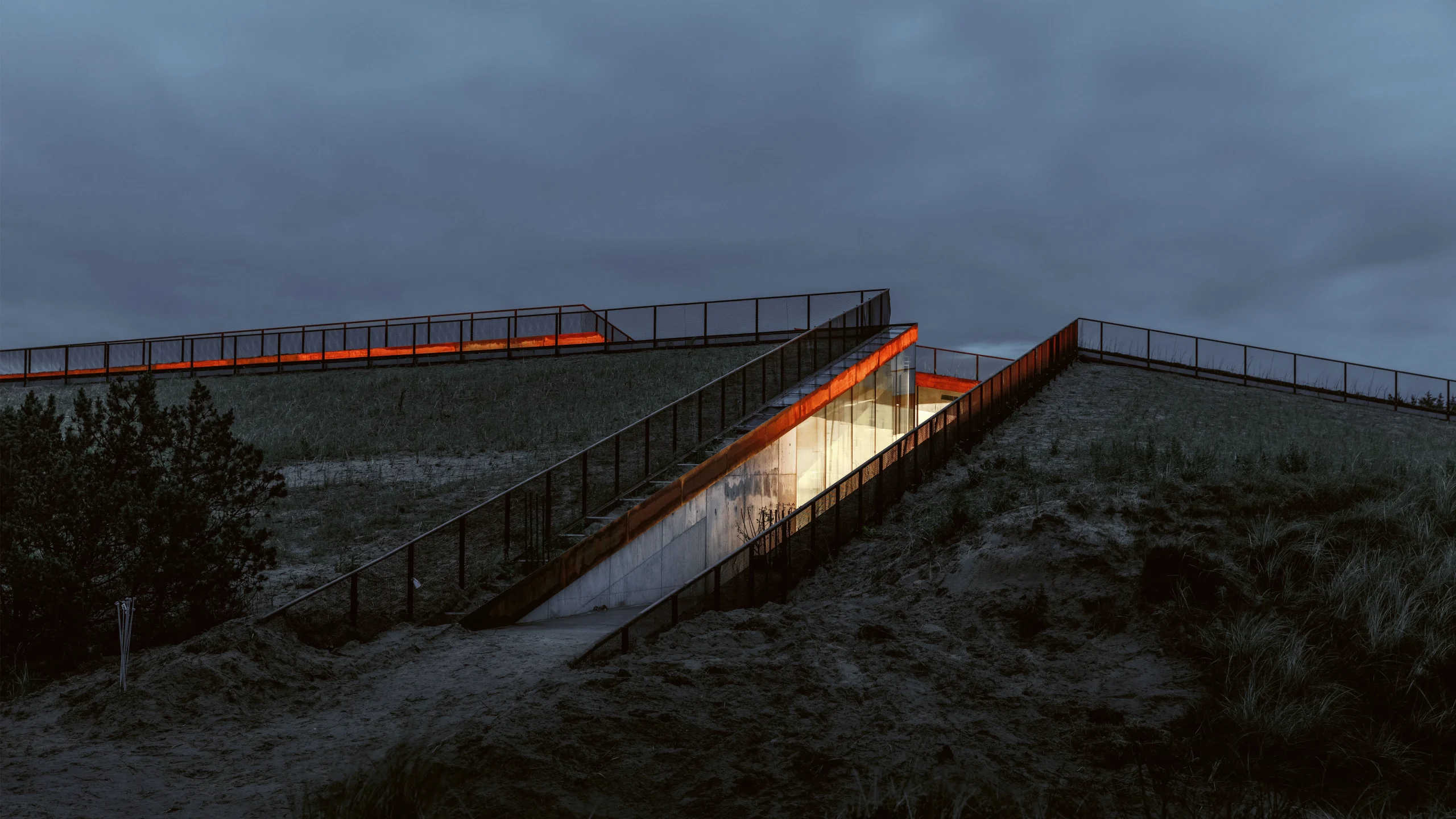
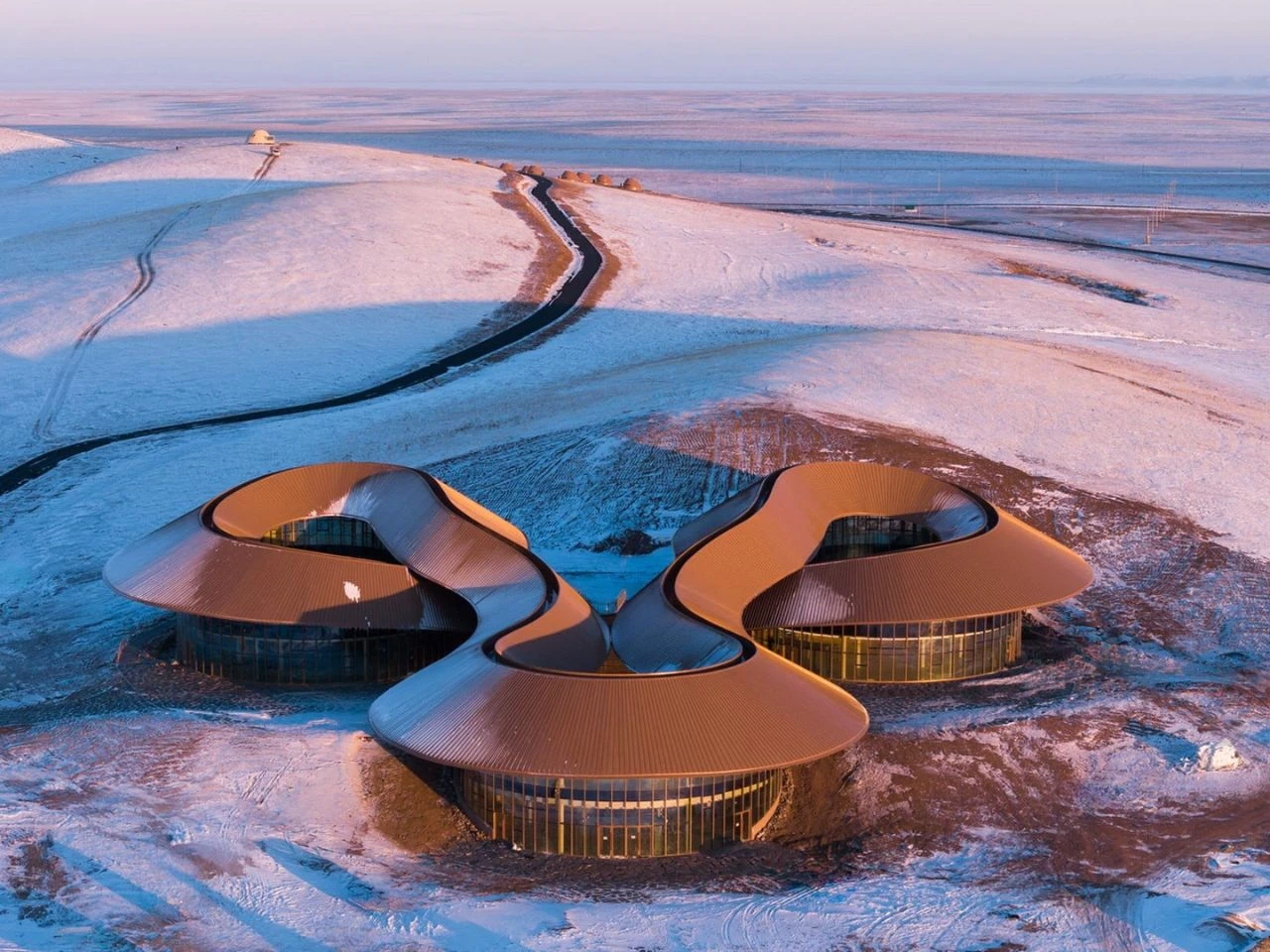
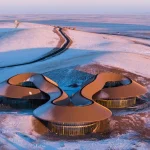
In the Mongolian steppe, PLAT ASIA’s Volcano-In Visitor Center continues this exploration through geological abstraction. The project draws from volcanic landforms, shaping a low-rise structure that appears carved rather than built.
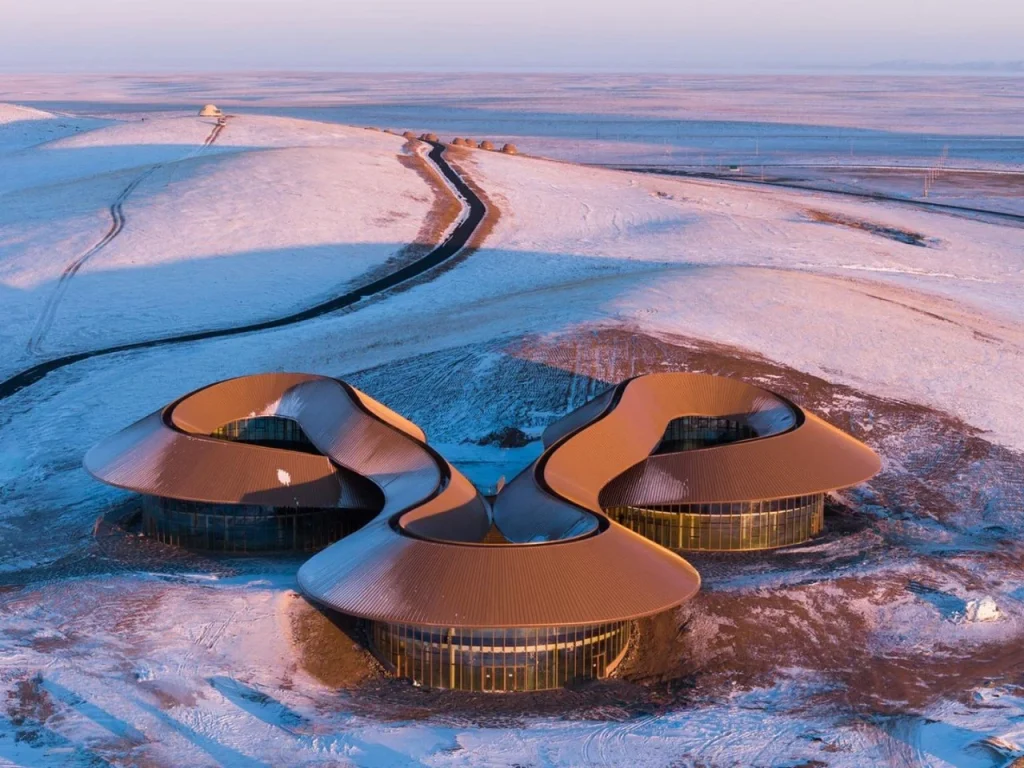
Instead of imposing a visible object, the architecture sinks into the terrain, using earth-toned materials and soft geometries that mimic natural erosion patterns. The design aligns with the vast openness of the steppe, where architecture must remain subtle to preserve spatial scale.
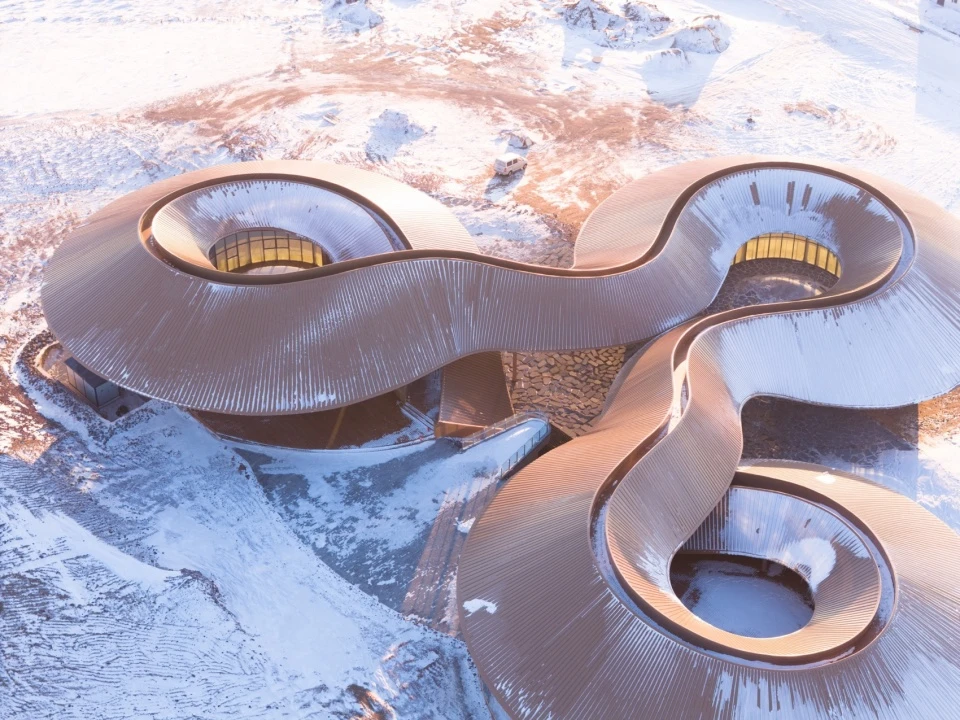
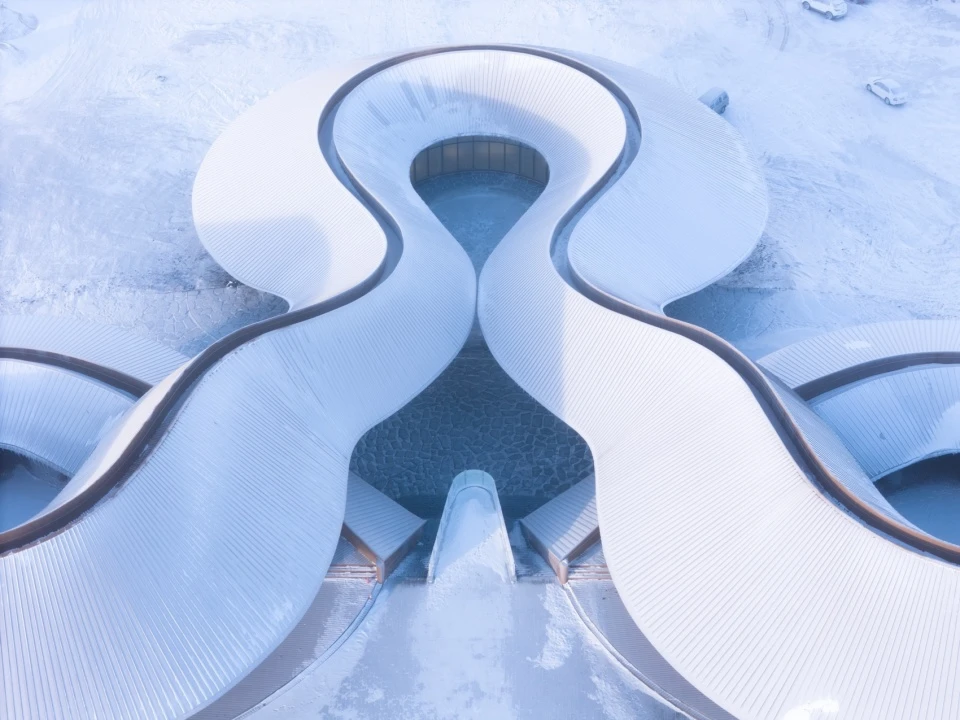
Here, the building becomes a topographical extension of the land, reinforcing the idea that architecture can be a geological layer rather than a separate entity. The low-rise profile ensures continuity of horizon lines, allowing the surrounding landscape to remain the dominant visual experience.
Light as Landscape Interface
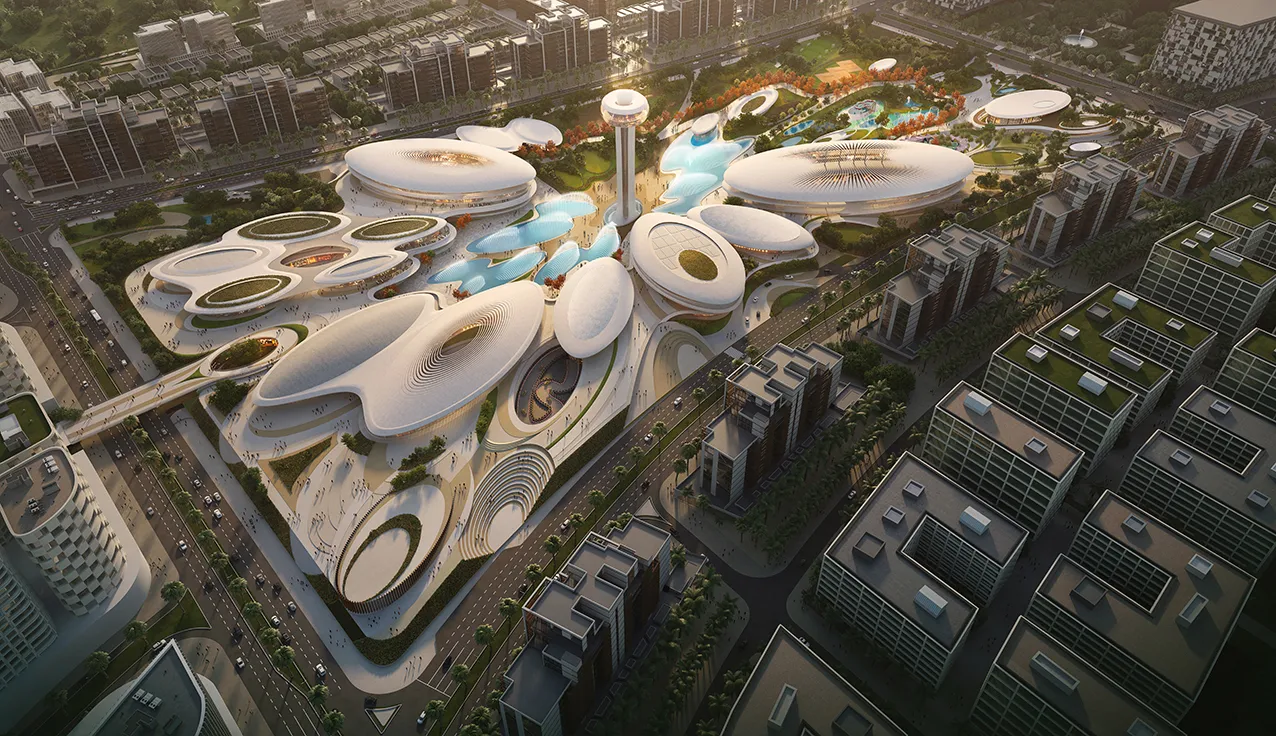
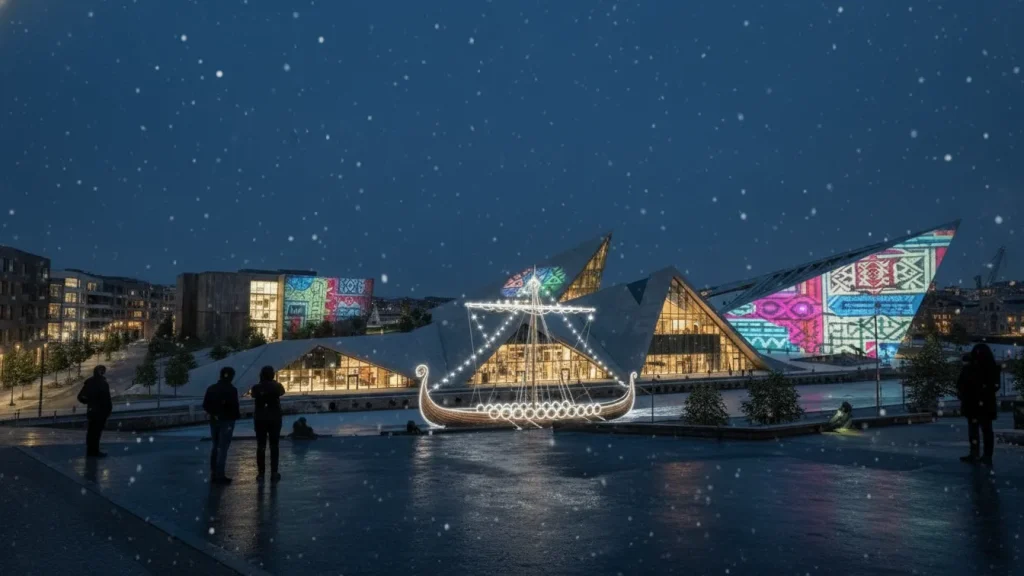
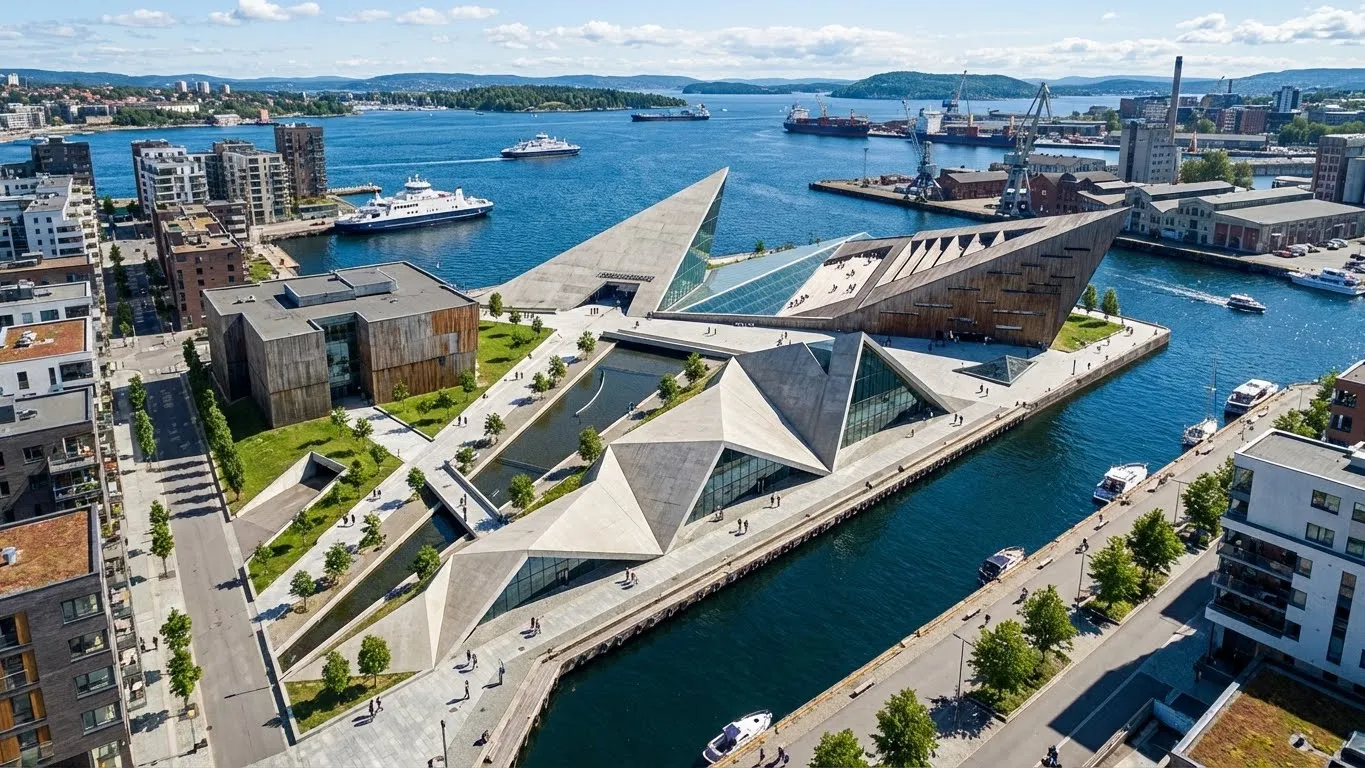
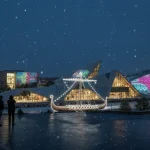
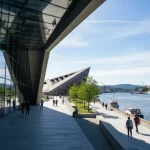
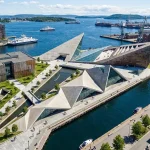
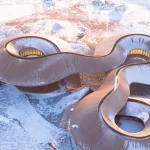
In a completely different climatic context, the Oslo Luminous Cultural Center by Cadir Architectural Studio explores low-rise form through light and atmospheric integration. The structure is grounded in a compact horizontal massing that spreads across the site rather than rising above it. This allows the building to interact closely with seasonal light conditions of the Nordic environment.
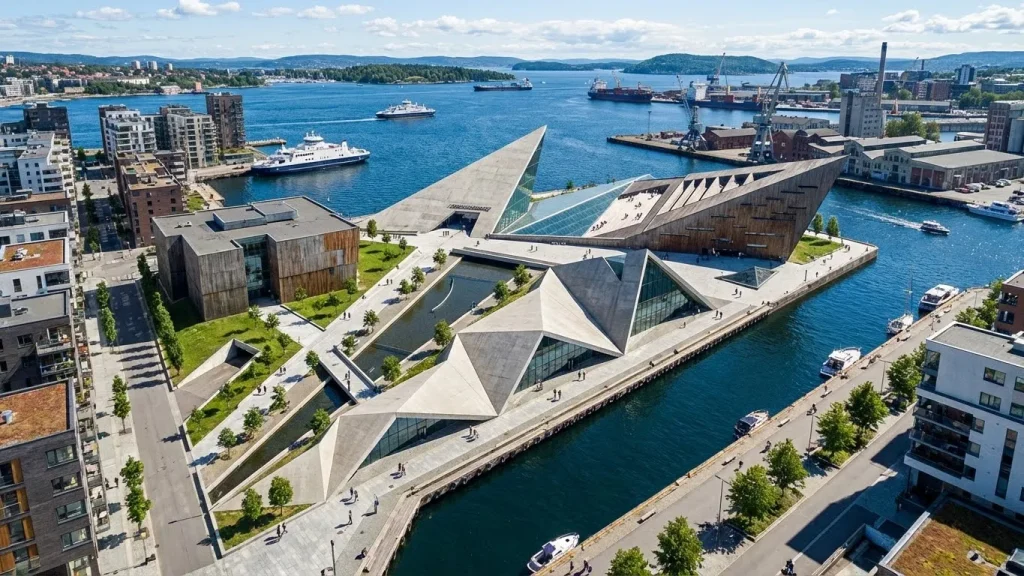
Large openings, translucent surfaces, and layered façades create a shifting perception of volume throughout the day. Light and shadow are orchestrated across the low-rise form, allowing the architecture to read as a shifting, atmospheric field.
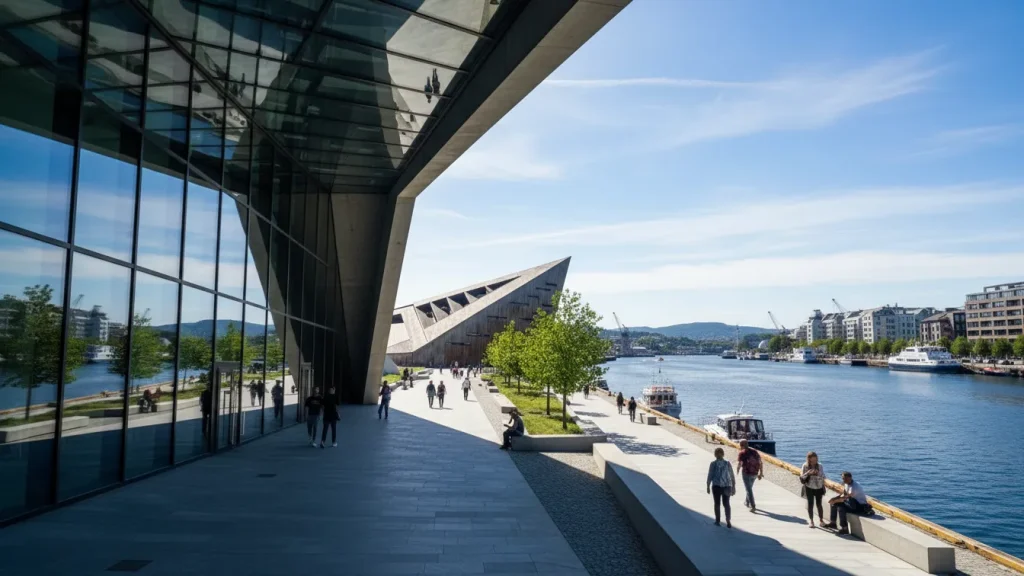
The result is a cultural space that feels embedded in its environment, where snow, daylight, and seasonal change continuously reshape the architectural experience. Across these projects, a clear design direction emerges that architecture is moving away from vertical monumentality toward horizontal, landscape-integrated sculptural systems that align with the landscape.
This approach reflects a broader shift in global architecture where buildings do not compete with nature but participate in it. These projects behave as extensions of terrain, climate, and cultural memory. They suggest a future where architecture is not an interruption of landscape but its continuation. It becomes a living interface between people and the environment, shaped by ecological sensitivity, local context, and long-term sustainability thinking, and creates resilient, adaptive environments that evolve gracefully with changing human and ecological needs collectively.