



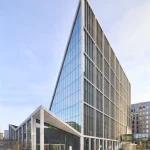
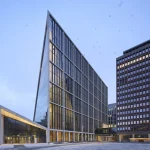
In the center of Oslo, a project decades in the making is quietly reshaping how a nation presents its democracy. Designed by Nordic Office of Architecture, the new Government Quarter is a deliberate attempt to turn a once-closed and security-driven site into a place where public life and governance exist side by side.
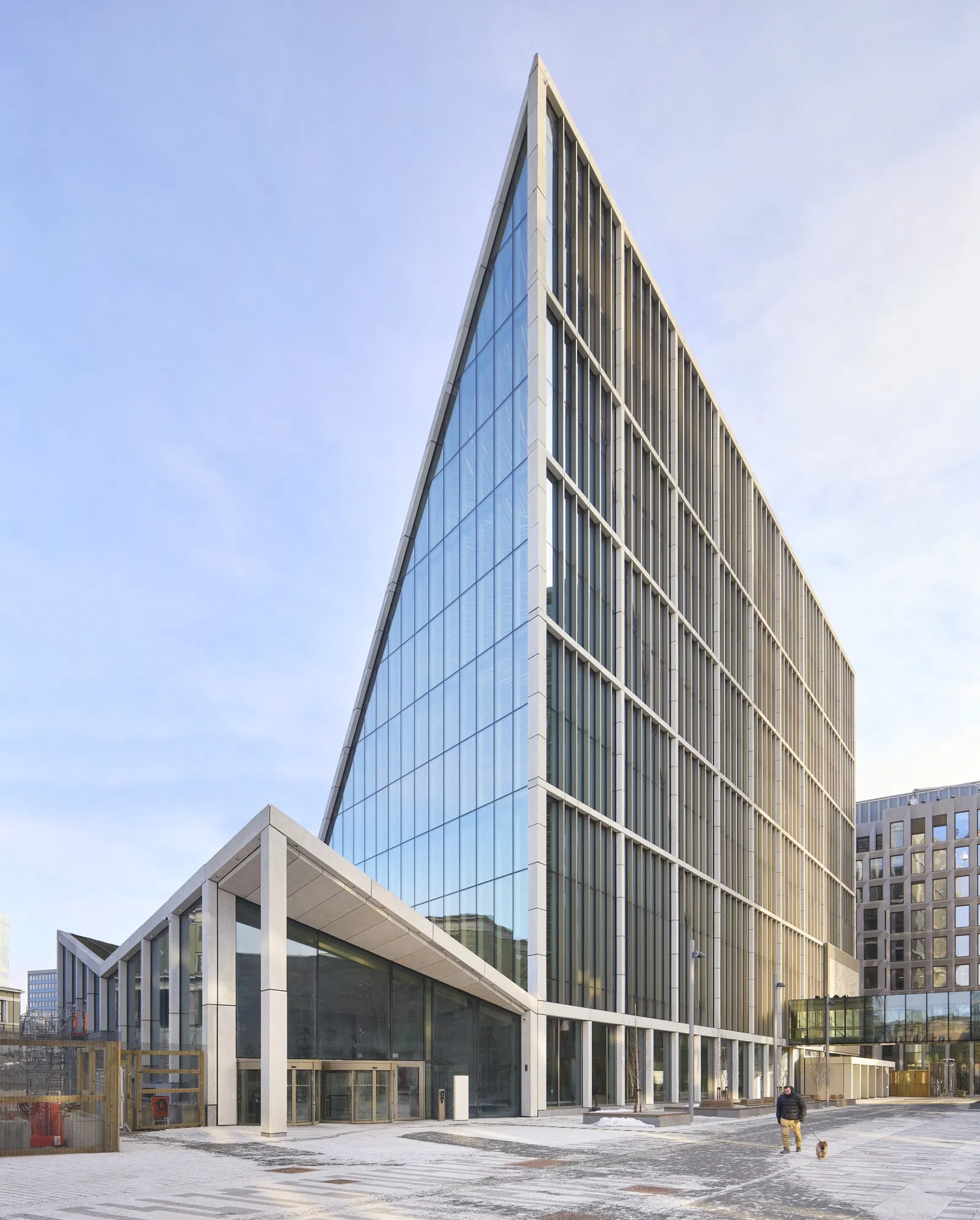
Located just a short walk from Norway’s Parliament, the Government Quarter has historically been the administrative core of the country. Today, it is being reimagined as an open civic landscape. The purpose is to create a space where people can walk, gather, and engage without losing the necessary level of security expected from a national government epicenter.
The Spatial Logic of Oslo’s New Government Quarter
The redevelopment comes with a deep historical importance. The site was heavily impacted by the 2011 attacks in Norway, and the new masterplan responds directly to that concussion. Instead of retreating behind barriers, the design takes a different stance. It rebuilds with transparency, openness, and accessibility at its core.
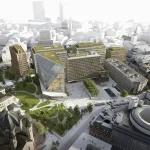
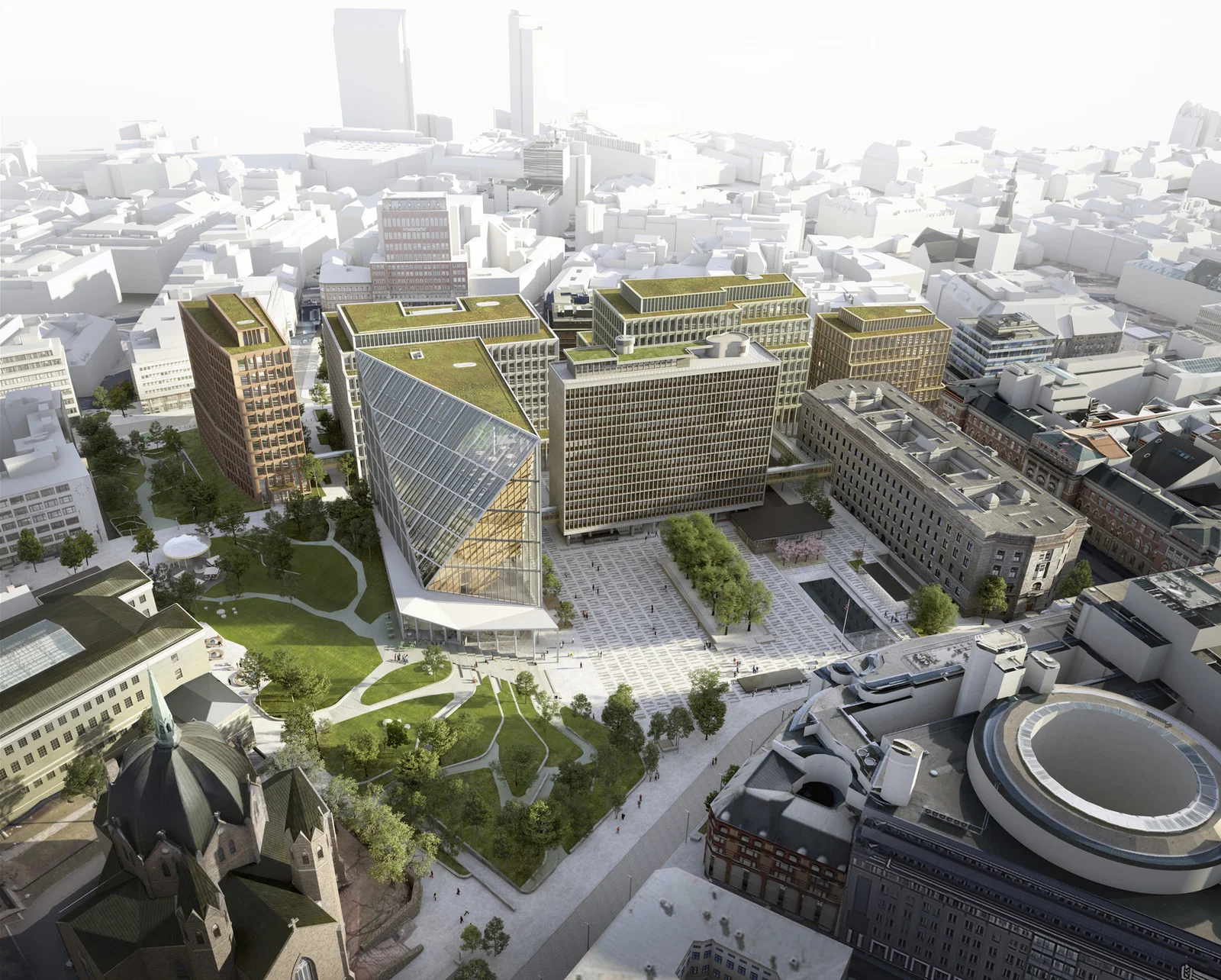
The project includes five new buildings and the restoration of key existing structures, including the iconic Høyblokken. Together, they form a connected urban composition arranged around a series of public plazas and green spaces.
At full completion, the quarter will consolidate most Norwegian ministries into one campus, accommodating around 4,100–4,400 employees within approximately 182,000 square meters of office space.
Designing a Space That People Can Walk Through
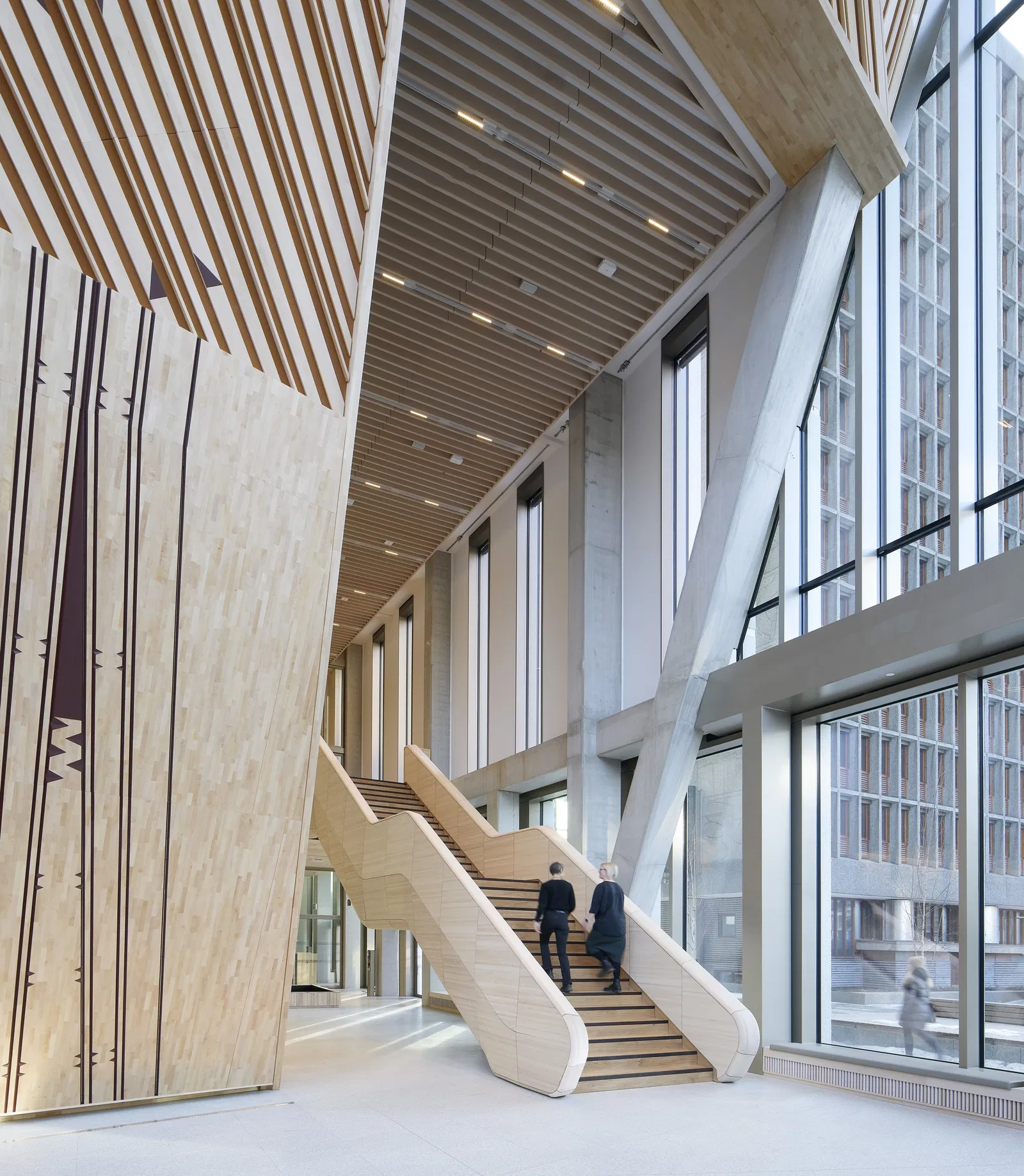
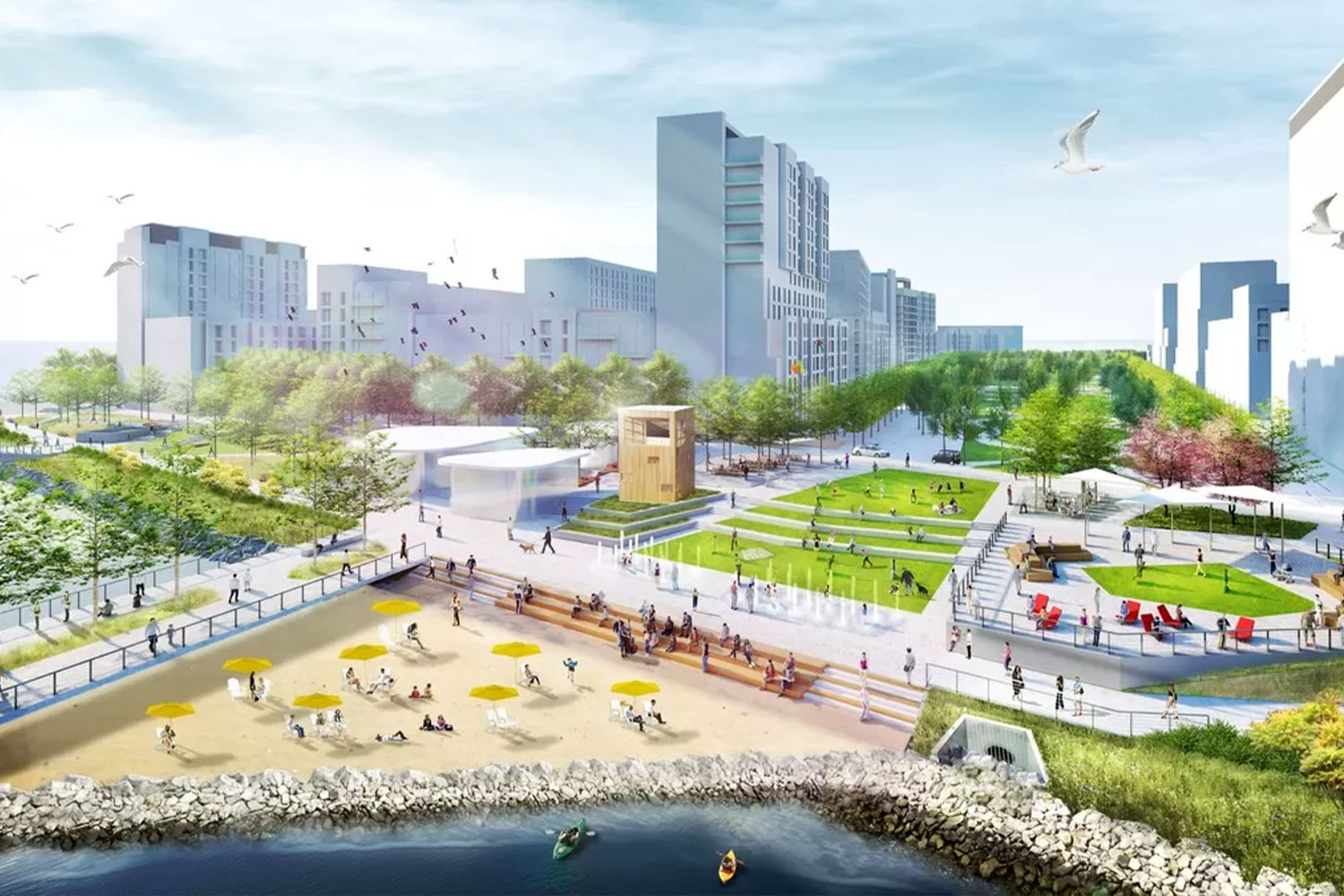
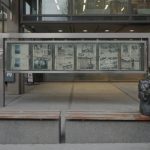
What makes this project stand out is how it treats architecture as a form of political and social tool. The masterplan organizes the buildings in a circle, creating a sequence of interconnected public spaces that stitch the district back into Oslo’s urban fabric. Streets that were once closed are reopened, restoring pedestrian and cycling routes across the city.
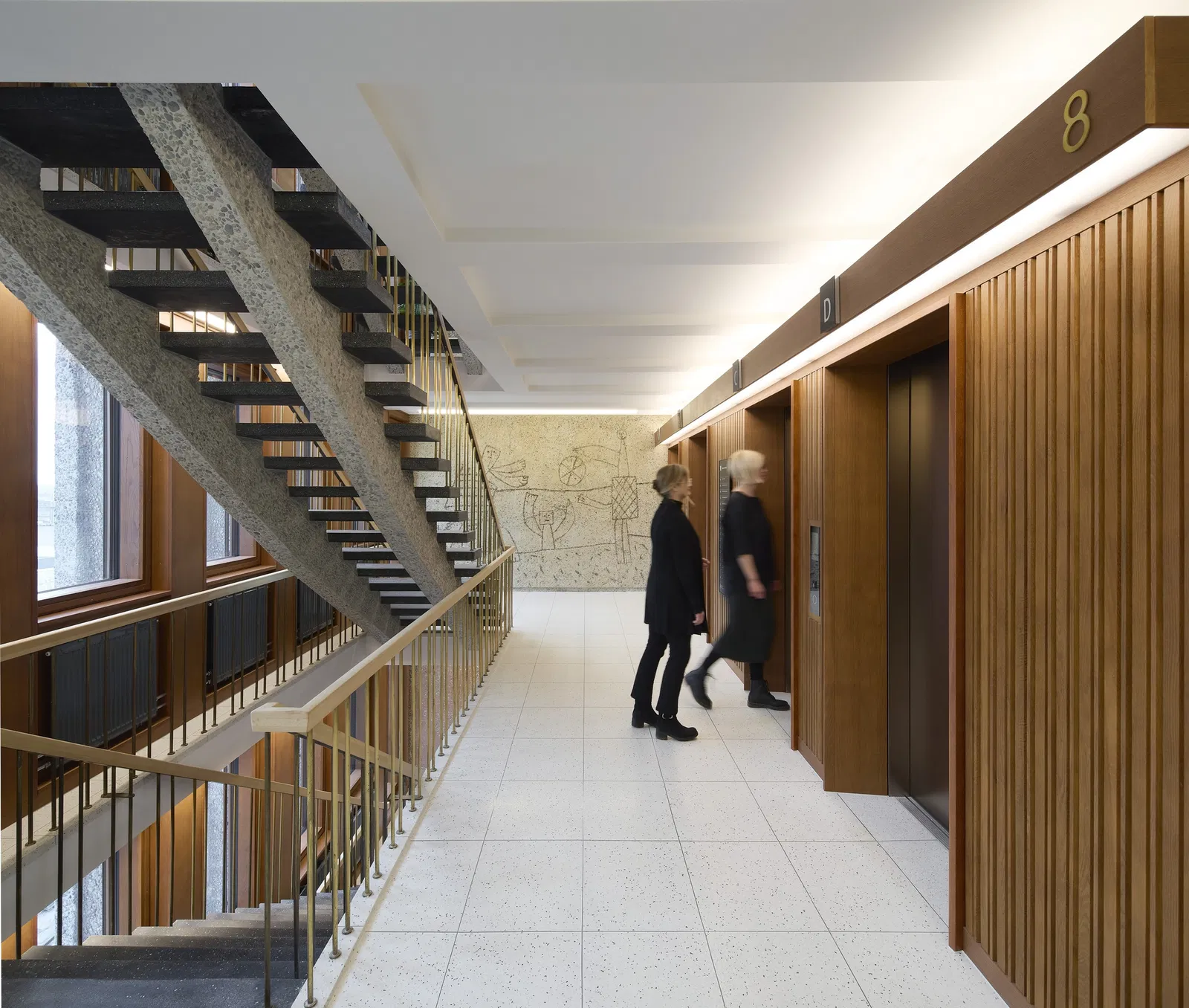
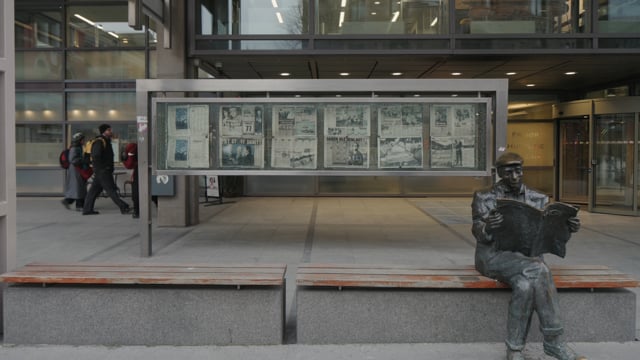
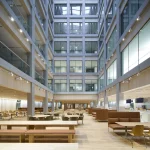
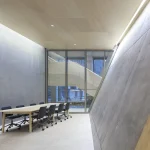
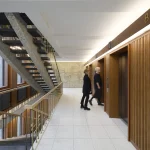
At ground level, the project is intentionally porous. Public squares, parks, and cultural spaces, including the 22 July Center, invite people into the site. Above, bridges and shared zones connect ministries, including what the architects describe as a highly efficient “decision-making machine,” where collaboration becomes spatially embedded.
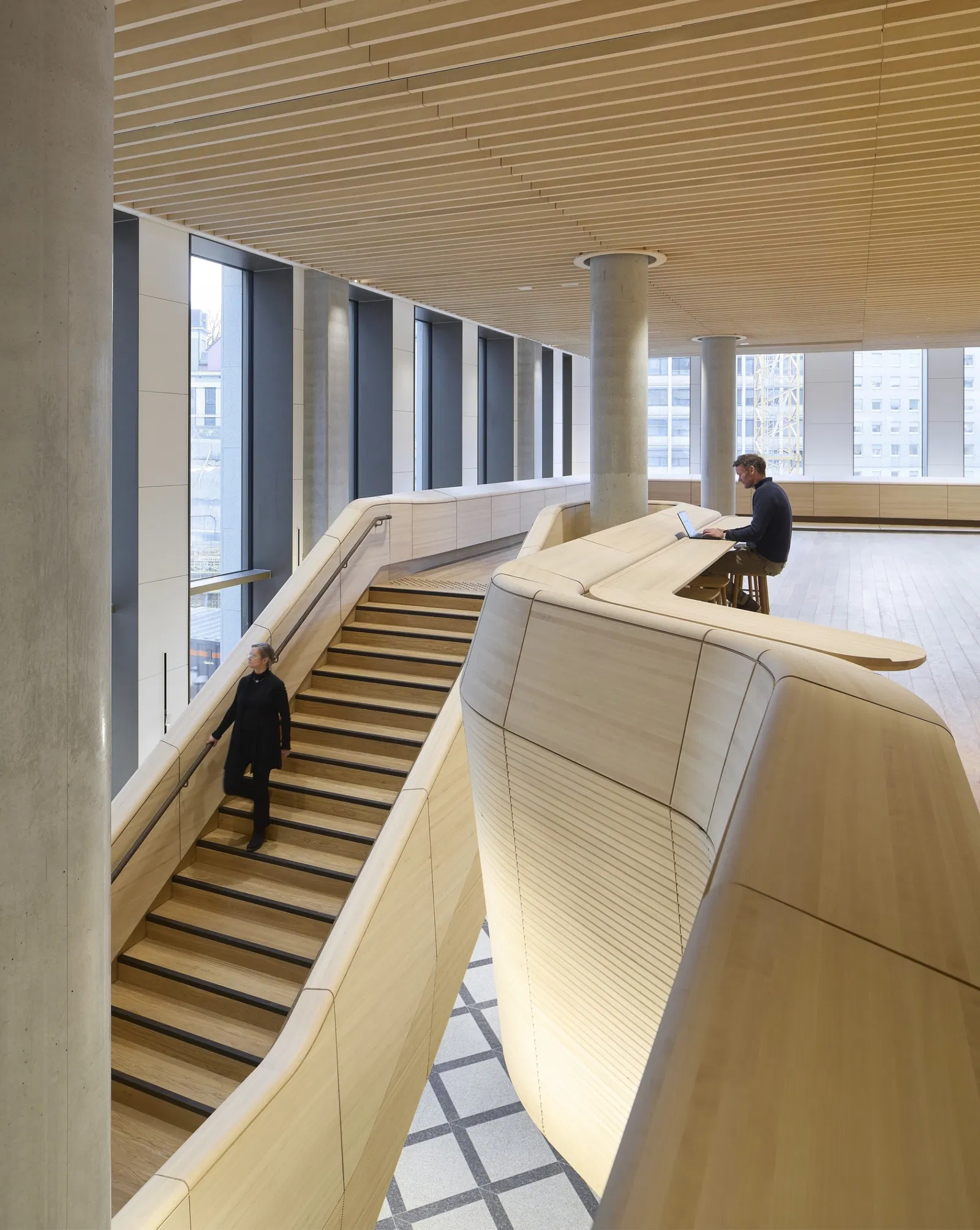
The architecture balances contrasts. It integrates strong security measures while still allowing openness, clear visibility, and easy public access. This tension between protection and accessibility gives the development its distinct identity.
Materials & Sustainability
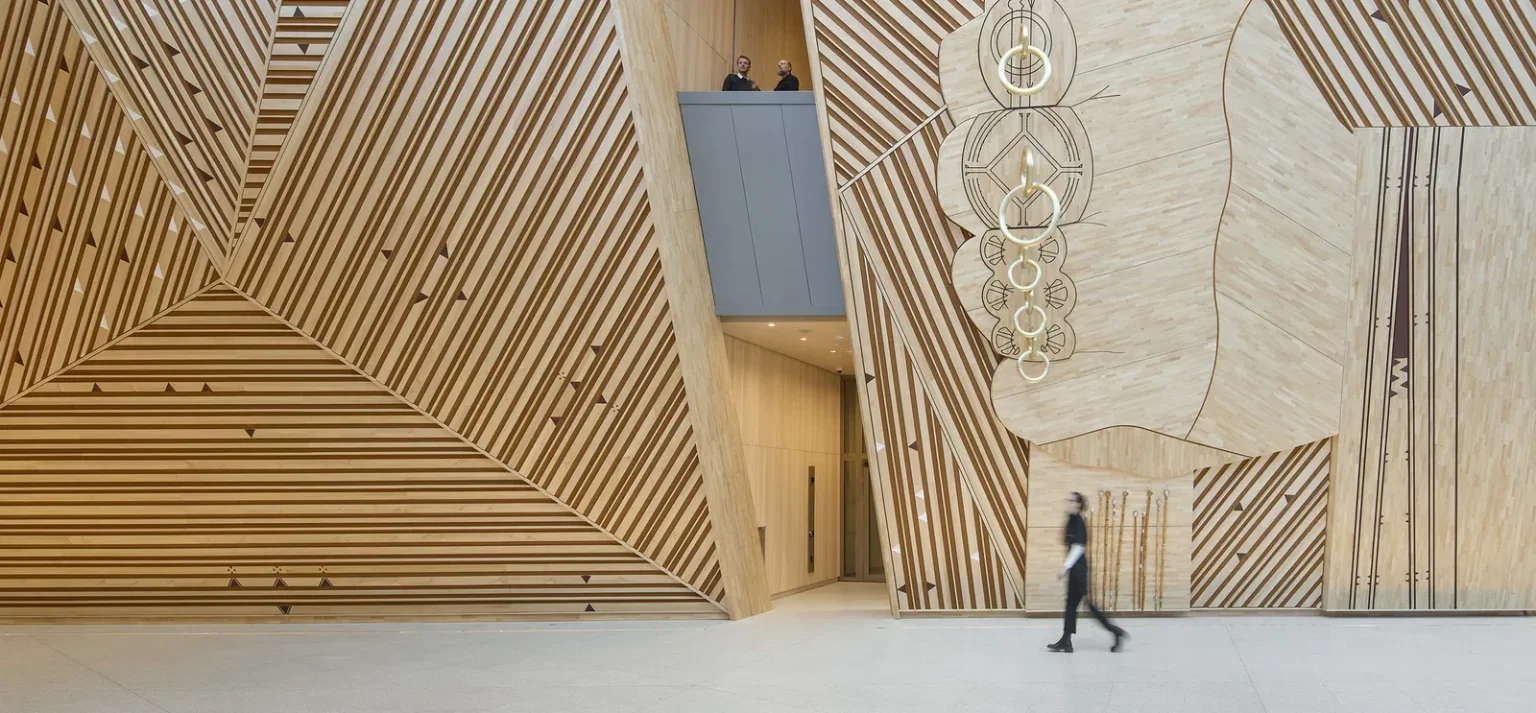
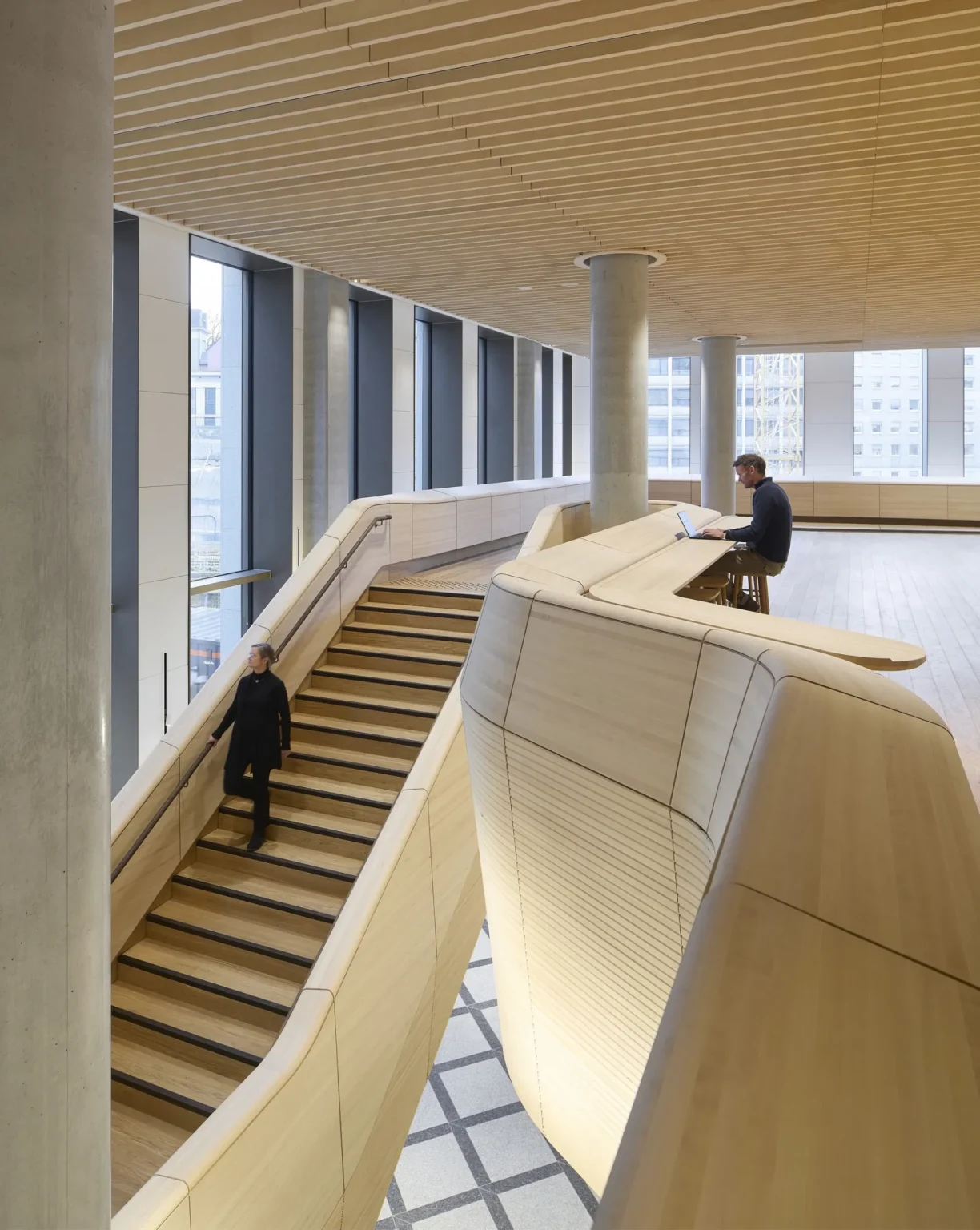
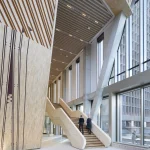
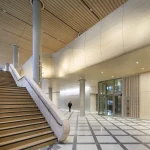
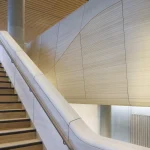
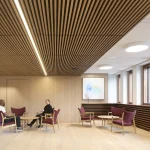
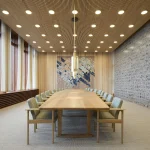
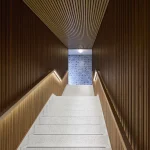
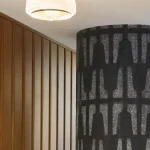
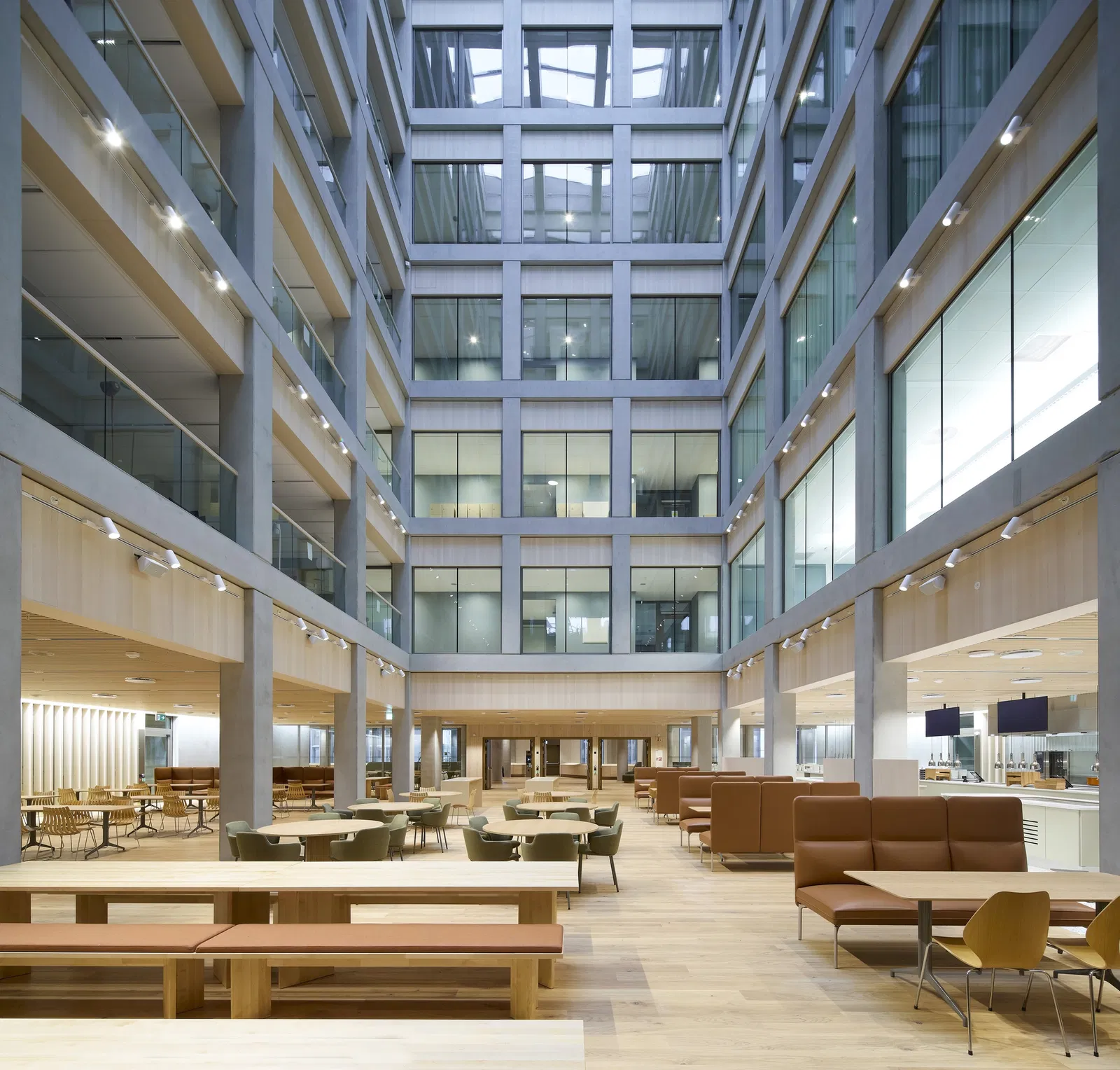
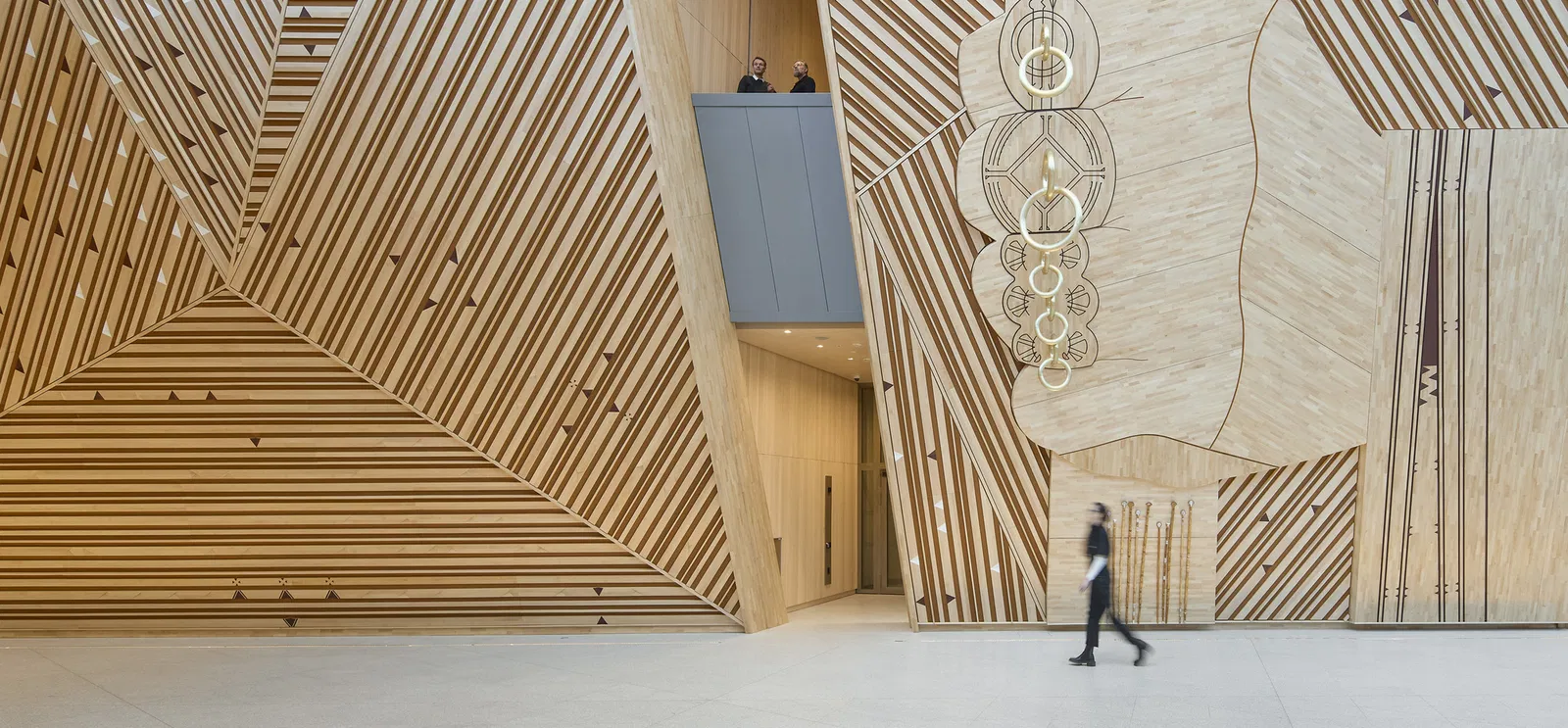
The project also reflects a distinctly Norwegian approach to material and construction. Interiors make use of locally sourced timber, bringing warmth to institutional spaces. Craft plays a visible role, with elements shaped by traditional boatbuilders and Norwegian designers.
The buildings are designed to meet BREEAM-NOR Excellent standards, integrating low-carbon concrete, seawater-based heating and cooling, and energy-efficient envelopes.
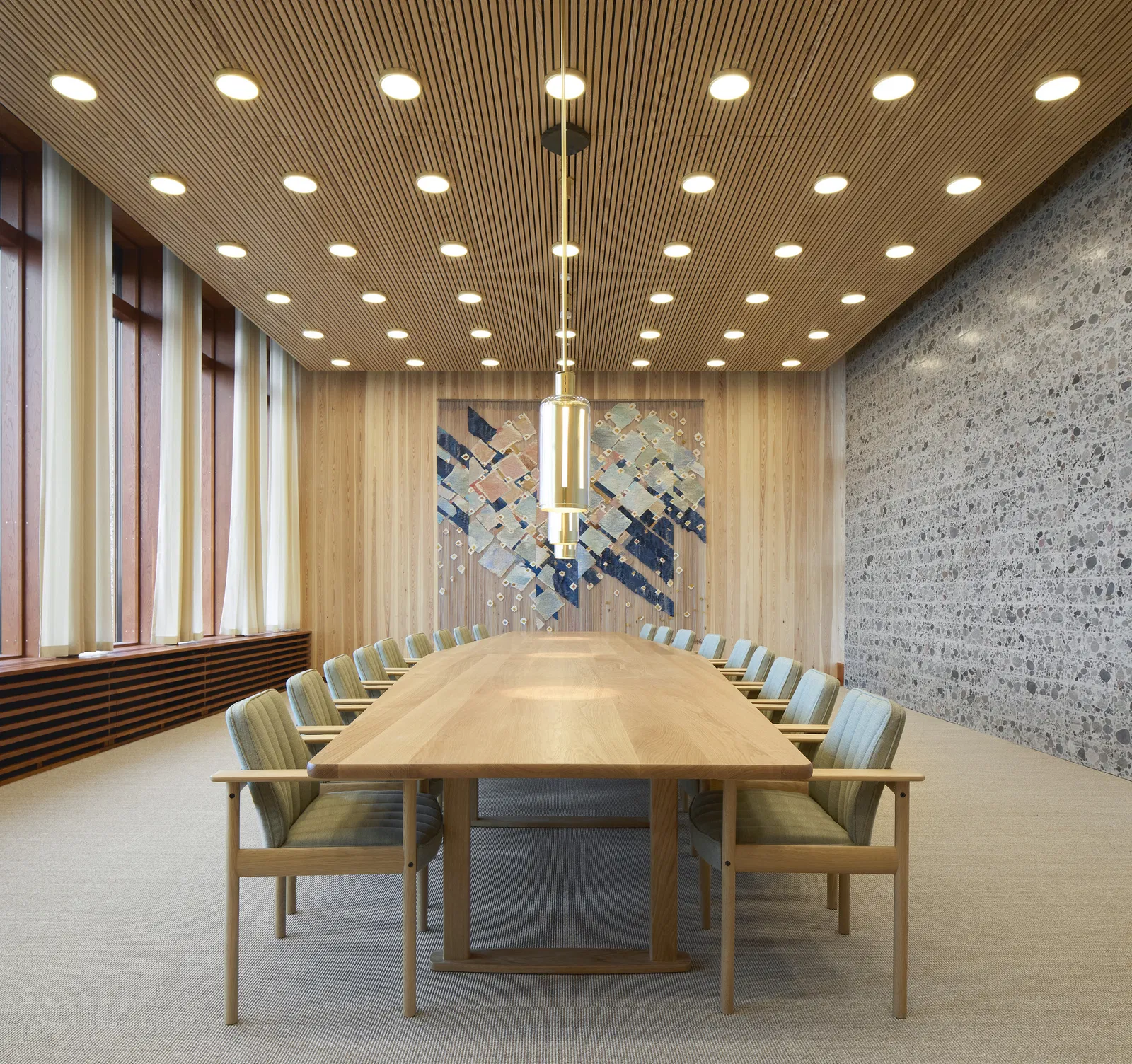
A notable detail is the reuse strategy. The first phase alone reuses about 20% of 15,800 furniture items from previous government buildings, demonstrating a practical approach to circular design.
Art, Identity, and Public Experience
Beyond architecture, the project integrates one of Norway’s largest public art programs. Around 300 artworks are placed across the site, including relocated historical pieces and new installations.
The new buildings preserve and reintroduce elements from demolished structures, including murals by Pablo Picasso. This continuity ensures that the project carries history forward into a new spatial narrative.
New Government Quarter Project Details
Location: Oslo, Norway
Lead Architect: Nordic Office of Architecture
Collaborators: Haptic Architects, Scenario, I-d Interior Architecture
Client: Statsbygg
Total area: approx. 182,000 m²
Capacity: 4,100–4,400 employees
Buildings: 5 new + 2 restored
Credit: Nordic Office of Architecture