












Valentine’s Day comes every year, but for architects and designers, people who live in ideas, sketches, and spatial thinking, the best gifts are those that inspire creativity, sharpen skills, and elevate everyday design life. If your partner dreams in spaces, sketches concepts, or is always looking forward to the next design breakthrough, this curated list is for you. For architects and designers, Valentine’s Day gifts are most meaningful when they align with how they think, work, and visualize space.
1. PAACADEMY Workshops

Supporting professional growth has become one of the most relevant ways to grow in architecture. Learning itself can be one of the most powerful gifts you give a creative mind this Valentine’s Day. Explore the latest courses at PAACADEMY, a globally recognized online design education platform that equips architects and designers with cutting-edge digital skills. In a world where architectural workflows constantly change, education is career empowerment. Courses currently on offer, like Cinematic Architecture: AI-Powered Design Workflows, Advanced Grasshopper 3.0, and AI-Powered Interior Design, merge creativity with the latest tools shaping architecture.

It offers your partner the opportunity to deepen their understanding of parametric and computational design, integrate AI into concept development and visualization workflows, and explore emerging territories such as robotic fabrication and digital production.
2. iPad + Pro Creative Tech Kit
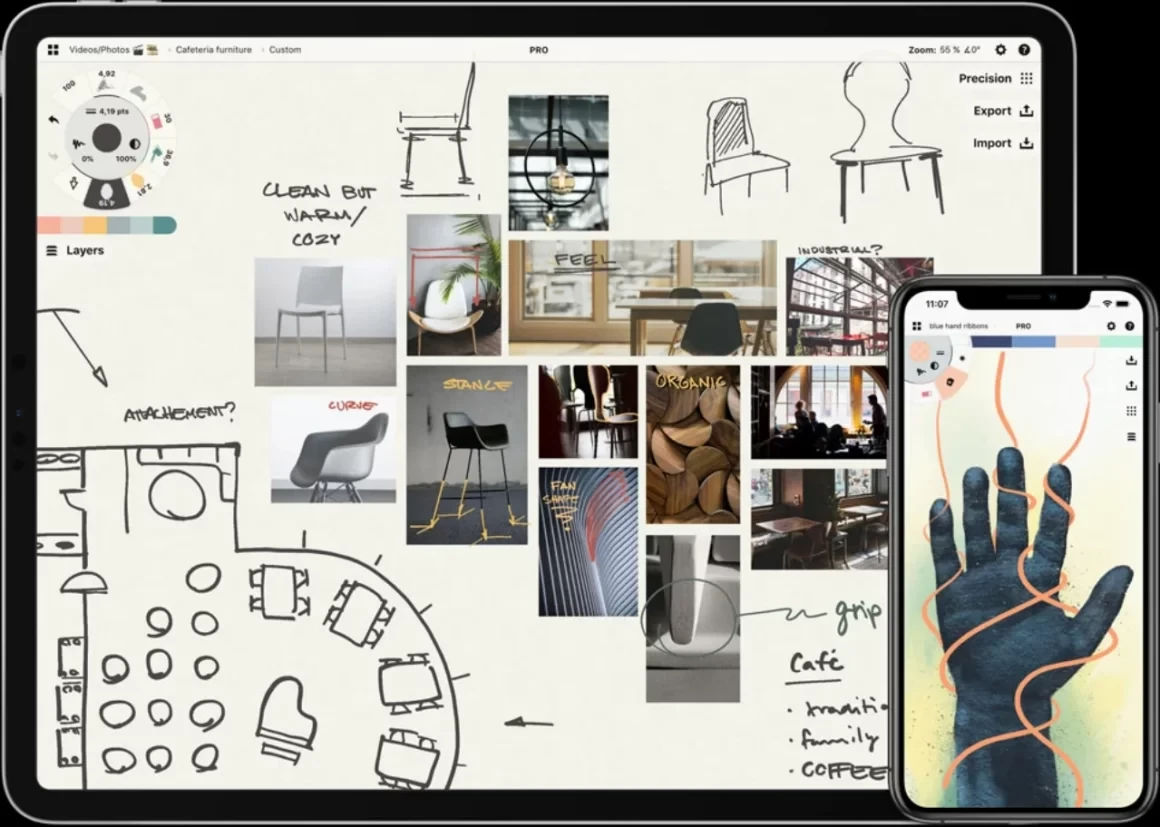
In 2026, portable digital sketching has become integral to architectural practice, with devices like the iPad Pro and Apple Pencil supporting everything from early concept sketches to on-site annotations and iterative design development.
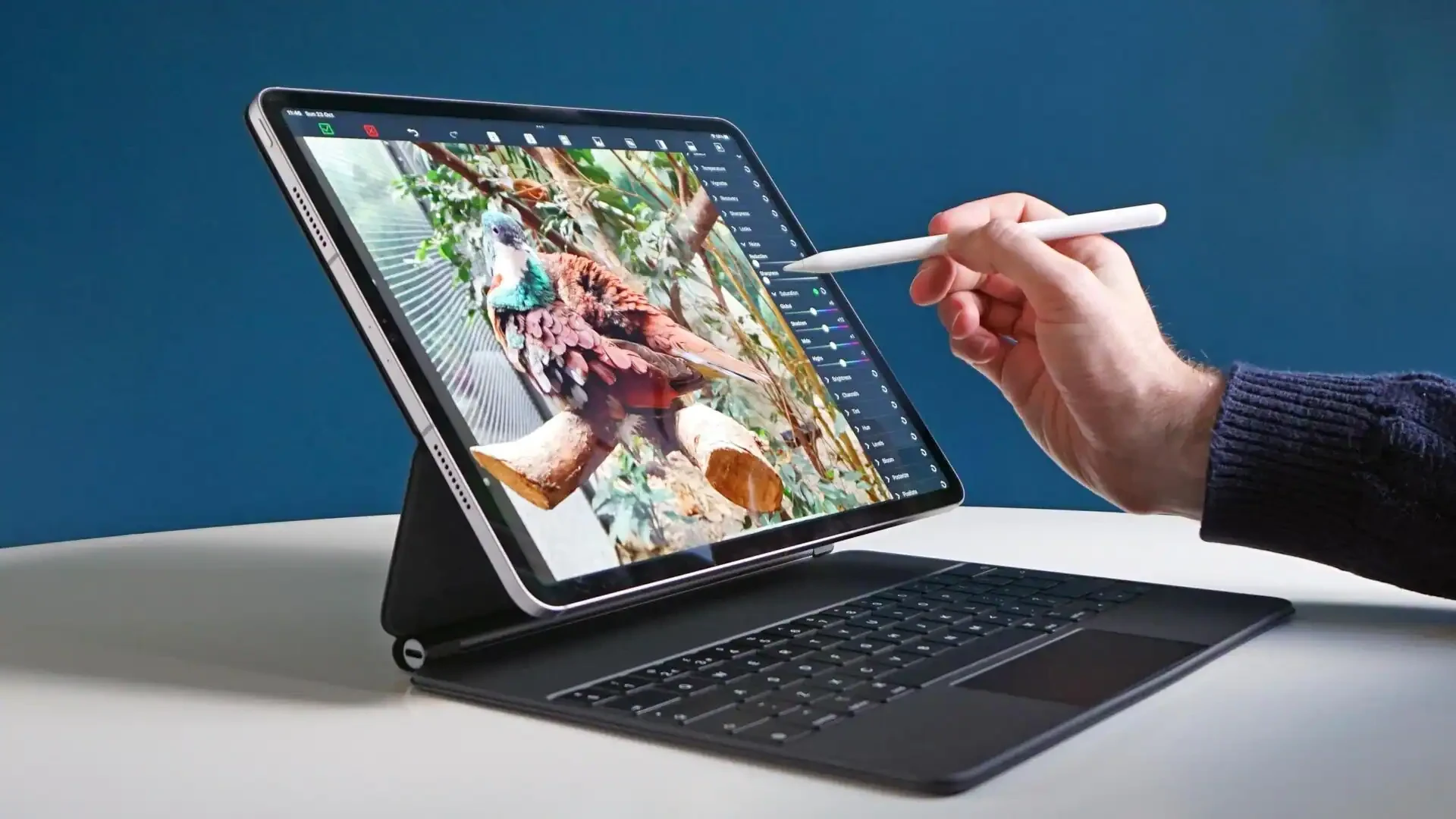
With tools like the iPad Pro, architects can develop concepts directly in digital sketching applications, annotate drawings in real time, redline PDFs during design reviews, and layer ideas over site photographs or reference material while on the move. The ability to shift seamlessly between freehand sketching, precise markups, and quick iterations transforms the device into a portable design workspace. When paired with high-quality sketchbooks, fineliner sets, and drafting pens, the setup supports both tactile exploration and digital precision, reflecting how architects in 2026 navigate between hand-drawn intuition and technology-driven clarity.
3. AR/VR Headset
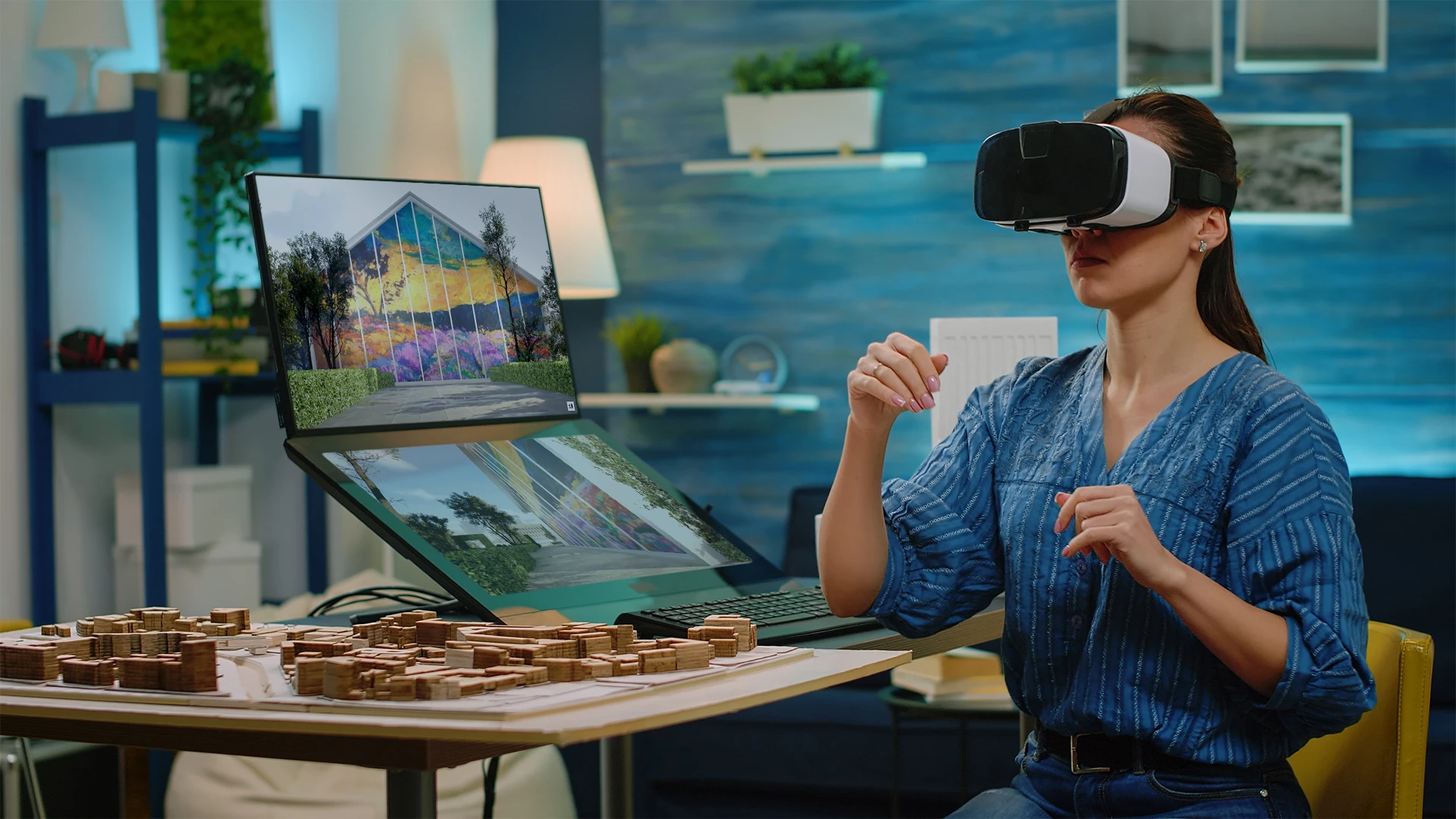
By 2026, immersive technologies have steadily integrated into architectural and interior design workflows, supporting spatial testing, design review, and client communication. A professionally oriented AR or VR headset allows designers to engage with their projects at full scale, reviewing proportions, circulation, material transitions, and lighting scenarios before construction begins.

As a Valentine’s Day gift, an AR/VR headset represents a considered investment, particularly suited for those willing to allocate a higher budget toward something that directly enhances creative practice. The tool also encourages exploration and curiosity, reinforcing the experiential side of design thinking while aligning with the profession’s growing shift toward immersive visualization and digital communication.
4. Curated Design Books Collection
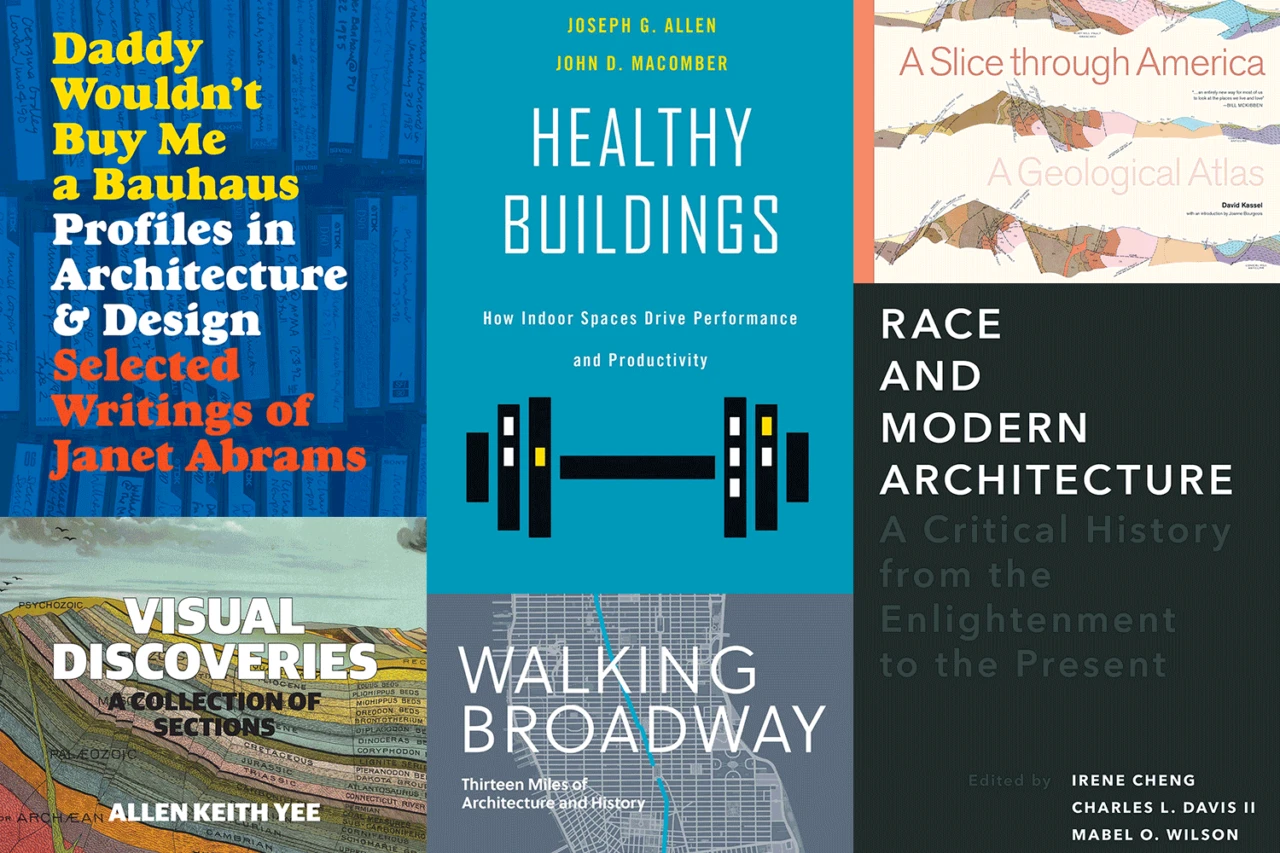
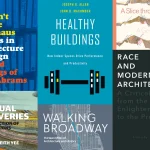
Books will never go out of style, especially among architects who see them as extended sketchbooks for the mind. A thoughtfully curated collection of architecture, design, and furniture books continues to serve as both inspiration and reference, bridging visual pleasure with deeper design thinking.
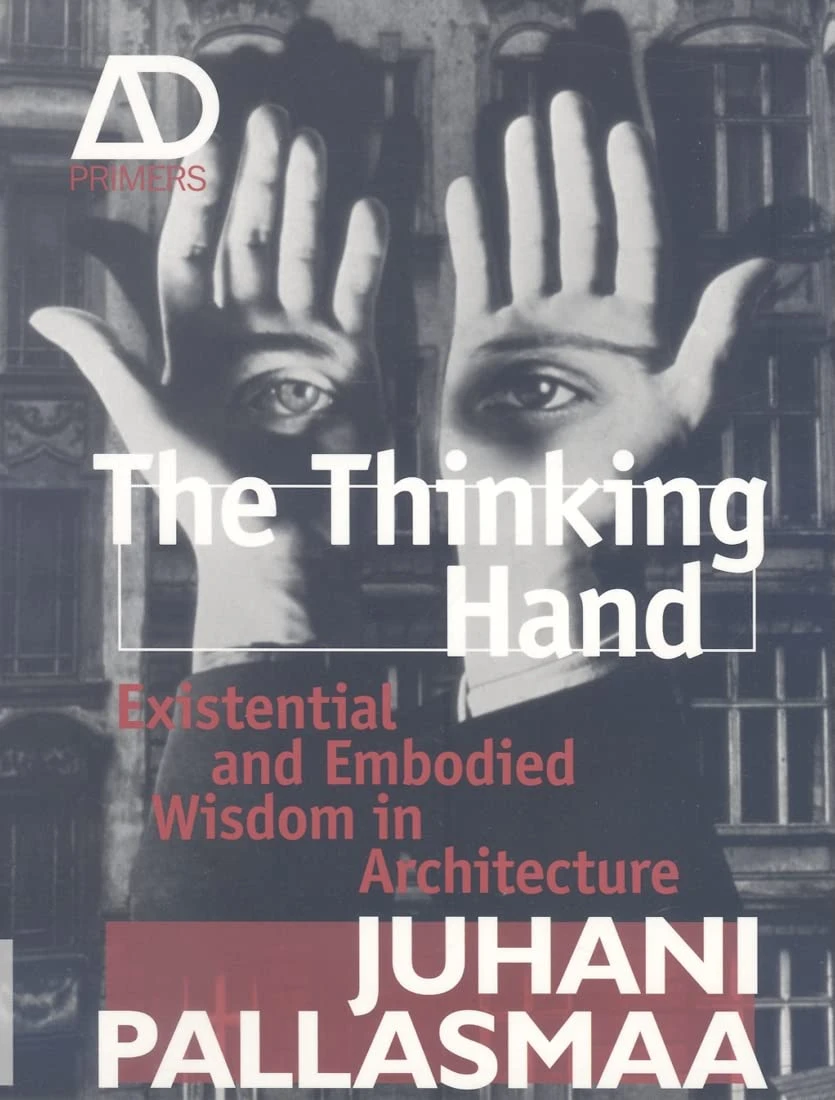
Many architects naturally gravitate toward books shaped by the thinking of influential practitioners such as Le Corbusier, whose writings continue to frame ideas around proportion and modern living, or Peter Zumthor, whose reflections on atmosphere and materiality resonate deeply with contemporary practice. Texts by Juhani Pallasmaa explore the sensory and human experience of space, offering perspectives that go beyond form and function, while publications documenting the work of Charles and Ray Eames highlight how furniture, objects, and architecture intersect through clarity, experimentation, and craft. Together, these books inspire visually and quietly shape how architects think, detail, and design over time. As a Valentine’s Day gift, design books offer something enduring.
5. A Personalized Design Toolkit — Building a Practice, One Tool at a Time
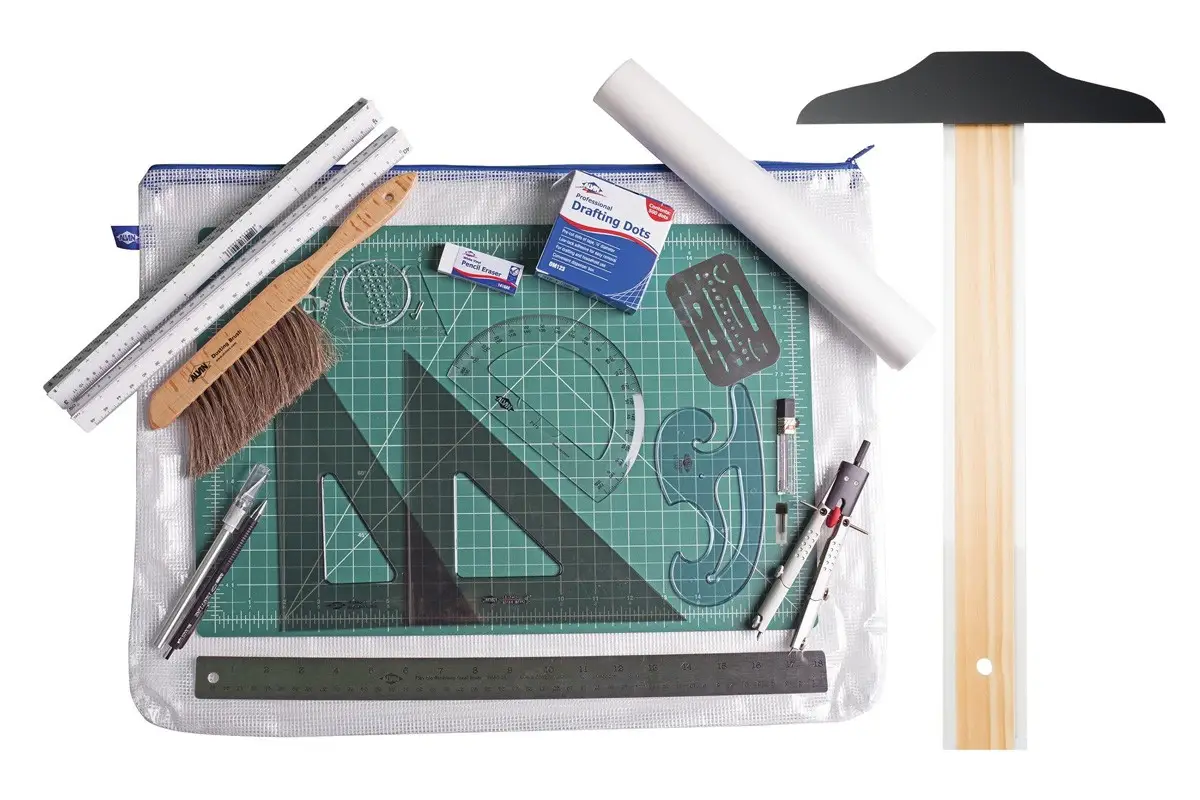
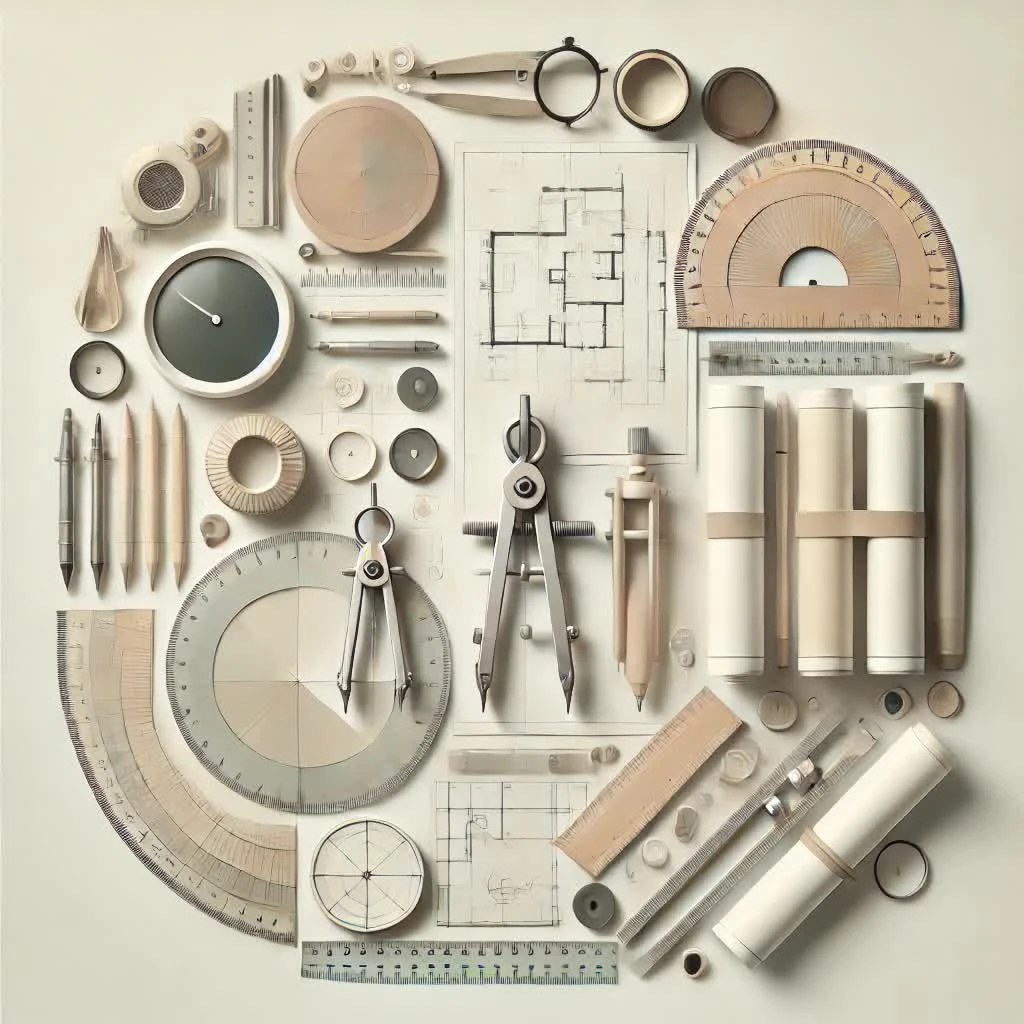
For architects just stepping into professional life, tools signal the beginning of a practice, a routine, and an identity. A thoughtfully curated, personalized design toolkit makes for a meaningful Valentine’s gift, especially for those navigating studios, site visits, and long hours of drawing and detailing. When chosen well, these objects become part of the daily workflow.
A well-rounded starter kit can include high-precision mechanical pencils and fineliners for clean sketching and technical drawings, paired with a durable sketchbook or drawing pad that becomes a space for ideas, notes, and quick diagrams. Adding a custom leather sketchbook cover with embossed initials introduces a sense of ownership and pride, something especially valuable at the start of a career. Practical site tools, such as a laser measuring device with Bluetooth connectivity, support accuracy and confidence on-site, while ergonomic tech peripherals like a drafting stylus or space mouse ease the transition between hand drawing and digital modeling.
Together, these essentials form a toolkit that feels personal, one that supports both learning and practice. As a Valentine’s gift, it acknowledges where your partner is in the career they are building ahead, one drawing, one measurement, and one idea at a time.

Ultimately, gifting an architect or designer on Valentine’s Day is less about a single object and more about recognizing the way they think, work, and imagine the world. Each choice mirrors the thoughtfulness inherent in the design process. Even experiences such as museum visits, design exhibitions, studio workshops, or quiet time set aside for learning carry lasting value. Together, these gifts form a thoughtful and connected set of ideas that supports growth, curiosity, and craft, making Valentine’s Day less about momentary celebration and more about sharing in a creative journey that unfolds over time.