

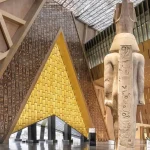
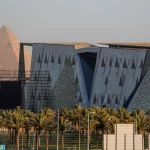
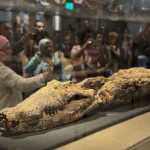
The long-awaited opening of the Grand Egyptian Museum (GEM) near Cairo’s Giza plateau on November 1, 2025, marks both the culmination of a two-decade journey and the dawning of a new era for museum architecture dedicated to the civilization of the Pharaohs. With its soaring glass-and-stone façade, immersive galleries, and the full display of treasures long confined to storerooms, the GEM is positioning itself as nothing less than the world’s largest museum dedicated to a single civilization.
Grand Egyptian Museum Location and Scale
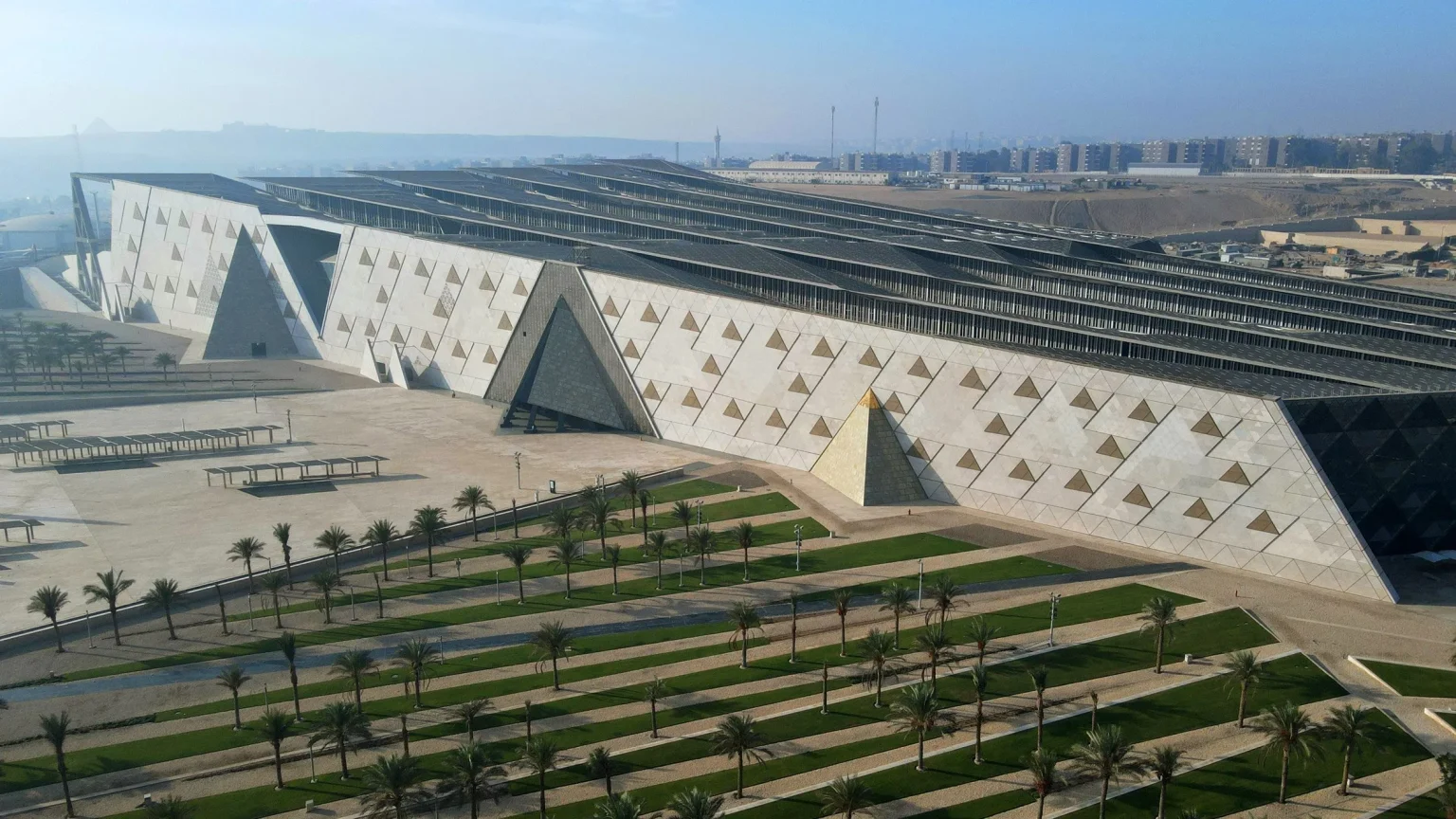
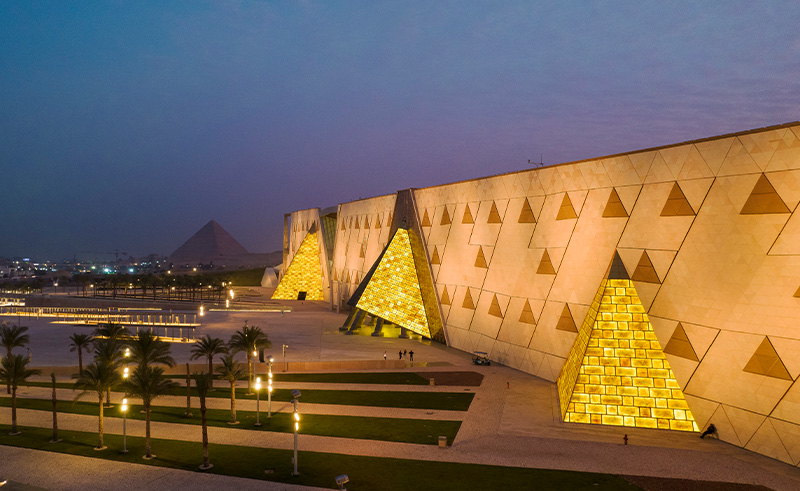
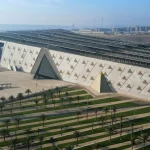
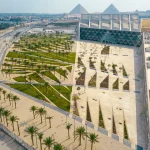
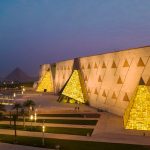
Perched on a plateau just over a mile from the famed Giza Pyramids, the Grand Egyptian Museum spans some 470,000 m² of built and exterior space. The positioning is deliberate: the design embeds visual axes that draw the eye from the museum’s entrance out to the three great pyramids, yet it remains respectful to their horizon, never overwhelming, always complementing.
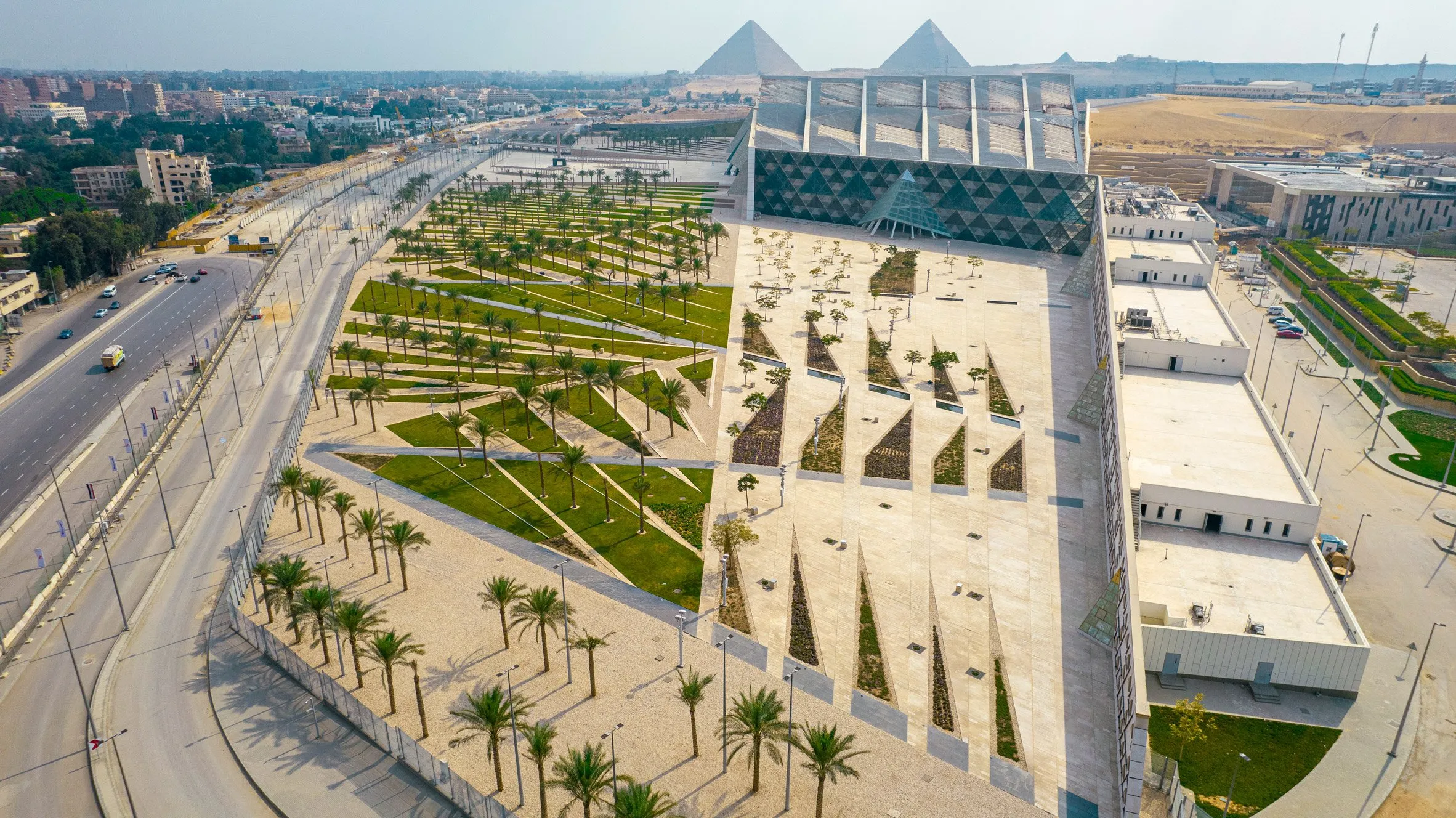
Inside, over 24,000 m² of permanent exhibition space await. With a budget in excess of US $1 billion, and in some reports over US $3 billion, the scale of investment reflects Egypt’s ambition to draw millions of visitors and reclaim cultural primacy.
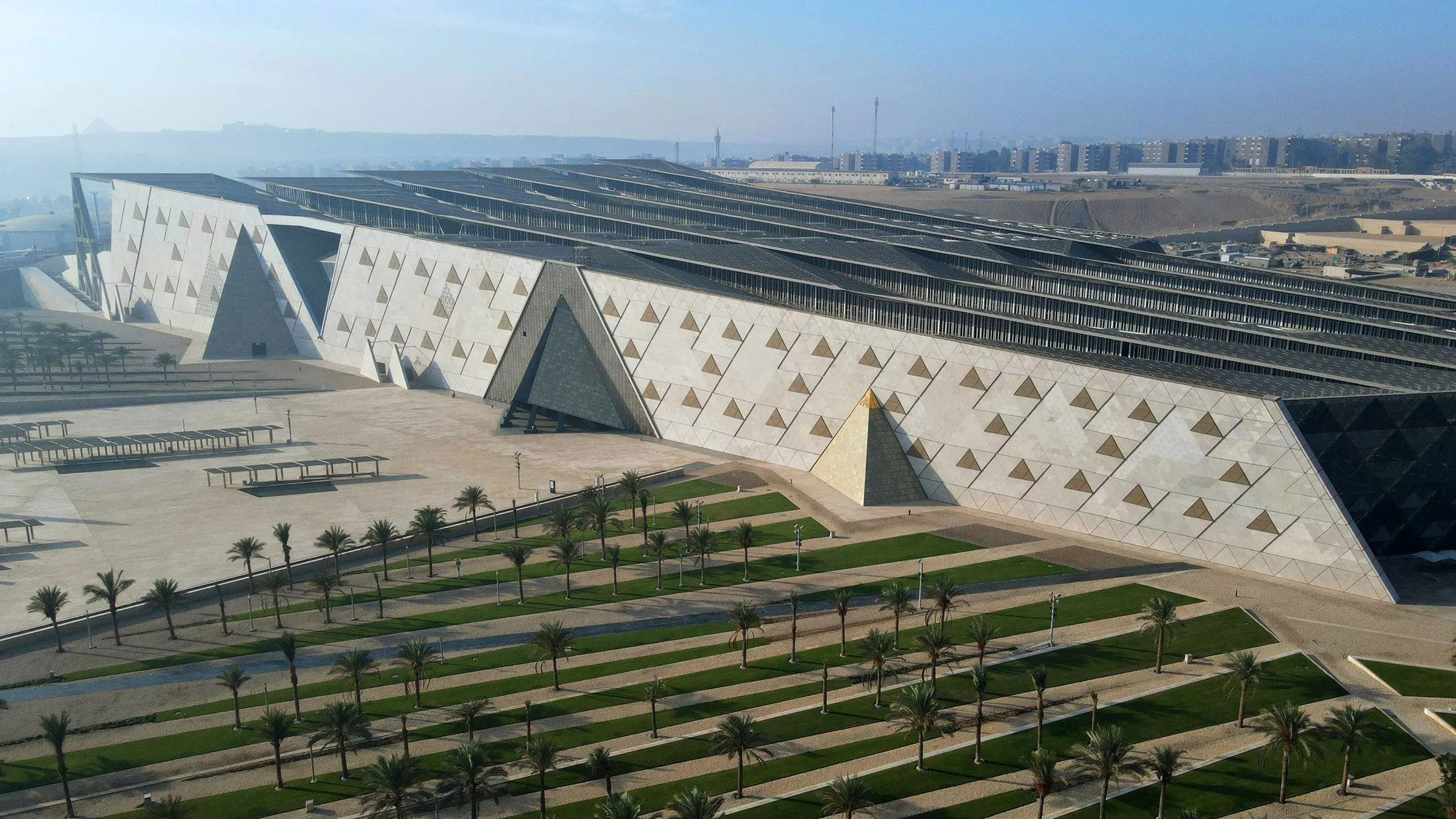
Architectural narrative & design highlights
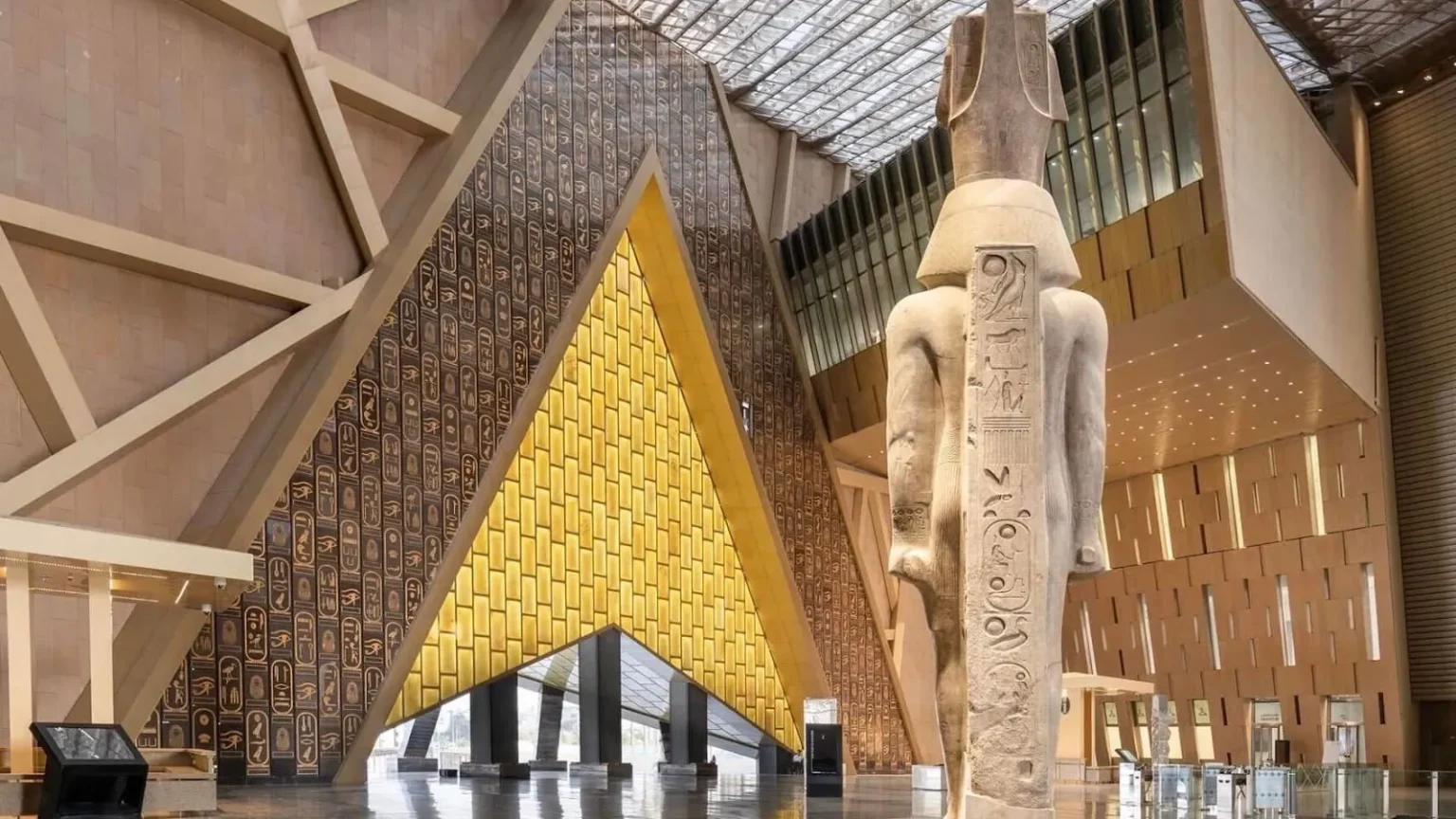
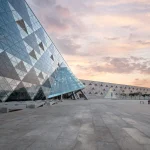
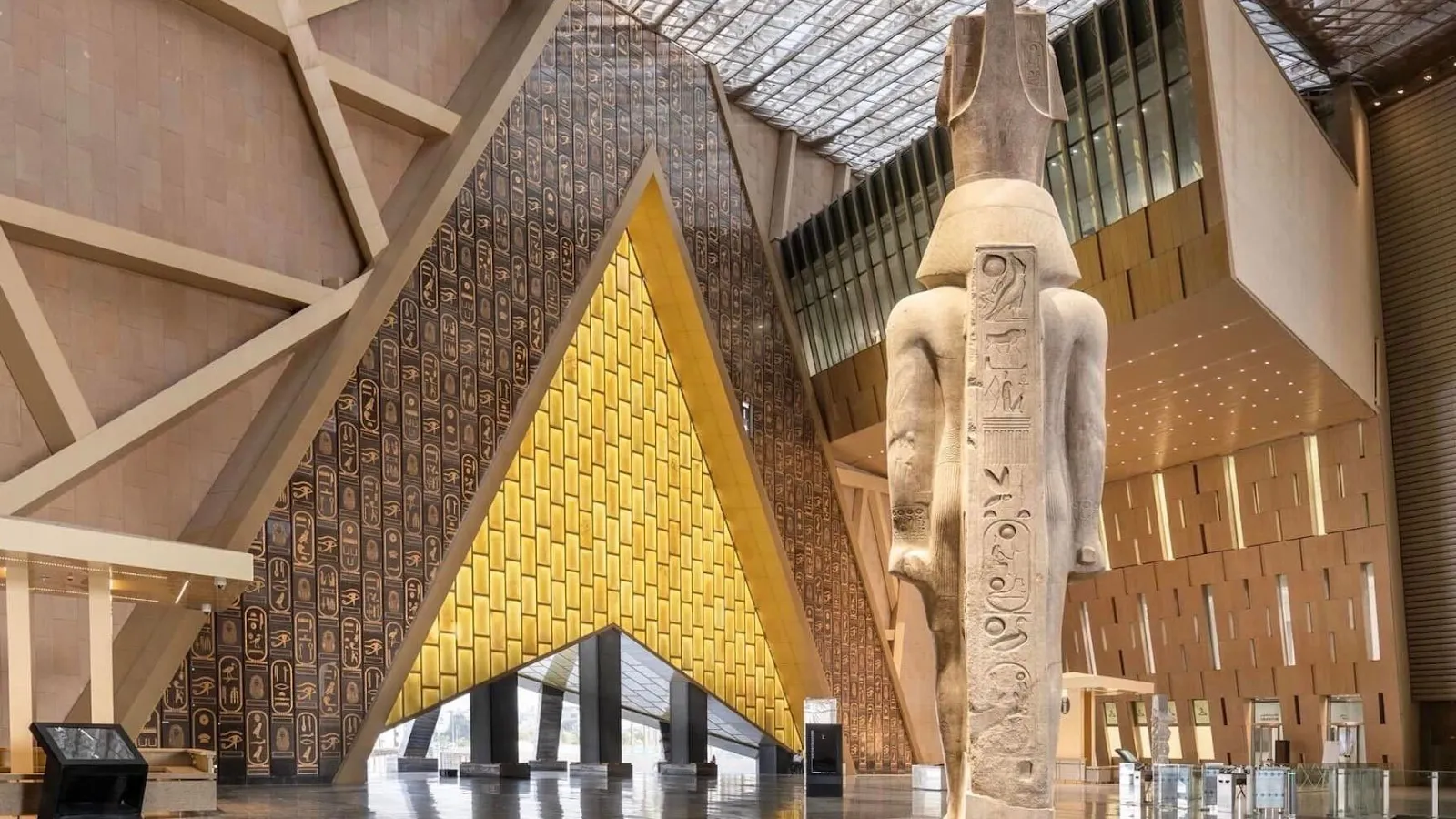
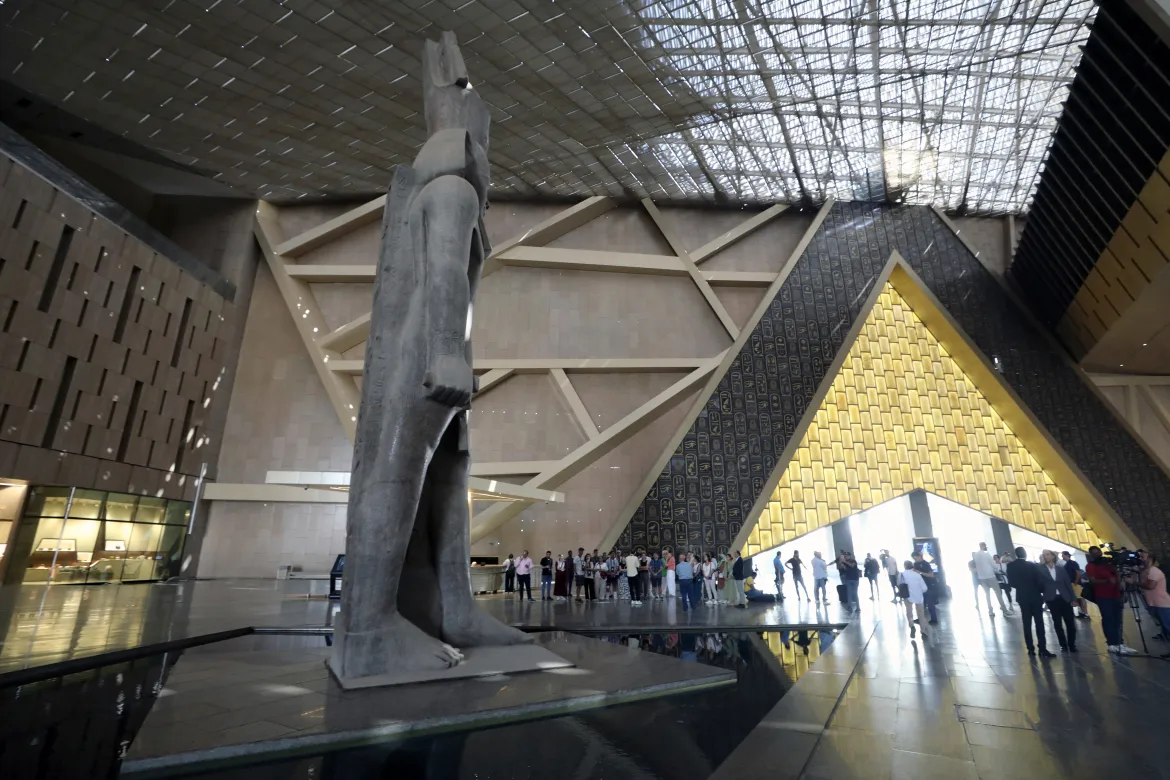
The Irish-based firm Heneghan Peng Architects won the international competition to design the GEM. Their vision is characterized by the interplay of desert and civilization; the façade of stone and glass mirrors the desert plateau and frames the pyramids behind.
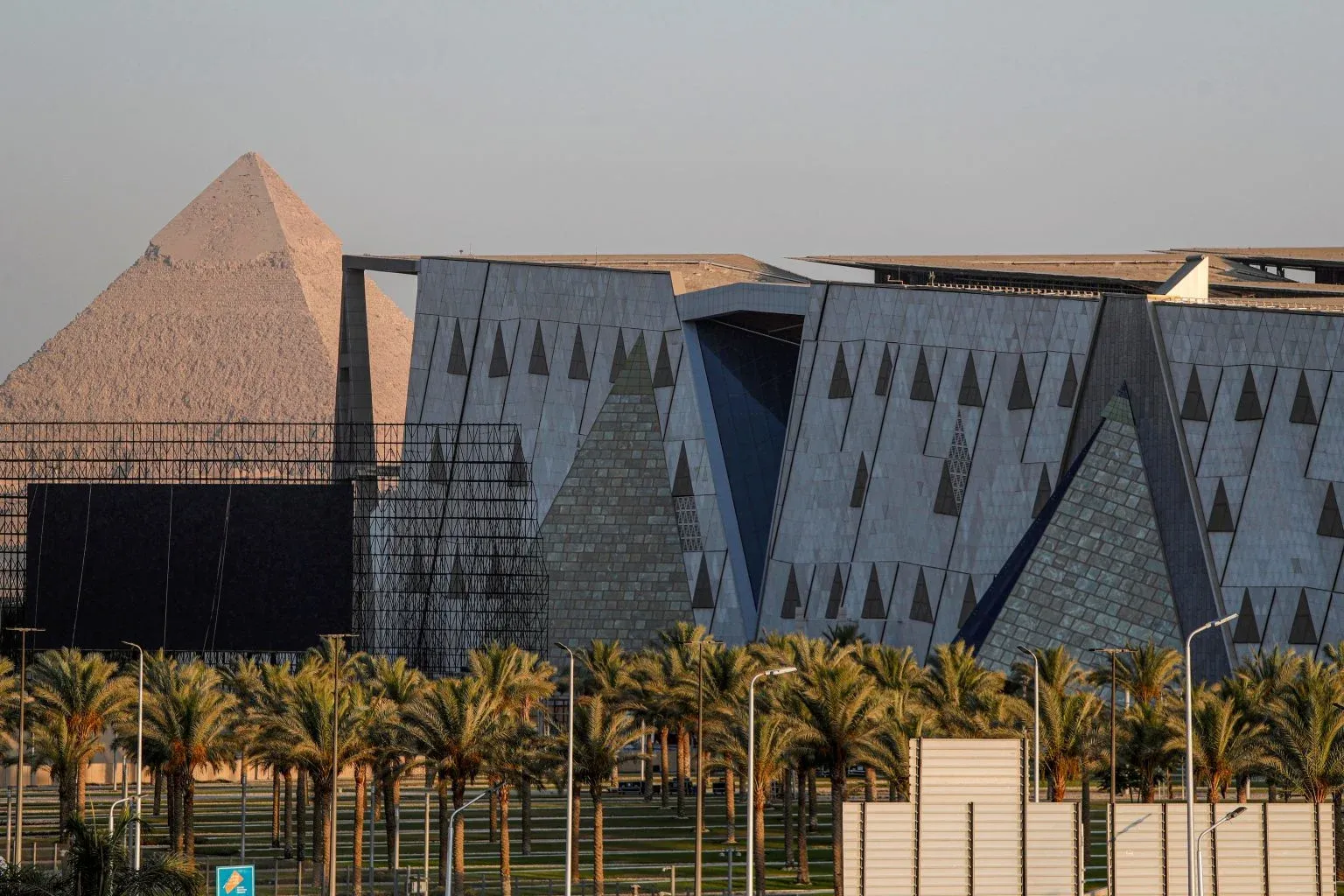
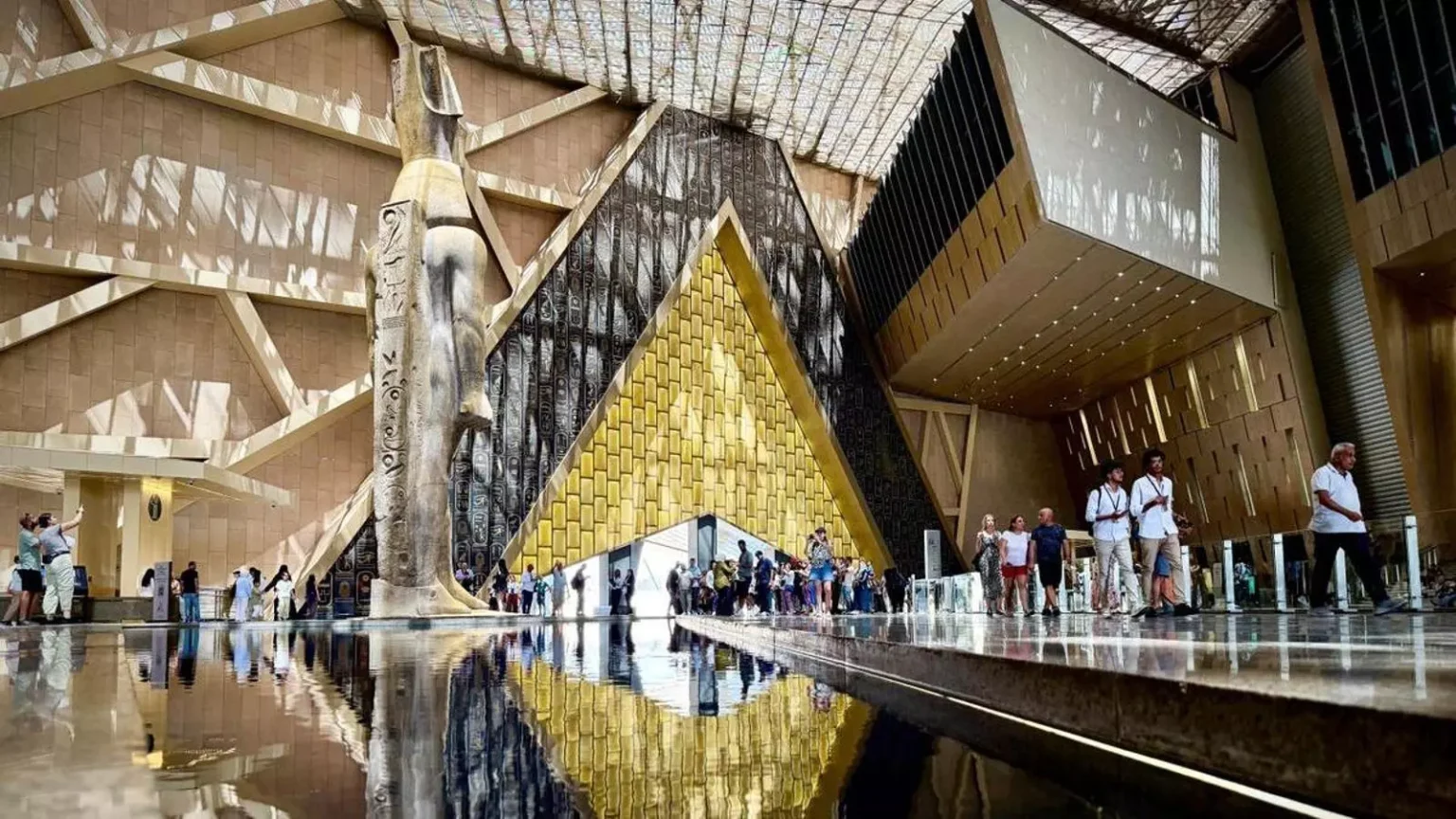
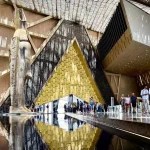
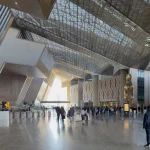
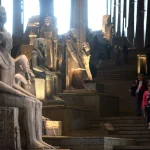
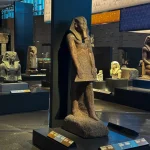
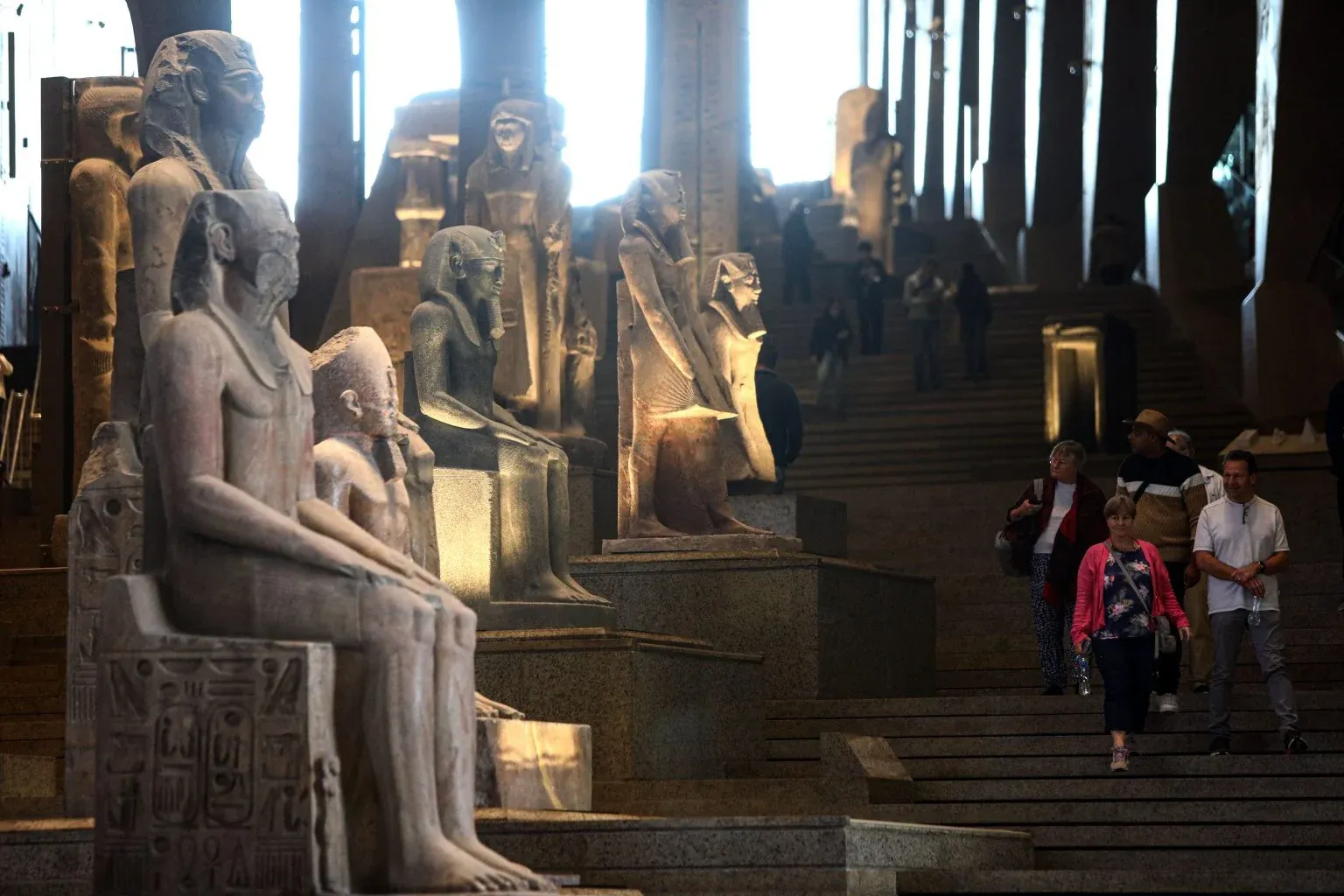
One of the most striking features is the six-storey Grand Staircase, which leads visitors upward through Egyptian history beginning with prehistoric eras and culminating with the world-famous treasures of Tutankhamun. The way natural light is filtered into the interior is subtle, making generous use of skylights and stone-based walls to avoid the harshness of direct sun while retaining a sense of openness.
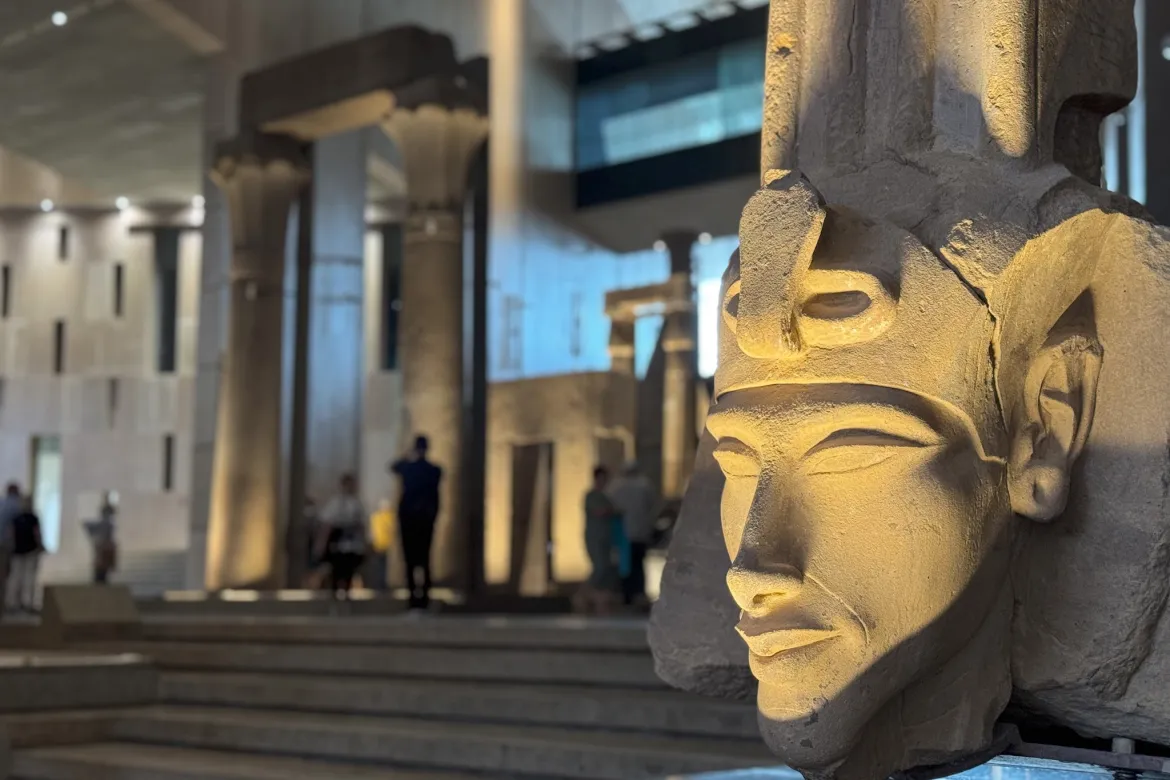
Visitors arrive, ascend, pause to look out to the pyramids, move through themed galleries, and arrive at the climactic display of pharaonic splendor.
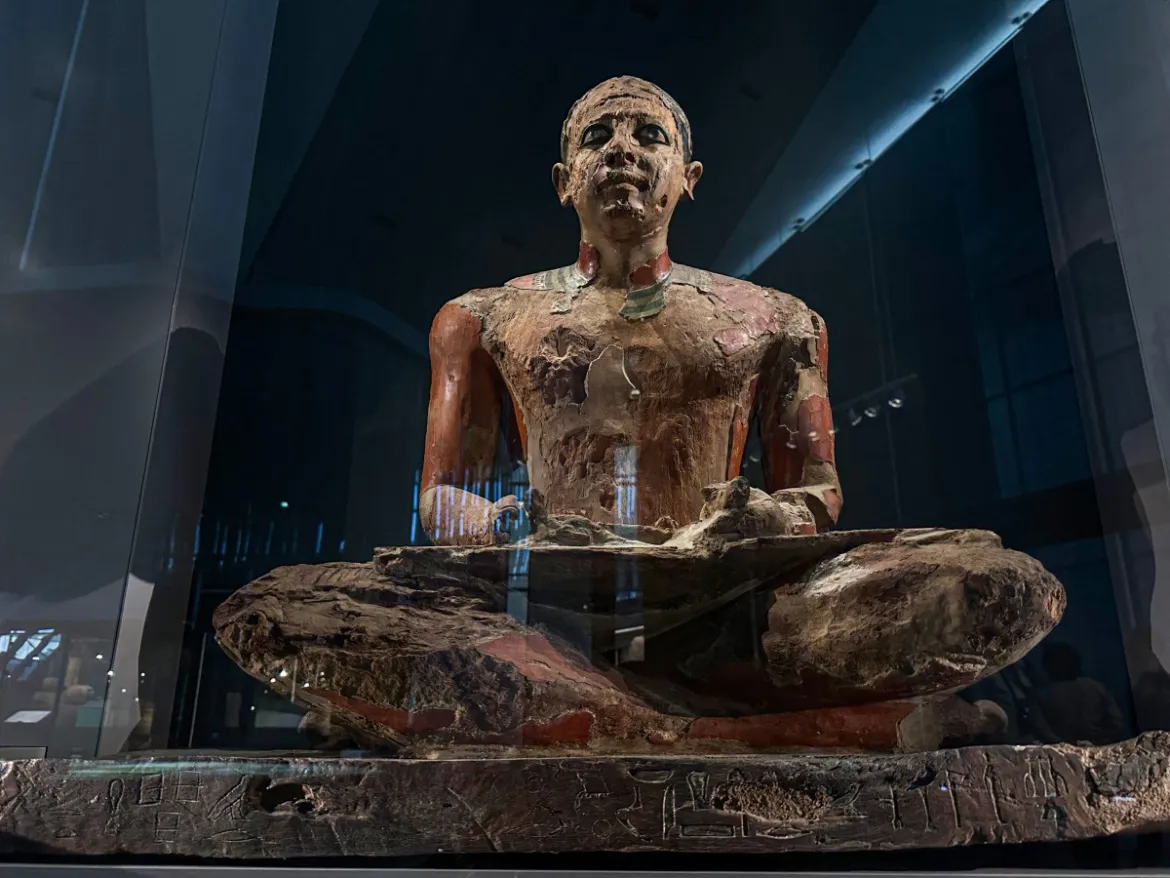
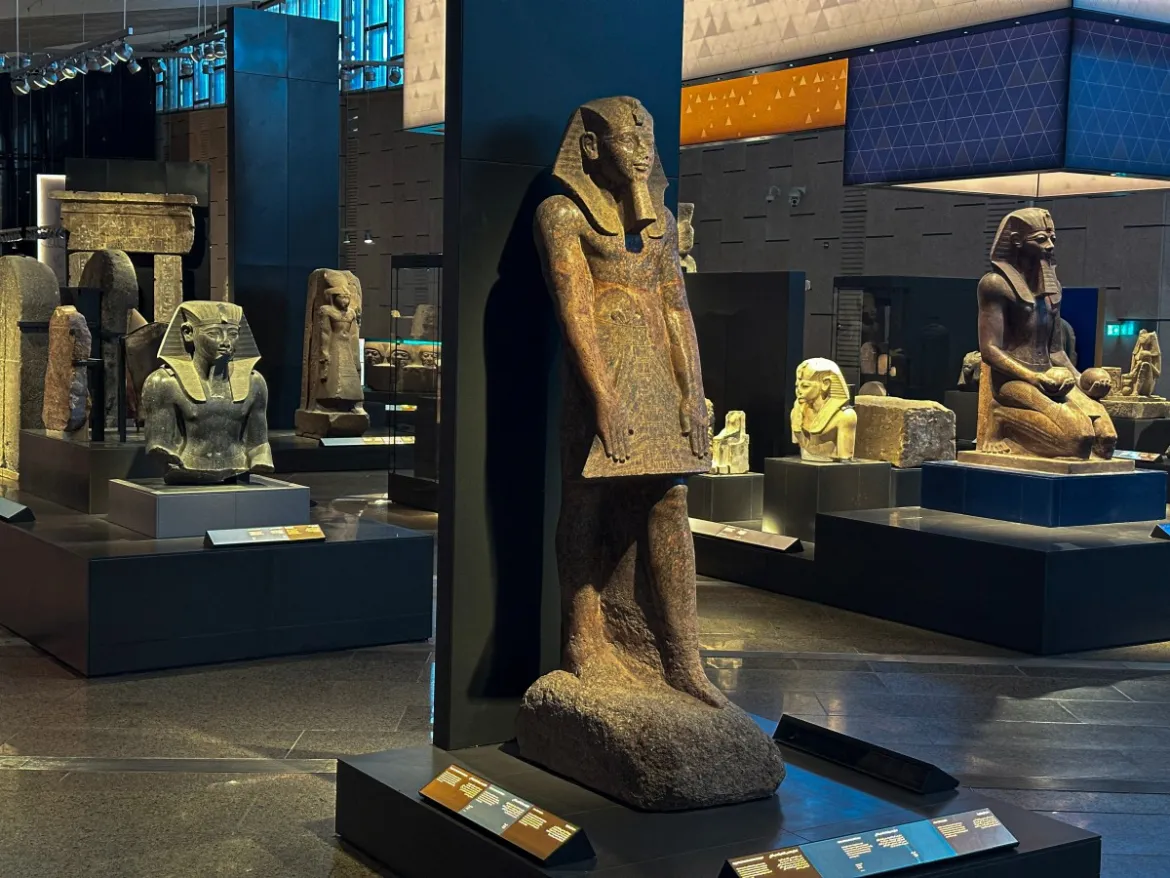
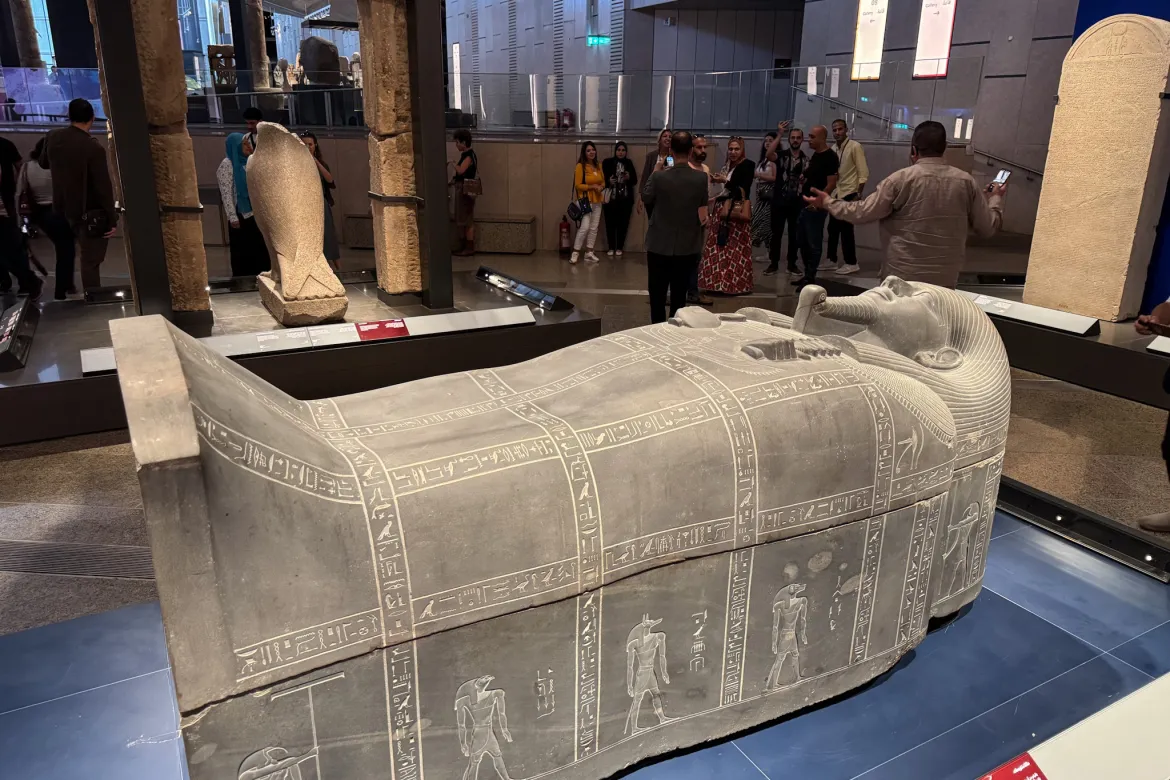
Collections & museography: the treasures for the public eye
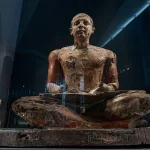
At the heart of the museum’s display is the full presentation of King Tutankhamun’s trove—over 5,000 pieces from his tomb, displayed together for the first time.
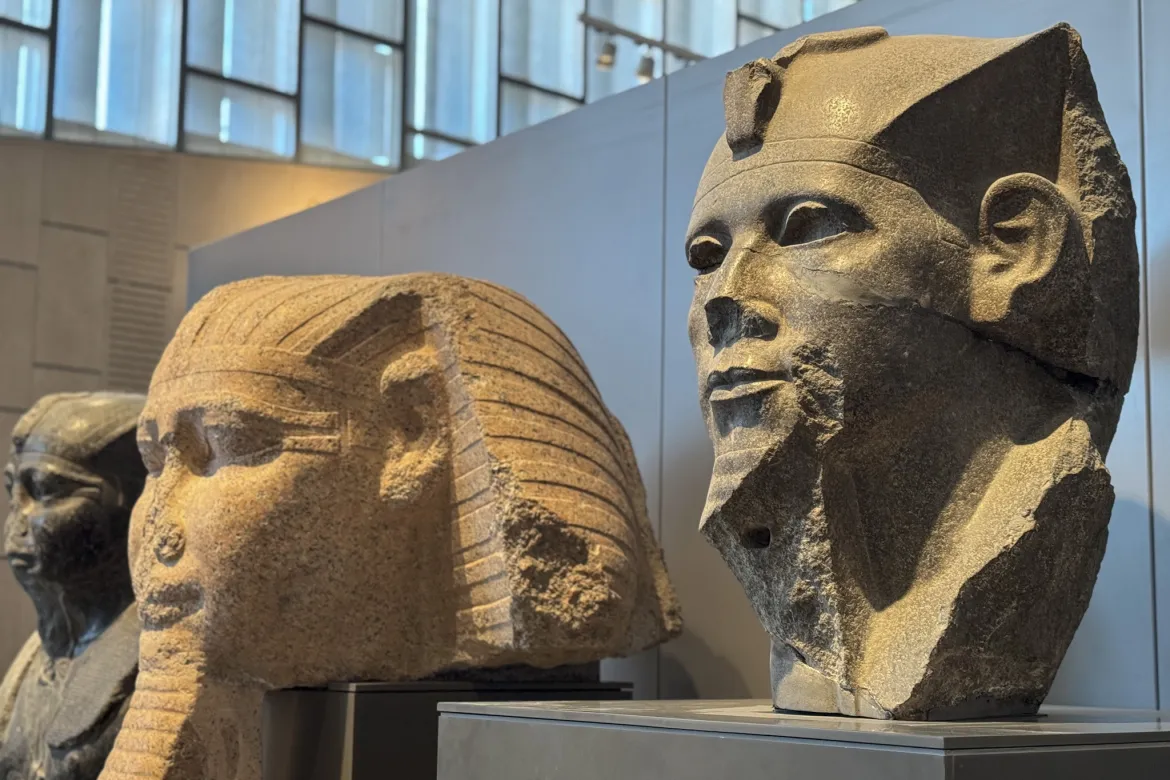
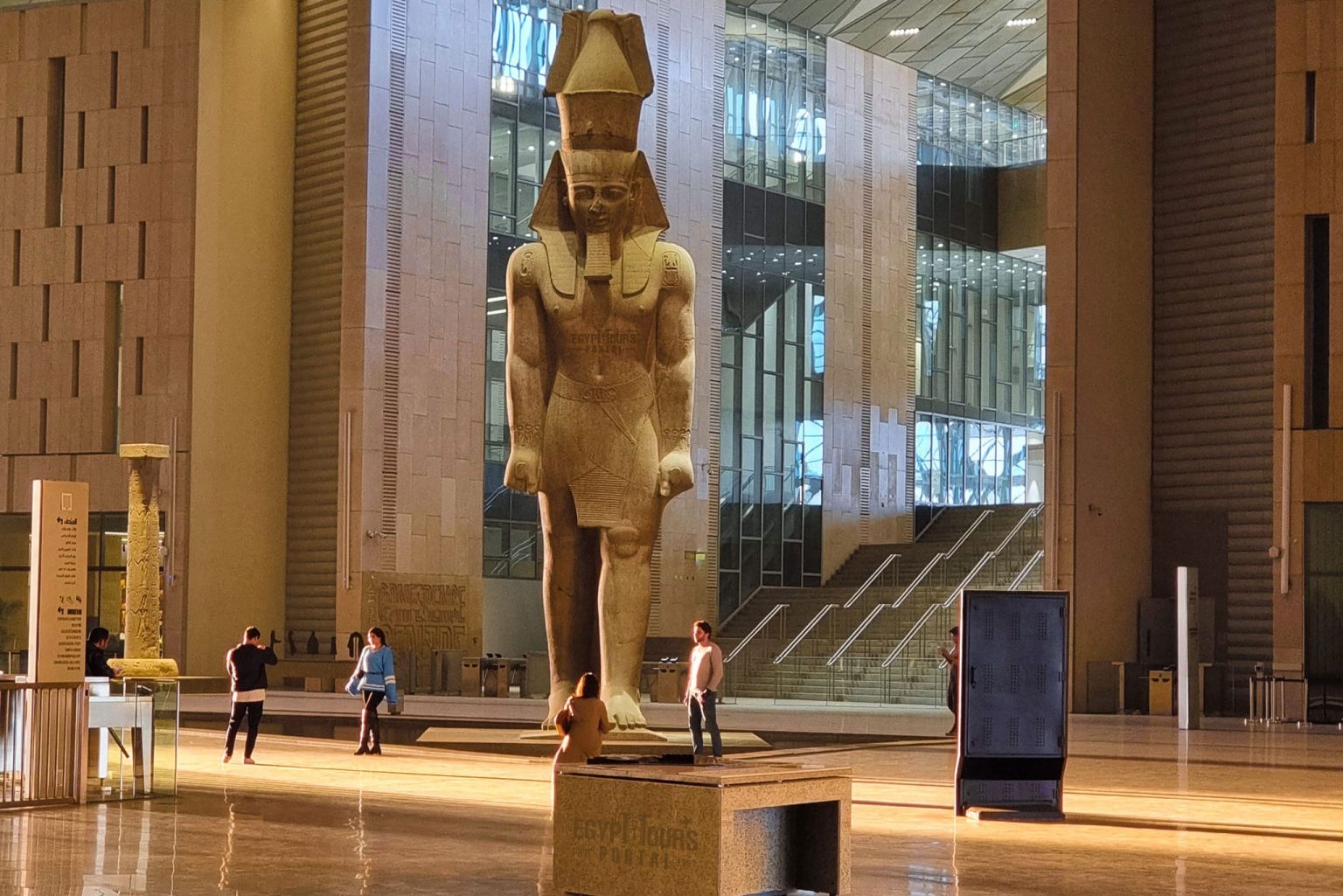
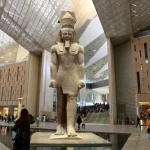
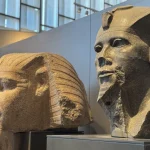
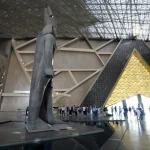
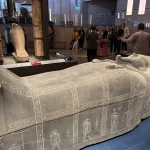
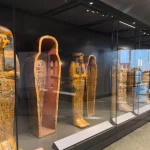
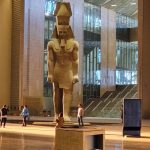
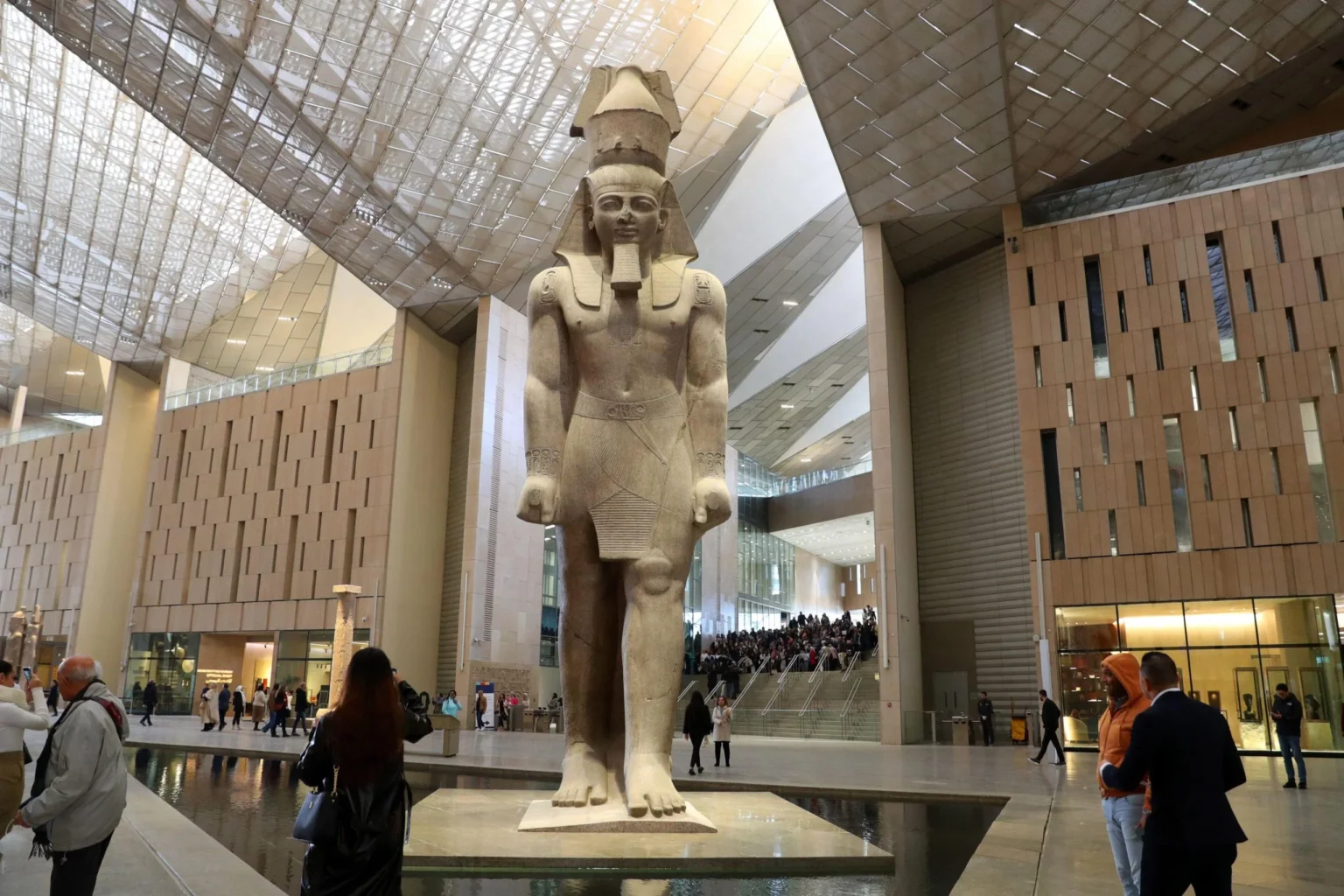
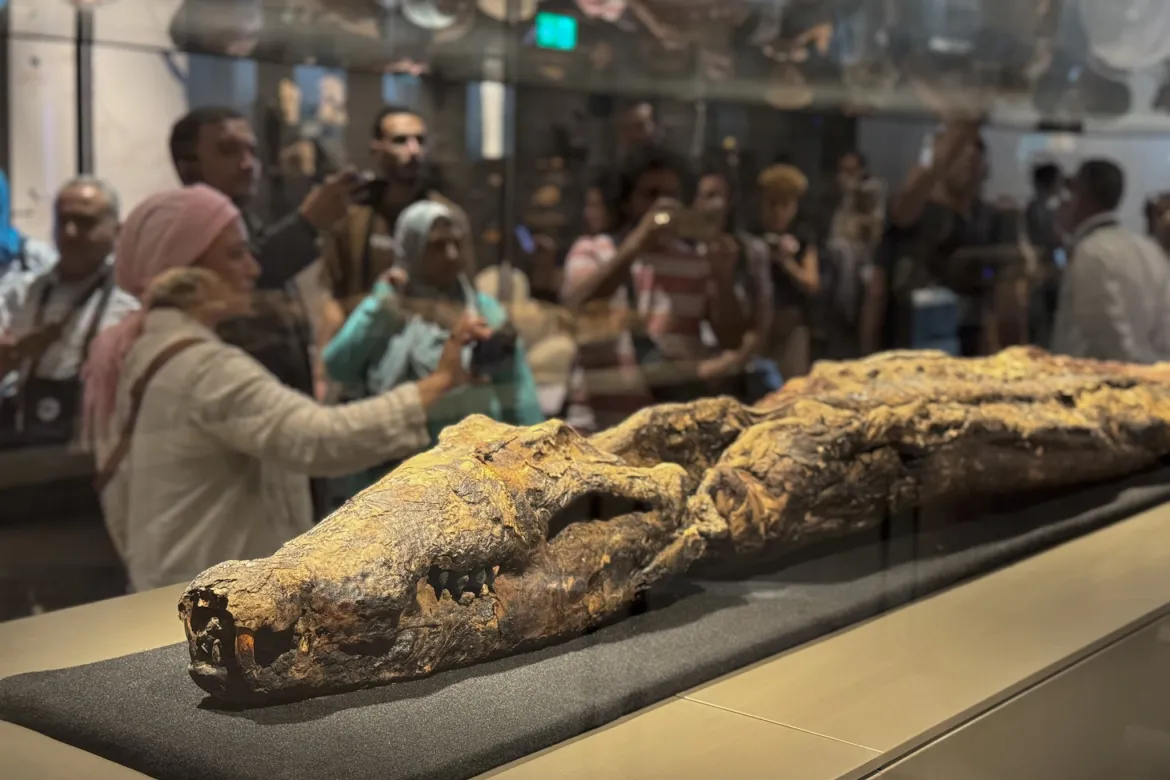
Also housed are major monumental pieces: for instance, the 11-meter-tall, 83-ton statue of Ramesses II, formerly standing in a traffic roundabout in central Cairo. The museum’s galleries tell 5,000 years of history: prehistoric settlements, the Old, Middle, and New Kingdoms, and the Greco-Roman and Coptic phases. Moreover, state-of-the-art conservation labs and a children’s museum are embedded in the complex, marrying education, research, and display.
Tourism, legacy & national endeavor
Egypt’s government has launched the GEM as a centerpiece in tourism revival. With the country recovering from years of unrest and a pandemic-related drop in visitors, the museum is expected to help boost daily attendance to between 15,000 and 20,000 visitors, targeting the many millions per year.
But beyond raw numbers, the museum conveys a message of national pride, continuity, and cultural authority. Its location beside the pyramids, its architectural purpose, and the global interest it invites all underscore Egypt’s desire to articulate its past not just as a relic, but as a living heritage.
Opening milestones & context
While the idea for the museum stretches back to the early 1990s, construction began around 2005, and the project has weathered the 2011 Arab Spring, regional political turbulence, and delays.
As of late 2025, the official “grand opening ceremony” was scheduled for 1 November, with full public access following shortly after.
What visitors should expect
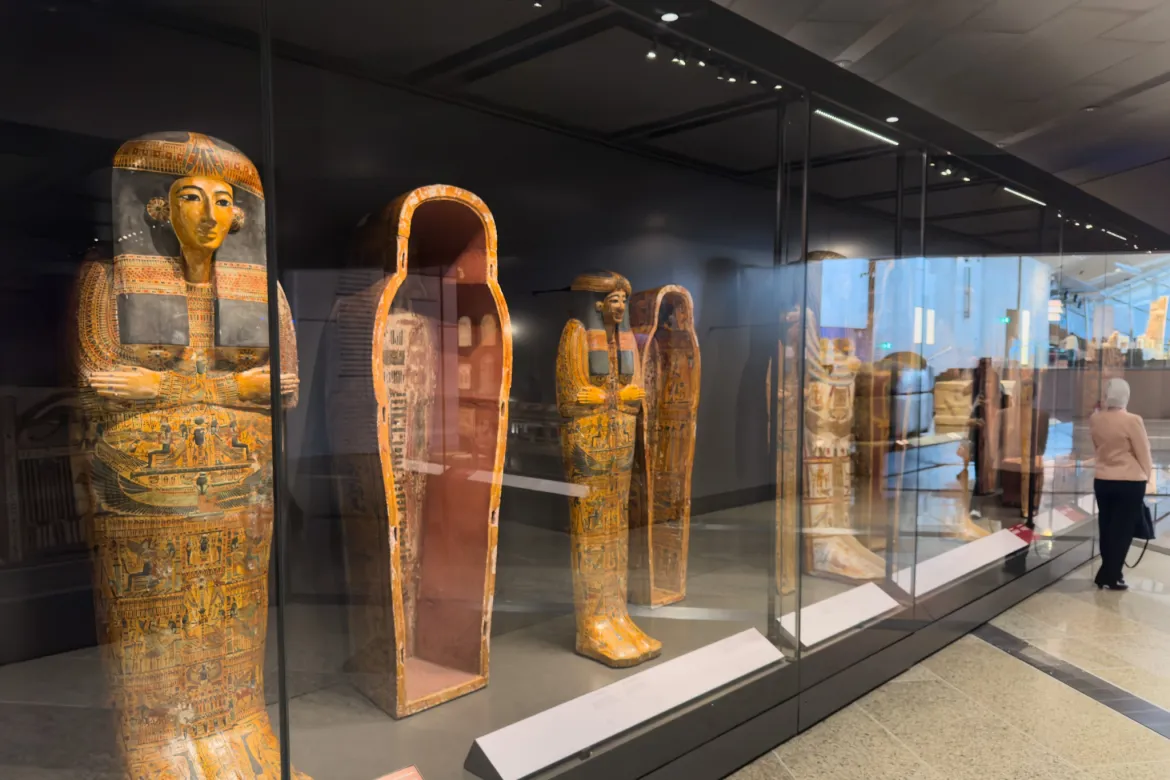
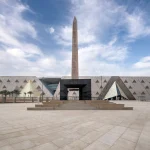
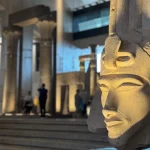
- A monumental forecourt leading into a lofty atrium, where the Ramesses II statue stands sentry.
- The Grand Staircase doubles as a journey through time, dotted with statues and fragments of pharaonic grandeur.
- The Tutankhamun Galleries: the climax of the visit, where the boy-king’s treasures sparkle.
- A visible connection to the Pyramids of Giza: certain vantage points within the museum offer framed views of the ancient monuments just beyond.
- Interactive multimedia and conservation displays, encouraging engagement rather than passive viewing.
- Visitor amenities (cafés, shops, and outdoor gardens) make the museum a full-day destination.
Image credit: Grand Egyptian Museum