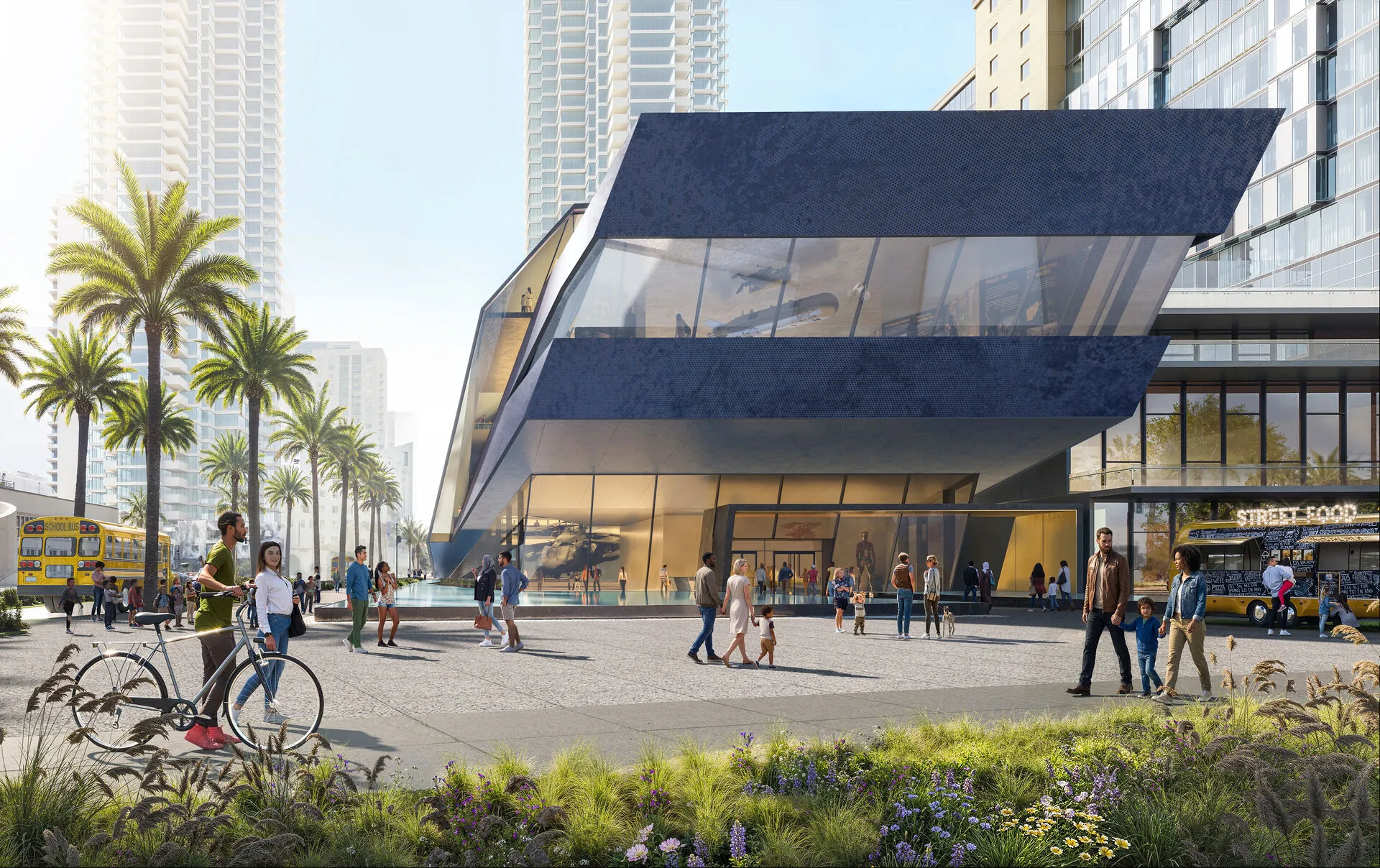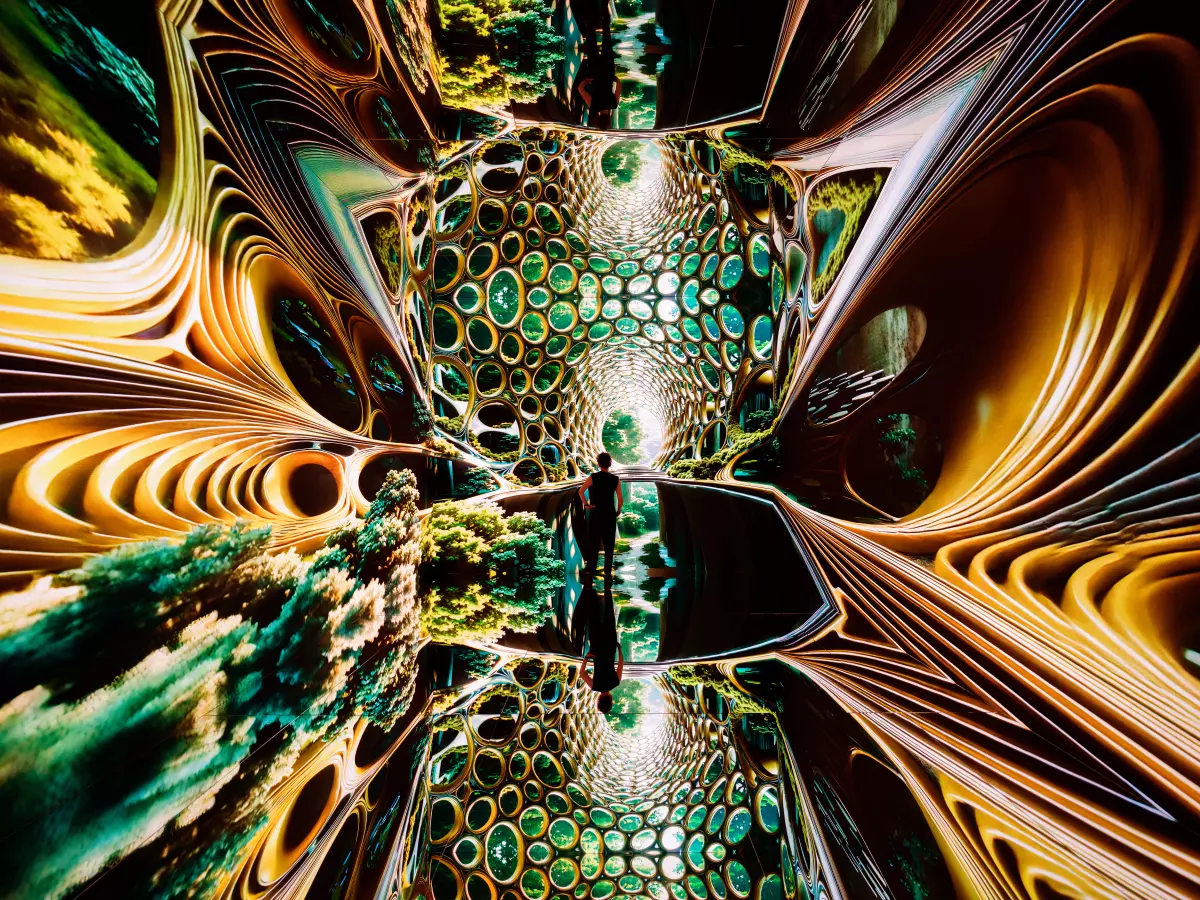
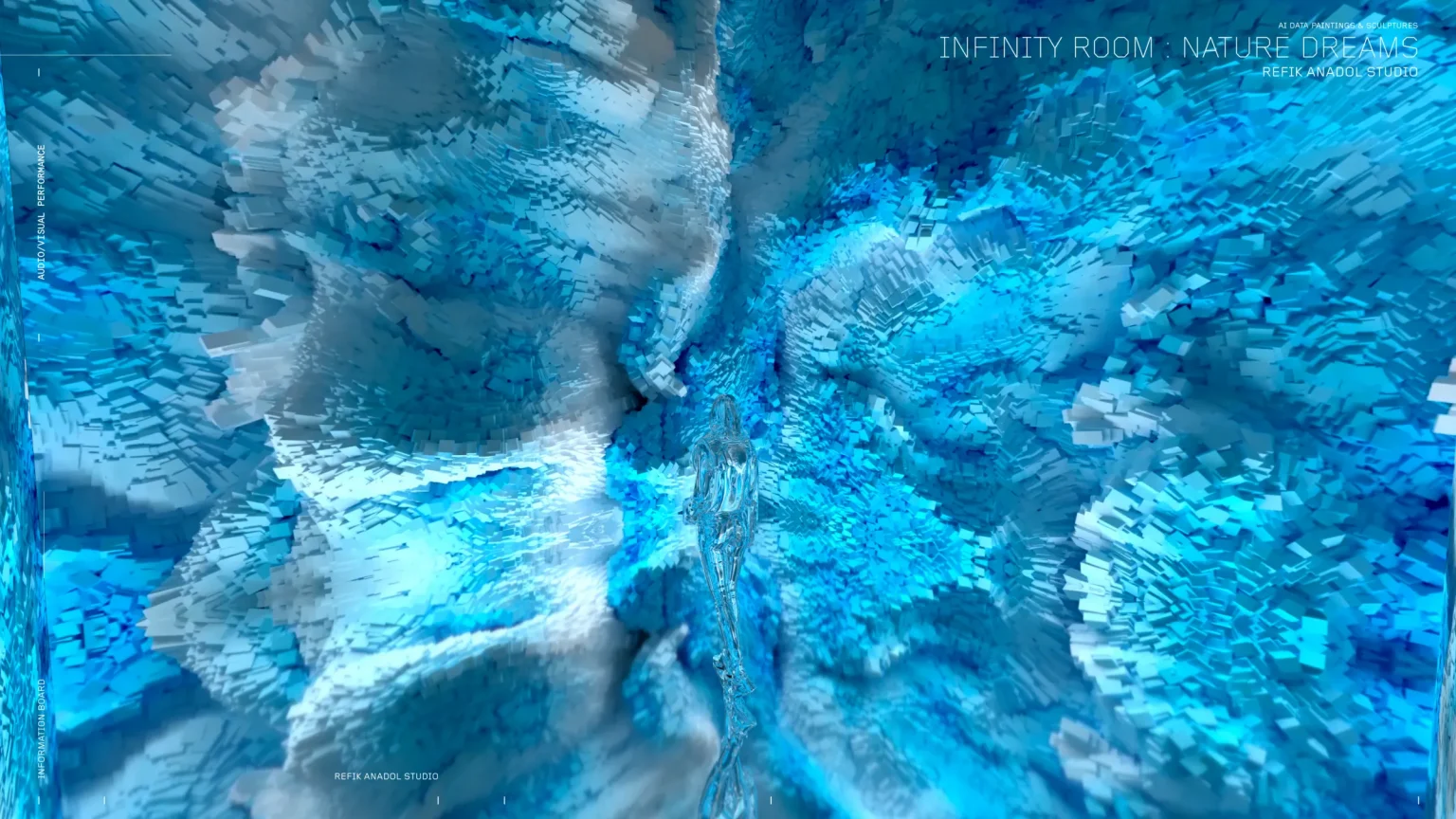


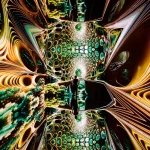





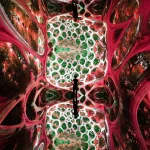
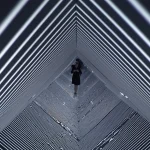
DATALAND, the world’s first Museum of AI Arts, is set to open in Los Angeles in spring 2026, spearheaded by Refik Anadol and his wife, Efsun Erkılıç. It will showcase a model for a foundational shift in how cultural institutions engage with computational creativity, blending human imagination with artificial intelligence. Blurring the line between perception and reality, the Infinity Room will transform into an architectural canvas for the ever-evolving imagination of the digital age.
Refik Anadol’s DATALAND at Grand LA
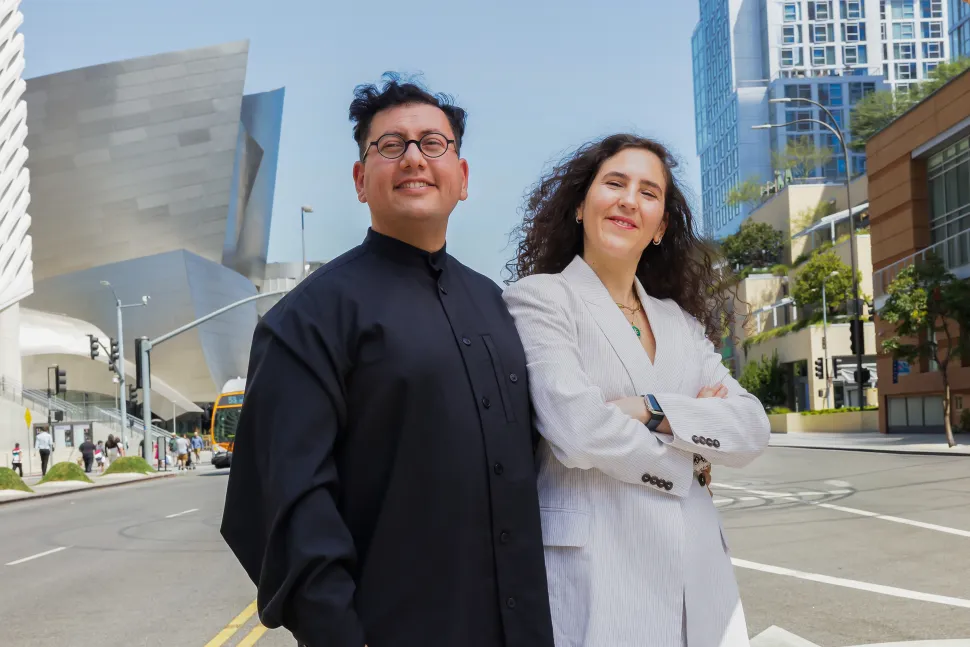
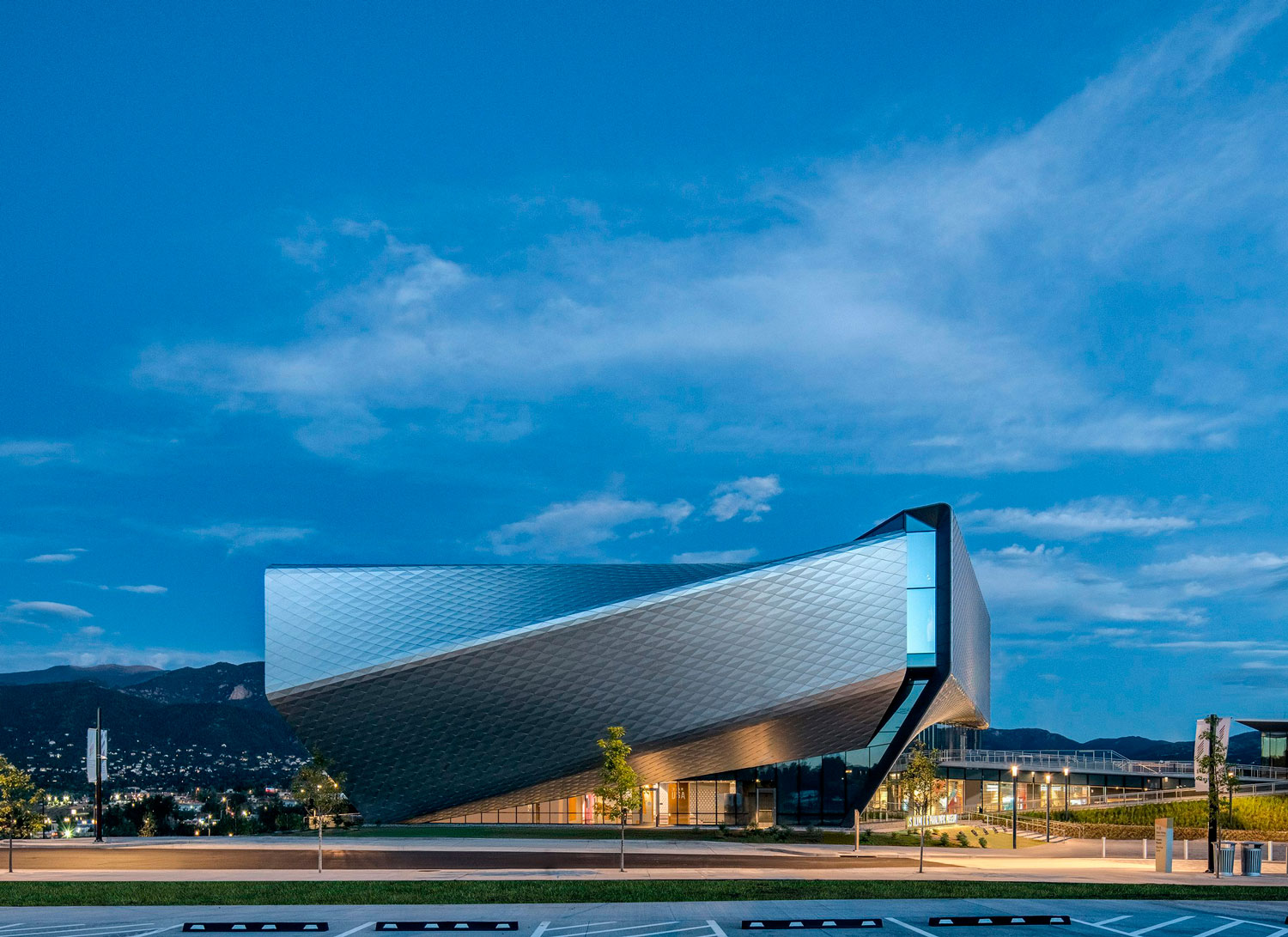
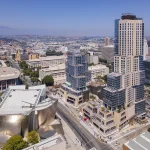
Opening at the Grand LA, a major Frank Gehry-designed development in downtown Los Angeles, the museum will not just serve as a display area but also as a formal research and development platform dedicated to AI practices that are redefining the parameters of computational art for the next decade. Spanning 2,320 square meters, the project features five distinct galleries designed to showcase the potential of generative systems.
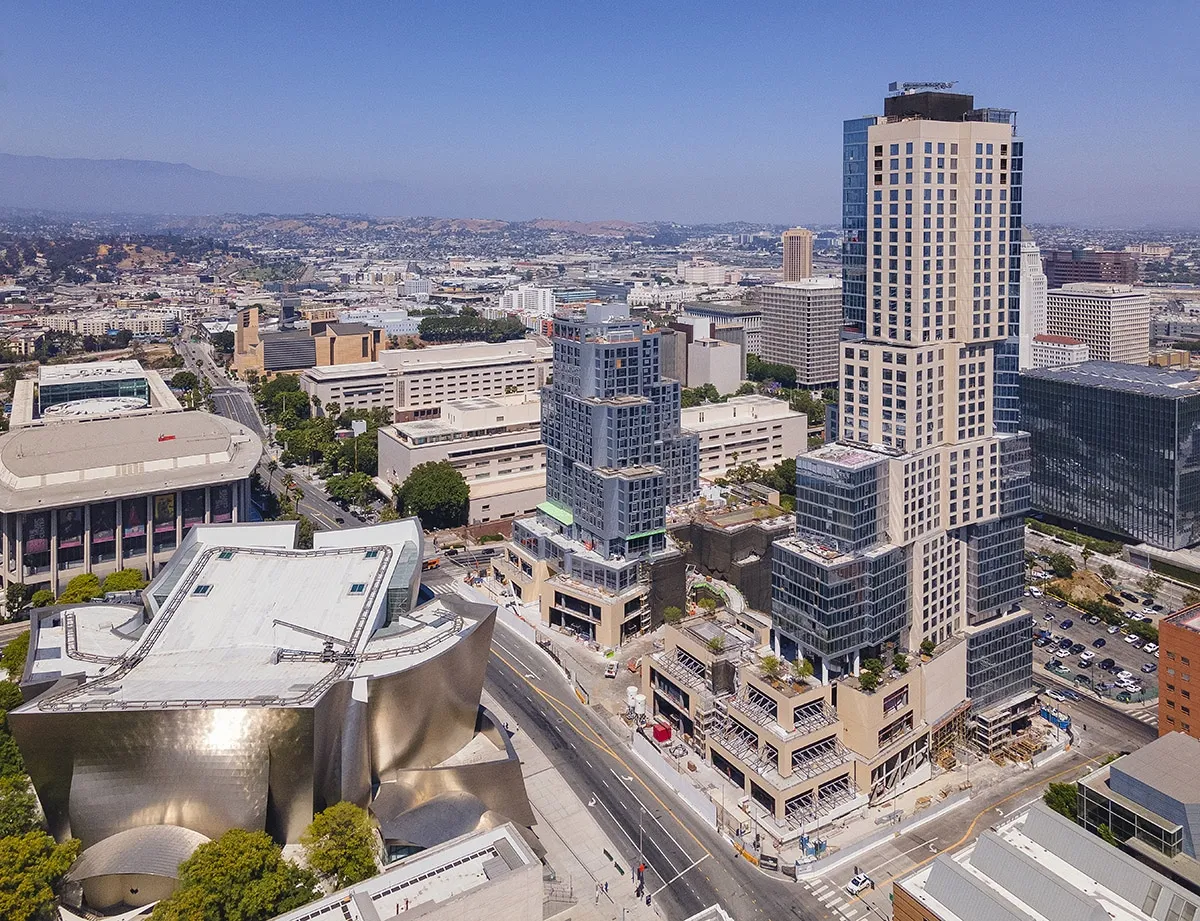
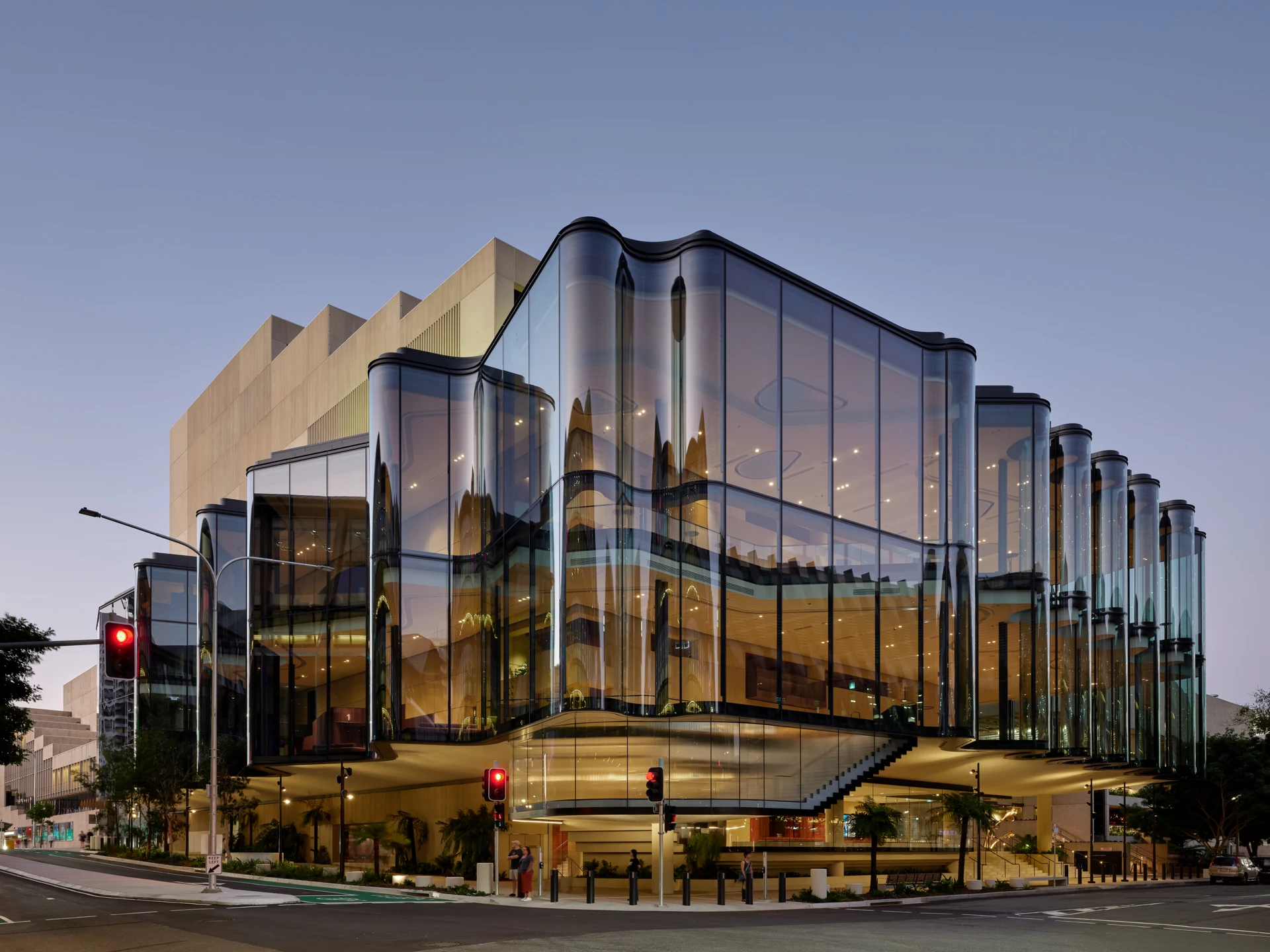
Designed by global architecture firm Gensler, in collaboration with the sustainable development consultancy Arup, DATALAND integrates principles of environmental sustainability and data efficiency into the museum’s physical infrastructure. The Infinity Room, located at the center of Gallery C, will serve as the main highlight and offer visitors their first encounter with DATALAND’s immersive experience.
This Infinity Room version reimagines the iconic installation, evolving it through advanced AI and multi-sensory interaction to move beyond just a visual display.
The Computational Senses in Multisensory Spatial Design
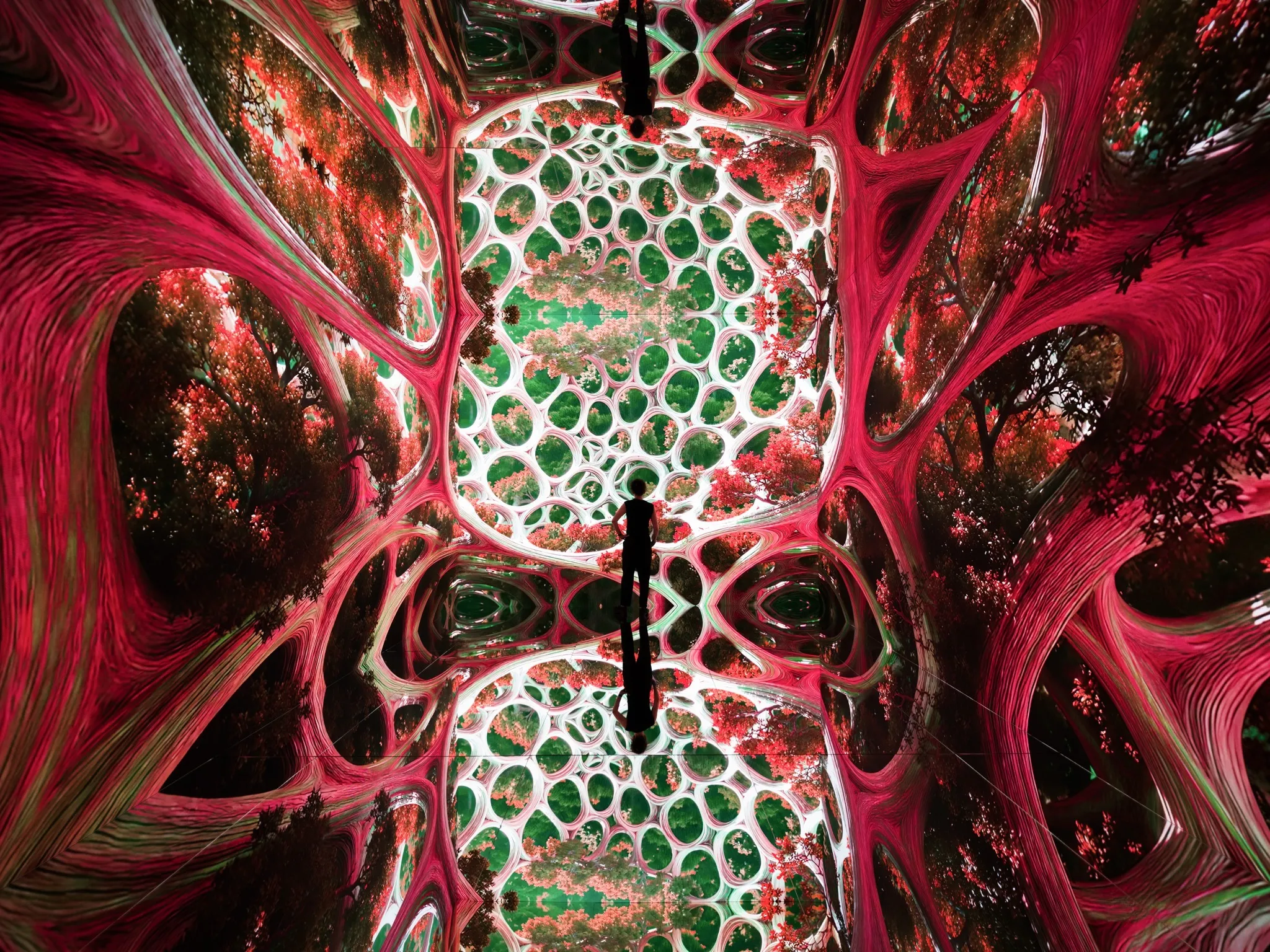
It will incorporate two breakthrough generative AI systems that aim to redefine the future of spatial experience: World Models and the Large Nature Model.
World Models (WMs): The installation is among the first immersive environments to use World Models, an advanced form of generative AI that learns and simulates real-world physics and spatial behavior.
Large Nature Model (LNM): A key part of the experience is the inclusion of AI-generated scents using the Large Nature Model, the first open-source AI trained solely on ethically sourced nature data.
The Infinity Room: A Decade of Conceptual Evolution
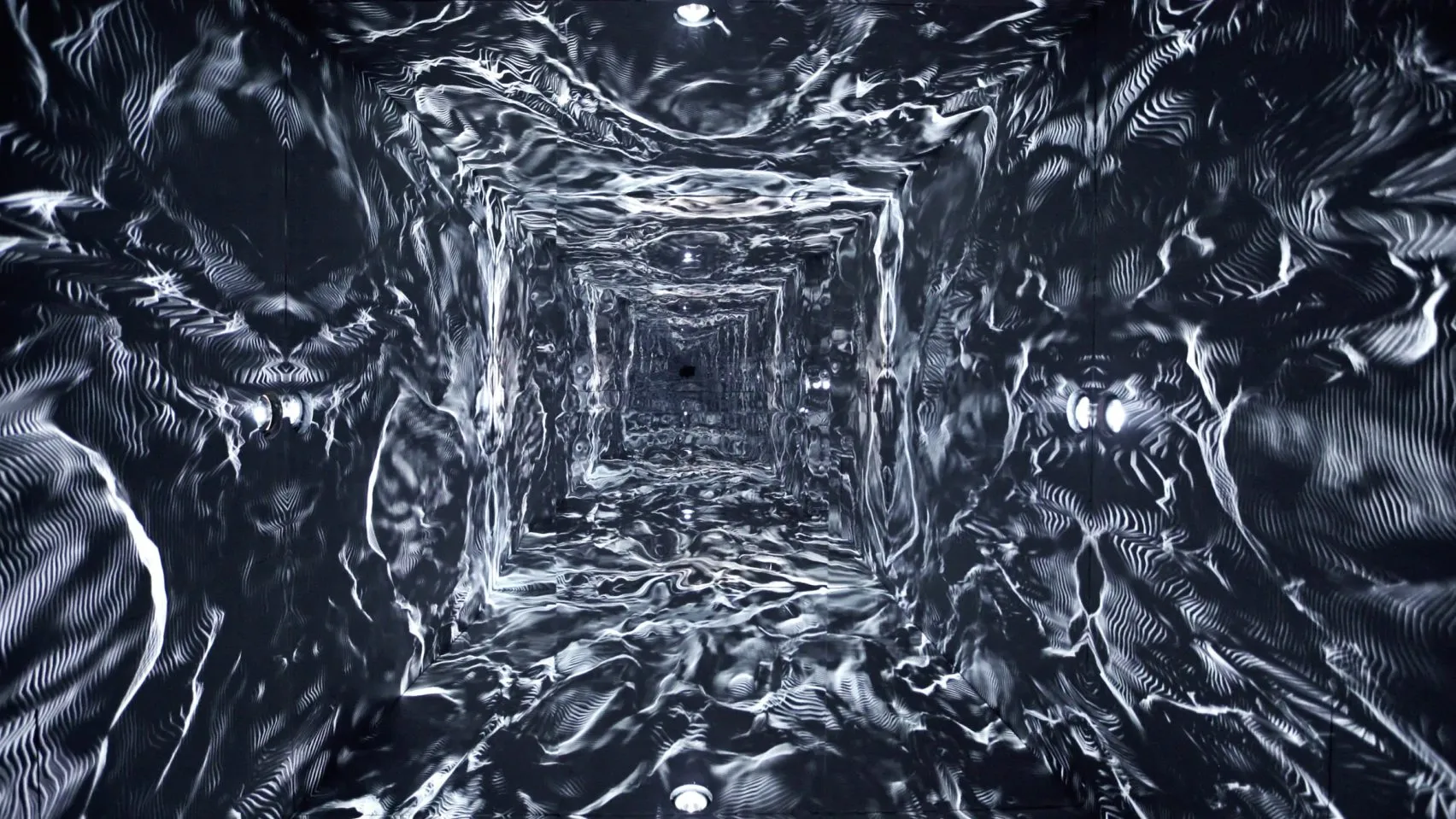
During Refik Anadol’s research at UCLA in 2014, the concept of the Infinity Room began to evolve, shifting from static two-dimensional objects to dynamic data sculptures. Rooted in the question, “What happens when there is no corner, no floor, no ceiling, and no gravity?” Anadol traces the conceptual foundation of the Infinity Room to the California Light and Space movement, drawing inspiration from artists such as James Turrell, Robert Irwin, and Doug Wheeler. His work envisions data as a new form of light, transforming memories and complex patterns into expressions of our collective digital age.
The Prototypical Installation
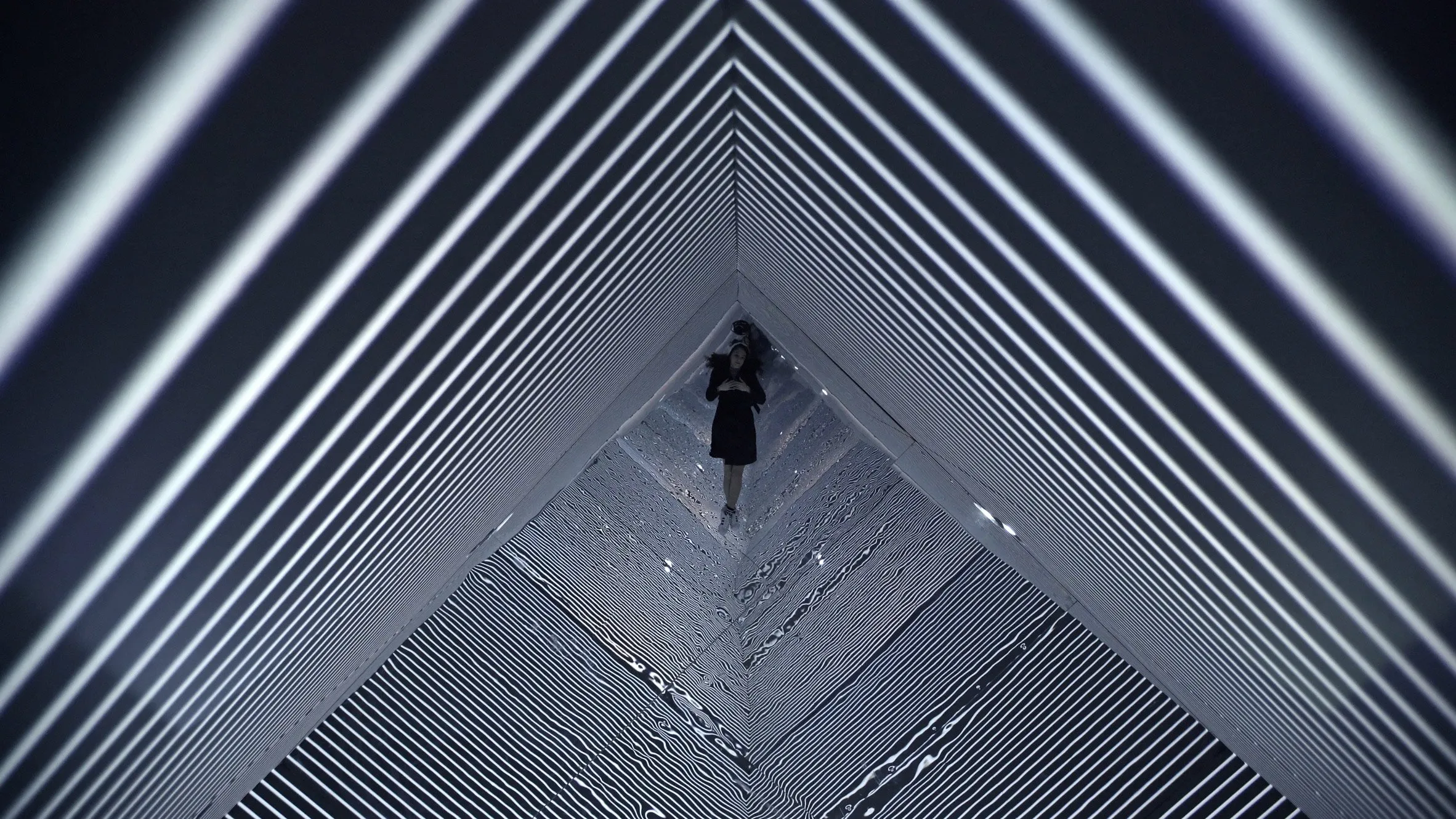
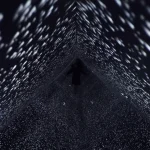
Debuted in 2015, the 12×12 ft prototype of the Infinity Room, a mirrored cube, utilized projectors to display undulating pulses of white and black imagery. The infinite reflections dissolved physical boundaries, deconstructing the architectural framework into a meditative space for the digital age. The artwork achieved remarkable international recognition, traveling to 35 cities and engaging over 10 million visitors in a decade.
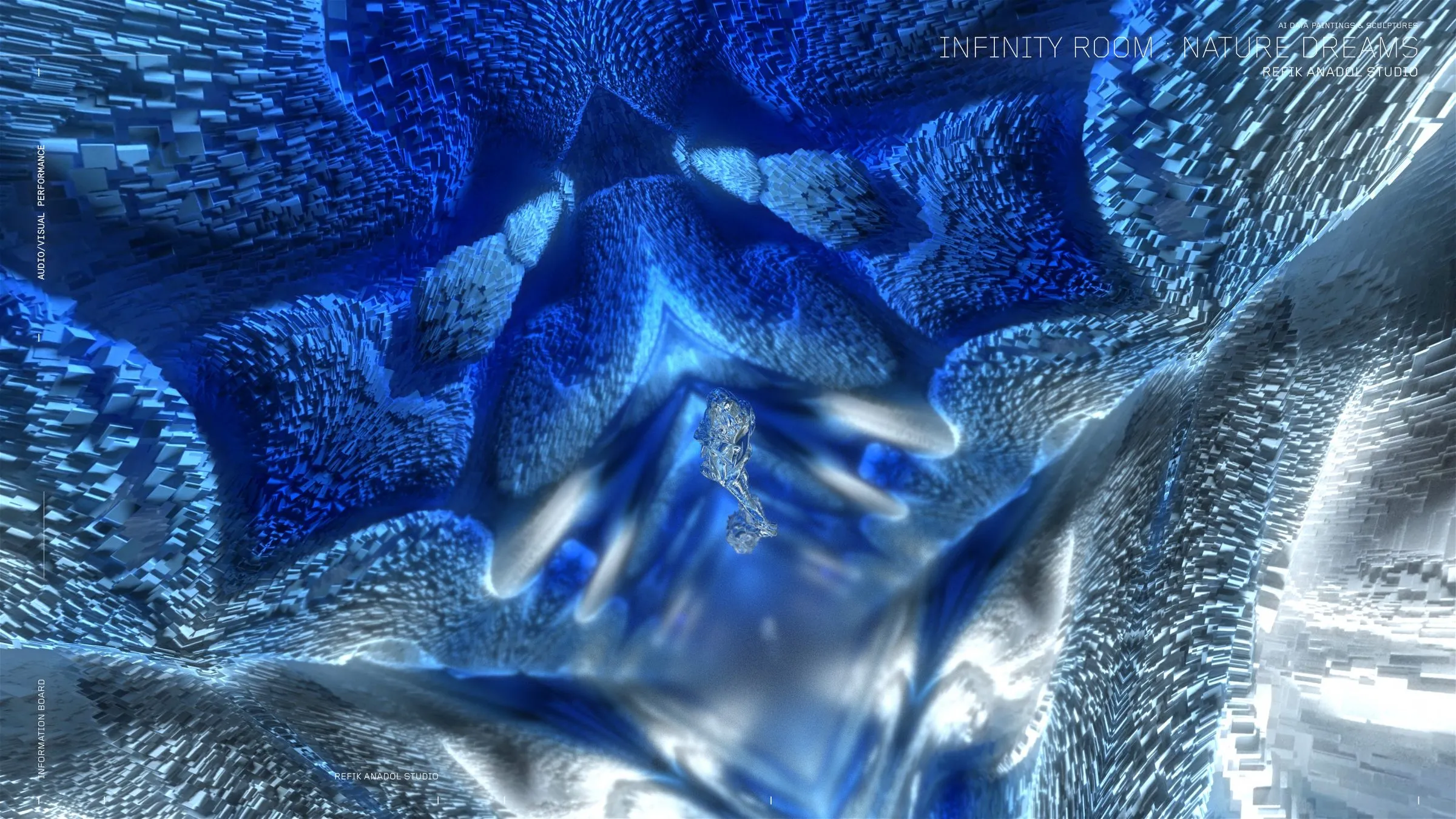
One notable evolution, Infinity Room: Bosphorus, visualizes real-time weather data from Istanbul, transforming invisible environmental forces into a living canvas, constantly learning, evolving, and responding to its surroundings. While Yayoi Kusama’s pioneering Infinity Mirror Rooms explore psychological infinity, an inward journey reflecting personal experience and repetition, Anadol’s vision turns outward, seeking infinity within the vast realm of collective data, a portal into our shared digital reality.
The Infinity Room as a Digital Art

The 2026 DATALAND will showcase complex, surreal realities generated from AI’s vast datasets, transforming the visual experience into a multisensory adaptation. It will permanently integrate advanced World Models (WMs) and cross-modal AI systems (vision, sound, and olfaction) into a gallery space. The new version of WMs simulates the real world by algorithmically warping, refracting, and dissolving the appearance of architectural constraints and achieving a profound illusion of unbounded infinity. The evolution from a 12×12 ft mirrored cube using generative algorithms in 2015 to a 2026 World Model-driven Infinity Room demonstrates how the future of public art, architectural interventions, and decentralized networks can effectively utilize complex generative systems.
Infinity Room Project details
Location: Los Angeles
Exhibit Location: Gallery C
Artist: Refikanadol
Key Collaborators: Gensler (Architecture) and Arup (Global Sustainable Development Consultancy)
Opening Date: 2026
Image credit: © DATALAND