






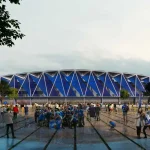
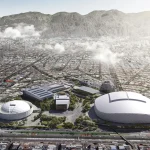
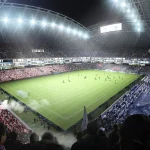
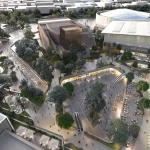
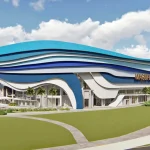
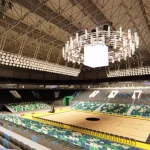
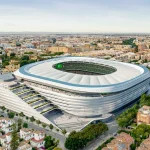
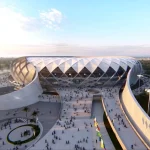
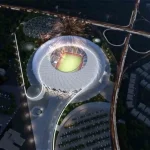

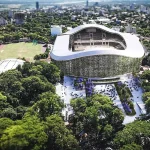
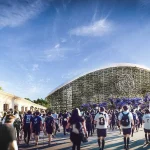

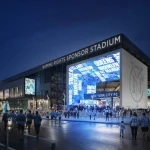

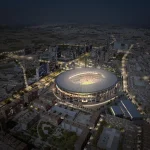

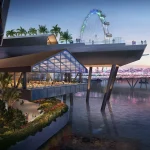

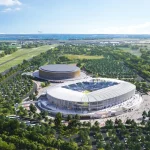

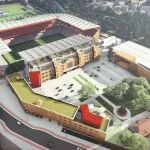
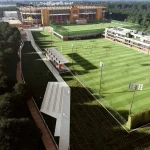
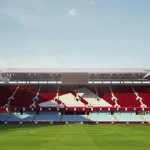
The year 2027 is shaping up to be a defining moment for global sports architecture. Across Europe, Asia, Africa, and the Americas, more than 20 stunning new stadiums are scheduled to open, marking one of the most active construction cycles in recent decades. These projects range from compact, climate-sensitive venues such as Arctic Arena in Norway, to architectural landmarks like Hangzhou’s International Sports Center and Singapore’s NS Square.
The surge aligns with preparations for the 2030 FIFA World Cup, Euro 2028, and Africa Cup of Nations 2027, signaling a worldwide push to modernize sporting facilities and urban development. From the reimagined Nou Mestalla in Valencia to Ethiopia’s new National Stadium in Addis Ababa, these venues combine aesthetic innovation with technology-driven experiences, advanced roofing systems, and energy-efficient engineering.
Here is a global look at the 20 major stadiums open in 2027:
This overview highlights the design vision, construction progress, and key innovations behind all 20 stadiums set to open in 2027, offering a global snapshot of the next generation of sports arenas.
1. Arctic Arena — FK Bodø/Glimt (Bodø, Norway)
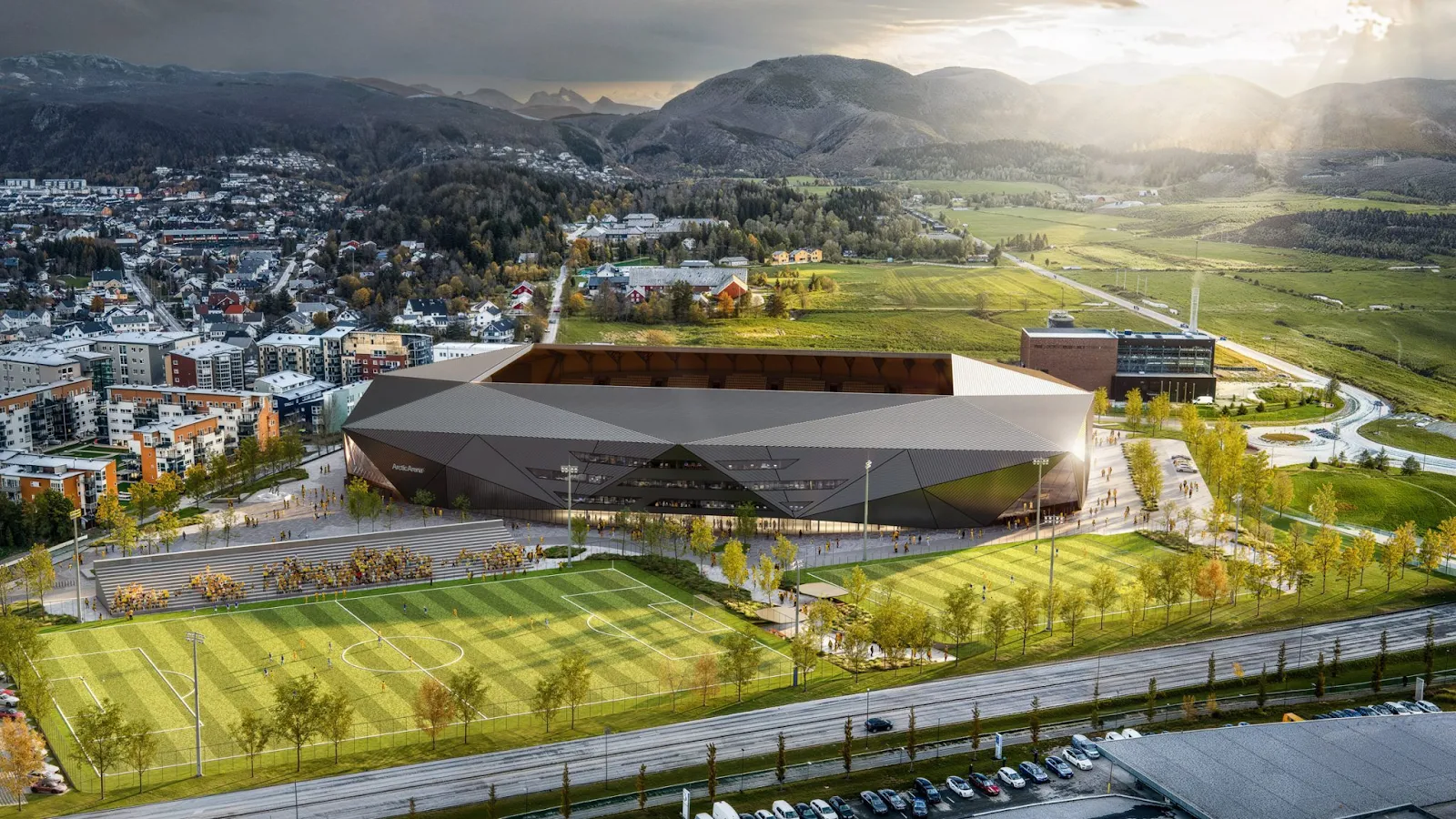
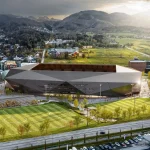
Bodø/Glimt has formally approved the construction of the new Arctic Arena, a modern 10,000-seat facility that will replace or substantially upgrade their current ground. The Arctic Arena is designed as a climate-sensitive, compact venue tailored to Bodø’s extreme environment. Its architecture is expected to reflect local arctic aesthetics (ice, snow, auroral motifs). For Bodø/Glimt, this replaces or substantially upgrades existing facilities to meet UEFA licensing demands and to host Scandinavian competition nights in a controlled environment.
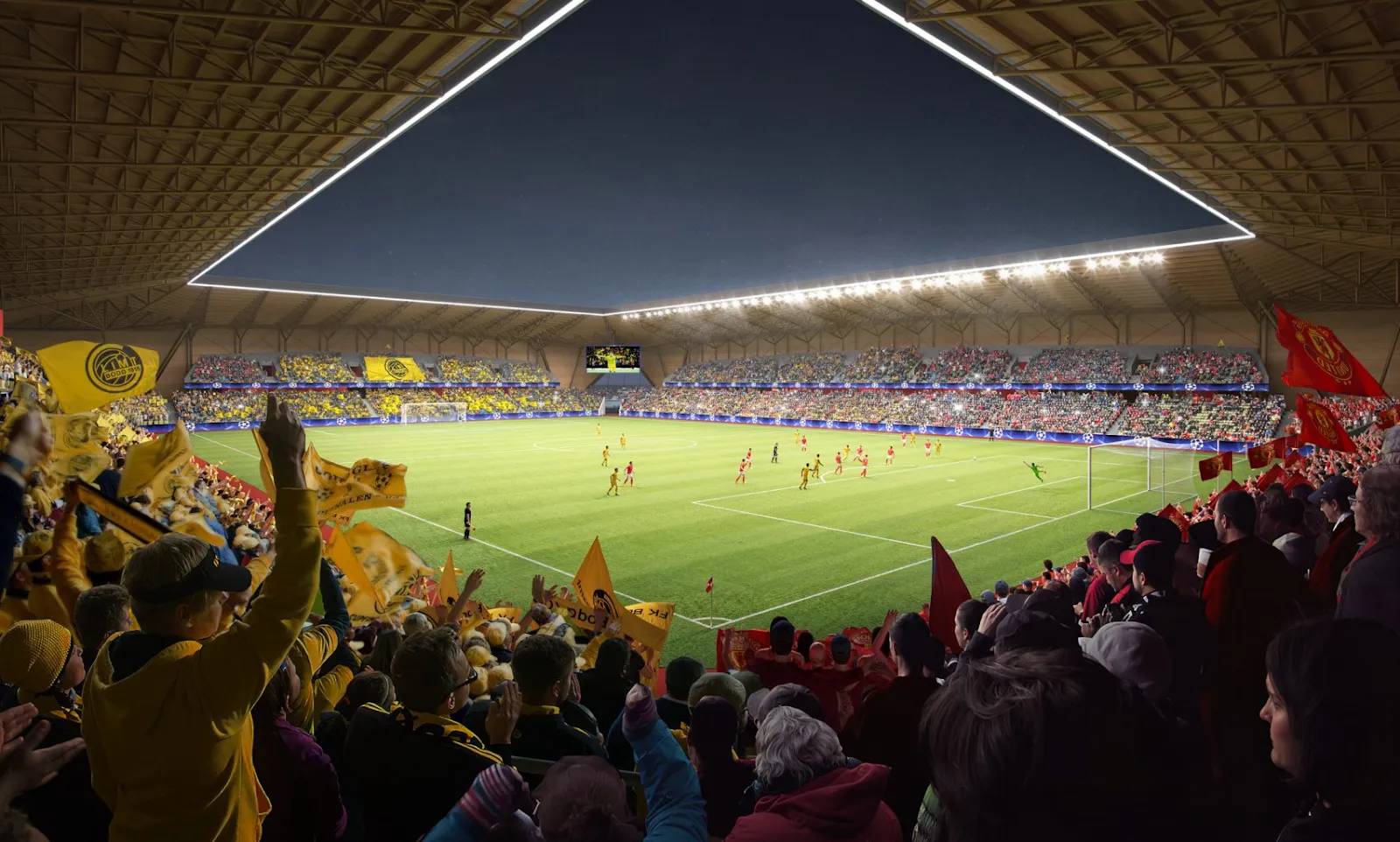
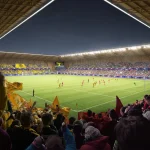
Features a dark façade with triangular patterns resembling a diamond, referencing Bodø/Glimt’s club colors inside with yellow accents. The stands are two-tiered and fully covered. Expected to include underfloor heating, enhanced insulation, and glazing engineered for cold and wind loads. The arena must handle snow loads, freeze–thaw cycles, and local microclimate effects.
2. Nuovo Stadio di Venezia — Venezia FC (Venice, Italy)
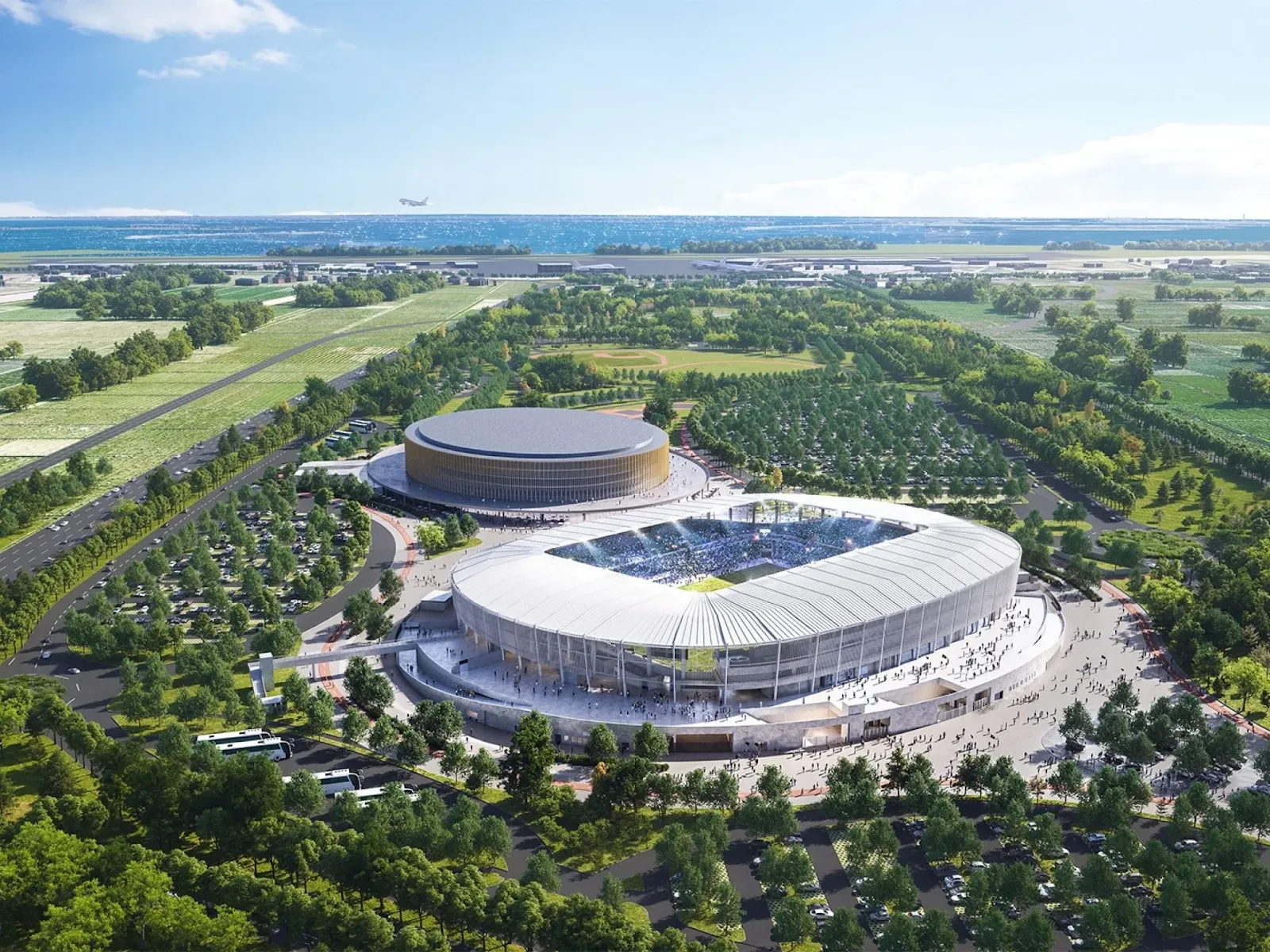
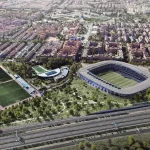
Venezia FC’s new stadium has been designed by Populous in partnership with Maffeis Engineering as part of the broader “Bosco dello Sport” masterplan in Tessera. It has an officially confirmed capacity of 18,500 spectators, suitable for football, concerts, and other large-scale events. The design emphasizes integration with the surrounding landscape. The stadium façade comprises vertical elements, flowing curves that mirror the “sports forest”, and a podium structure for services and parking. Construction is expected to follow after unveiling in April 2025, assuming schedules and regulatory approvals stay on track.
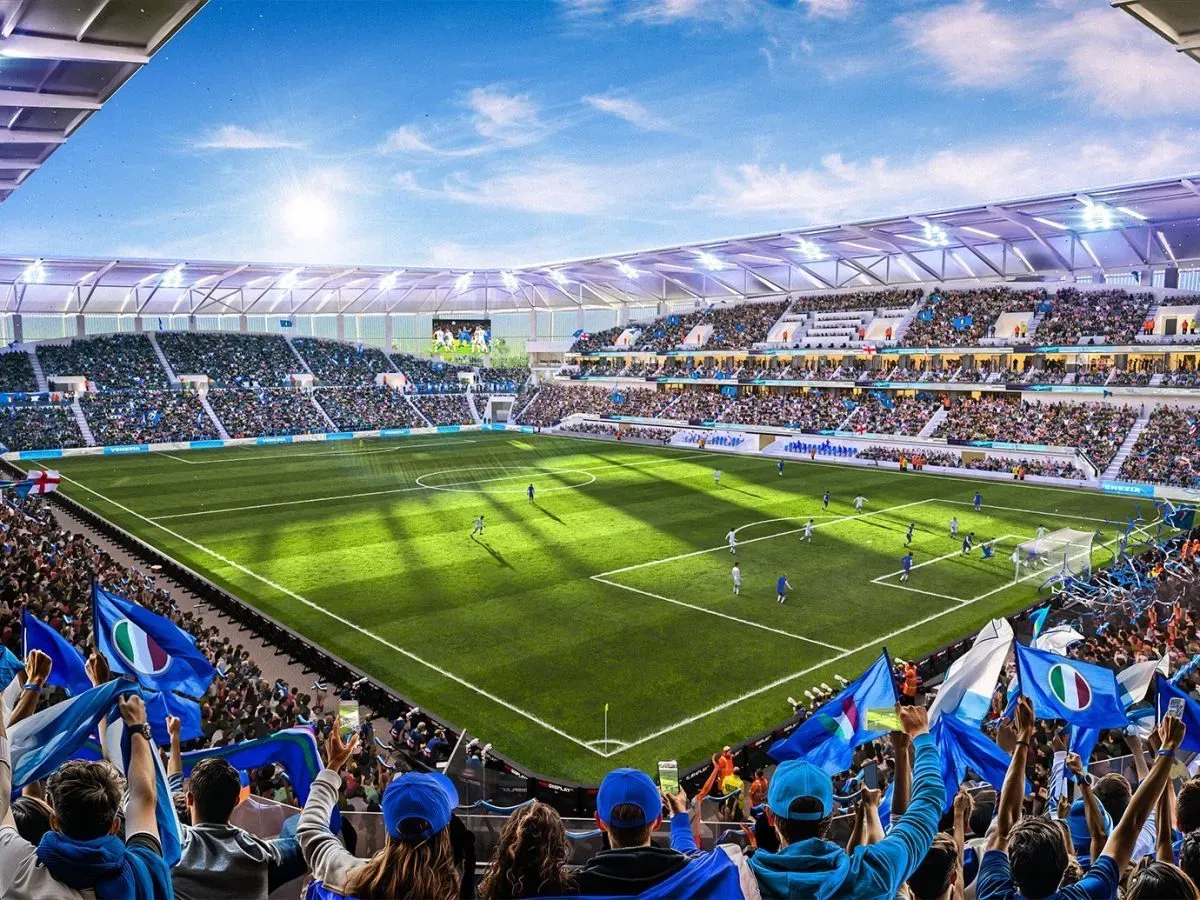
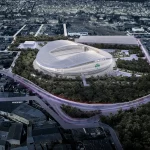
A photovoltaic roof, flexibility for concerts, integrated commercial and cultural zones, and inclusivity features to allow full access. Oval shape with wavy upper edges symbolizing the Venetian Lagoon waves. Entirely roofed with a lightweight, white façade of vertical slats.
3. Coliseum (redevelopment) — Getafe CF (Getafe, Spain)
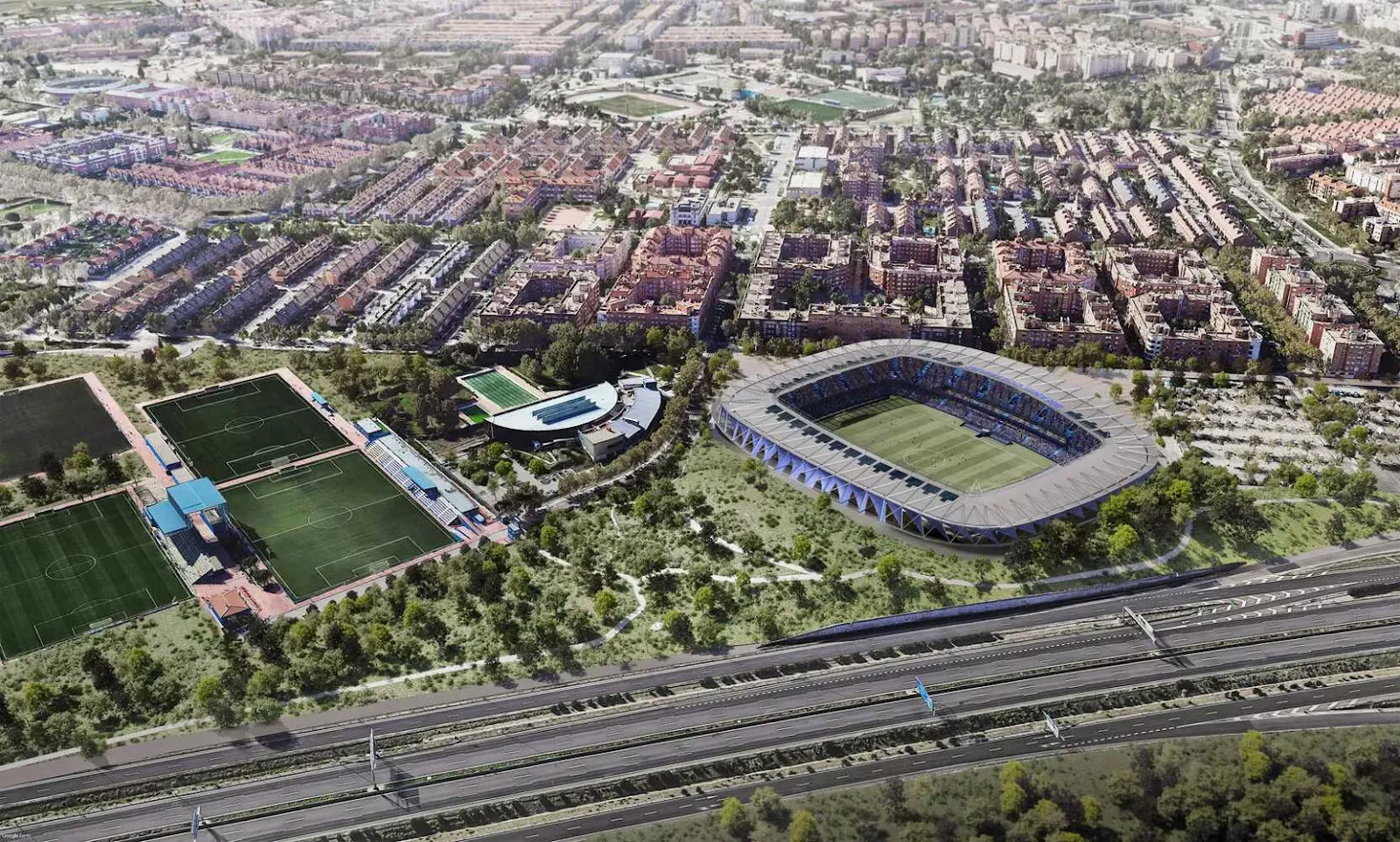
Getafe CF’s stadium (now rebranded simply as “Coliseum”) is undergoing a complete modernization led by IDOM, with work commencing on 9 June 2025. The renovated stadium will see its capacity increased by ~2,000 seats from its previous figure, reaching approximately 20,000 spectators in its final form (some reports vary slightly), with full cover over all stands, new VIP boxes, a new façade, multimedia capable surfaces, and translucent panels.
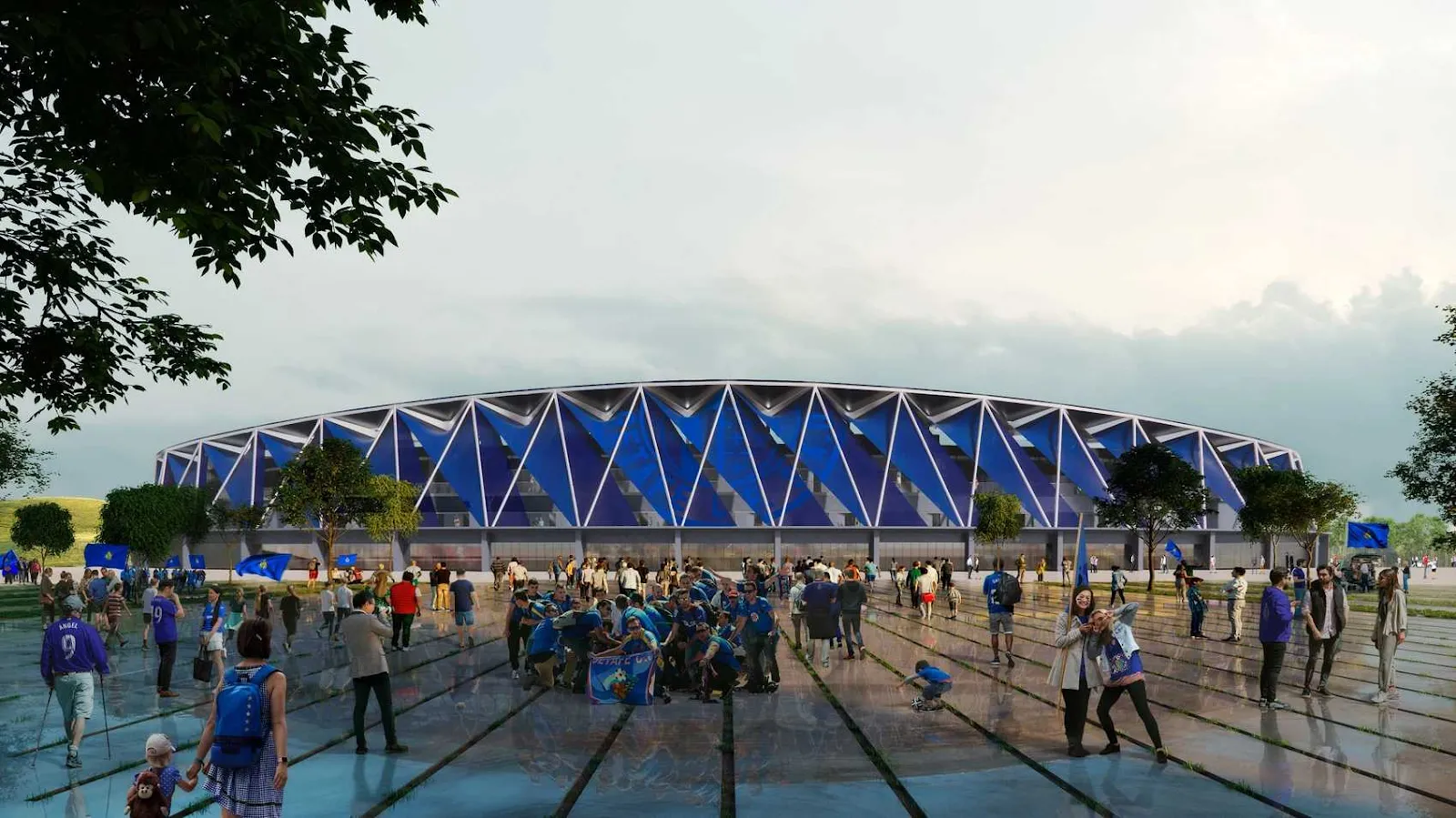
During the reconstruction, capacity will not be allowed to drop below about 10,000 to allow Getafe to continue hosting matches. Redevelopment of Getafe’s existing stadium with a continuous upper tier, fully covered seats, illuminated façade, and removal of floodlight masts.
4. Vitality Stadium (redevelopment) — AFC Bournemouth (Bournemouth, England)
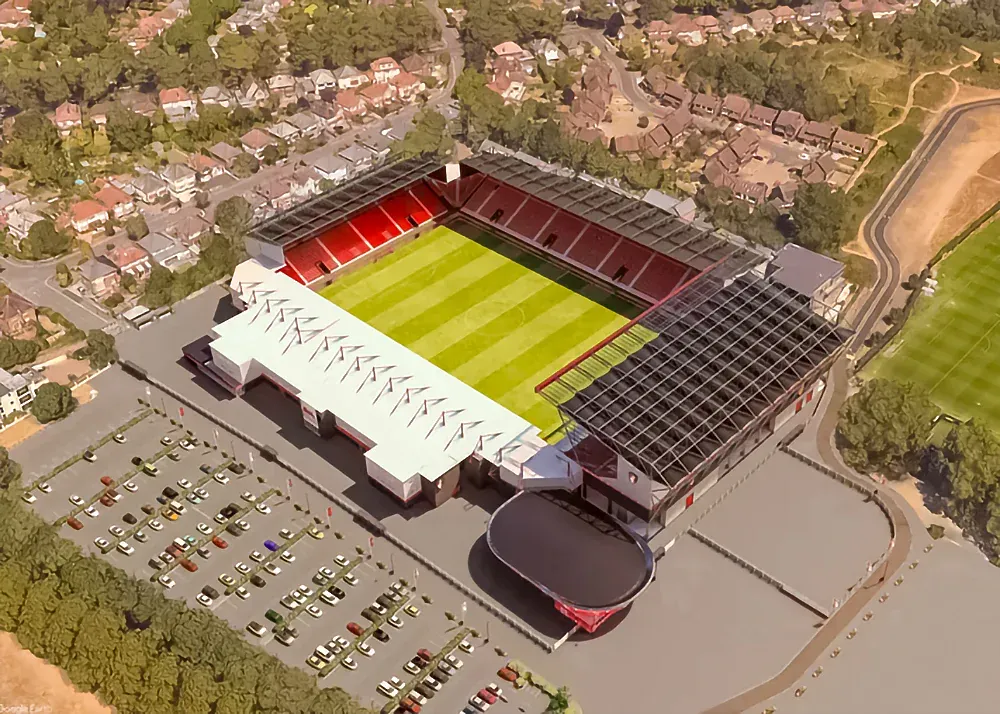
Vitality Stadium, currently one of the smallest grounds in the Premier League with a capacity of ≈ 11,286 (some sources give ~11,307), is set for a major expansion. Plans for phased redevelopment of a new South Stand (~7,000 seats), corner infills, expansion of the North and East Stands, plus upgraded facilities, fan zones, and perimeter access. When work completes (phasing through 2026 into 2027), the stadium’s capacity is expected to reach ~20,196 to 20,200 spectators. The club has secured ownership back (via Black Knight Stadium Ltd), which removes a key obstacle to full renovation.
5. Etihad Park — New York City FC (Willets Point, Queens, USA)
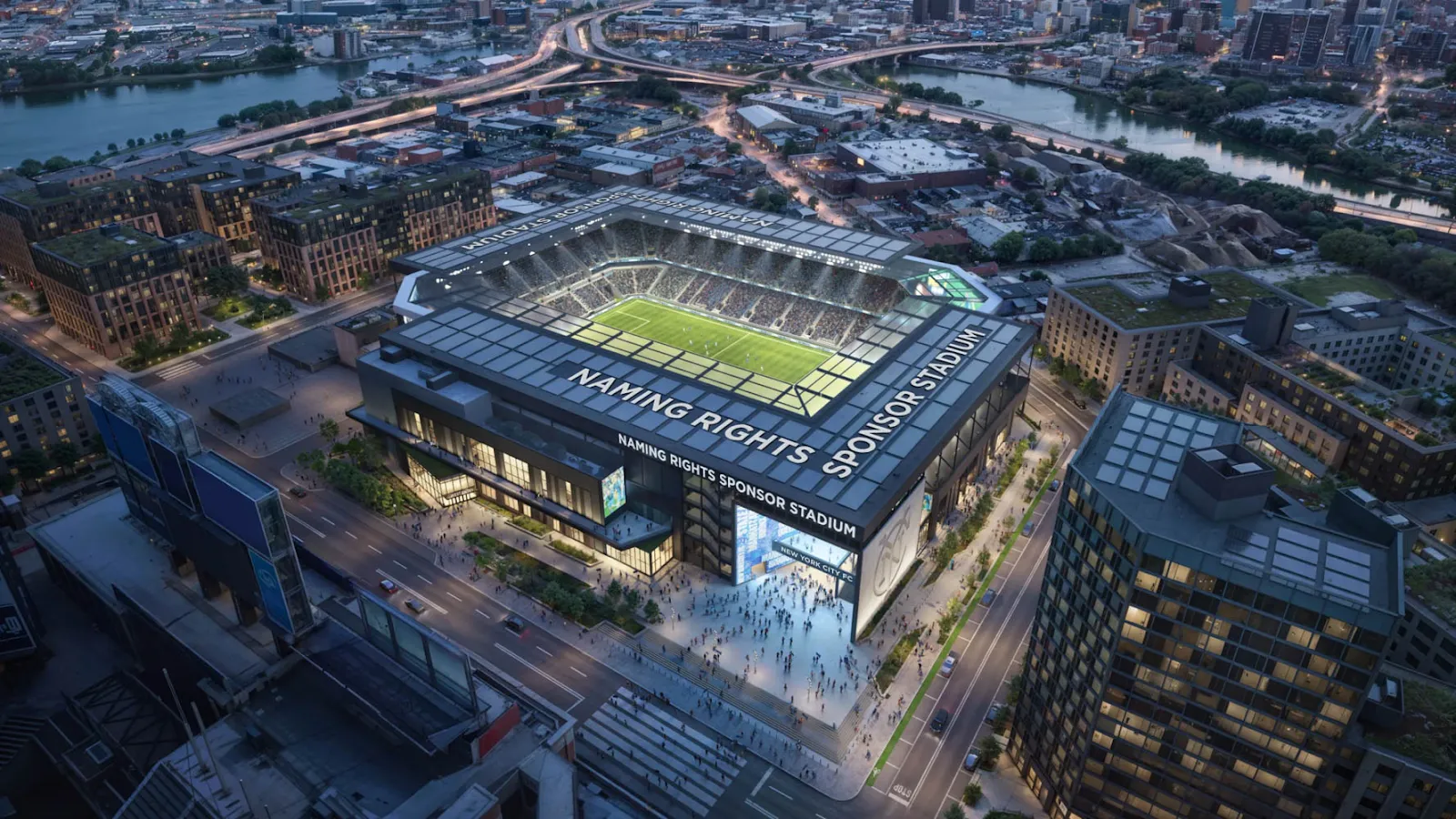
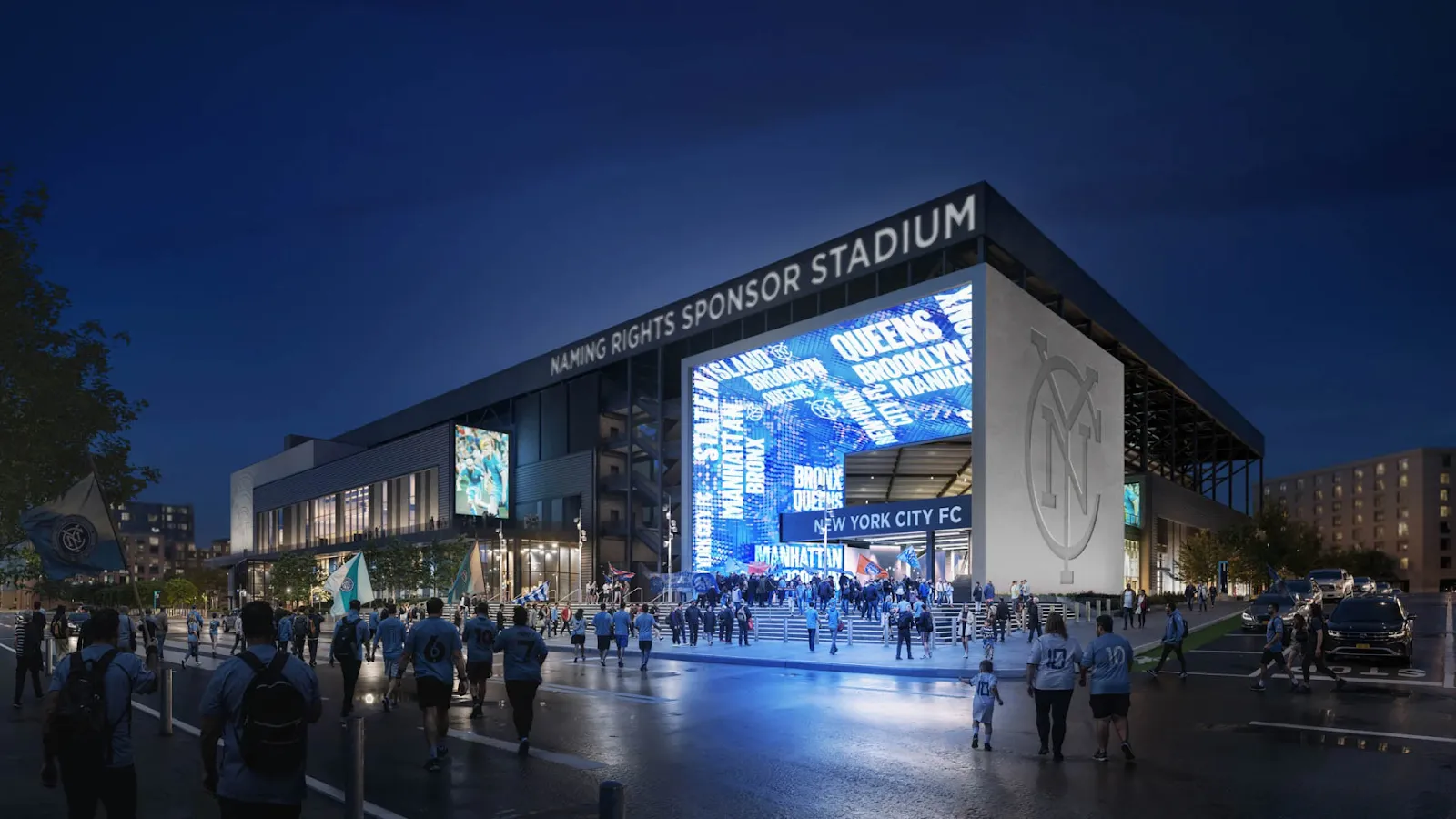
Etihad Park is a 25,000-seat, soccer-specific stadium under construction in Willets Point, Queens, designed by HOK. The stadium is being built with private funding, at an estimated cost of US$780 million, with groundbreaking in December 2024 and a target completion in time for the 2027 MLS season. The design features an intimate bowl configuration, a transparent roof to allow light while offering protection, and a striking main entrance called “The Cube”, which includes large LED panels to present matchday visuals and cultural displays reflecting Queens.
There will be premium seating (including luxury suites and pitchside lounges), a large rooftop bar (“Supporters’ Porch”), a club store, public plazas (City Square), and the project is embedded in a broader redevelopment of 23 acres, which includes affordable housing units, a public school, hotel, retail, and community/open spaces. Constraints include site remediation (because Willets Point is post-industrial) and ensuring transit connections and parking for major events.
6. NS Square — Marina Bay, Singapore
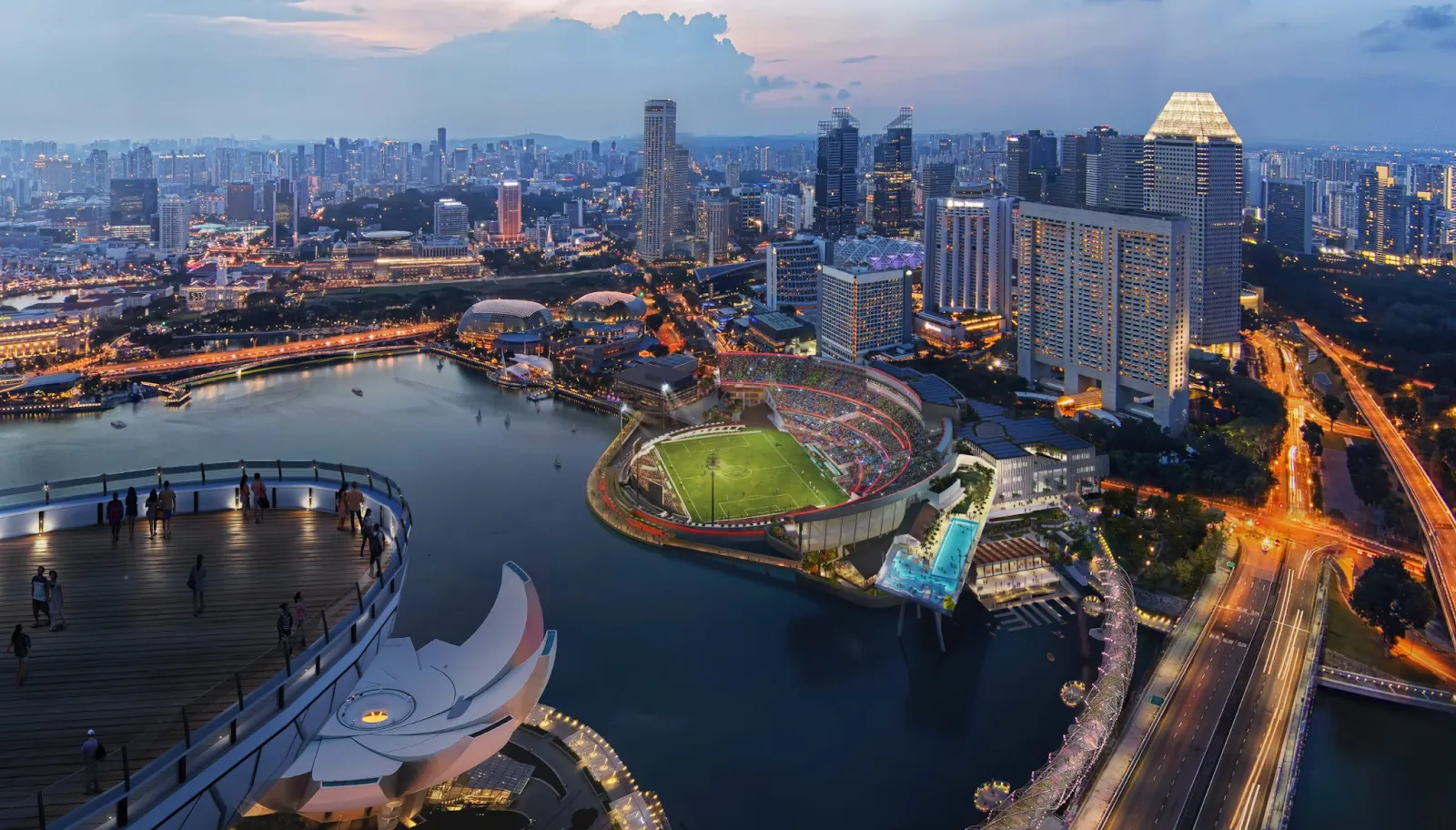
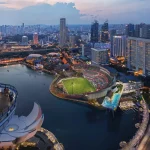
NS Square is a future multi-purpose venue replacing the former floating platform at Marina Bay, designed by WOHA in collaboration with Populous. The venue will have a permanent grandstand and stage deck, with a seating capacity of about 30,000 people for events like the National Day Parade (NDP) and other large public ceremonies. Beyond stadium-type events, NS Square will include community sports facilities, a waterfront promenade, and dining and recreation areas.
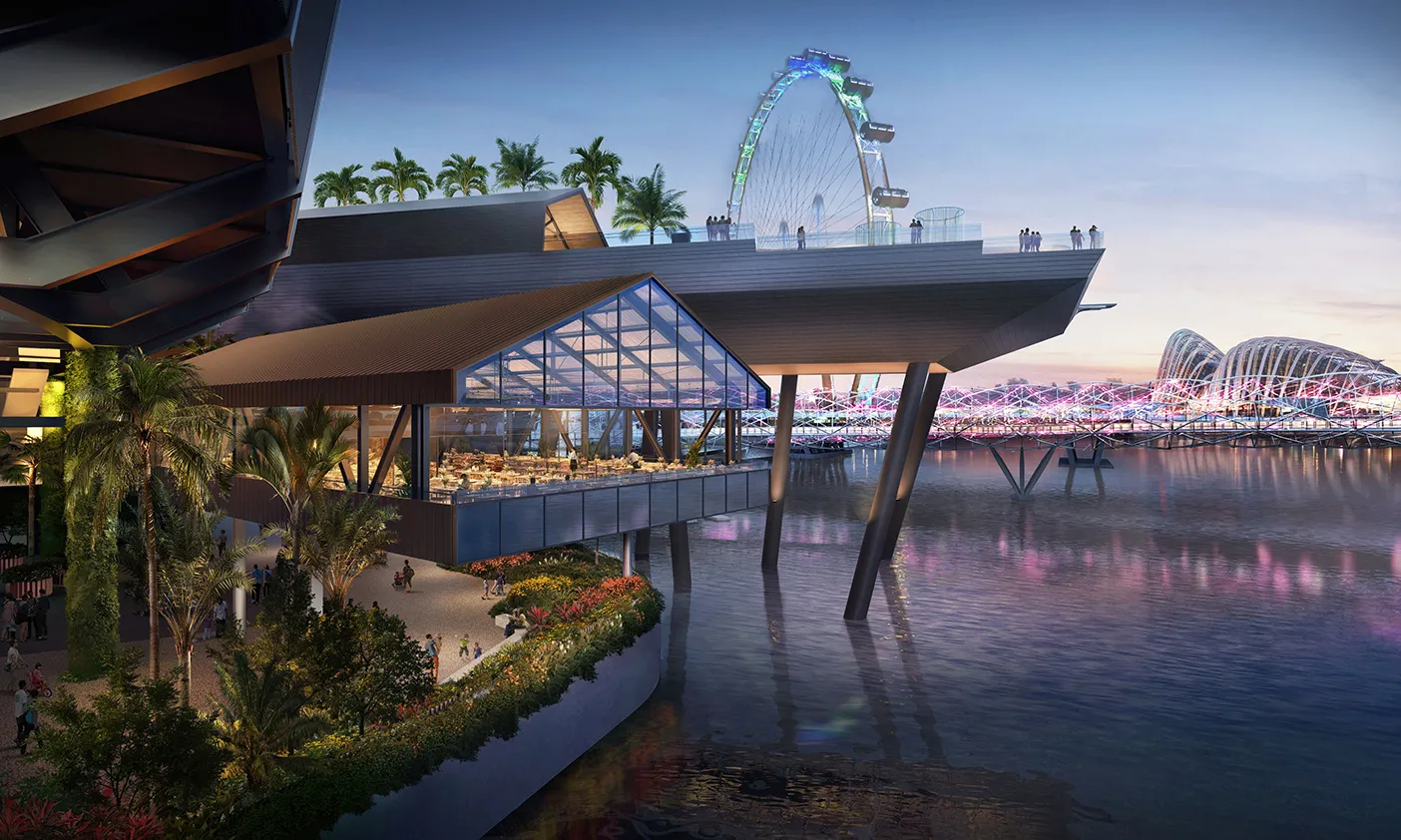
Sustainability is central to the design reuses demolition materials from the old floating platform (concrete, steel), includes solar panels, and leverages the Marina Bay district cooling system to reduce energy consumption. Over 80% of the venue will rely on natural or mechanical ventilation rather than full air conditioning. The project timeline demolition of the old floating platform has been completed, and construction started in early 2024 (site works, piling, etc.). NS Square is intended to be a permanent home for national events (NDPs, military graduations), as well as being an accessible public space year-round; its location in Marina Bay gives it prominence in Singapore’s skyline and event infrastructure.
7. Dodoma Stadium — Dodoma, Tanzania
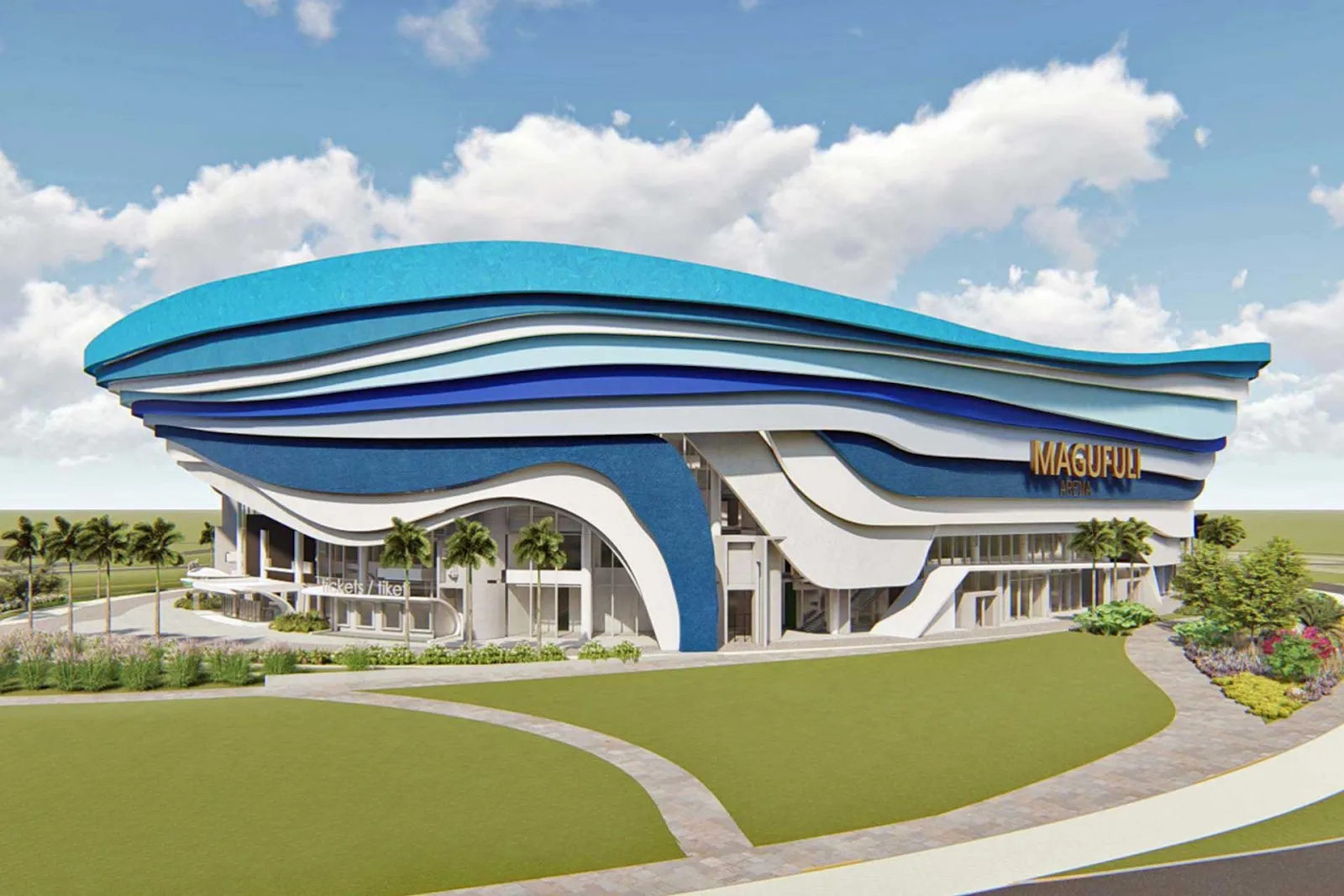
Dodoma Stadium is under construction in Tanzania’s capital, planned to serve as one of the key venues for the 2027 Africa Cup of Nations (hosted jointly by Kenya, Uganda, and Tanzania). The stadium is designed to seat approximately 32,000 spectators, with field dimensions standard (105m × 68m) and a grass surface. Broke ground in February 2025, with expected completion in February 2027, built by Italian company SPAR, will host football and athletics. The project cost is estimated at US$135 million.
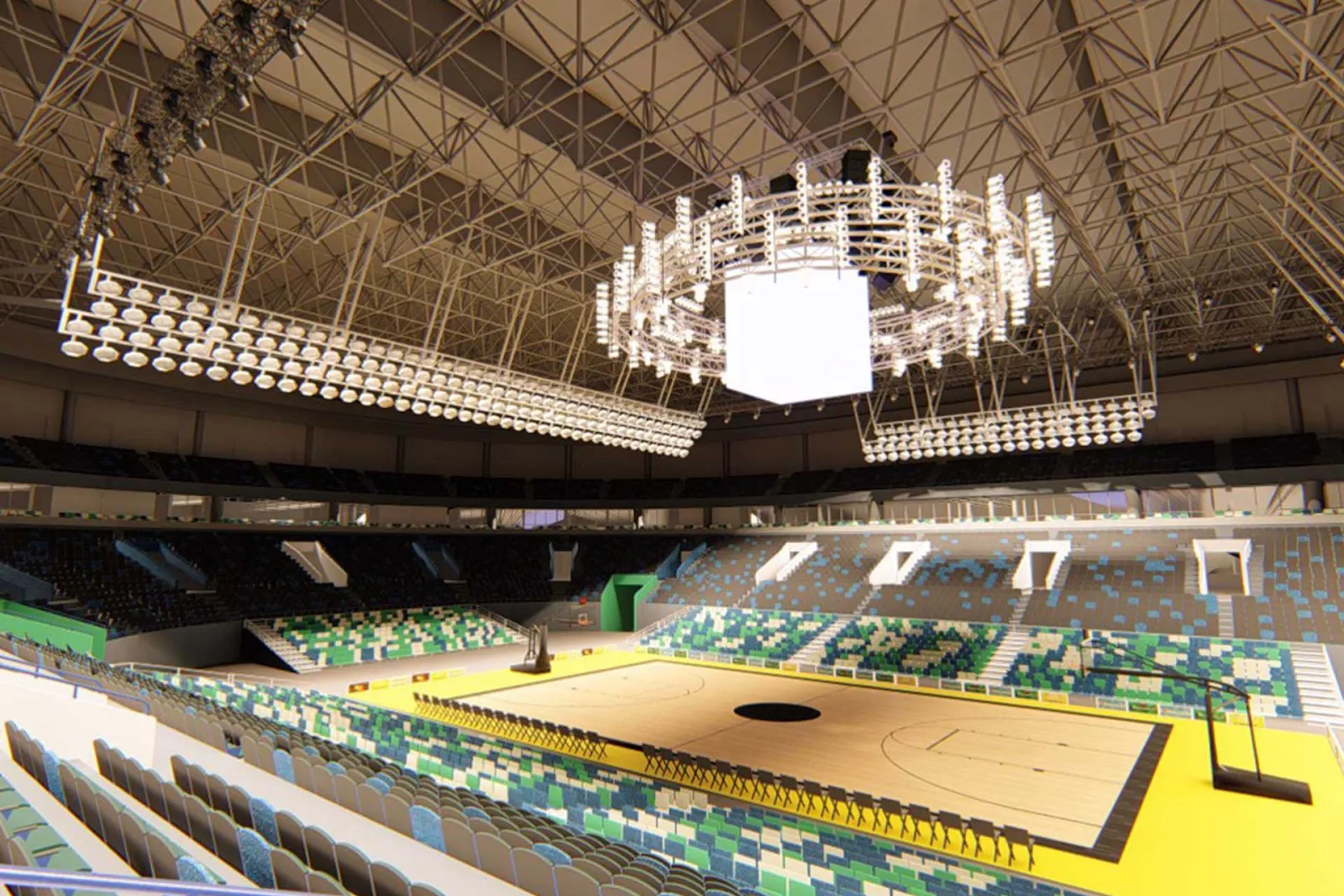
Architectural features, detailed designs are less public; the stadium will include basic stage facilities, seating bowls designed for clear visibility, and standard amenities for media, players, and spectators. The stadium is expected to be an important boost to local infrastructure, and also for regional events, helping scale transport, power, and urban services in Dodoma.
8. Stadion An der Alten Försterei (Expansion) — 1. FC Union Berlin (Berlin, Germany)
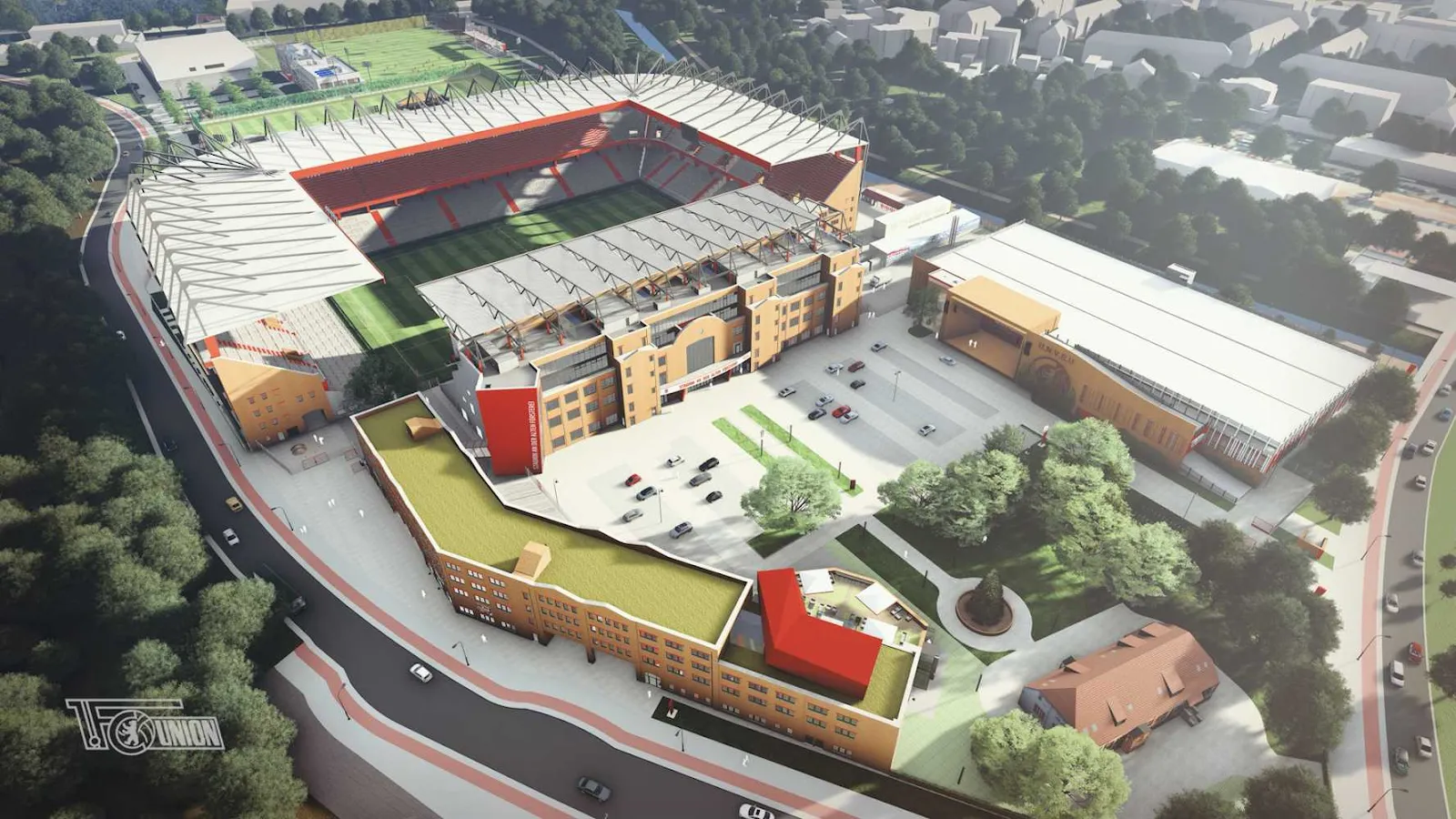
Union Berlin is carrying out a multi-phase expansion of the Stadion An der Alten Försterei. The project aims to raise capacity beyond 40,000 spectators (post-expansion) while preserving the club’s fan-centric identity. The expansion includes adding tiers, improving spectator flow, enhancing vertical circulation, and enveloping parts of the stands with improved roofing and façade elements. Internal facilities are being modernized, with upgrades to accessibility, sightlines, acoustics, and amenities.
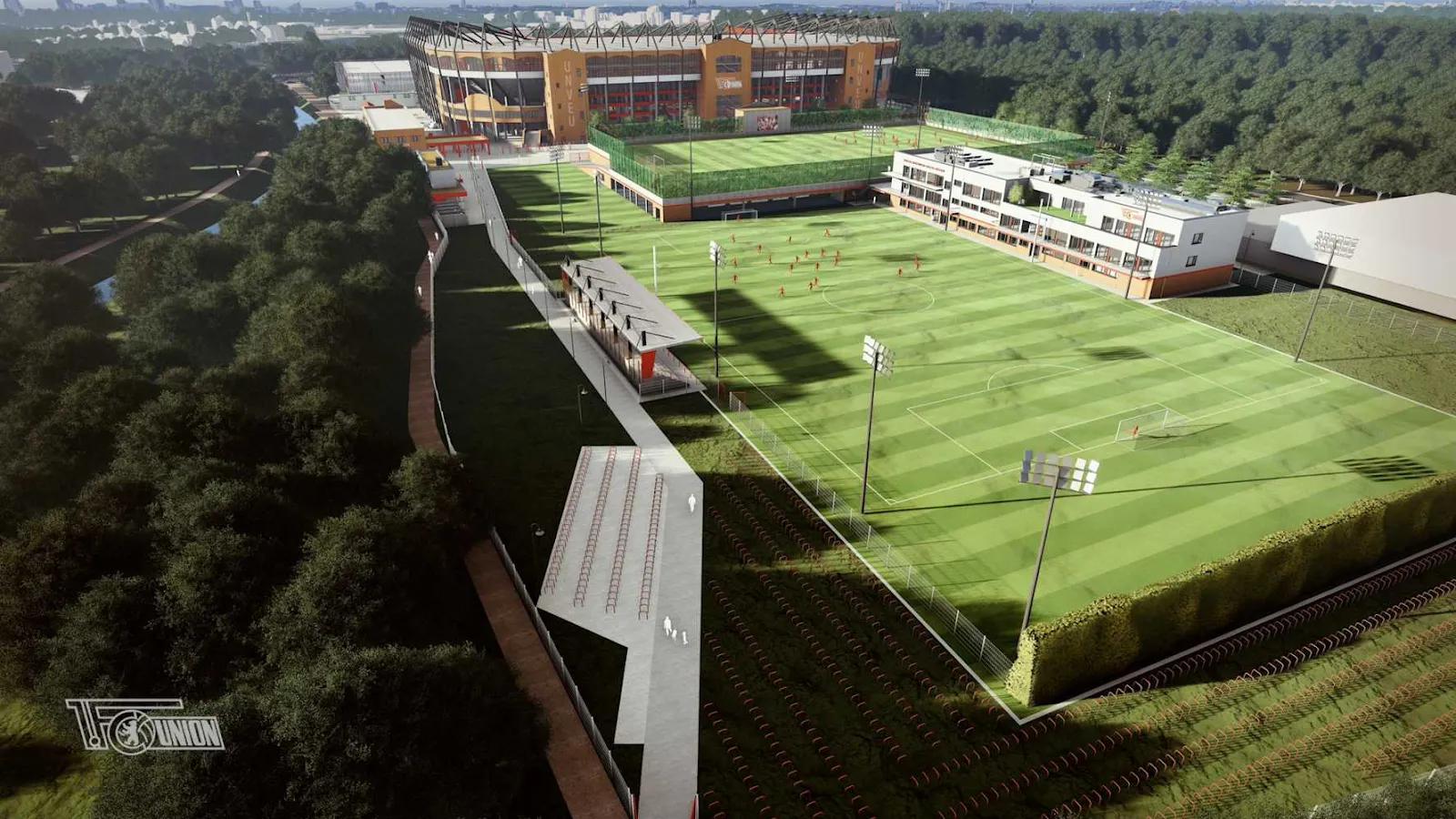
Construction is underway, with club/stadium sources projecting 2027 as the year when the full expansion will be completed. Complete reconstruction of three stands with steep two-tiered roofs and integrated lighting, replacing floodlight masts.
9. Neo Gipedo Panathinaikou / Votanikos Arena — Panathinaikos (Athens, Greece)
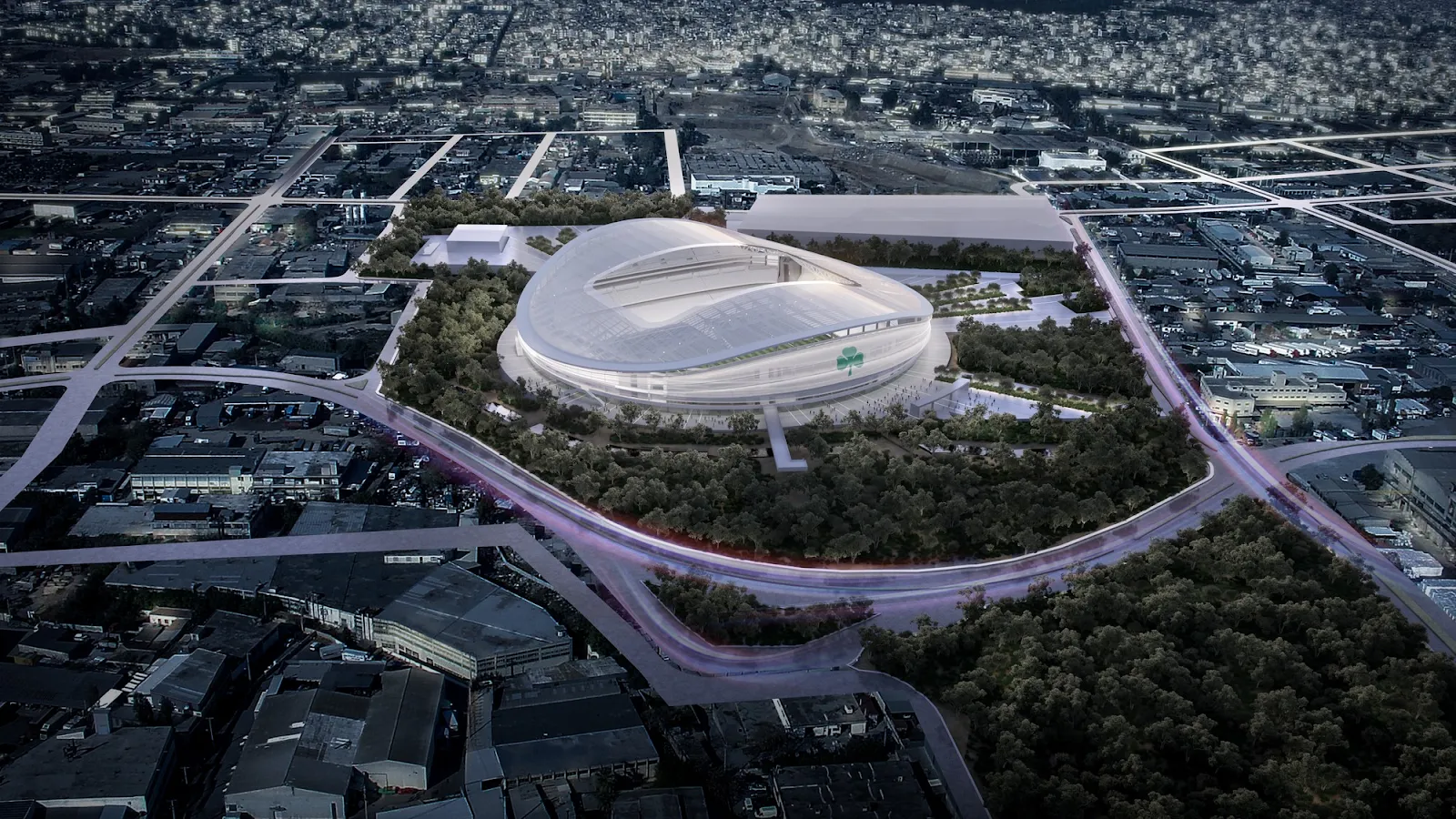
The Votanikos Arena (Neo Gipedo Panathinaikou) is designed as a modern, multipurpose sports city, replacing the old Leoforos site. Inspired by Porto’s stadium, featuring three tiers of stands along the pitch and two behind goals, with eight infrastructure levels. The stadium bowl itself will have a capacity of ≈ 40,000 seats for football; the overall complex also includes auxiliary sports, commercial, and residential components. The project broke ground on 6 April 2023 and is planned to open in 2026 or April 2027, depending on progress. Funding has been allocated in tranches, including €94.3 million committed by the Athens municipality via the State Investment Fund (with €49 million in 2025, €15.3 million in 2026, €30 million in 2027).
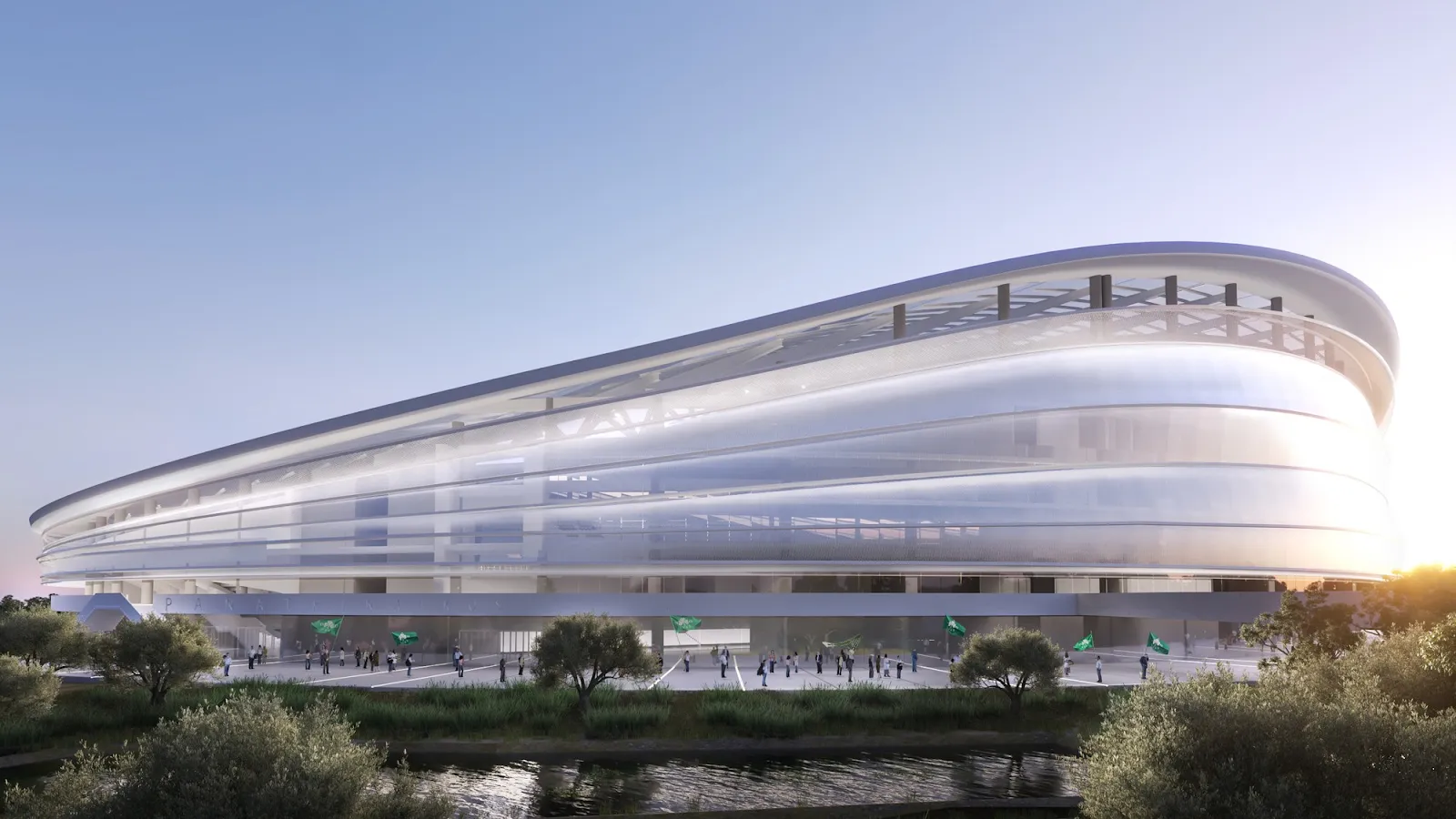
Architectural design aims for integration with transit, public park spaces, mixed-use zones, and commercial amenities. Some of the challenges include neighborhood relations, archaeological constraints (common in Athens), and ensuring the infrastructure around Votanikos (roads, metro access) can handle matchday flows.
10. Nueva Romareda (Ibercaja Romareda) — Real Zaragoza (Zaragoza, Spain)
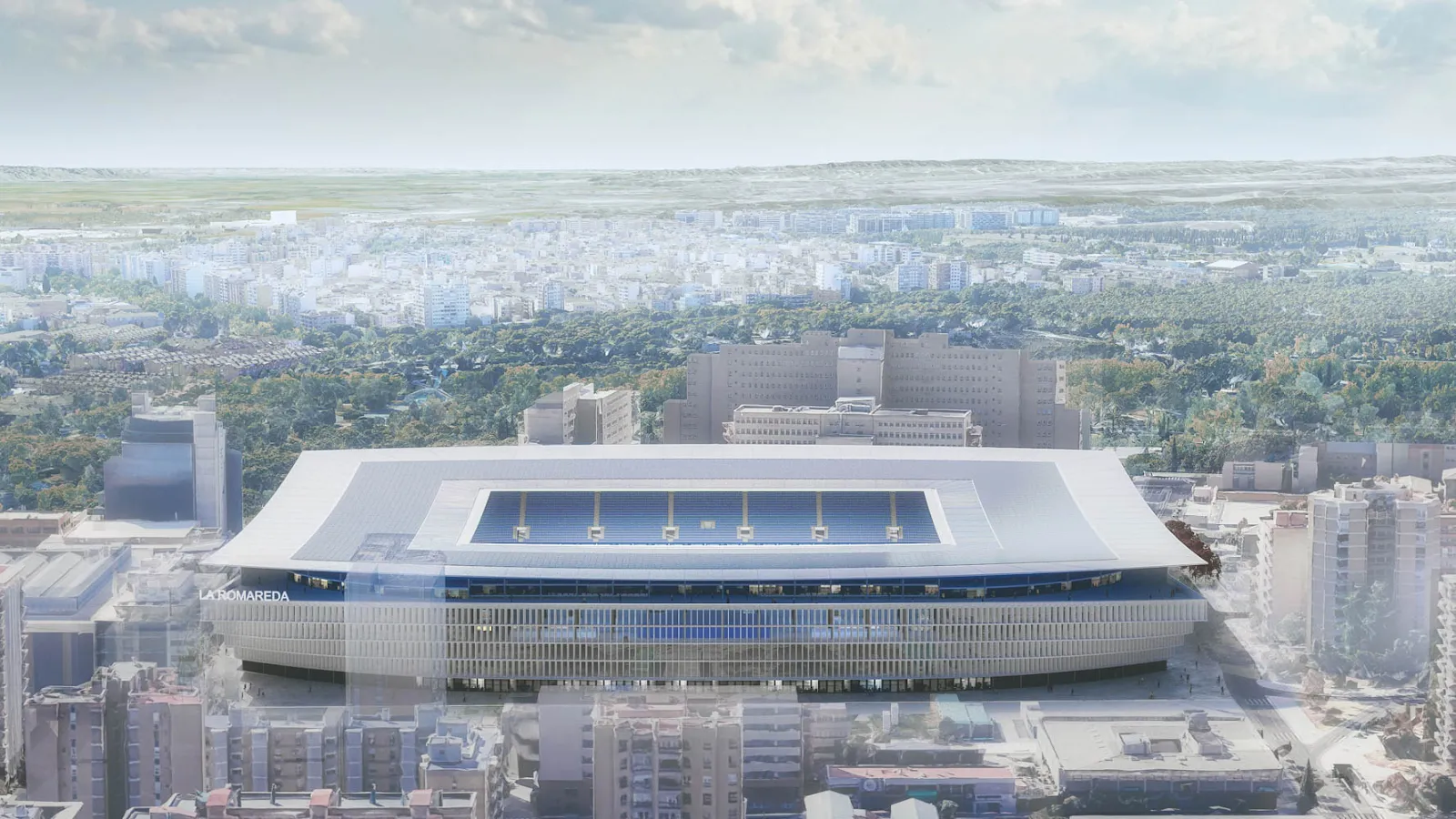
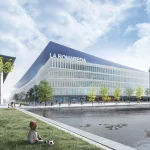
The new stadium “Nueva Romareda” for Real Zaragoza is being designed by IDOM (led by architect César Azcárate). Official plans show a capacity of 43,184 seats, of which 40,779 are general admission, 2,295 for hospitality/VIP, and 120 for media. Construction is organized in five phases (five above-ground levels & two underground levels), with the project schedule targeting completion in mid-2027 so that the stadium is ready for the 2027-28 season.
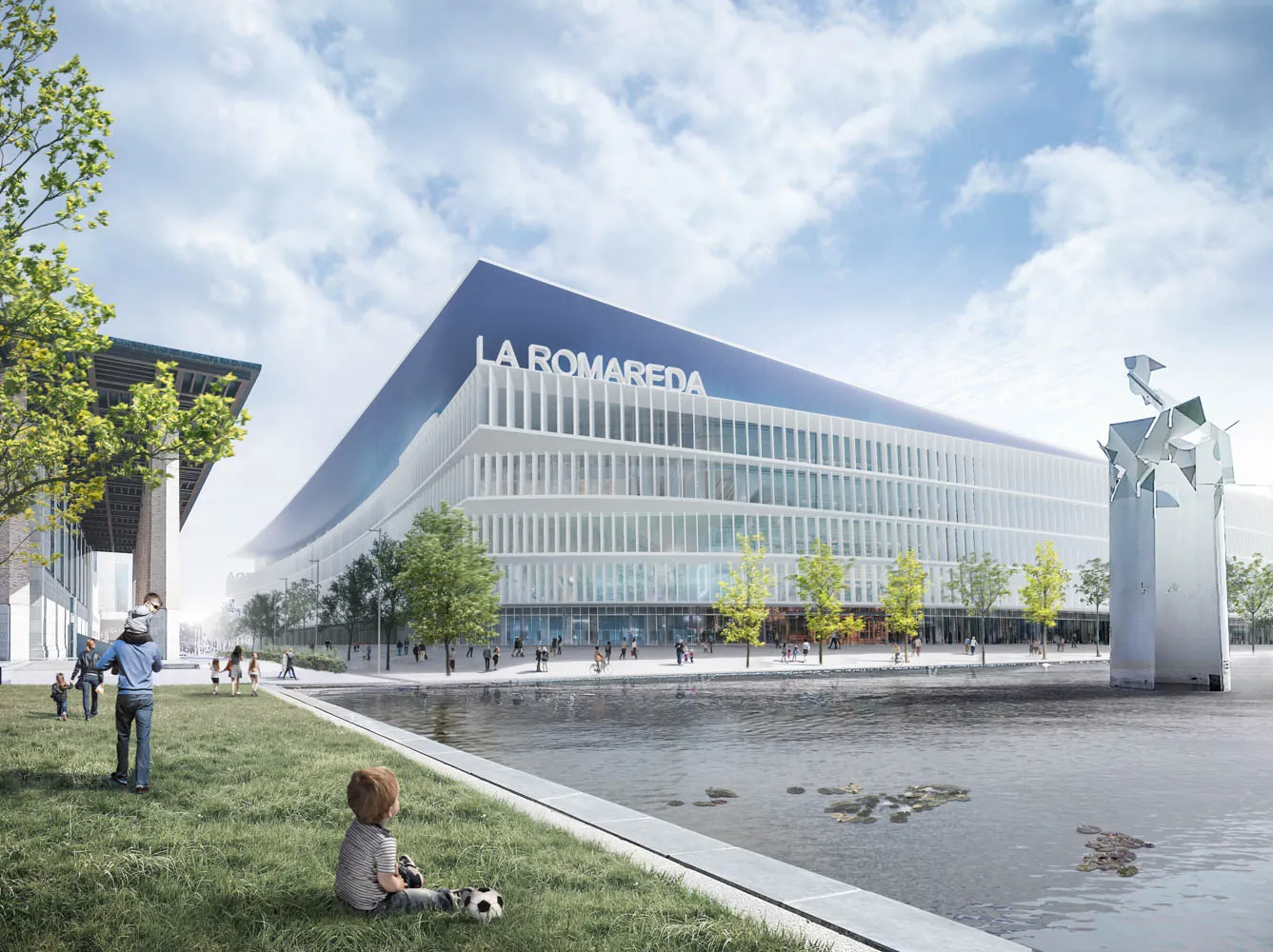
The architectural design is expressive, with convex and concave façade elements responding to local wind “Cierzo”, roof coverage is planned for all spectator stands, several hospitality zones, and mixed uses (retail, museum, tertiary spaces) are integrated. Demolition phases Gol Sur first, then the other stands; the temporary modular stadium (Ibercaja Estadio) is being used meanwhile. Rectangular form with bulges inspired by cierzo wind, two tiers, VIP balconies, and a lightweight roof with a viewing terrace.
11. Estadio Osvaldo Domínguez Dibb — Club Olimpia (Asunción, Paraguay)
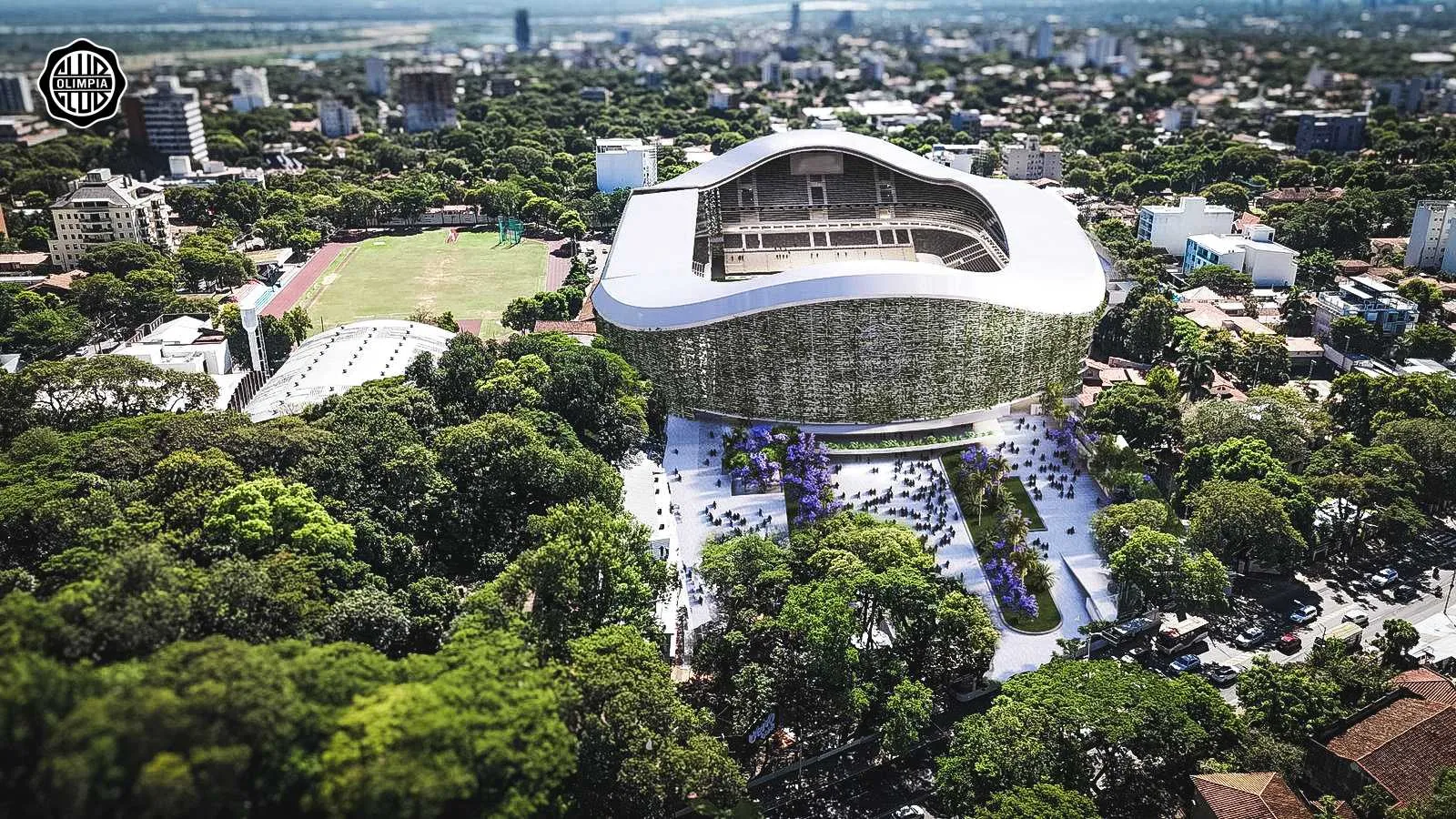
The Estadio Osvaldo Domínguez Dibb (formerly Manuel Ferreira) is under a full transformation in Asunción. The redevelopment aims to deliver a modern stadium with approximately 46,000 seats, meeting CONMEBOL and FIFA international match standards. Engineering works include new upper tiers in the North, South, and Platea sectors, enhanced spectator circulation, more VIP/palcos spaces, improved amenities and connectivity, and upgraded infrastructure behind the scenes.
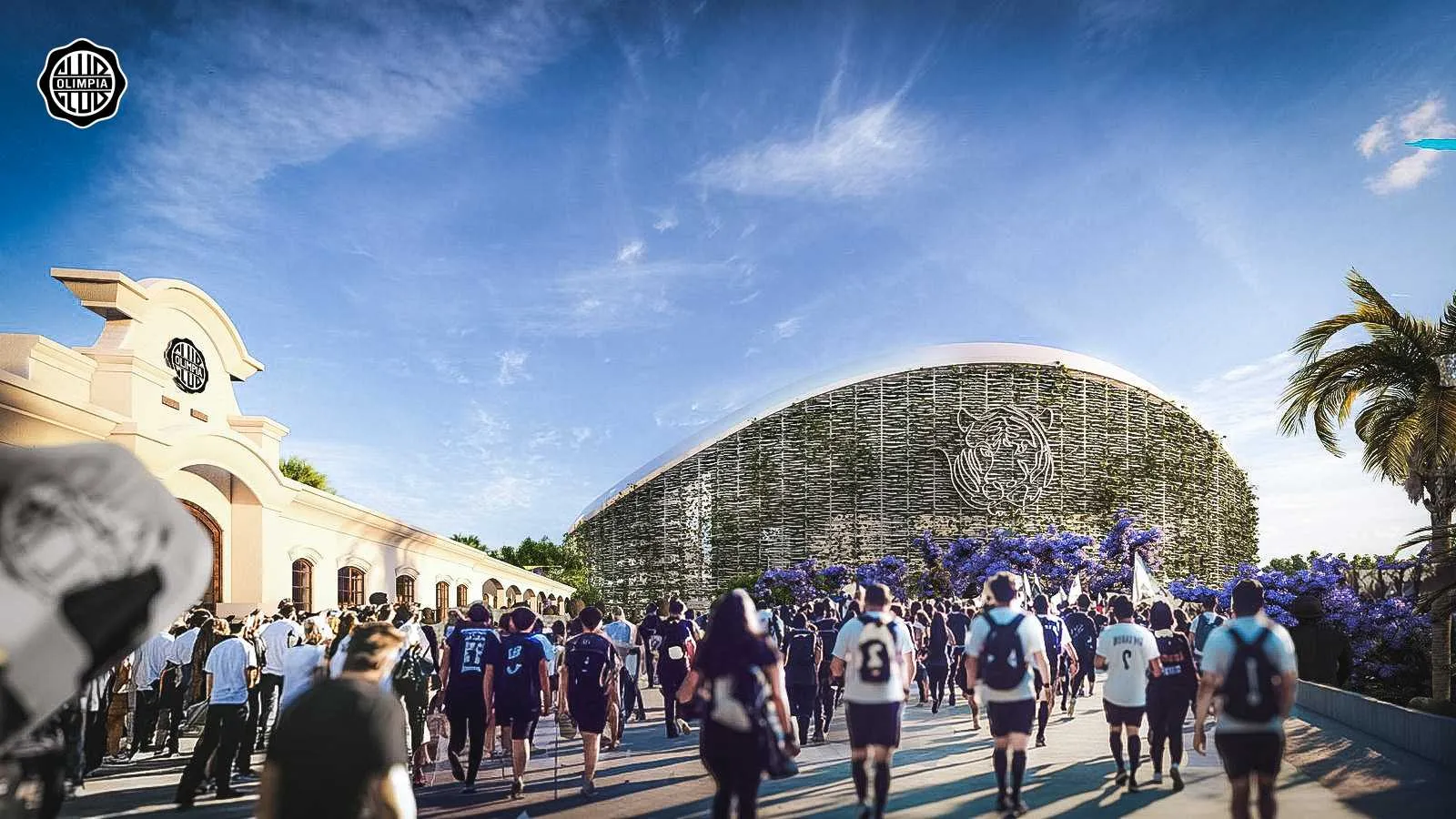
The venue is expected to host club continental fixtures and national team qualifiers (including likely ones for the 2030 World Cup). Challenges include securing steady funding, managing construction without severely disrupting matches, ensuring the tropical Paraguayan climate (rain, humidity) is accommodated, and upgrading transport, parking, and utilities infrastructure.
12. Estadio Nacional de El Salvador — San Salvador, El Salvador
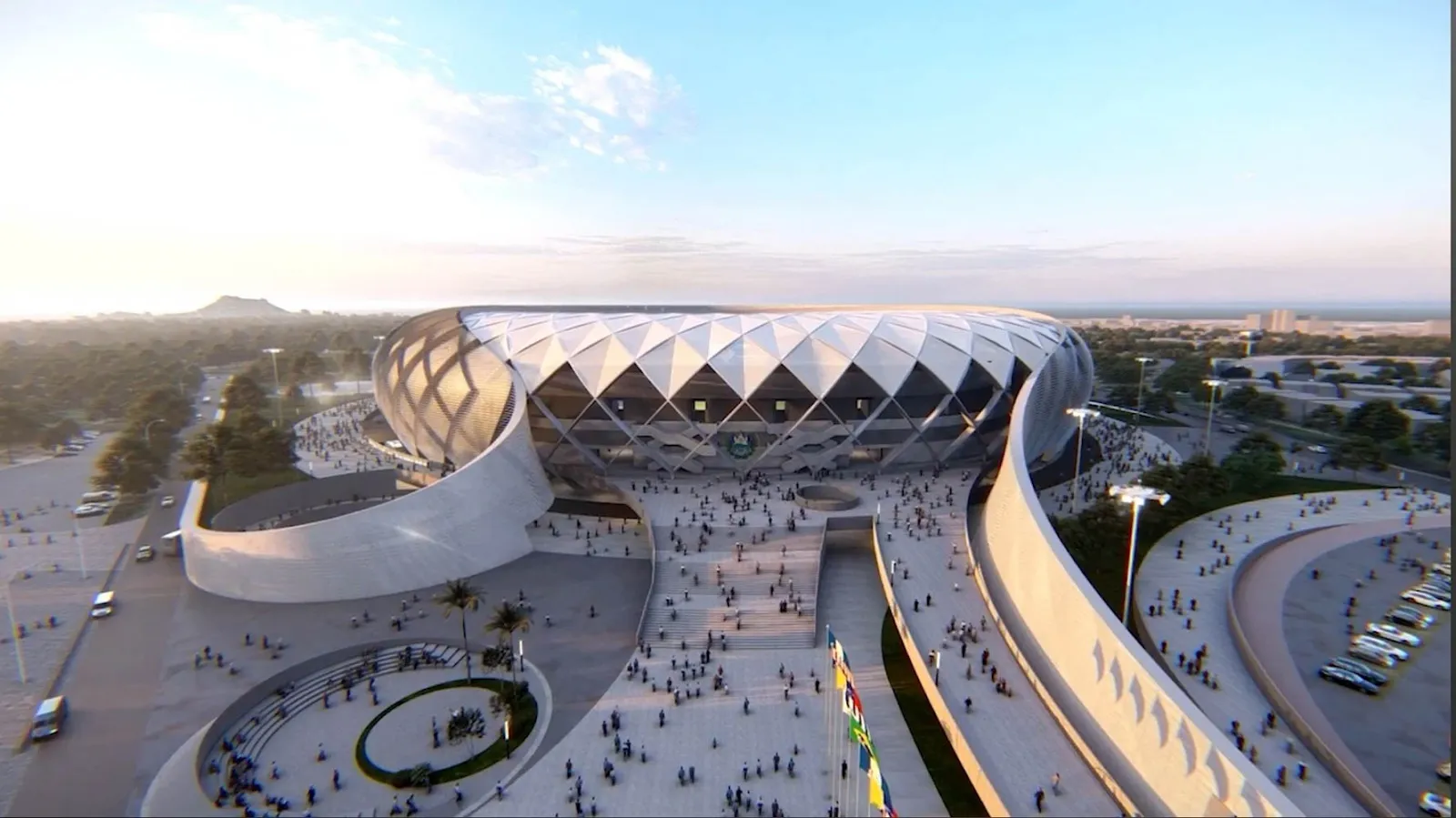
El Salvador’s National Stadium, built on the site of the old Antiguo Cuscatlán (more precisely in Antiguo Cuscatlán, replacing the former military school site), is designed as a 50,000-seat multi-purpose facility. Construction began on September 8, 2022, with the China State Construction Engineering Corporation as the contractor, under a budget of approximately US$500 million. Public updates (2024-25) show work on site earthworks, leveling, piles, and parking planning, including space for about 2,000 vehicles in the southern sector.
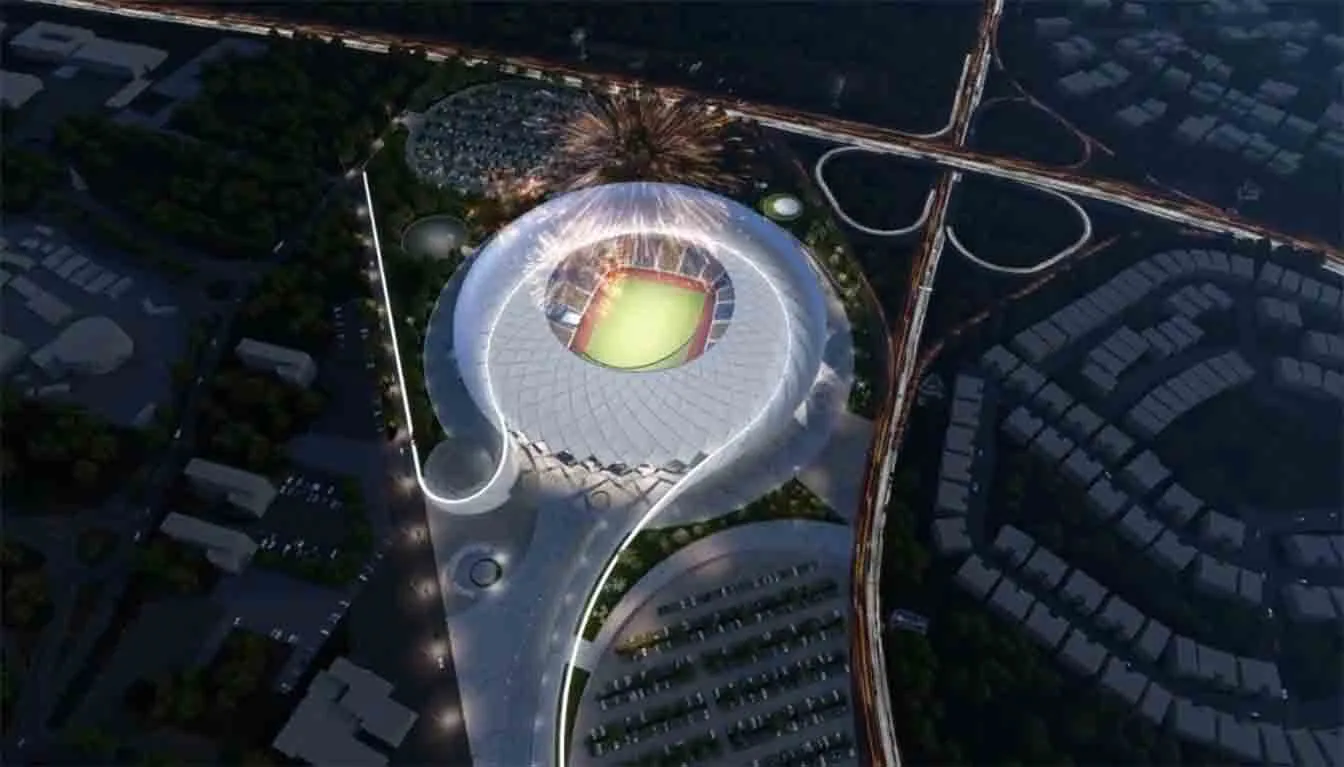
Key features will include modern amenities (VIP, hospitality), a robust structural and seismic design (given the country’s earthquake risk), facilities for various purposes (concerts, sports, etc.), a professional-grade field, and sturdy infrastructure (grass surface, drainage, access).
13. Complejo Cultural y Deportivo El Campín — Bogotá, Colombia
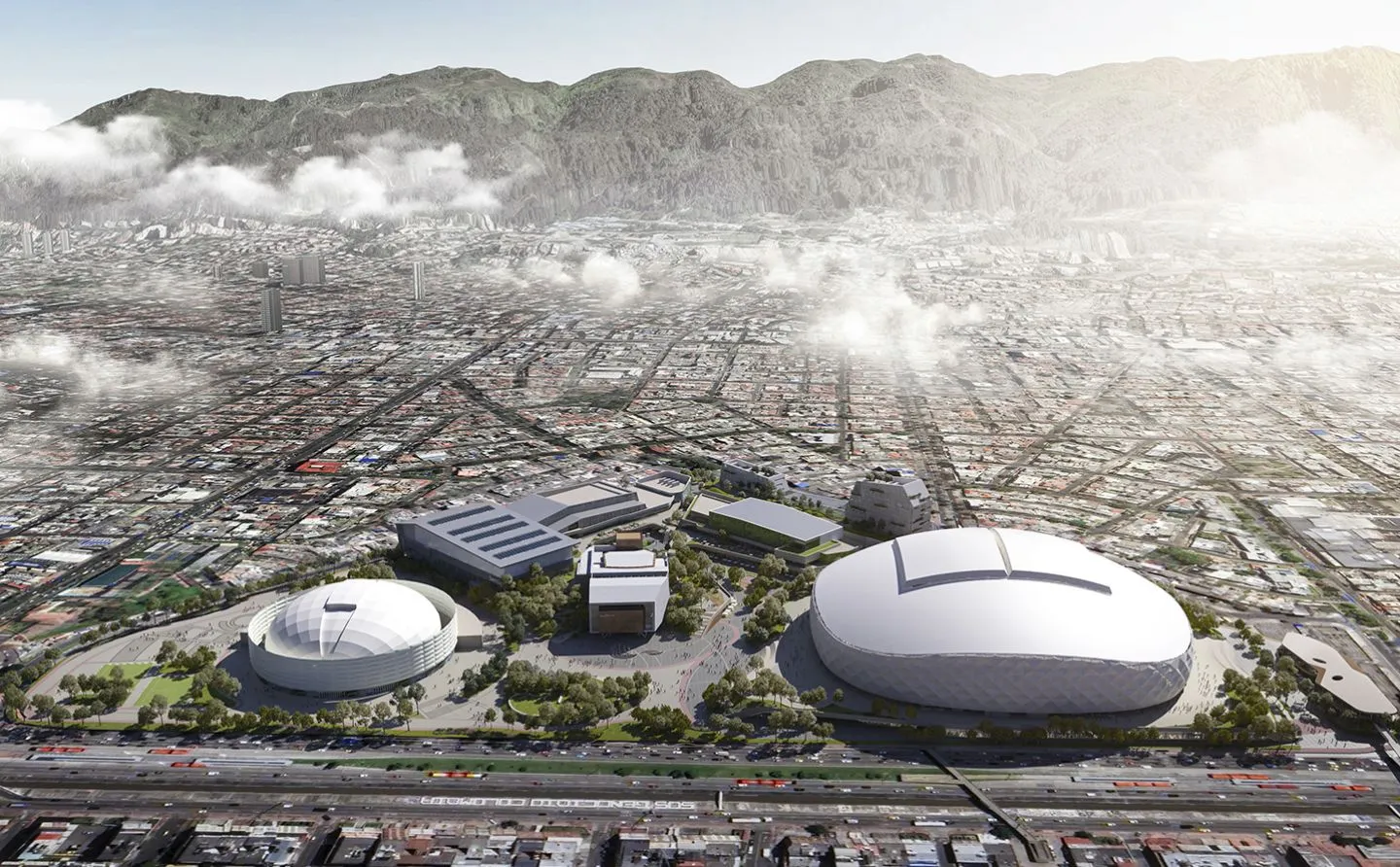
Bogotá is moving forward with a redevelopment of Estadio Nemesio Camacho “El Campín” into a large sports, culture, and entertainment complex. Under a public-private partnership (PPP) contract signed in late 2024, the new stadium will have a capacity of approximately 50,000 seats. Demolition and construction are expected to begin in December 2025, with the build phase lasting about three and a half years (thus projecting completion in mid- to late-2028 in some sources, though the goal is 2027).
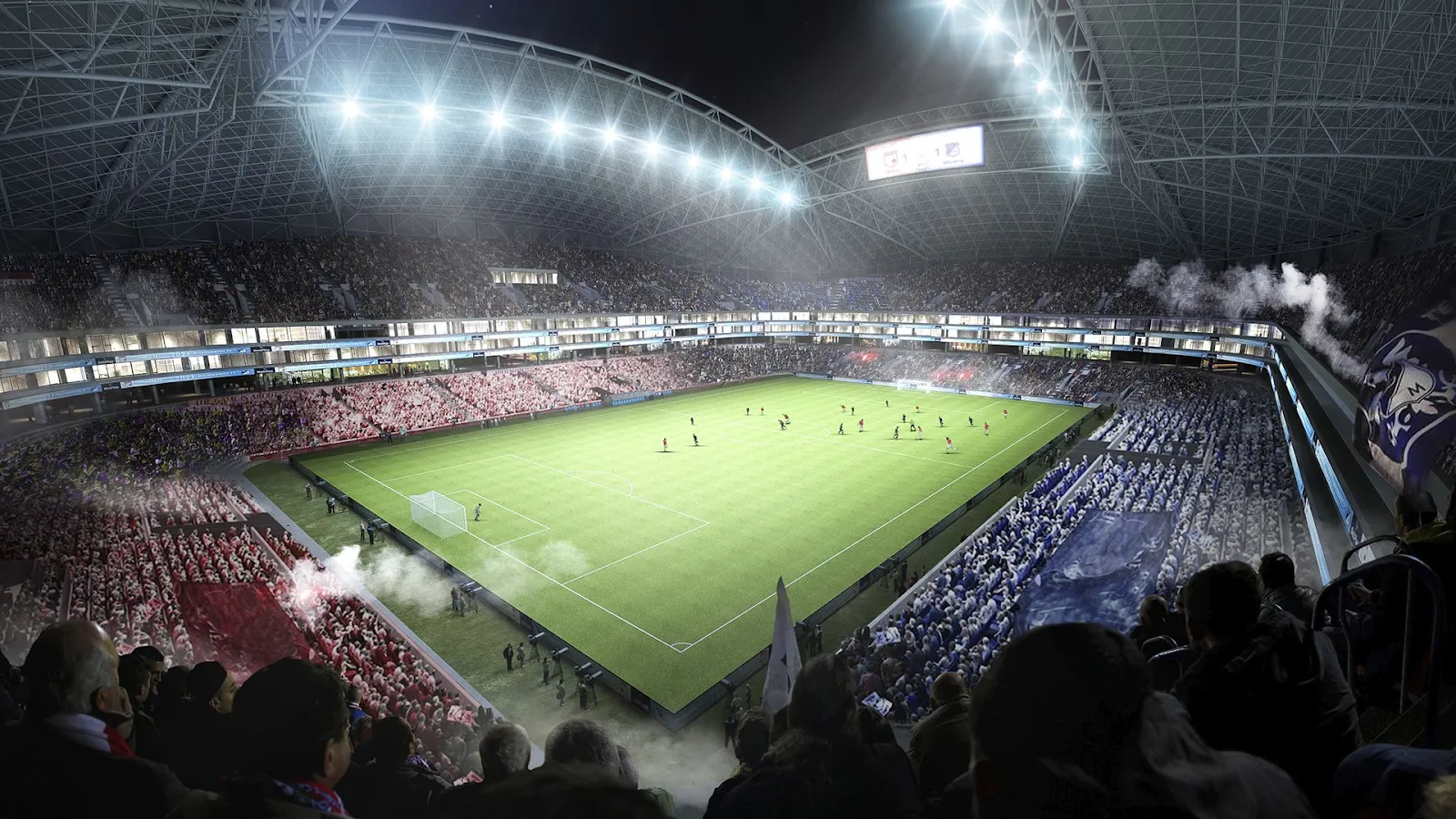
The complex will include, besides the stadium, an auditorium for Bogotá Philharmonic with a capacity of ~2,500, commercial premises, restaurants, family entertainment, a hotel (~100 rooms), an events pavilion, a co-working space, an esports centre, movie theatres, and public spaces.
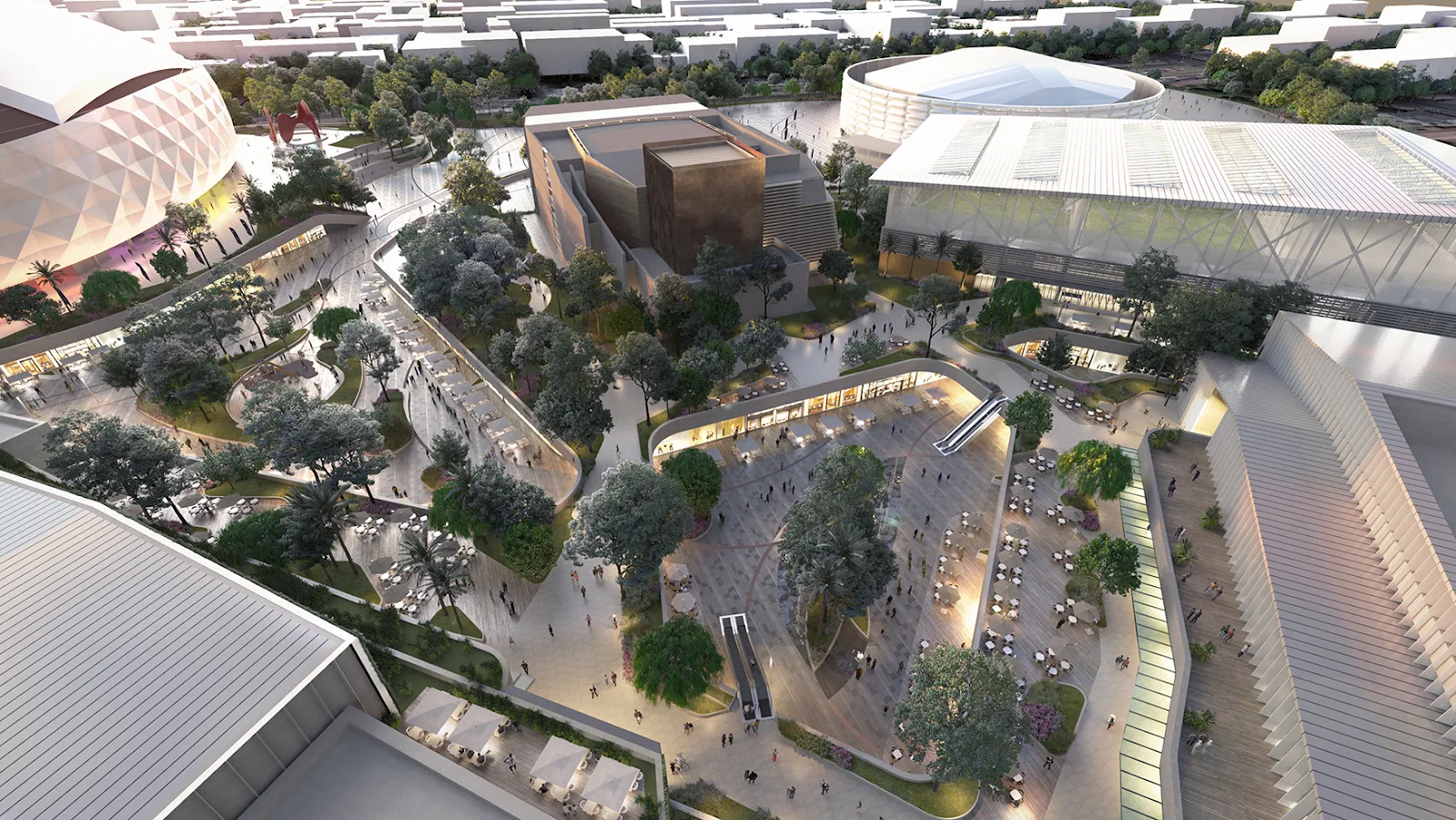
The project also seeks to maintain operations at the current stadium during major parts of construction to avoid interrupting sporting and cultural events. The intention is to upgrade Bogotá’s standing for large international matches and events, modernizing fan experience, acoustics, roof cover, ingress/egress, etc.
14. Villa Park (North Stand Expansion) — Aston Villa FC (Birmingham, England)
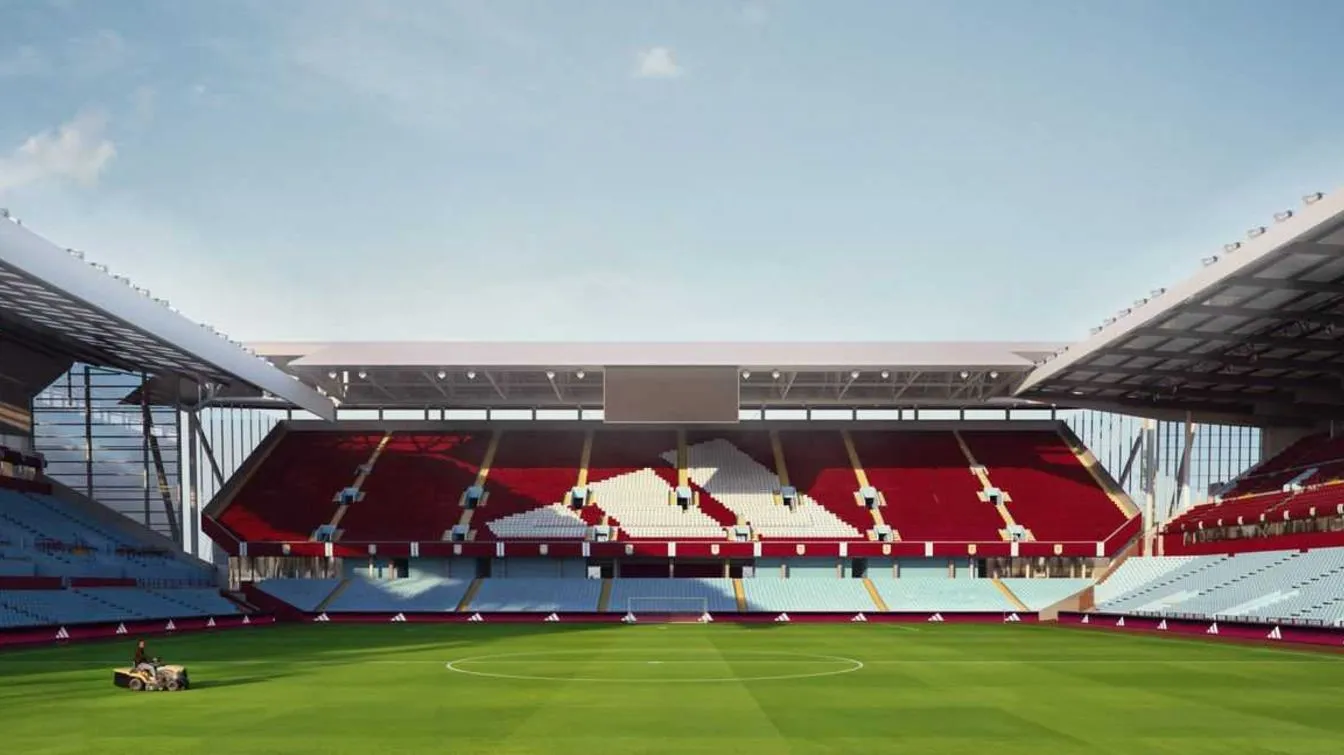
Aston Villa is executing a major redevelopment of Villa Park primarily via expansion/refurbishment of its North Stand. The current capacity is ~42,918, and the plan is to increase the North Stand capacity from ~5,000 seats to 12,000, resulting in overall stadium capacity rising to over 50,000.
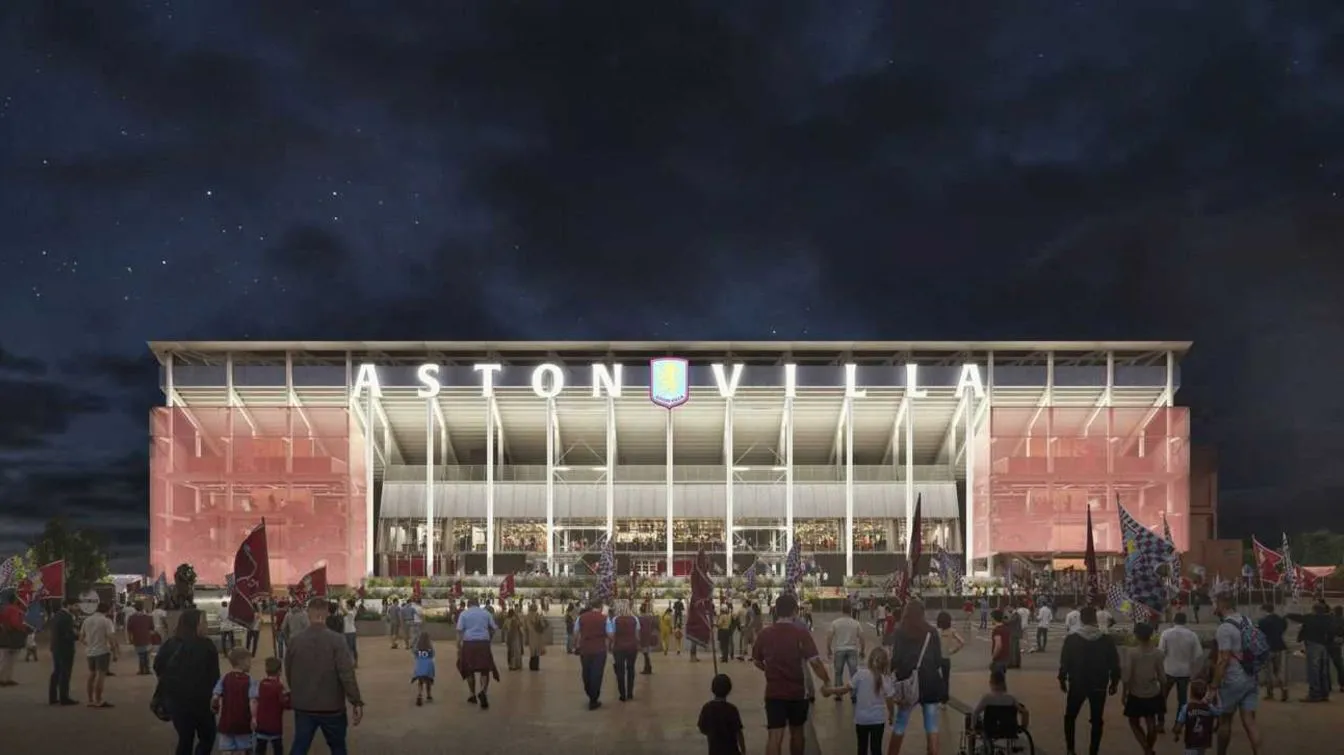
Key features include retaining the existing stand structure (rather than full demolition), upgrading concourses and amenities in the surrounding three stands, improving the external precincts, and enhancing transport links (notably Witton Station) to handle increased matchday load. Construction is scheduled to be completed in the second half of 2027, ahead of Villa Park’s role as a host venue for Euro 2028. The project is designed so that capacity will not drop below current levels during the works.
15. Nacionalni Stadion — Surčin, Belgrade (Serbia)
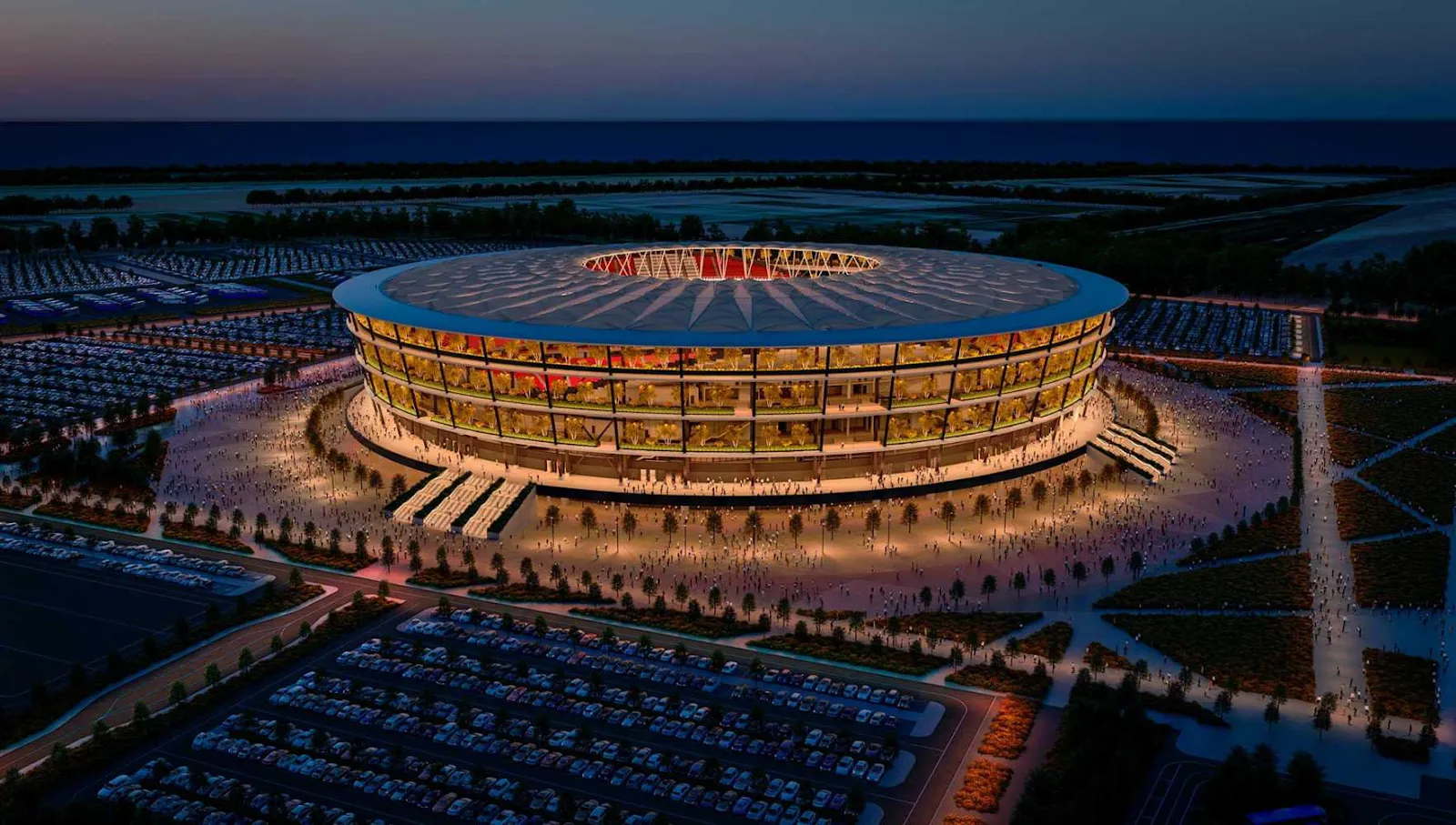
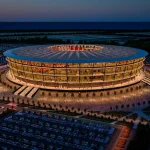
The “Nacionalni Stadion” project (Belgrade / Surčin) shows it is intended as a new national stadium for Serbia, to host the national team and major events. Planned capacity has been reported in various earlier plans as approximately 50,000+ seats. The project is tied to broader national infrastructure and political priorities. Circular design with white-membrane roof and tree-filled terraces (“stadium-garden”), €1 billion investment, venue for Expo 2027 and 2028 Europa League final.
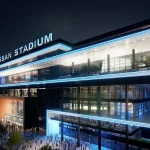
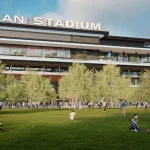
16. New Nissan Stadium — Tennessee Titans (Nashville, USA)
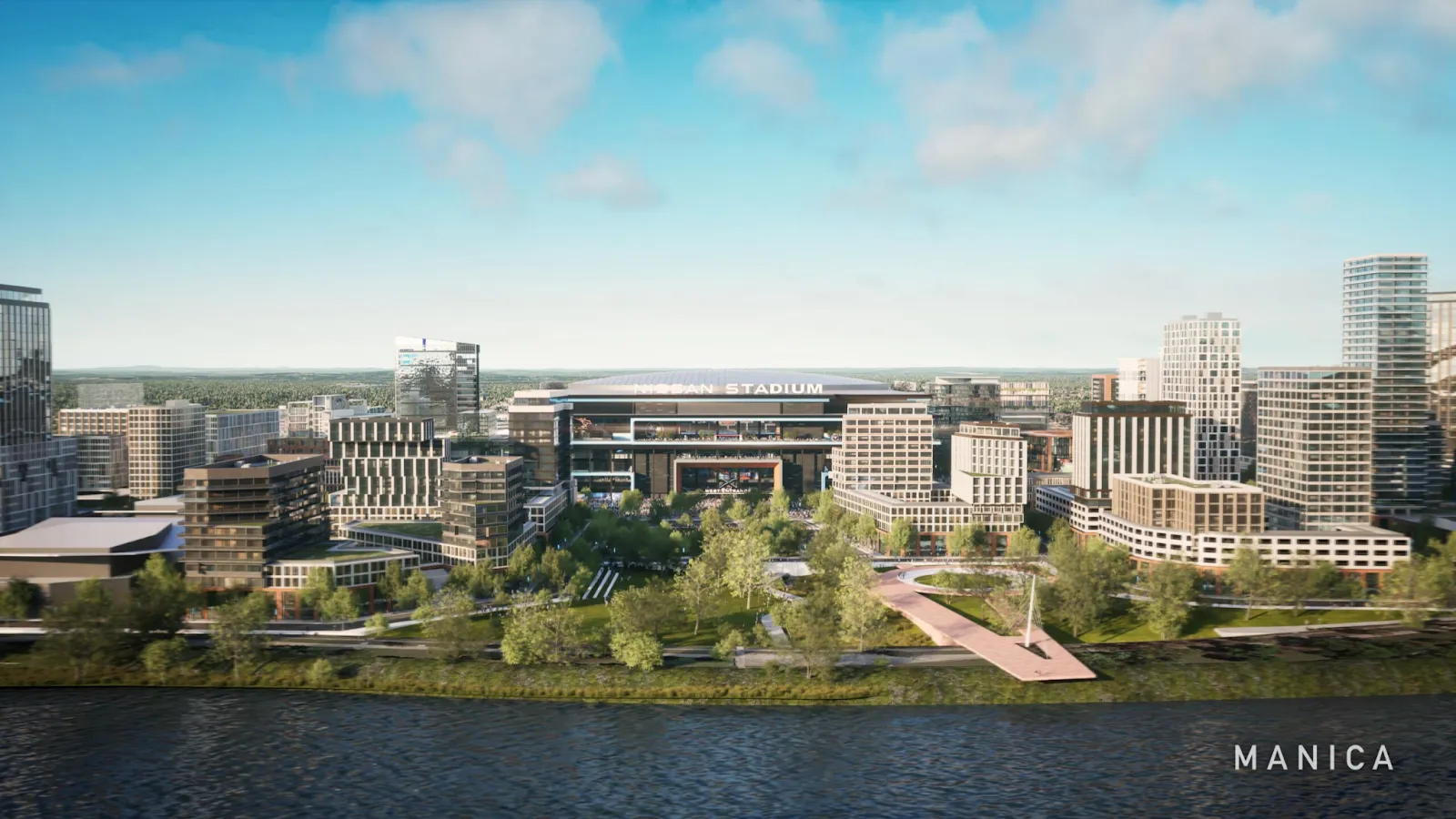
A planned NFL-scale replacement or major rebuild adjacent to or overlapping the current Nissan Stadium site, targeting a capacity of ~60,000+ to meet league norms. The vision includes state-of-the-art amenities: possibly a roof or retractable covering element, upgraded visual and audio systems. The timeline aims for opening in 2027, though substantial planning and land/ infrastructure work remain underway.
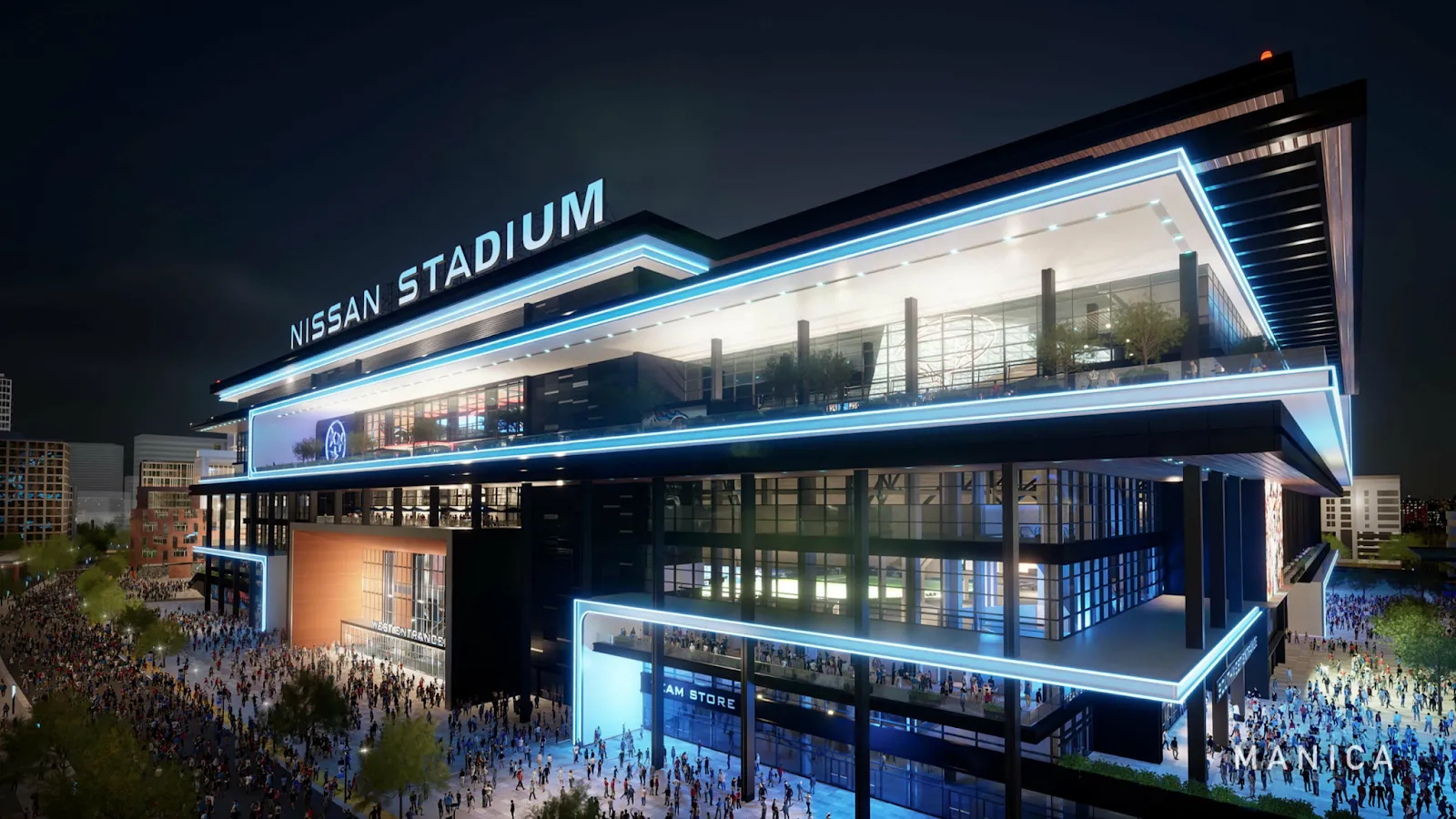
Major challenges are maintaining franchise operations during construction (phasing), dealing with local zoning and approvals, transit/road access enhancements, and cost inflation pressures. There is less detailed public information (so far) about the precise roof structure, facade treatment, or structural geometry compared with some of the other stadium projects.
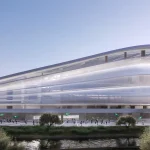
17. Hangzhou International Sports Center Stadium — Hangzhou, China
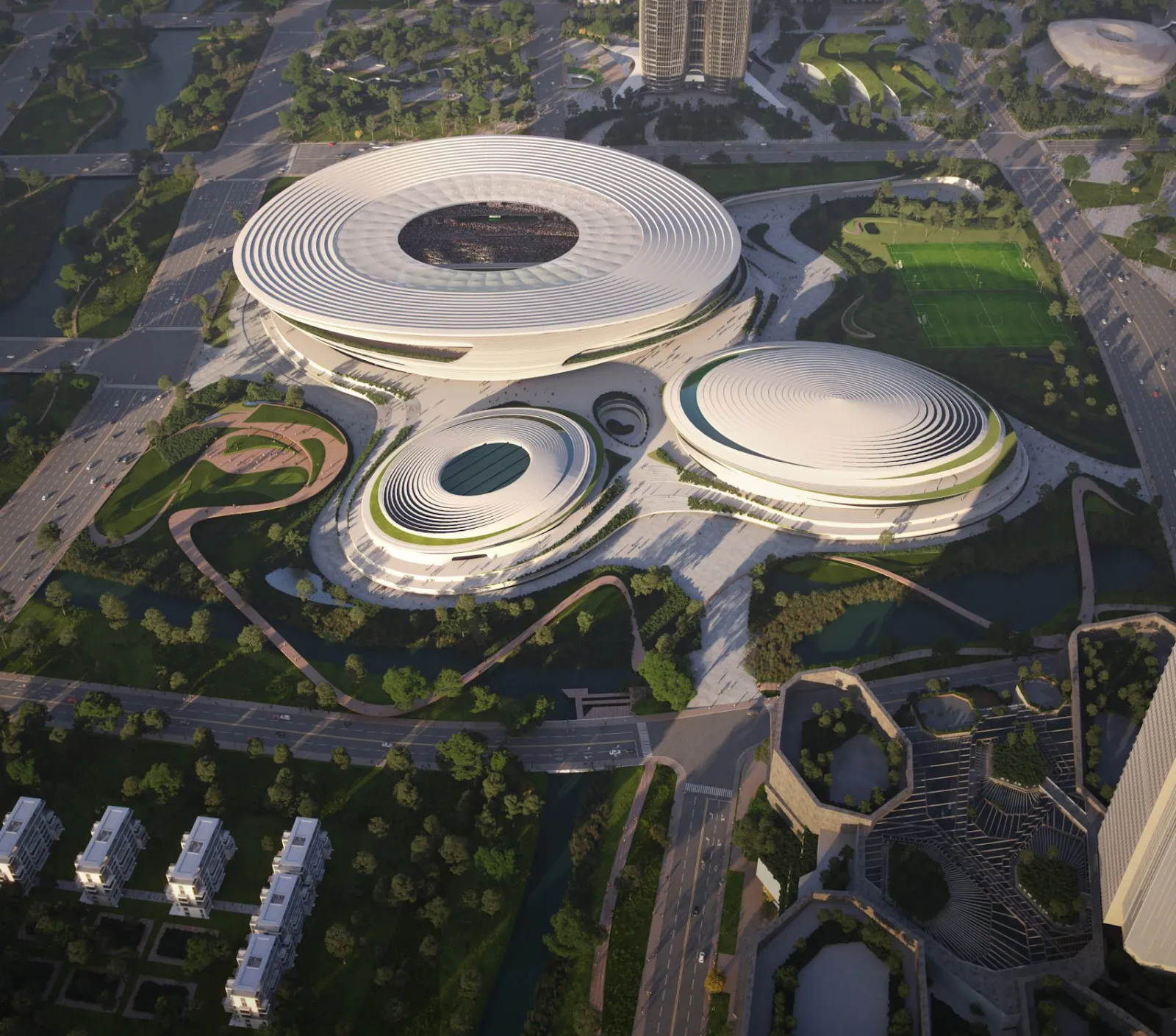
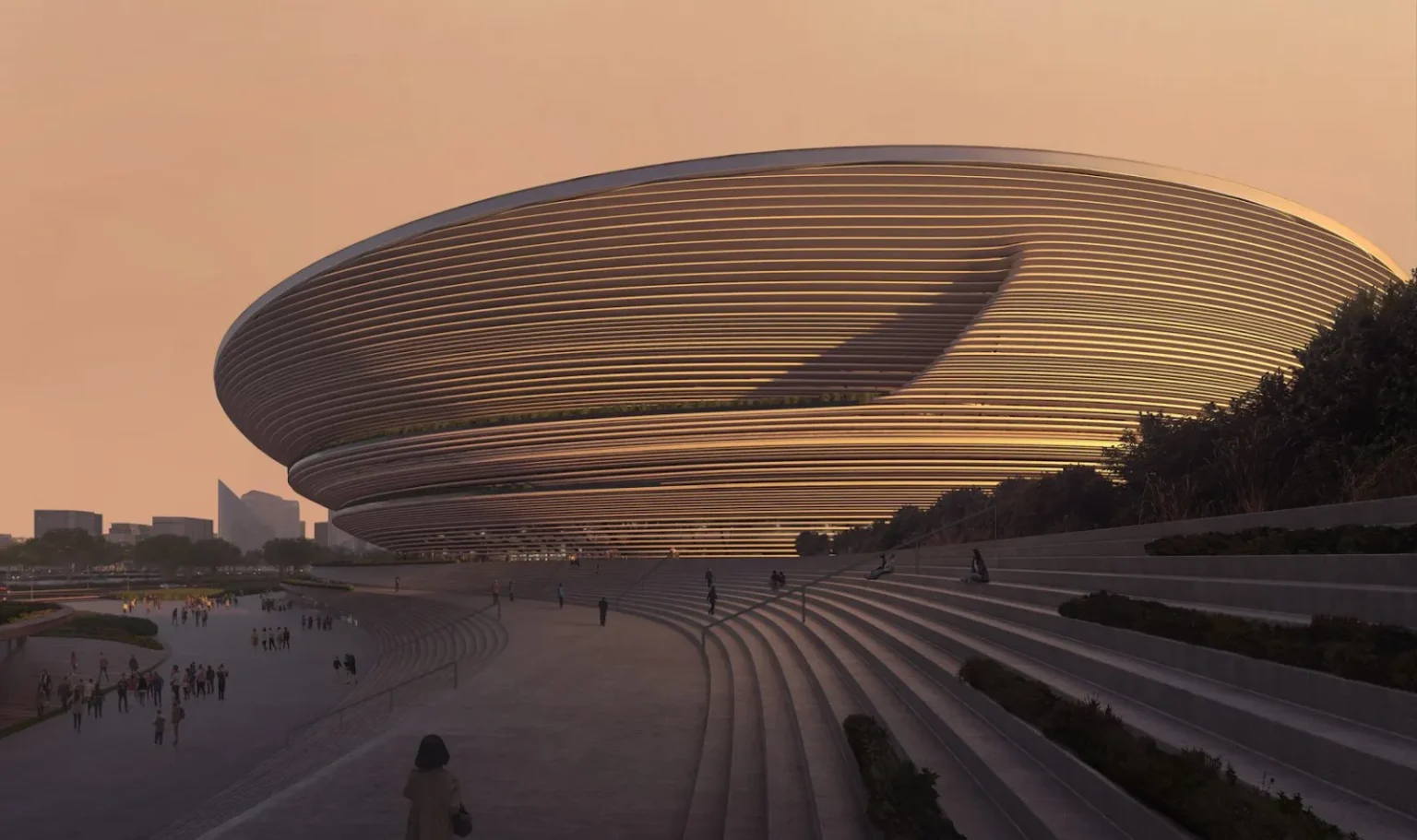
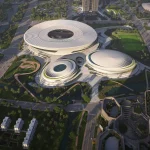
Designed by Zaha Hadid Architects (ZHA), this stadium is the centerpiece of a broader sports precinct in Hangzhou’s Future Science and Technology Cultural District. Capacity is ~60,000 for the stadium; the complex also includes an 18,000-seat indoor arena and a 3,000-seat aquatics centre.
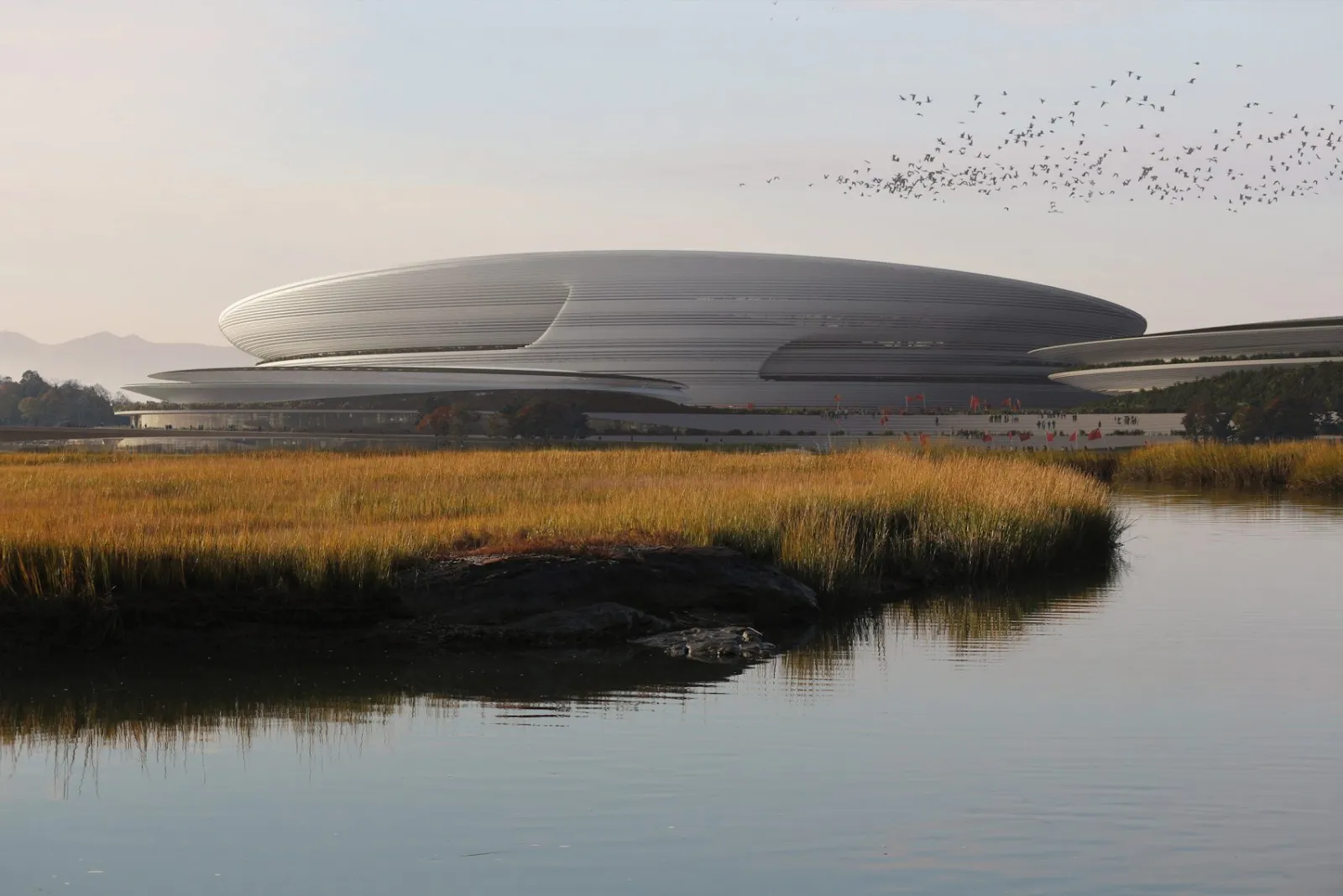
The stadium sits atop a stratified podium (~45,000 m²) which houses shared ancillary facilities (training/fitness halls, locker rooms, offices, shops, cafés) and incorporates courtyards and terraces. Horizontal louvres/slats inspired by the tea terraces around Hangzhou. From near distance, the façade appears solid and geological; from farther off, more transparent, blurring interior/exterior lines. Louvres also shelter terraces and food & beverage outlets with panoramic city views.
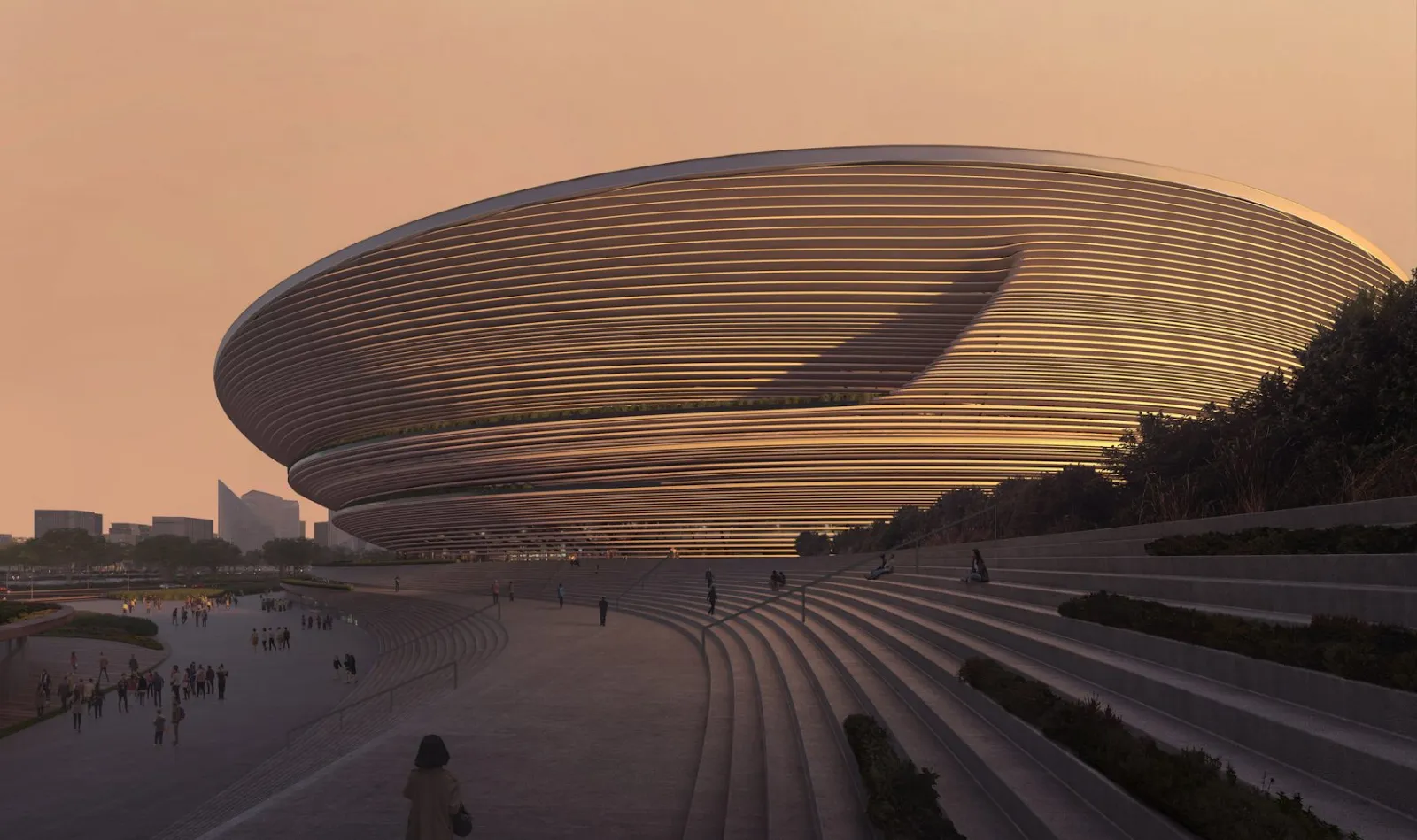
A saddle-shaped elliptical roof with transparent elements allowing natural lighting. The seating bowl is designed to bring spectators as close as possible to the pitch (within ~90 m from all seats) to maximize viewing quality. Natural hybrid ventilation is planned for much of the year. The entire complex will be connected to multiple metro lines. The complex is being built to a high rating under China’s Green Building Program (3-Star).
18. Estadio Benito Villamarín (Redevelopment) — Real Betis (Seville, Spain)
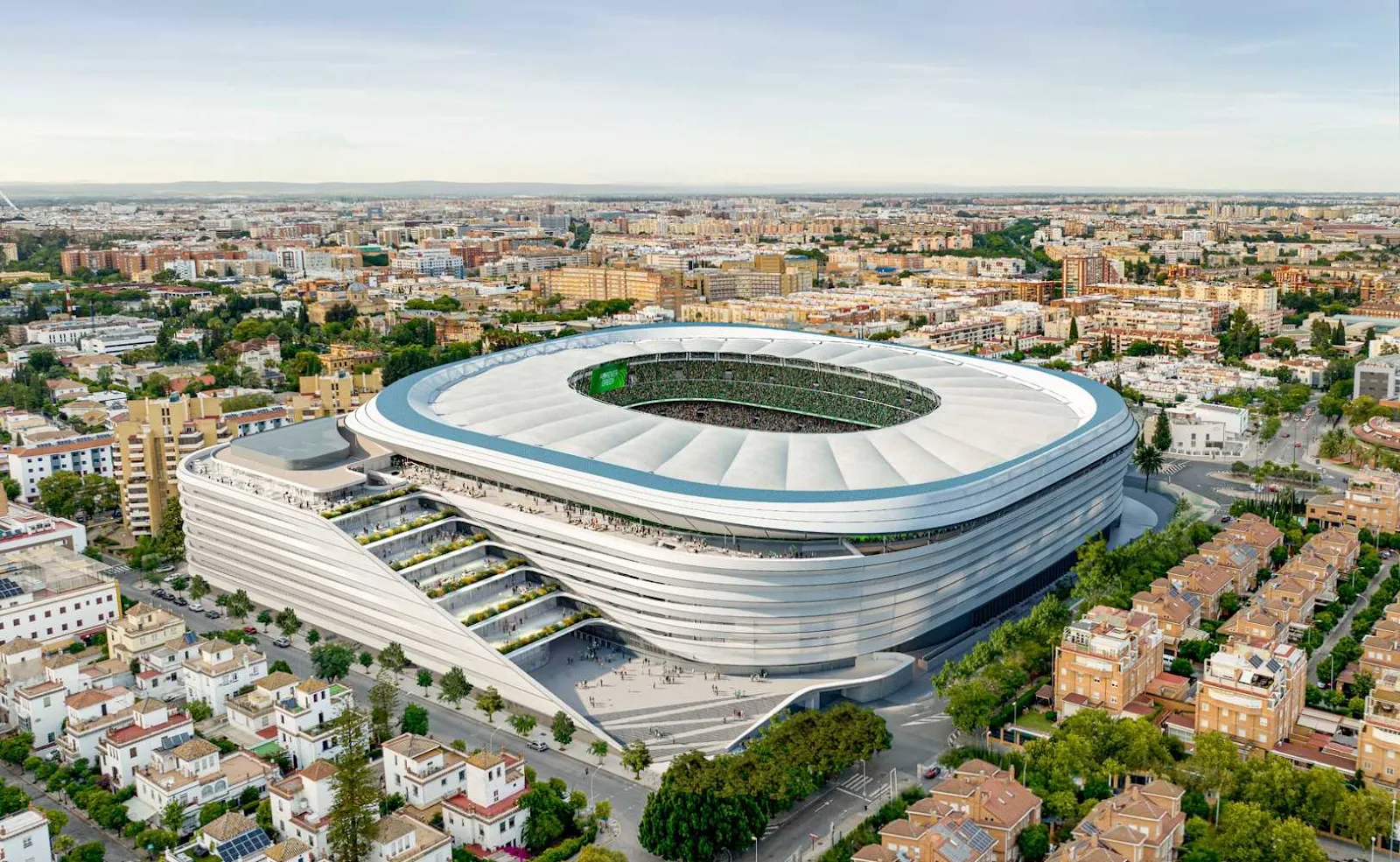
The Estadio Benito Villamarín Stadium includes upgrades to VIP facilities, improvements to the roof (covering more stands or enhancing the existing roof structure), structural reinforcement, and possibly partial reconstruction of stands. The aim is a moderate capacity increase (above ~60,379, depending on final design). Constraints include maintaining match schedules during construction, respecting heritage and architectural context (Seville’s climate, local materials), and managing fan disruption. Final expansion phase for Real Betis, entire stadium roofed for the first time, striking façade inspired by the club crest.
19. Addis Ababa National Stadium — Addis Ababa, Ethiopia
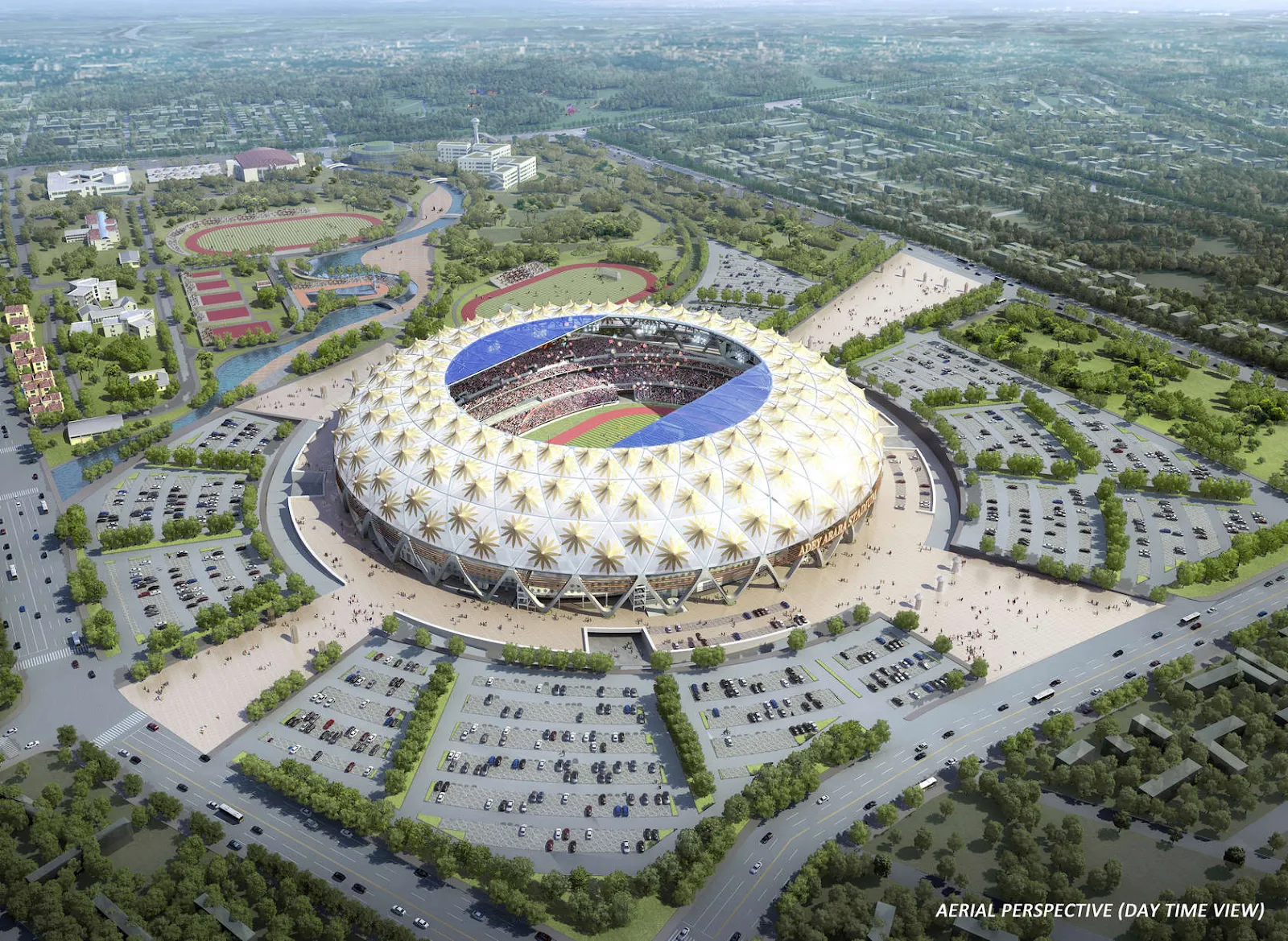
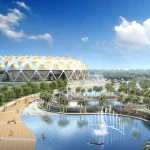
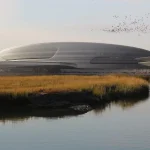
This is a new, large national stadium under construction, capacity of ~62,000, intended for football, athletics, and national events. It is being positioned as a signature facility in East Africa for CAF / AFCON matches. Many project trackers place their opening in 2027. Key considerations are the topography (Addis Ababa is high altitude), climate resilience (rain, sunlight, heat management), and infrastructure, roads, power, and transport access. Part of a 67-hectare sports complex, semi-open steel dome with a unique membrane silhouette.
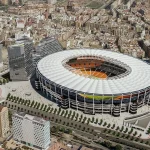
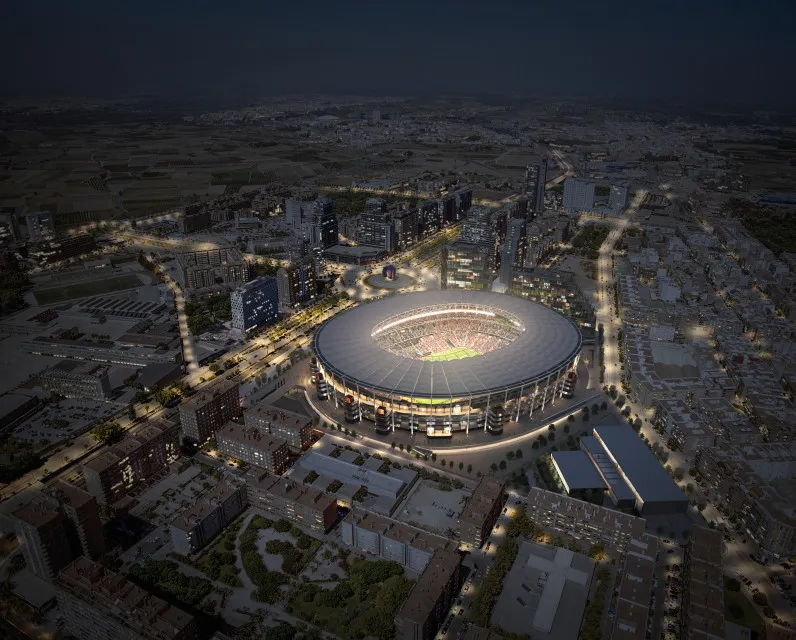
20. Nou Mestalla — Valencia CF (Valencia, Spain)
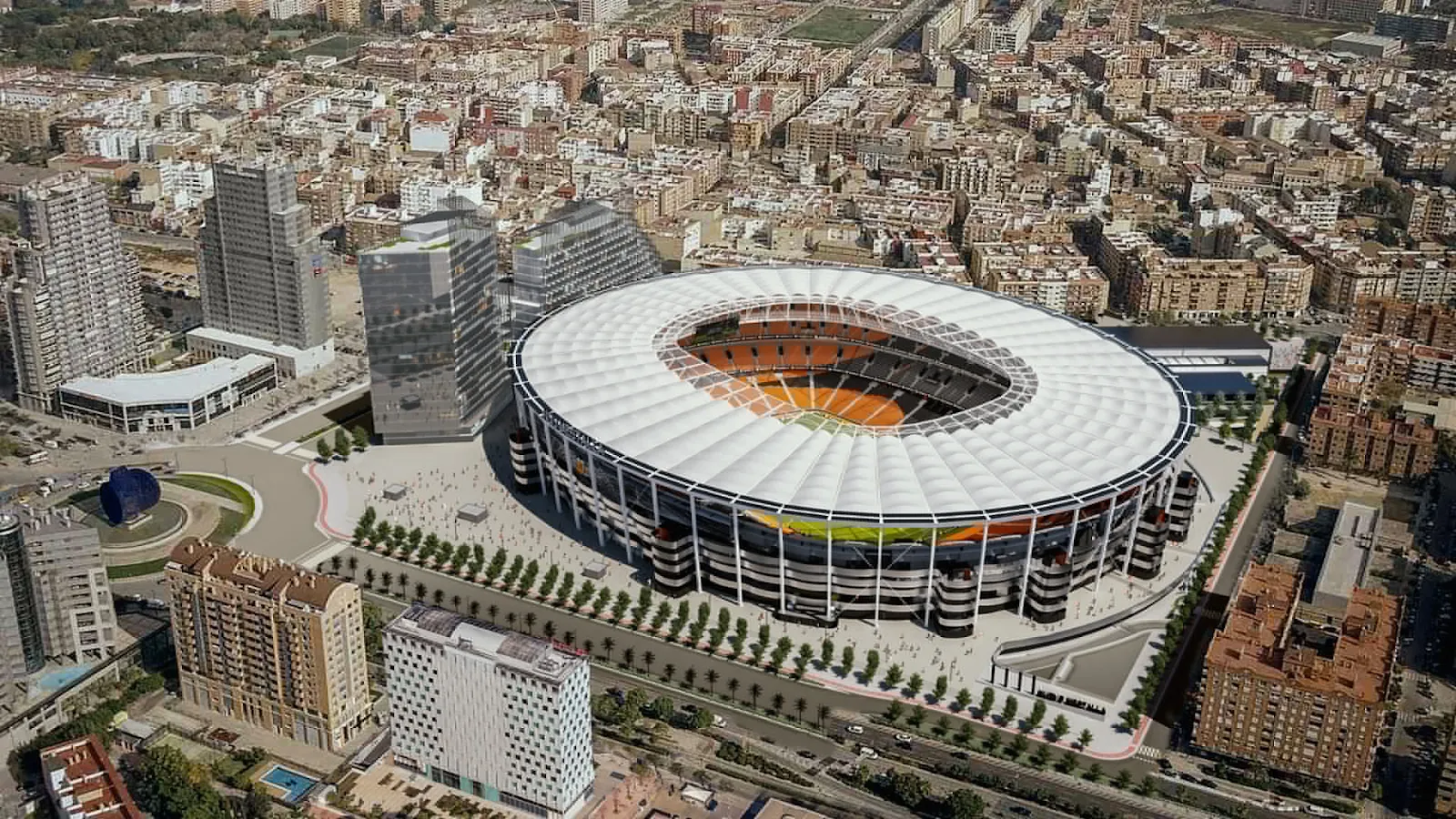
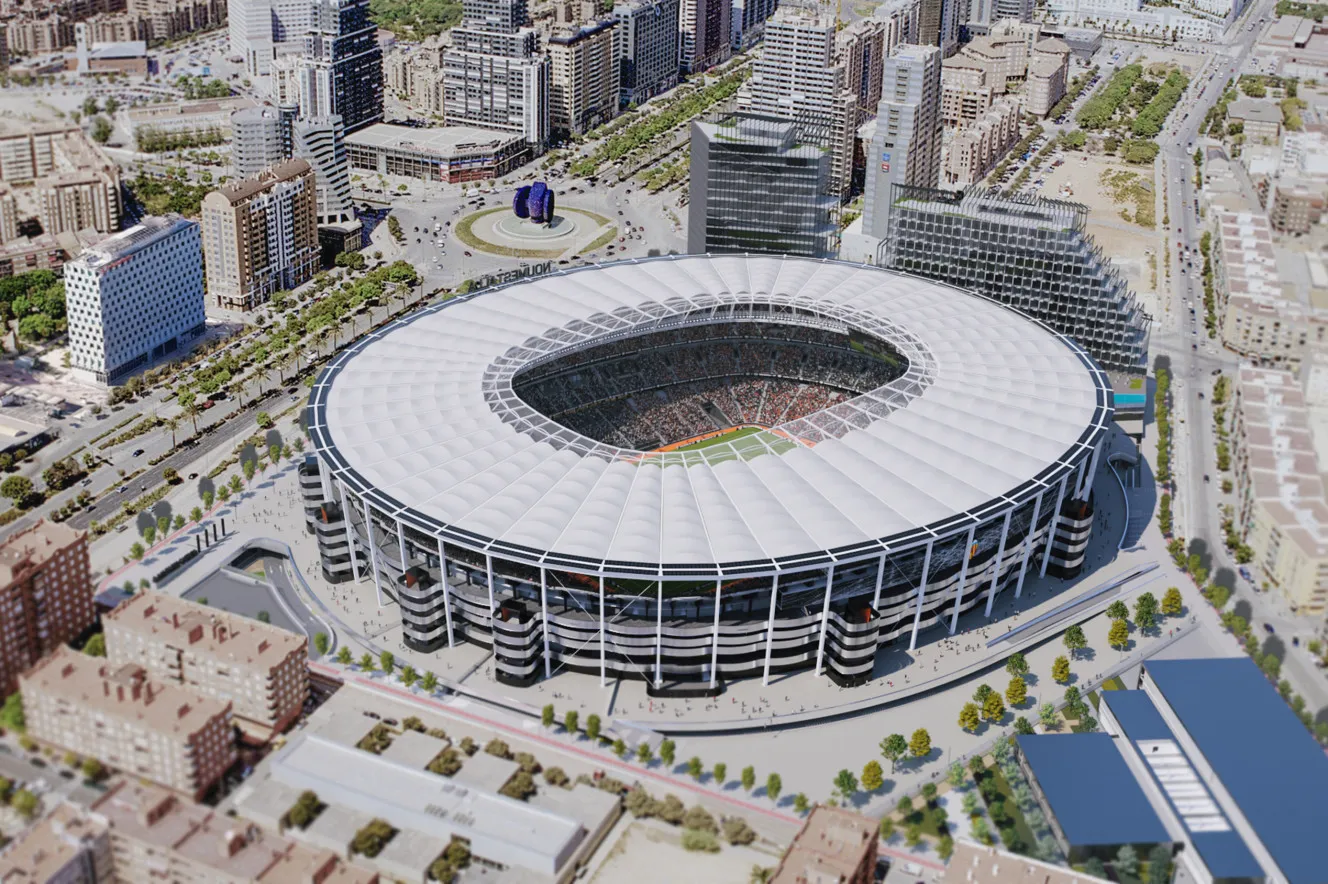
Nou Mestalla is designed to replace or augment the old Mestalla, with a full concrete bowl, a translucent roof covering all seating, and advanced amenities. Capacity is ~70,044. The move-in timeline is mid-2027 (targeted), assuming construction phases go smoothly. The roof is designed by Schlaich Bergermann & Partner, a firm with a strong pedigree in complex roofing systems. The roof will filter Mediterranean light, protect from sun and rain to every seat, enhance the acoustics of the venue, and include a photovoltaic installation.
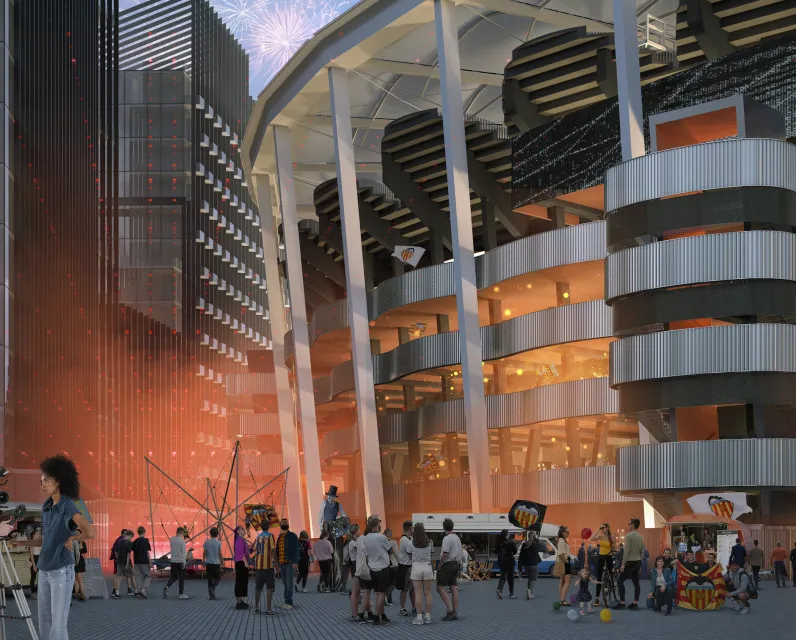
Dynamic, wavy ribbons in the façade (including stair towers and the supporting podium), which twist and turn; terraces will surround the stadium. The stands’ interior will prominently feature the club’s colour (orange) and display the bat symbol. The stadium is to adhere to green architecture principles, energy-saving systems, and efficient material use. It will comply with UEFA’s sustainable infrastructure guidelines. Also, the design expands urban and public space: ~20,000 m² more urban/pedestrian/public gathering area; municipal sports centre for residents; a 6,000 m² square (fan plaza) next to a major avenue.