

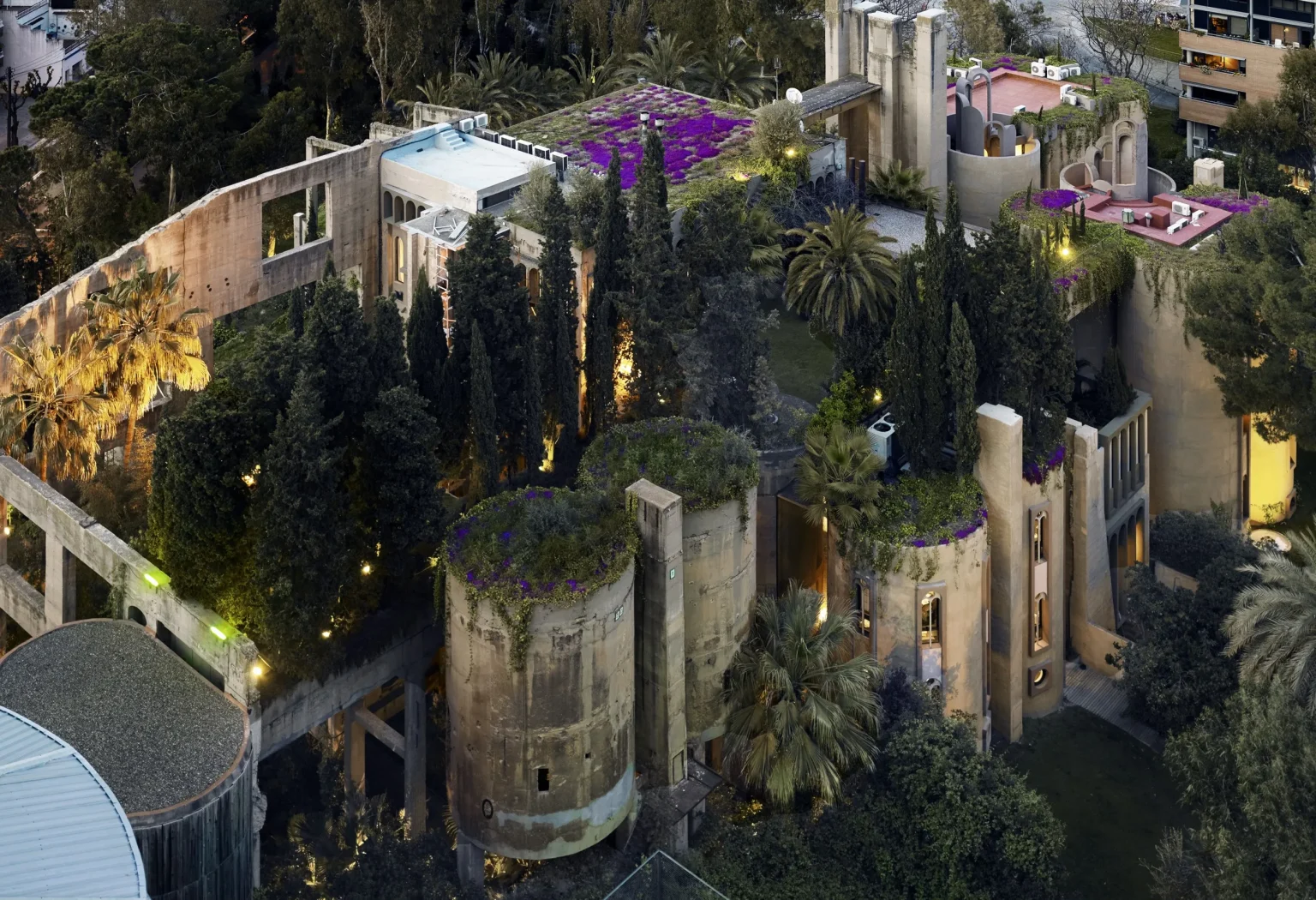
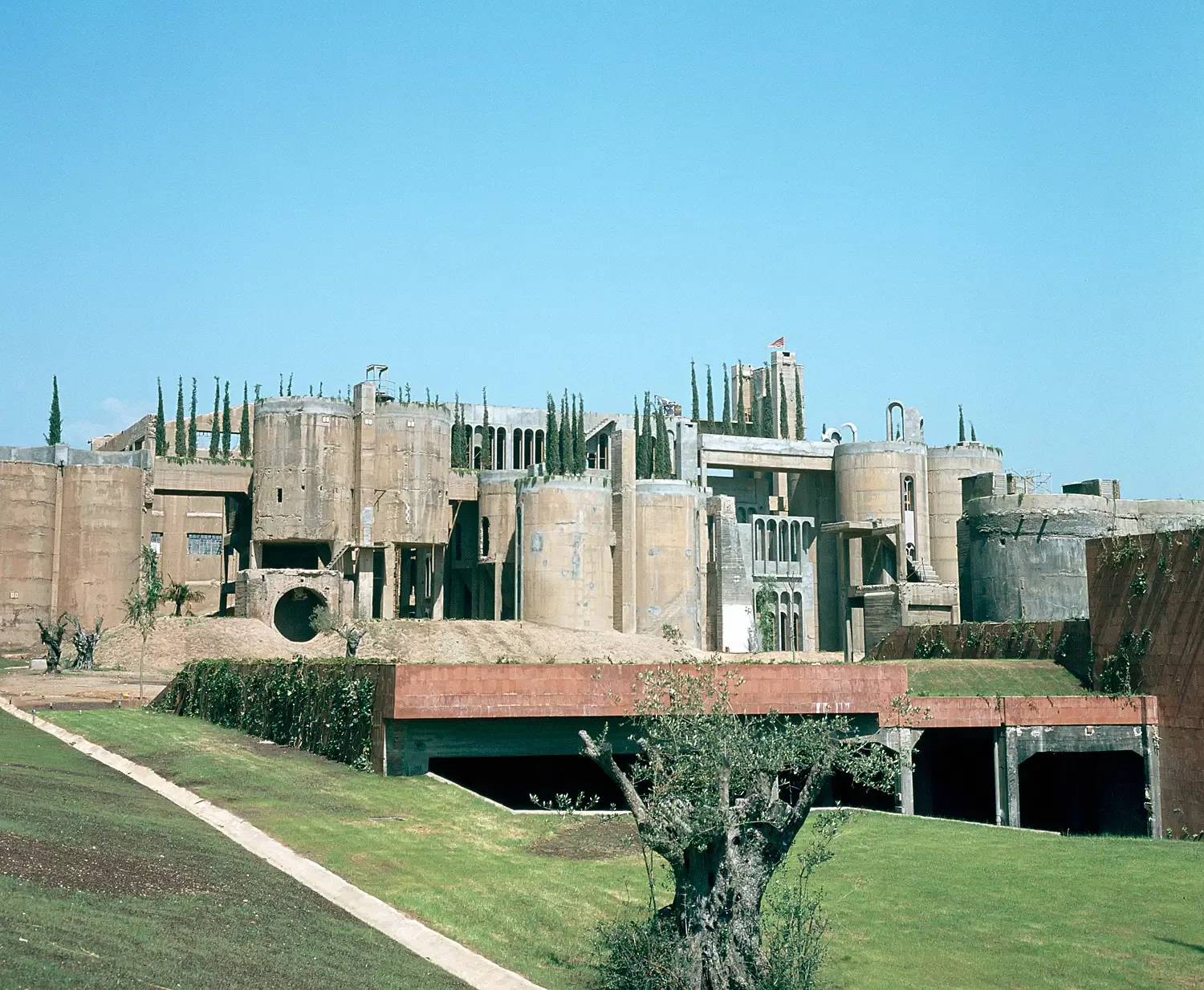




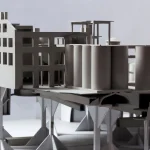
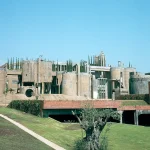

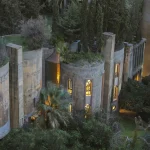

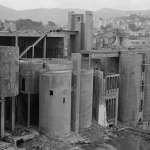
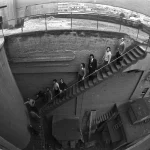
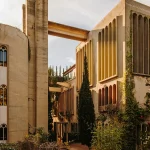
In 1973, on the outskirts of Barcelona, Ricardo Bofill discovered an abandoned industrial complex. Overgrown and partially collapsed, the site was filled with silos, tunnels, and exposed concrete shells. He acquired the property and began reshaping what remained.
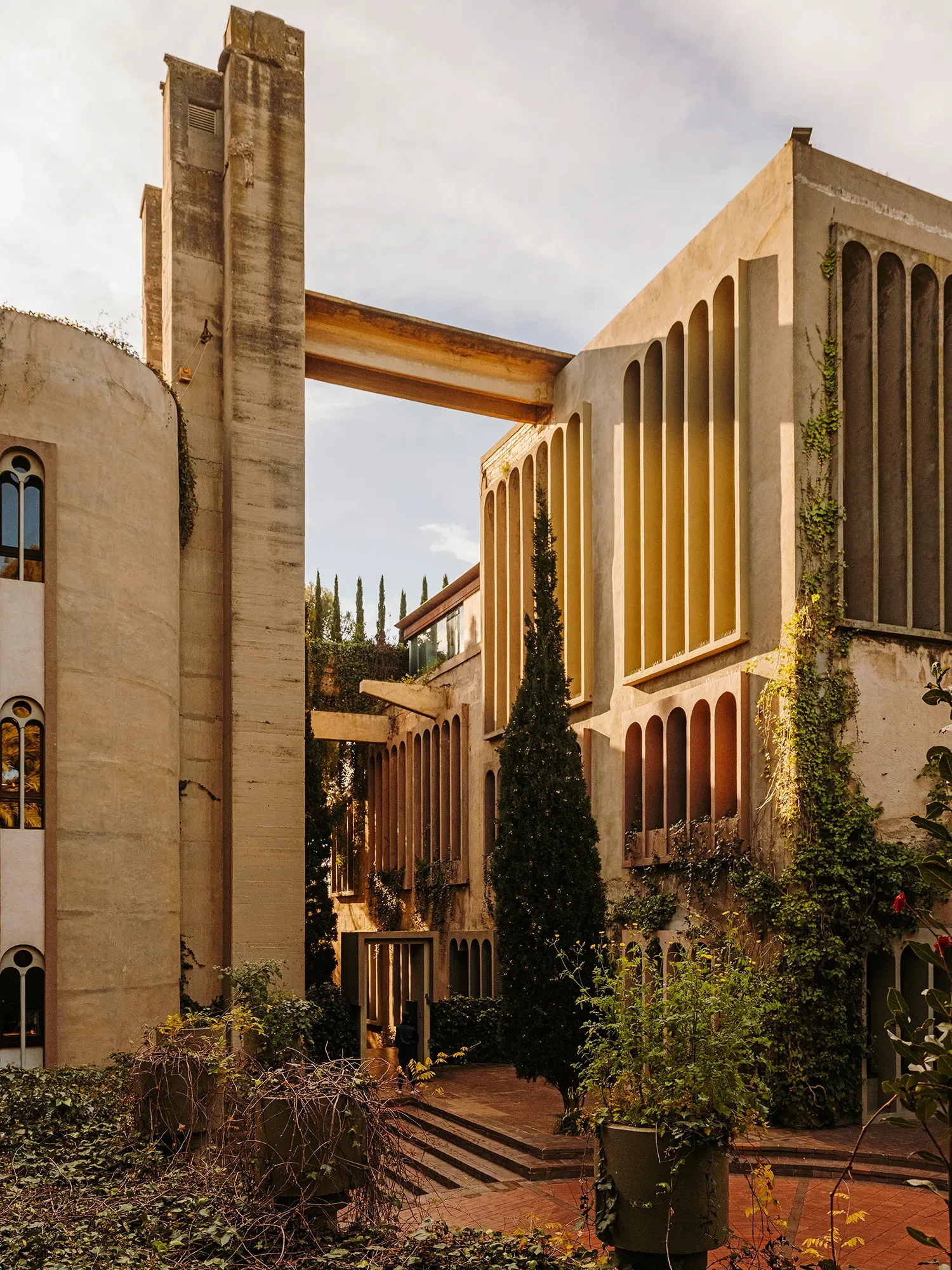
Known as La Fábrica, the complex became both his home and the headquarters of Ricardo Bofill Taller de Arquitectura. It is now considered one of the most significant examples of adaptive reuse in Europe.
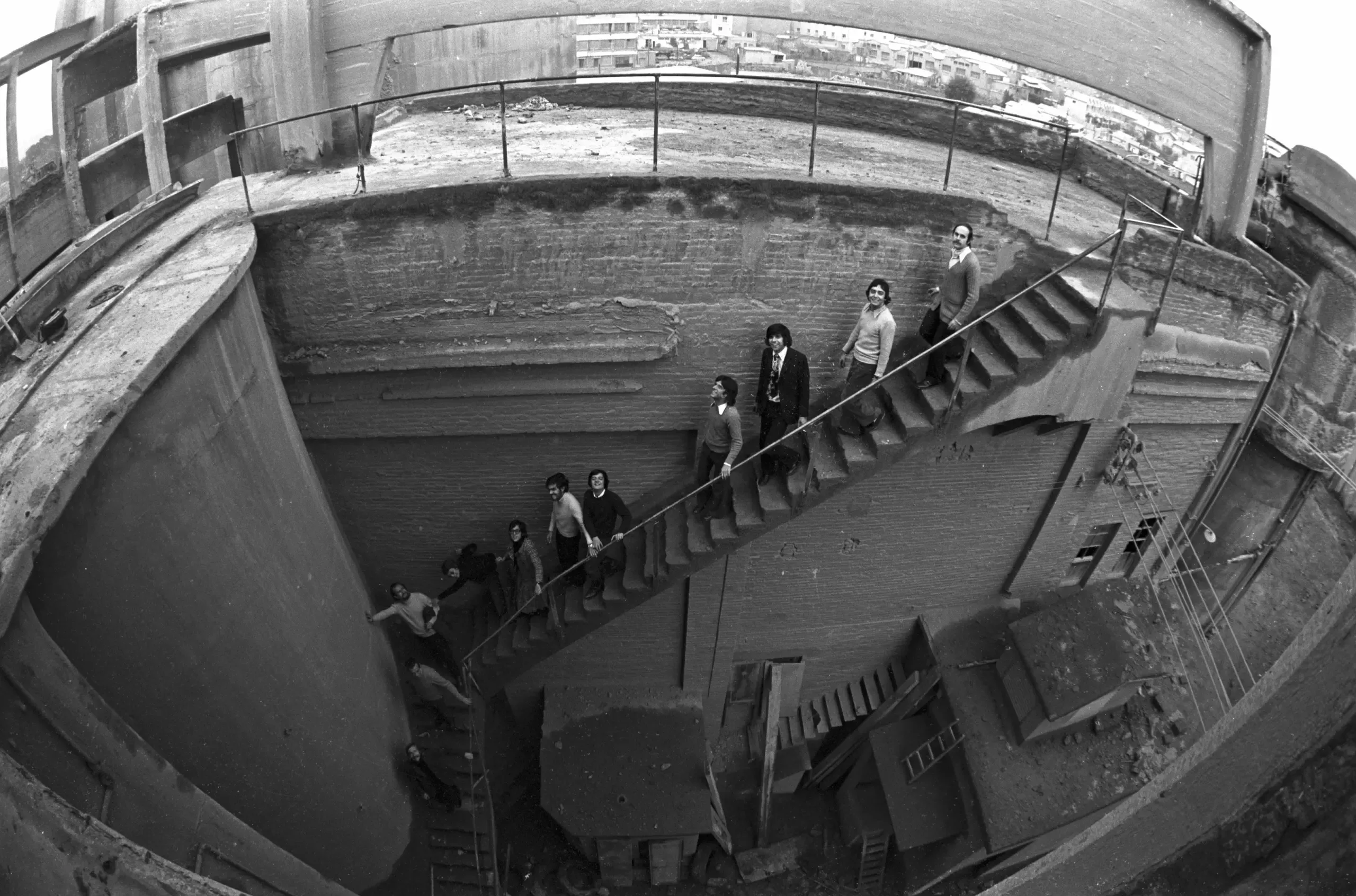
The Industrial Bones Beneath La Fábrica
Originally built in the post-World War I era, the site began as a concrete factory constructed in phases through the early 20th century. As production demands evolved, it expanded over time, reflecting changes in industrial needs and architectural language.
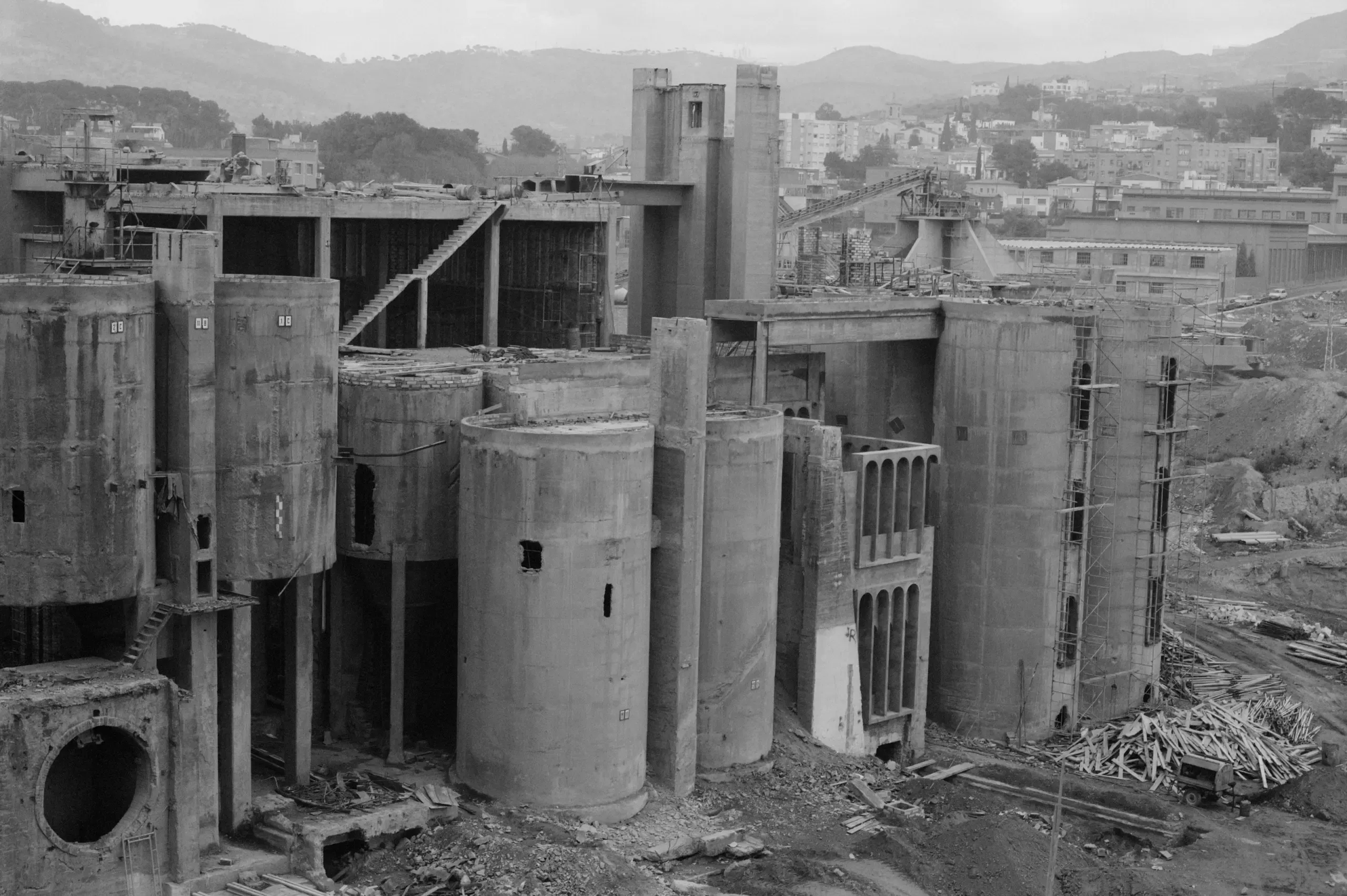
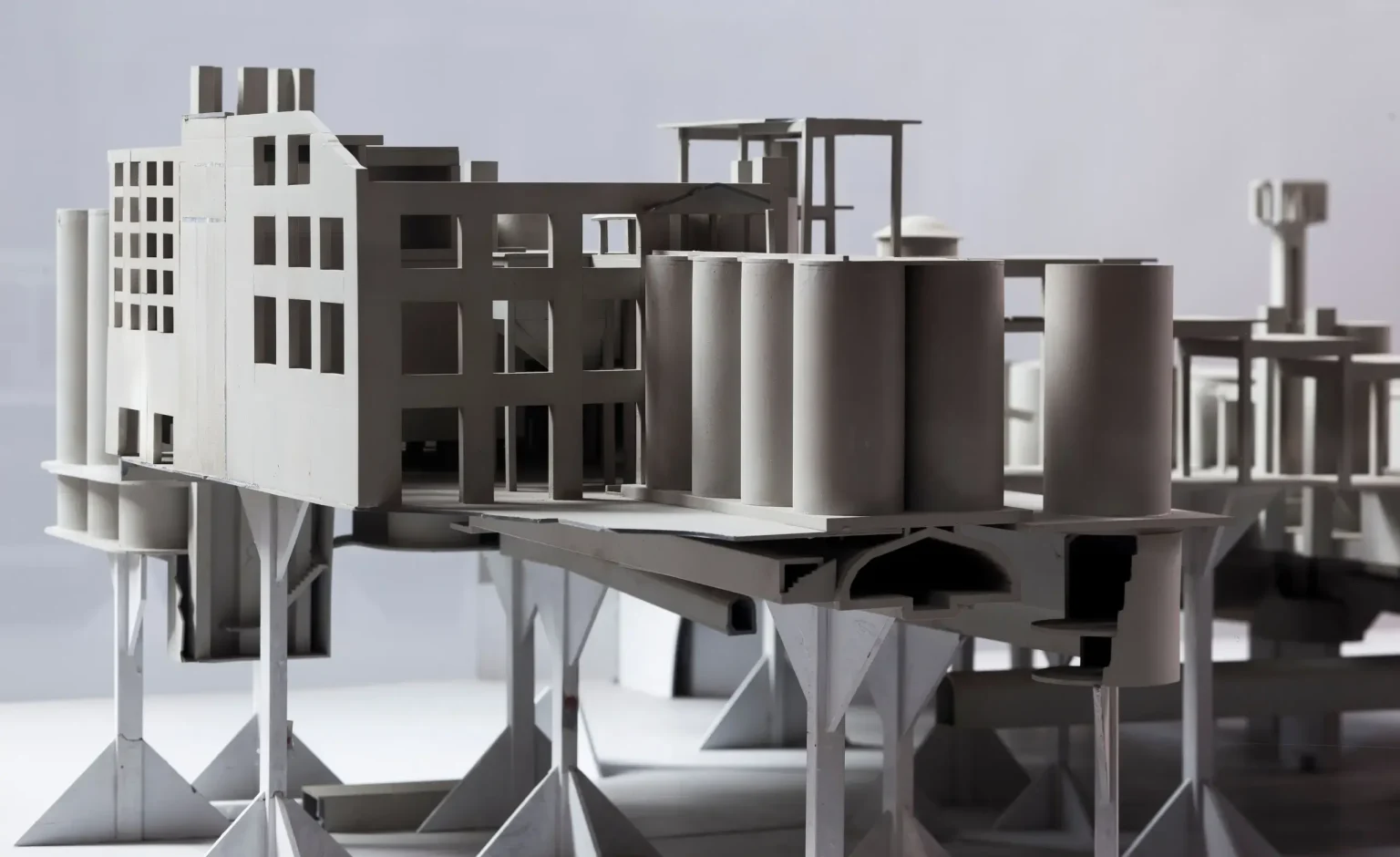
When Ricardo Bofill came across it in 1973, the factory had fallen into partial ruin. The 3,100-square-metre site was overgrown and fragmented, its vast interiors filled with dust, rusted equipment, and silence. Bofill called it La Fábrica. Over the next two years, he and his team undertook a surgical demolition, removing 22 silos and stripping out obsolete infrastructure while preserving what they saw as essential.
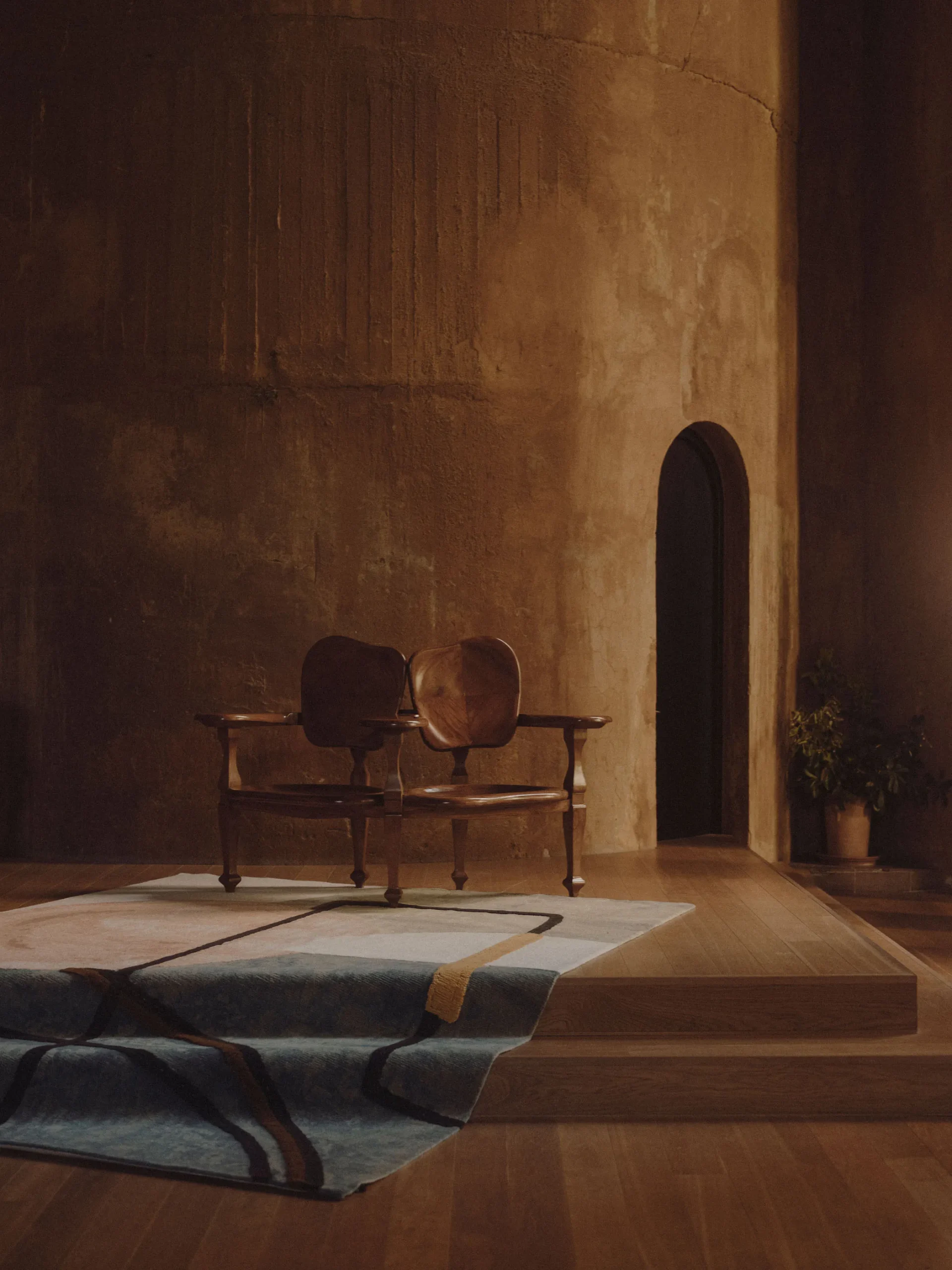
How Bofill Made a Factory His Home
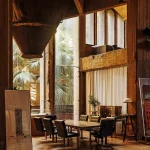
Walking through La Fábrica feels like navigating a film set, where every room belongs to a distinct genre. The former factory was reimagined around three core functions that housed Bofill’s private life, his architectural office, and a space for cultural work.
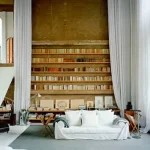
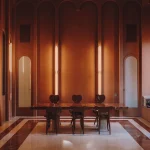
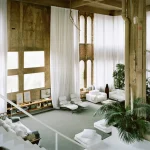
One of its central spaces is The Cathedral, a tall hall once used for storing cement. Bofill left it mostly intact, its scale preserved. Today, it serves multiple roles. It has held lectures, rehearsals, installations, and sometimes it is simply left quiet. Its openness speaks for itself.
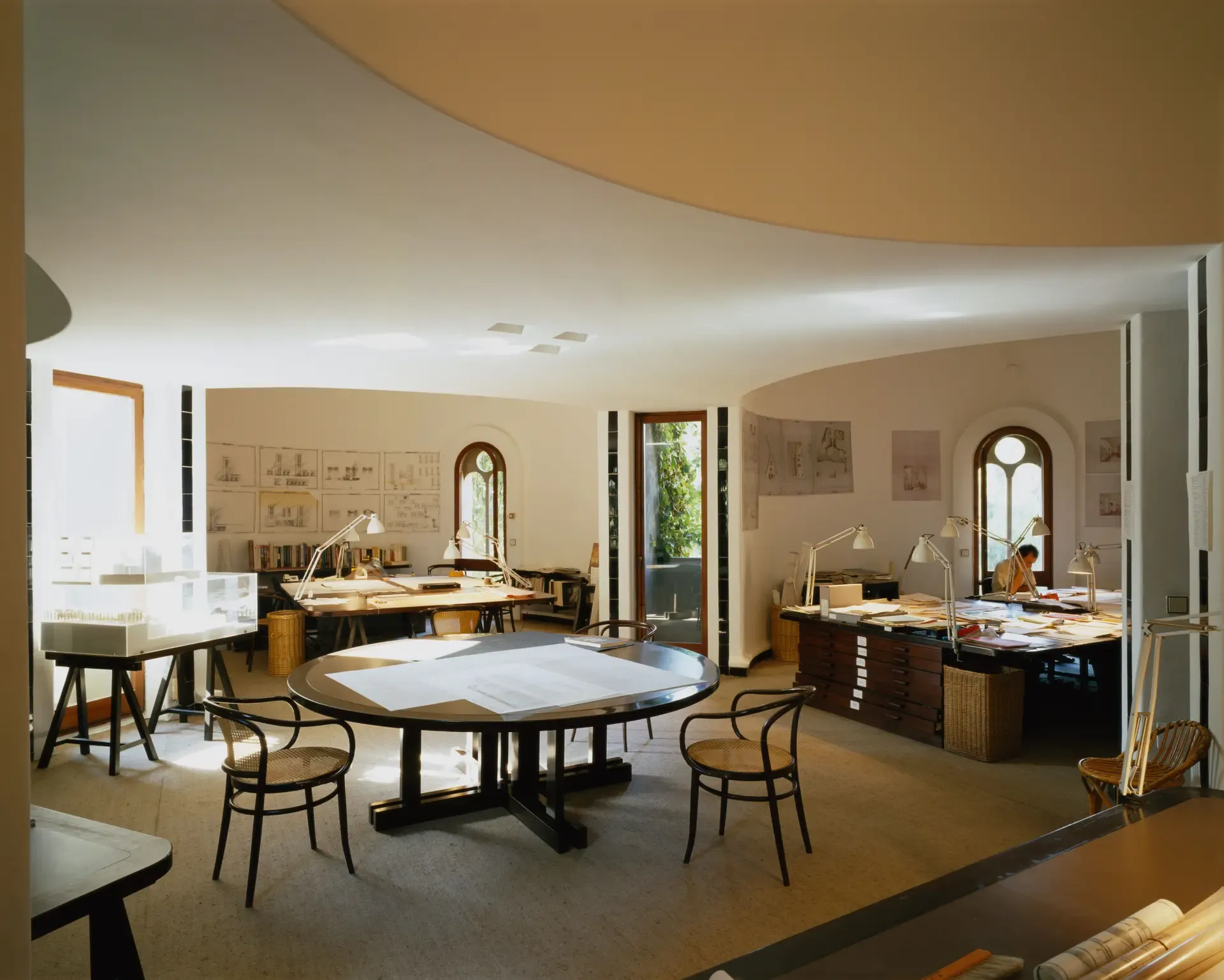
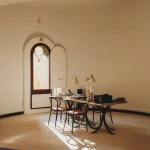
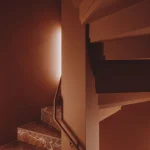
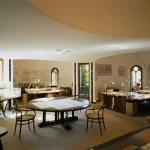
Nearby, the offices of Ricardo Bofill Taller de Arquitectura occupy several of the original silos. These contain drawing rooms, archives, and meeting spaces arranged across platforms and mezzanines that interlock vertically. The scale of the factory allowed for an unusual spatial hierarchy; there are no corridors or clear axes, only a gradual unfolding. Circulation is often spiral or stepped, without a formal entrance or grand threshold.
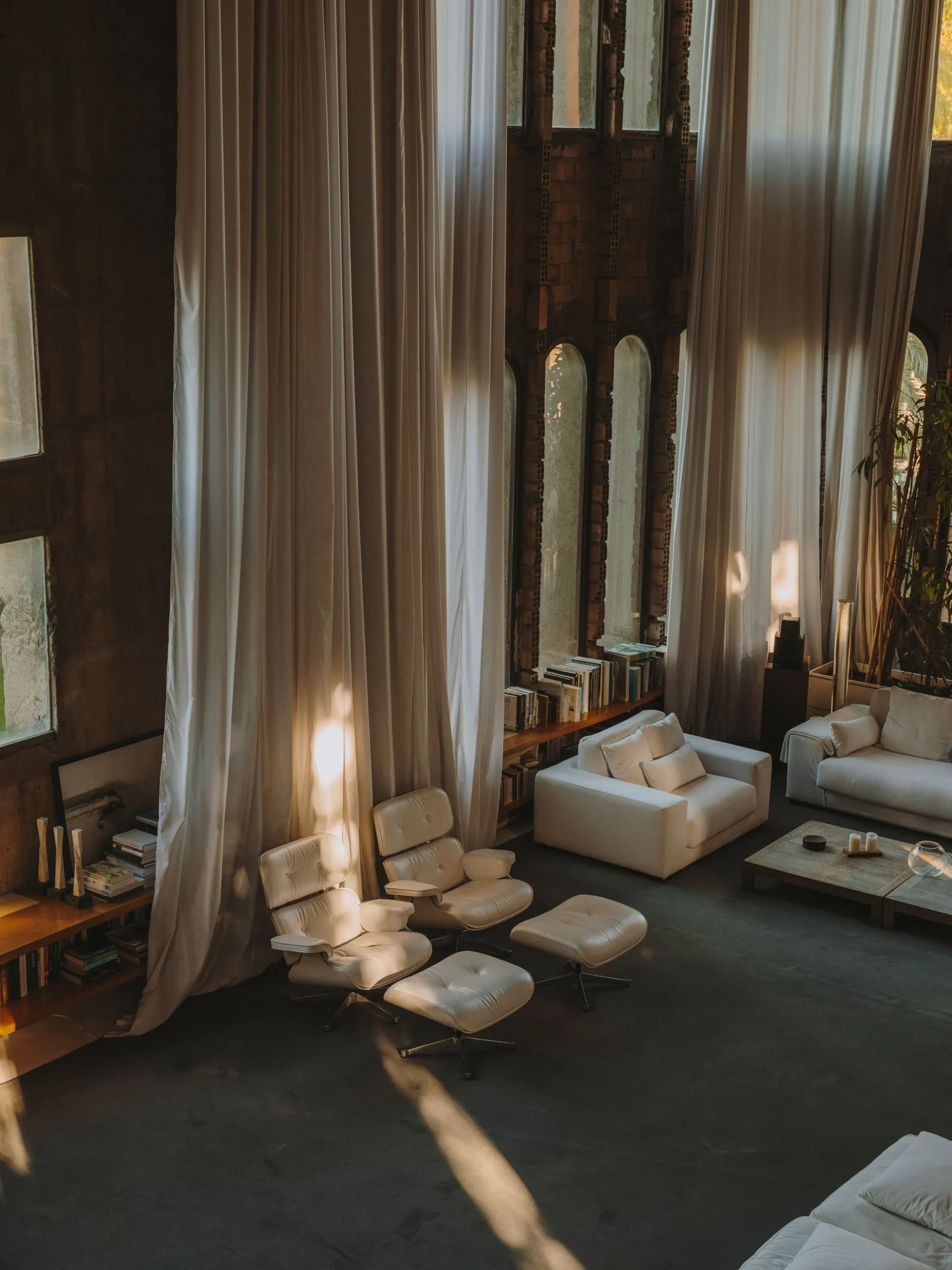
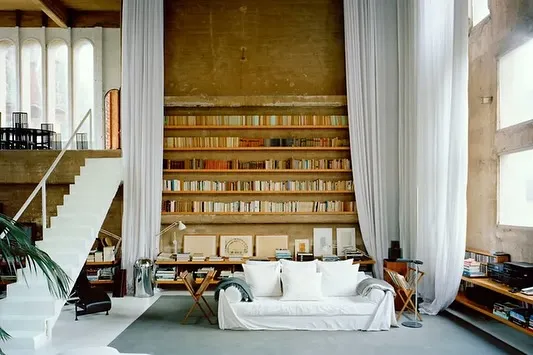
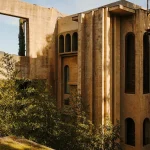
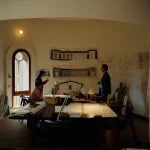
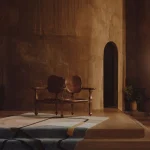
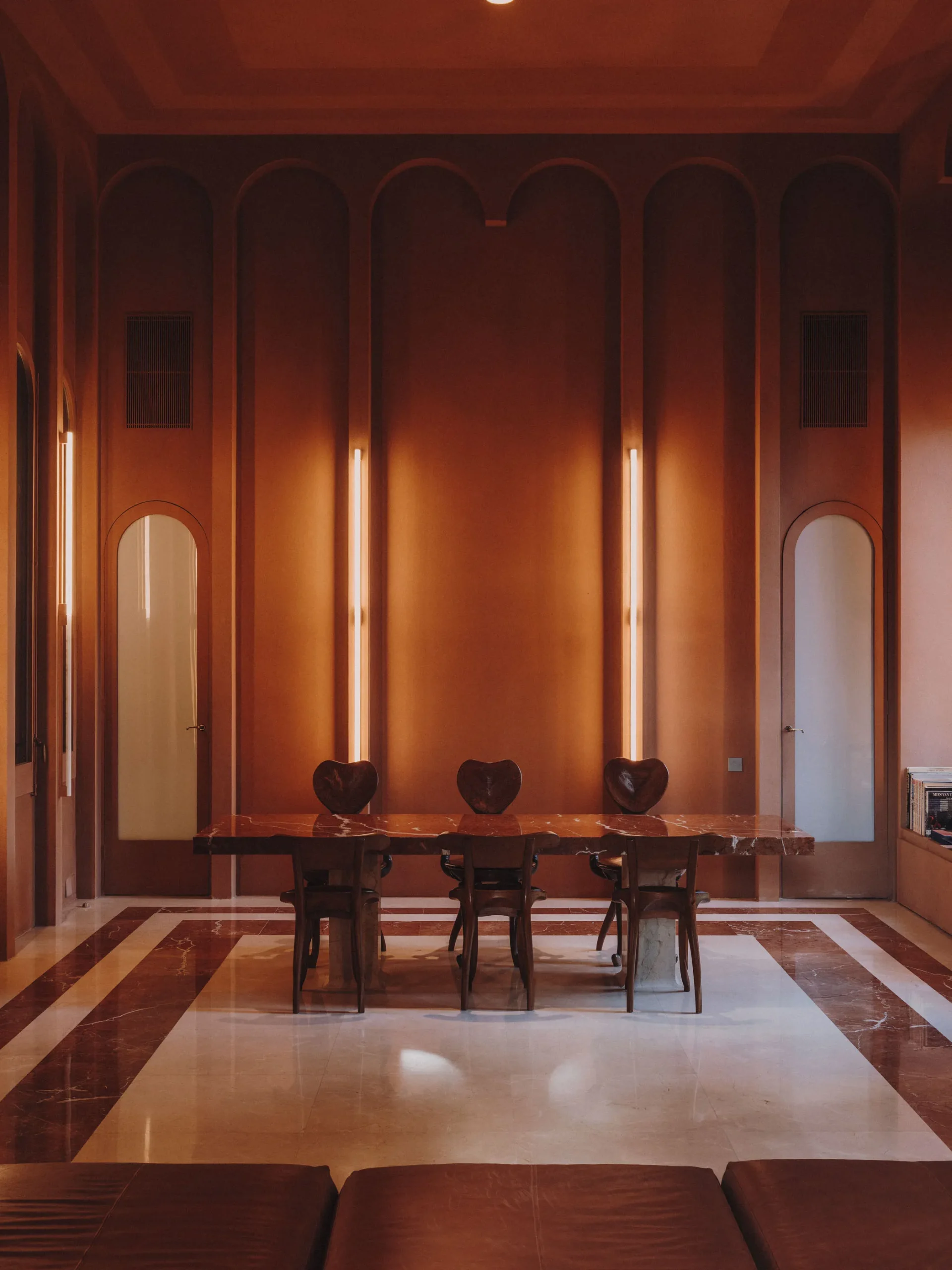
The residence is tucked into a quieter corner of the site, set within several of the original silos that once held raw industrial material. These became Bofill’s private quarters, where he lived until his death in 2022. Large arched openings were cut into thick concrete walls, framing views of the garden and sky beyond.
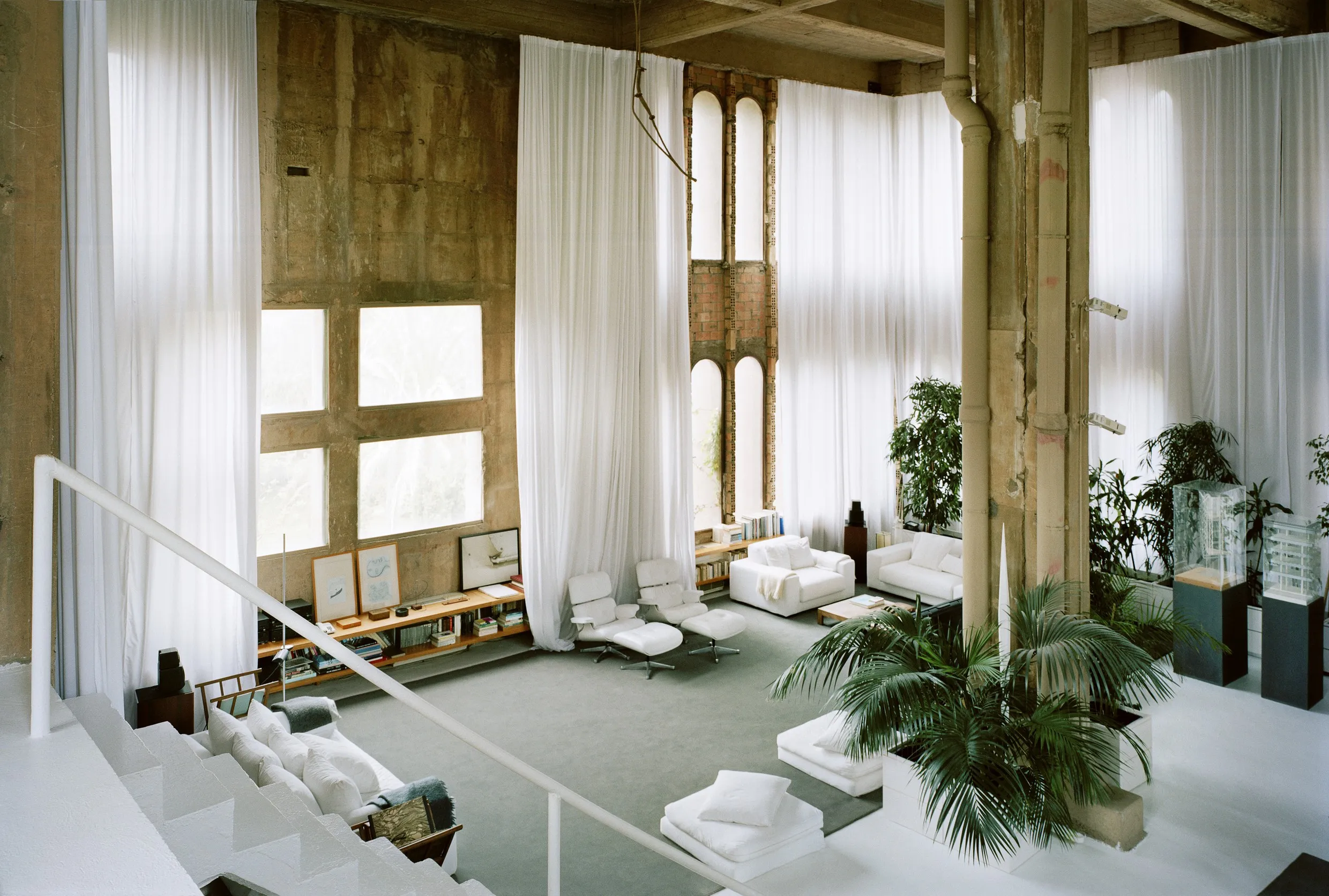
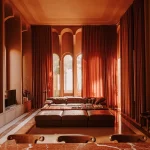
At the centre is the Cubic Room, a double-height space lit from above and anchored by a low fireplace. The interiors reflect Bofill’s restrained approach. Whitewashed walls, soft light, and minimal furnishings create a calm contrast against the heavy structure. The fireplaces, designed with Oscar Tusquets, bring warmth without pulling focus from the architecture itself.
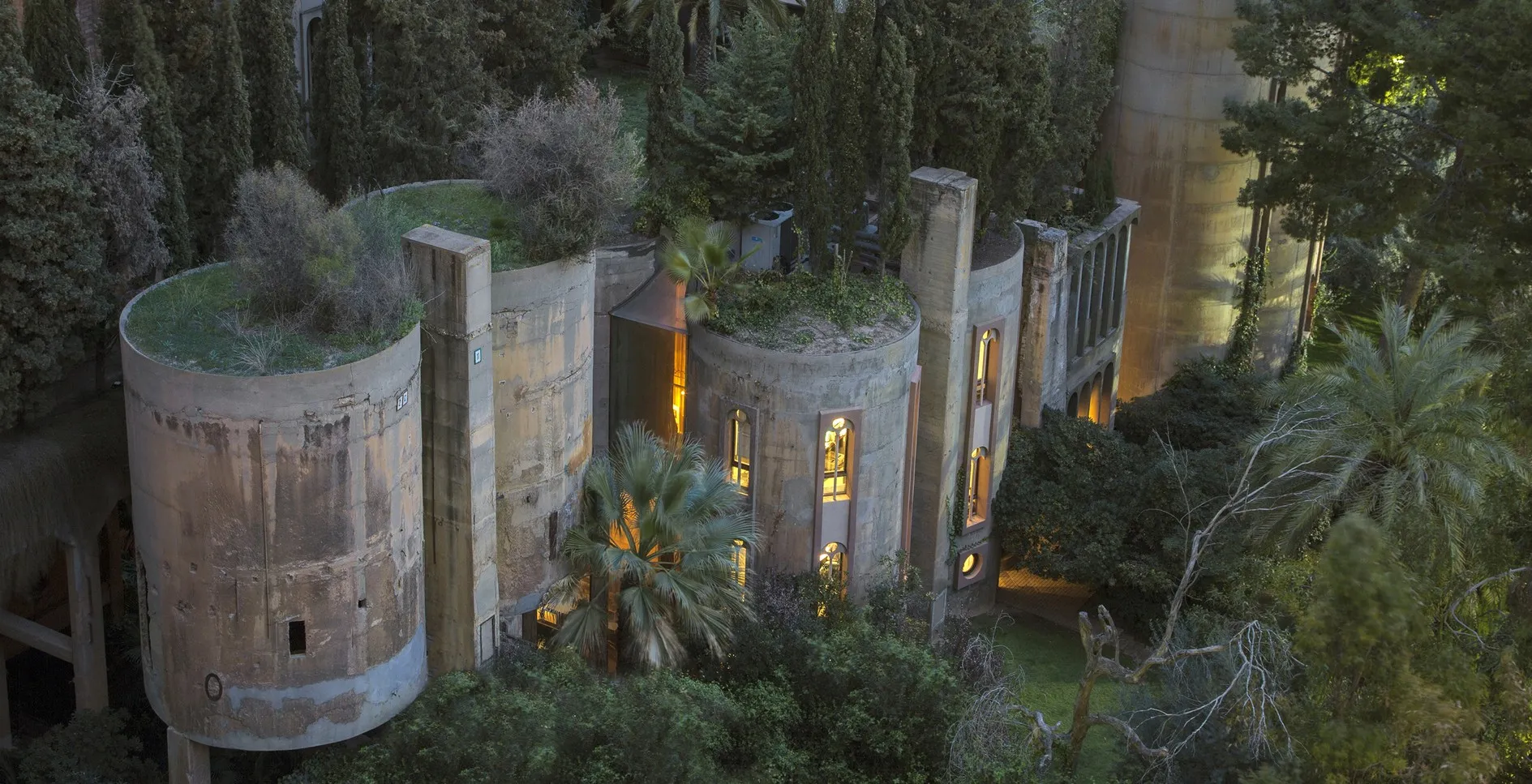
When Nature Reclaims Concrete
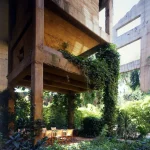
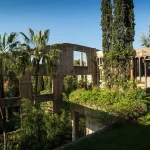
The factory’s exterior feels like a slow collision between infrastructure and landscape. Vines scale the concrete surfaces, while cypress, eucalyptus, palms, and olive trees define the perimeter, softening what was once an unforgiving industrial mass. The landscaping reframes rather than decorates the building. The boundary between built form and vegetation has been blurred, almost erased.
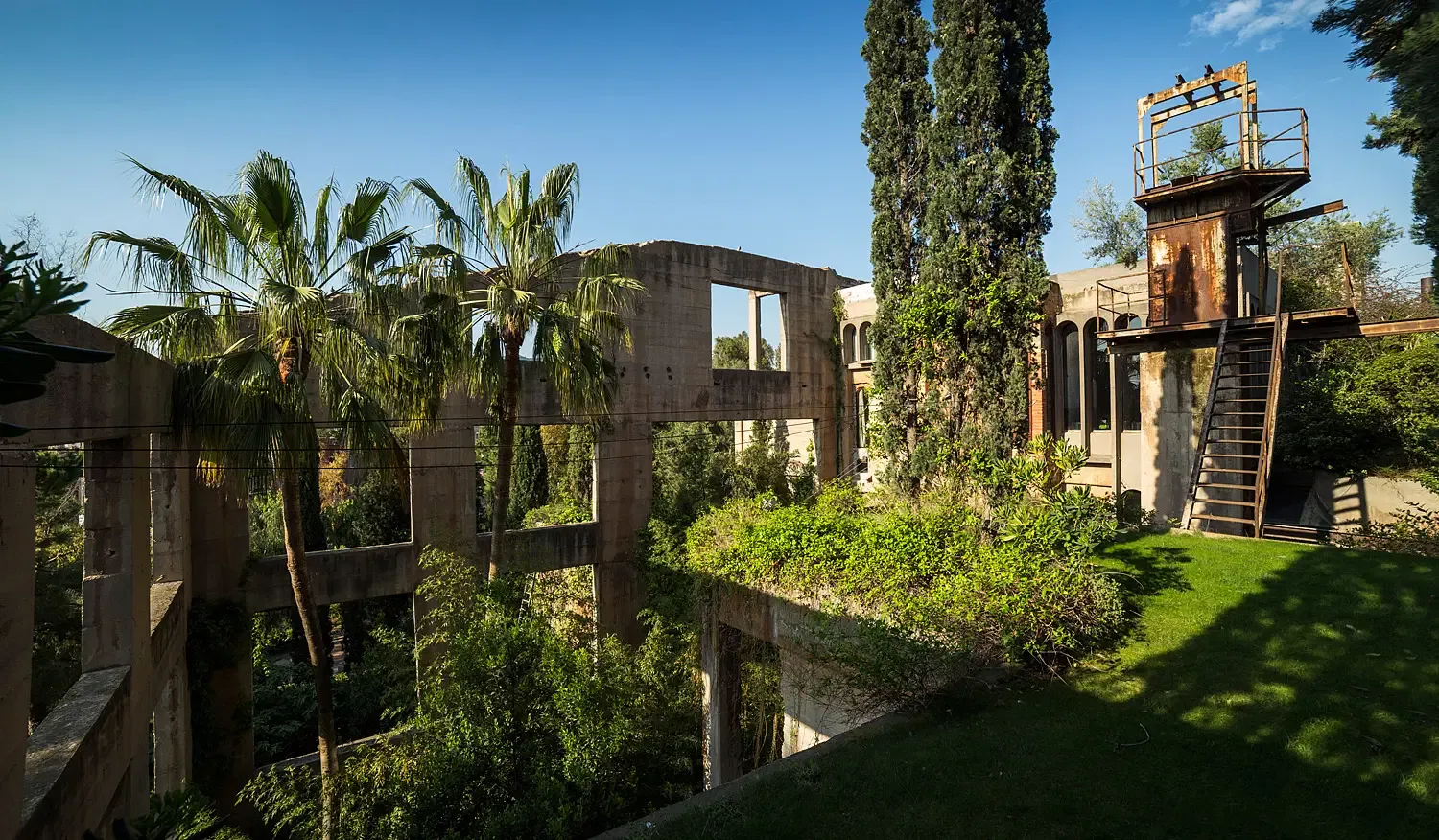
Up above, former utility platforms have been reimagined as rooftop gardens and walking paths. These elevated spaces open the building to the sky and offer quiet relief from the density below. Set apart from the factory floor and city beyond, they invite slower movement, they invite a slower pace.
Architecture That Never Ends
La Fábrica has long outgrown the boundaries of architecture alone. Since receiving the Barcelona Architecture Prize in 1980, it has entered the cultural mainstream, surfacing in films, music videos, fashion editorials, and television. From Westworld to Paradise Hills, and even a fleeting appearance on MTV Cribs, its layered forms and concrete geometry have made a lasting impression far beyond the discipline. But its cultural presence is not just a matter of image. What has kept La Fábrica relevant is how it continues to evolve.
From the beginning, Ricardo Bofill resisted the idea of finality. The project was treated instead as something that could be reworked and reinhabited over time. Balconies integrated into existing structures, spaces were reprogrammed, and circulation routes were adapted to use. The building became more of a framework for experimentation.
Even after Bofill died in 2022, that work has continued. His studio still operates from within the same silos and vaults that he once reimagined. The building remains in use, revised slowly through time, always responsive to how it’s lived in.
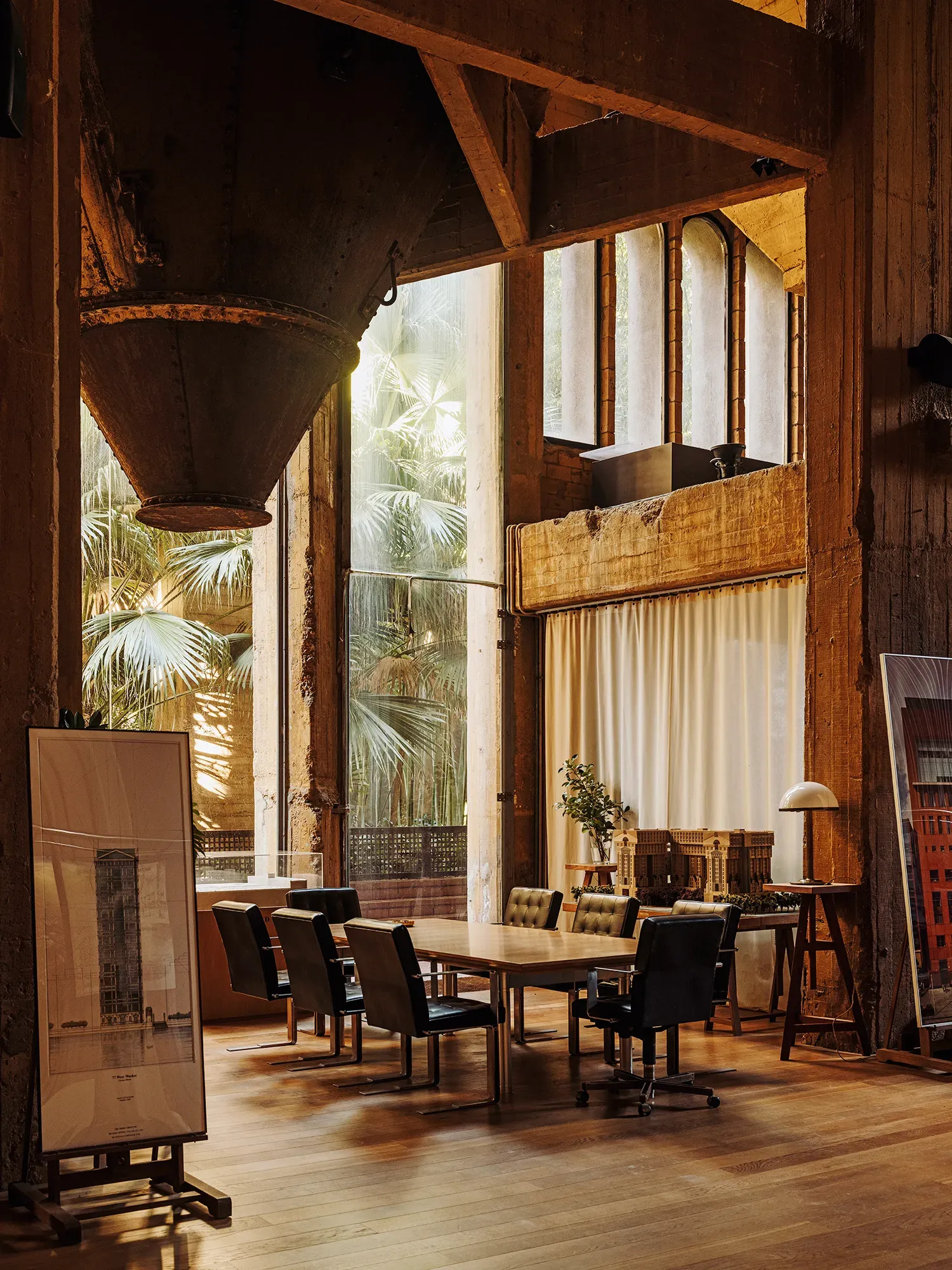
La Fábrica doesn’t romanticise the ruin or hold onto the past for its own sake. It resists nostalgia by staying open to change.
Rather than freezing architecture in time, it shows how space can remain flexible and responsive to the people who inhabit it. It suggests that buildings can hold memory without becoming static, that relevance can come through ongoing adaptation. In that sense, it stands as a living example of how architecture can evolve while staying grounded in its origins.