



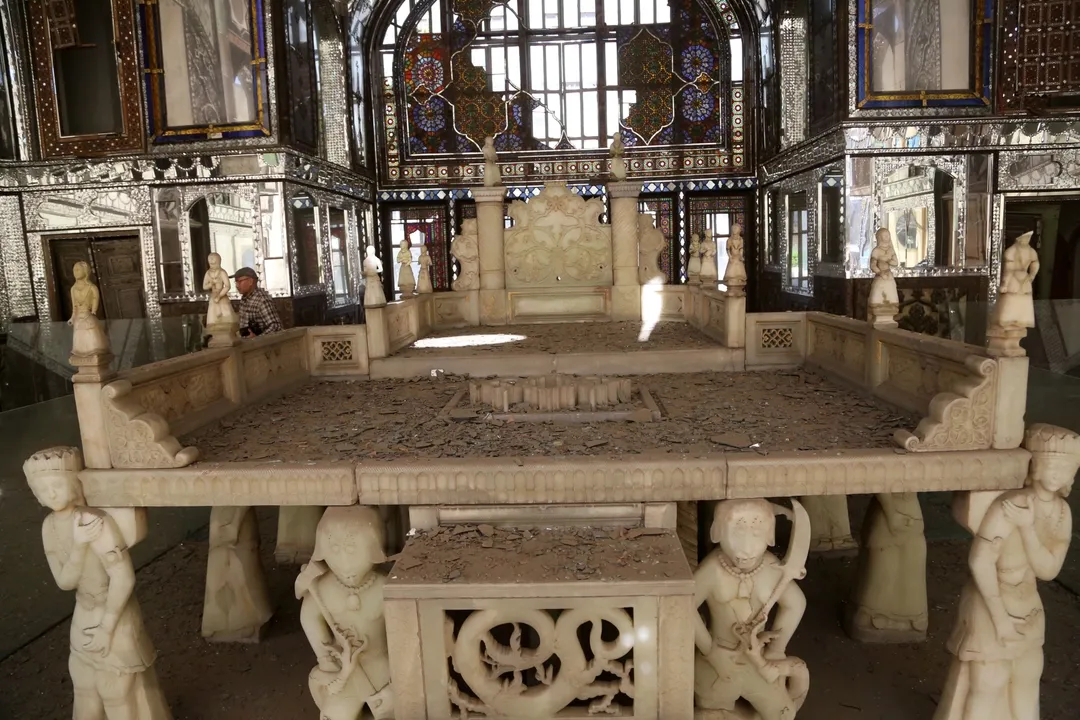
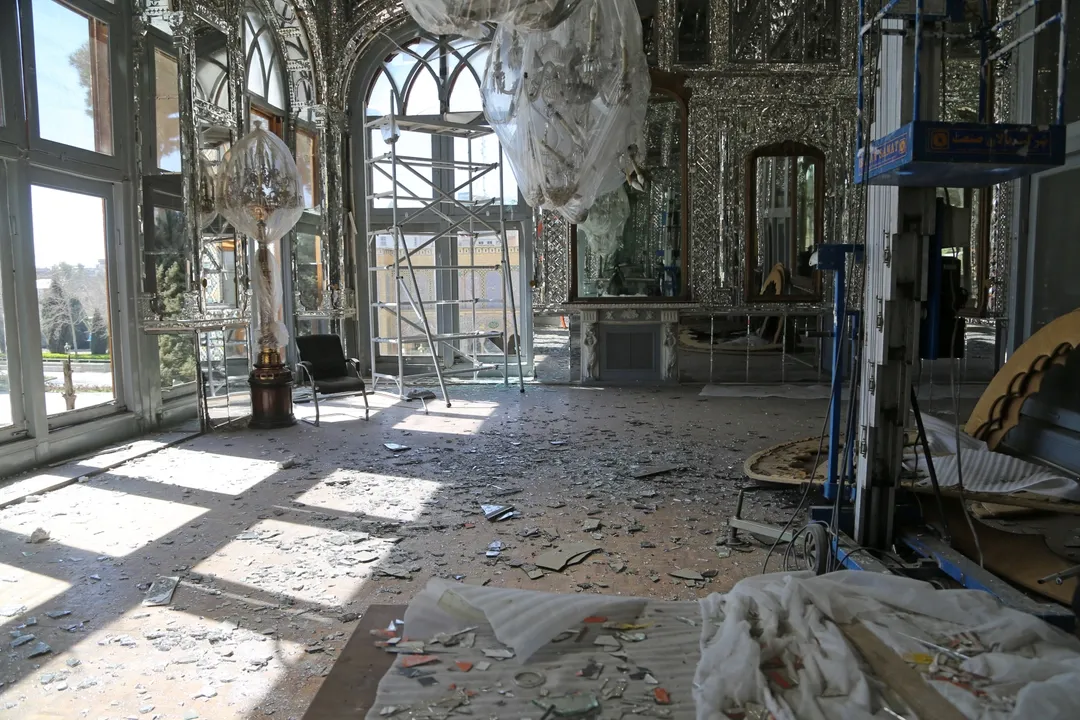
Iran’s cultural history stretches across millennia, shaped by ancient empires, Silk Road exchanges, and a remarkable concentration of UNESCO-listed sites that reflect one of the world’s richest and most layered civilizations. Amid this legacy, Iranian authorities report that ongoing military actions involving the United States and Israel have damaged at least 56 Iranian heritage sites across the country. According to the Ministry of Cultural Heritage, these affected locations include palaces, mosques, bazaars, and castles of significant historical and architectural value, underscoring the serious impact of the conflict on Iran’s architectural and cultural heritage.
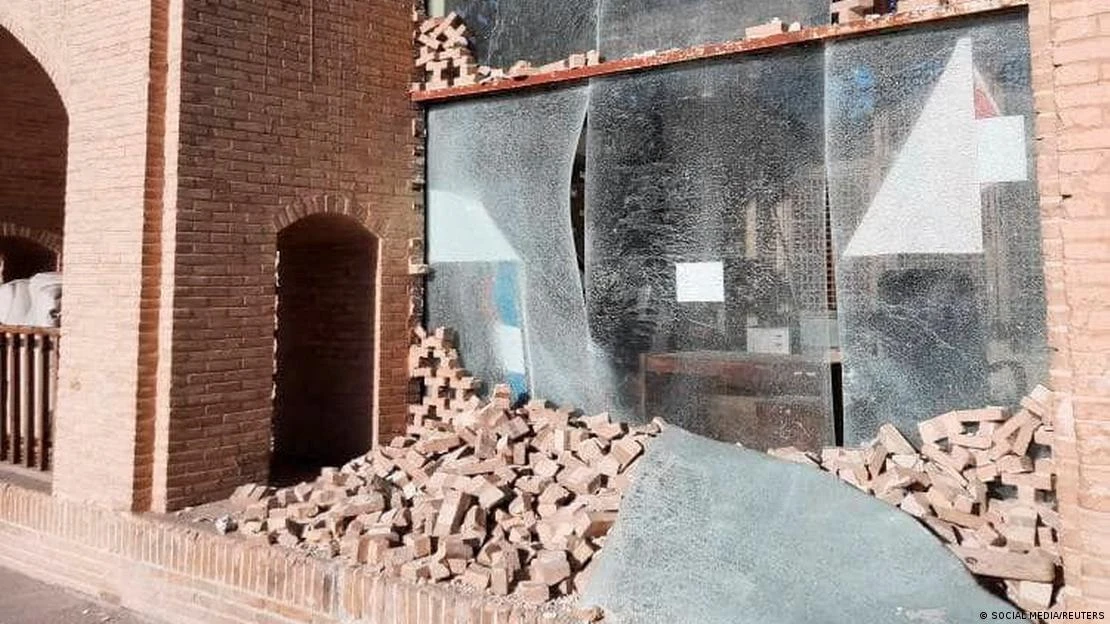
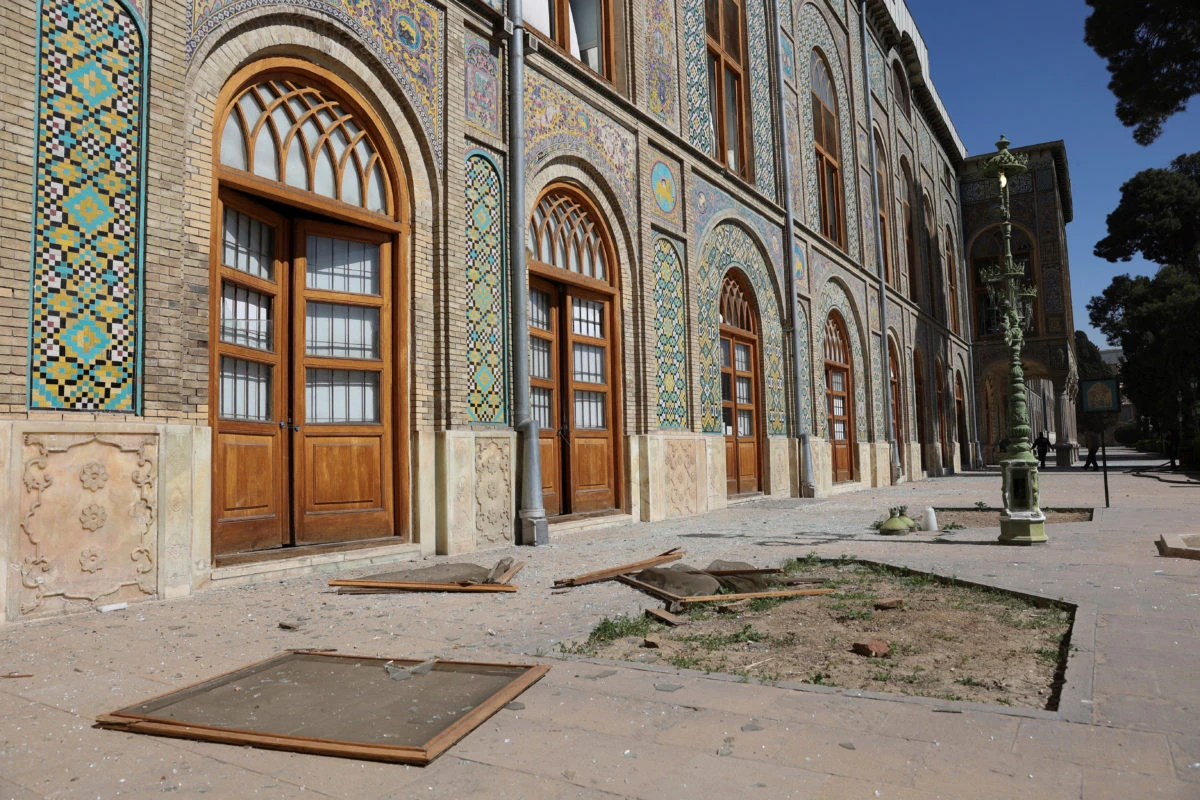
Officials cited by IranWire stated that structures from multiple eras, including Safavid, Qajar, and pre-Islamic periods, have sustained damage ranging from broken windows and structural cracks to partial destruction of walls and facades.
Major Iranian Heritage Sites Affected
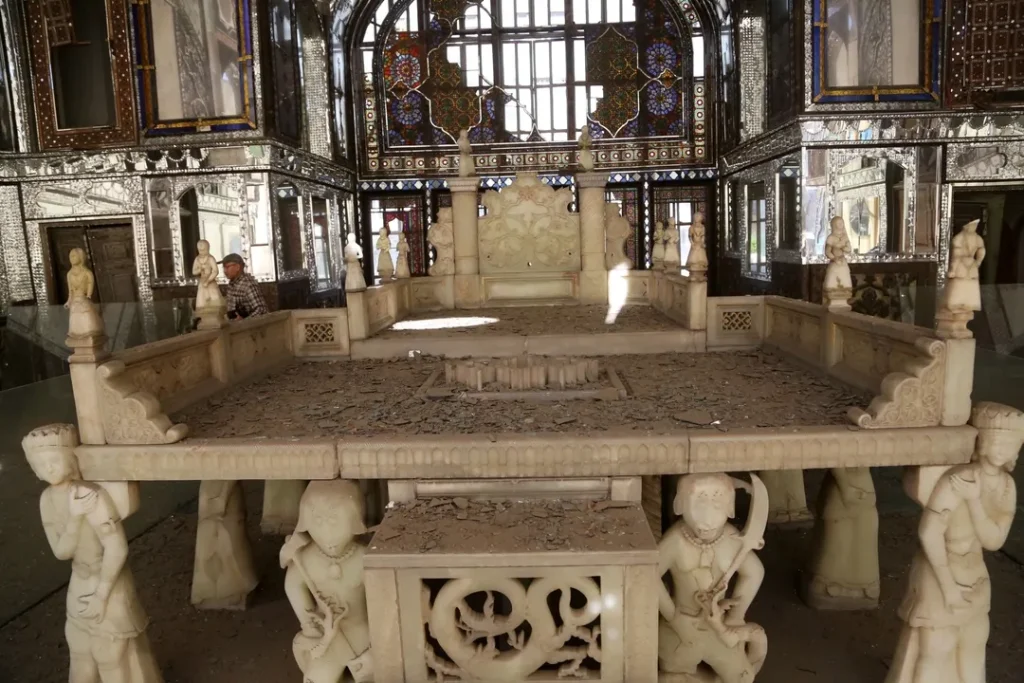
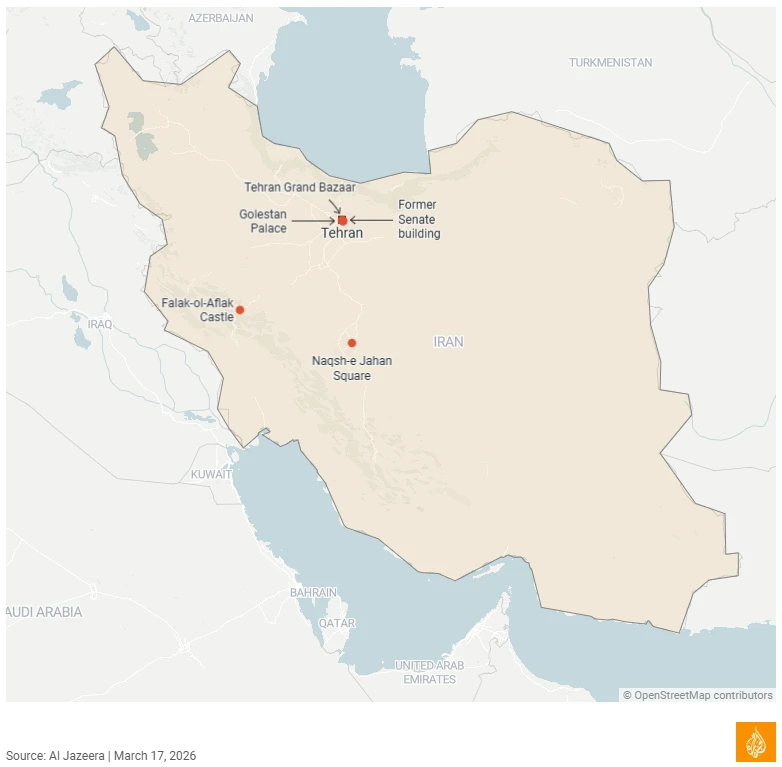
Many structures, particularly in urban centers, have sustained collateral damage during strikes in densely populated areas. Nearby explosions often resulted in broken windows, damaged roofs, and cracks in historic walls. Among the most prominent locations reported to have sustained damage are:
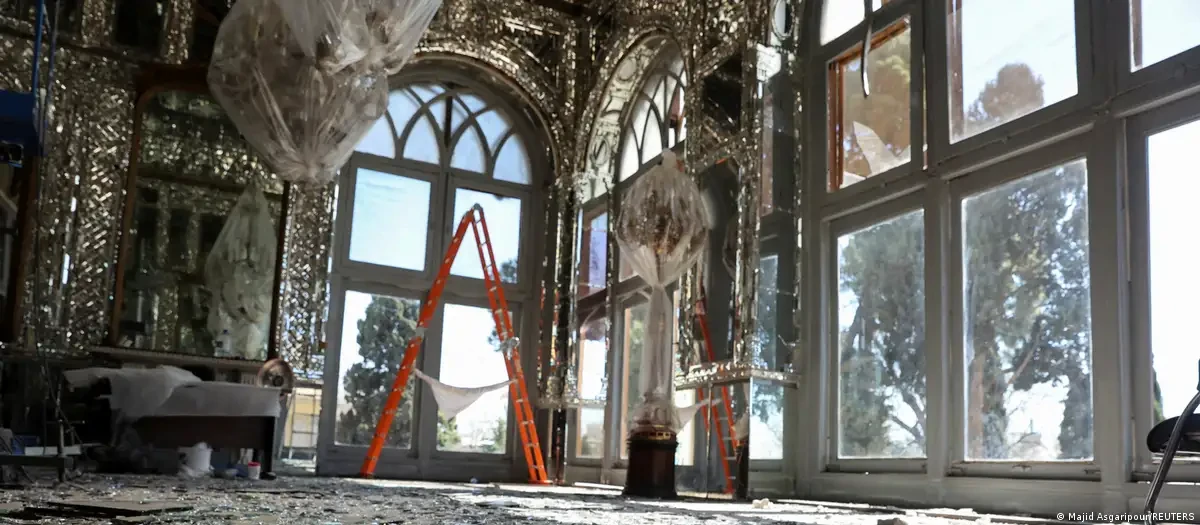
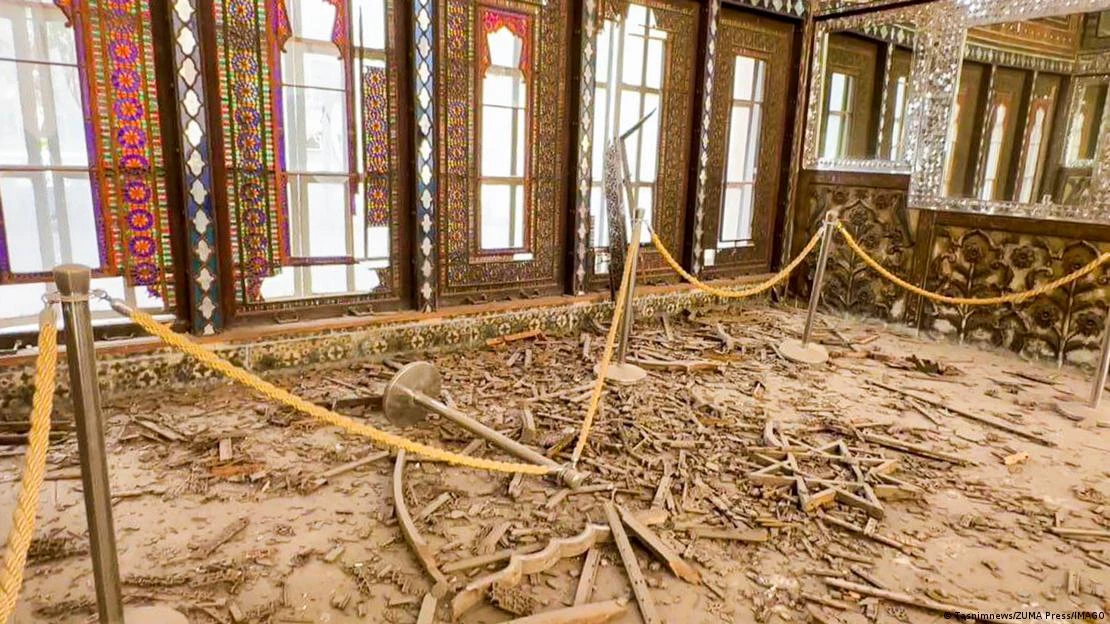
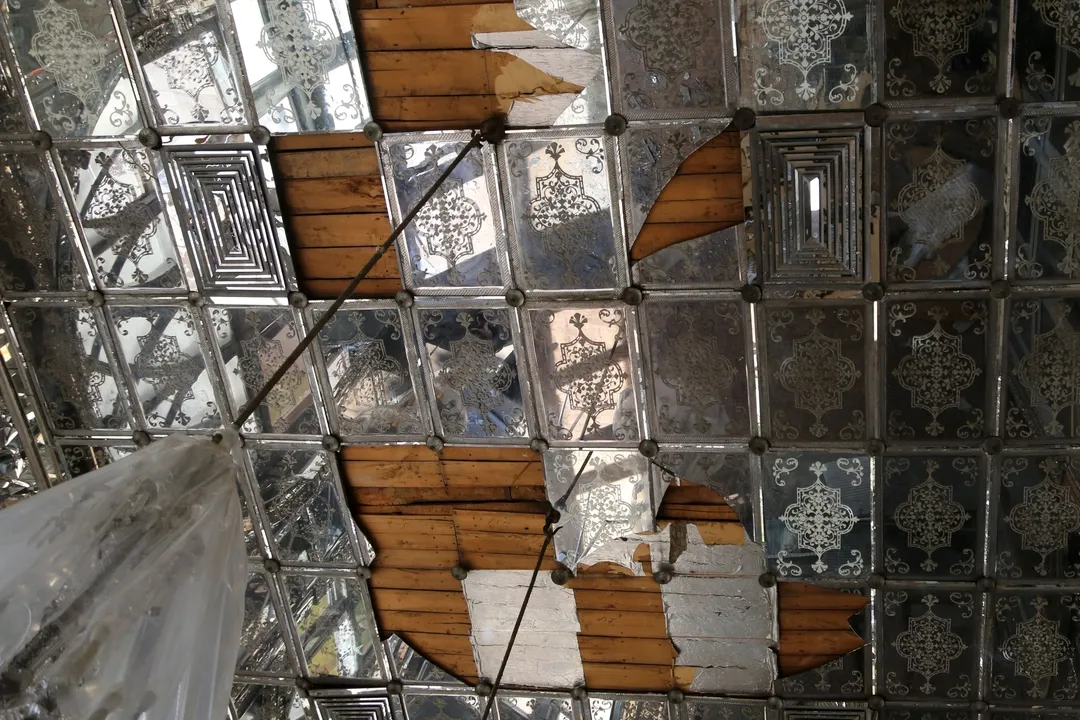
Golestan Palace: A UNESCO-listed complex in Tehran known for its Qajar-era architecture. Reports suggest minor structural impacts, including façade damage and vibrations affecting interior sections.
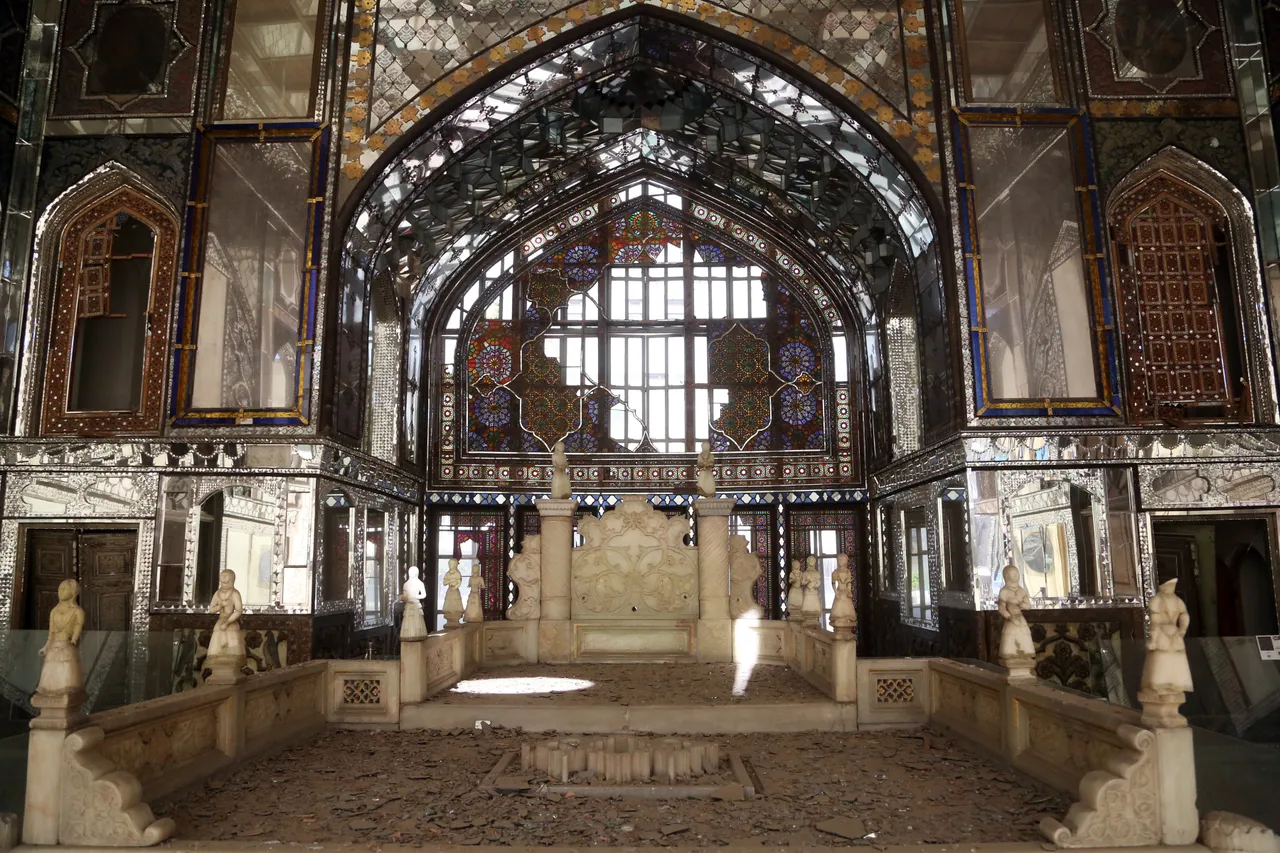
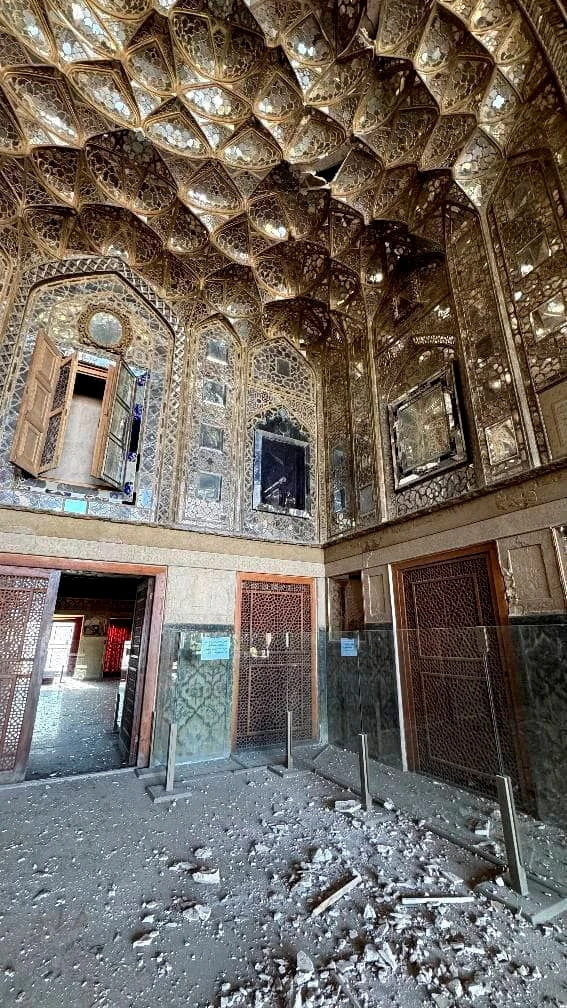
Chehel Sotoun Palace: Famous for its reflective pool and Safavid-era frescoes. Destroyed doors, windows, and concerns over cracks in columns and potential long-term instability.
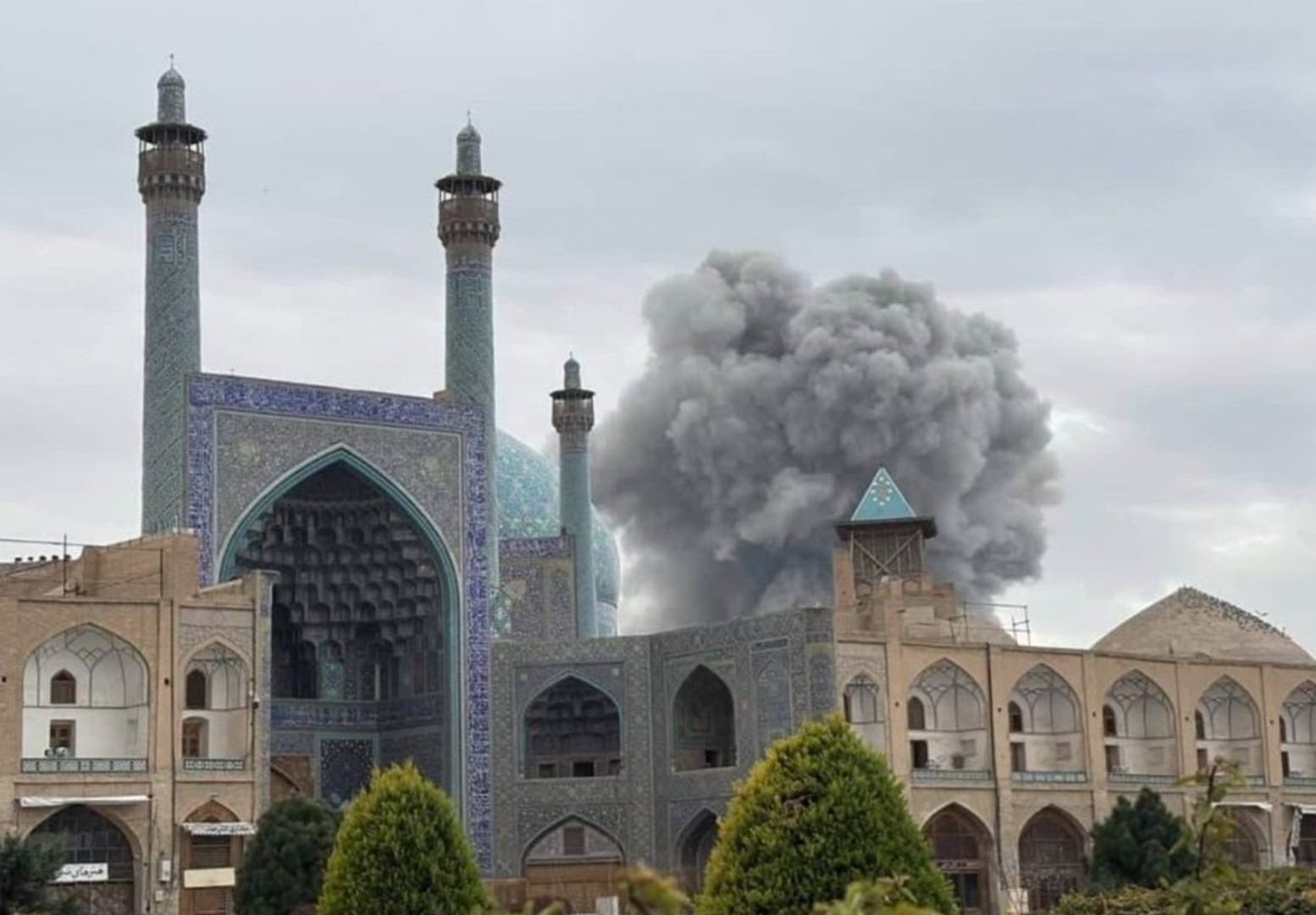
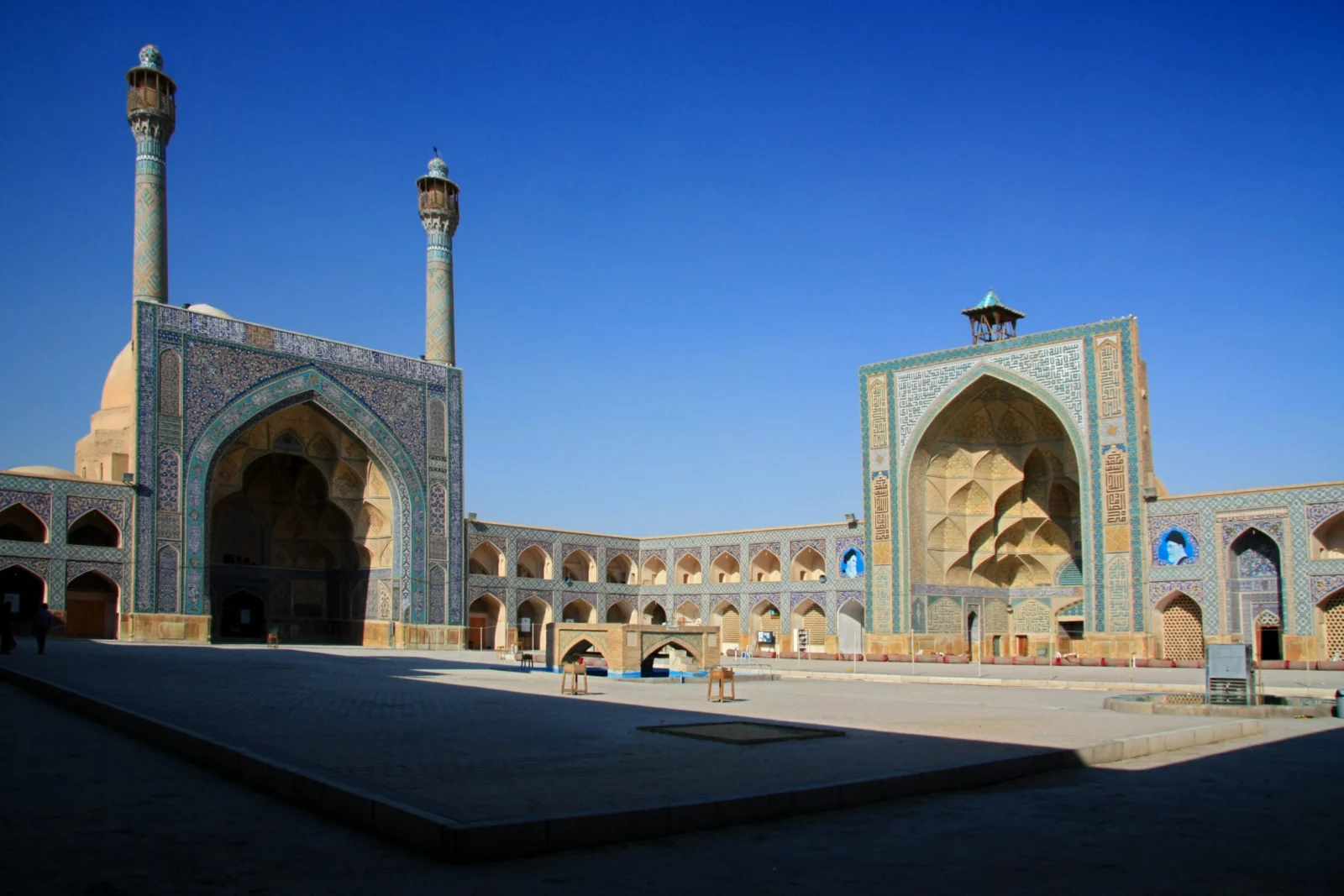
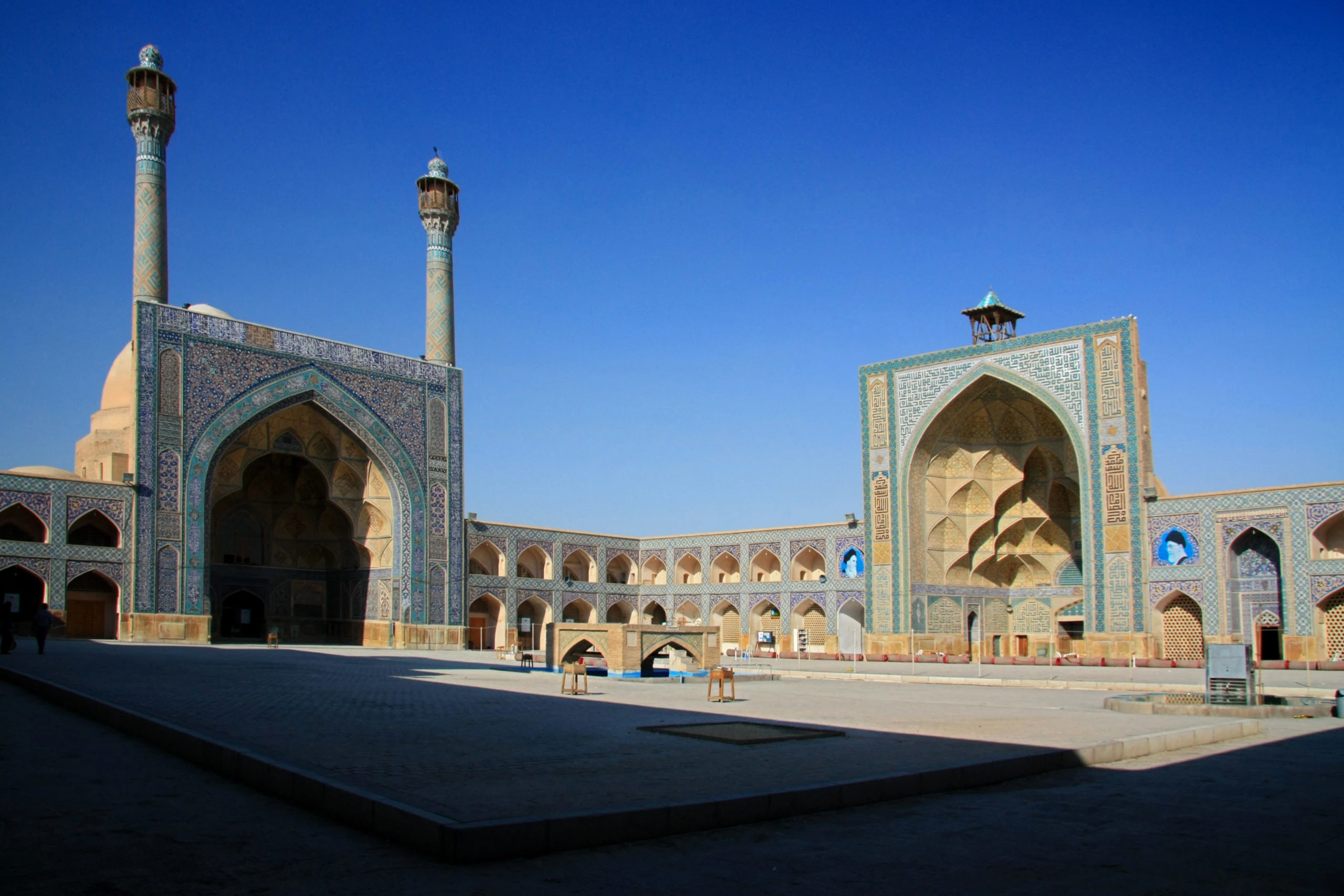
Jameh Mosque of Isfahan: One of the oldest mosques in Iran, representing evolving Islamic architecture. Shockwaves from nearby strikes reportedly caused surface damage to tiles and structural stress.
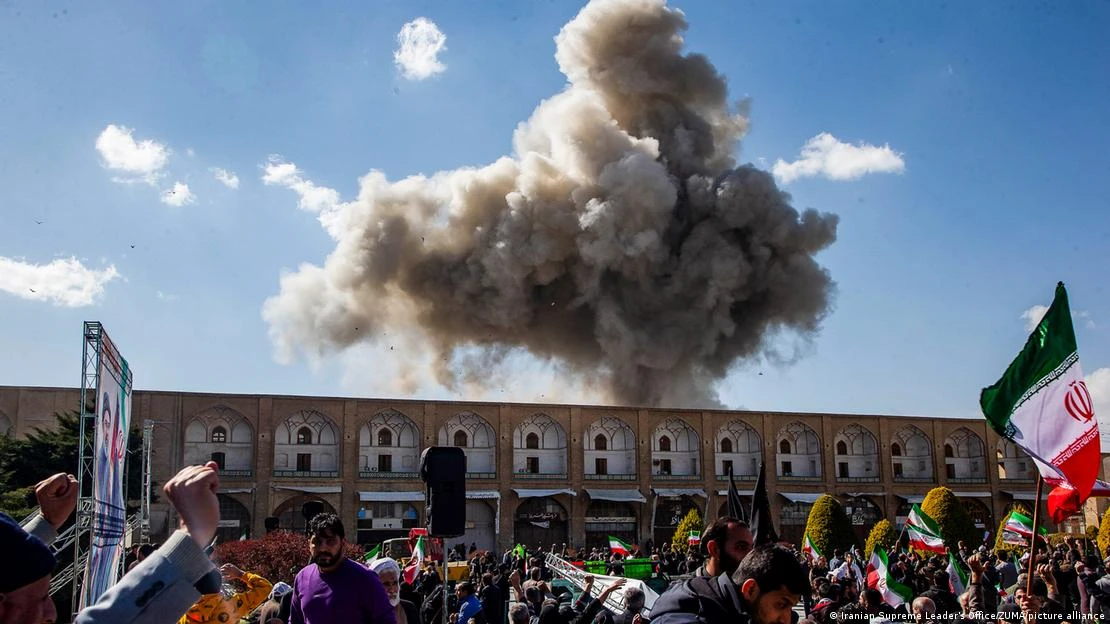
Naqsh-e Jahan Square: A UNESCO World Heritage Site known for its surrounding mosques and palaces, has been affected by the ongoing US–Israeli strikes. Local officials reporting on damage in Isfahan say that blast effects shattered windows at the Ali Qapu Palace and also impacted sections of the Abbasi (Shah) Mosque, two historic Safavid monuments that stand on the west and south sides of the square.
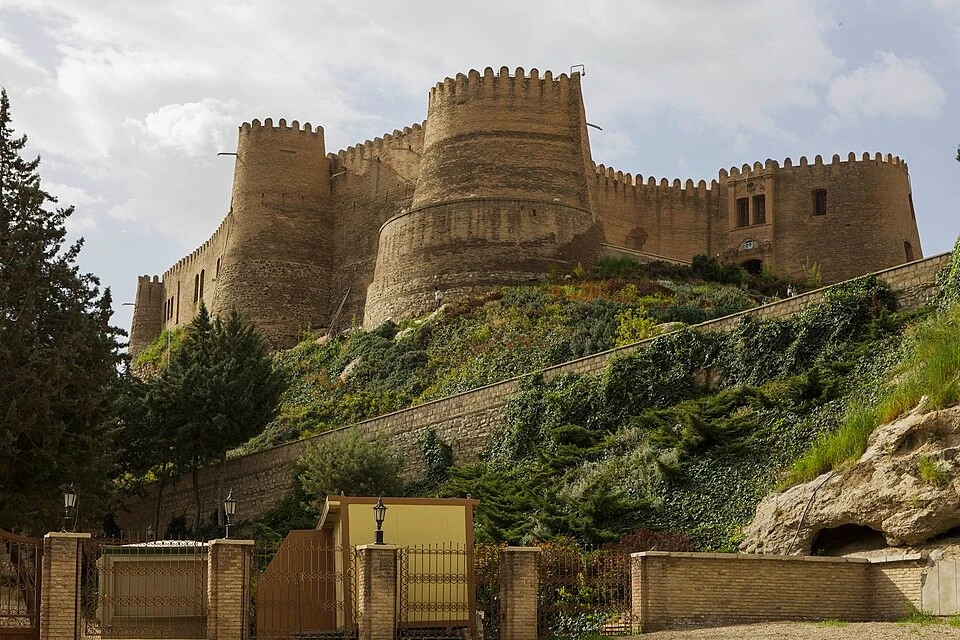
Falak-ol-Aflak Castle: Located in Lorestan and constructed during the Sassanian period between the 3rd and 7th centuries, it has suffered damage from nearby Israeli strikes. According to reports from local cultural heritage officials, parts of this ancient fortress were affected, raising concerns about the preservation of one of Iran’s most historically significant sites.
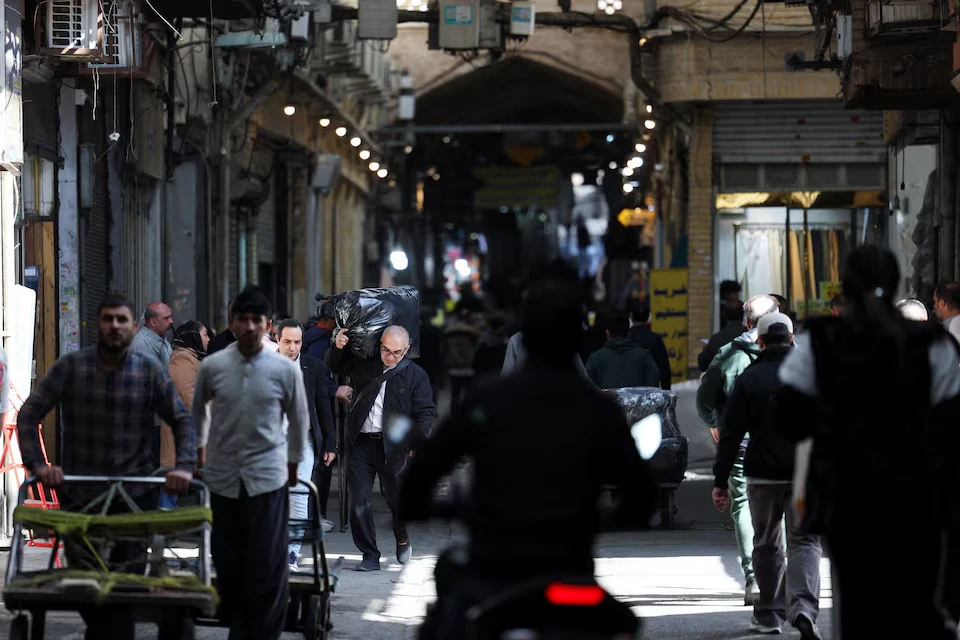
Grand Bazaar of Tehran: A major cultural and economic hub. While not directly struck, nearby explosions reportedly caused partial structural disturbances.
International Law and UNESCO on Iran’s Damaged Heritage Sites
Reports from Al Jazeera highlight that Iran’s Ministry of Cultural Heritage has invoked international law in response to the damage caused by the US–Israeli strikes, referencing both the 1954 Hague Convention and UN Security Council Resolution 2347. These agreements aim to protect cultural property during armed conflicts, including monuments, historic buildings, and religious sites. The Hague Convention outlines mechanisms to address violations, such as appointing a commissioner-general for cultural property to investigate alleged breaches.
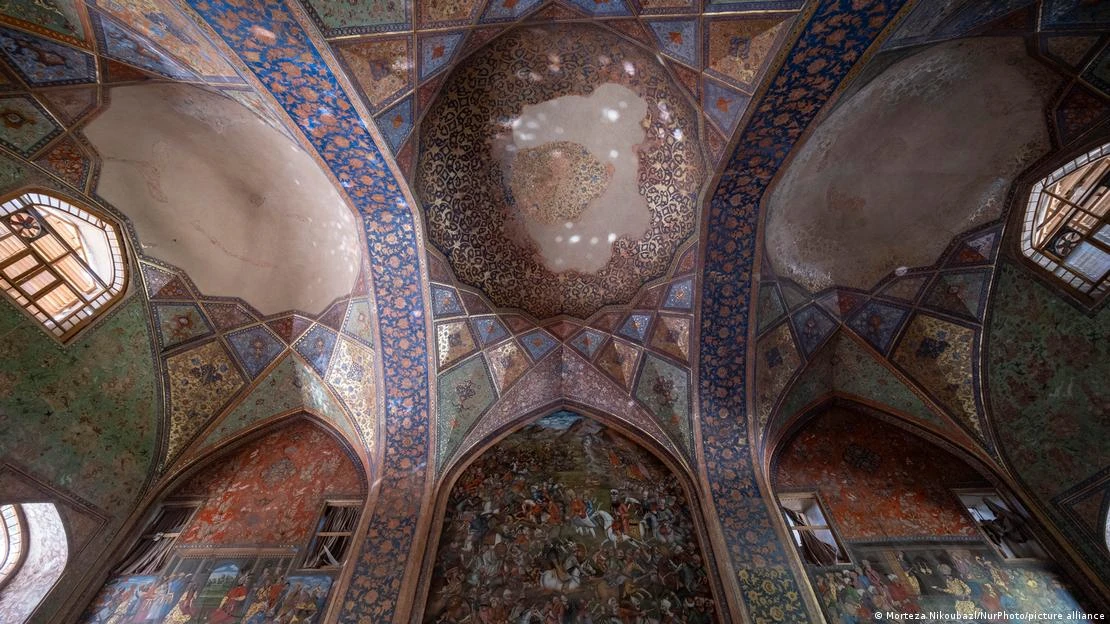
UNESCO has independently verified damage to major Iranian landmarks, including Golestan Palace, Chehel Sotoun Palace, and Masjed-e Jame in Isfahan, as well as prehistoric sites near Khorramabad Valley. Before the conflict, UNESCO provided combatants with precise coordinates for these sites, urging them to take precautions to avoid harm. Nearly 30 of these sites are recognized as UNESCO World Heritage Sites and are under special protection
Experts warn that such destruction violates international conventions and sets a concerning precedent, echoing past conflicts in the Middle East where cultural heritage suffered from both deliberate attacks and collateral damage, such as in Iraq, Syria, and Gaza. Iran’s officials have criticized the international response, arguing that global organizations must take a more active role in safeguarding historical treasures amid ongoing warfare.
In the context of the ongoing US–Israeli war on Iran, the reported damage to Iran’s heritage sites is becoming a key concern for historians, policymakers, and global observers. The long-term impact will depend not only on the scale of destruction but also on whether restoration efforts can keep pace with the damage.
Explore Courses
.jpg "Ondrej Chybik - Rethinking Architecture")