


The 2026 FIFA World Cup will be a landmark event in football history. For the first time, the tournament will be co-hosted by three nations, the United States, Canada, and Mexico, across 16 world-class stadiums. Eleven venues in the U.S., two in Canada, and three in Mexico will stage matches from the expanded 48-team tournament, running from June 11 to July 19, 2026. Each stadium brings its own story, iconic historical moments, legacy architectural designs, and modern football atmospheres ready to welcome global fans.
1. AT&T Stadium—Arlington, Texas, USA
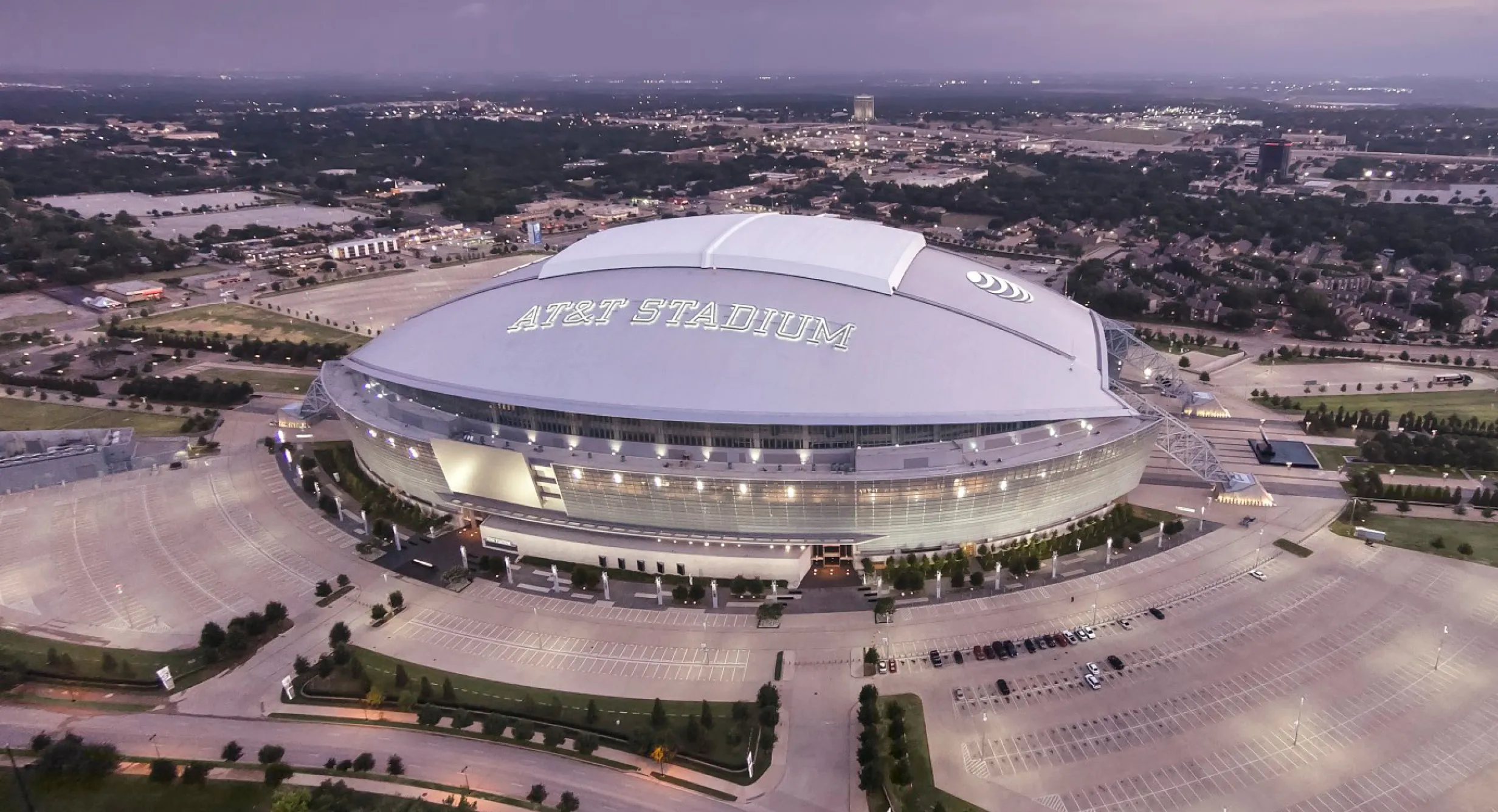
Capacity: ~94,000
Opened: 2009
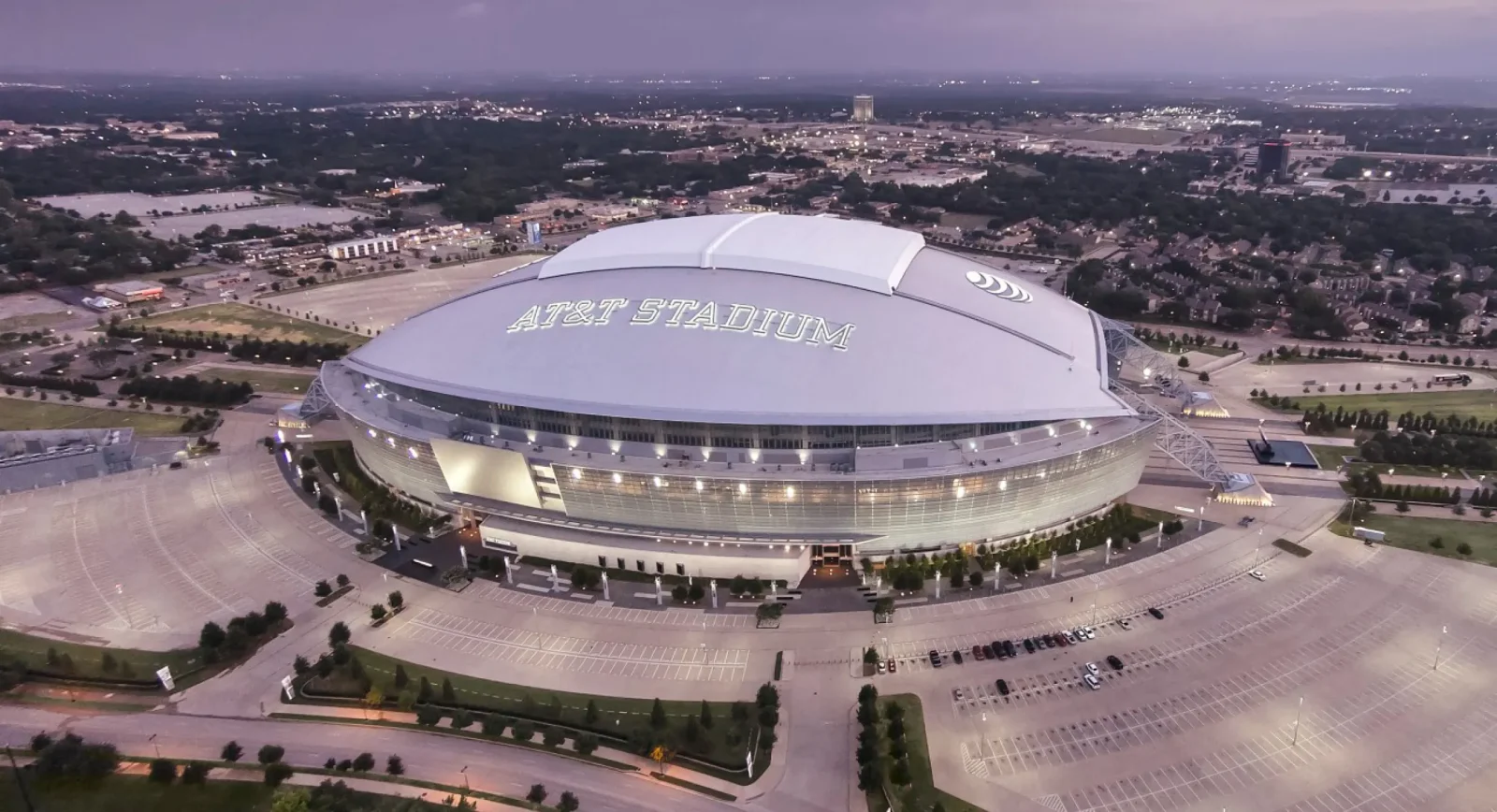
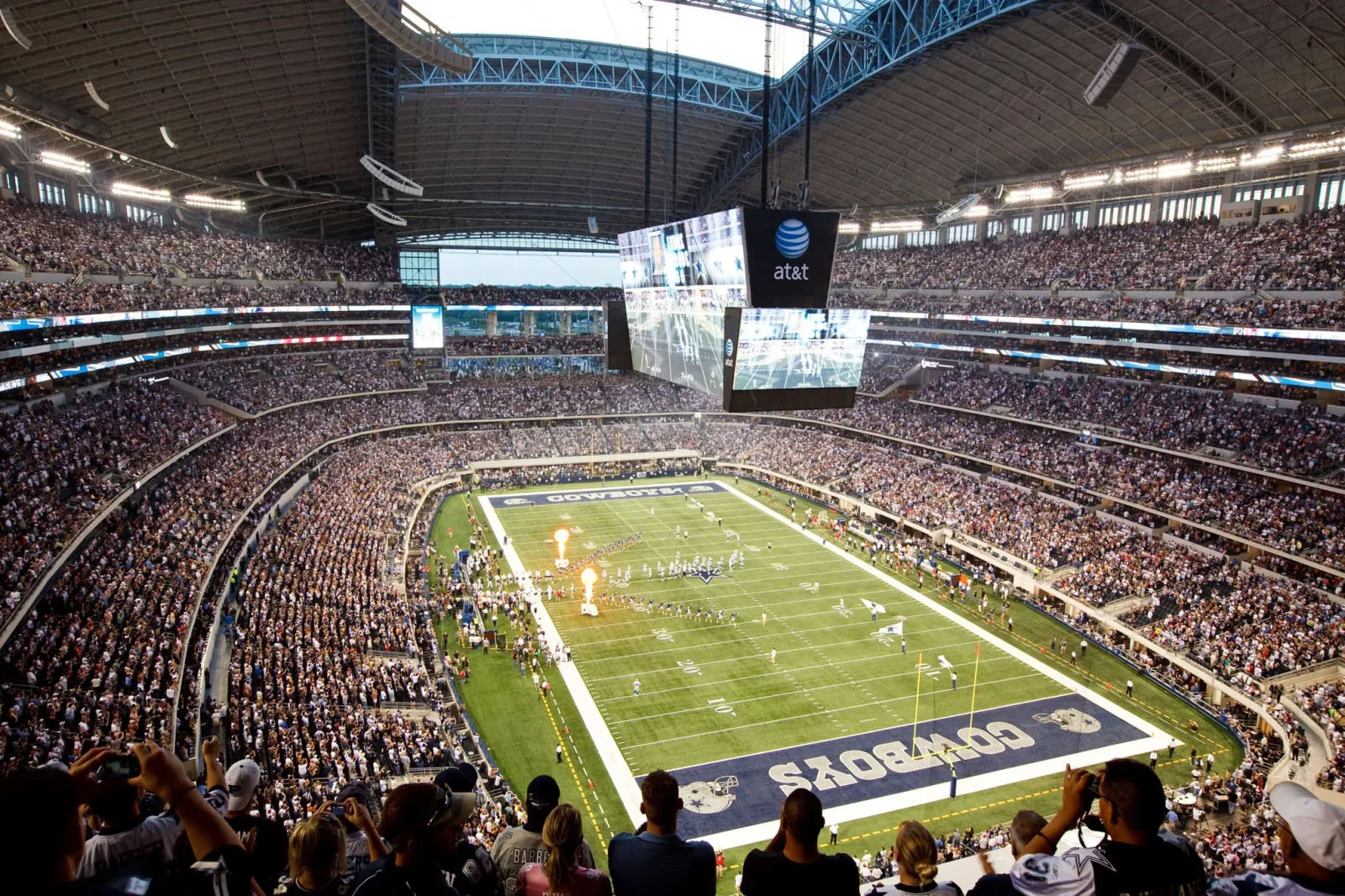
AT&T Stadium, home to the Dallas Cowboys, is known for its massive retractable roof and one of the largest high-definition screens in sports. Its architecture merges modern steel and glass with a tremendous interior that enhances crowd energy. Though newer than many football-specific grounds, it has hosted NFL playoffs, college football finals, and major concerts. For the 2026 FIFA World Cup, it will host nine matches, including a semi-final, more than any other venue.
2. MetLife Stadium—East Rutherford, New Jersey, USA
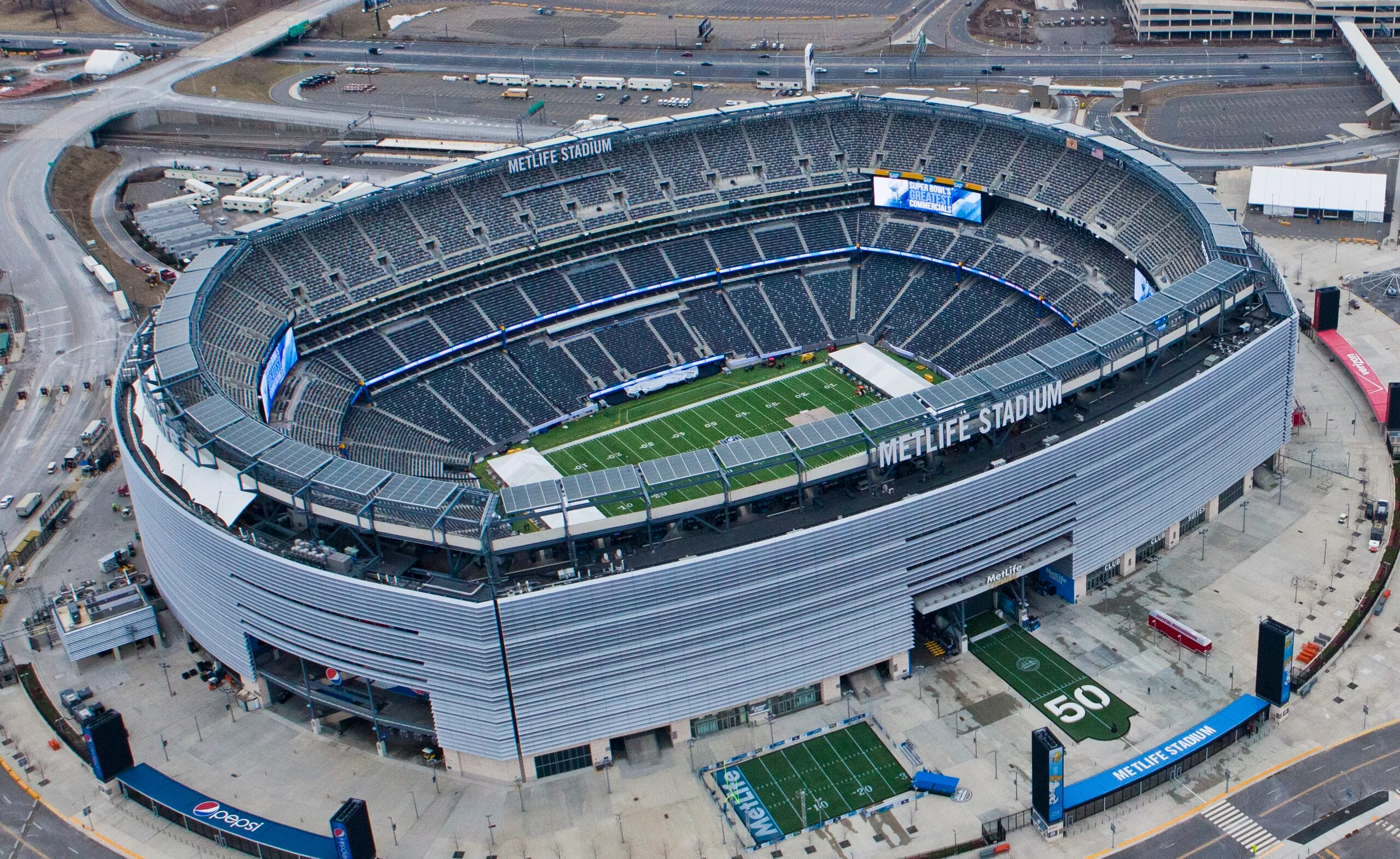
Capacity: ~82,500
Opened: 2010
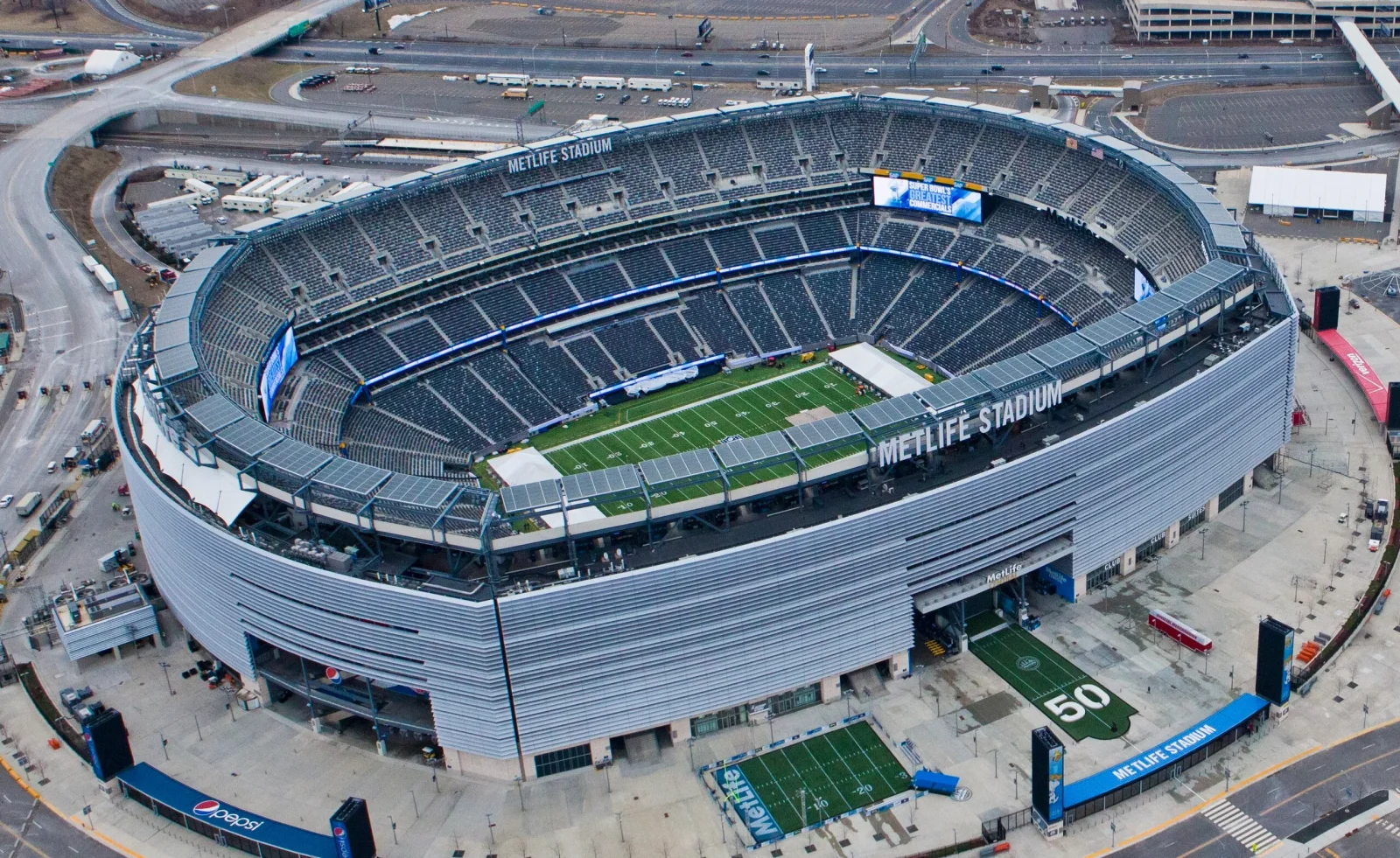
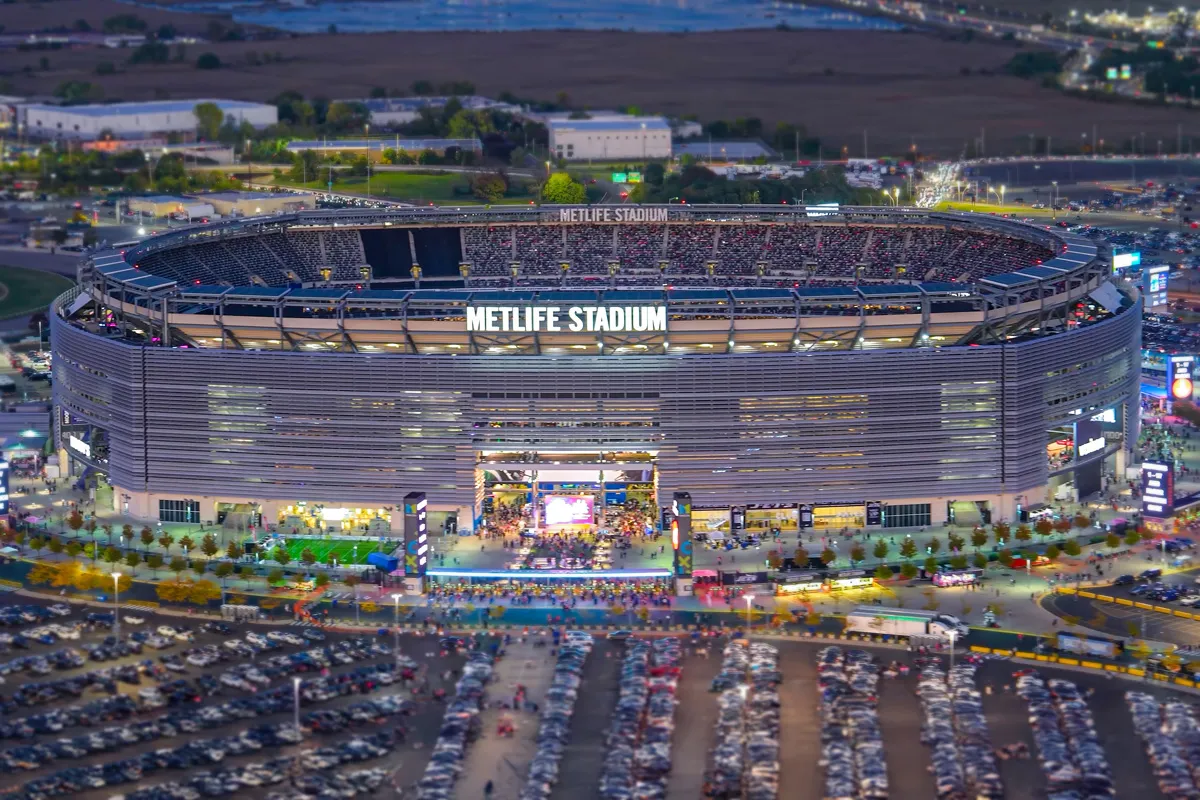
MetLife Stadium is one of the premier modern multipurpose arenas in the U.S. and is slated to host the 2026 FIFA World Cup final on July 19. The stadium typically hosts NFL teams, the New York Giants and Jets, and has seen major concerts and soccer tournaments. For the World Cup, a natural grass pitch is installed per FIFA requirements, and the venue will be temporarily named New York New Jersey Stadium. While it has not hosted previous FIFA tournaments, its region played a key role in the 1994 men’s World Cup at Giants Stadium nearby.
MetLife’s bowl design and wide steps allow for excellent sightlines in football configuration, and its multi-faceted facade and lighting make it a standout destination in the New York metro area.
3. Mercedes-Benz Stadium—Atlanta, Georgia
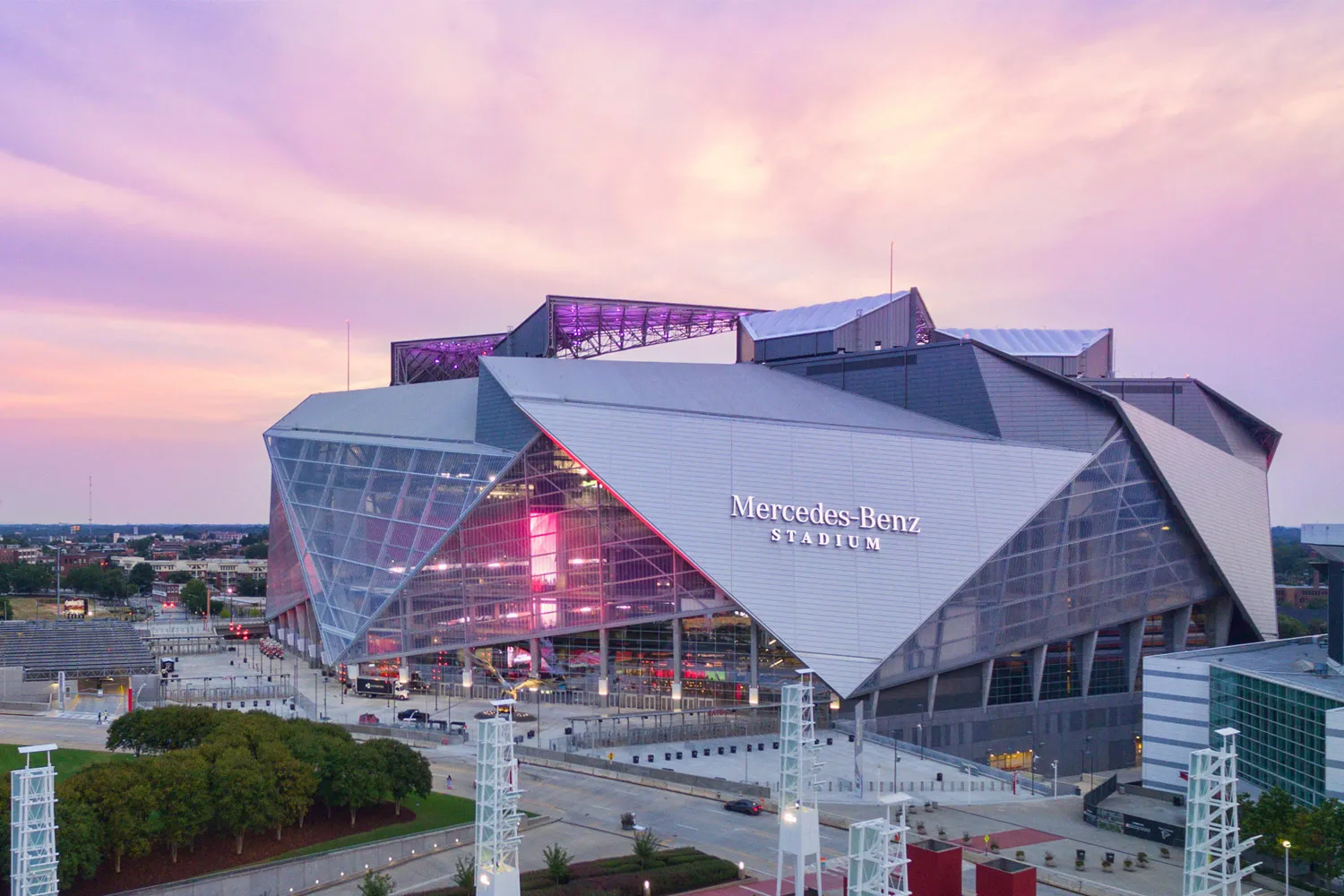
Capacity: ~75,000
Opened: August 2017
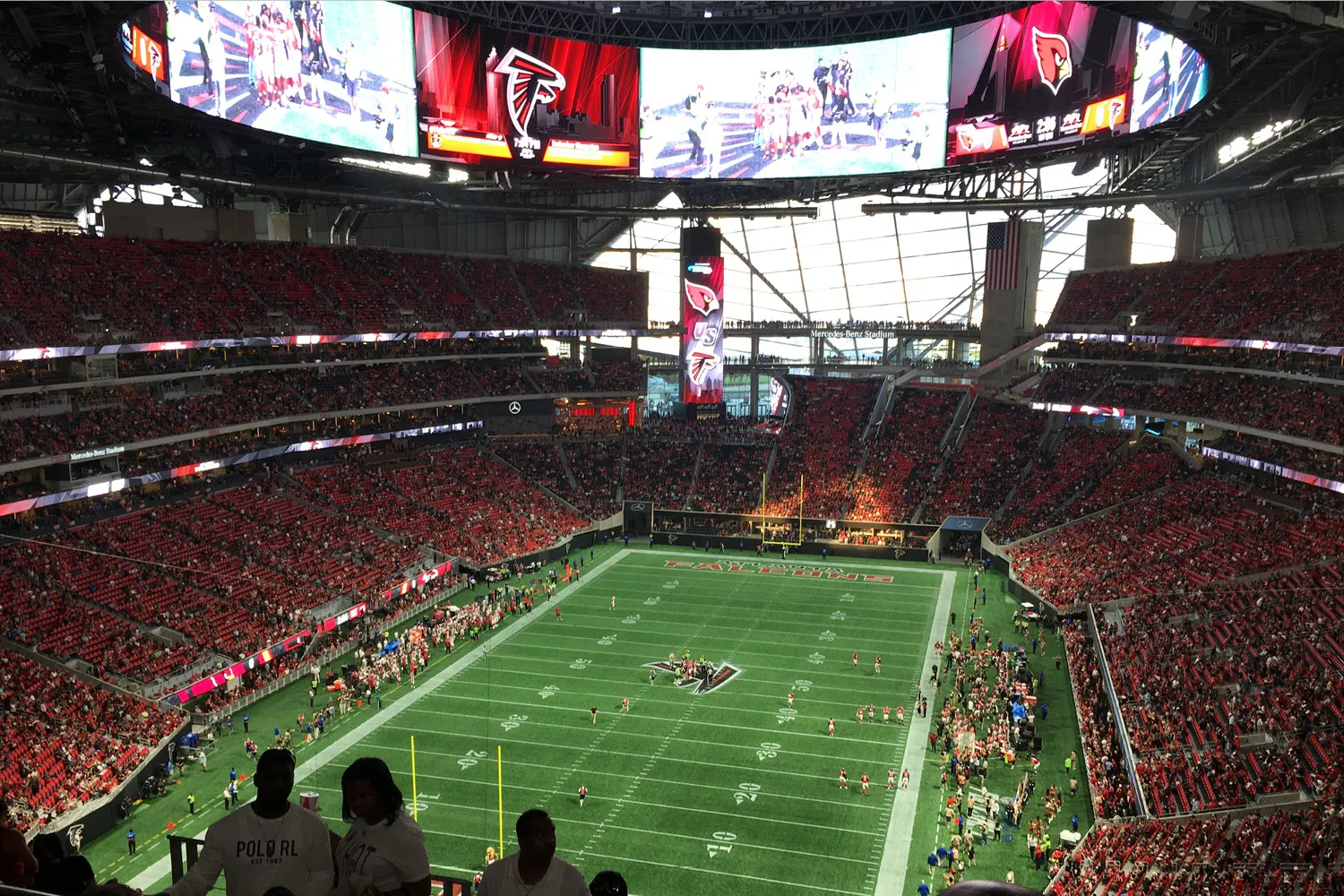
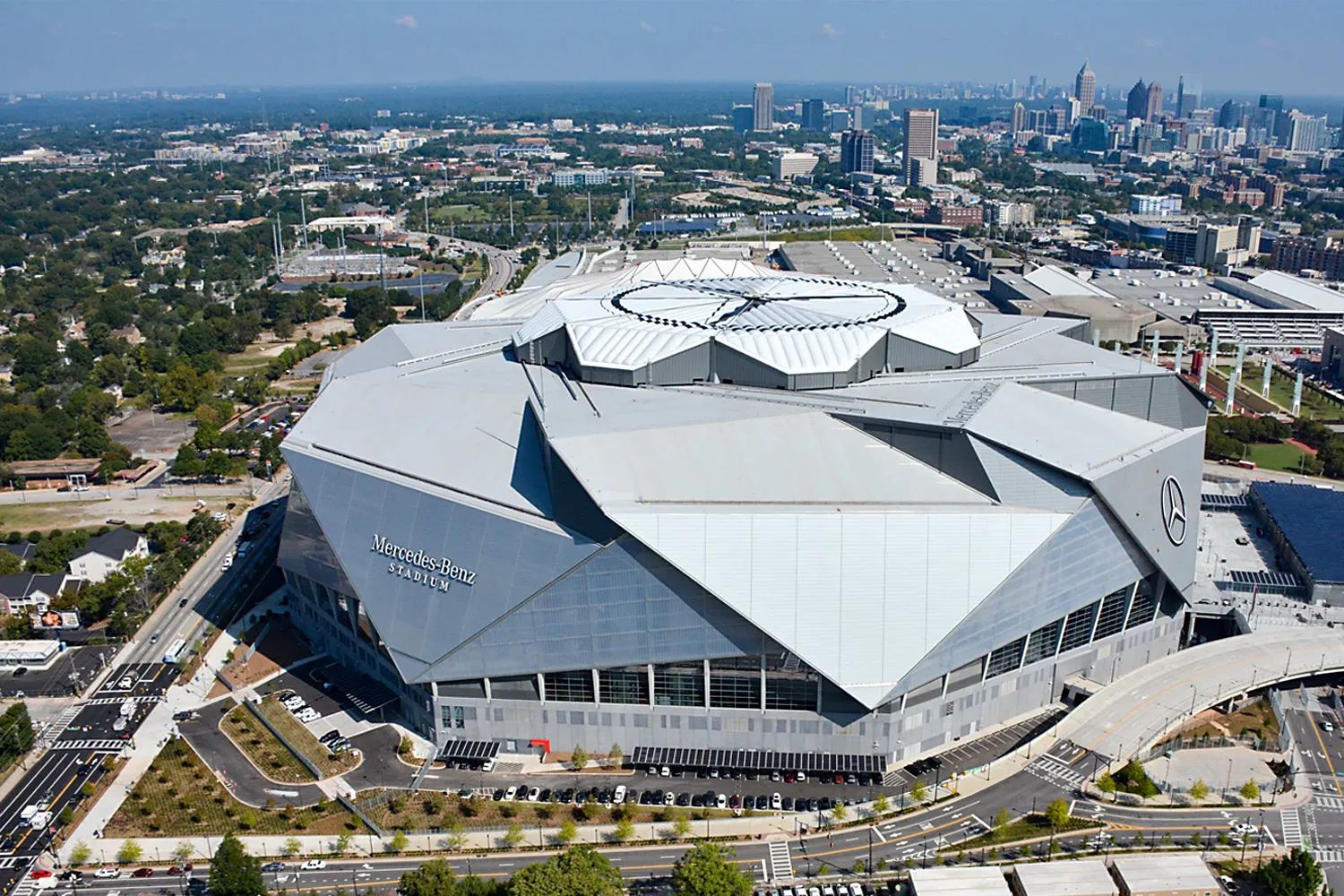
Mercedes-Benz Stadium will host eight World Cup games. The stadium is known for its futuristic retractable roof with a ring video board, providing almost seamless views from all angles. It hosted major soccer events like Copa América matches and the FIFA Club World Cup, demonstrating world football capability beyond American football and concerts. The design emphasizes sustainability and fan experience, with large open concourses and advanced digital infrastructure. Mercedes-Benz Stadium has an octagonal design inspired by the Roman Pantheon, making it one of the most striking stadiums in the U.S. While it hasn’t hosted a Men’s World Cup before, the venue is a hub for MLS and international club matches. It will host a semi-final in 2026.
4. GEHA Field at Arrowhead Stadium—Kansas City, Missouri, USA
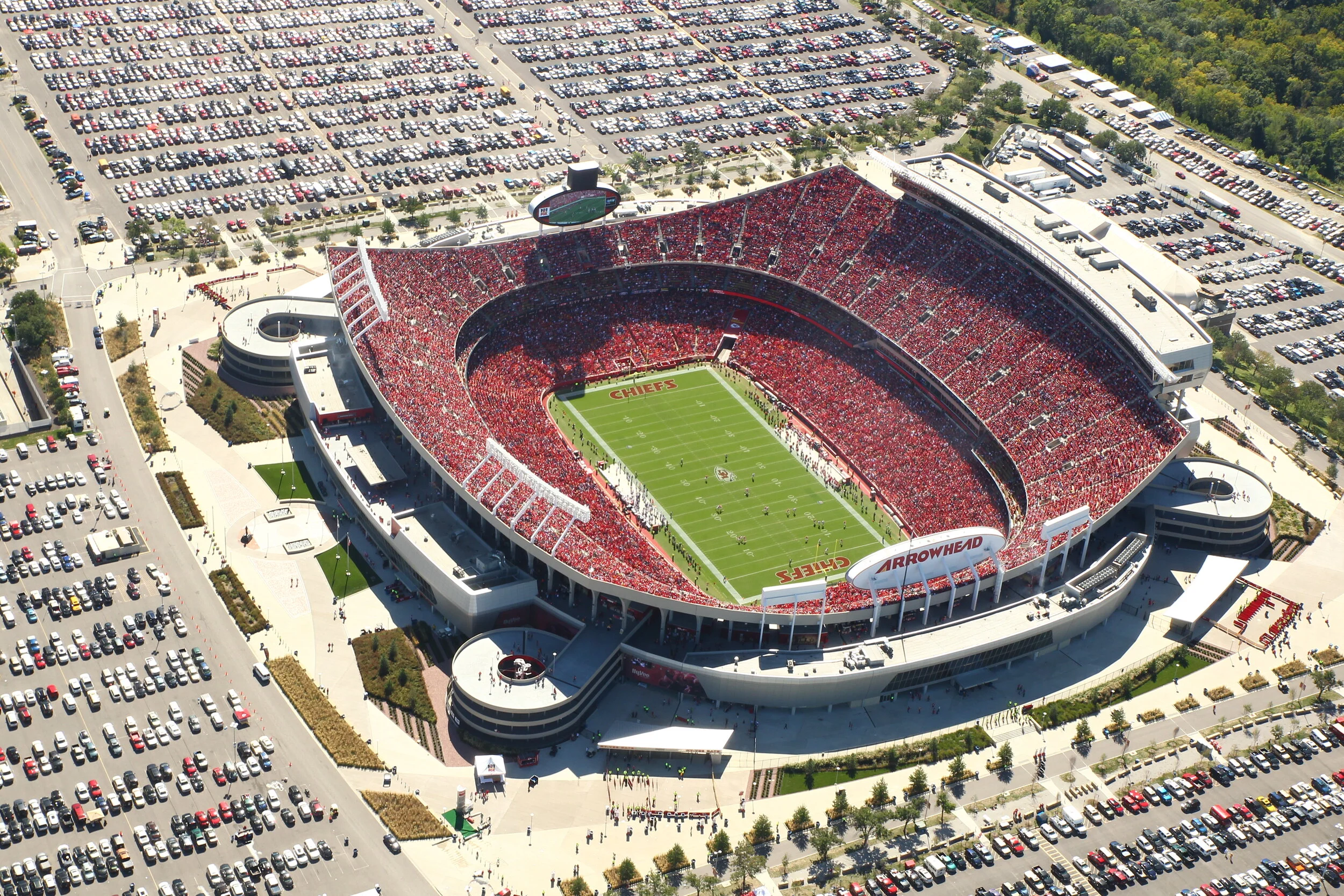
Capacity: ~73,000
Opened: 1972
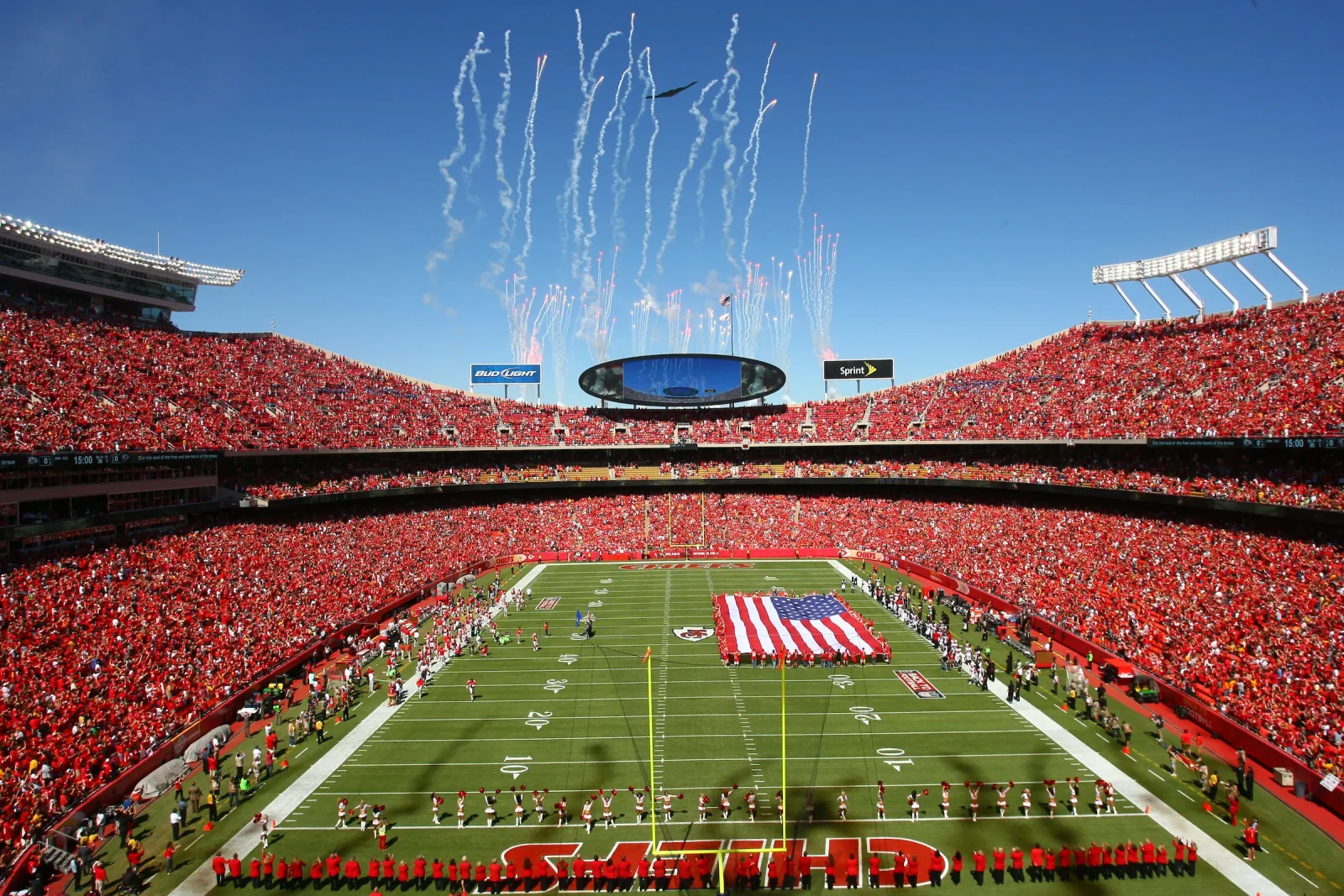
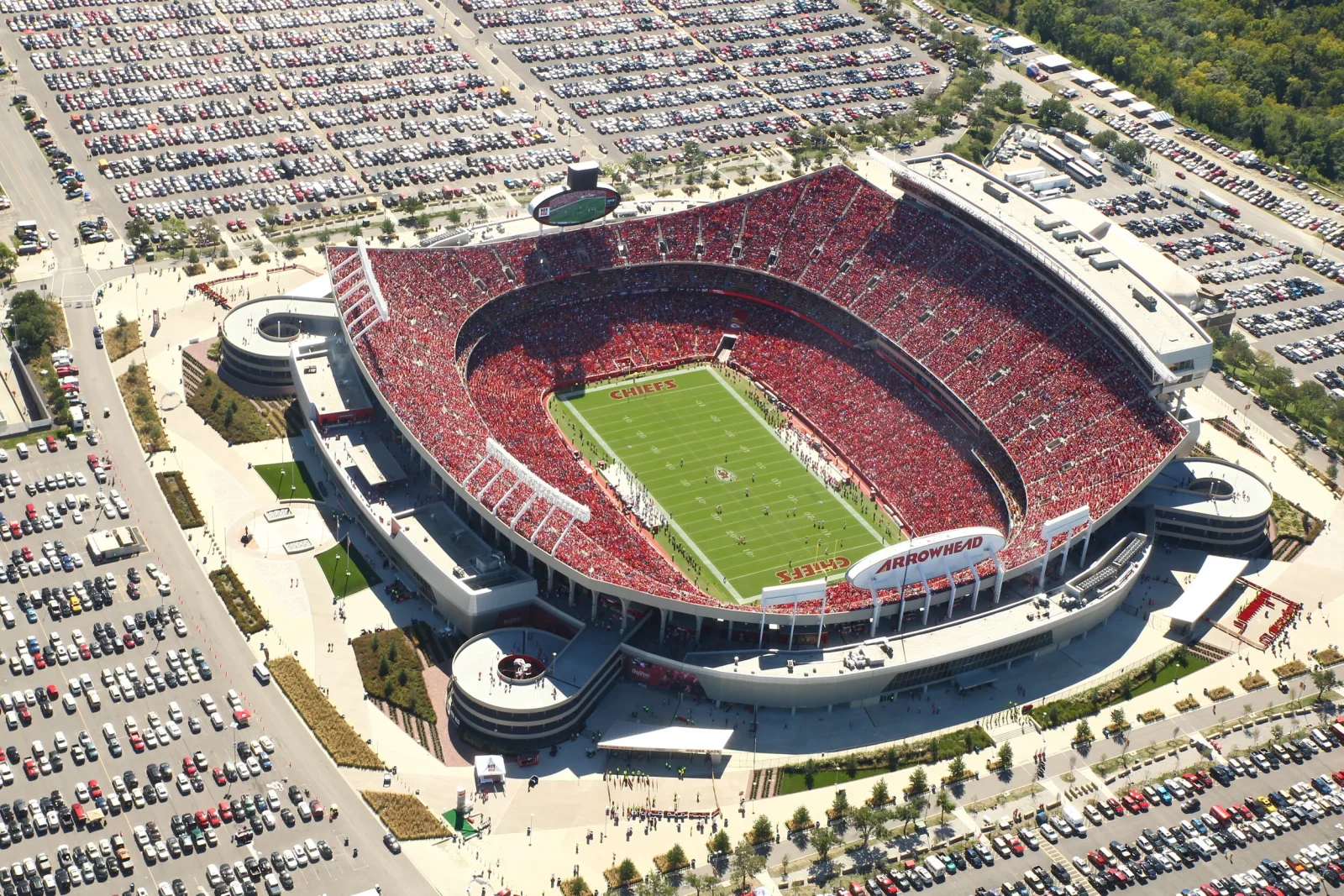
Arrowhead is famed for the deafening crowd noise; it once held the Guinness World Record for loudest stadium and traditional open-air bowl design. Although it has not yet hosted a World Cup match, it’s legendary in American football and MLS circles. For 2026, it will host group and knockout matches with its classic bowl atmosphere. Traditionally home to the NFL’s Chiefs, its steep, encircling seating bowl amplifies sound like no other. Though it has not hosted World Cups before, Arrowhead’s passionate environment promises memorable soccer nights.
5. NRG Stadium—Houston, Texas, USA
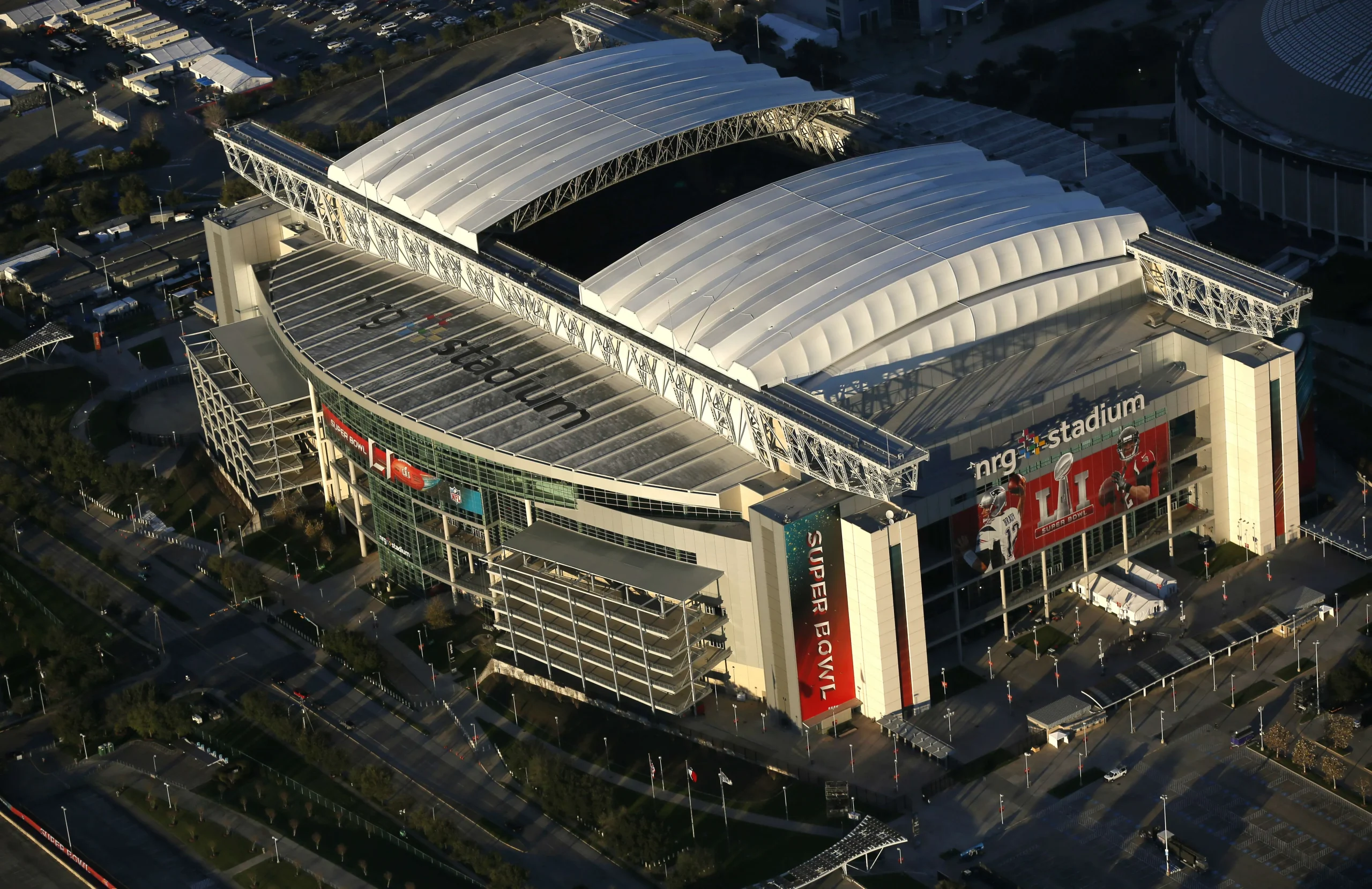
Capacity: ~72,220
Opened: 2002
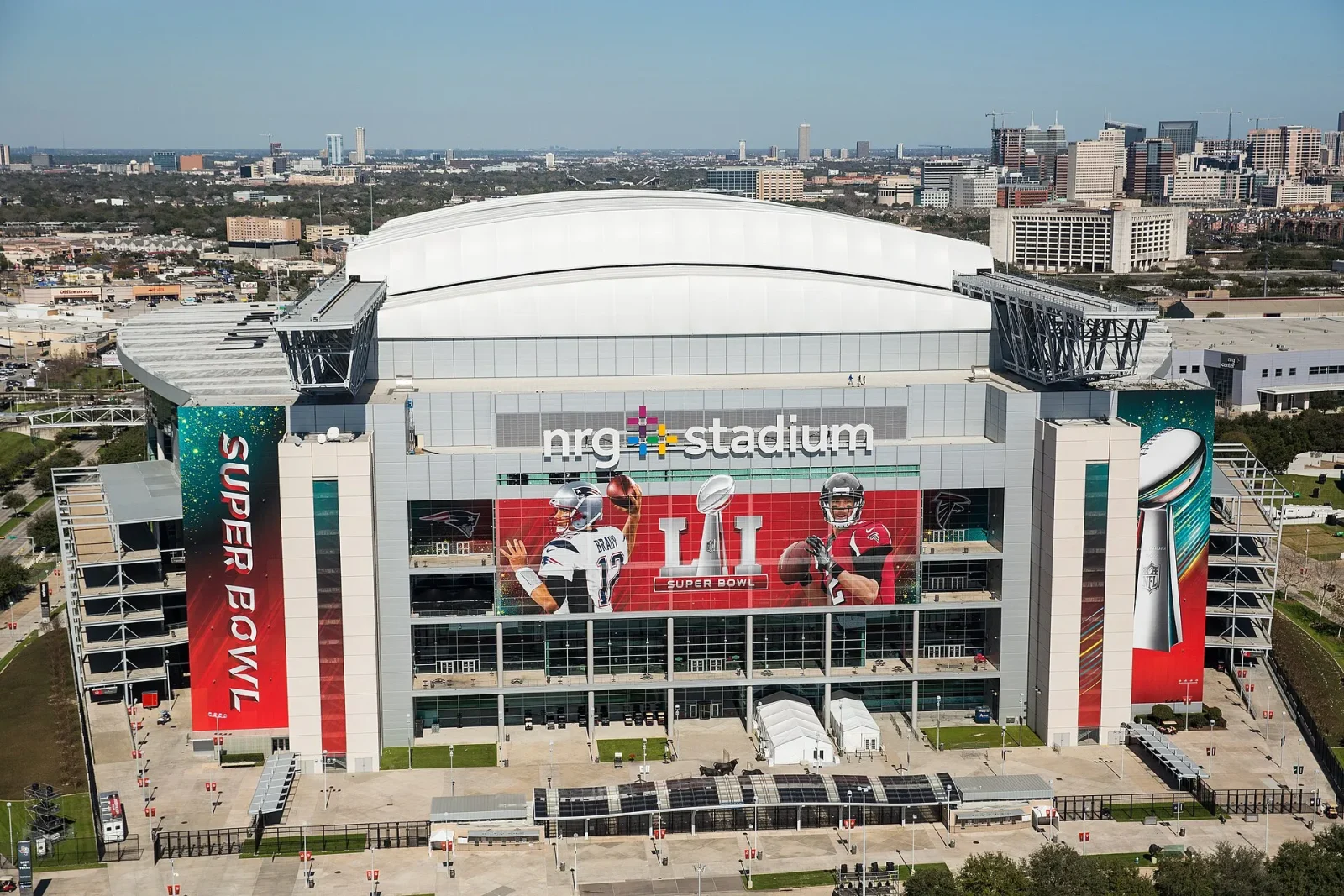
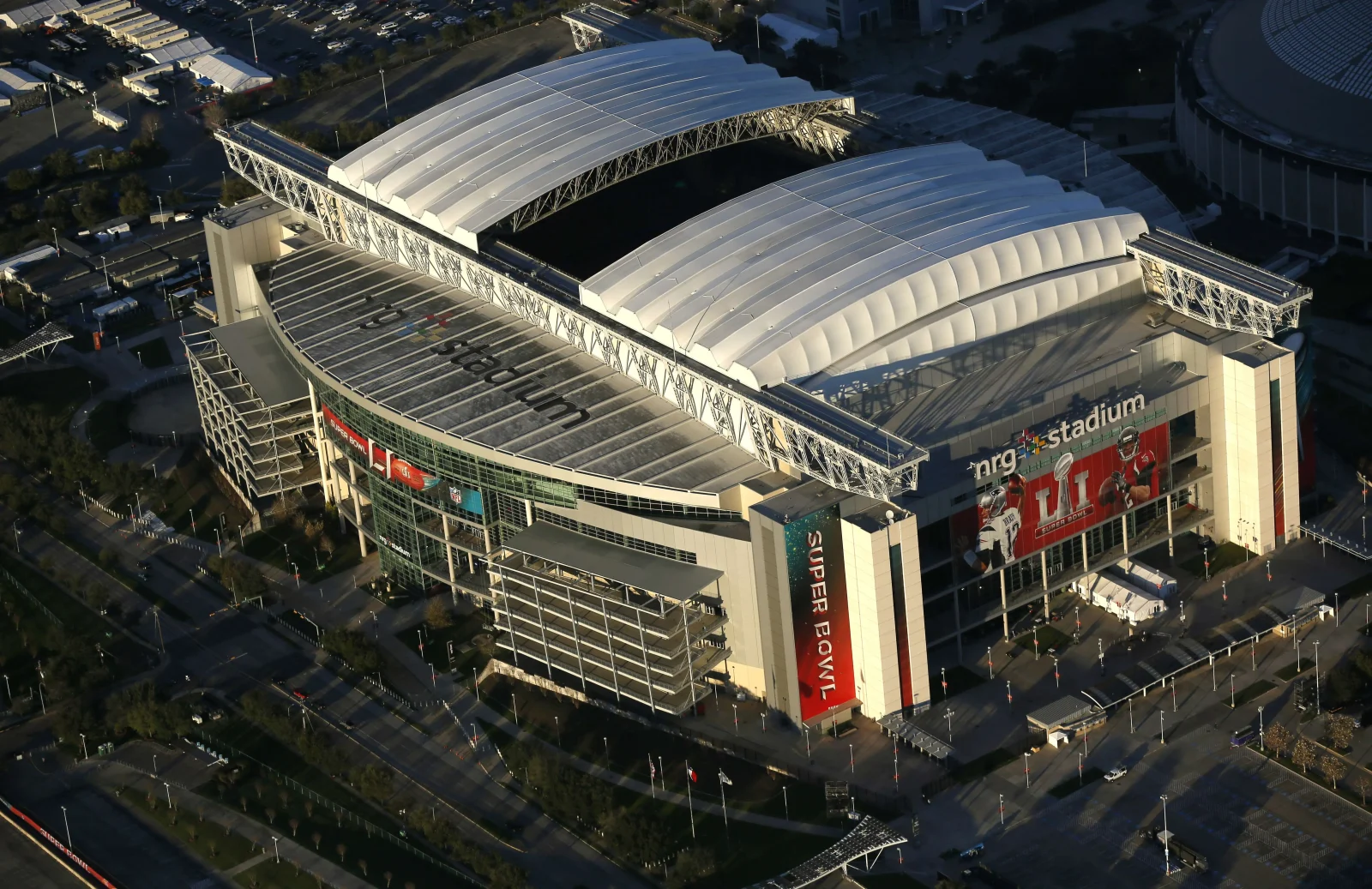
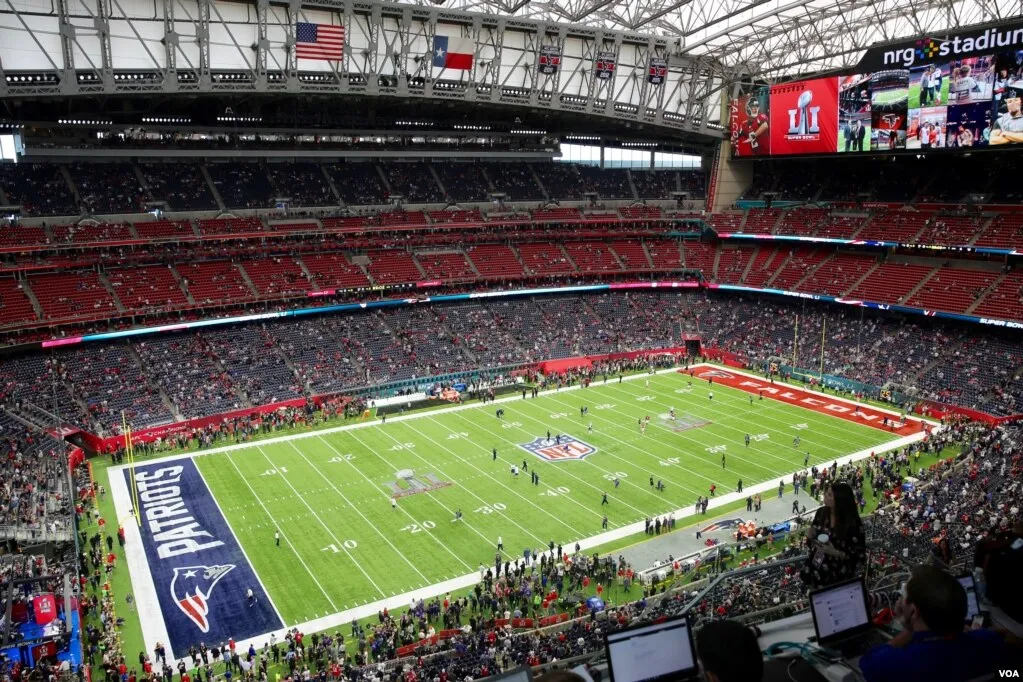
NRG’s retractable roof ensures matches go on regardless of the weather, which is crucial for Houston’s summer climate. It has hosted the 2016 Copa América Centenario and multiple high-profile soccer friendlies and cup finals. Its role in 2026 includes group and knockout fixtures that build on its multi-sport legacy. The venue’s infrastructure and experience with major sporting spectacles make it a reliable World Cup host.
6. Levi’s Stadium—Santa Clara / San Francisco Bay, California, USA
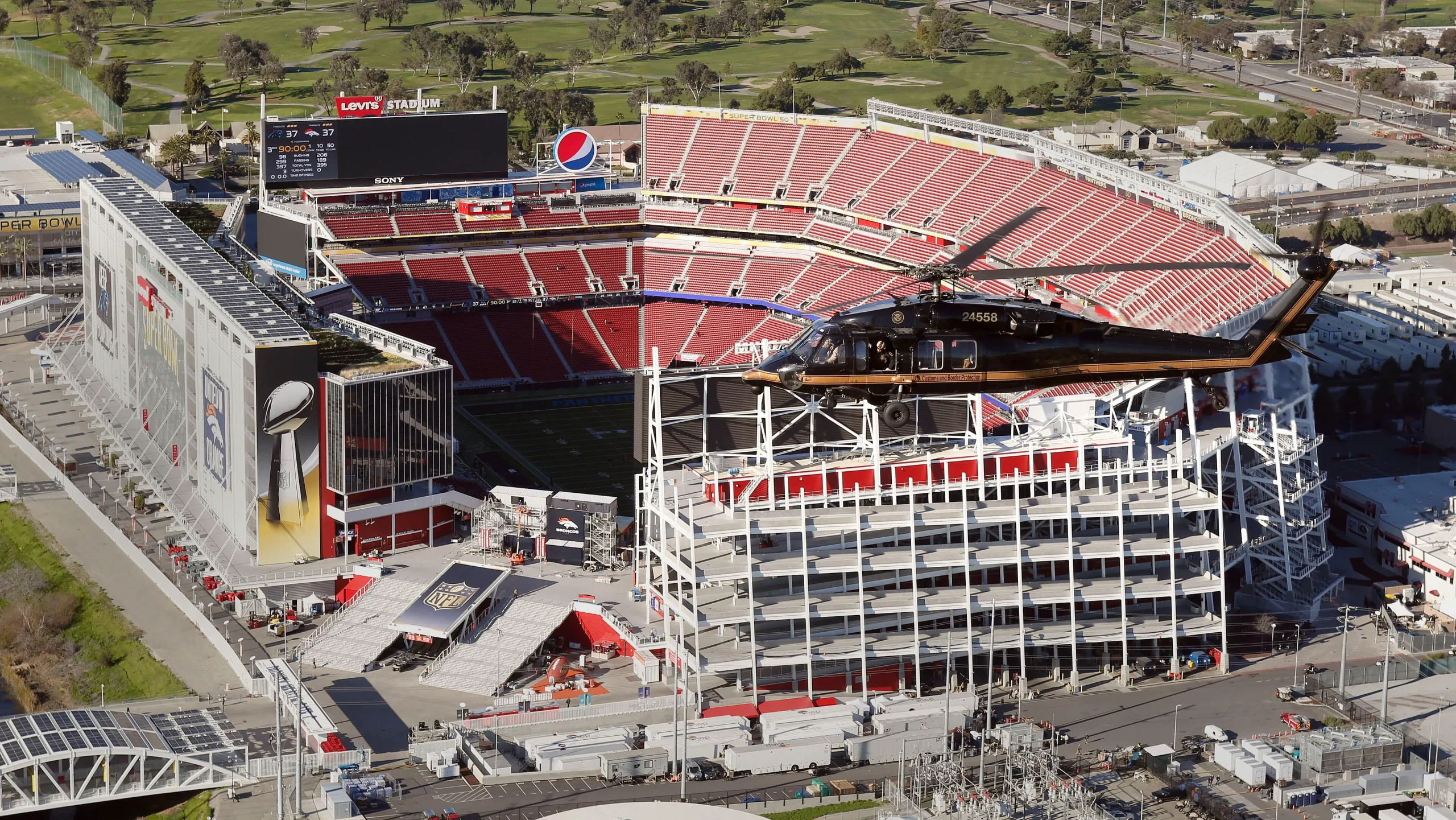
Capacity: ~71,000
Opened: July 2014
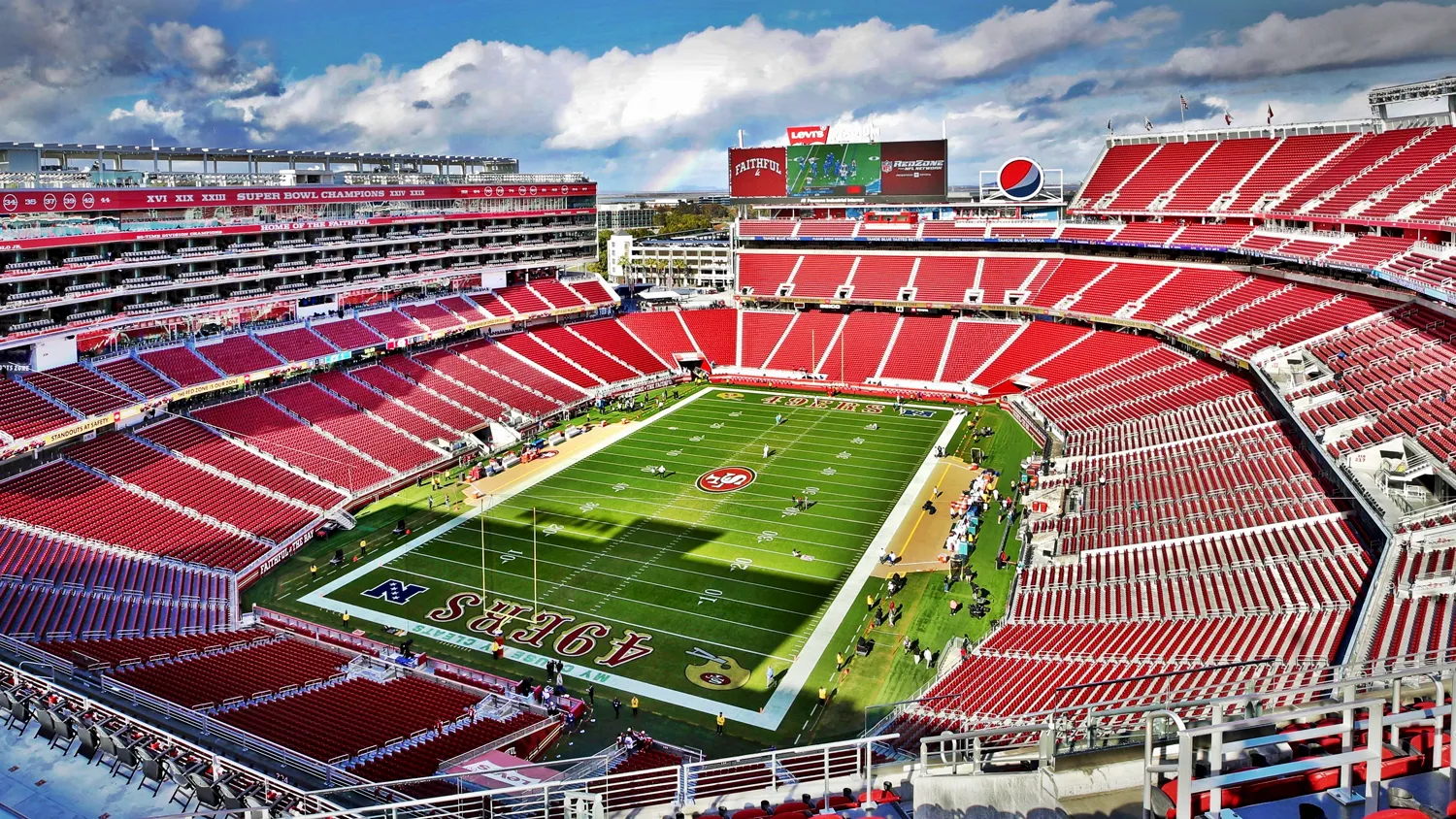
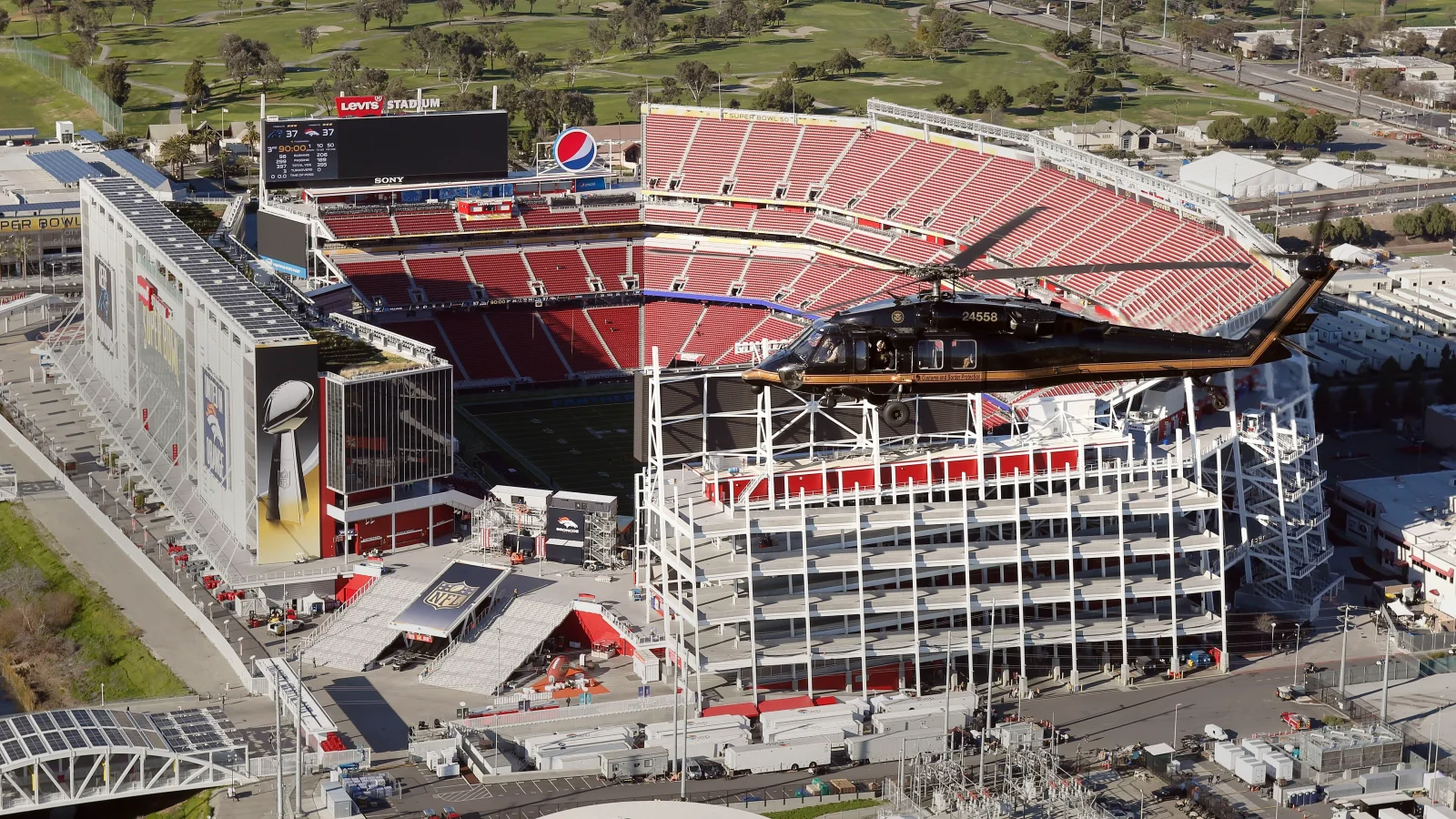
Located in the San Francisco Bay Area, Levi’s Stadium will host six games. It has become a key U.S. soccer site, having hosted international friendlies and the CONCACAF Gold Cup finals. Its design embraces sustainability and fan engagement with solar panels, efficient water systems, and an open concourse that integrates the Silicon Valley spirit within the football experience. While new to the World Cup stage, the region hosted memorable 1994 matches at nearby venues. Levi’s Stadium’s clean lines and eco-focus add architectural balance to the 2026 list.
7. SoFi Stadium—Los Angeles, California, USA
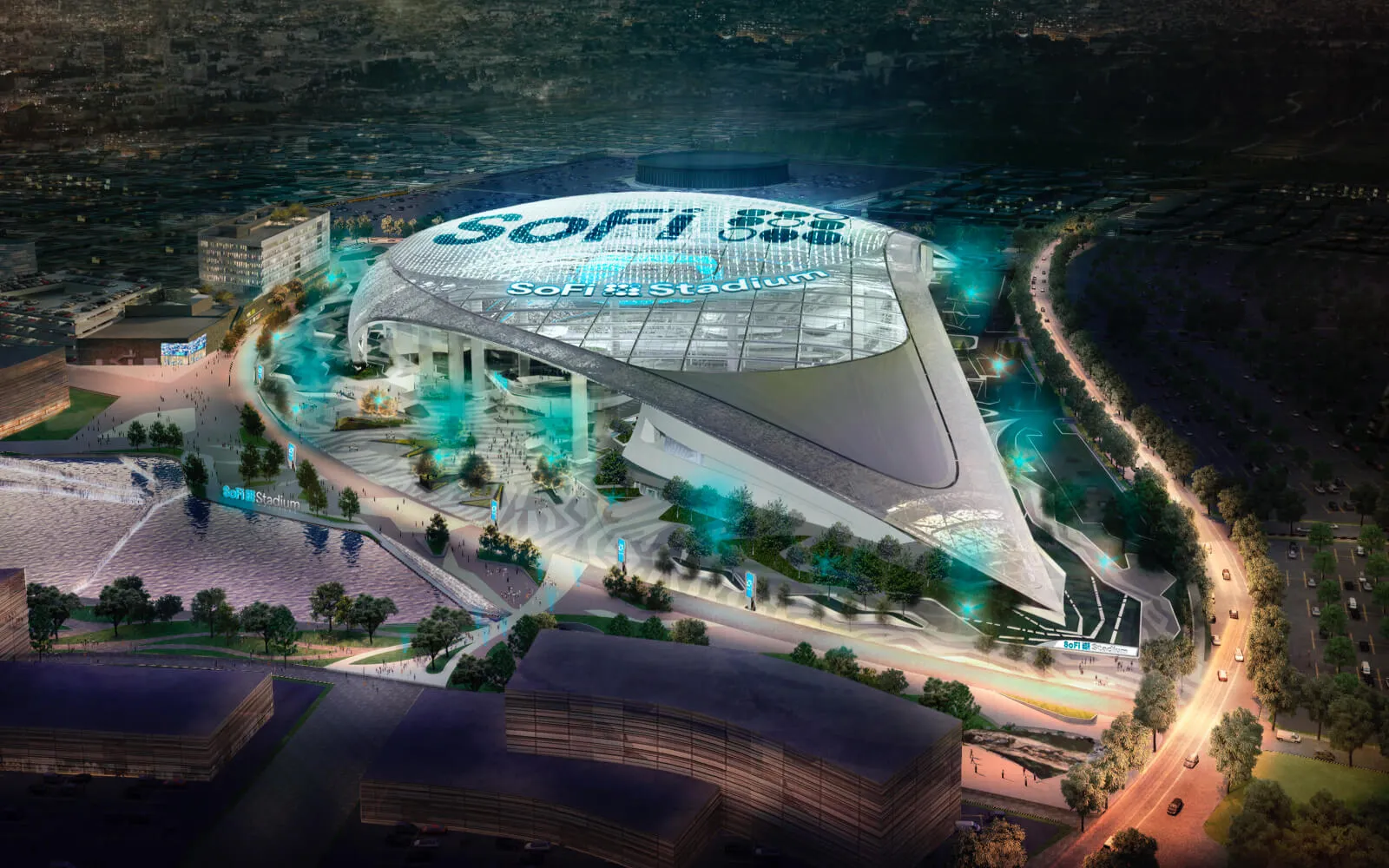
Capacity: ~70,000
Opened: 2020
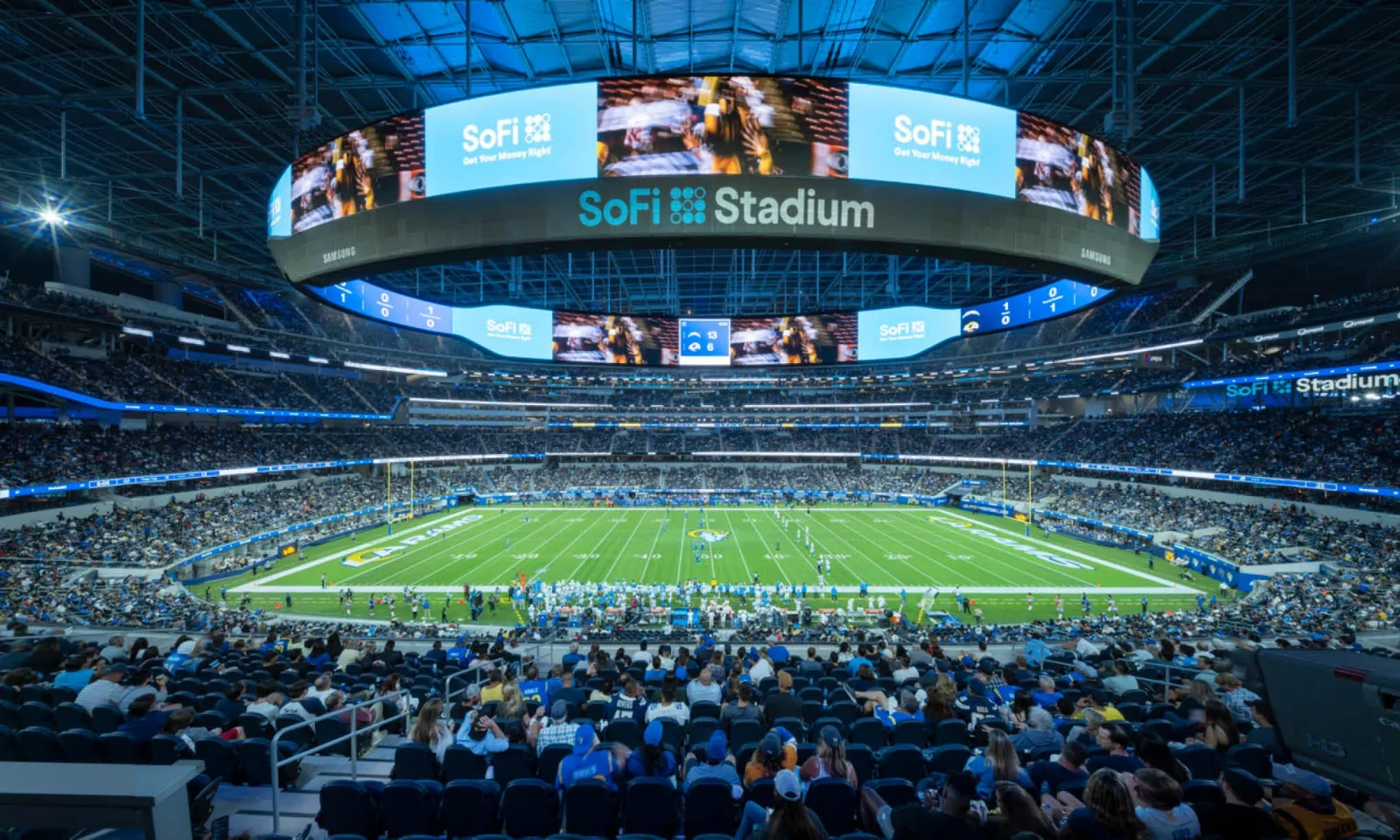
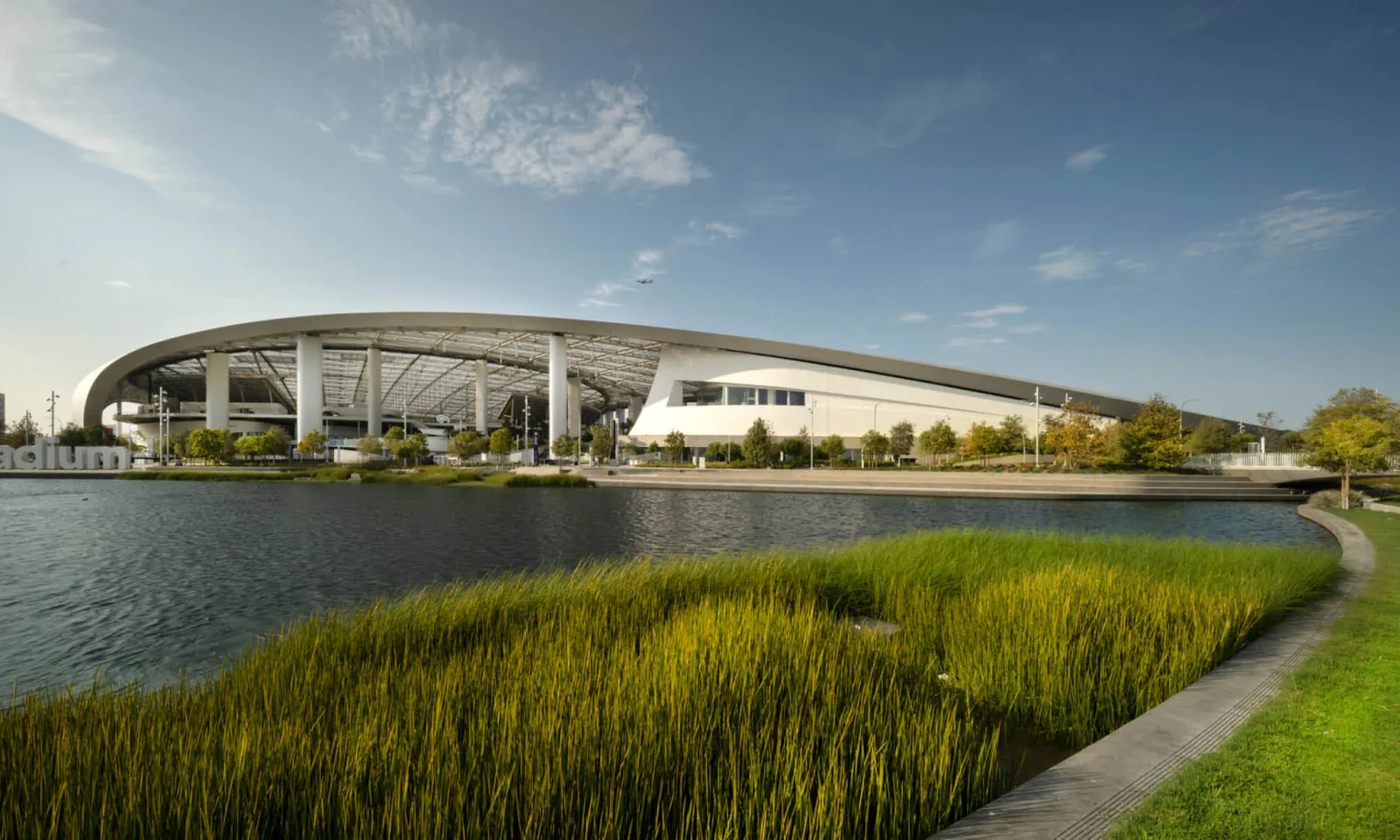
SoFi Stadium’s indoor-outdoor canopy and futuristic LED video board make it one of the most advanced arenas in the world. It has hosted international soccer showcases and will bring its cutting-edge atmosphere to the World Cup group. The stadium will host eight matches, including USMNT group stage games and a quarterfinal. It is perhaps the most technologically advanced venue on the 2026 list, with an enormous double-sided center videoboard and a translucent roof that creates an immersive environment. Though new to the World Cup stage, SoFi’s compact yet expansive design (partly below ground to comply with aviation restrictions) and world-class amenities make this a modern soccer stadium.
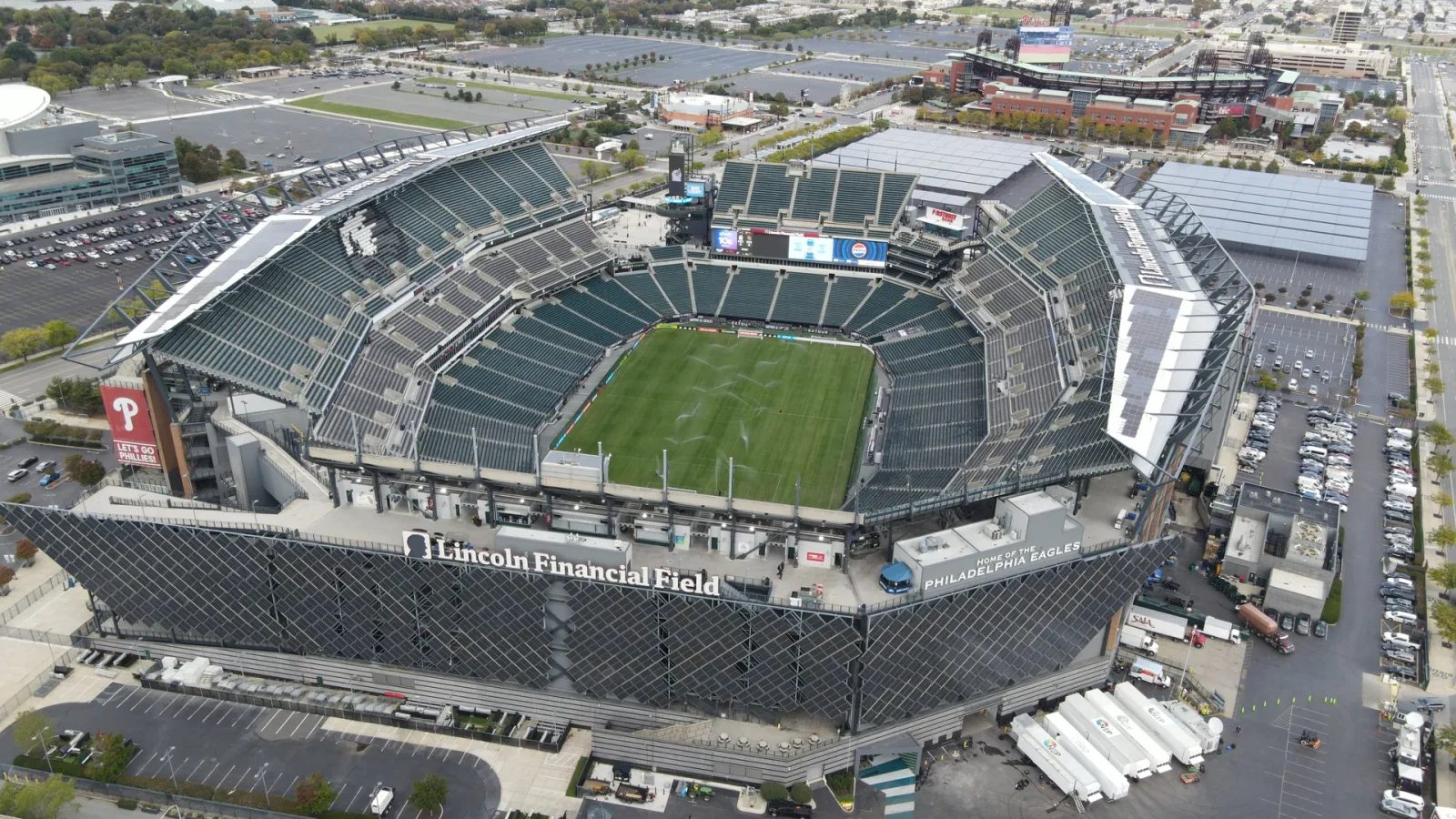
8. Lincoln Financial Field—Philadelphia, Pennsylvania, USA
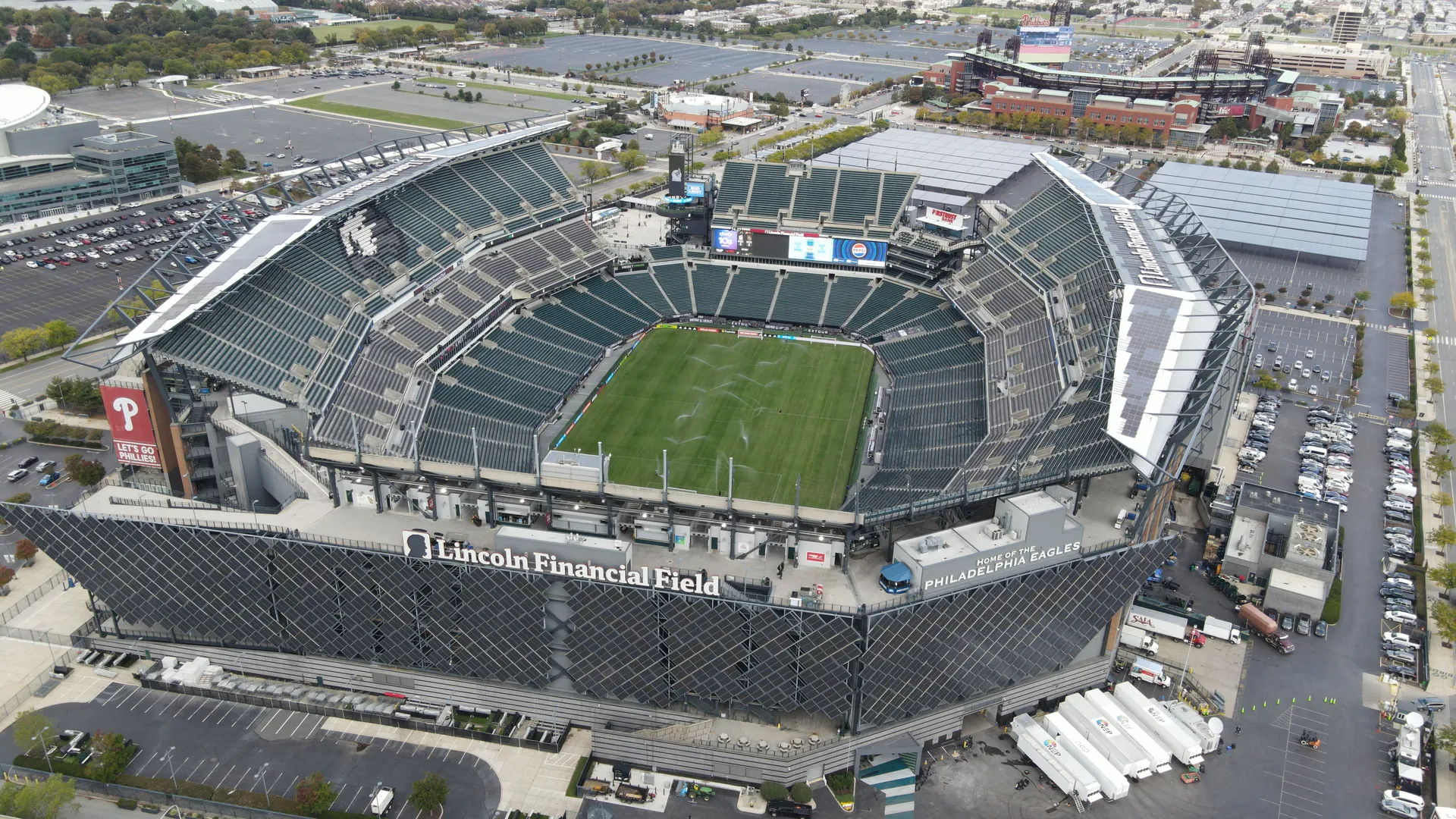
Capacity: ~69,000
Opened: 2003
Lincoln Financial Field, “The Linc,” corresponds to fan-forward design with NFL tradition. This stadium has hosted six World Cup matches, notably in the 2003 Women’s World Cup, and has since become a reliable soccer ground. For FIFA 2026, it will feature key group matches involving top teams. The venue’s structural transparency and robust infrastructure have made it a staple for major sports events beyond the NFL.
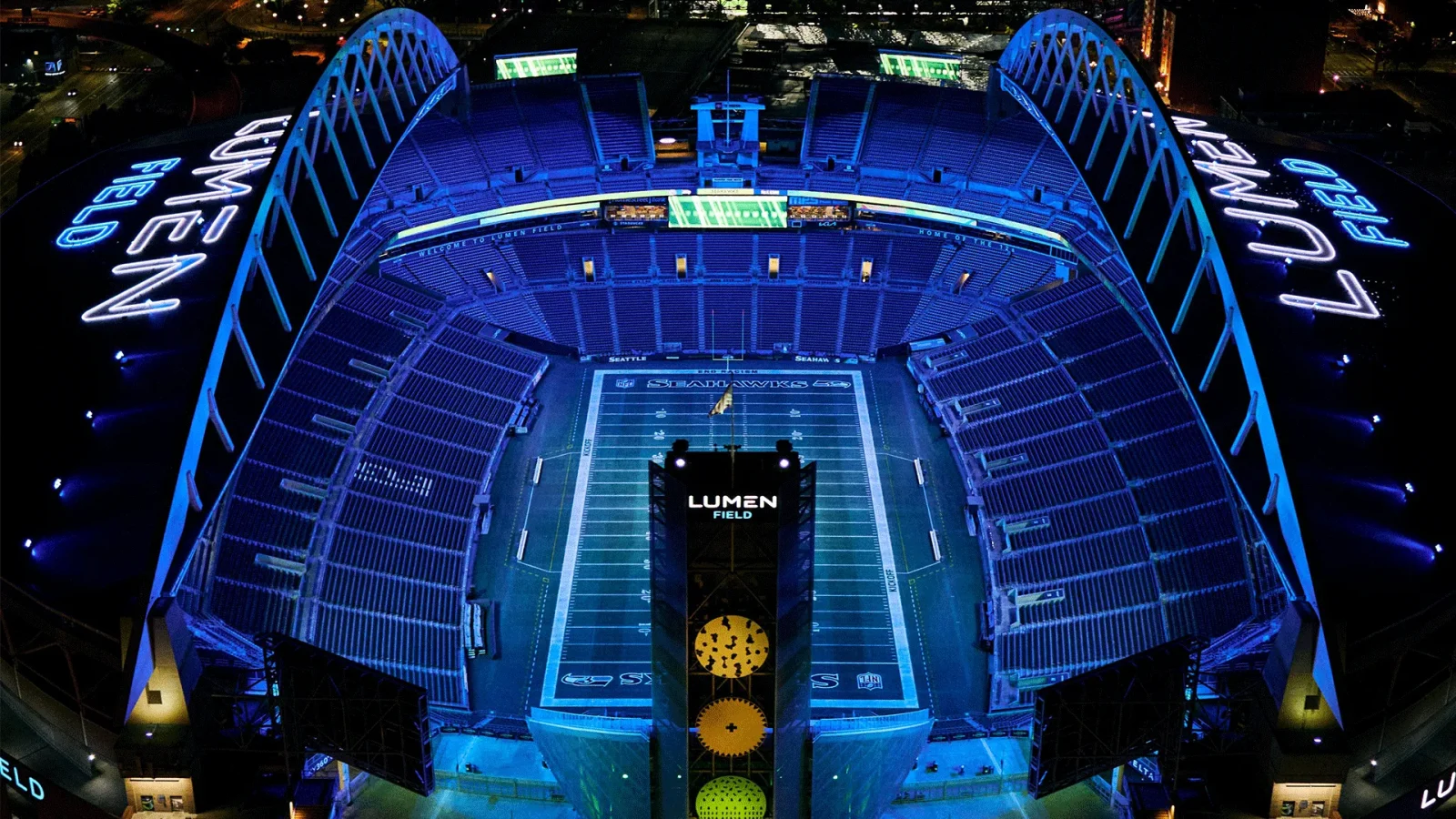
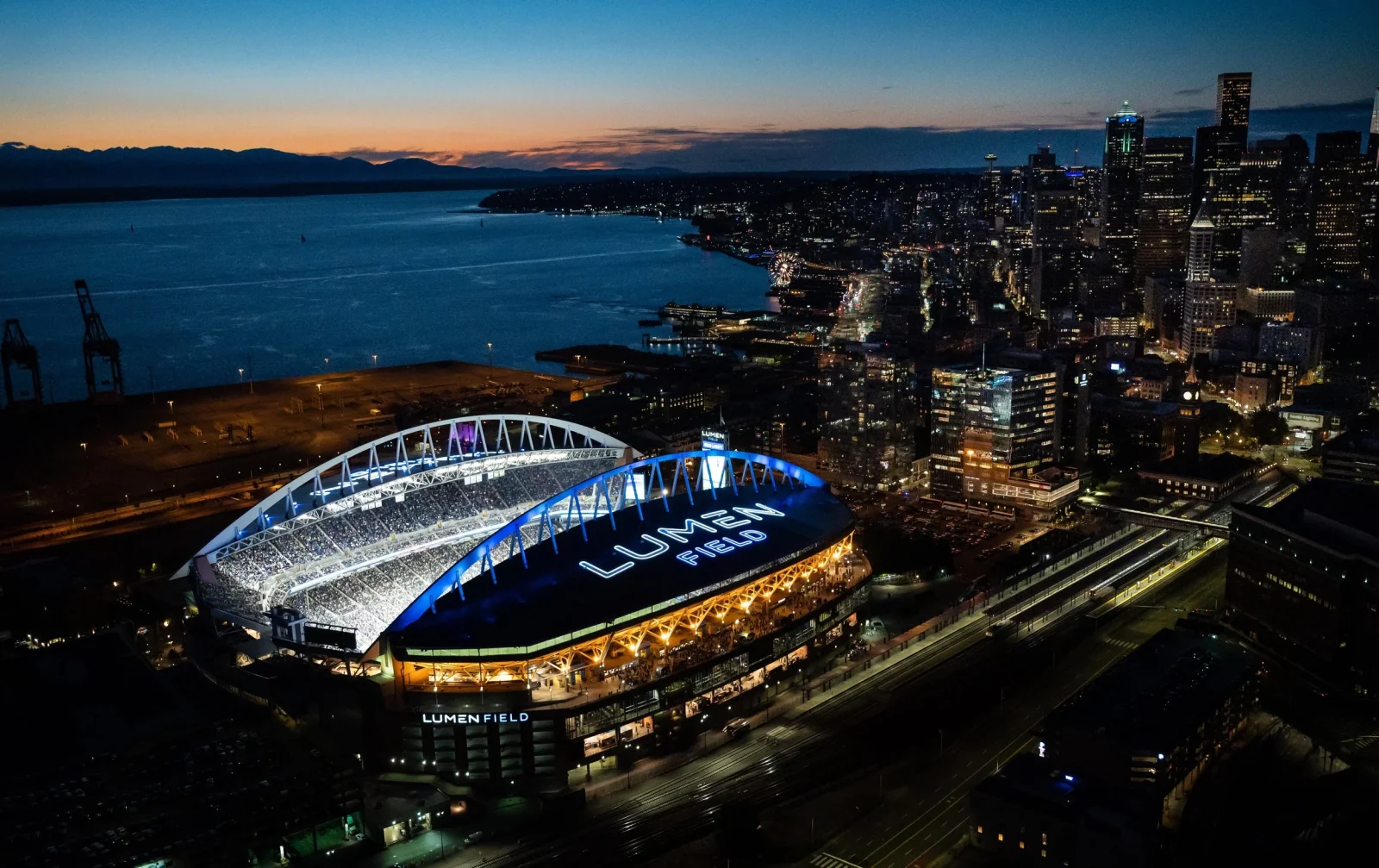
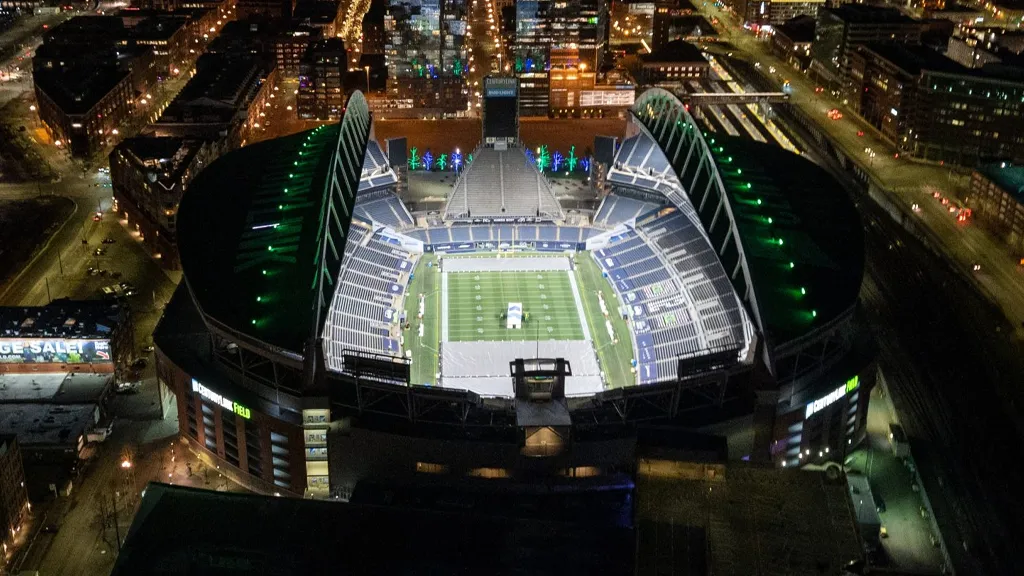
9. Lumen Field—Seattle, Washington, USA
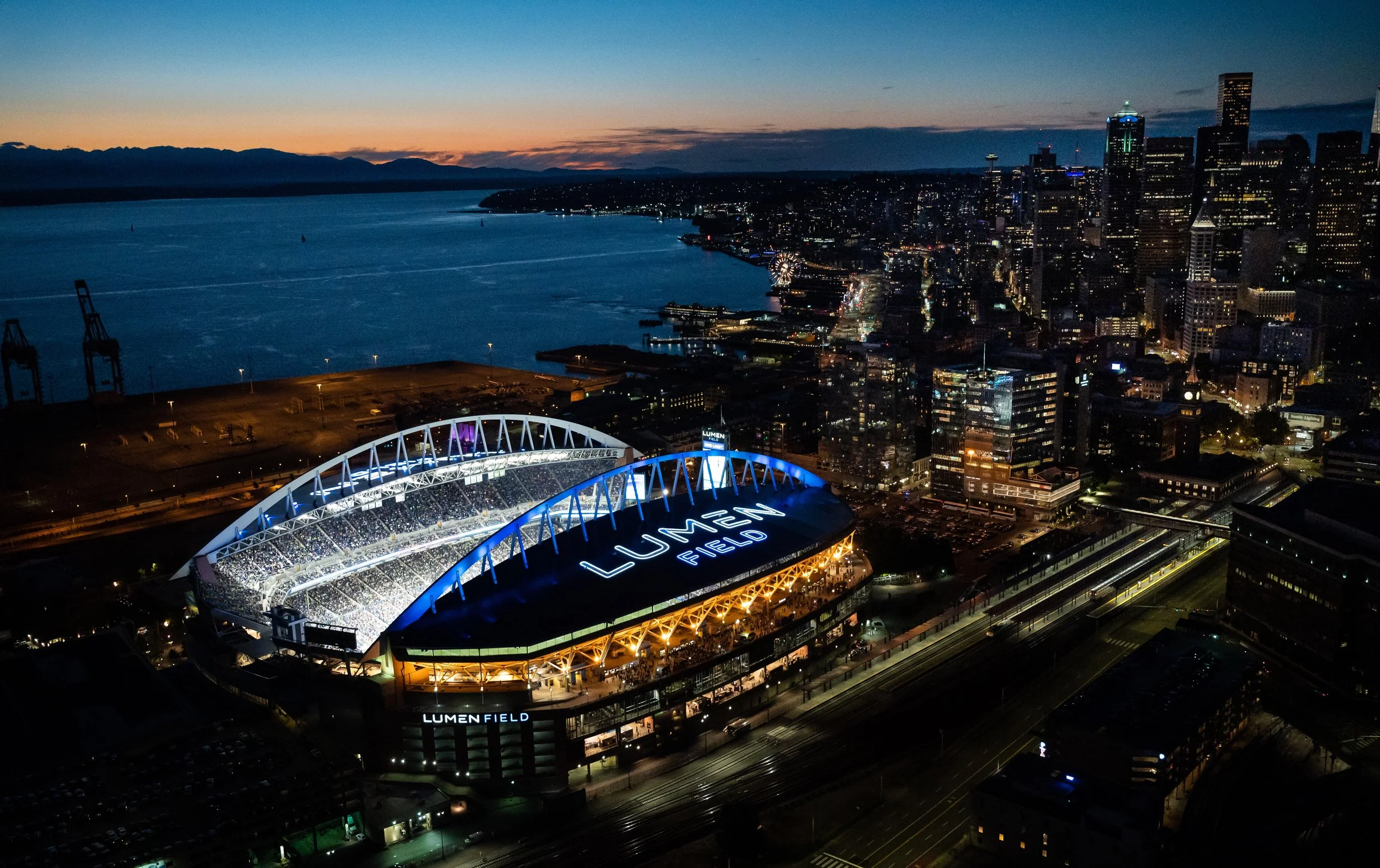
Capacity: ~69,000
Opened: 2002
Lumen Field’s steep upper decks and roof design trap sound, creating one of the most intimidating atmospheres in North America. It’s a fortress for MLS and USMNT qualifiers. Its Pacific Northwest location brings scenic flair to the tournament.
10. Gillette Stadium—Foxborough, Massachusetts, USA
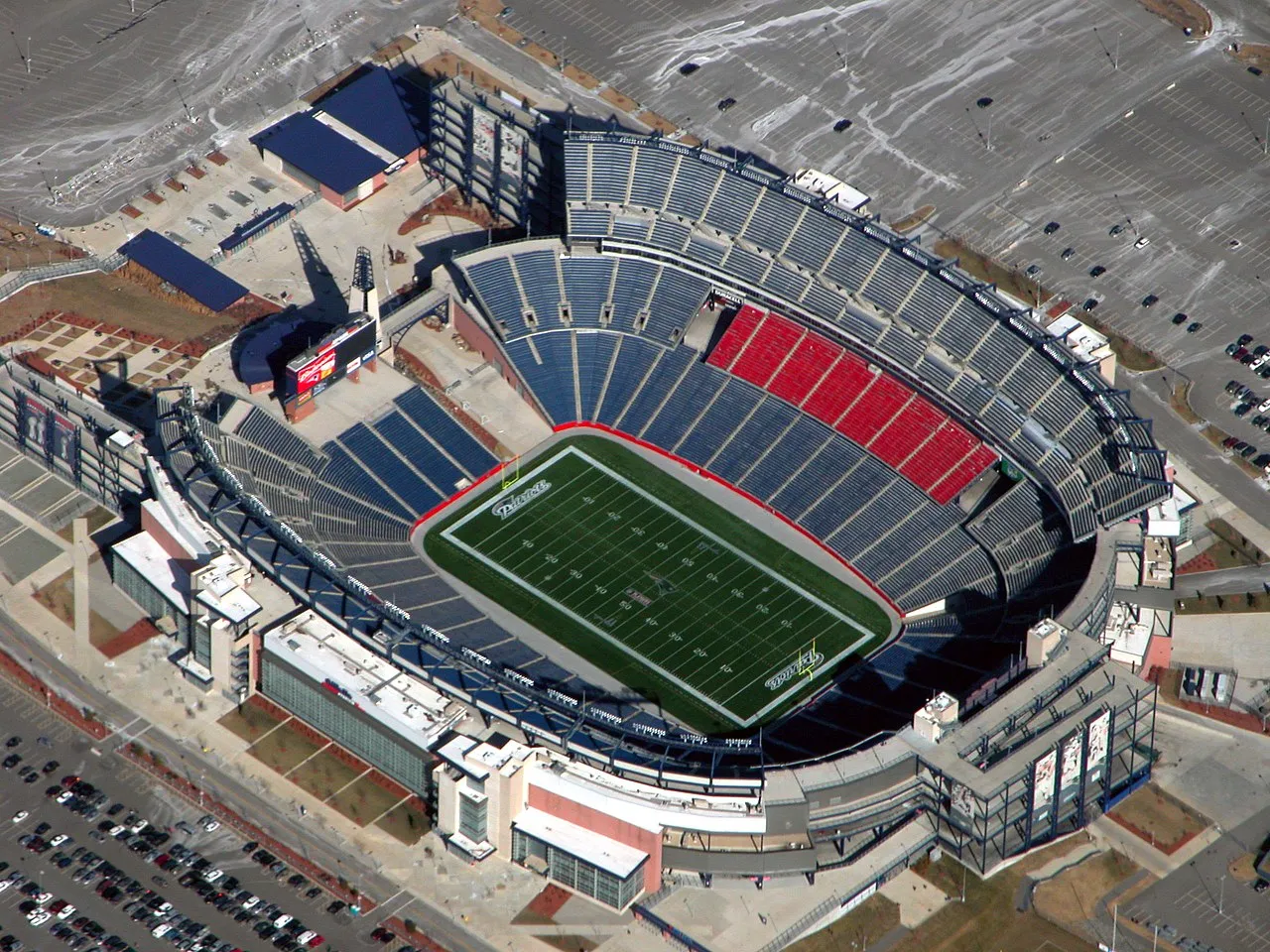
Capacity: ~65,878
Opened: 2002
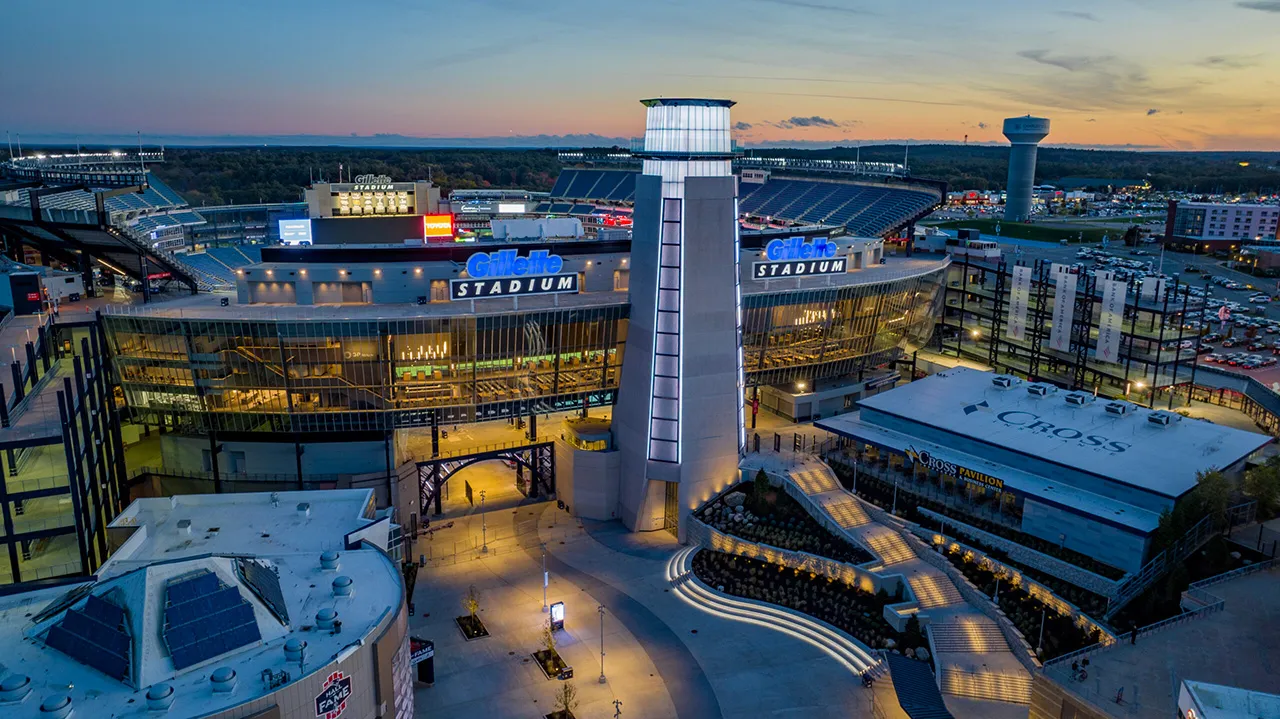
Gillette Stadium’s distinctive lighthouse and bridge provide one of American sports’ most recognizable looks. Gillette Stadium has hosted World Cup matches previously and is a reliable host for major fixtures, including a quarterfinal in 2026. Visually, its New England coastal architectural inspirations and fan-friendly concourses make it a hometown favorite for U.S. soccer supporters.
11. Hard Rock Stadium—Miami Gardens, Florida, USA
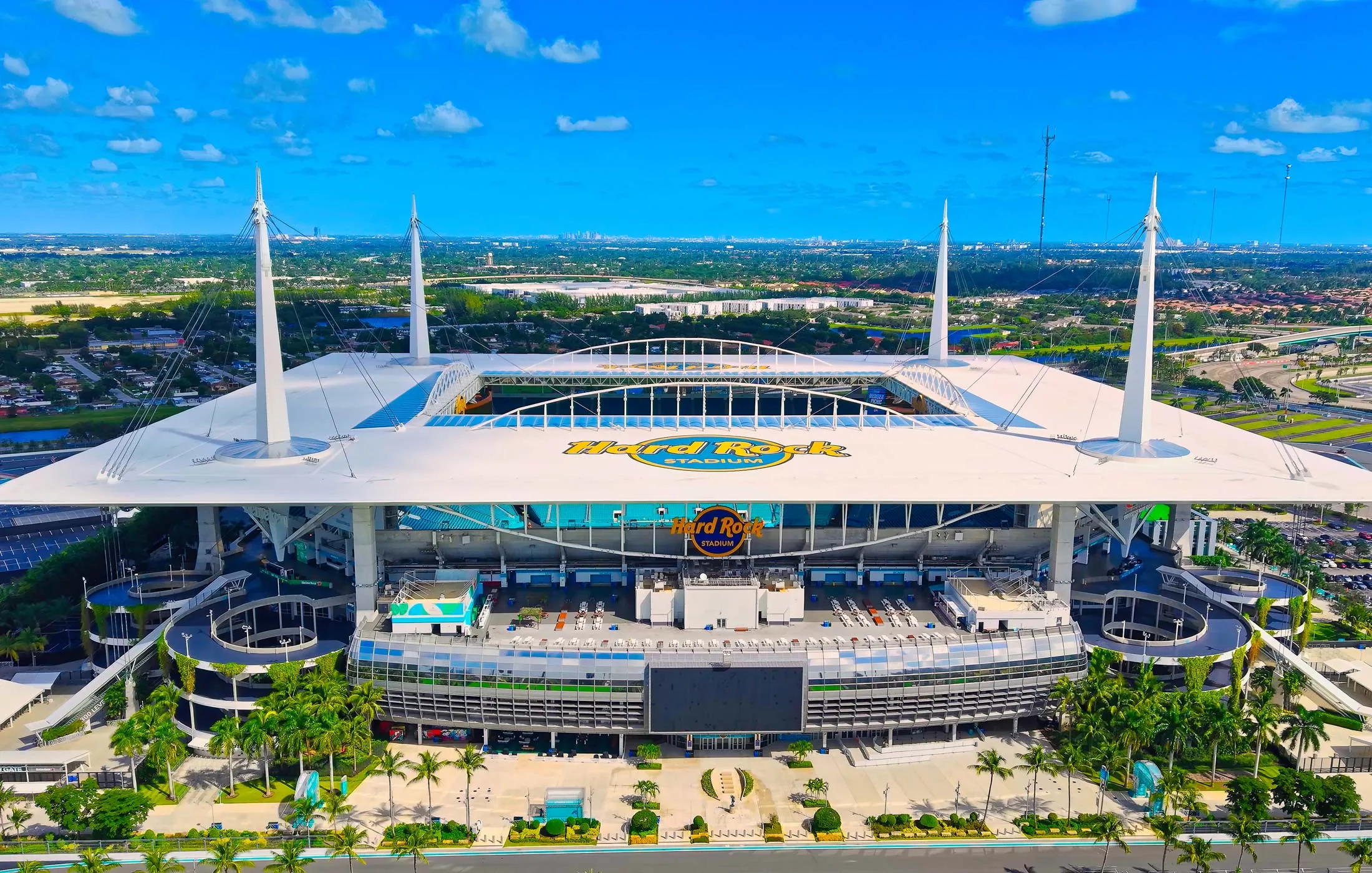
Capacity: ~65,000
Opened: 1987 (major renovations completed 2016–2023)
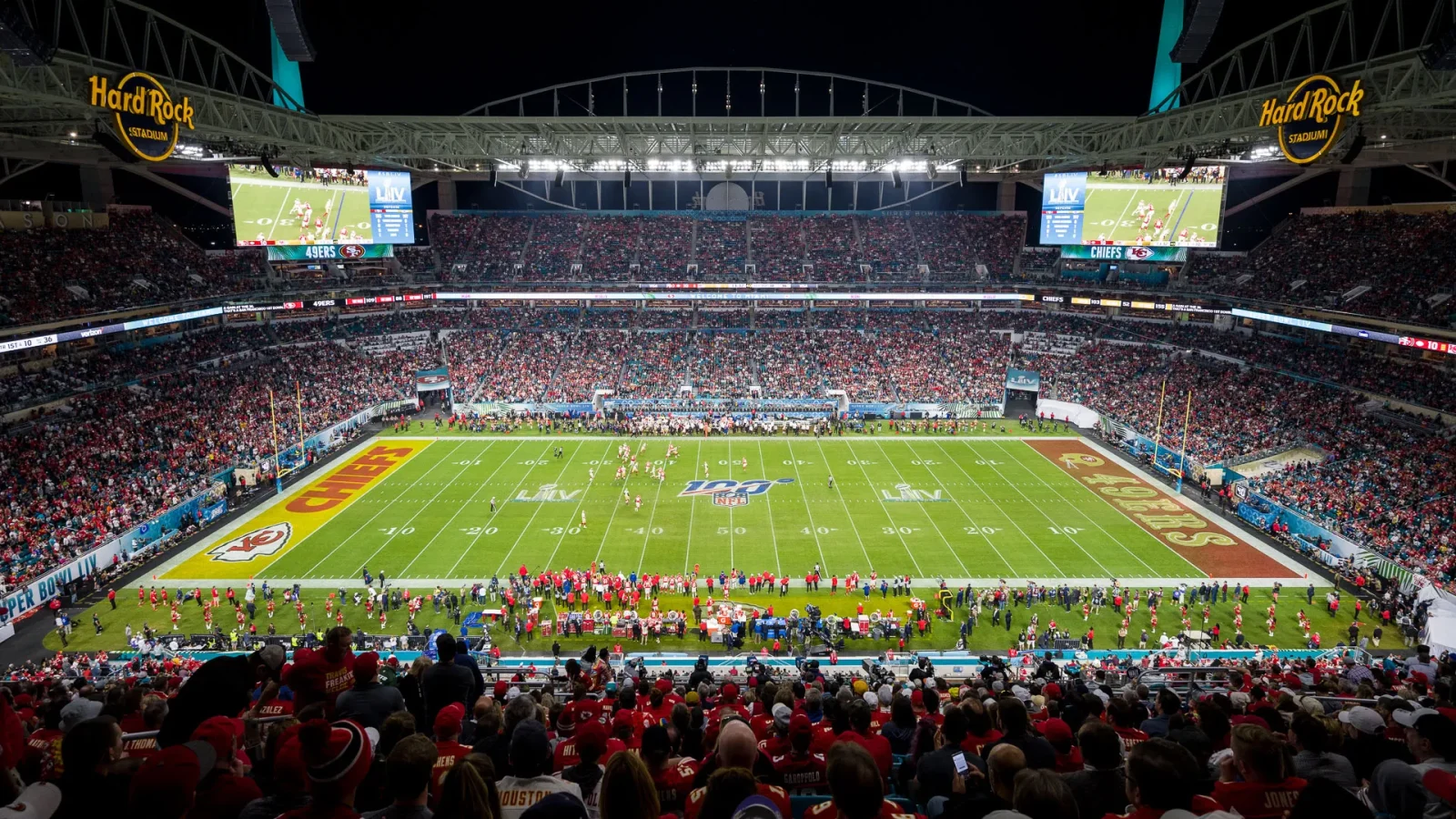
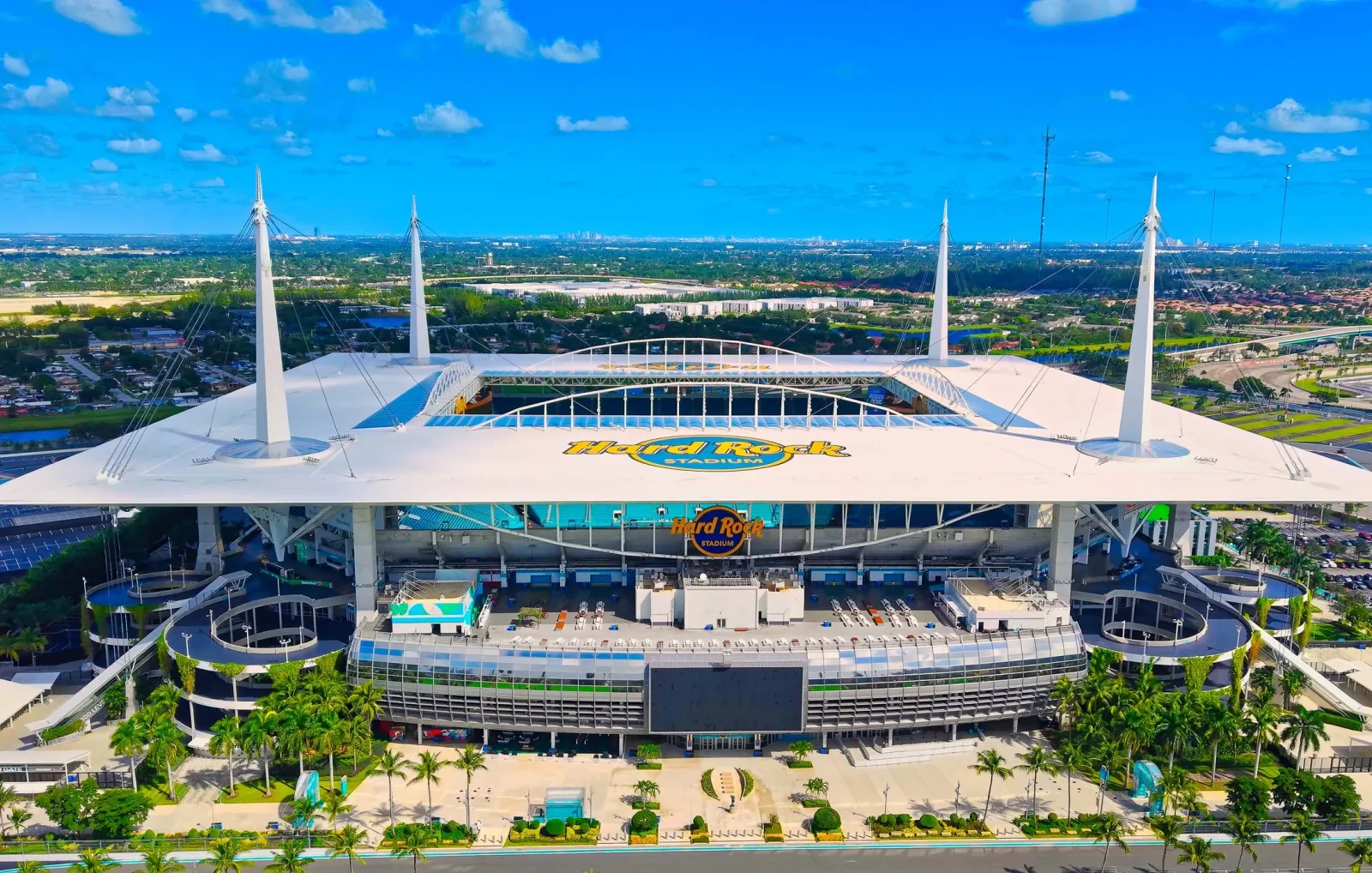
Hard Rock Stadium’s most defining feature is its four-corner canopy roof, which shades spectators while leaving the pitch open to natural light. It hosted the 2024 Copa América Final, where Argentina defeated Colombia, reinforcing its global football status, which has continuously upgraded facilities. Hard Rock Stadium will host an array of group and knockout matches, including a third-place playoff. Its flexible design accommodates multiple sports and entertainment events. Renovations have modernized hospitality, sightlines, and player facilities ahead of 2026. Its outdoor design with shaded seating suits Florida’s summer heat, while its global events pedigree adds to the World Cup vibe.
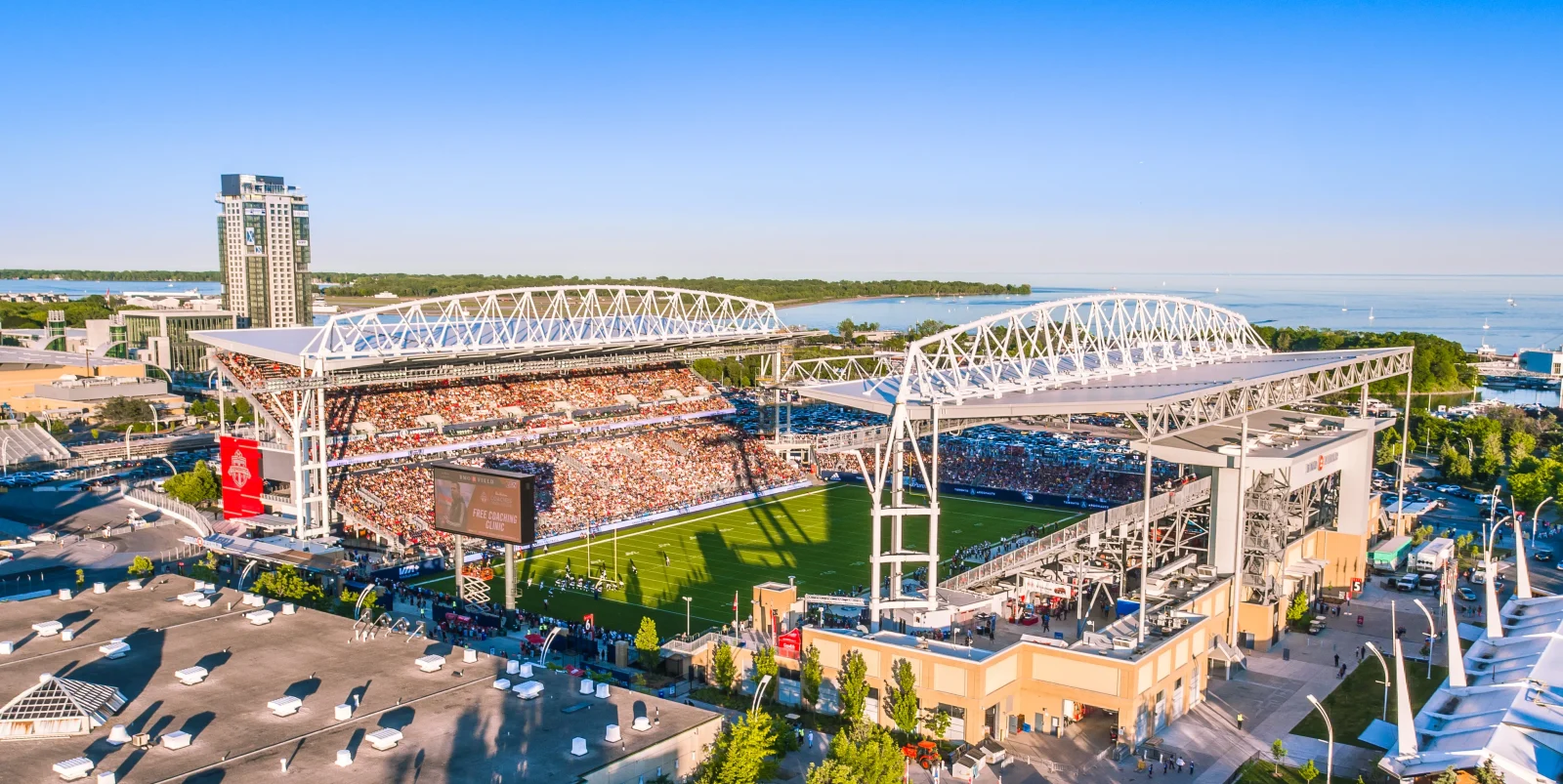
12. BMO Field—Toronto, Ontario, Canada
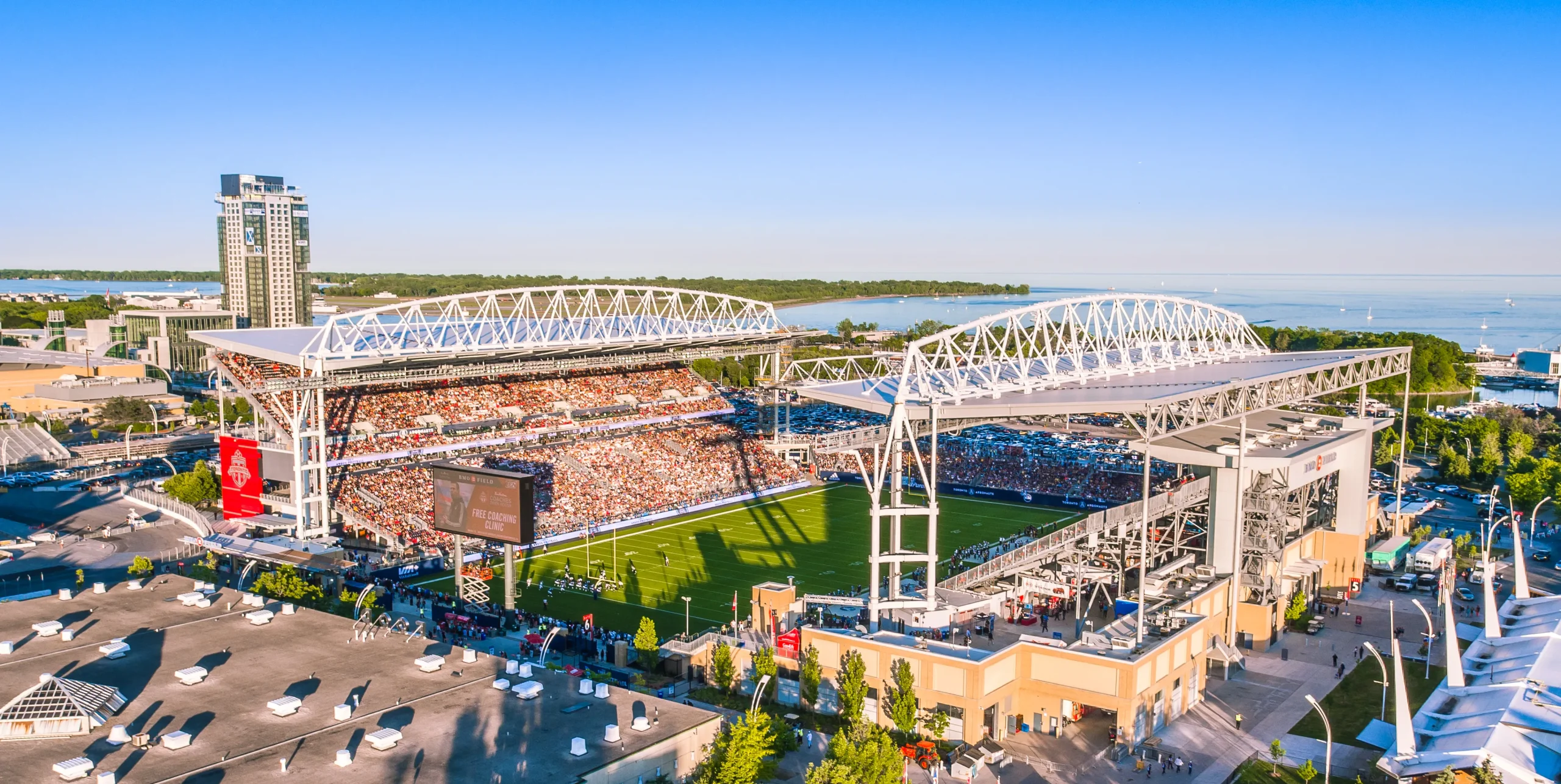
Capacity (expanded): ~45,000
Opened: 2007
Canada’s premier football venue, BMO Field, was built with a compact, fan-intimate design near Lake Ontario. It has hosted MLS Cup finals and Canada’s historic qualifiers. Expanded for 2026, it will bring vibrant urban energy to group matches. BMO Field will host six matches, including Canada’s group opener. Though new to World Cup hosting, it is beloved for its passionate atmosphere and soccer-centric design.
13. BC Place—Vancouver, British Columbia, Canada
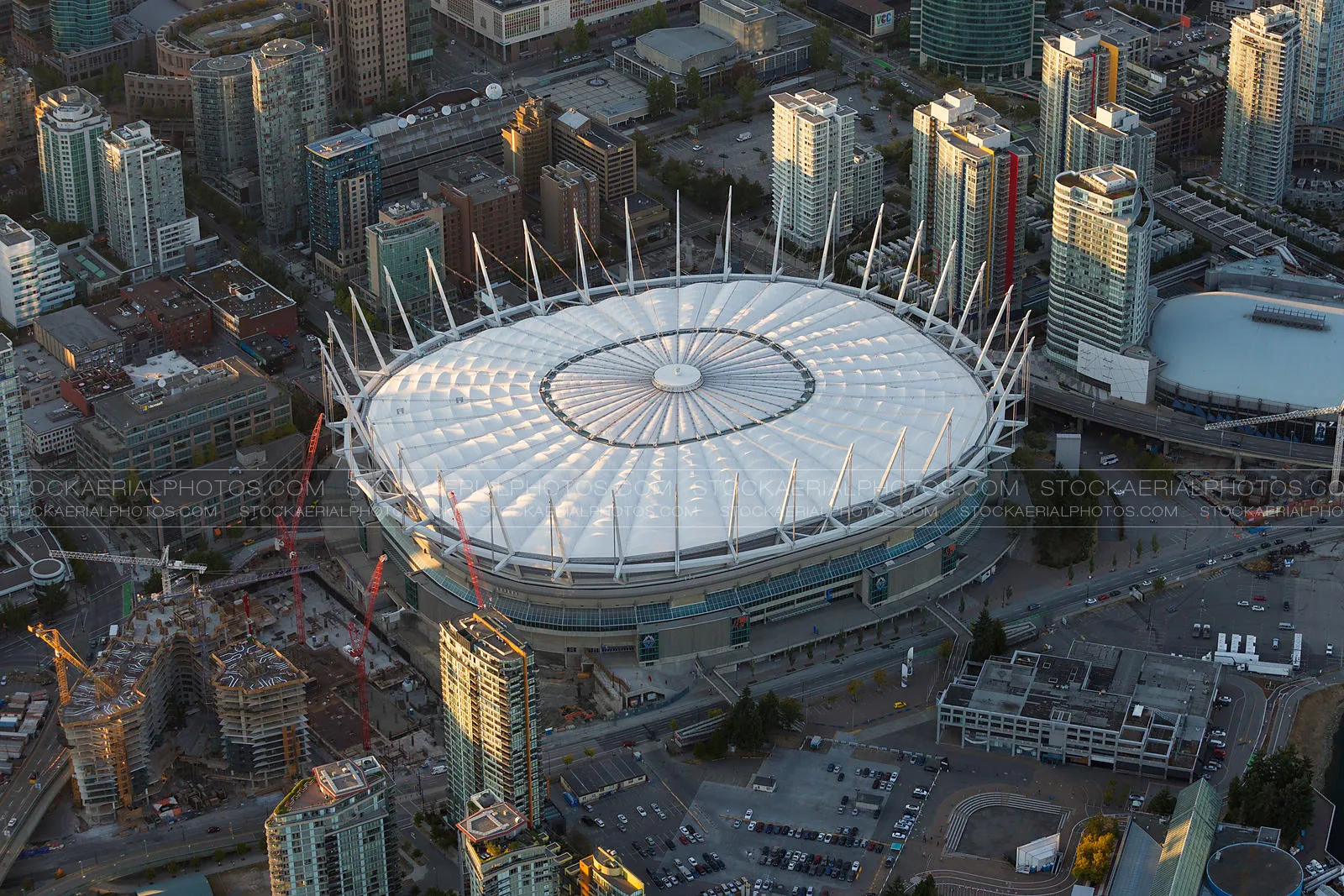
Capacity: ~54,500
Opened: 1983 (renovated)
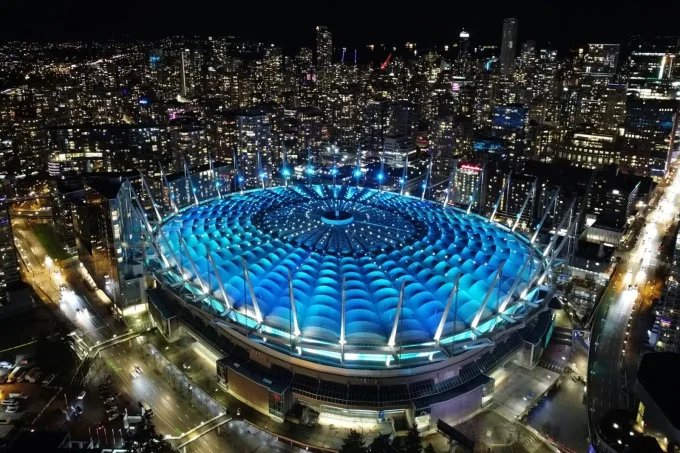
BC Place’s retractable roof and panoramic city backdrop make it a Pacific treasure. It hosted the 2015 Women’s World Cup Final. It will welcome seven matches in 2026, including Canada’s later group games. The stadium’s design integrates flexibility with premium hospitality spaces and breathtaking views of Vancouver’s skyline.
14. Estadio Azteca—Mexico City, Mexico
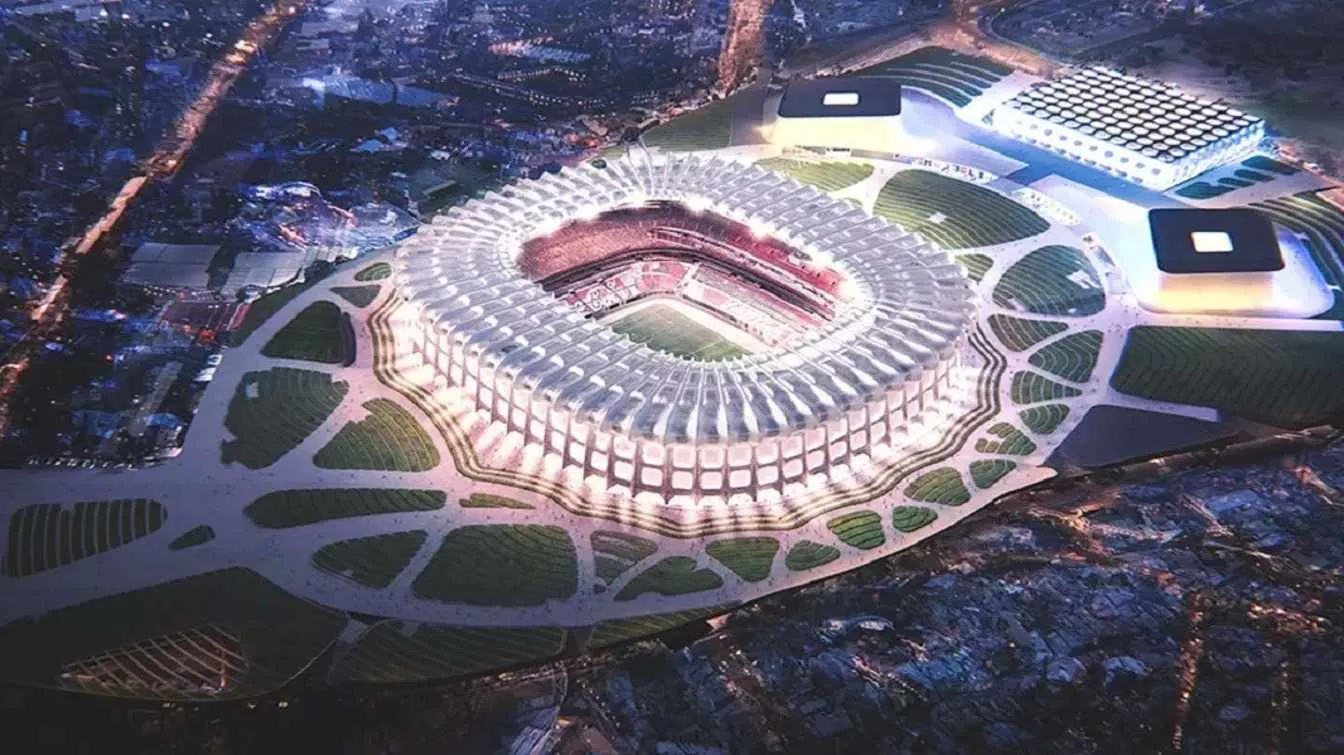
Capacity: ~83,000
Opened: 1966
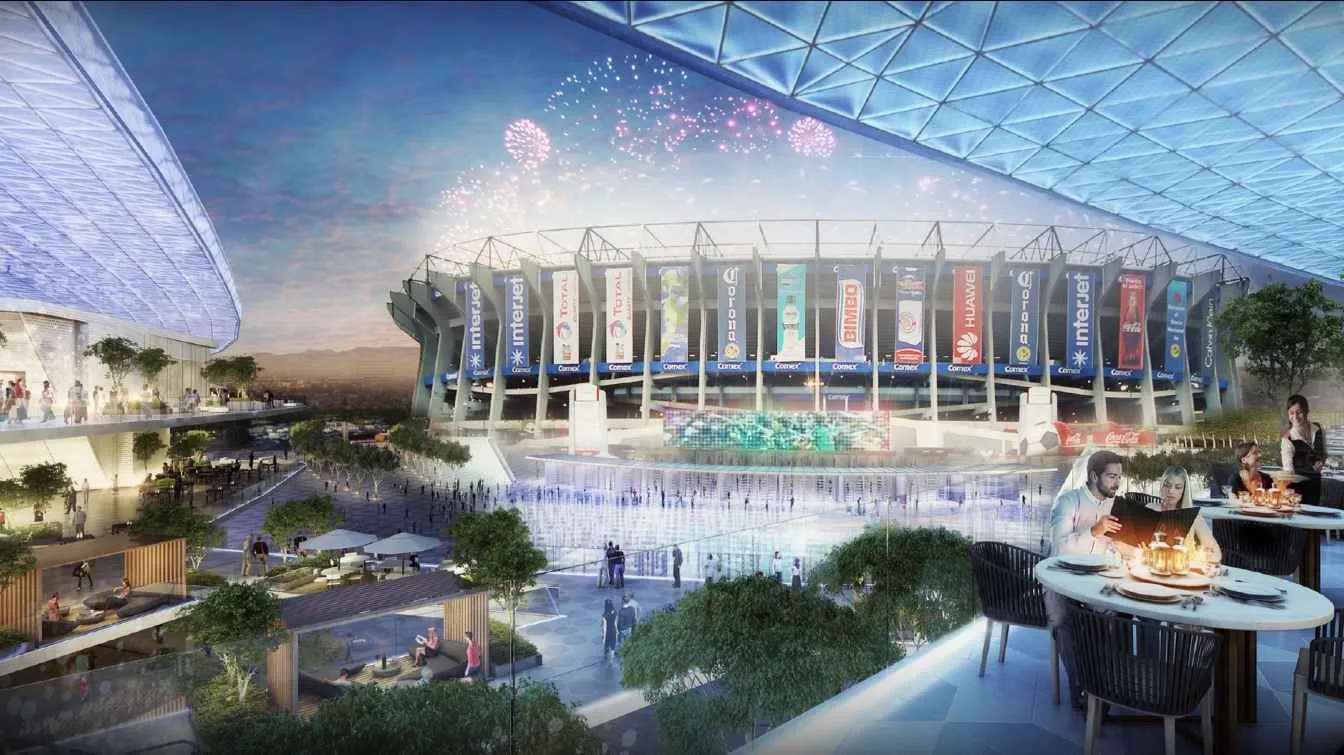
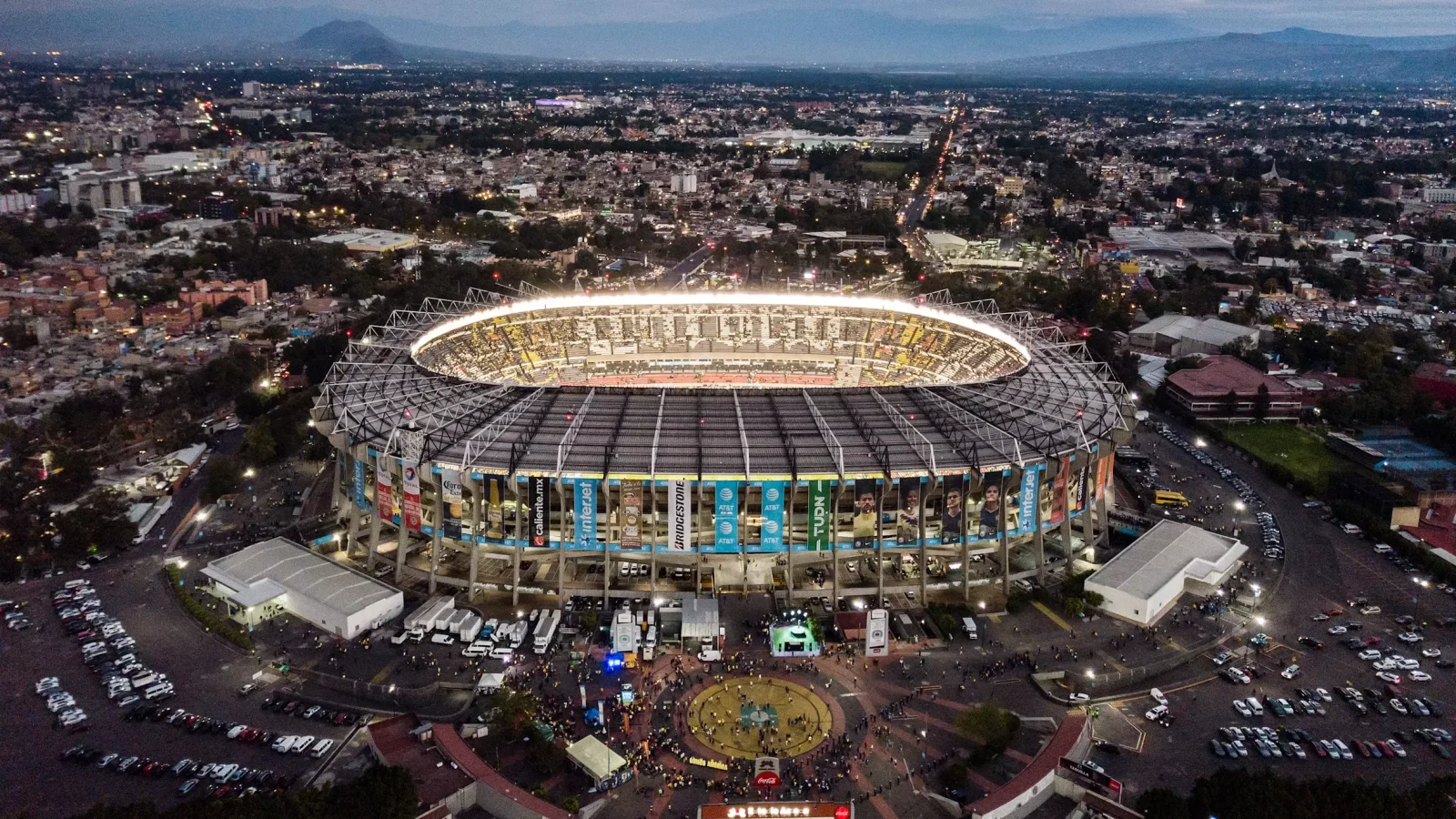
The legendary Estadio Azteca, officially renamed Estadio Banorte for World Cup branding, is the only stadium in the world to host two World Cup finals (1970, 1986) and will host the opening match of 2026. At nearly 2,300 m elevation, its bowl-like concrete tiers have seen Pelé, Diego Maradona’s iconic “Hand of God” and “Goal of the Century,” and countless iconic moments.
15. Estadio BBVA—Monterrey, México
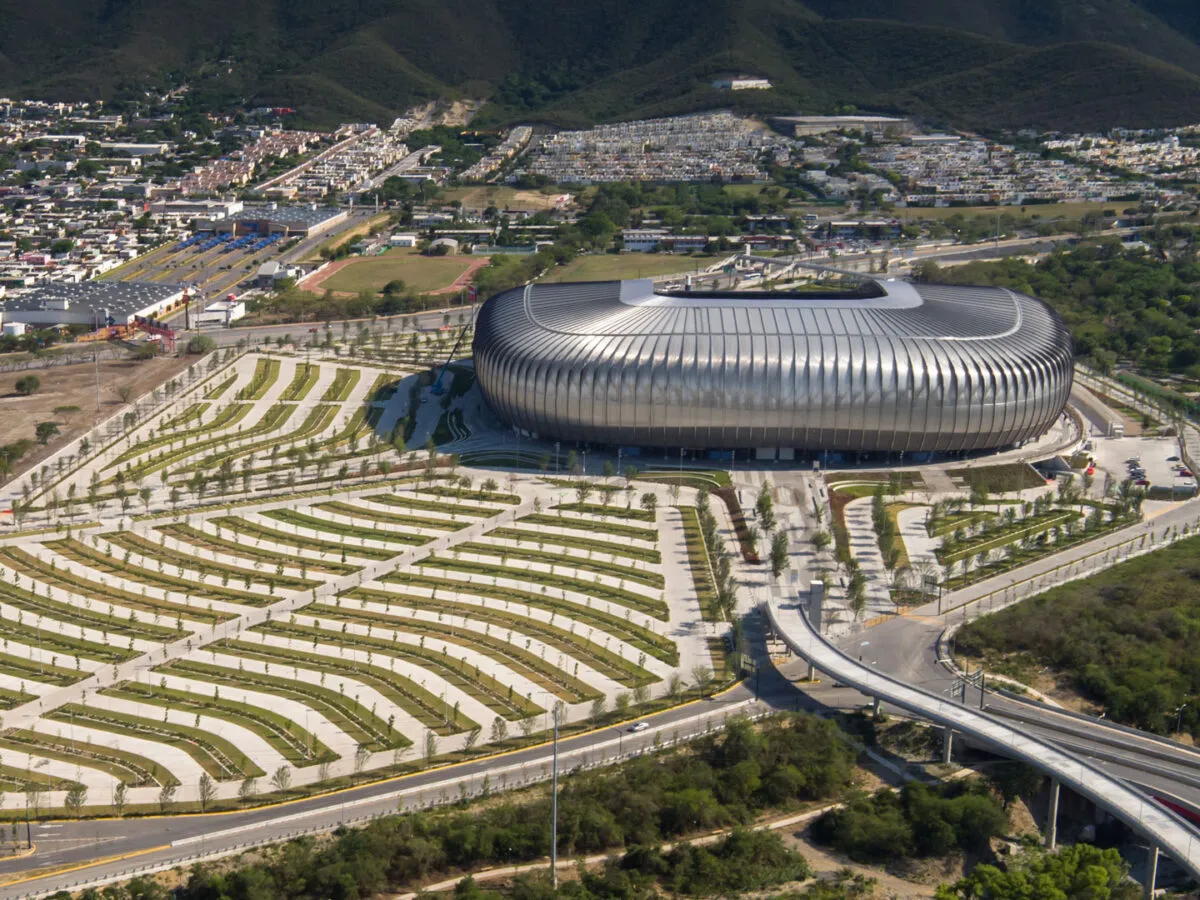
Capacity: ~53,500
Opened: 2015
Estadio BBVA is Latin America’s first major LEED-certified stadium, hosting league finals and international events. For 2026, it will host a group and a round of 32 matches, adding modern Mexican intensity to the lineup. Known locally as one of Latin America’s most modern arenas, its sleek cantilevered roof and sculpted facade echo the nearby Cerro de la Silla mountains. The stadium has hosted major CONCACAF tournaments and international events, giving it growing recognition in global football.
16. Estadio Akron—Zapopan/Guadalajara, México
Capacity: ~48,000
Opened: 2010
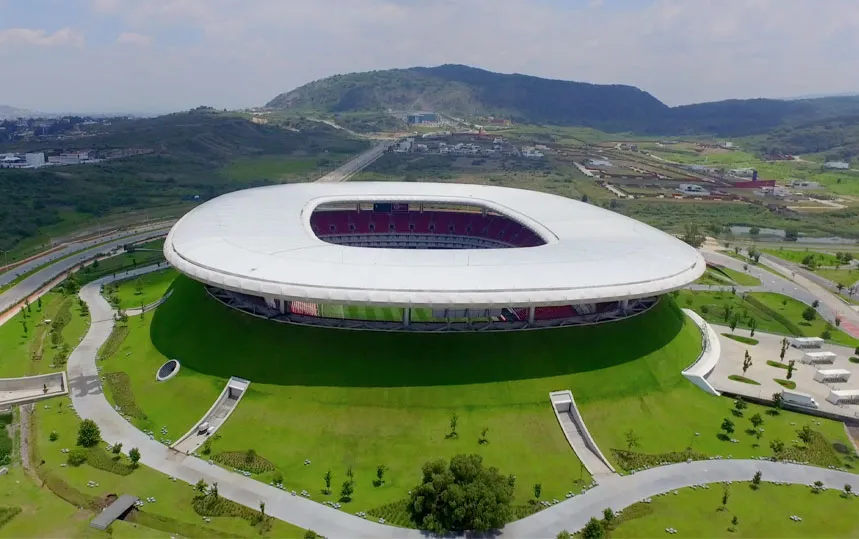
The steep, enveloping stands and sleek exterior of Estadio Akron make it one of Mexico’s most striking venues. Home to Chivas de Guadalajara, it has hosted league finals and international friendlies. In 2026, it will host four group matches, bringing intimate, high-energy football to the tournament. Though smaller than other hosts, its setting beside Bosque La Primavera and modern structural choices make it architecturally significant.
Explore Courses
.jpg "Ondrej Chybik - Rethinking Architecture")