






Many of the highly admired buildings that have become iconic landmarks of cities today sparked heated debates, divided public opinion, and caused fierce disputes during their design phase. Initially labeled as ugly, incompatible, or even as an affront to tradition, many of these works were gradually embraced over time and ultimately became iconic landmarks of their cities.
Architectural structures that shape city skylines often become beloved symbols; however, not every design resonates positively with the public. Architectural criticism, which can vary depending on aesthetic and logical perspectives and preferences, has led to intense and lengthy debates over some projects.
Here are the 15 most controversial buildings of all time:
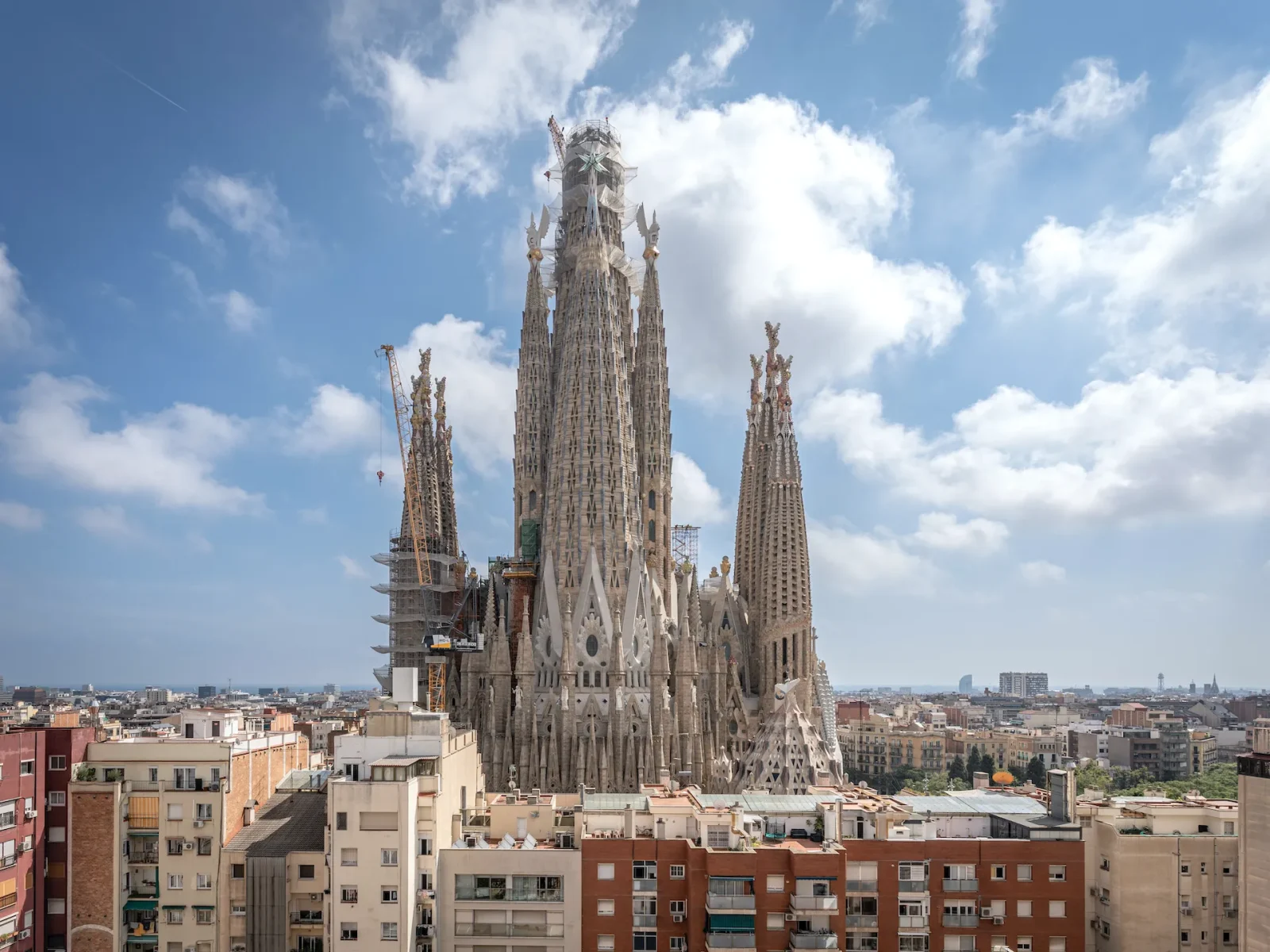
1. Sagrada Familia
Location: Barcelona, Spain
Architect: Antoni Gaudí
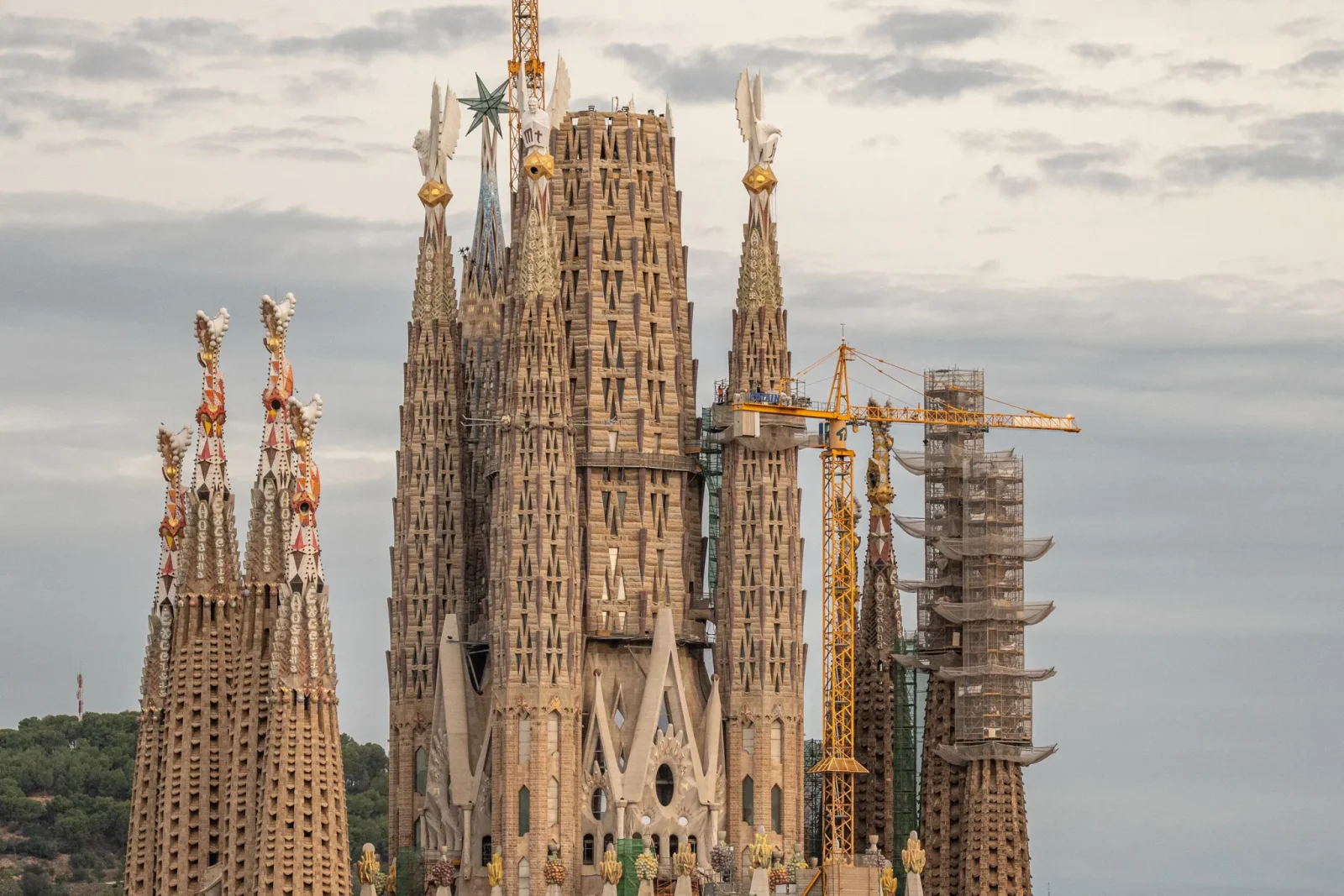
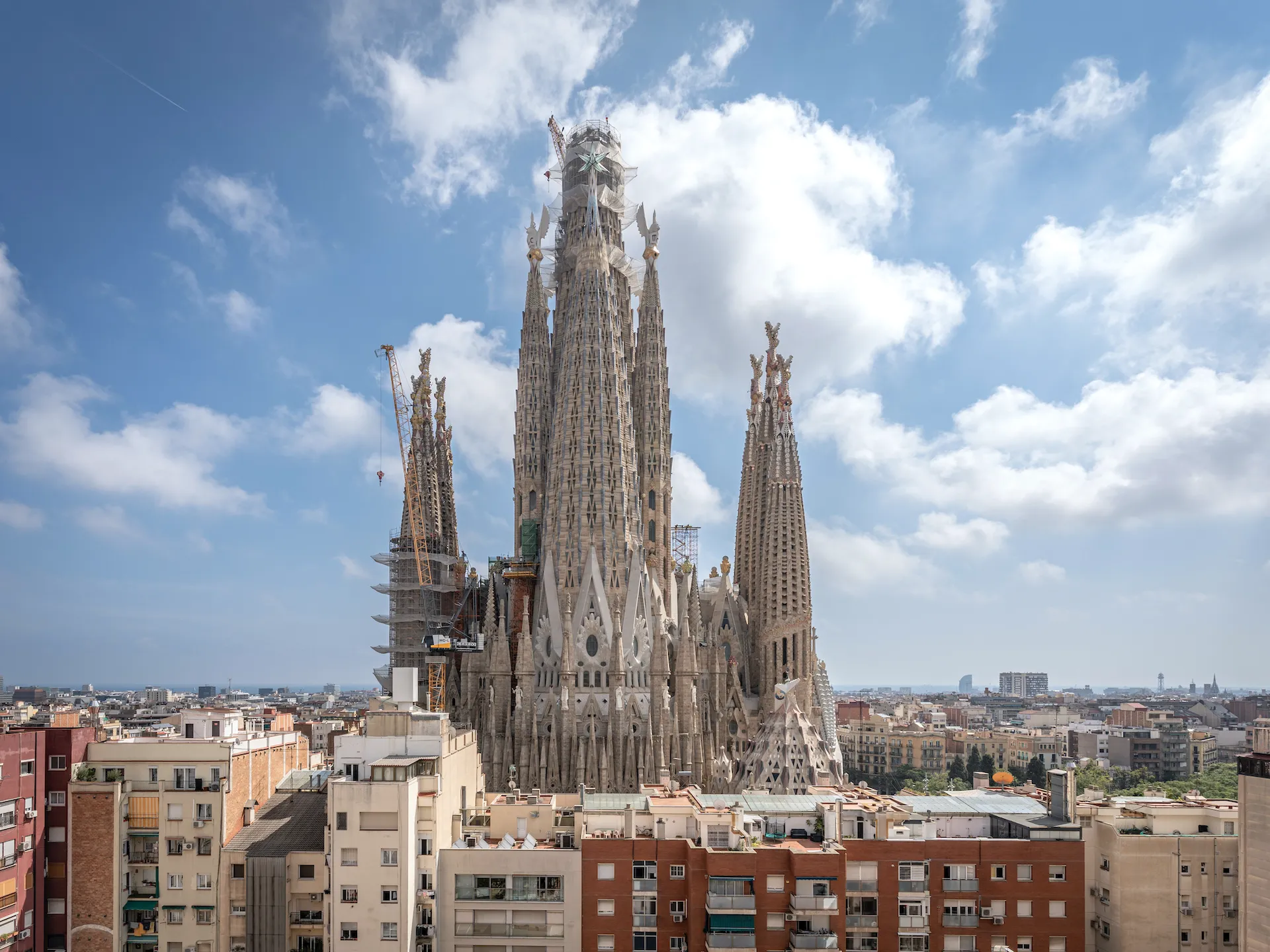
The Sagrada Familia, a Roman Catholic basilica designed by Antoni Gaudí and under construction since 1882, is Barcelona’s most recognizable architectural landmark. With its organic design, nature-inspired forms, and intricate facades, the Sagrada Familia attracts millions of visitors every year and is also one of the most controversial architectural buildings of all time.
While architects such as Walter Gropius and Louis Sullivan praised its spirit and technical mastery, George Orwell famously described it as “the ugliest building in the world.” During the Spanish Civil War, a Barcelona anarchist group set fire to parts of the basilica in 1936, destroying many of Gaudí’s original drawings. Orwell added, “I think the anarchists showed bad taste by not blowing it up when they had the chance.”
2. Solomon R. Guggenheim Museum
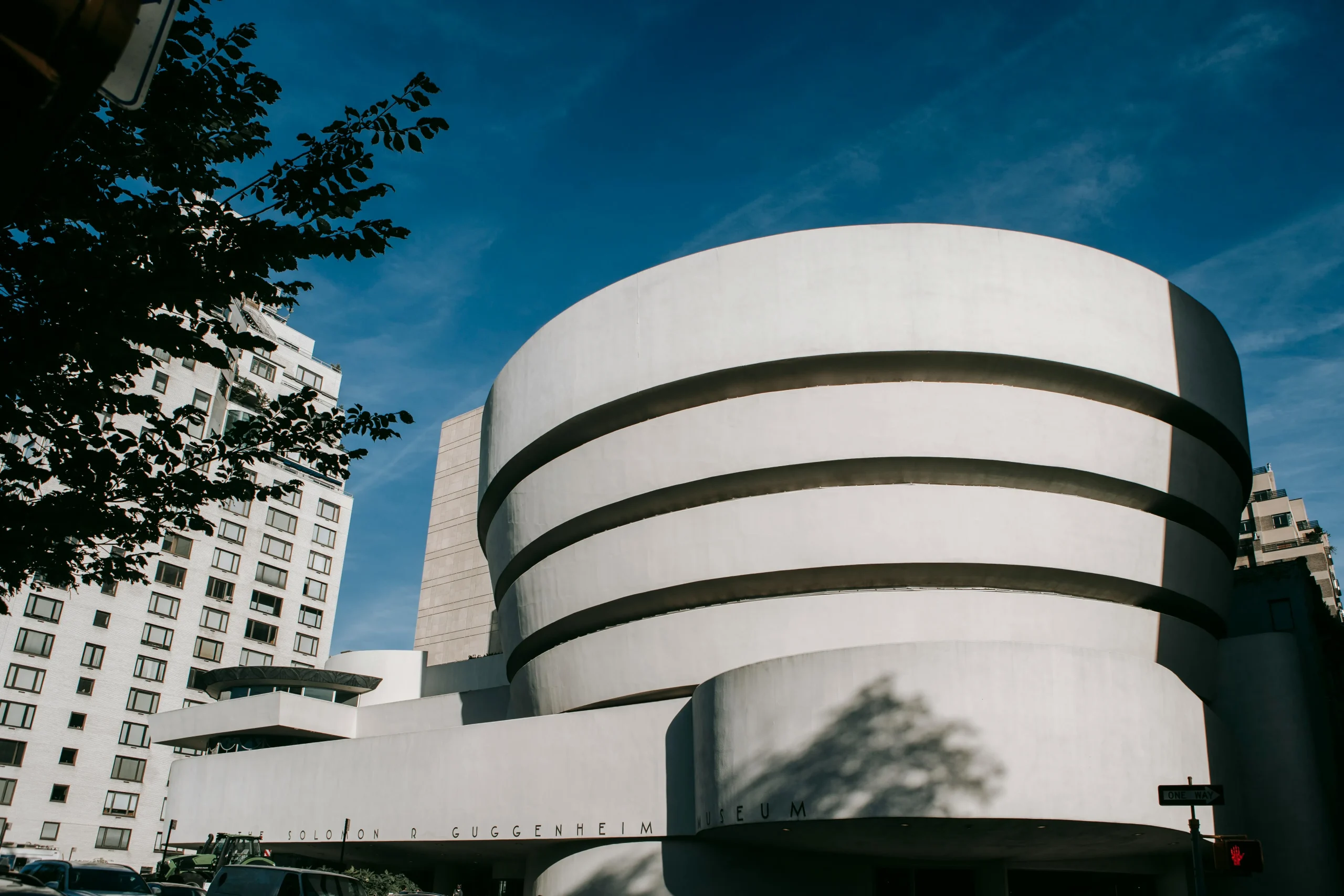
Location: New York, USA
Architect: Frank Lloyd Wright
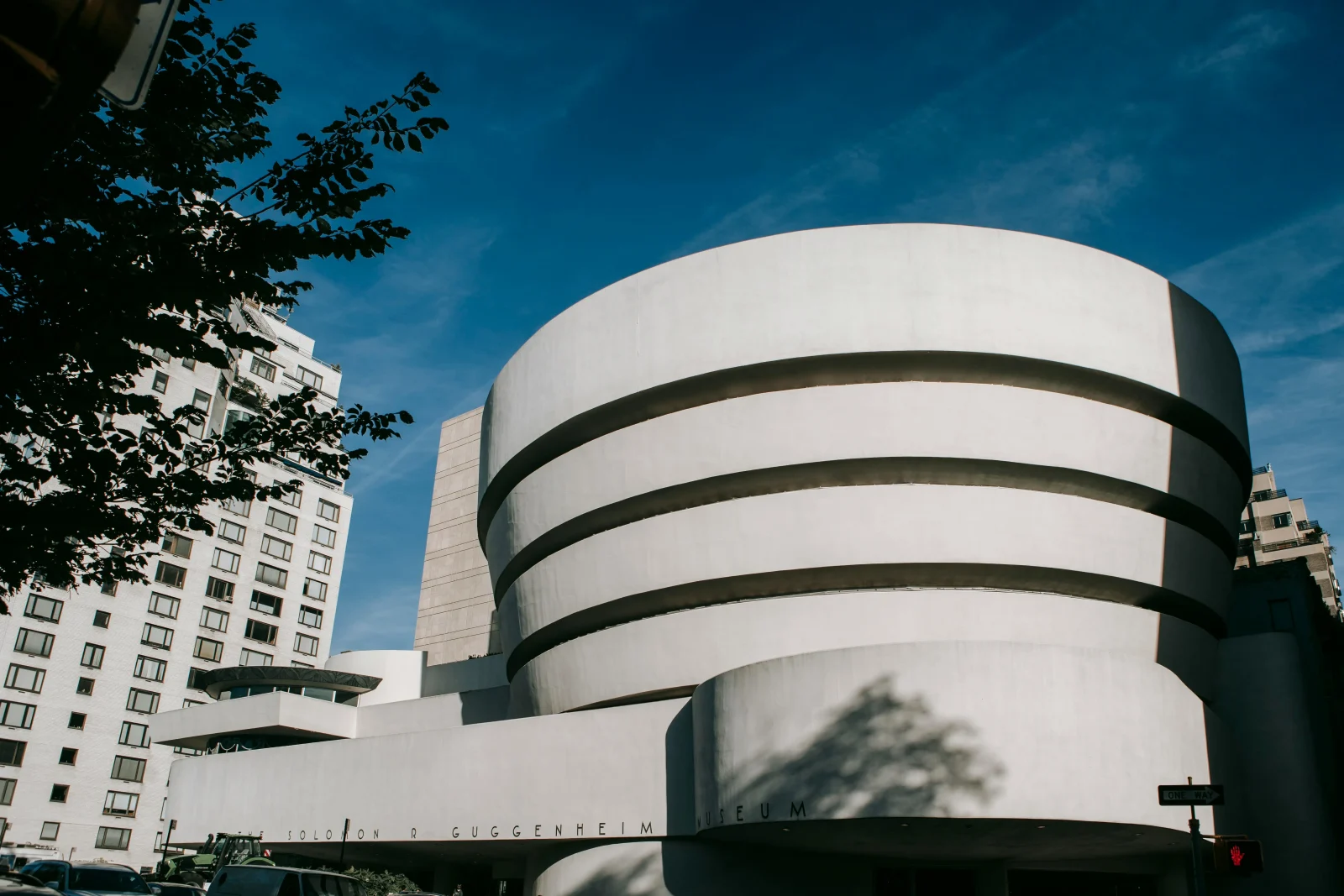
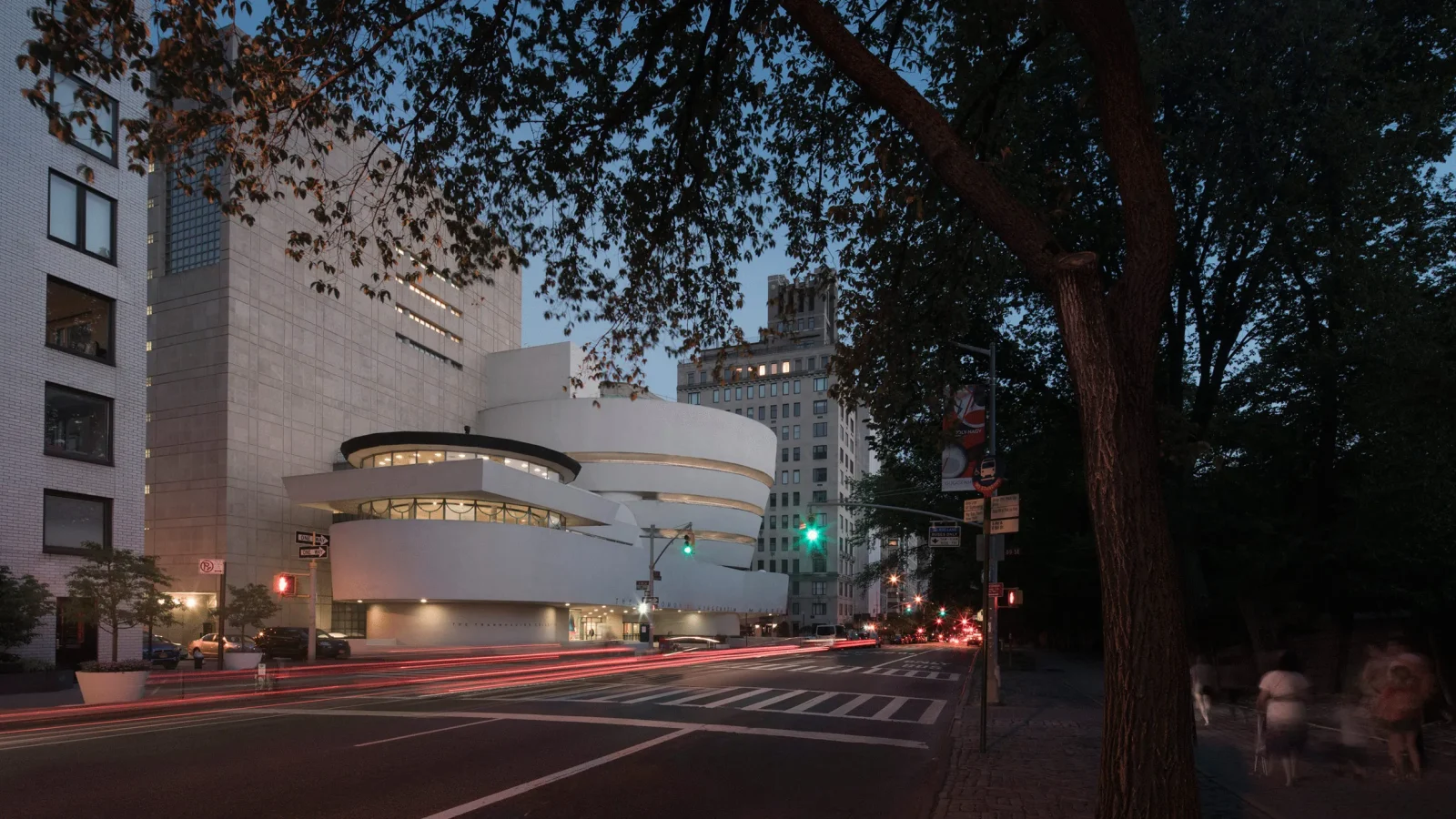
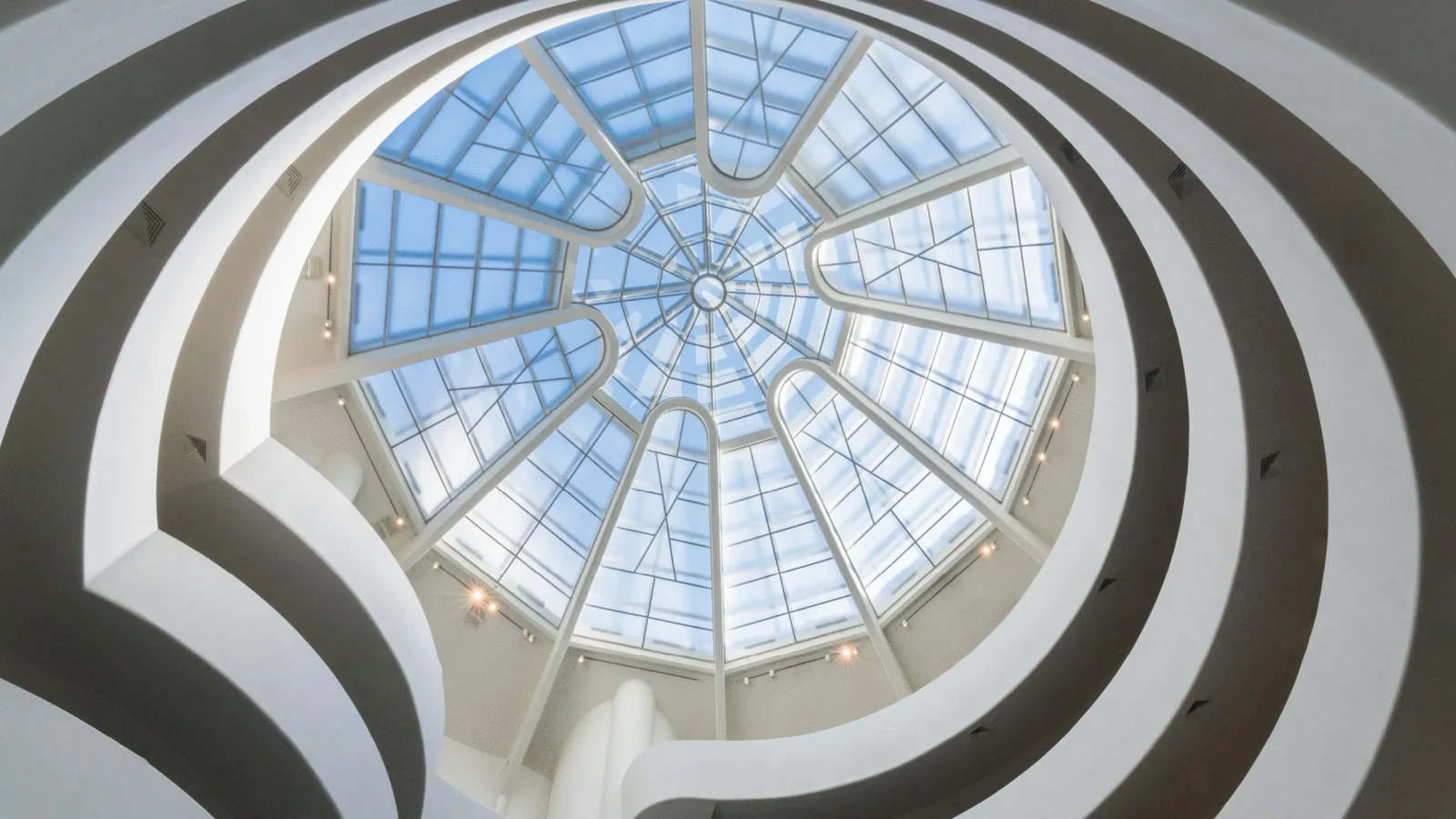
One of Frank Lloyd Wright’s most iconic projects, the Solomon R. Guggenheim Museum, was built in 1990 as a symbol of New York and was added to the World Heritage List in 2019. Rising in the middle of a city filled with skyscrapers, this museum has been admired by many but has also been the target of criticism. Numerous leading artists signed petitions opposing the museum, likening the building to an “inverted oatmeal bowl,” a “washing machine,” and an “Easter bun.”
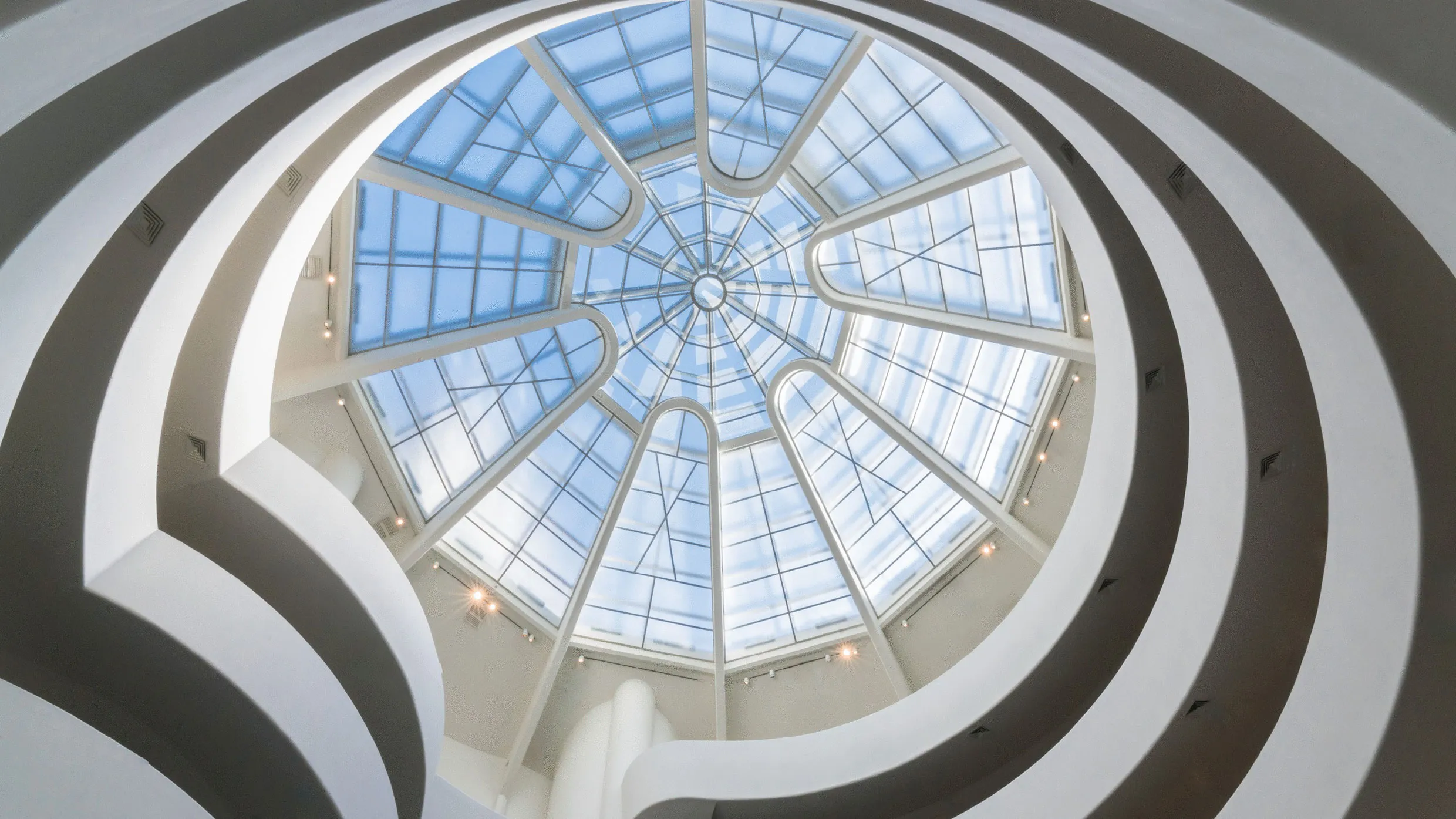
Writer Norman Mailer argued that the museum “deliberately… barbarically shatters the atmosphere,” while Anna Louise Huxtable wrote in The New York Times Magazine in 1959: “Ever since Frank Lloyd Wright’s controversial Solomon R. Guggenheim Museum began to take shape on upper Fifth Avenue, New Yorkers have been playing a guessing game, ‘What Is It?’ The massive, circular concrete building has been likened to an inverted cupcake, a washtub without handles, a giant Jello mold, and the last outpost of the Maginot Line.” Appearing on Mika Wallace’s program in 1957, Wright responded to the criticism by saying, “Well, I’ve heard a lot of that type of reaction, and I’ve always discounted it as worthless, and I think it is.”
3. The Eiffel Tower
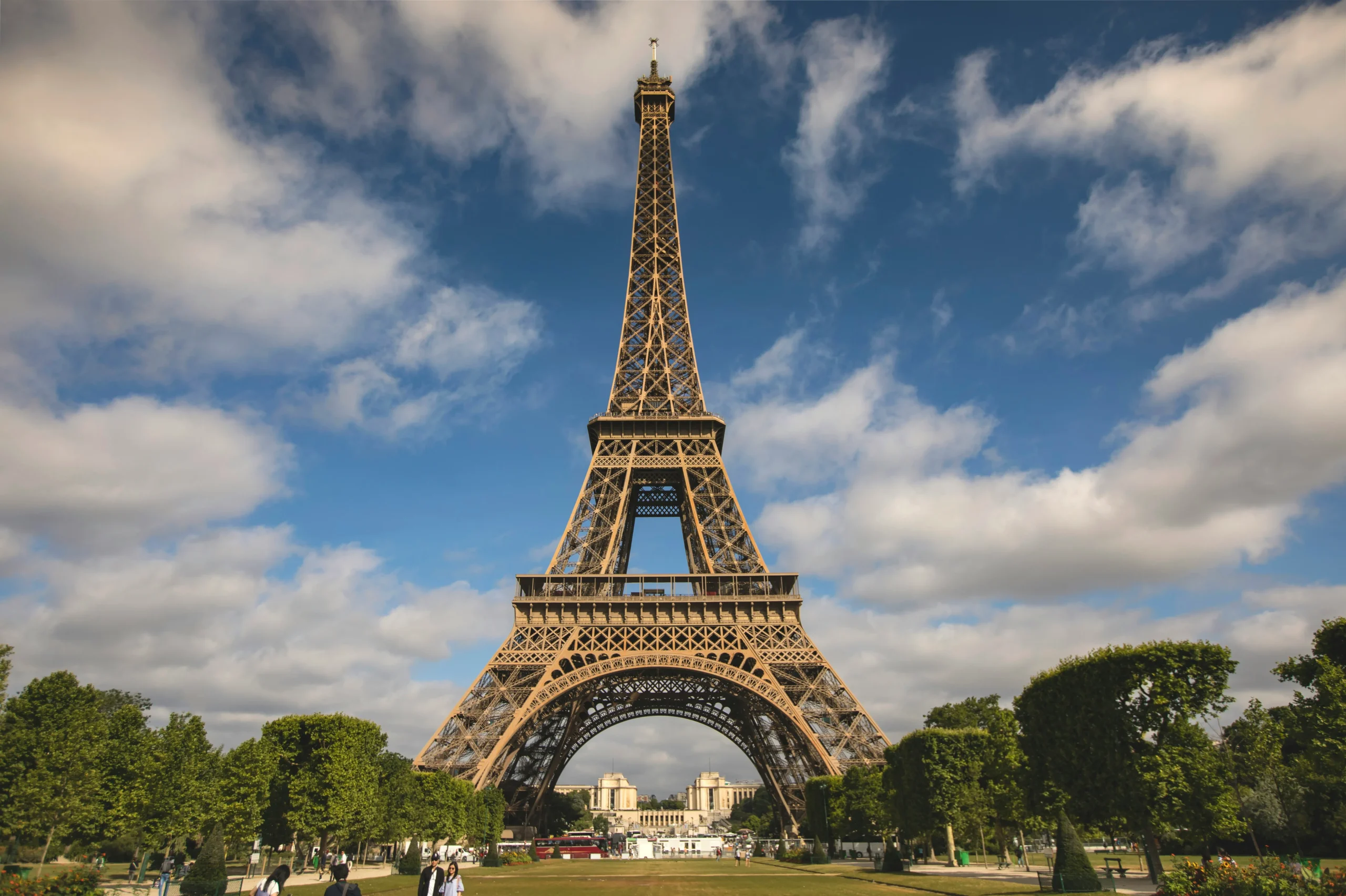
Location: Paris, France
Architect: Gustave Eiffel
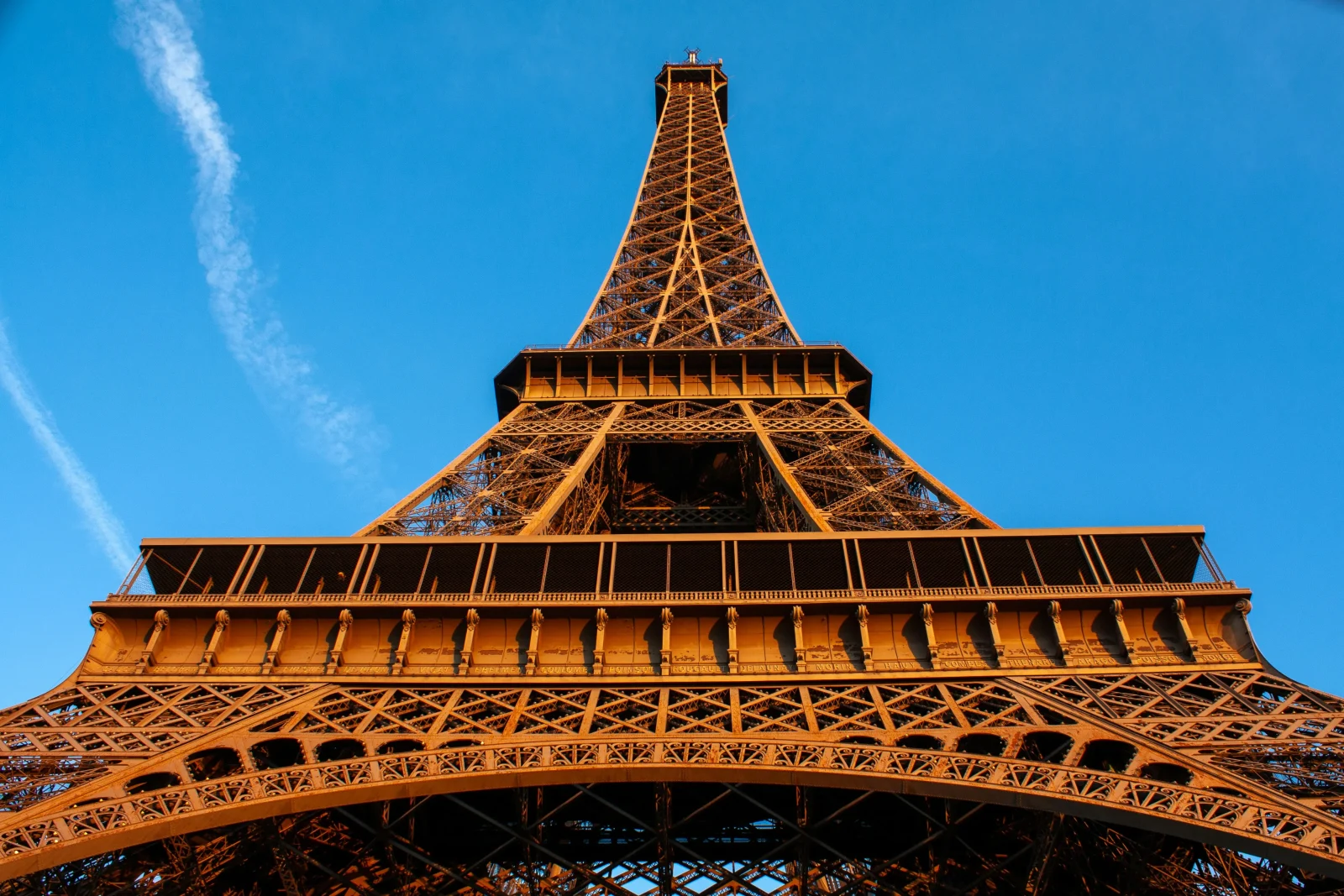
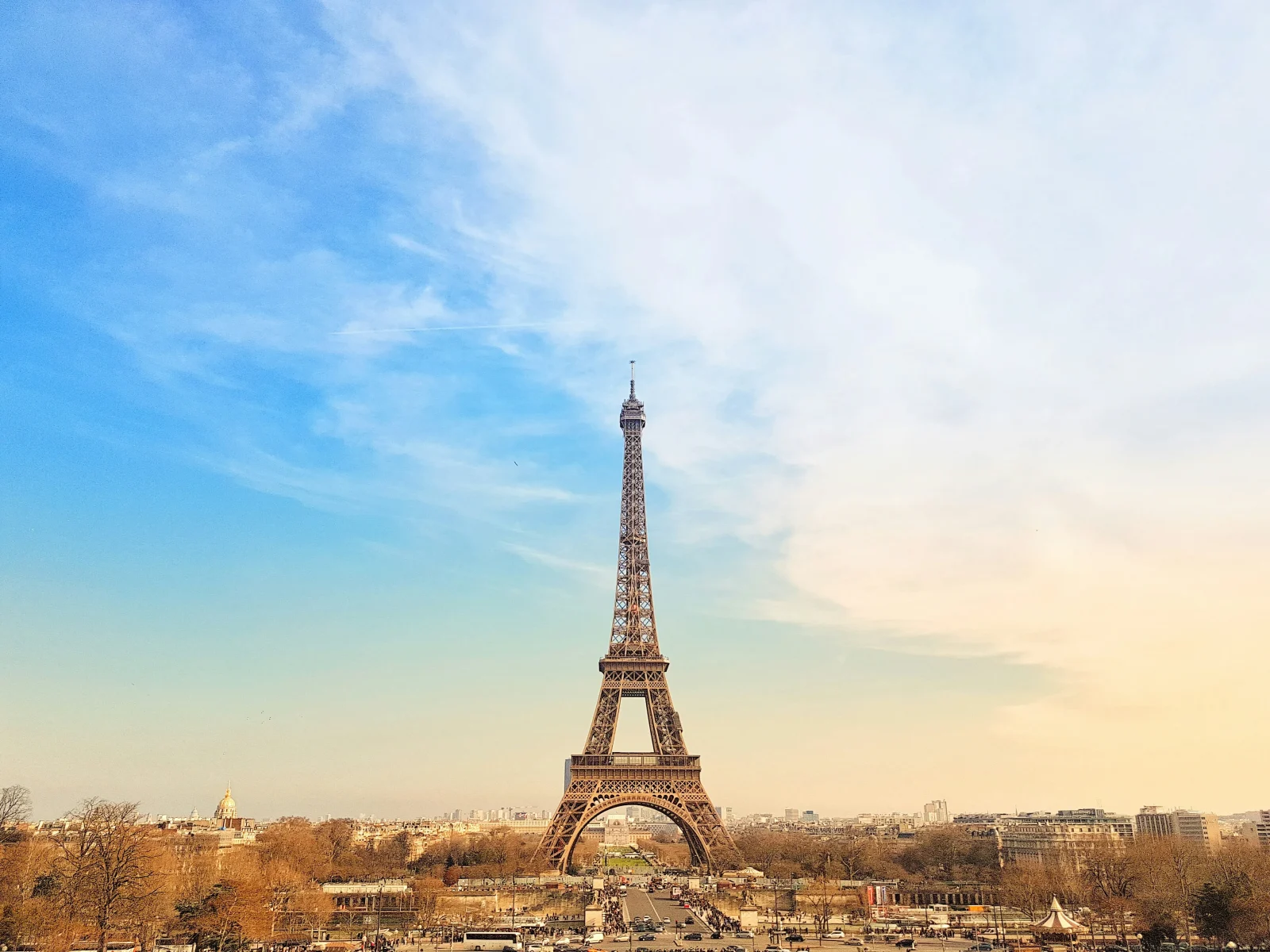
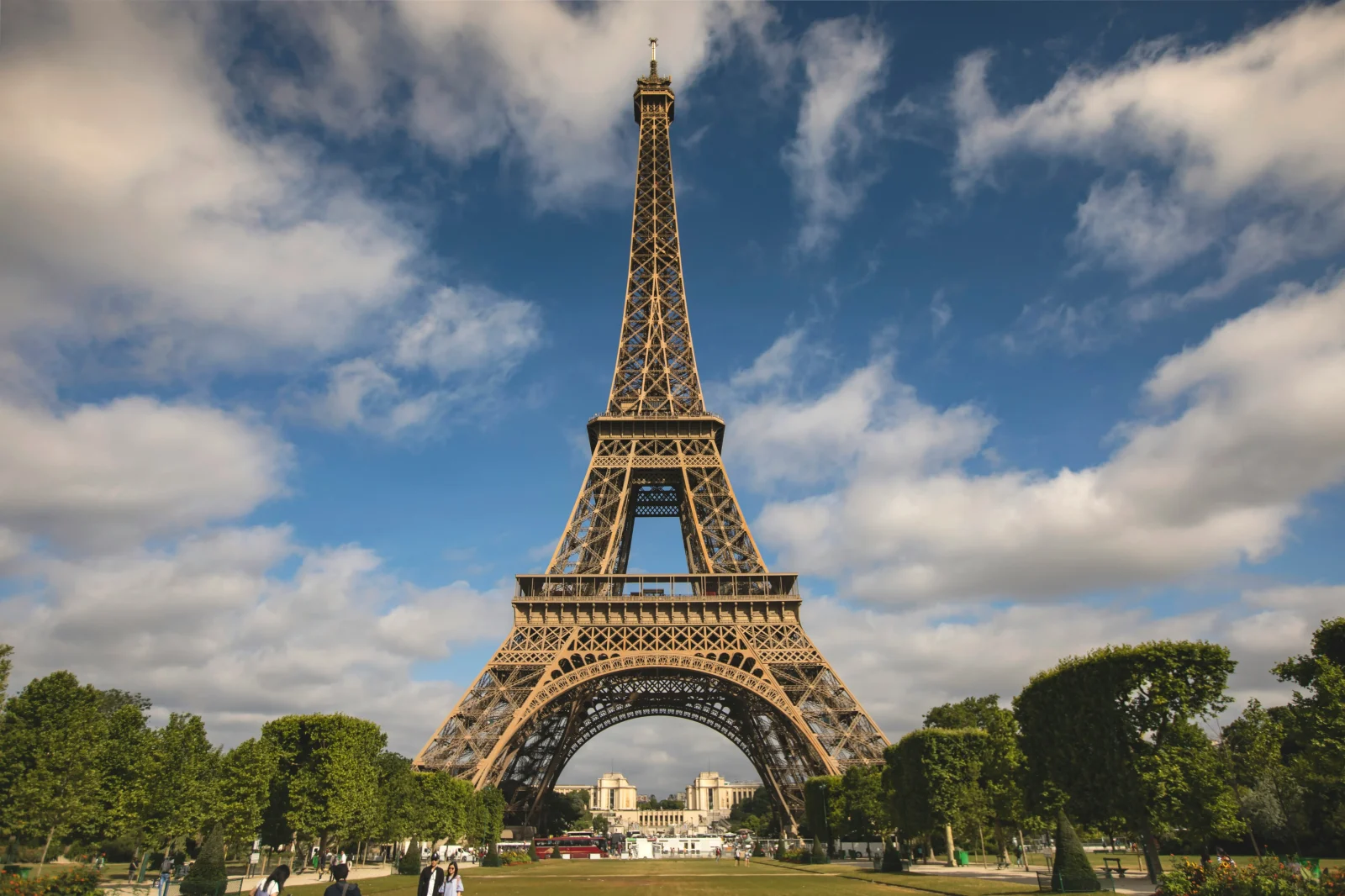
Unveiled at the 1889 World’s Fair, the Eiffel Tower has risen over Paris as the city’s defining landmark ever since. Designed as a temporary structure to be dismantled within 20 years, its iron frame was criticized by reviewers as an eyesore that clashed with the city’s classical beauty. Architects in particular objected to the fact that such a project had been designed by an engineer rather than an architect.
Described as a “tragic street lamp” and a “monstrous tower casting its shadow over a refined city,” the Eiffel Tower faced strong opposition from leading figures in the arts and literary world, including composer Charles Gounod, writers Guy de Maupassant and Alexandre Dumas (son), poet François Coppée, and Charles Garnier, the architect of the Opéra Garnier. In 1887, they published an open letter in the newspaper Le Temps calling for the project to be halted.
The letter stated, “We come, we writers, painters, sculptors, architects, and lovers of the beauty of Paris, which was until now intact, to protest with all our strength and all our indignation, in the name of the underestimated taste of the French, in the name of French art and history under threat, against the erection in the very heart of our capital of the useless and monstrous Eiffel Tower, which popular ill-feeling, so often an arbiter of good sense and justice, has already christened the Tower of Babel.”
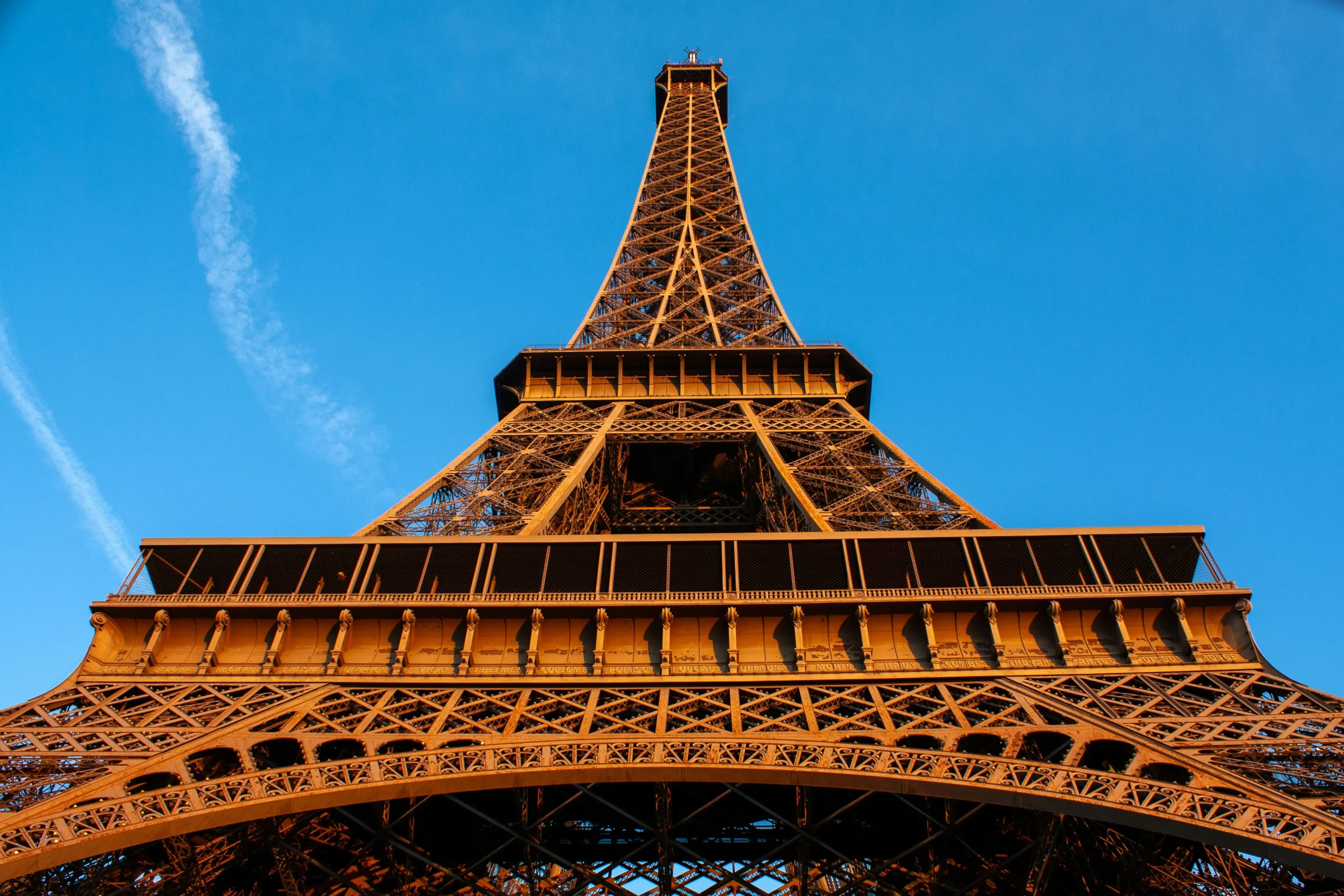
Guy de Maupassant, who described the tower as “a giant, shapeless skeleton that failed to create a ridiculous, thin factory chimney,” had lunch on its first floor after its completion, calling it “the only place in the city where I won’t see it.” Despite being built as a temporary structure and receiving numerous criticisms, the Eiffel Tower, which functioned as a radio transmitter, was never dismantled.
4. Tower Bridge
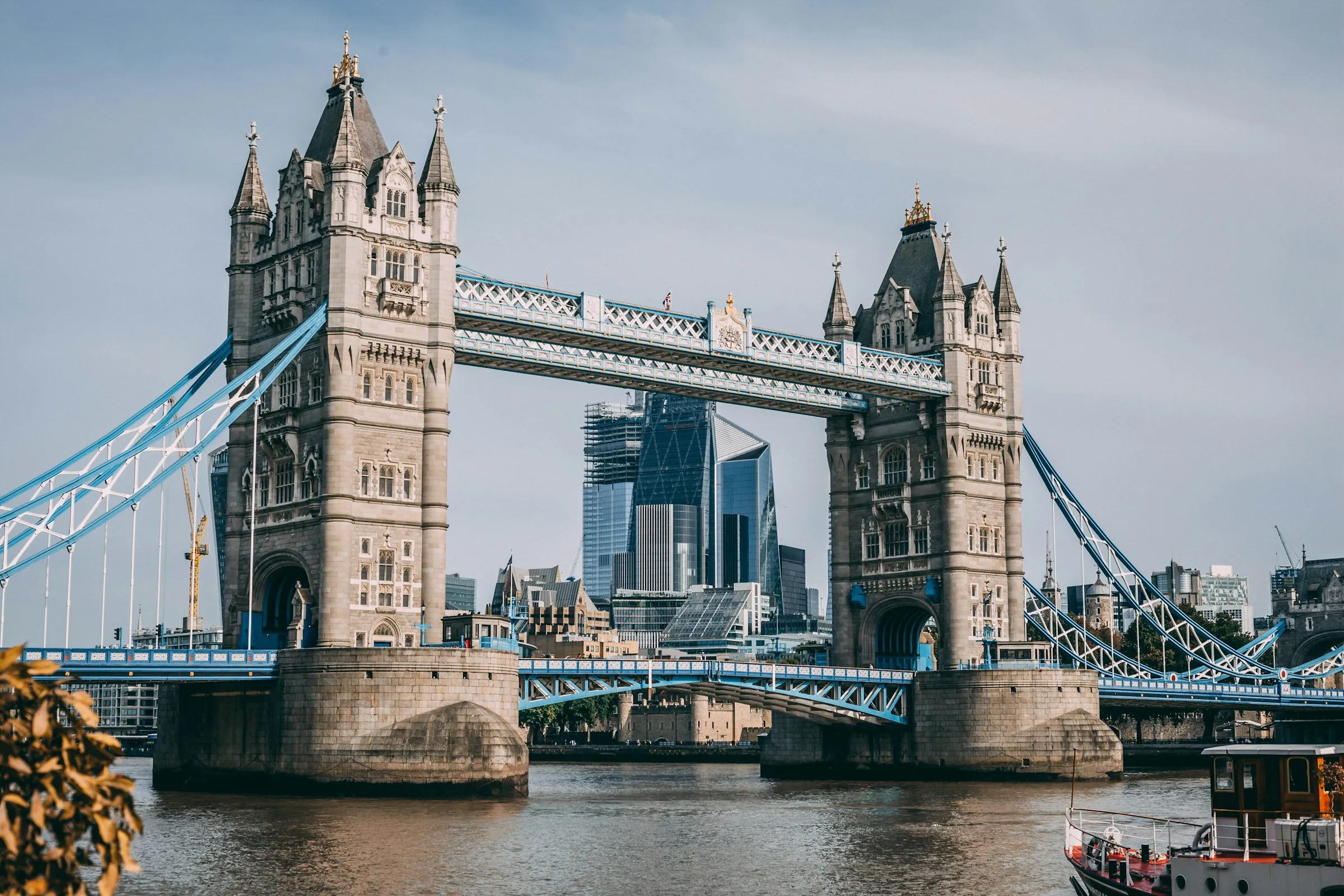
Location: London, UK
Architects: Horace Jones, John Wolfe Barry
Tower Bridge, one of the most controversial buildings of all time, is now a recognizable landmark of the city, yet it was once described as “childish” and “ugly.” Combining Gothic stone towers with modern steel gates, Tower Bridge was considered by architectural critics to be “a terrible mixture of ironwork and Gothic stonework.”
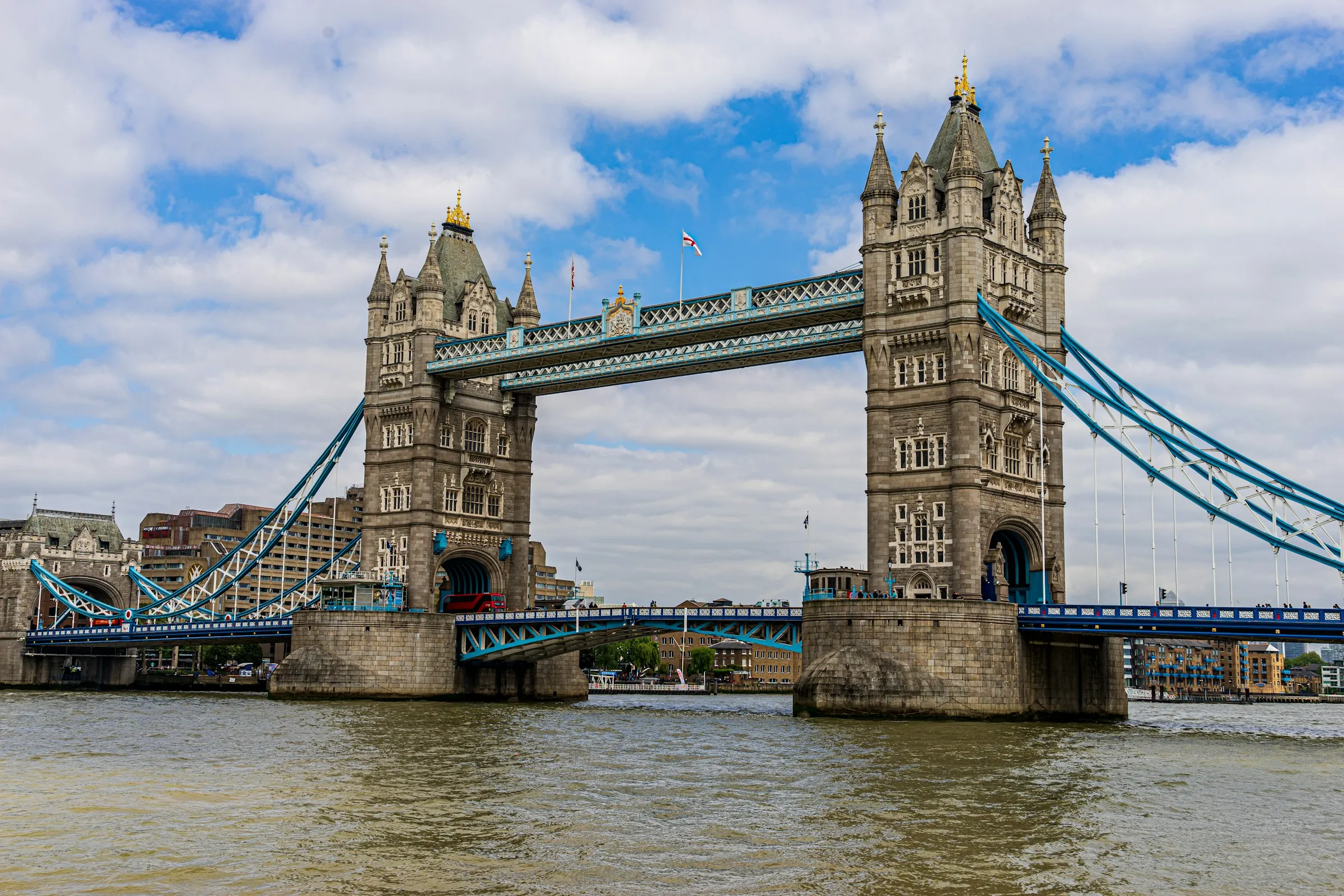
Two months before the bridge’s opening, The Pall Mall Gazette published the following remarks: “There certainly seems to be a subtle quality of ungainliness, a certain variegated ugliness, so to speak, that age can scarcely wither or custom stale, about this new bridge. It is excellently situated for our ugliest public work, straddling across our Thames, to the terror of the errant foreigner.”
5. The Louvre Pyramid
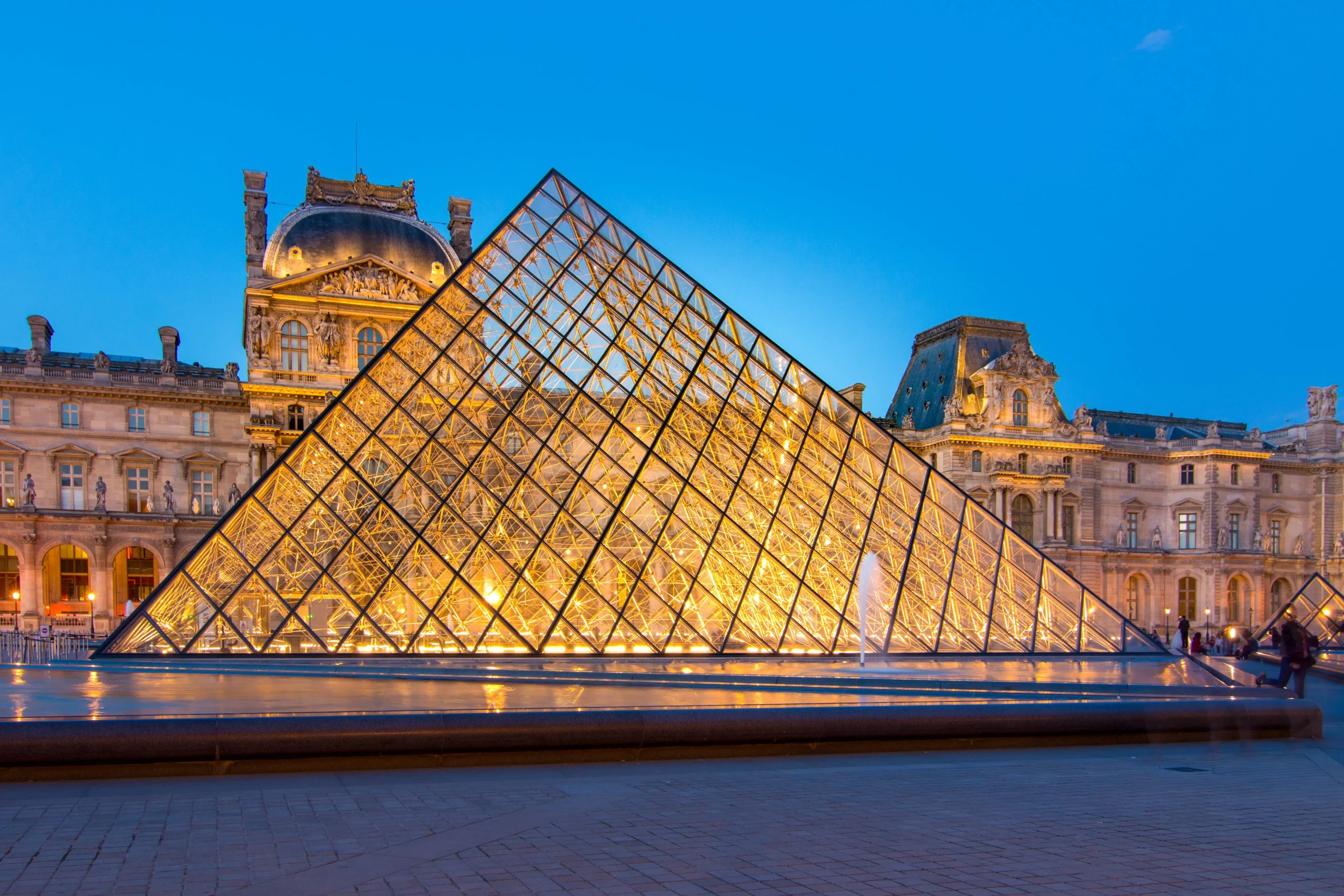
Location: Paris, France
Architect: I.M. Pei
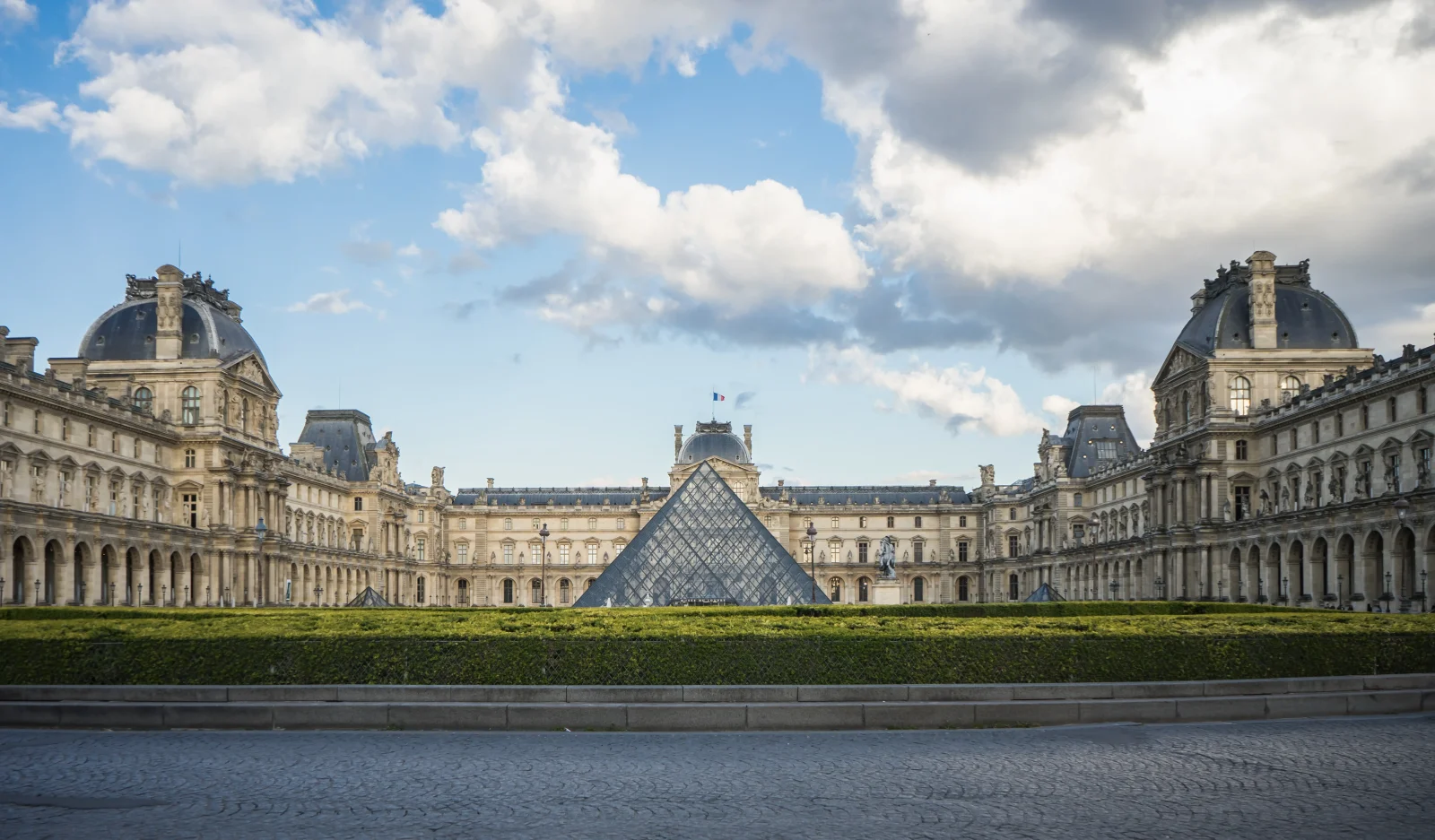
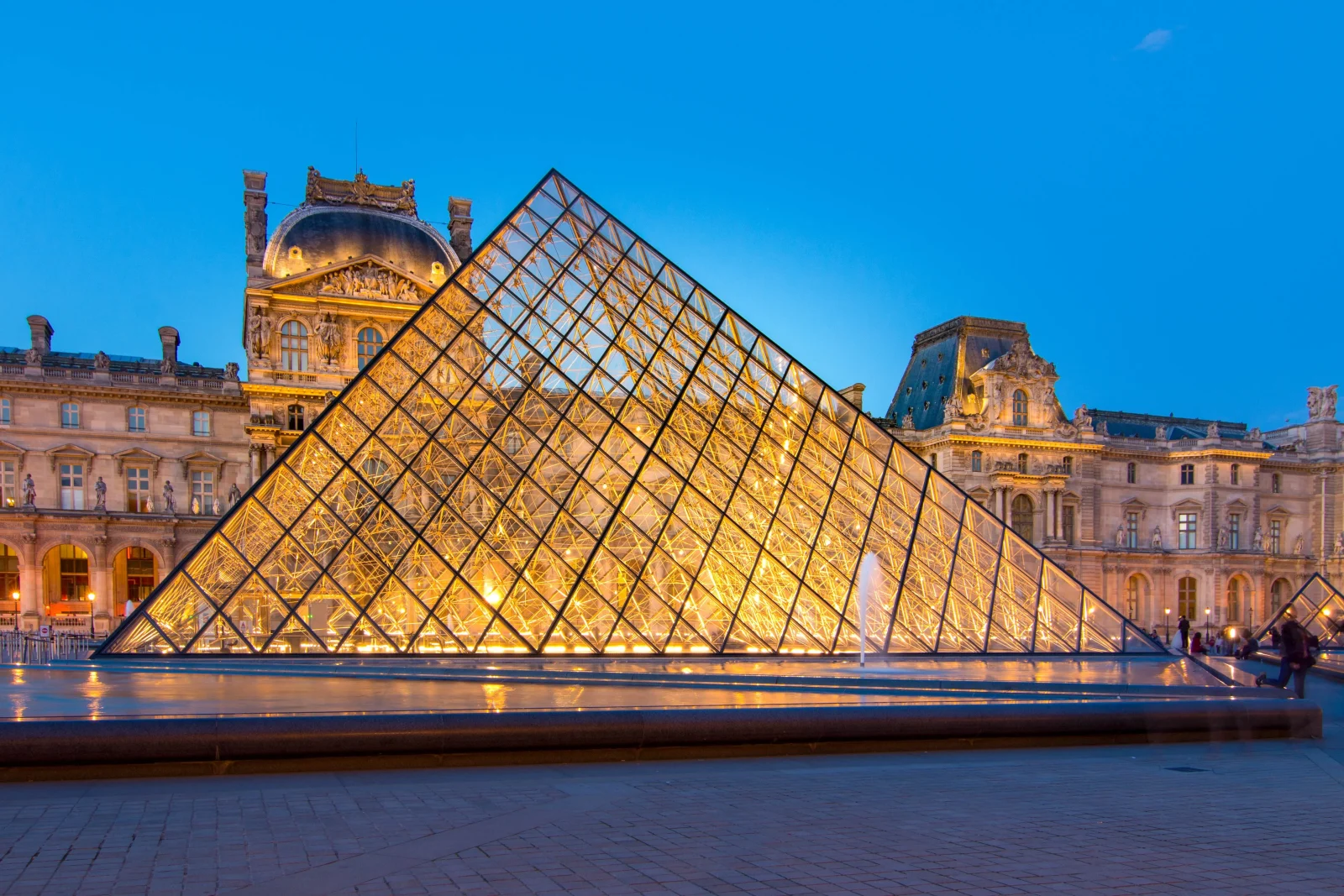
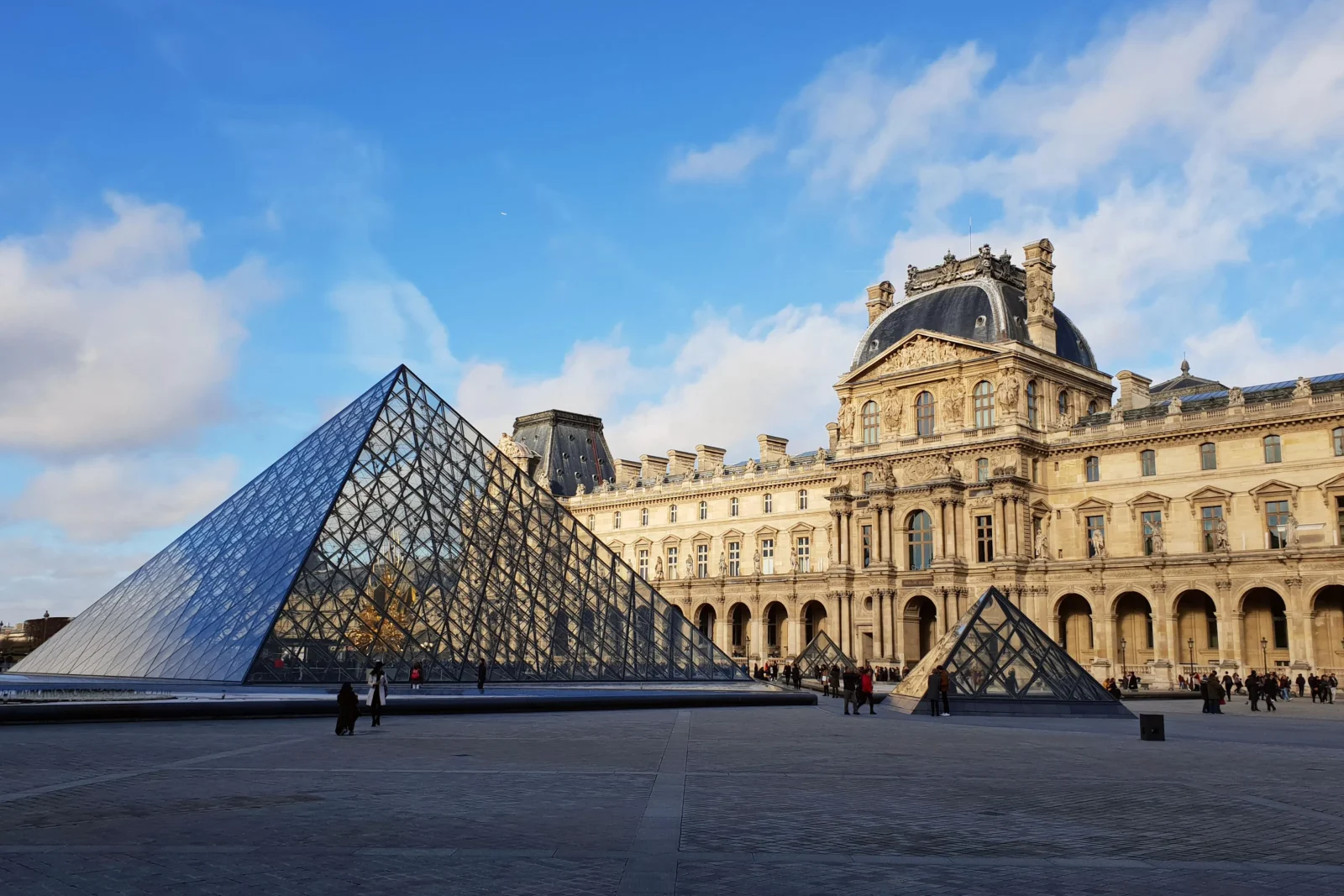
The Louvre pyramid, a widely recognizable part of the Paris skyline today, is one of the most controversial buildings of all time. Opened in the late 1980s, the modern glass and metal structure faced heavy criticism for its contrast with the historic Louvre Palace, a symbol of French heritage. Often described by critics as “a dazzling ugliness” and “an architectural joke,” the 71-foot-tall glass pyramid was said to have been seen as a symbol of death in ancient Egypt. Despite all this heavy criticism, I.M. Pei bravely completed the project, and today one of its most iconic structures has taken its place in the Paris skyline.
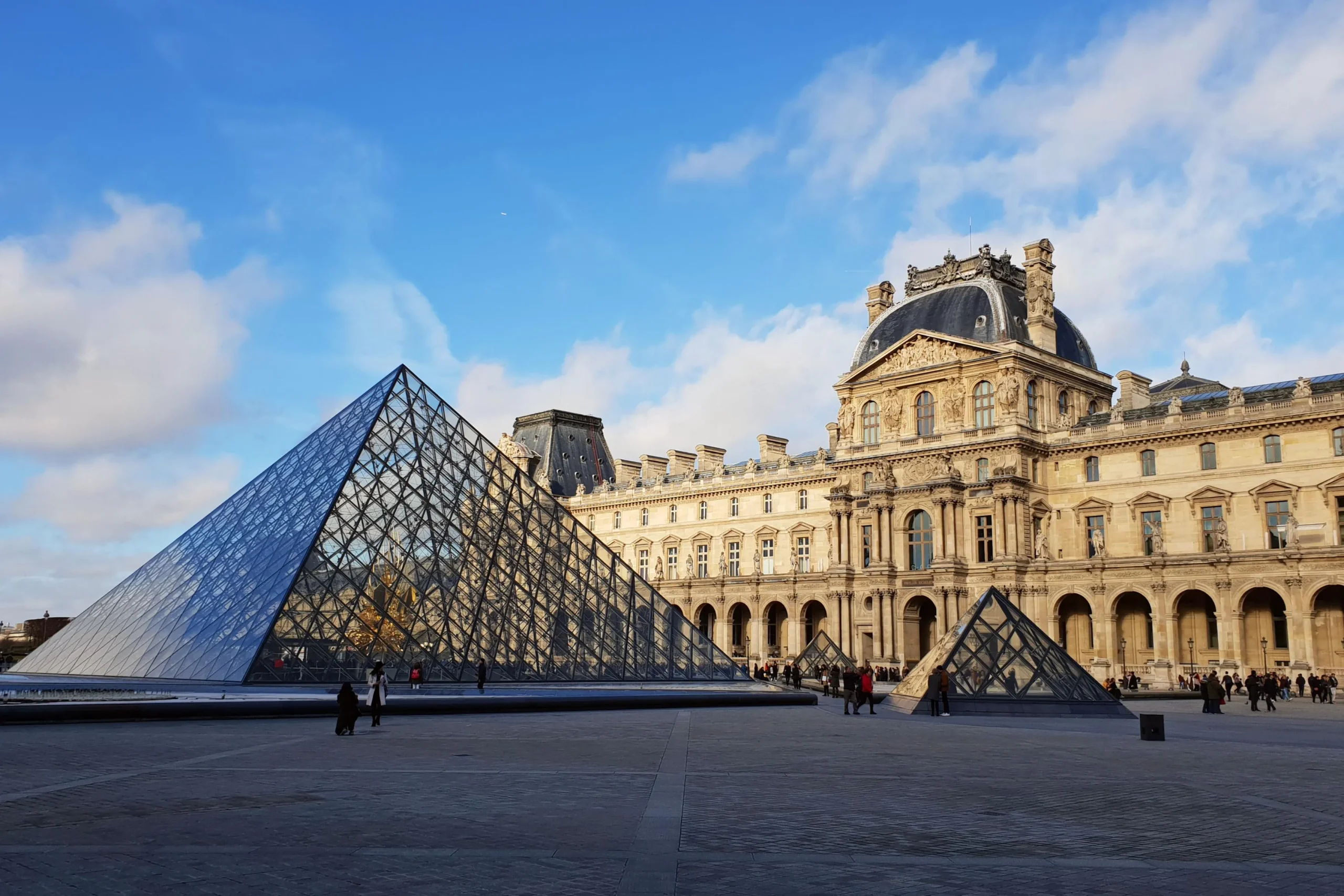
Pei says in the PBS documentary, “When I first showed the idea to the public, I would say 90 percent were against it. The first year and a half was really hell. I couldn’t walk the streets of Paris without people looking at me as if to say, ‘There you go again. What are you doing here? What are you doing to our great Louvre?”
6. Sydney Opera House
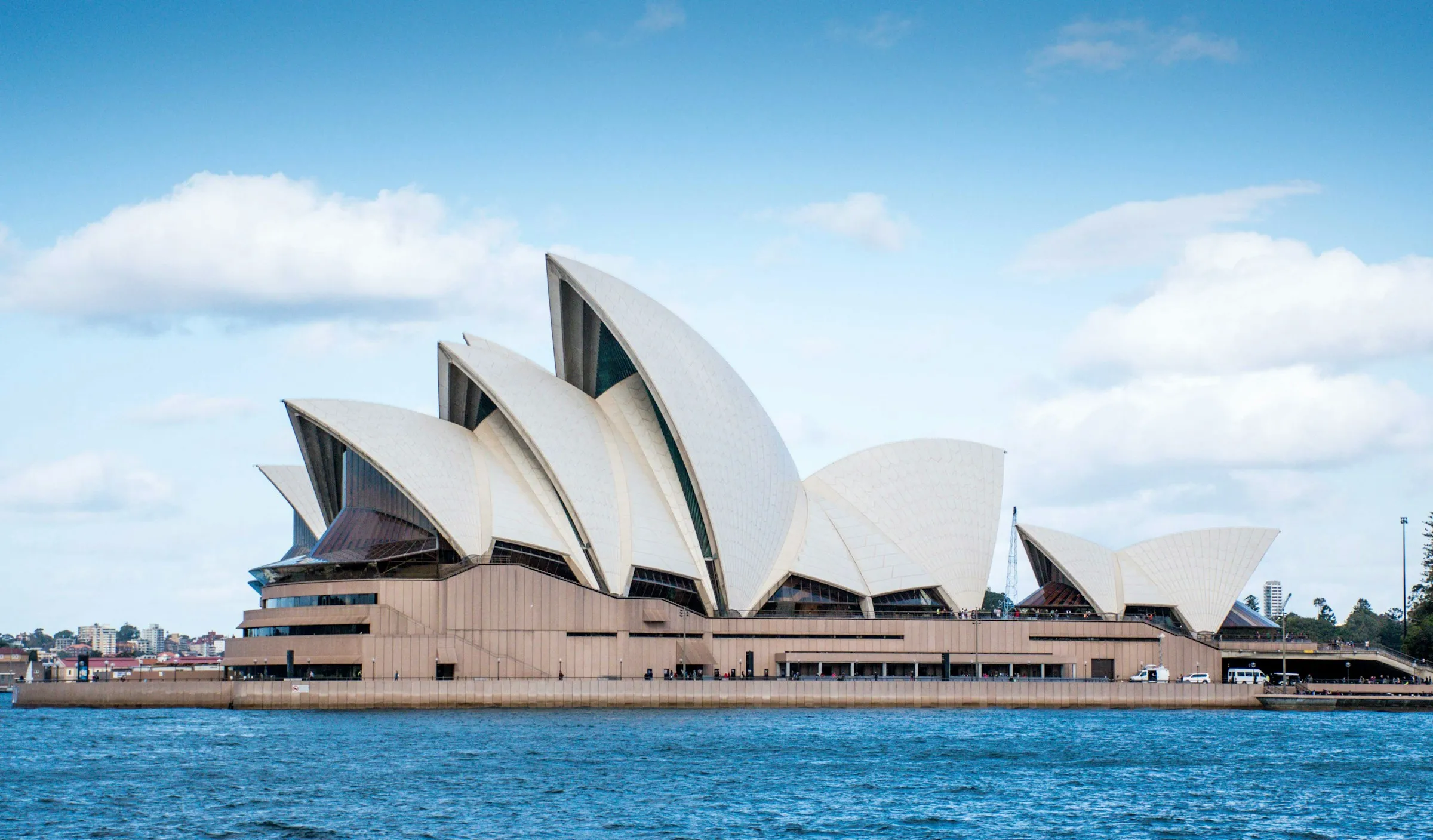
Location: Sydney, Australia
Architect: Jorn Utzon
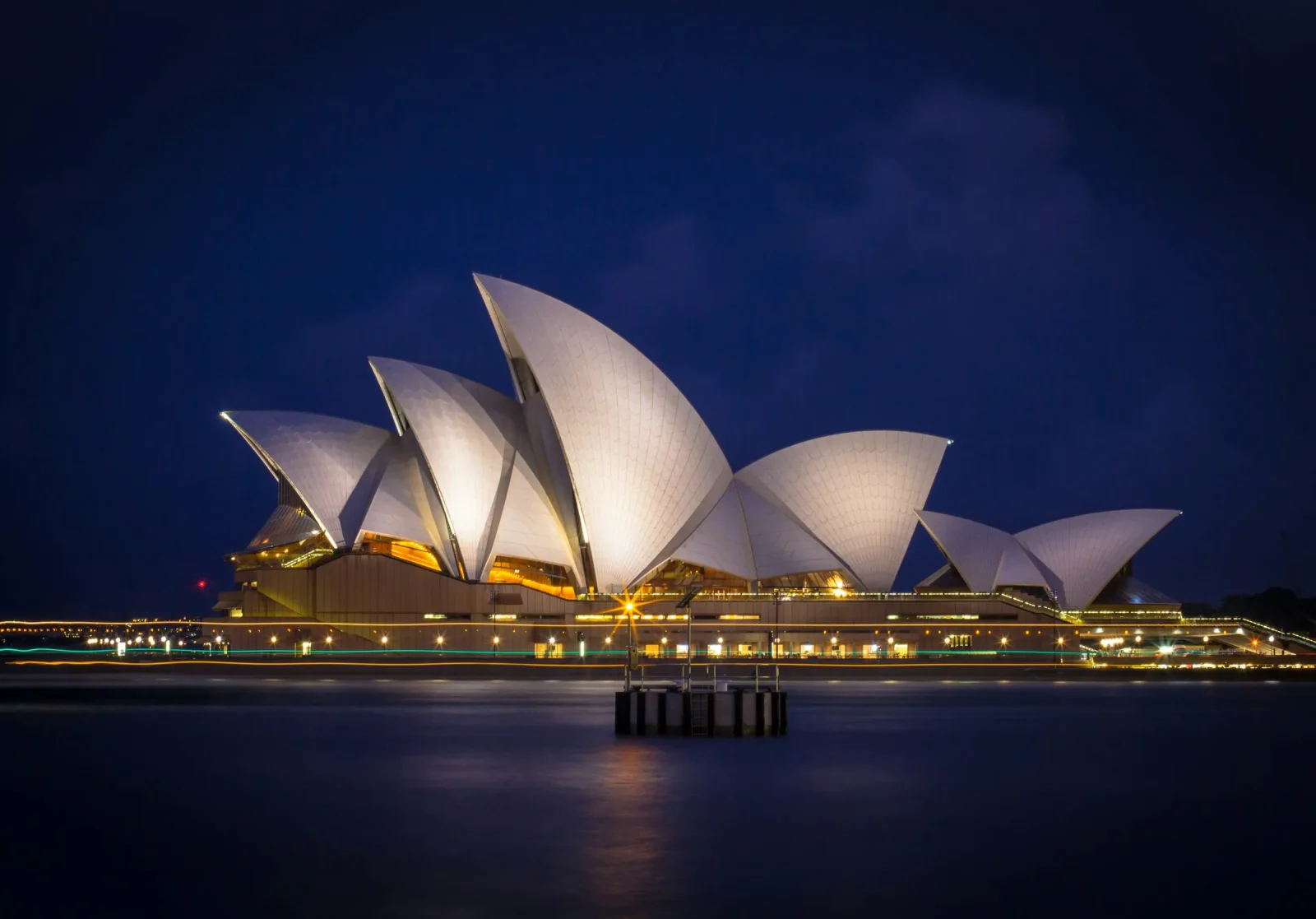
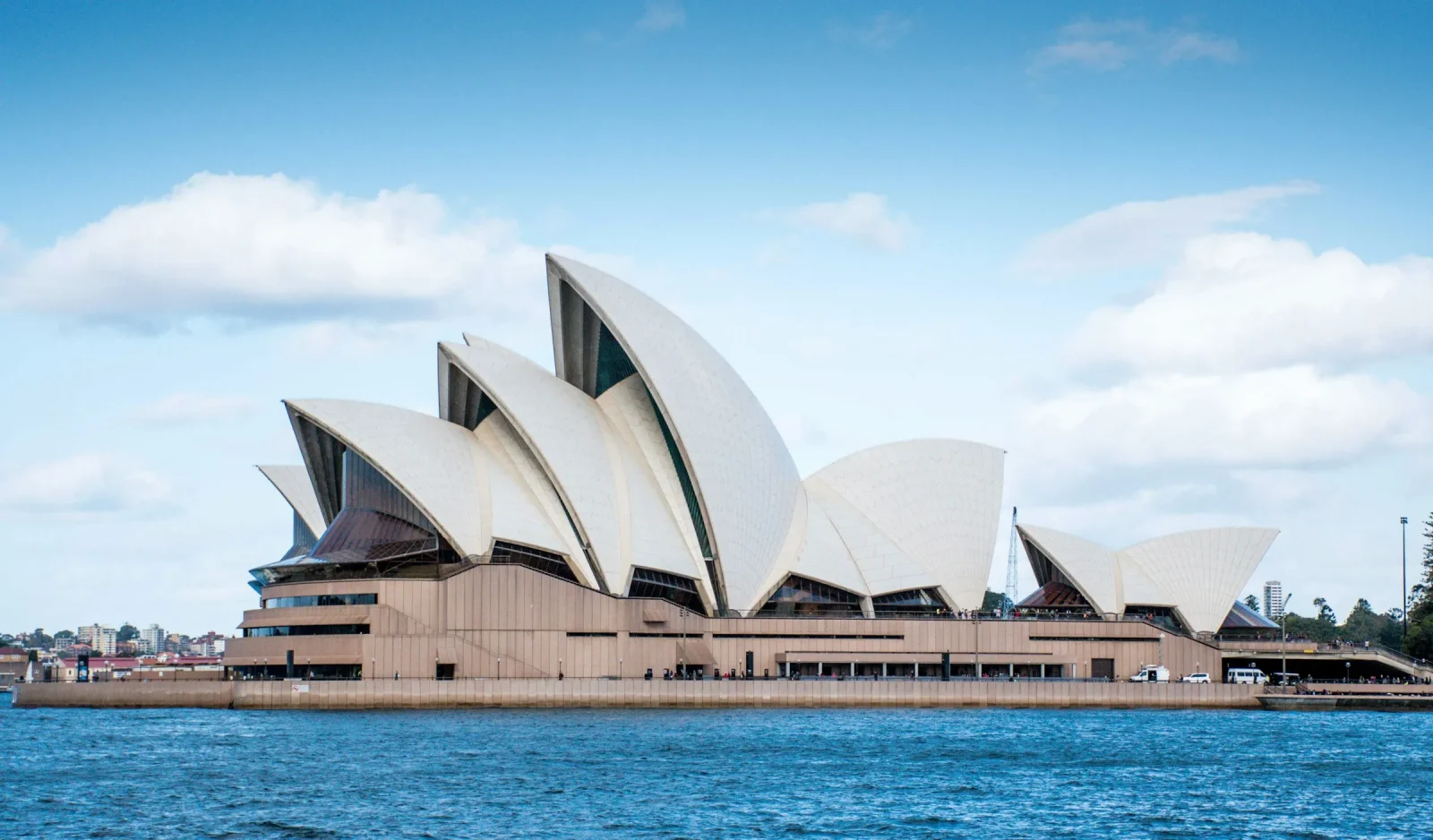
One of Australia’s most iconic buildings, renowned for its elegance and distinctive form, the Sydney Opera House is also among the most controversial structures of all time. With a budget of AUD 18 million and a target completion date of 18 months, the opera house’s elaborate roofs were to be manufactured in France and imported to Australia. In 1966, the newly elected government of New South Wales criticized Jørn Utzon’s uncompromising perfectionism, arguing that costs were excessively high and progress far too slow. Following these criticisms, Utzon withdrew from the project, construction was halted, and project funds were frozen.
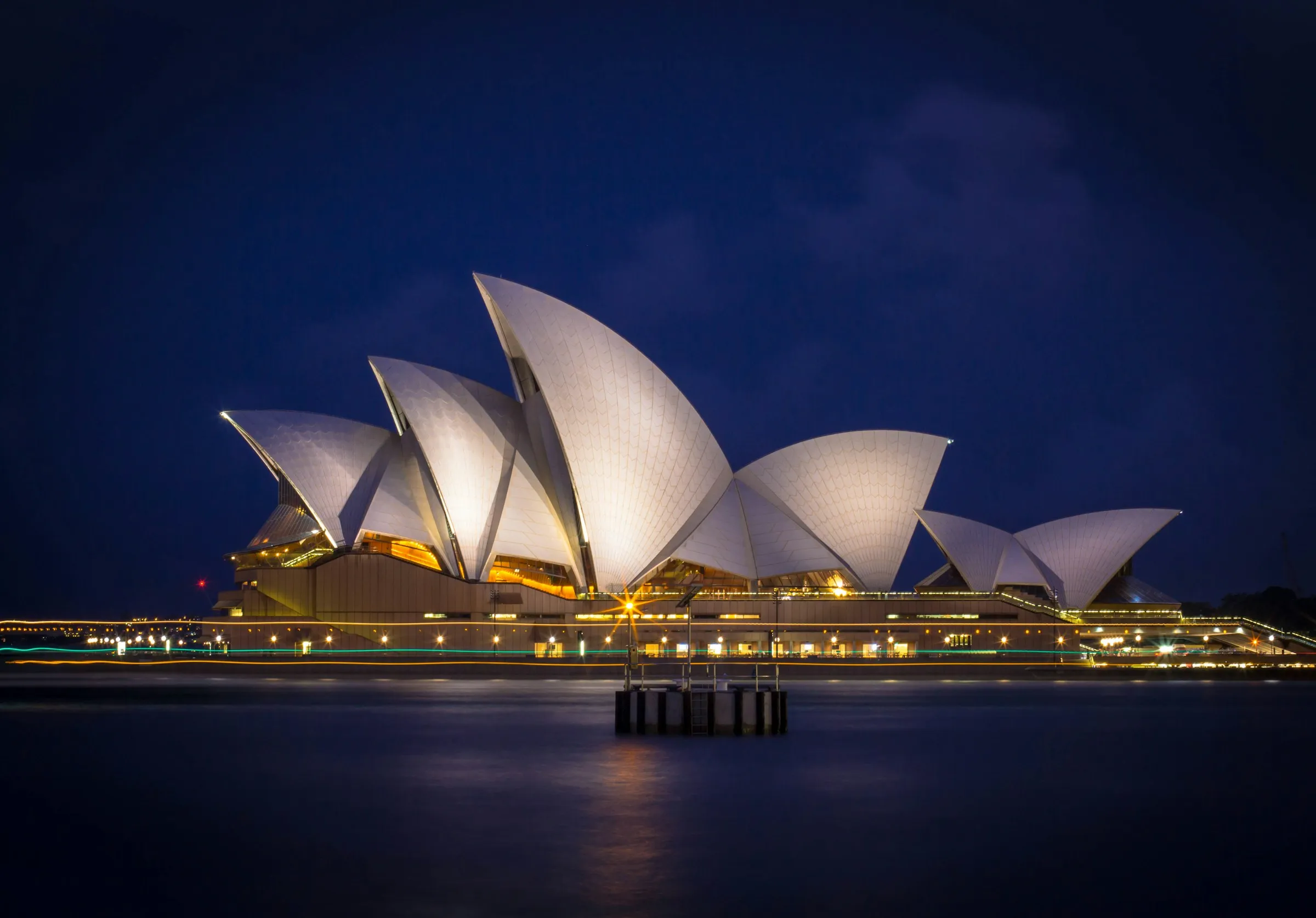
Architect Peter Hall, who replaced Utzon, significantly altered the building’s original design. Under Hall’s supervision, costs rose to 102 million AUD, and with nearly a decade of additional delay, the project was ultimately completed after 16 years.
7. Dancing House
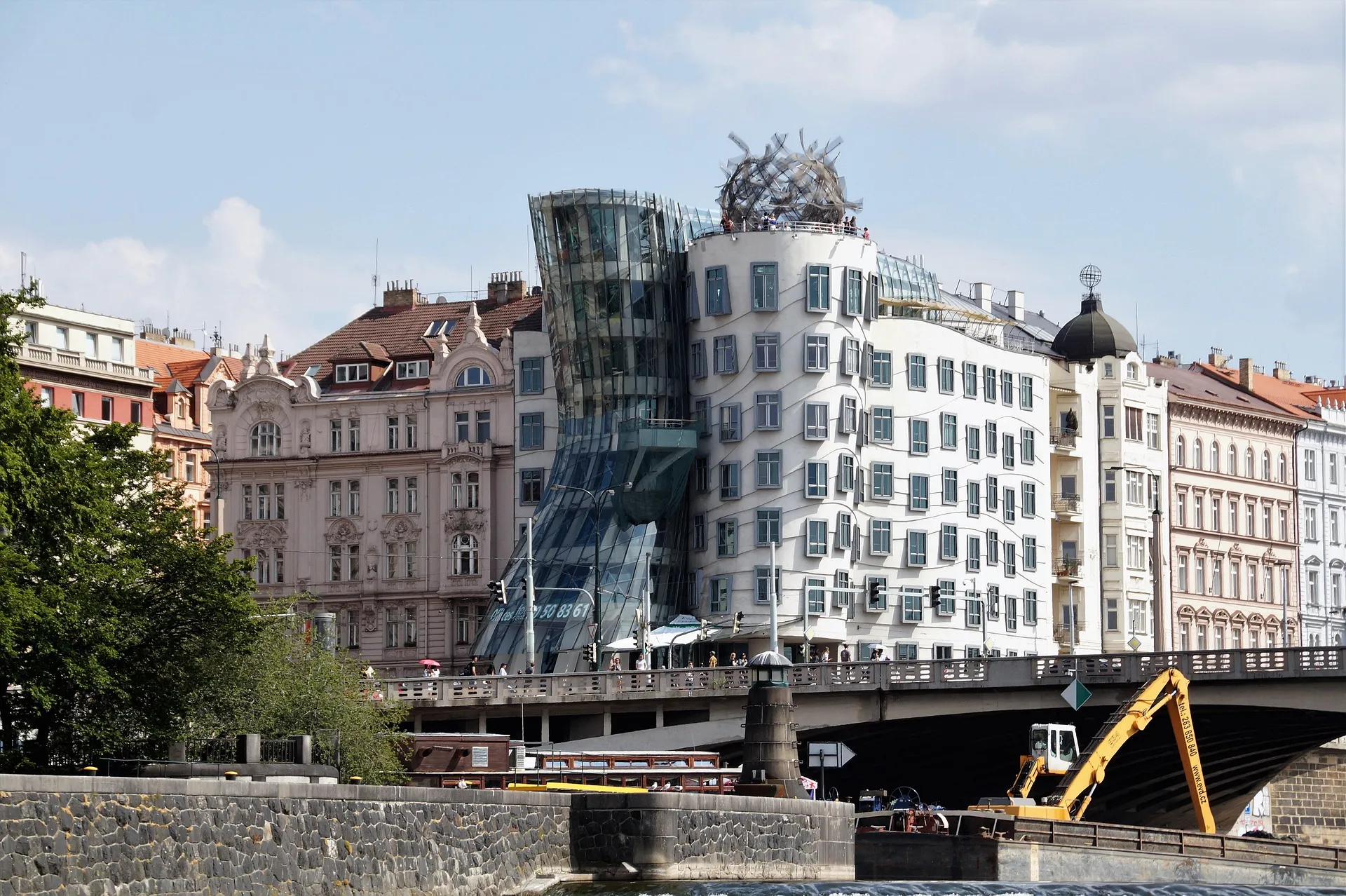
Location: Prague, Czech Republic
Architects: Frank Gehry, Vlado Milunić
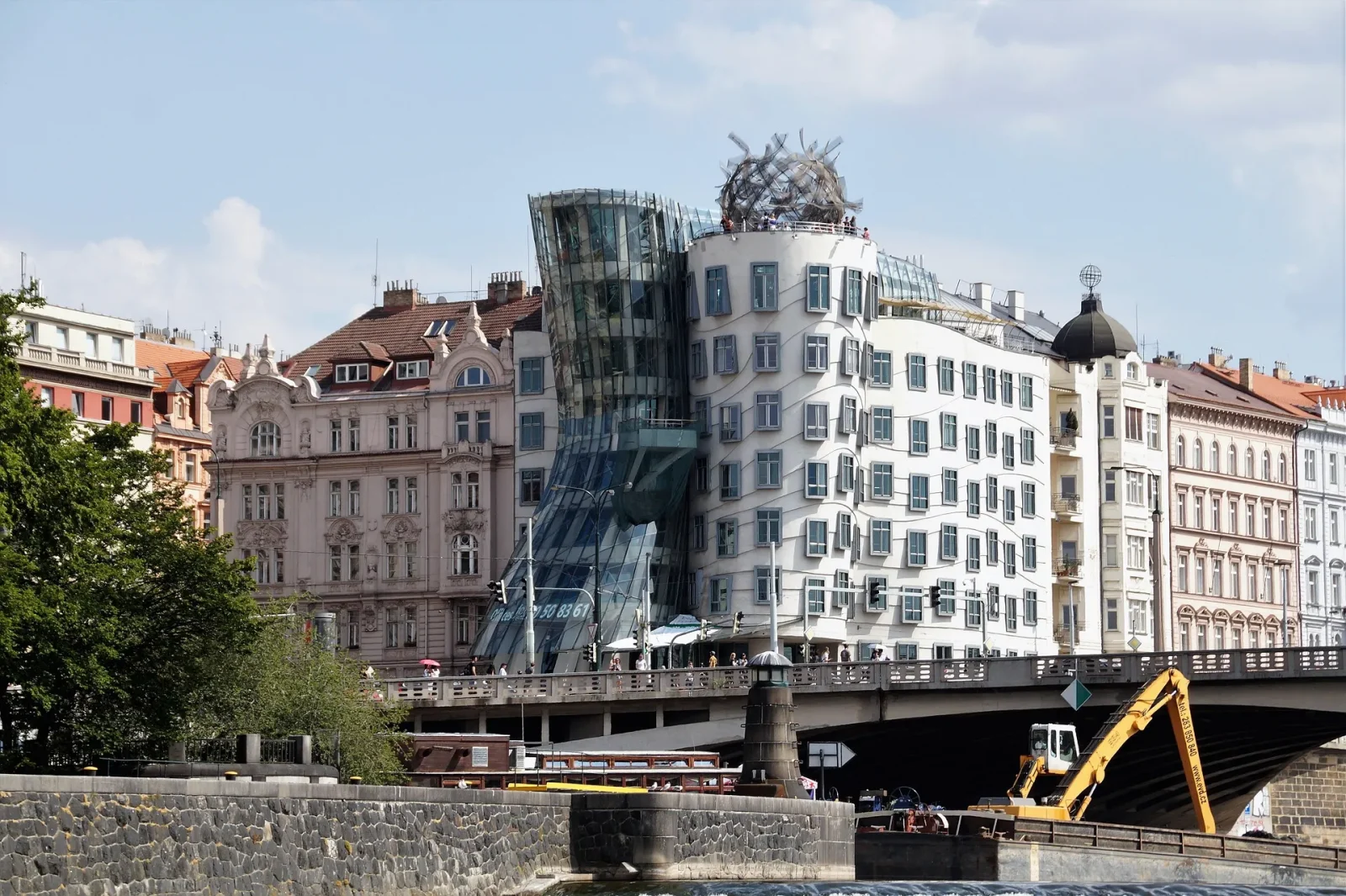
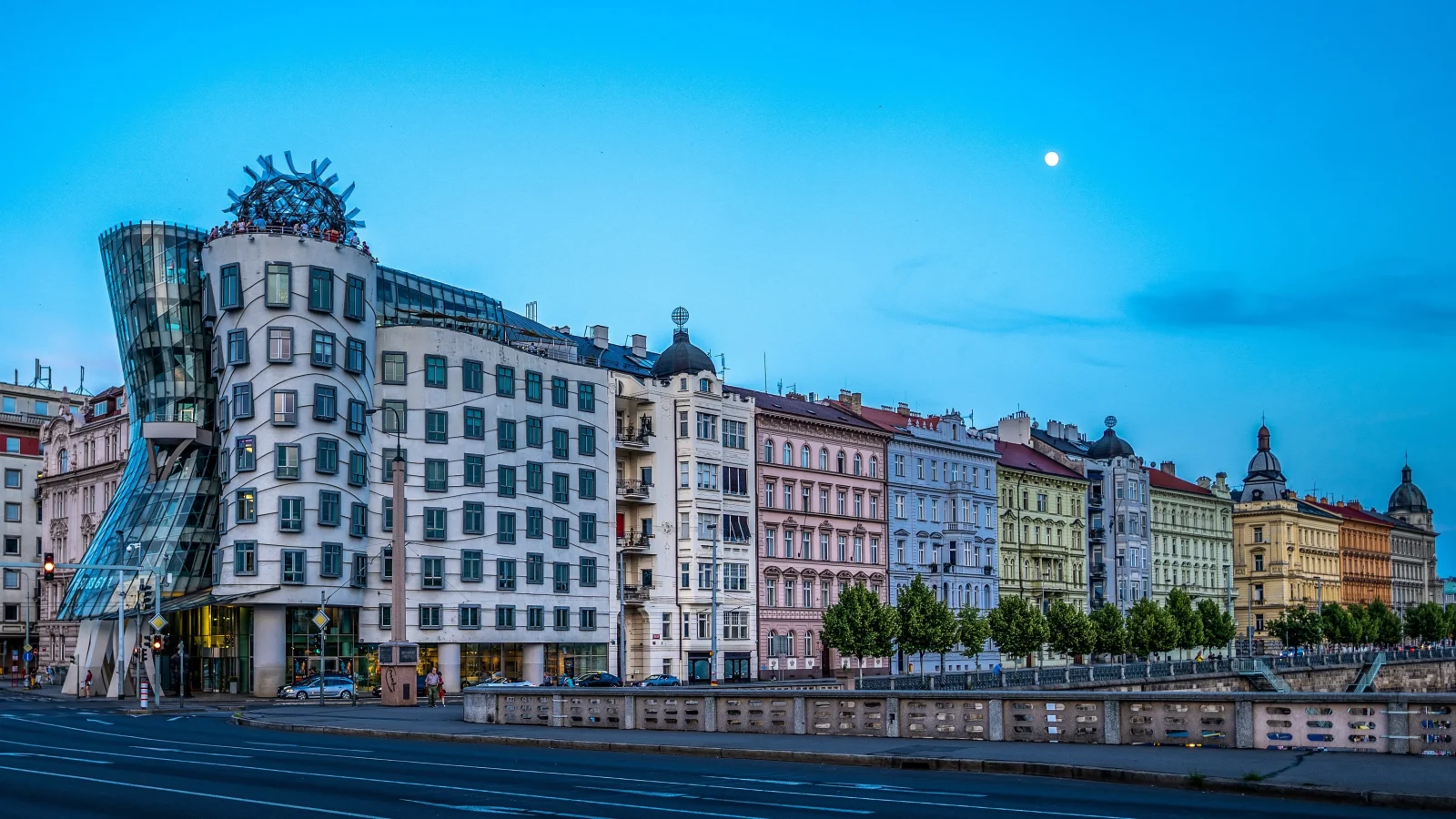
Frank Gehry’s Dancing House, one of his most ambitious projects, designed in collaboration with Vladivo Milunic, faced much criticism when it took its place in the Prague skyline in 1996. Inspired by the famous 1930s dance duo Fred Astaire and Ginger Rogers, its curved, fluid forms and fragmented silhouette create a bold contrast with the city’s Baroque, Gothic, and Art Nouveau architecture. Critics who rejected this contrast argued that the building disrupted the historical harmony of the riverfront, and its unconventional, undulating appearance earned it the nickname “the Drunken House.”
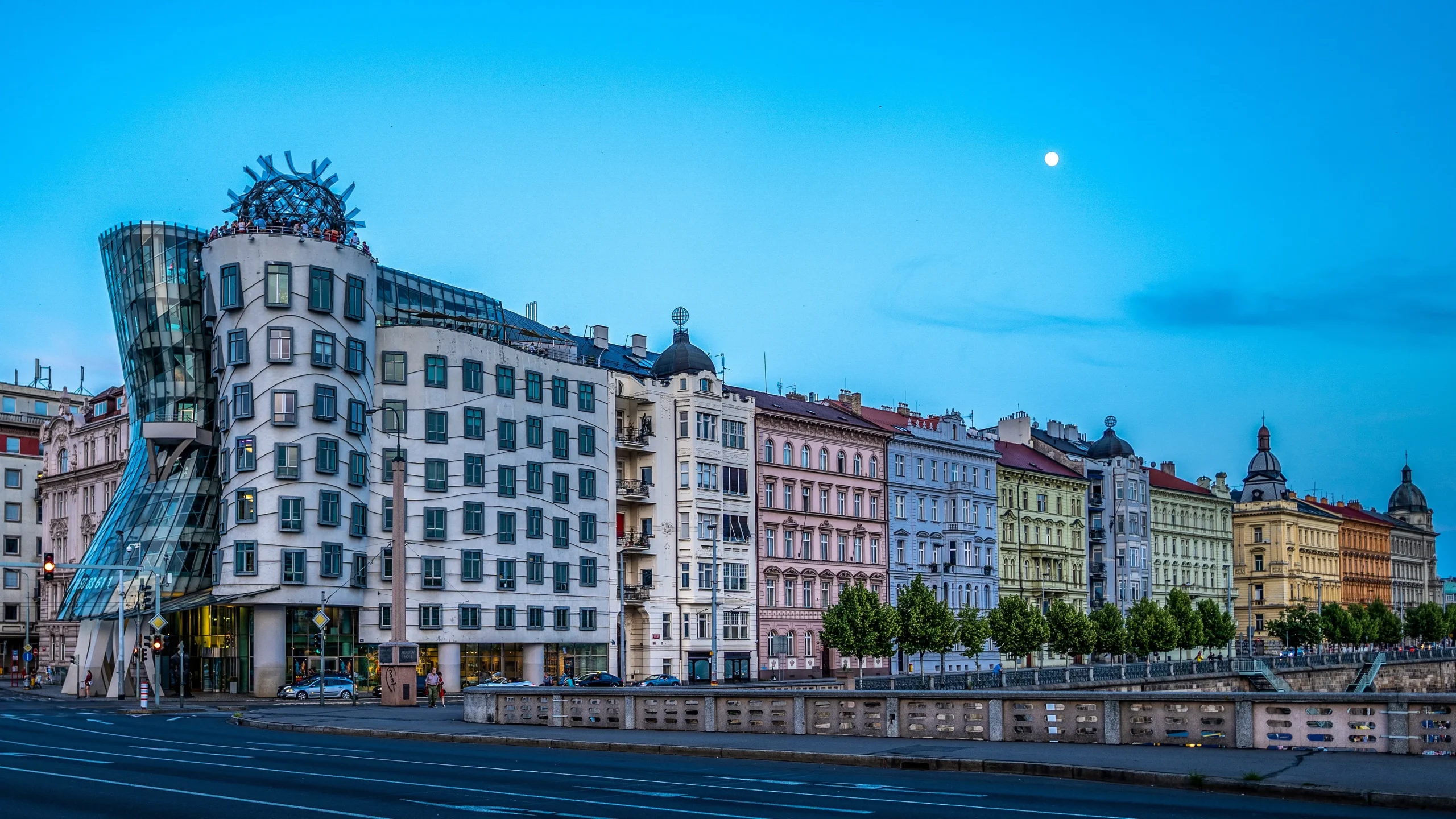
Despite all the criticism, the Dancing House, seen as a symbol of freedom and liberation in contrast to Czechoslovakia’s communist past, won an award in Time magazine’s design competition in 1997.
8. The Vietnam Veterans Memorial
Location: Washington, DC
Architect: Maya Lin
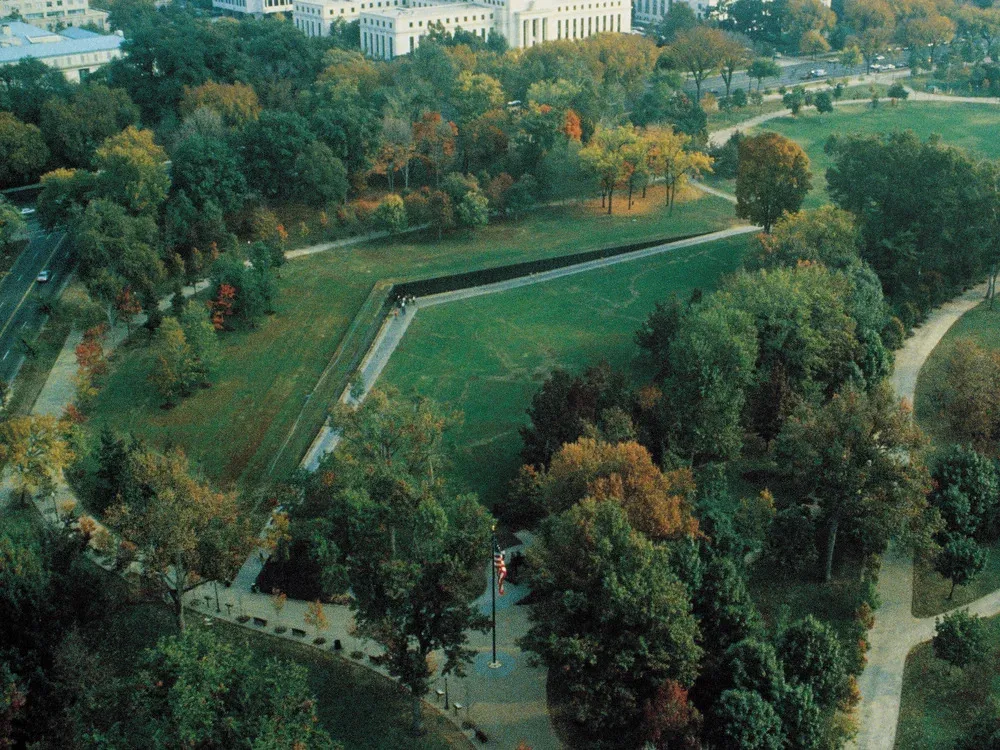
Since its completion in 1982, the Vietnam Veterans Memorial, designed by Maya Lin, has sparked intense debate and is regarded as one of the most controversial buildings of all time. The V-shaped granite wall, inscribed with over 58,000 names, features an abstract shape, a dark color, and a minimalist design. This wall, devoid of patriotic symbols, was criticized by veterans, politicians, critics, and the public for representing an anti-war stance, especially given Lin’s Asian heritage. Detractors described the memorial as a “monument to defeat,” arguing that it reflected a nation’s sense of guilt rather than honoring the fallen and surviving veterans, and labeled it a “black gash of shame” and a “demeaning ditch.”
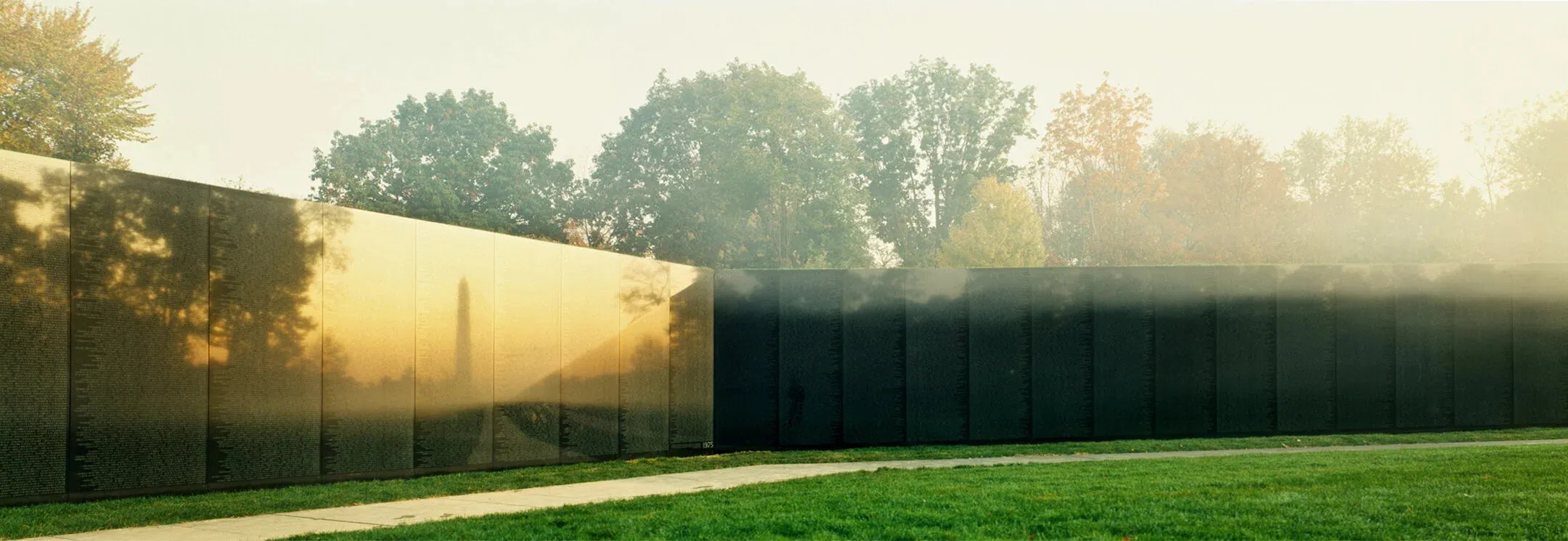
Viewed by some as a “wailing wall for draft dodgers and New Lefters of the future,” the Vietnam Veterans Memorial’s powerful simplicity was gradually embraced over time. Today, the memorial is visited by approximately three million people each year.
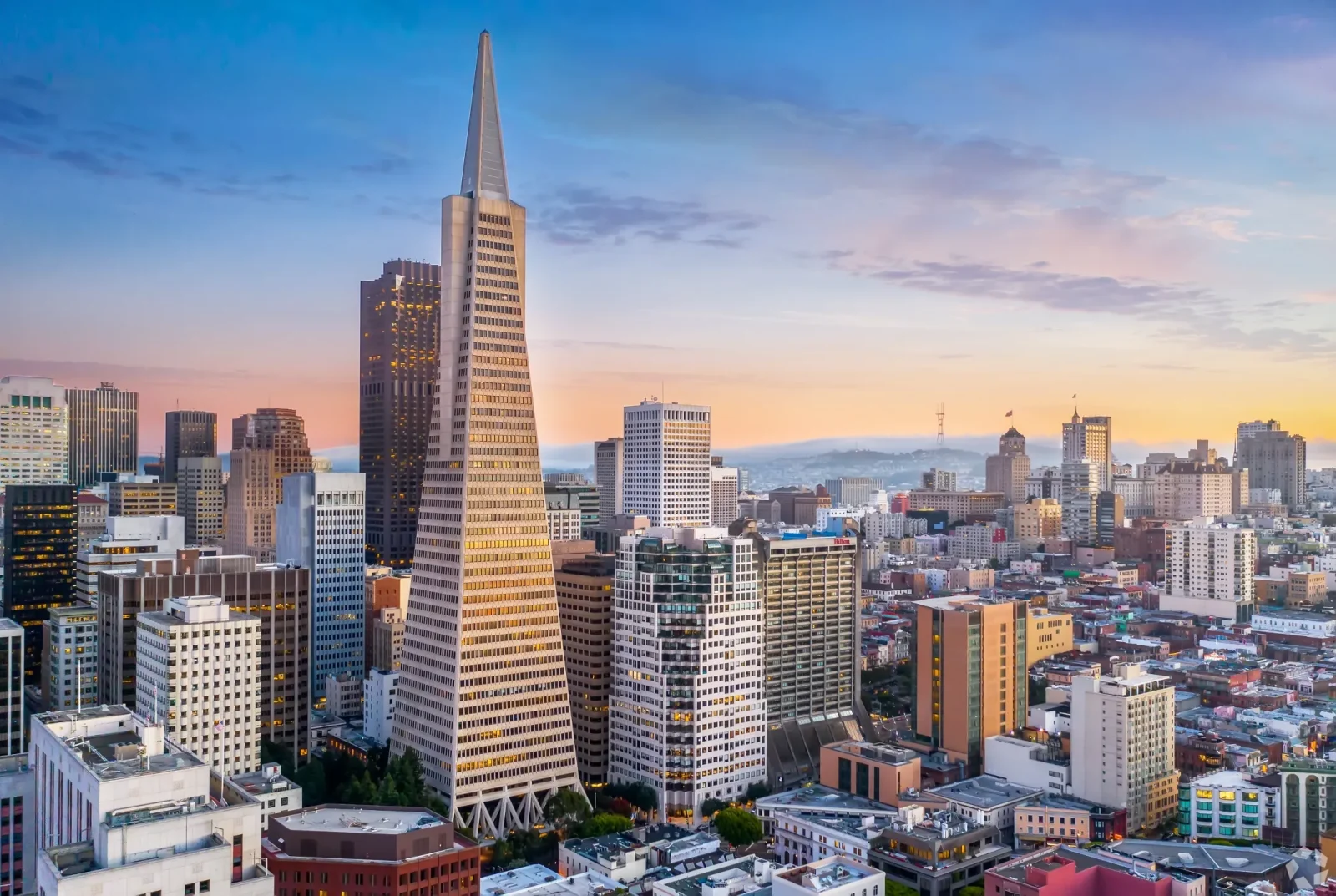
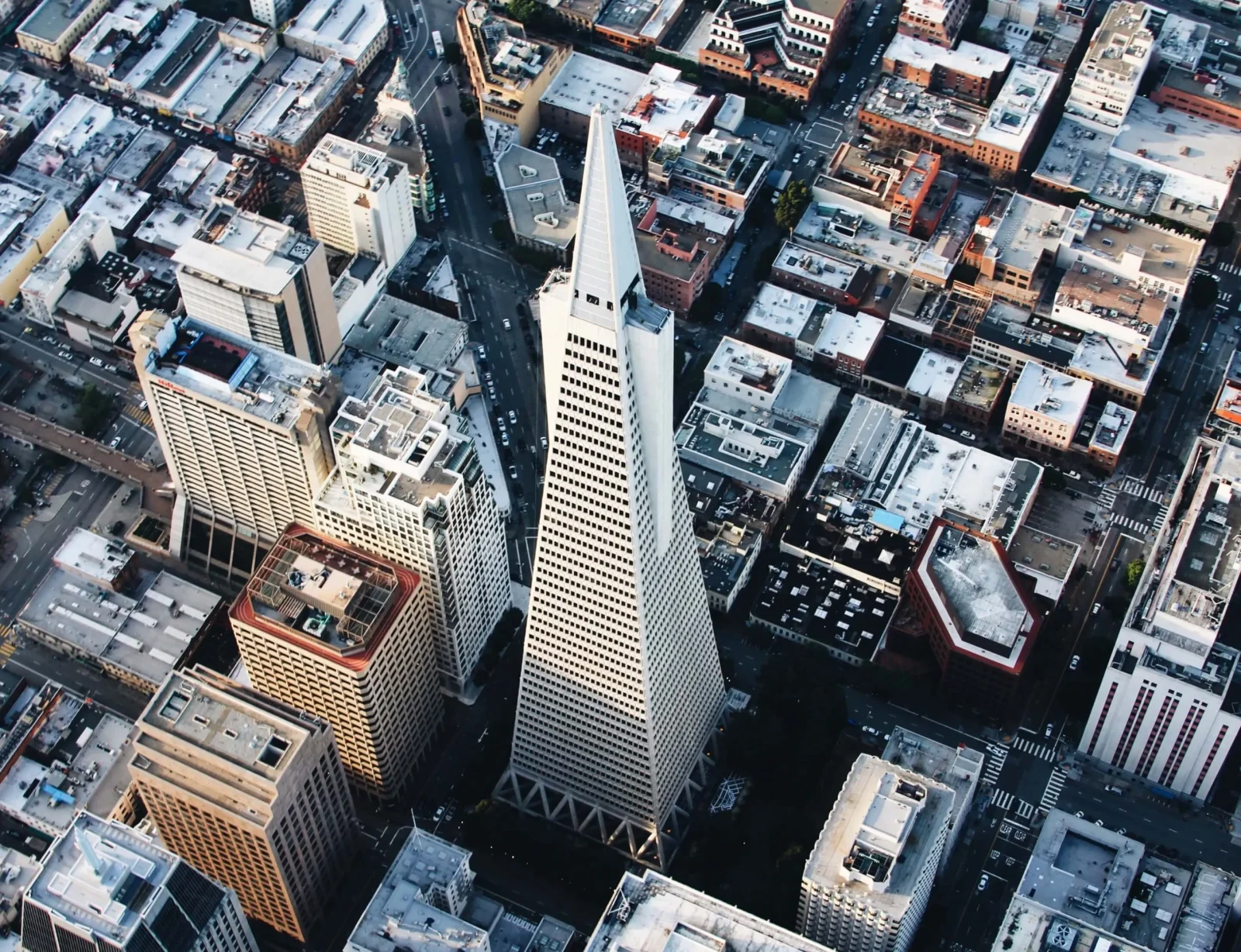
9. Transamerica Pyramid
Location: San Francisco, CA
Architect: William Pereira
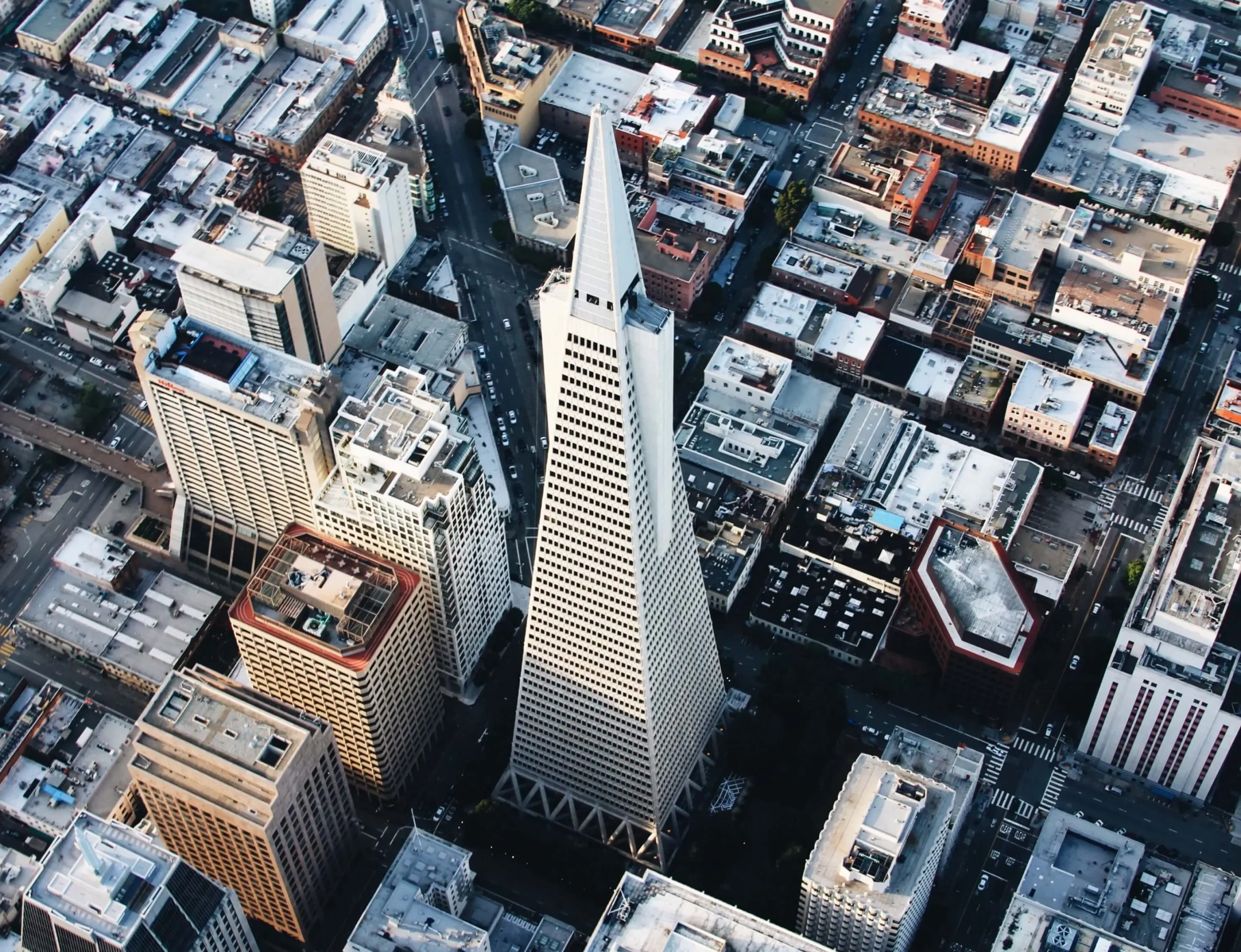
The Transamerica Pyramid, whose design sparked controversy among San Francisco residents when it was first unveiled in 1969, was seen by critics as quite out of place between its pyramid shape and the city’s low-rise Victorian architecture. San Francisco’s city planner at the time even described the pyramid as an “inhuman structure.”
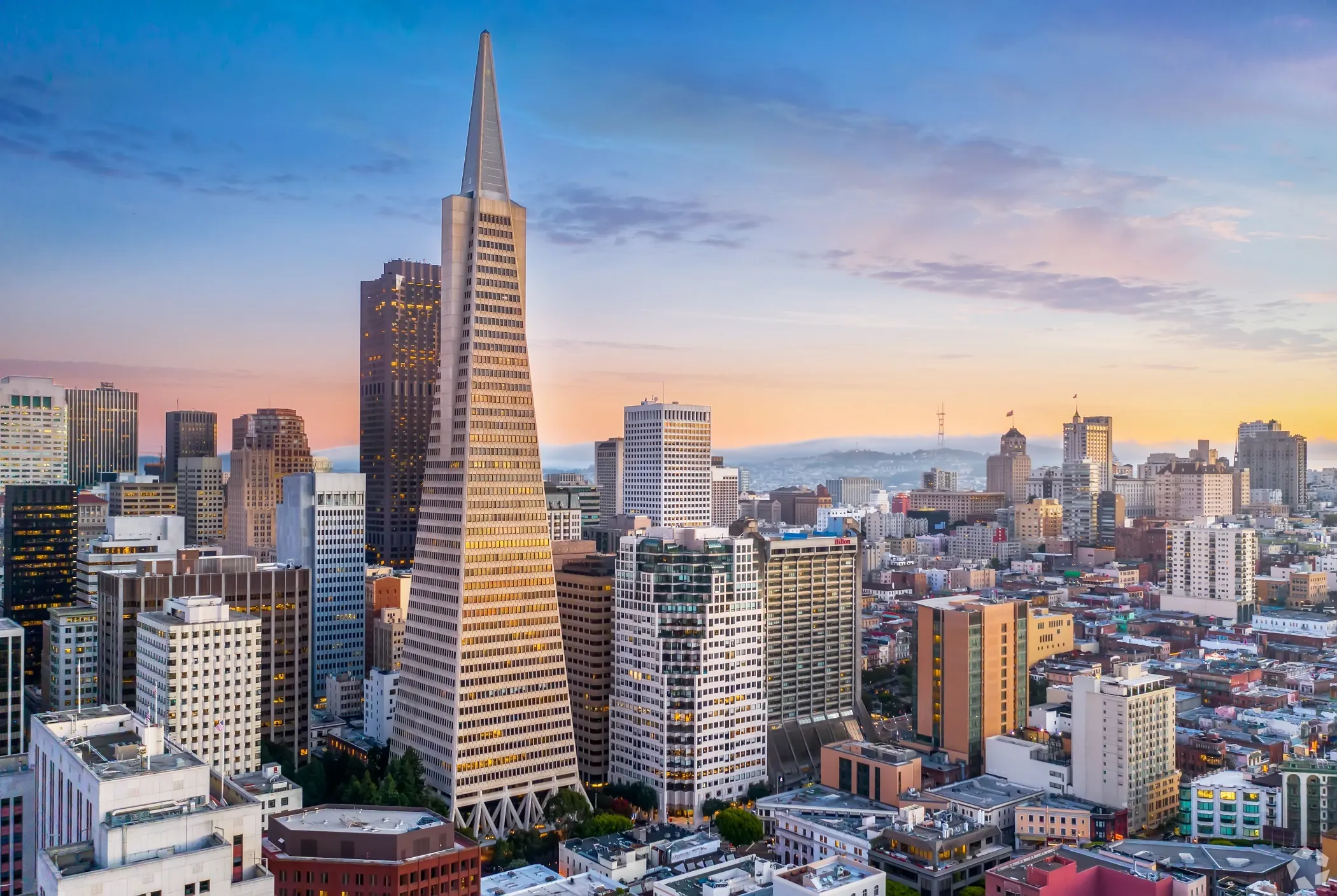
The Transamerica Pyramid, which was considered a “terrible absurdity,” “a true architectural massacre,” and “an insult to San Francisco” during its construction, was completed in 1972 and has since become an integral part of the city’s skyline. Even some architects who had previously opposed the project now consider it a “magnificent building.”
10. National Theatre
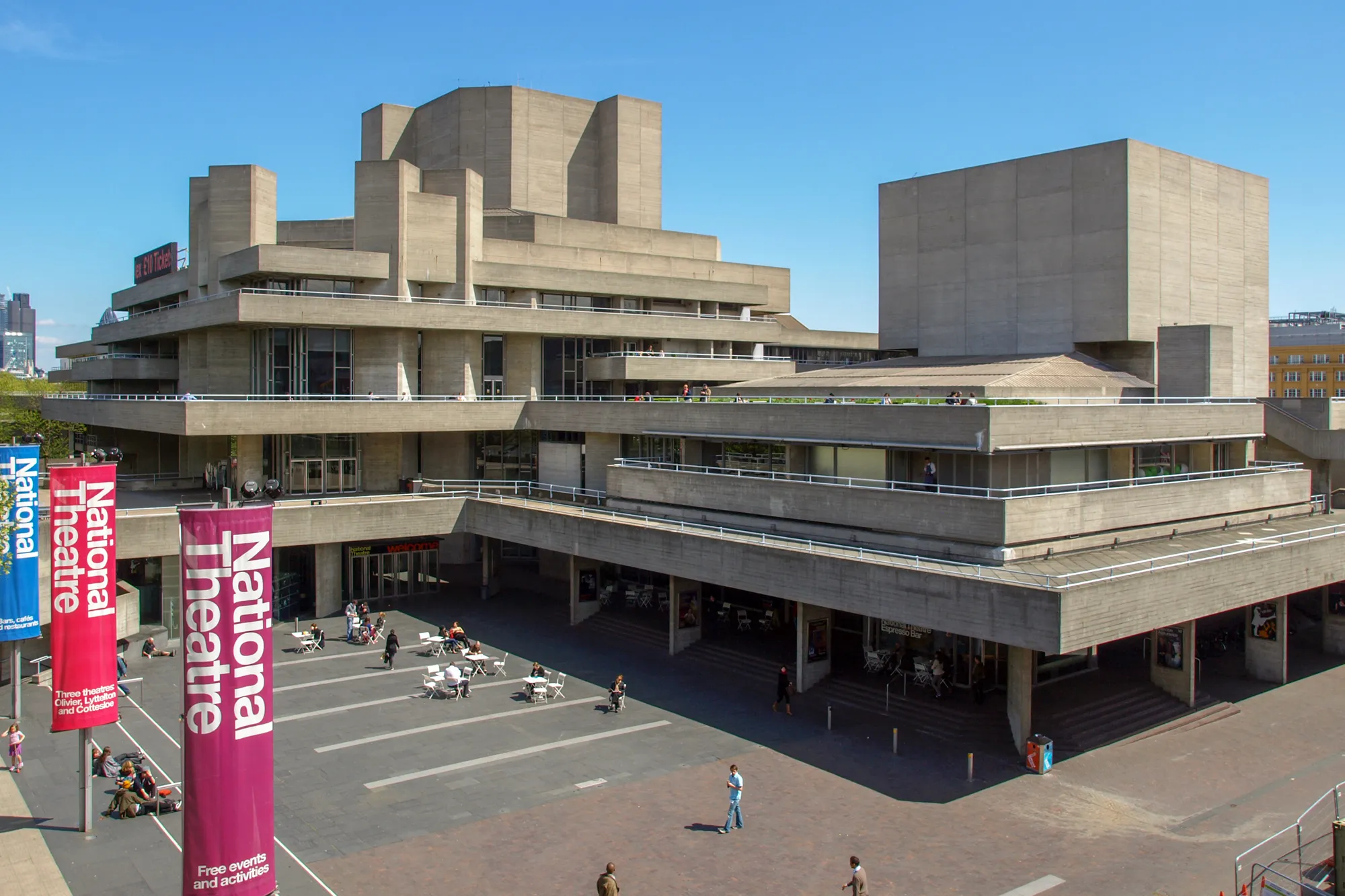
Location: London, UK
Architect: Sir Denys
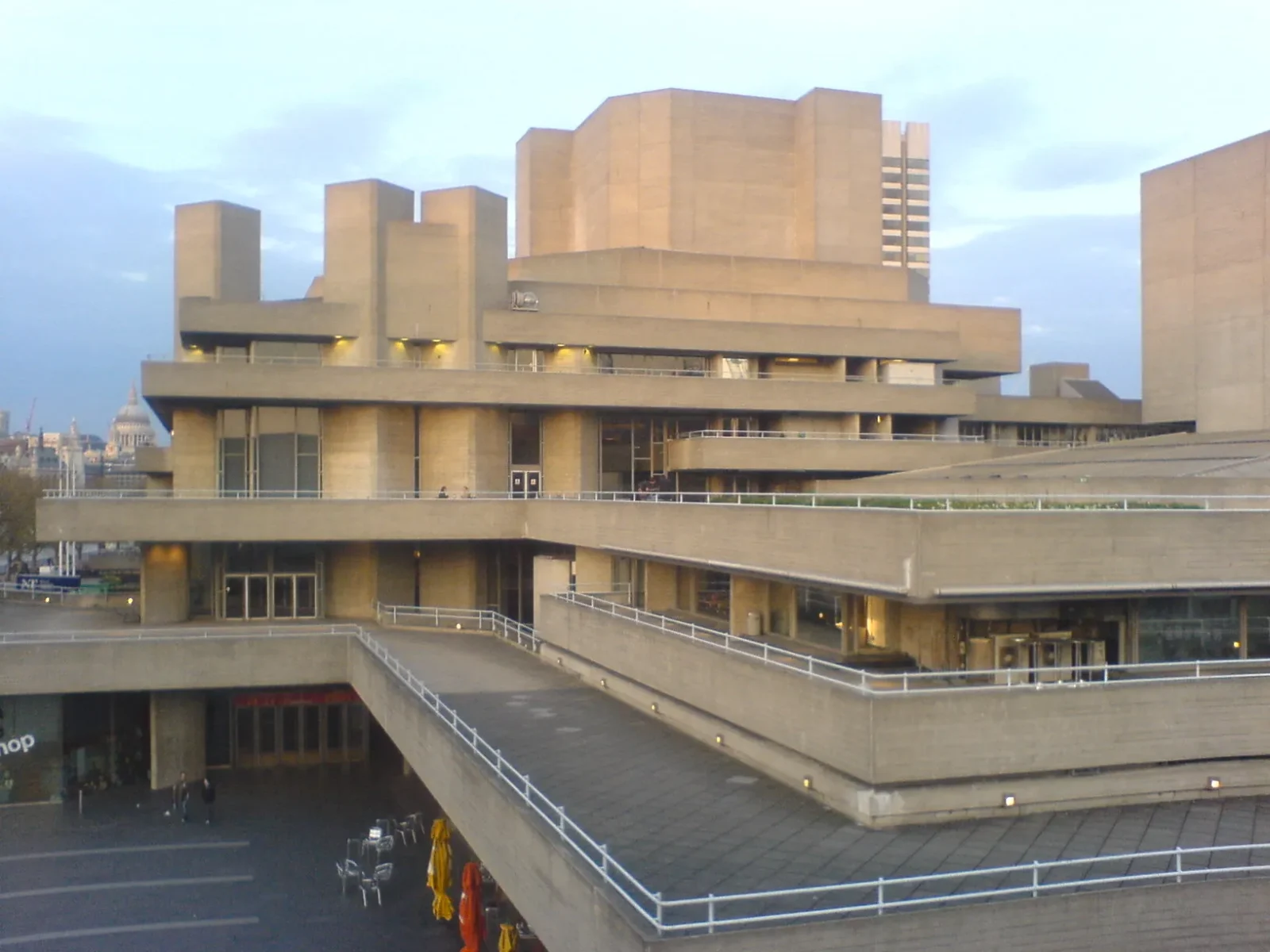
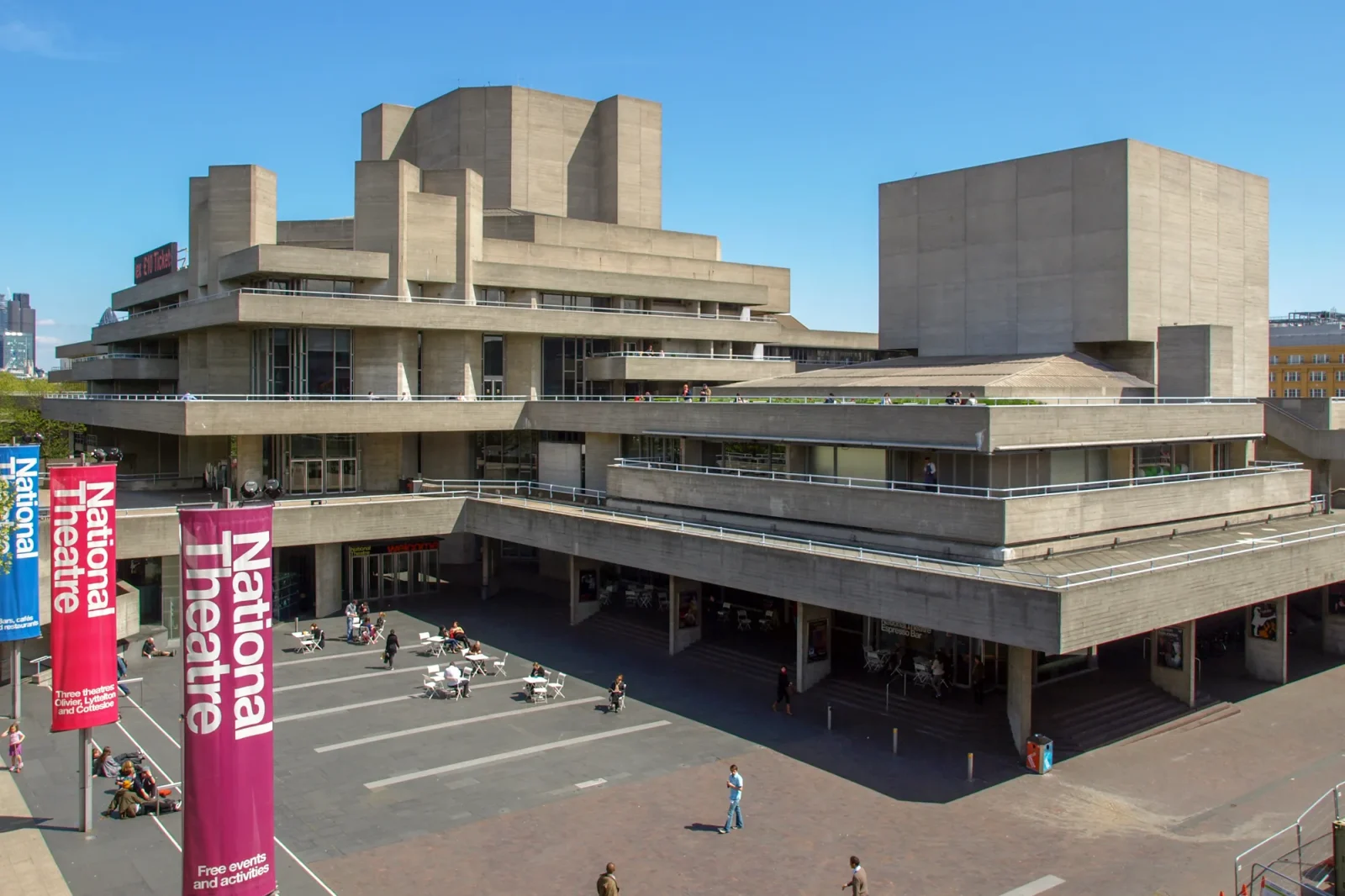
One of London’s most iconic Brutalist buildings, the National Theatre, designed by Sir Denys, boasts rugged concrete terraces, geometric shapes, and an impressive facade considered by some to be a masterpiece of modern architecture. When it was unveiled in 1967, the National Theatre was praised by renowned actor and director Laurence Olivier as “the most beautiful-looking and best-functioning theatre in the world,” yet the criticism it later received turned it into one of the most controversial buildings of all time.
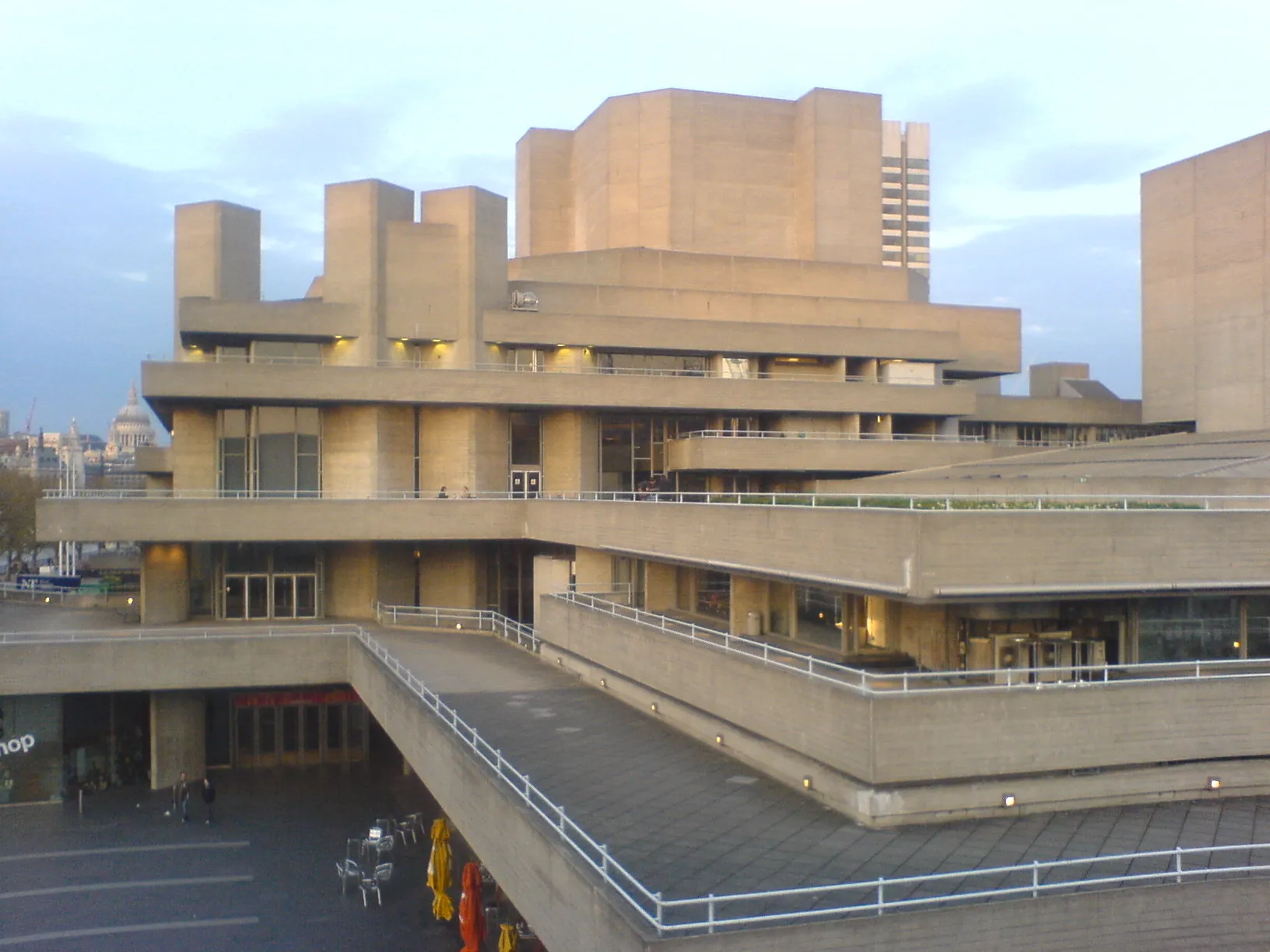
In 2016, Charles, now King of the United Kingdom but then Prince of Wales, commented on the theatre in a documentary filmed along the River Thames, saying: “Look at the National Theatre, it seems like a clever way of building a nuclear power station in the middle of London.” King Charles also described the theatre as “a monstrous carbuncle on the face of a much-loved and elegant friend.”
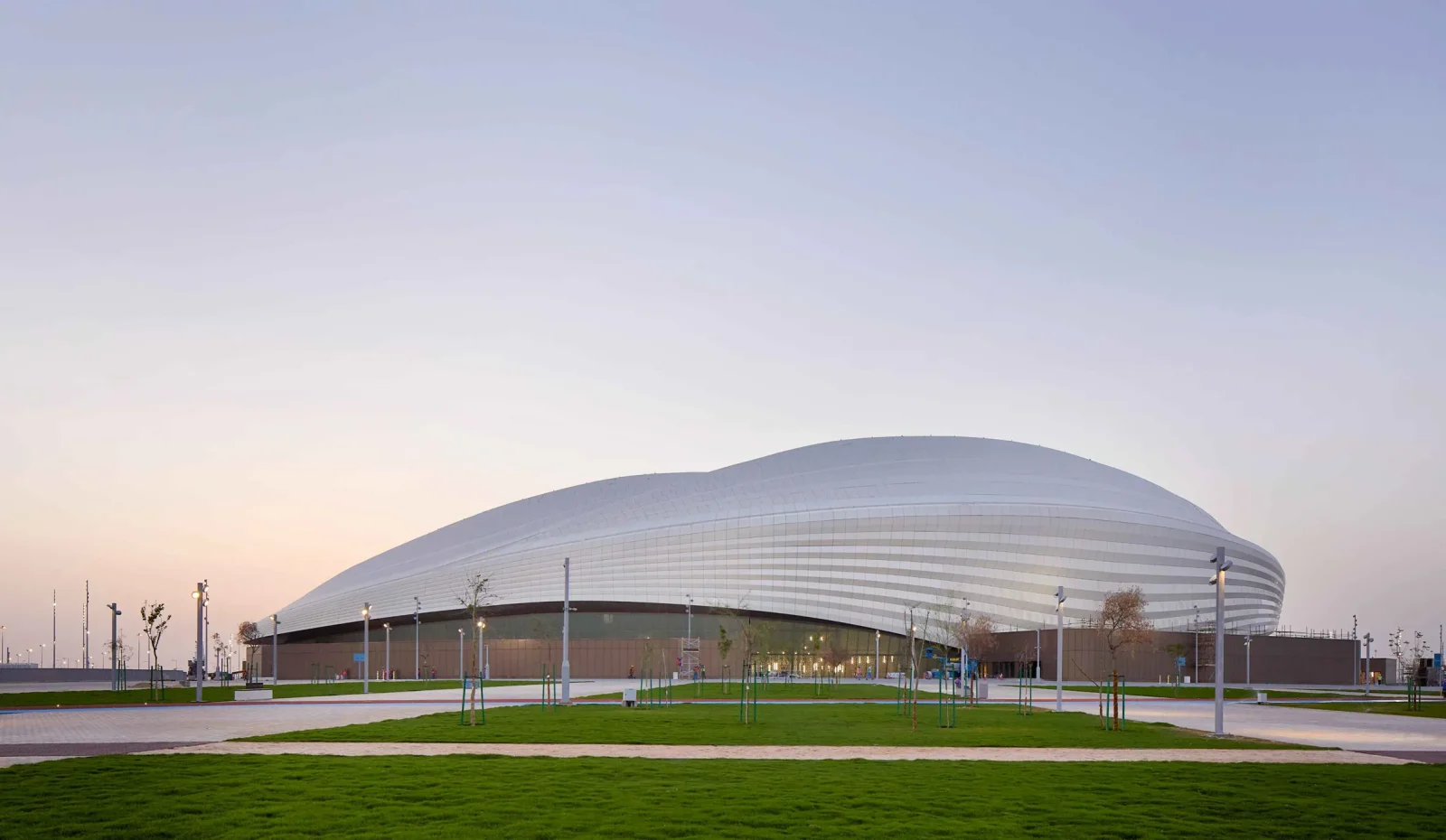
11. Al Wakrah Stadium
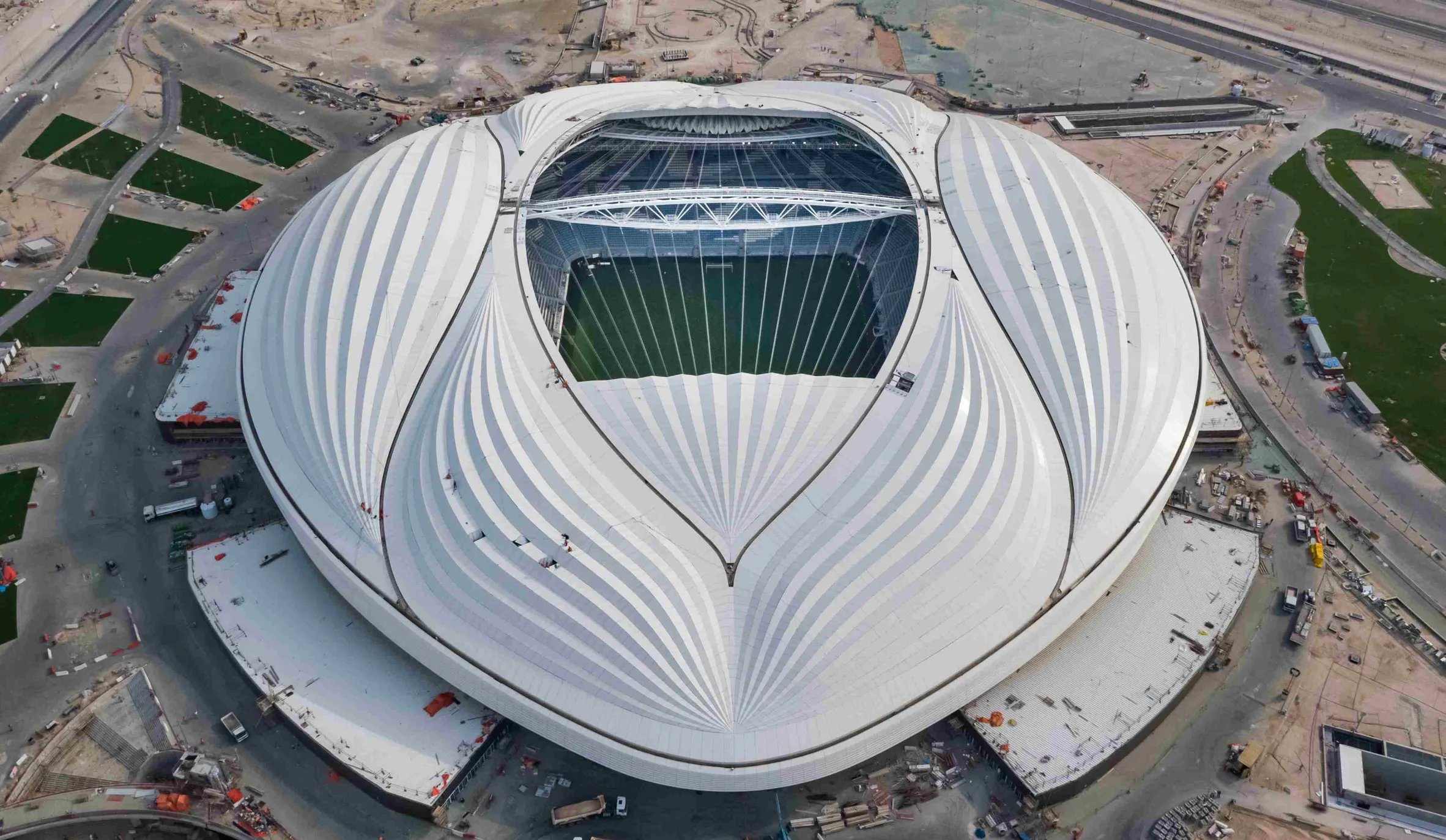
Location: Doha, Qatar
Architect: Zaha Hadid Architects
Designed by Zaha Hadid for the 2022 FIFA World Cup and opened in 2019, Al Wakrah Stadium is one of the most controversial projects of all time. Targeted by criticism for its design and its yonic appearance, the stadium also faced opposition from a group of Japanese architects led by Fumihiko Maki, who submitted a petition arguing that the building was unjustifiably large in scale and budget.
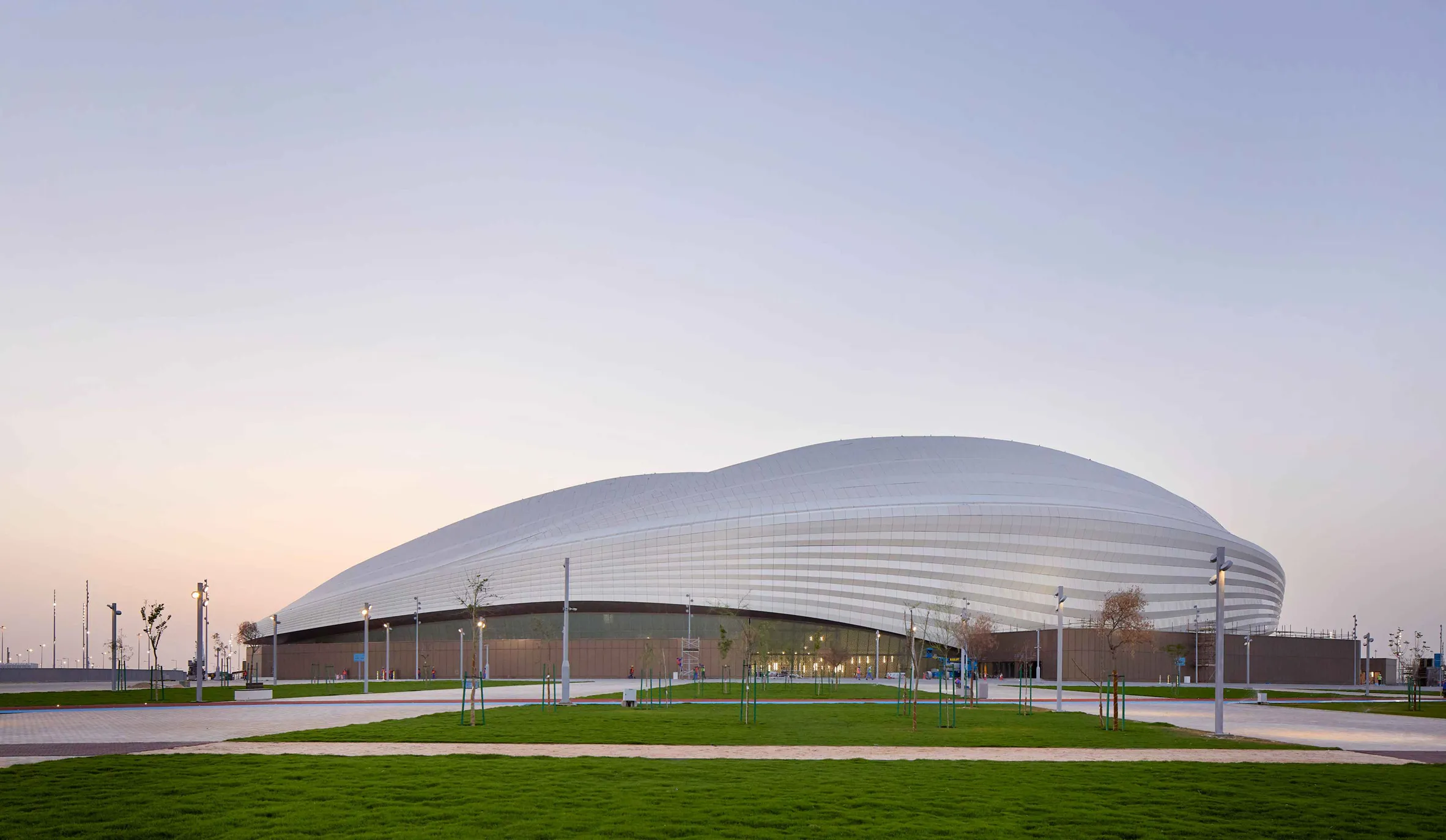
The construction of Al Wakrah Stadium, which sparked controversy over the poor working conditions of immigrant workers, reportedly resulted in the deaths of over 1,000 workers. Zaha Hadid, who stated, “As an architect, it is not my duty to look into this,” later filed a lawsuit against The New York Review of Books over allegations concerning the high number of deaths.
12. Antilla Residential Tower
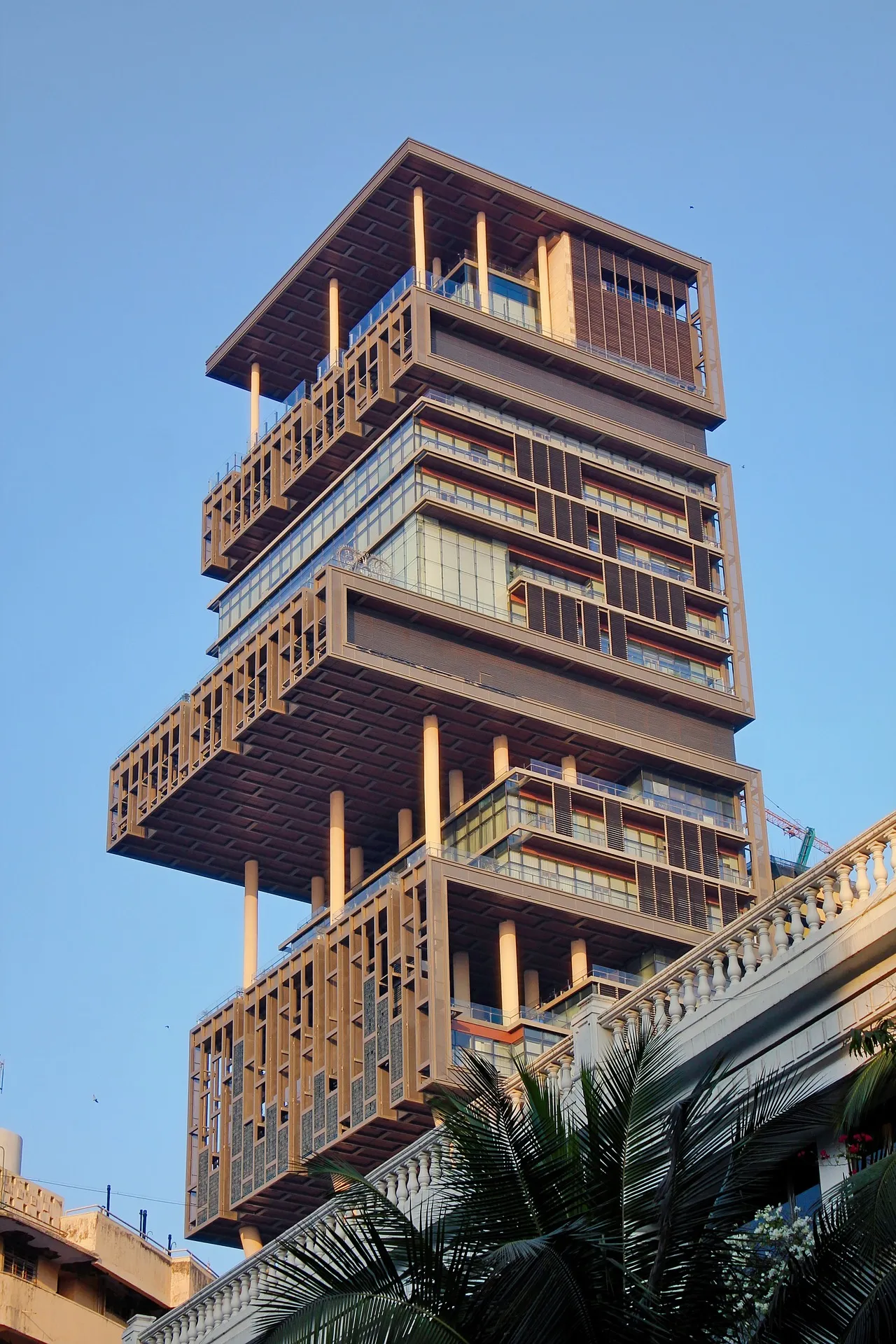
Location: Mumbai, India
Architect: Perkins + Will
Designed by Perkins + Will for billionaire Mukesh Ambani, the 27-story Antilla Residential Tower holds the title of the world’s most expensive residential tower. Constructed in the heart of Mumbai, adjacent to the Golibar slum, this luxury residence includes a six-story parking garage, nine private elevators, and approximately 400,000 square meters of single-family living space. Many residents of Mumbai criticized the Antilia Tower as insensitive and excessively extravagant.
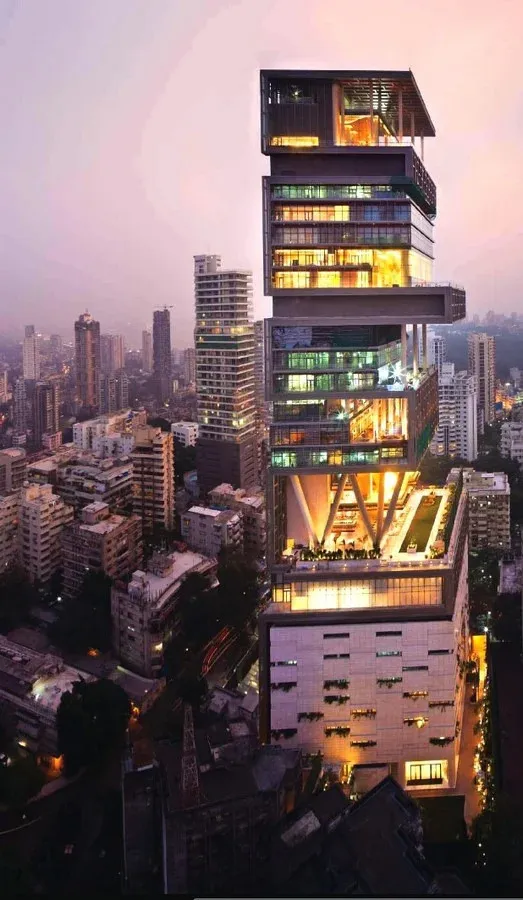
The Antilia Tower does not conform to traditional Hindu Vaastu principles, which further contributed to its status as one of the most controversial buildings of all time. Issues related to land acquisition methods, illegal parking violating local noise laws, and three helipads have been the subject of prolonged debate.
13. Portland Building
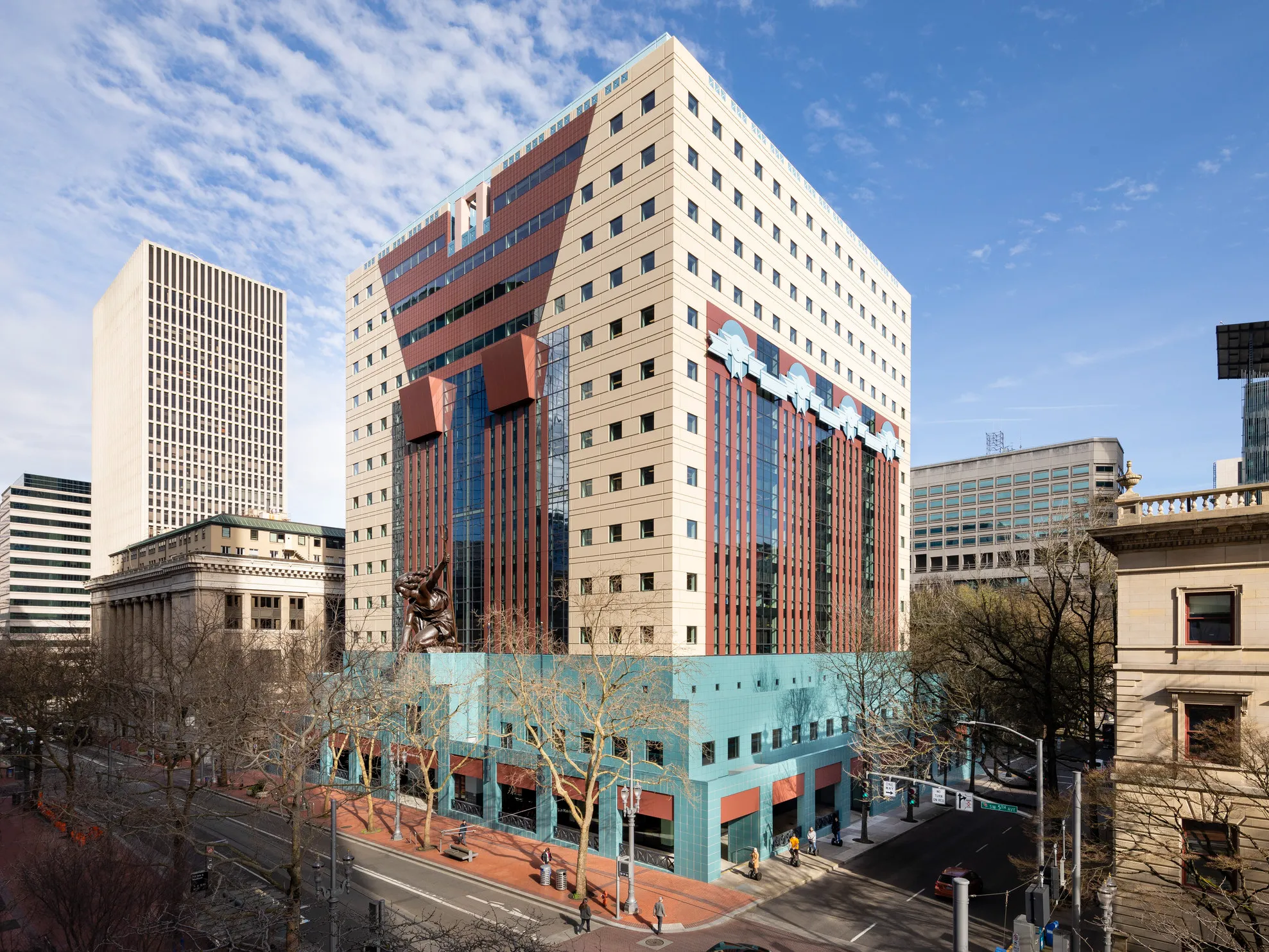
Location: Portland, USA
Architect: Michael Graves
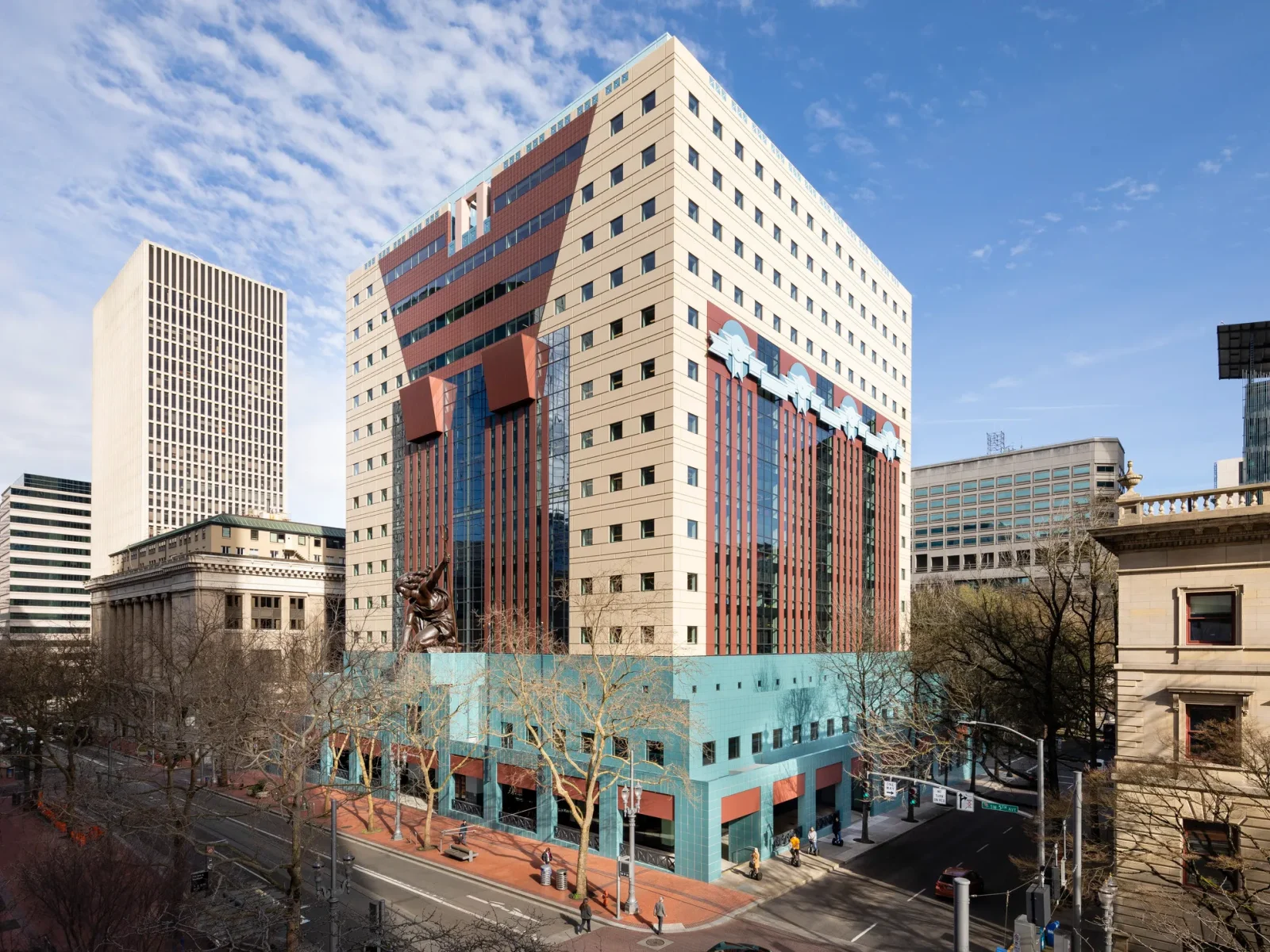
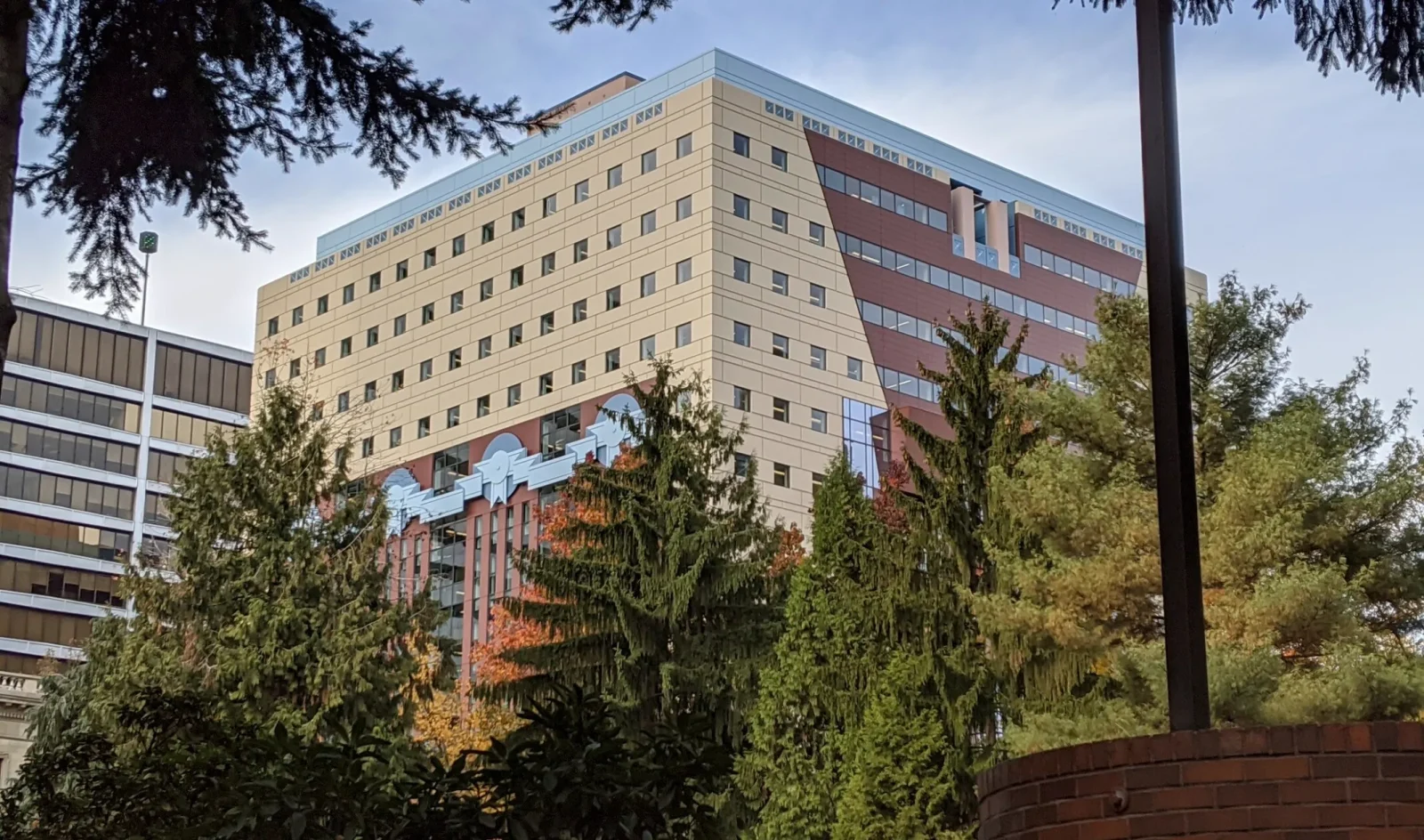
The Portland Building, the first major Postmodern construction in North America, is one of the most controversial buildings of all time. While praised by some as a revolutionary structure that ignited the Postmodern movement, the building also provoked significant criticism within architectural circles in the 1970s. Placed at the center of heated debates over the validity and practicality of Postmodernism in a functional context, the Portland Building was criticized for its enclosed and inadequate interior spaces, small windows, its box-like form, and its glazed terracotta façade.
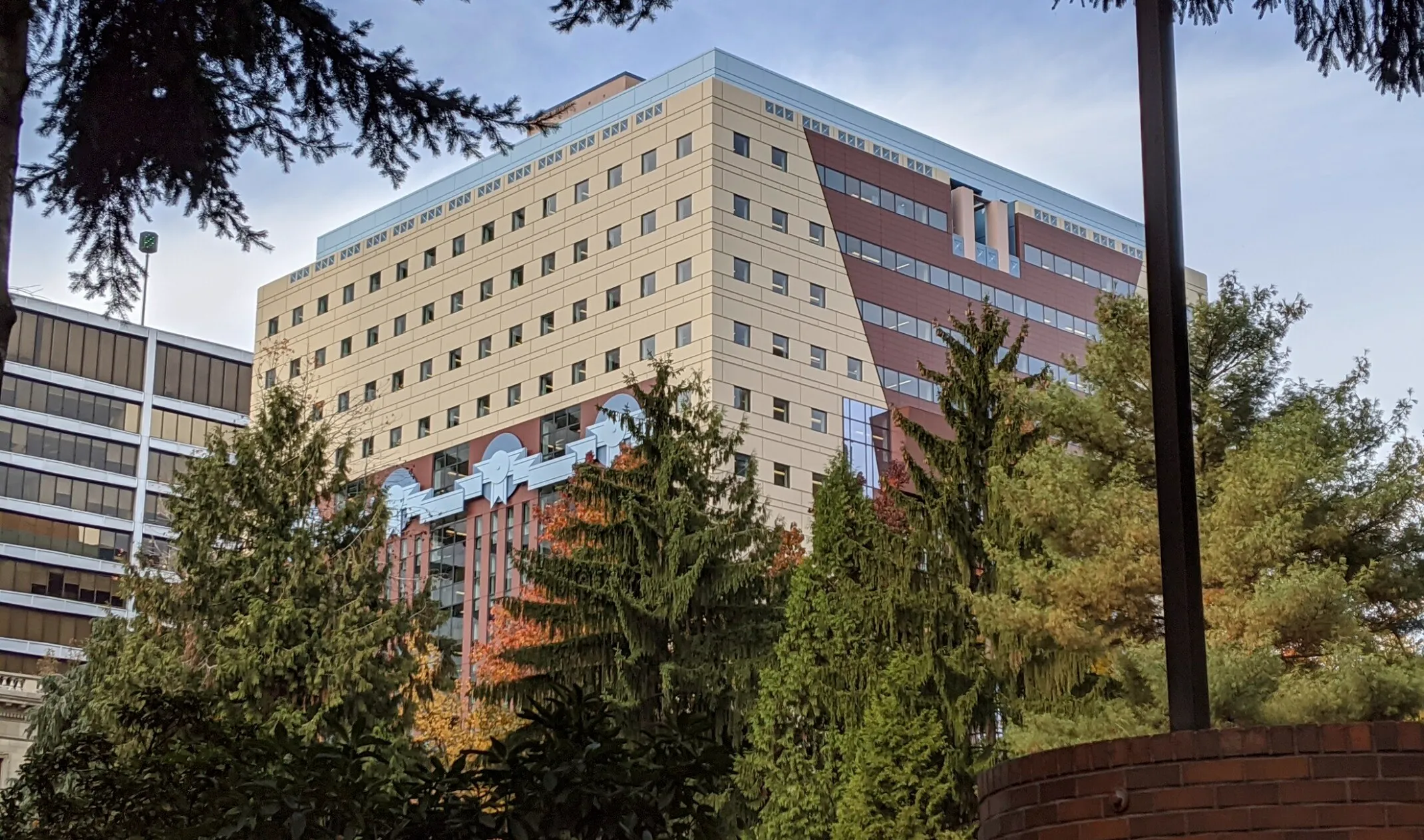
“The whole idea of tearing the building down, it’s like killing a child… I don’t know how to react to that.” – Michael Graves
14. The Gherkin
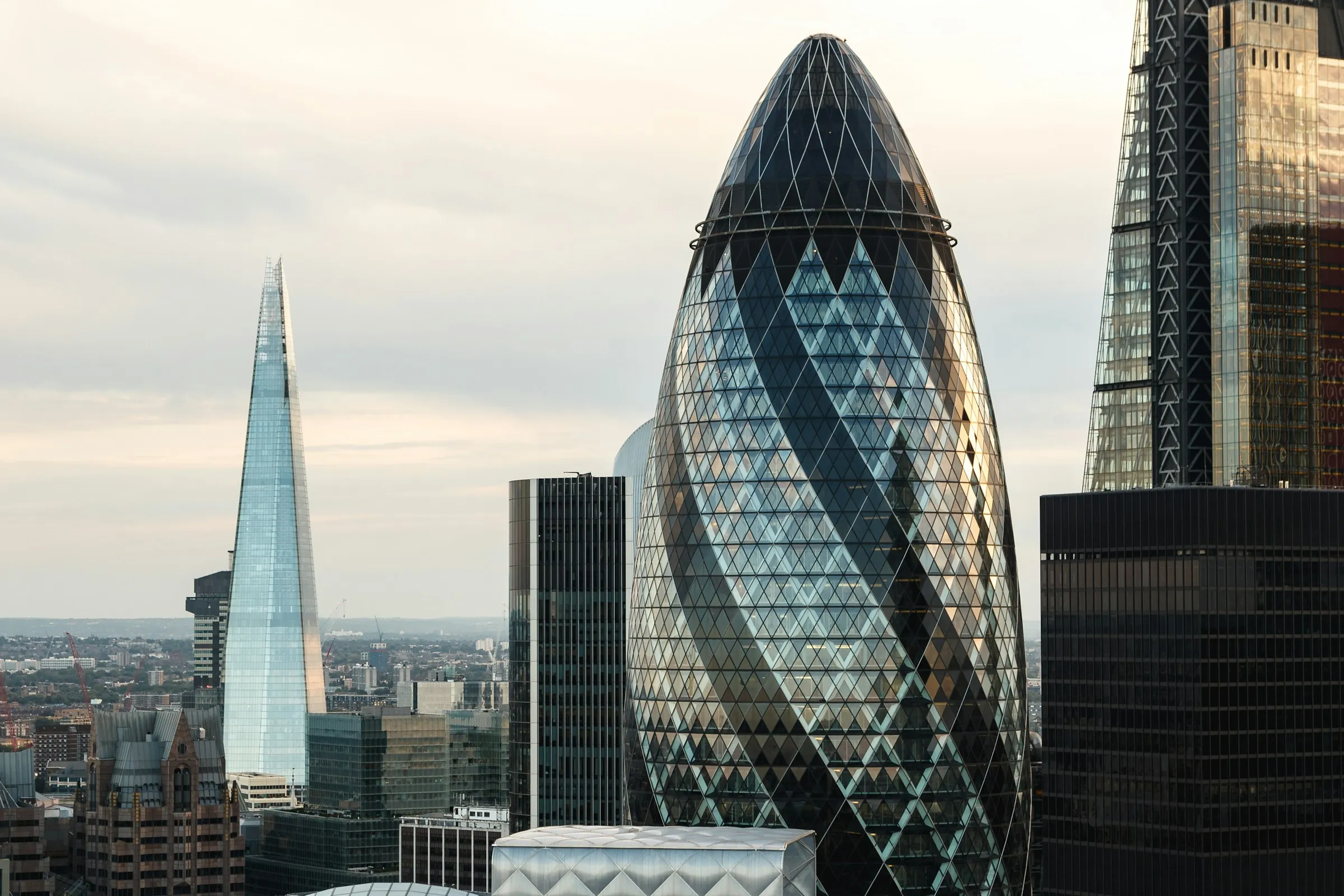
Location: London, UK
Architect: Norman Foster
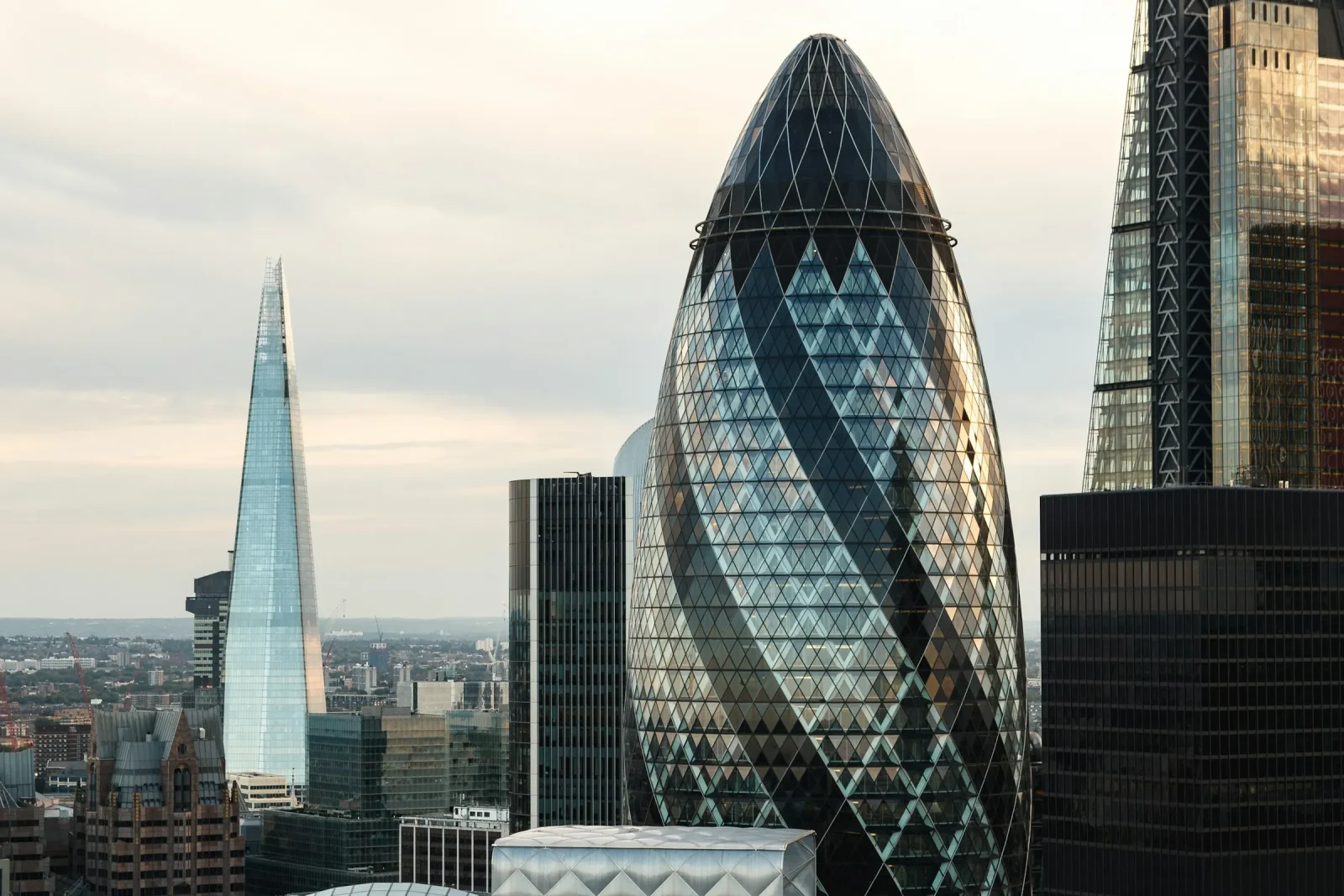
Today, regarded as an iconic structure in its own right that showcases London’s architectural diversity, this glass skyscraper is commonly known as “The Gherkin” due to its resemblance to a pickled cucumber. While praised for its innovative design and energy efficiency, the building has also been the target of much criticism. Some have pointed out the potential for its unusual shape to overshadow the city’s historic buildings.
15. Woman’s Building
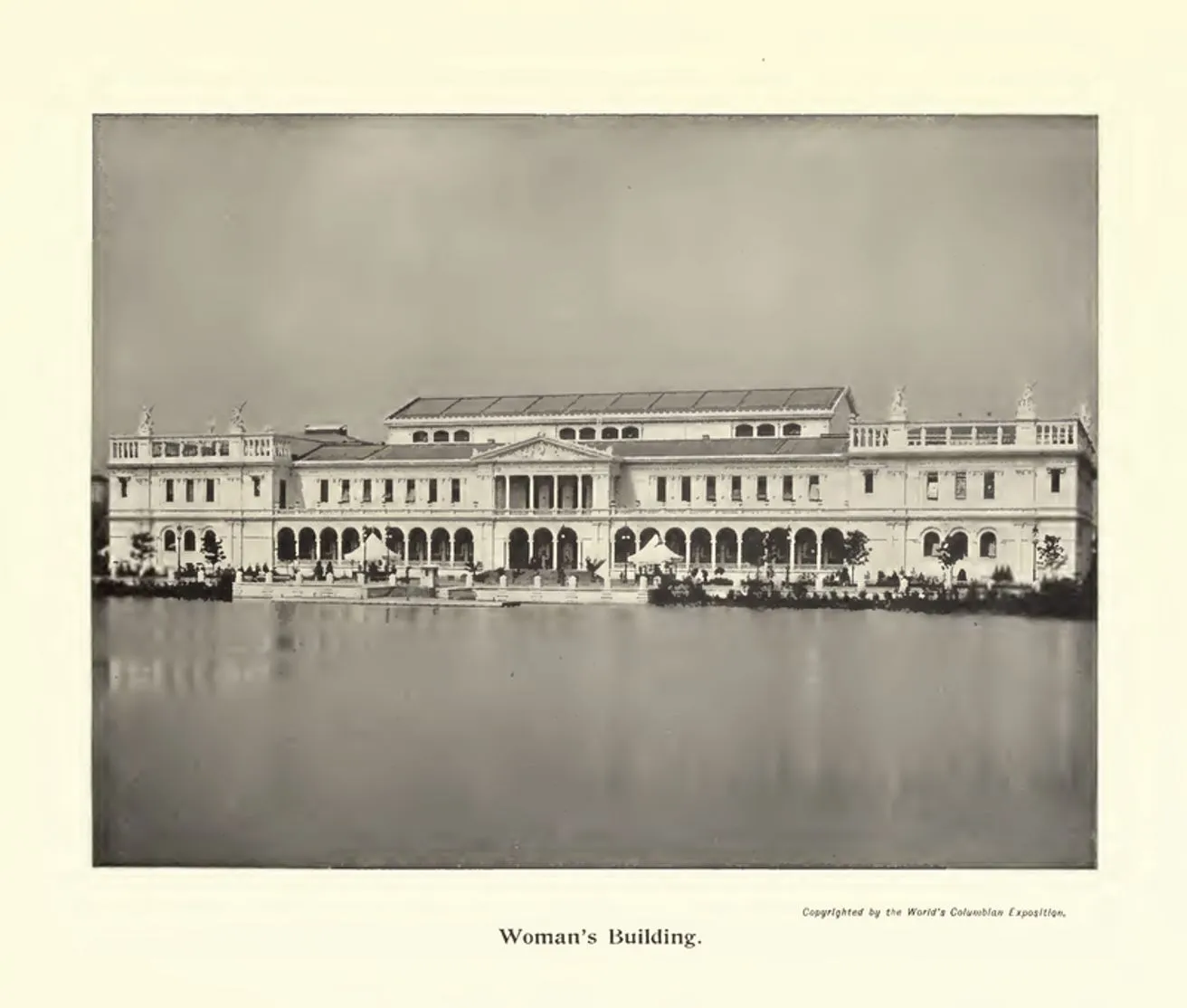
Location: Chicago, USA
Architect: Sophia Hayden Bennett
Designed by Sophia Hayden for the 1983 World’s Fair in Chicago, the Women’s Building is one of the most controversial buildings of all time. Designed to represent the modern 19th-century woman and dedicated to women’s achievements in the arts and crafts, it was dismissed as irrelevant by Daniel Burnham’s male-dominated organizing committee. Criticized for its understated, “feminine” aesthetic in contrast to the opulent neighboring buildings designed by male architects, the Women’s Building was described as “delicate” and “timid.”
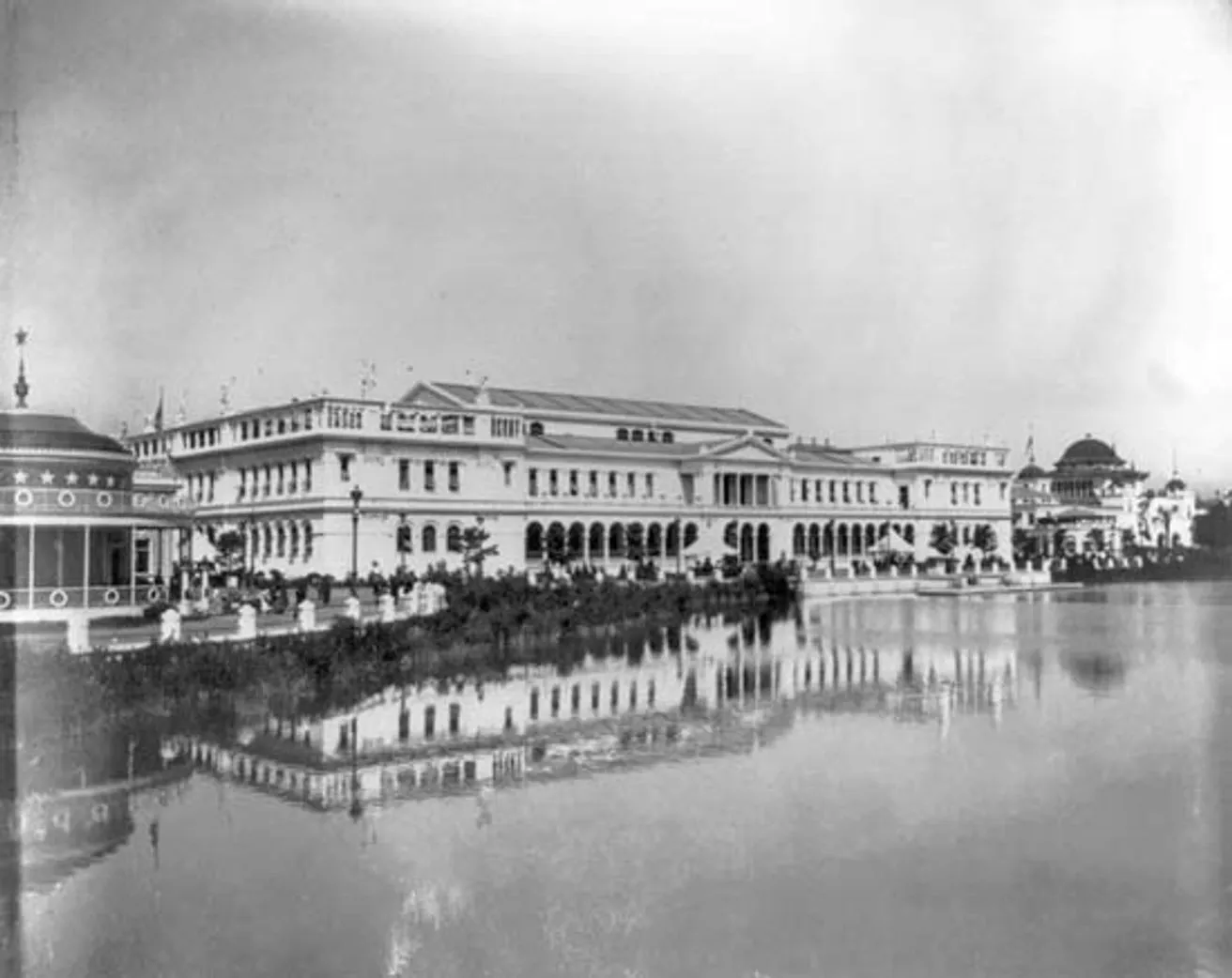
Managed by a Board of Lady Managers, the building became the center of an intense debate over the necessity of a space devoted exclusively to women’s work and the broader role of women in architecture. Sophia Hayden Bennett faced such relentless scrutiny that she ultimately left the architectural profession.
Explore Courses

.jpg "Ondrej Chybik - Rethinking Architecture")