



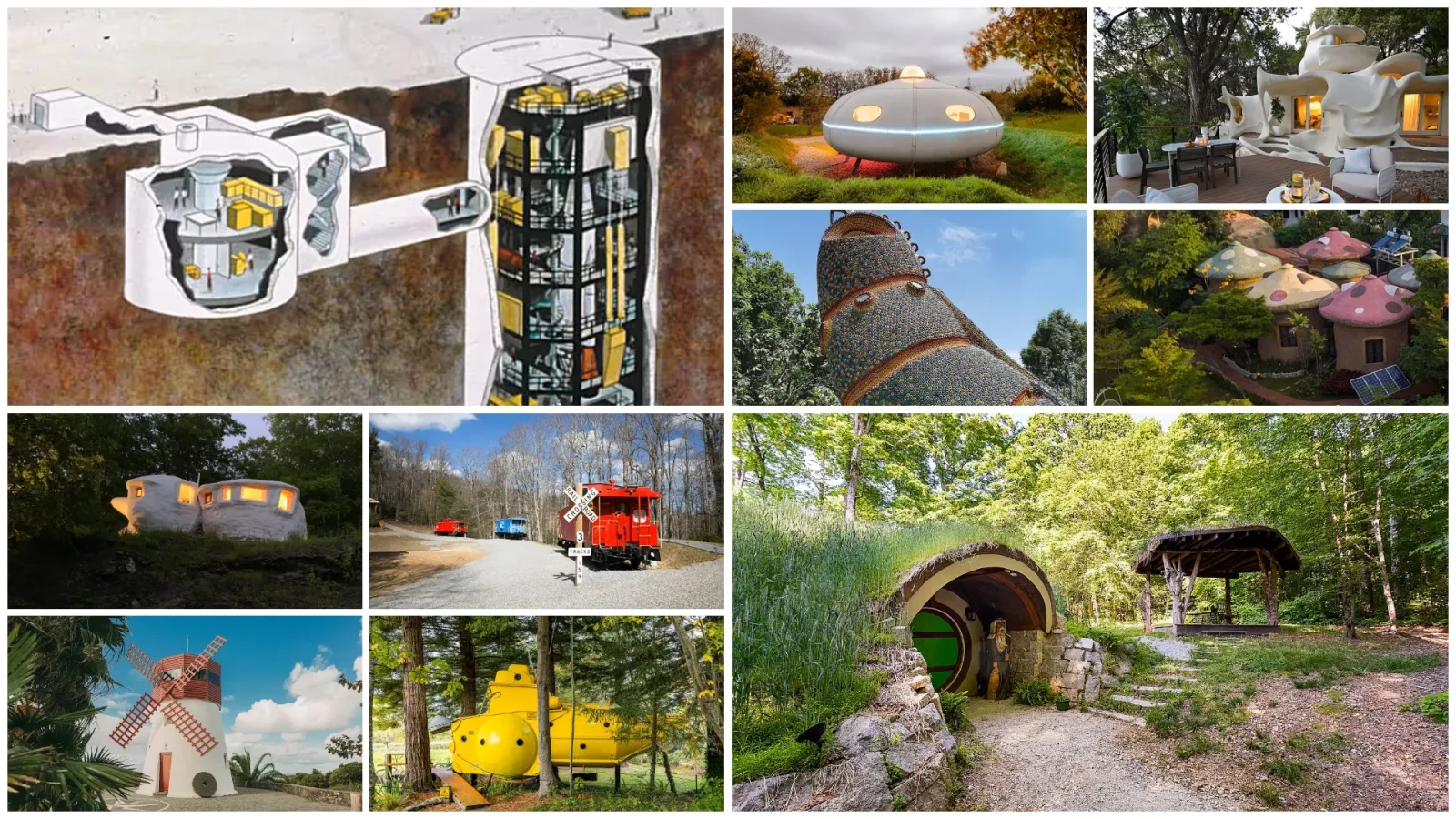
Imagine you wake to the hush of dawn in a forest cabin where walls spiral like seashells, the first rays of light filtering through curved glass to the shifting patterns on the floor. For a moment, you realize you’re not simply staying but living inside spaces once private and now part of a global catalog of lived-in architecture.
Airbnb is a place where strangers become temporary neighbors, and buildings become living memories. In just over a decade, Airbnb has transformed travel from checking into anonymous hotel rooms to inhabiting extraordinary spaces around the world.
What started as a way to rent spare rooms has blossomed into a global movement of hospitality, sharing everything from unique dwellings to architectural landmarks. For architects and designers, Airbnb represents more than accommodation; it is a vast archive of architecture where buildings are admired and experienced.
What makes Airbnb especially fascinating is the way people convert their homes or design them into entirely new ones to invite guests in. Some owners adapt industrial relics, others handcraft whimsical cabins, while a few design experimental structures from the ground up. In this way, Airbnb has become a powerful platform for architectural storytelling, allowing spaces that might otherwise remain private curiosities to become open, lived experiences. For travelers who value design as much as destination, these stays become gateways into the imagination of the architect or maker who shaped them.
Here’s a closer look at 10 incredible Airbnbs you can stay in, with insight into their architectural magic and the people who brought them to life.
1. The Bloomhouse – Austin, Texas
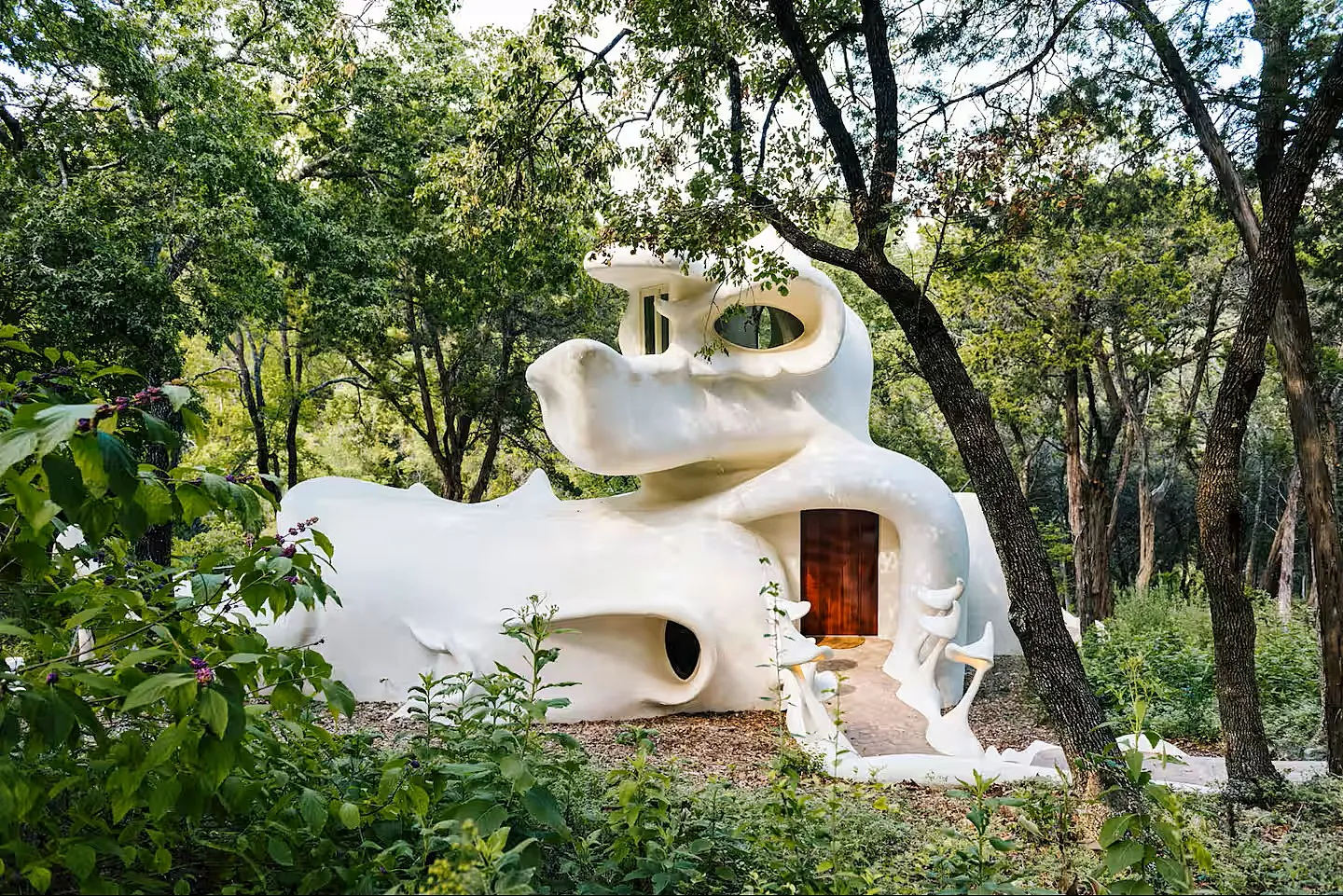
The Bloomhouse started as an experiment by architecture student Charles Harker, created in collaboration with Dalton Bloom. This fairy-tale-like home was designed to celebrate flowing forms and nature’s organic curves, inspired by air movement and music. Its structure is hand-sculpted steel rebar wrapped in layers of foam, creating unusual shapes like swirling turrets and conch-shaped features.
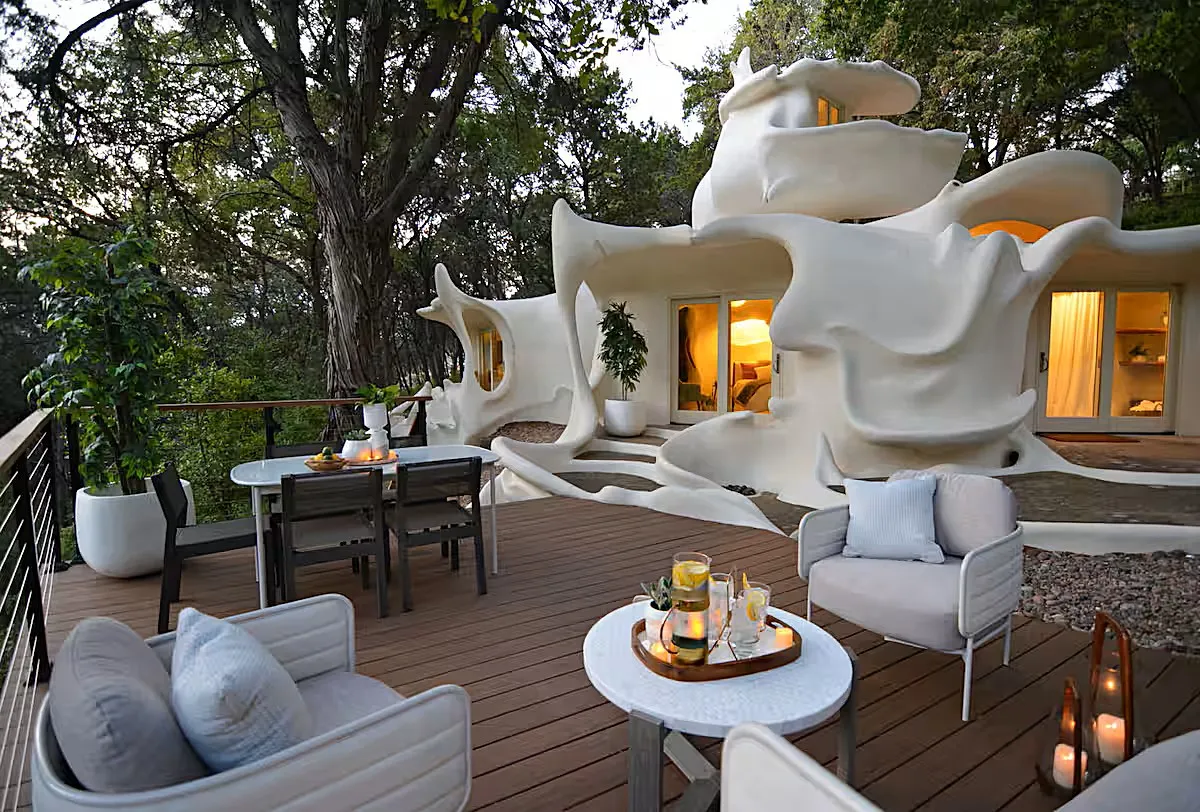
After decades of neglect, the Bloomhouse was purchased in 2017 by Dave Claunch. He undertook a multi-year restoration project to bring the house back to its original glory and reintroduced it as a magical Airbnb. Staying here is like entering a living sculpture where every angle is a rare gem in experimental residential design.
2. UFO Futuro-styled Flying Saucer – Pembrokeshire, UK
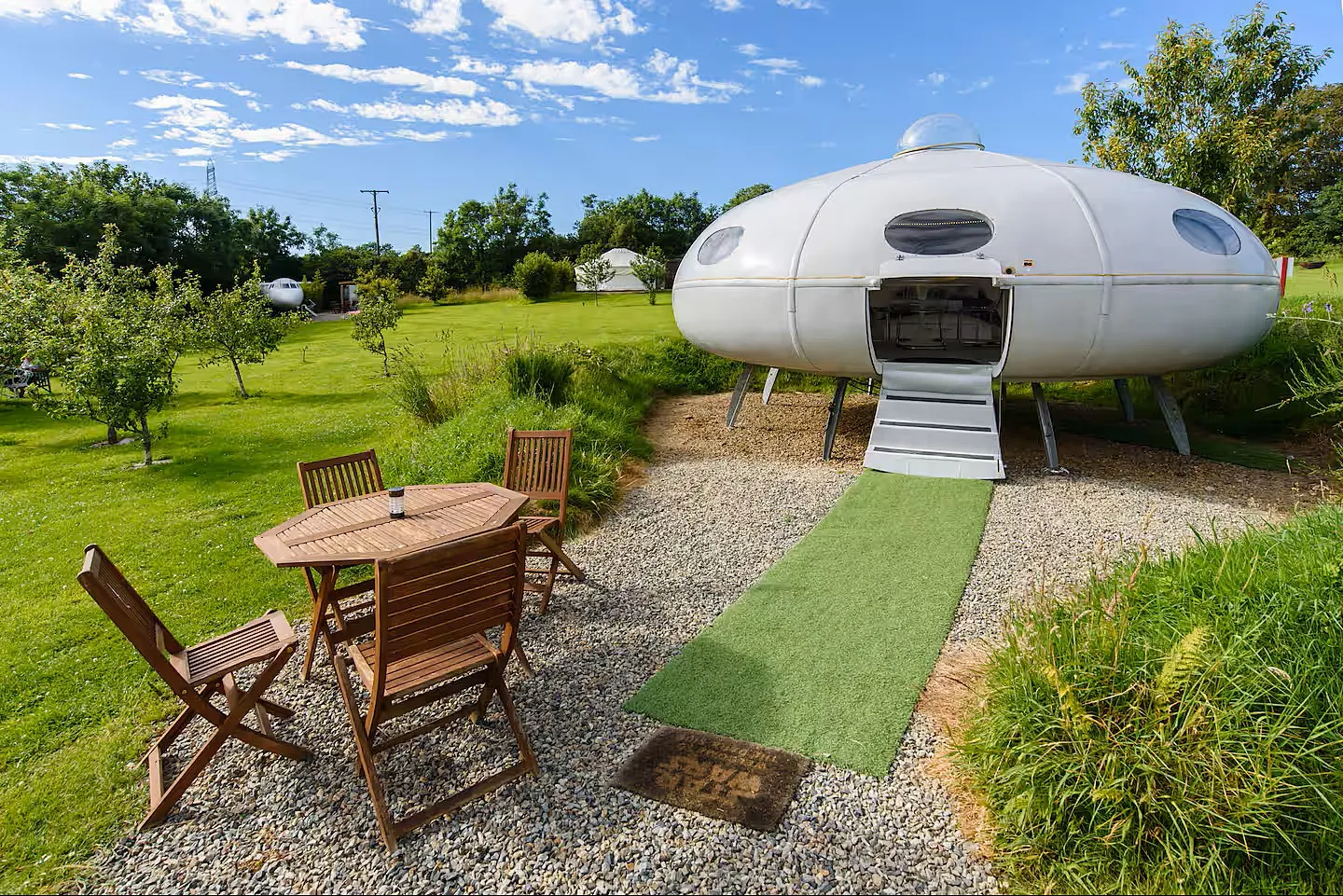
The home is a Futuro-styled flying saucer. This unique home pays homage to the iconic 1960s Finnish Futuro House, adding a contemporary twist with modern materials and technology. The UK’s only Futuro-style UFO house has adopted the aerodynamic shell and modular design to create a compact and creative space.
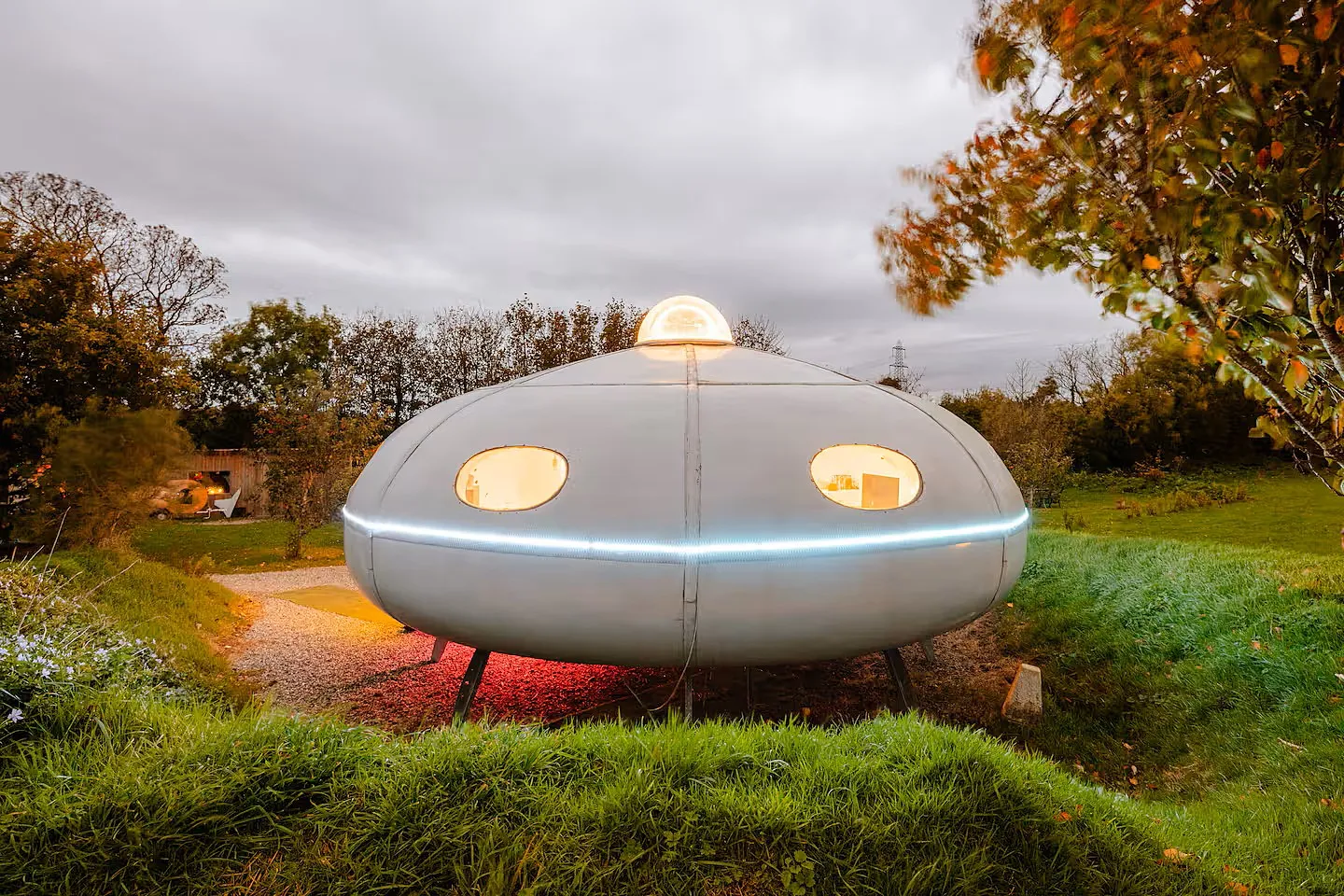
Views from the circular windows give you a spaceship feel, complete with retro-futuristic furnishings and a laser starfield ceiling, handcrafted to evoke a voyage to the stars. It’s a playful and designed retreat that pays homage to mid-century ideas of space-age living.
3. Cozy Vermont Mini-House – Vermont, USA
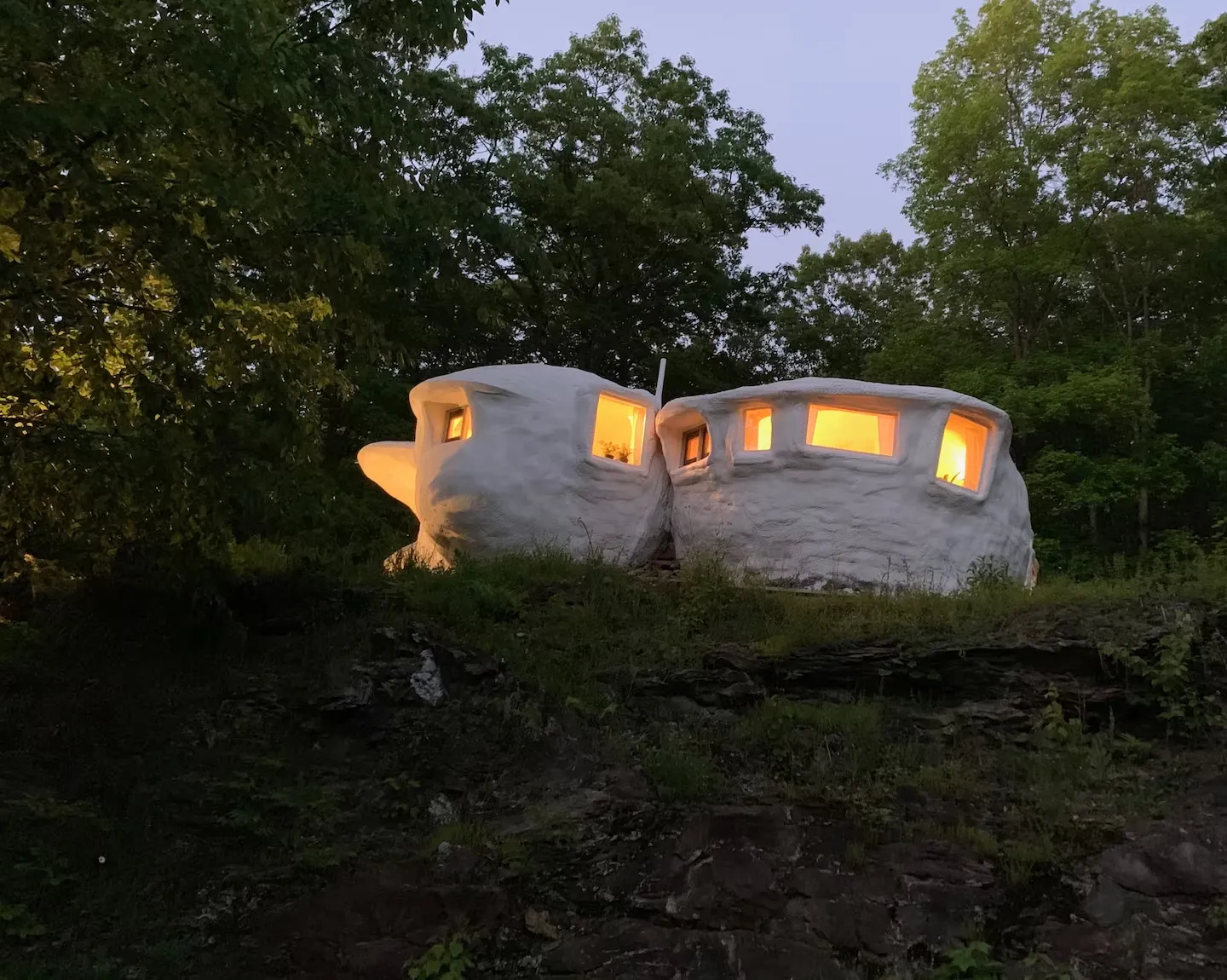
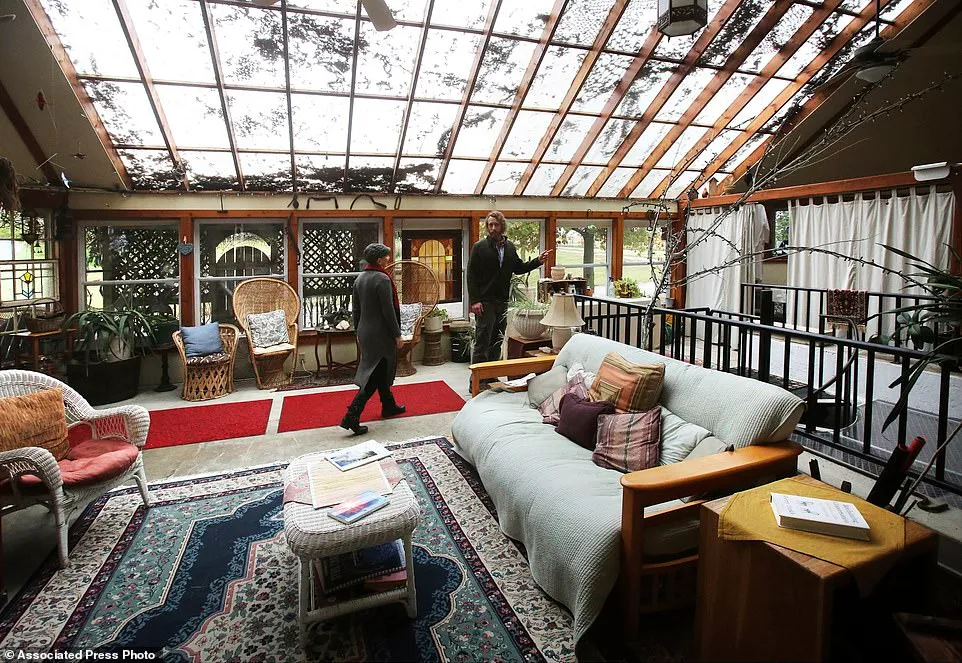
This tiny house nestled in Vermont’s woods embodies minimalist design and efficiency. It was built in the early 1980s by a group of sculptors and was recently renovated. Its footprint reflects principles learned from local designers specializing in small space innovation. The home features multi-functional furniture, large glass walls for natural views, and sustainable tech like solar panels and rainwater systems. It’s a practical yet warm cabin that combines rustic aesthetics with a modern spirit.
4. Yellow Submarine – Marton, New Zealand
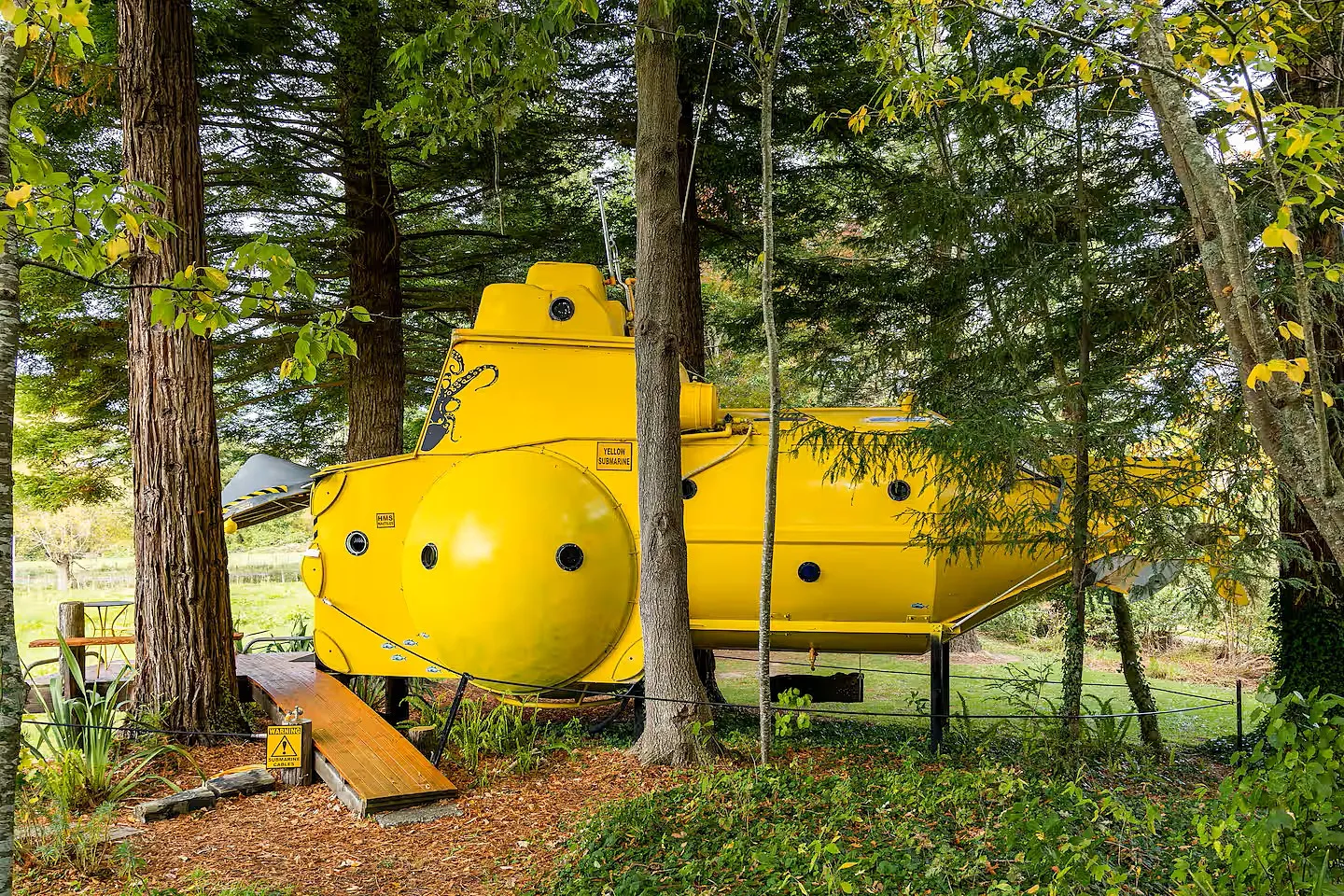
Built by Keith and Jen Lovelock, the Yellow Submarine is a quirky transformation of a grain silo and parts of a milking shed, brought to life with creativity and hard work over months. The design creatively repurposes industrial forms into a submarine-shaped home full of playful nautical details like portholes and a steampunk interior. The use of marine-grade materials ensures durability while embracing a whimsical aesthetic that feels part fantasy, part functional home. This structure reflects a DIY ethic merged with a local farm lifestyle.
5. Wee Nook, The Hobbit Hole – McEwen, Tennessee, USA
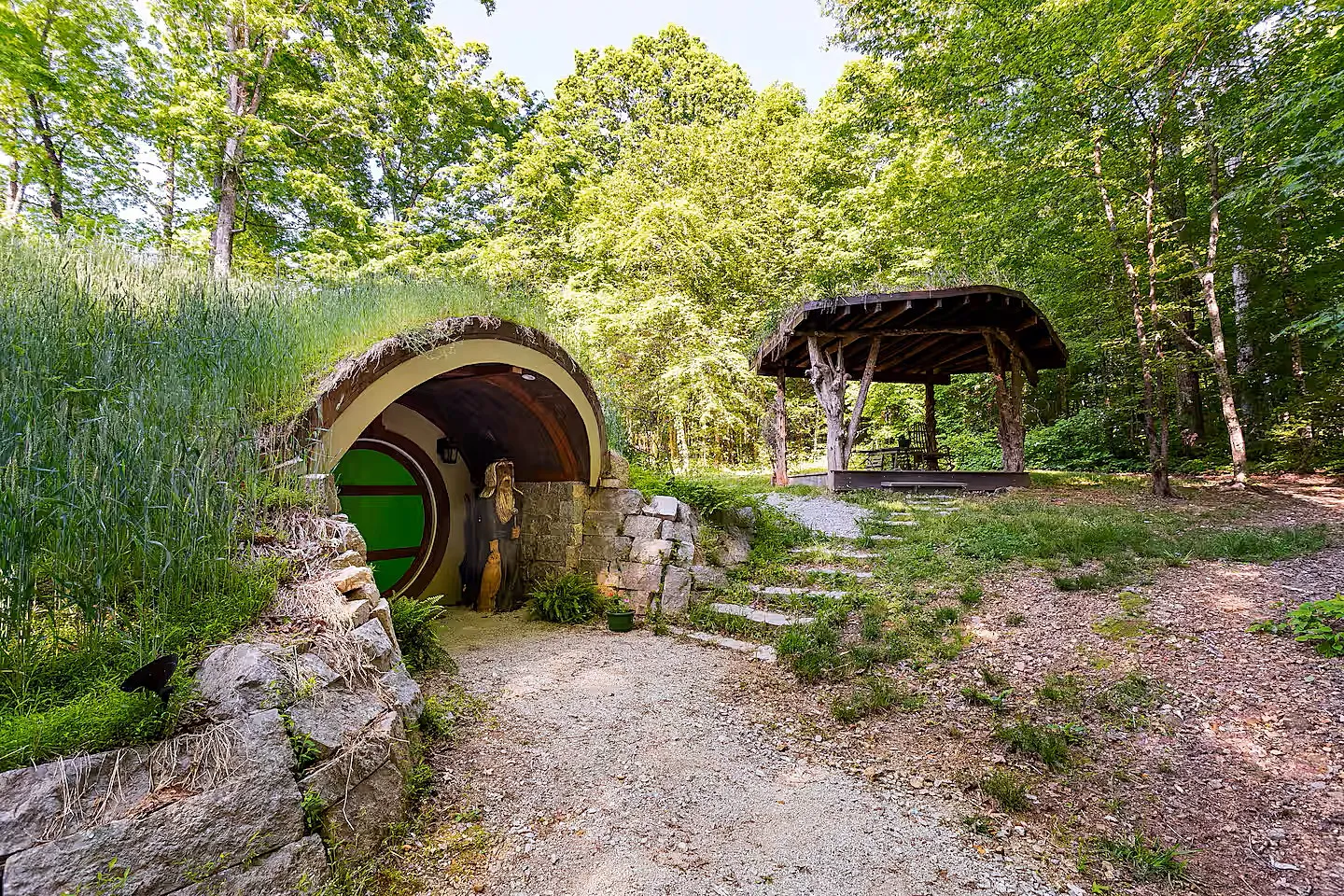
The Wee Nook is a handcrafted tiny home inspired by Tolkien’s Shire, designed to fit snugly into the hillside. It is designed as an earth-sheltered cottage using natural materials like straw bale insulation and reclaimed wood. The rounded spaces and timber joinery reflect a deep appreciation for vernacular crafts and storytelling through the built environment. It offers guests a tactile experience of living in a lovingly made, storybook world.
6. Apple Ridge Farm Caboose B&B – Floyd County, Virginia, USA
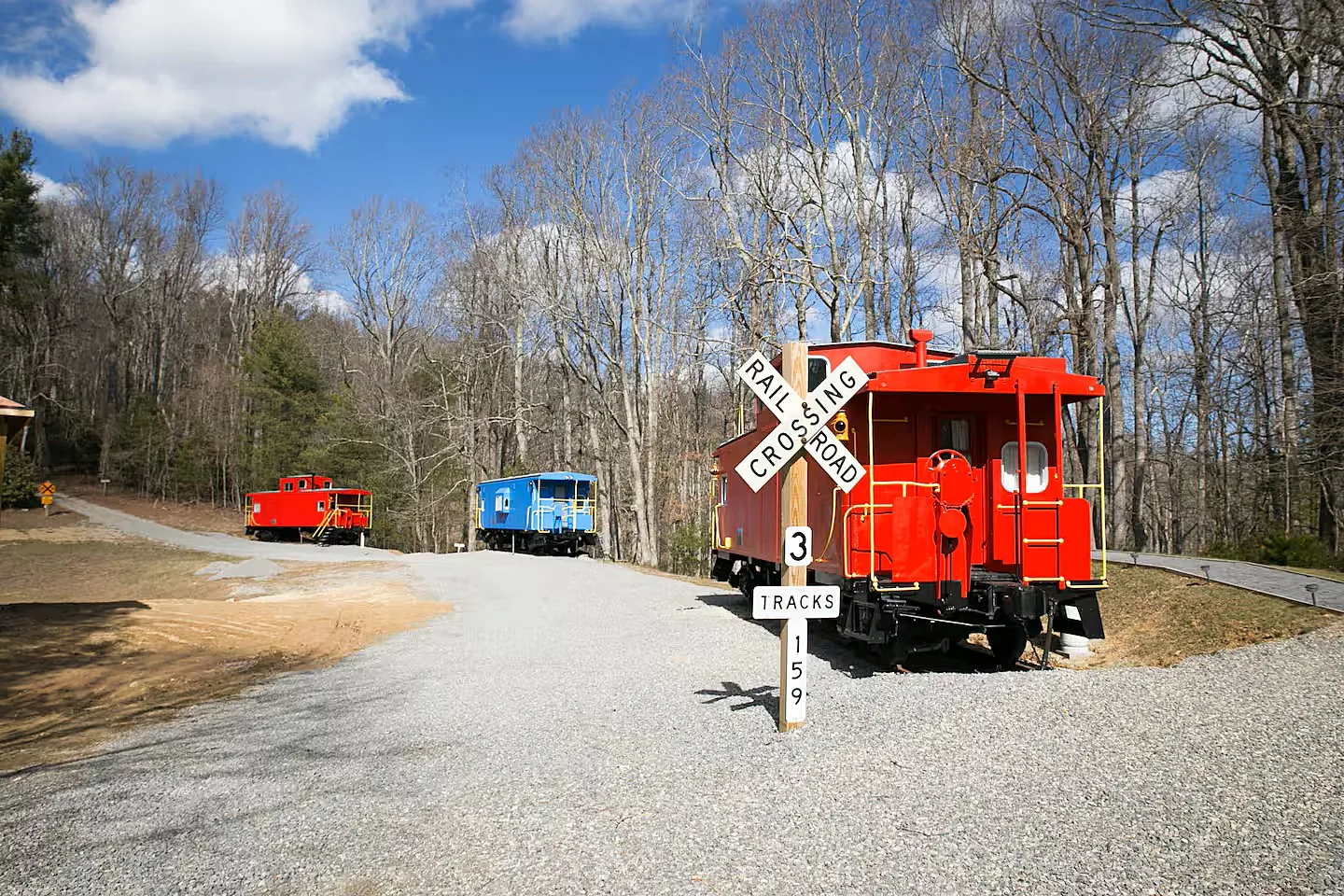
Apple Ridge Farm’s caboose accommodations come from the adaptive reuse of historic Norfolk Southern caboose cars, with renovations overseen by local craftsmen working to preserve the industrial heritage while making the spaces livable and cozy. The narrow form challenged designers to optimize space for sleeping and living areas, balancing a rustic atmosphere with modern amenities. This project supports the farm’s nonprofit mission and shows how architecture can preserve history while providing unique lodging experiences.
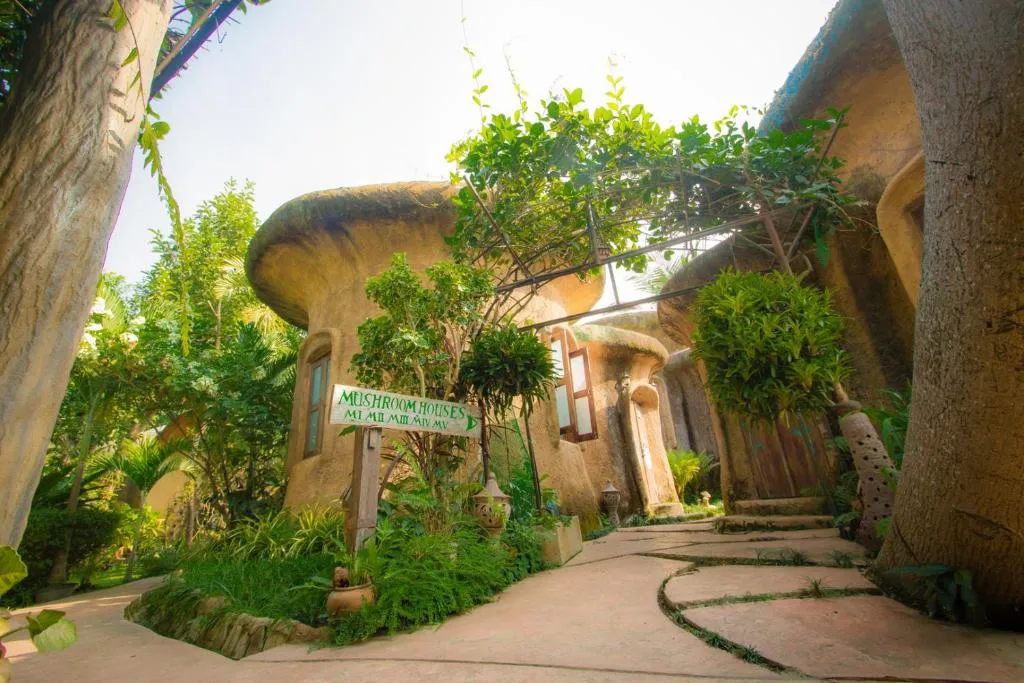
7. Leafy Greens Chiang Mai – Chiang Mai, Thailand
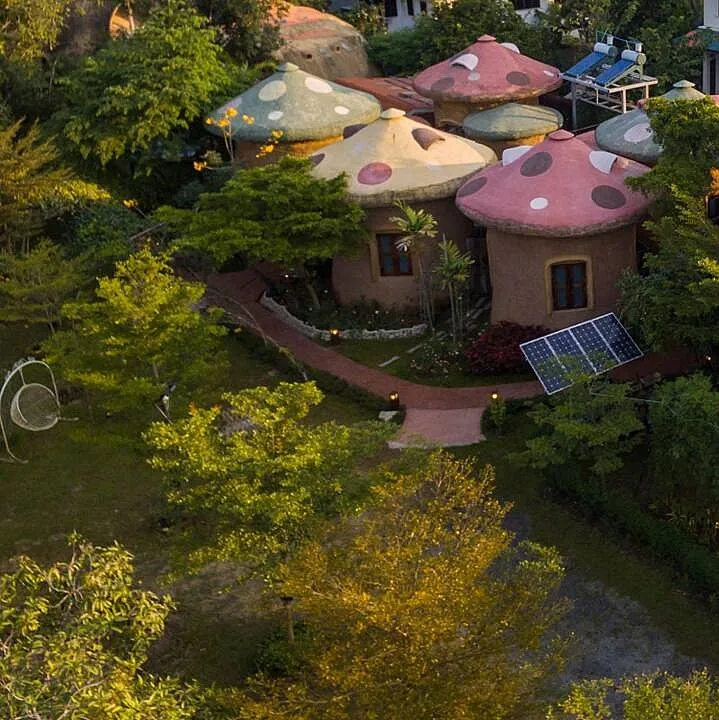
Leafy Greens was conceived as a family retreat focusing on ecological harmony. It features the use of local materials such as bamboo and cob and the structure for natural airflow and light, including a timber lattice facade that filters sun and encourages natural cooling. The site is surrounded by organic gardens, reinforcing the connection between architecture and environment.
8. True Cold War Relic Atlas F Missile Silo/Bunker – Roswell, New Mexico, USA
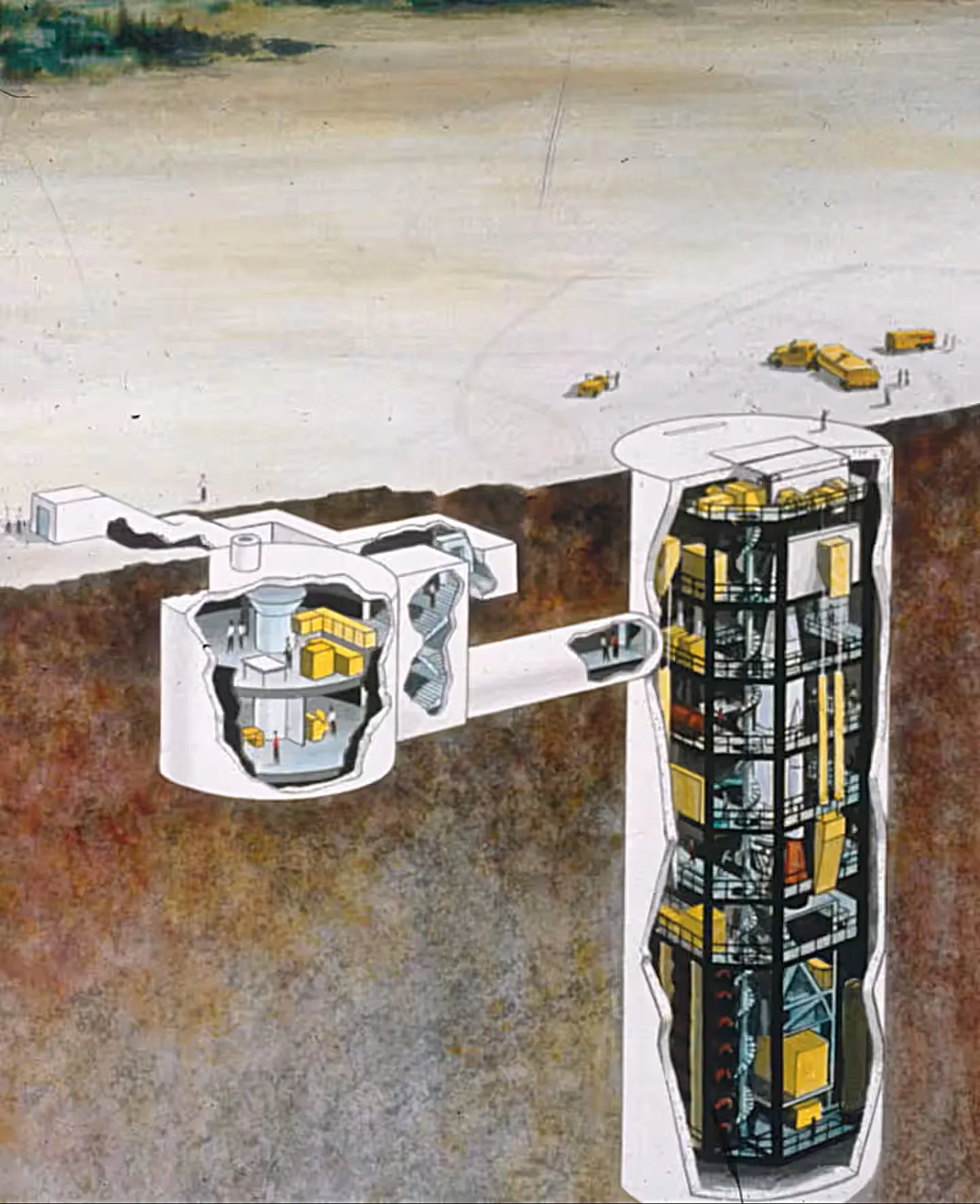
This restored Atlas F missile silo was transformed by a team of designers and owners fascinated by Cold War history who modernized the utilitarian military structure. While extensive architectural modifications were needed, the bunker’s original reinforced concrete shell, blast doors, and circular corridors remain, juxtaposed with contemporary furnishings, warm interior lighting, and new amenities. It’s a rare adaptive reuse project combining historical authenticity with livable comfort in a truly one-of-a-kind home.
9. Moinho das Feteiras | The Mill – Azores, Portugal
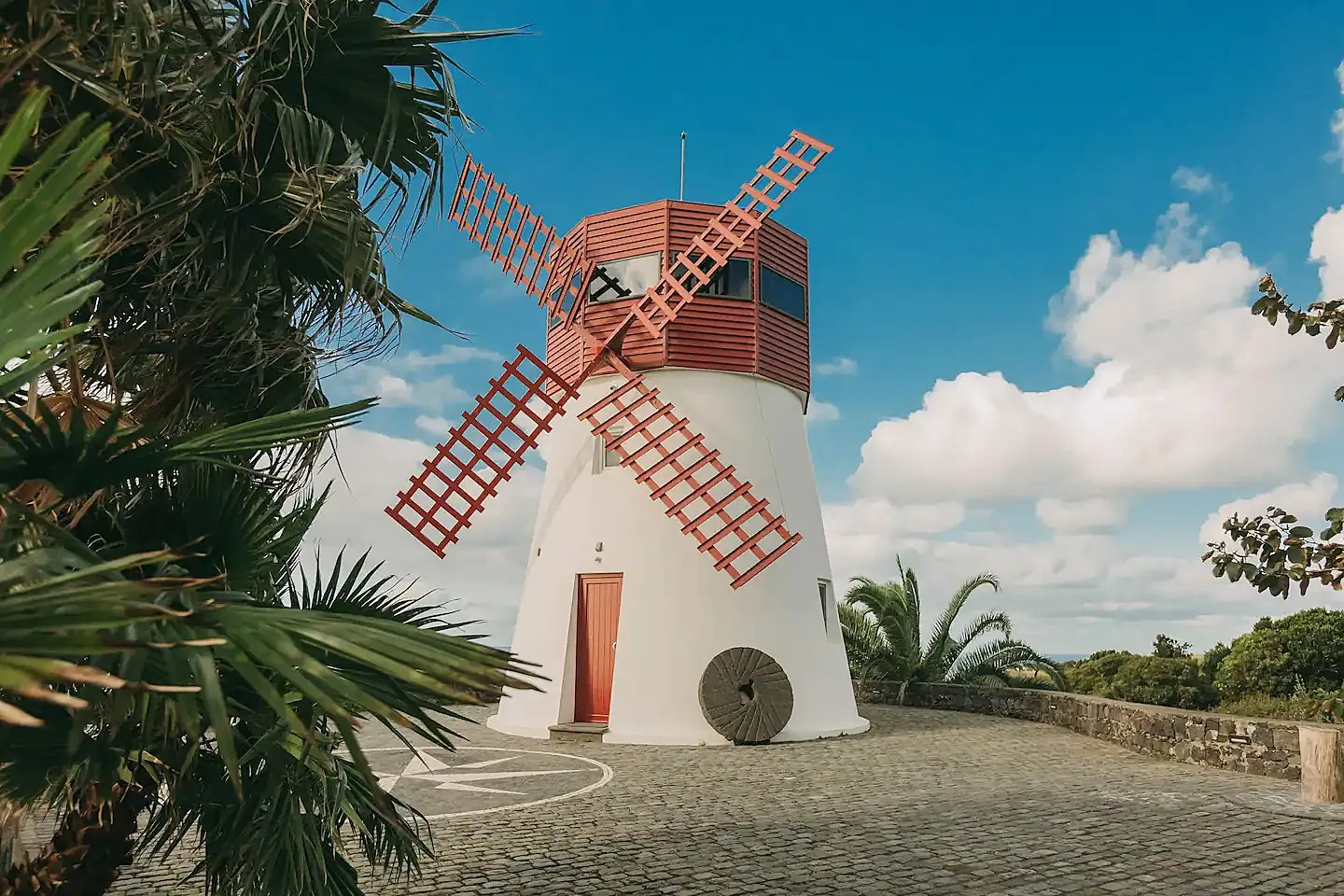
This historical mill, converted by Portuguese restoration architects skilled in heritage adaptive reuse, keeps the charm of its stone walls and wooden beams intact. The renovation added glass-walled extensions and metalwork that interact with natural light, creating exciting contrasts of old and new. Set in scenic countryside, this project highlights how traditional craftsmanship and subtle modern interventions can preserve stories embedded in architecture while making it fit for contemporary stays.
10. Snake House – Mexico City
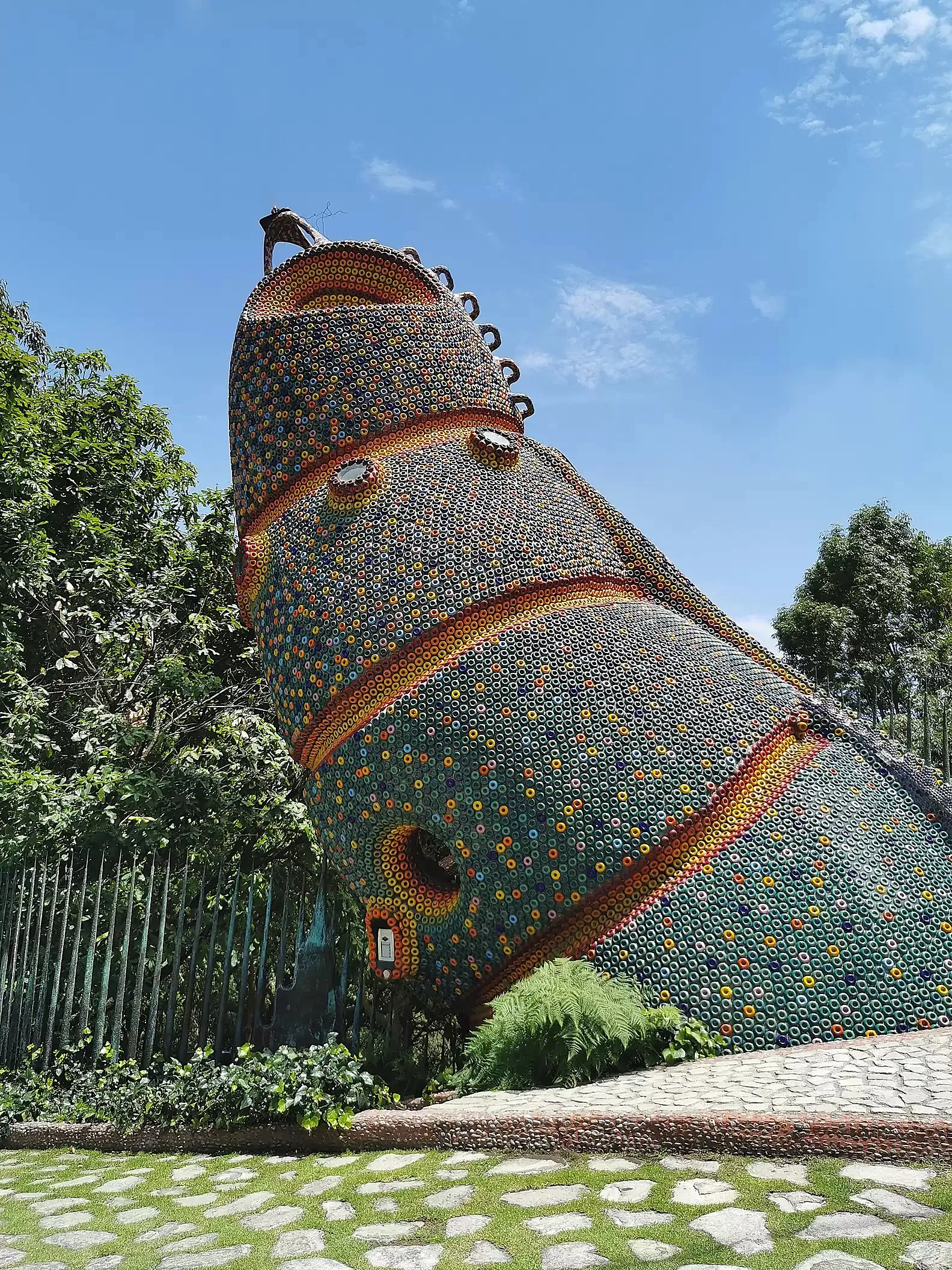
Quetzalcoatl’s Nest, designed by architect Javier Senosiain, is an example of organic architecture located in the woods of downtown Mexico City. The structure snakes through the natural landscape, drawing inspiration from the feathered serpent god Quetzalcoatl of Aztec mythology. The architect’s primary aim was to create a design that complemented its surroundings, reflecting the natural forms, colors, and structures found in nature. Completed in 2006, its flowing, round-cornered interiors challenge conventional boxed living spaces to reconnect occupants with nature. The Snake House offers an experience of mythology, culture, and biomimetic design.
These ten remarkable stays remind us that a home can be much more than four walls and a roof. Some are carved into cliffsides, others curl like seashells, while a few rise from fragments of forgotten history. To spend a night in these Airbnb homes is to live in someone else’s imagination. Travel, after all, isn’t only about the destinations we check off. It’s about how we choose to dwell. Airbnbs, for a fleeting moment, tell us that a house can change the way we experience travel.
Explore Courses
.jpg%202.jpg "Building Performance with Forma & Opossum")
.jpg "Ondrej Chybik - Rethinking Architecture")