


2026 is shaping up to be a landmark year for global stadium development. Across North America, Europe, Africa, the Middle East, and beyond, new arenas and major rebuilds are completing construction, expanding capacity, modernizing fan experiences, and anchoring city-level sporting legacies. Below, we explore ten of the most prominent stadiums opening or being significantly revived in 2026, showing details and the broader context that matters to fans, planners, and sports professionals.
1. New Highmark Stadium—Orchard Park, New York, USA
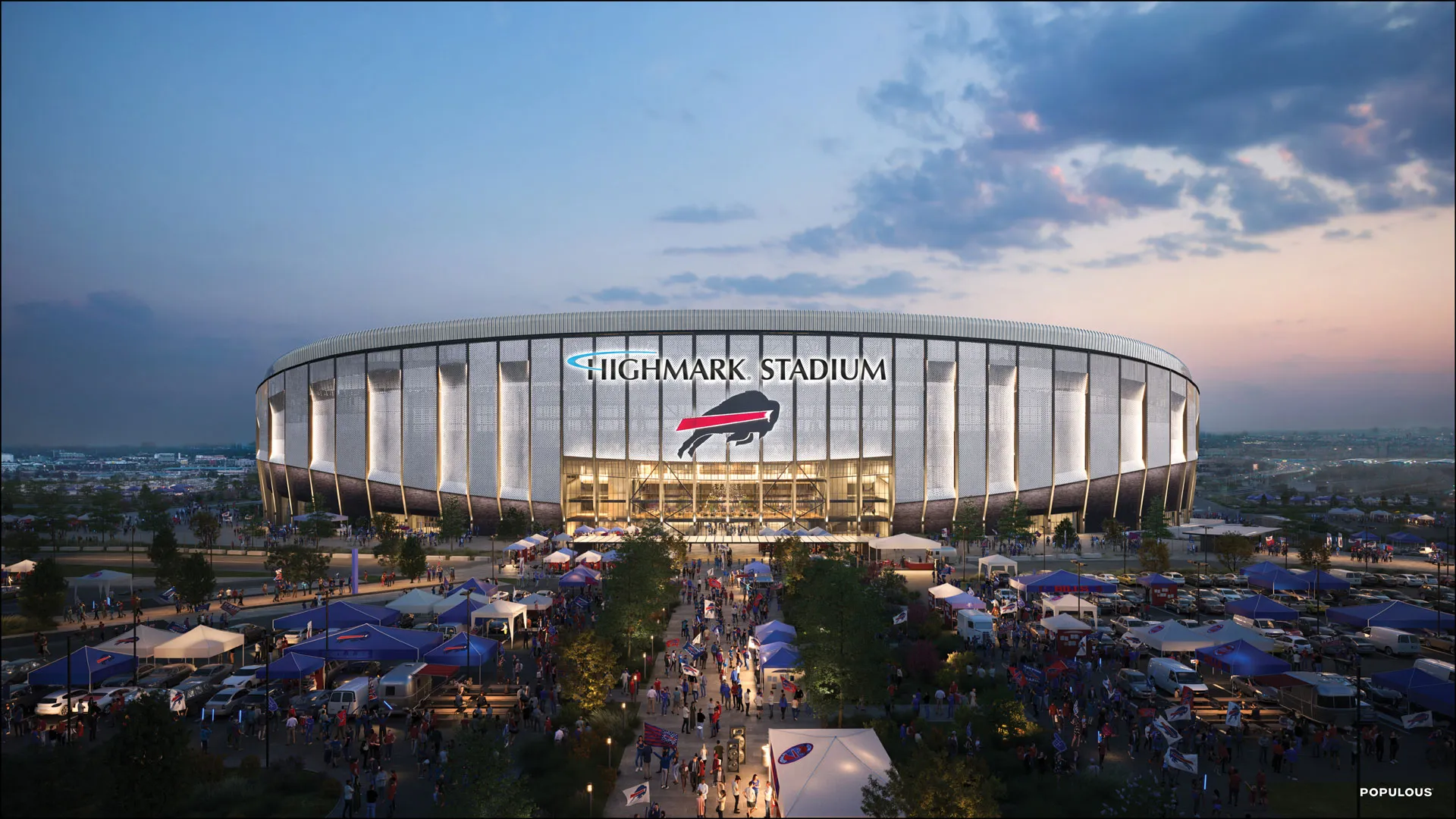
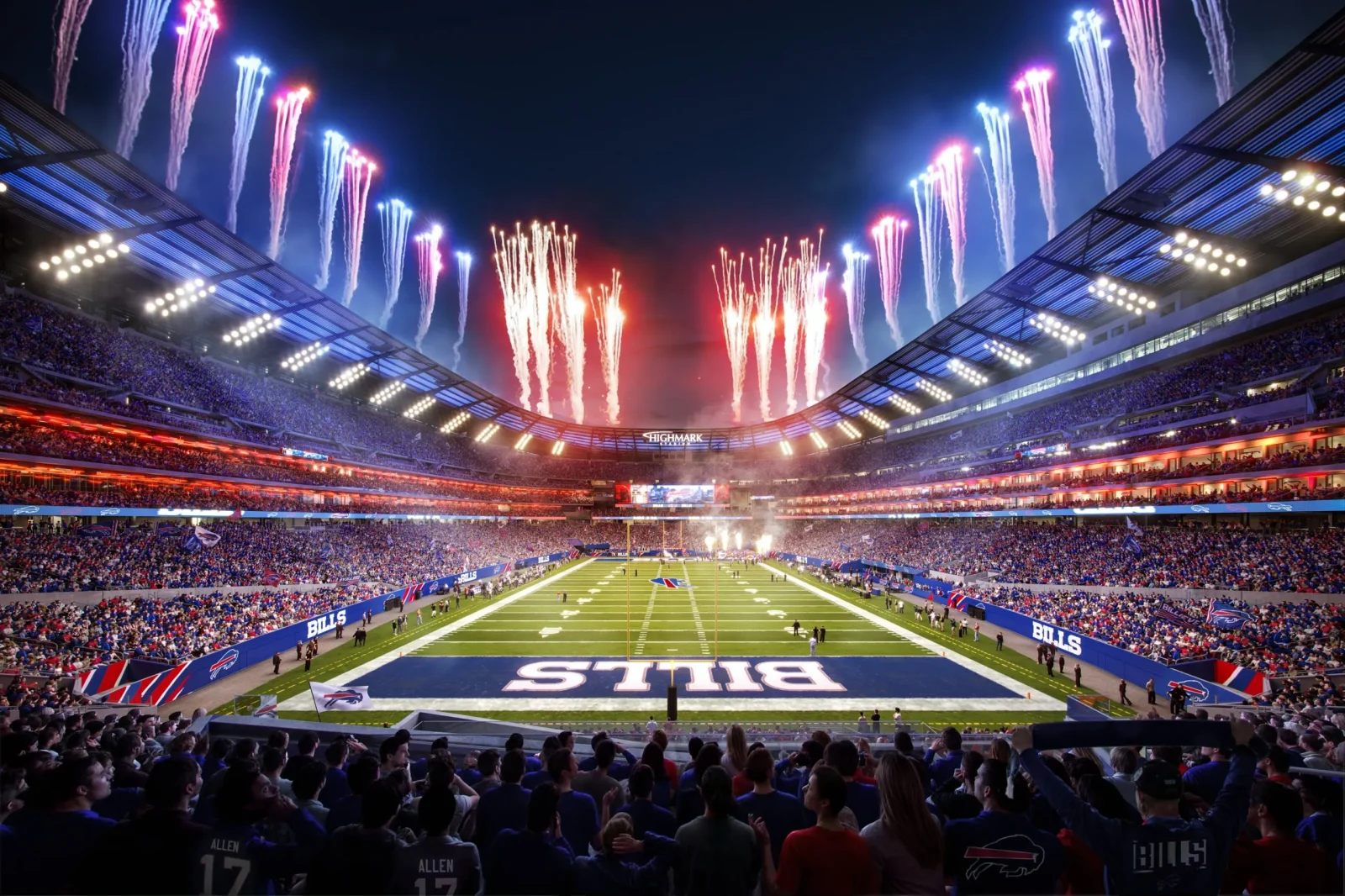
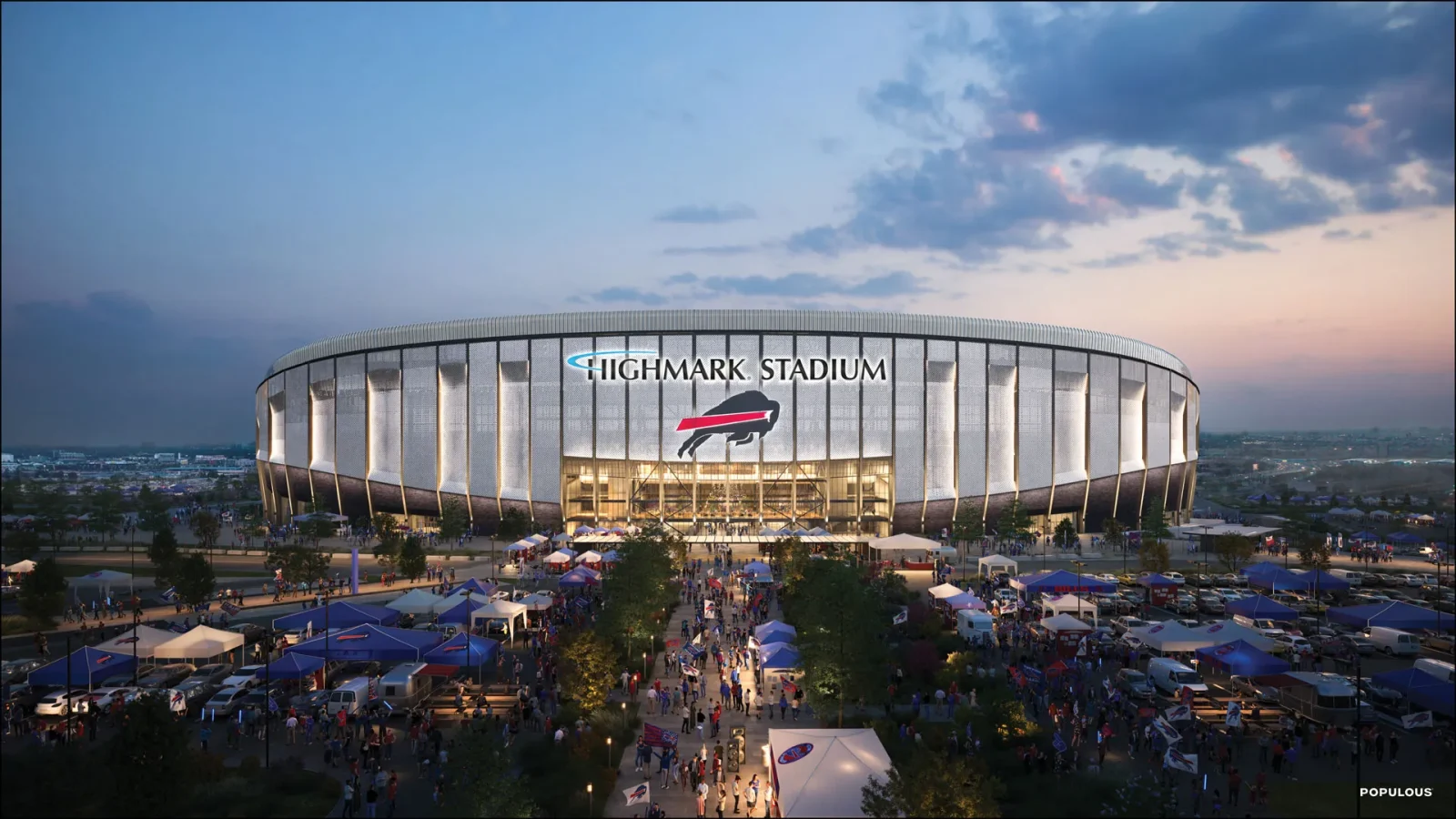
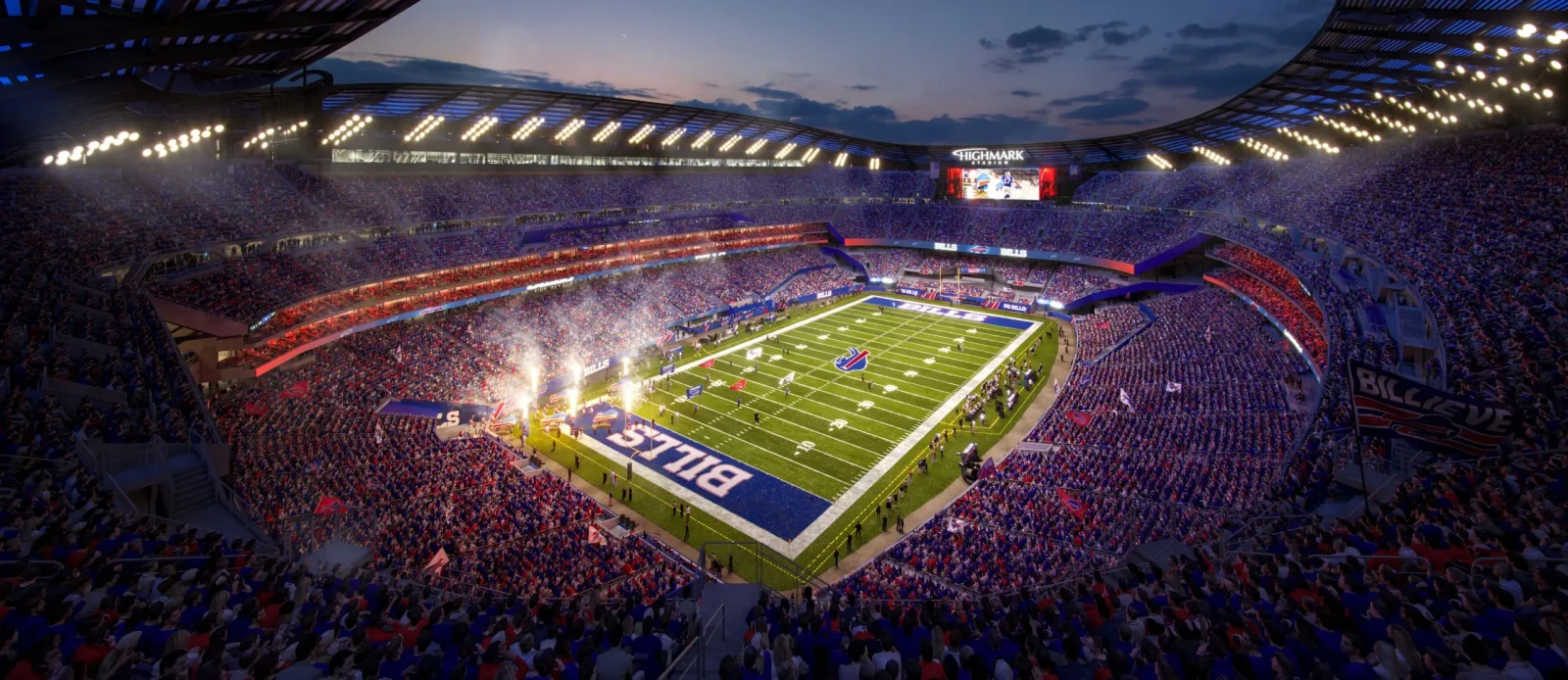
New Highmark Stadium, the newly constructed home for the Buffalo Bills, represents one of the biggest NFL stadium investments of the decade. Designed by Populous, the stadium features a total capacity of around 67,000 (with ~62,000 seats plus a large standing deck) and employs Kentucky bluegrass turf tailored to Buffalo’s rigorous weather conditions. It replaces the existing Highmark Stadium and is set to open in June 2026, anchoring the Bills’ presence in the community and serving as a potential future NFL playoff host.
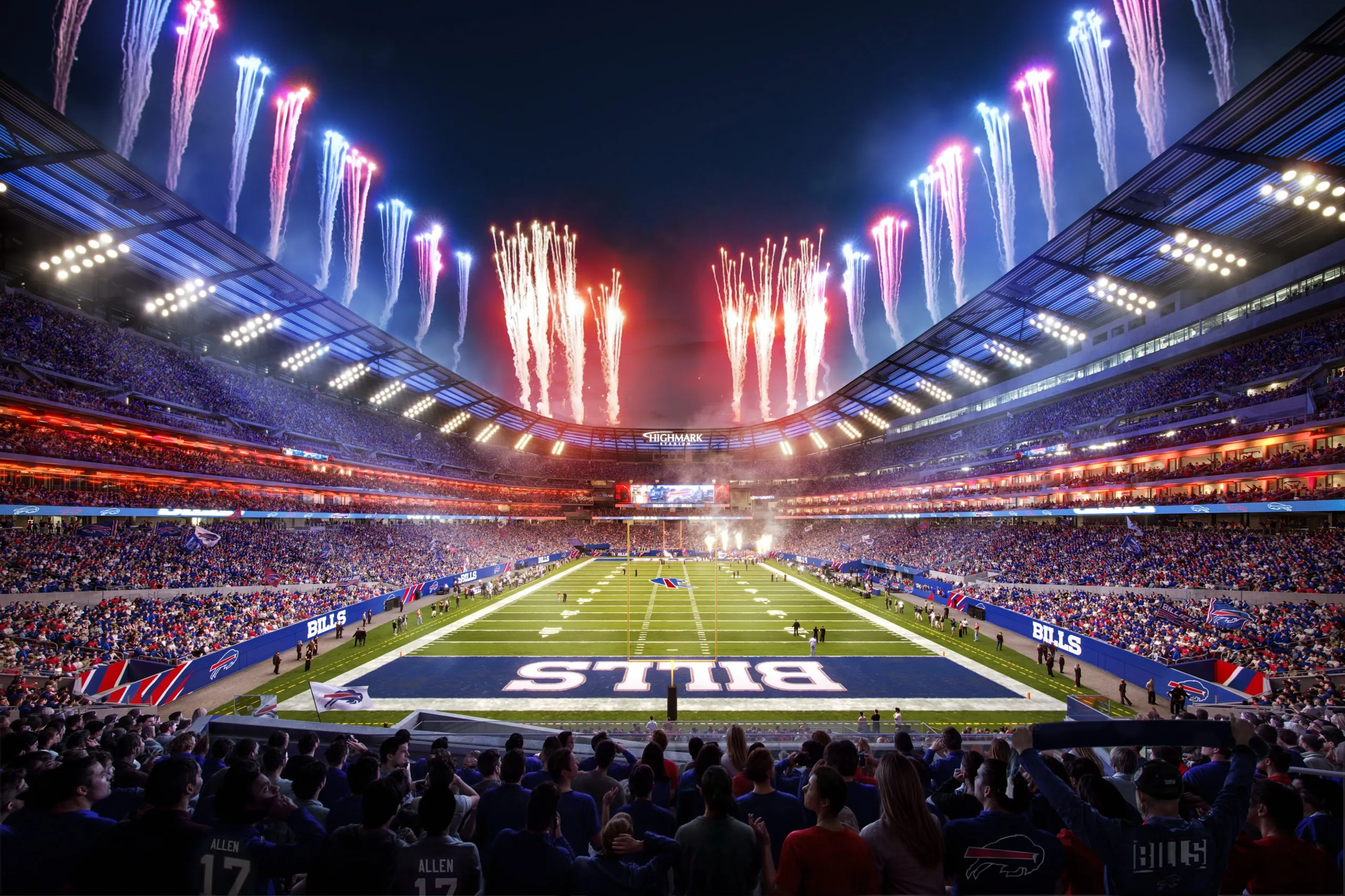
This stadium is a civic statement about Buffalo’s commitment to building year-round sports infrastructure in challenging climates, with advanced heating and utilities to keep grass playable in winter months.
2. Spotify Camp Nou—Barcelona, Spain
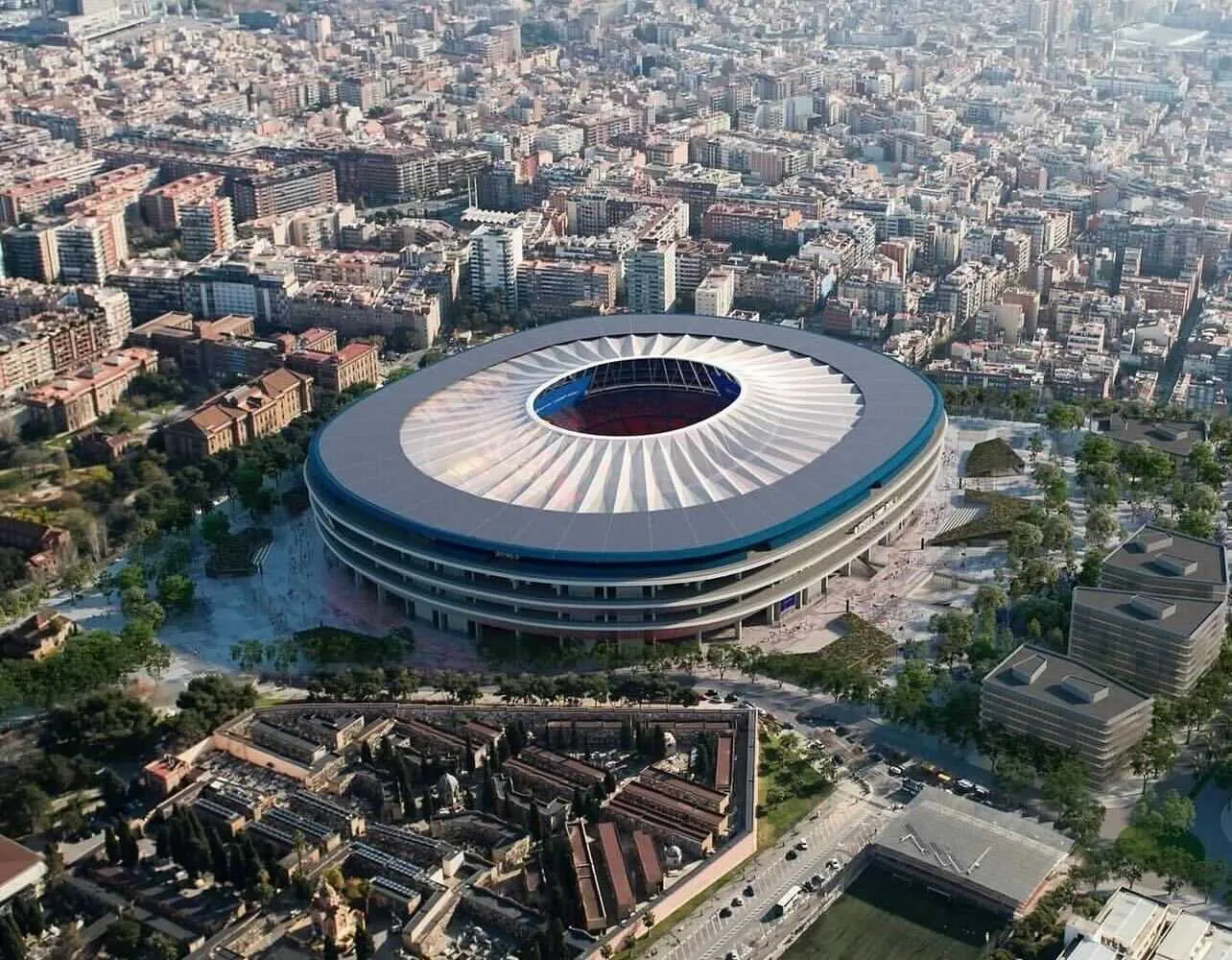
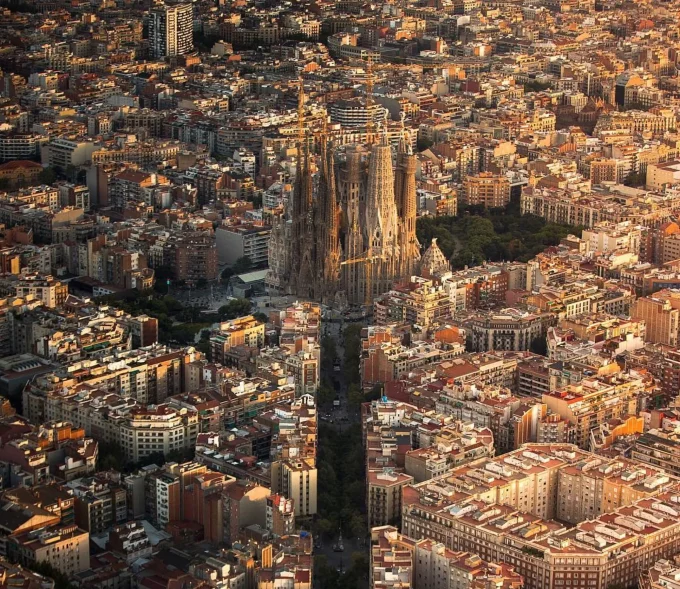
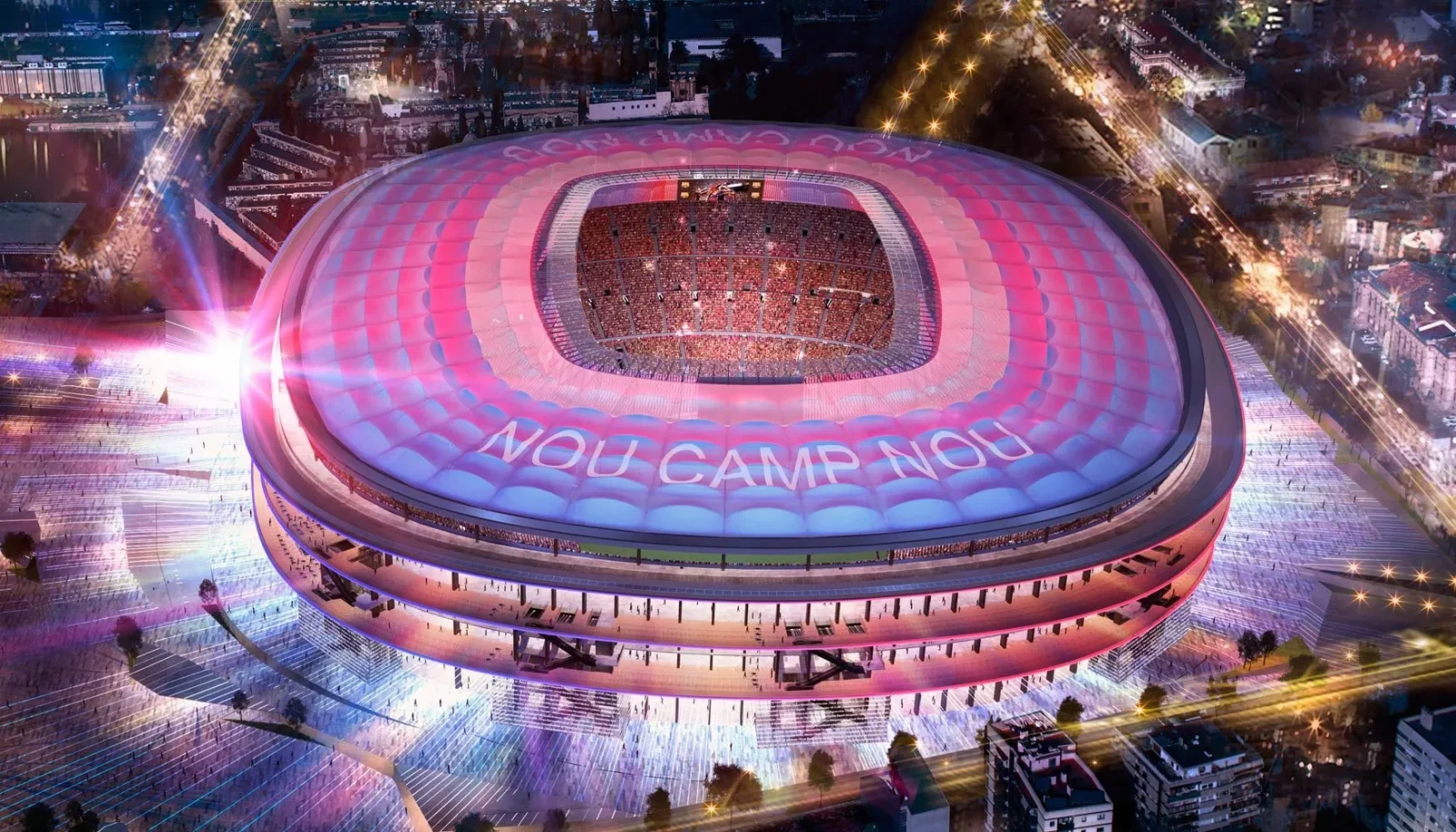
Renewal of one of the world’s most iconic football venues, Spotify Camp Nou, is being reimagined with increased capacity and enhanced premium experiences. Aiming to pass the 105,000 mark, this renovation project will make it one of Europe’s largest stadiums upon completion in 2026. The extensive modern renovation (Espai Barça) is led by Japanese firm Nikken Sekkei, with local firm Woo Architects. The seating bowl has been carefully reworked to bring fans closer to the pitch, reduce visual obstructions, and intensify crowd acoustics.
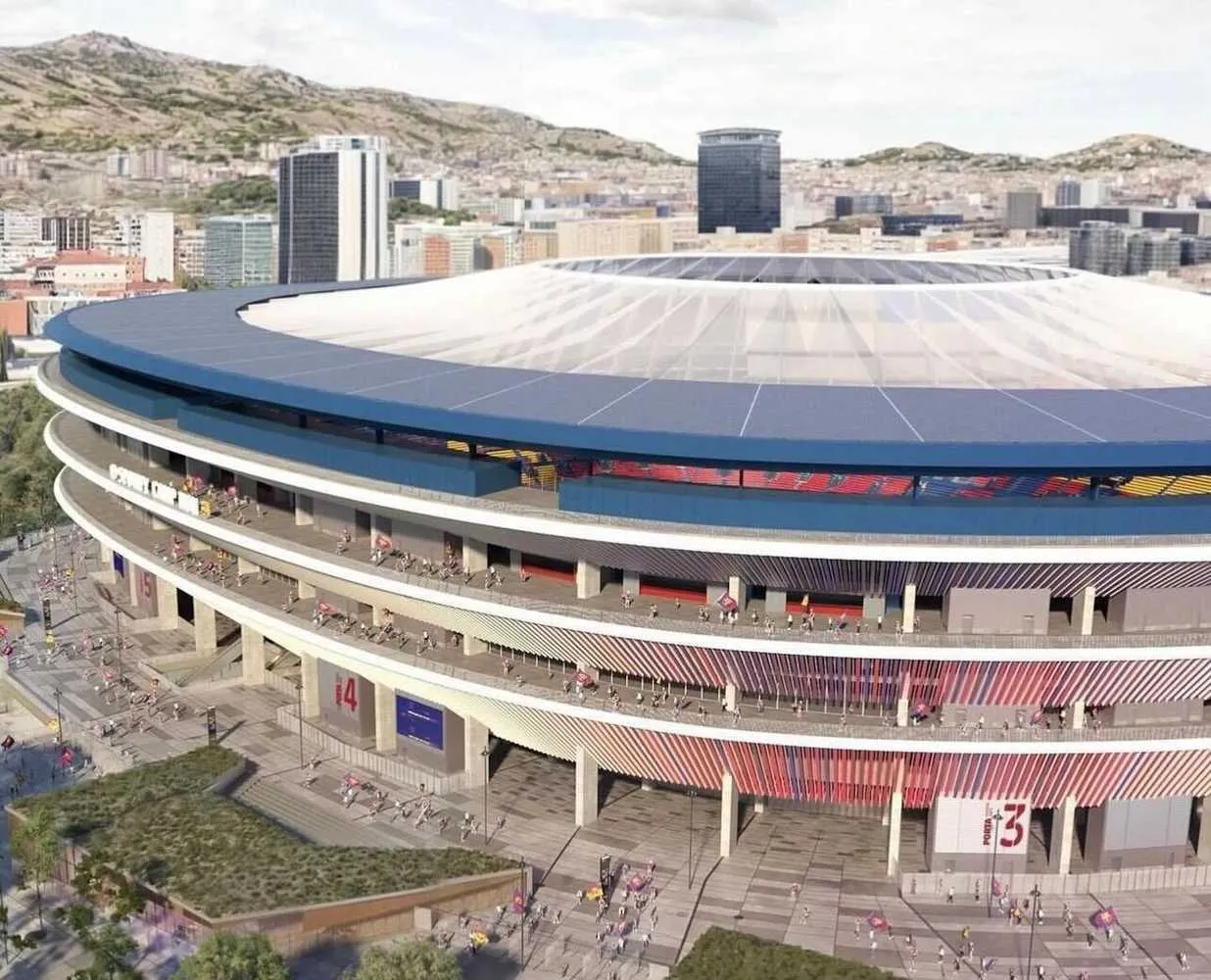
Expanded premium lounges, dining spaces, and flexible hospitality areas allow the stadium to operate as a modern, revenue-generating venue while still preserving the identity and atmosphere that define FC Barcelona’s historic home.
3. Miami Freedom Park Stadium—Miami, Florida, USA
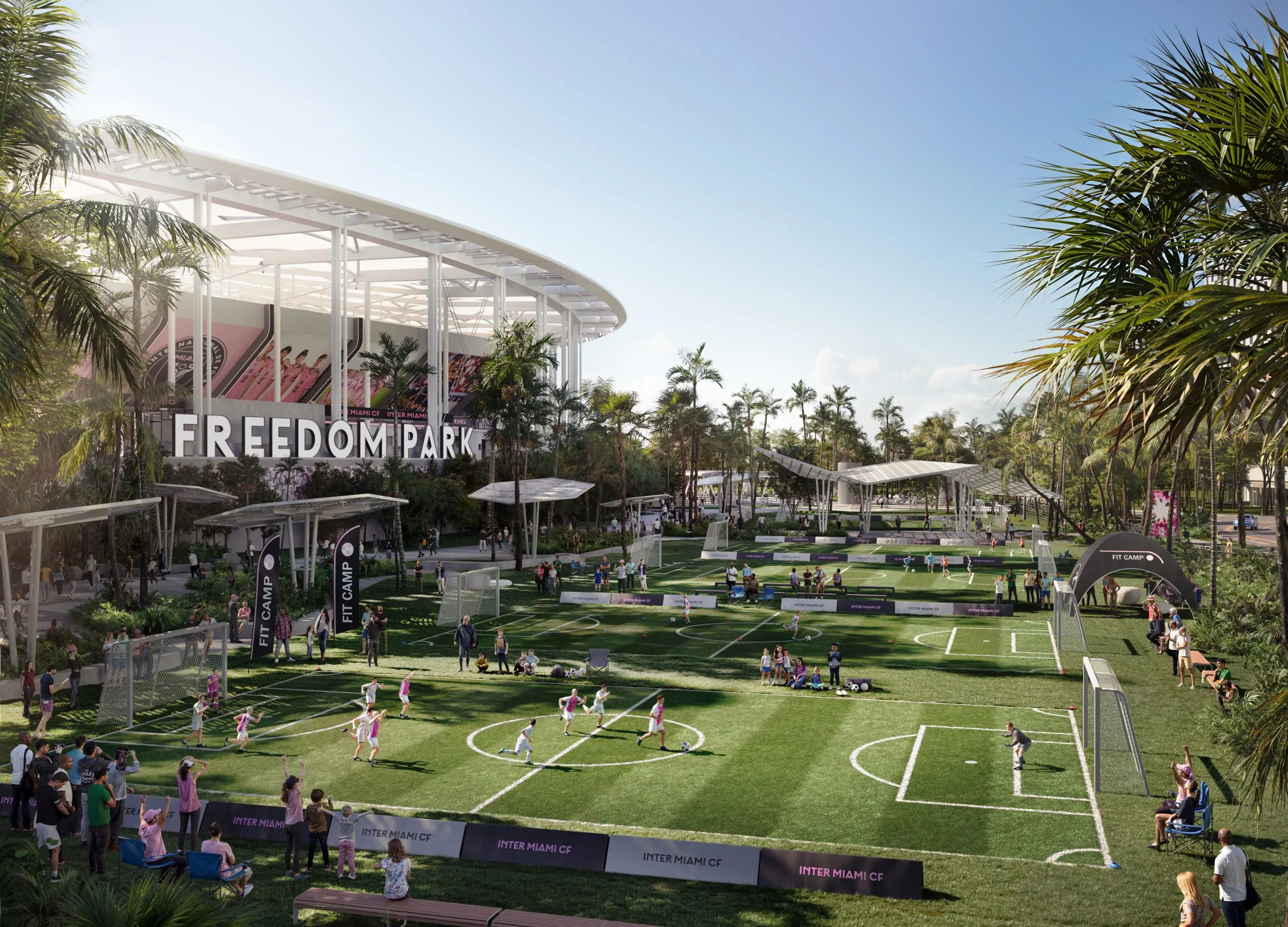
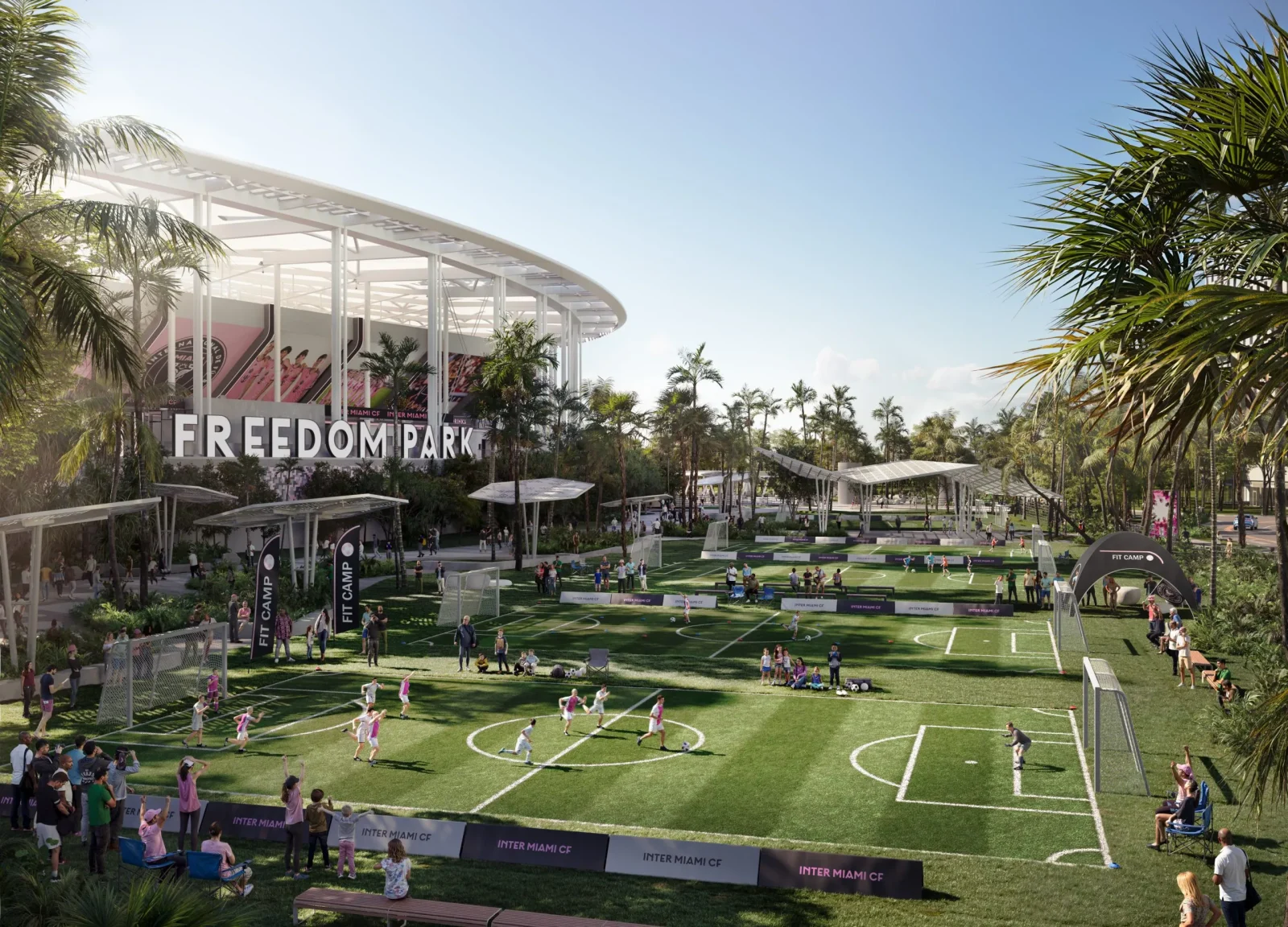
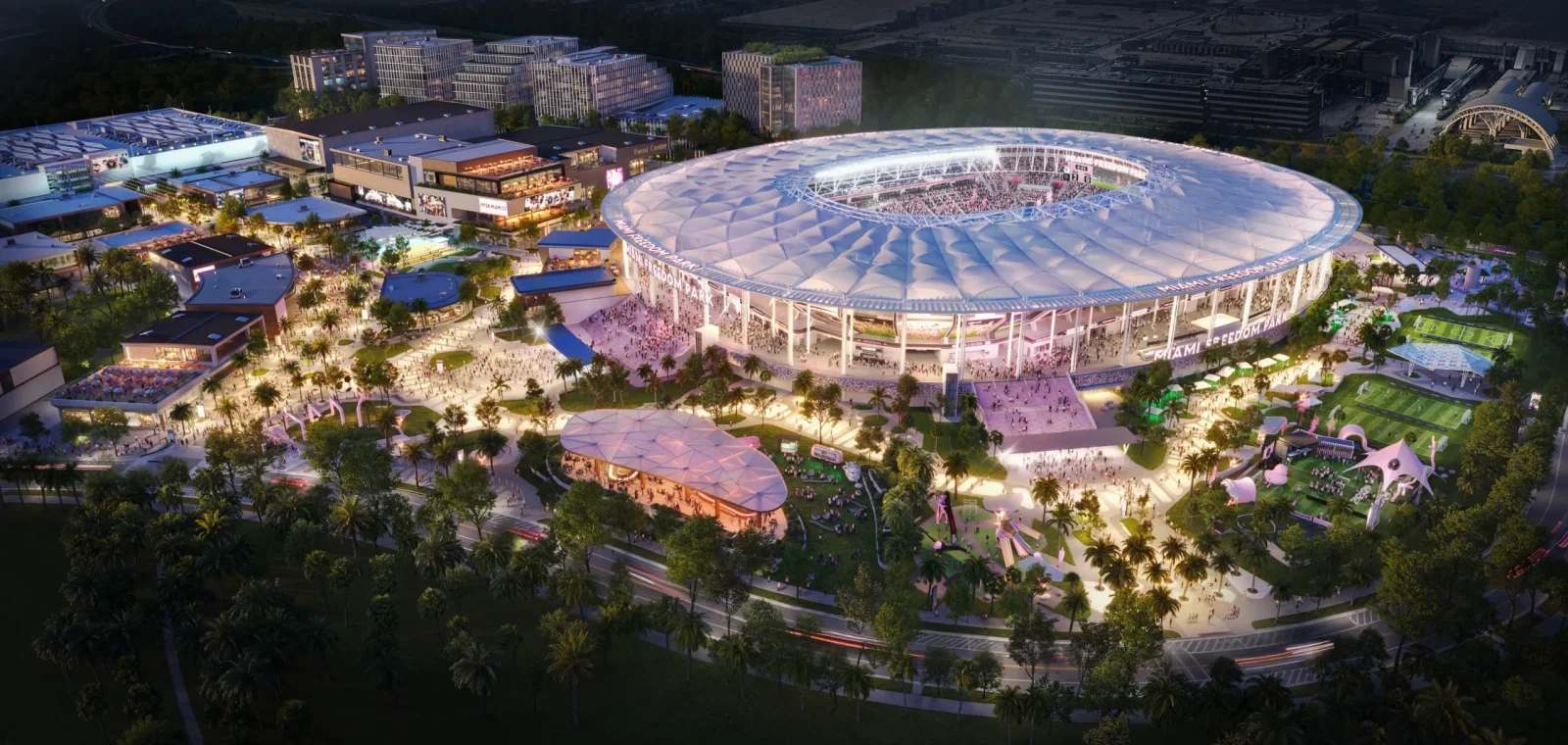
Miami Freedom Park is a purpose-built urban sports district. Designed by MANICA Architecture and Arquitectonica for Inter Miami CF, this new facility is scheduled to open in April 2026 with a 25,000-seat capacity.
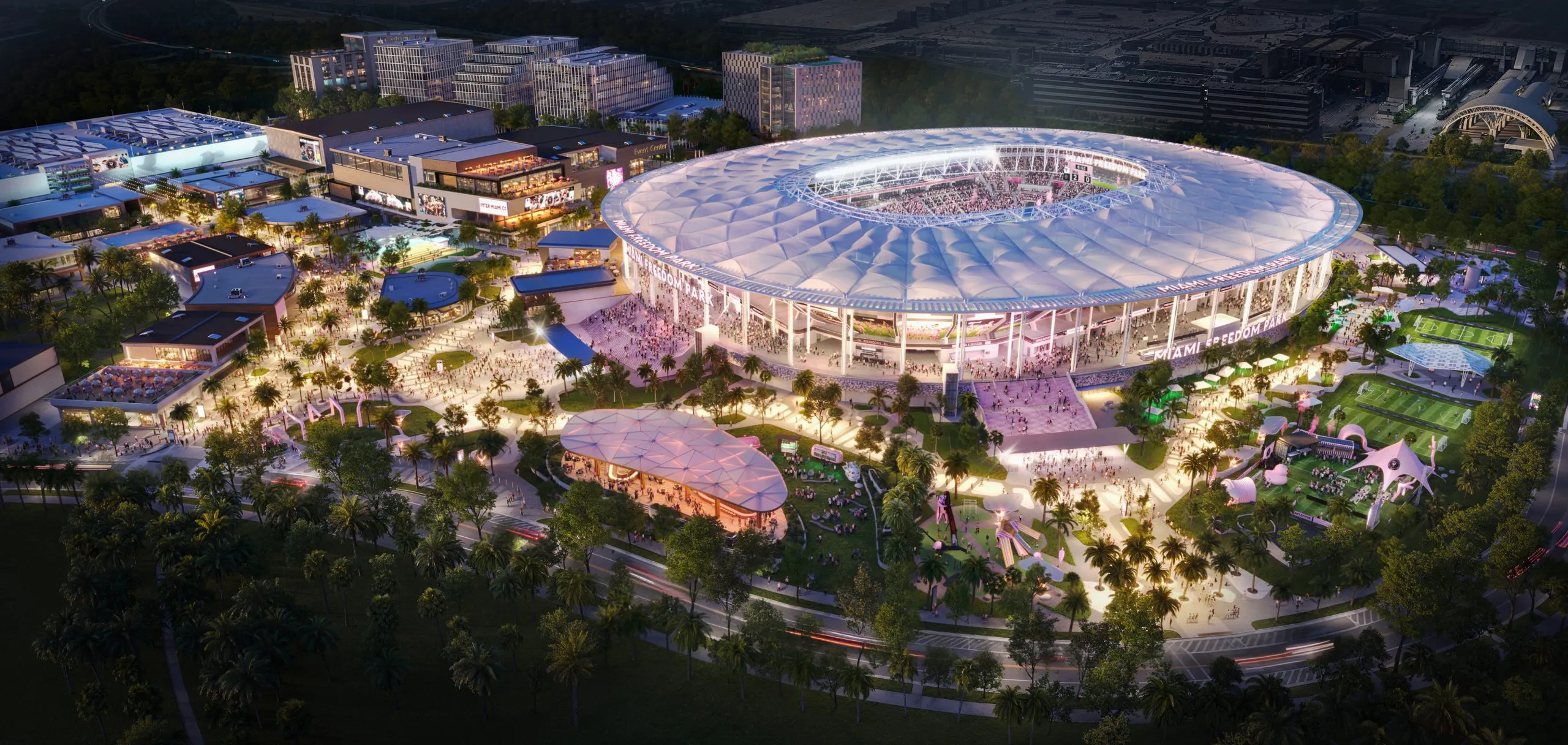
The stadium forms part of a larger mixed-use development that includes extensive public park space, positioning the project as a year-round purpose. Anchored near Miami International Airport, the location strengthens regional and international accessibility while reinforcing the city’s initiatives as a global sports hub. A strong emphasis on walkable urban integration and rail transit access ensures that the stadium connects seamlessly with surrounding neighborhoods, reducing car dependency and supporting a more sustainable match-day experience.
This venue reflects a modern stadium value set incorporating sport with community, economic uplift, and 365-day urban activation, contrasting with older single-purpose stadium models.
4. Talanta Sports Stadium—Nairobi, Kenya
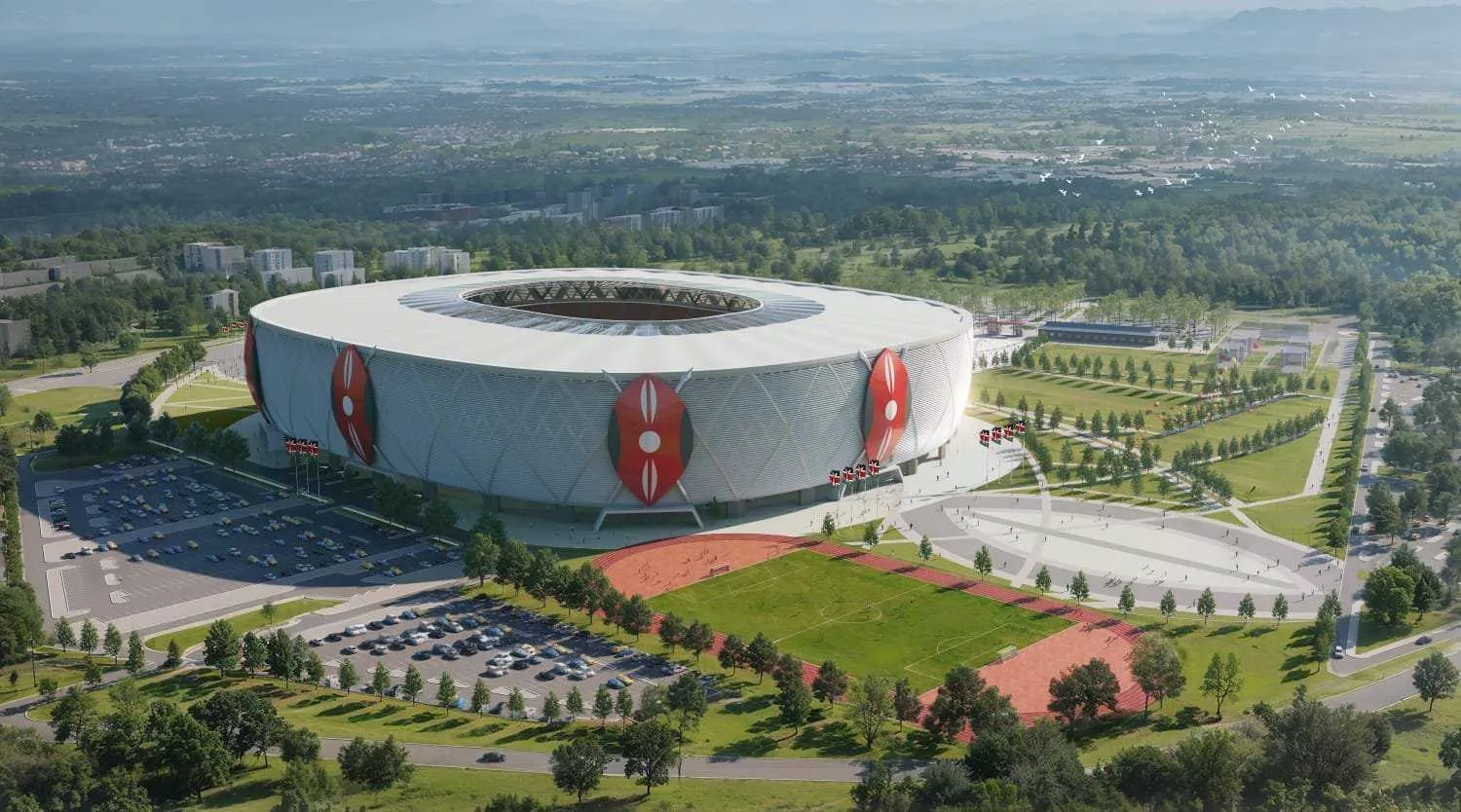
Talanta Sports Stadium, also called Raila Odinga International Stadium, is emerging as East Africa’s premier football arena with a planned 60,000-seat arrangement. Construction is on schedule for March 2026 completion, and its design embraces both modern performance needs and cultural motifs integrated in the façade and public spaces.
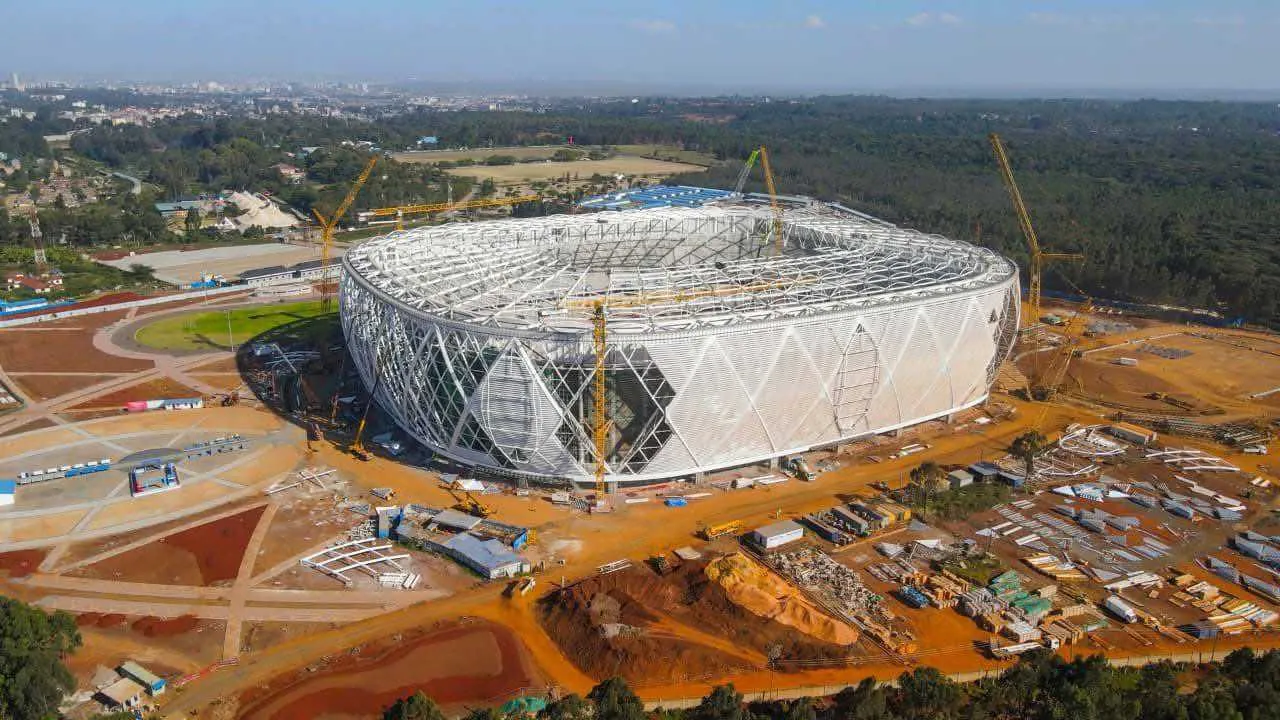
The stadium is the largest in Kenya’s history, setting a new standard for sporting infrastructure in the country. Its rectangular pitch layout is designed to accommodate both football and rugby, making it a versatile venue for multiple sports. The facility features three spectator tiers with covered stands, ensuring excellent visibility and comfort for fans in all seating areas. Talanta is a strategic investment in regional sports infrastructure, aimed at hosting major tournaments like the 2027 Africa Cup of Nations and boosting Nairobi’s global sporting profile.
5. Aramco Stadium—Khobar, Saudi Arabia
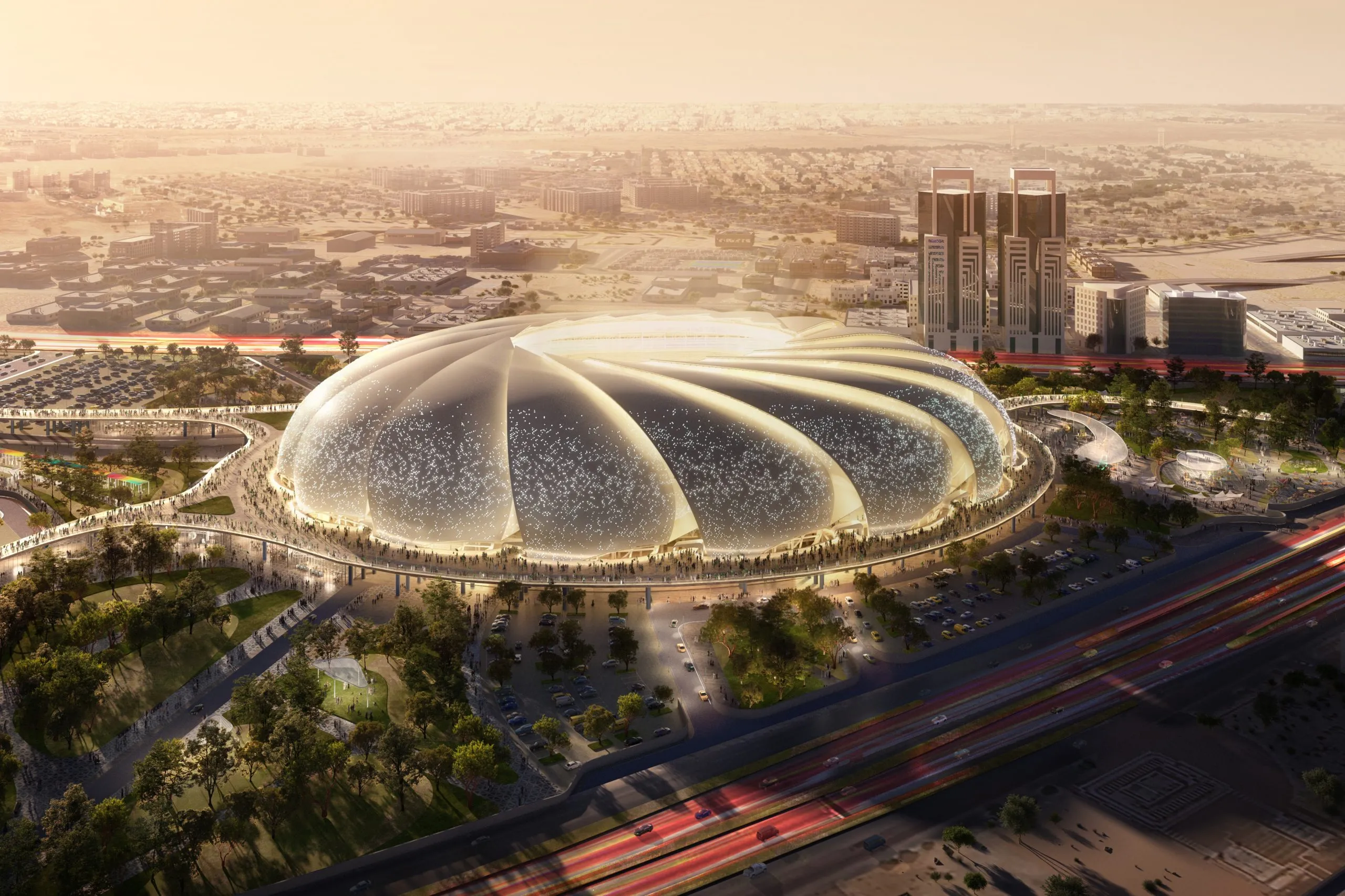
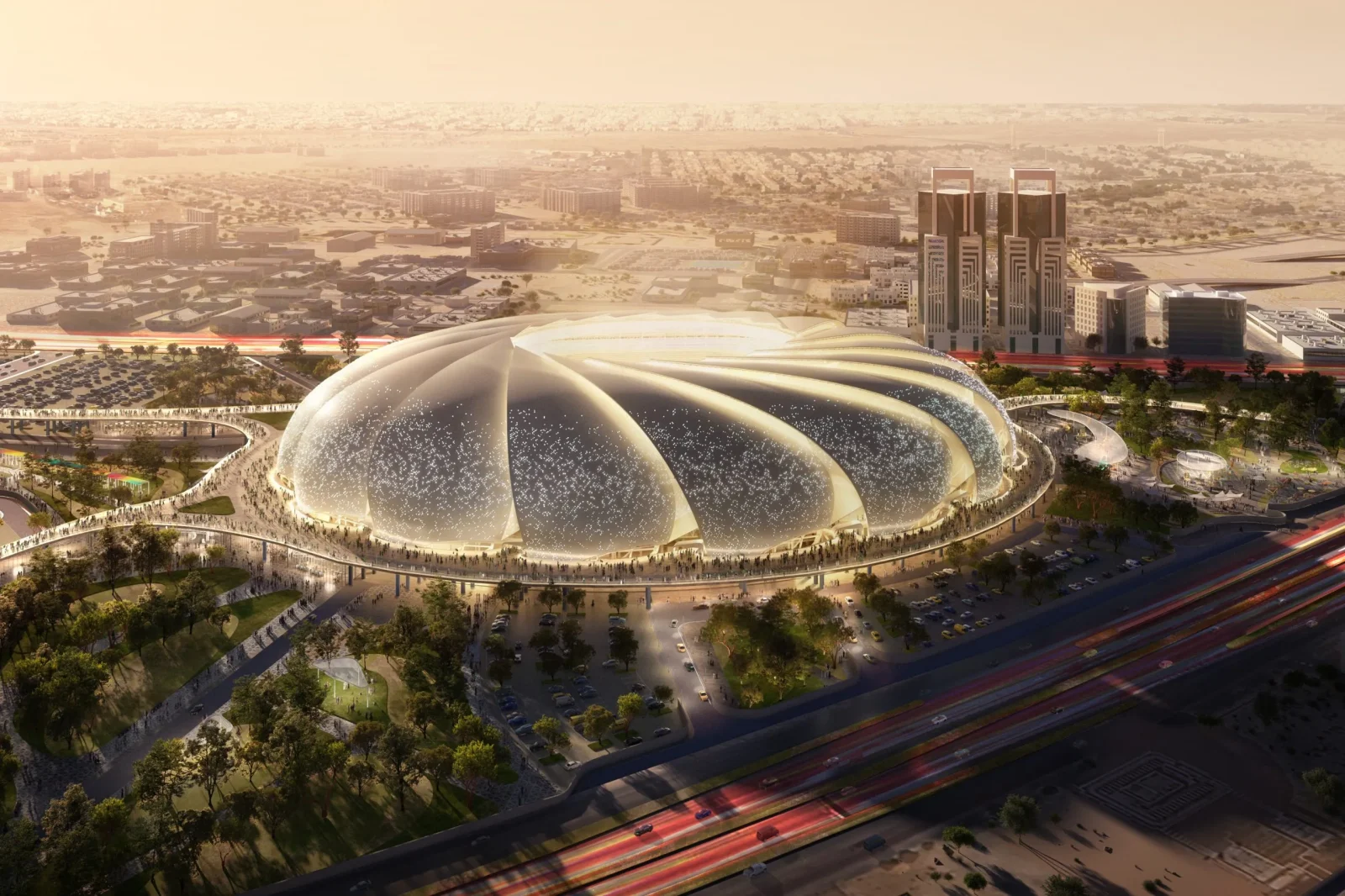
Aramco Stadium, a future-focused stadium in eastern Saudi Arabia, is one of the new football arenas for the kingdom’s expanding sports strategy. Owned jointly by Roshn and Saudi Aramco, it will host club football and serve as a stage of continental competition leading into the 2034 FIFA World Cup.
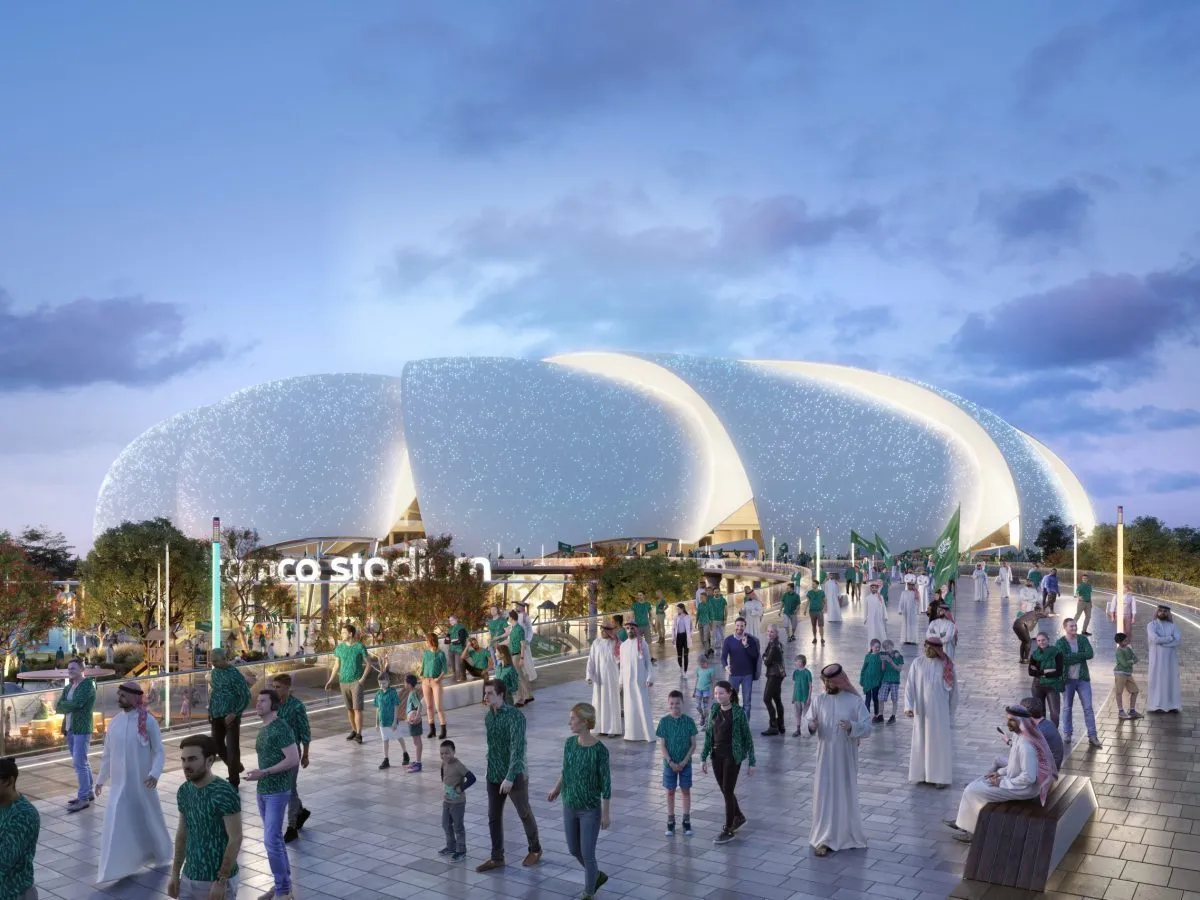
The stadium has a capacity of approximately 47,000 spectators and features a hybrid grass surface that combines natural turf with synthetic reinforcement, ensuring durability and optimal playing conditions. Designed by Populous, the structure incorporates a sleek, modern bowl with gently sloping tiers that bring fans closer to the action while maintaining excellent sightlines. Scheduled for completion in 2026, the stadium follows multi-purpose design principles, allowing it to host football matches, concerts, and community events.
6. Estadio Azteca—Mexico City, Mexico
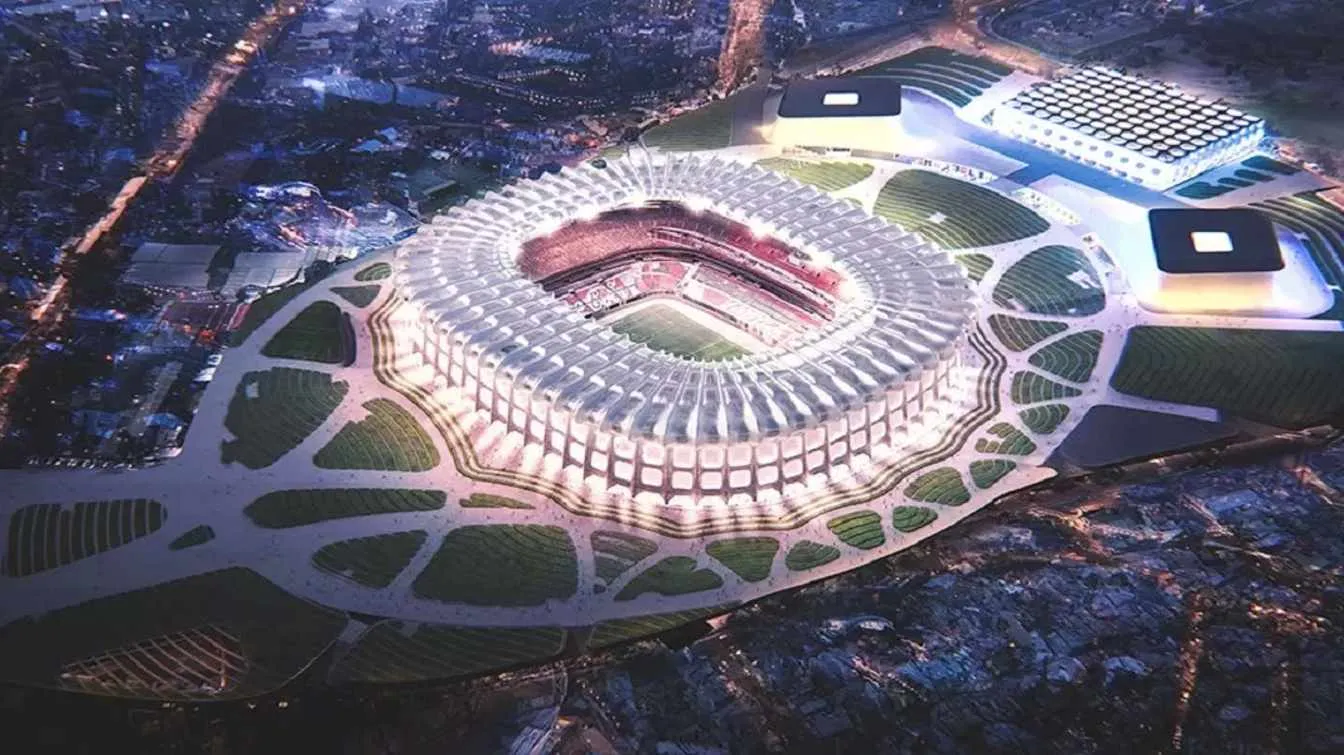
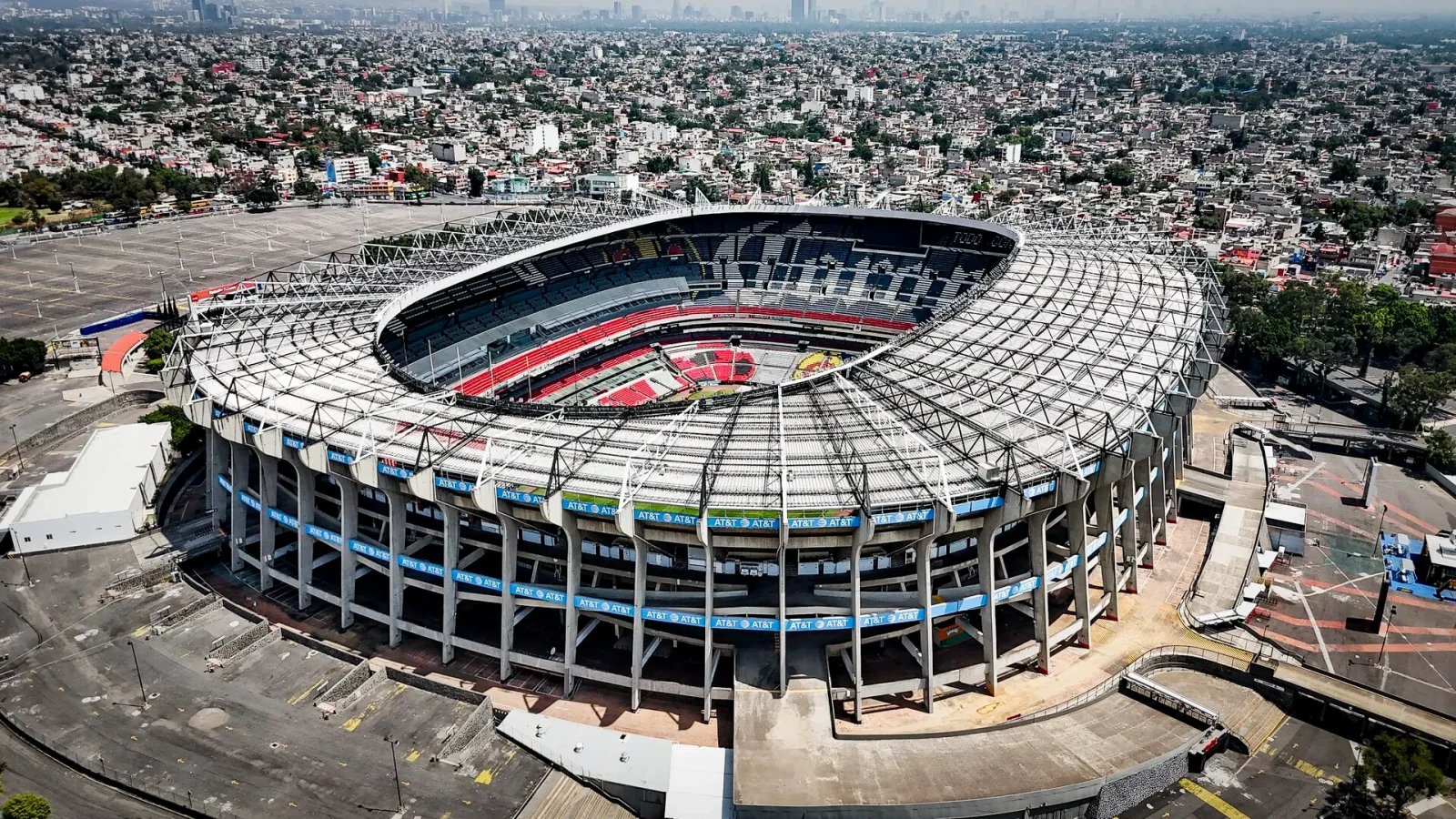
While not a new build, the renovation of Estadio Azteca ahead of the 2026 FIFA World Cup is one of the most significant stadium projects in global sport. Originally opened in 1966, the venue will undergo updates that increase capacity to around 90,000, modernize facilities, and add LED lighting and hospitality enhancements just months before the tournament’s kickoff.
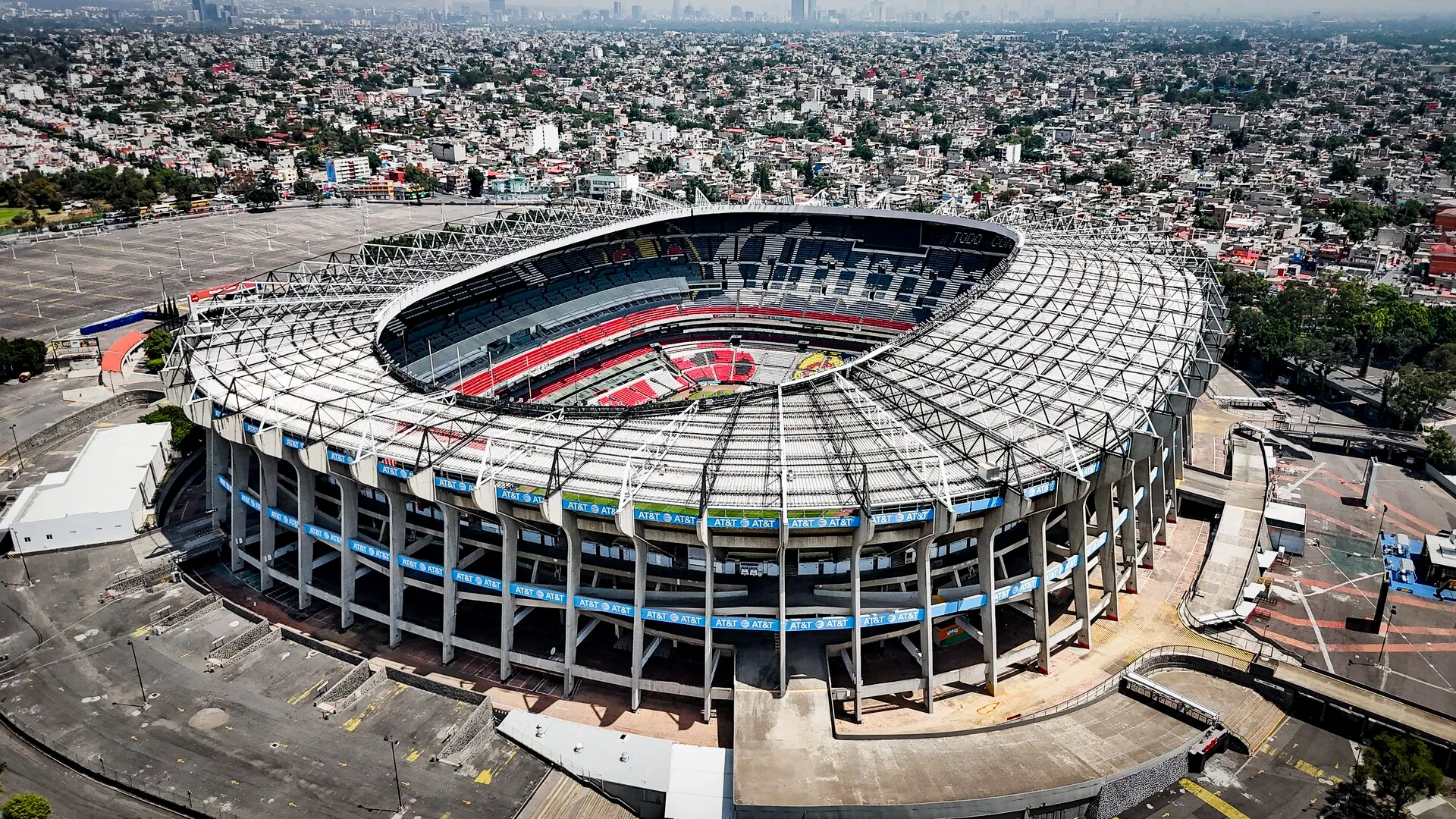
Estadio Azteca holds the distinction of being the first stadium in the world to host two FIFA World Cup finals, in 1970 and 1986. Ahead of its 2026 renovation, the venue is receiving reinforced structural upgrades to meet modern event demands, ensuring safety and improved spectator comfort.
7. New Ankara Stadium—Ankara, Turkey
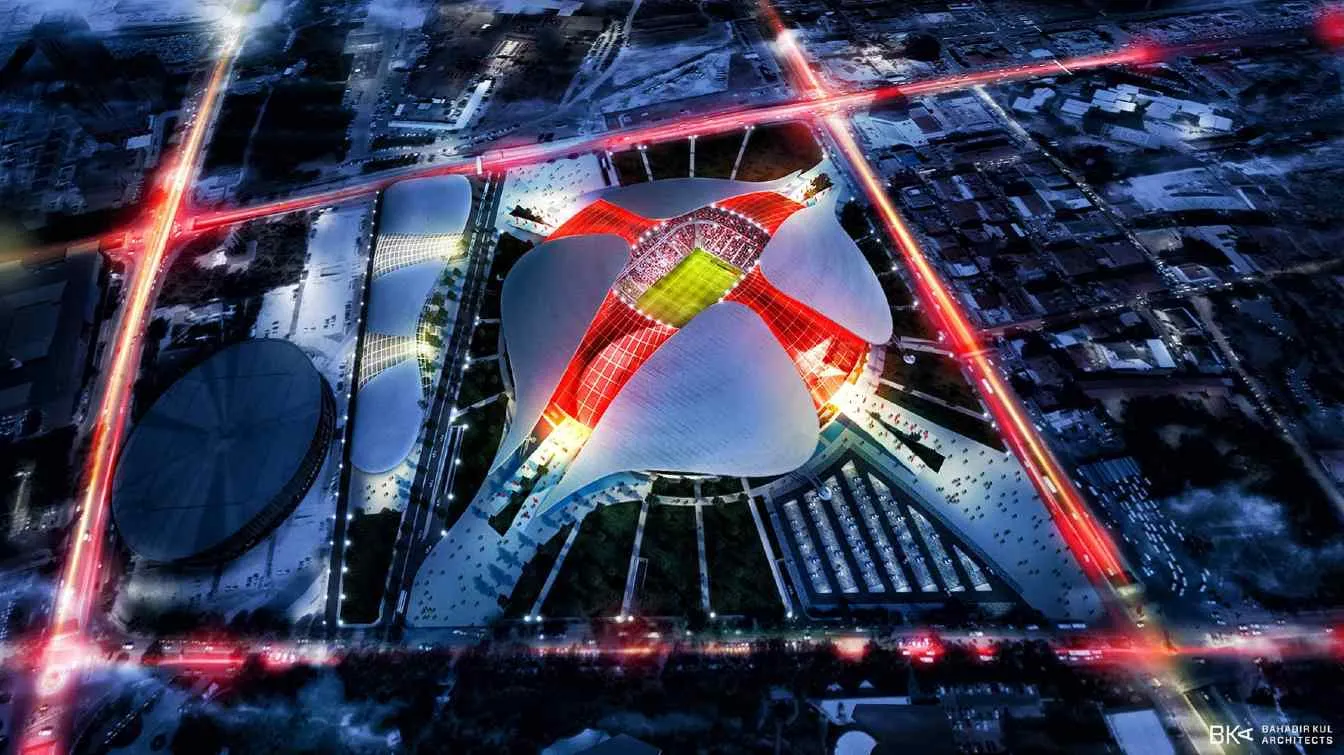
Scheduled to be completed in 2026 with a capacity of approximately 51,200, New Ankara Stadium will replace the older infrastructure and provide a modern football environment for Turkey’s capital.
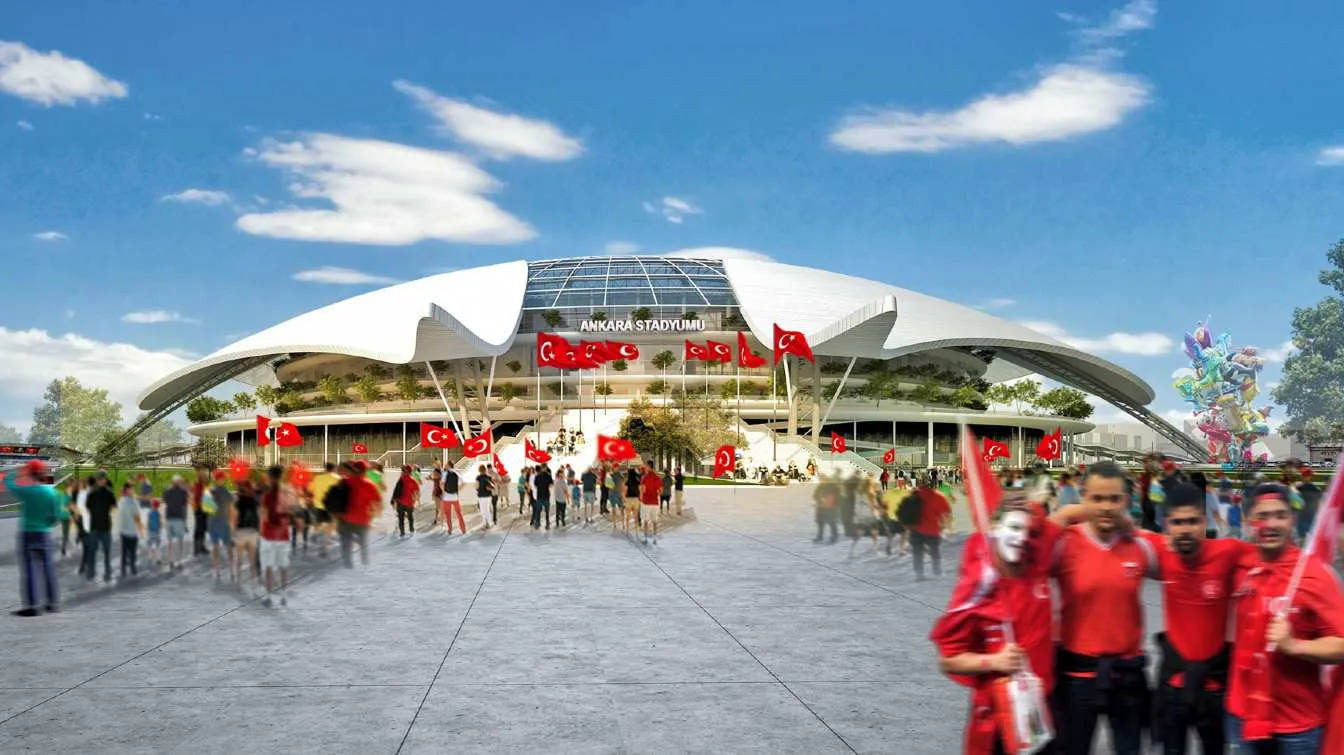
The New Ankara Stadium is designed for multi-use, with a focus on strong acoustics and excellent fan visibility, creating an engaging atmosphere for every event. The project also includes improved athlete facilities and enhanced media capabilities to meet international standards. Designed by the renowned Turkish firm Bahadır Kul Architects, the stadium combines modern architectural aesthetics with functional efficiency, ensuring it serves both sporting and entertainment purposes effectively.
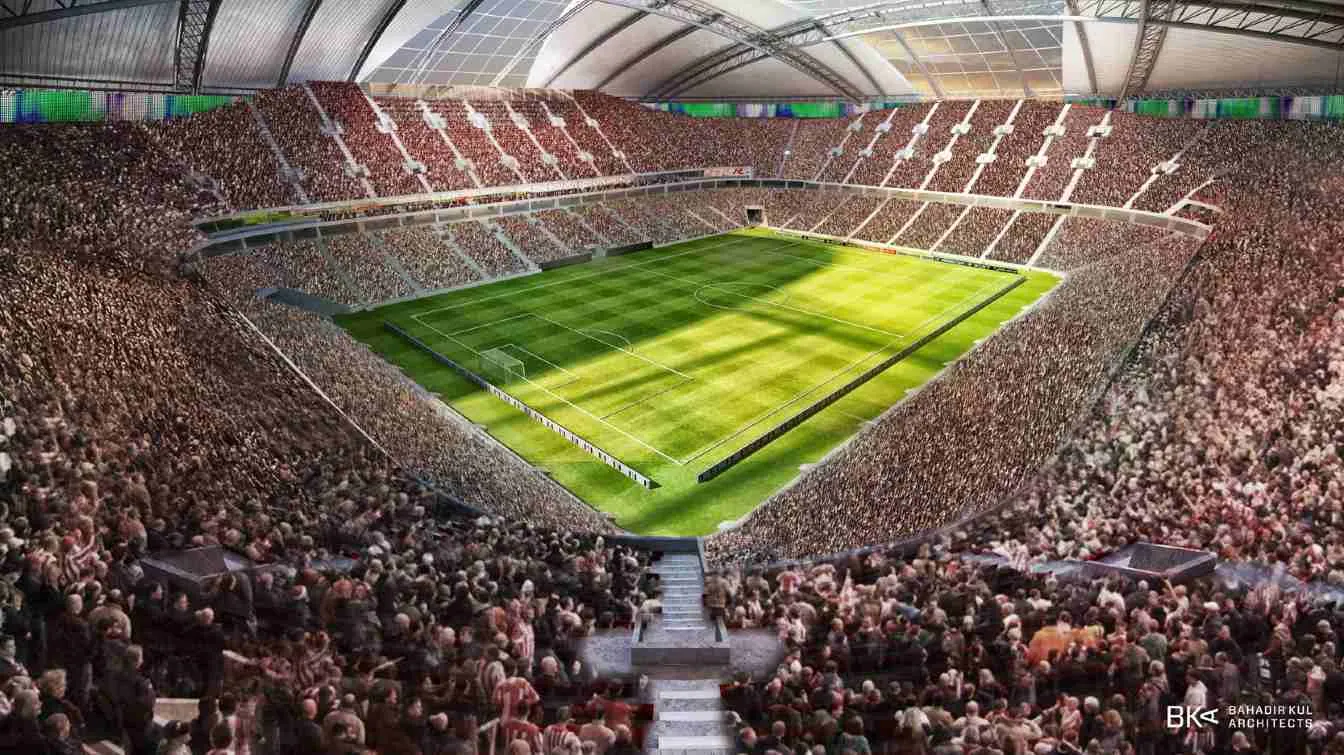
Urban renewal through stadium projects like this helps position mid-size capitals as hubs for international fixture hosting, wider entertainment events, and local sports growth.
8. Wuxi Olympic Sports Centre Stadium—Wuxi, China
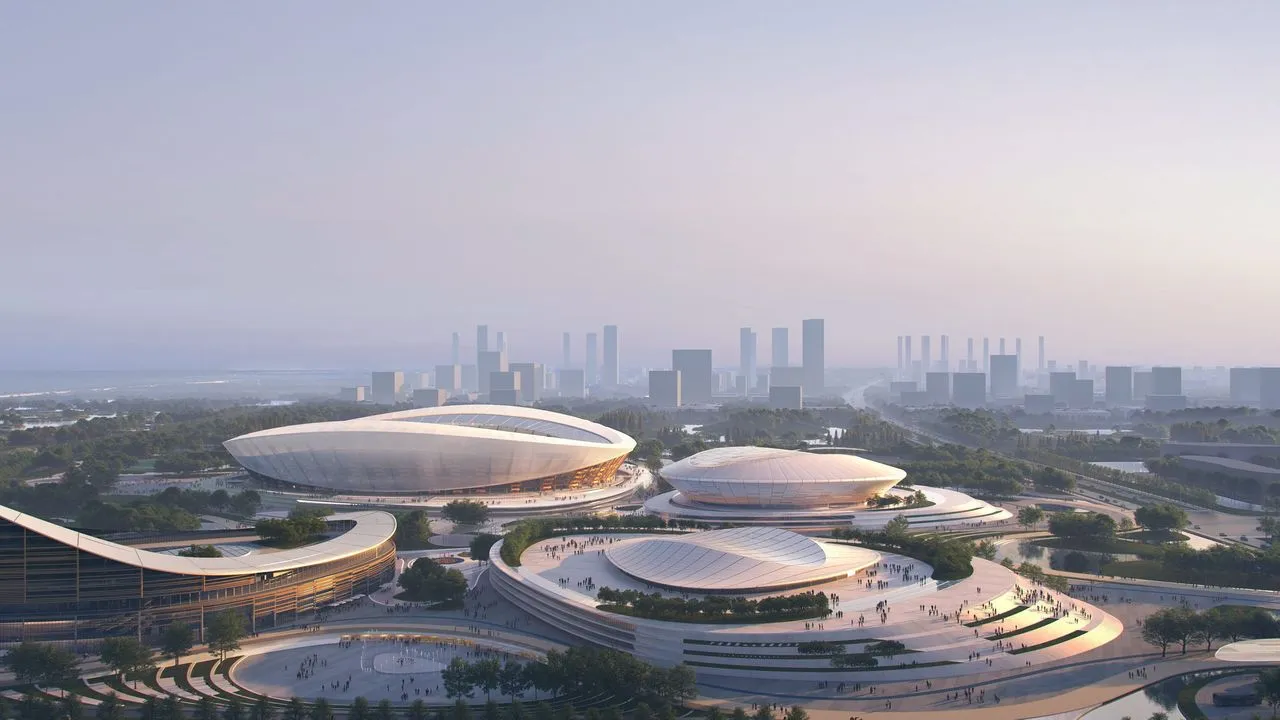
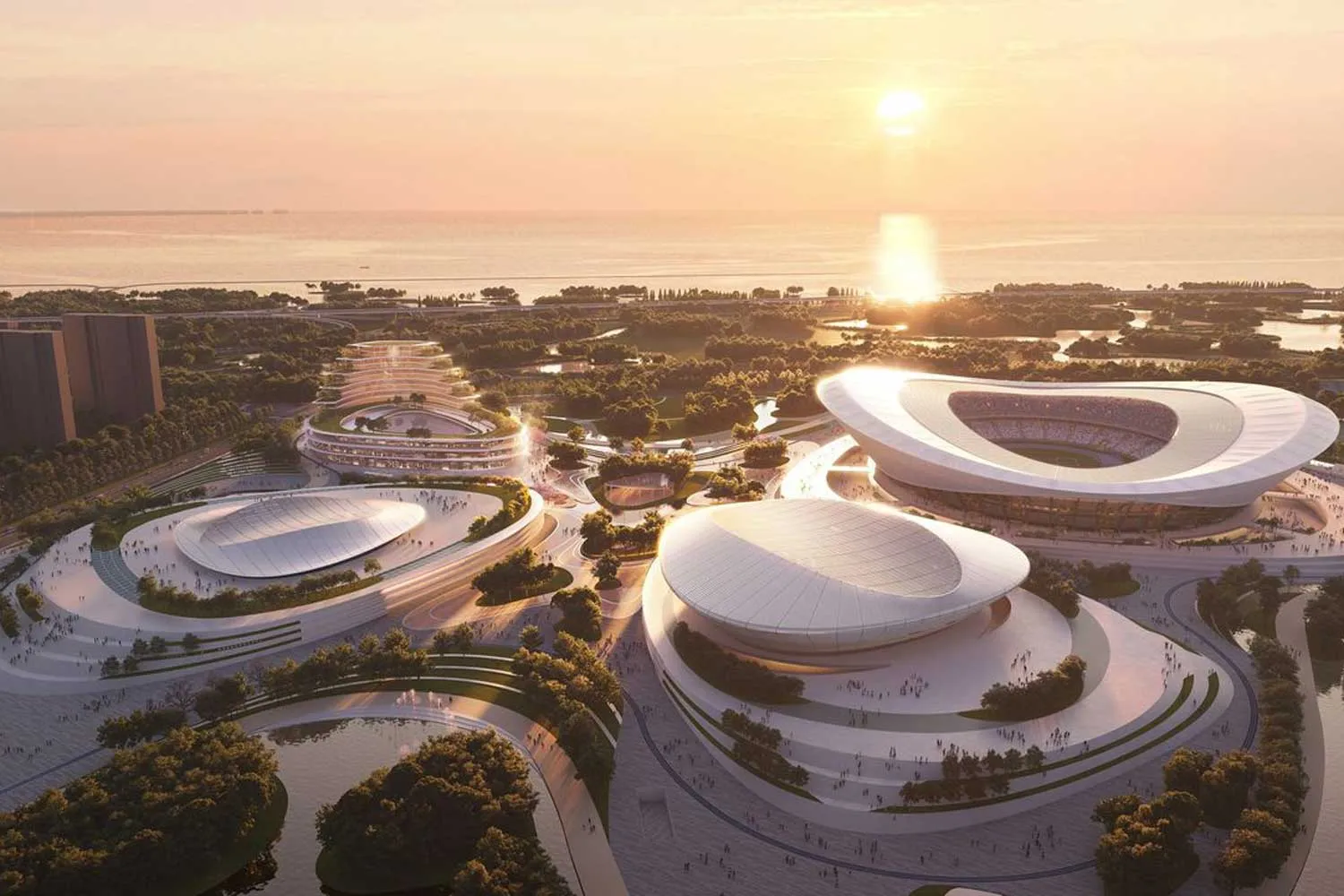
Part of the expansive Wuxi Olympic Sports Centre, the 60,000-seat Wuxi Olympic Sports Centre Stadium is scheduled to open in 2026 and reflects China’s continued investment in large-scale, multi-sport venues. German architectural firm von Gerkan, Marg and Partners (gmp), which won the international design competition for the project, is creating a sustainable sports complex. The stadium adopts a state-of-the-art roofed structure that supports both football and athletics, allowing the venue to operate across different sporting codes and event formats.
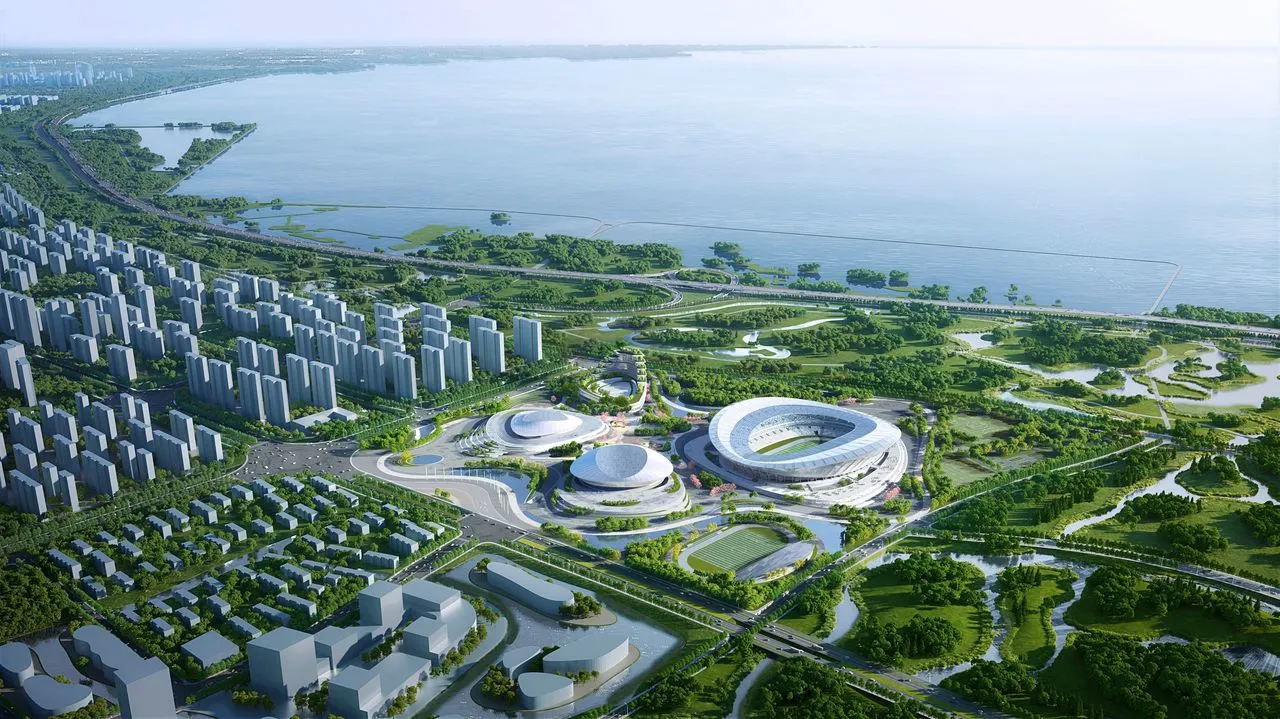
The design integrates a full athletics track beneath a continuous canopy roof, providing weather protection for spectators while maintaining clear sightlines across all seating tiers. The stadium supports year-round community use through concerts, cultural events, and public activities. This approach positions the Wuxi stadium as an integrated leisure and sports hub, incorporating top-level sporting performance with broad public access and long-term urban value.
9. Etihad Stadium Expansion—Manchester, England
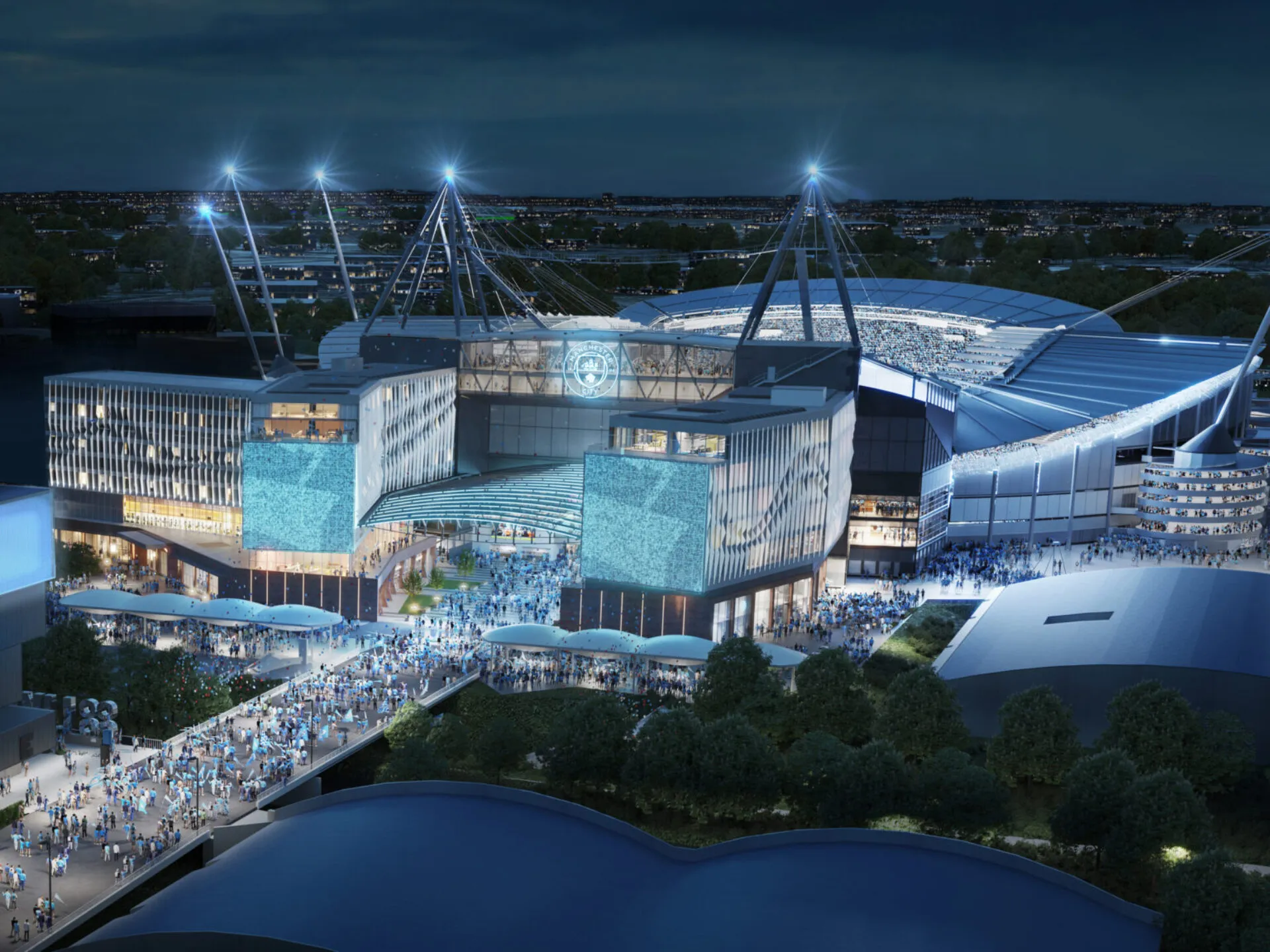
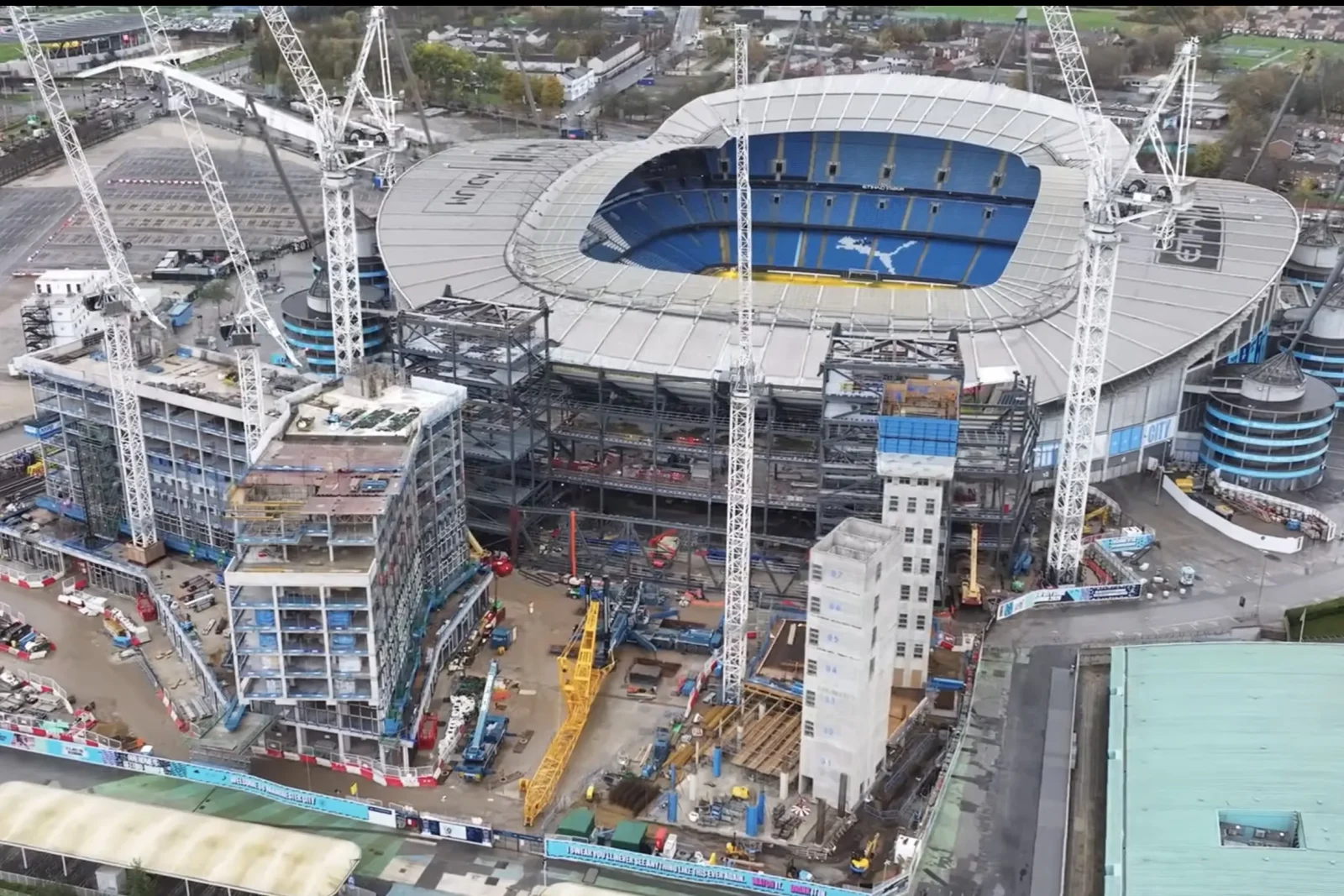
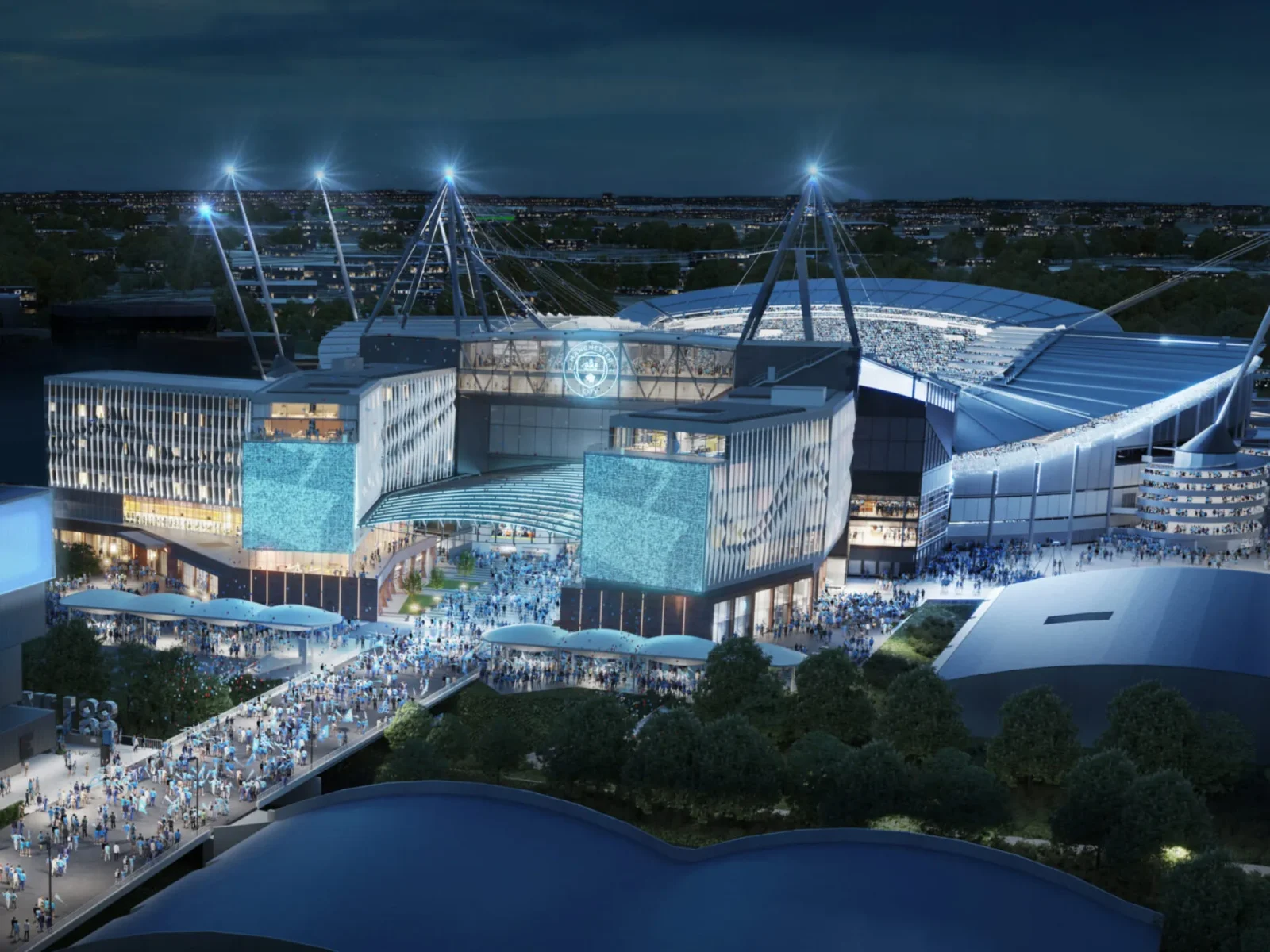
Manchester City’s Etihad Stadium is undergoing a major expansion that will increase its capacity to approximately 61,500 by 2026, reflecting the club’s sustained growth on and off the pitch. Populous is delivering the project, working with Manchester City Football Club, ensuring continuity in design while modernizing key areas of the venue. Driven by rising ticket demand from one of Europe’s most successful clubs, the expansion focuses on extending the North Stand and improving overall stadium functionality.
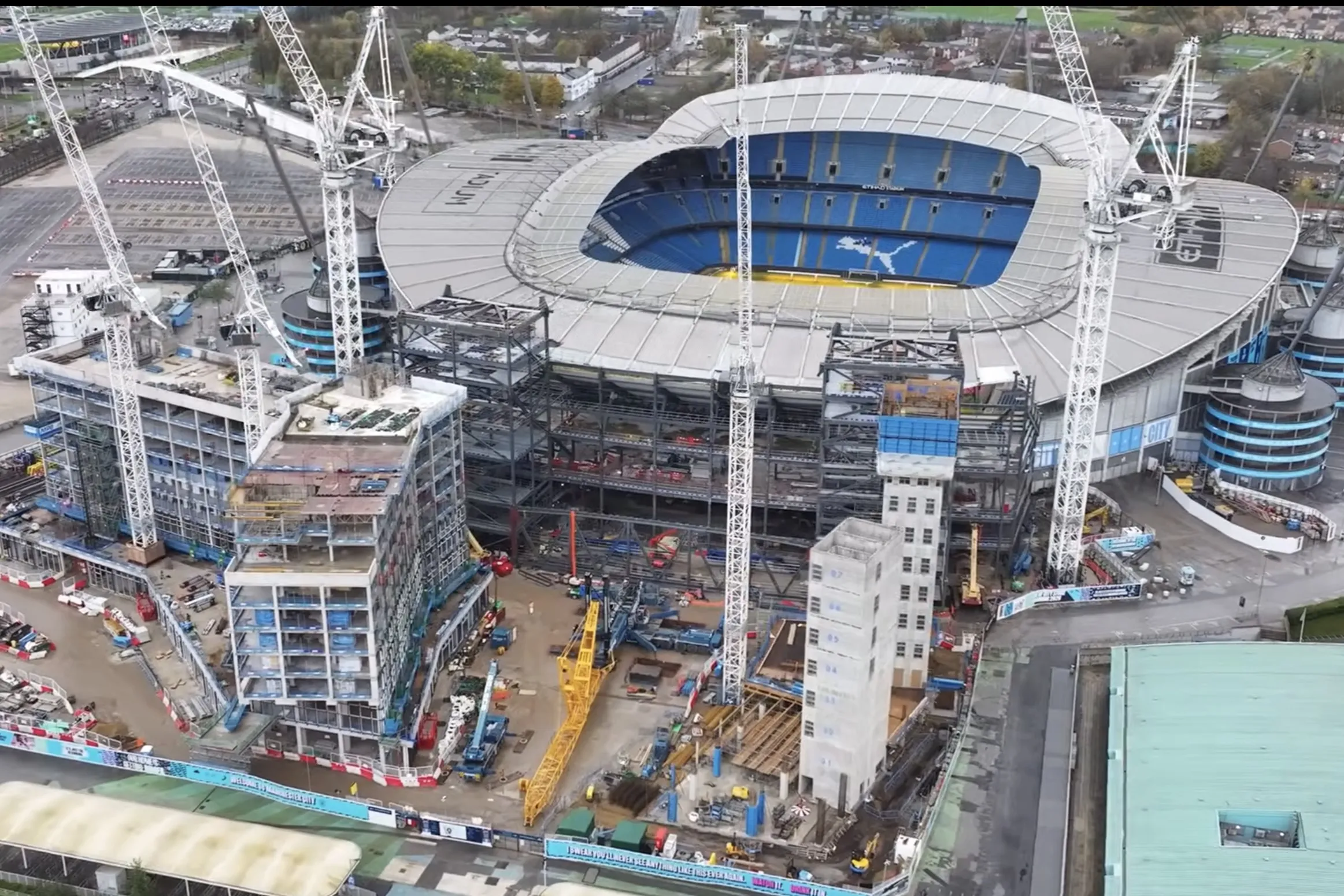
Key upgrades include enhanced hospitality tiers, expanded concourse space, and improved fan circulation to support larger crowds without compromising comfort. Despite the scale of construction, the core objective remains preserving the Etihad’s intense match-day atmosphere. While not a new stadium in the traditional sense, the size of the investment and its commercial industry give the project global significance, shaping fan engagement, revenue generation, and Manchester City’s long-term competitive home advantage.
10. Stadion Zagreb—Zagreb, Croatia
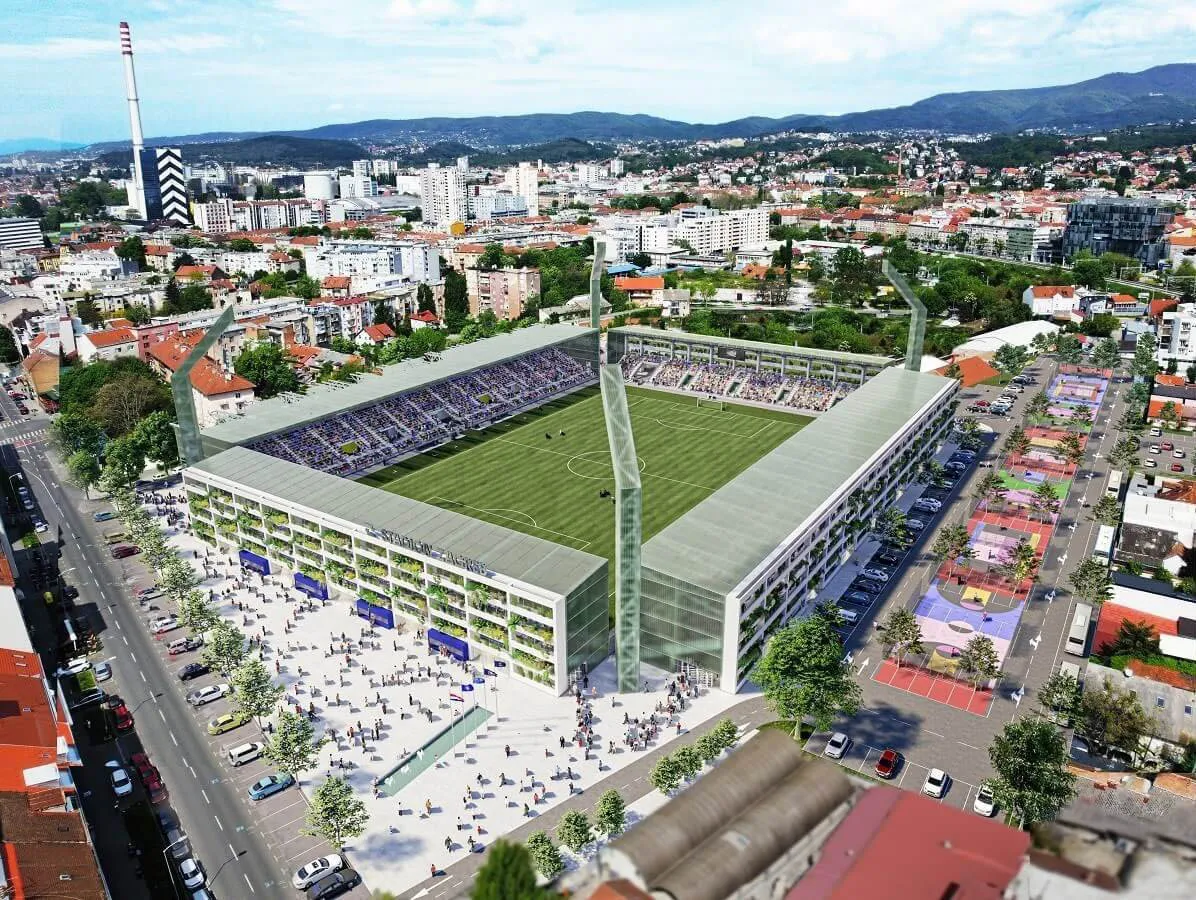
Stadion Zagreb is a comprehensive reconstruction of the long-standing Stadion u Kranjčevićevoj ulici in the heart of Croatia’s capital, set to reopen in 2026 with a seating capacity of approximately 12,000, meeting UEFA Category 4 standards. The project replaces the old athletics track with stands that are brought closer to the pitch, providing a pure football viewing experience.
The project is led by architects from Sirrah Projekt in cooperation with the Faculty of Architecture at the University of Zagreb, reimagining the century-old venue with four fully covered stands arranged close to the playing surface to maximize atmosphere and sightlines for domestic league and international matches.
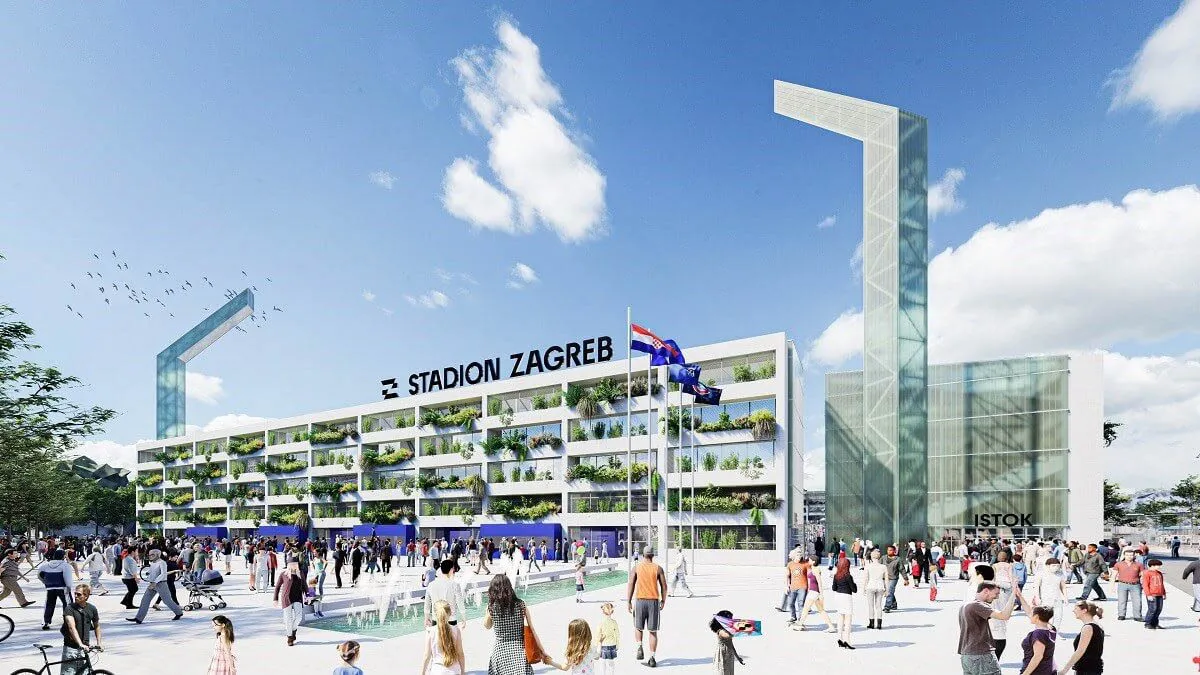
Modern features include a heated hybrid pitch, fully covered seating, energy-efficient elements like rooftop solar panels, and a new public square and parking facilities that knit the stadium into the urban fabric. Once completed, Stadion Zagreb will elevate the match-day experience for local clubs and fans and also serve as a temporary home for top sides like GNK Dinamo Zagreb during the broader redevelopment of Croatia’s main stadium, reflecting a thoughtful balance of heritage, community engagement, and modern sporting infrastructure.
Explore Courses
.jpg "Ondrej Chybik - Rethinking Architecture")