

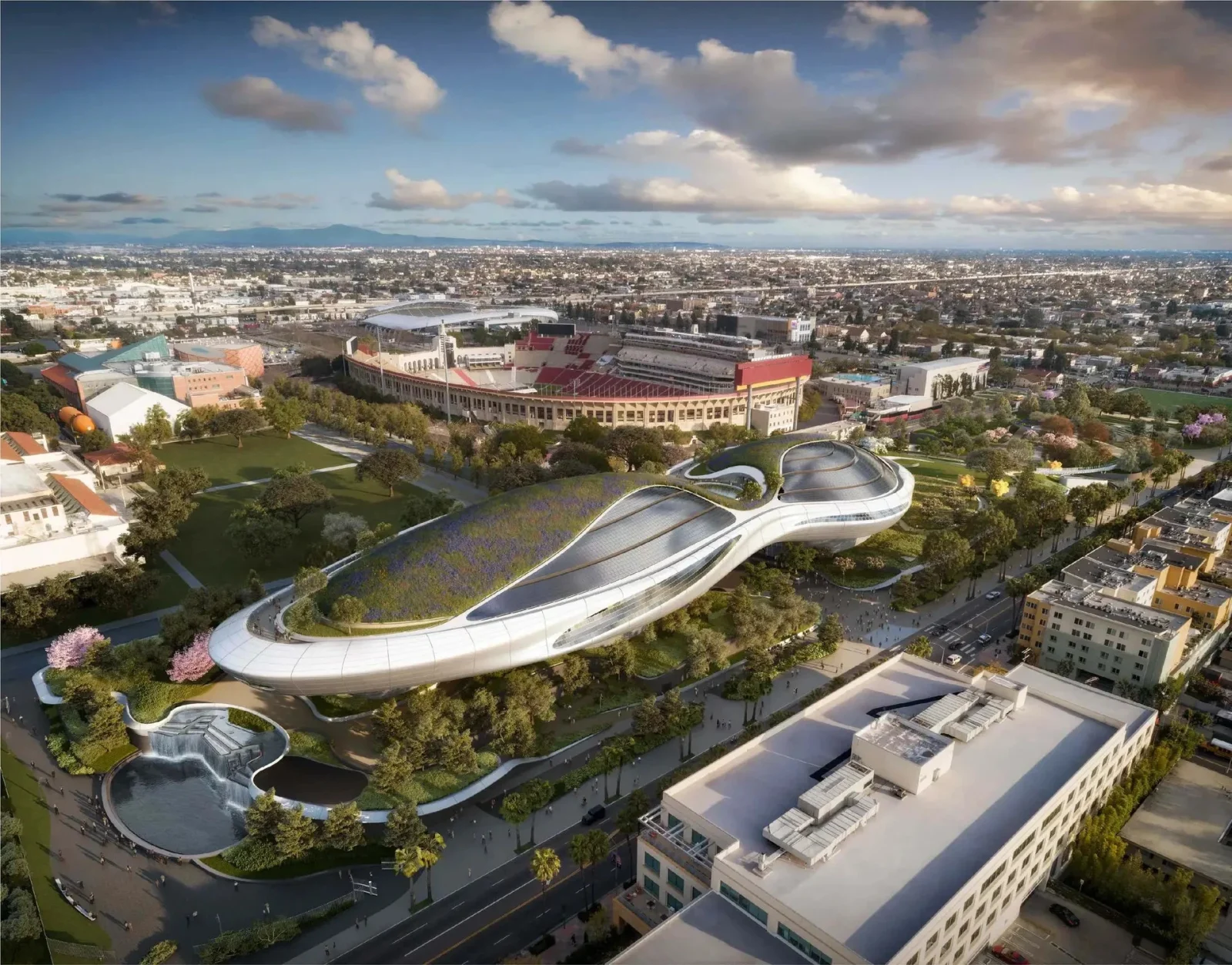
2026 is set to welcome a remarkable array of new museums from around the world. From newly constructed museums that respond innovatively to their surrounding topography to adaptive reuse projects that transform buildings bearing the traces of urban history, many of these institutions are poised to captivate us both architecturally and artistically. In this article, we will explore how ten newly opened museums, ranging from Frank Gehry’s Guggenheim Abu Dhabi, the largest of the Guggenheim complexes and one of the architect’s latest designs, to the V&A East Museum, where echoes of Balenciaga’s designs can be traced, host unique and distinctive collections.
Here are 10 must-visit museums opening in 2026:
1. Guggenheim Abu Dhabi
Location: Abu Dhabi, UAE
Architect: Frank Gehry
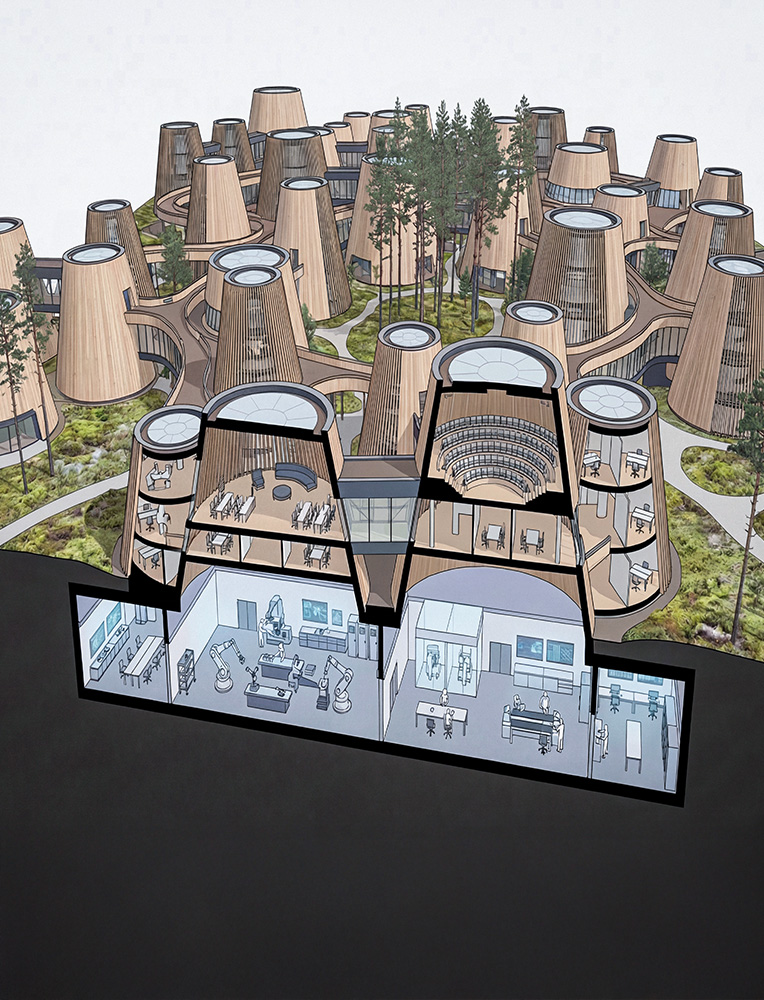
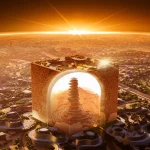
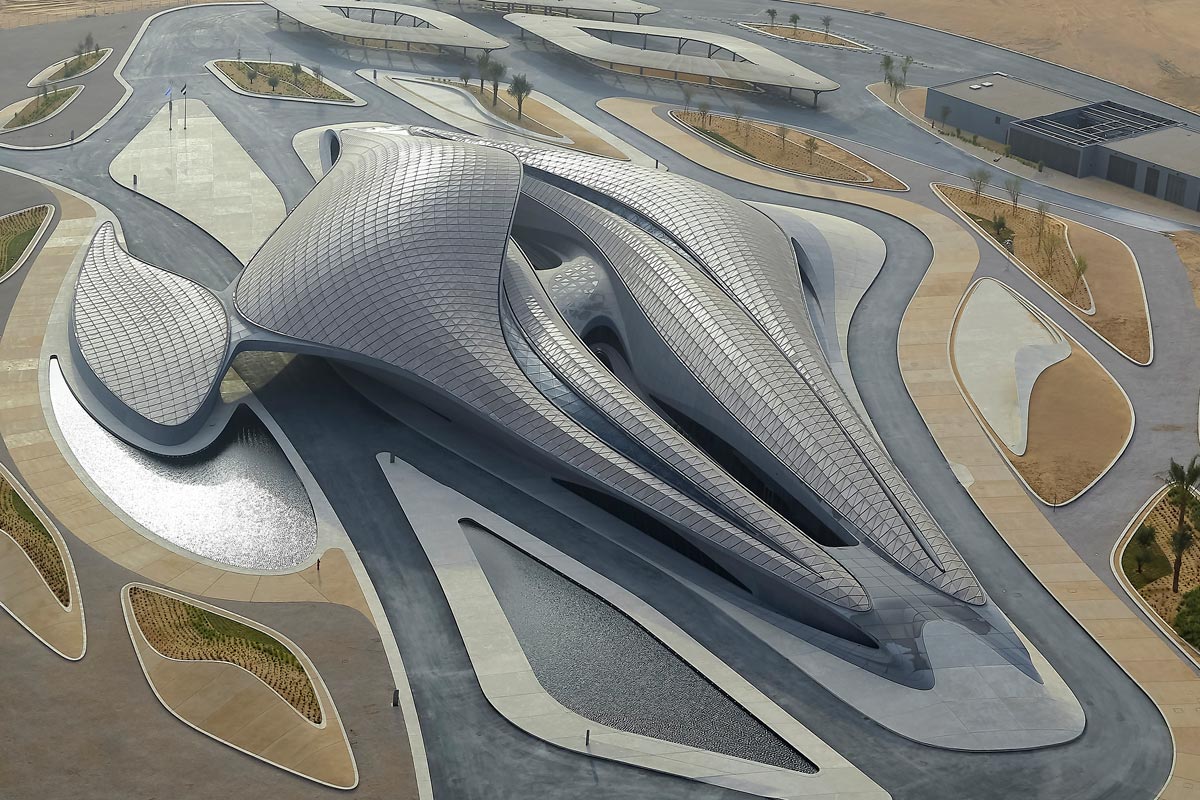
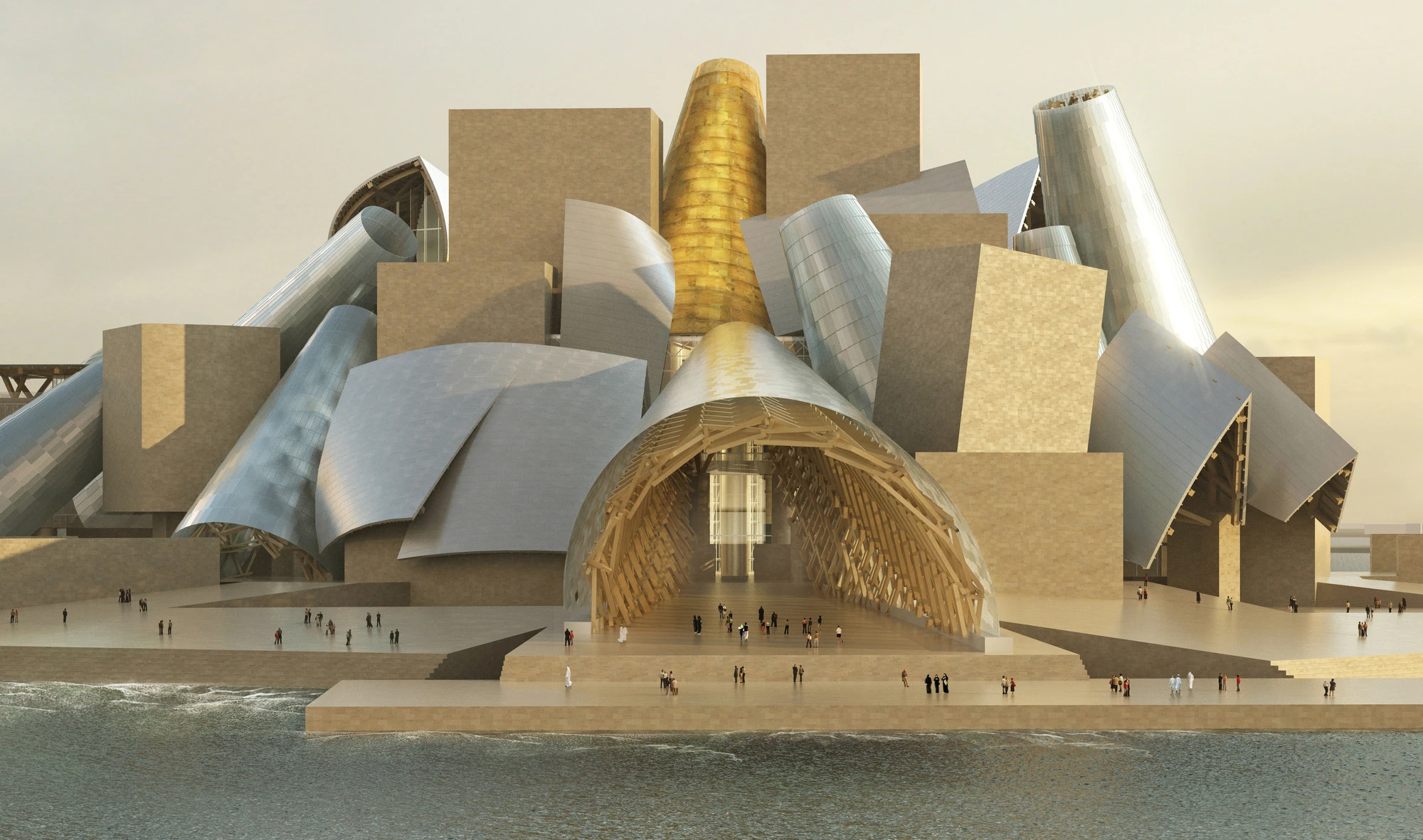
Set to open in 2026, designed by Frank Gehry as the largest of the Guggenheim’s four campuses, the museum offers an innovative vision for experiencing contemporary art within the context of the desert landscape. Built on Saadiyat Island, the Guggenheim Abu Dhabi overlooks the Arabian Gulf and effectively leverages the region’s passive climate strategies.
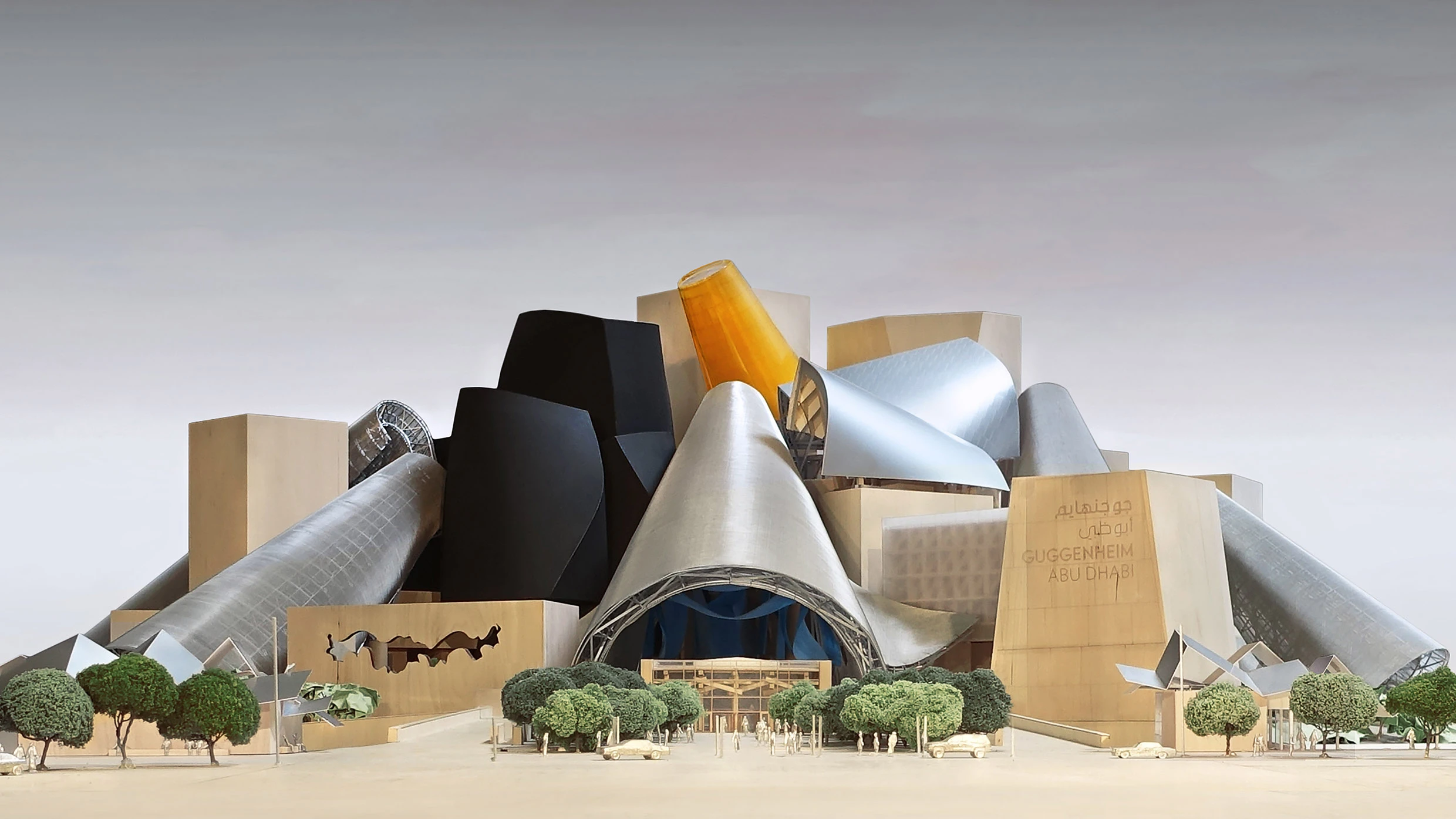
The museum’s distinctive form features galleries of varying heights, shapes, and scales, enabling the display of large installations requiring extensive space. Cone-shaped galleries, connected by glass bridges, are distributed around a four-story atrium.
2. Lucas Museum of Narrative Art
Location: Los Angeles, US
Architect: MAD Architects
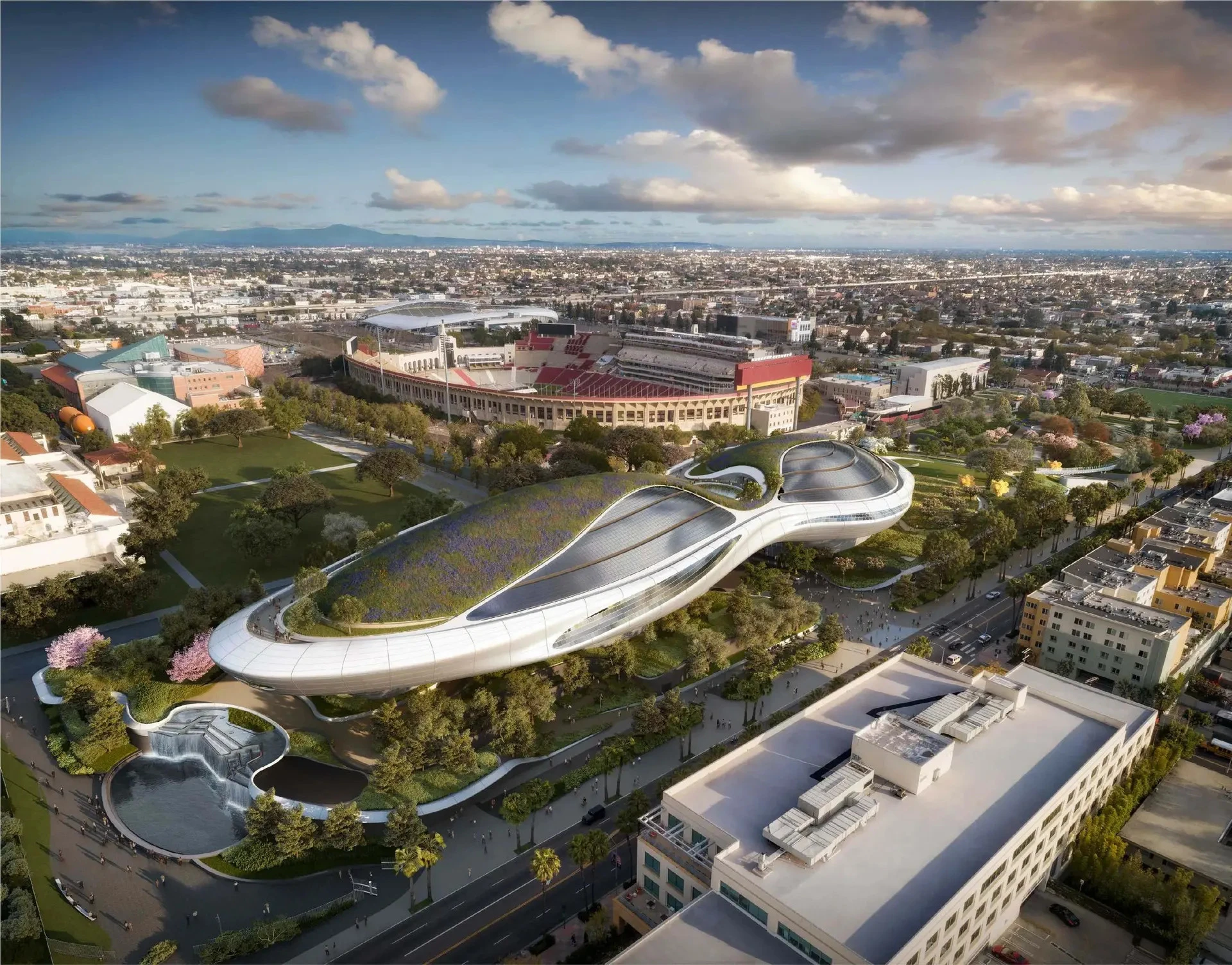
Designed by MAD Architects, the Lucas Museum of Narrative Art is a must-visit museum in 2026. Opening on September 22nd, the museum, founded by George Lucas and Mellody Hobson, is dedicated to illustrated and narrative storytelling, understood as visual works that tell stories across different media and periods. Its permanent collection includes more than 40,000 works of narrative art, spanning illustration, painting, murals, comics, children’s book illustrations, science fiction art, photography, and cinema.
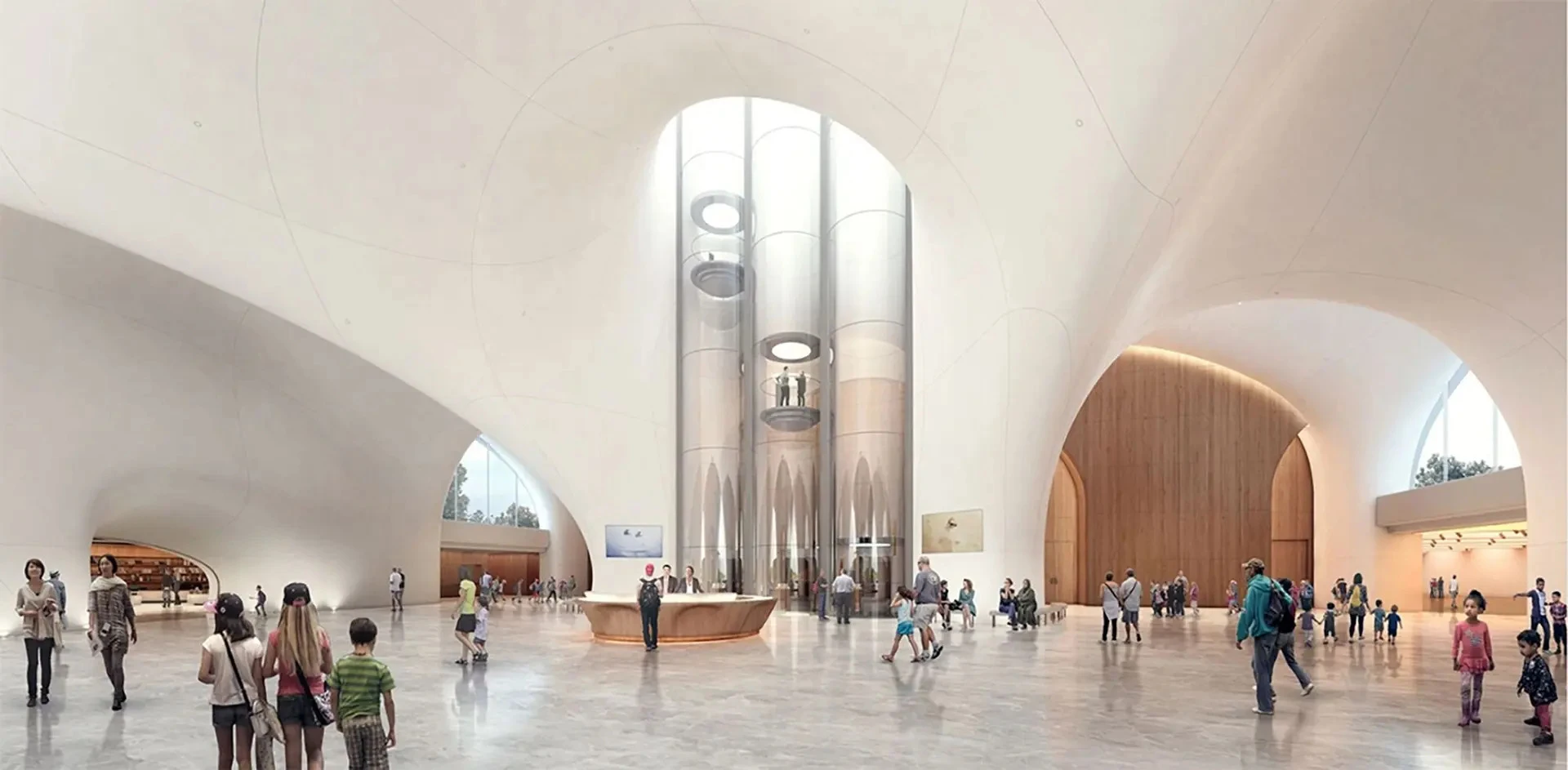
Continuing its exploration of curved and sculptural forms, the 300,000 m² Lucas Museum of Narrative Arts is situated on an 11-acre site that was previously an open parking lot. Elevated from ground level to define shaded areas, the museum houses 35 galleries totaling 100,000 m², two theaters, a library, community and educational spaces, a café, a restaurant, and a museum shop. The landscape design by Mia Lehrer of Studio-MLA introduces pathways, planting, and outdoor gathering spaces that connect the museum to the broader Exposition Park campus.
3. V&A East Museum
Location: London, UK
Architect: O’Donnell + Tuomey
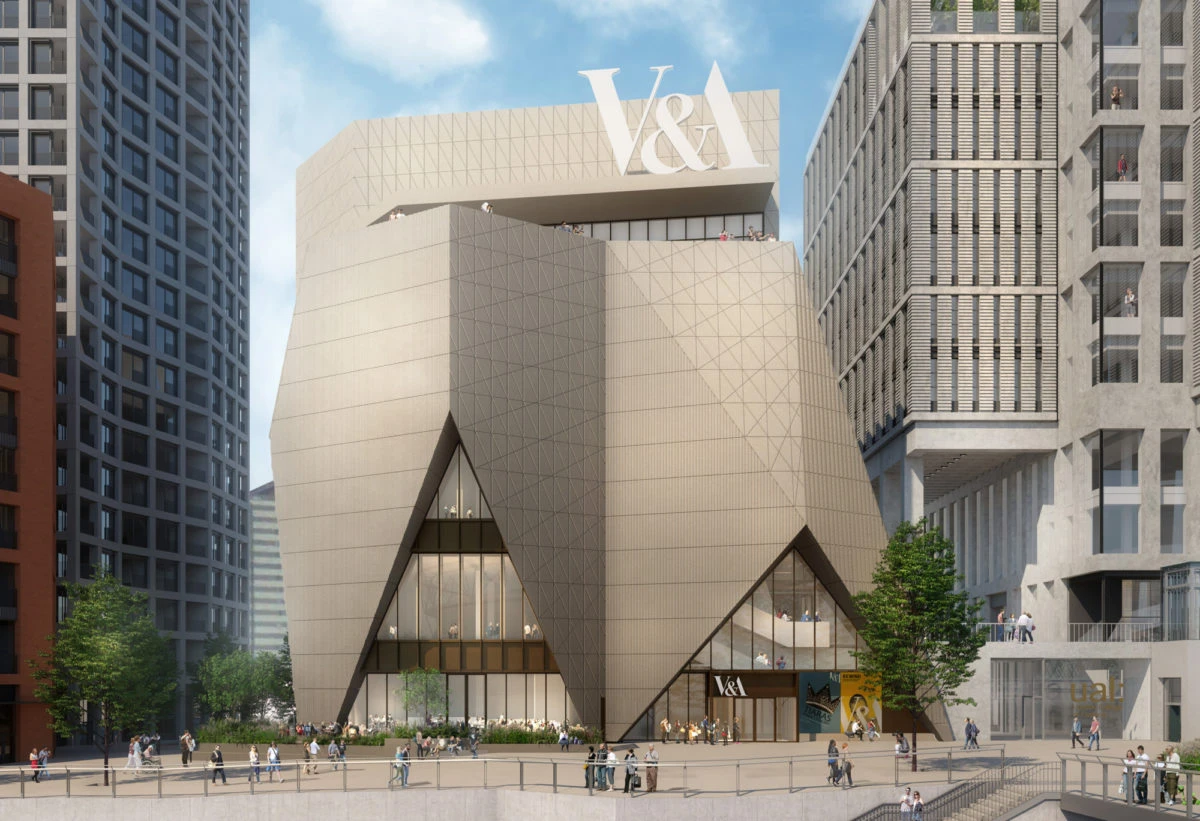
Set to captivate museum enthusiasts with its striking design, the V&A East Museum in London is one of the must-visit museums opening in 2026. Showcasing the V&A’s world-renowned collection and the best examples of contemporary art, design, and performance, the new building will host groundbreaking exhibitions, gallery displays, events and activities, community-focused projects, installations, and creative collaborations; it will also feature a café, shops, open spaces, and stunning views overlooking a park.
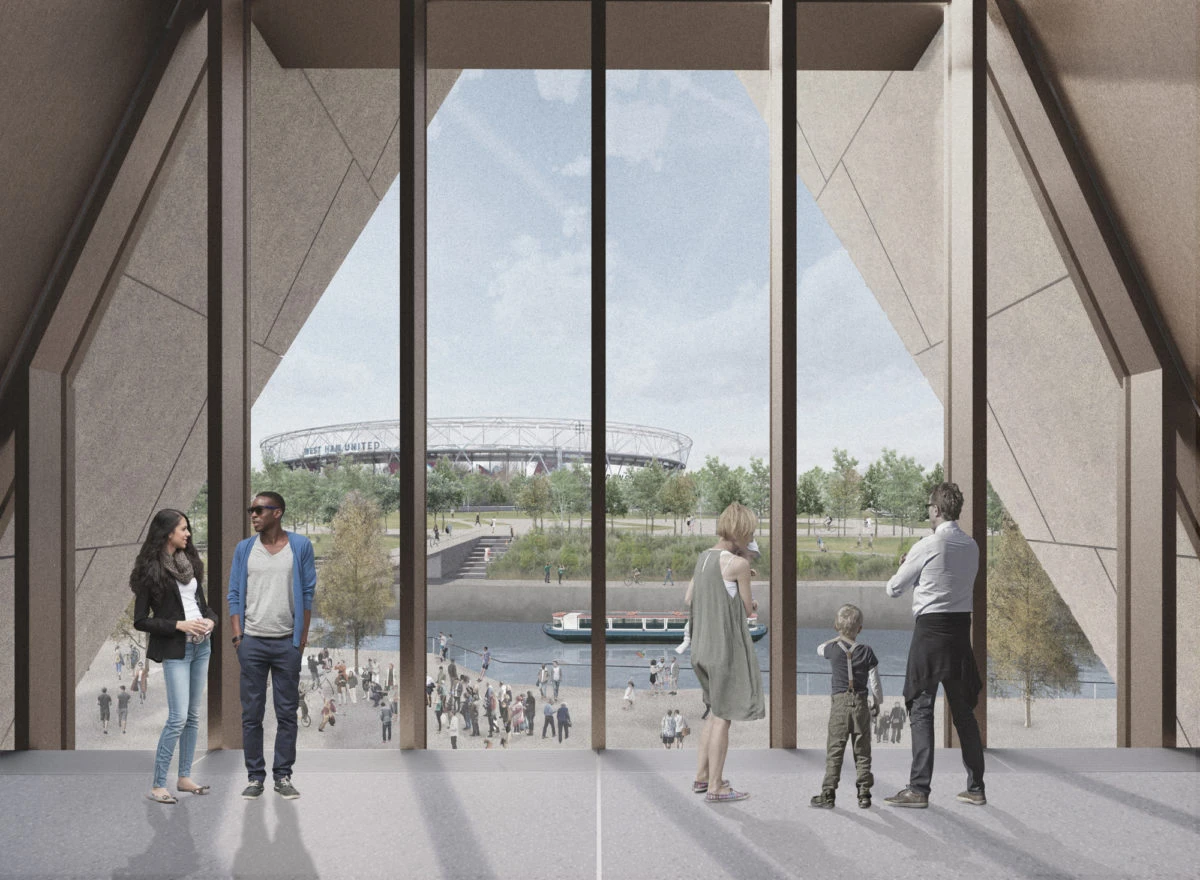
Inspired by Balenciaga’s designs, the exterior of the V&A East Museum functions like a three-dimensional folded garment. This angular exterior, with its distinctive and striking identity, appears different from various perspectives and approaches. Marking a key transition point between institutional buildings and the surrounding residential neighborhood, the museum incorporates a café at Waterside Square and a publicly accessible rooftop terrace. Featuring two public entrances—one at podium level and the other from the Seafront—the V&A East Museum’s galleries, designed around a central core, interconnect on each floor, inviting visitors to explore the museum.
4. LACMA David Geffen Galleries
Location: Los Angeles, US
Architect: Peter Zumthor
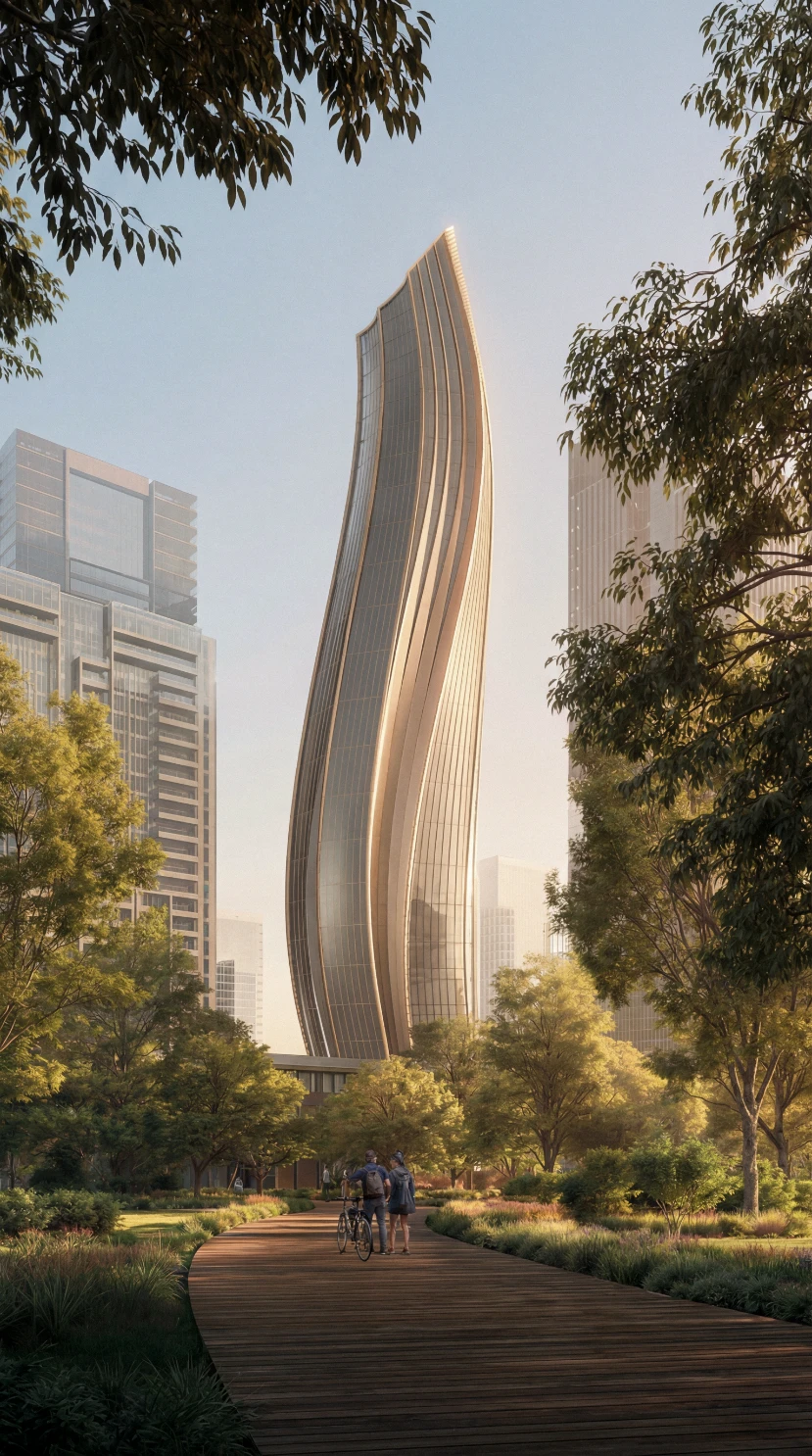
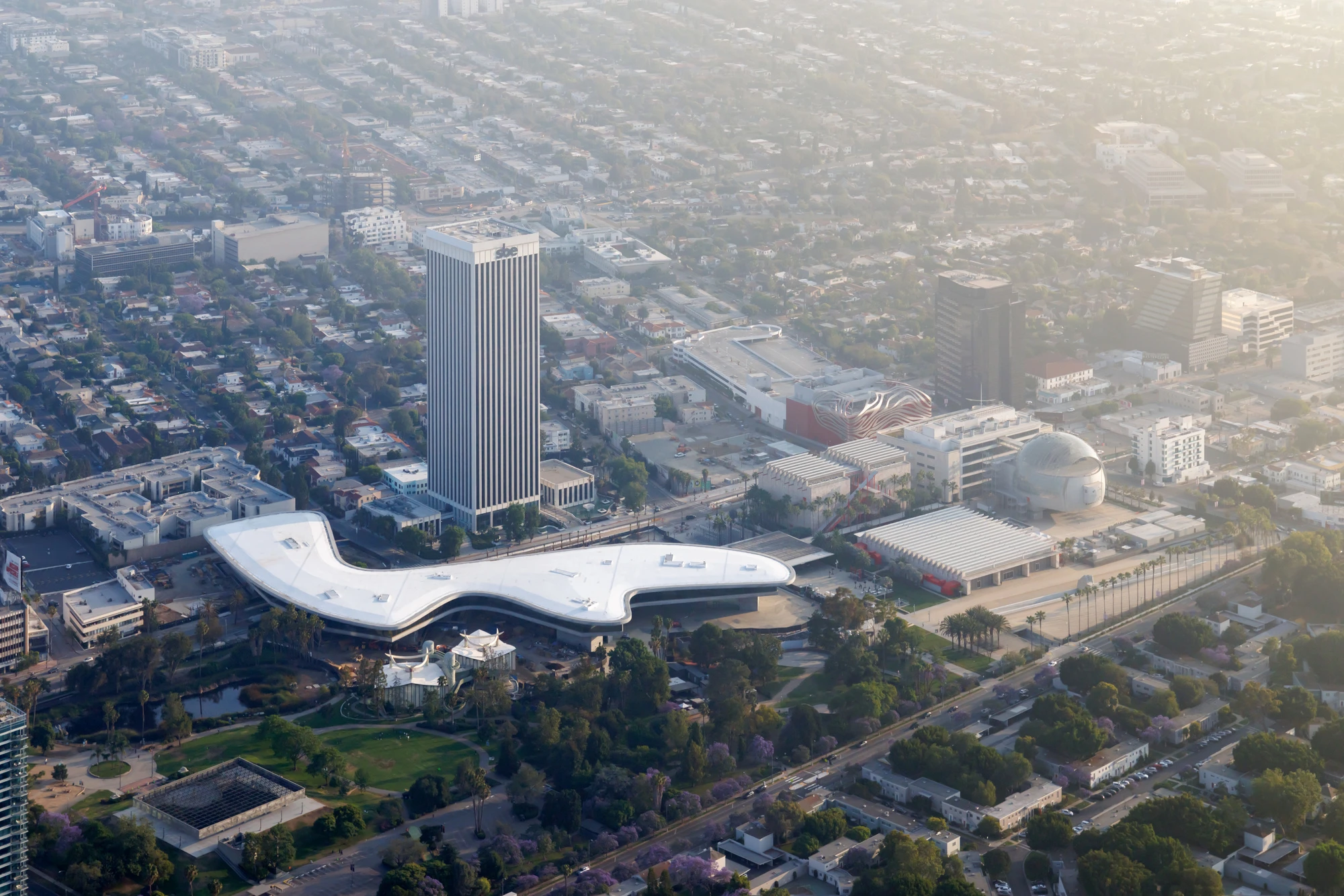
Designed by Peter Zumthor, the LACMA David Geffen Galleries, a must-visit museum in 2026, houses the LACMA’s permanent collection. Constructed using glass and reinforced concrete, the museum’s elongated and sinuous form is elevated above seven structural pavilions irregularly distributed across the site. These pavilions, varying in size, are located on the ground floor and contain public spaces such as restaurants, retail areas, and outdoor seating, as well as service areas like a loading dock. The largest of the seven pavilions houses a new theatre.
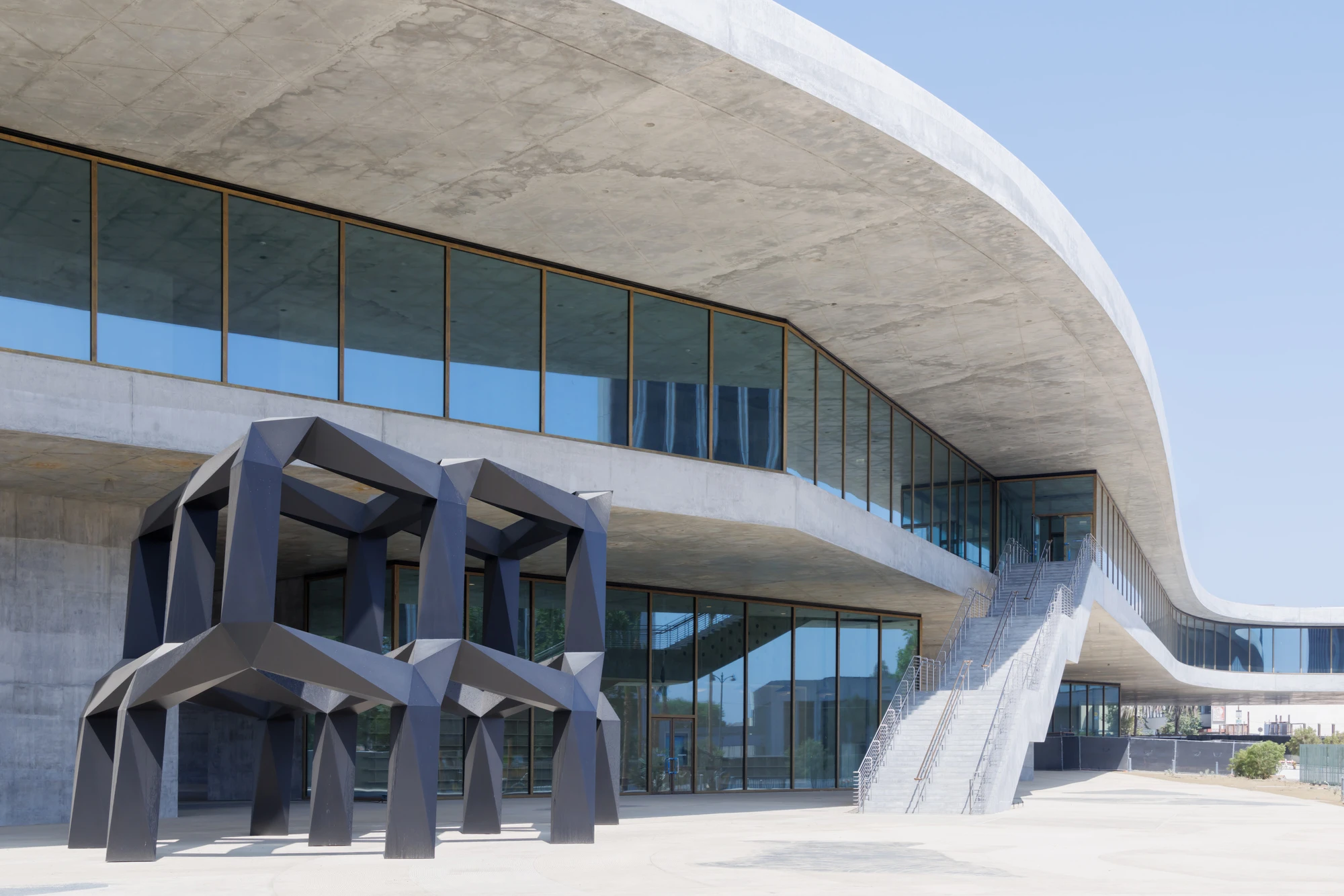
At the LACMA David Geffen Galleries, where access from the square to the exhibition spaces is provided by two main concrete exterior staircases, the gallery spaces consist of various rectangular volumes distributed around an open plan. A single glass strip encircles the entire upper floor, and large, floor-to-ceiling windows run throughout the public pavilions.
5. Suzhou Museum of Contemporary Art
Location: Suzhou, China
Architect: BIG
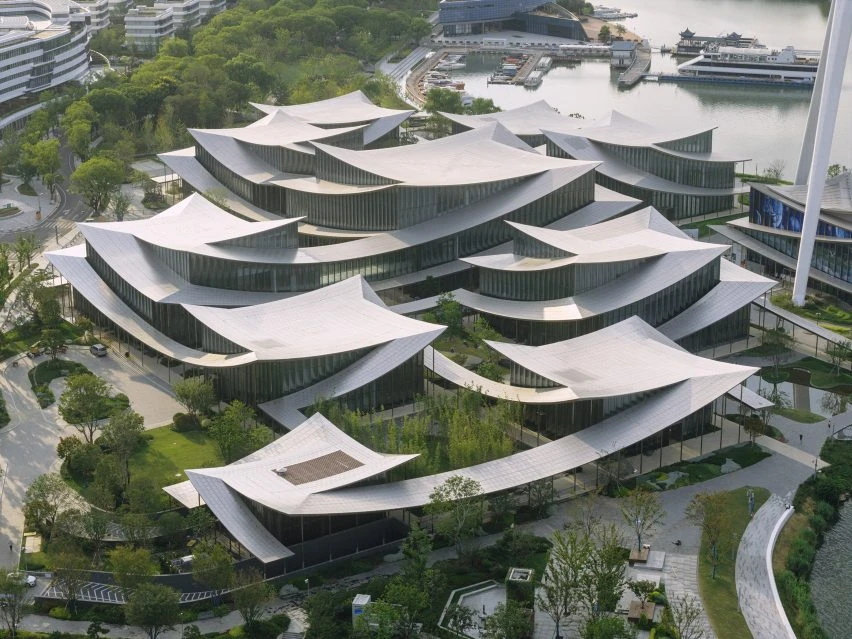
Designed by BIG, the Suzhou Museum of Contemporary Art features a design that is expected to attract museum enthusiasts in 2026. The project reinterprets traditional local garden architecture through the lens of contemporary art and public space. Designed as a garden comprising 12 pavilions and courtyards, the 60,000 m² museum features pavilions clustered under a continuous roof inspired by Chinese tiled eaves.
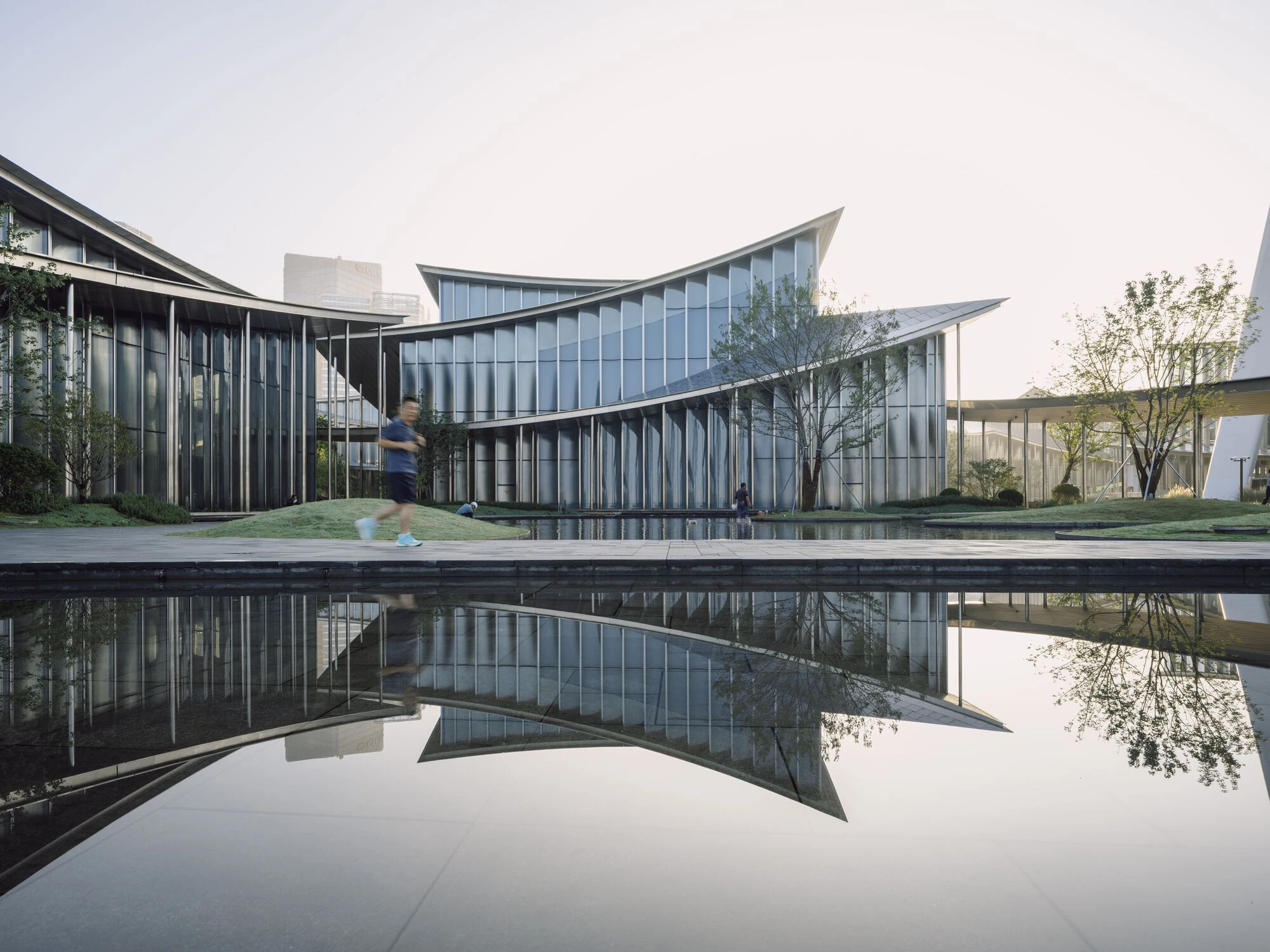
Four large pavilions house the main galleries, while the other eight pavilions, the entrance area, multipurpose hall, theater, and restaurant are also located within the complex. Connected through glazed galleries and colonnades, the individual pavilions form a “Chinese knot” of interlinked sculptural courtyards and exhibition spaces. Clad in undulating and curved glass and warm-toned stainless steel, each of the 12 pavilions blurs the line between architecture and nature, reflecting the surrounding sky, water, and gardens.
6. Memphis Art Museum
Location: Memphis, Tennessee, USA
Architect: Herzog de Meuron
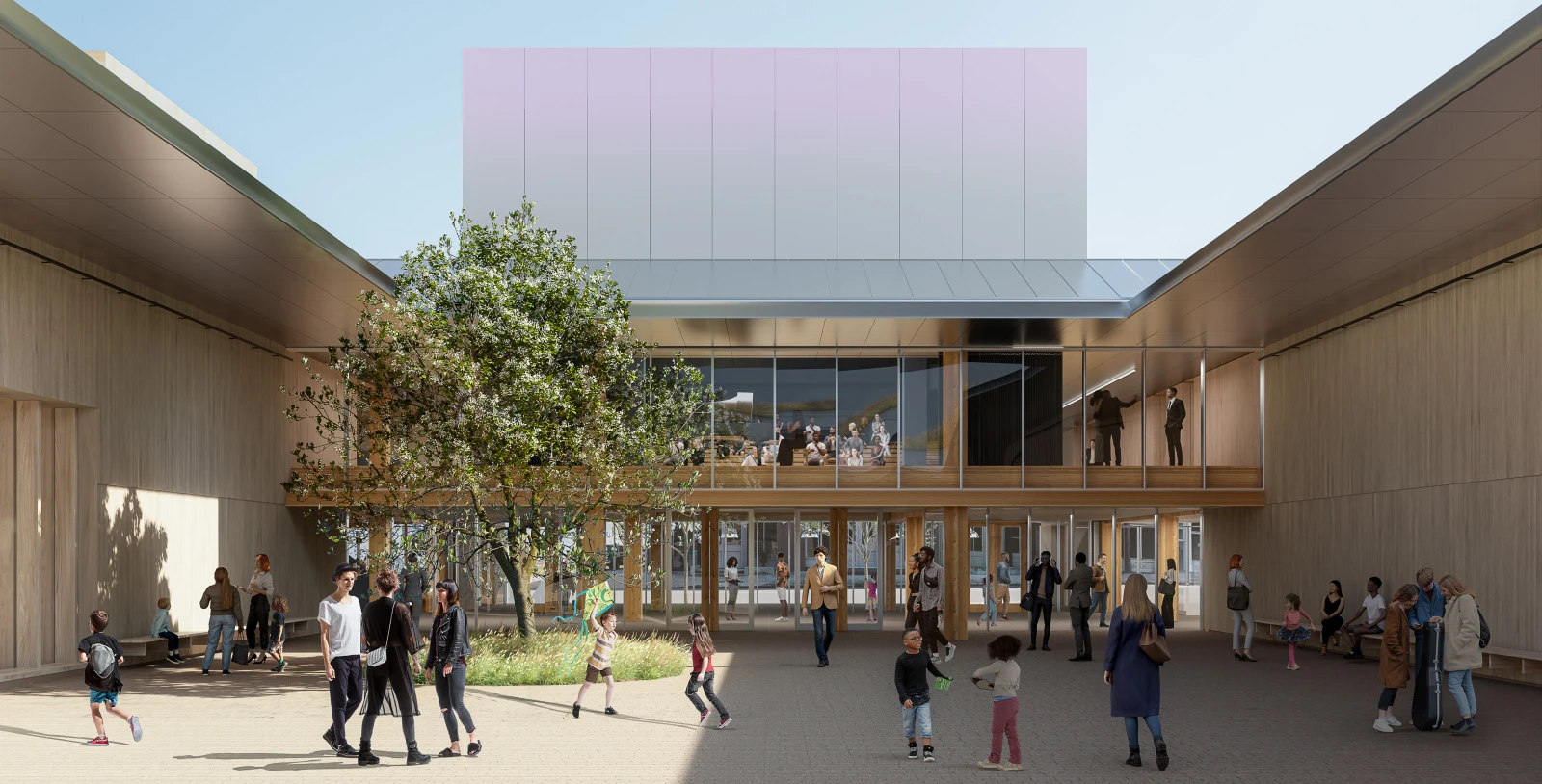
Designed by Herzog & de Meuron as the city museum of downtown Memphis, the Memphis Art Museum forms a key component of the redevelopment of the Mississippi River waterfront. Responding to the historical significance of the area and the guiding principles of the city’s foundational plan, the new structure extends the city’s traditional public scale along Front Street.
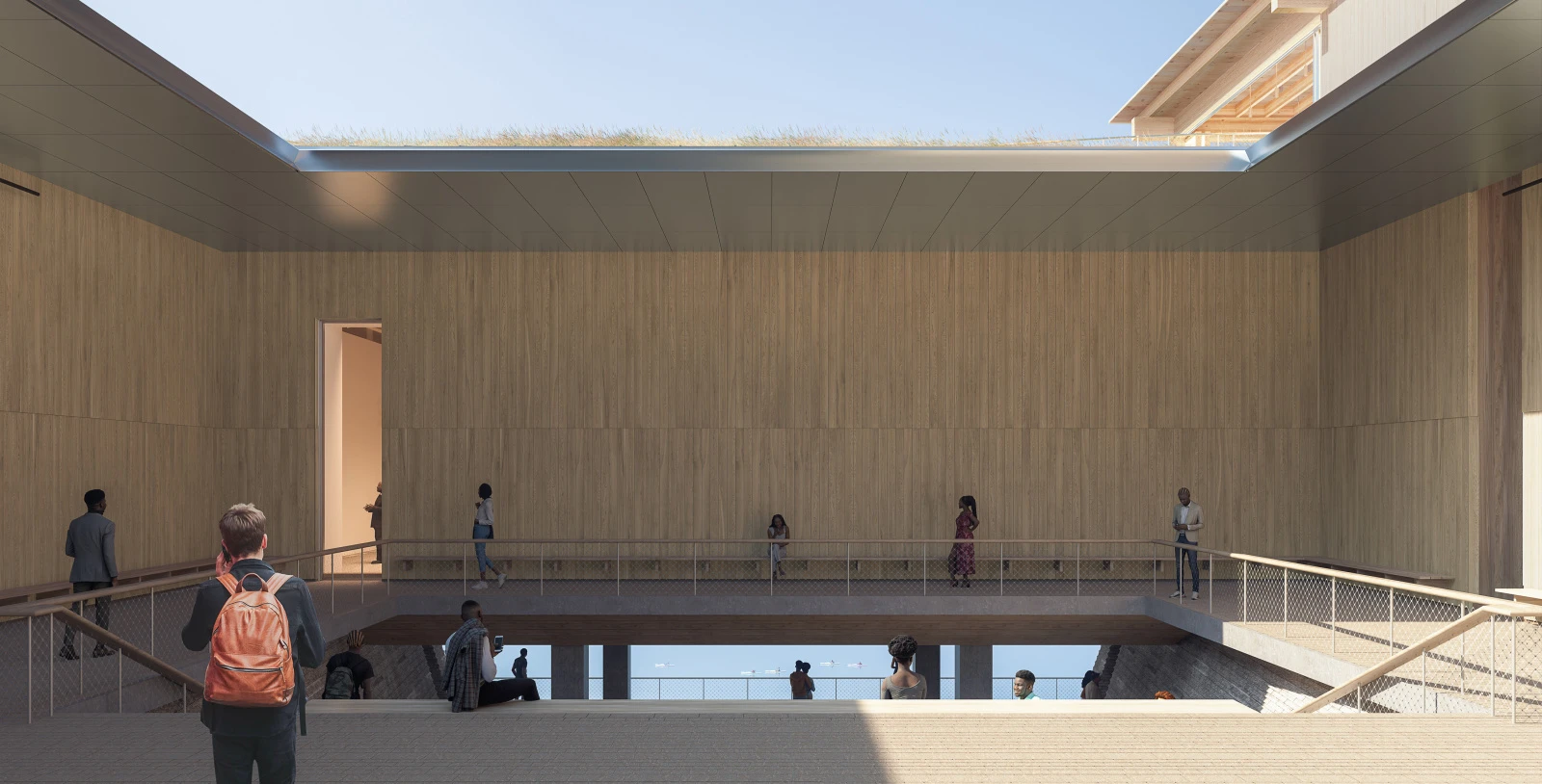
The Memphis Art Museum is composed of two primary elements: a gallery pavilion and a reconstructed bluff that functions as a sloping base. Together, these components form a sculptural structure that bridges downtown and the river. The flat, rectangular volume of the gallery pavilion, surrounding the inner courtyard, features a cladding reminiscent of the warm, earthy tones of clay exposed along the river, while the interior wooden structure is exposed.
7. Tashkent Centre for Contemporary Arts
Location: Tashkent, Uzbekistan
Architect: Studio KO
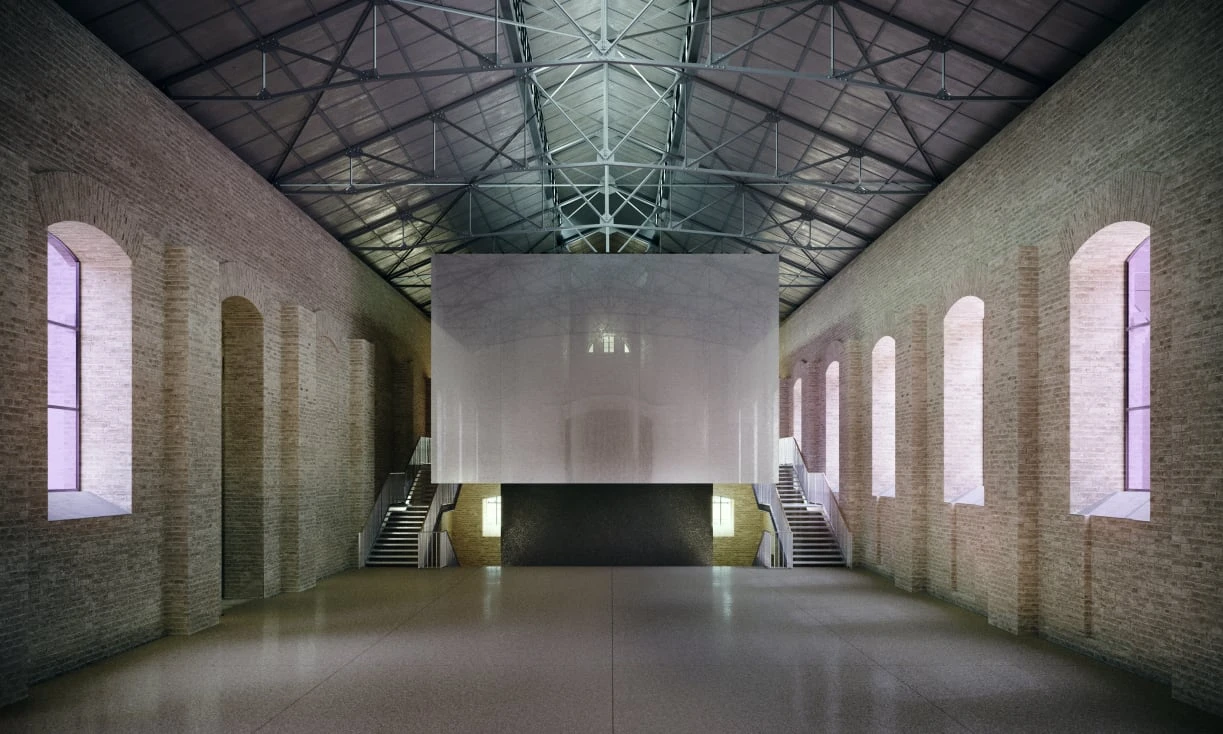
Serving as a platform for both Uzbek and international contemporary art, the Centre for Contemporary Arts, with its opening date in March 2026, is one of the museums worth visiting this year. Created through the transformation of a former tram depot and diesel power station dating back to 1912, the museum was redesigned by Studio KO and represents Central Asia’s first permanent institution dedicated to contemporary art and research.
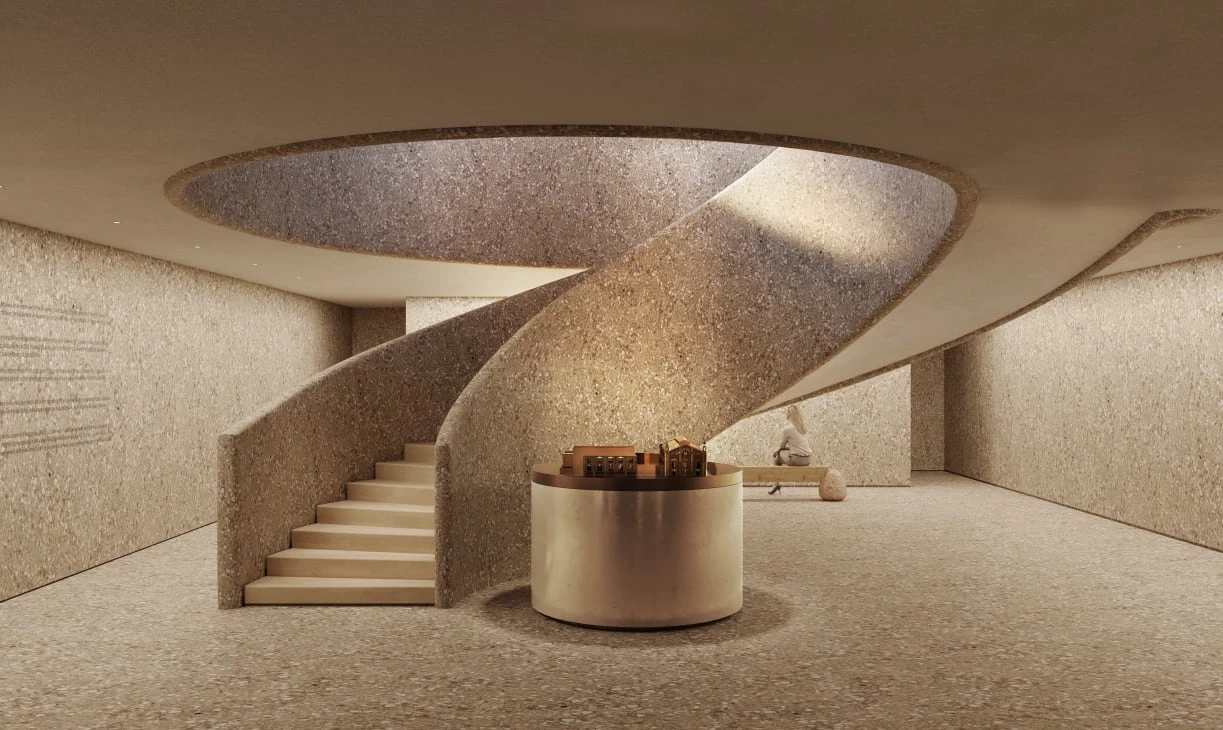
With an architectural approach that emphasizes continuity between past and present, the museum preserves the industrial character of the existing structure while incorporating new design elements. Designed with the motto “Honoring the memory of a strong industrial building while giving it new poetic life,” the Tashkent Centre for Contemporary Arts features contemplative and adaptable spaces with traditional Uzbek materials and light-filtering motifs. Designed to evolve alongside the diverse programs and ideas it will host, the new building thus becomes a catalyst for cultural exchange.
8. New Museum
Location: New York, USA
Architect: OMA
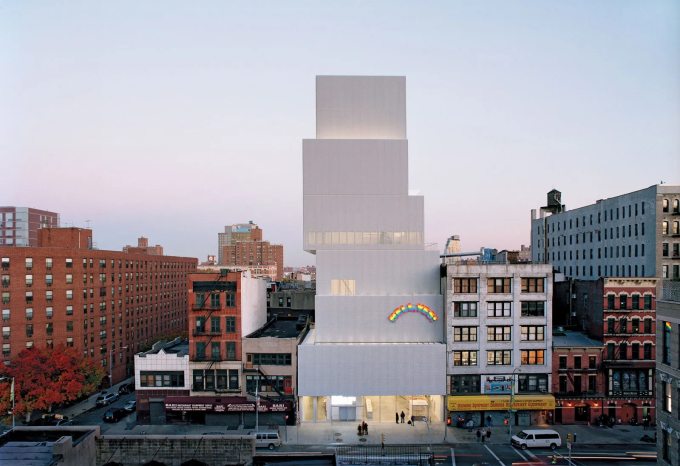
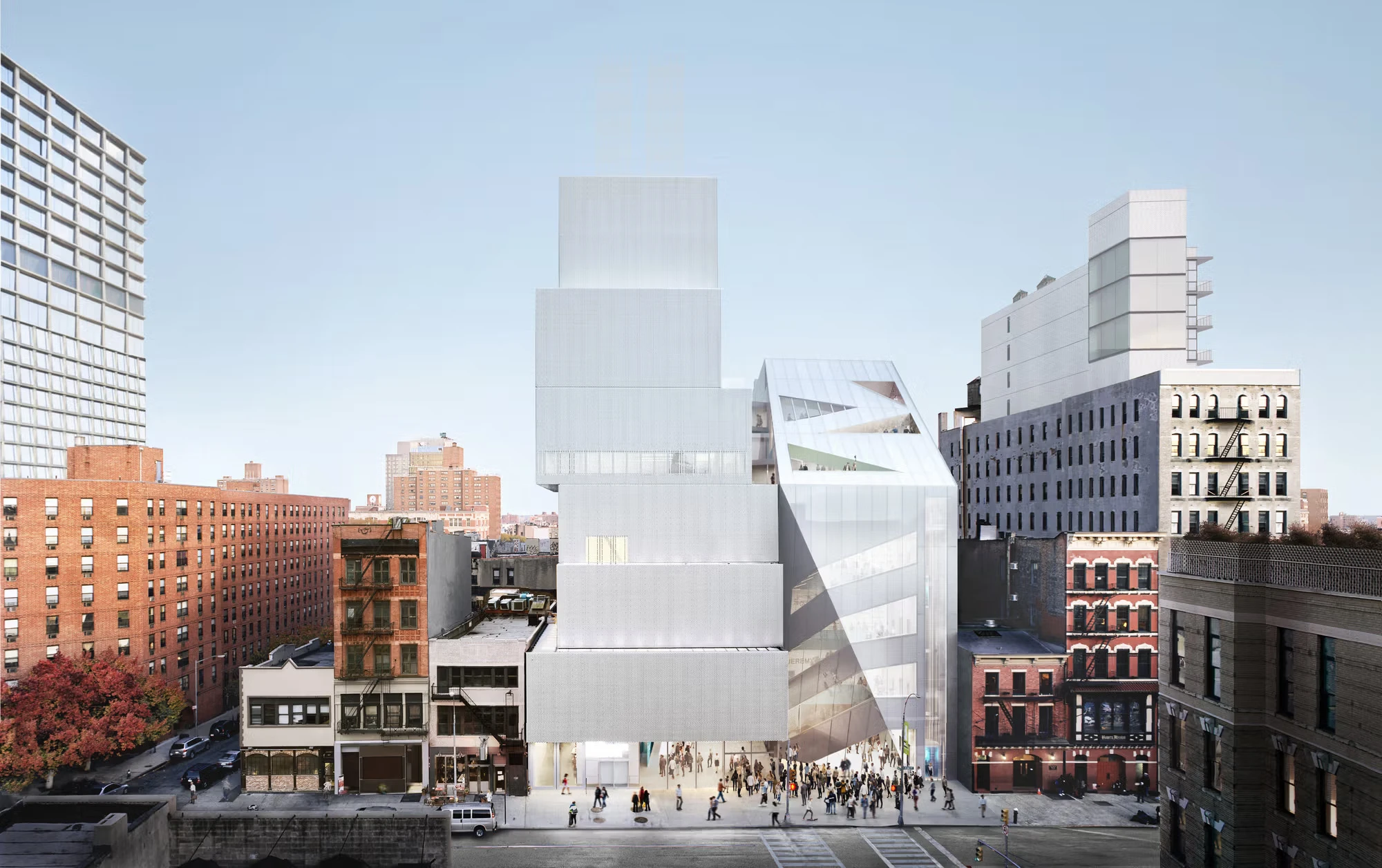
The New Museum, the only museum in New York City dedicated solely to contemporary artwork, is a center for exhibitions, research, and documentation of international living artists. In 2019, OMA was selected to design the museum’s expansion project, and the resulting 60,000 m² expansion aims to impress visitors when the New Museum opens on March 21, 2026.
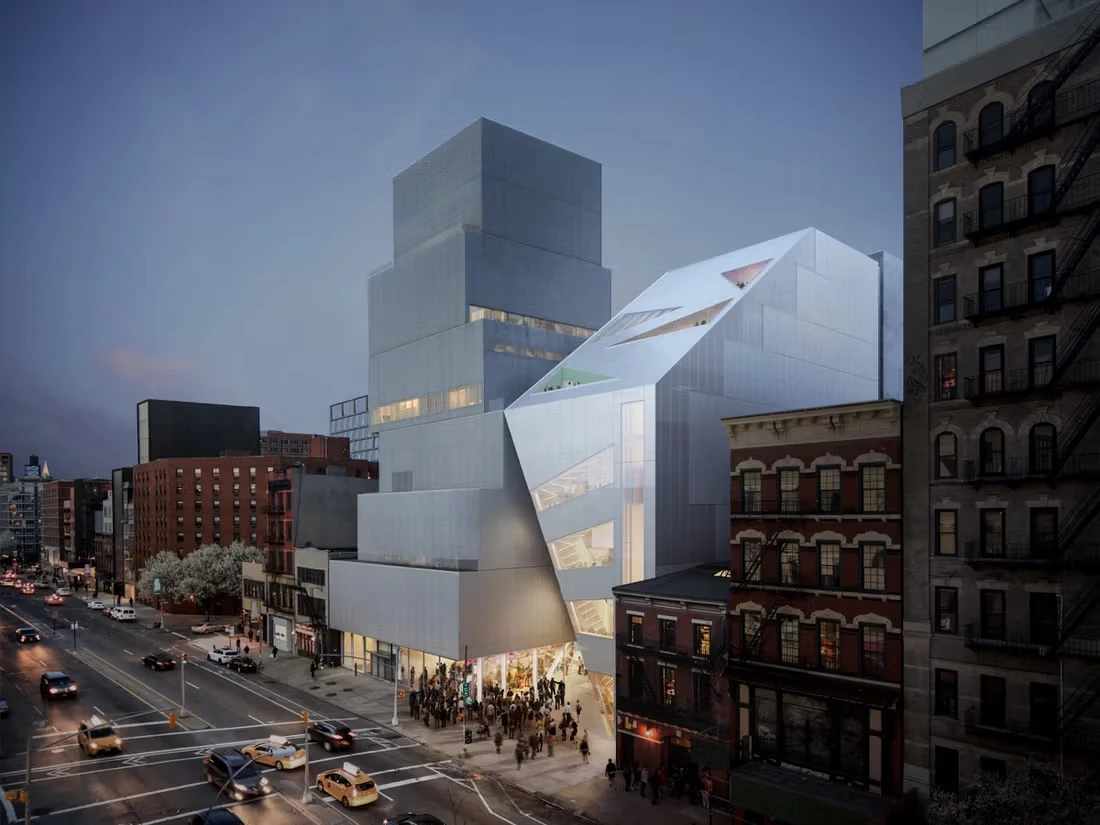
Complementing the existing flagship building designed by SANAA, the expansion doubles the museum’s gallery space, improving visitor circulation and providing dedicated facilities for the museum’s cultural incubator, NEW INC. While the seven-story addition presents a distinct exterior expression, it achieves seamless integration with the existing structure on the interior. Aligned ceiling heights on the second, third, and fourth floors ensure uninterrupted spatial continuity between the two buildings. The building’s exterior facade, using metal mesh laminated glass, creates an integrated facade that complements the original SANAA structure and enhances transparency.
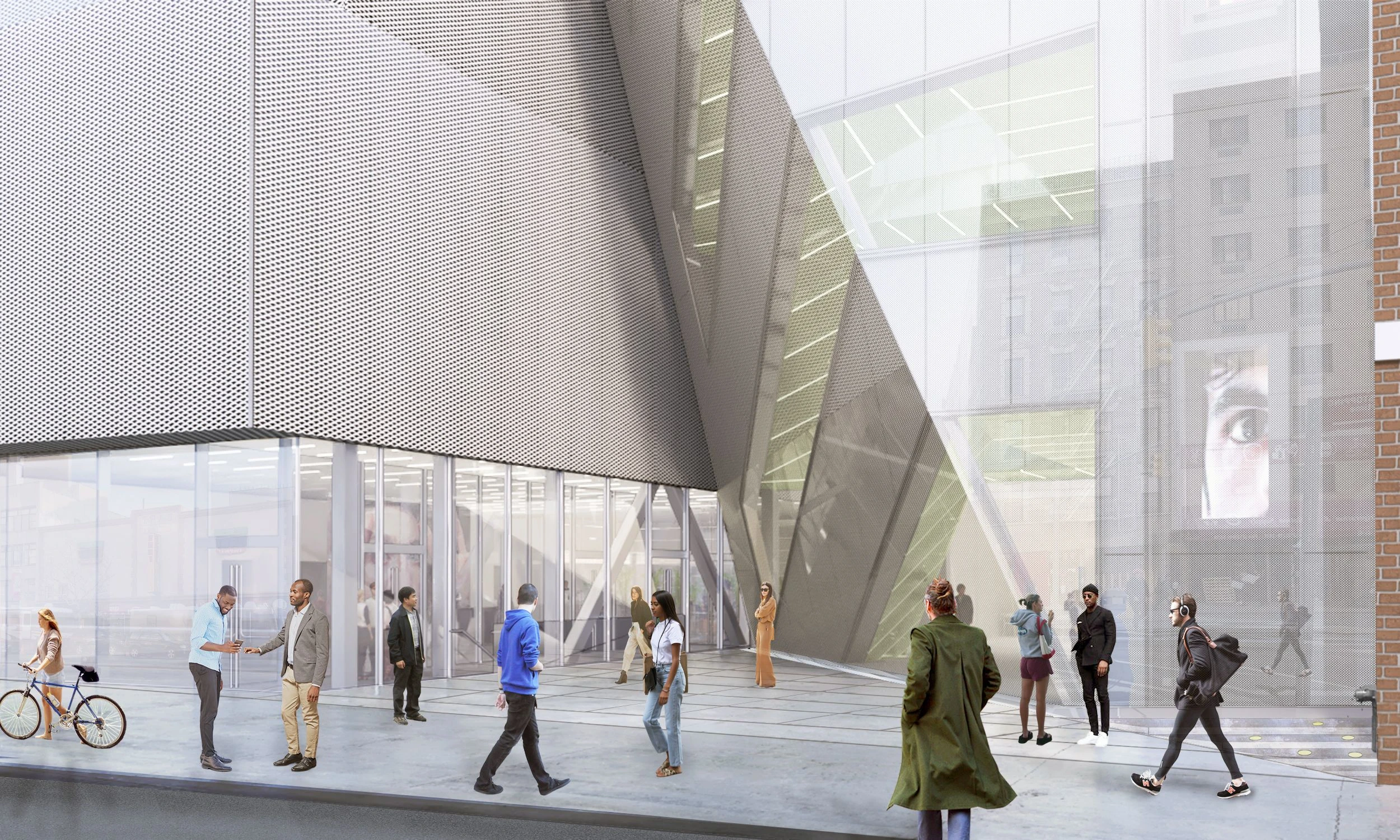
At ground level, the New Museum features an expanded lobby with a larger bookstore and a restaurant, while a new entry plaza offers a publicly accessible outdoor space. The upper floors accommodate a dedicated artist residency studio, a 74-seat forum, and additional space for NEW INC. The Sky Room on the seventh floor preserves panoramic views of Manhattan’s city center.
9. Drift Museum
Location: Amsterdam, The Netherlands
Architect: zU-studio
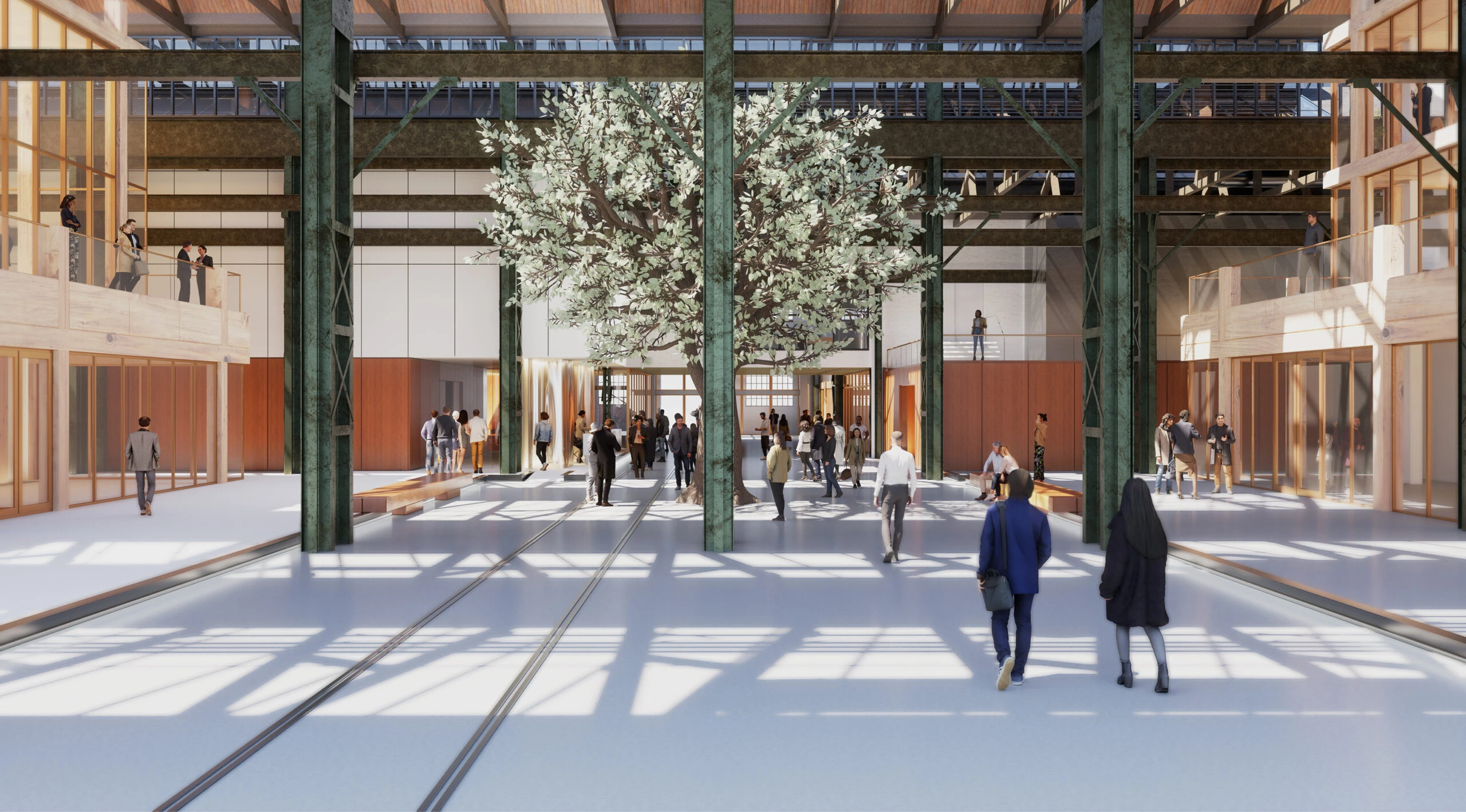
The Drift Museum, a project to repurpose the Van Gendt Hallen industrial complex, built between 1898 and 1905 for train and engine production, is one of the museums to visit in 2026. Designed by zU-studio, the project reimagines five monumental 19th-century factory halls as a dynamic environment where art, architecture, and sustainability converge. While preserving the Netherlands’ industrial heritage, the project simultaneously redefines it as a forward-looking cultural landmark for contemporary society.
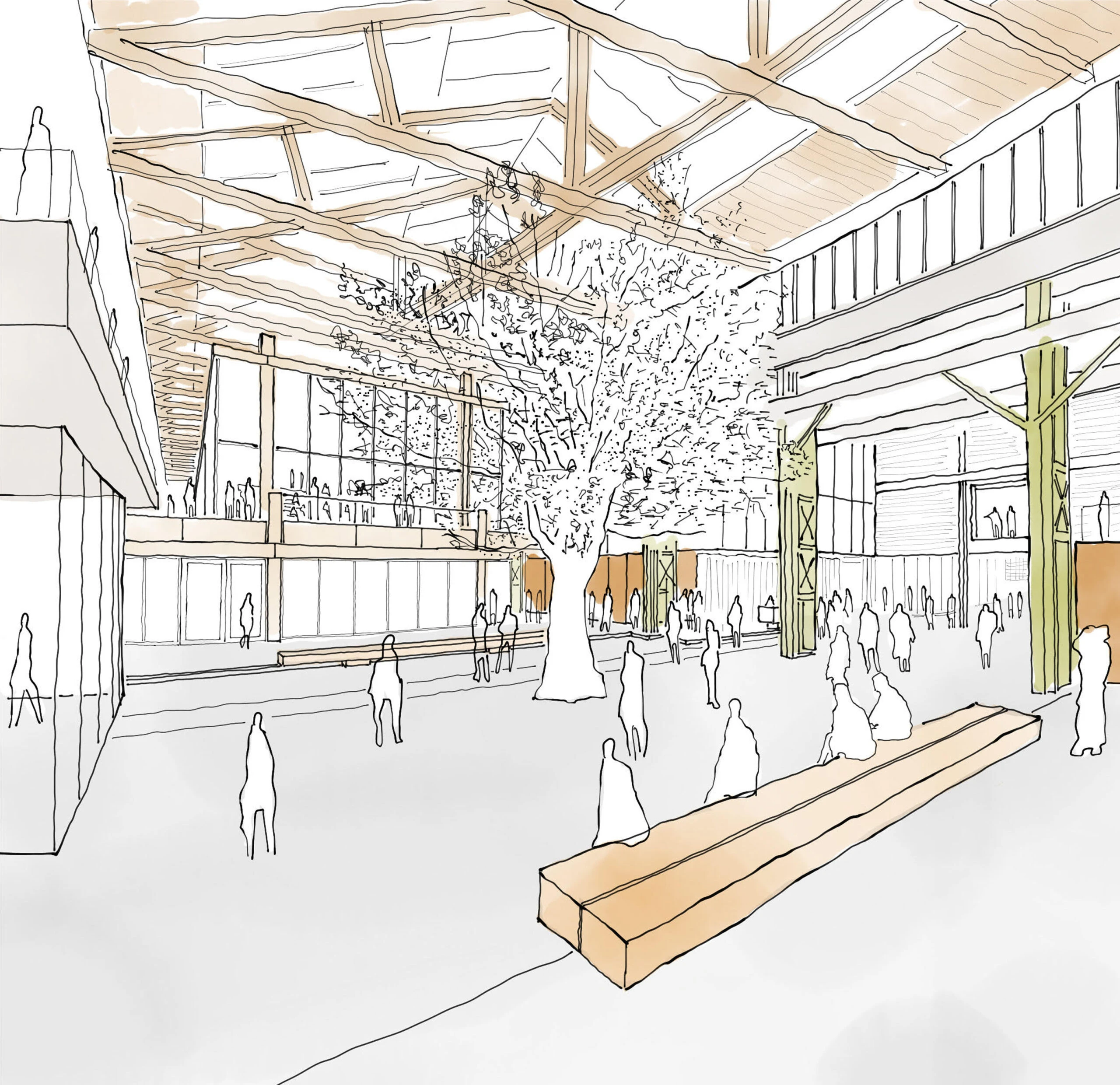
Spanning 8,000 m² within a historic complex, the Drift Museum represents the culmination of 18 years of work by artists Lonneke Gordijn and Ralph Nauta. Designed as a dialogue between art and architecture, the museum itself becomes part of the experience. Inspired by Drift’s Materialism series, the museum’s spaces expand and contract to accommodate diverse works while maintaining a neutral and serene atmosphere that keeps art at the forefront. Moving beyond static exhibitions, the Drift Museum supports flexible activation for performances and large-scale events. Rather than functioning as a fixed container for art, it emerges as a living cultural institution in constant evolution.
10. ZAMU (Zaanstad Amsterdam Museum)
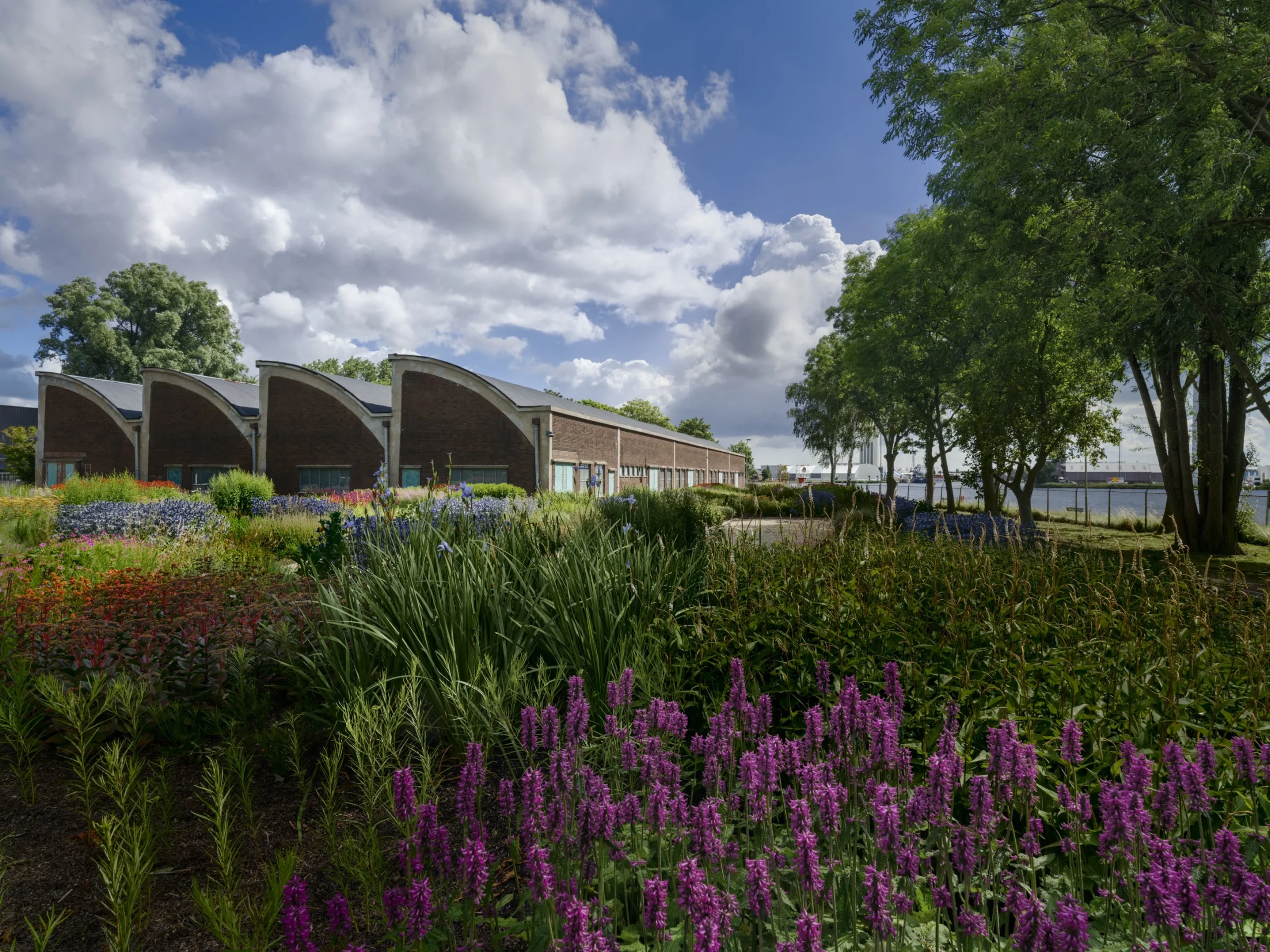
Location: Amsterdam, Netherlands
Scheduled to open to the public in the spring of 2026, ZAMU is located on the banks of the Zaan River, 9 km north of Amsterdam Central Station. As one of the must-visit cultural destinations of 2026, the expansive site features 16 independent industrial buildings, each dedicated to the work of a single artist. These permanent installations are set within a constantly evolving, large-scale meadow garden designed in 2023 by Dutch landscape architect Piet Oudolf. The naturalistic landscape design creates a seamless transition between architecture and environment, making the museum space an integral part of the visitor experience.
Explore Courses
.jpg "Ondrej Chybik - Rethinking Architecture")