


Architecture is entering a moment where its boldest ideas depend on the materials. Since microorganisms can now grow concrete, polluted soil can return as clean brick, and facades can purify air while producing biomass.
Across emerging experiments, from fossil-free steel to adaptive bio-foams, materials are doing far more than simply supporting buildings. They are absorbing emissions, transforming waste into structure, and responding to ecological conditions, shifting architecture toward performance, adaptability, and environmental intelligence.
PhotoSyntetica
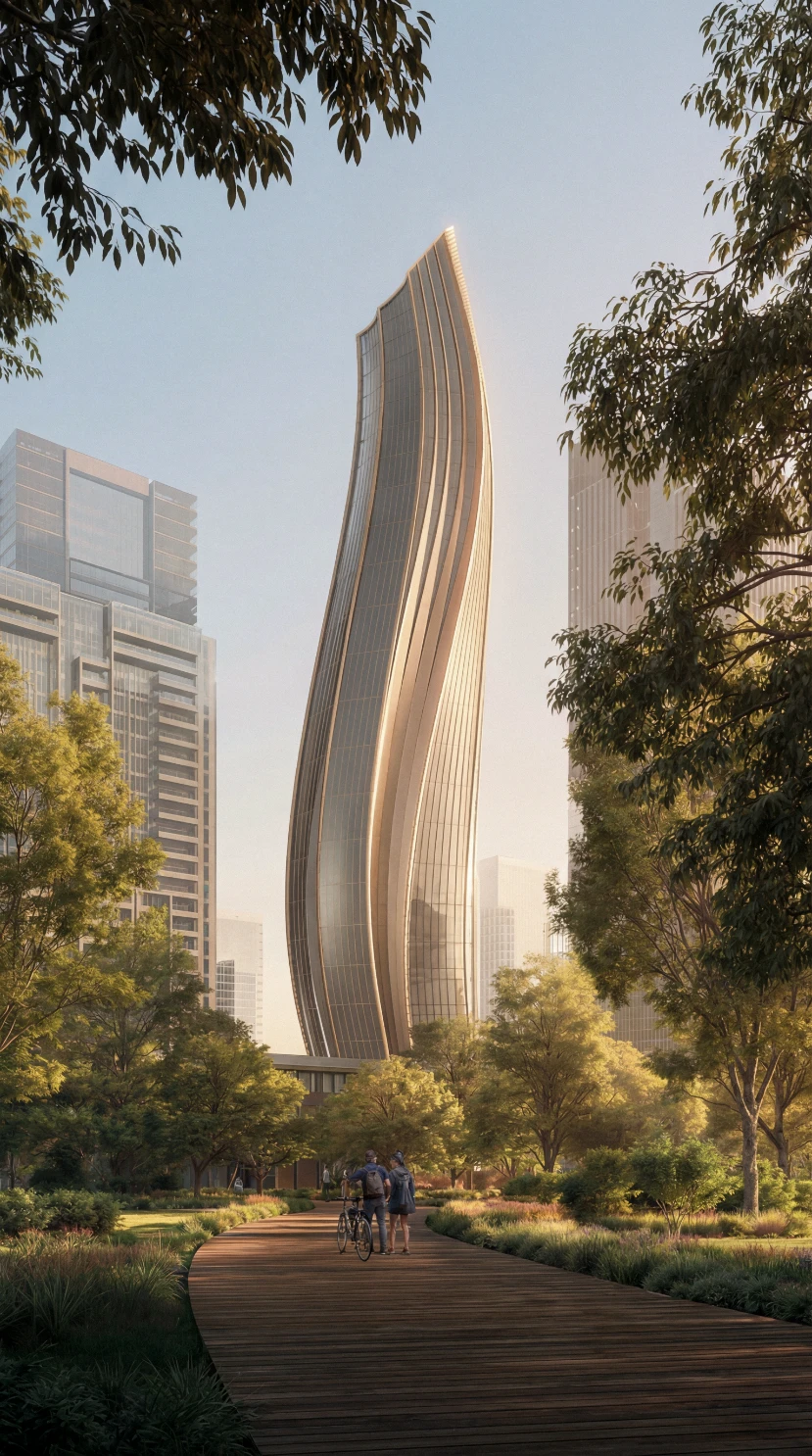
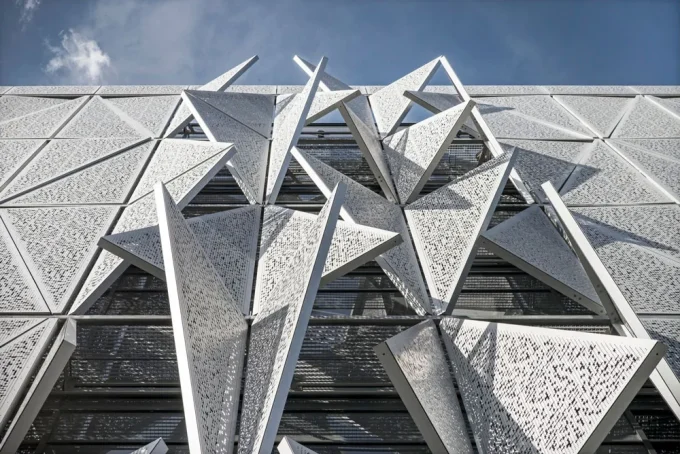
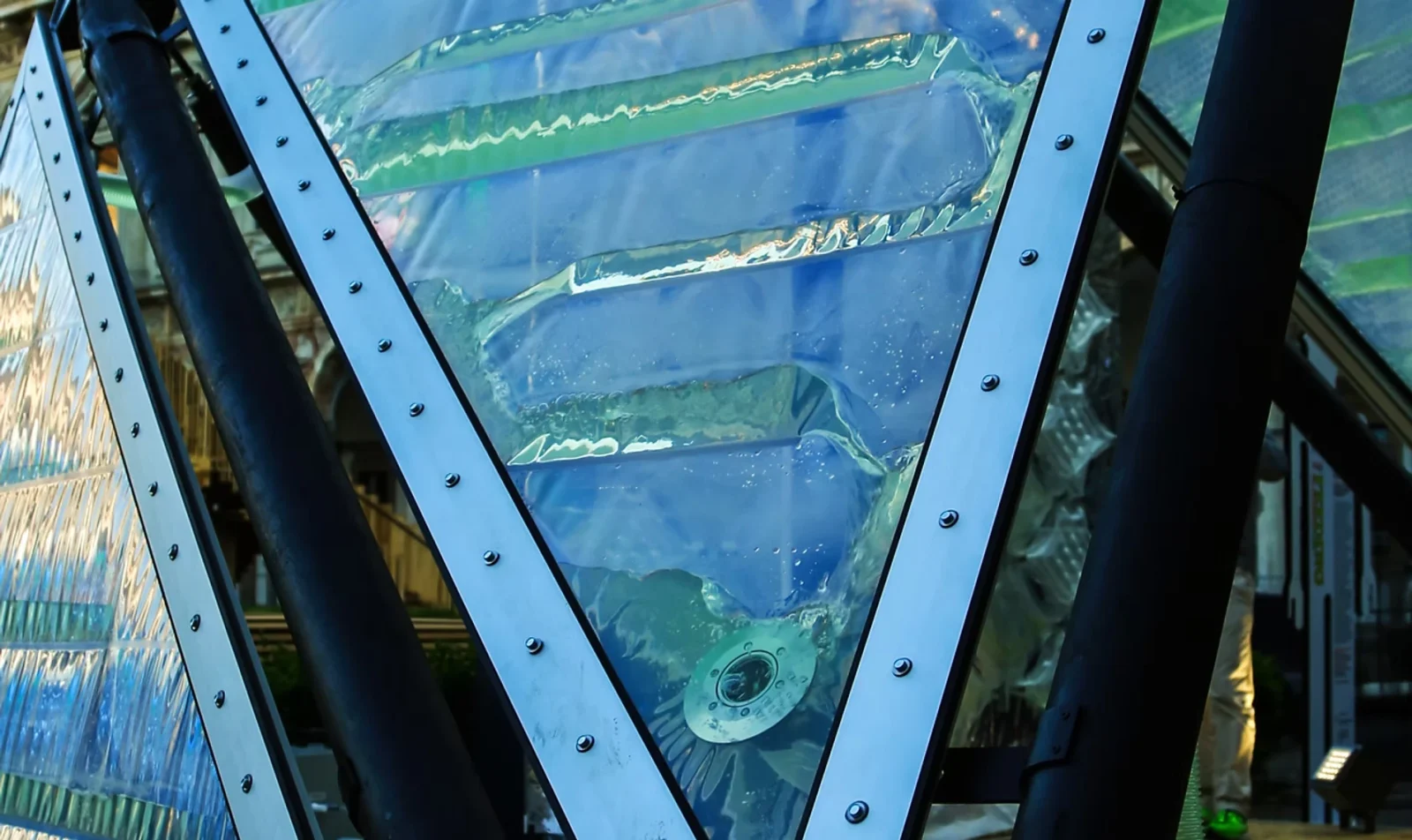
PhotoSynthetica by ecoLogicStudio turns a building’s facade into a living, air-cleaning skin. The panels are made of ETFE and bring in city air from below. Inside, bubbles pass through a liquid filled with microalgae. The algae absorb carbon dioxide and pollution, then release fresh oxygen at the top.
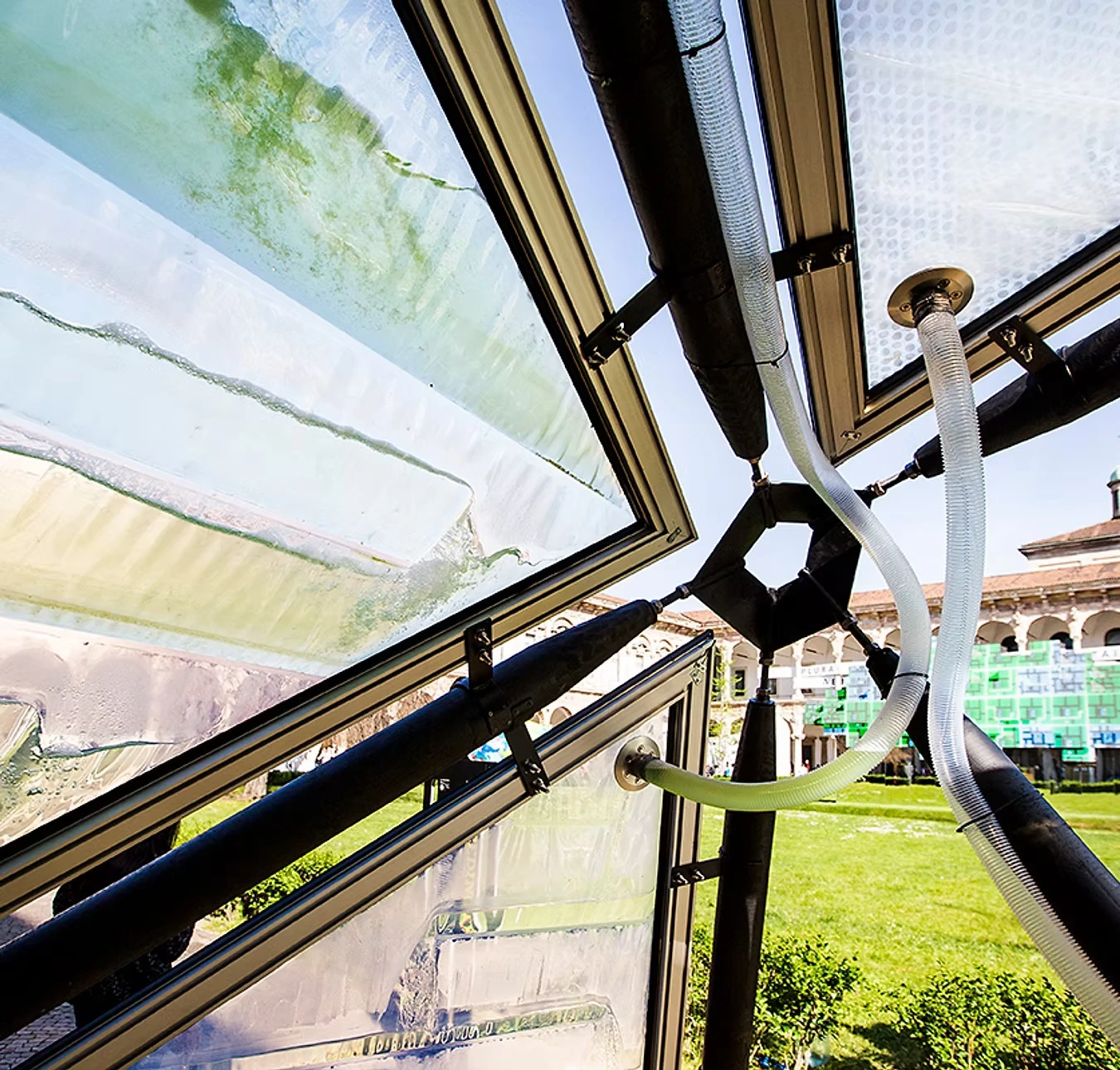
This system makes the building’s exterior act like a natural air purifier, which is ideal for crowded cities. The panels are designed to get maximum sunlight, so just two square meters of them can remove as much carbon dioxide as a full-grown tree. Sensors monitor the air, temperature, and algae growth, allowing the facade to adjust automatically for new and existing buildings.
Biocement
Biocement by Biomason replaces Portland cement with a microorganism-grown binder rather than utilizing fossil-fuel-fired kilns. Bacterial spores activate within a mixture of gravel, sand, and nutrients, precipitating calcium carbonate, which binds aggregates together to form solid concrete.
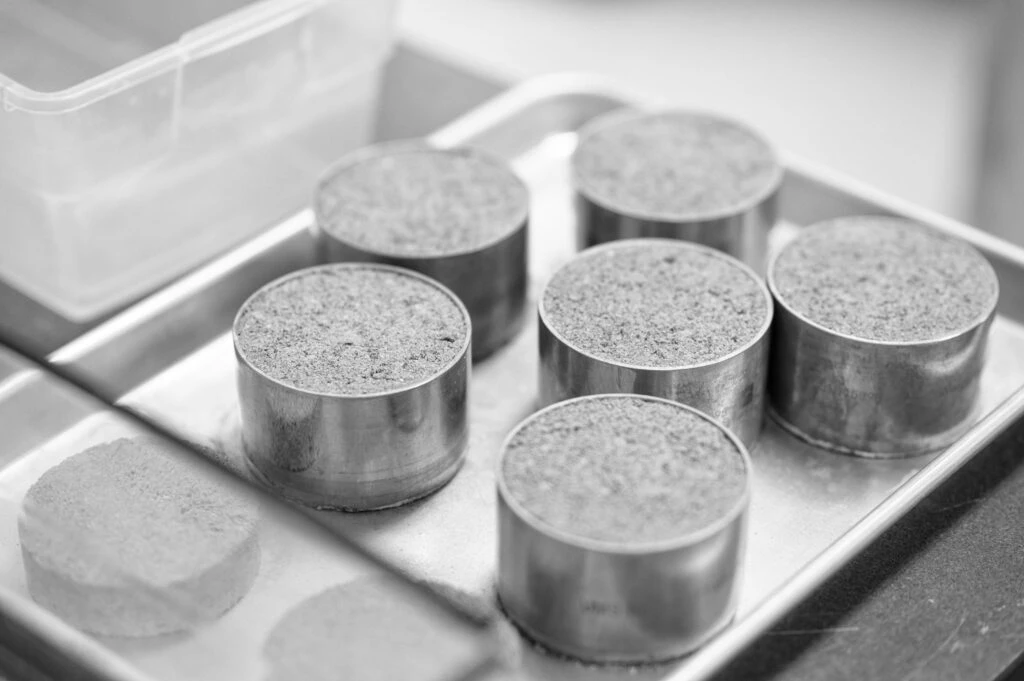
By skipping kiln firing and limestone heating, this method cuts emissions by over 90%. Instead of releasing carbon, it actually uses carbon as part of the building material. Its big advantage is that factories can make it with the same equipment they already use for blocks and pavers, like mixers, presses, and curing systems.
AuREUS (Aurora Renewable Energy and UV Sequestration)
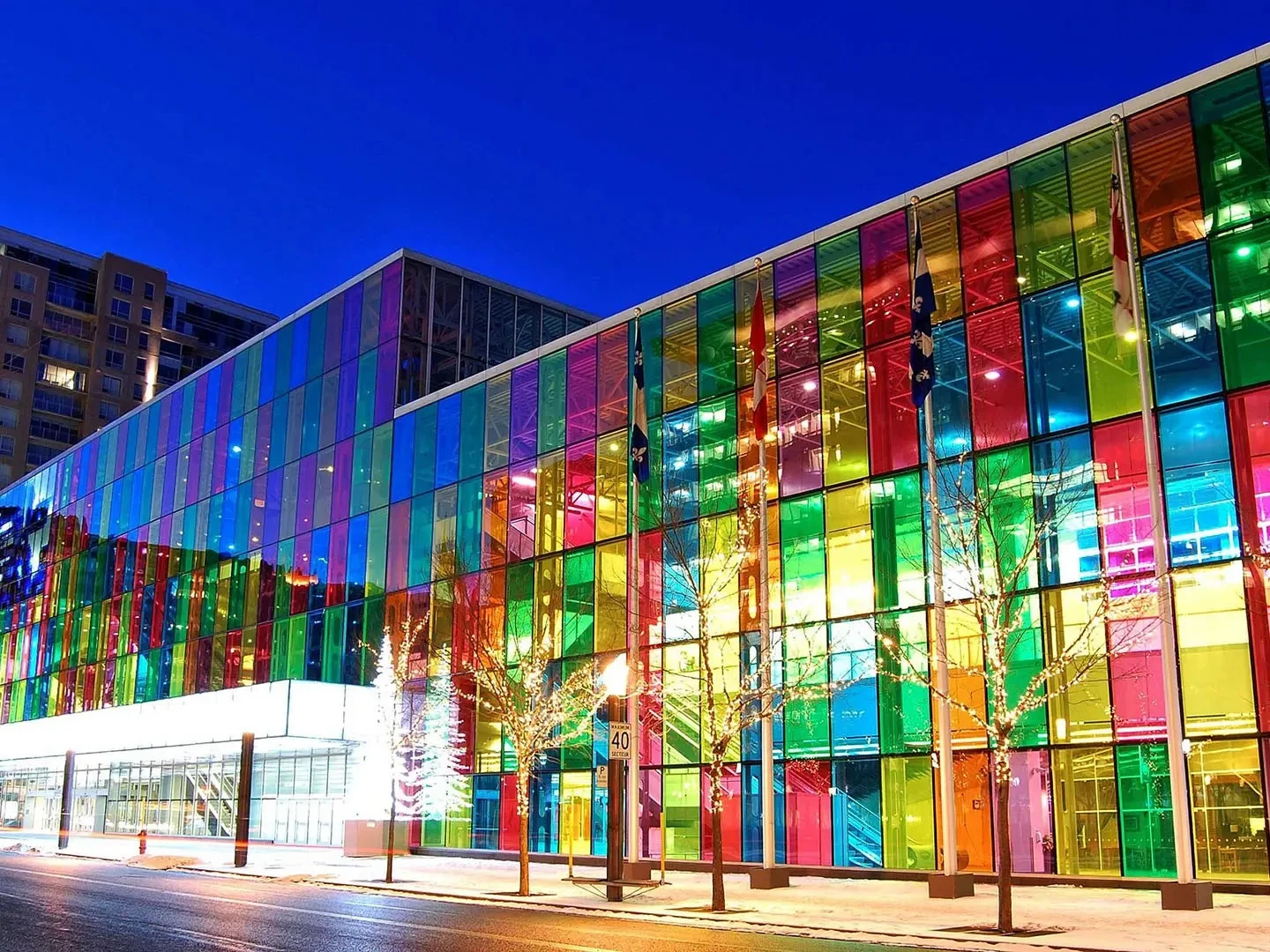
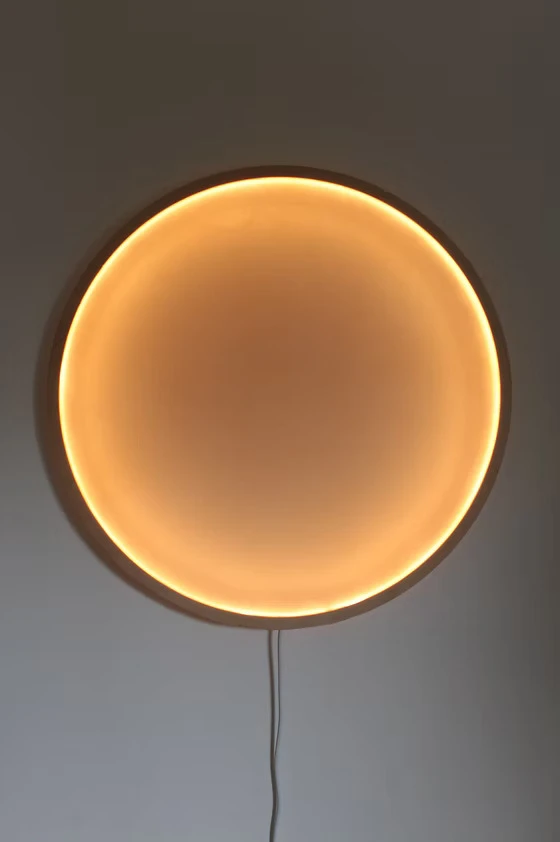
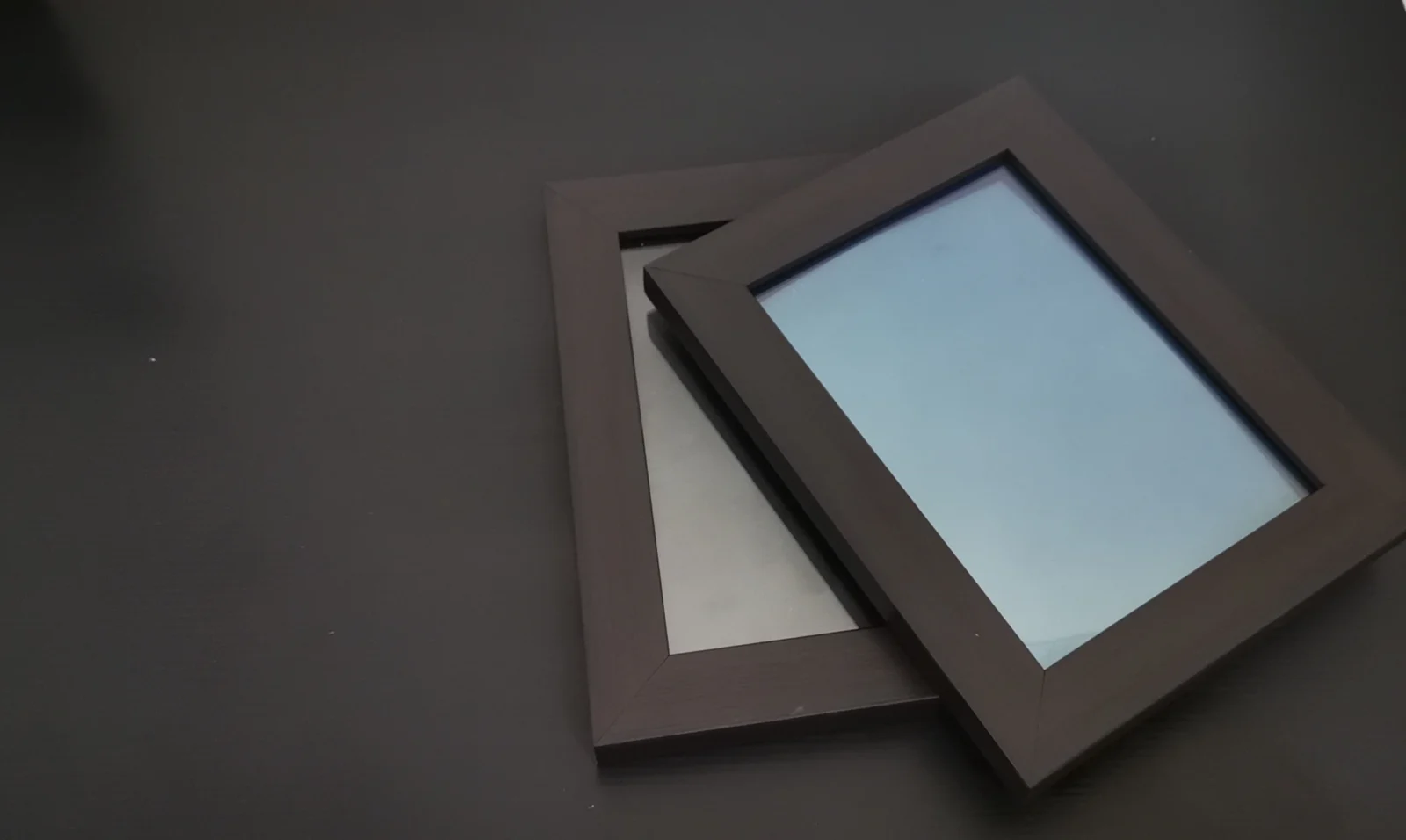
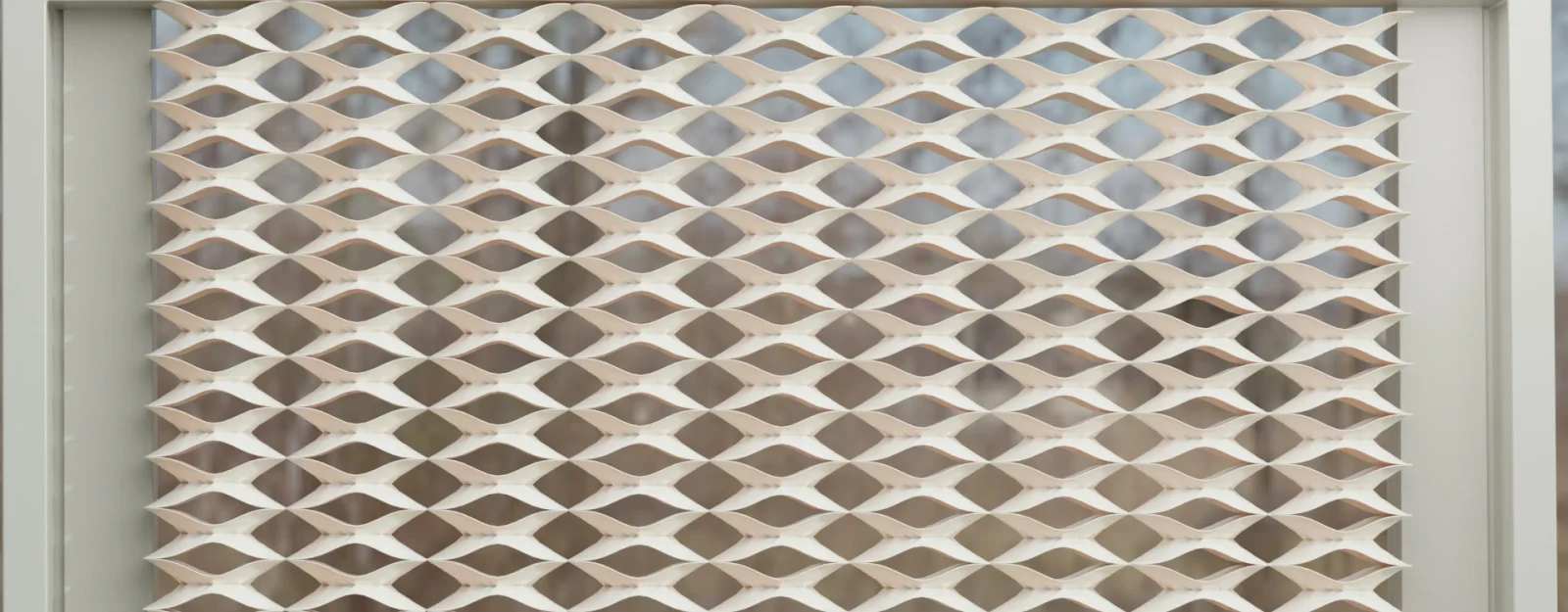
AuREUS, designed by Carvey Ehren Maigue, turns walls and windows into vertical solar farms using leftover fruit and vegetable waste. Inspired by the aurora, it suspends glowing particles from this waste in a resin. When UV light hits them, the particles shine toward the panel edges, where solar cells turn the light into electricity.
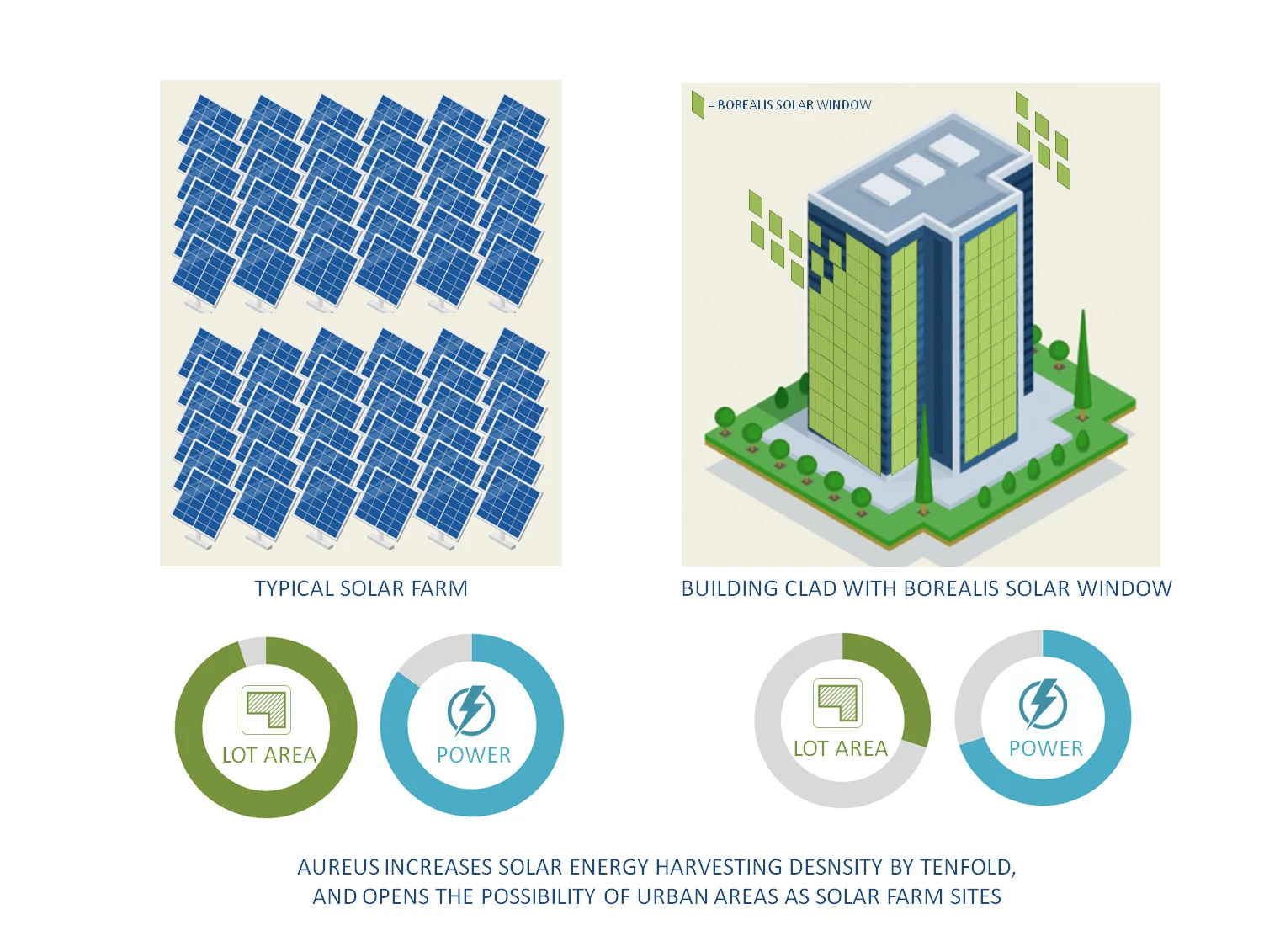
Unlike regular solar panels, it can use scattered UV light, so it generates electricity even on cloudy days or in shaded areas. It turns glass buildings and city walls into energy-producing surfaces while giving crop waste a second life. Future research aims to make all colors from fruit and vegetable waste, including a stable natural blue.
PFAS bricks
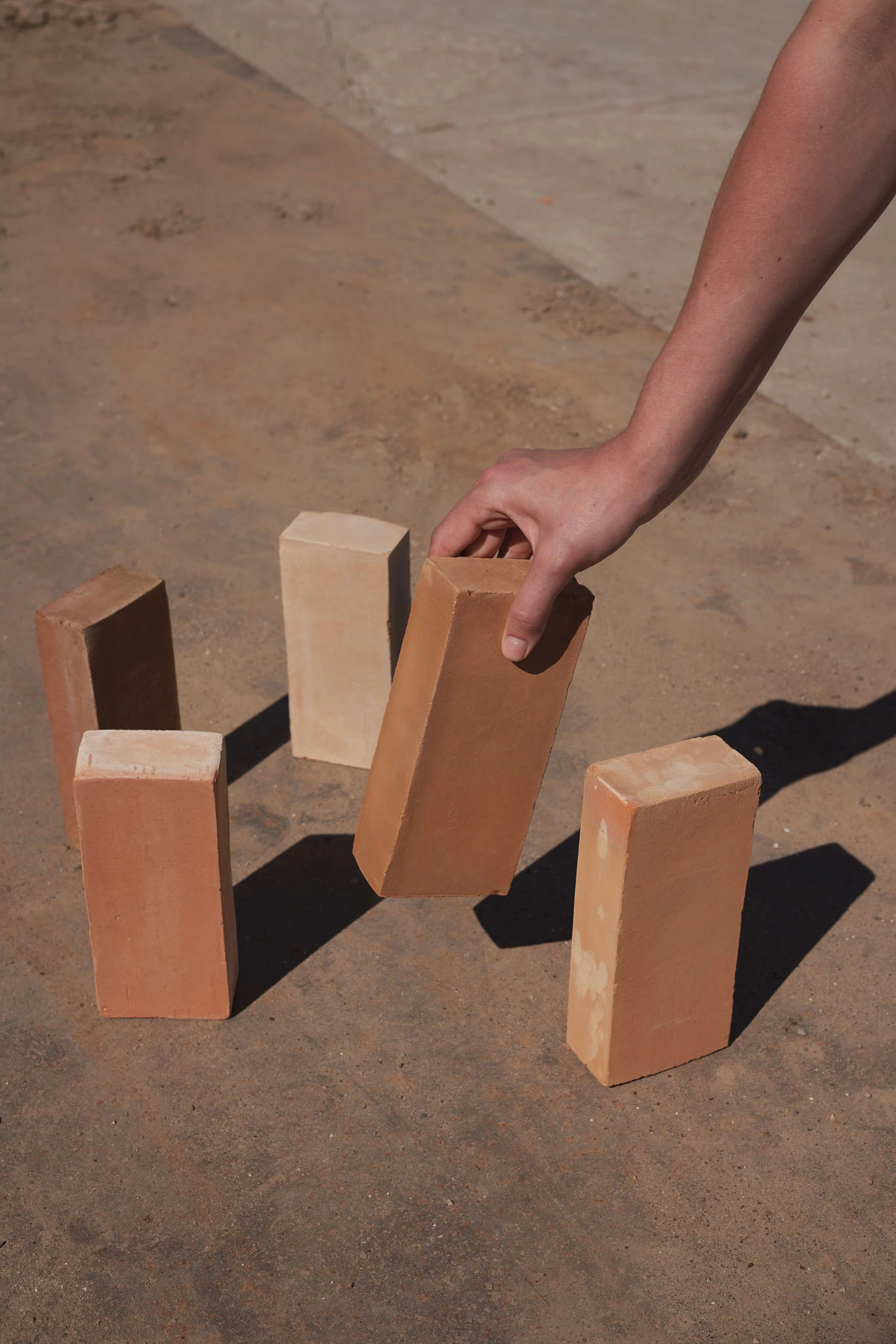
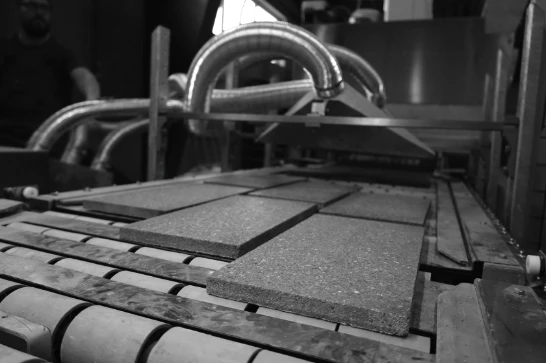
Claybens’ PFAS-free ceramic bricks turn polluted soil into useful building materials. Dutch designer Emy Bensorp takes PFAS-contaminated clay and fires it at high temperatures, destroying the harmful chemicals. The clay becomes clean ceramic, which can be made into bricks, tiles, vases, or toilet bowls.
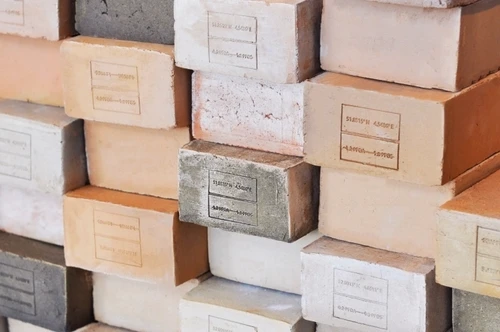
Since production happens on a large scale, it cleans lots of soil. Each brick keeps its natural color variations and is stamped with the soil’s origin and how much PFAS was removed.
HYBRIT (Hydrogen Breakthrough Ironmaking Technology)
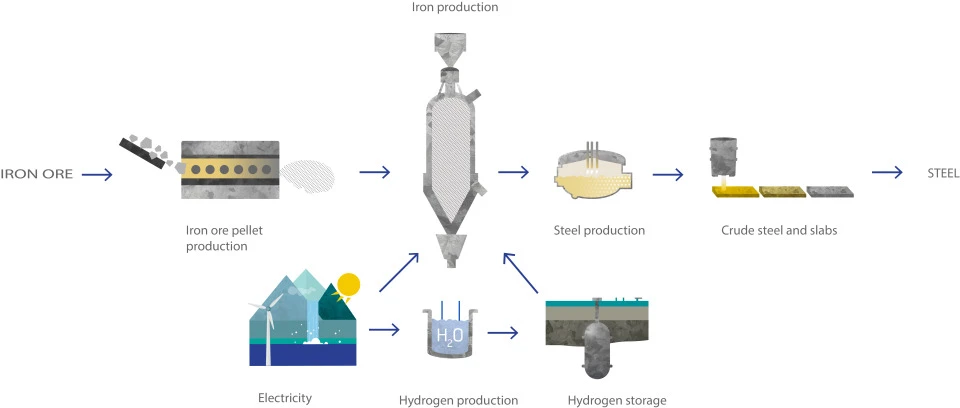
HYBRIT is rethinking steel by replacing coal with fossil-free hydrogen. It uses hydrogen, which is produced by splitting water with renewable electricity, to remove oxygen from iron ore. This process produces sponge iron, a key step in steelmaking.
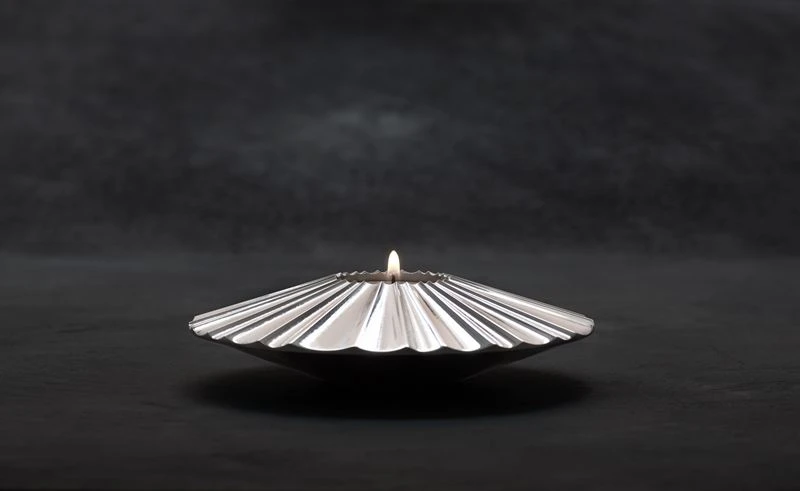
Instead of releasing carbon dioxide, the method generates only water vapor, drastically reducing emissions from one of construction’s most carbon-intensive materials. After pilot plants and fossil-free pellets, HYBRIT is moving toward large-scale industrial deployment, covering the entire process from mine to finished steel, offering a clear path to low-carbon structural materials.
Bacterial Cellulose Textiles
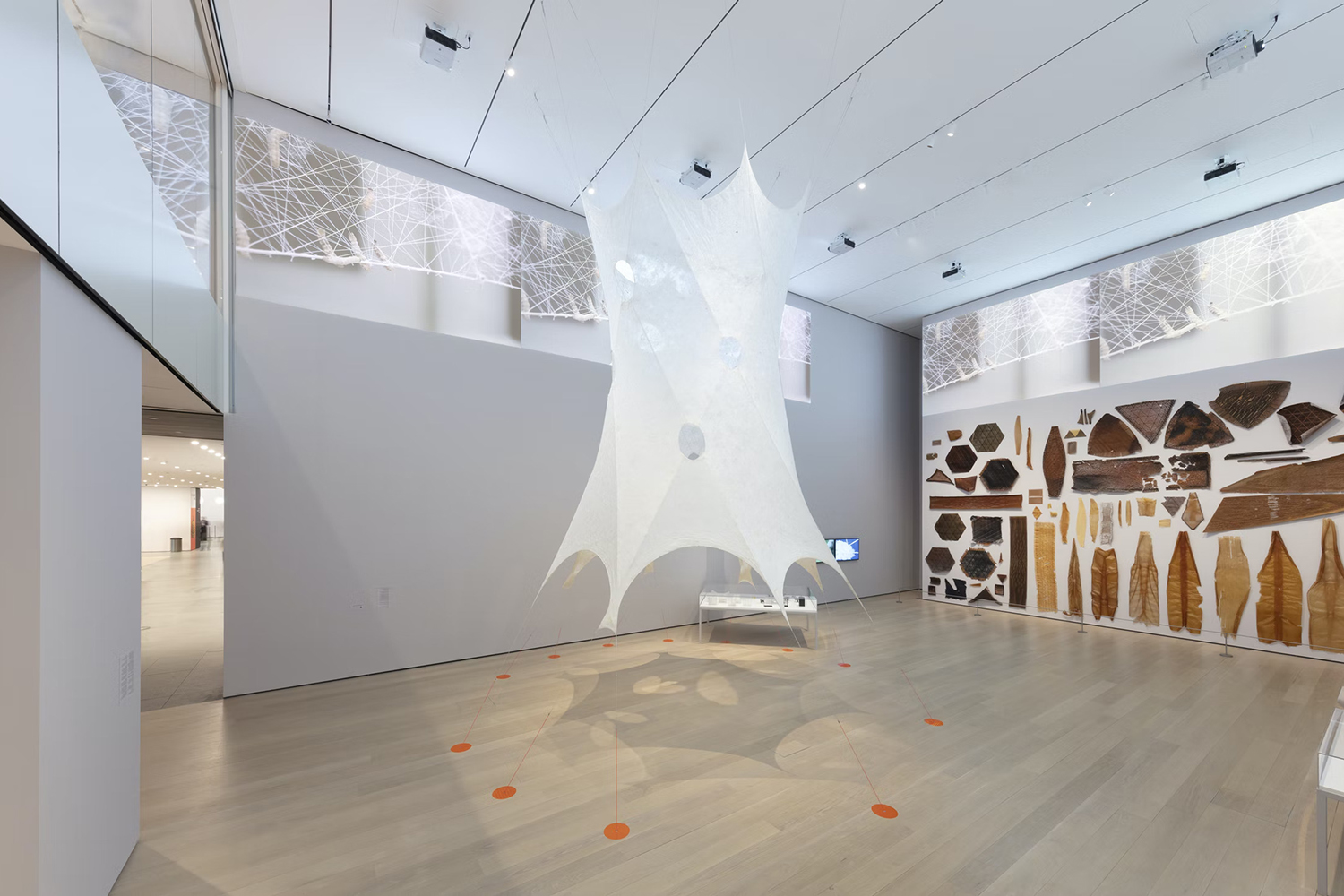
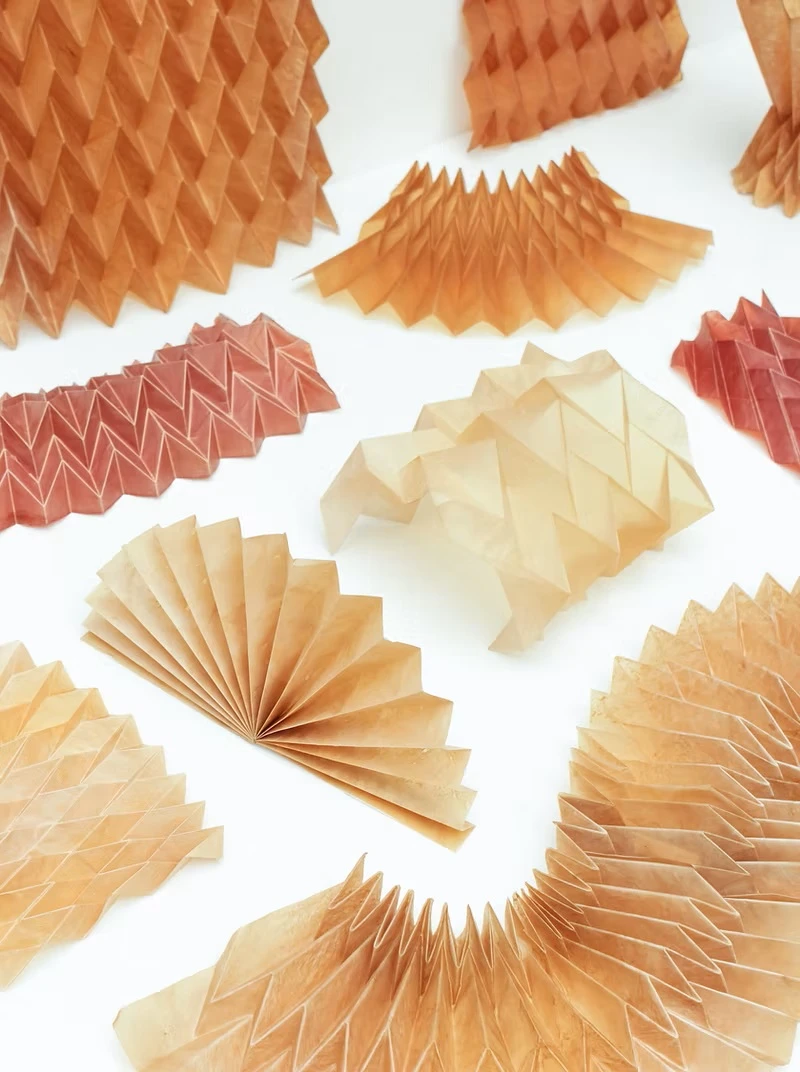
Lionne van Deursen Studio’s Biotic explores textiles made from bacterial cellulose produced through fermentation using yeast, bacteria, and sugared green tea. As microorganisms feed and grow, they spin nanofibers, which progressively create a surface sheet that dries into a tough, flexible, and leather-like, completely biodegradable material.
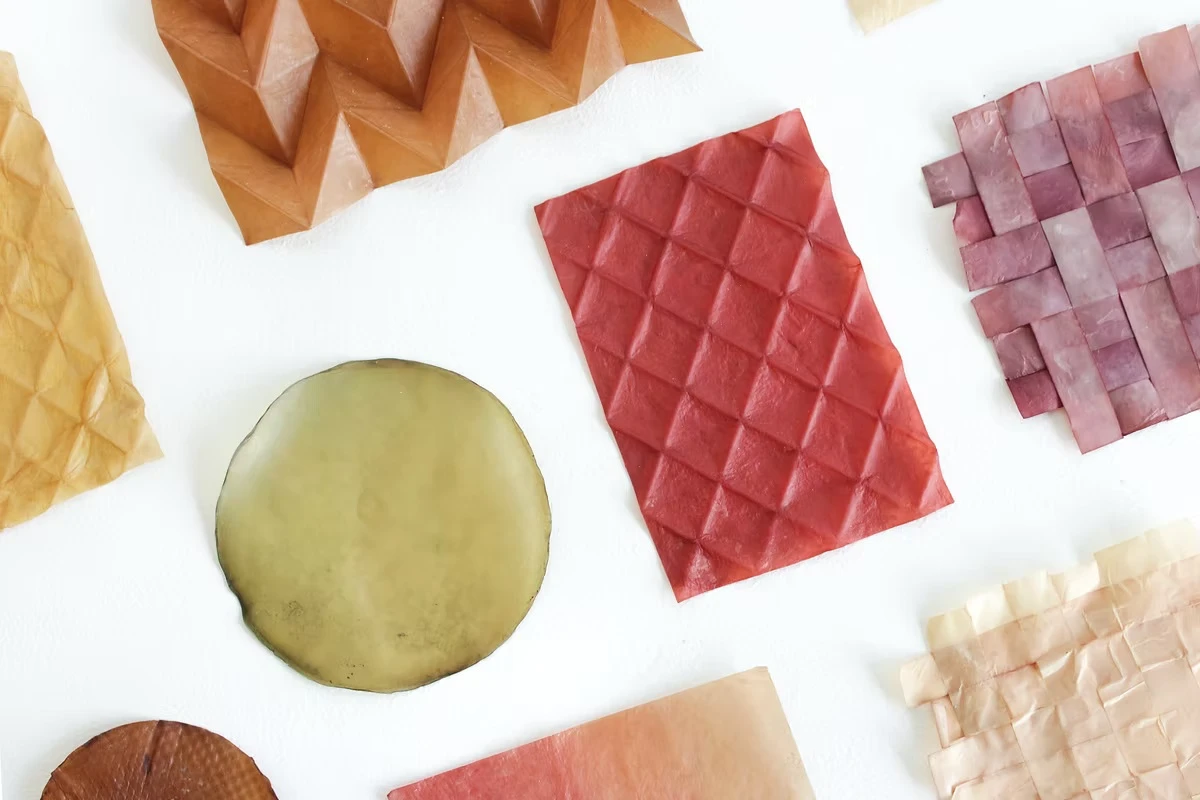
Its most remarkable quality is that it can be shaped during growth, as the textures formed while wet remain visible after drying. Since thickness, translucency, and strength vary with growth time, the material encourages designers to embrace natural variation over industrial uniformity. It also absorbs dyes easily, including plant-based and fruit-waste pigments, producing fabrics with a wide range of colors, textures, and translucency levels.
Corncretl
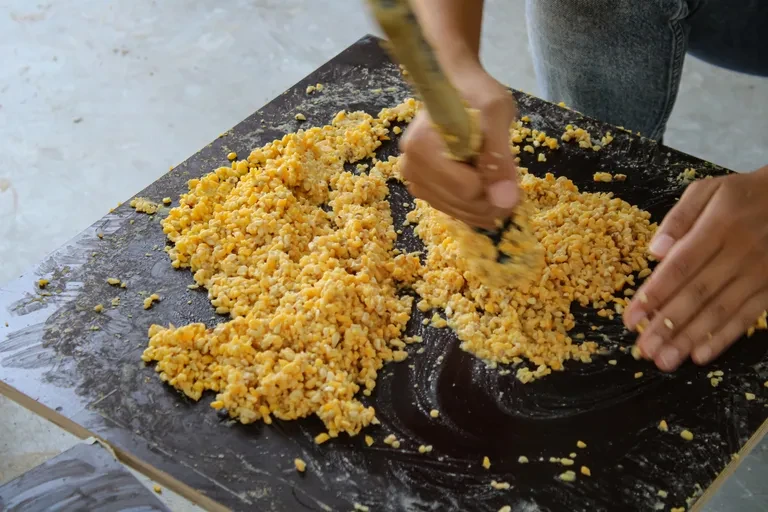
Corncretl created by Manufactura blends limestone derivatives, corn, and recycled nejayote, which is a calcium-rich byproduct of Mexico’s nixtamalization process that converts agricultural waste into a structural material. It combines corn and corn-processing content with Geocalce T, a mineral aggregate made of certified natural lime, to produce Corncretl.
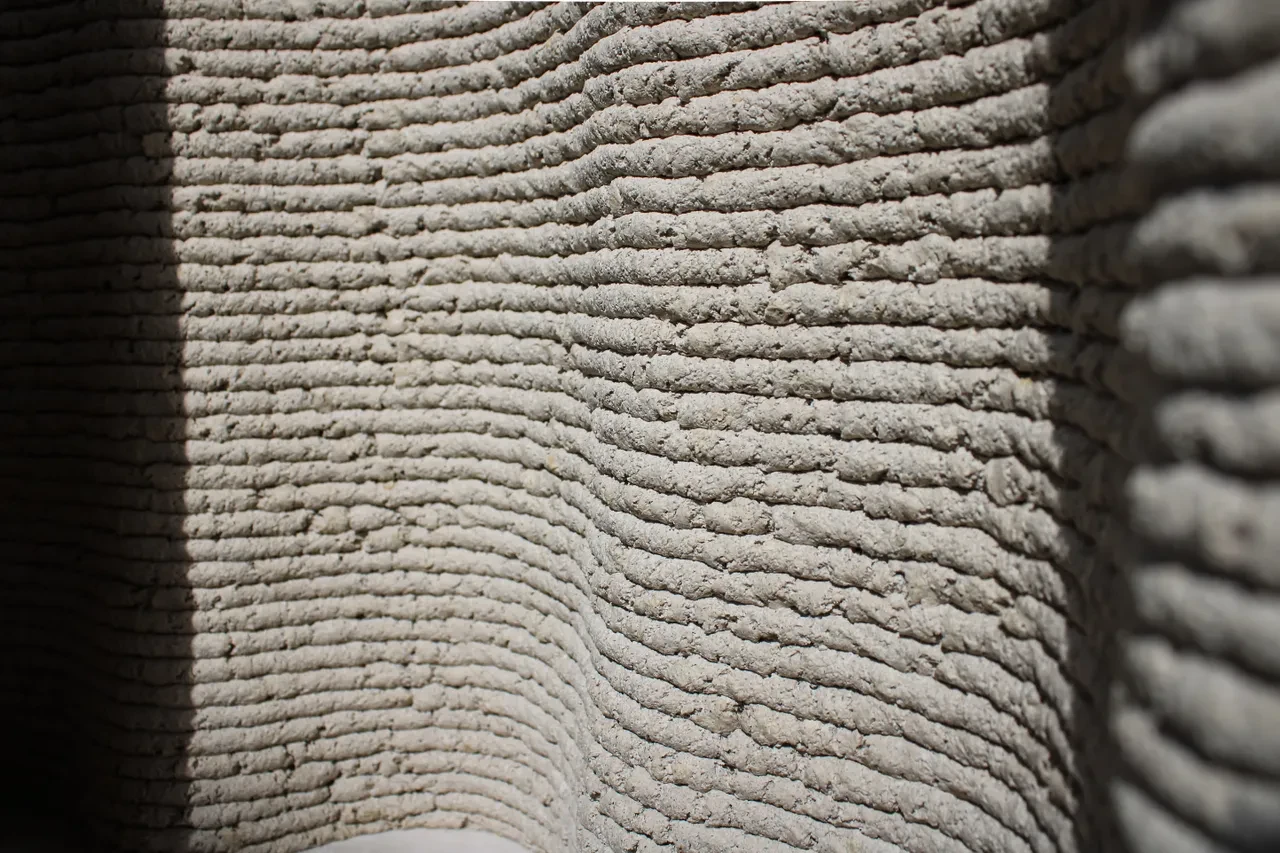
The resulting material cuts carbon emissions by around 70 percent compared to conventional concrete. Its 3D-printed prototype enhances this approach by combining finely crushed nixtamal waste with organic binders to produce up to 90% less waste than existing procedures.
Biochar
Biochar gives concrete a new role, enabling it to contribute to a building’s carbon sink strategy. Instead of replacing concrete, blending it into cement, mortar, and concrete reduces embodied emissions without compromising performance. By heating organic waste without oxygen, biochar turns biomass into a charcoal-like material that sequesters carbon, which otherwise would release carbon dioxide.
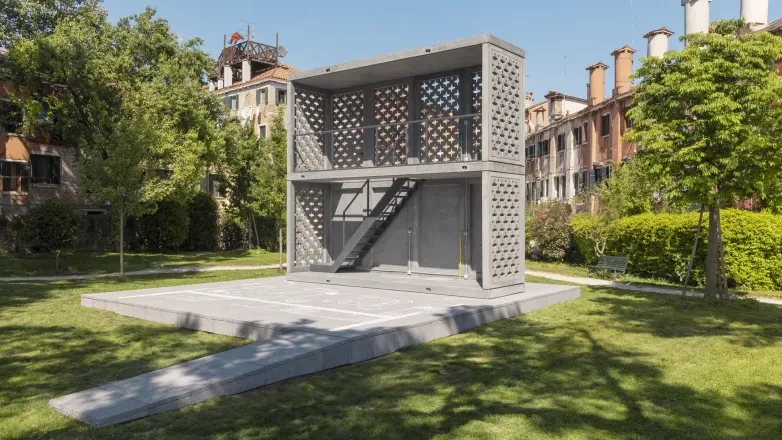
The ease with which it integrates with existing construction systems makes it particularly useful in architecture. Recent full-scale applications such as Holcim’s net-zero concrete experiments at Canary Wharf and ELEMENTAL’s housing prototype at the 2025 Venice Architecture Biennale show how biochar can act as carbon sinks through material composition.
Bio-Foam
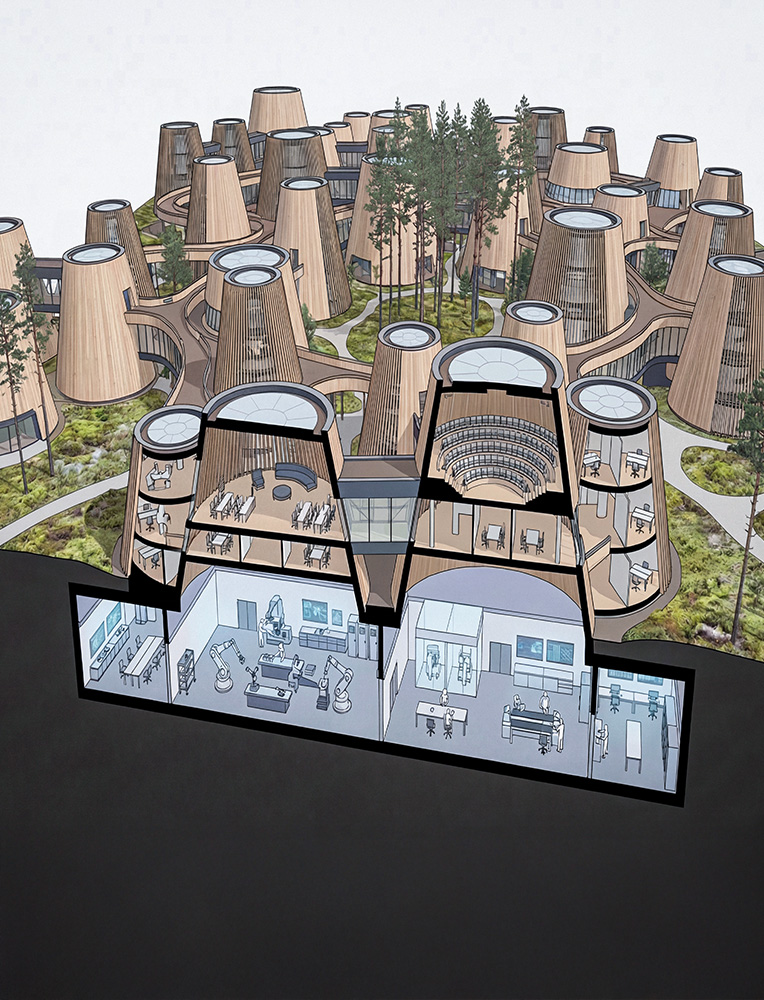
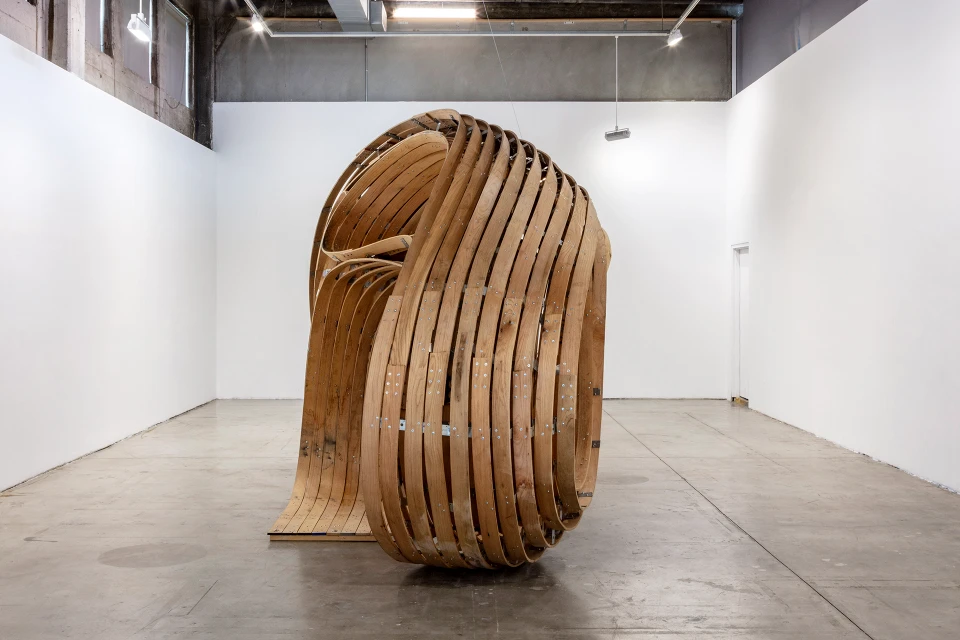
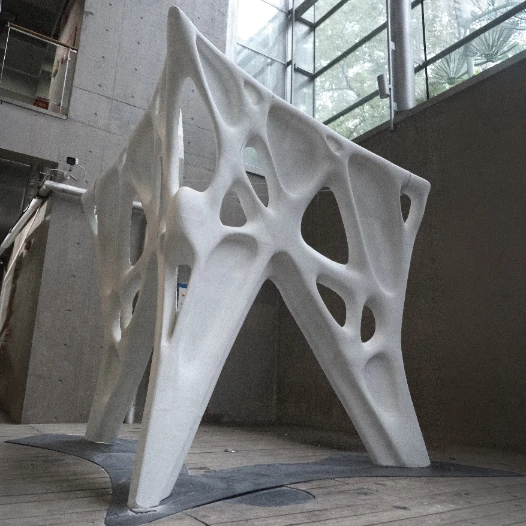
Bio-Foam introduces architecture that breathes. Part of the Archibiofoam project led by Aalto University and partners, this wood-based cellulose foam naturally expands and contracts with changes in heat and humidity. This allows facades and ventilation openings to adjust naturally, reducing the need for mechanical airflow and cooling systems.
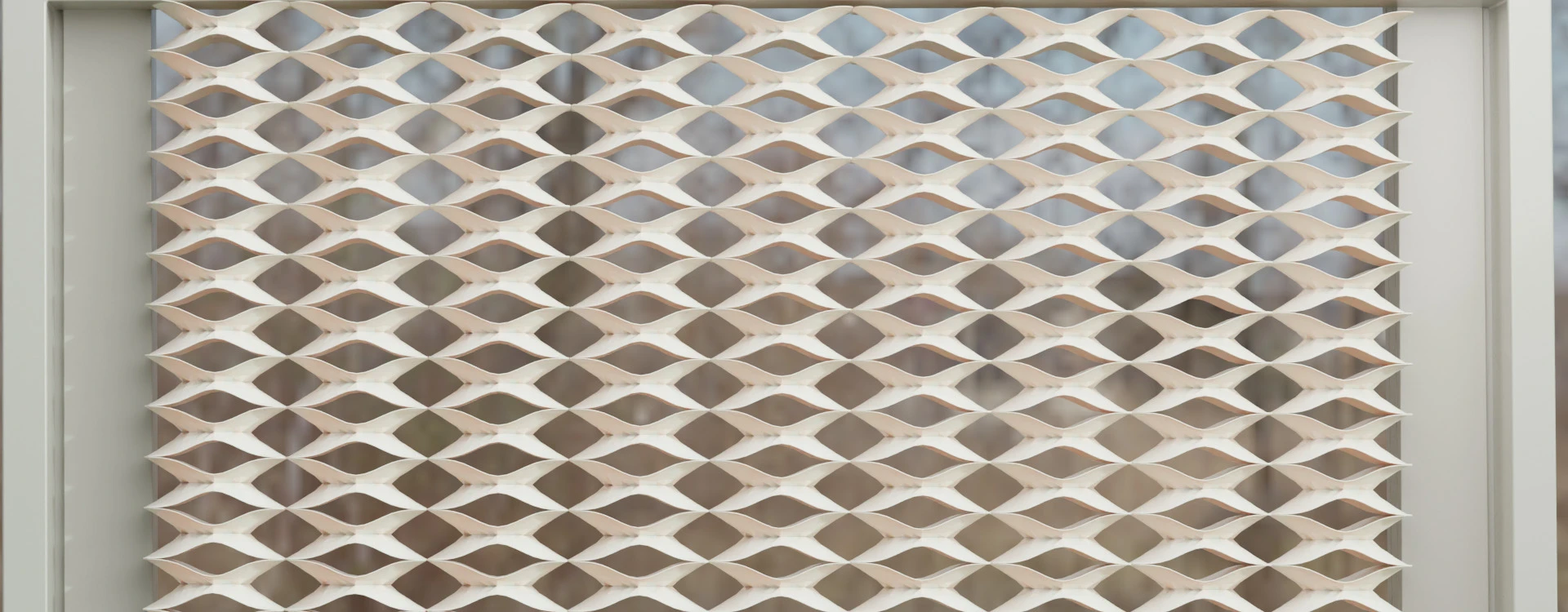
What truly sets the material apart is its combination of lightness, programmability, and structural potential, rivaling more resource-intensive materials like concrete, steel, and glass while remaining biodegradable, recyclable, and compostable. Despite being about 90% air, robotic 4D printing and computational design precisely shape its geometry for both load-bearing and adaptive ventilation simultaneously.
If you’re interested in exploring how biomaterials and climate-responsive systems can shape future buildings, PAACADEMY offers hands-on courses where you can experiment with ecological design strategies, adaptive architecture, and material innovation.
CarbiCrete
CarbiCrete is a Montreal-based concrete technology company whose unique process eliminates cement from concrete entirely. Instead, it replaces cement with a steelmaking byproduct and cures the resulting masonry and hardscape products with captured carbon dioxide, which is permanently sequestered within the completed material. This approach creates a powerful circular logic in which one industry uses waste from another as structural feedstock.
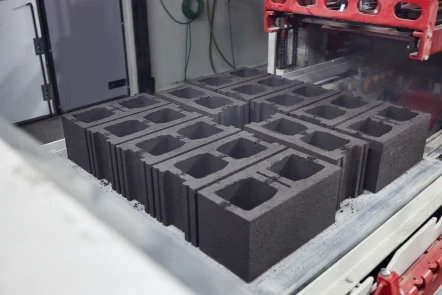
Since the system works within existing masonry and hardscape production lines, it naturally incorporates carbon capture into standard construction processes. Additionally, new curing methods using low-CO₂ or flue-gas streams are enabling direct industrial integration, turning emissions into usable building materials.
Explore Courses
.jpg "Ondrej Chybik - Rethinking Architecture")