




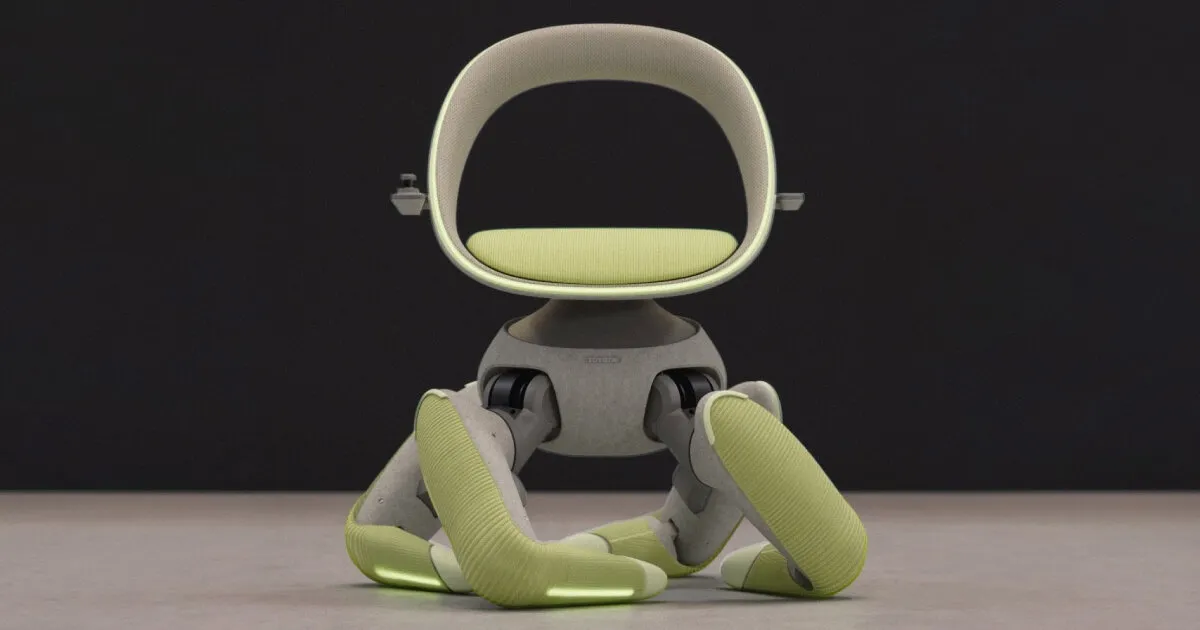
At the Japan Mobility Show 2025, held from October 30 to November 9 in Tokyo, Toyota Motor Corporation went beyond traditional vehicle showcases to highlight new dimensions of personal mobility. Instead of focusing solely on passenger cars, Toyota revealed two forward-looking prototypes designed for specific user groups, people with limited mobility and children.
“Walk Me” Autonomous Wheelchair and the Electric “Kids Mobi” Bubble Car for Youth Mobility
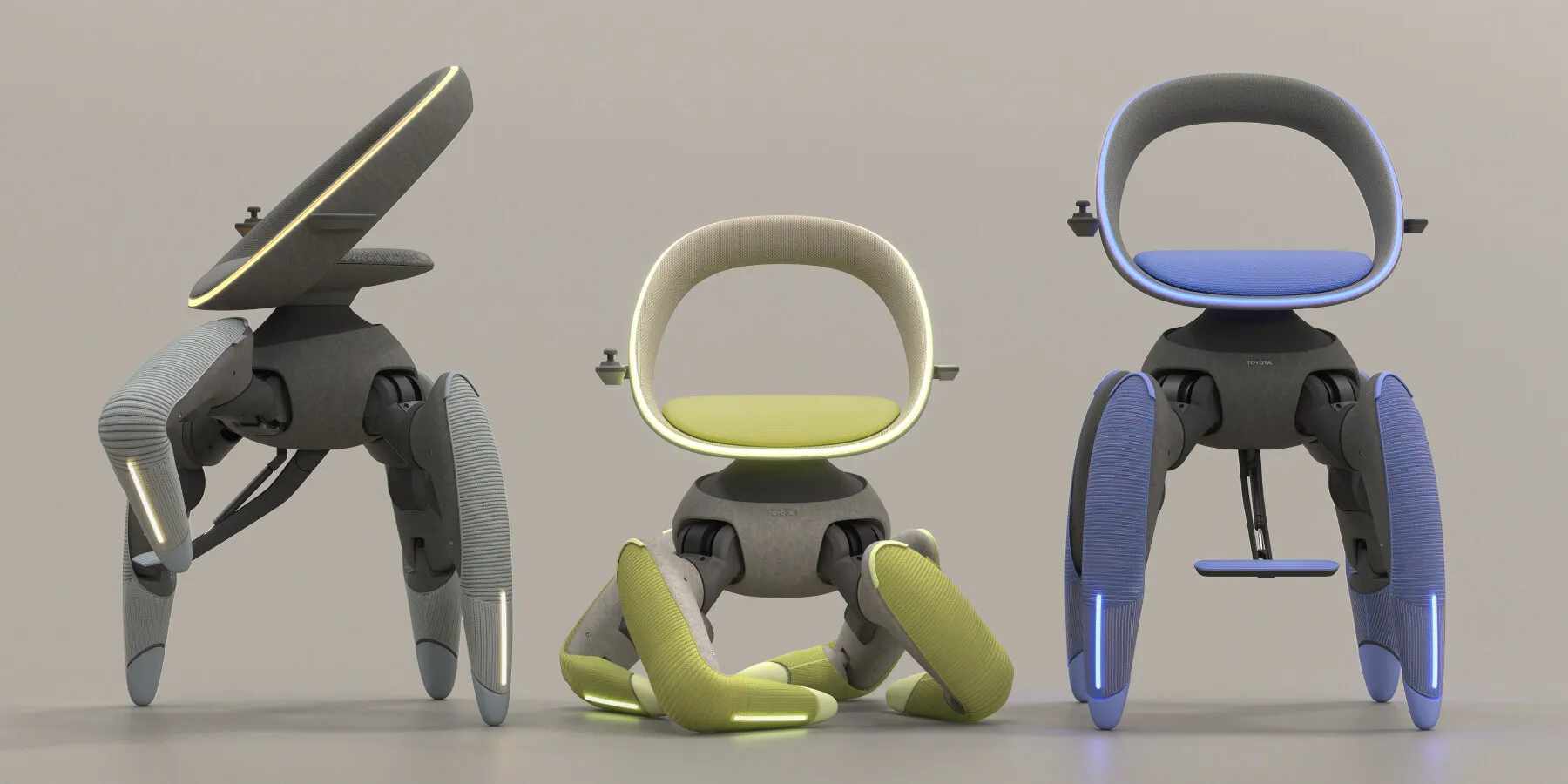
The two standout concepts were:
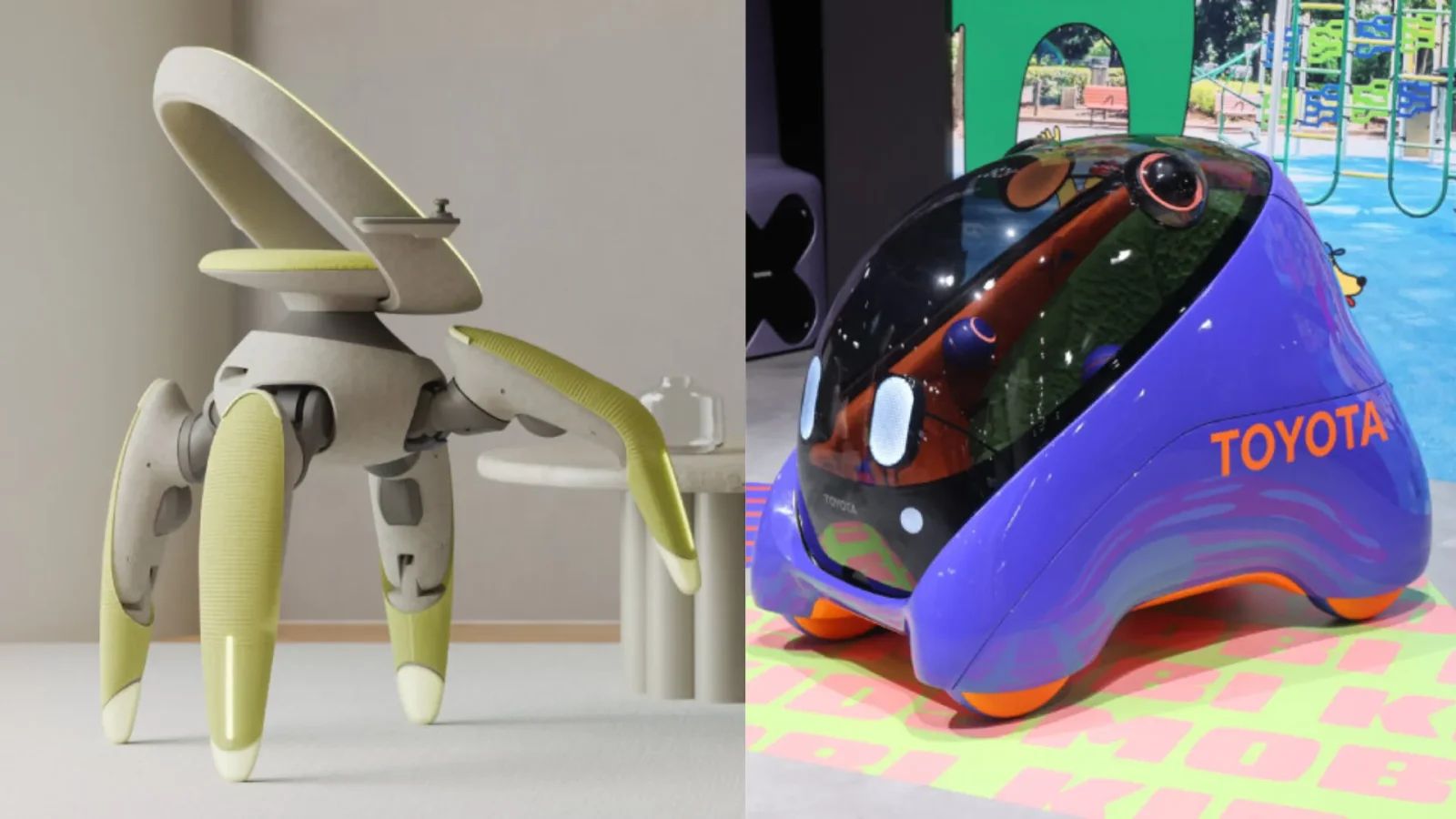
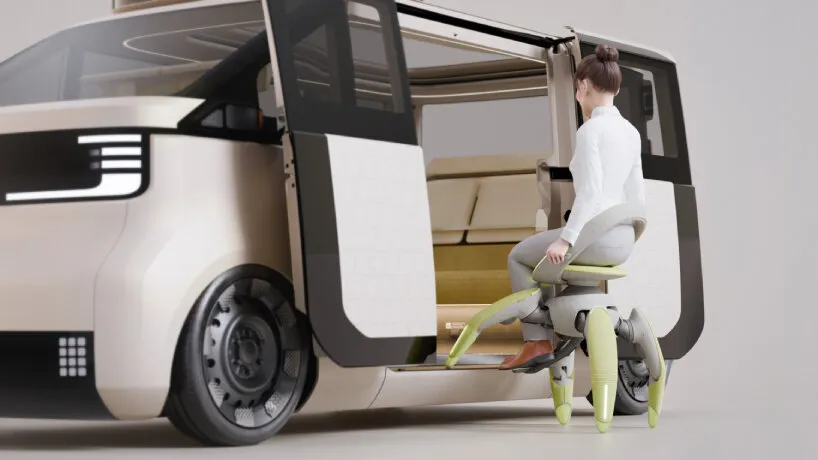
- “Walk Me” – an autonomous mobility chair capable of climbing stairs and transitioning between indoor and outdoor surfaces.
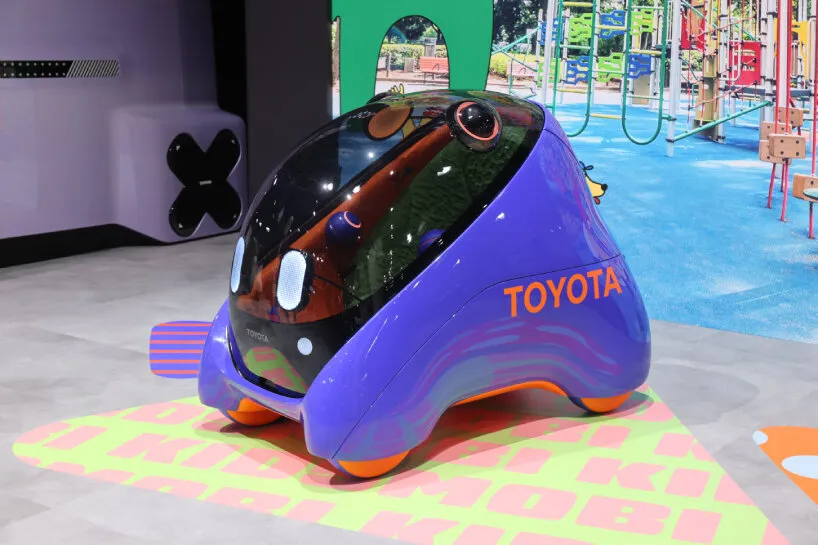
- “Kids Mobi” – a compact electric bubble car for children, designed to navigate autonomously and provide safe, independent transport.
“Walk Me” – Autonomous Quadruped Mobility Chair
Overview & Design Intent
Toyota introduced “Walk Me” under the exhibition theme “Go Anywhere, Cool for Everyone!”, emphasizing accessibility and versatility. The concept aims to eliminate common barriers faced by wheelchair users, particularly stairs, uneven terrain, and indoor-to-outdoor transitions.
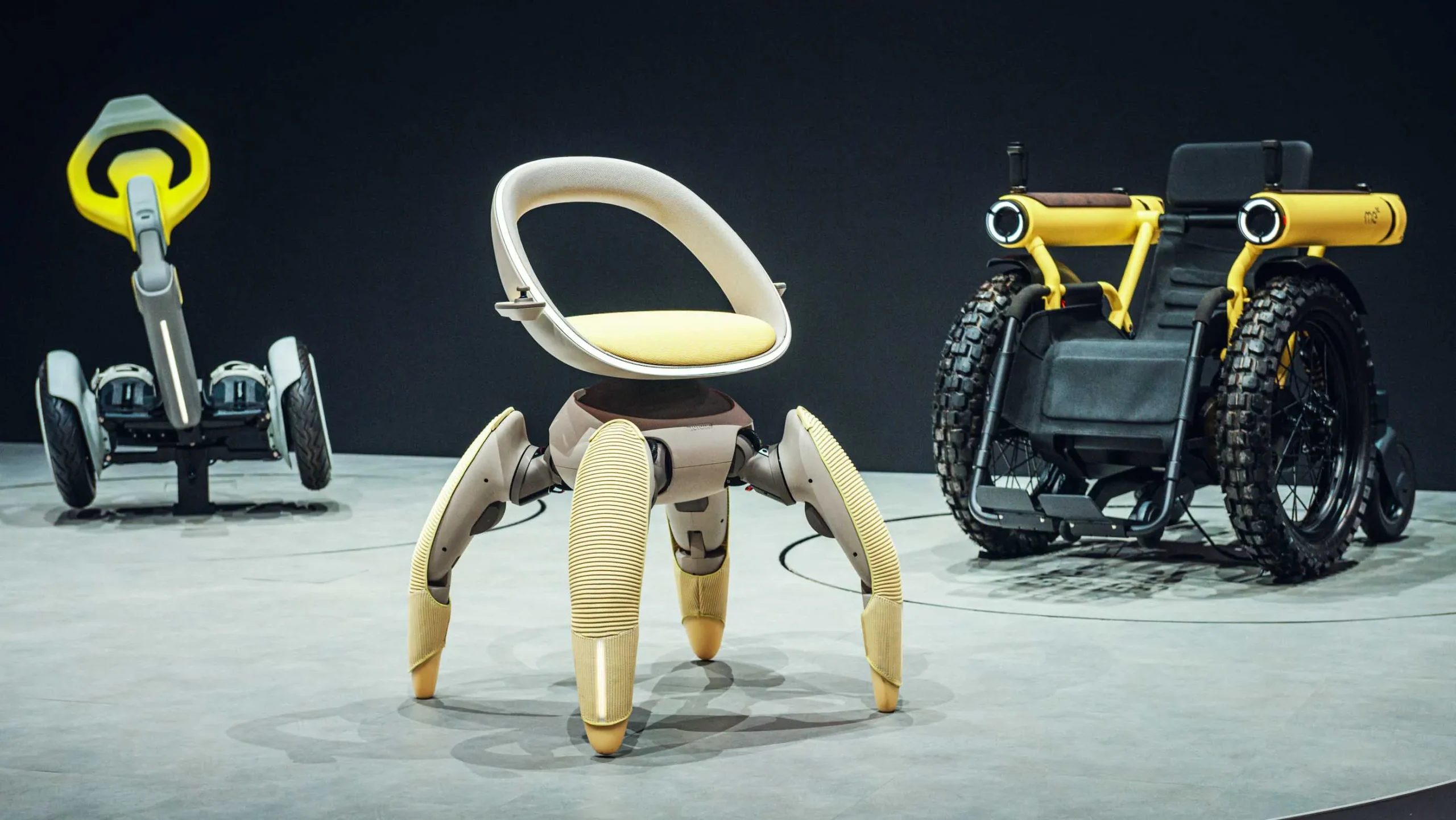
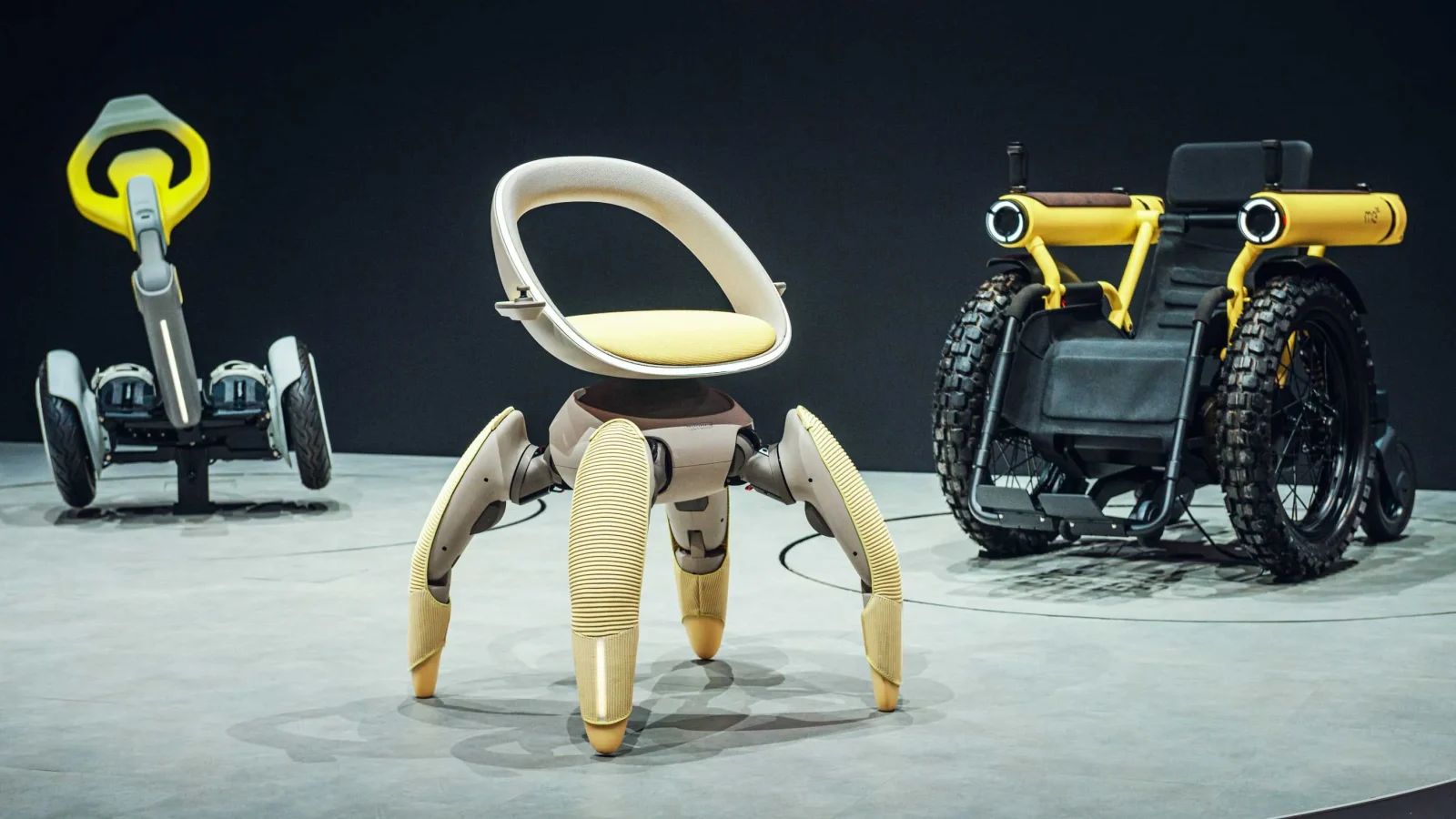
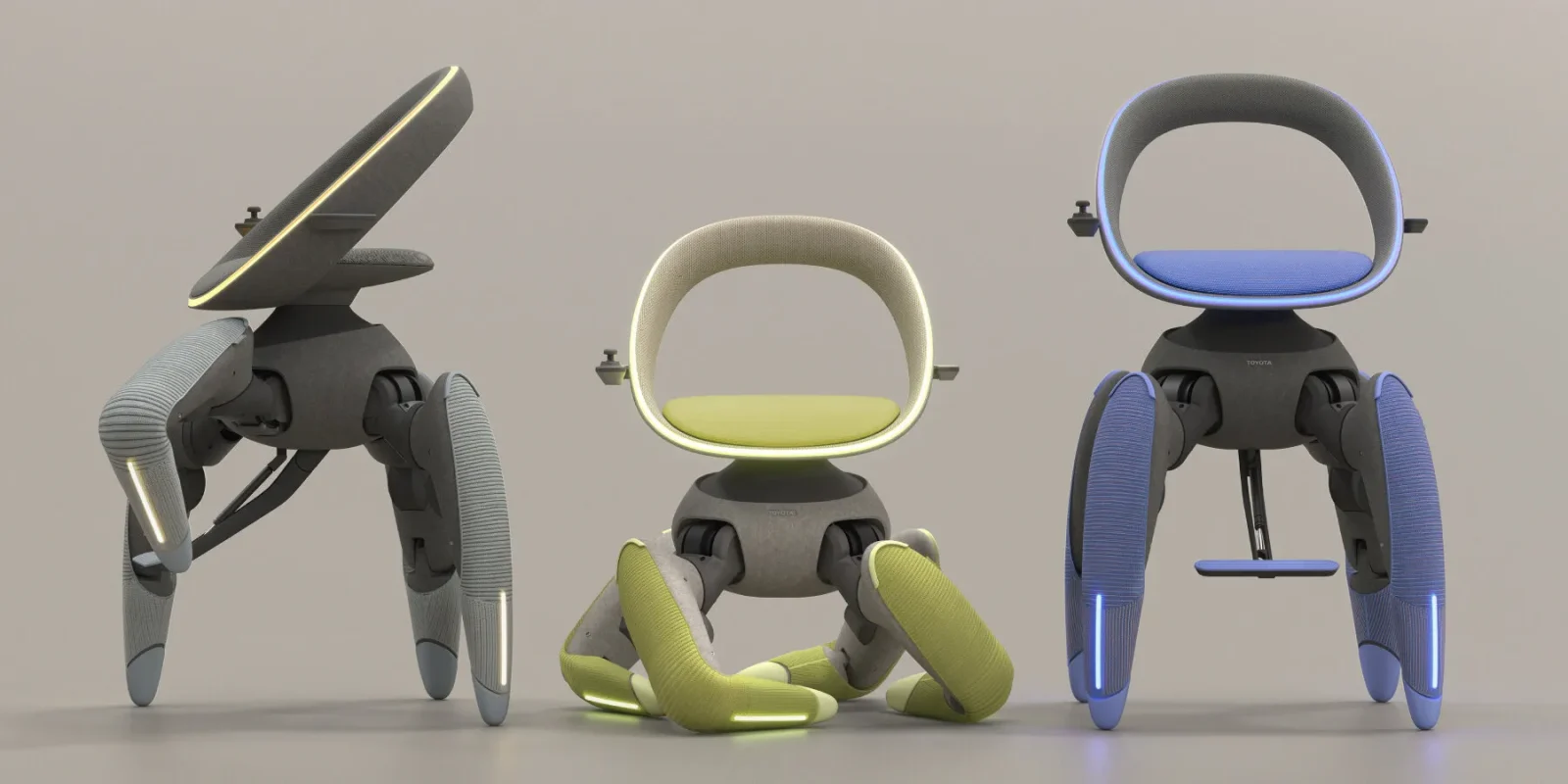
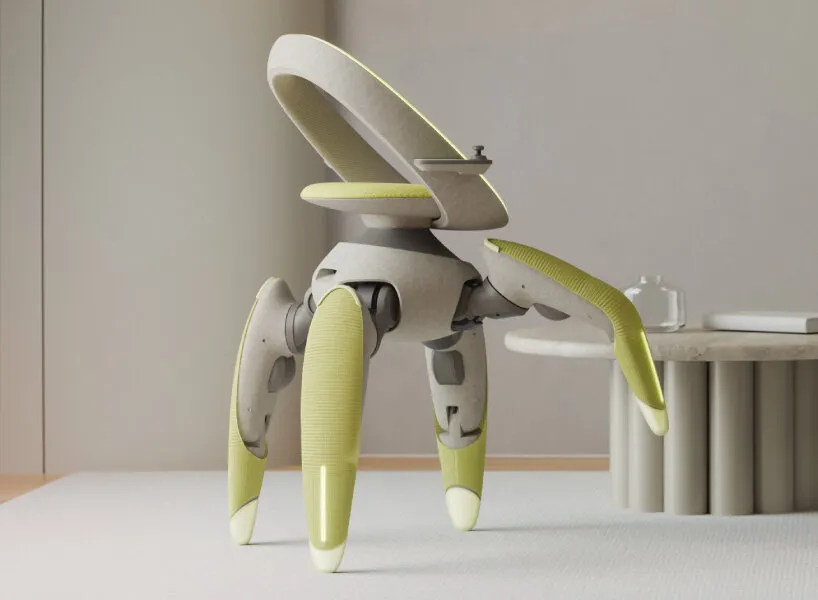
Unlike traditional wheelchairs, Walk Me employs four robotic, foldable “tentacle-legs” that can climb stairs, fold to the floor, and adapt to multi-surface mobility. This leg-based design reflects Toyota’s effort to merge robotics and mobility engineering to enhance everyday usability.
Technical Features & Capabilities
- Legged Mobility Architecture: Walk Me’s four articulated legs extend and retract, allowing it to navigate stairs, platforms, and obstacles where wheeled systems fail.
- Indoor/Outdoor Transition: Designed for continuous mobility across interior floors and outdoor pavements, minimizing the need for ramps or elevators.
- Sitting/Floor Mode: The chair can lower its frame to floor level, enabling the user to interact at seated or floor height—an inclusive feature enhancing social and practical accessibility.
- Autonomous Navigation: While specifications remain under development, the prototype integrates autonomous and assisted navigation functions to support users in complex environments safely.
Product-Oriented Insights
- Concept Status: Walk Me remains in the concept stage but demonstrates Toyota’s commitment to accessibility and its vision of “mobility for all.”
- User Benefit: For elderly users or individuals with disabilities, the ability to climb stairs and lower to the floor represents a significant advance in personal independence.
- Design and Manufacturing Challenges: Integrating robotic limbs into a mobility chair presents challenges in durability, safety certification, cost, and user interface design.
- Real-World Adaptation: Success will depend on sensor technology, indoor localization accuracy, and fail-safe systems to ensure reliability in daily use.
“Kids Mobi” – Electric Bubble Car for Children
Concept
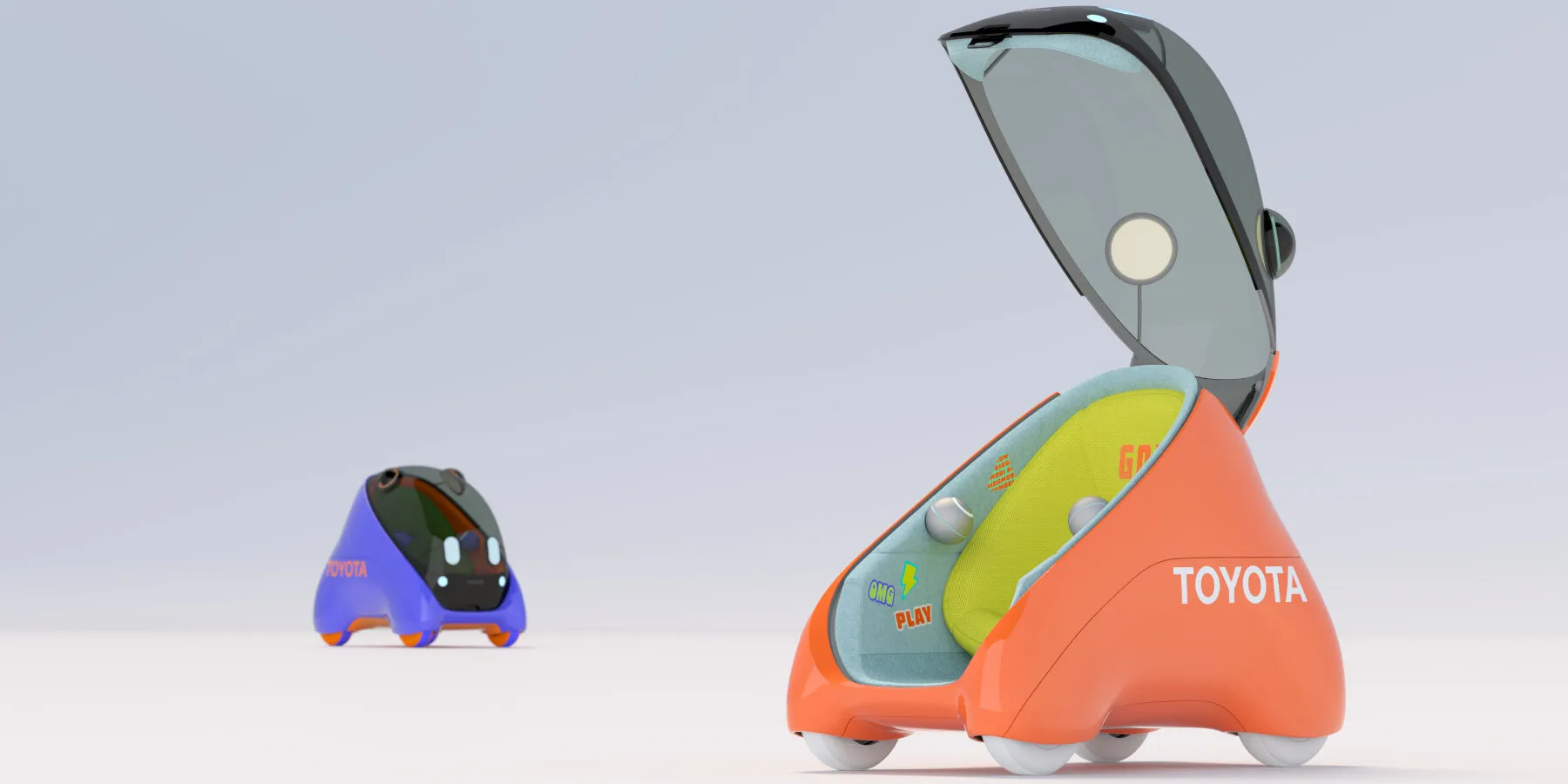
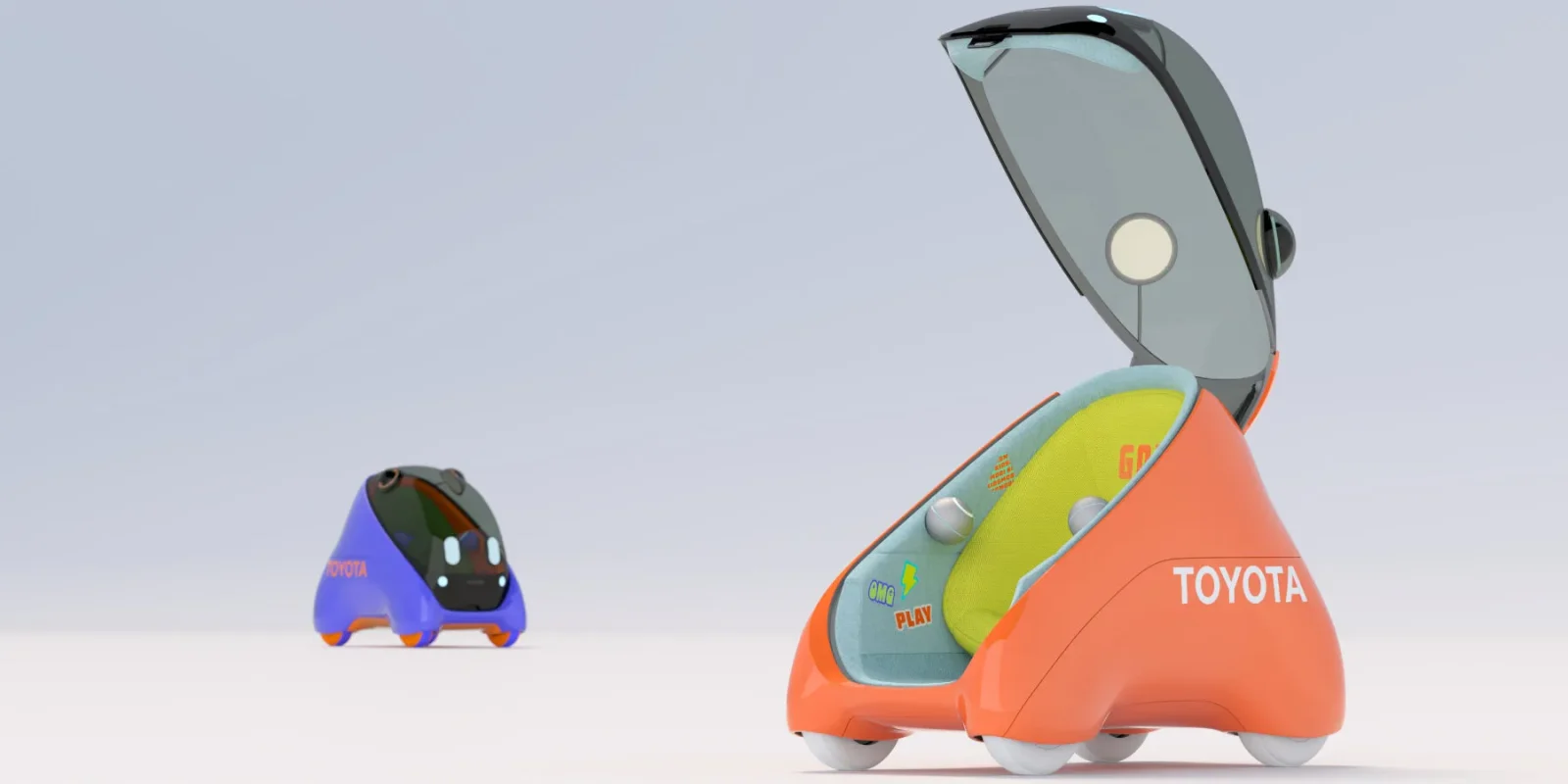
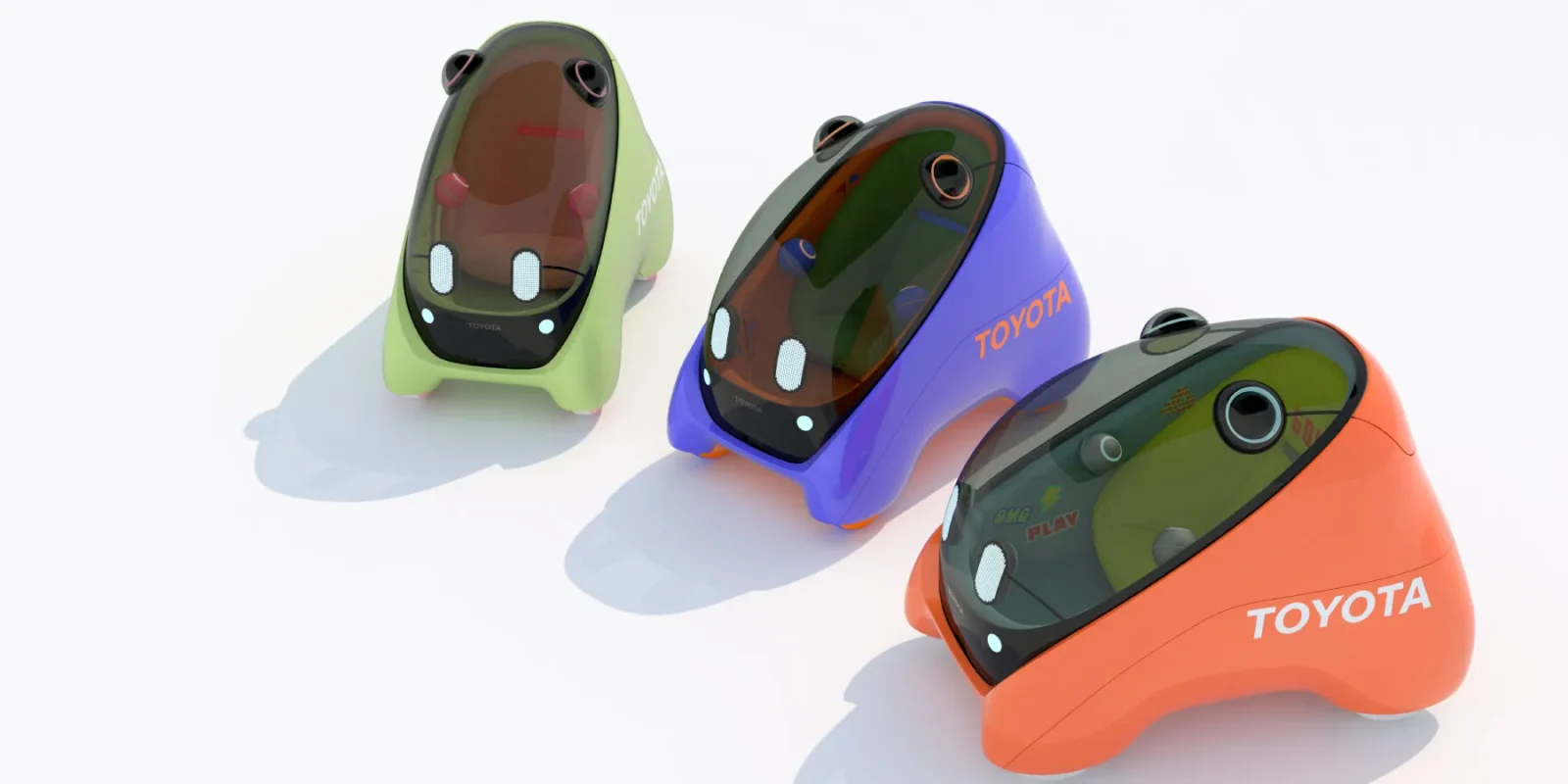
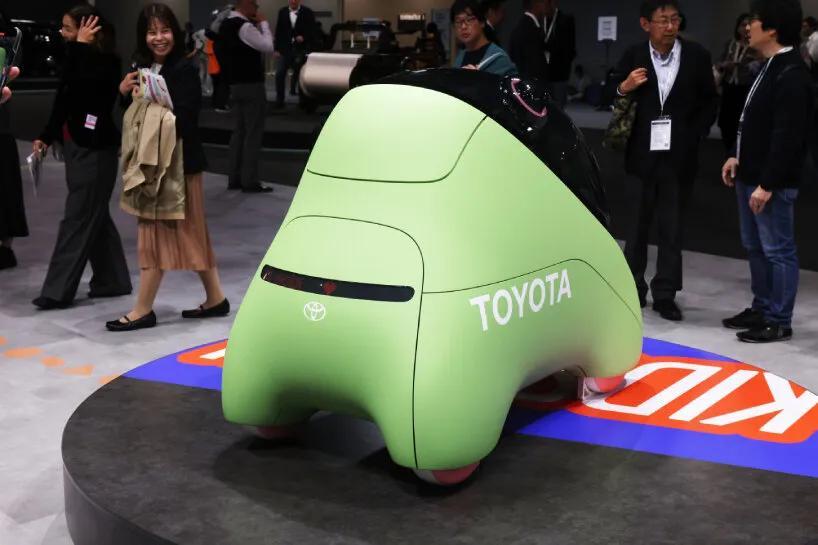
Alongside Walk Me, Toyota presented the “Kids Mobi,” also known as “Mobi,” an autonomous electric bubble-shaped vehicle created for children. This concept promotes safe, independent mobility for young passengers—without requiring an adult onboard.
Kids Mobi represents Toyota’s forward-thinking approach to youth mobility, combining playful design with robust safety and automation systems.
Key Technical/Design Elements
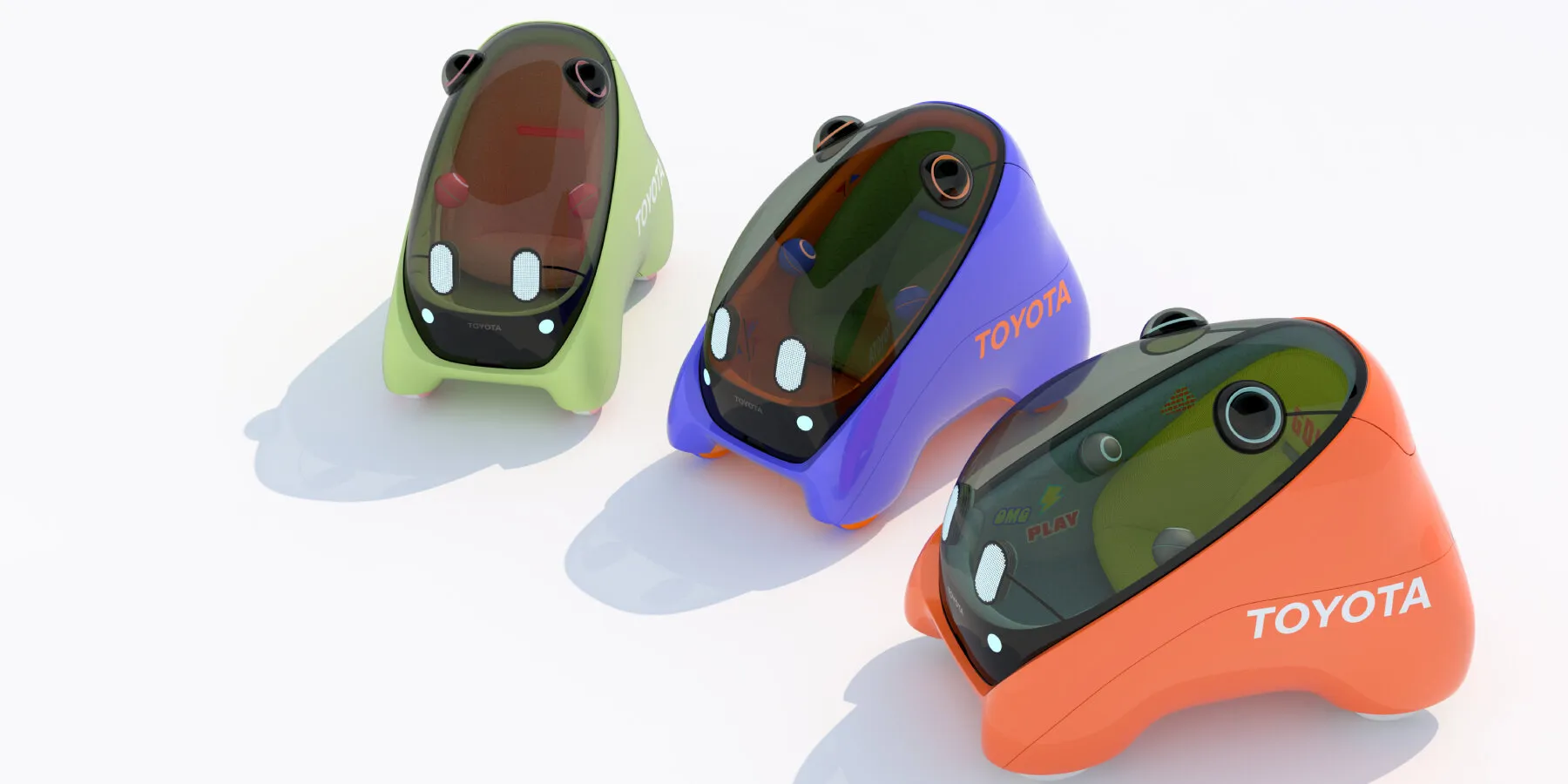
- Fully Autonomous Drive System: The vehicle’s self-driving capability allows children to travel independently within geofenced, supervised environments. Navigation and obstacle detection rely on onboard AI-driven sensors.
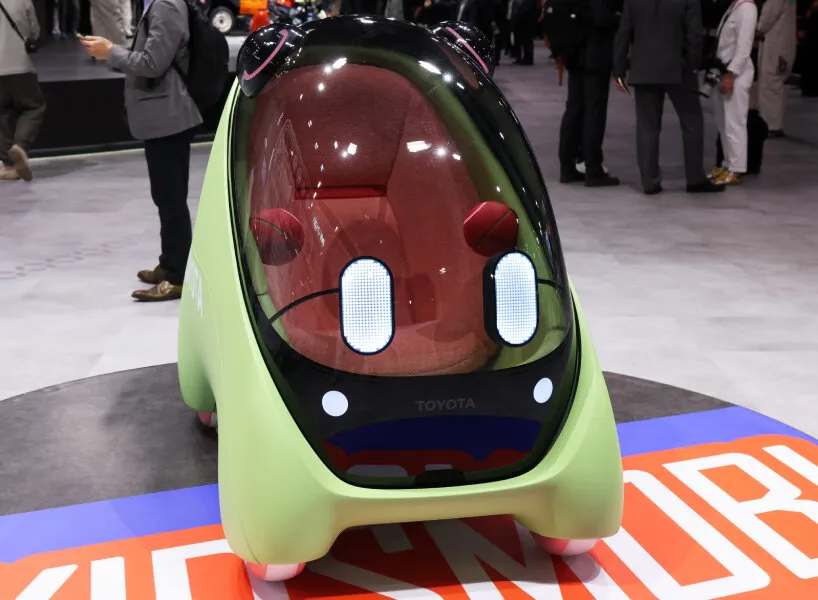
- Kid-Friendly Form Factor: Designed as a bubble-shaped single-seater, the Kids Mobi features LED “eyes” and ear-like sensors, combining child appeal with strong visual safety cues.
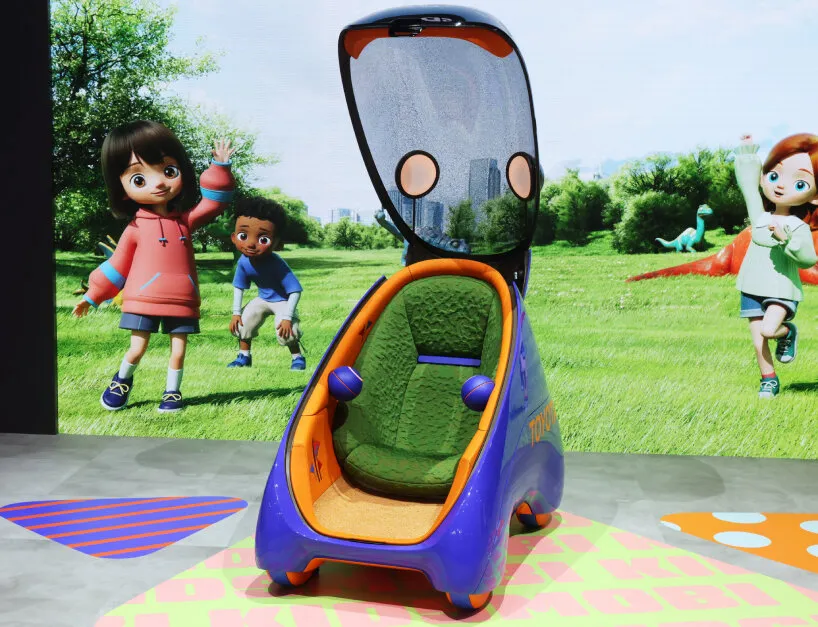
- Safety and UX Integration: The seat accommodates children up to approximately 130 cm in height. The canopy opens upward for easy access, and the interactive UX “Friend” interface engages the child during travel.
- Mobility for All Branding: Kids Mobi is a part of Toyota’s Mobility for All initiative, expanding the idea of mobility beyond adult drivers and traditional car designs to include children and new mobility experiences.
Product-Oriented Discussion
- Regulatory and Market Readiness: Kids Mobi raises essential questions regarding child safety standards, autonomous reliability, and geo-fenced operation policies.
- Use Environments: Practical application is envisioned in school campuses, parks, or private communities, where the vehicle can operate safely before any public road integration.
- Brand Strategy: The concept reinforces Toyota’s leadership in emerging mobility ecosystems, showcasing creativity beyond standard automotive design.
- Stakeholder Relevance: For schools, urban planners, and micromobility providers, Kids Mobi introduces possibilities for child-focused transport systems, though infrastructure support, such as dedicated pathways and monitoring systems, will be required.
Implications & Strategic Context
Toyota’s unveiling of Walk Me and Kids Mobi reveals several important strategic directions:
- Transition to a Mobility Ecosystem: Moving from being a conventional car manufacturer toward an integrated mobility solutions provider, Toyota is embracing robotics, automation, and niche user mobility design.
- Mobility for All Philosophy: The two concepts exemplify Toyota’s ongoing commitment to inclusive mobility, for those with physical limitations (Walk Me) and younger, dependent users (Kids Mobi).
- Redefining Vehicle Platforms: The Japan Mobility Show served as a stage to highlight non-traditional vehicle formats, mobility chairs and autonomous pods, alongside cars and trucks.
- Exploration of New Market Categories: Toyota’s work on legged mobility devices and child-oriented autonomous vehicles may inform future specialized production lines or urban service offerings.
At the Japan Mobility Show 2025, Toyota delivered more than futuristic vehicles, it showcased a transformational vision of mobility.
The Walk Me autonomous chair reimagines accessibility by overcoming barriers such as stairs and uneven ground, while the Kids Mobi bubble car envisions a world where children experience independence through safe, self-driving technology.
Together, these innovations illustrate Toyota’s expanding mission: to redefine mobility as universal, inclusive, and adaptive. While regulatory and infrastructure challenges remain, the company’s approach signals a bold step toward a more inclusive, intelligent, and human-centered mobility future.
Image Credit: Toyota/Japan Mobility Show 2025/© designboom
Explore Courses
.jpg%202.jpg "Building Performance with Forma & Opossum")
.jpg "Ondrej Chybik - Rethinking Architecture")