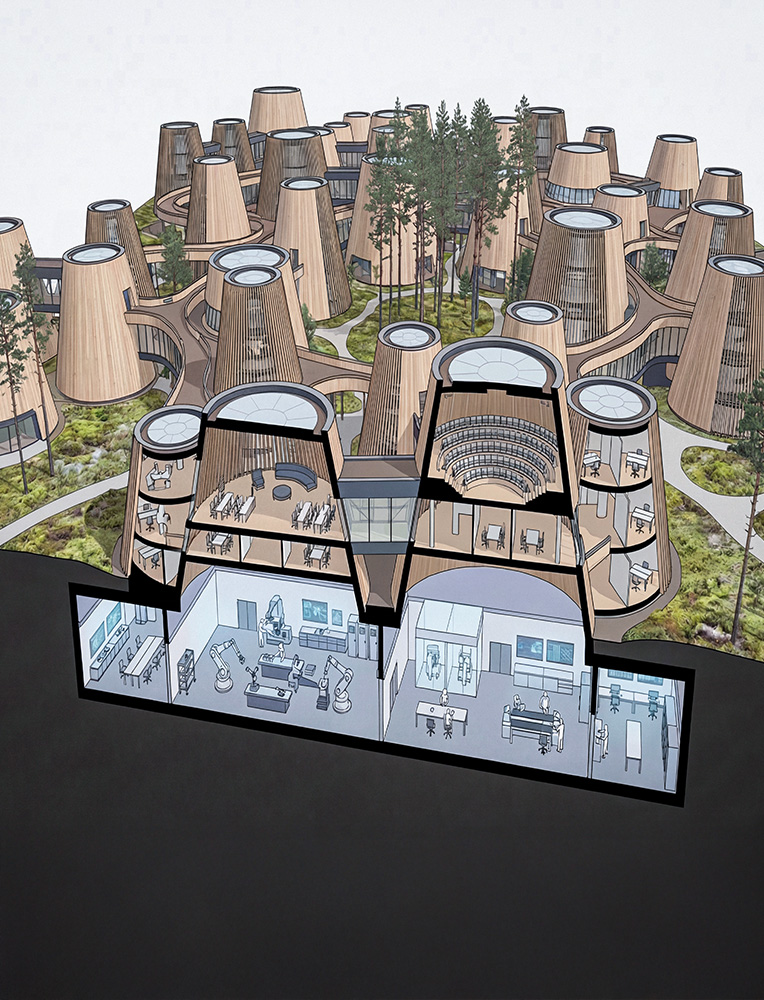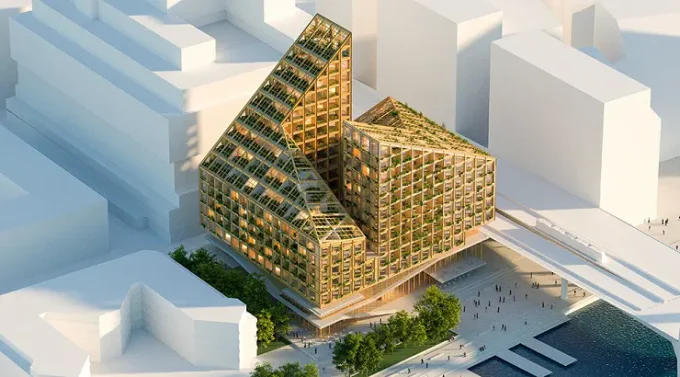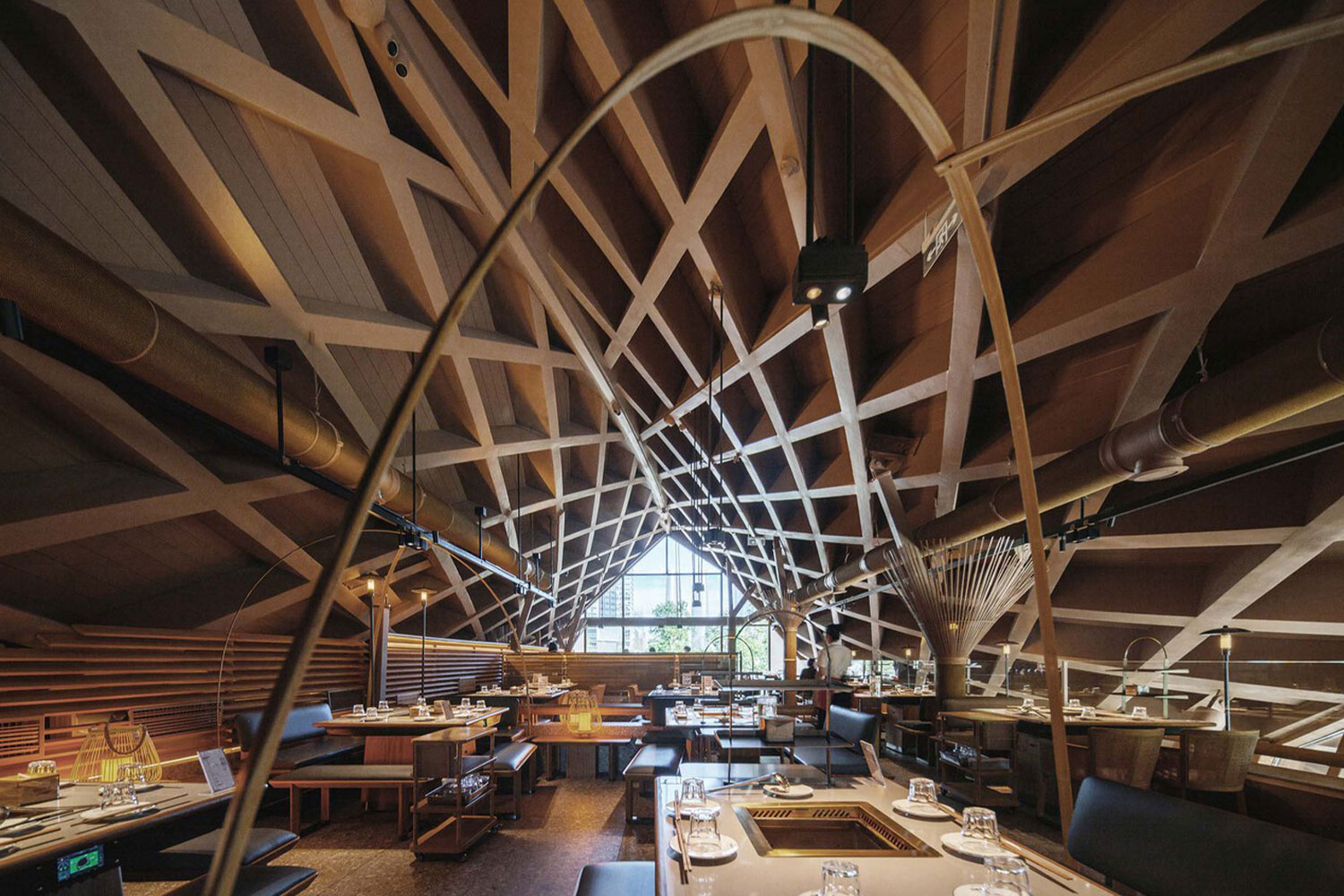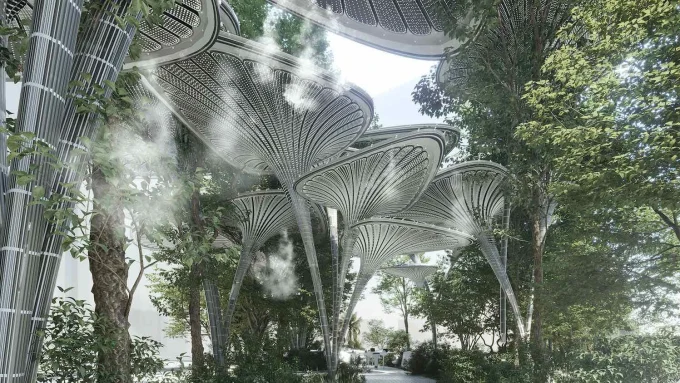






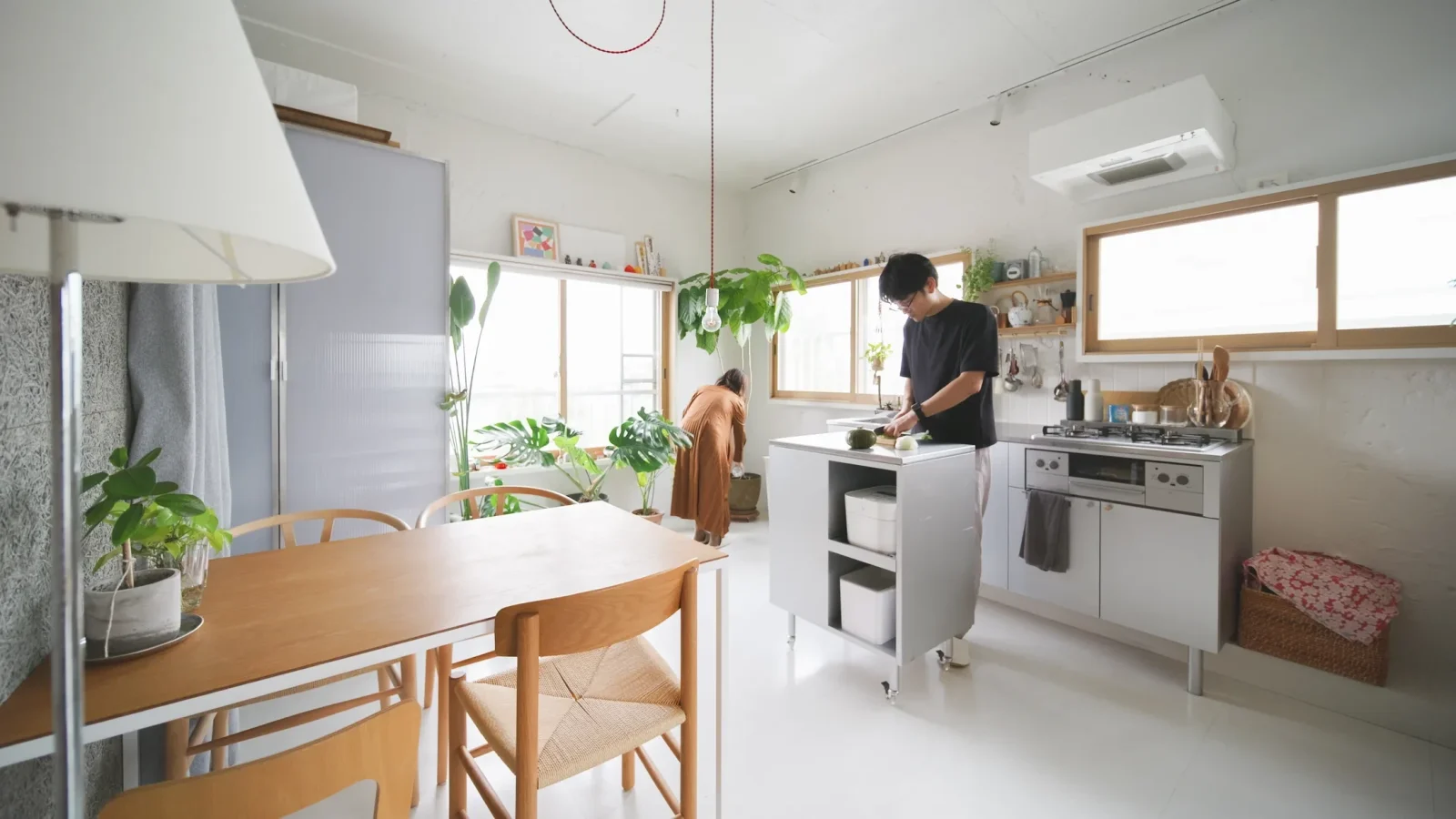
The residential landscape is currently navigating a period of profound redefinition, moving away from the twentieth-century fixation on volumetric expansion toward a twenty-first-century focus on spatial intensity and physiological resonance. Micro-living architecture is becoming physically smaller through origami efficiency, smarter through predictive and autonomous building systems, and emotionally precise through neuro-informed design and sentient materiality.
Spatial Choreography and Multifunctionality
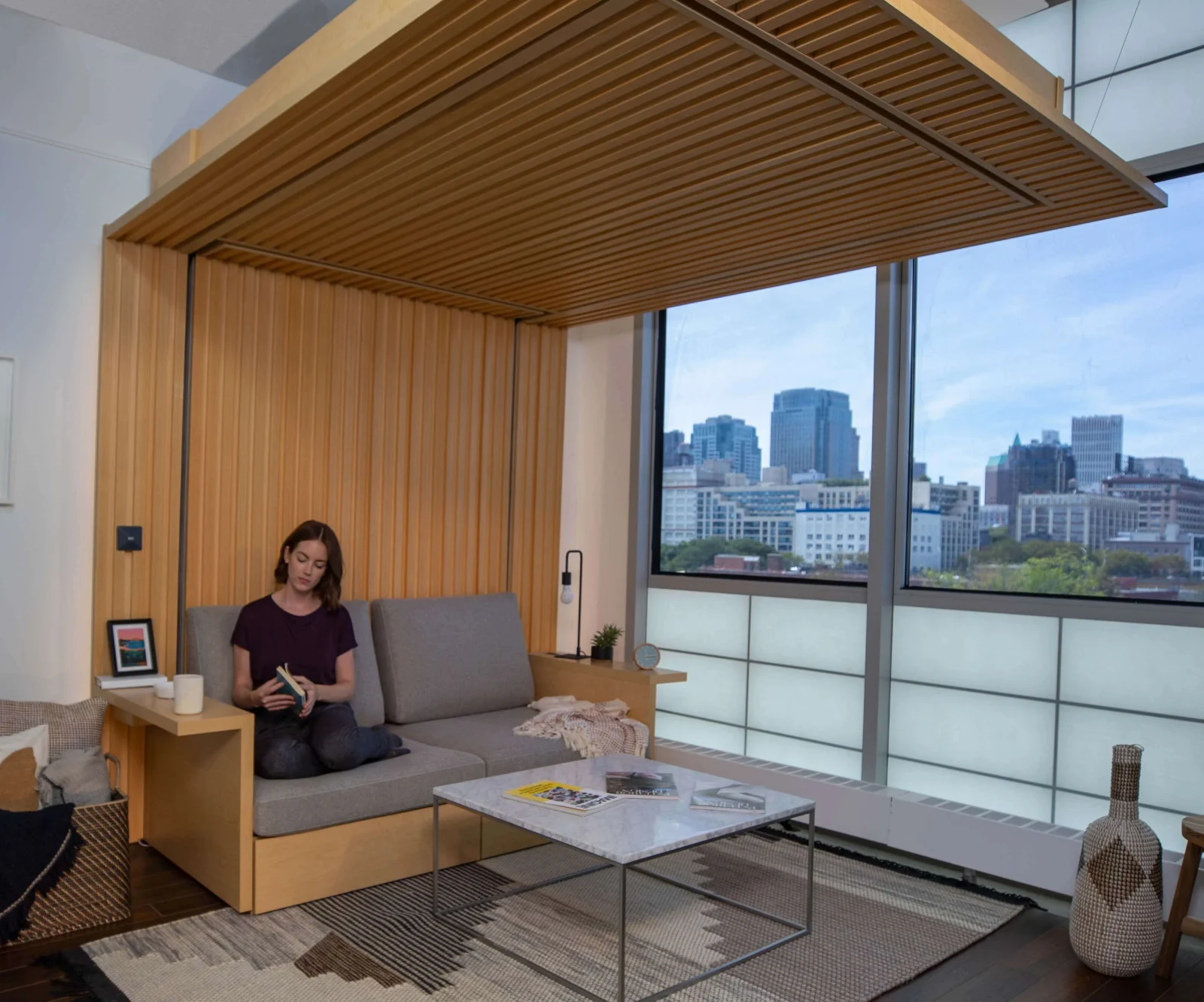
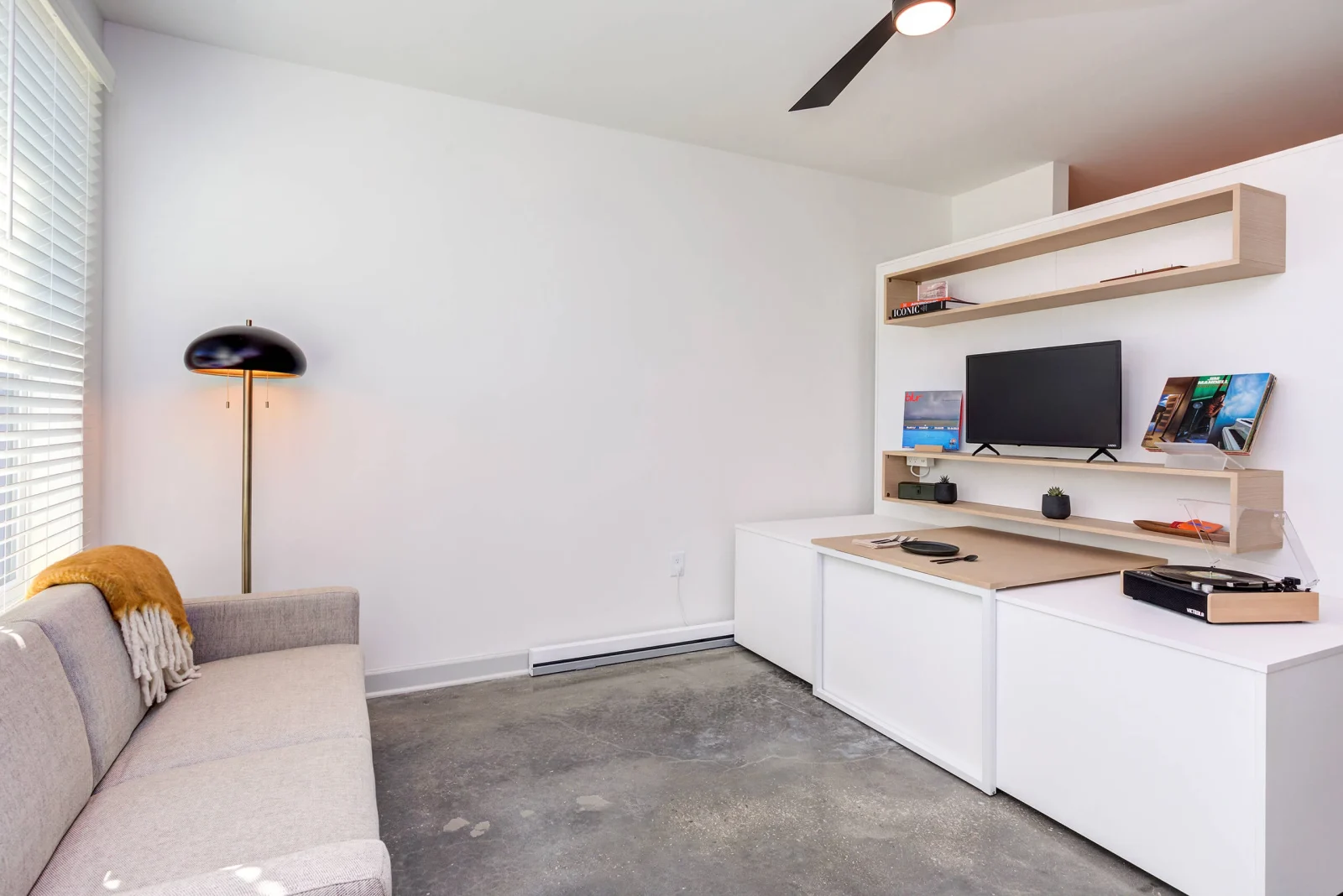
In the micro-residential context, architecture ceases to be a passive container and begins to perform. This is achieved through multifunctional living areas where form meets a new level of flexibility. The integration of Murphy beds, modular sofas, and sliding partitions allows for a total reconfiguration of the domestic environment throughout the day, ensuring that every square foot is utilized without the clutter typically associated with dense living.

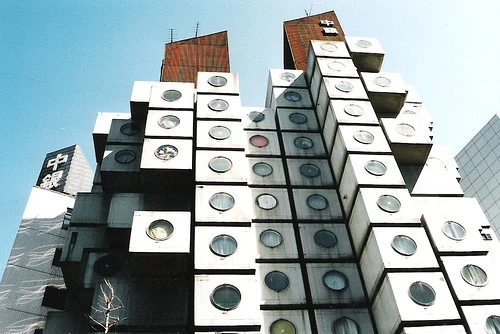
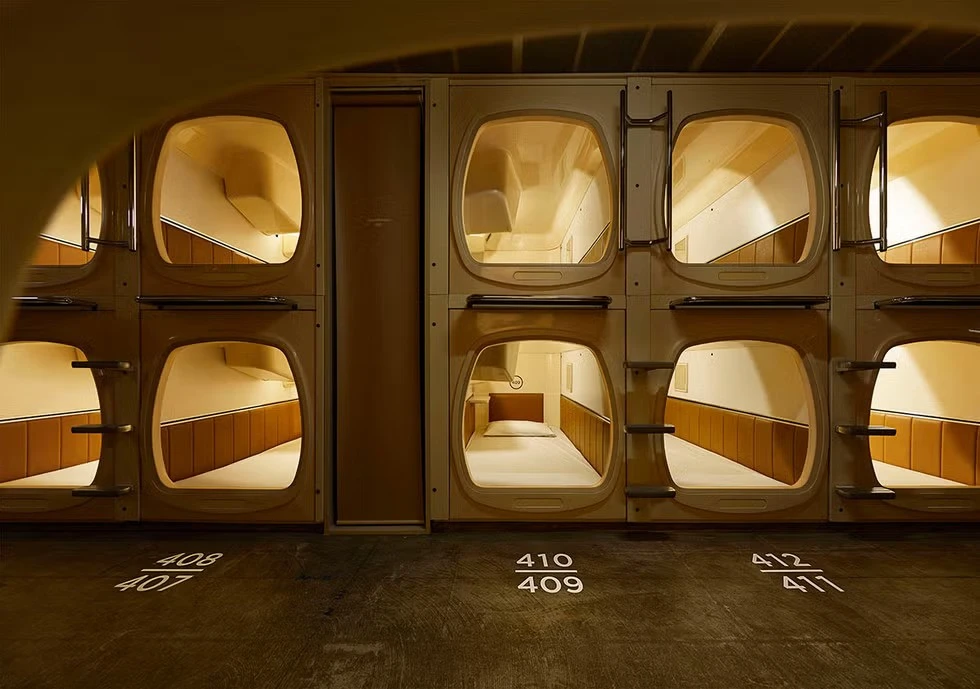
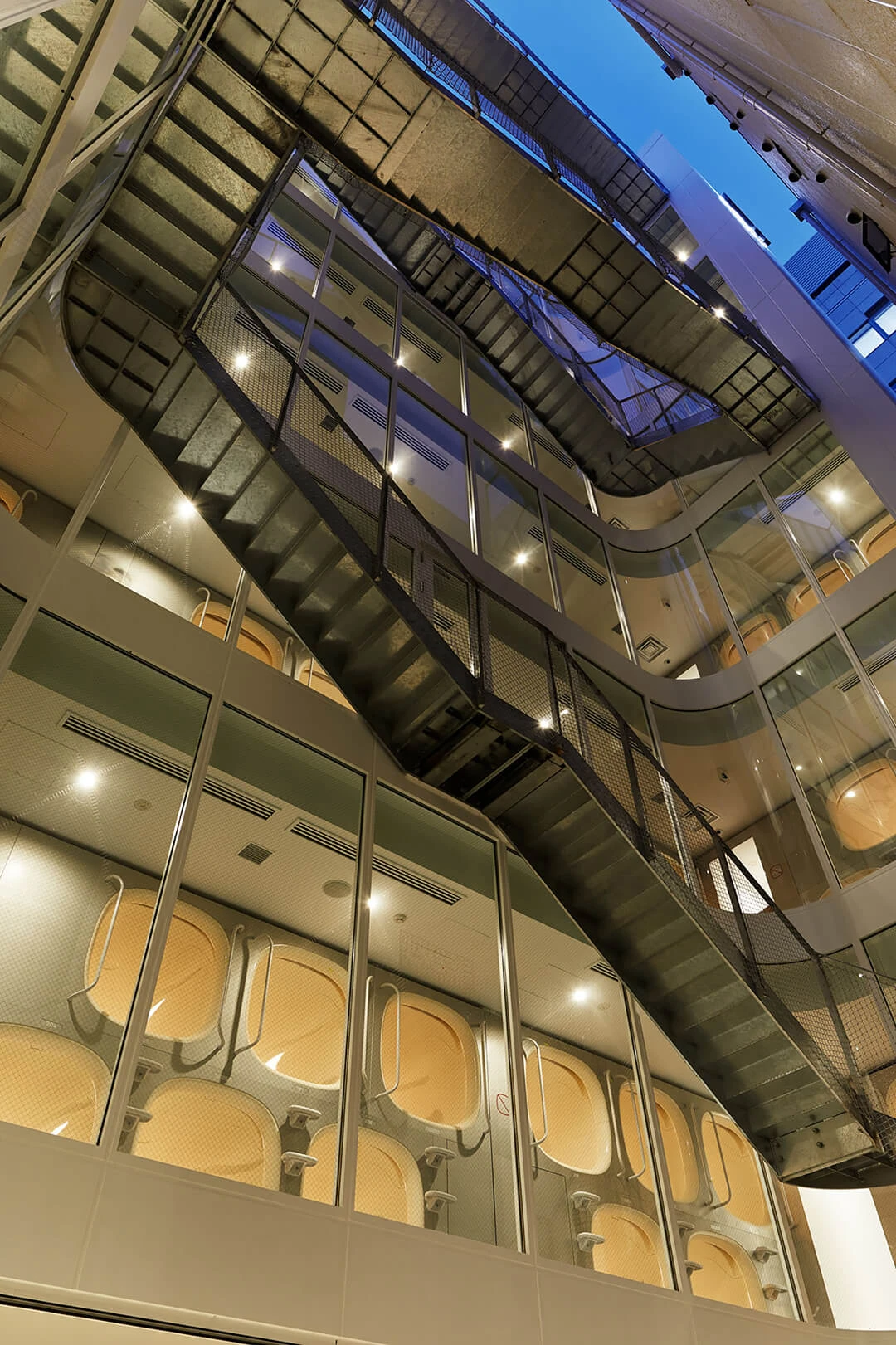
Architects are drawing inspiration from historic precedents such as Tokyo’s capsule hotels and Hong Kong’s subdivided flats, but they are applying a contemporary layer of luxury efficiency. The goal is to create environments that feel expansive through visual integration with the use of floor-to-ceiling windows, retractable walls, and seamless indoor-outdoor connections that can erase the boundaries of a small apartment, treating a patio or balcony as a literal extension of the interior living space.
Somosomo House, Tokyo
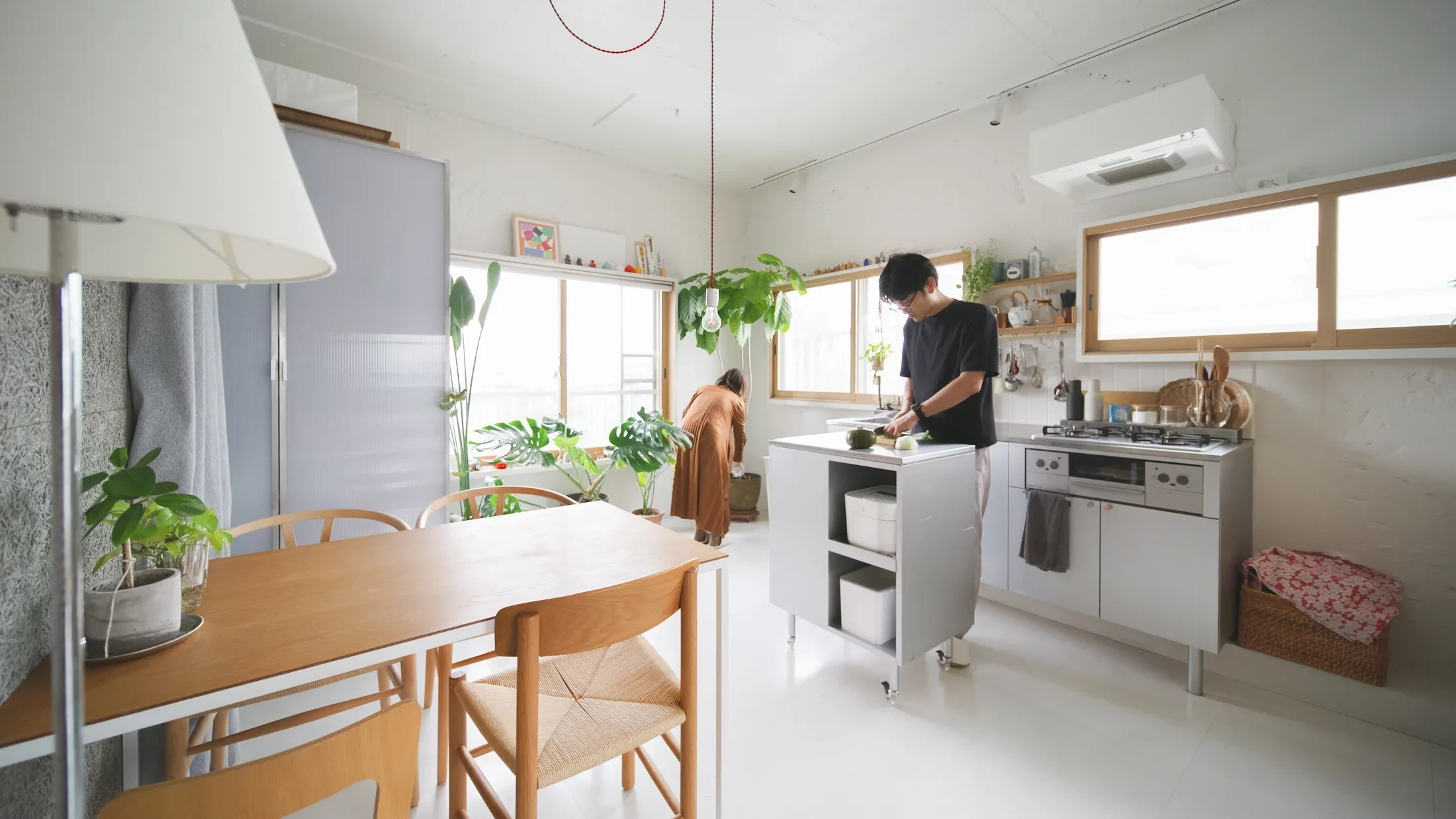
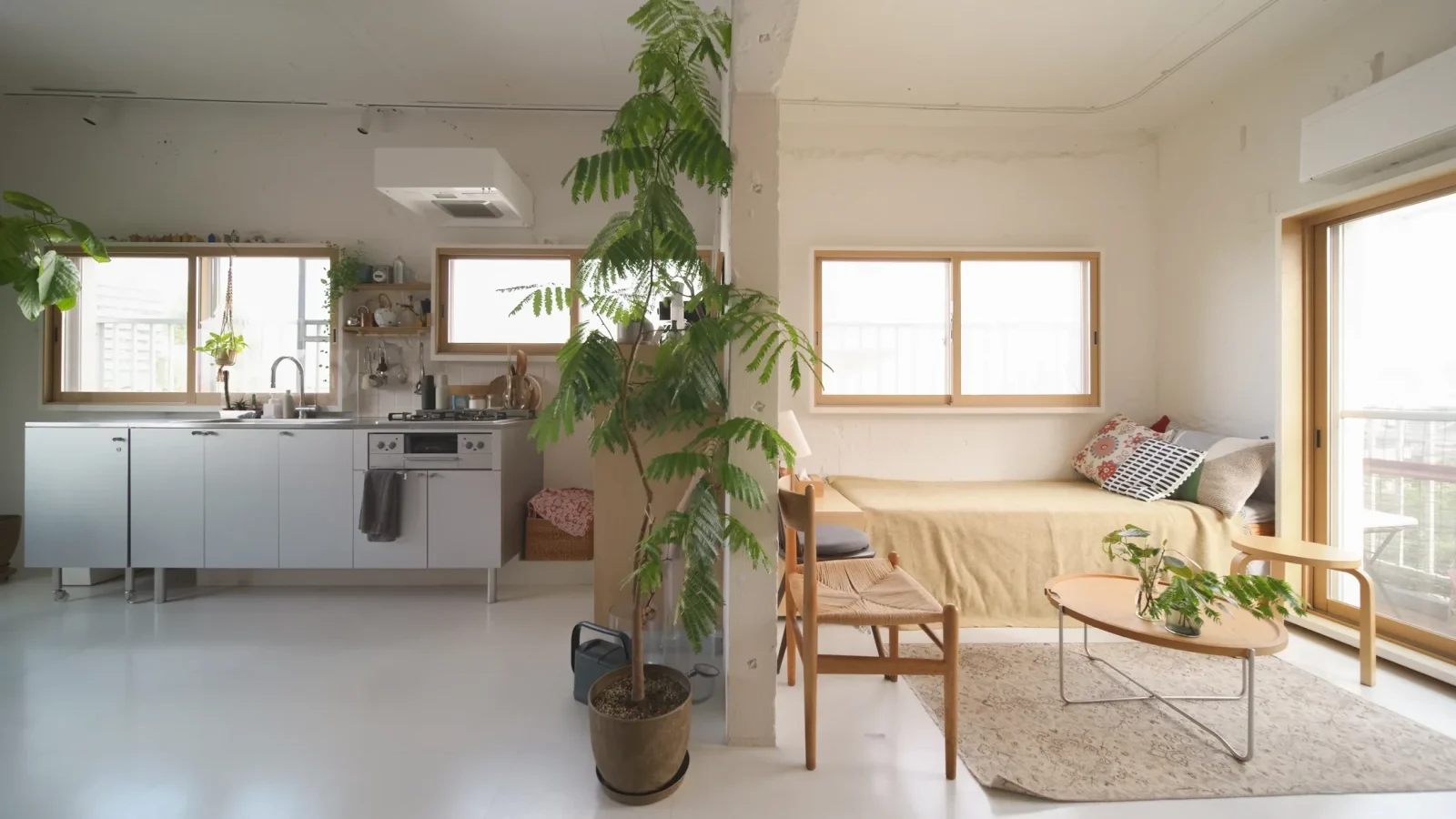
The Somosomo House, designed and inhabited by architects Mayo Takato and Takeshi Odaki, serves as a quintessential example of how a compact 35-square-meter footprint can be reimagined for modern life. The architects began by stripping away the original divided layout of tatami rooms and narrow corridors, replacing it with a series of functional box-like volumes.
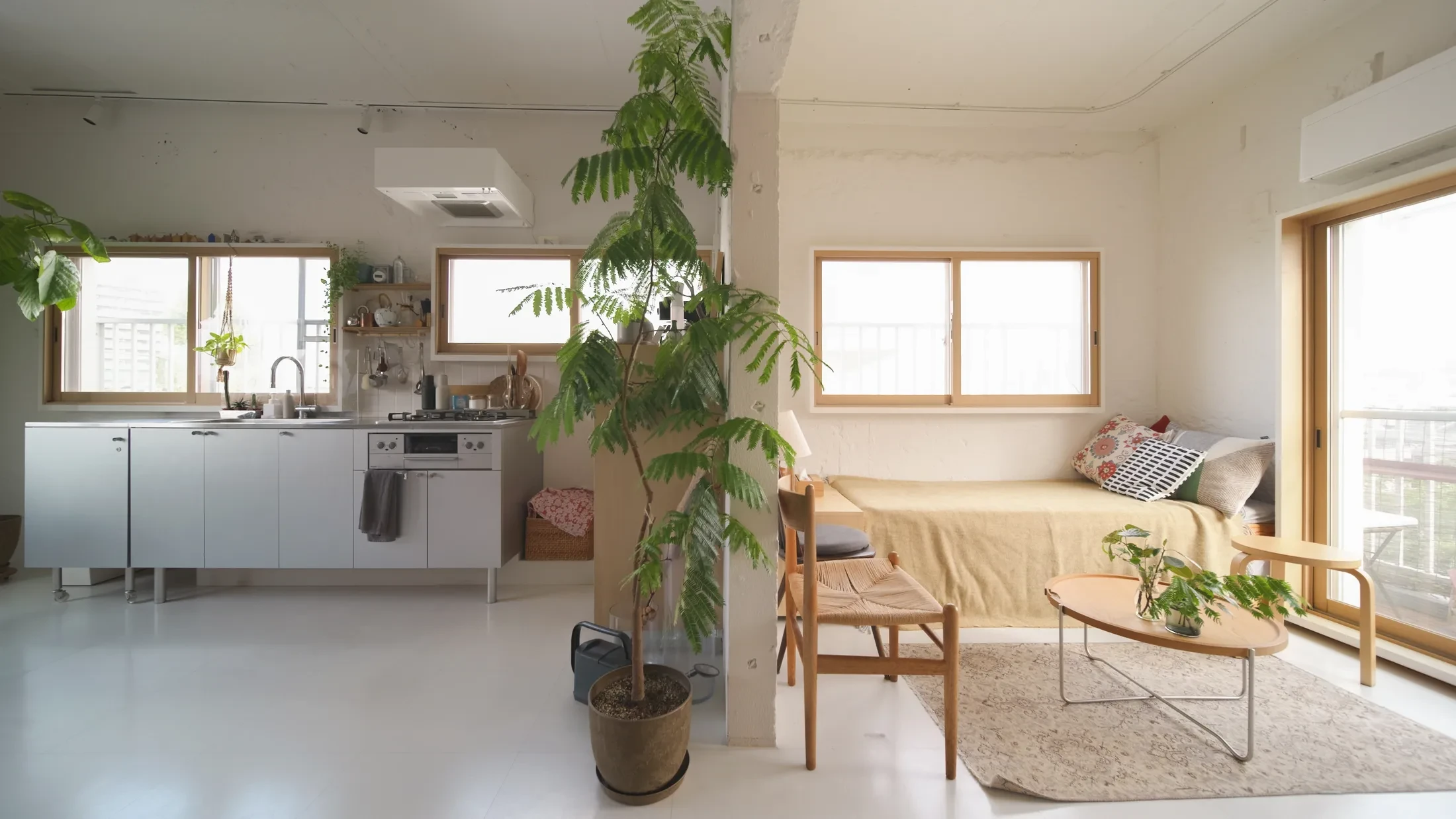
These boxes contain the essential services, the bath, toilet, washing machine, and kitchen, effectively centralizing the infrastructure and freeing the remaining perimeter for light and movement. The interior features handmade solutions, such as a stacked bed system that converts from a sofa to a double bed, and the use of sheer curtains and polycarbonate partitions to manage privacy while diffusing light. Furniture in this context acts as a structure and not just a filler.
Global Patterns in Micro-Living

The demand for smaller, simpler homes is a global phenomenon, reflected in the shifting preferences of residents from Tokyo to New York. In the United States, the introduction of Carmel Place in New York City proved that micro-units could be stylish and desirable, even within a market traditionally dominated by spacious apartments.
This shift is not just a lifestyle choice but a climate strategy. Smaller homes consume disproportionately fewer resources, less energy for heating and cooling, and fewer construction materials, making downsizing a key pillar of sustainable urbanism. Architecture must therefore be adaptable to these local pressures, providing solutions that are liberating and not suffocating.
Smarter and Predictive Systems
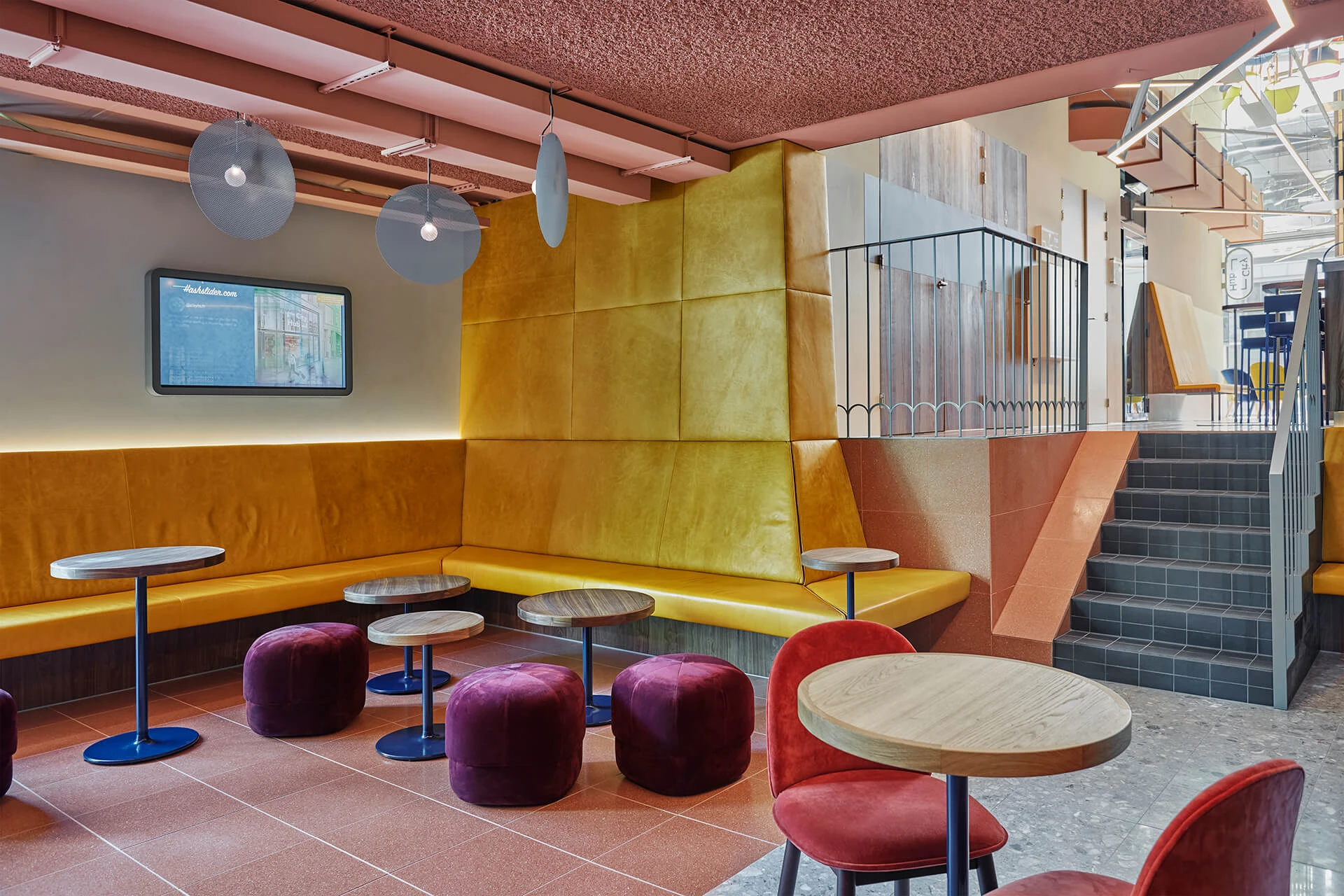
As homes shrink in size, they grow in intelligence. The smart home has moved beyond the gimmicky phase of voice-controlled lighting into a period of deep integration where artificial intelligence (AI) and the Internet of Things (IoT) are part of the building’s neurological system. These systems are designed to be invisible luxury, performing complex management tasks in the background to enhance comfort, security, and sustainability without human intervention.
The core of the smart residential paradigm is the Building Management System (BMS), which integrates sensors and AI algorithms to coordinate every facet of the home’s performance. Sensors capture real-time data on occupancy, air quality, humidity, and energy usage, allowing the AI to learn the specific habits and preferences of the residents.
AI monitors the health of residential equipment, such as HVAC units or elevators in high-rise towers, identifying potential issues before they lead to total failure. This reduces downtime and maintenance costs, which is especially important in modular and micro-living structures where access to core systems may be tightly integrated.
AI in Structural Engineering and Fabricative Precision
The role of AI extends into the very bones of the building. In structural engineering, AI platform integration with Building Information Modeling (BIM) systems allows for the simulation of structural performance under extreme conditions like wind or seismic activity. This enables architects to optimize material use, ensuring structural integrity while minimizing the building’s carbon footprint.
By using design software derived from the aerospace industry, firms can create building components with tight tolerances that are then assembled in factory settings. This process means a tall building can be put together very quickly, sometimes in just one day, because its parts are made in advance and then assembled on site. At the same time, each home in the building is designed to be highly energy-efficient, following PHIUS, a strict energy-efficient building standard, which helps reduce energy use for heating and cooling.
NEST HiLo Unit, Dübendorf
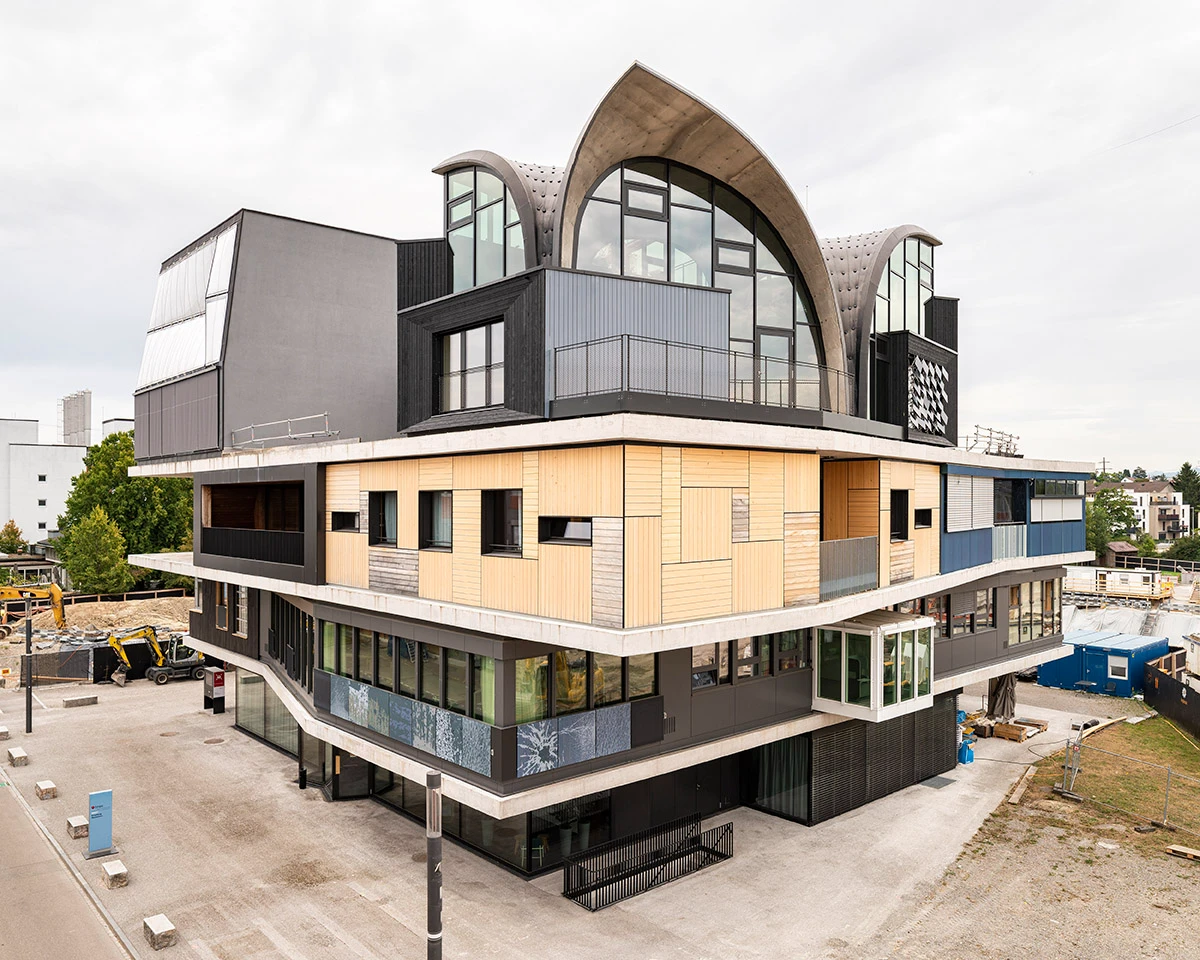
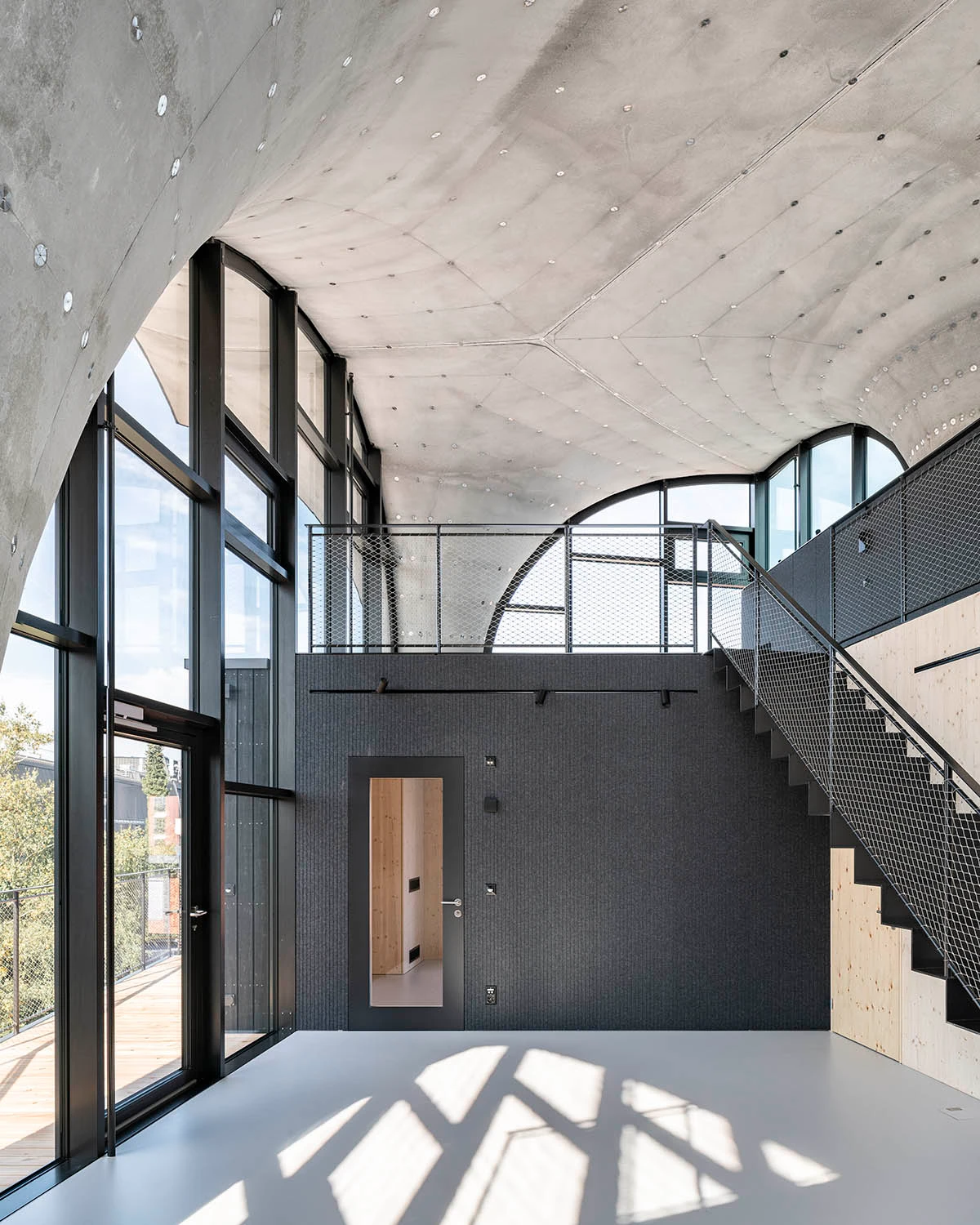
The HiLo unit at the NEST research building in Switzerland exemplifies the synthesis of innovative structural design and occupant-centered intelligence. Following the principle of high performance, low emissions, the project introduces several breakthroughs in lightweight construction and adaptive building technology.
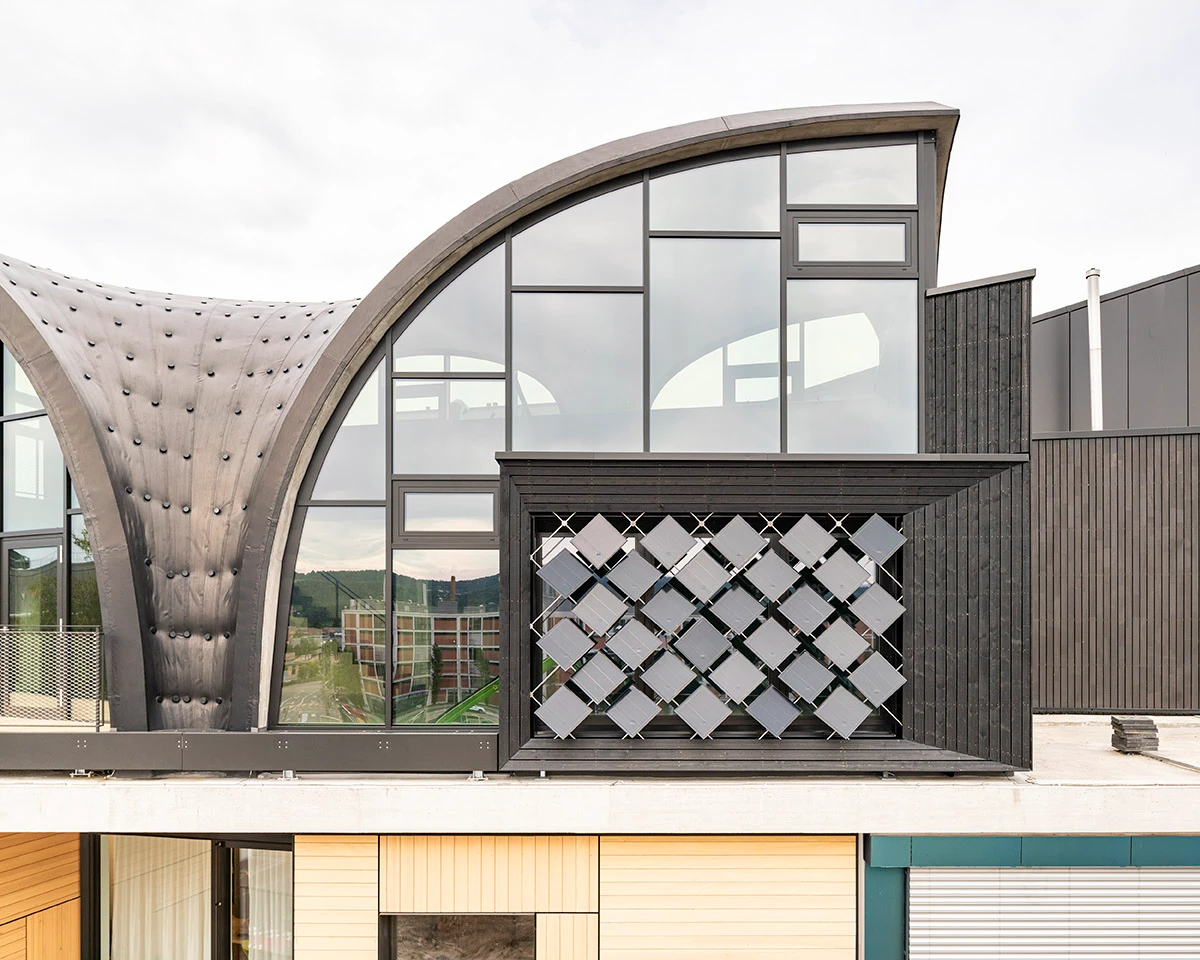
The unit features a doubly curved concrete sandwich roof, which is only 3 to 5 centimeters thick at its layers, standing freely on five supports over an unobstructed 120-square-meter space. This was achieved using a flexible cable net formwork, which eliminated the need for wasteful timber or foam molds.
From an operational standpoint, HiLo utilizes an adaptive solar facade (Solskin). This second skin consists of rotatable photovoltaic modules that can follow the sun to maximize energy production or open up to allow for passive heating in winter. The entire system is controlled by a machine learning algorithm that prioritizes user comfort, adjusting the lighting and temperature based on the learned preferences of the occupants.
The Neuroscience of Space and Perception
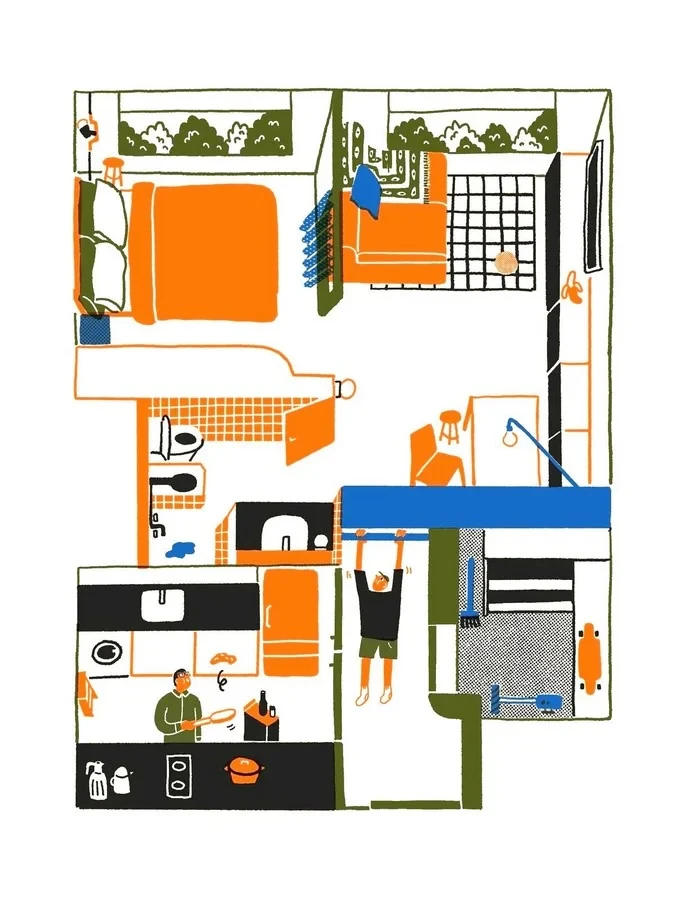
Buildings are not just physical shelters; they are extensions of our mental lives, our memories, dreams, and desires. Neuroscientific research has shown that the brain is hard-wired to respond to architectural features such as shapes, proportions, colors, and textures through innate biological regulation.
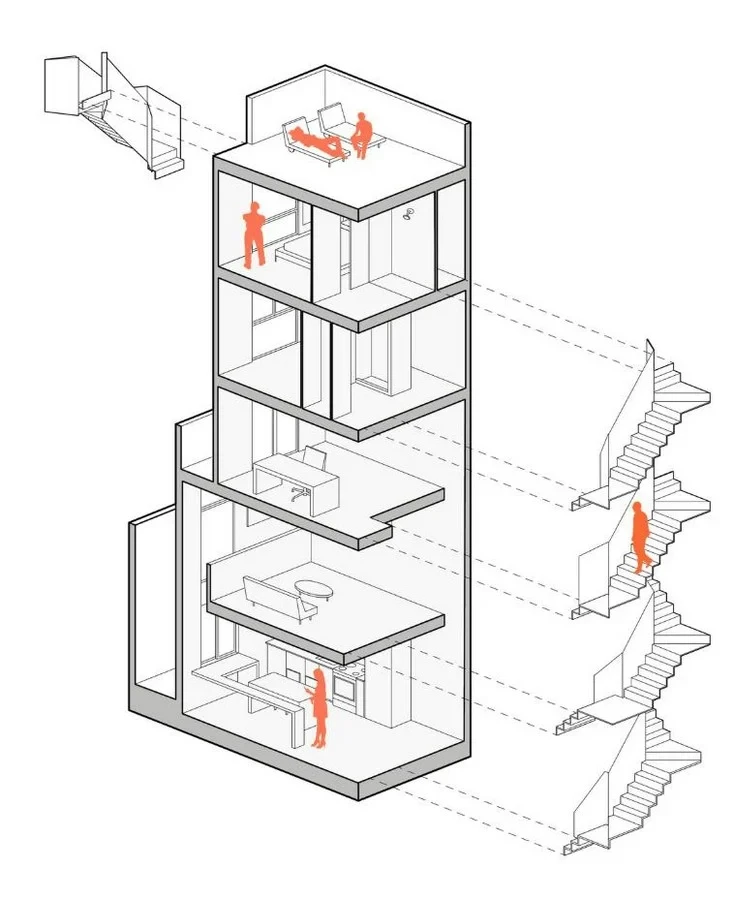
A noisy, poorly lit, or cramped room can evoke a fight-or-flight state, increasing heart rate and cortisol levels, which in turn decreases learning and memorization capacity. Conversely, spaces designed with emotional precision can stimulate the release of neurotransmitters associated with relaxation and happiness. This is why different rooms in a house should be designed for specific physiological targets: high pleasure and dominance for social areas, and low physiological activation for bedrooms and bathrooms to promote rest.

The Living Architecture Systems Group (LASG), directed by Philip Beesley, is at the forefront of creating sentient environments that bridge the gap between architecture and living systems. Beesley’s work integrates lightweight scaffolds, distributed sensor networks, and curiosity-based learning algorithms to create immersive installations that breathe and respond to human presence.

One of the group’s notable projects, Astrocyte, is composed of more than 300,000 individual components, including acrylic trusses and oil-infused glass capsules that shimmer like some primal soup reaching toward sentience. As visitors move through the structure, motion sensors activate an immersive soundscape and trigger ripples of light and kinetic movement. Wires replace nerves, and sensors whisper to algorithms, allowing the structure to listen, learn, and react emotionally to the occupants.
Ori Living and the Expandable Apartment
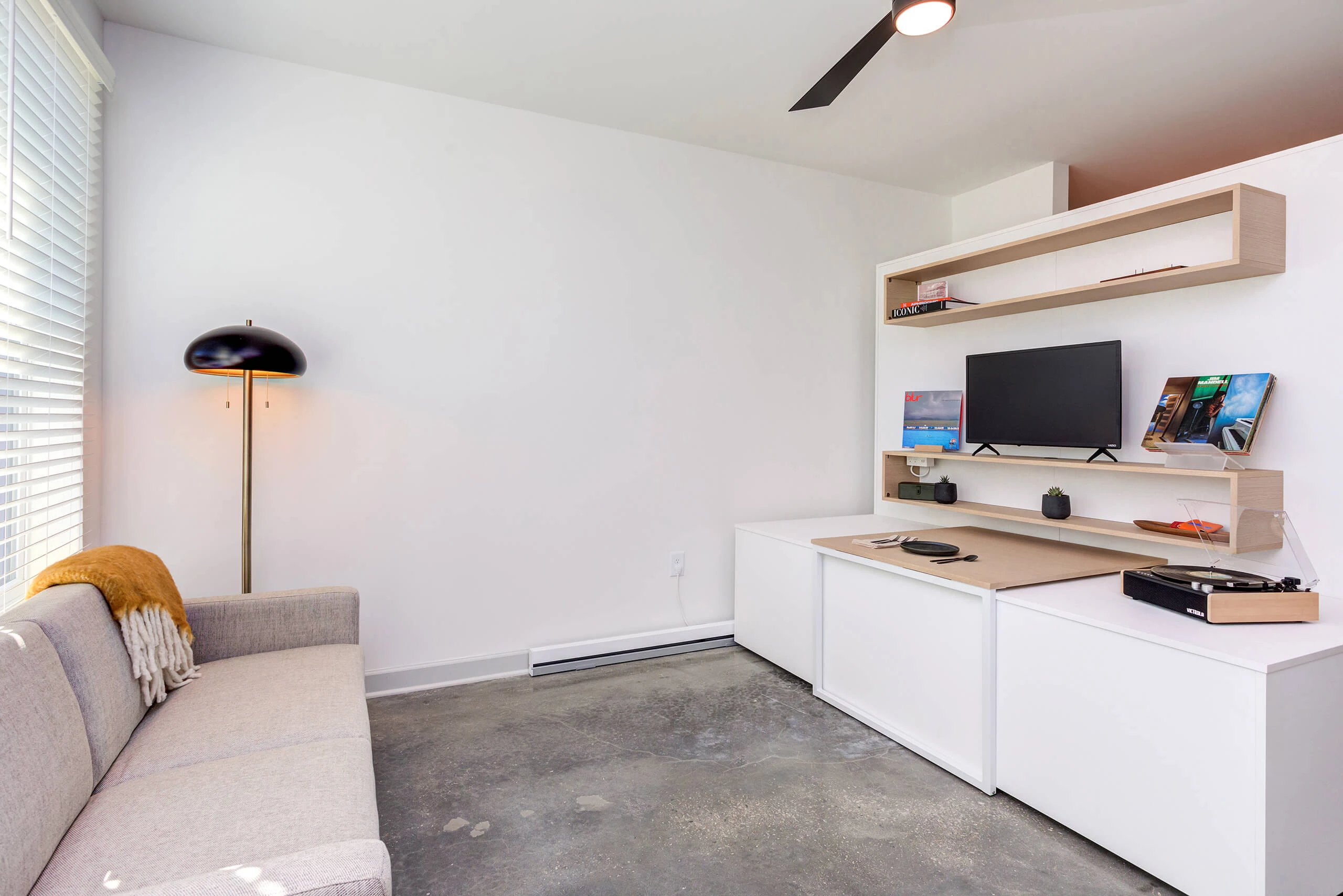
Ori Living utilizes proprietary robotics to create expandable apartments, where furniture moves at the touch of a button or a voice command. Their Cloud Bed can be lifted into a ceiling recess to reveal a sofa and living area, while their Pocket Closet can open to create a walk-in dressing room and then retract to reclaim the square footage for other activities.
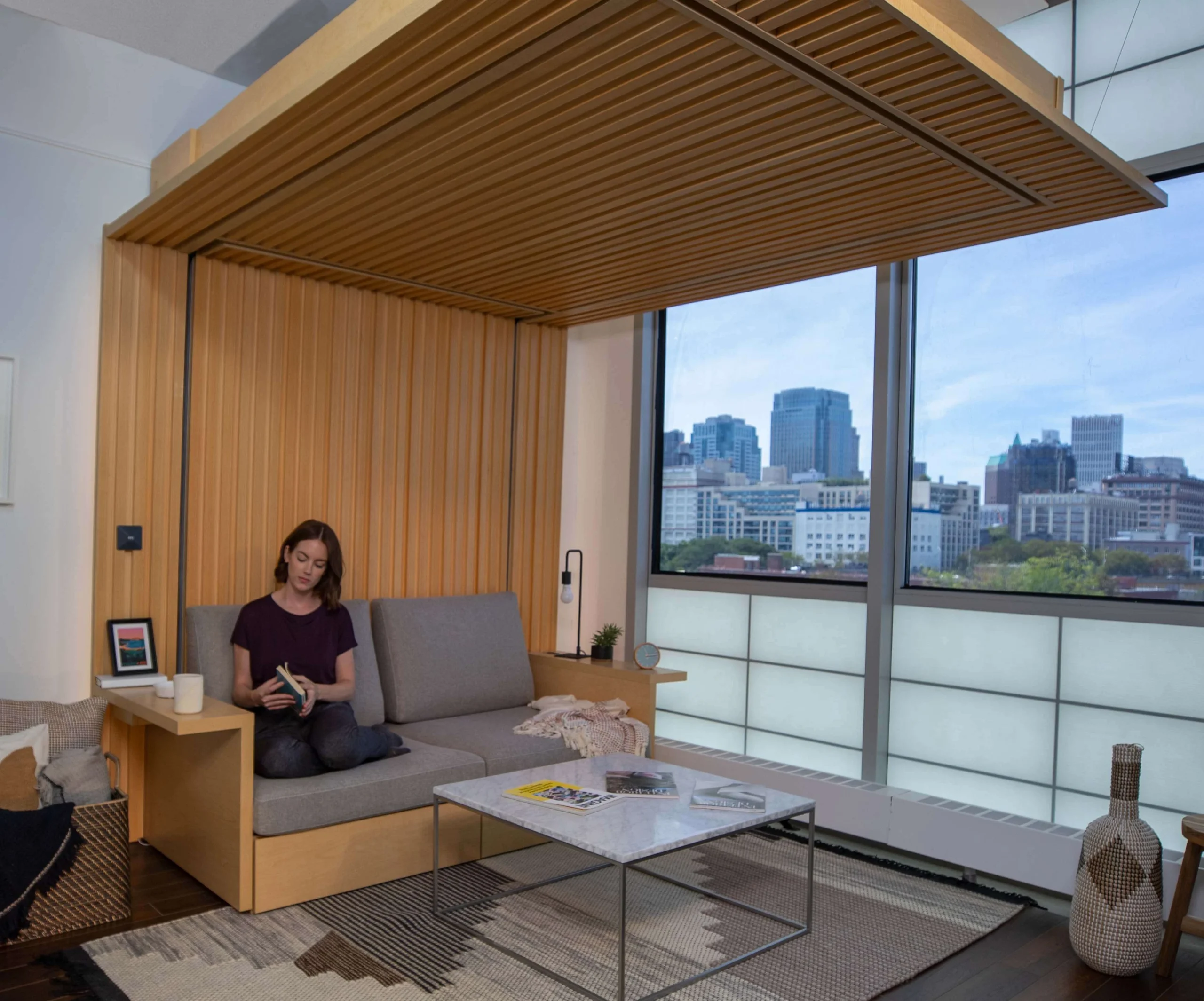
This technological intervention allows residents to live larger in a smaller footprint, effectively doubling the functional value of their square footage. The robotic furniture is designed with safety in mind, moving fast enough to be convenient but slow enough to be safe, and even offers features to help people with physical impairments negotiate their environment.
Kasita and the Stackable Home
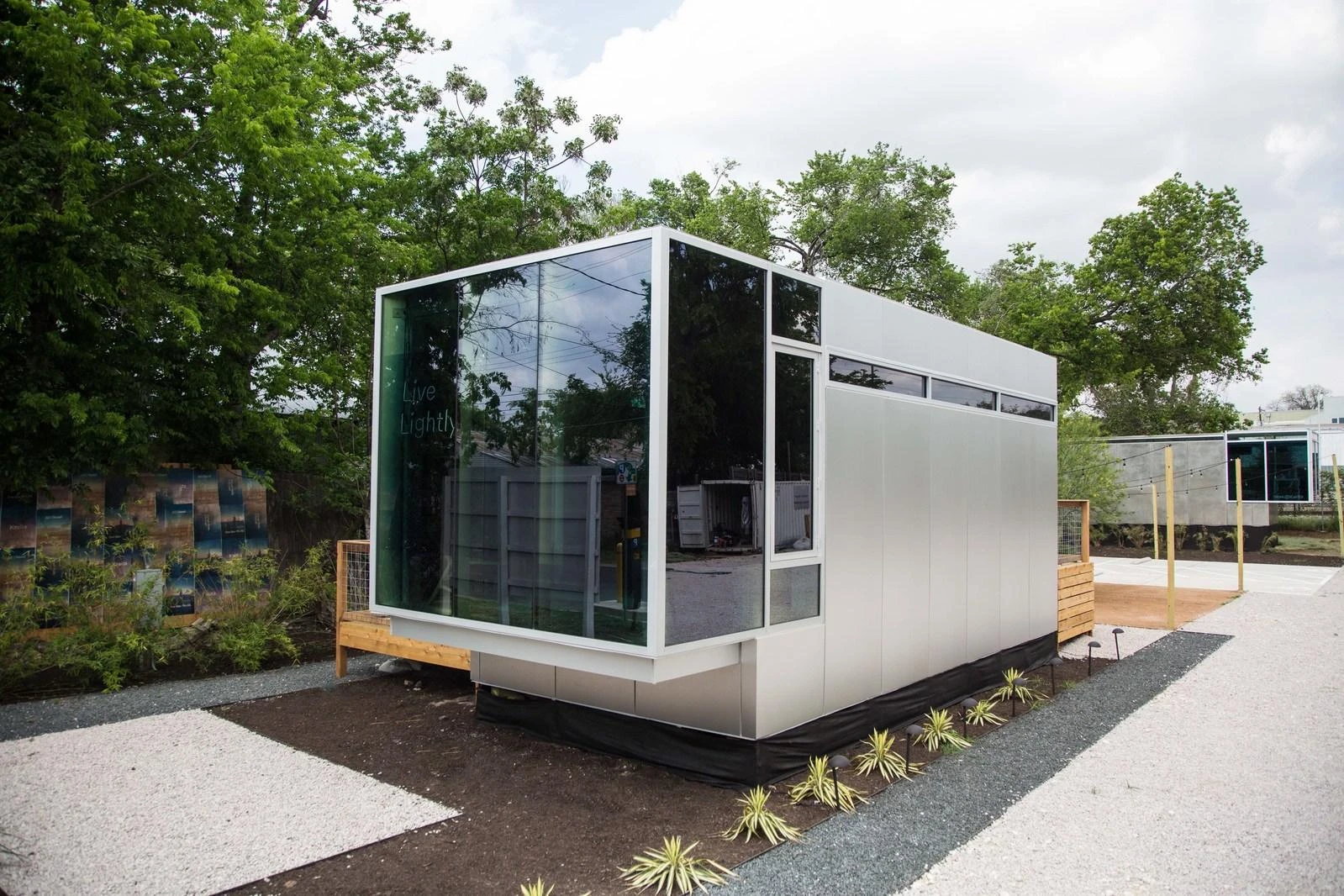
The Kasita concept represents another leap toward the flexible future. Conceived by Jeff Wilson, who spent a year living in a dumpster to understand minimal living, Kasita provides prefabricated micro-homes that slot into engineered steel frames. These 319-square-foot pods are fully equipped with smart technology, including Nest thermostats and Amazon Echo speakers, and electrochromic windows that adjust transparency based on exterior lighting.
Sustainable Social Housing

In Hong Kong, bamboo micro-housing has been proposed as a transitional solution for the city’s 280,000+ residents without permanent homes. These sustainable, inexpensive structures are designed to be installed inside existing industrial buildings, providing a kitchenette, living room, and sleeping quarters in a modular format. Similarly, in Vietnam, modular bamboo housing has been engineered to withstand 1.5-meter floods, providing a multi-functional space that can serve as a home, clinic, or educational center.

In Santa Monica, the Broadway Affordable Housing project by Kevin Daly Architects showcases social housing design that prioritizes sustainability and architectural diversity. The integration of connected home technologies in social housing allows for proactive management, ensuring that residents have access to high air quality and energy-efficient systems that reduce their utility burdens.
Micro-living is evolving into smart, adaptive homes that respond to human needs, as seen in these projects, blending technology and comfort to create emotionally intelligent spaces that enhance well-being, efficiency, and everyday living experiences.
Explore Courses
.jpg "Architecture Diagram Mastery: Concept to Portfolio")
.jpg%202.jpg "Building Performance with Forma & Opossum")
.jpg "Ondrej Chybik - Rethinking Architecture")