

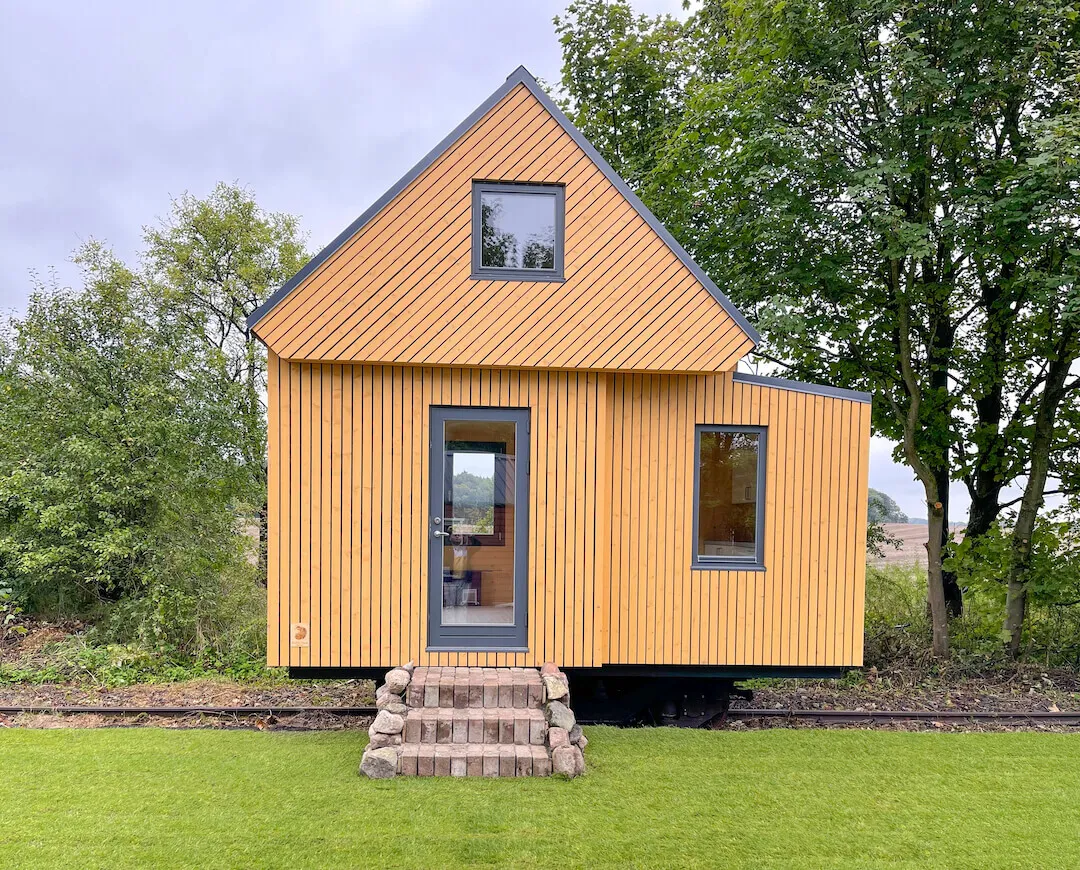
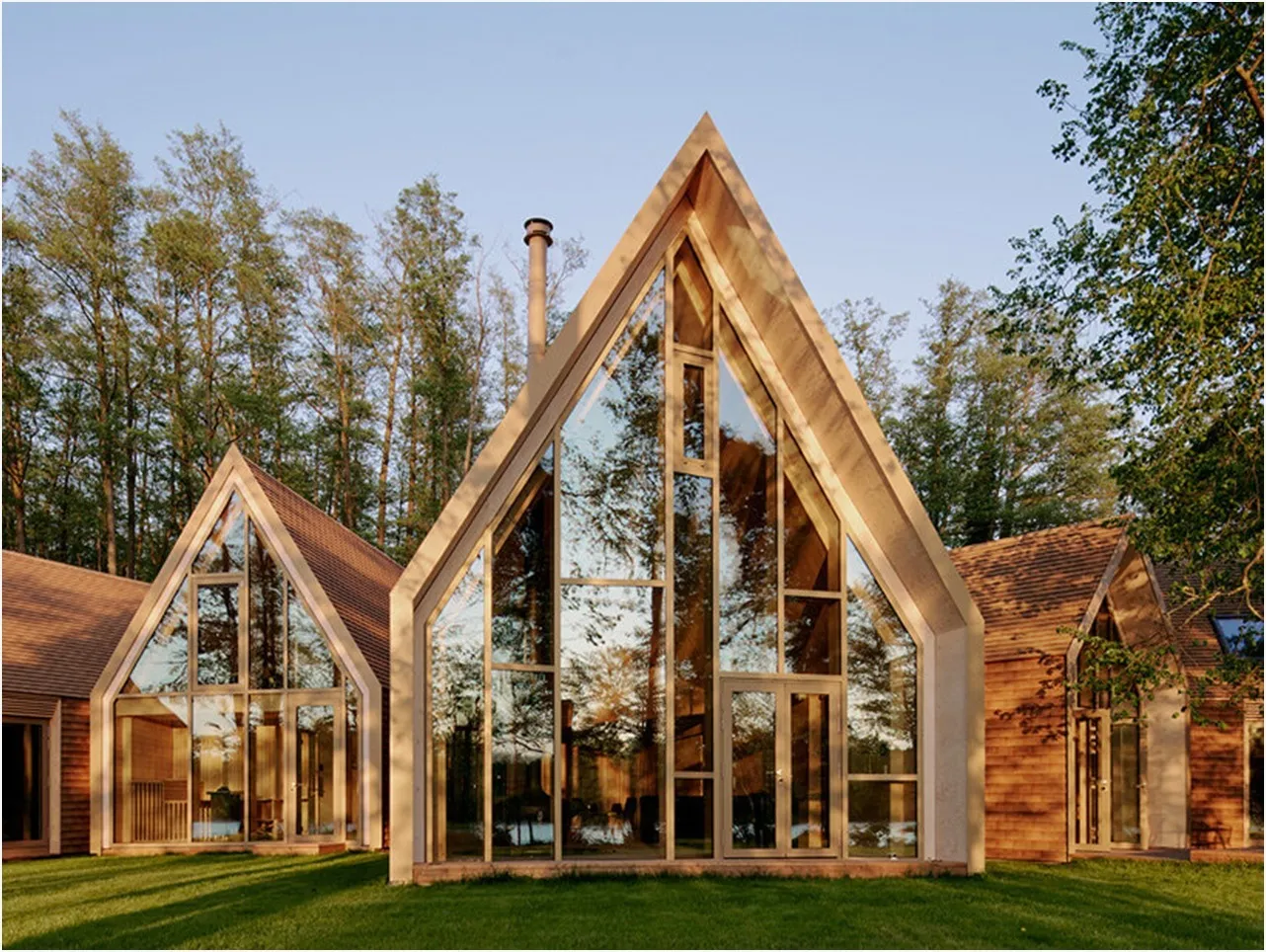

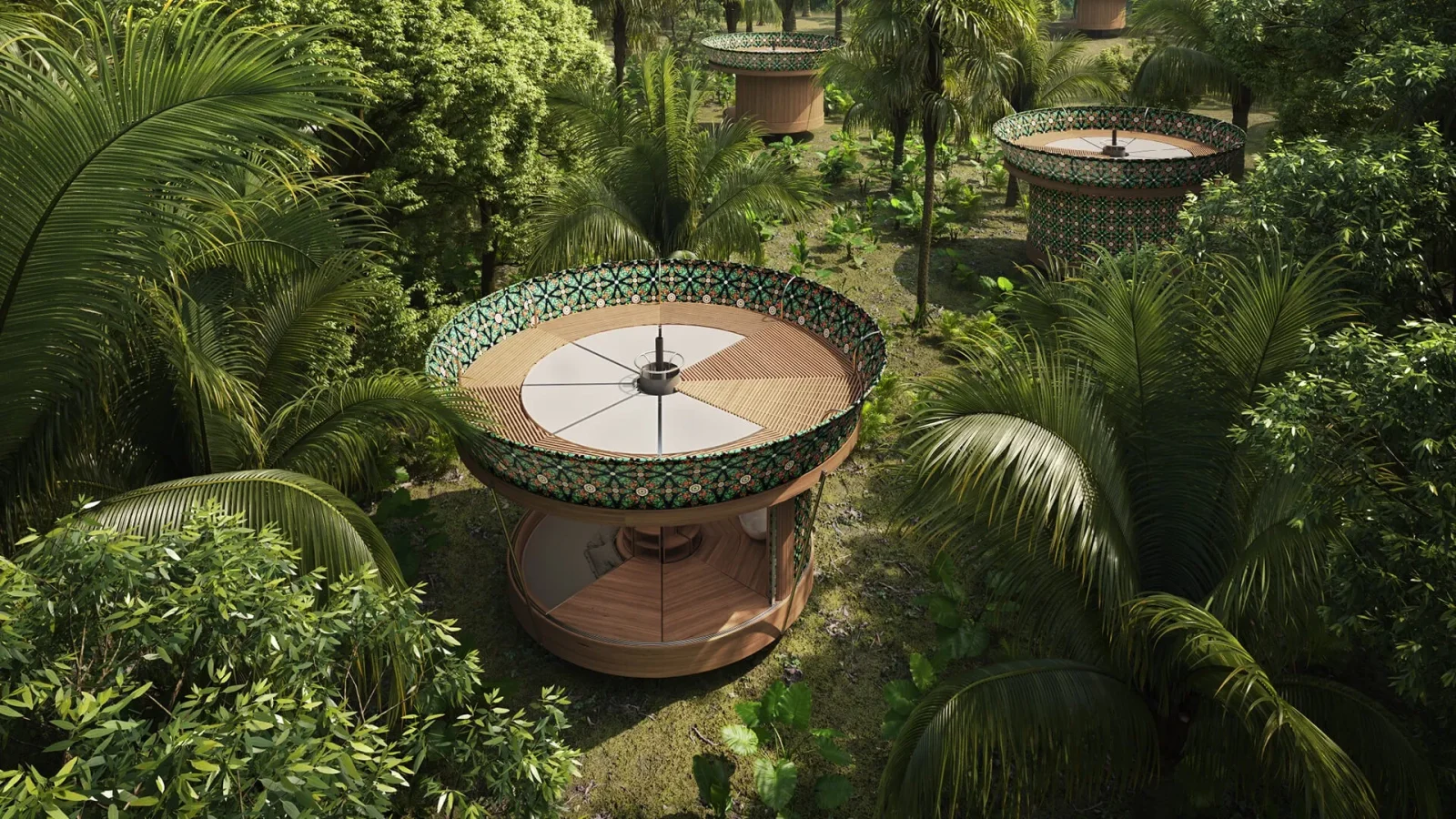
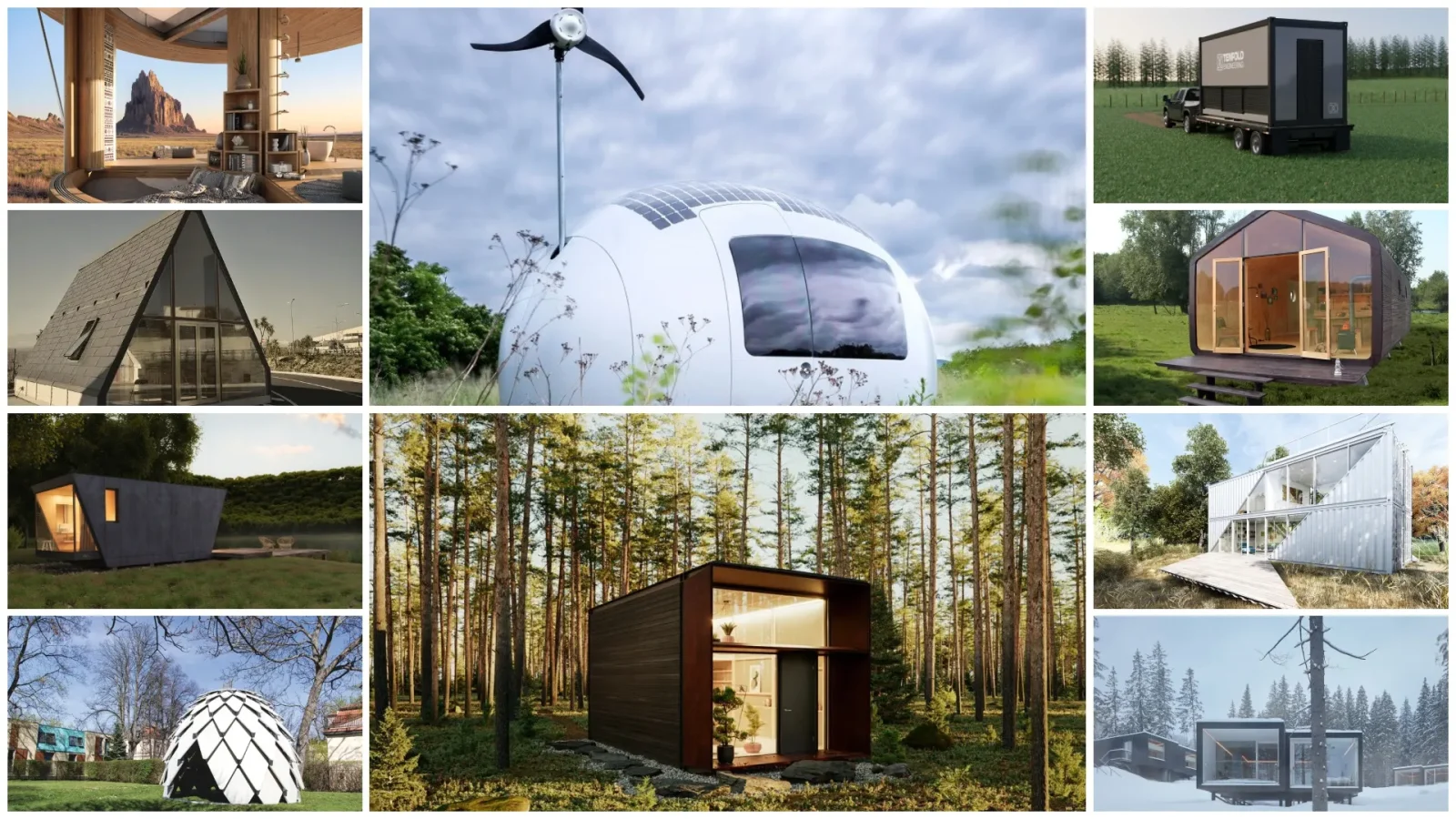
Imagine a home that moves with you from bustling cities to remote landscapes, redefining what it means to live, work, and travel. Architects are no longer rooting buildings to a fixed site; they are embracing mobile and remote architecture, designing structures that relocate, float, or shift to where people need them most. This transition reflects a growing desire for flexibility in lifestyle, travel, and spatial use.
In both urban and isolated regions, mobile architecture and mobile design present innovative responses to pressing concerns about climate adaptation, space efficiency, and mobility. The global modular construction market will already exceed $112 billion in 2025, and analysts forecast it will nearly double by 2034.
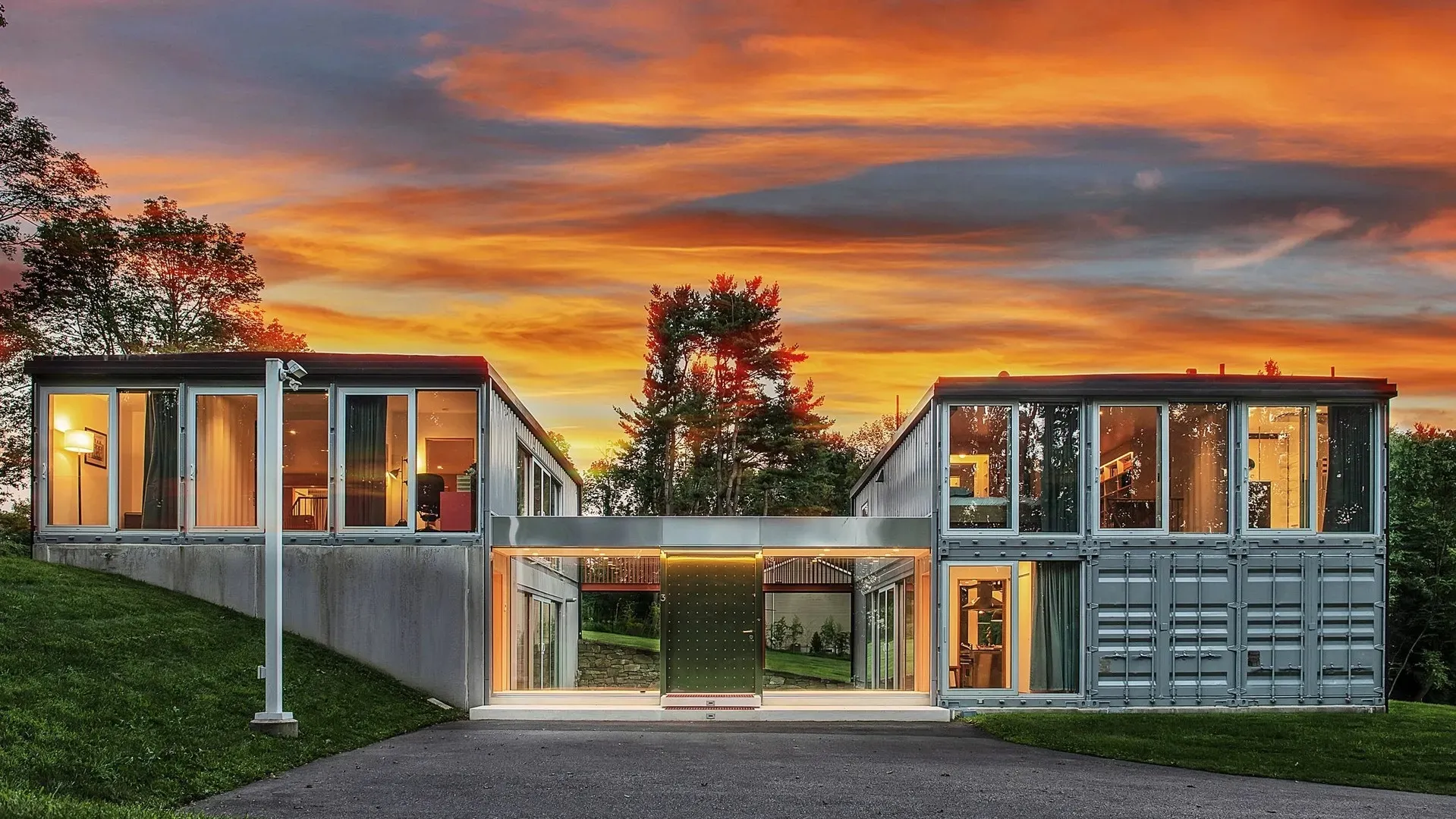
This is new thinking that responds to how people work from anywhere, seek nature, or travel for longer stretches, making mobility central to function. As a result, people now demand homes that fit different settings, clinics that reach remote villages, and hotel rooms that align with their surroundings. With one million people worldwide already living in container homes, mobile living is no longer a futuristic vision but a cultural shift reshaping how we inhabit the world.
10 Innovative Examples of Mobile Architecture Redefining Modern Living:
1. MADI—Modulo Abitativo Dispiegabile
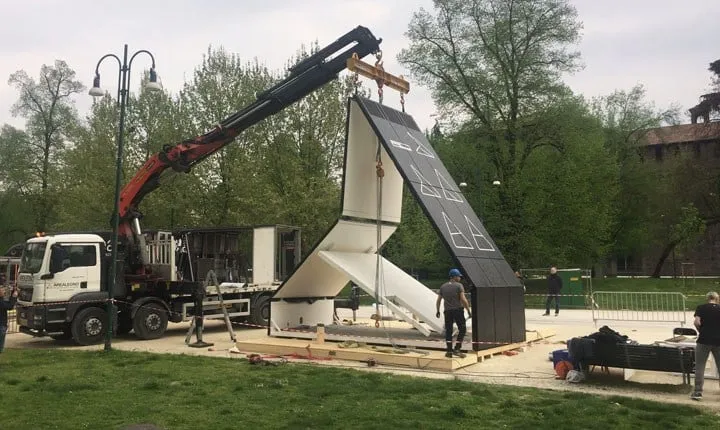
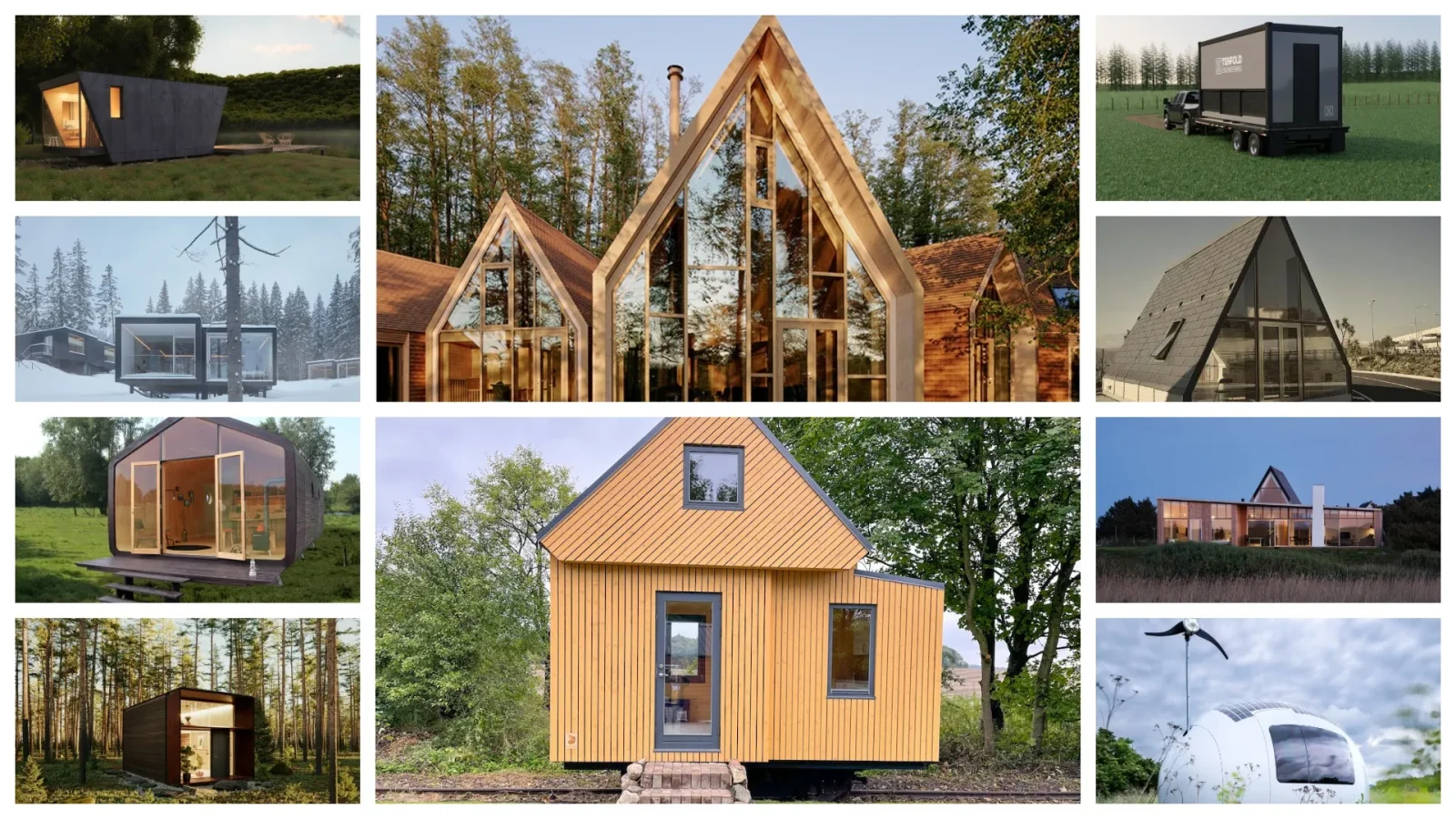
Renato Vidal designed MADI to be fast, strong, and easy to move with triangle-shaped homes that fold flat and ship in trucks or containers. This makes MADI homes the perfect choice to tackle natural disasters by providing a safe and comfortable shelter to affected families.
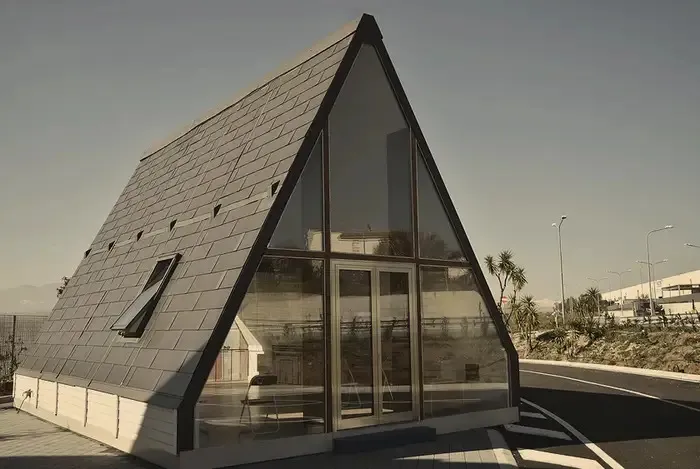
MADI homes go up fast and waste less as they use clean energy systems. They keep people warm or cool with less power and also show how mobile design helps after disasters or in rough terrain.
2. Casa Ojalá
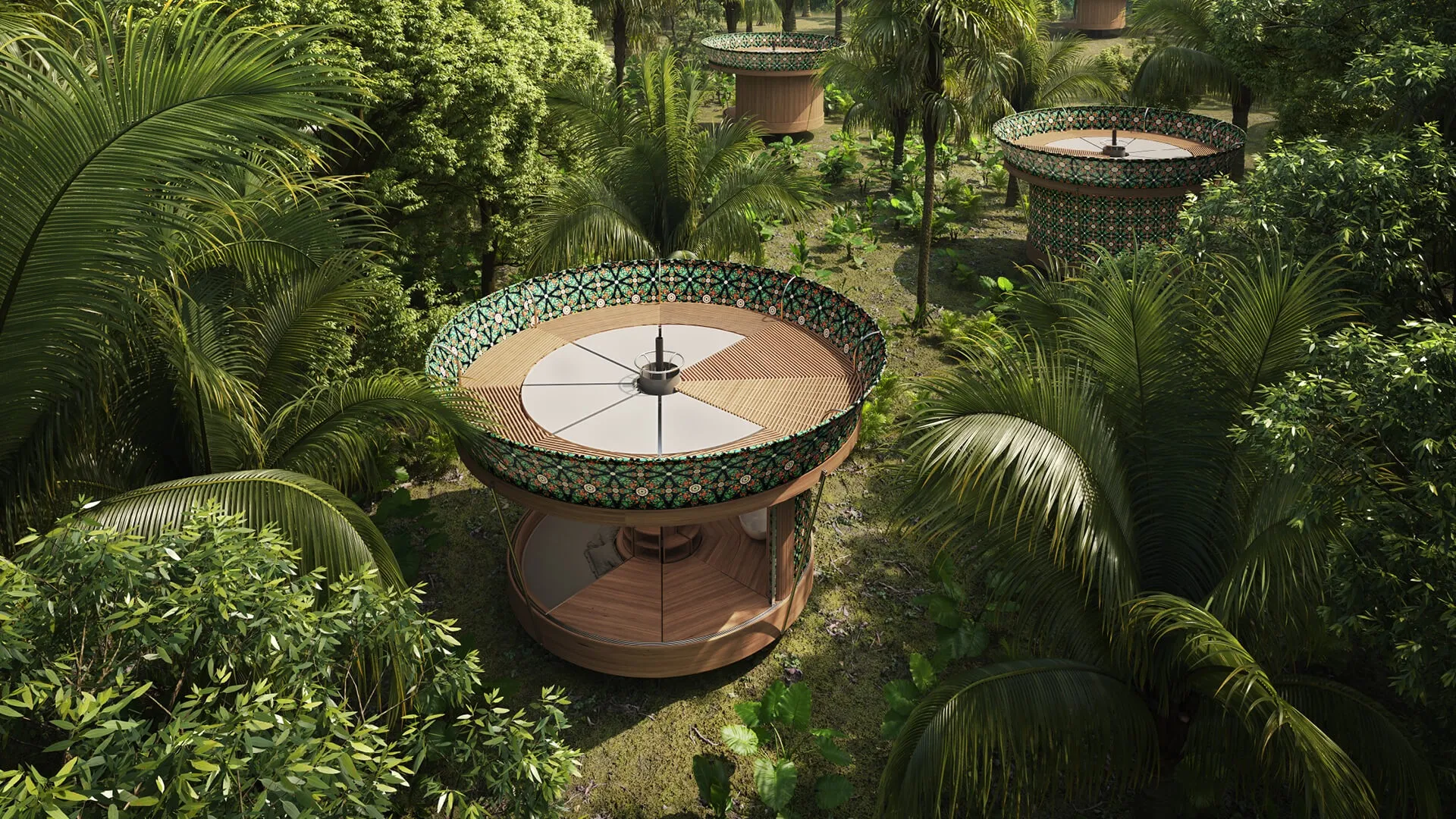
Casa Ojalá, designed by Beatrice Bonzanigo, is a transportable home that offers more than 1000 interior configurations. Covering just 27 square meters, it uses a system of ropes, pulleys, and cranks, allowing residents to reconfigure interior and exterior walls, offering unparalleled flexibility. Through a tug of a rope, the prefabricated base can transform into a bedroom with a sitting area, a kitchen, or just a plain deck to host gatherings.
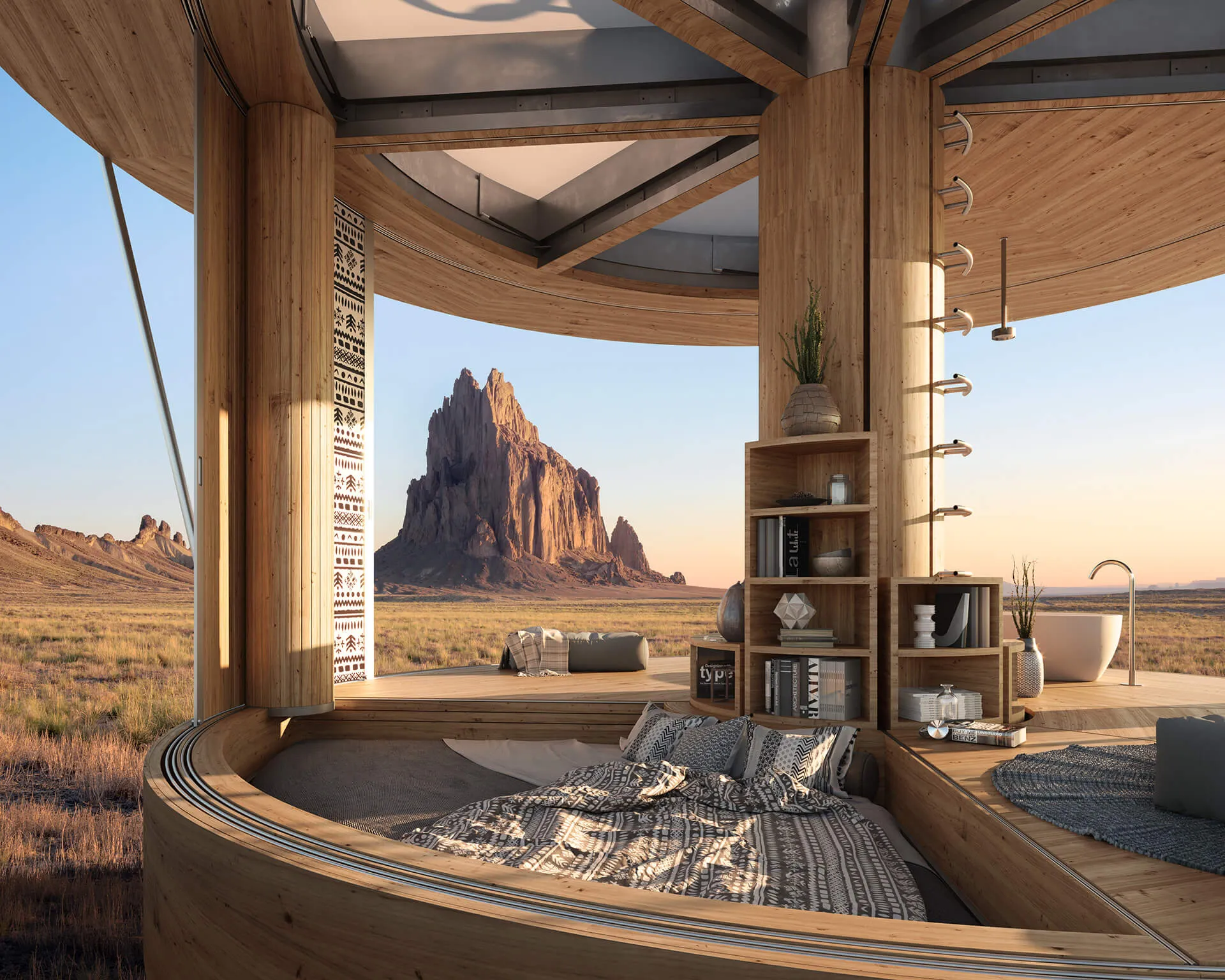
This project utilizes vertical space to create high-utility homes that move easily to different locations. Each home collects rainwater and generates solar power, making them a sustainable residential option.
3. Ten-Fold Engineering Units
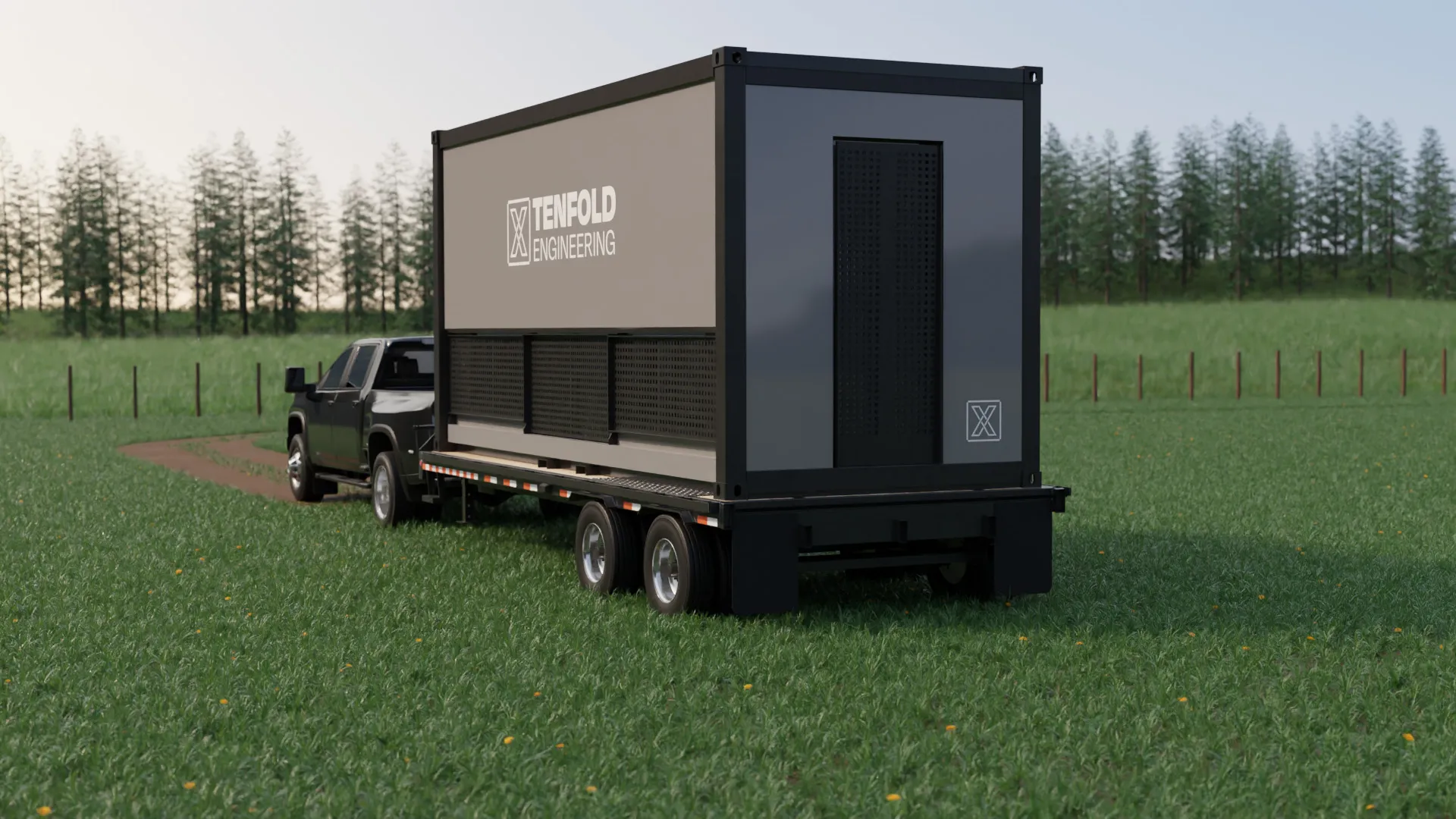
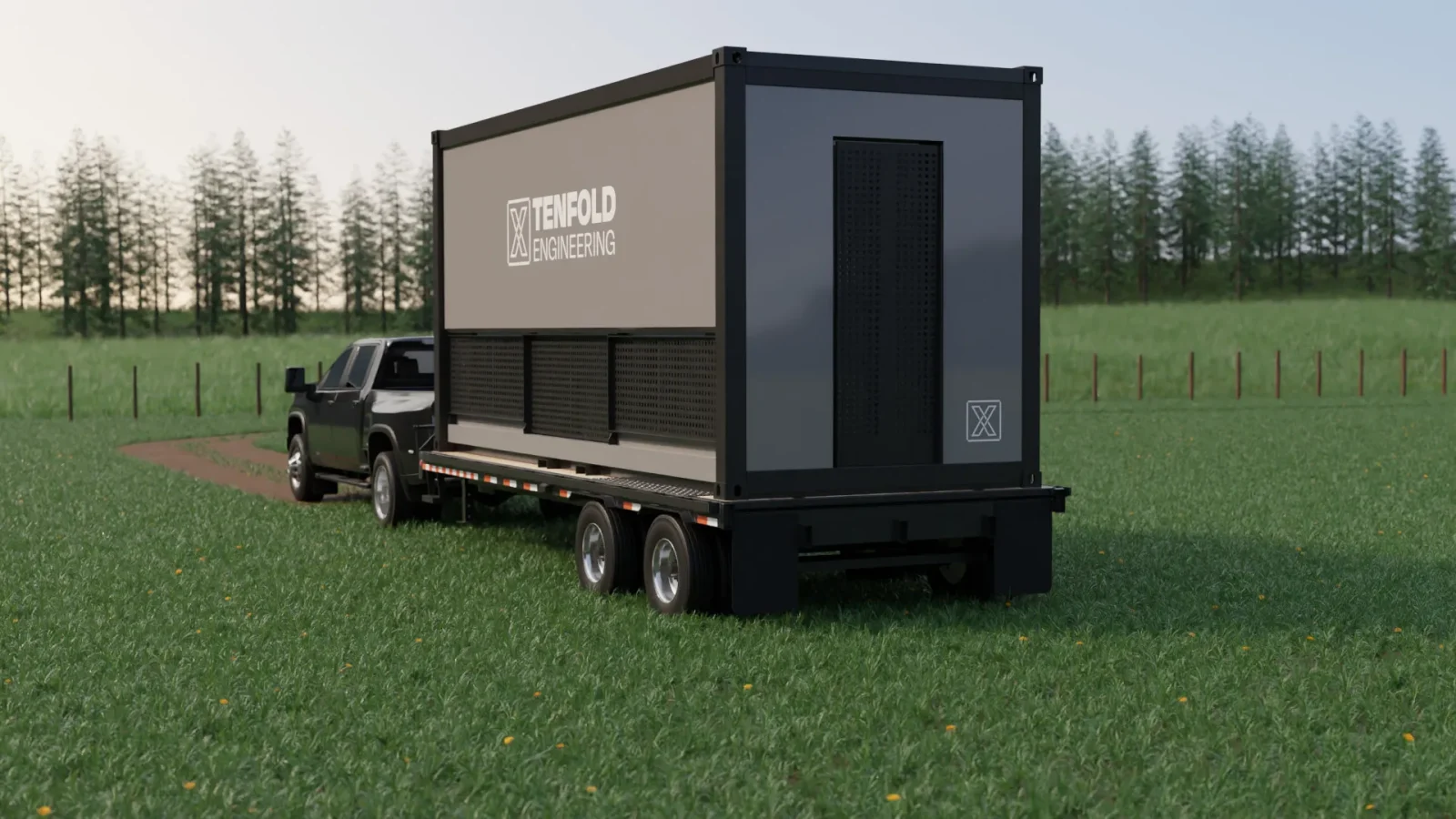
What if a home could unfold itself in ten minutes? Ten Fold Engineering designed structures that open up with no tools, and the units come as folded boxes.
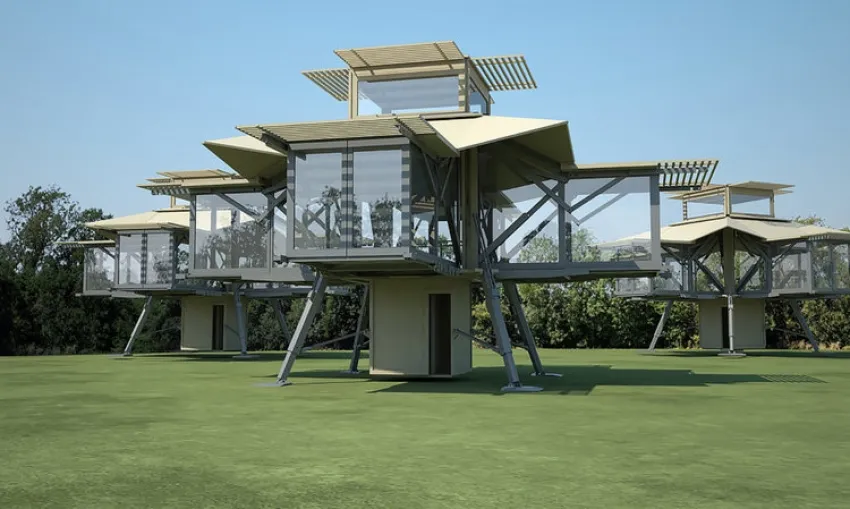
With just simple unfolding, they grow into homes or clinics. Architects and builders stack and interlink these homes to create larger structures like houses or hotel-style buildings.
4. Drop Box by In-Tenta Design
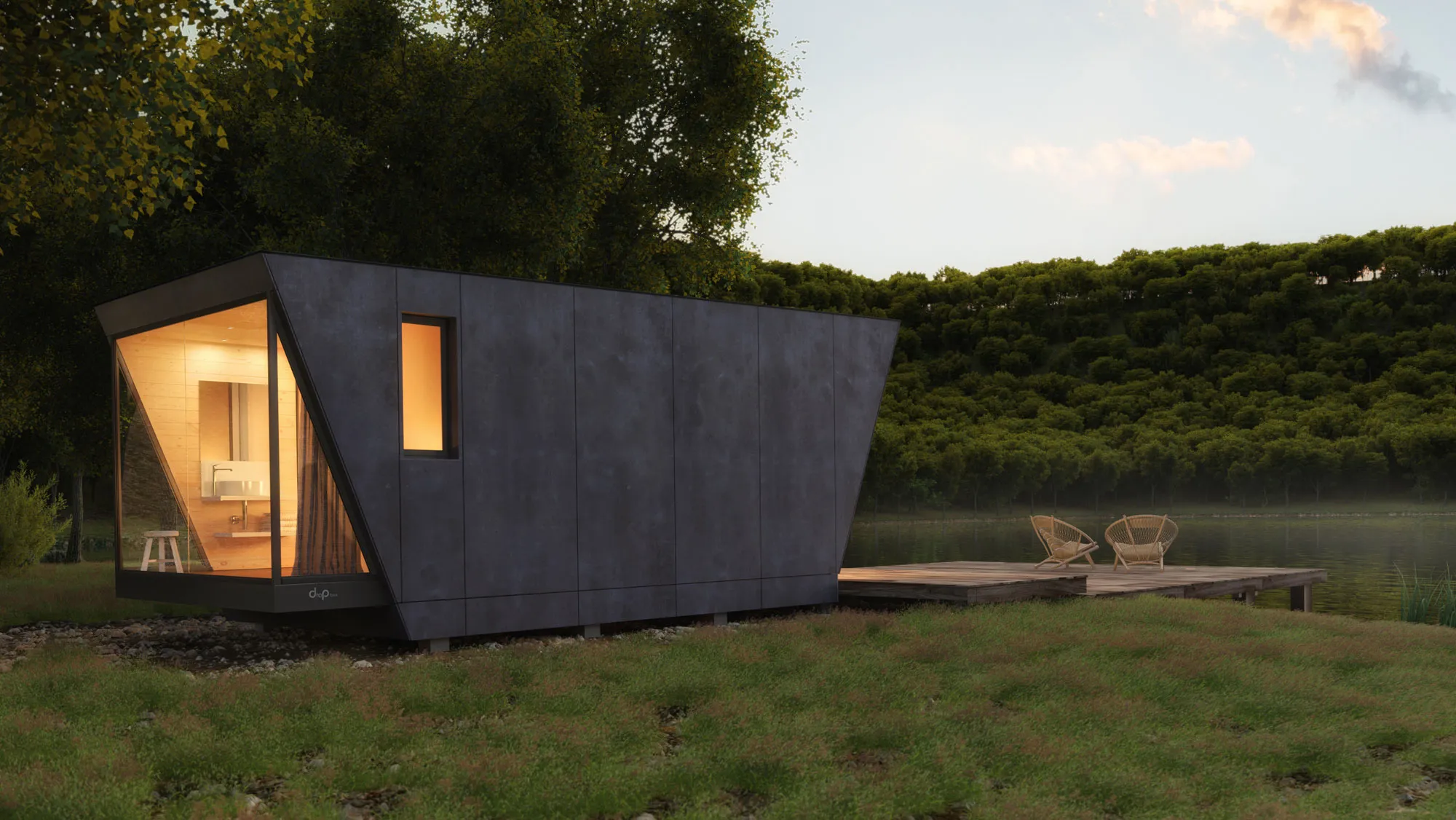
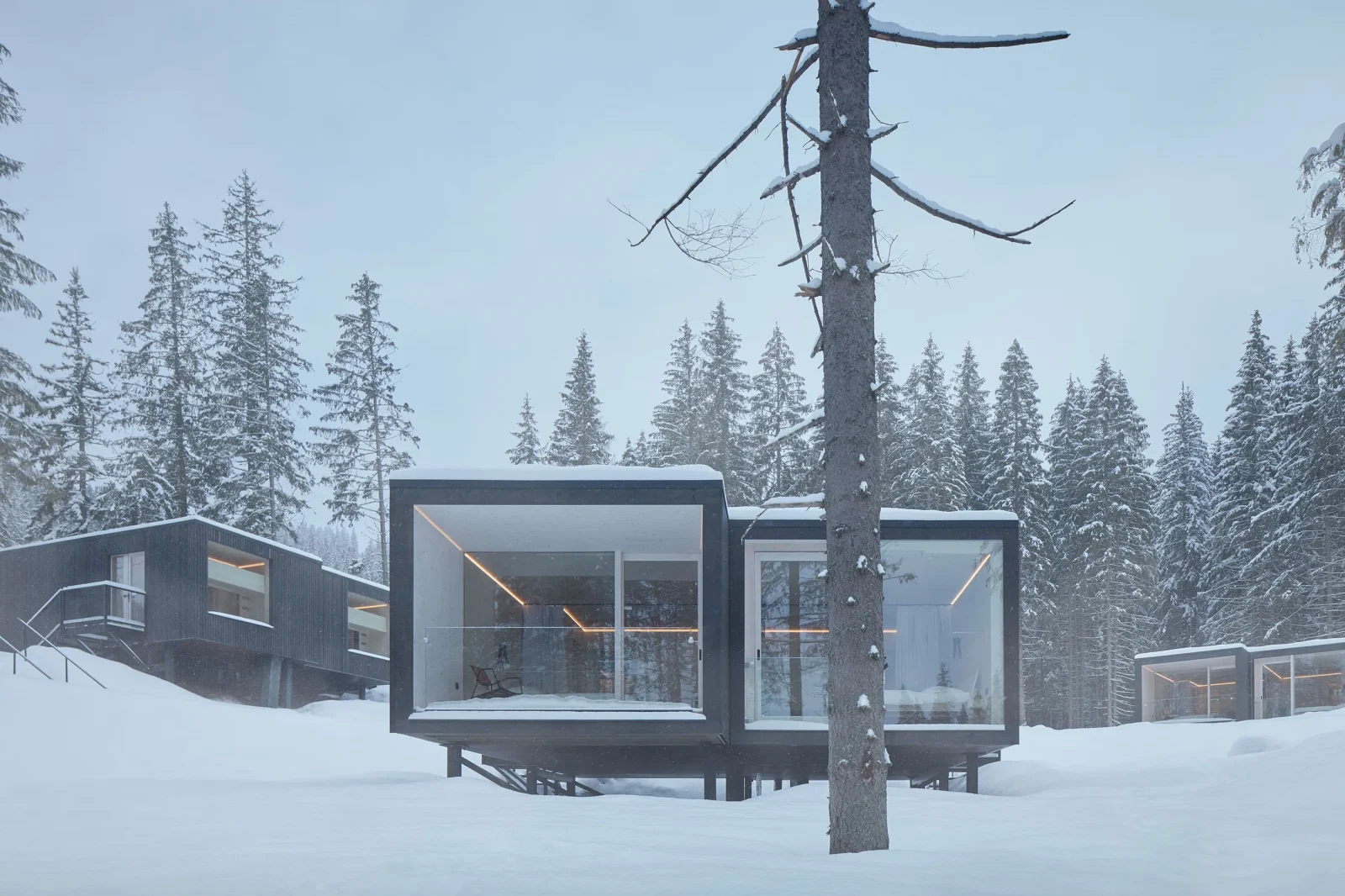
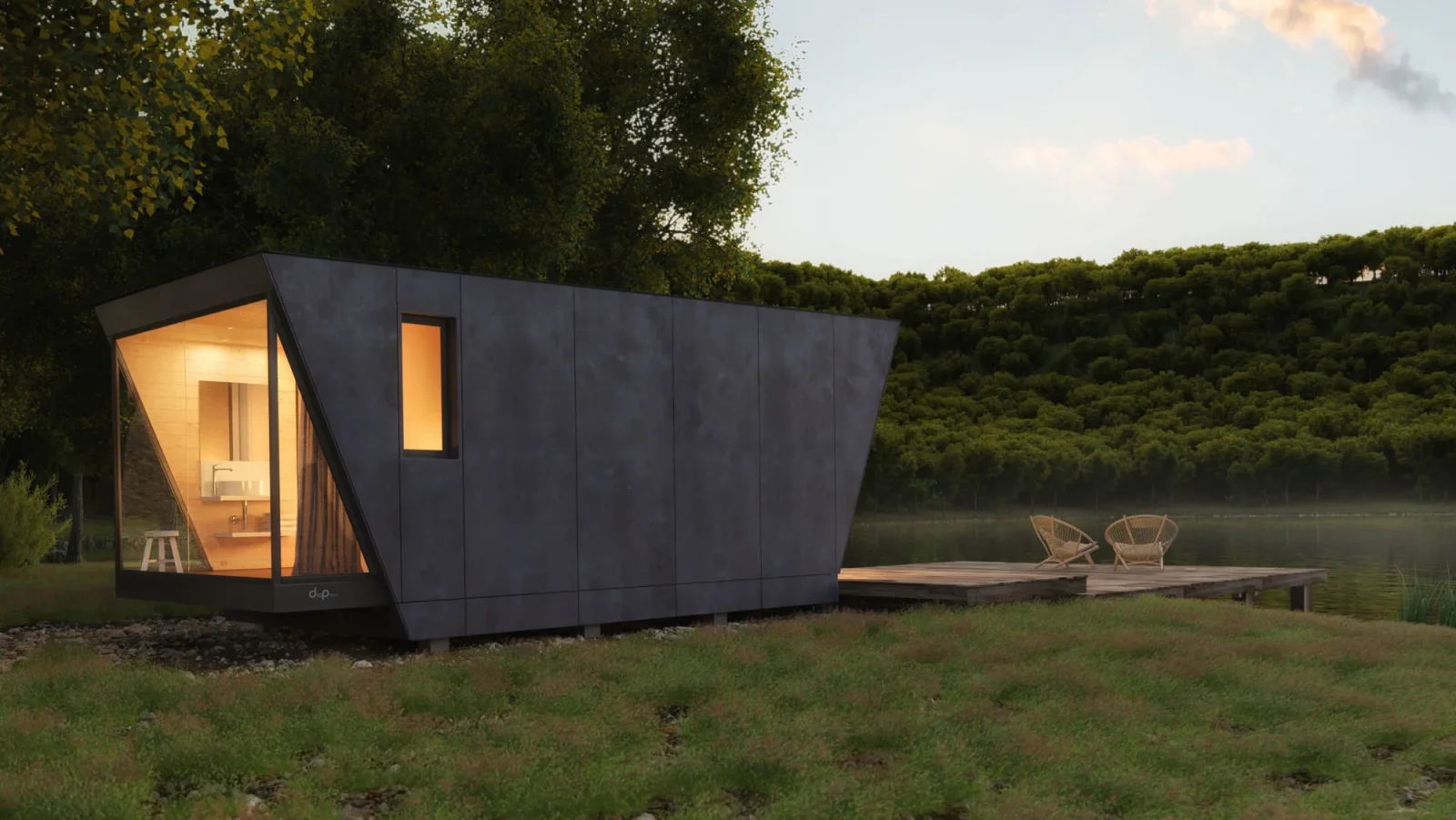
Tucked inside Catalonia’s forests and vineyards are tiny Drop Box homes in which cabins sit on steel legs, leaving the ground untouched. They come with wood panels, glass walls, and a fully equipped bathroom.
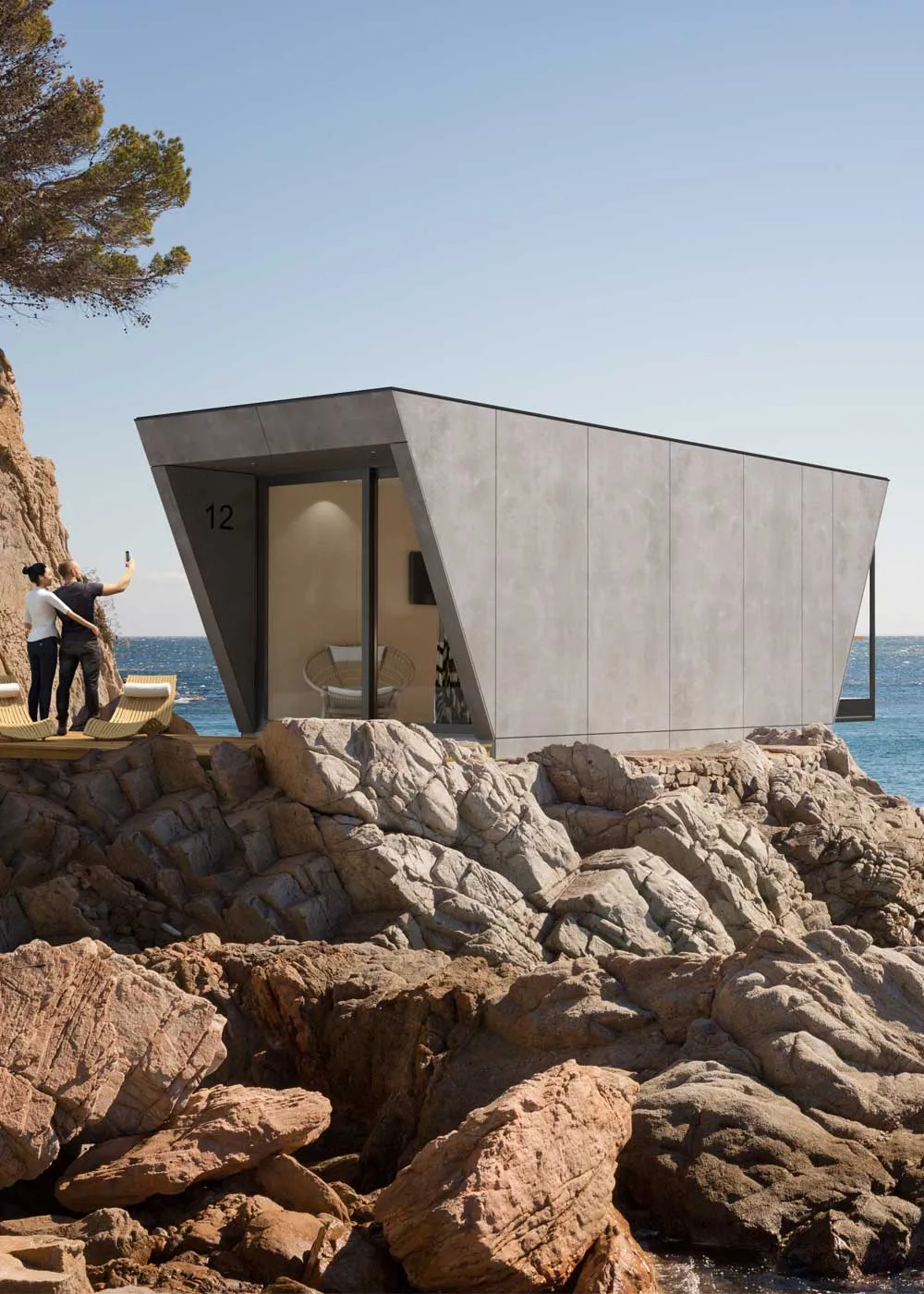
Builders create Drop Box cabins for nature lovers, and people move them by trailer or crane since they do not need a foundation. That means no digging, no damage, and easy removal, as they suit ecotourism, giving guests privacy without spoiling the land.
5. Pinecone Gazebo
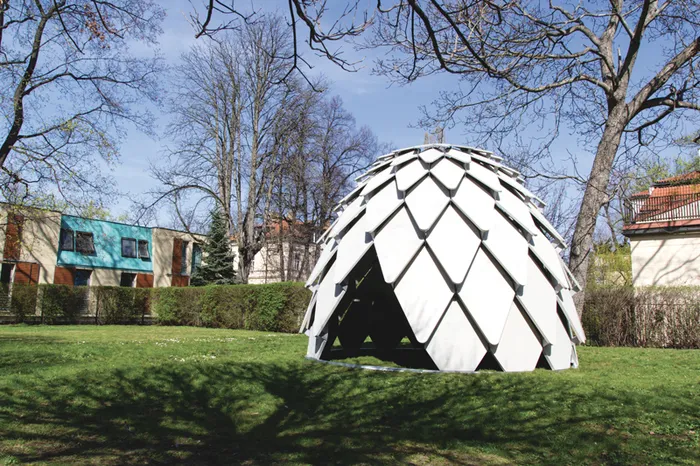
Designed by Czech designers Atelier SAD, Pinecone Gazebo is an impressive structure pointing toward a sustainable future. Built with 109 waterproof plywood scales held together by galvanized joints, this offers a perfect outdoor retreat with adults and children.
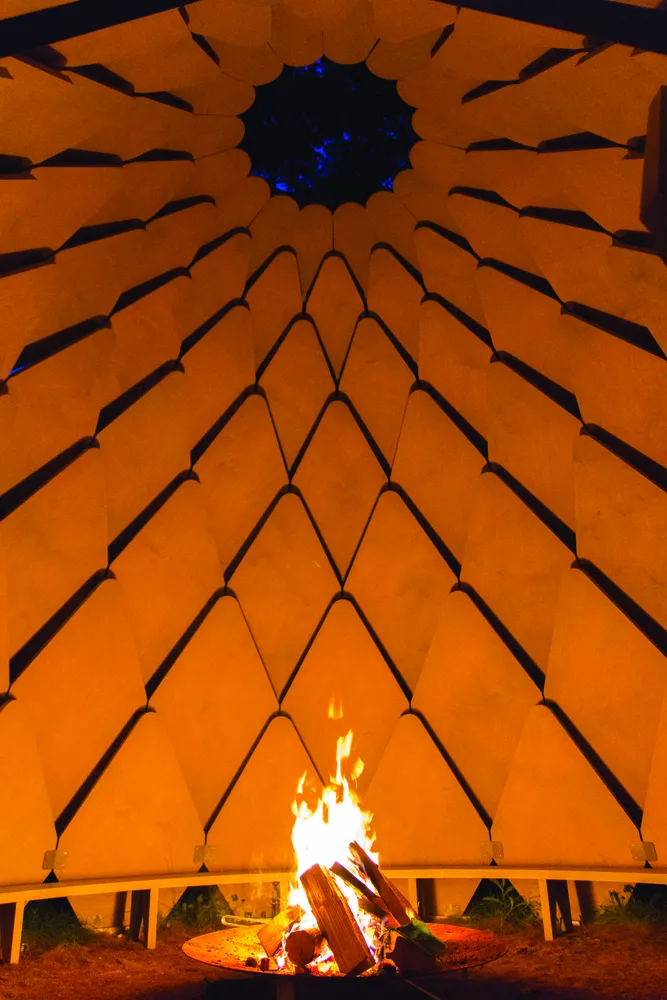
These portable gazebos offer opportunities to host outdoor classrooms, meditation sessions, or open-roof campfires in parks and schools. The carefully spaced pinecone scales ventilate the structure naturally, and you can assemble this modern marvel anywhere in just one day.
6. Ark Shelter
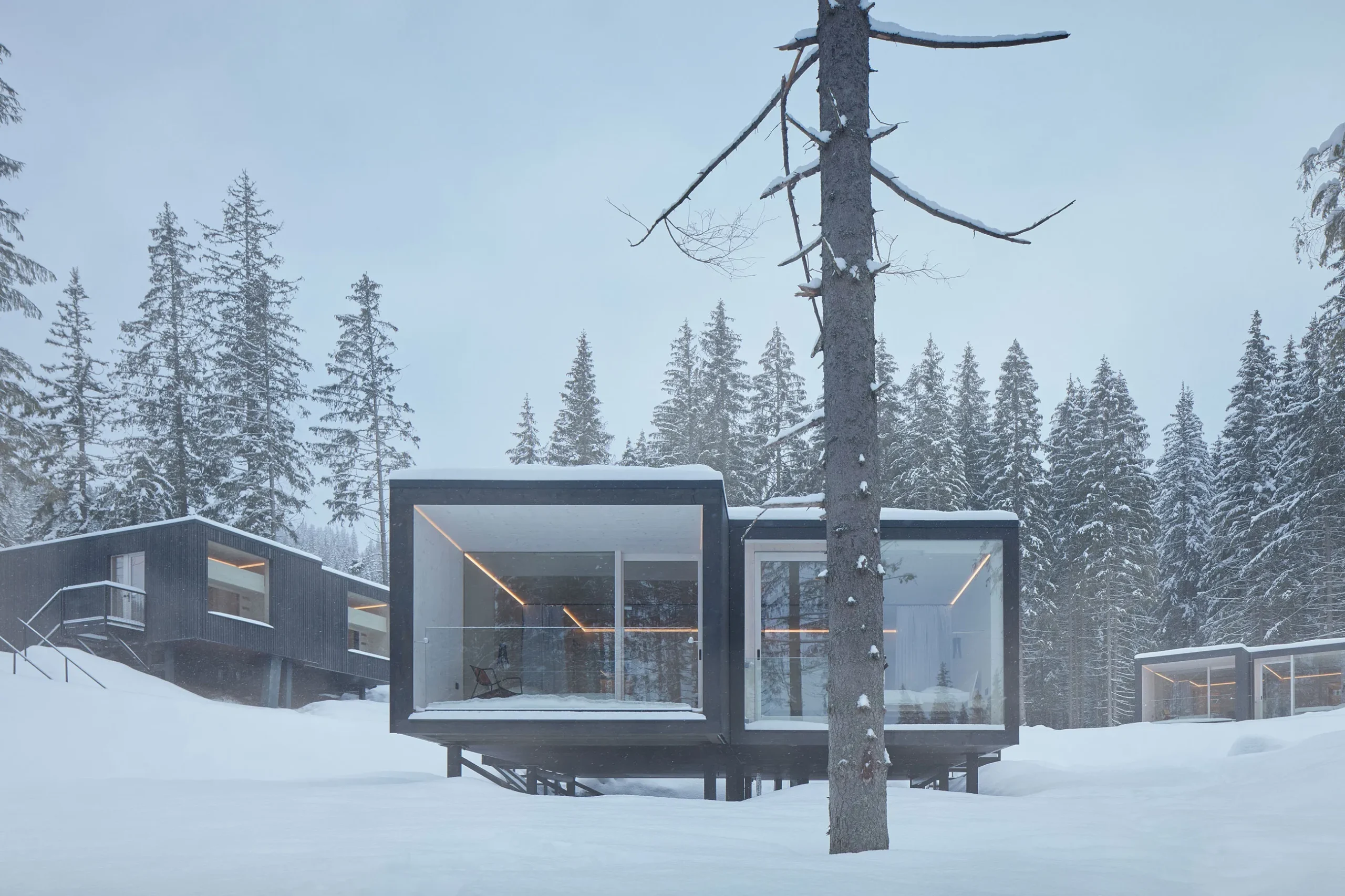
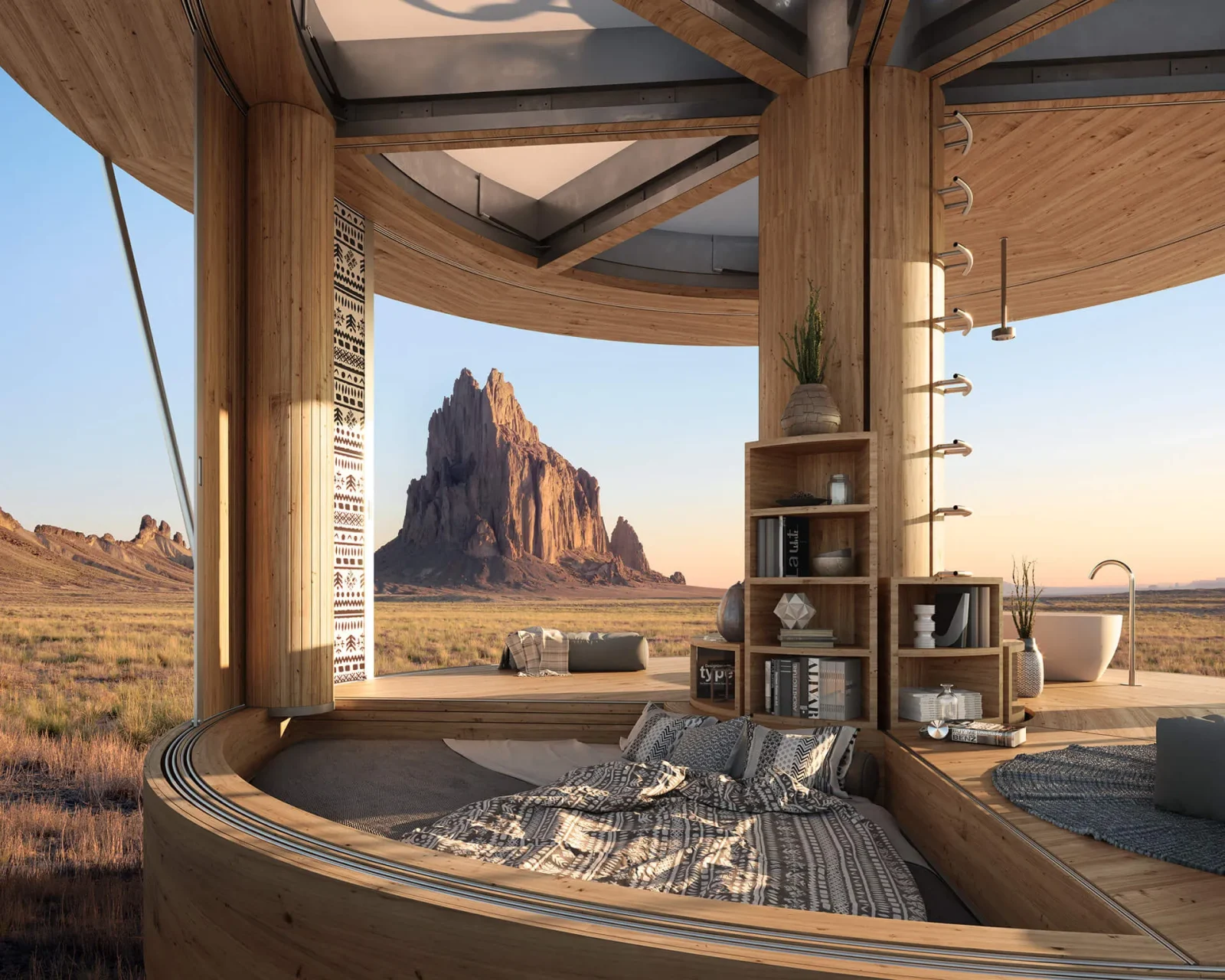
Deep in forests or perched on hills, Ark Shelter units are structures themed around nature. These are off-grid homes and use solar panels, water tanks, and smart insulation.
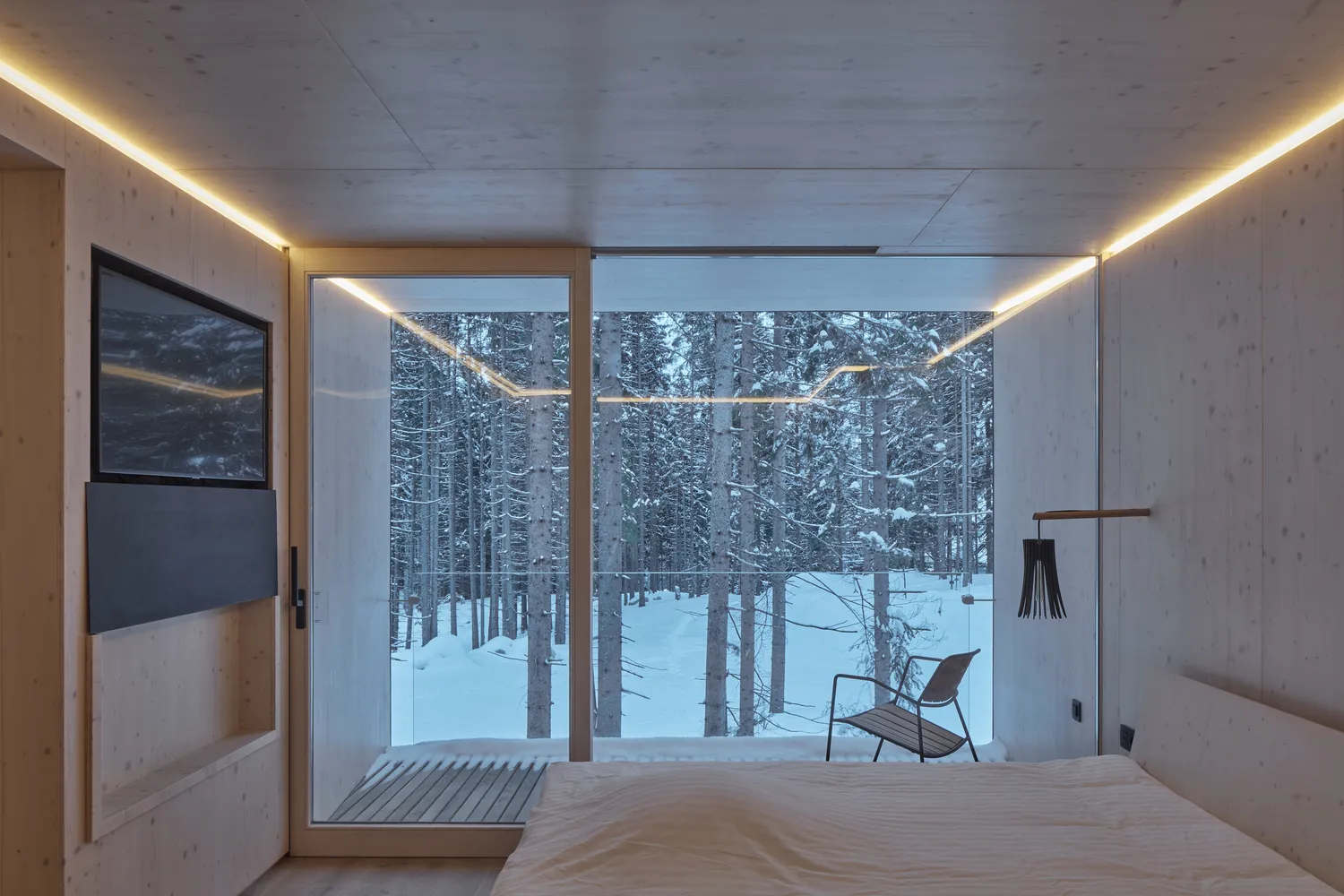
Wellness retreats feature many of them as guests stay inside to watch trees or stars outside through their connection with nature. Ark Shelter turns space into healthy getaways, and the homes also move easily between sites, thanks to their base frame and crane setup.
7. Cargotecture by LOT-EK
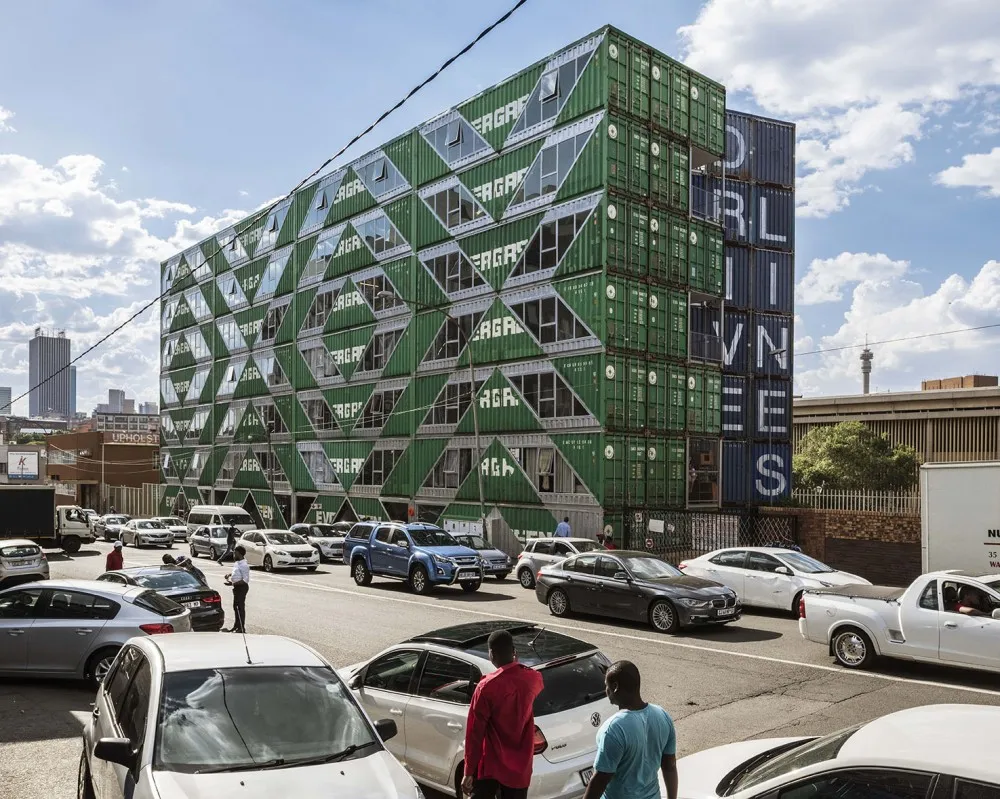
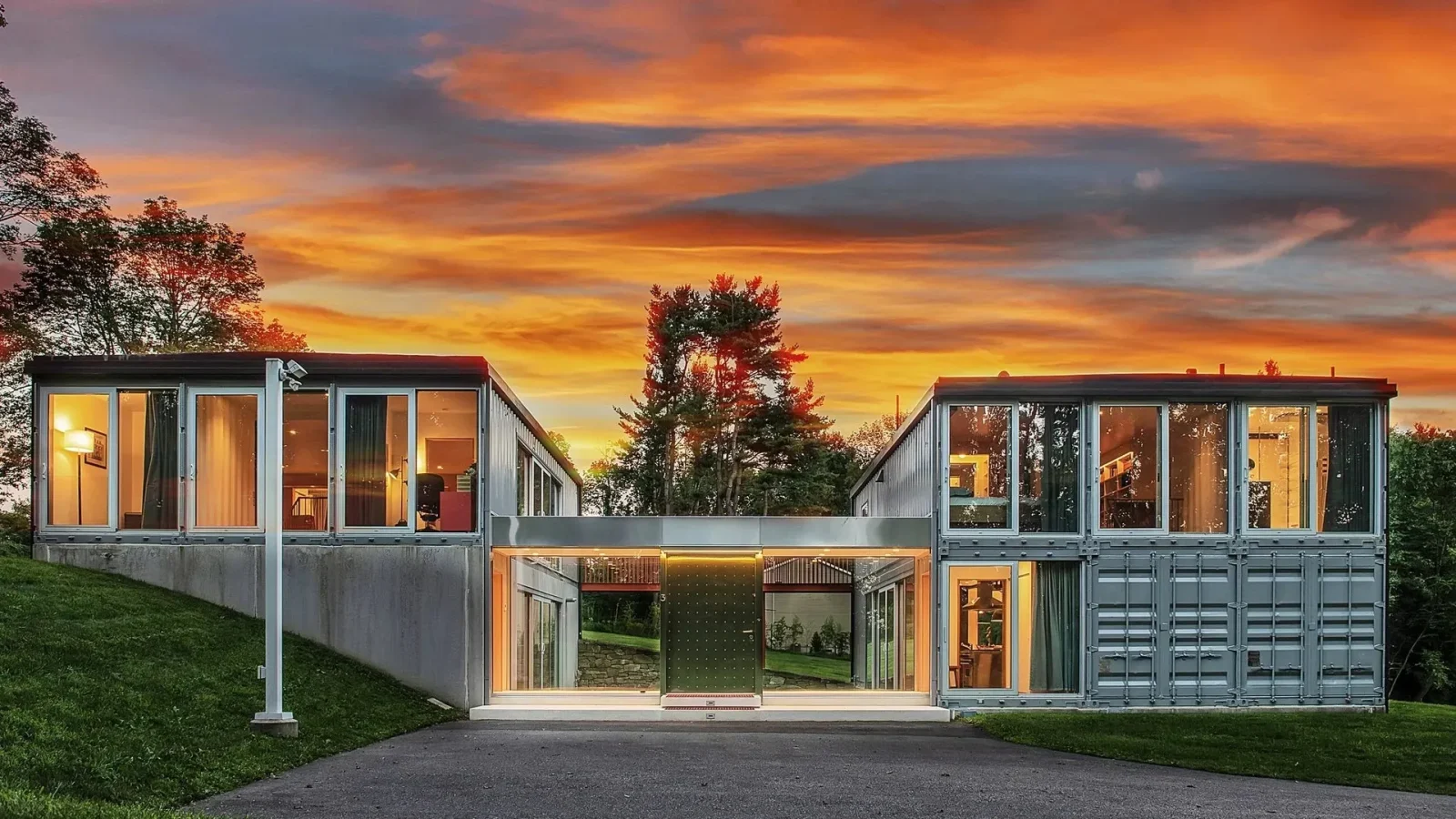
What if a home started as a shipping container? At LOT-EK, architects turned old steel boxes into stylish homes, shops, and pop-ups. By reusing waste materials, these container homes cut costs, support circular design, and can even travel by truck. Aluminum adds to this flexibility, as the lightweight and durability make it ideal for modular housing. This even gives architects a wide canvas to design comfortable interiors.
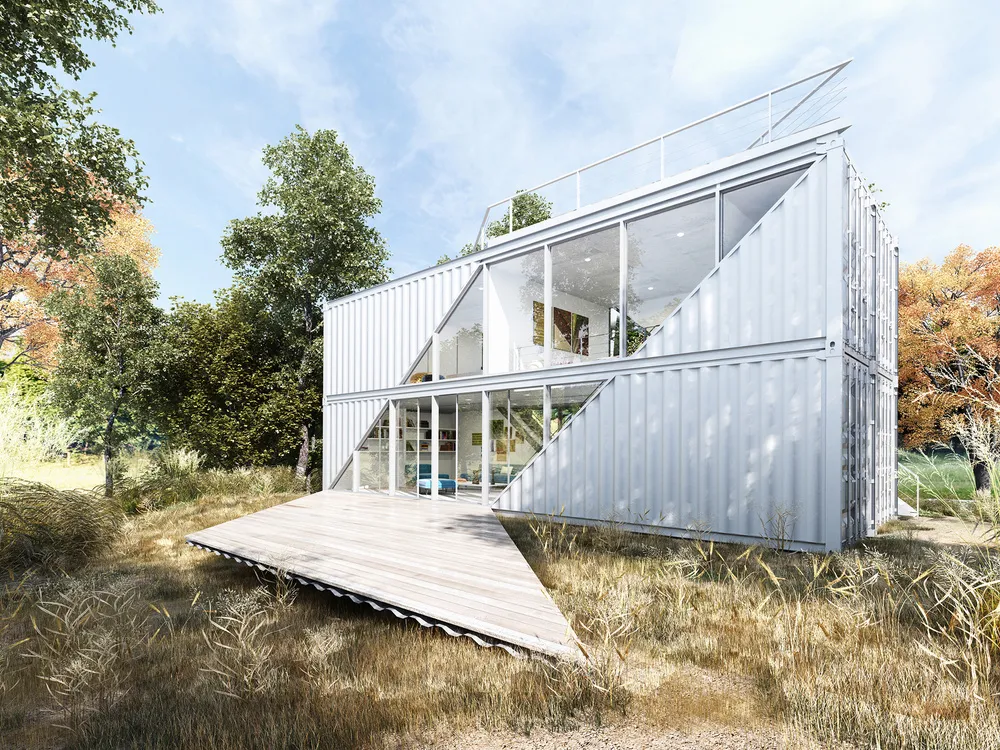
Also, the ability to stack containers solves the acute problem of urban housing space in an eco-friendly way. If you want to bring innovative mobile designs like LOT-EK’s container homes to life, PAACADEMY’s Rhinoceros 3D course teaches you practical skills to design flexible structures. It even guides you to turn your creative ideas into real and functional projects.
8. Ecocapsule
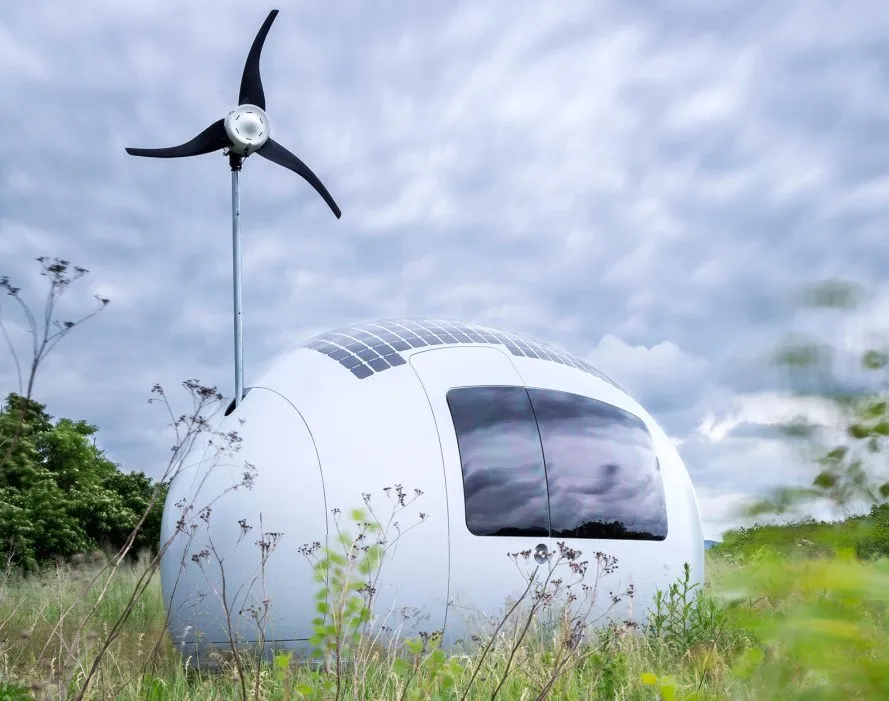
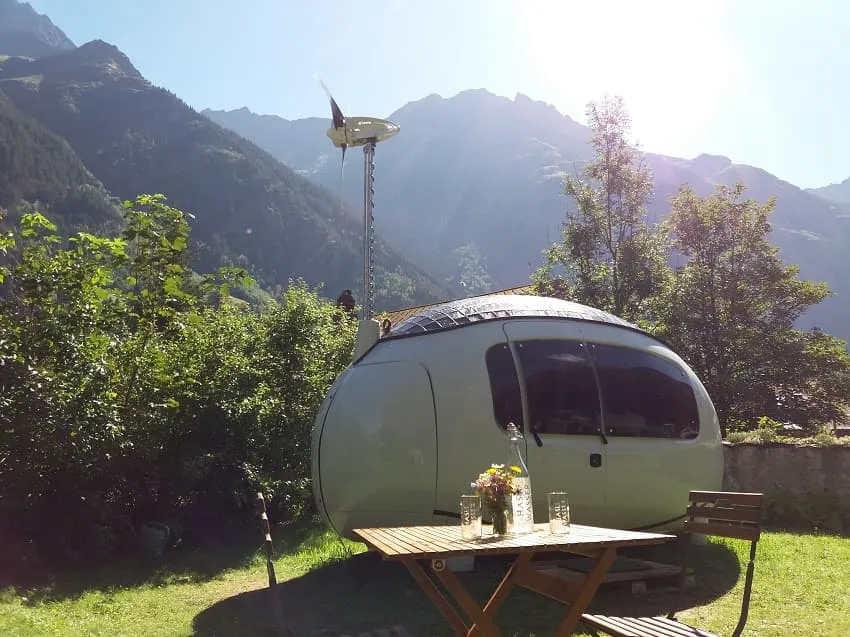
Ecocapsule is a small, egg-shaped home powered by wind and solar energy. It collects rainwater and filters it for use with the unit, which fits on a trailer with the ability to travel to deserts, forests, or city rooftops.
At the Pioneers Festival in Vienna, designers showcase these micro homes that transport easily and store rainwater while reducing energy loss. They have emerged as a viable yet sustainable option for tourists looking for an eco-friendly travel and stay, as they spend some time away from the buzzing cities.
9. KODA by Kodasema
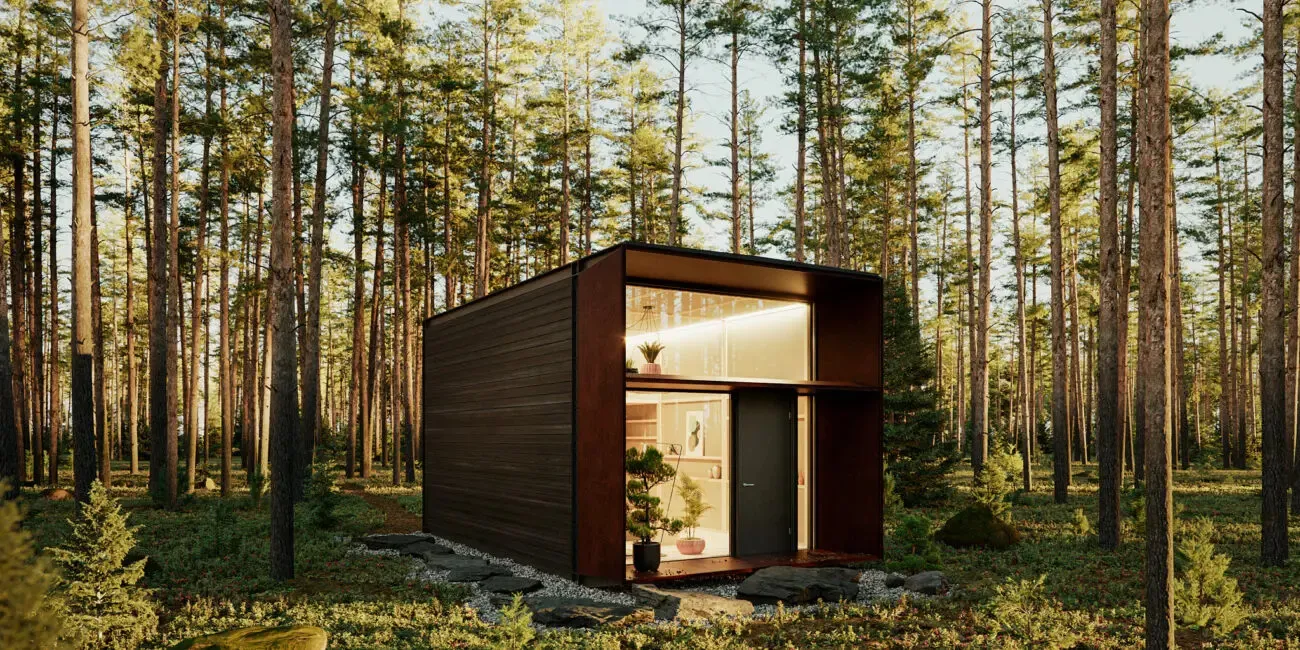
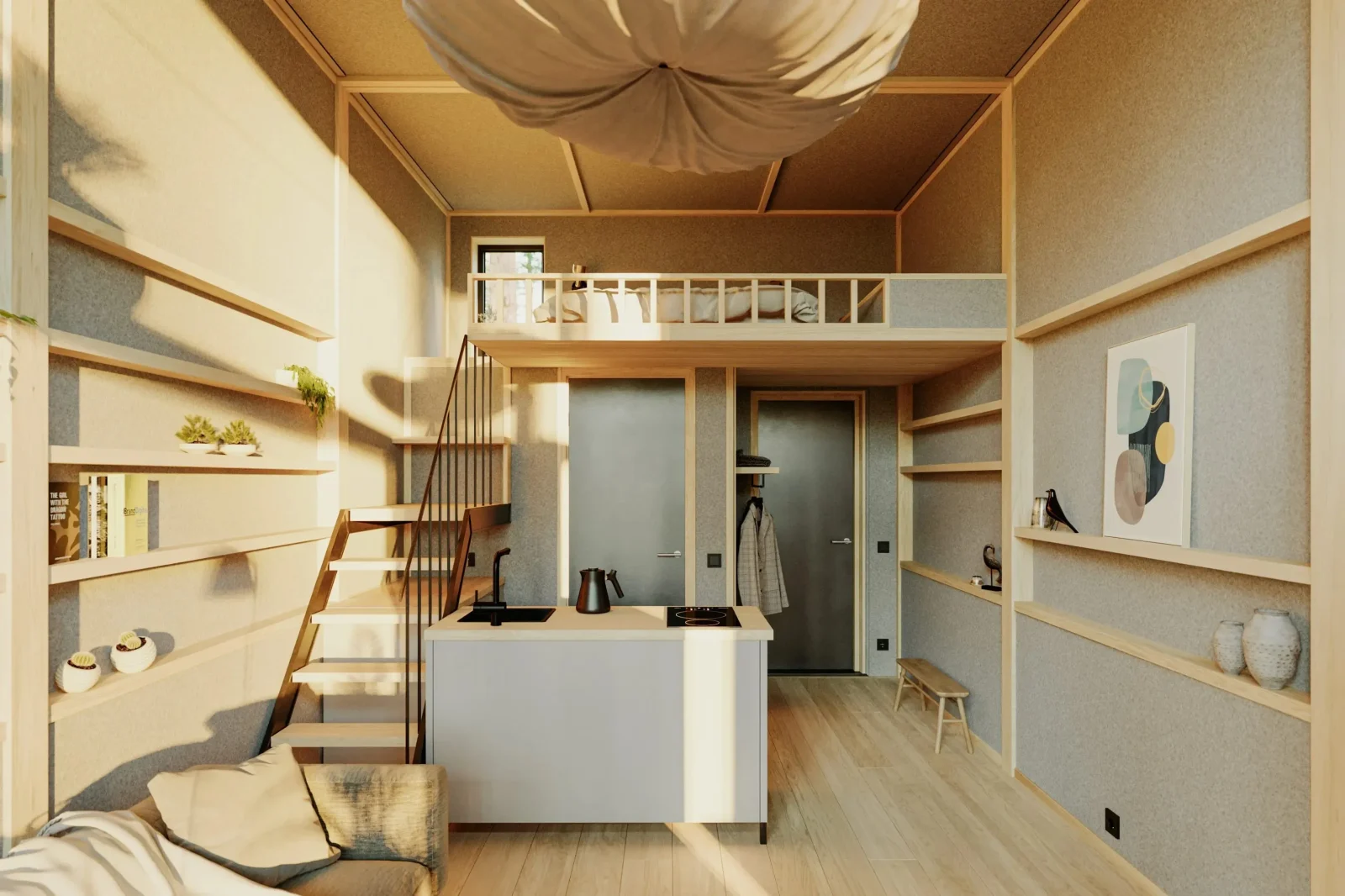
KODA offers a compact concrete house that movers can transport in one piece, arriving fully built with plumbing, power, and fixtures ready. Moving it only requires a truck and crane, ensuring great utility and mobility for the users.
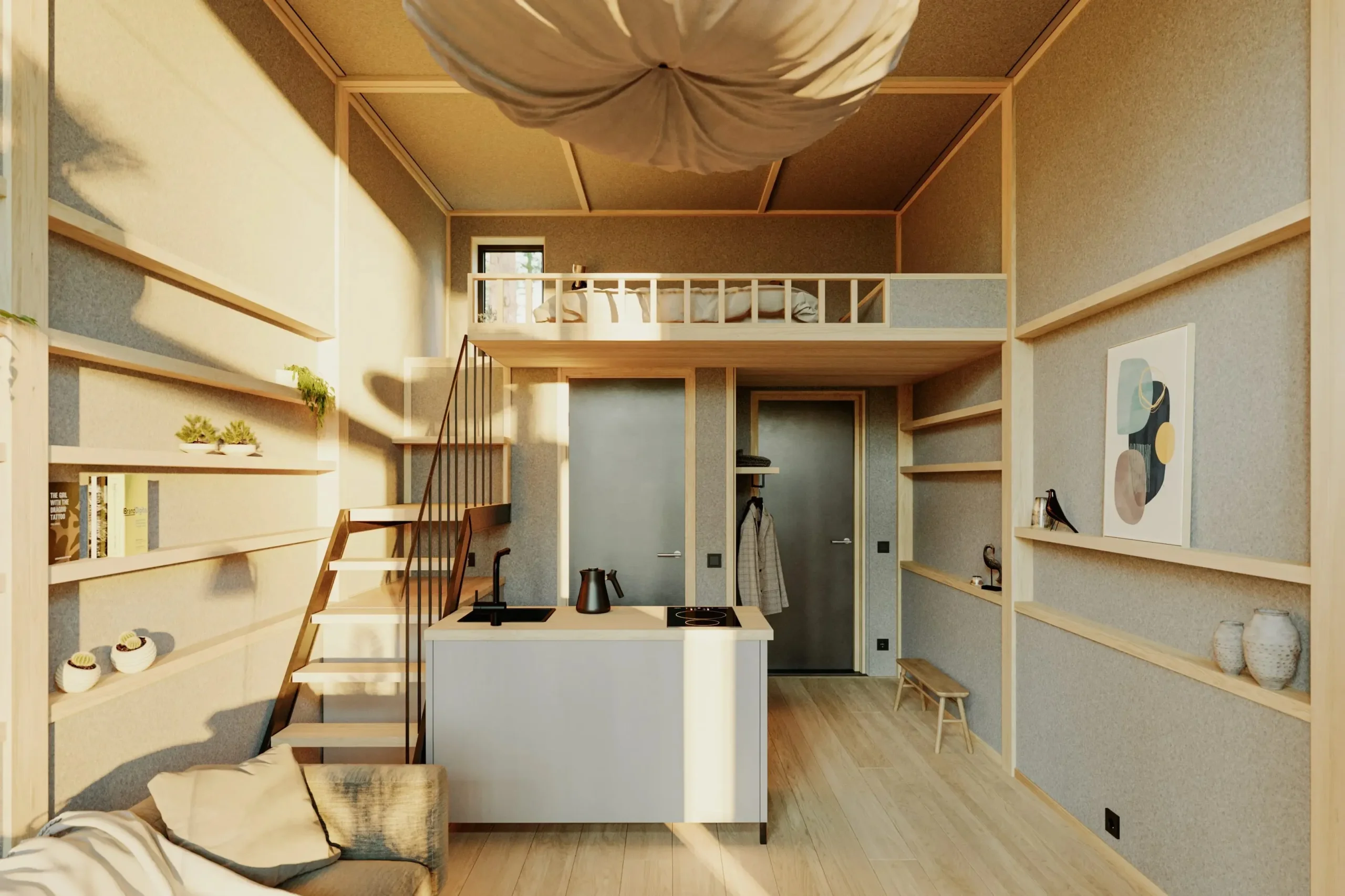
In Lohusalu, Estonia, KODA houses offer secure and comfortable retreats, letting tourists enjoy the peace of the forests next to the sea. Their solid build allows them to handle cold winters while staying easy to relocate.
10. Wikkelhouse by Fiction Factory
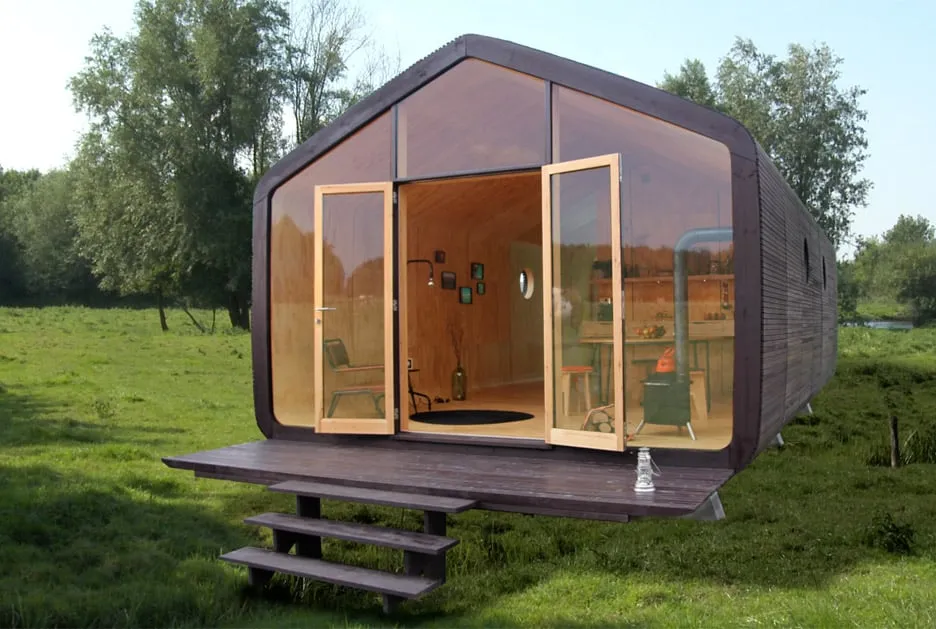
Made using sustainable materials like cardboard, wood, and flax, Wikklehouse adapts to suit the individual needs of the person. With 24 layers of cardboard bonded to make the structure of the house, it ensures proper insulation and durability. Fiction Factory in Amsterdam designed these eco-friendly structures with sustainability at their core; thus, they limit carbon footprints.
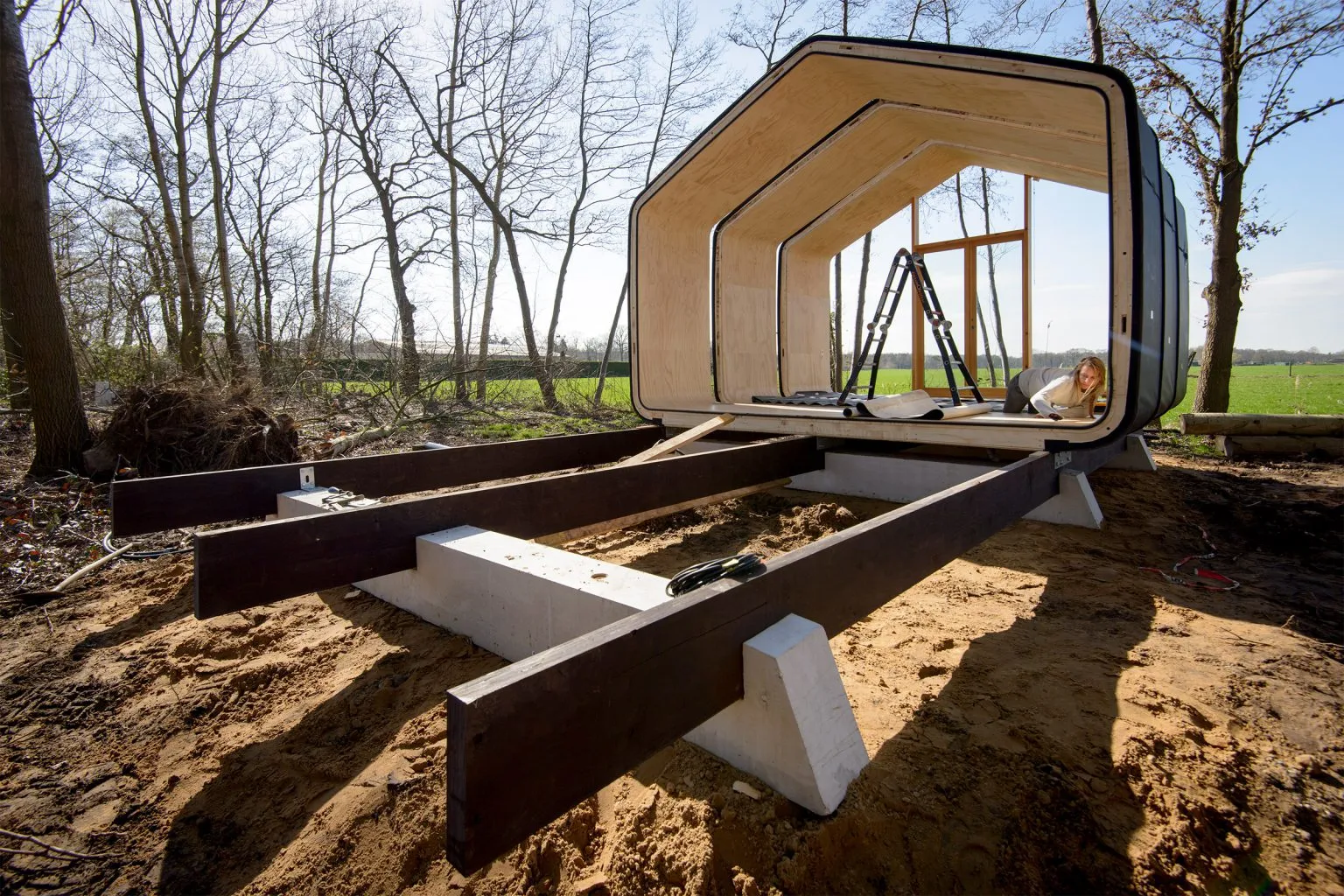
A trademark feature of these houses is their lightweight and biodegradable materials that offer great flexibility while minimizing the environmental impact of building a house. Owing to its stellar appeal, it quickly became popular in Amsterdam, Luxembourg, France, and Germany as a good option for holiday homes, office spaces, and guest houses.
Design Thinking for Mobile Homes in an Age of Displacement
Tons of inhabitants worldwide now live in these projects, not just as concepts but as real homes and functional spaces. They play a vital role in crisis response, optimize land use, and reduce material waste. Mobile architecture and mobile housing together help ease urban pressure, offering flexible solutions that do more with less infrastructure.
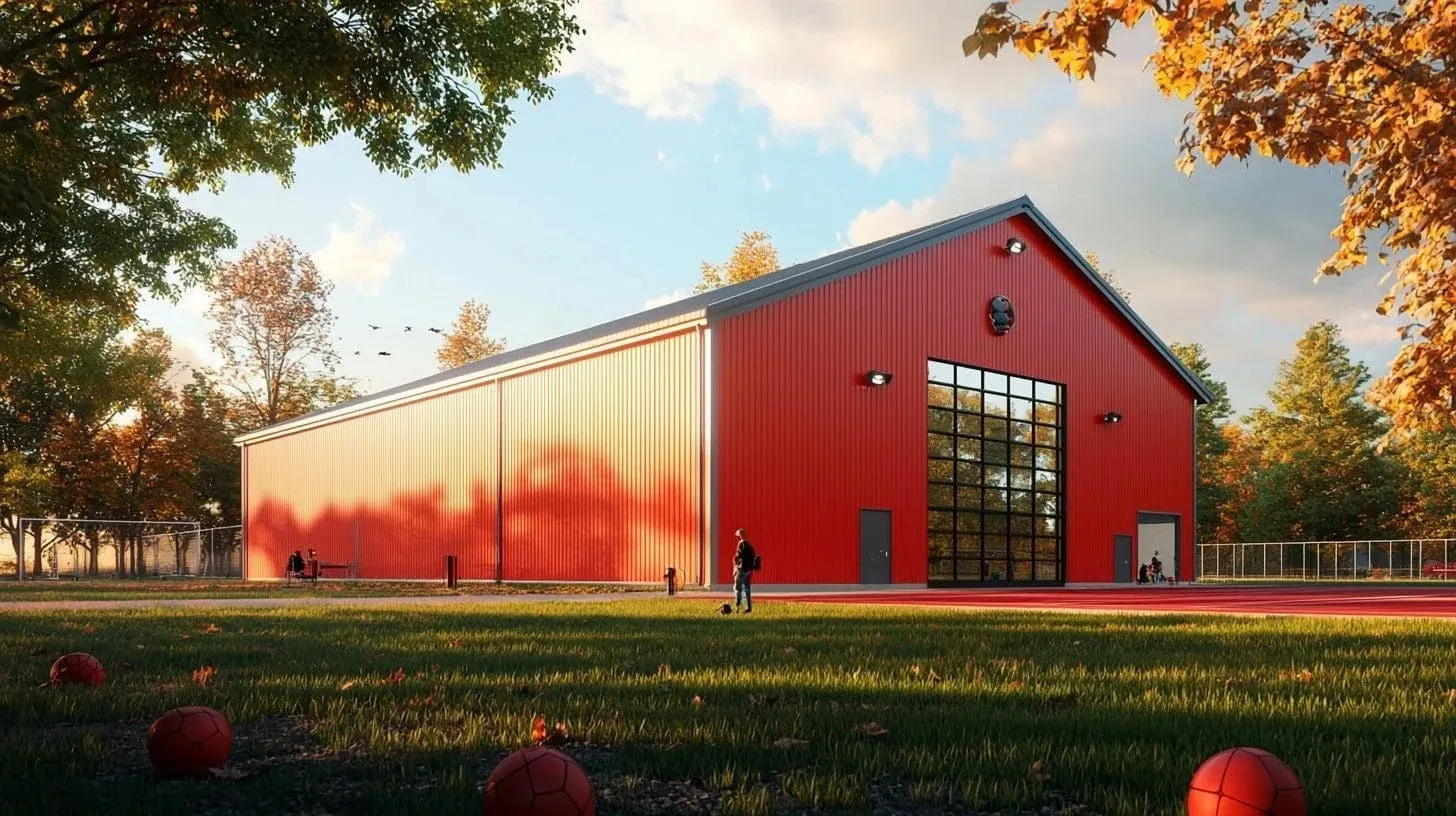
Compared with conventional construction, prefabricated and modular systems have achieved an average 15.38 percent reduction in waste, with precast windows and walls proving especially effective in cutting both time and cost. If design can deliver speed, savings, and sustainability while reaching more people, it raises an essential question: why should homes remain fixed in one place?
Explore Courses
.jpg%202.jpg "Building Performance with Forma & Opossum")
.jpg "Ondrej Chybik - Rethinking Architecture")