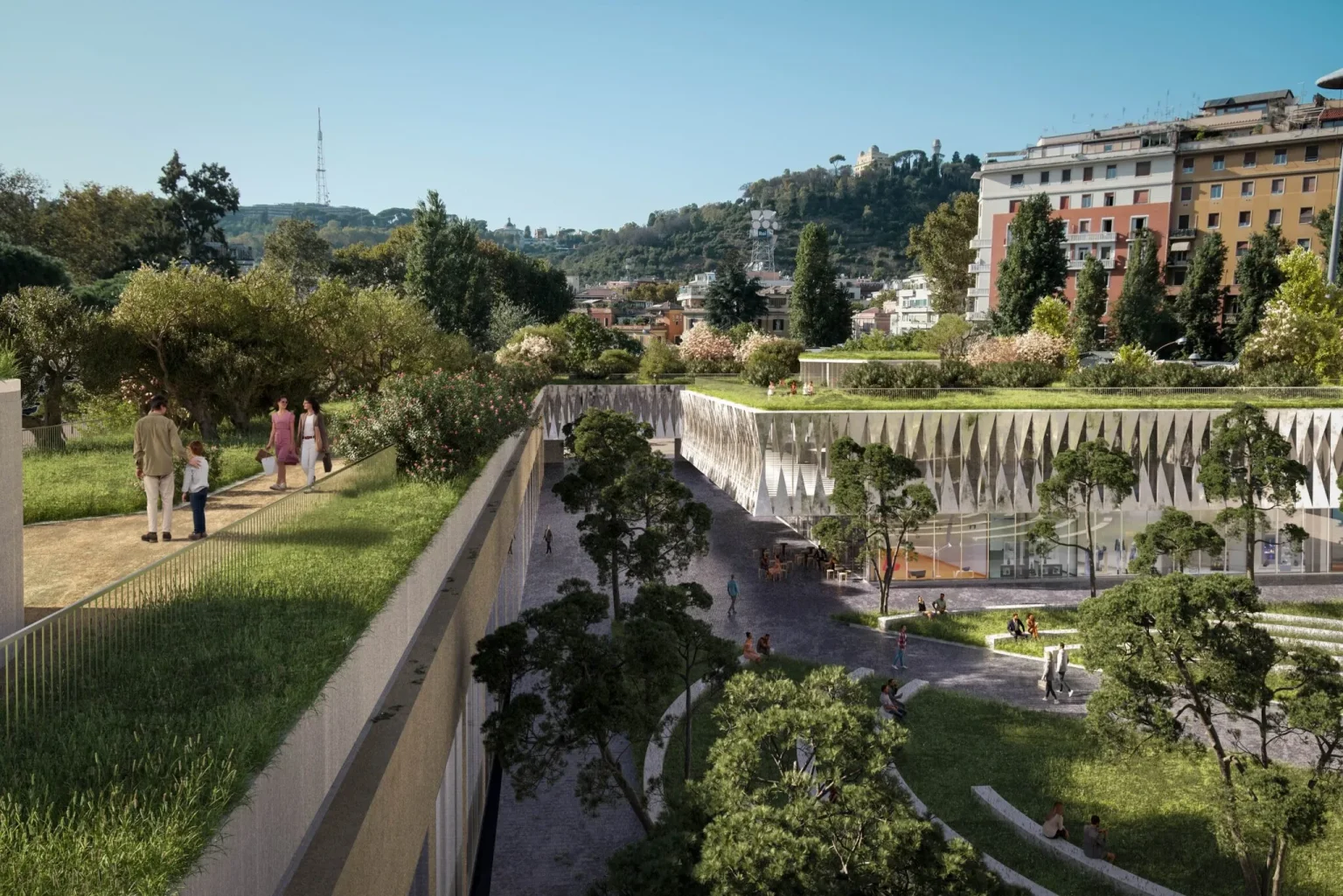


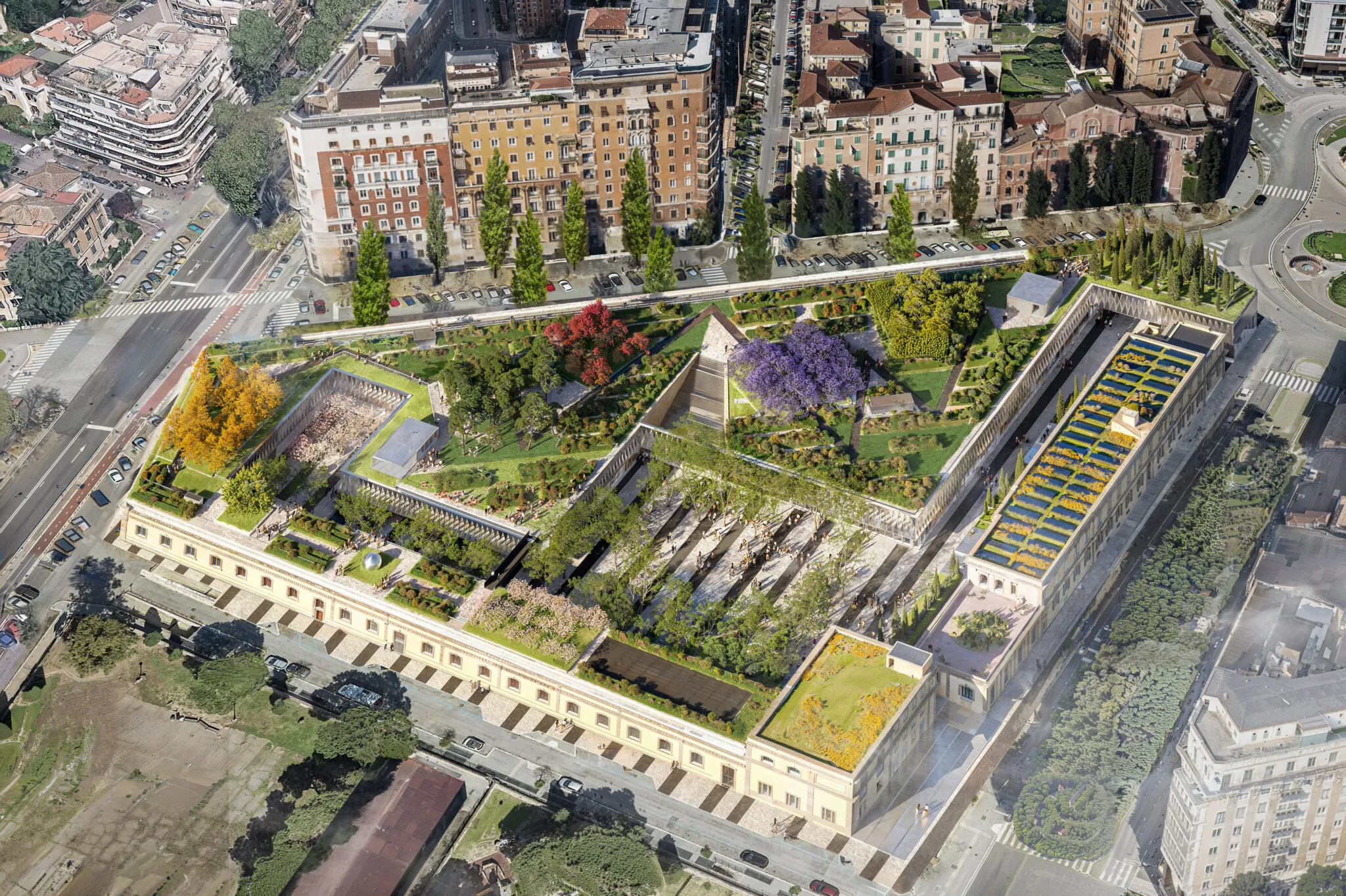
Stefano Boeri Architetti has revealed the proposal for Depositi delle Vittorie, transforming the former ATAC depot in Rome into a multifunctional urban destination filled with greenery, cultural spaces, retail, and public amenities. Located in the residential Prati-Delle Vittorie district, the proposed redevelopment aims to reactivate a significant urban node while creating stronger connections between architecture, landscape, and community life.
Spread across a 16,000 sqm site, the proposal introduces a contemporary vision where public spaces and biodiversity become central to everyday urban living.
A New Civic Destination for the Neighbourhood
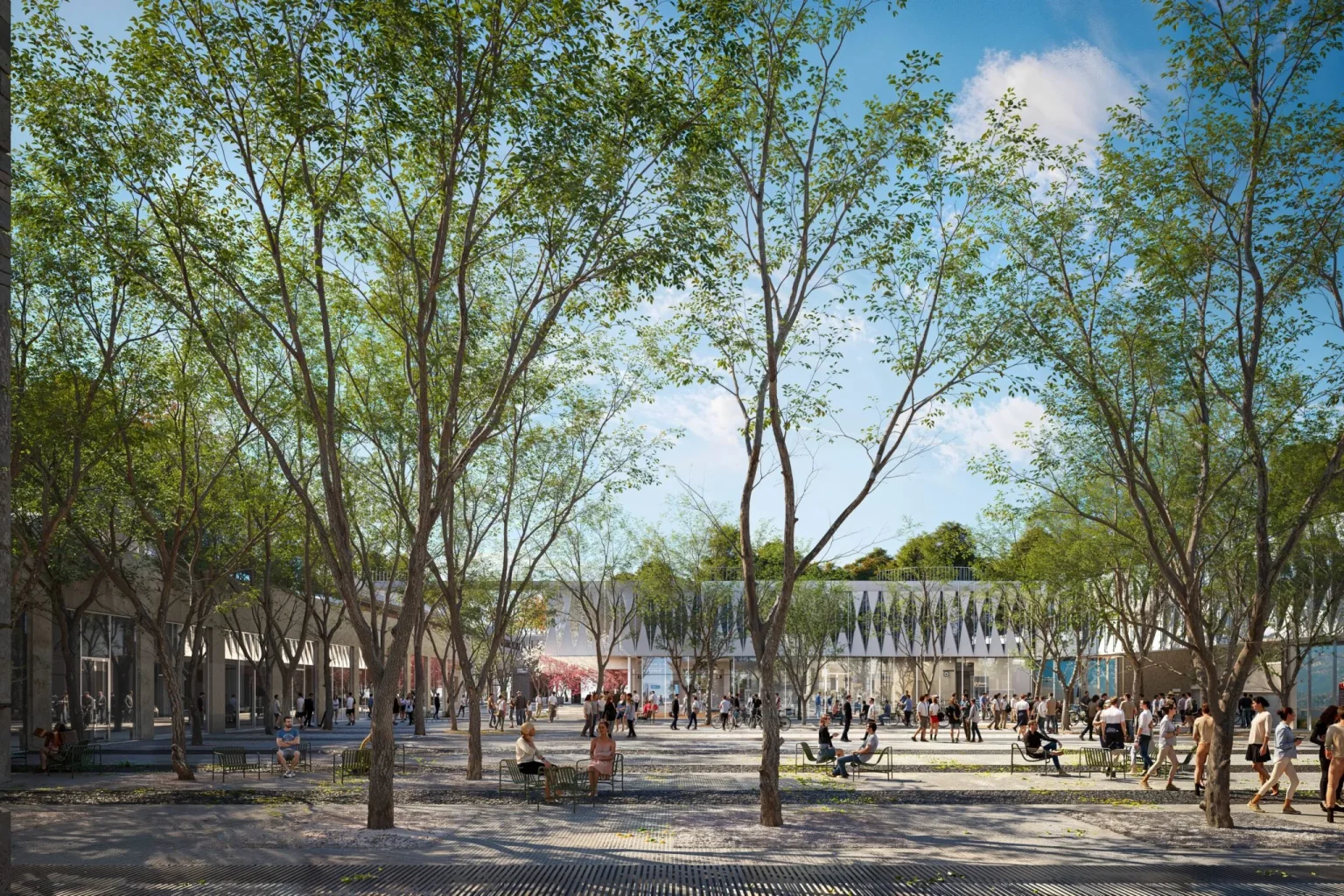
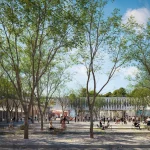
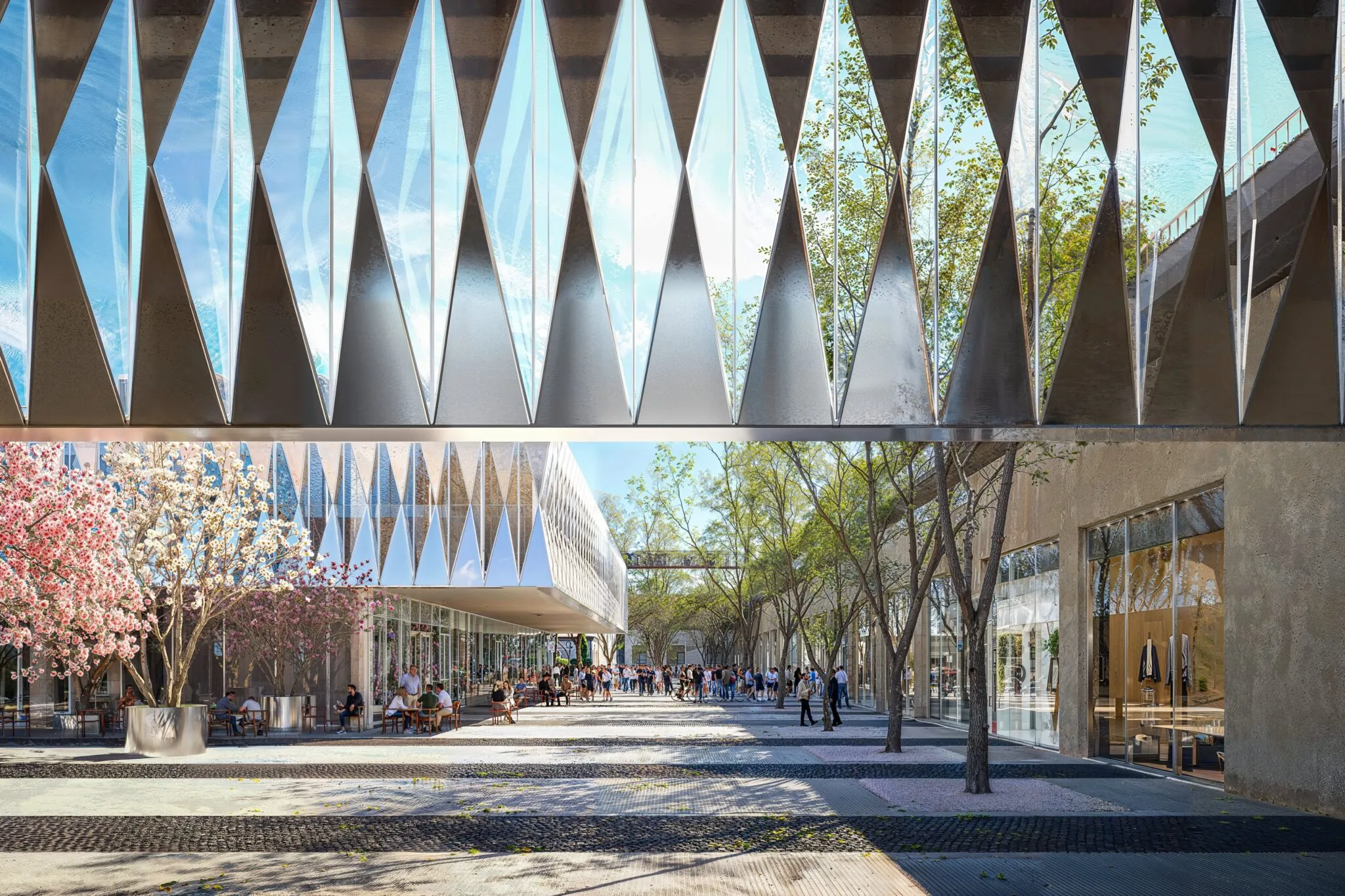
The proposed redevelopment converts the former depot into a mixed-use hub combining commercial, cultural, hospitality, and leisure functions. A public courtyard at ground level is designed to open the site to the city, encouraging pedestrian movement and social interaction within the neighbourhood.
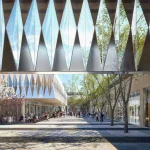
By integrating creative spaces with public amenities, the project aims to establish a vibrant destination that responds to the evolving needs of residents while preserving the industrial identity of the historic structure.
Elevated Gardens and Open-Air Art Spaces
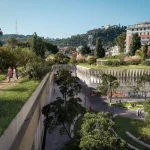
A major feature of the proposal is the 8,000 sqm roof garden positioned 15 metres above ground level. Envisioned as a contemporary green plaza, the elevated landscape includes tree-lined pathways, panoramic terraces, and sculptural green spaces that evolve with the seasons. The roof garden is also planned as an outdoor exhibition space where visitors can explore artistic installations through a labyrinth-inspired route surrounded by vegetation.
Views from the garden are intended to visually connect with the surrounding district and the nearby hills of Monte Mario, blending architecture, nature, and art into a unified urban experience.
A Landscape Strategy Rooted in Sustainability
The proposal introduces extensive planting in an area of Rome largely characterized by hard urban surfaces, helping improve biodiversity and local microclimatic conditions. Square groves, layered vegetation, and dynamic green “rooms” are designed to create shaded and adaptable environments throughout the year.
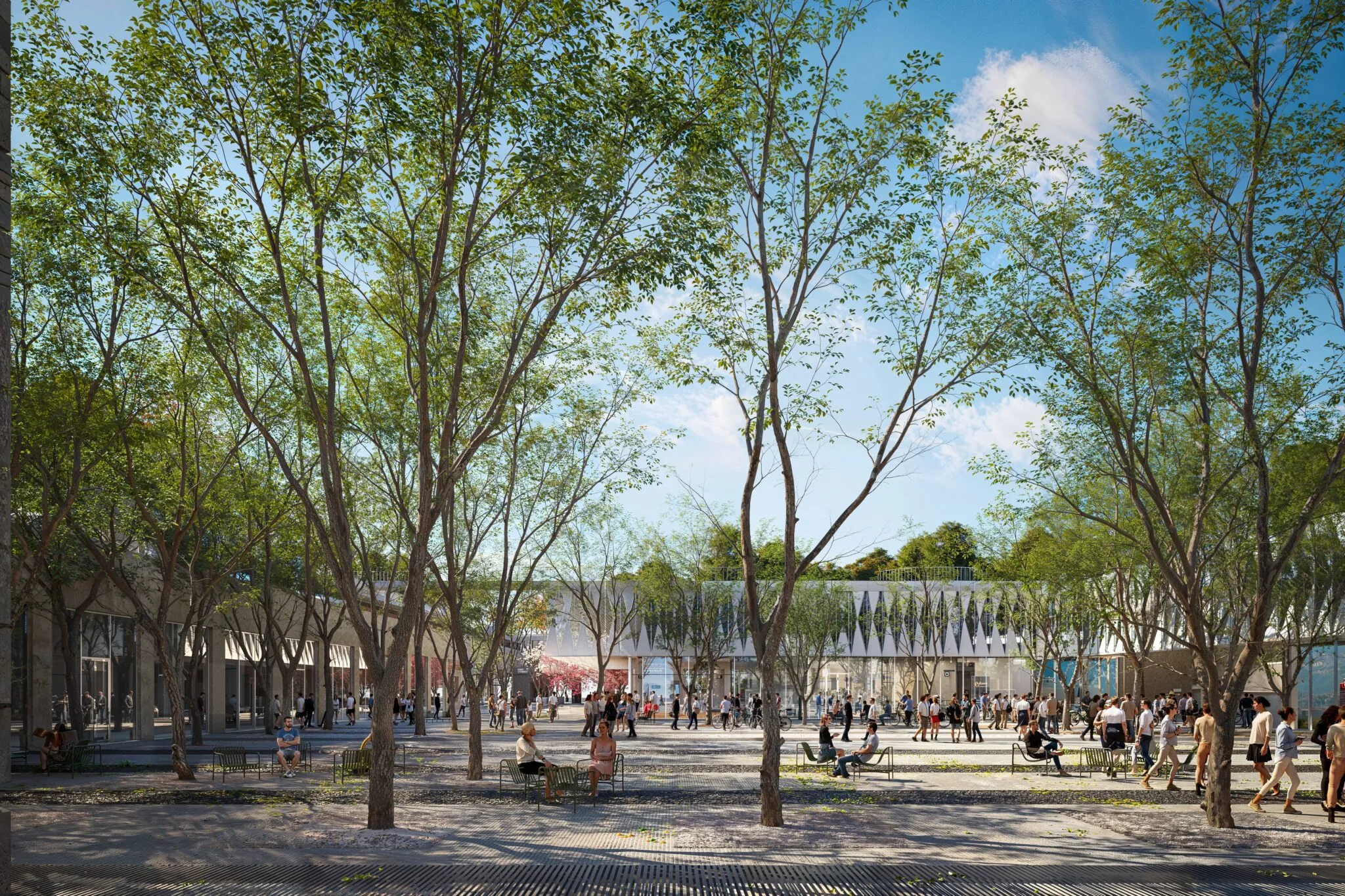
Plant species have been selected to reflect Rome’s botanical heritage while responding to the changing environmental conditions of Mediterranean cities. Through this landscape-led regeneration strategy, the project presents a forward-looking vision that reconnects Rome’s historical urban fabric with contemporary ecological and social priorities.
Project Credit: Stefano Boeri Architetti