


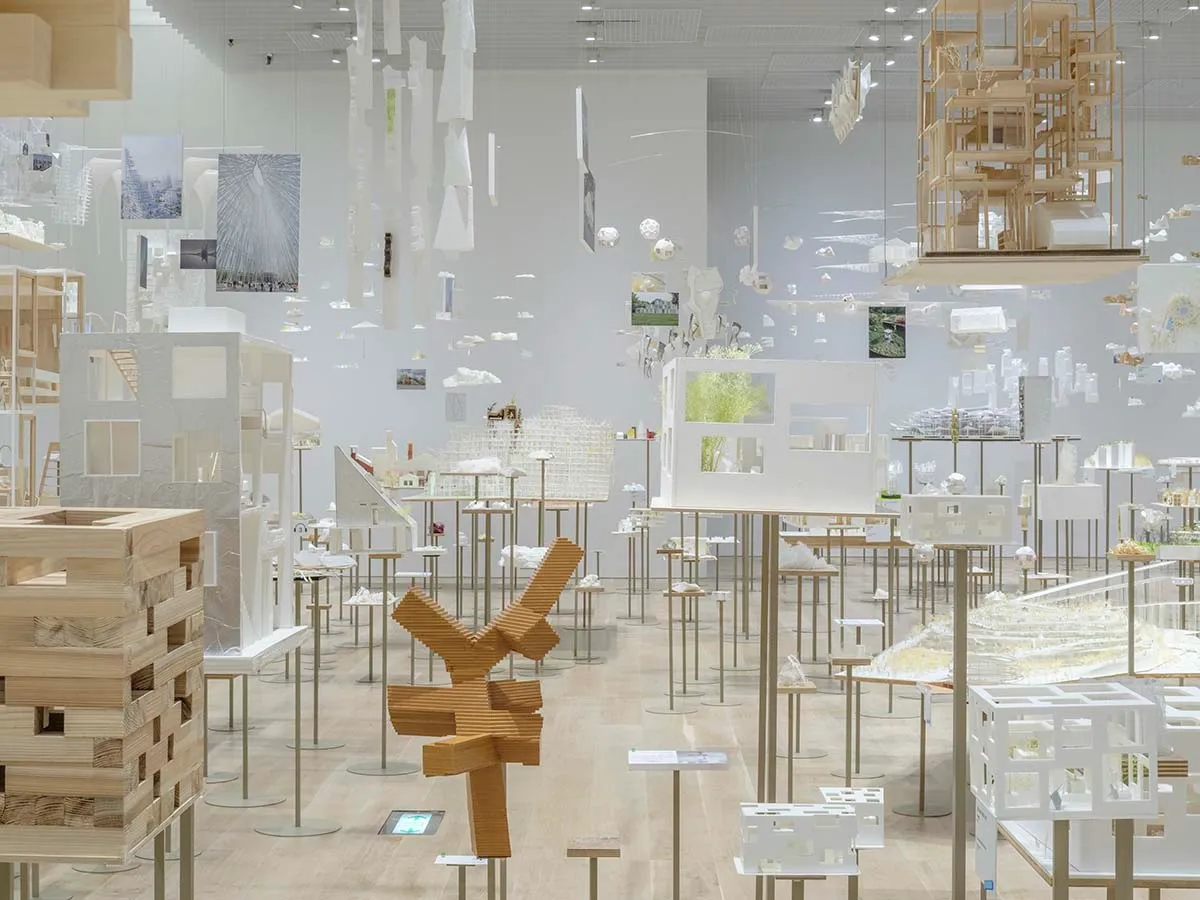
The Tokyo-based Mori Art Museum is presenting a landmark exhibition by Japanese architect Sou Fujimoto entitled “The Architecture of Sou Fujimoto: Primordial Future Forest.” Running from July 2 to November 9, 2025, the show offers the first major retrospective of Fujimoto’s work, spanning roughly three decades and charting both his past achievements and his speculative designs for the future.
The Vision Behind Primordial Future Forest
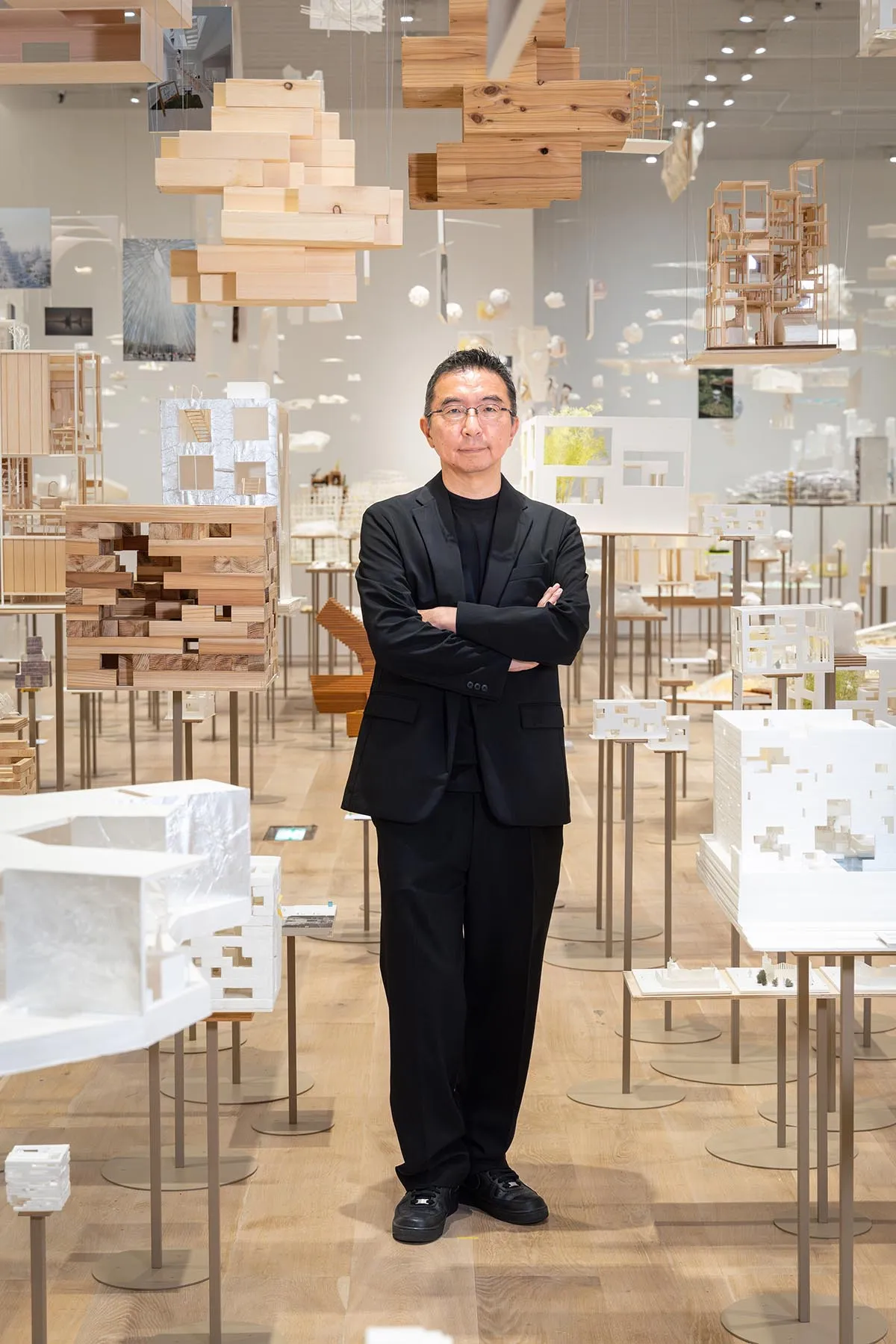
Born in 1971 in Hokkaido, Japan, Sou Fujimoto has developed an architectural practice notable for its porous boundaries, integration of nature and built form, and a conceptual approach that often invokes forests, branches, and layered space.
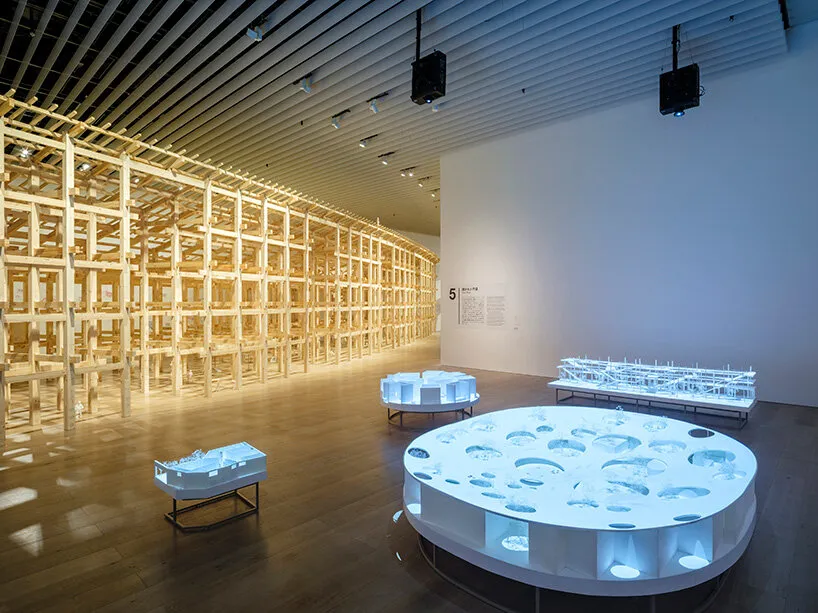
The exhibition title “Primordial Future Forest” reflects two interlocking ideas in his work: the “primordial,” i.e., nature, forest memory, and first conditions, and the “future,” i.e., urbanism, collective living, and new typologies of architecture. The show uses the metaphor of a forest to reconceive the city and architecture, not as singular icons but as interconnected systems.
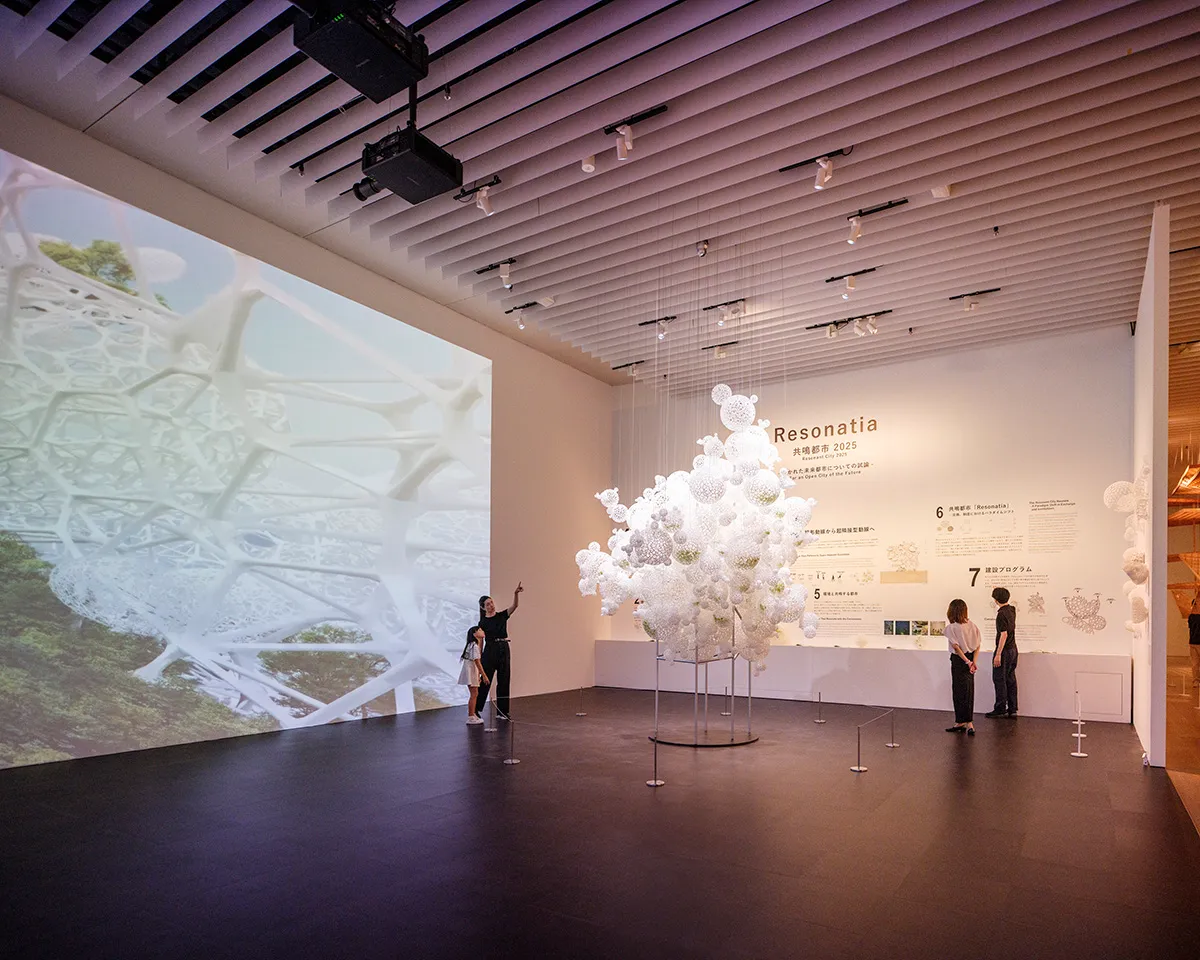
The curators describe the exhibition as “firmly anchored in the present and looking toward the future.”
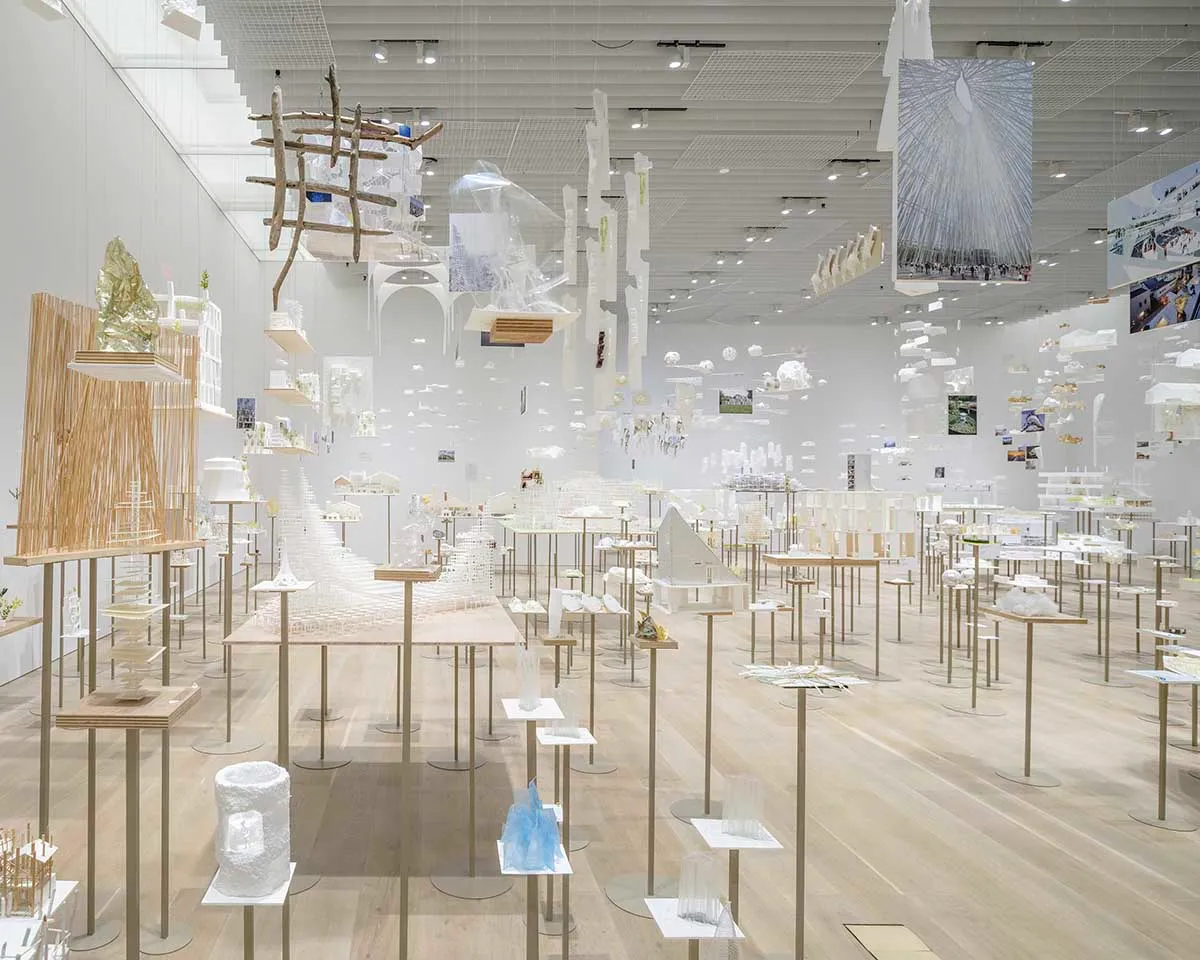
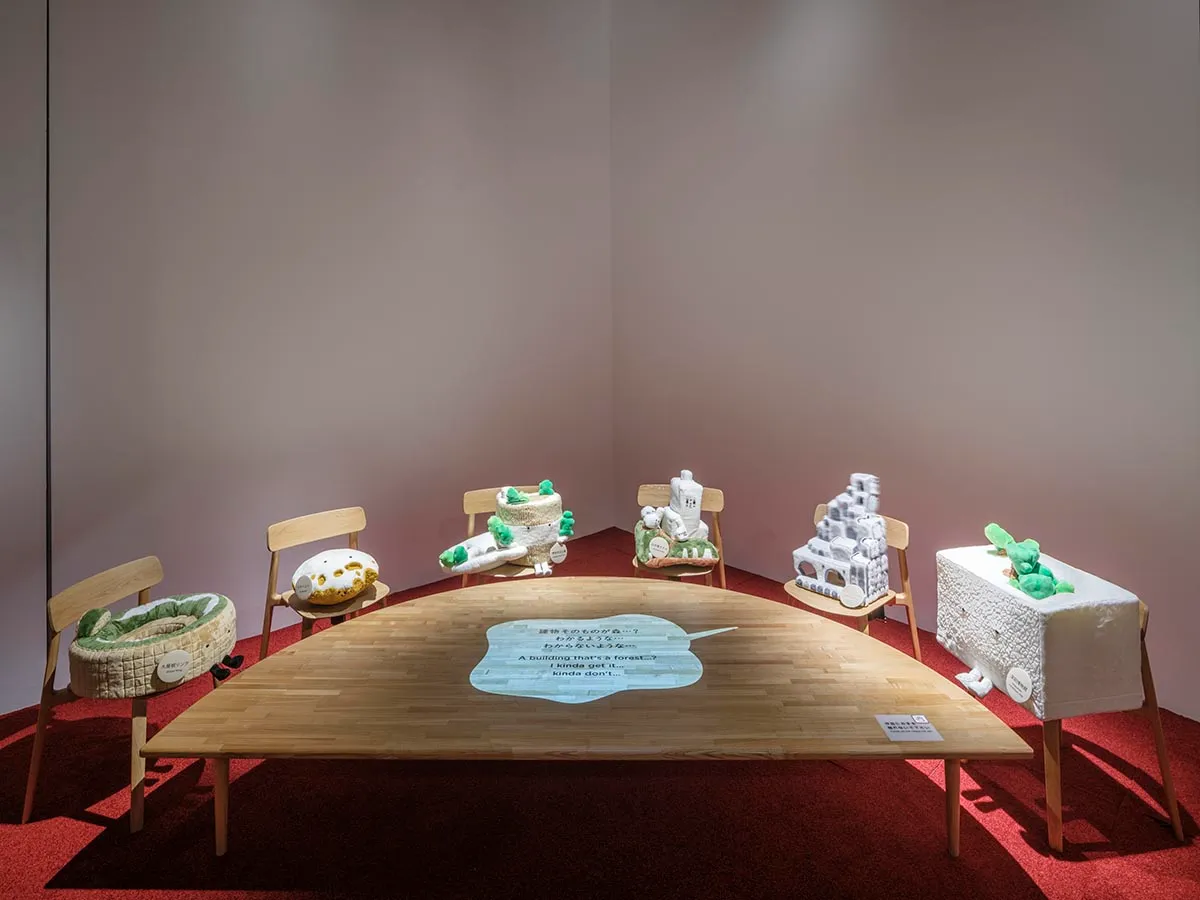
Importantly, it is designed not only for architects or specialists but also for a general museum audience. Large-scale installations, immersive models, mock-ups, and more conventional architectural material (models, plans, photos) are all present.
How ‘Primordial Future Forest’ Is Structured and What to See
The retrospective is organized into eight thematic sections, each addressing a different dimension of Fujimoto’s practice from early work to speculative futures.
Some of the standout sections include:
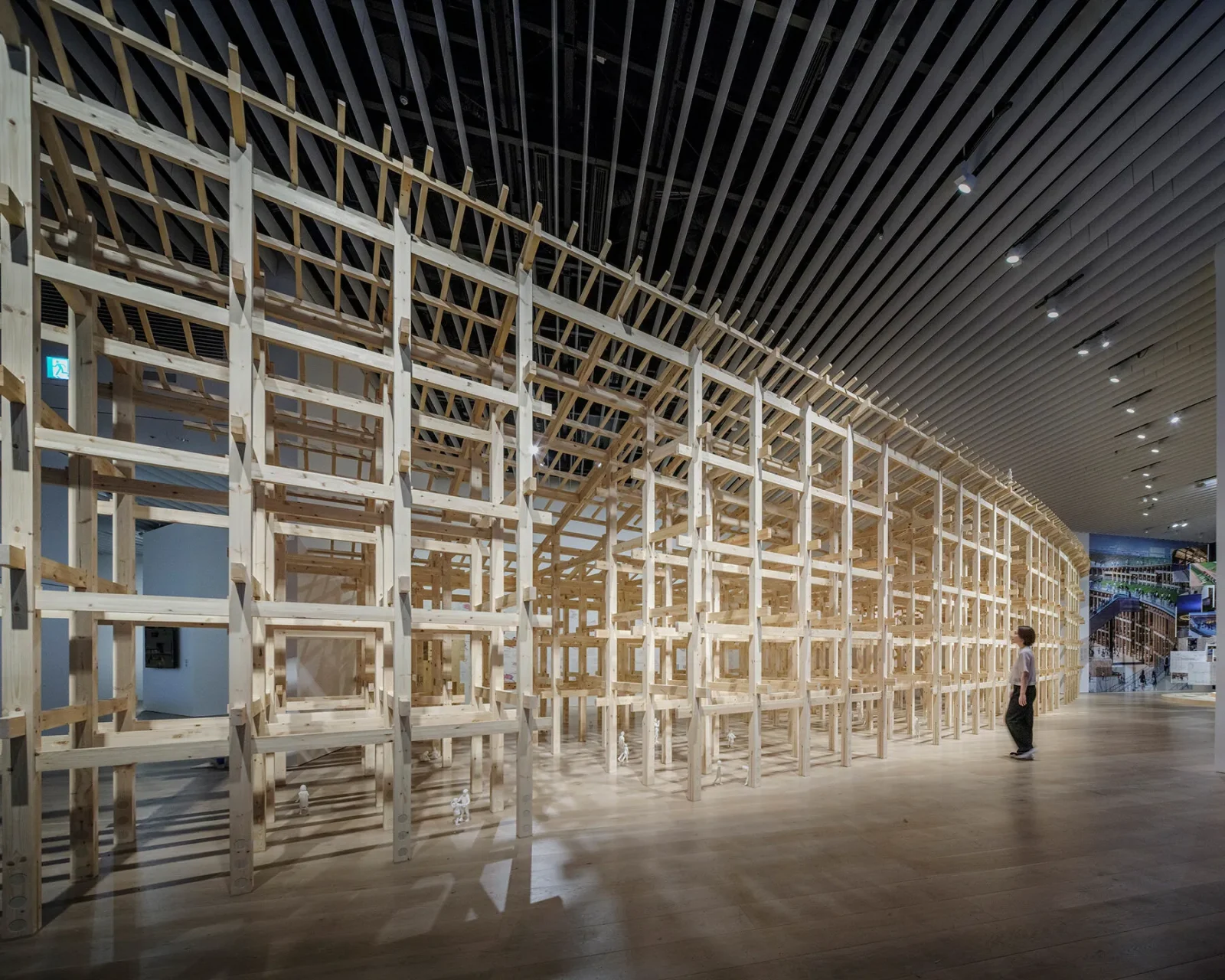
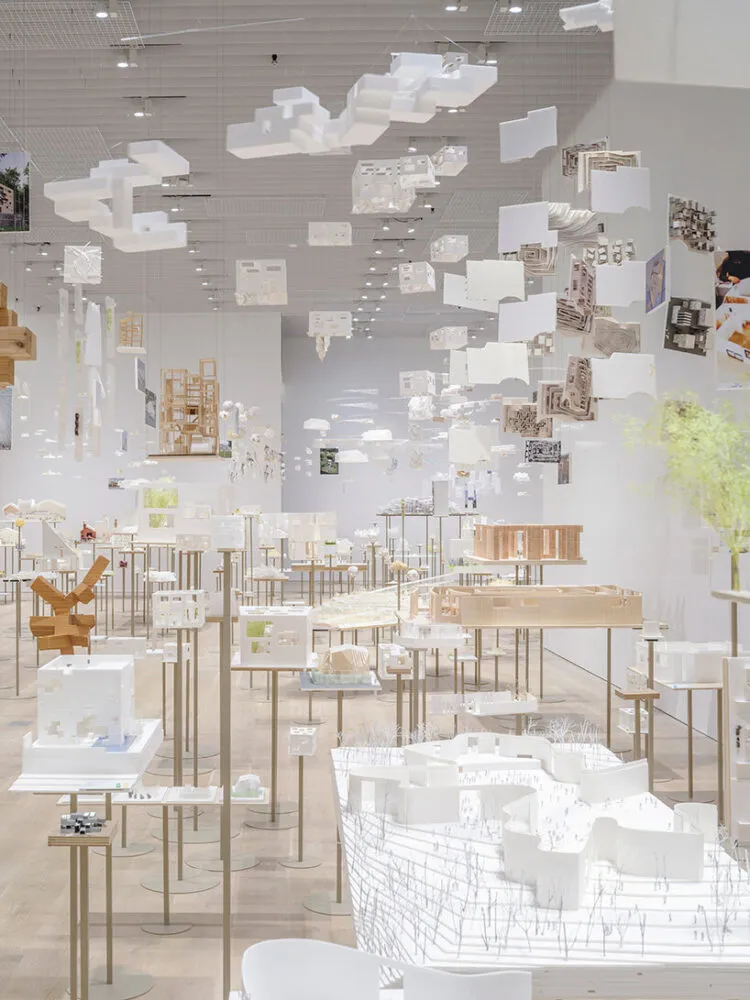
- Forest of Thoughts: A large-scale installation featuring over 100 of Fujimoto’s projects in model, blueprint, and object form, arranged like an undergrowth of architectural ideas.
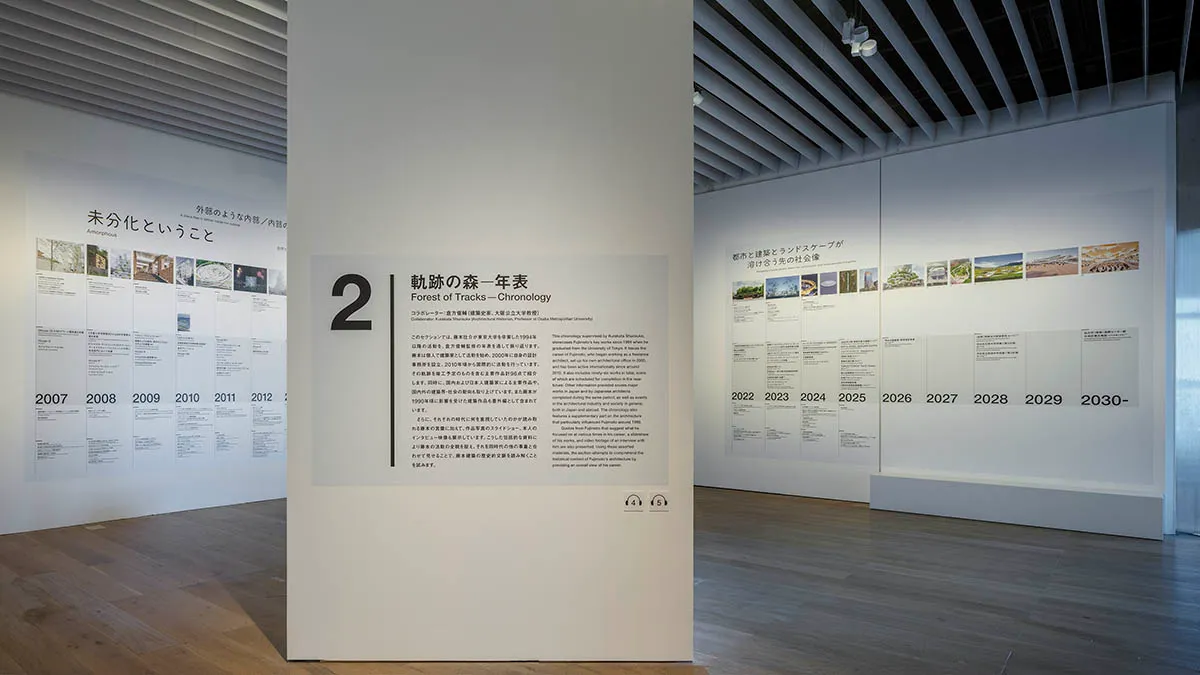
- Forest of Tracks—Chronology: A timeline tracing Fujimoto’s career from his graduation in 1994 through to projects planned beyond 2030.
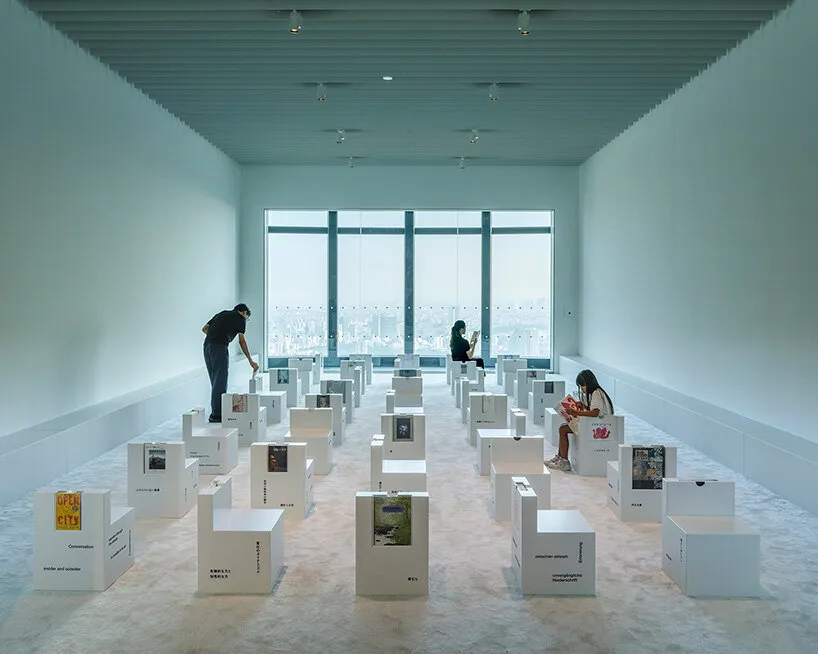
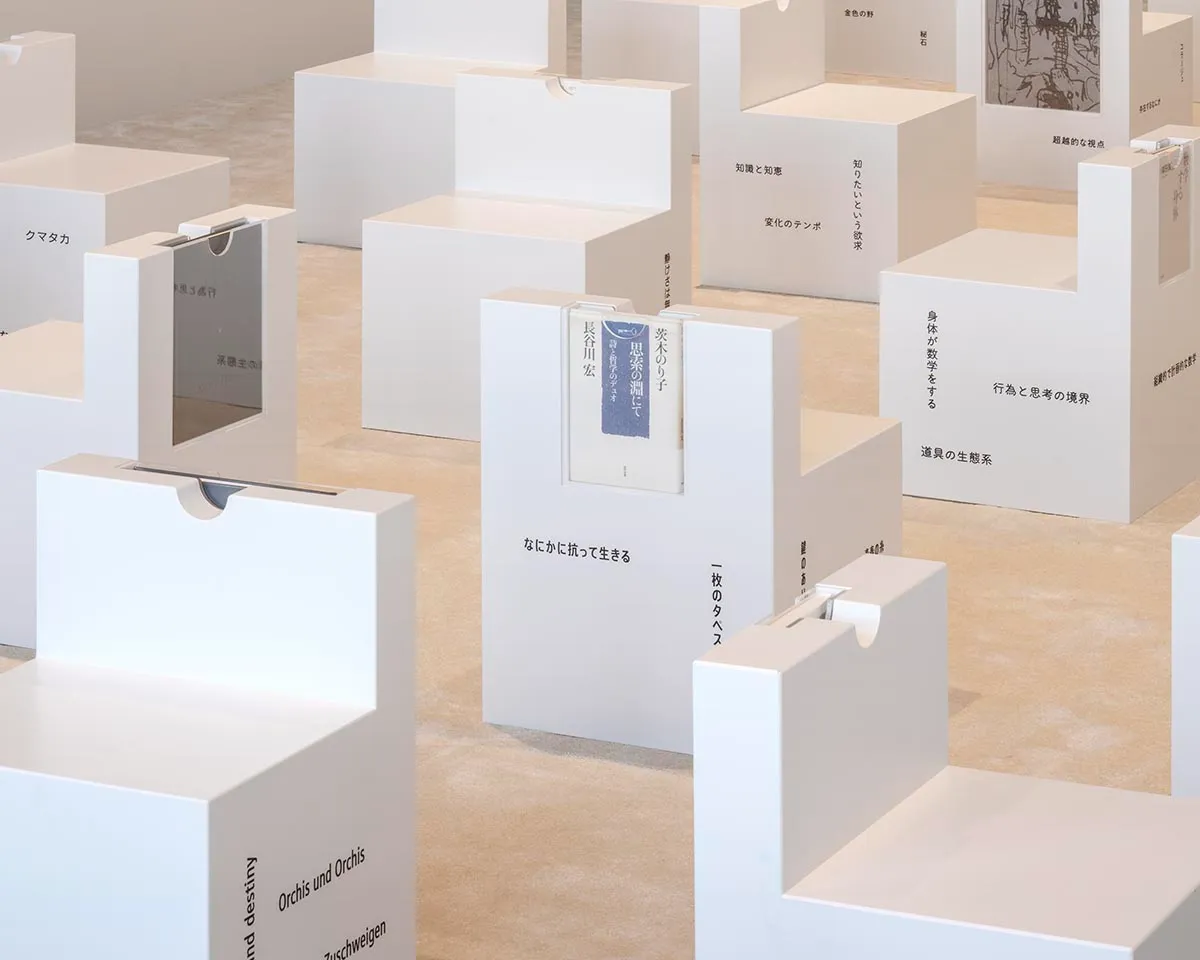
- Book Lounge of Awai (In-Between): A reading lounge featuring 40 selected books relevant to his work and ideas, curated by Haba Yoshitaka.
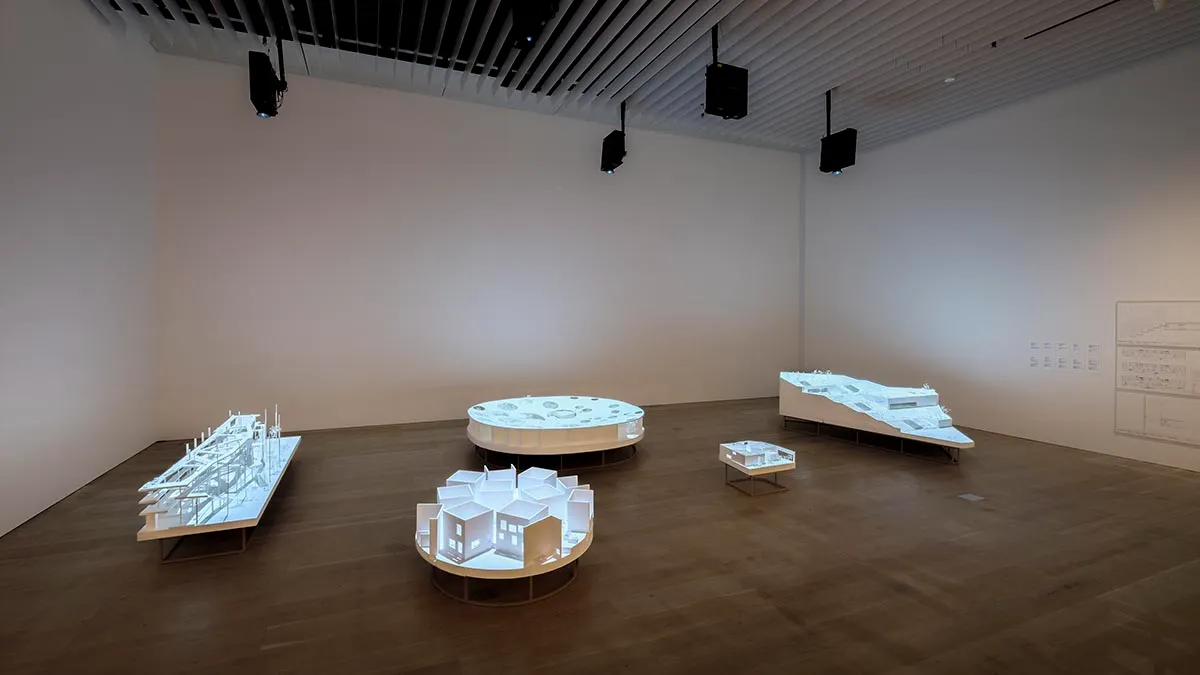
- The Animated Forest: A section where select models are animated via projections, bringing movement to architectural form.
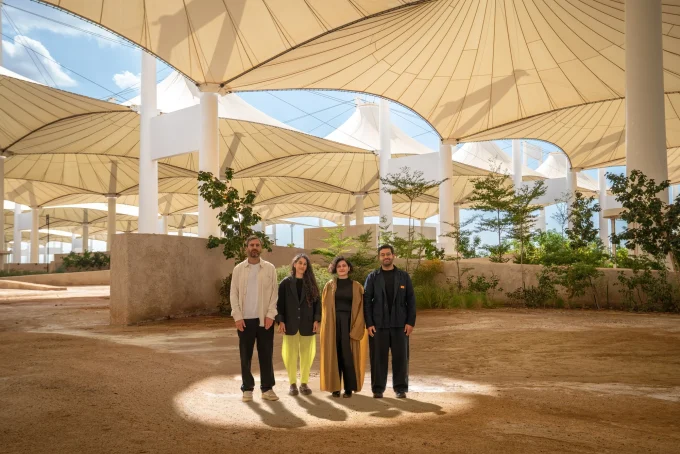
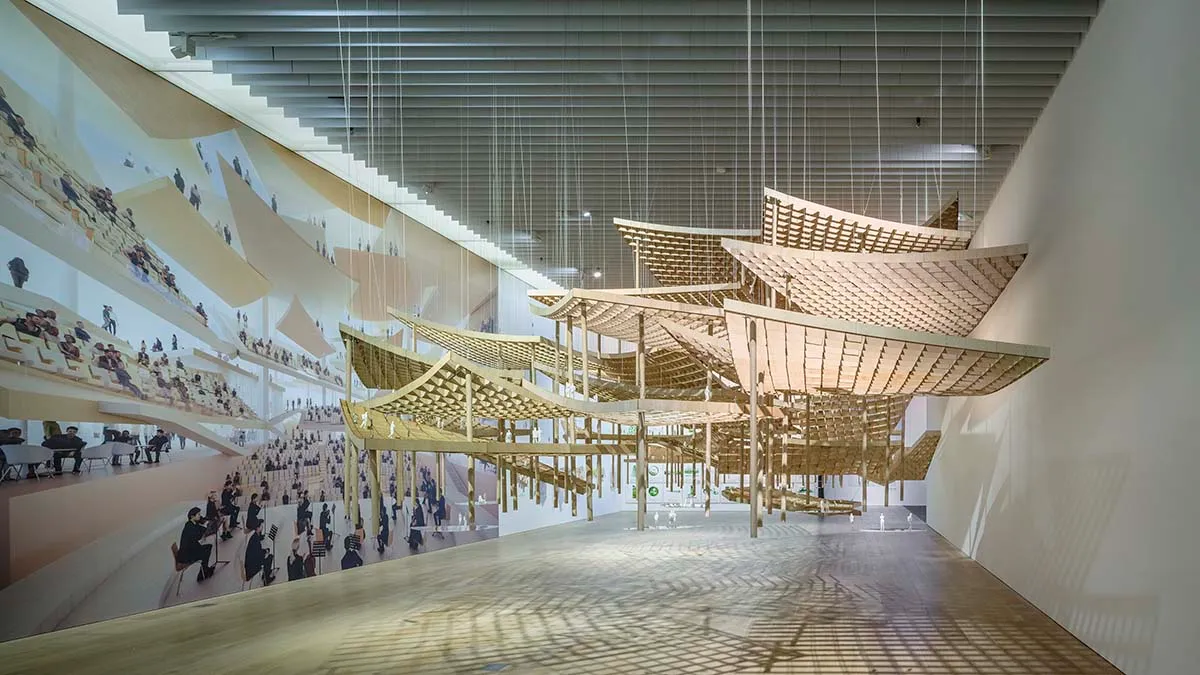
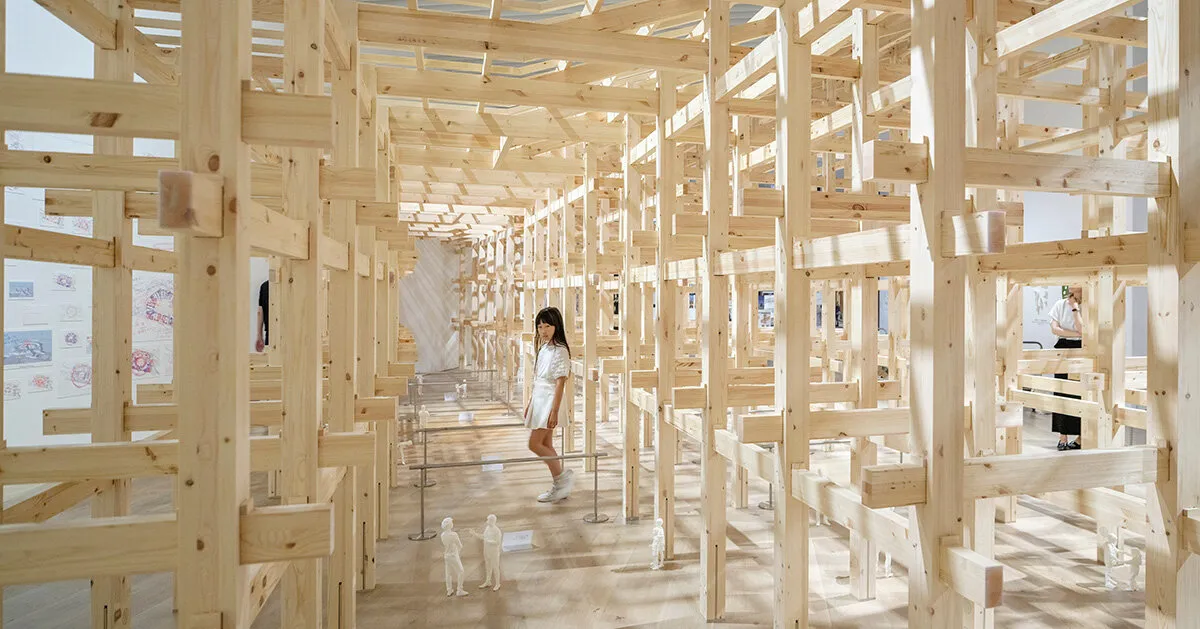
- Open Circle: Focuses on Fujimoto’s ambitious design for the Expo 2025 Osaka, Kansai “Grand Ring” structure. It features full-scale mock-ups, joinery details, documentary footage, and a 1:5 model of the wooden ring structure.
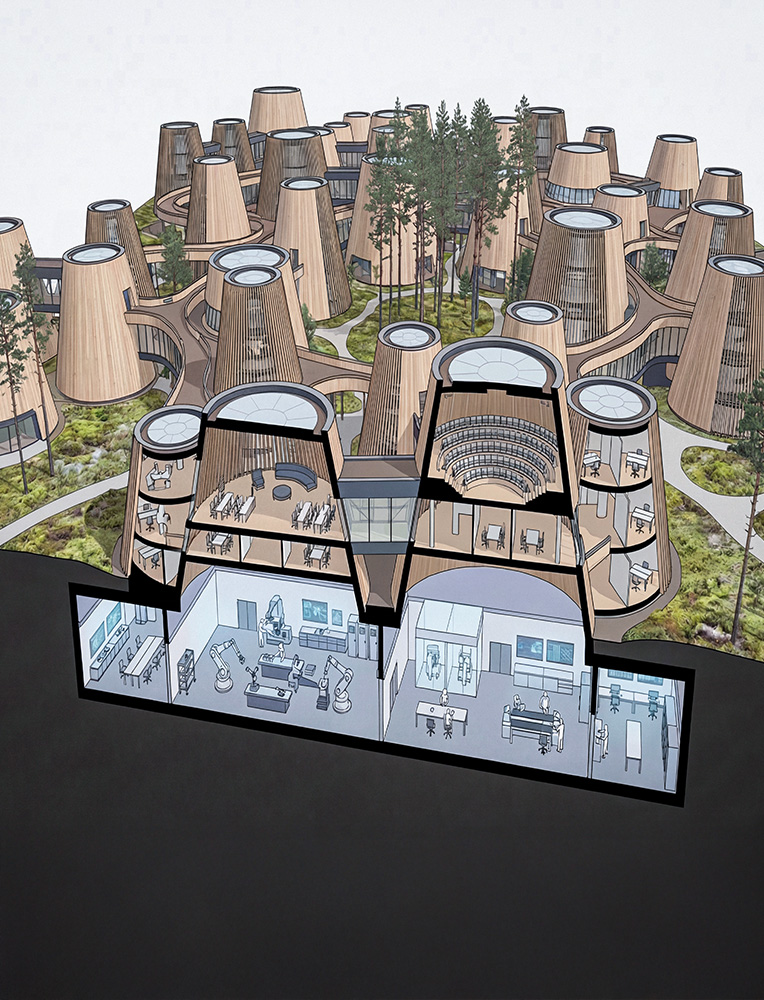
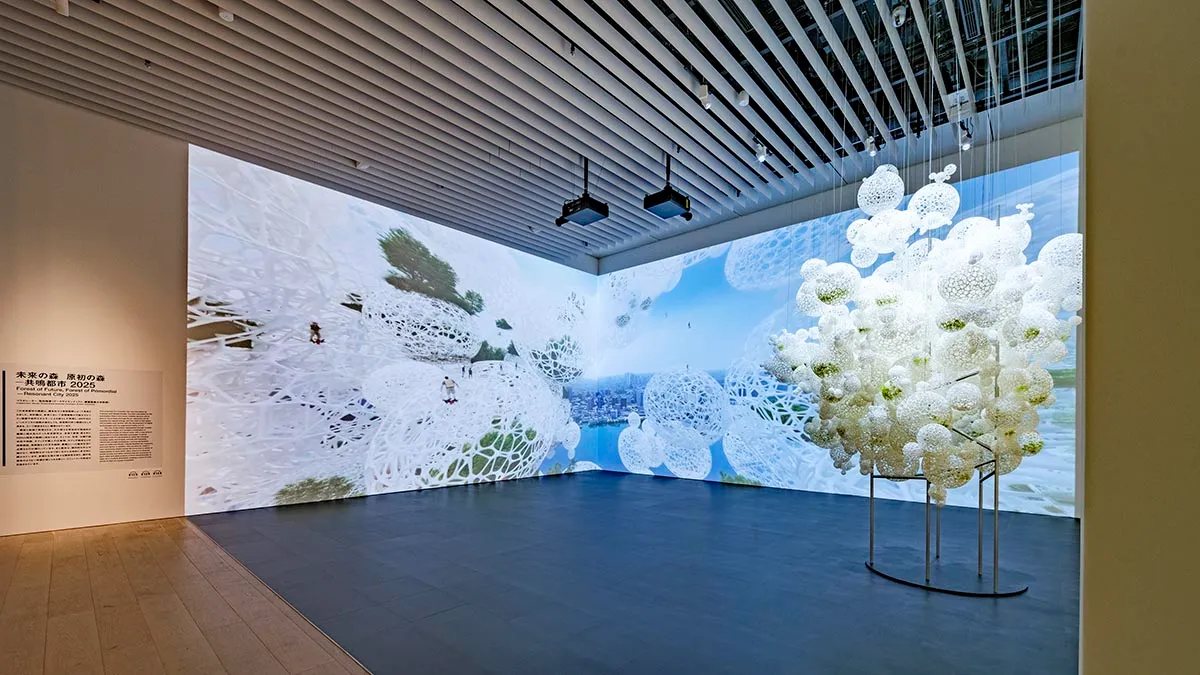
- Forest of Future, Forest of Primordial—Resonant City 2025: A speculative city design by Fujimoto in collaboration with data scientist Hiroaki Miyata, combining spherical structures and layered space to propose a new community paradigm.
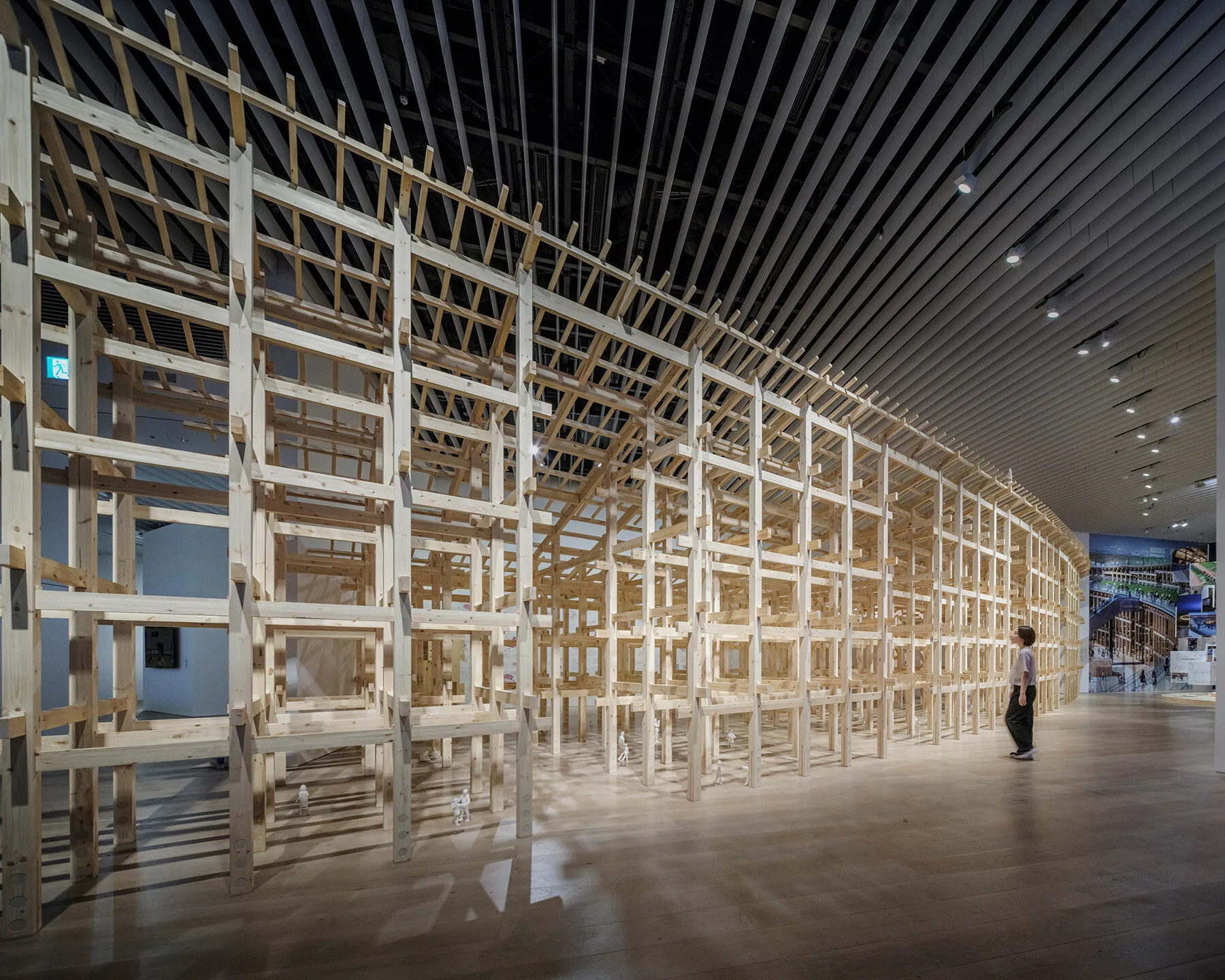
In short, the exhibition charts not only what Fujimoto has done but also what he imagines architecture and cities could become.
Sou Fujimoto’s Thematic Vision and Architectural Philosophy
A few recurring themes underpin the show and Fujimoto’s work in general:
- Nature and forest as metaphor: Fujimoto grew up in Hokkaido surrounded by lush nature, and that memory continues to inform his architecture. He treats forests as structural logic interweaving branches, leaves, voids, growth, and multiplicity.
- Open boundaries, ambiguity, multiplicity: His architecture often dissolves the clear boundary between inside/outside and between form and function. The exhibition emphasizes “open boundaries,” “amorphous,” and the “many, many, many” idea that architecture is built from myriad parts, not monolithic identities.
- Future-forward urbanism: The exhibition looks forward to what cities could be: fragmented yet connected, porous yet structured. The Grand Ring and Resonant City sections emphasize this future-oriented vision.
- Accessibility and experience: Distinctively, the exhibition is not purely academic. It invites general audiences into immersive spaces, encouraging physical and sensory engagement with architecture, rather than passive viewing of models alone.
What Makes Primordial Future Forest Stand Out at the Mori Art Museum
For both visitors and architecture enthusiasts, Sou Fujimoto’s Primordial Future Forest offers a visual experience, delivering a comprehensive look at one of Japan’s most innovative architectural minds. The exhibition serves as a rare full-career overview, presenting Fujimoto’s global influence across projects that are often encountered individually but seldom seen in relation to one another. What makes this showcase particularly engaging is its accessibility. Whether you are a professional architect or simply curious about how design shapes everyday space, the exhibition translates complex architectural ideas into immersive, human-scale installations.
Beyond its design appeal, Primordial Future Forest prompts deeper reflection on how architecture interacts with today’s global challenges: environmental sustainability, technological evolution, and the reshaping of community life. It offers a glimpse of how Fujimoto envisions the future of cities: open, layered, and alive with human connection. Set in central Tokyo and running through mid-2025, the exhibition’s timing and location make it a must-see for locals, students, and international visitors alike.
Walking through its halls, visitors move from the monumental Grand Ring model to the quiet intimacy of the Book Lounge, then to projections of futuristic urban forms. Each transition reinforces architecture not only as an object to be viewed but also as an evolving experience and conversation about what lies ahead.
Visitor Tips for Experiencing Primordial Future Forest
To make the most of your visit to the Mori Art Museum, it’s best to plan. The exhibition’s immersive zones, particularly the Book Lounge and interactive installations, invite reflection and exploration at your own pace.
If you’re drawn to Fujimoto’s international portfolio, such as his celebrated L’Arbre Blanc in Montpellier or the House of Music in Budapest, seek out the sections dedicated to his global works. For those who prefer a quieter experience, consider visiting during weekday evenings, when the museum remains open until 22:00 and crowds are lighter. Architecture students and professionals will find added value in the Open Circle section, which reveals construction details, mock-ups, and the craftsmanship behind Fujimoto’s designs. Thoughtful planning will allow you to absorb both the artistic vision and the technical depth that make Primordial Future Forest a standout architectural exhibition in 2025.
Key Information
Venue: Mori Art Museum, 53rd Floor, Roppongi Hills Mori Tower, Tokyo.
Exhibition period: Wednesday, July 2–Sunday, November 9, 2025.
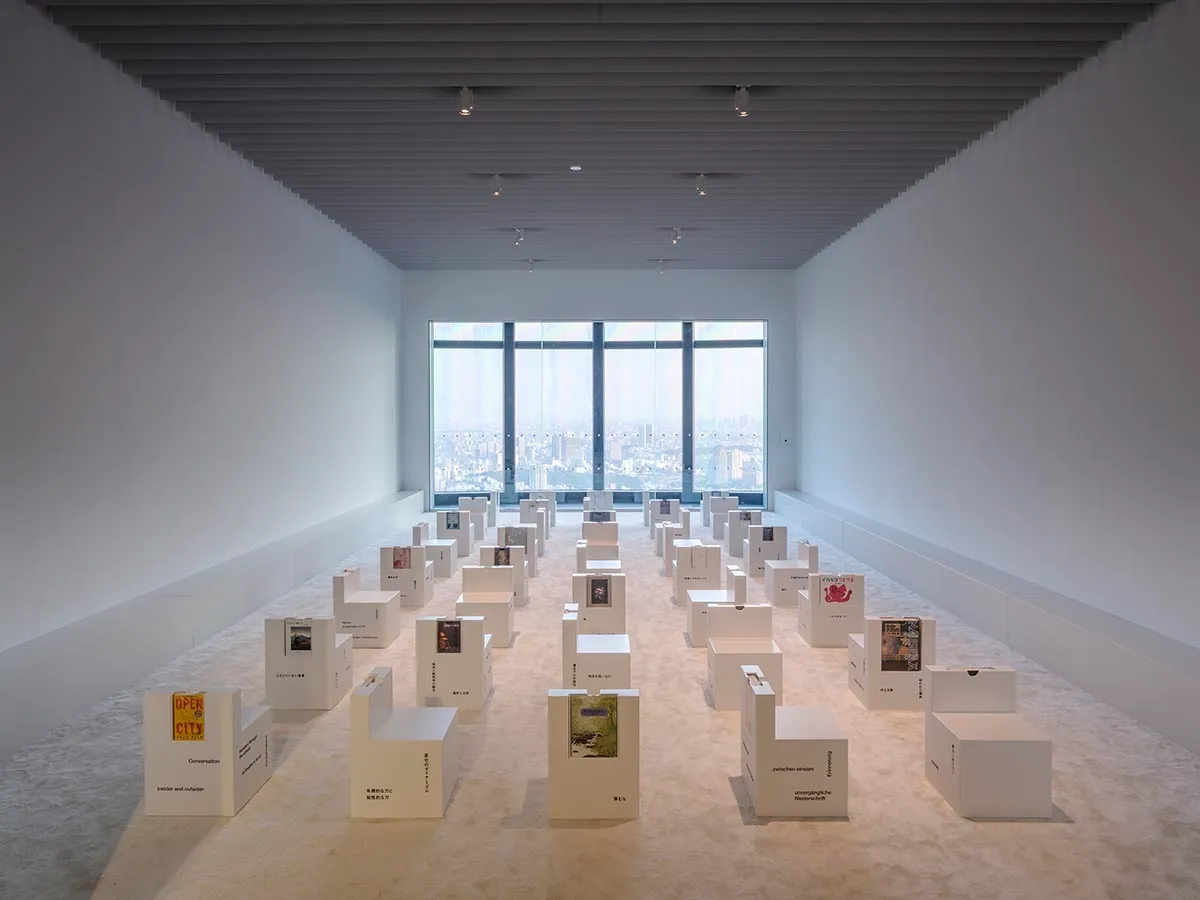
With Primordial Future Forest, Sou Fujimoto invites us to reconsider what architecture and cities might become, less about monumental singularity and more about layered multiplicity, porous ecology, and human-nature interrelation. The exhibition at the Mori Art Museum marries rigorous architectural content with public accessibility and immersive presentation.
Image credit: Yashiro Tetsuya/Mori Art Museum
Explore Courses
.jpg "Ondrej Chybik - Rethinking Architecture")