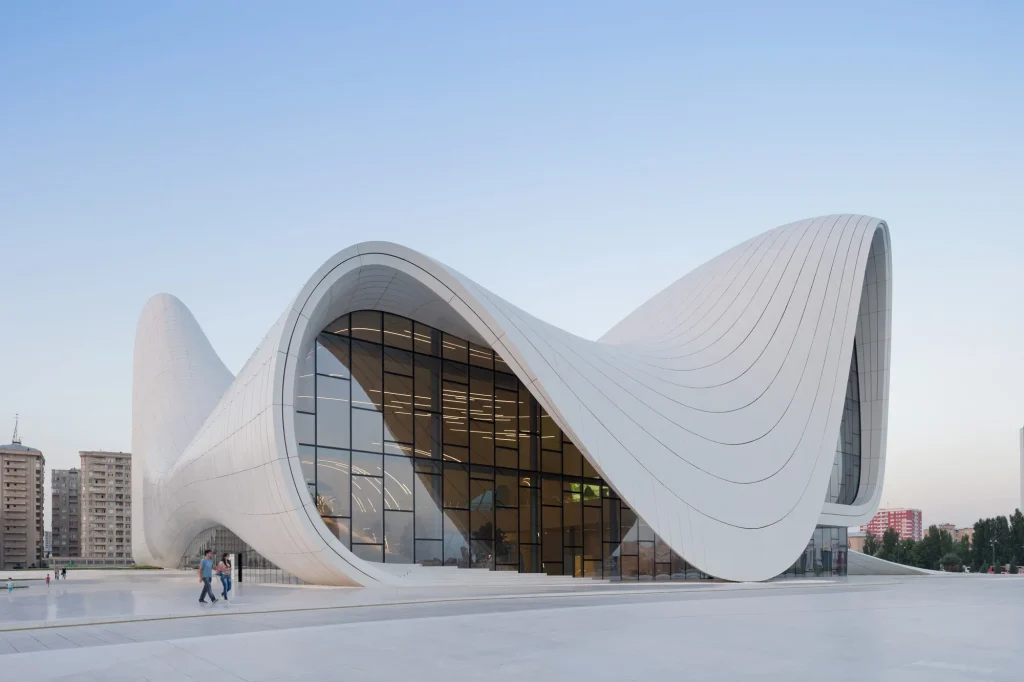

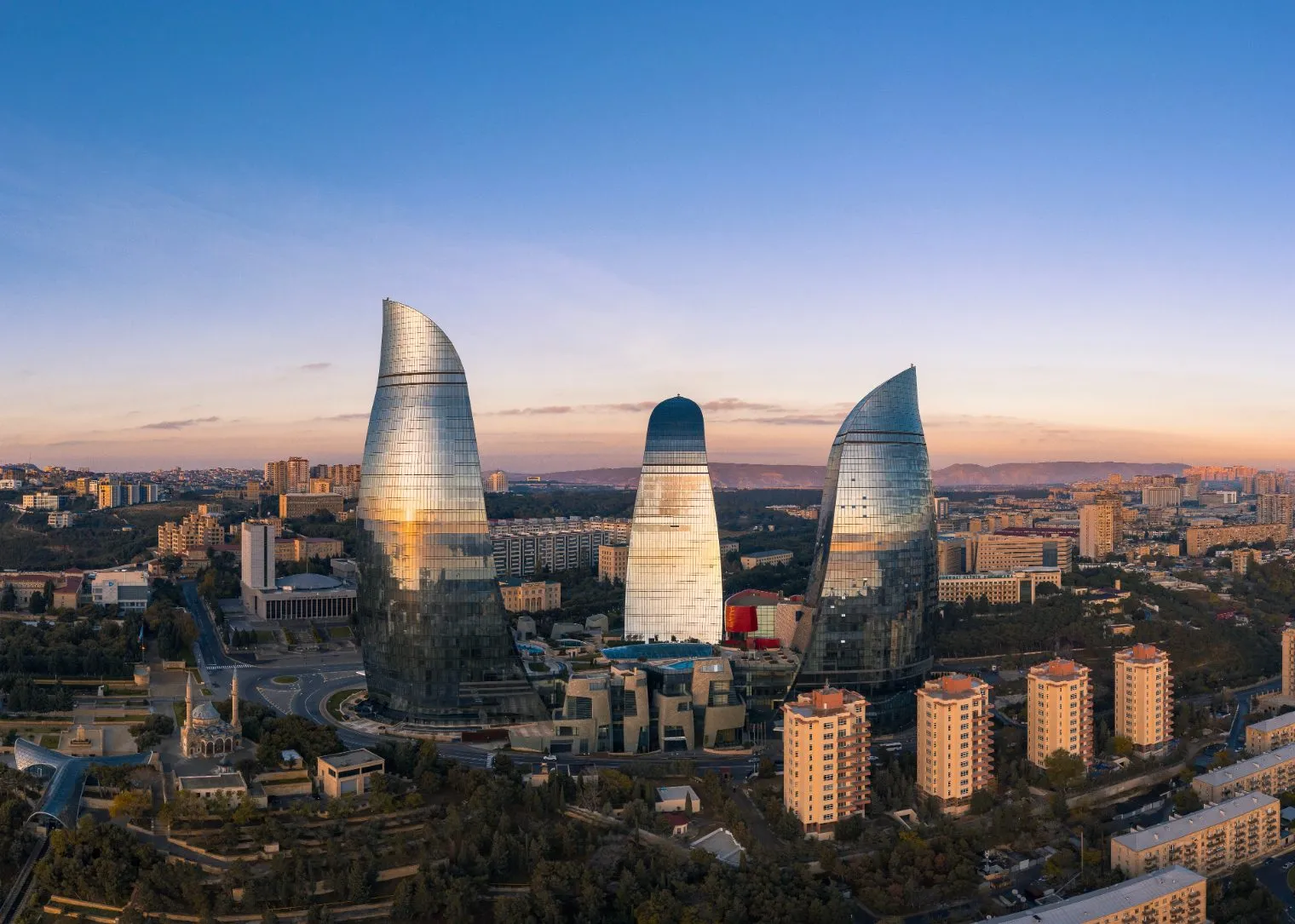

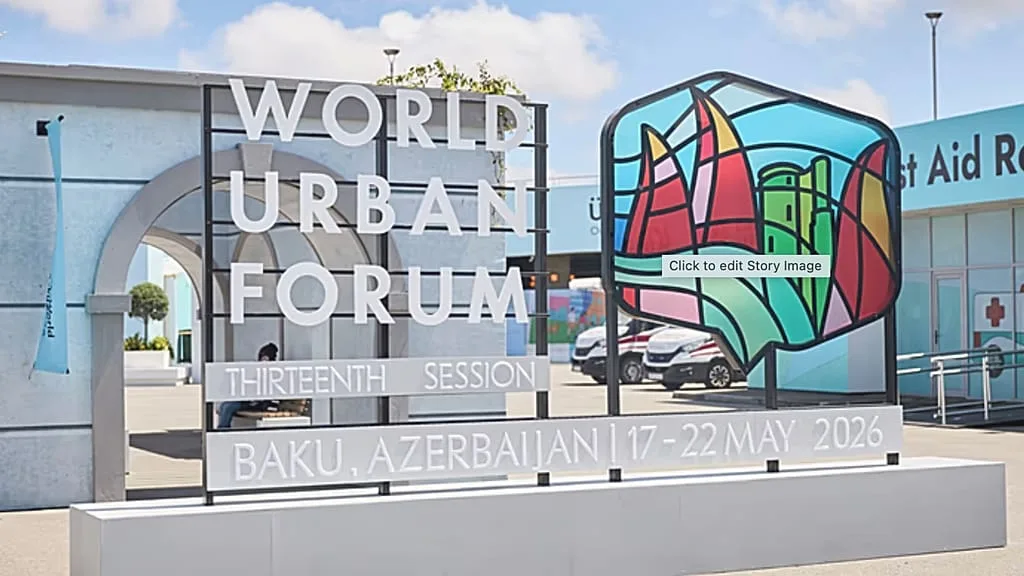
The thirteenth edition of the World Urban Forum 13 concluded in Baku after six days of intense discussions on housing inequality, climate vulnerability, post-conflict reconstruction, urban finance, and the future of rapidly growing cities. Organised by UN-Habitat, the forum brought together governments, architects, planners, researchers, mayors, civil society groups, development agencies, and financial institutions under the theme “Housing the World: Safe and Resilient Cities and Communities.”
Held between 17 and 22 May 2026 in Baku, WUF13 arrived at a moment when housing shortages, climate migration, urban displacement, and infrastructure inequality are reshaping cities worldwide. This year’s forum positioned housing as a central political, economic, and environmental issue tied directly to social stability and urban resilience.
Housing Crisis Became the Central Global Concern
The strongest and most repeated message throughout WUF13 was that the global housing crisis is no longer an isolated urban problem but a structural international challenge. According to figures repeatedly cited during the forum, nearly three billion people worldwide currently experience some form of housing inadequacy, while over 1.1 billion people live in informal settlements and more than 300 million face homelessness.
Discussions moved beyond the conventional language of affordable housing and instead focused on the interconnected relationship between housing, public health, climate resilience, migration, economic inequality, and peace-building. Delegates repeatedly argued that cities can no longer treat housing merely as a real-estate commodity; instead, it must be understood as essential social infrastructure.
At the closing sessions, Anacláudia Rossbach described housing inequality as a “systemic global challenge” shaping opportunity, resilience, and social stability across cities and communities.
The ‘Baku Call to Action’ Defined the Forum’s Conclusion
The outcome document, known as the Baku Call to Action, emerged as the symbolic and political conclusion of WUF13. The declaration called for stronger global cooperation toward equitable housing systems, climate-responsive urban planning, inclusive financing models, and locally driven urban governance.
The declaration reflected a collective appeal to governments and institutions to accelerate implementation of the New Urban Agenda while recognizing housing as a foundation for sustainable urban development.
A major emphasis of the closing statement focused on climate-resilient housing systems. Delegates highlighted how floods, heatwaves, conflict, drought, and forced displacement are intensifying urban vulnerability, especially in low-income regions already facing inadequate infrastructure.
The forum repeatedly returned to a critical question: how can cities expand rapidly without deepening social exclusion?
Baku Positioned Itself as a Diplomatic Urban Platform
For Azerbaijan, hosting WUF13 was also an exercise in international urban diplomacy. Throughout the week, the host nation used the forum to present its reconstruction agenda, post-conflict urban projects, and infrastructure-led development vision to an international audience.
Particular attention was given to reconstruction efforts in territories affected by conflict, where discussions addressed rebuilding strategies, resettlement planning, infrastructure rehabilitation, and land restoration. Azerbaijani presentations linked urban recovery with long-term sustainability while also foregrounding issues such as demining and territorial rehabilitation.
The forum, therefore, became more than a technical urban conference; it also operated as a geopolitical stage where reconstruction, resilience, and national development narratives intersected with global urban policy debates.
Climate and Housing Were Treated as Interconnected Systems
One of the most important conceptual shifts visible at WUF13 was the framing of climate change and housing as inseparable urban systems. Sessions repeatedly examined how informal settlements, poor construction quality, and weak urban infrastructure increase climate vulnerability.
The forum concentrated on practical urban adaptation strategies: low-carbon housing, resilient infrastructure, water-sensitive planning, equitable land access, and neighborhood-scale climate interventions.
Experts also stressed that climate adaptation policies cannot succeed if housing remains inaccessible. This became especially visible in conversations around rapidly urbanizing regions in Africa, South Asia, and parts of Latin America, where demographic pressure and environmental instability are unfolding simultaneously.
Informal Settlements Were Reframed as Urban Realities, Not Failures
Another significant theme throughout WUF13 was the shift in discourse around informal settlements and slums. Rather than discussing demolition-led approaches, many panels advocated upgrading, integration, and participatory urban transformation.
Urban researchers and development agencies argued that informal settlements are often the result of systemic housing shortages. Discussions, therefore, focused on improving services, infrastructure, tenure security, and economic opportunities within existing communities instead of pursuing displacement-based redevelopment models.
This represented a broader transition in global urban policy thinking—one that acknowledges informality as part of the contemporary urban condition.
WUF13 Expanded the Political Importance of Urban Issues
Several observers noted that WUF13 appeared larger and more politically ambitious than previous editions. The introduction of high-level leadership summits and ministerial dialogues elevated urbanization discussions closer to the level of international climate negotiations.
The forum also reinforced the growing recognition that cities now sit at the center of multiple global crises simultaneously—from migration and inequality to energy transition and ecological stress.
As urban populations continue to grow, the discussions in Baku suggested that future geopolitical stability may increasingly depend on how cities manage housing access, infrastructure equity, environmental resilience, and inclusive governance.
A Forum That Shifted Urban Discussions Beyond Architecture
Although architects, planners, and designers remained visible participants, WUF13 ultimately framed urbanism less as a question of iconic buildings and more as a question of systems, access, and governance.
The conversations in Baku demonstrated that contemporary urban debates are increasingly concerned with financing models, legal frameworks, social inclusion, public health, and environmental resilience alongside physical planning.
In many ways, WUF13 reflected a broader transformation in how cities are being discussed globally as economic engines or cultural centers and frontline spaces where inequality, climate change, displacement, and development converge most visibly.
As the forum concluded, the message from Baku was clear—the future of cities will depend not simply on how they grow, but on who they are built for.