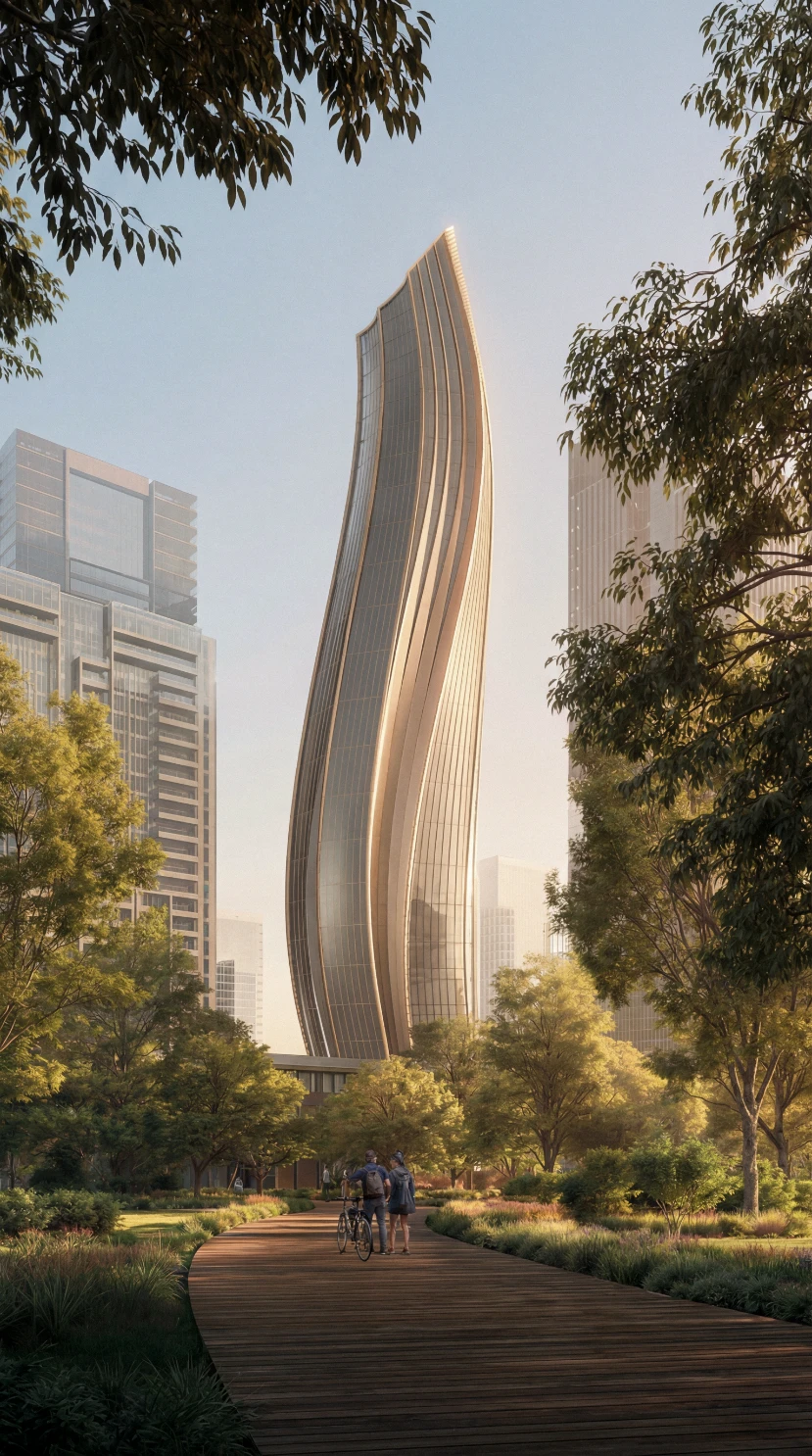


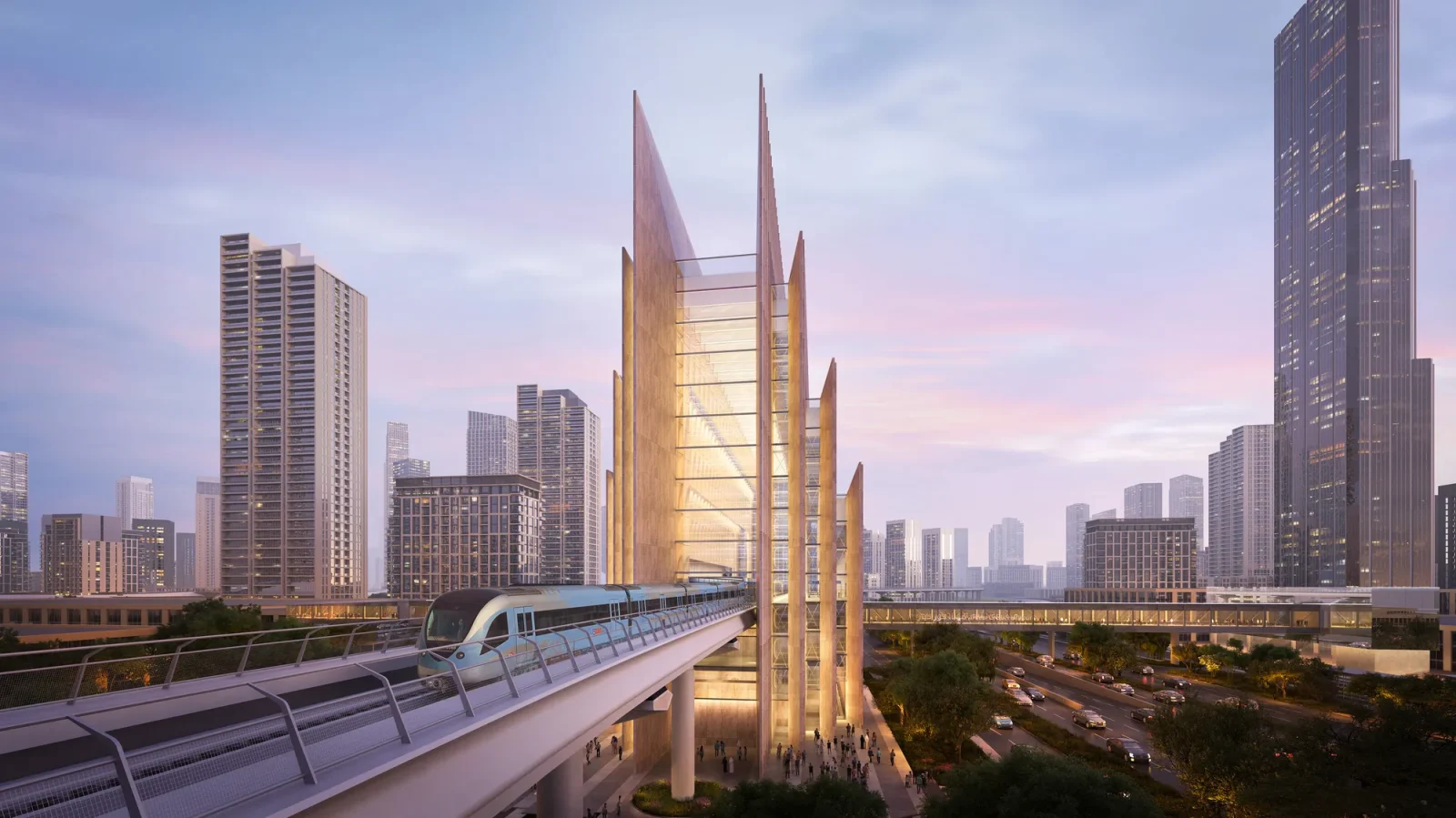
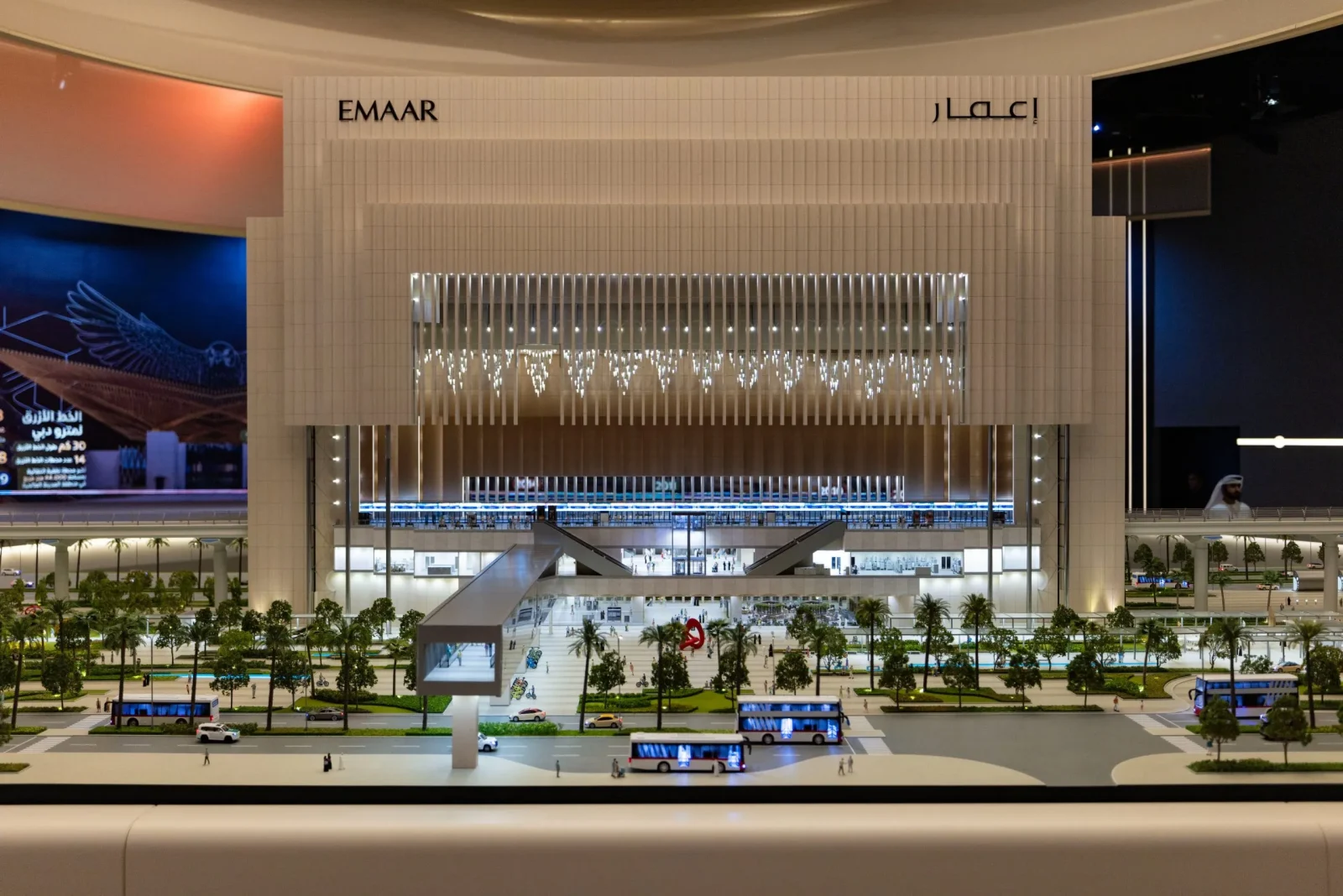
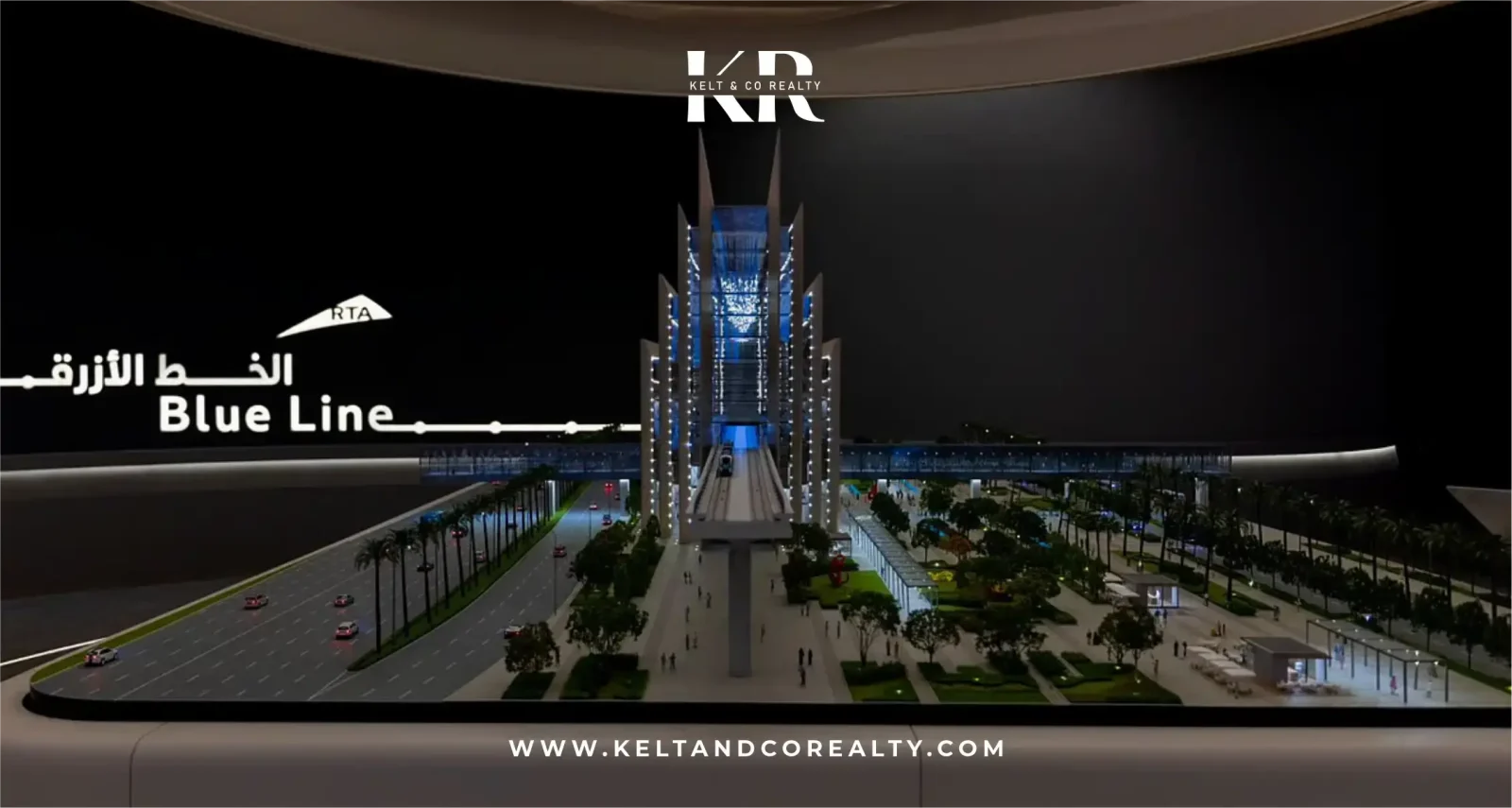
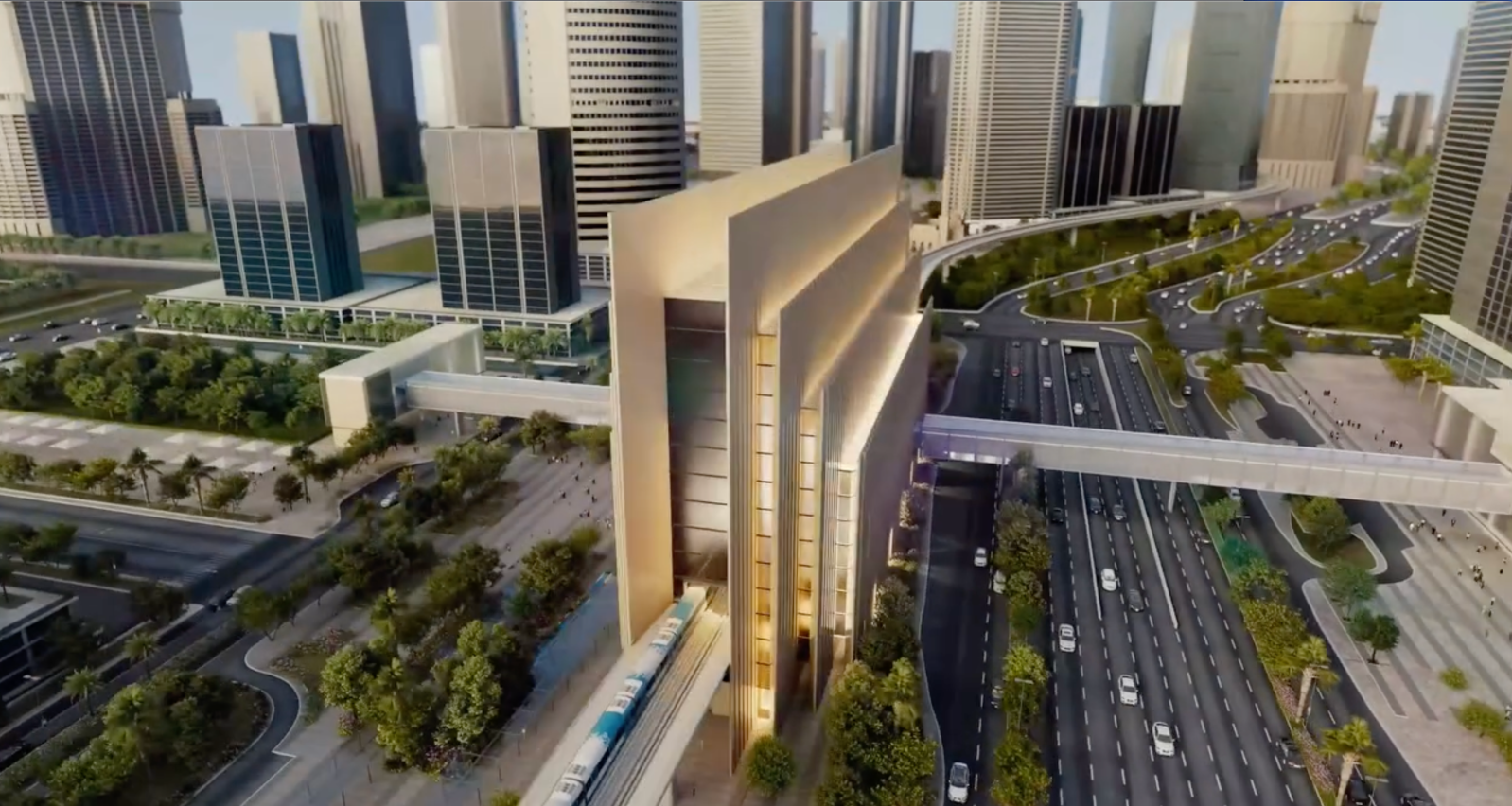
The architecture studio Skidmore, Owings & Merrill (SOM) has unveiled designs for the station, named Emaar Properties Station, also referred to as The Gateway at Dubai Creek Harbor in Dubai. The station, part of the new Dubai Metro Blue Line, will rise to a height of 74 metres and cover approximately 10,800 square metres, making it the tallest metro station in the world. The design positions the station as a civic landmark, integrating movement, public space, light, and architecture into a unified vision.
Strategic Location and Urban Context of the World’s Tallest Metro Station in Dubai
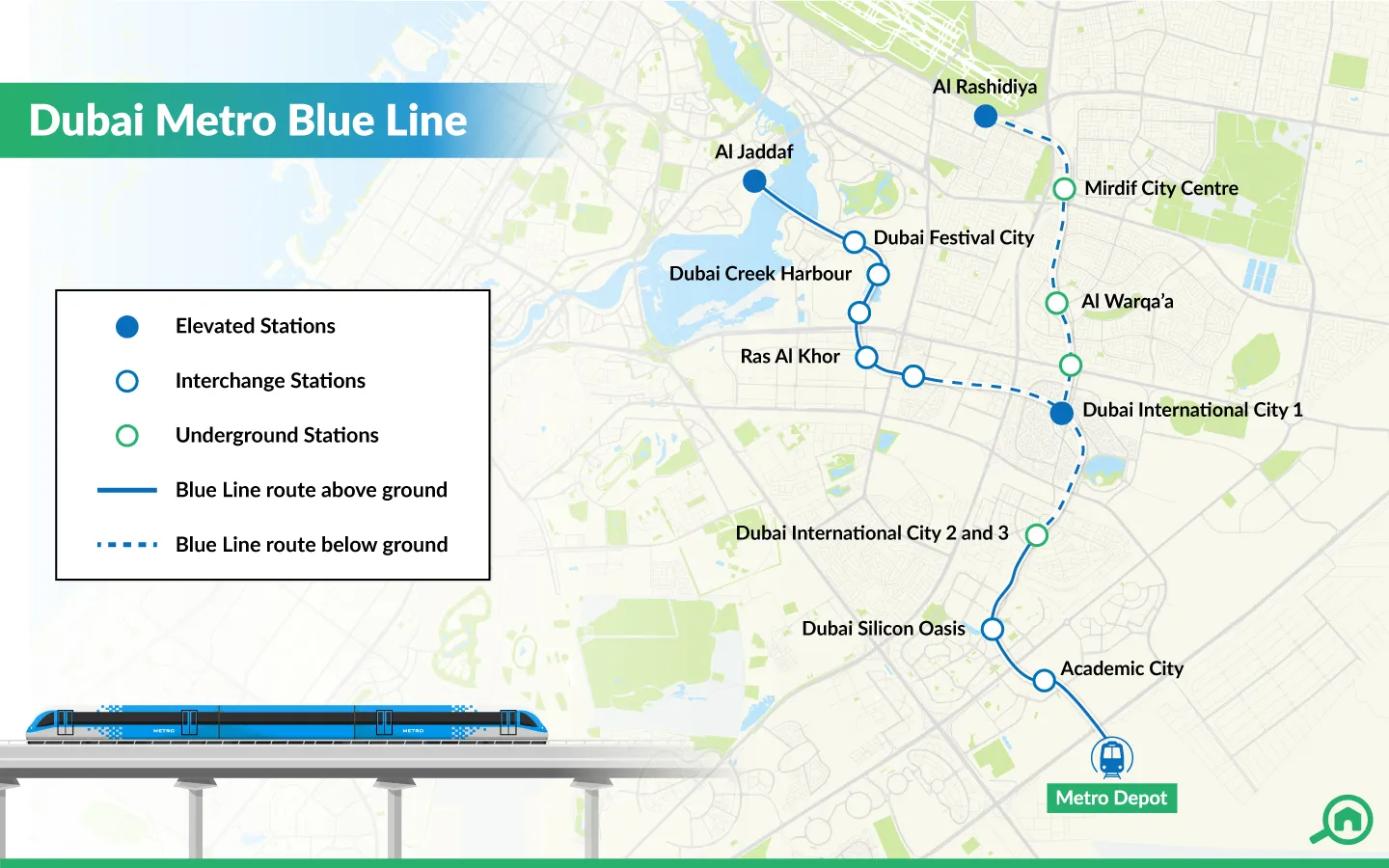
Situated within the Dubai Creek Harbour development, the new station occupies a key location in Dubai’s expanding transit network. The Blue Line will span about 30 km, adding 14 stations and integrating with the existing metro network.
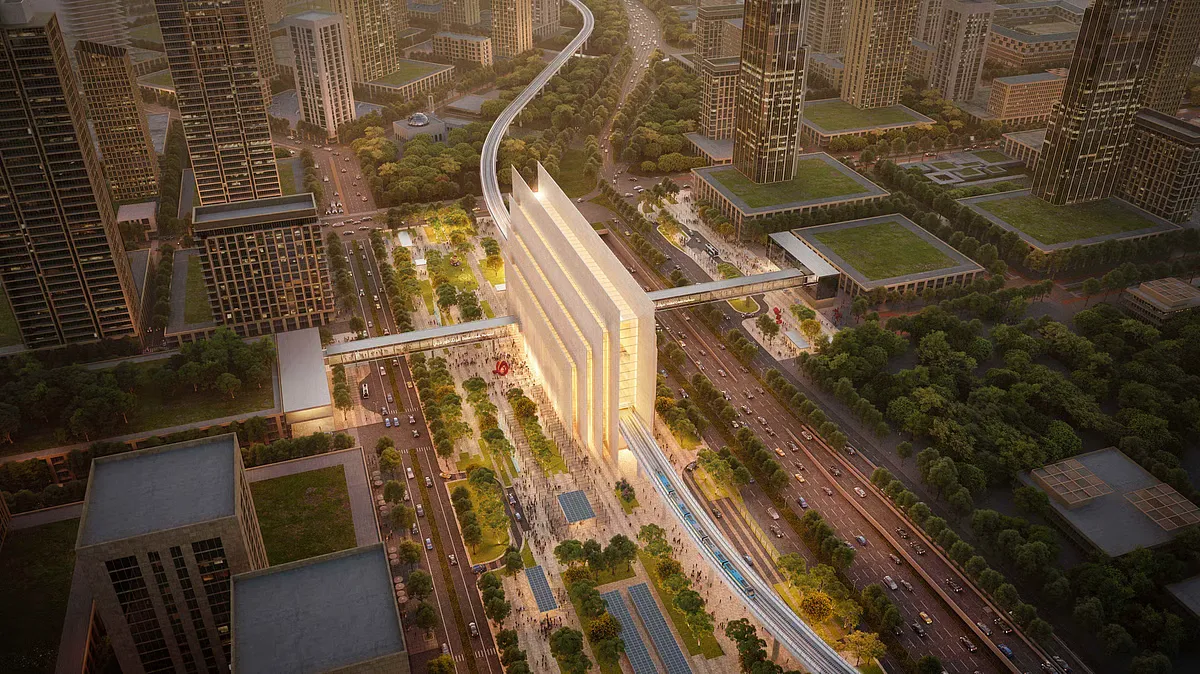
By locating this record-setting station at Dubai Creek Harbour, the project aligns with the Dubai 2040 Urban Master Plan’s emphasis on mobility, walkability, and connecting emerging districts to the heart of the city.
Architectural Design, Materials, and Structural Highlights of The Gateway Dubai Metro Station
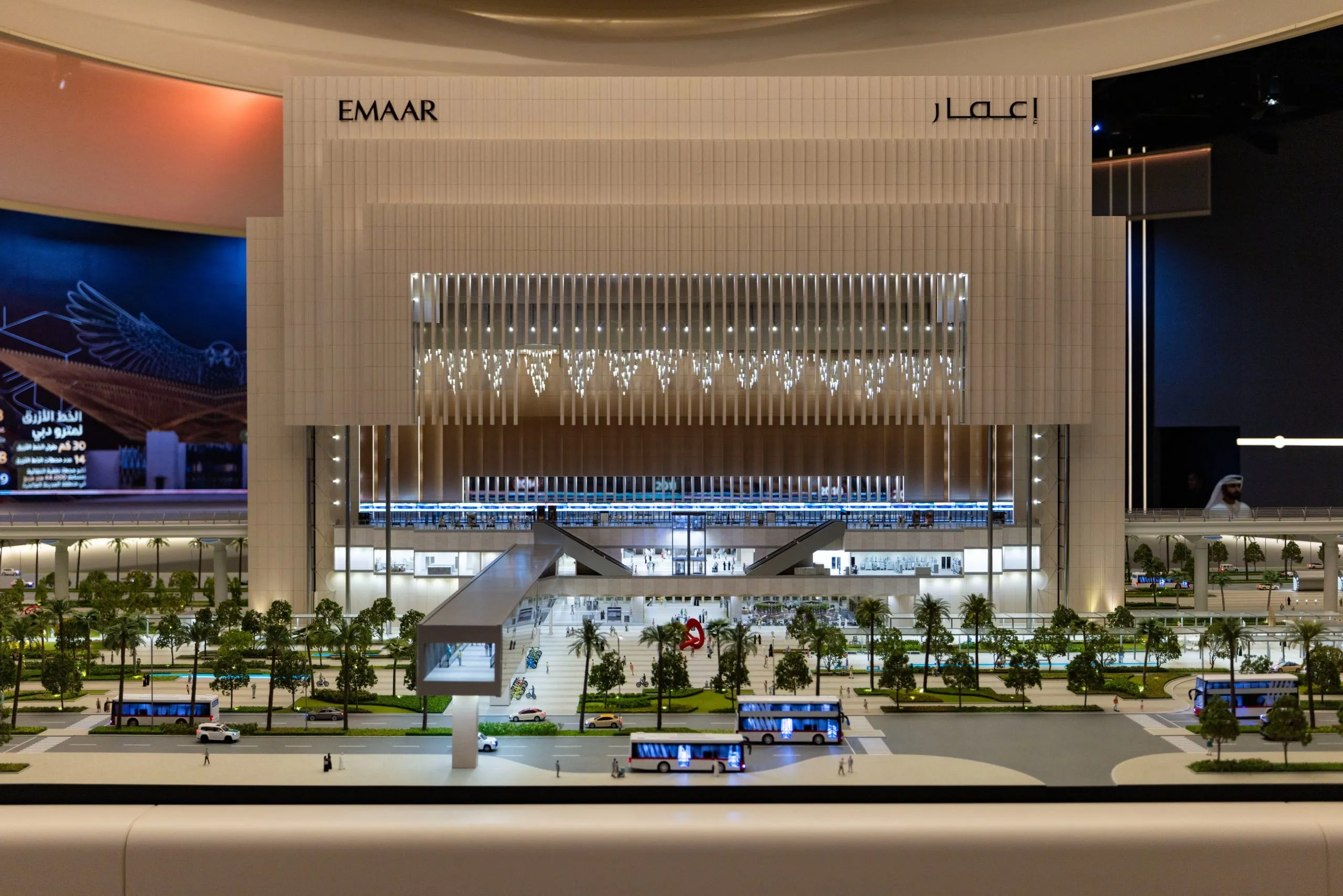
The concept is built around the idea of a “gateway”—the station stands as the threshold to the new neighborhood and the city beyond. According to SOM design partner Colin Koop, the architecture evokes a kind of arrival moment: “a room lit from above” where everything draws you up and inward.
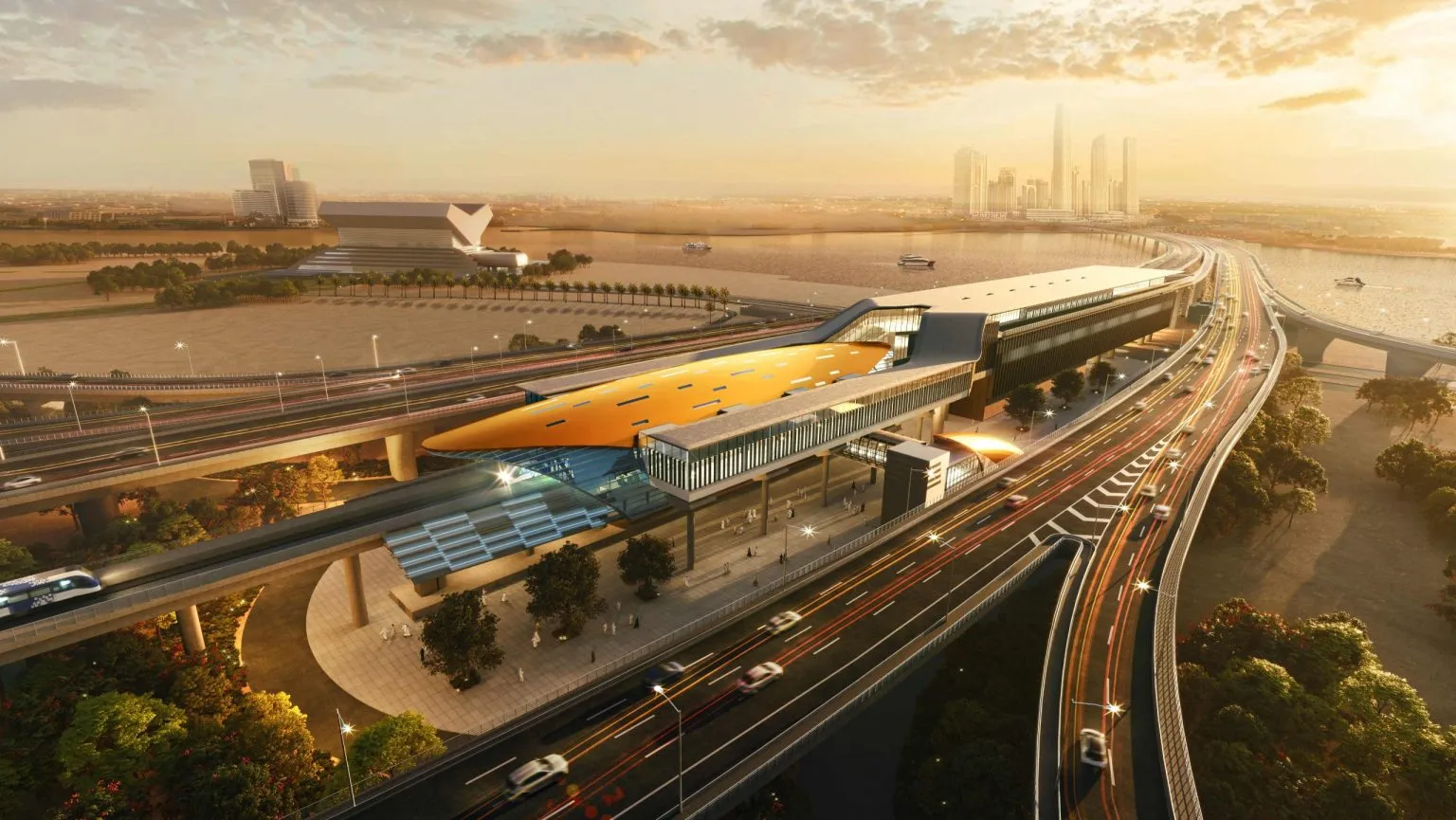
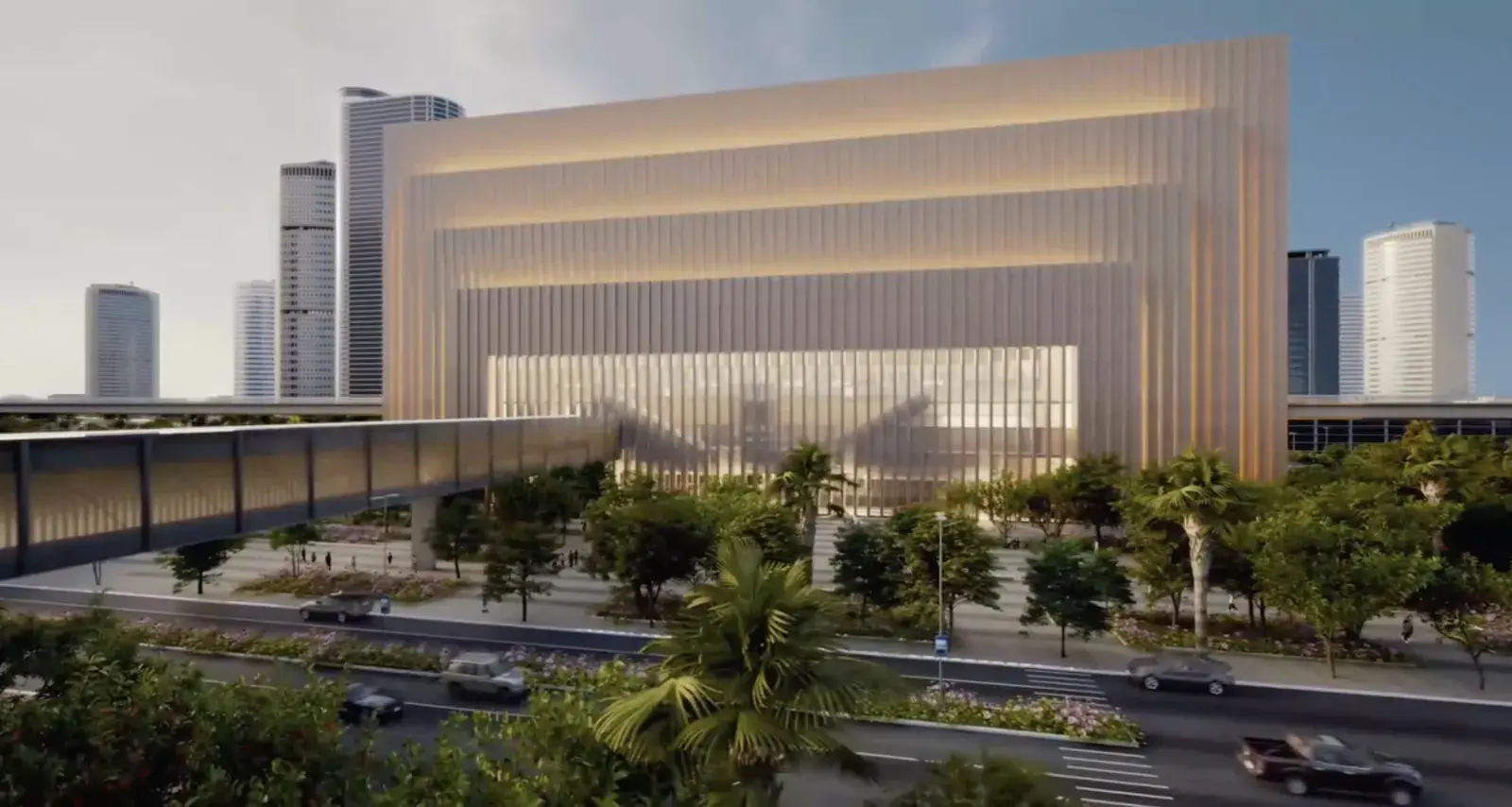
Visually, the building features mirrored limestone walls that rise in staggered heights, creating a rhythm that the station’s design resembles or draws inspiration from traditional architectural patterns found along Dubai Creek. The large glass ceiling allows daylight to penetrate deep into the station, creating a dynamic interplay of light and space.
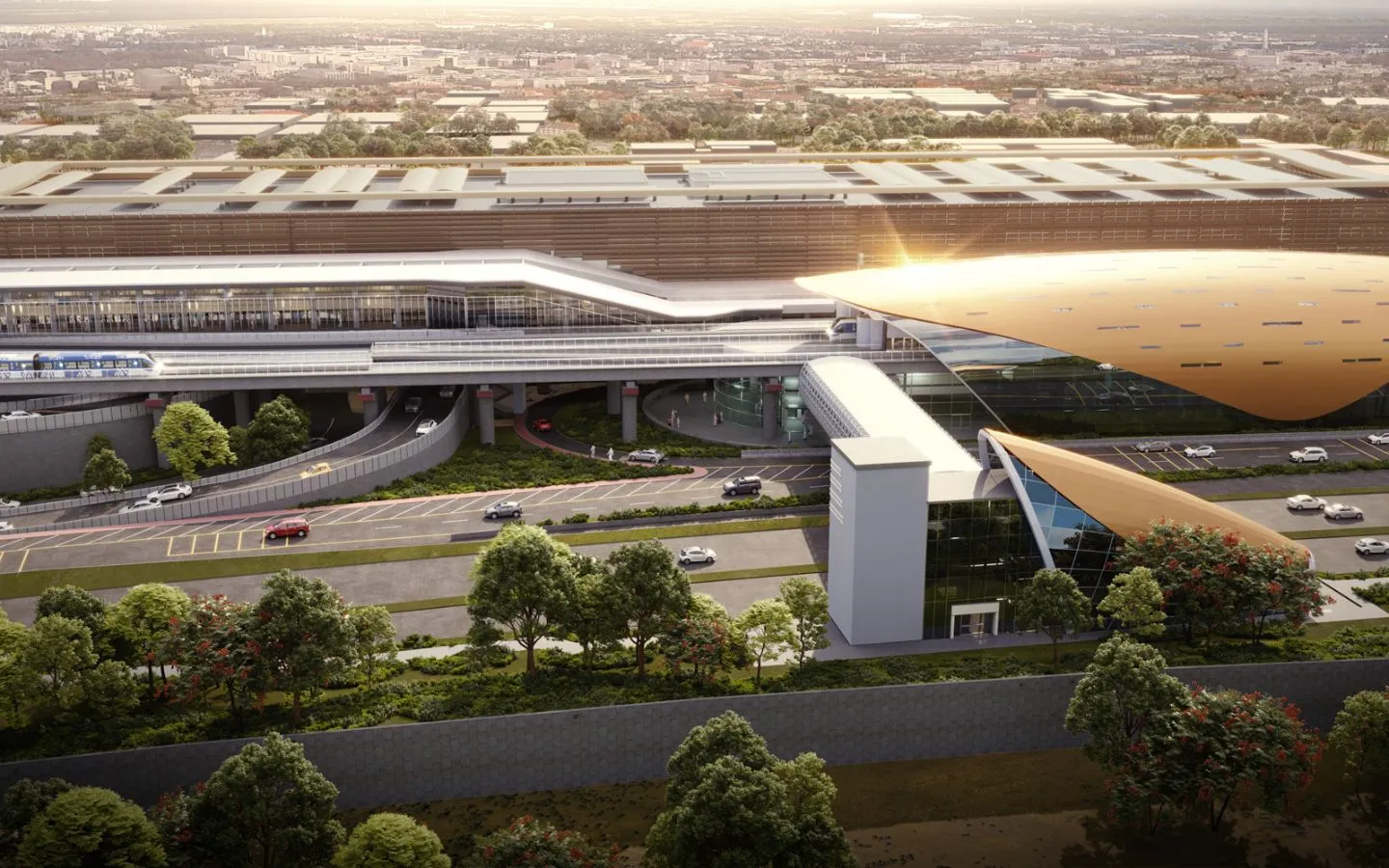
The station’s material palette emphasises regionally appropriate stone and high-performance systems. Jura limestone cladding both grounds the building in material authenticity and serves practical climatic functions: absorbing heat during the day, releasing it at night, and helping moderate interior comfort in Dubai’s harsh climate.
Glass ceilings and careful orientation bring daylight into the station, reducing reliance on artificial lighting and creating a welcoming environment. Meanwhile, the station is arranged on three primary levels (ground, concourse, and platform) to facilitate intuitive wayfinding and ensure fluid commuter movement.
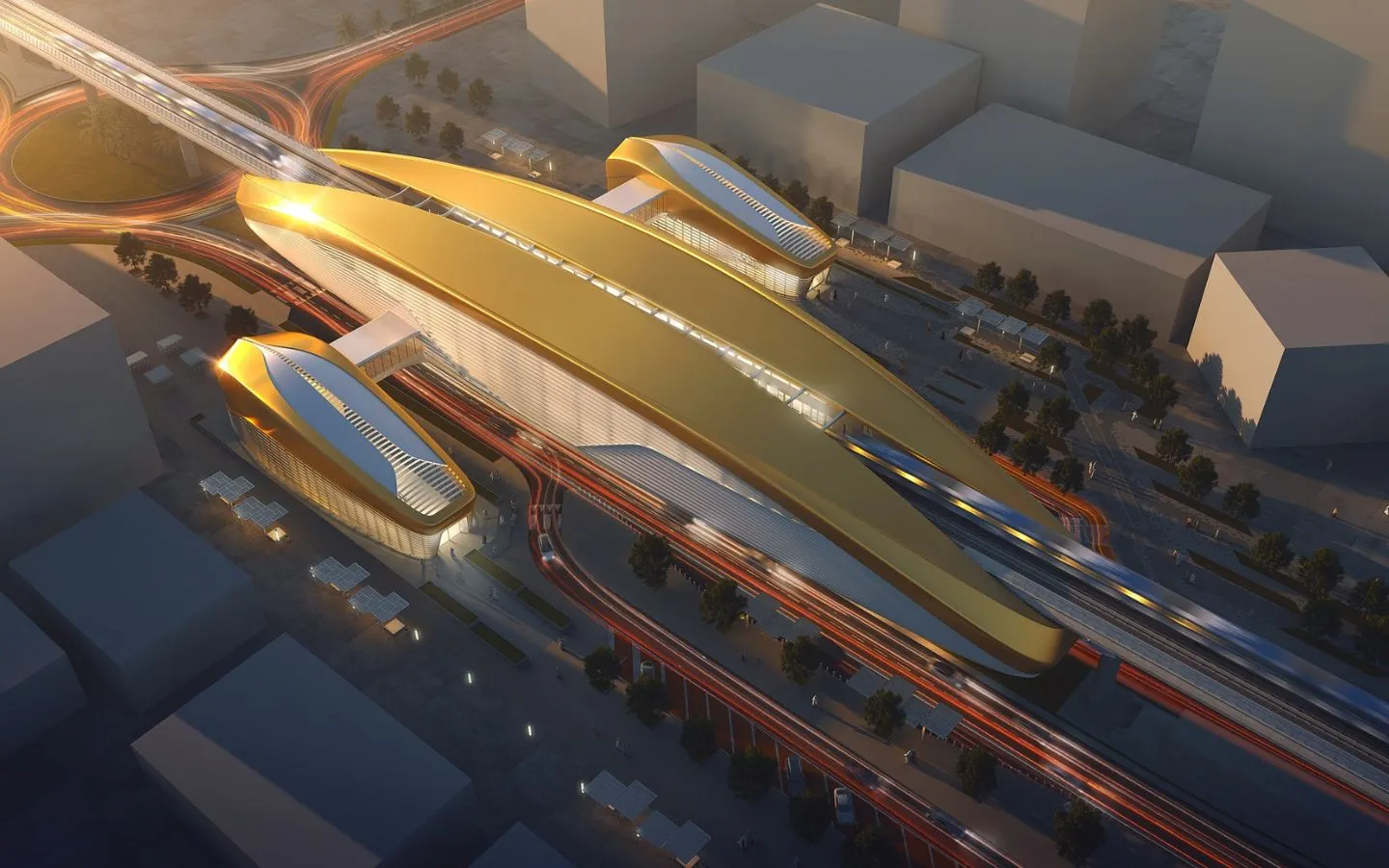
As noted, the station rises to 74 metres tall. It will accommodate up to 160,000 daily commuters by 2040, marking it as not only architecturally ambitious but functionally significant.
With an expected area in the range of 10,800–11,000 square metres, the station balances spatial generosity and efficiency.
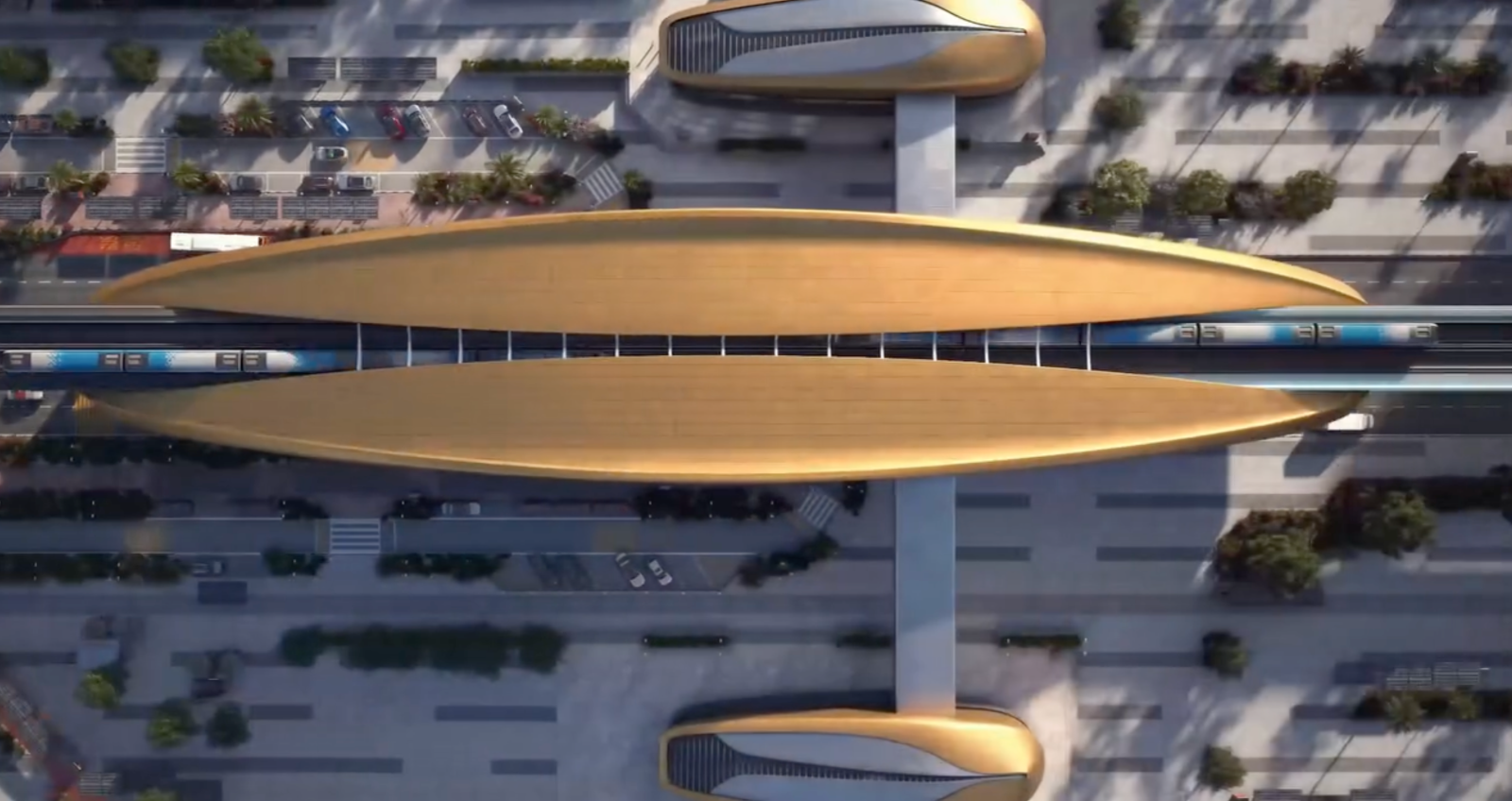
SOM, with a portfolio that includes mega-structures and transportation hubs around the world, brings its experience to bear here in creating a building that is at once sculptural and serviceable. The interplay of stone and glass, verticality and light, public plaza and platform volume all come together to forge a distinctive identity.
SOM’s Approach to Spatial Organisation and User Experience
From a spatial standpoint, the station is organised as follows:
- Ground level: A landscaped public plaza invites not only transit users but also the wider community into a new civic realm.
- Concourse level: A generous volume under glass brings daylight into the heart of the station, helping passengers orient themselves and move effortlessly.
- Platform level: Elevated in height (in the region of 40 metres), the platform space is conceived as a grand vaulted interior, emphasising verticality and light.
- The design emphasis is on clarity and ease: wayfinding is embedded in the architecture (rather than simply signage), and the experience of transit becomes elevated—both literally and figuratively.
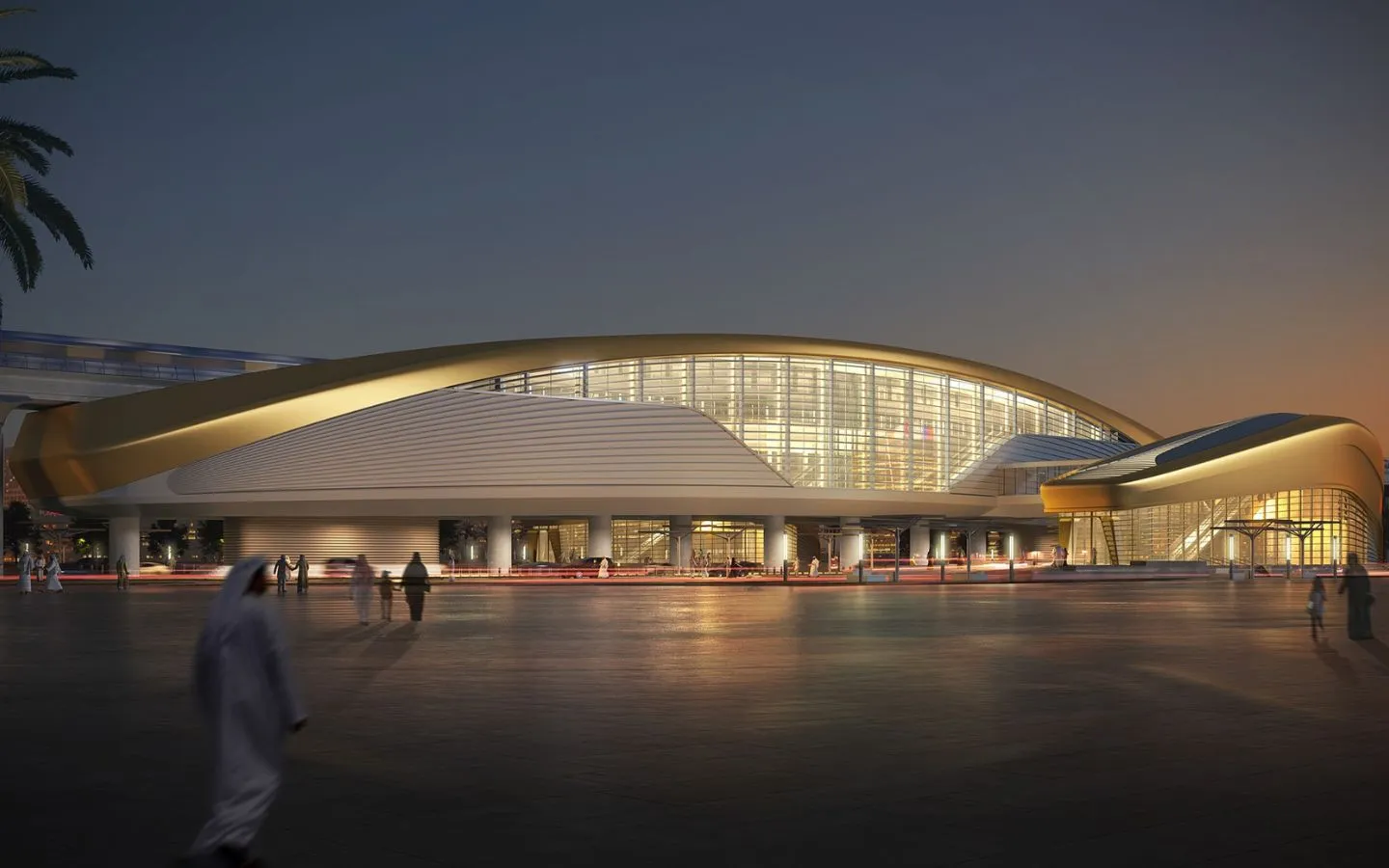
While design intent is clear, delivering such a high-volume, high-ambition transit hub comes with challenges: from construction logistics, climatic control in Dubai’s heat, and the structural demands of a 74-metre-tall station box to ensuring functional efficiency.
Yet, if executed as expected, the station will set a new benchmark in transit architecture, bringing human experience, urban form, and mobility together in an integrated whole.
The Gateway at Dubai Creek Harbour station is a thoughtful piece of architecture that unites material, spatial, and transport. By elevating the metro station to the status of a civic landmark, SOM has reimagined the everyday act of commuting as an architectural experience.
As Dubai continues to expand and reshape its urban fabric, projects like this hint at a future where infrastructure and architecture are inseparable and where a metro station might be as much a destination as a departure.
Image credit: Dubai Media Office
Explore Courses
.jpg "Ondrej Chybik - Rethinking Architecture")