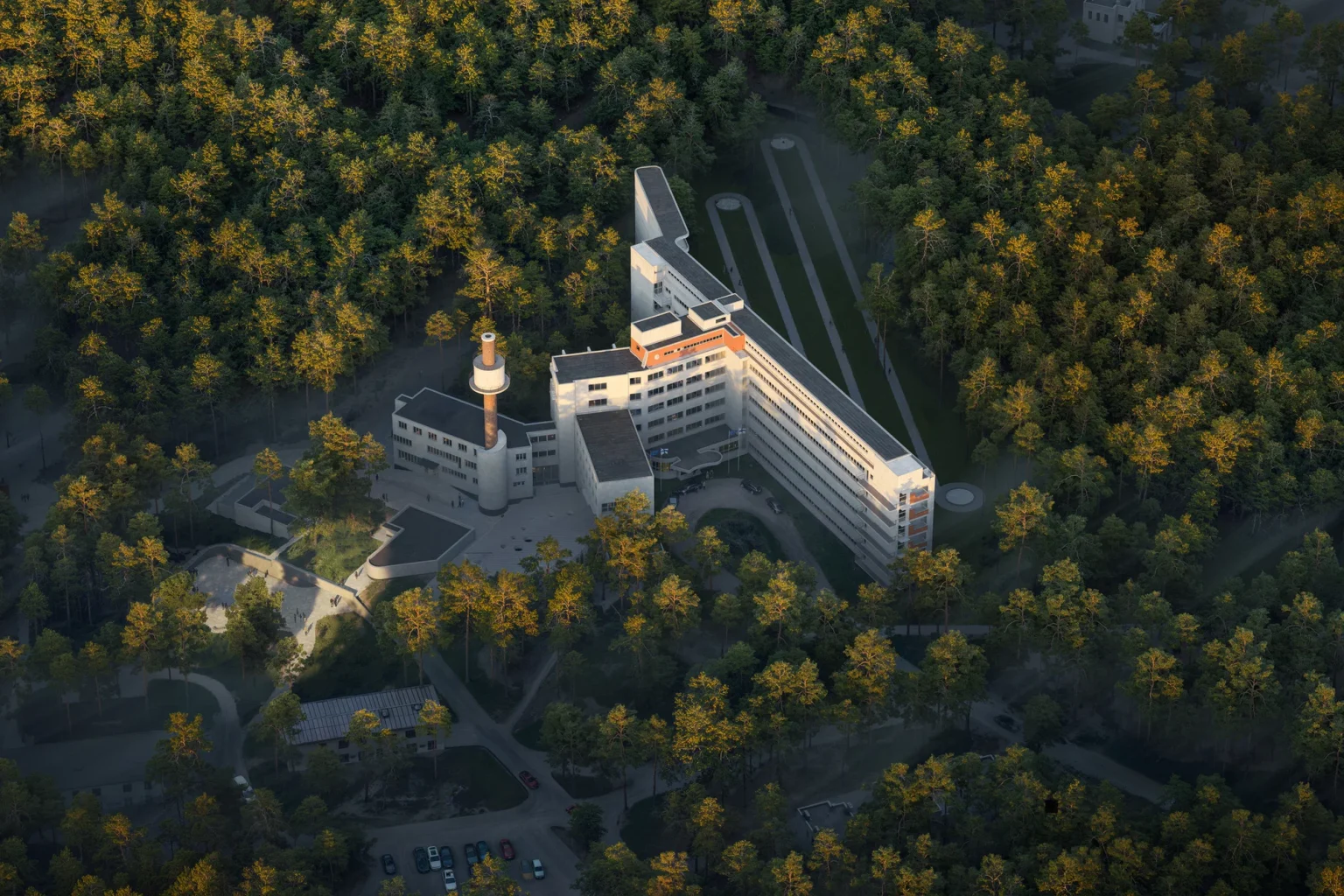
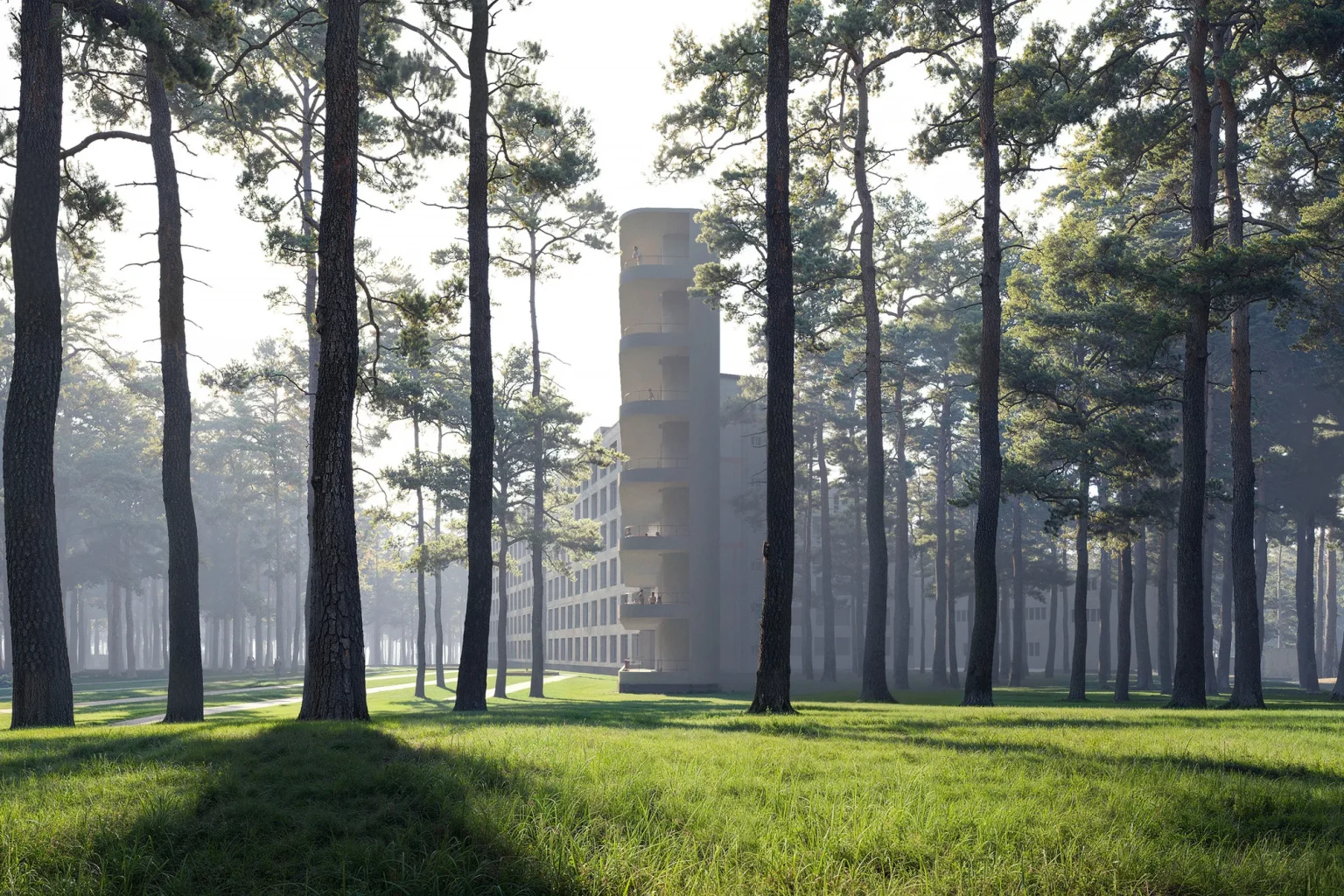


More than 90 years after its completion, the Paimio Sanatorium in Finland is preparing for a new life. Norwegian architecture and design practice Snøhetta has revealed a masterplan that reimagines the iconic building by Aino and Alvar Aalto as a destination centered on wellness, hospitality, culture, and international dialogue.
Developed in collaboration with the Paimio Sanatorium Foundation, the proposal seeks to secure the future of one of modern architecture’s most celebrated works while preserving the values that shaped its original design. The masterplan focuses on carefully calibrated interventions that respect the building’s architectural heritage and its historic relationship with nature.
The vision positions the former tuberculosis sanatorium as a place for reflection, well-being, and cultural exchange, extending the Aaltos’ belief that architecture should ultimately serve humans.
Revisiting an Architectural Masterpiece
Designed by Aino and Alvar Aalto and completed in 1933, Paimio Sanatorium is widely regarded as one of the foundational works of modern architecture. Created during a period when no effective cure for tuberculosis existed, the building itself became part of the treatment process.
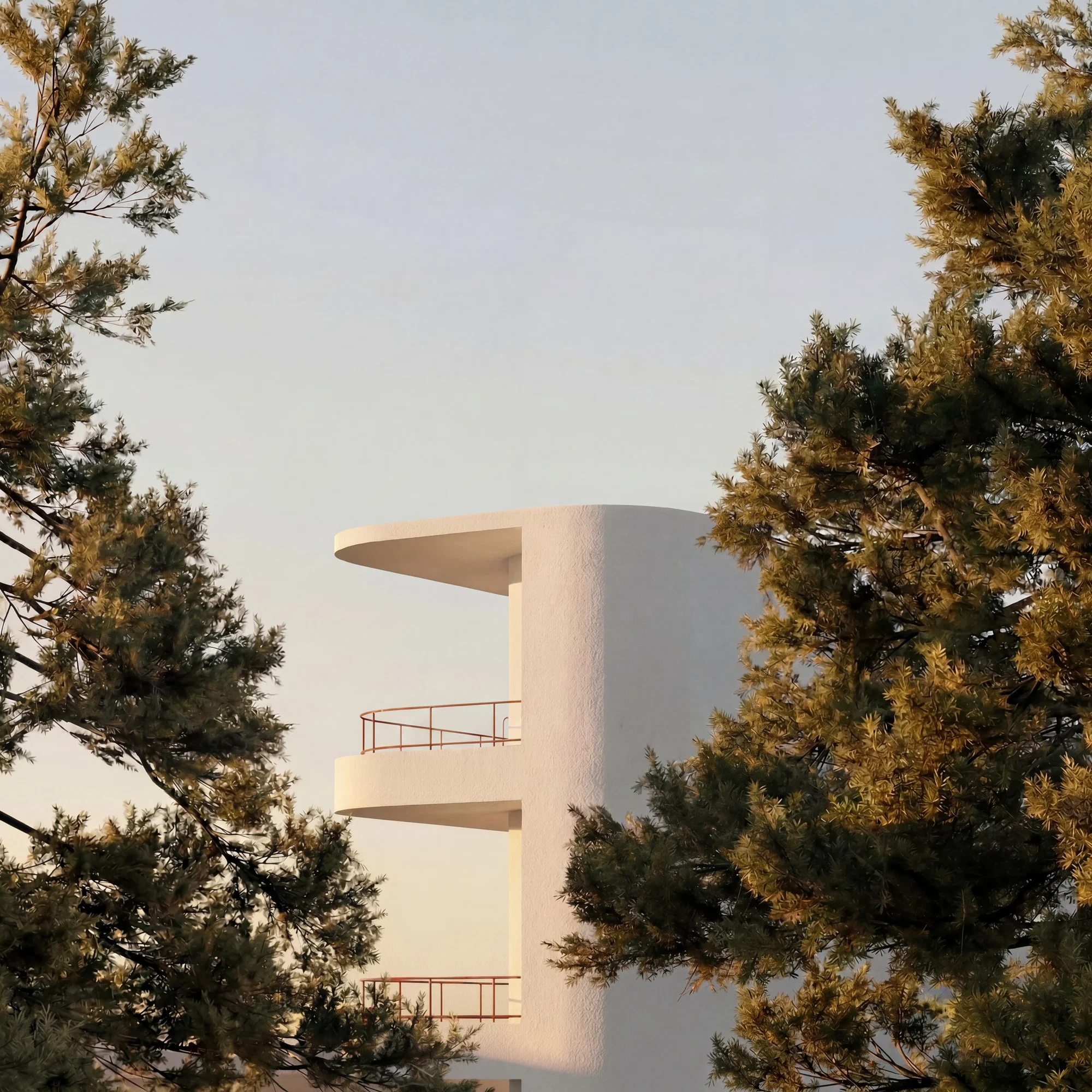
Every aspect of the design, from room layouts and circulation routes to access to sunlight and fresh air, was carefully considered to support patient recovery. The surrounding forest landscape, open-air balconies, and orientation toward natural light formed an integral part of the healing environment.
Initially serving as a tuberculosis sanatorium, the building later functioned as a general hospital until the mid-2010s. Alongside the Aaltos’ Vyborg Library, Paimio helped establish Finnish architecture on the international stage and remains one of the most influential examples of human-centered modernism.
Snøhetta Builds on the Aaltos’ Legacy of Care
Snøhetta’s proposal builds upon the original philosophy of care embedded within the architecture. The masterplan envisions a program that combines hospitality, wellness facilities, cultural spaces, and venues for international gatherings.
The project aims to create an active destination where contemporary discussions around health, design, sustainability, and society can take place. The aim is to transform the site into a meeting place where architecture continues to support human well-being while remaining relevant to future generations.
According to Snøhetta founding partner Kjetil Trædal Thorsen, the design approach is grounded in extensive research and guided by a commitment to preserving the integrity of the original building while allowing it to evolve for future use.
Transforming the Former Surgery Wing into a Public Forum
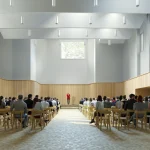
One of the most significant interventions is planned within the former surgery wing. The space is proposed to be converted into a flexible auditorium that can accommodate approximately 200 people.
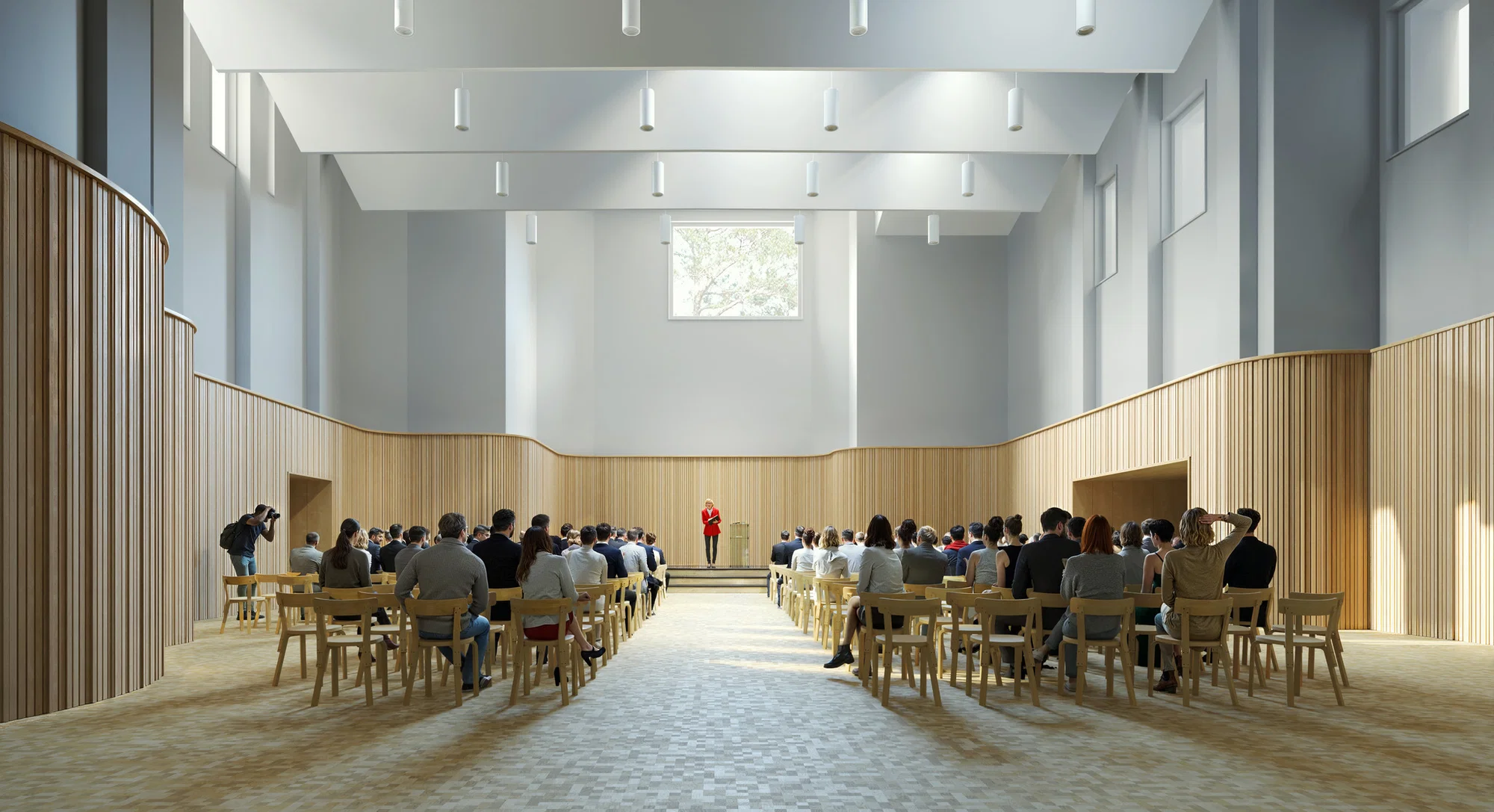
A new entrance will provide direct access to the venue, allowing conferences, lectures, cultural events, and public programs to operate independently from the building’s daily hospitality functions. Internally, the auditorium is envisioned as a double-height space organized across two levels.
The proposed interior incorporates birch slatted walls that reference the Aaltos’ material language while integrating acoustic treatments and contemporary technical infrastructure. The design demonstrates Snøhetta’s broader strategy of introducing contemporary functions without competing with the historic architecture.
Bringing Nature Closer to the Building
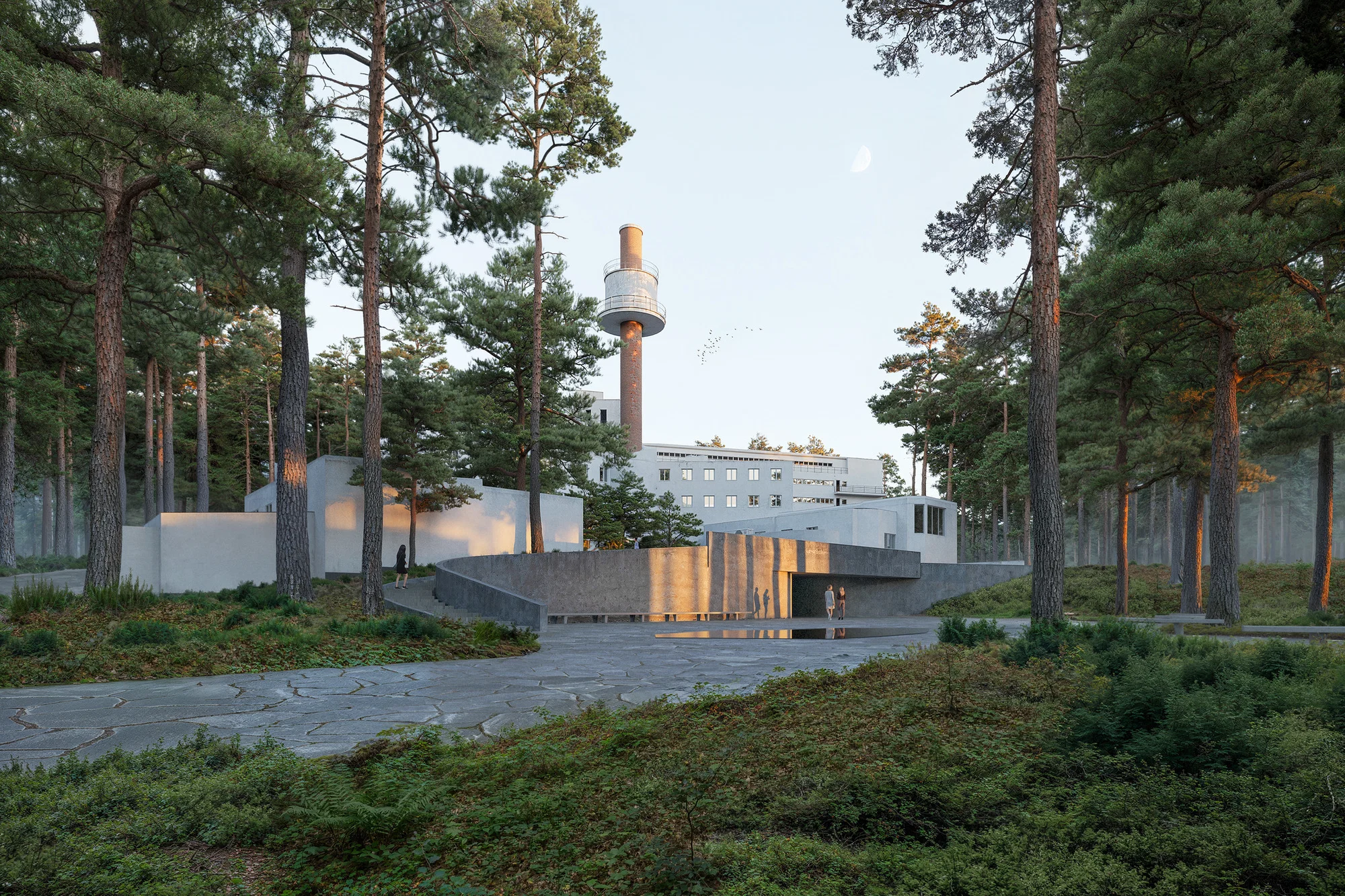
A central aspect of the masterplan is the restoration of the relationship between architecture and landscape.
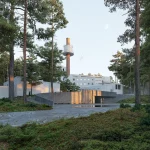
One strategy under consideration involves creating a new entrance along the rear façade while reconfiguring the surrounding outdoor areas. Existing asphalted surfaces are proposed for replacement with slate paving and new planting, softening the threshold between the building and the forest.
The intervention reflects one of the defining principles of the original sanatorium: the therapeutic role of nature. By strengthening visual and physical connections to the surrounding woodland, the proposal reinforces the environmental qualities that have always distinguished the site.
Reimagining Patient Rooms as Hospitality Spaces
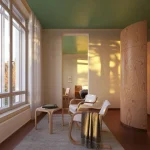
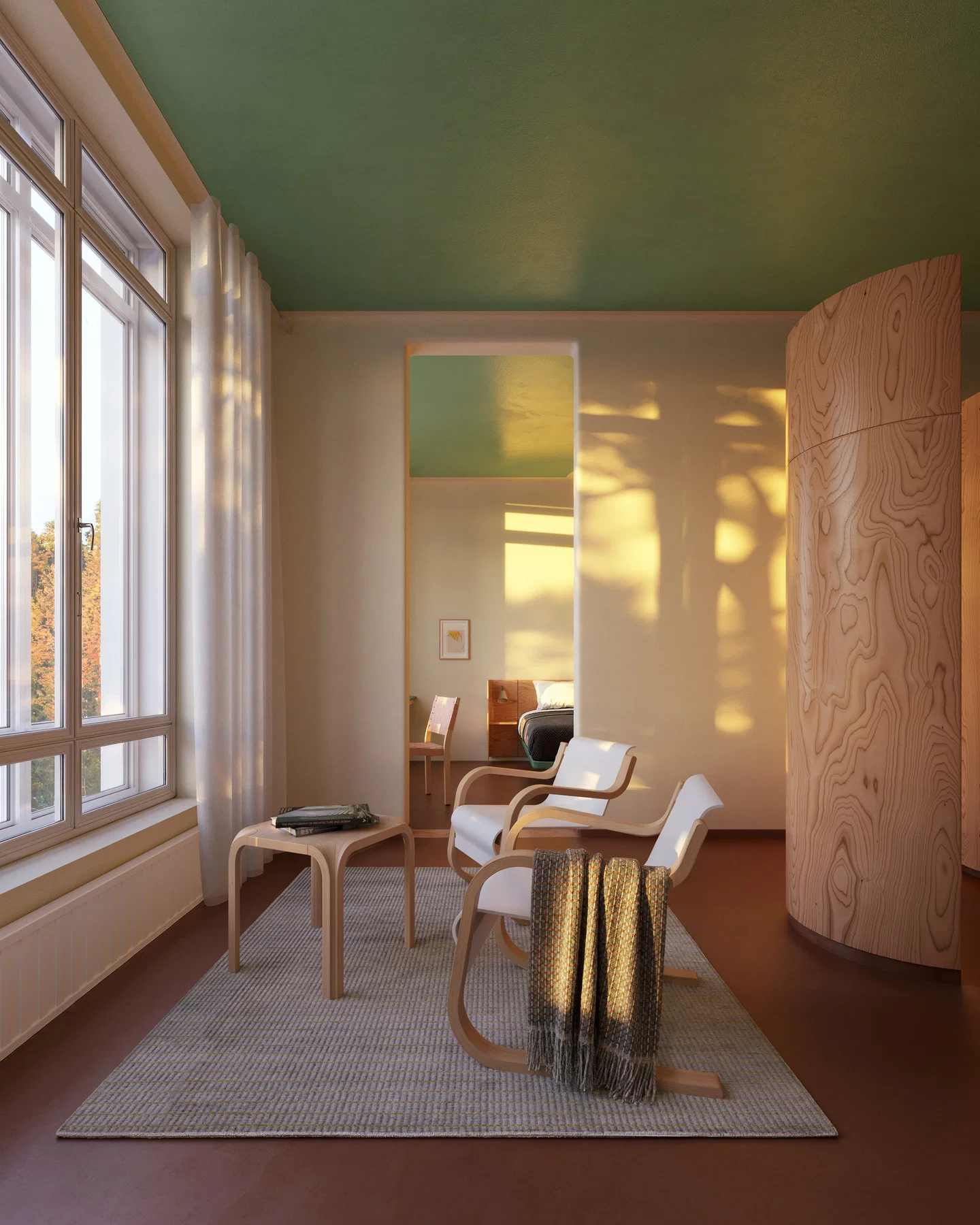
The former patient wing is envisioned as the future hospitality component of the development. Existing rooms would be adapted into hotel accommodations through modest and reversible interventions. The proposal retains the original room proportions that were designed around patient comfort. Accommodation options would vary in scale, ranging from compact rooms with shared facilities to larger suites with integrated amenities.
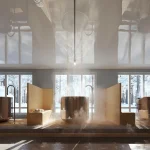
New bathroom units are proposed as freestanding insertions finished in lacquered birch veneer. This approach creates a clear distinction between original fabric and contemporary additions, a conservation principle that allows visitors to understand both the historic architecture and its adaptation over time.
The design continues the Aaltos’ emphasis on thoughtful, human-centered interiors while meeting contemporary hospitality requirements.
Reopening the Iconic Sun Balconies
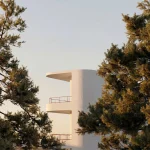
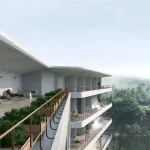
Among the most recognizable features of Paimio Sanatorium are its elongated outdoor balconies, originally designed to provide patients with access to sunlight and fresh air.
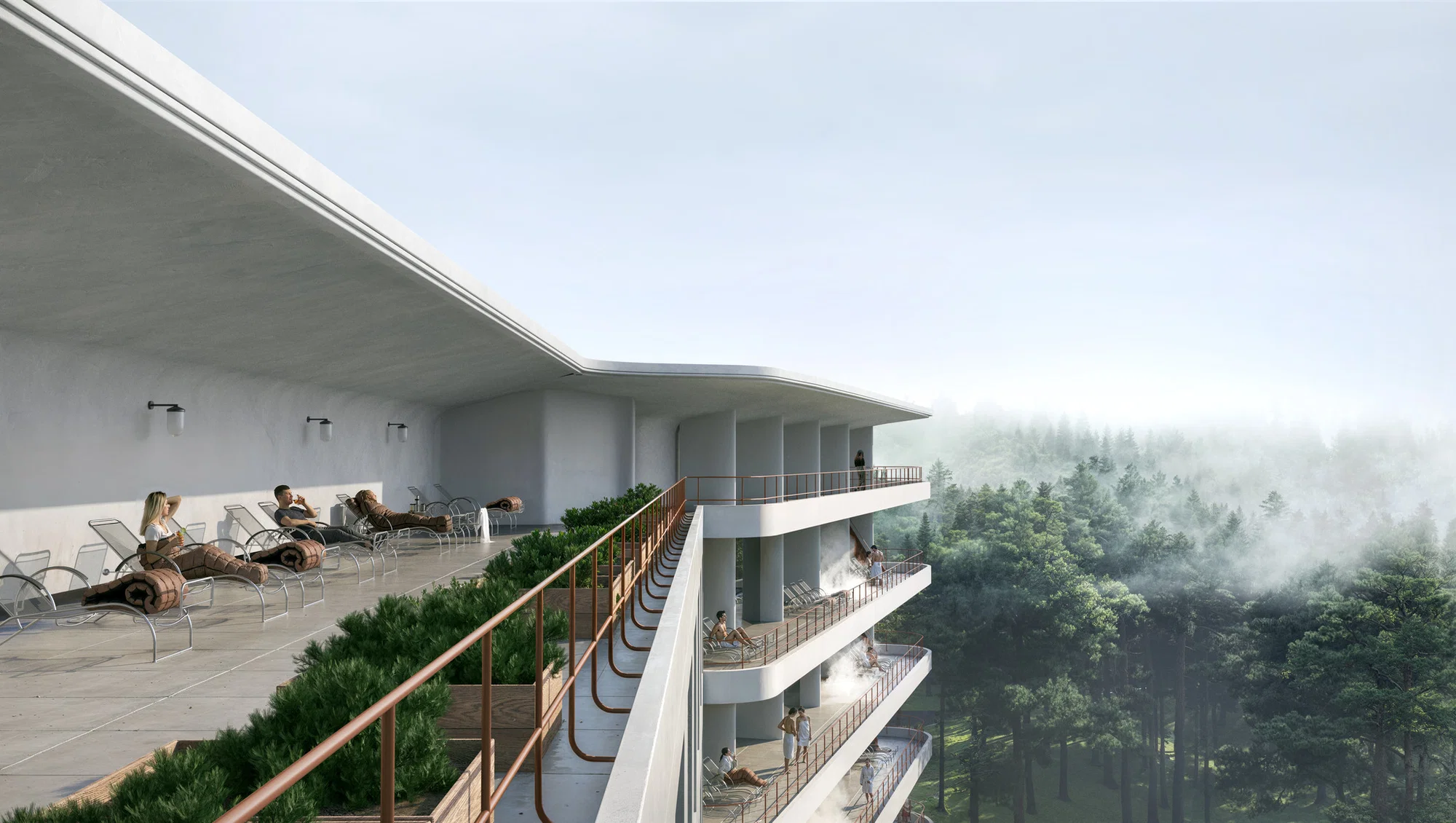
The masterplan proposes removing later glass enclosures and reinstating these balconies as open structures. Their restoration would revive one of the building’s defining architectural elements while reconnecting visitors with the therapeutic principles that informed the original design.
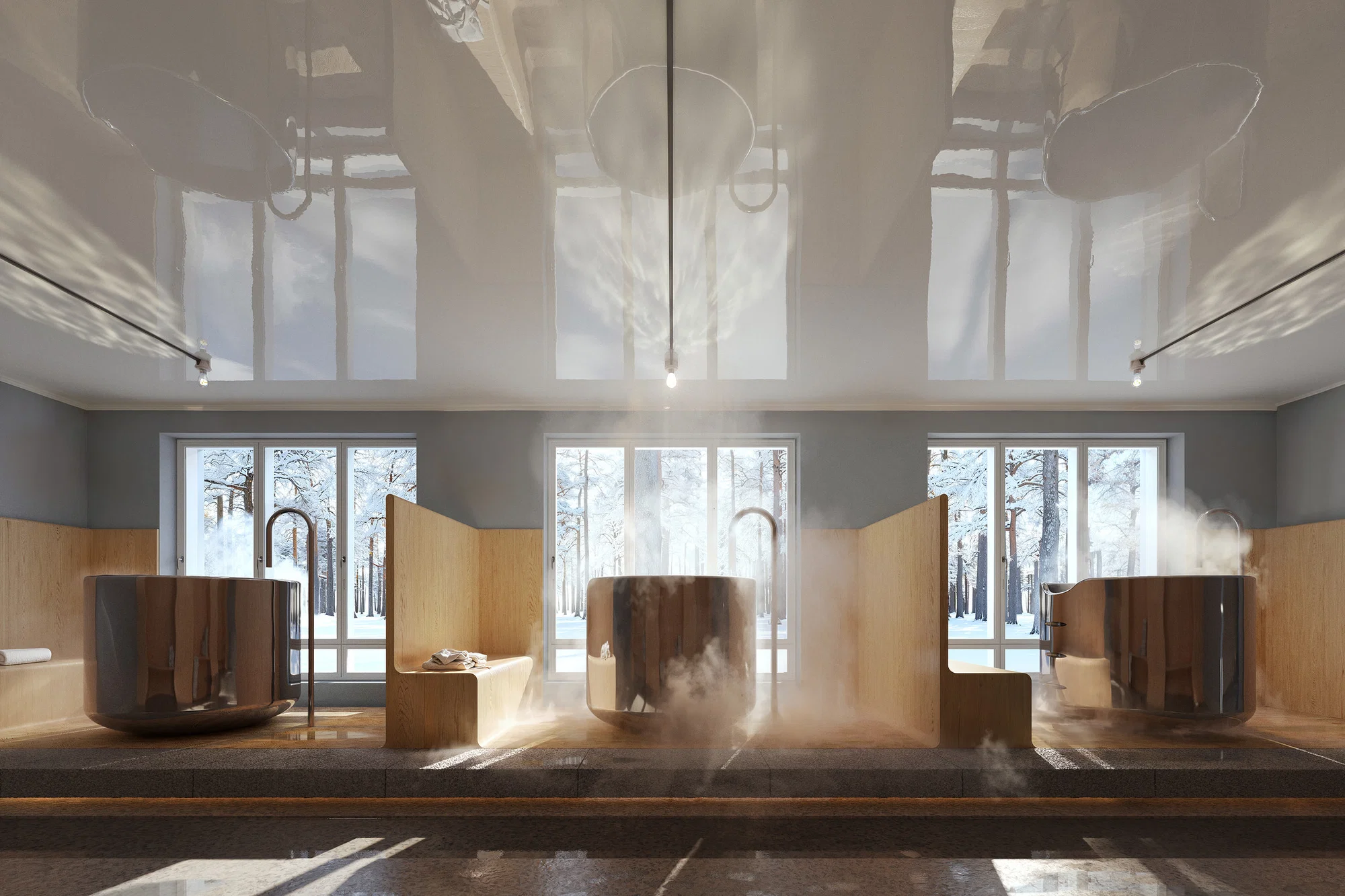
The project also introduces the possibility of a new spa located on a lower level, with direct access to outdoor spaces and the surrounding forest. Together, these interventions extend the original themes of light, air, breathing, and nature into a contemporary wellness program.
Balancing Conservation and Adaptation
A defining characteristic of the proposal is its restrained approach. The masterplan focuses on selective interventions capable of generating substantial functional change.
This strategy reflects an ongoing debate within heritage conservation on how iconic buildings can remain active and relevant without compromising their architectural significance. By treating new additions as distinct yet complementary layers, the project seeks to preserve the authenticity of the sanatorium while enabling contemporary use.
Mirkku Kullberg, Chair of the Board of the Paimio Sanatorium Foundation, described the proposal as internationally relevant and multidisciplinary, noting that it successfully balances conservation with restorative architectural thinking while opening opportunities for future-oriented programs and collaborations.
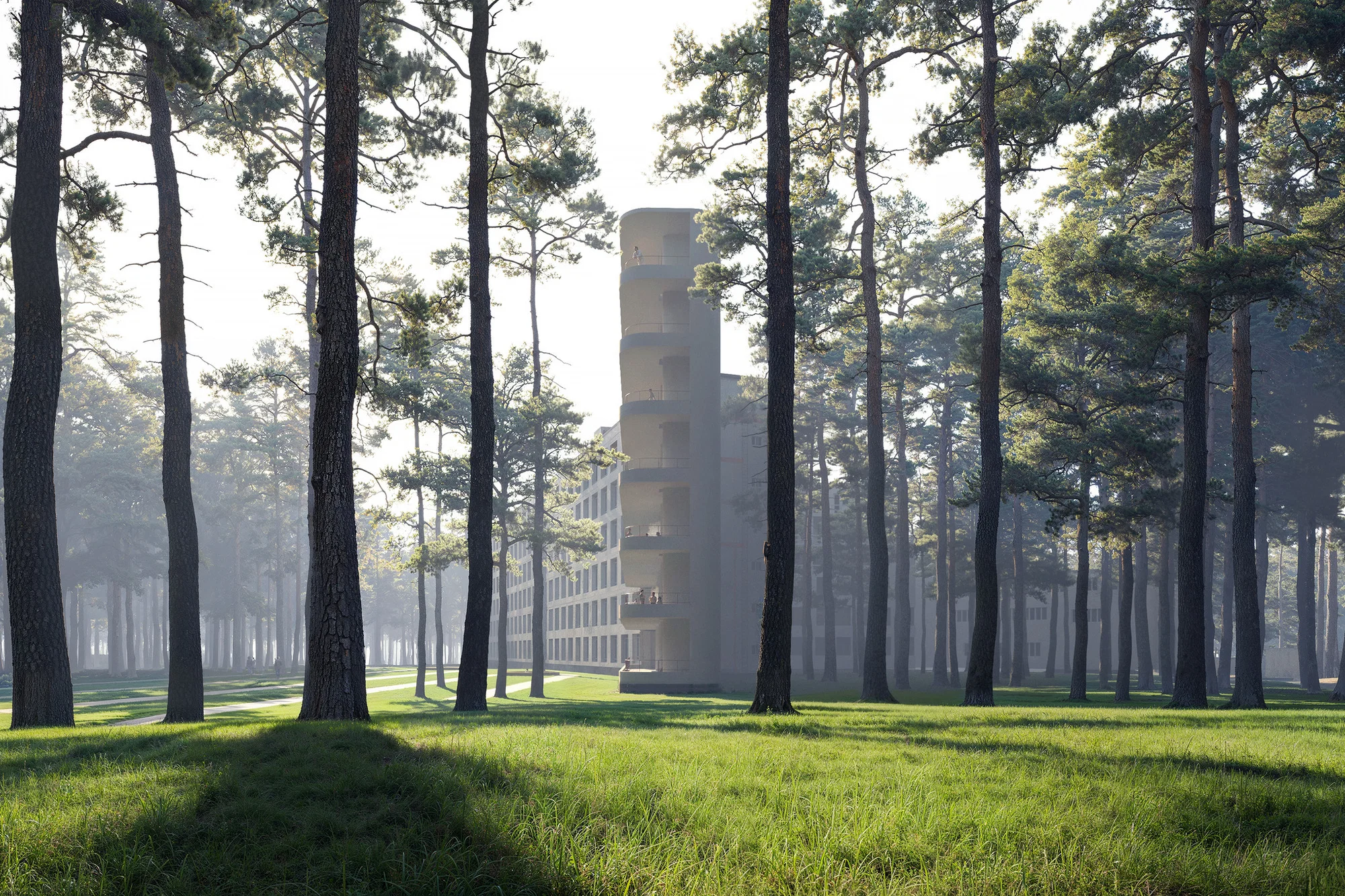
The Next Life of Paimio Sanatorium
The current revitalization effort began in 2020 with the establishment of the Paimio Sanatorium Foundation. Since then, extensive research has explored viable futures for the site, identifying a combination of well-being facilities, hospitality, and cultural programming as the most suitable path forward.
The first phase of the masterplan has been developed in collaboration with Helsinki-based ALA Architects and Mustonen Architects, recognized authorities on the built legacy of Aino and Alvar Aalto.
The project arrives at a significant moment for the landmark. Paimio Sanatorium is among the Aalto sites proposed for inscription on UNESCO’s World Heritage List, with a decision expected in July 2026.
As discussions around health, sustainability, and adaptive reuse continue to shape contemporary architecture, Snøhetta’s vision for Paimio demonstrates how one of modernism’s most influential buildings can evolve while remaining faithful to its original purpose, architecture designed in the service of human well-being.
Image credit: Proloog