




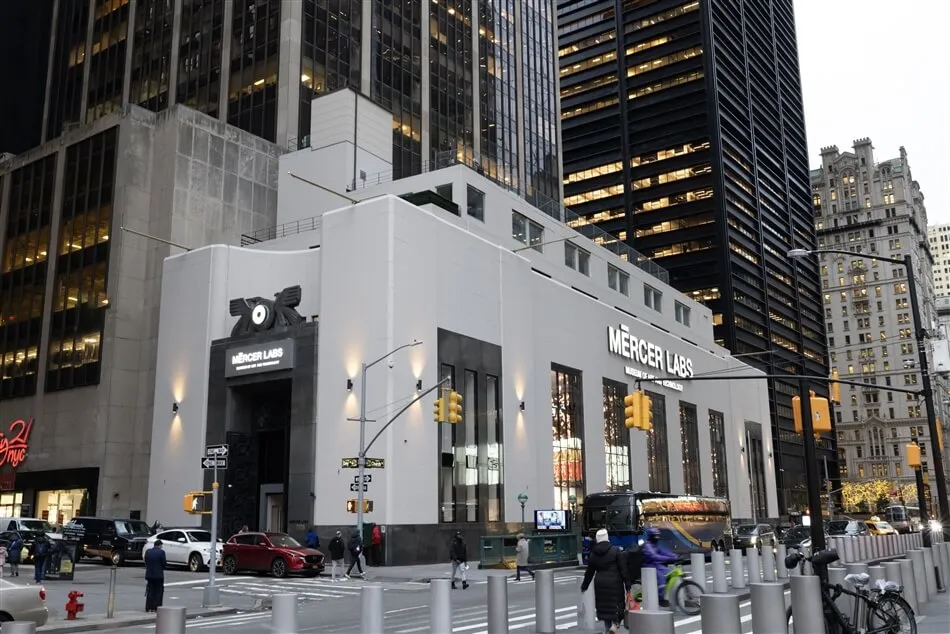
Mercer Labs – Museum of Art and Technology stands as the bold black box crafted as an architectural manifesto for the sensory artistic experience. In an era where museums are often defined by white static spaces, Mercer Lab, located at 21 Dey Street, offers a masterclass in multi-sensory architectural elements.
Co-created by artist Roy Nachum and developer Michael Cayre, the project is for architectural and design professionals, constructed through a thoughtful narrative that isn’t just about form and function, but about crafting an experience.
Mercer Labs Experiential Design
Designed on the repurposed shell of a former Century 21 department store, this museum dismantles the traditional notion of spatial paradigms of museum design. The 36,000 square foot museum’s built form evolved not just in glass and concrete but in pixels, emotion, and aesthetics, crafting a compelling conscious narrative with radical creativity.
The transformation of the structure from the retail heritage as an immersive museum illustrated cohesive, open layout, simplicity, and wide transitional space, making the architecture a performance. Roy Nachum envisioned an artistic philosophy for Mercer Labs, building on the concept of blindness as metaphor, Braille as architecture, and humility as spatial tone that makes built form elusive and empathetic.
Sensory Architecture Meets Digital Art
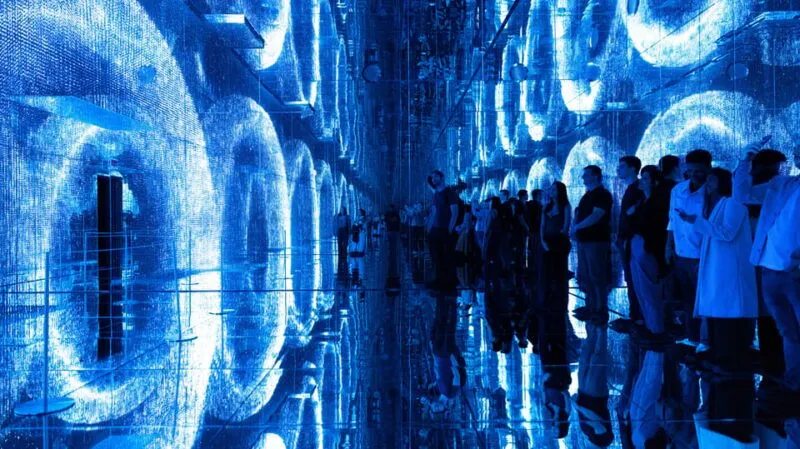
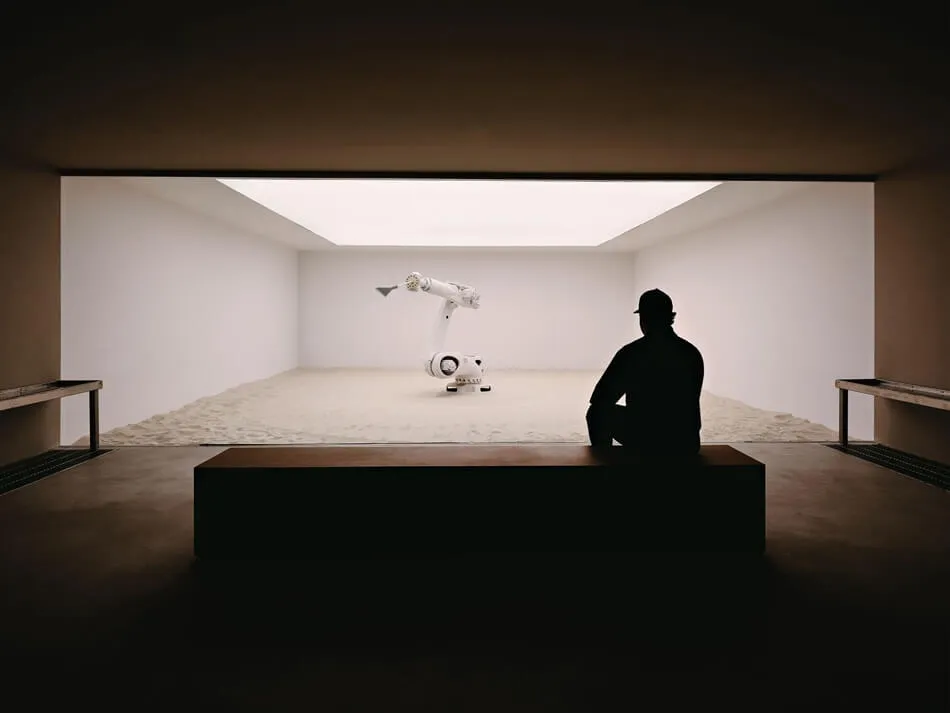
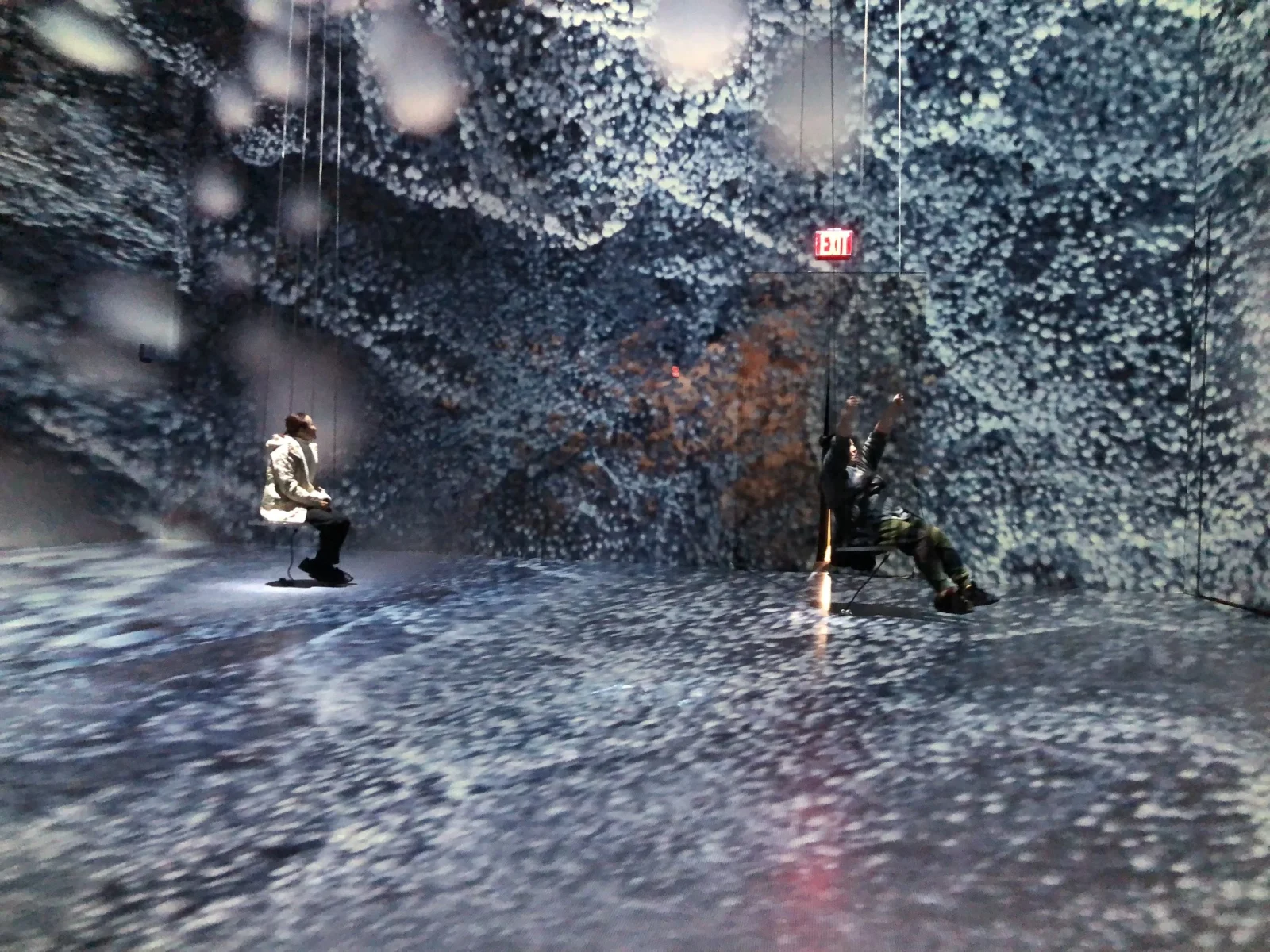
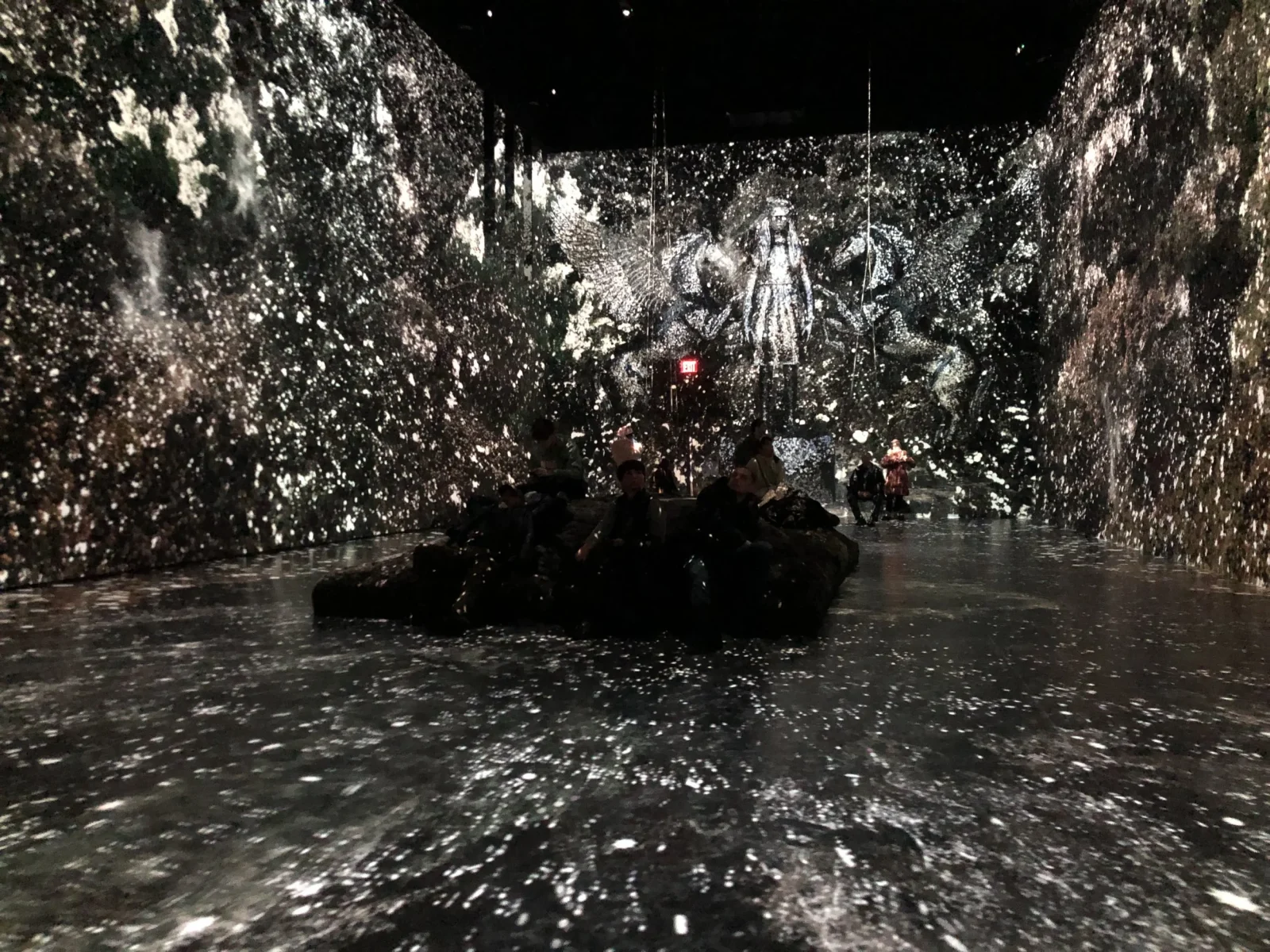
The striking element of the built form, the dynamic facade, was designed as a digital skin, and windows were replaced by art screens to engage visitors. This provocative design approach shields the exteriors where visitors interact not with objects but with the art. Based on the black box philosophy, the museum adopts a regulated environment, stripping away natural light and external distractions. It controls light, sound, and scent of the inside space that can be modified and manipulated to formulate an artistic experience.
The spatial layout comprises a maze-like path, allowing visitors to explore in different directions and 15 distinct rooms. This thoughtful strategy of not providing a straightforward exit forces the visitors to pause, reflect from one emotional and sensory state to the next, without the distraction of choice or interruption.
Materiality Beyond Material
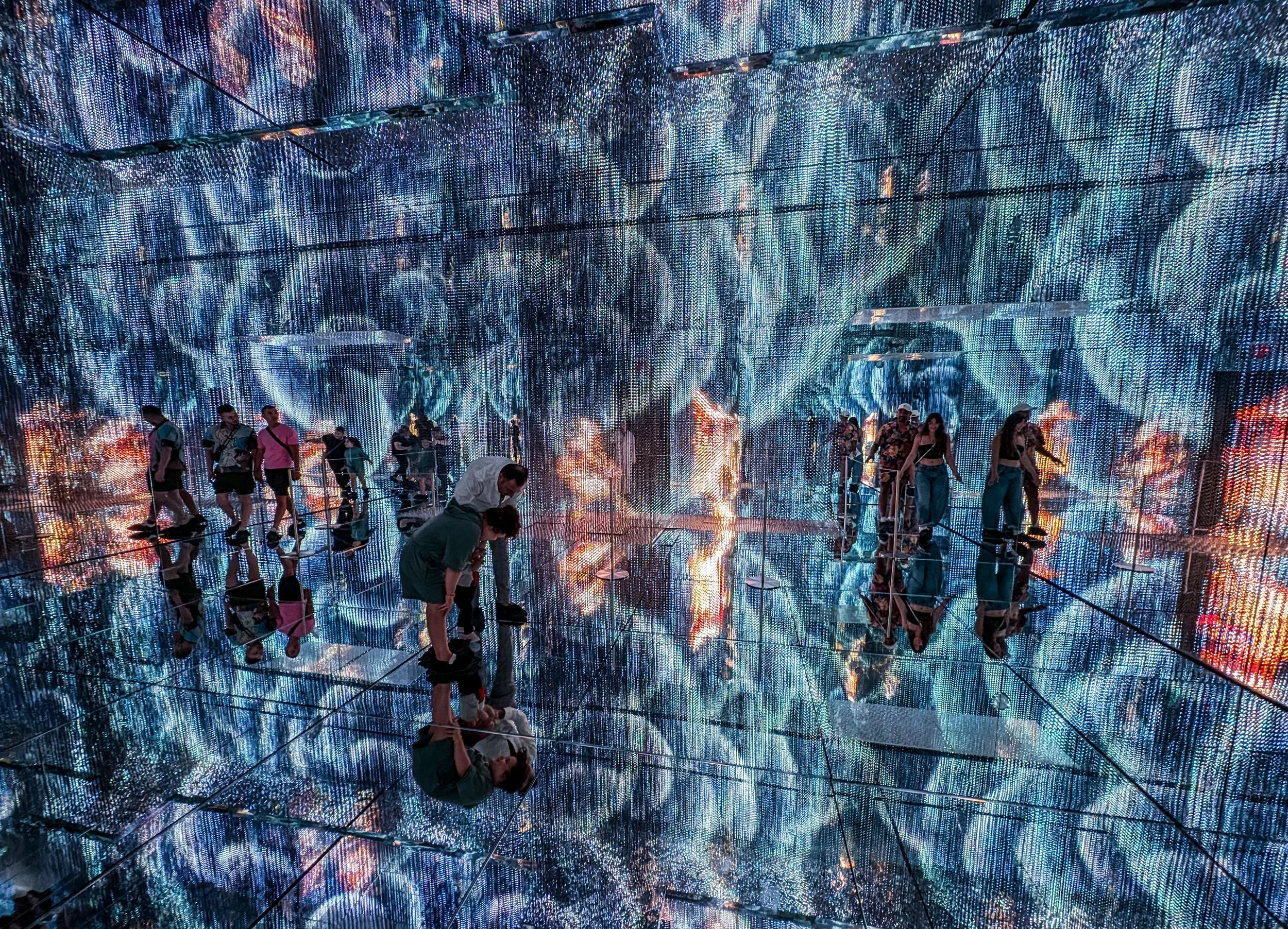
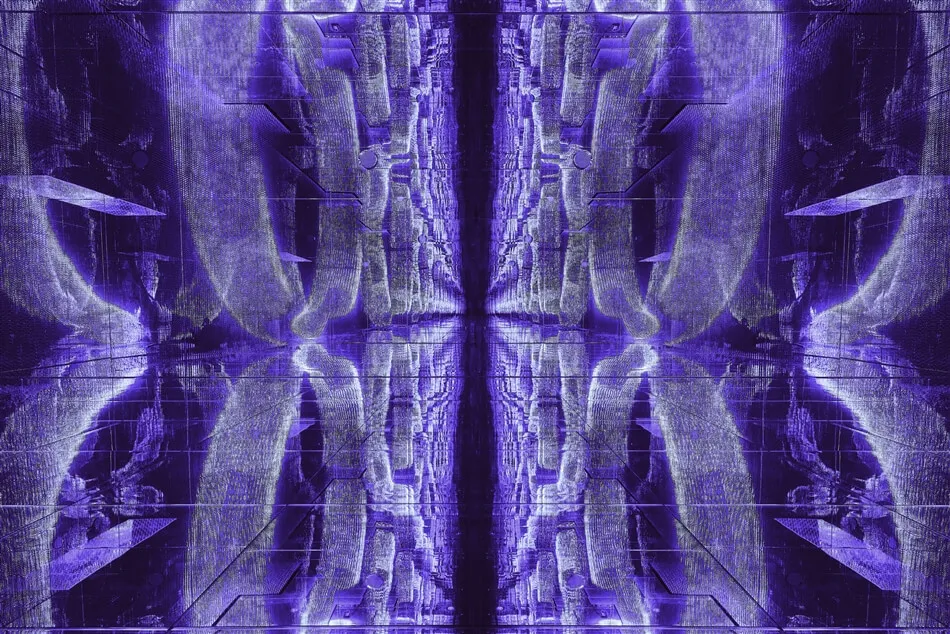
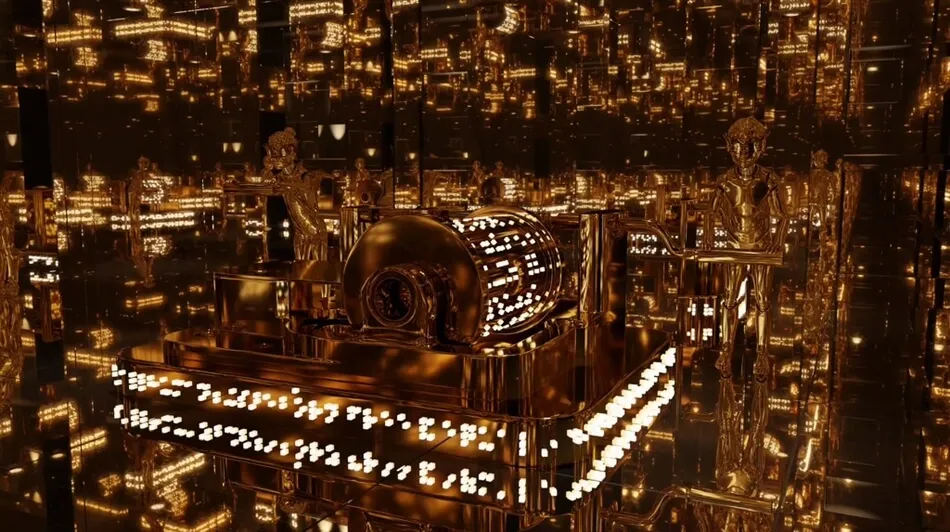
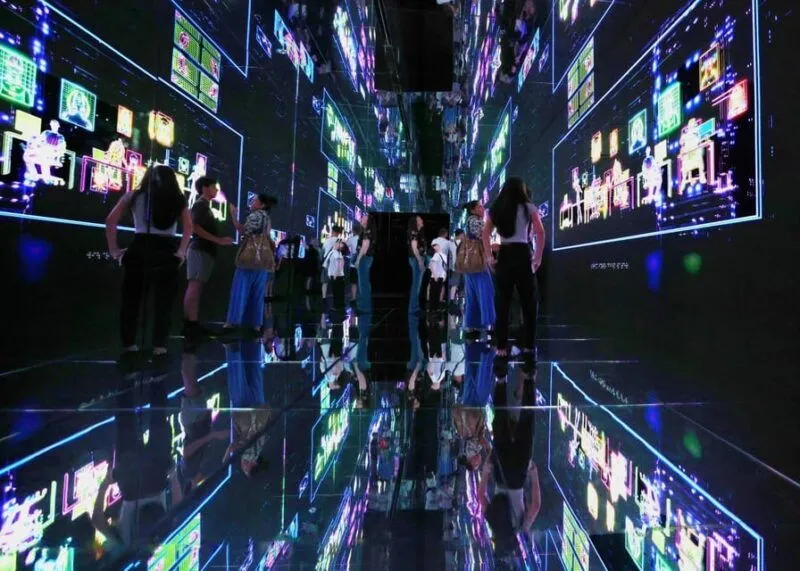
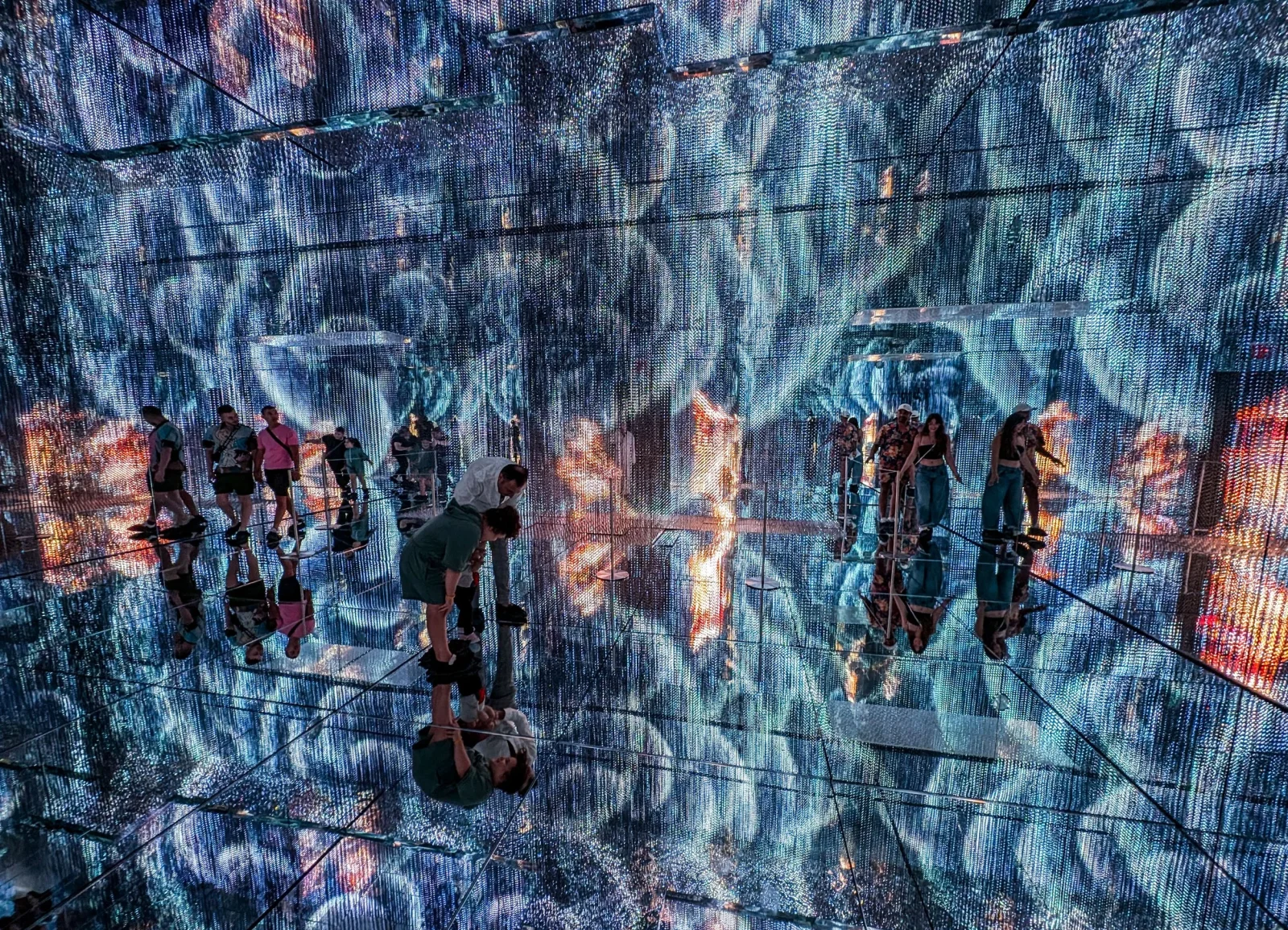
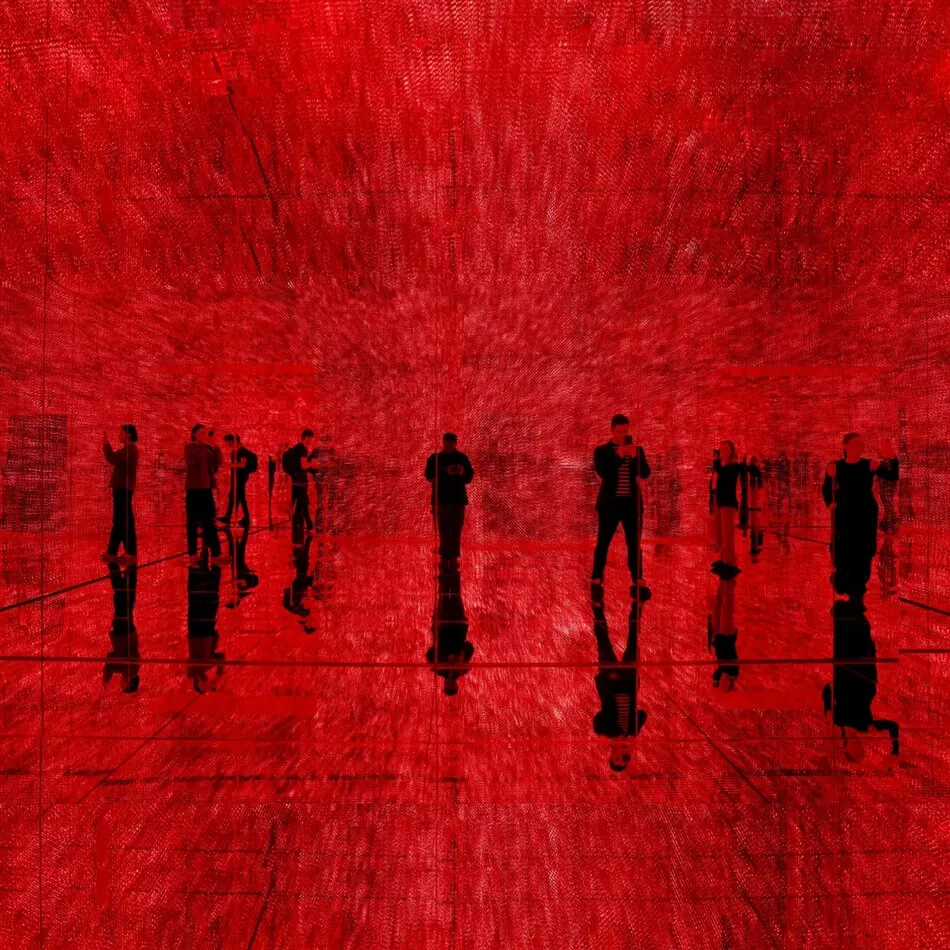
The dramatic dragon room with an art piece, a volumetric sculpture crafted of light and mirrors, evolved as a breathtaking canvas by creating the illusion of infinite depth with the use of reflective surfaces and over 500,000 synchronised LED microchips blurring the boundaries between wall, ceiling, and floor.
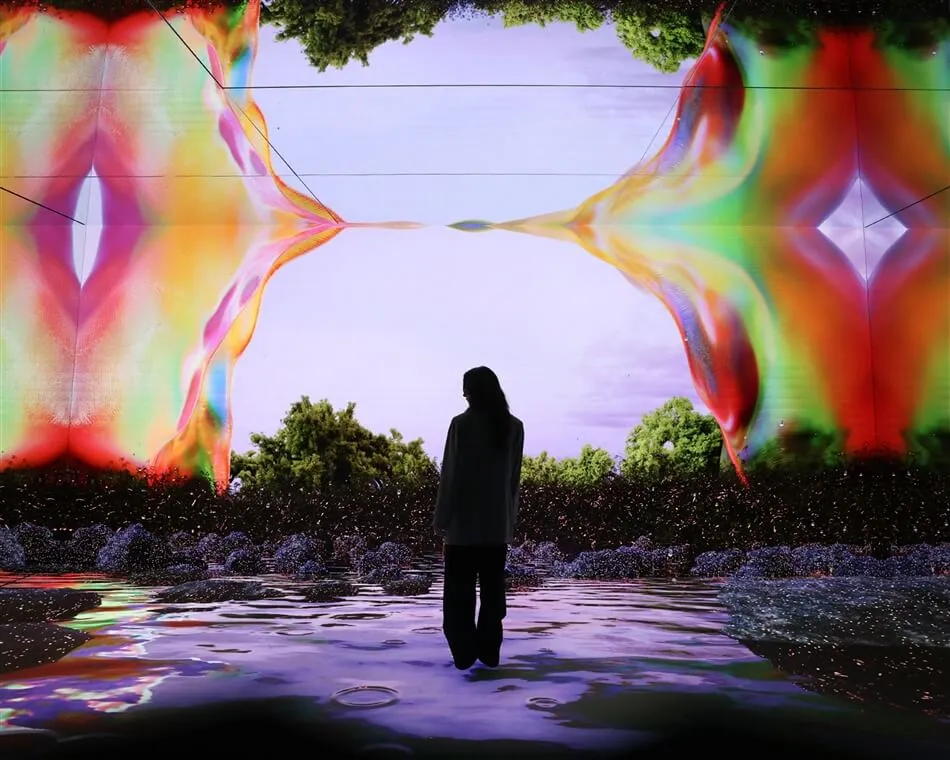
The museum caters needs of children, offering delightful, scan and play rooms, chessboard floors, immersive pop-ups that require presence, engaging visitors into crafting narrative design. It provides a pause and a moment of personal creation before the visitor is swept back into the larger, more abstract spaces. The built form integrates architecture in motion, a design grounded in its urban context, employing braille, texture, and tactile materials throughout its circulation, fostering sensor-informed universal design.
The Invisible Architecture of Sound

The key element of the design was the 4D sound system, employing cutting-edge audio technology that adds a detailed layer, allowing the auditory experience to change as a person moves a single step, creating a sense of aural space and depth. The geometry of the 4D sound gallery allows visitors to feel and locate sounds, providing a powerful non-visual spatial experience that fundamentally re-evaluates the role of sound in architectural design.
Mercer Labs Reimagines Art + Architecture
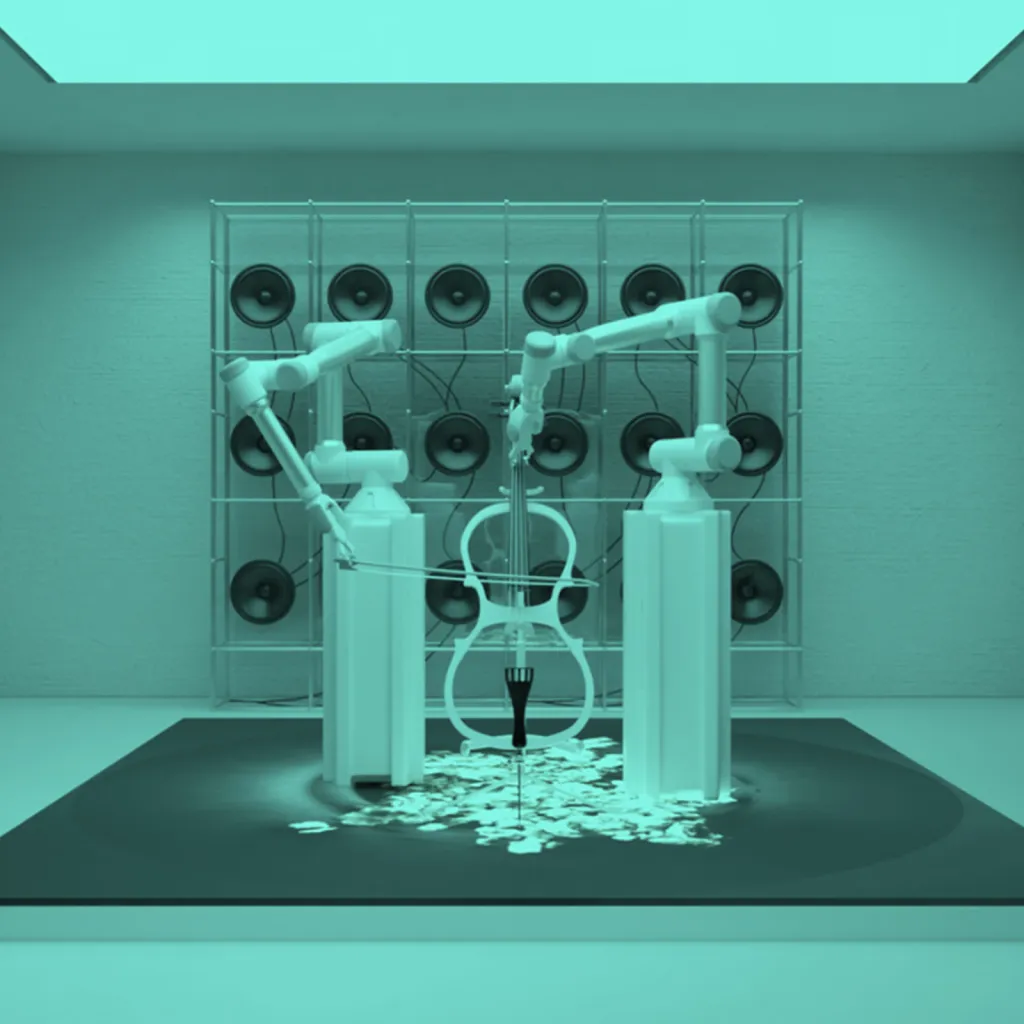
Pondering on the thoughts of what defines the art museum without objects and how architecture can be felt before it’s seen, Mercer Labs answers these complexities in reality, a building that breathes and invites visitors to inhabit the design that is emotional and reactive. The design of the museum represents the 21st-century ethos of how technology and thoughtful design build spaces that can be felt and experienced.
Explore Courses
.jpg "Ondrej Chybik - Rethinking Architecture")