

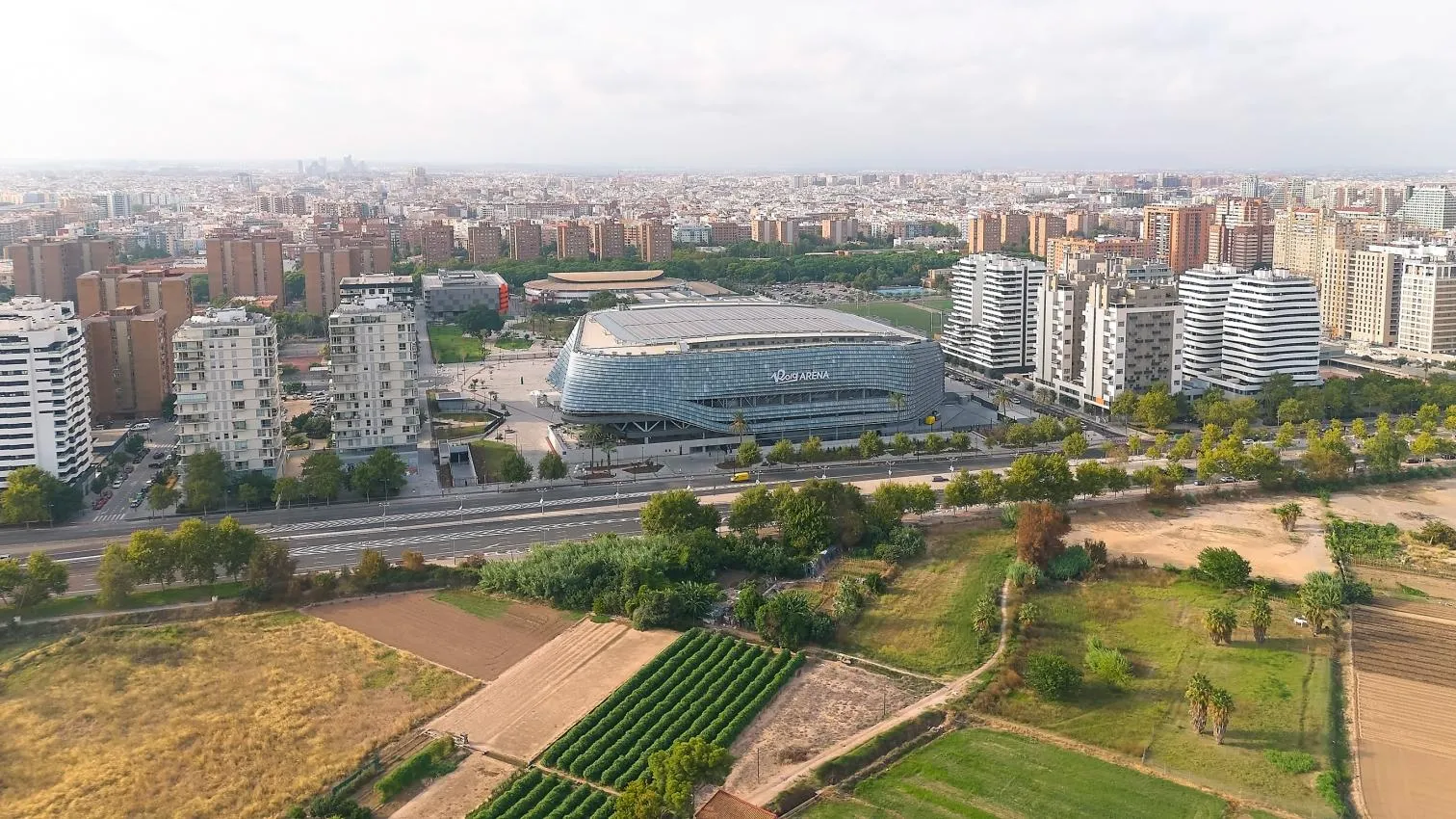
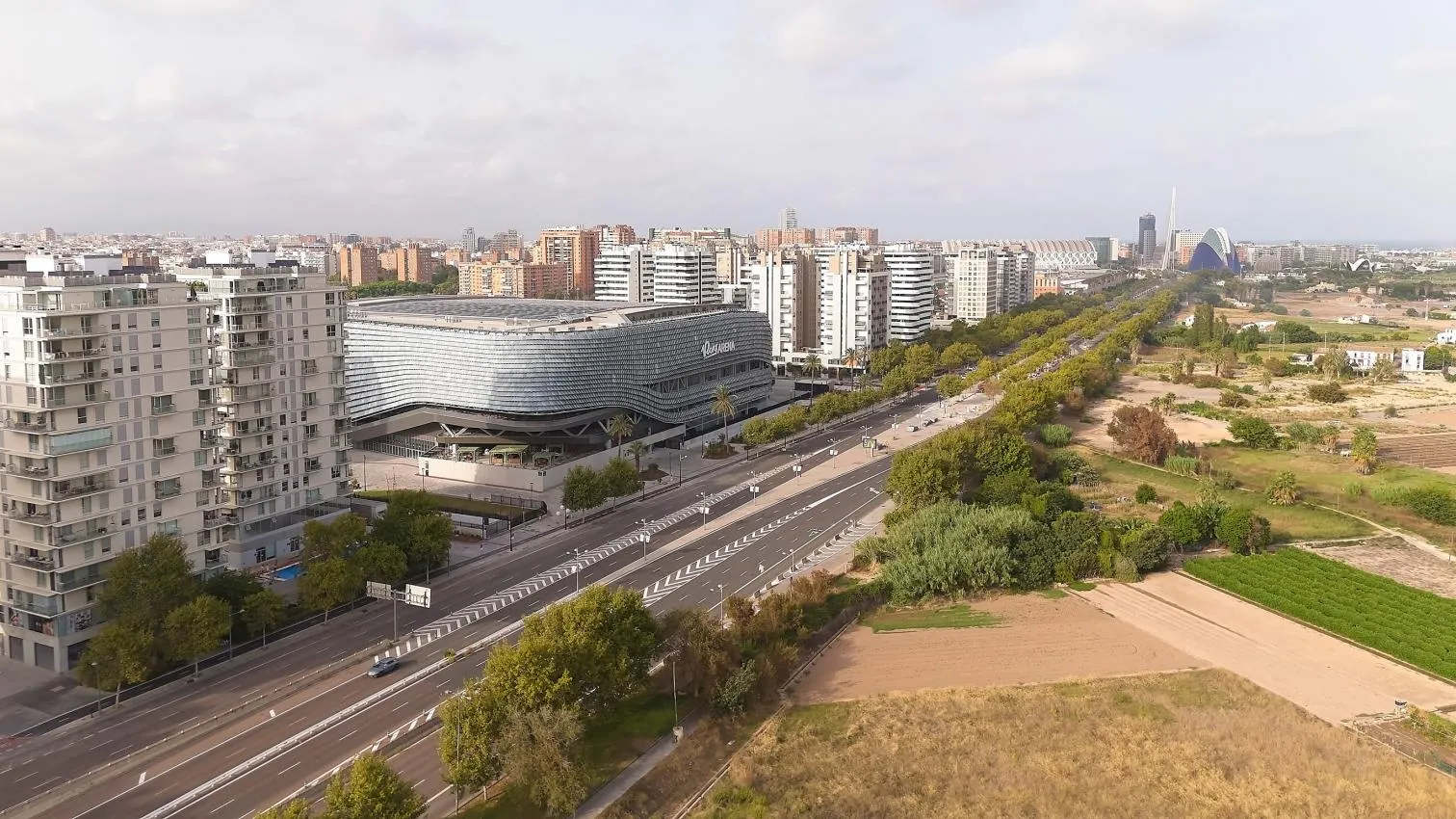
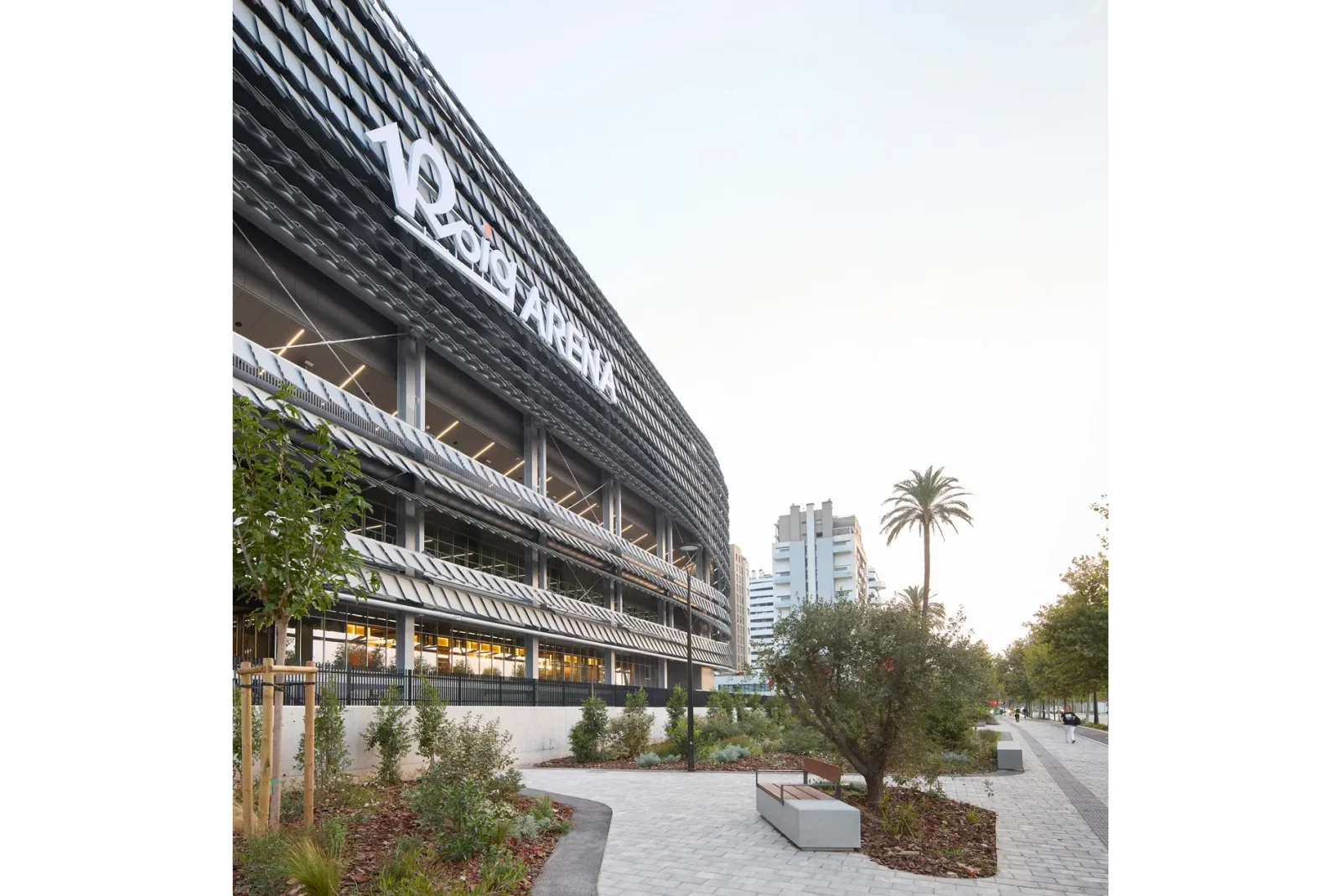
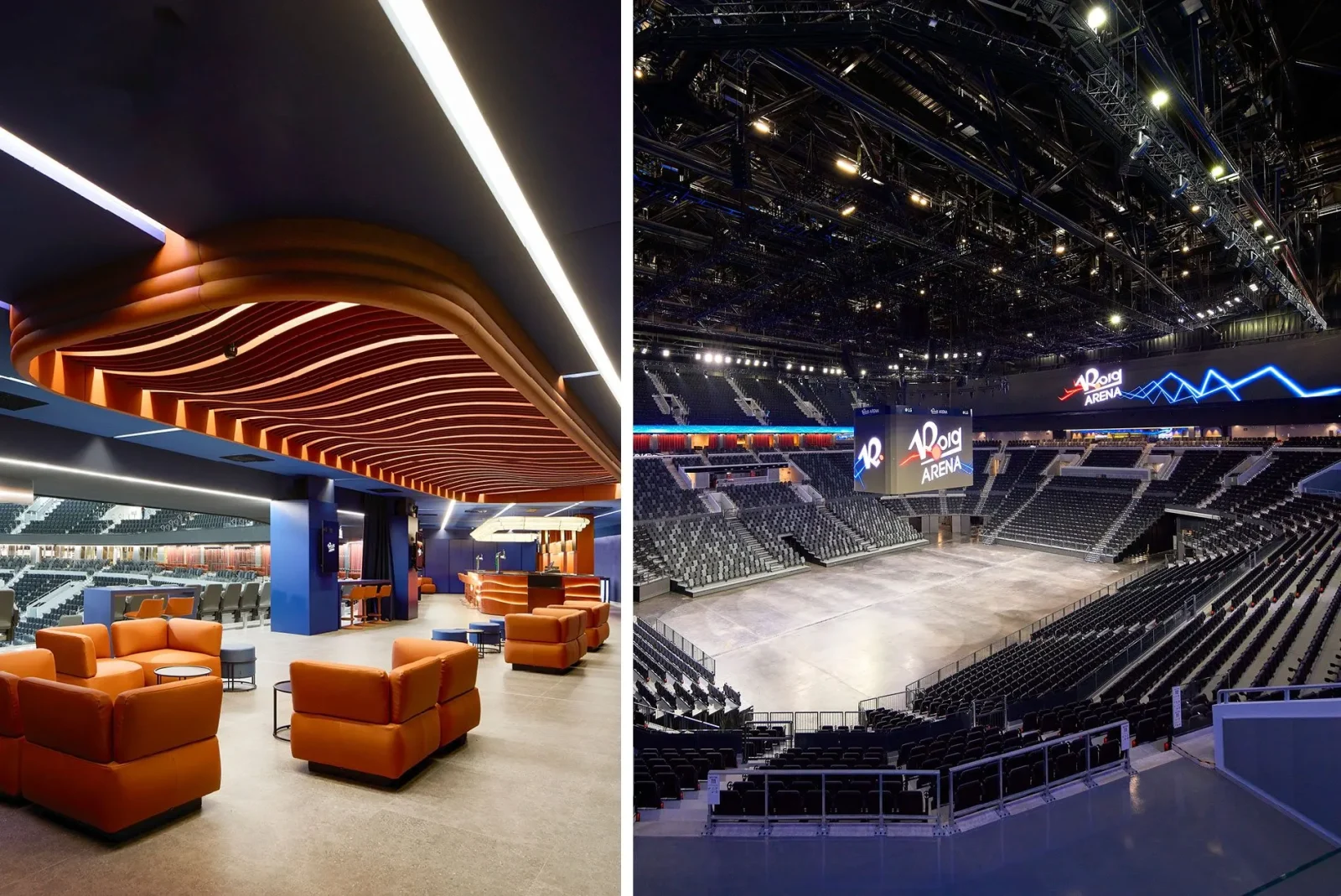
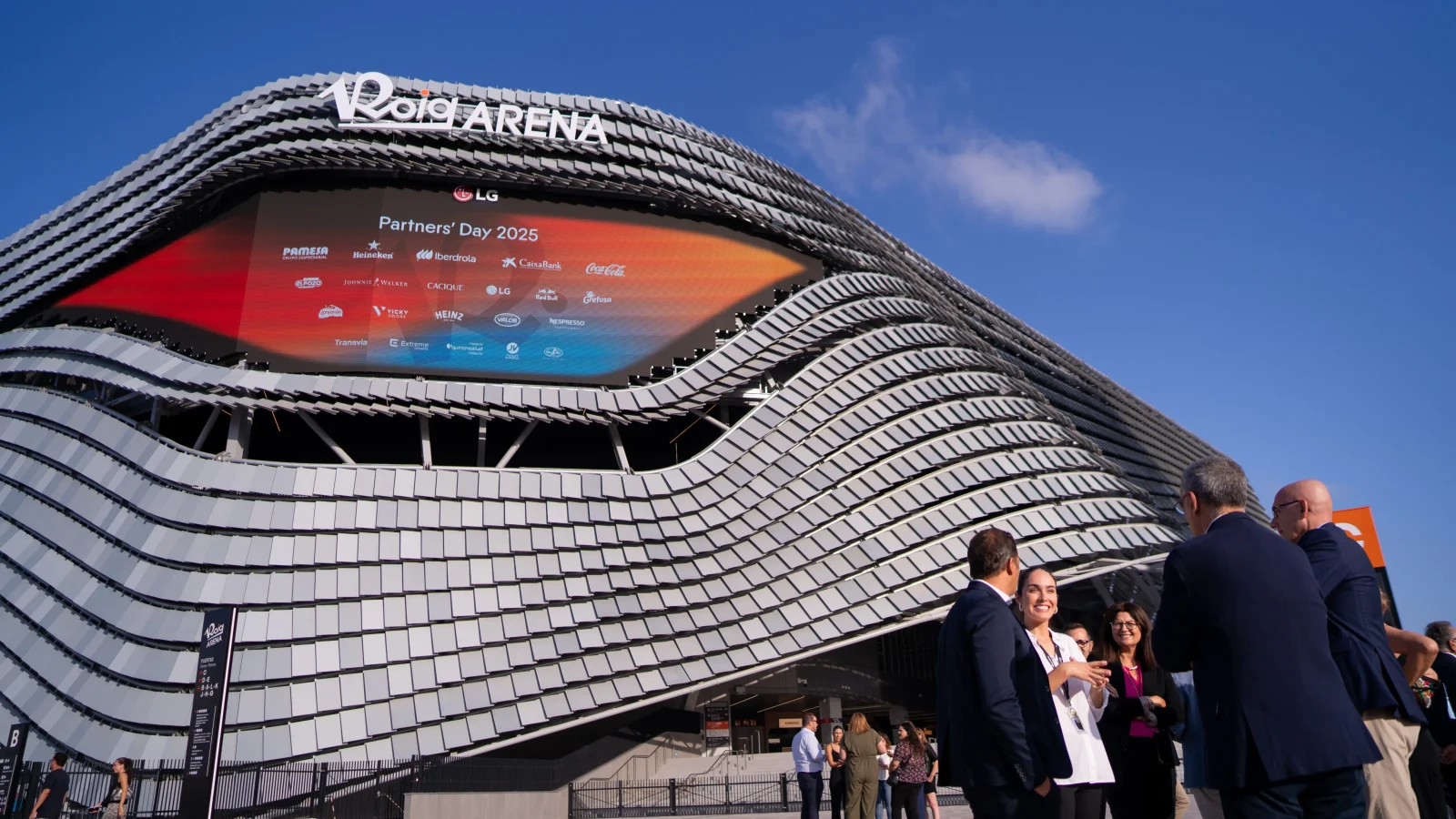
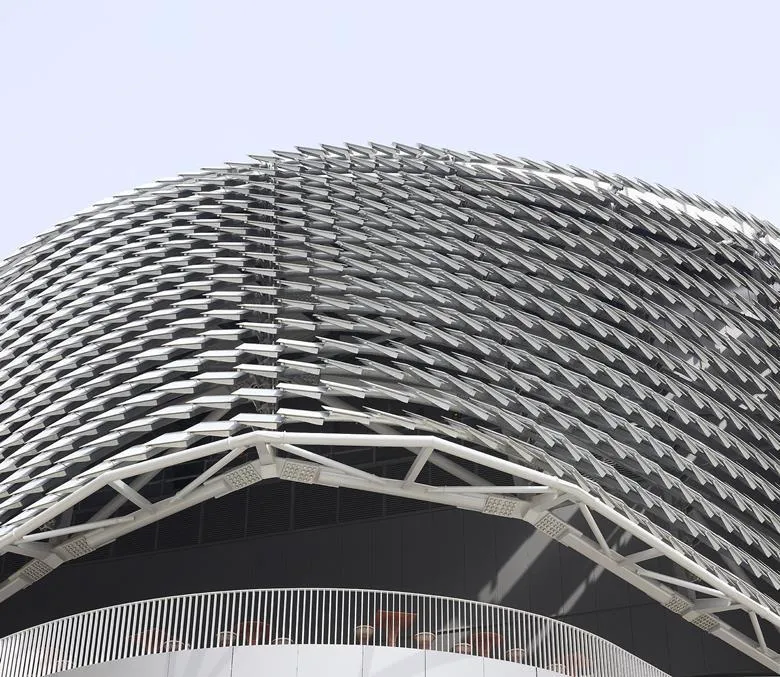
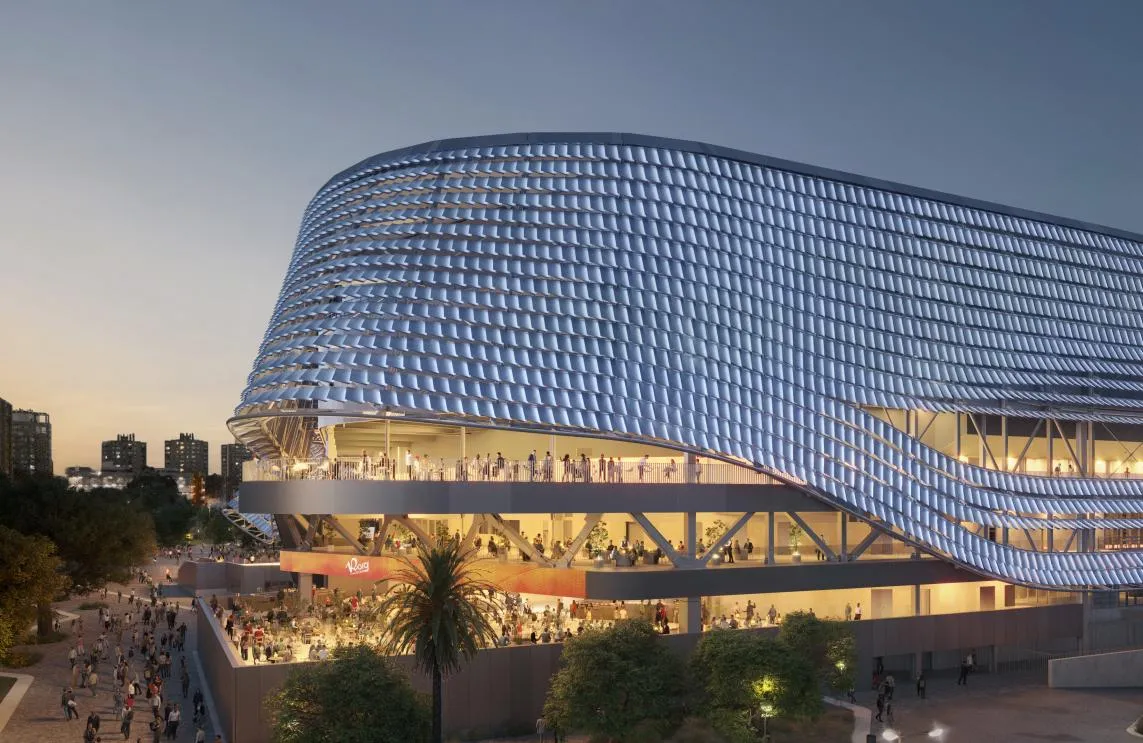
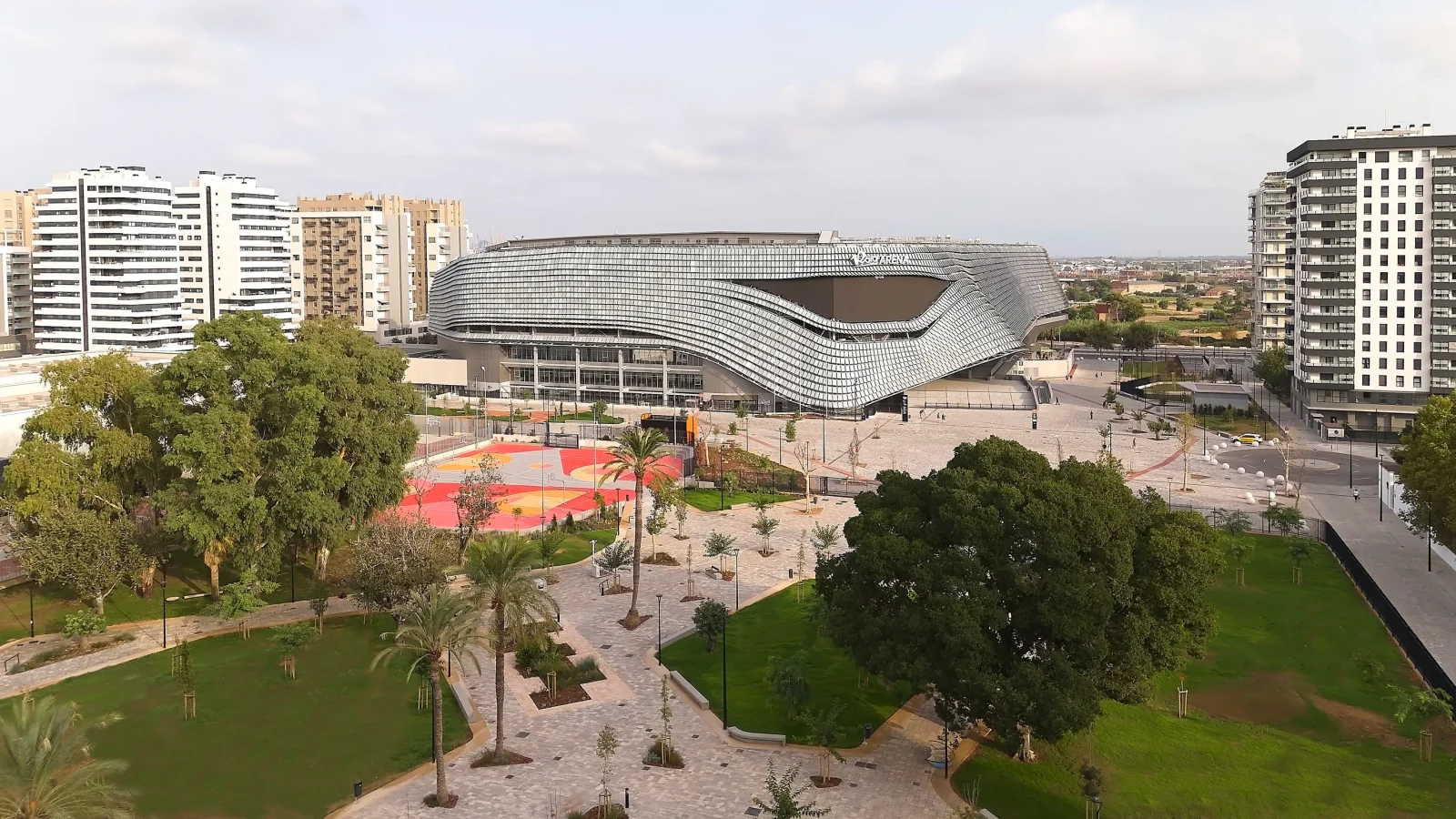
The Roig Arena in Valencia is a monumental €400 million multi-purpose venue designed by HOK (Hellmuth, Obata + Kassabaum) and ERRE Arquitectura. Opened in September 2025, it stands as the world’s first sports project with a continuous ceramic facade. The sustainable design of the Roig Arena features a double-curved envelope with ceramic fins arranged like scales that appear to float on a curved steel frame, optimizing shading.
Roig Arena: Ceramic Landmark for Valencia
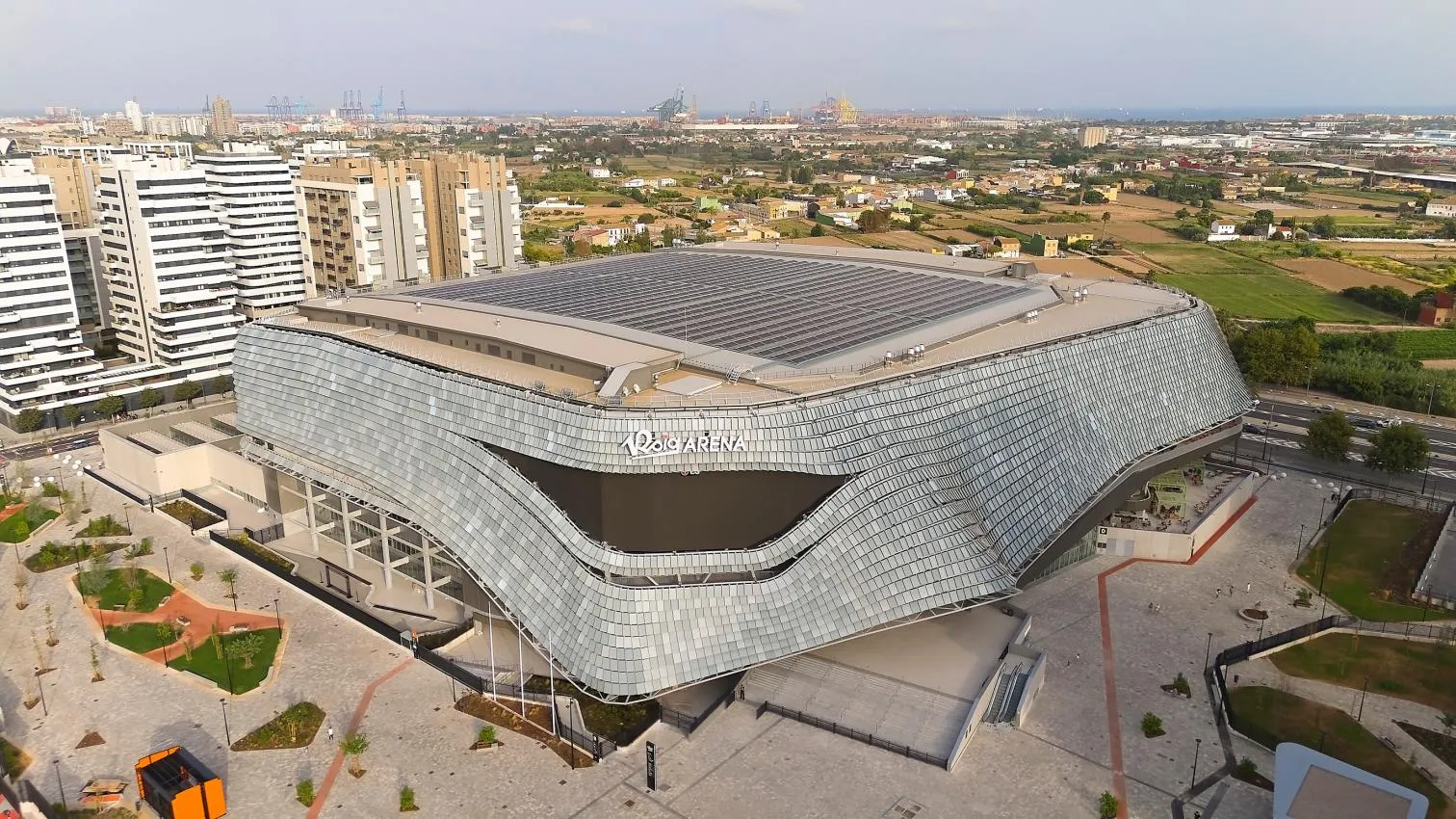
Located in the Quatre Carreres district, the project extends beyond the main arena to include public amenities such as the Valencia Basket Fan Park, a two-hectare public garden, the CEIP Les Arts public school, and an elevated parking facility. The architectural design serves as the home court for the men’s and women’s teams of the Valencia Basket Club, accommodating 15,600 fans for games, with capacity expandable to 20,000 for major concerts and entertainment events.
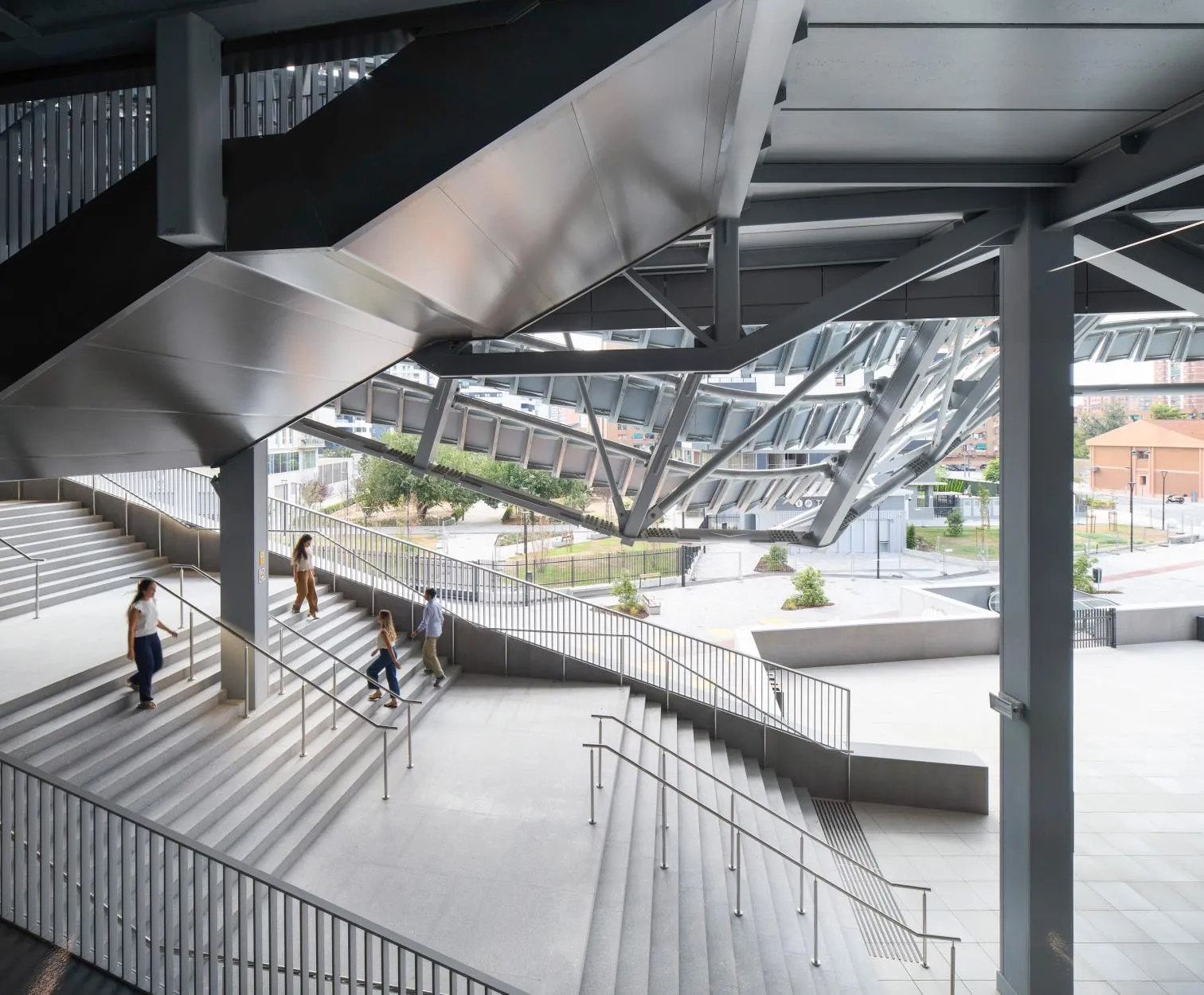
The architectural design was executed through a creative collaboration between HOK and ERRE Arquitectura as the principal architects. Their philosophies converge on a shared belief that architecture, at its best, is not just built form but lived experience. HOK (Hellmuth, Obata + Kassabaum) is renowned for its global Sports + Entertainment practice focused on functionality, sustainability, and innovation. The Valencia-based practice, ERRE Arquitectura, balances modern minimalism with Mediterranean sensitivity, designing the distinctive ceramic facade and interiors in partnership with Nihil.
Ceramic Skin of Innovation
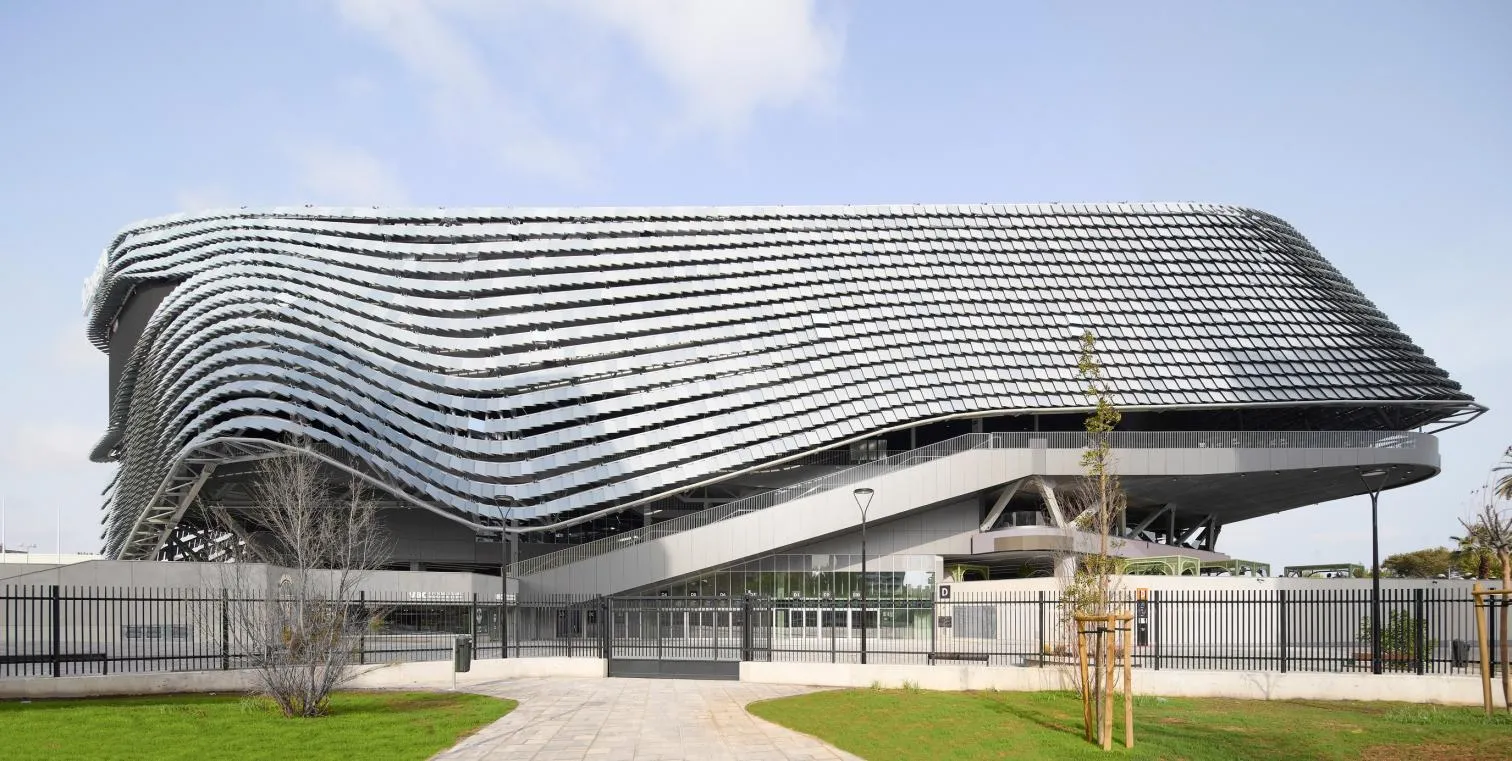
The most striking element is the enduring building envelope, hailed as the first sports project with an entirely ceramic facade engineered for a robust and low-maintenance solution. The continuous ceramic skin spans an estimated 11,000 square meters, defying conventional cladding methods through a seamless system composed of approximately 8,600 ceramic fins. Locally manufactured by Pamesa Grupo Empresarial, these fins are strategically arranged upon a complex in a double-curved steel frame.
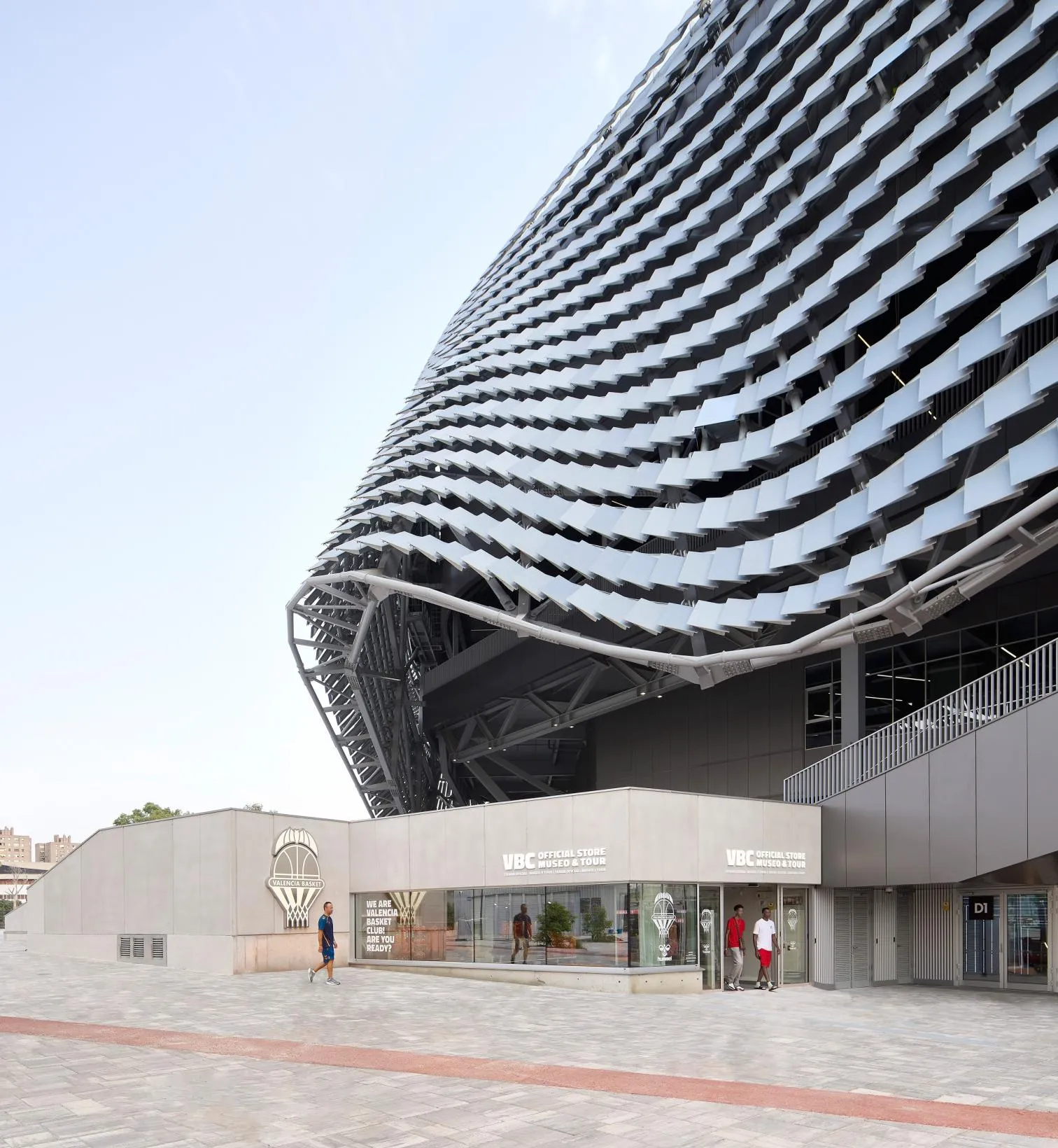
The primary technical challenge lay in adapting ceramic, traditionally valued and known for its durability and planar application, into a structurally integrated, large-scale envelope. The intricate detailing of the ceramic skin ensures the facade remains visually dynamic throughout the day. The texture of the ceramic fins, inspired by the surface of a basketball, defines the character of the venue and the Valencia Basket Club. Finished in three distinct shades of blue glaze, the fins capture and reflect the intense Mediterranean light, creating subtle chromatic variations that animate the curved surface.
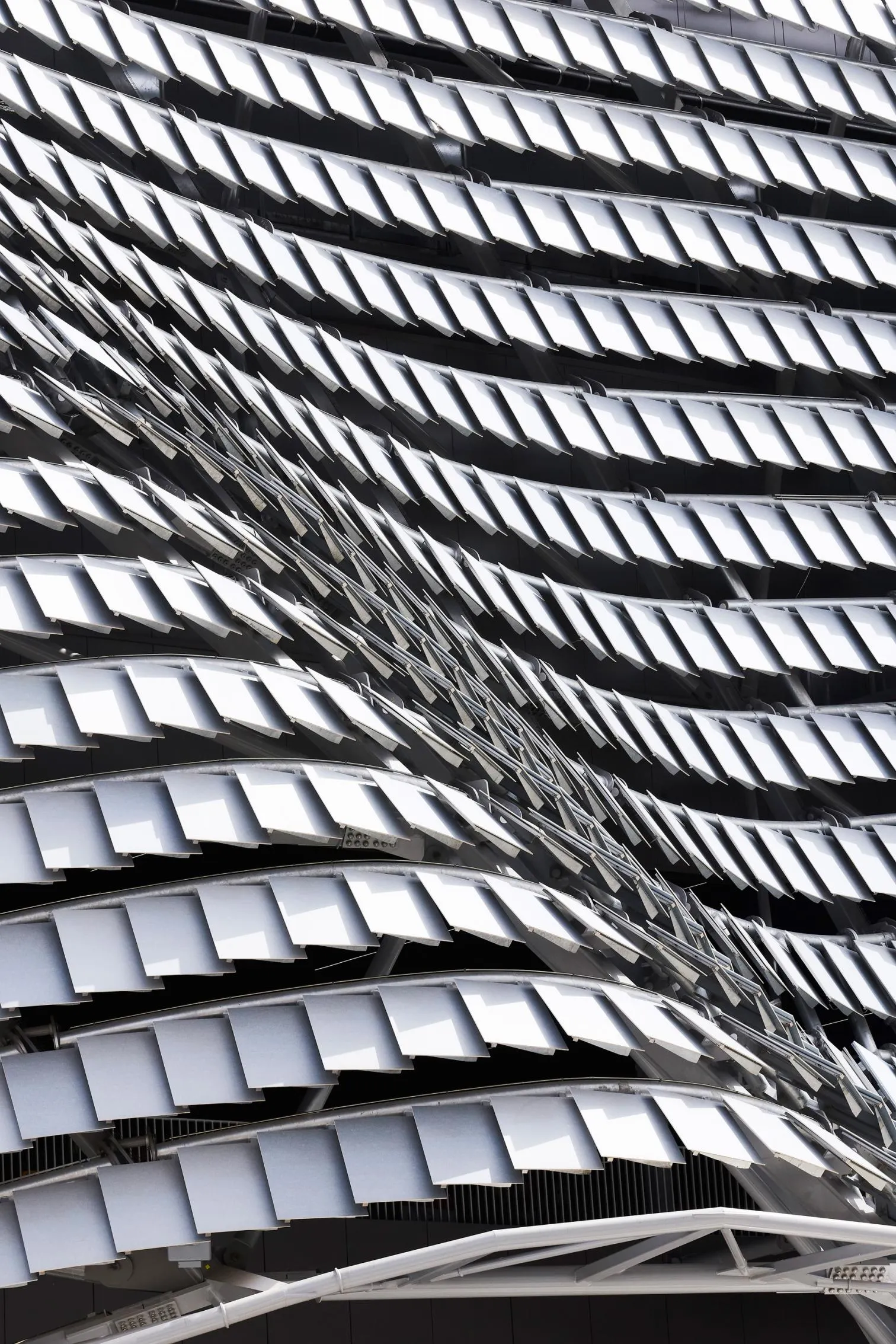
The structural integration of the complex envelope was led by SBP (Schlaich Bergermann Partner) and GmásP, ensuring coordination between the facade system and the arena’s massive structural frame, spanning 115 meters. To address the challenges of this innovative facade application, a full-scale 1:1 prototype was built and tested before installation. This process validated the custom connection system that secures the ceramic fins to the curved steel frame under varied load conditions, confirming the material’s technical viability for a high-performance, non-traditional application.
Parametric Precision of the Envelope
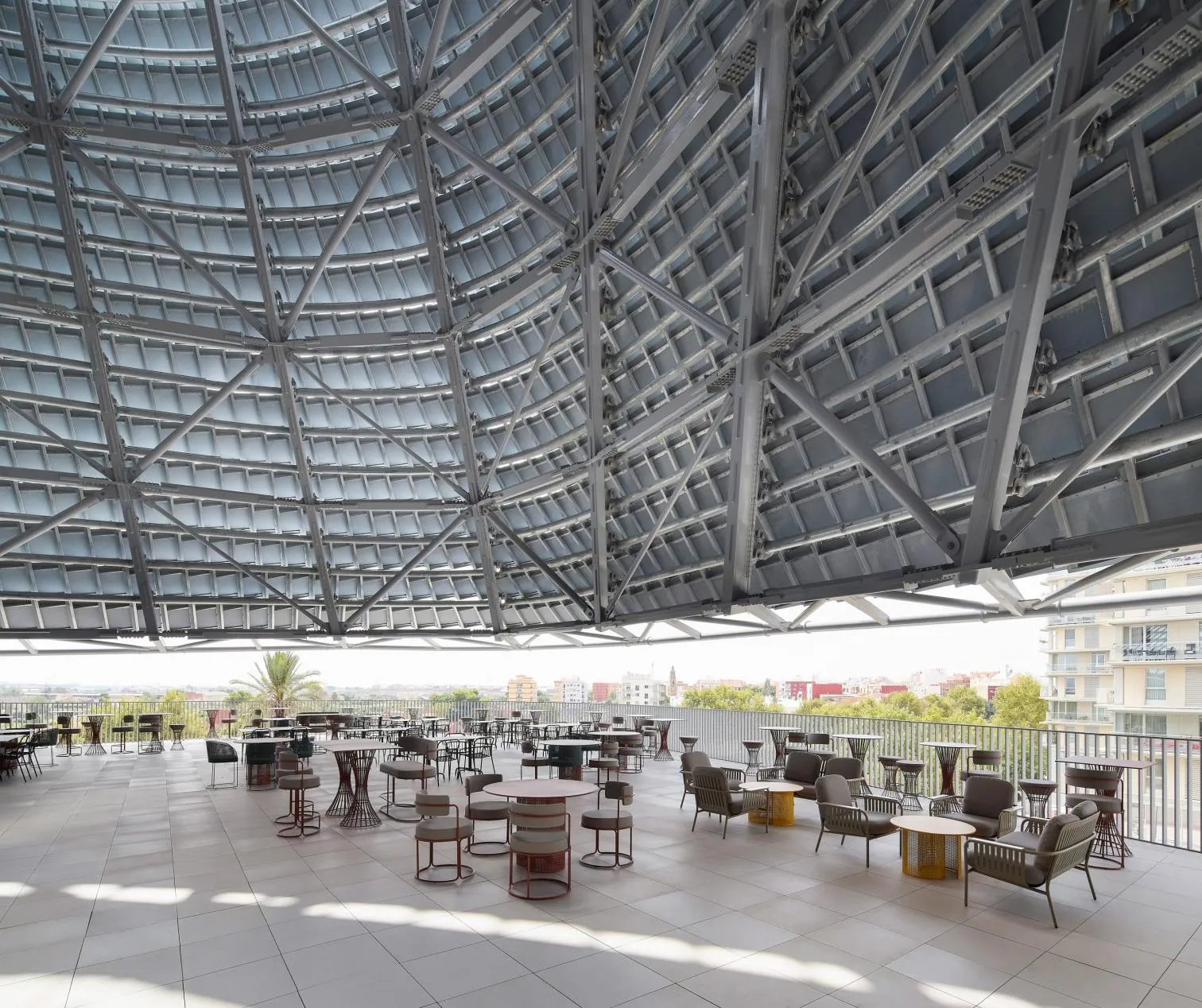
The geometric complexity of the Roig Arena’s ceramic envelope was achieved through parametric precision and advanced computation methods. Parametric modeling was crucial in achieving the arena’s intricate double-curved geometry, precisely defining the position and rotation of each of the 8,600 fins. The system optimized solar performance by calibrating fin angles individually, which vary from 10° to 63° across the facade.
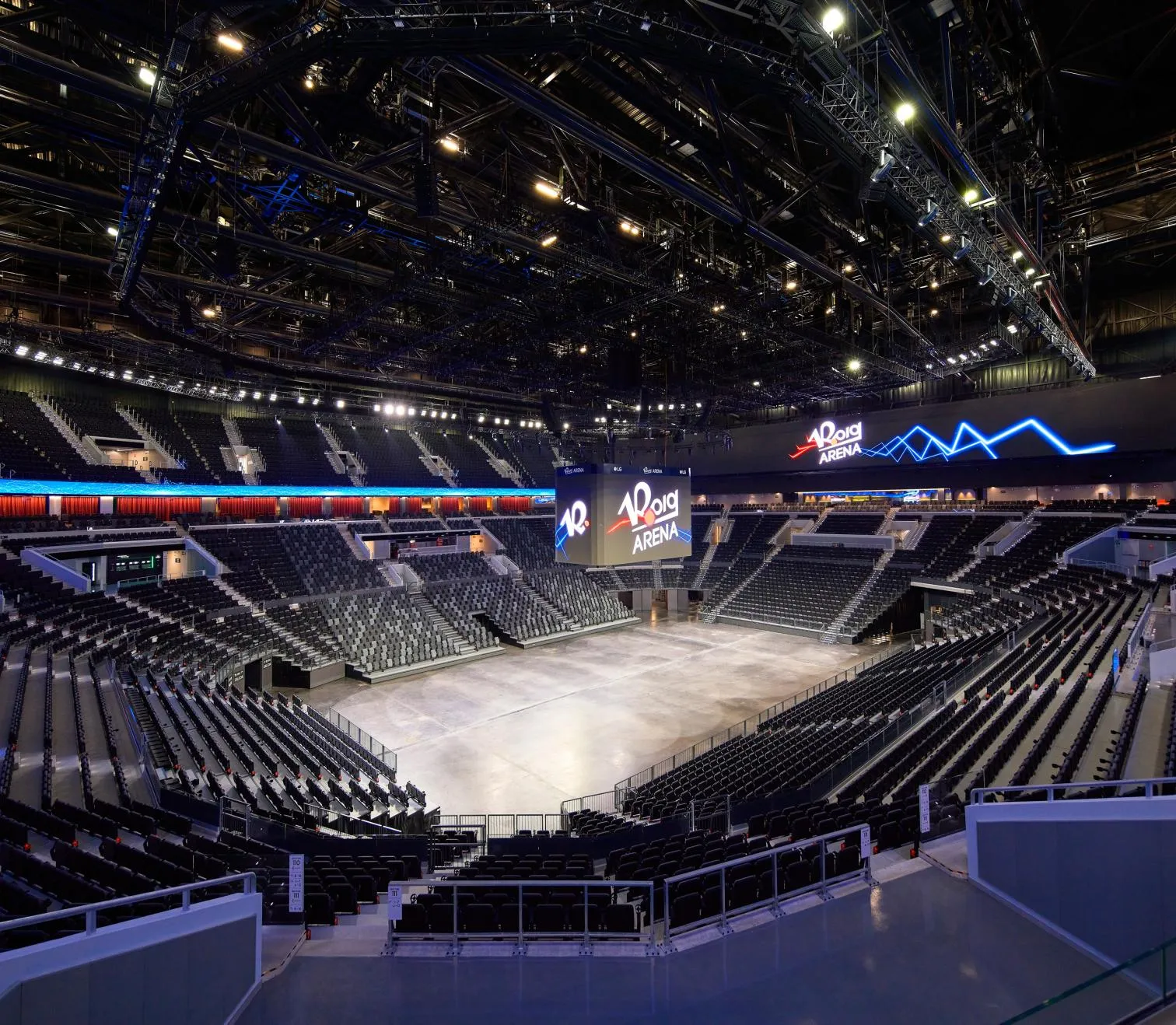
A standardized modular fin measuring 1.0 m by 1.2 m was employed for the entire facade, maximizing the visual and functional complexity while simplifying installation, reducing material waste, and minimizing fabrication challenges. Through advanced computational design, Mediterranean ceramic material has been reimagined as a high-performance, large-span structure for a contemporary global entertainment venue.
The Digital Facade
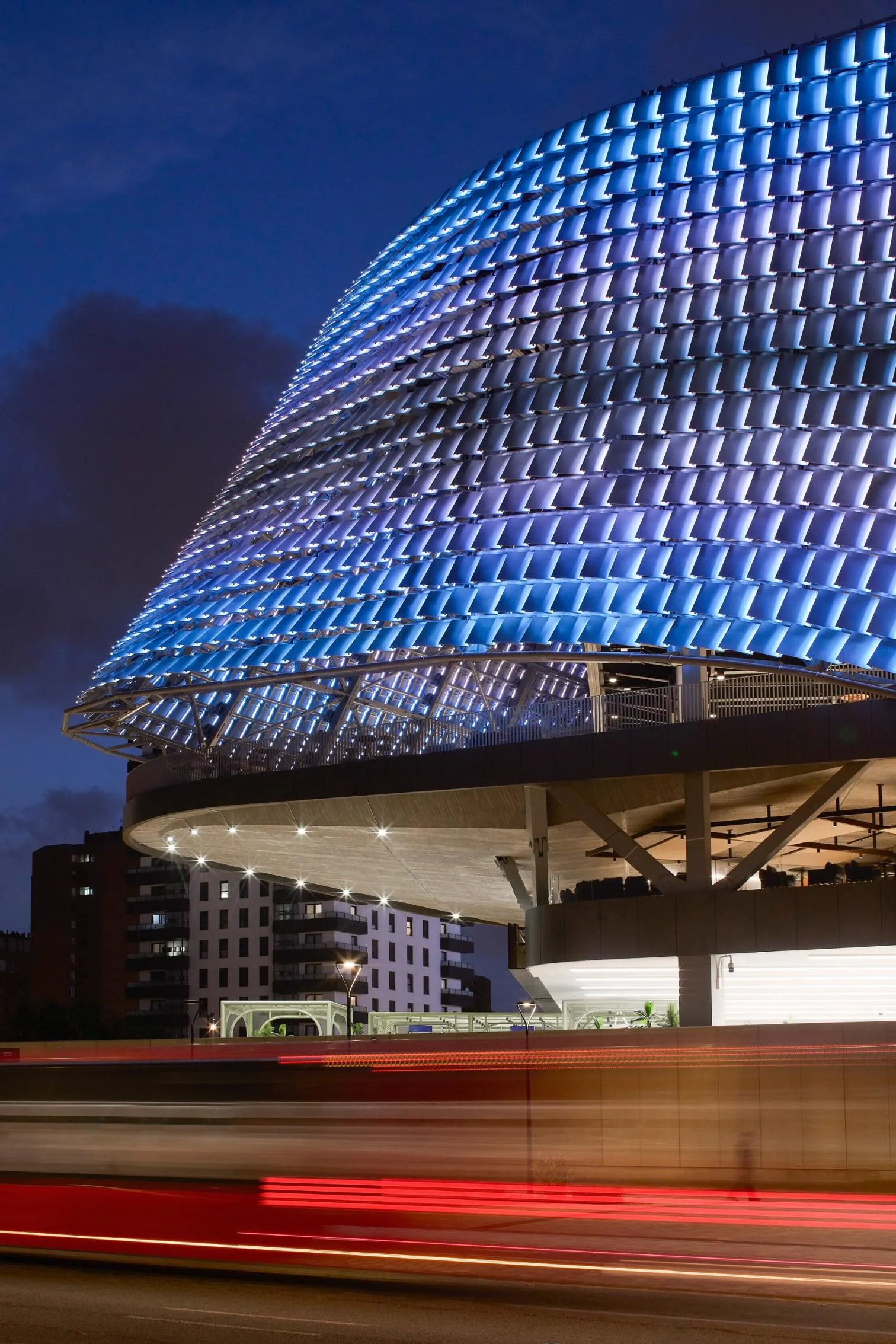
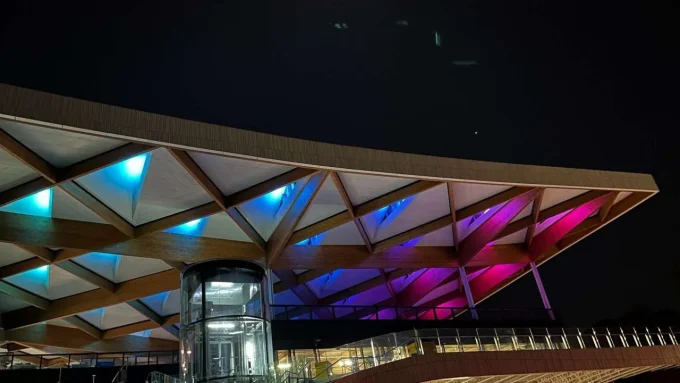
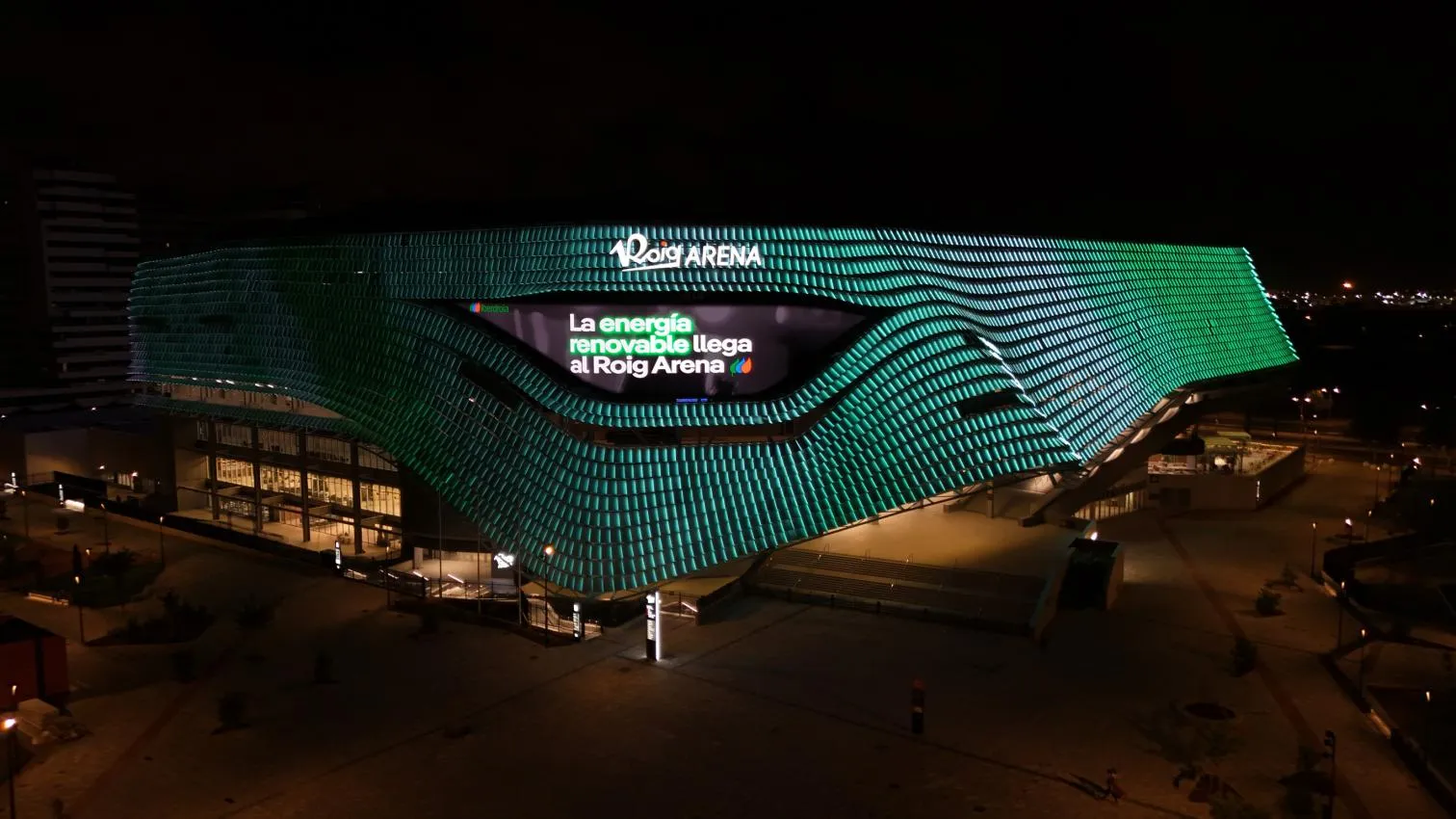
While the ceramic facade functions as a passive shading system by day, it transforms into an active, dynamic digital interface at night. Integrated with an RGB-White LED illumination system, the facade can display real-time, data-driven visuals, turning the arena into a vibrant urban landmark. This programmable digital layer enhances visual identity, branding, and media potential, reinforcing its role as a dynamic and interactive presence within Valencia’s cityscape.
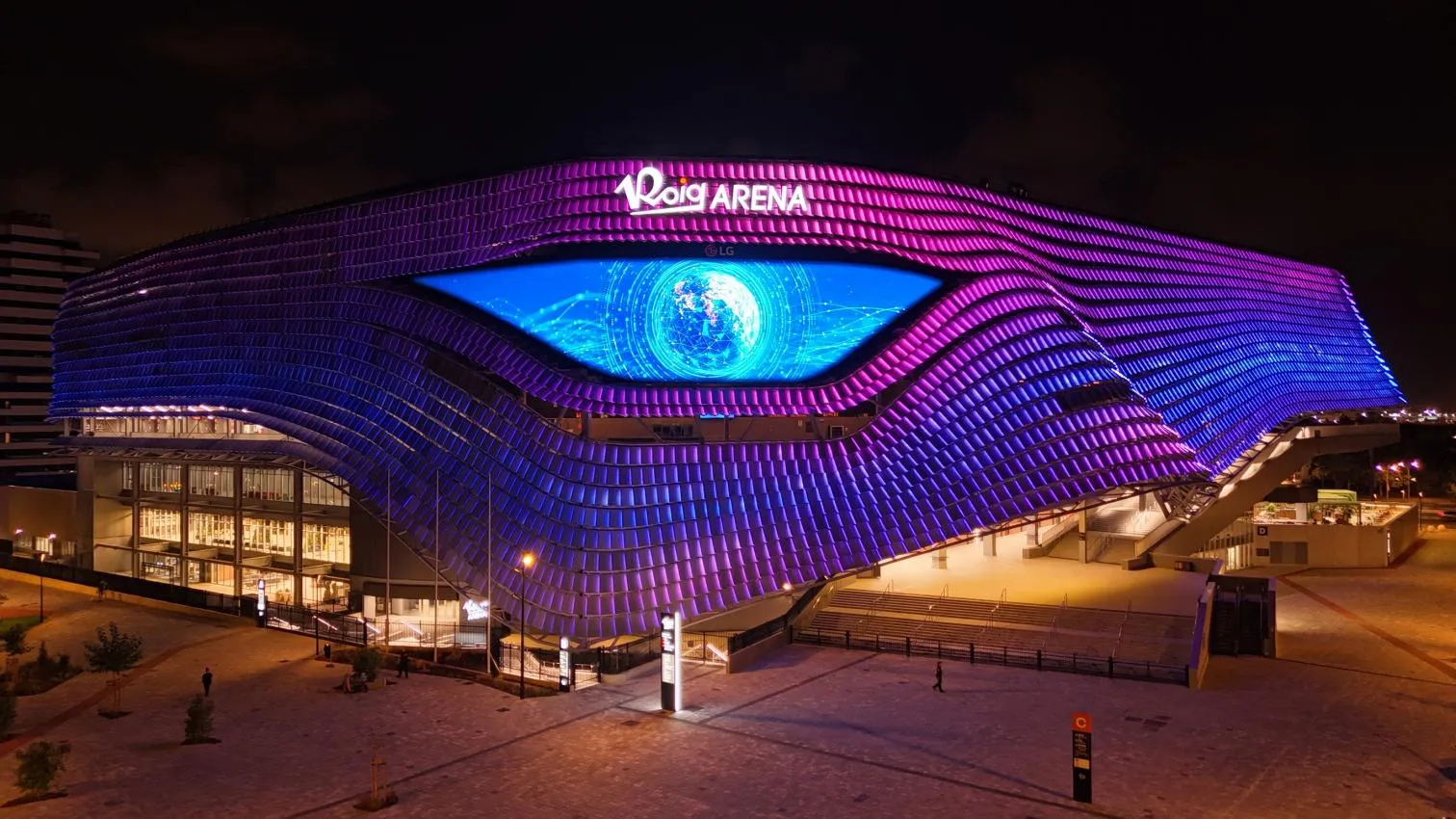
The project fosters a sustainable ethos utilizing local suppliers, minimizes the transportation of large-scale components, and reduces its overall carbon footprint. This conscious design approach aligns the architectural identity, rooted in local craftsmanship, with broader sustainable goals focused on carbon efficiency and regional supply chain support.
Photo Credits: © Hufton + Crow, Valencia Dron Works
Explore Courses
.jpg "Ondrej Chybik - Rethinking Architecture")