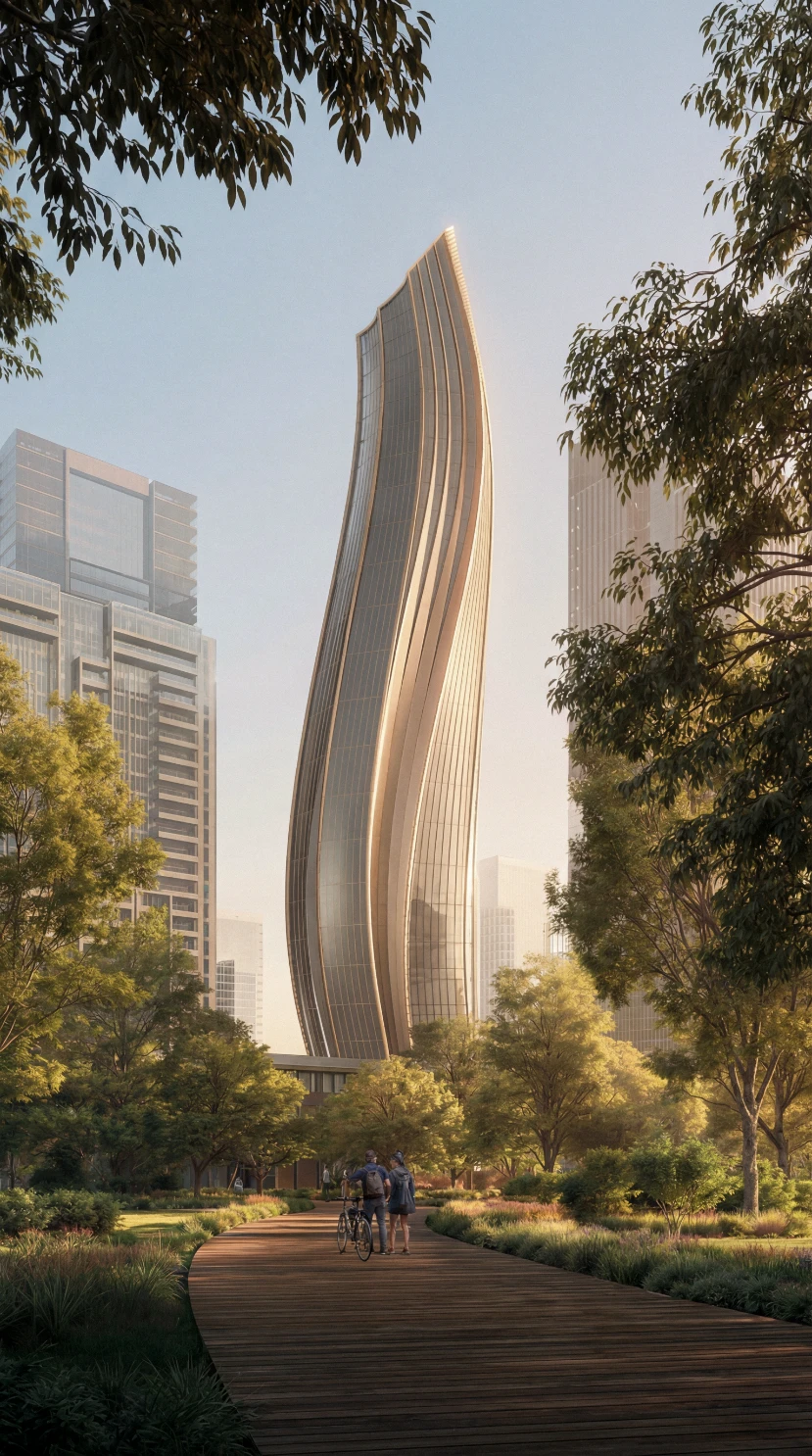



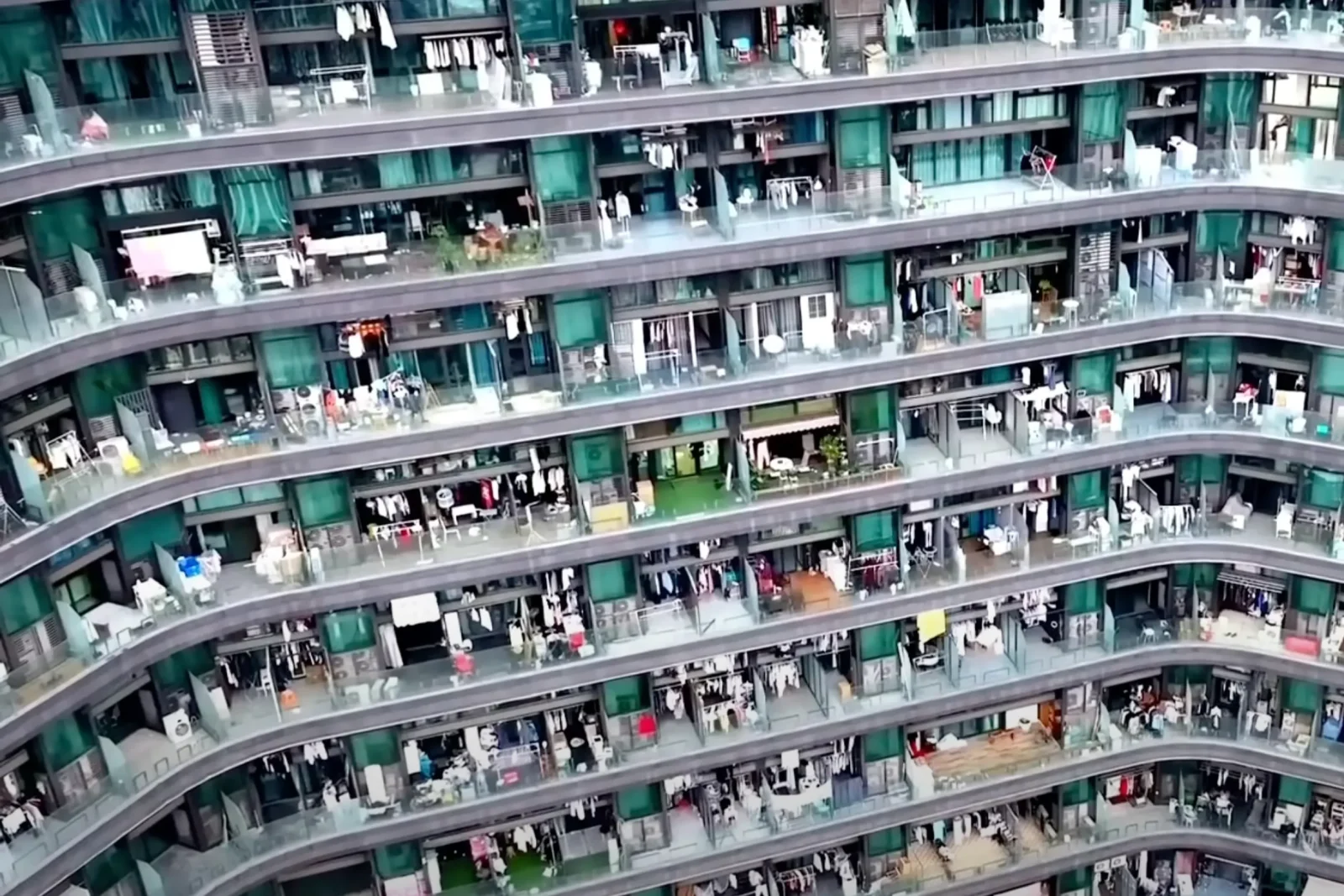
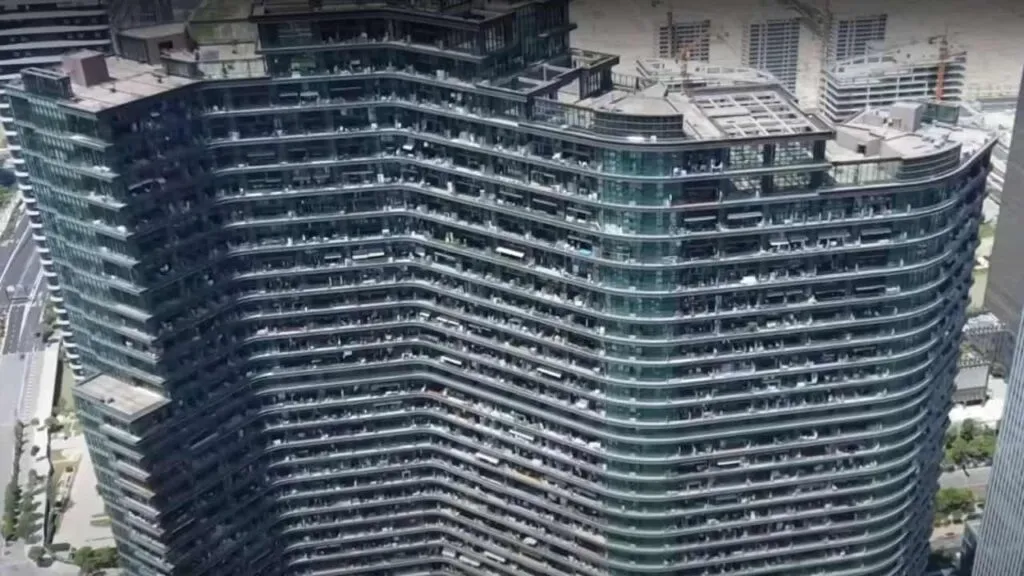
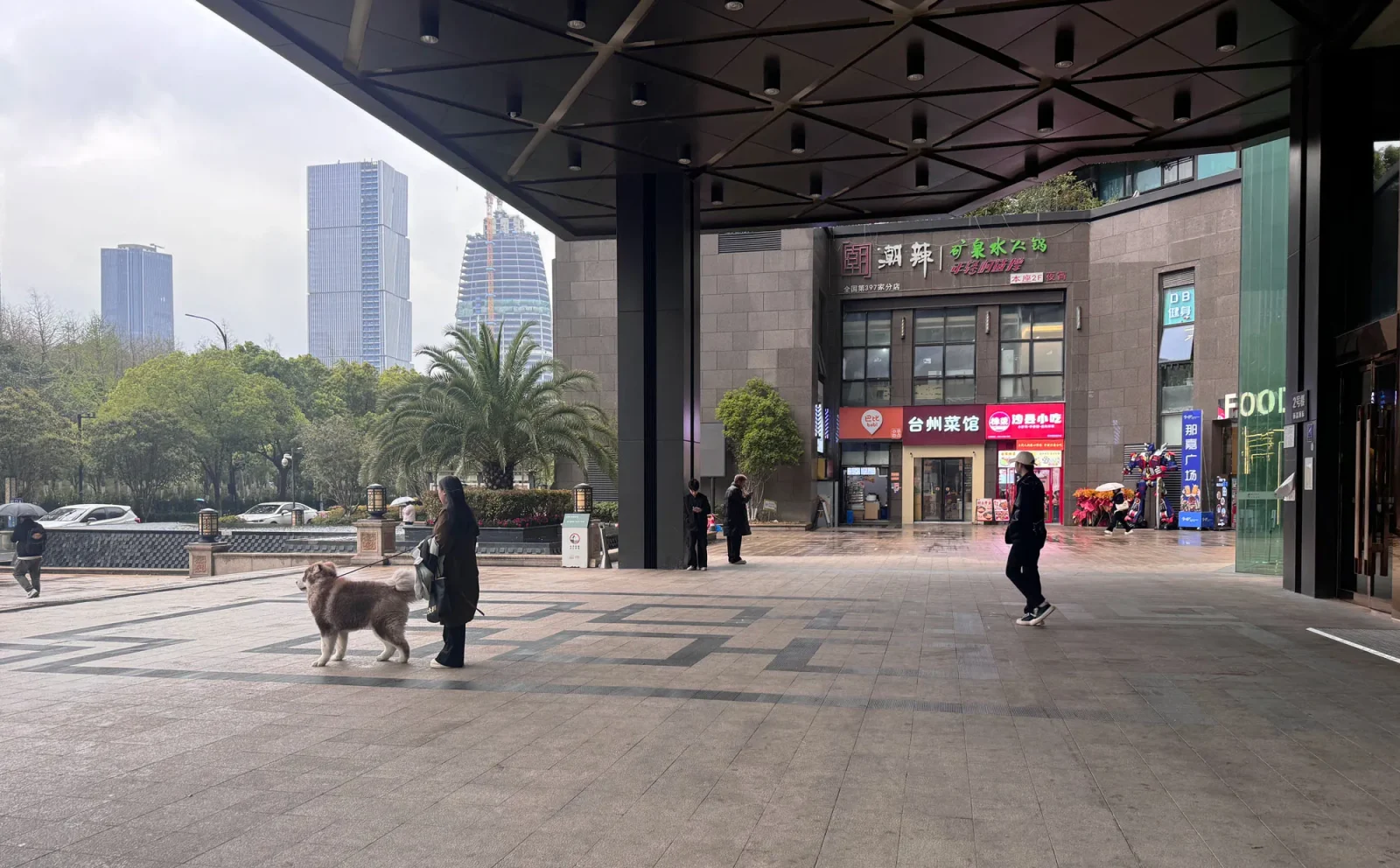
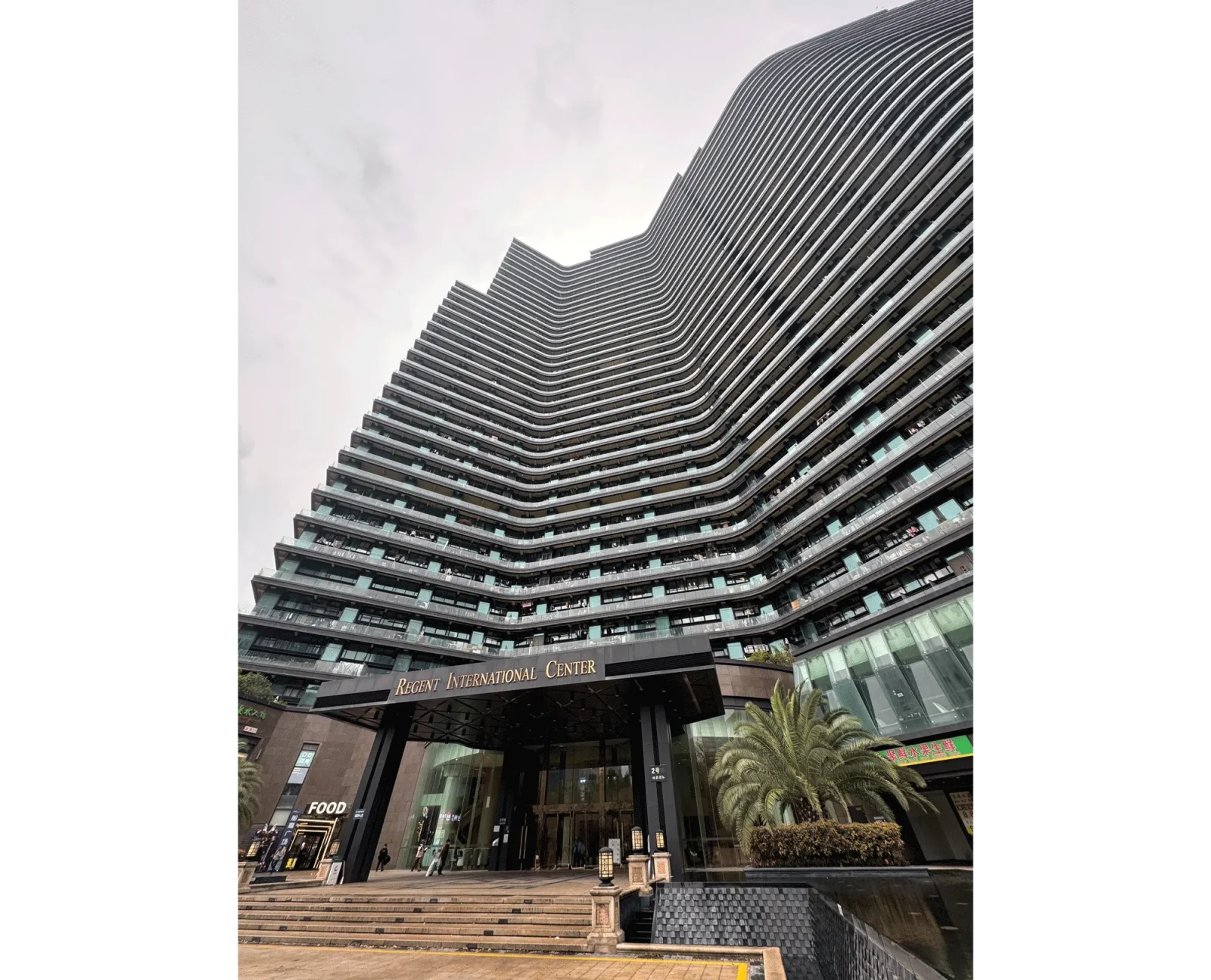
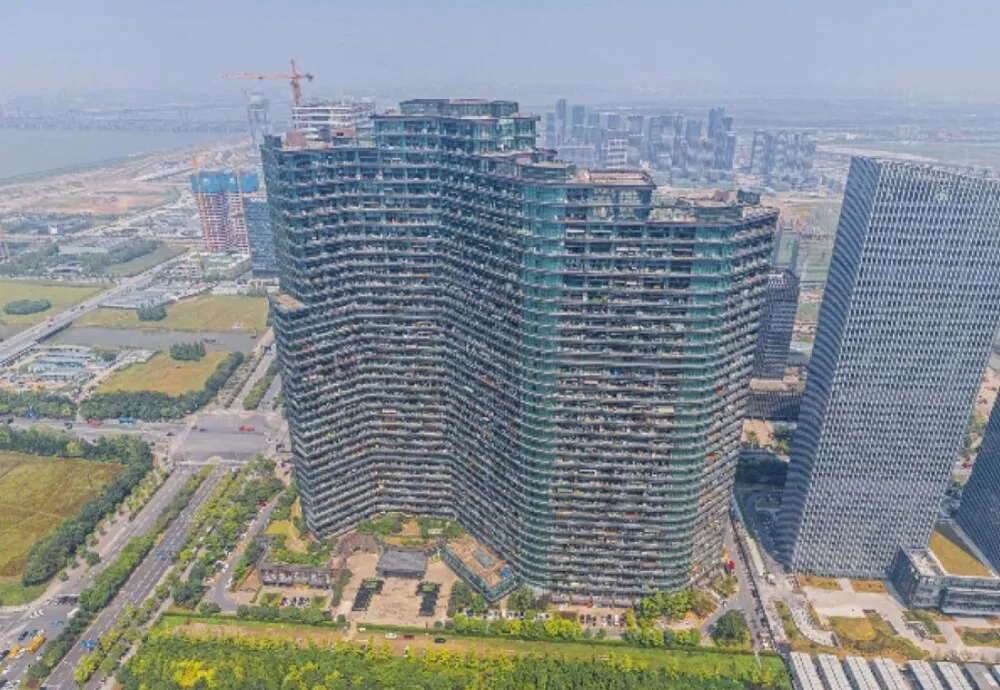
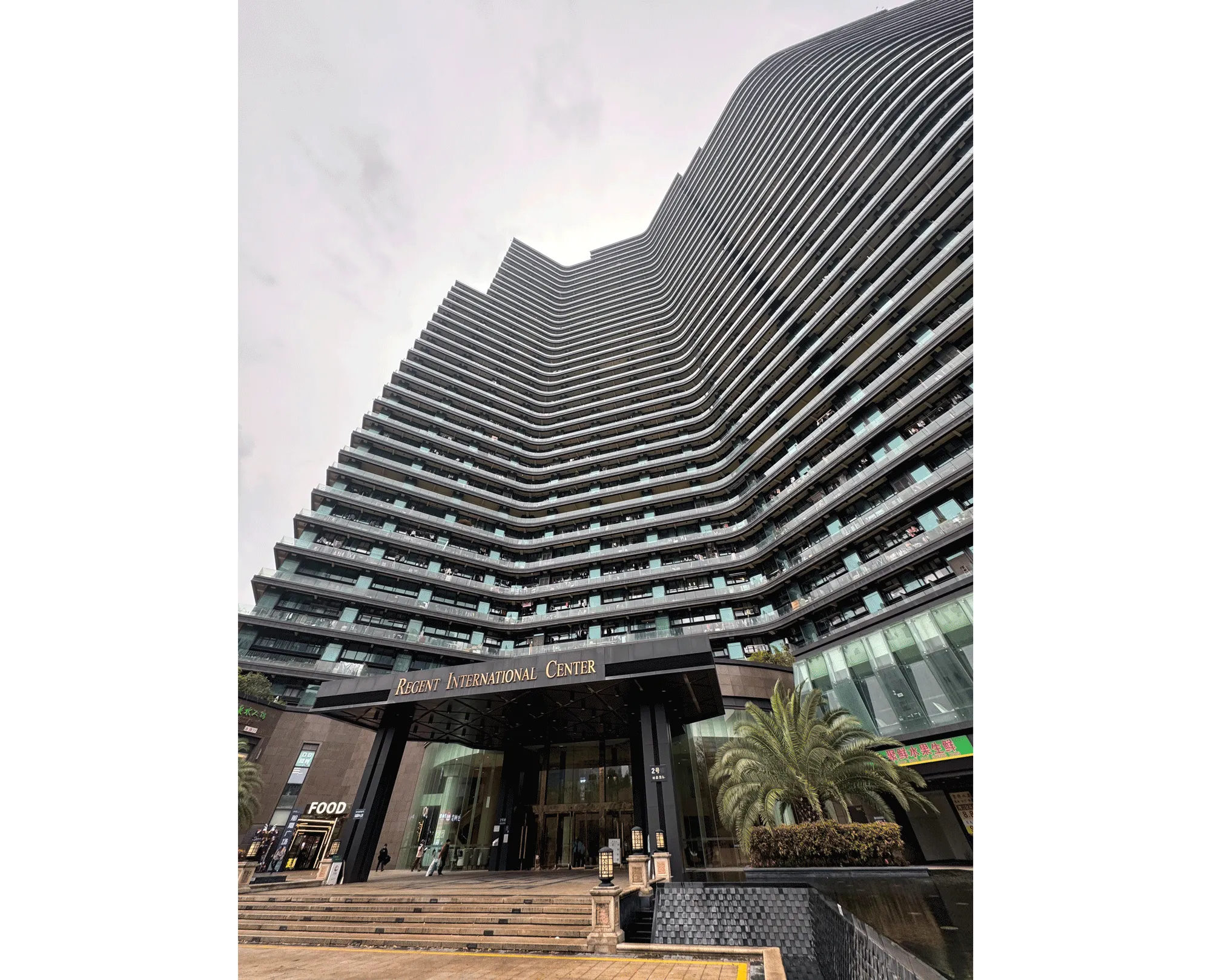
Regent International Dystopian Tower, one of China’s largest apartment complexes, is a self-contained 675-foot-tall modern residential tower that houses up to 20,000 people and possibly even up to 30,000. It offers a suite of amenities that make it possible for residents to live, work, shop, eat, and play, all without ever stepping outside. Throughout late 2024 and into 2025, Regent International has captured international attention with its overwhelming scale, massive footprint, and self-sufficient design.
Alicia Loo’s Architectural Vision of A City Within a City
Designed by internationally acclaimed architect Alicia Loo, who was also the chief designer for the Marina Bay Singapore Sands Hotel, the building showcases a high standard of structural, mechanical, and logistical engineering. Originally conceptualized as a six-star hotel, the master plan was later modified into a hyper-dense vertical tower that promotes accessibility, blends with the natural landscape, and creates diverse development within Hangzhou’s central business district.
Located within Qianjiang Century City, the design focused on vertical living to serve the workforce near employment hubs, thereby minimizing the strain on external city infrastructure, particularly transportation networks. The planning involved creating a cohesive environment that organically integrates the environmental characteristics of the new district with traditional elements of Hangzhou culture.
The Regent International Dystopian Tower
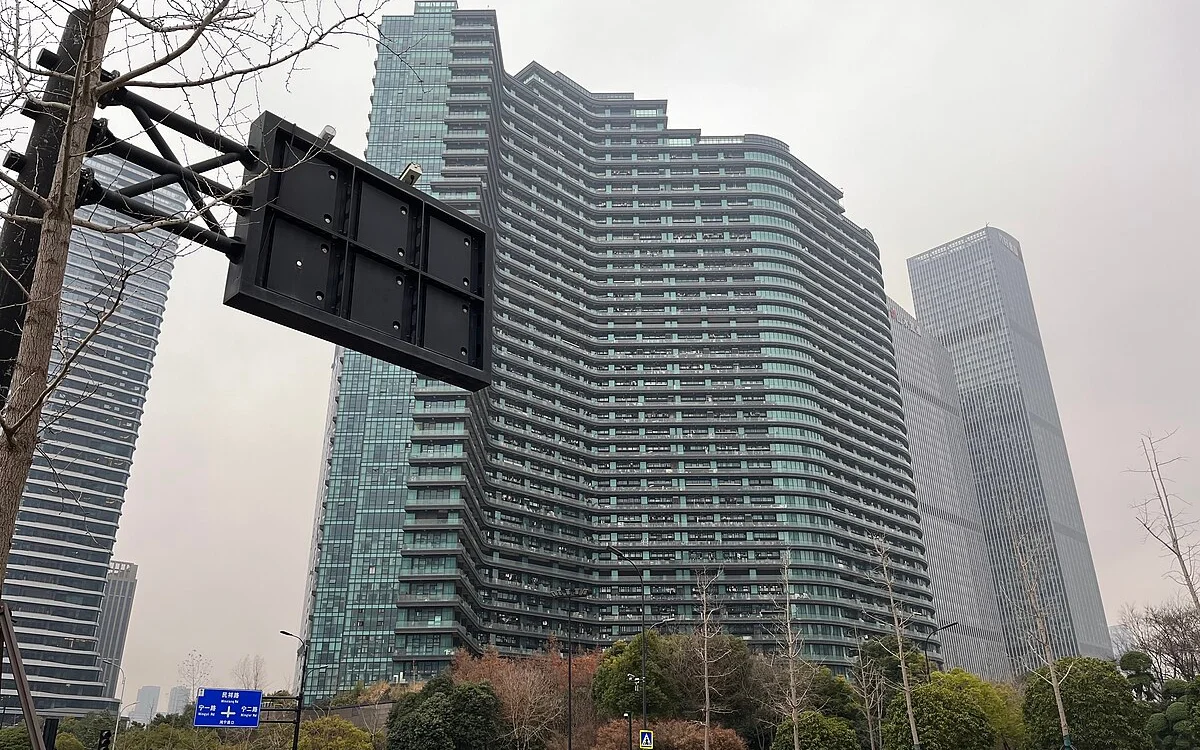
Its distinctive S-shaped form was a deliberate choice to optimize natural light exposure, enhance internal circulation, and mitigate wind loads more effectively than a conventional rectangular footprint. It focused on functionality and structural mass over traditional ornamentation, contributing to the dystopian structure. The complex ranges between 36 to 39 floors, with an expansive internal area of 260,000 square meters.
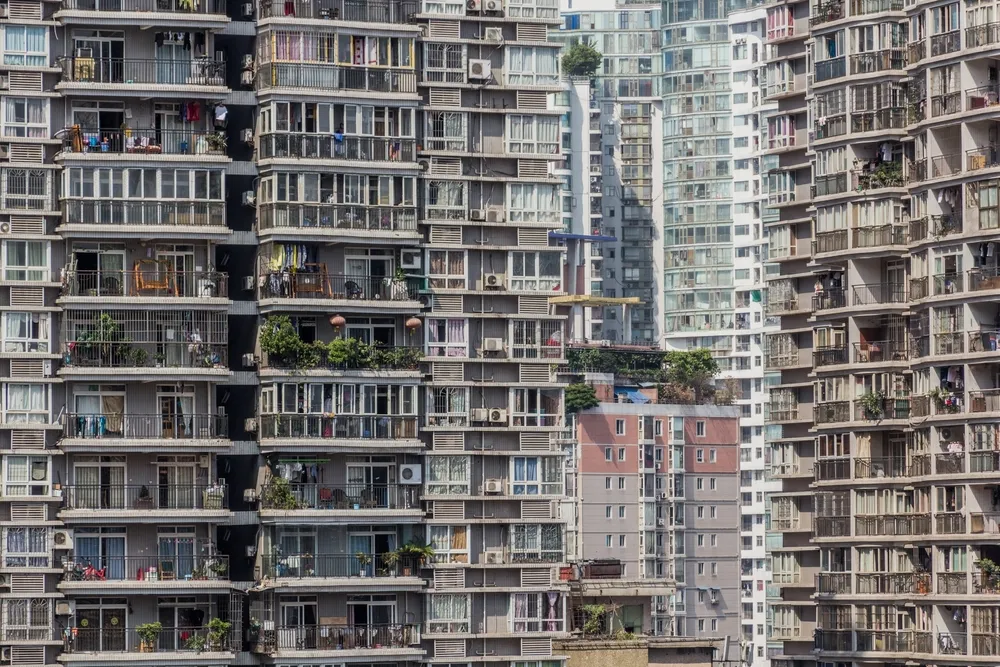
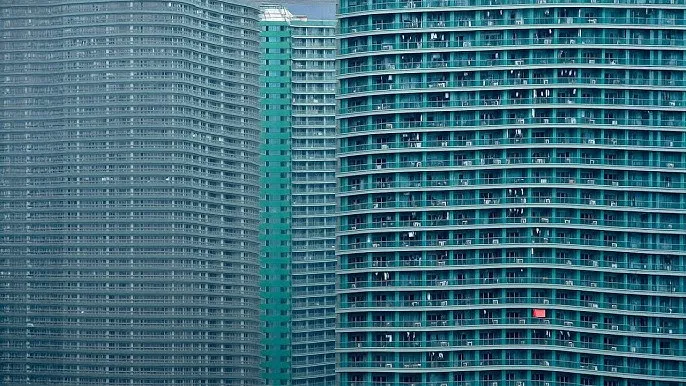
This functionalist architecture aimed at internal density maximization while minimizing the required interaction between residents and the surrounding external community and natural environment. Built with concrete and steel, the structure features an extensive curtain wall facade with repetitive concrete bands, resulting in a minimalistic and brutalist aesthetic.
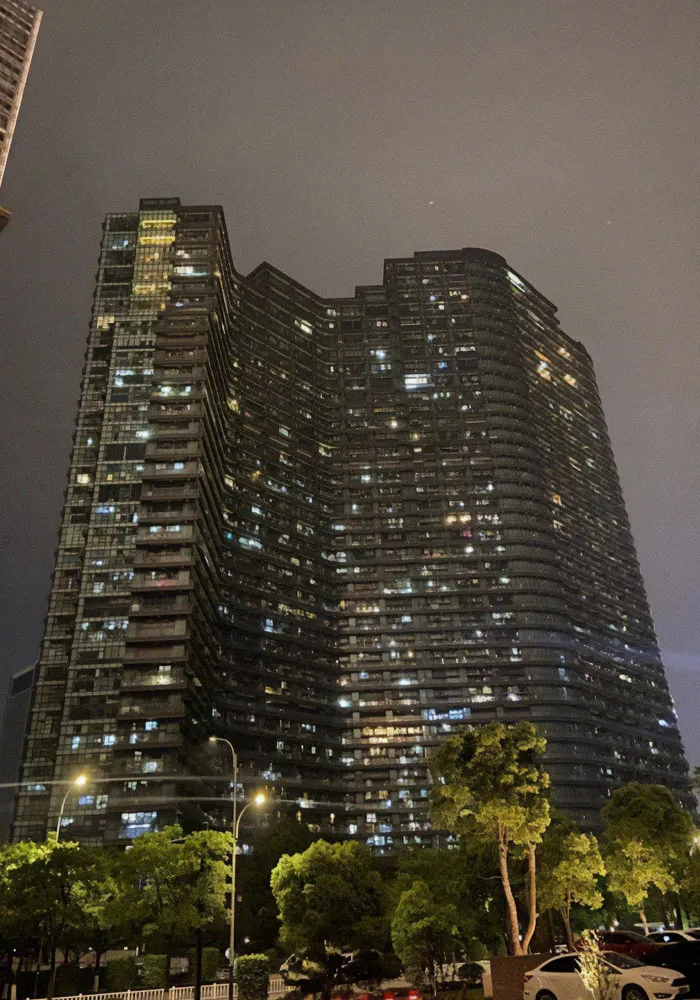
Engineered to resist natural disasters, the building is designed to maintain structural integrity under challenging environmental conditions. Its blocks are connected by straight lines and a repetitive system of interconnected skywalks, bridges, and corridors from different sections, allowing uninterrupted circulation for residents. These elements create a unique sense of communal spaces, blurring the boundaries between private and shared.
Brutalist Vertical Living, Viral on Global Social Media
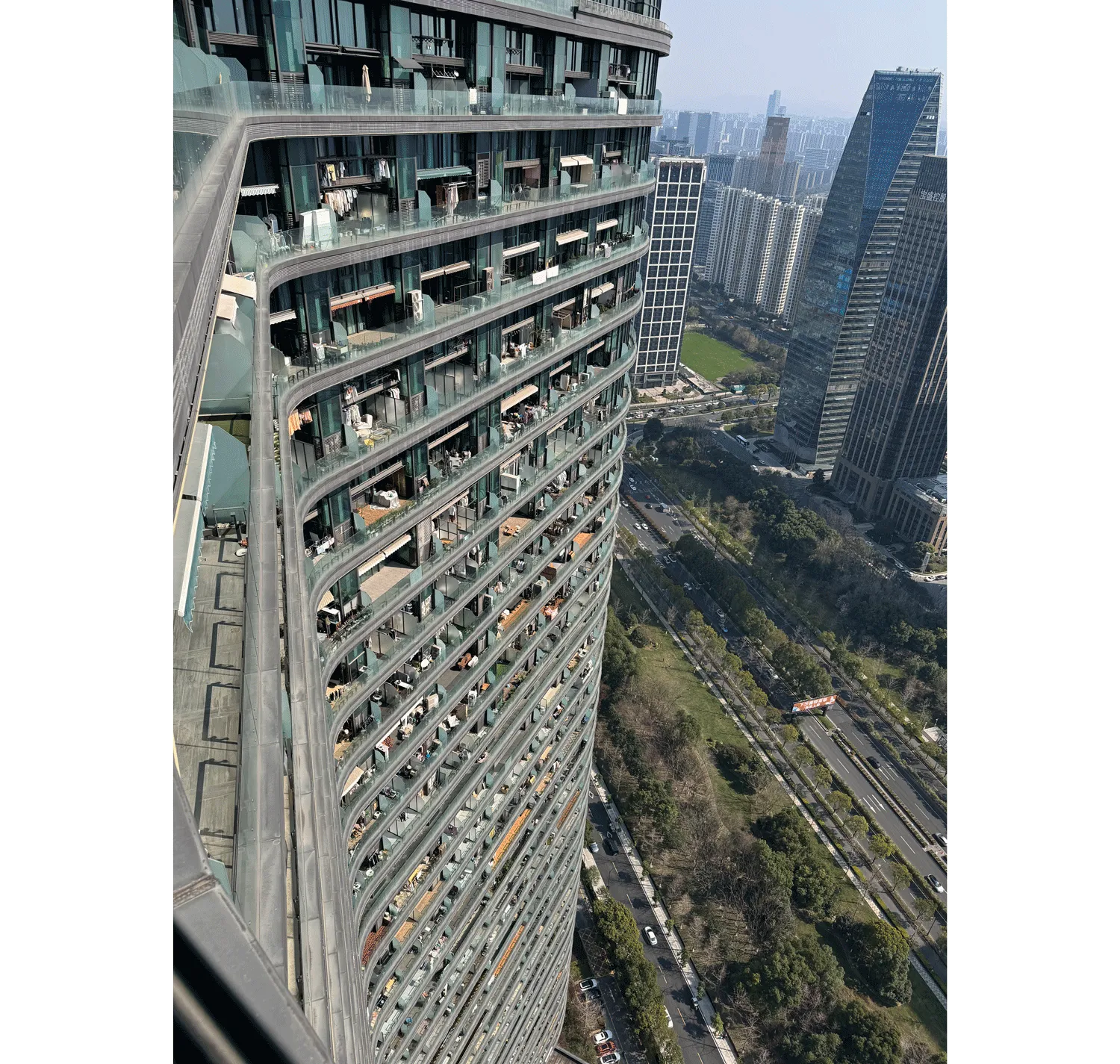
Regent International addresses both the innovation and complexity of contemporary urban living, emphasizing efficiency, density, and self-sufficiency. Socially, it has become both an architectural and internet sensation with a mix of admiration and curiosity regarding issues of scale, logistics, and community formation. It’s more than an apartment complex; it’s a fully integrated lifestyle hub, celebrated for its diverse functionality and critiqued for its psychological and social implications.
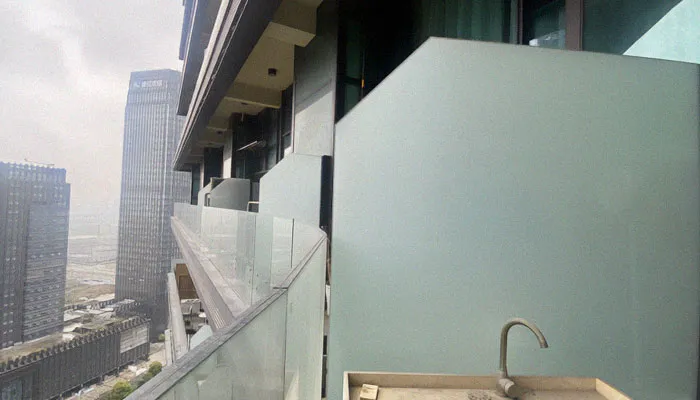
Regental International went viral on global social media platforms such as TikTok, captivating users through drone footage highlighting structural details and “dystopian living.” Social media content emphasizes what the building actually looks like from inside, addressing questions about whether it is overcrowded, loud, or surprisingly livable.
Explore Courses
.jpg "Ondrej Chybik - Rethinking Architecture")