


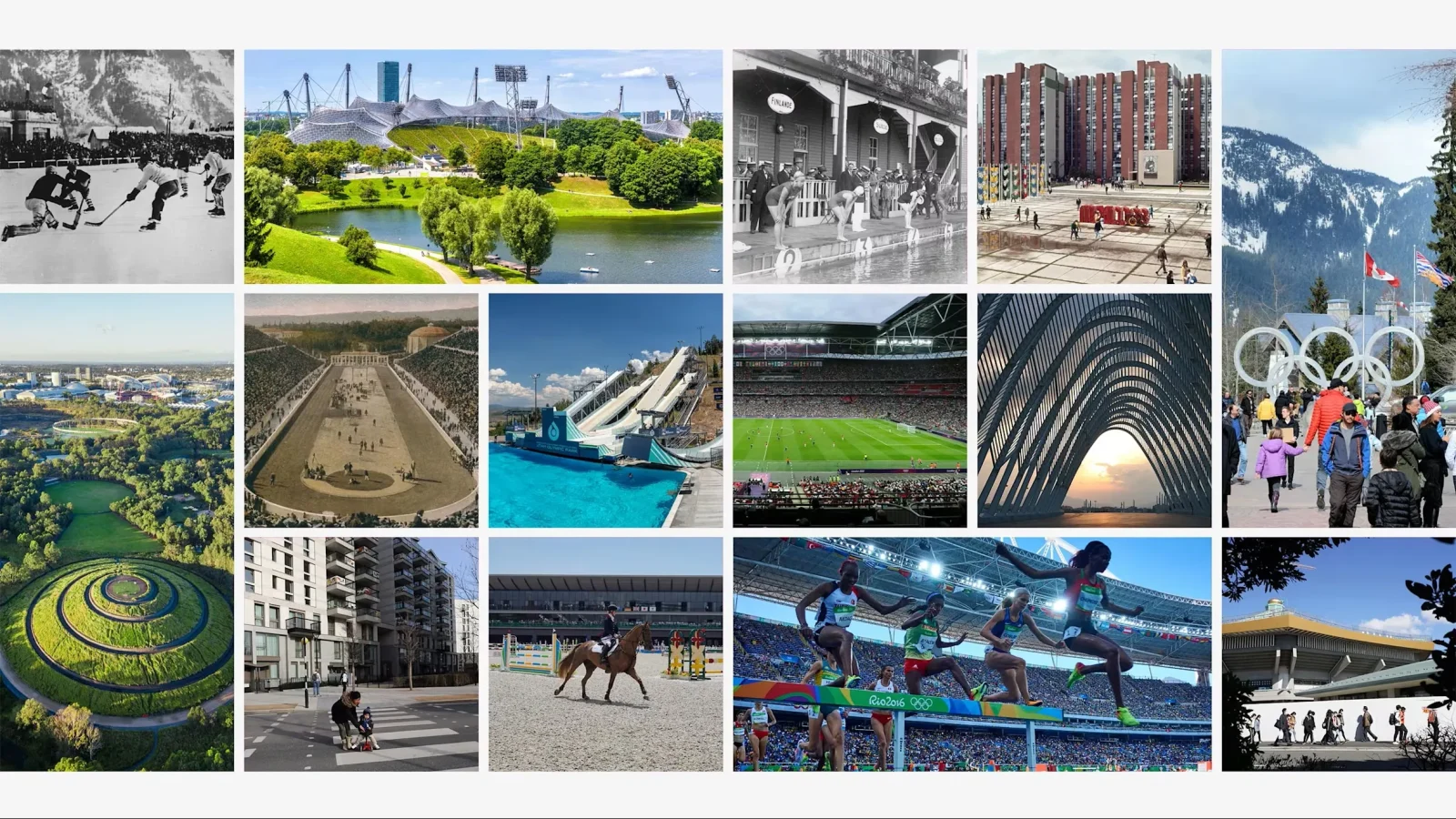
Exactly a century ago, in 1924, Paris welcomed athletes from across the world and introduced Olympic villages with simple rows of wooden huts. For the first time, all athletes lived together in one place, and that experiment raised a question that still echoes through every Olympics: what happens to these massive venues once the Games end?
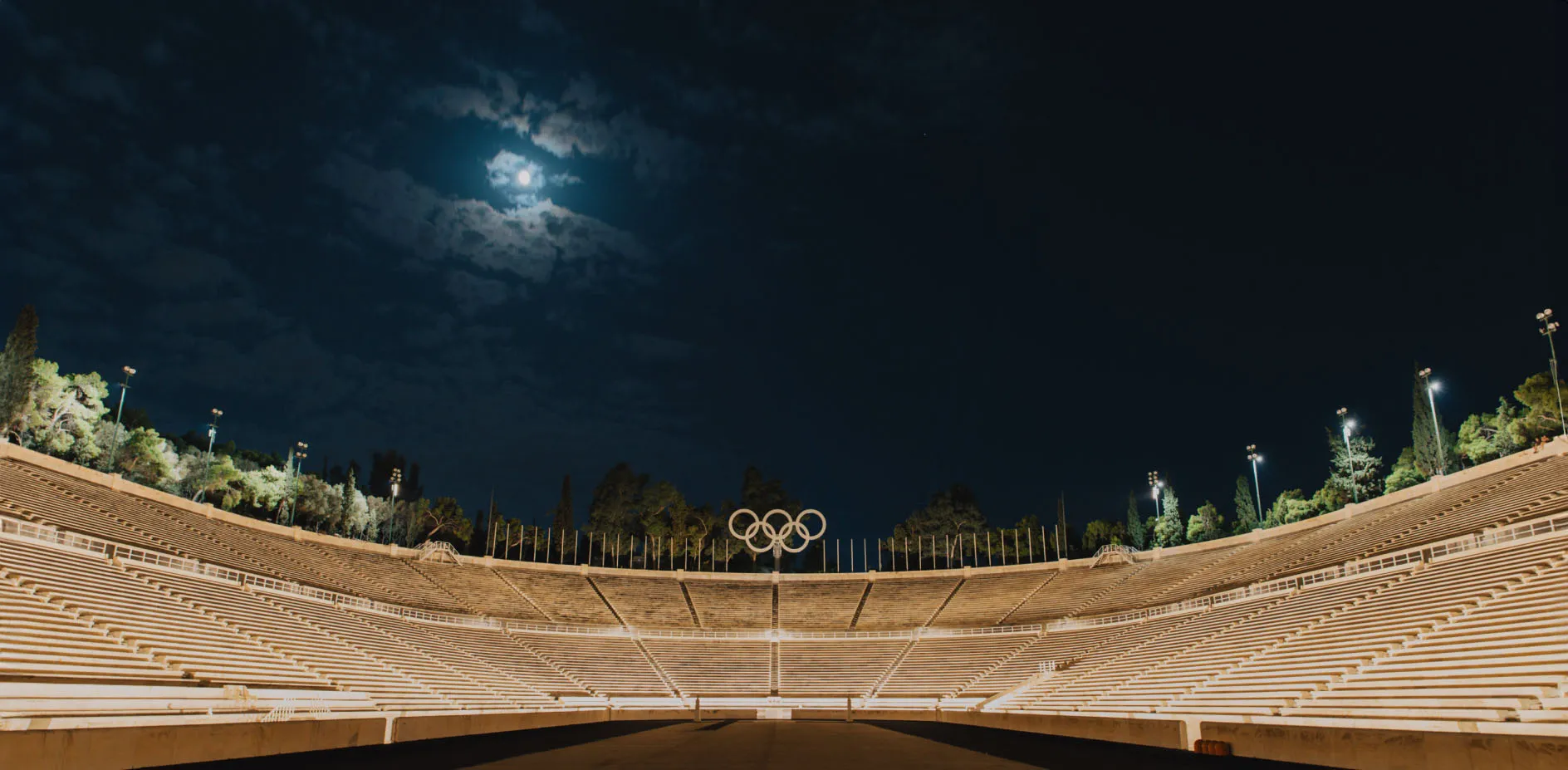
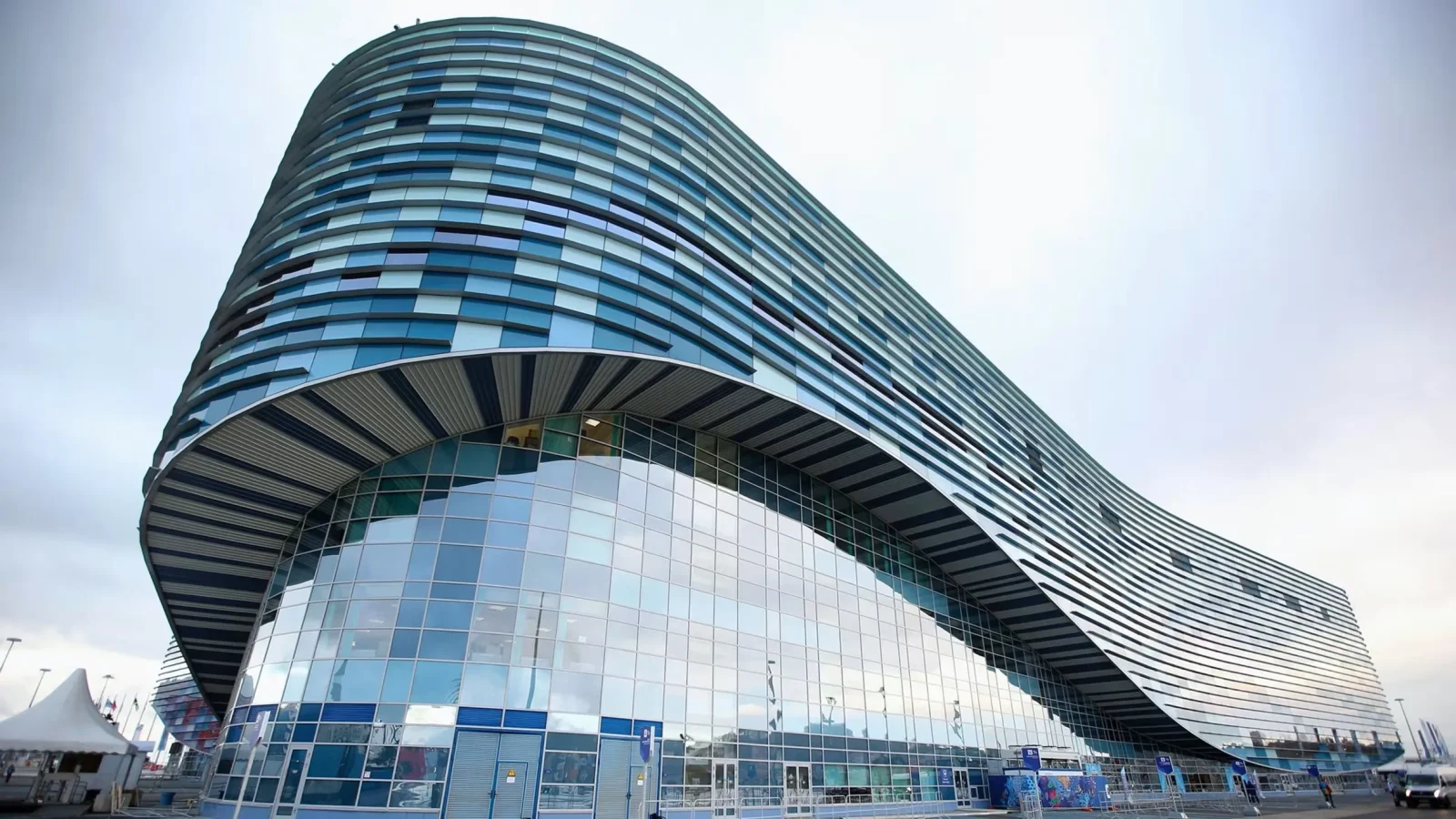
Some cities answered with foresight, like Helsinki, which built its 1952 village to blend into residential life, and its apartments still house families. Others struggled under the weight of scale, like Sochi, where venues such as the Iceberg Skating Palace remain underused due to inflexible design. This sharp contrast demonstrates why the Olympics are more than a sporting spectacle; they are also a test of whether a city can balance grandeur with sustainability.
1924 Paris Olympics
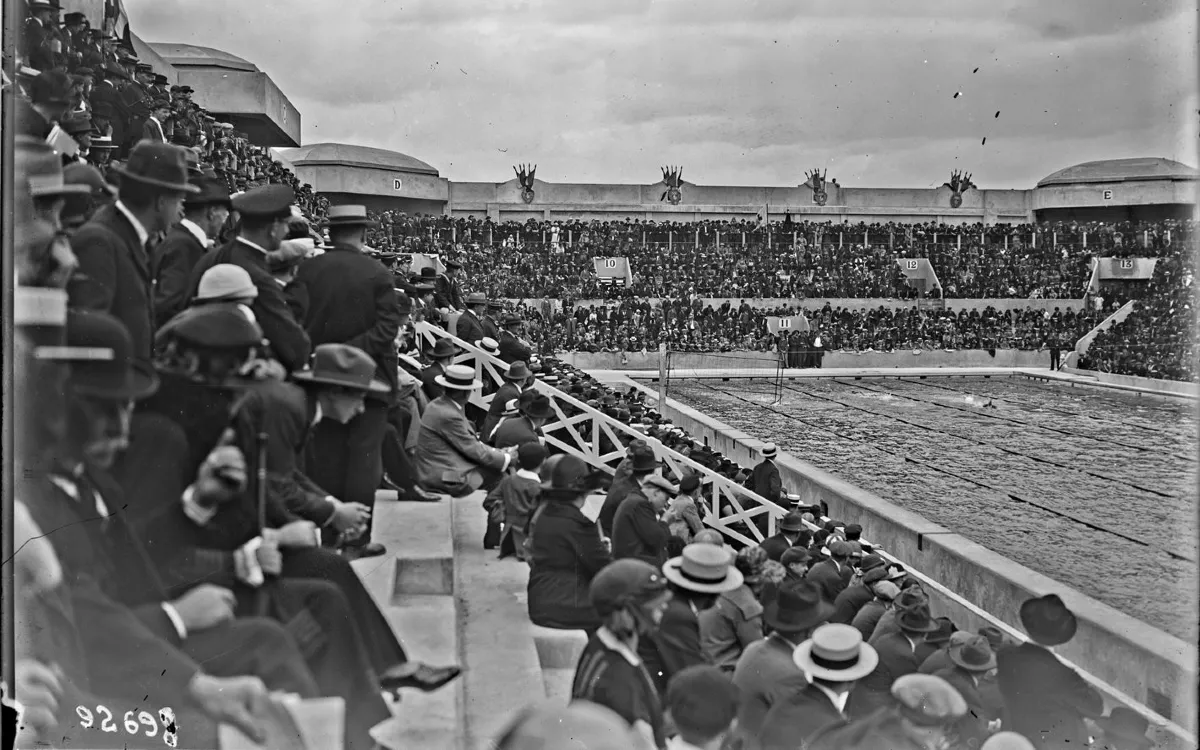
In 1924, Paris hosted the Games of the VIII Olympiad, marking a defining moment in Olympic history. For the first time, all athletes stayed together in an organized Olympic Village, simple rows of wooden huts built in the suburb of Colombes. This innovation introduced a new social dimension to the Games, encouraging cultural exchange and unity among athletes from around the world.
The venues were spread across the city, with the main events held at the newly constructed Stade Olympique Yves-du-Manoir. Its open-air concrete stands reflected the modern architectural ambitions of post–World War I France. Many other competitions took place in Paris landmarks, blending the city’s historical character with its growing appetite for modernity.
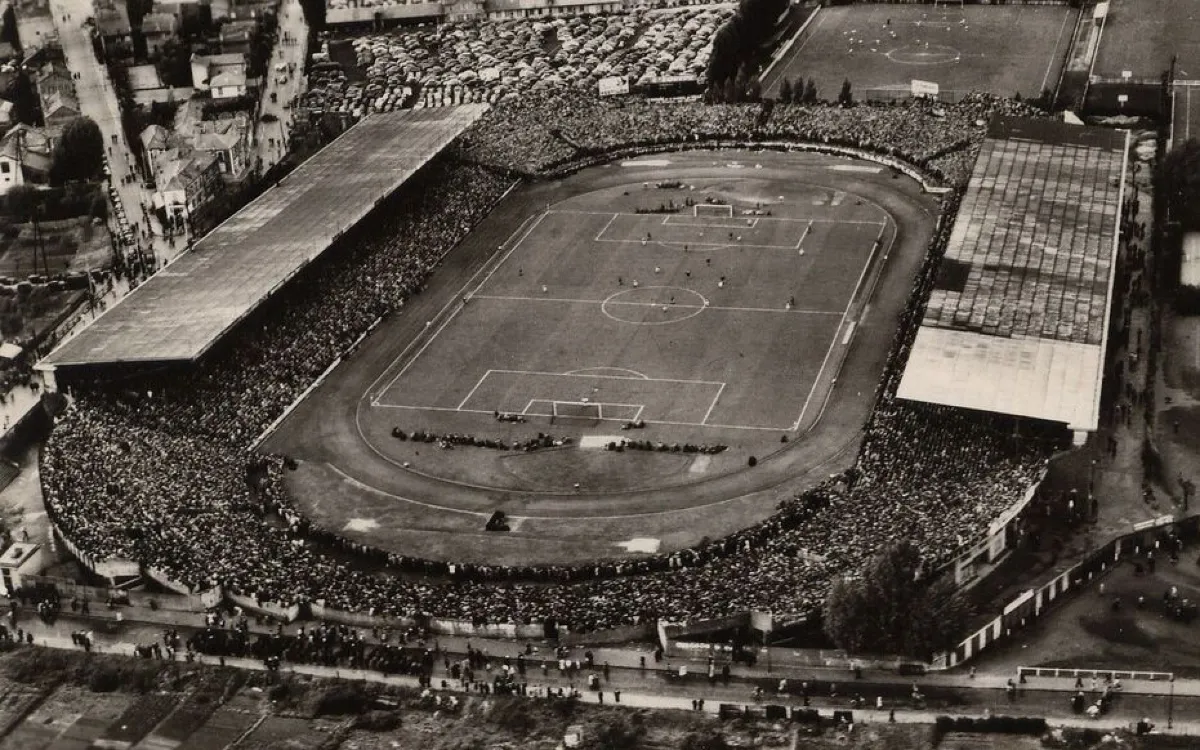
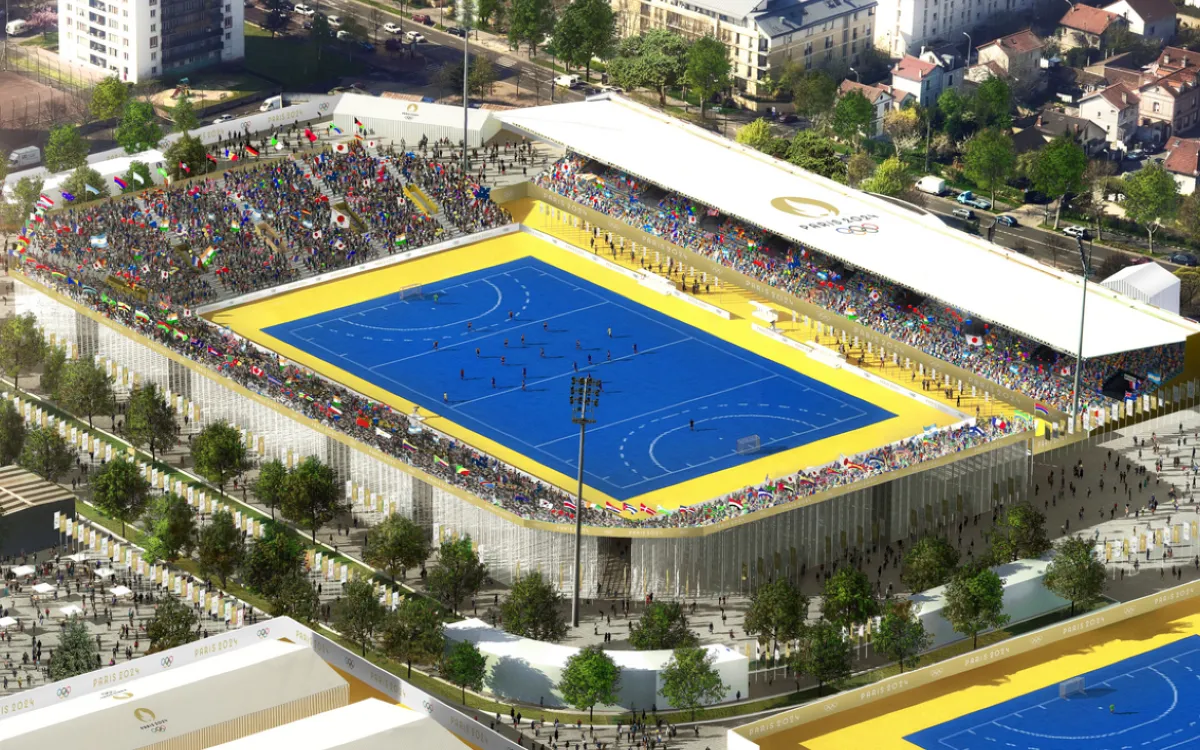
Although modest compared to today’s standards, Paris 1924 laid the groundwork for future Olympic planning. The idea of housing athletes together transformed the logistics of the Games and reshaped the relationship between architecture, urban planning, and global sports. A century later, that same spirit of innovation returned as Paris once again hosted the Olympics in 2024, this time guided by sustainability, inclusivity, and urban renewal.
1972 Munich Olympics
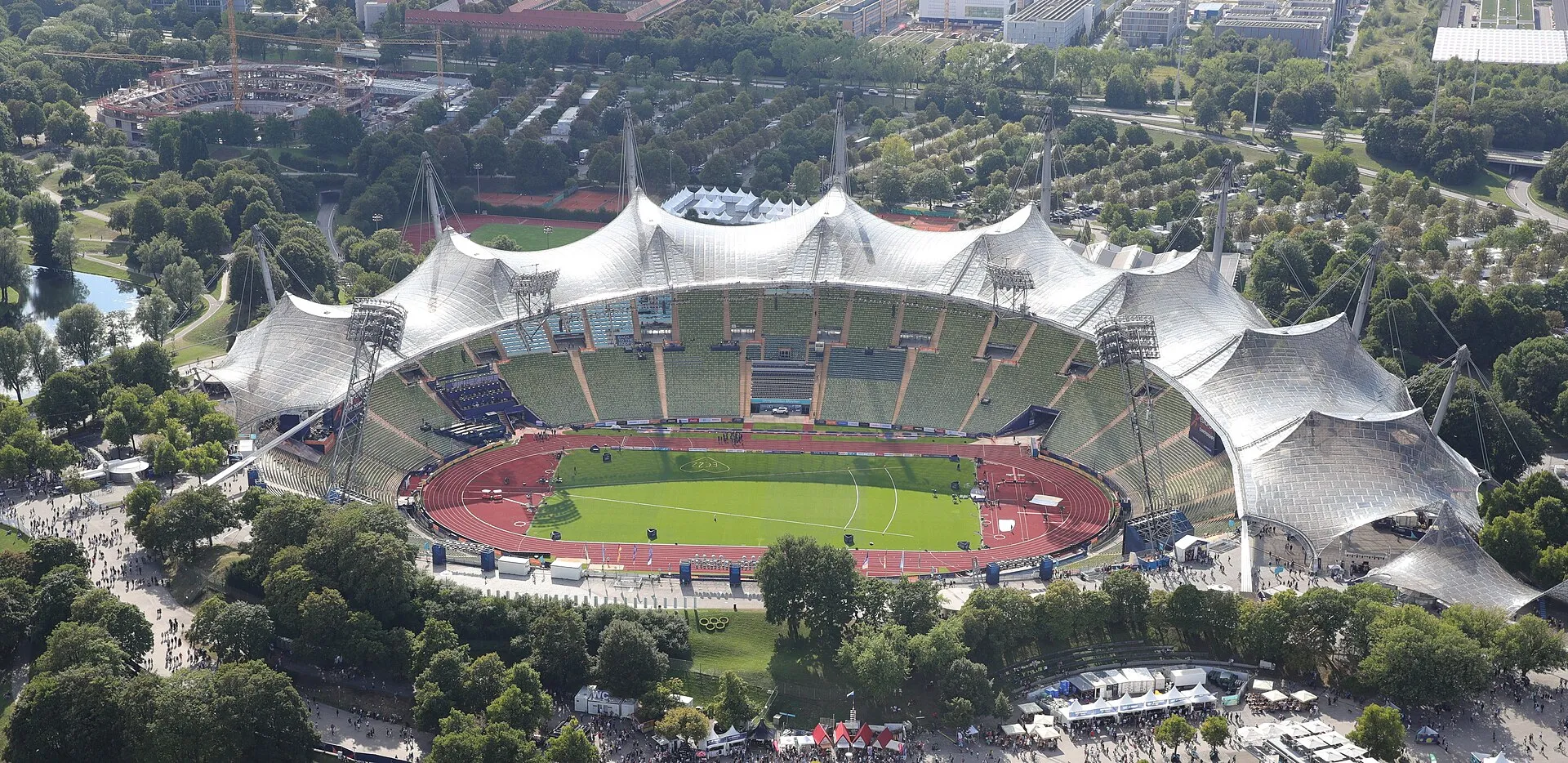
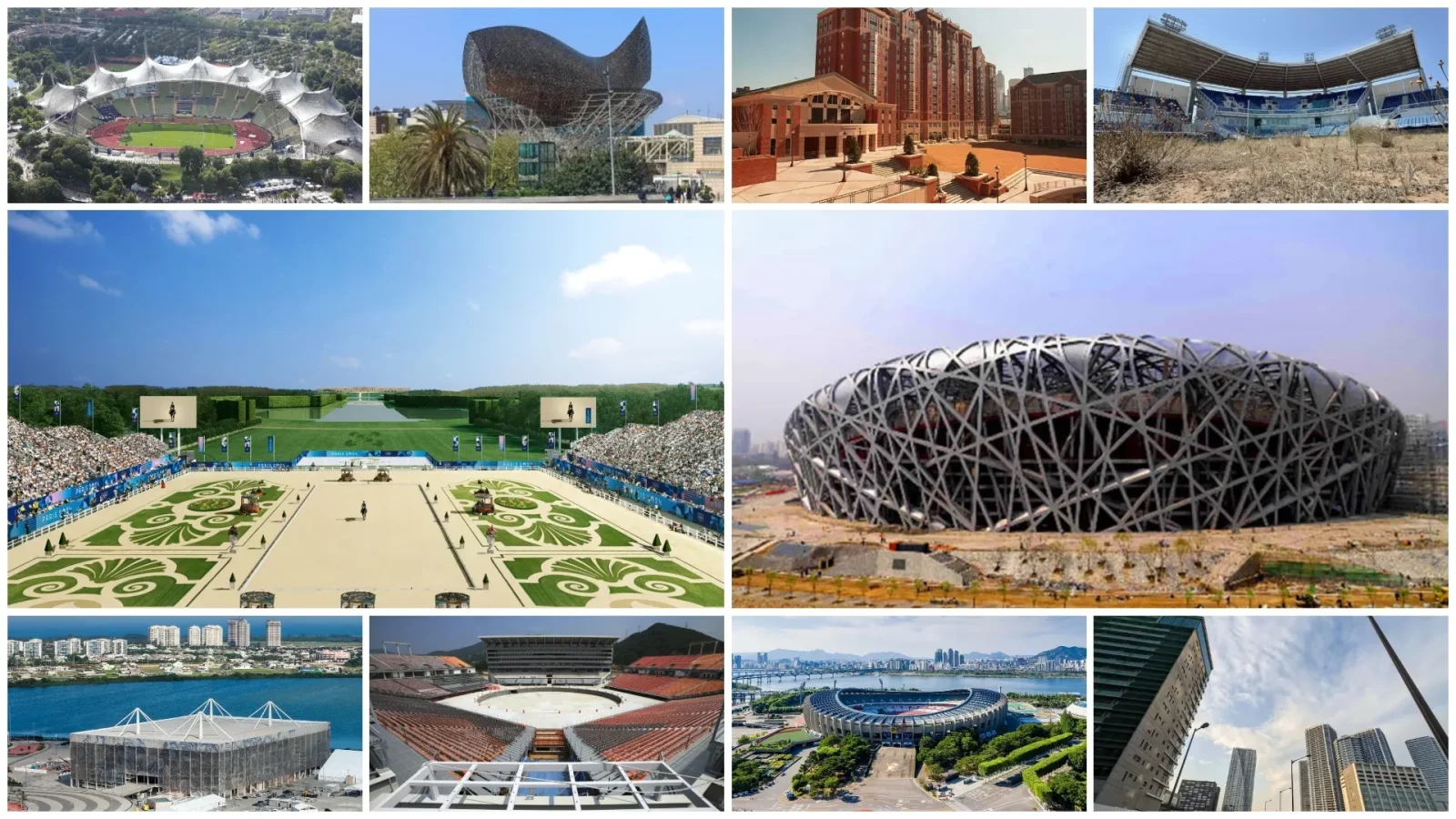
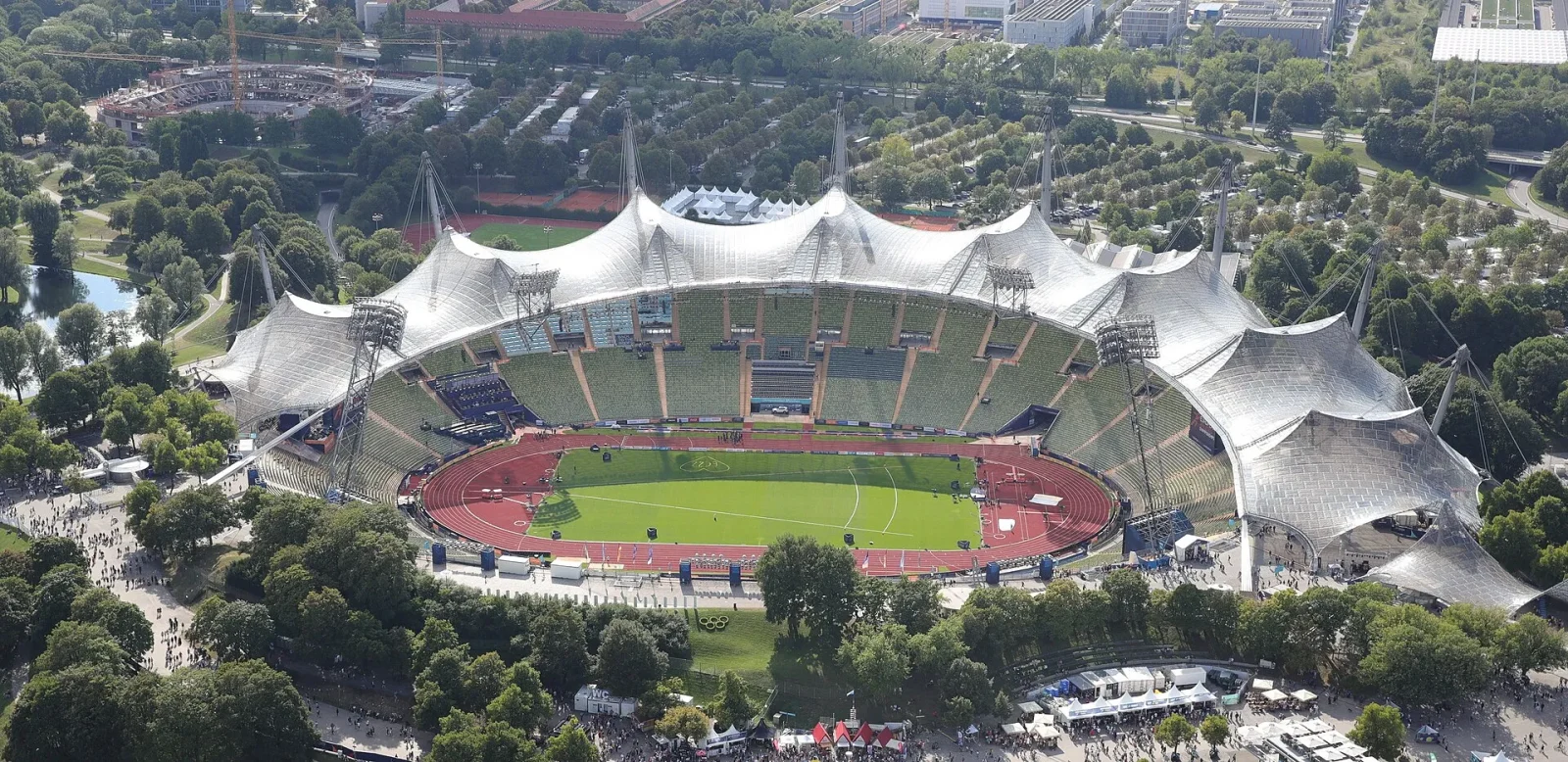
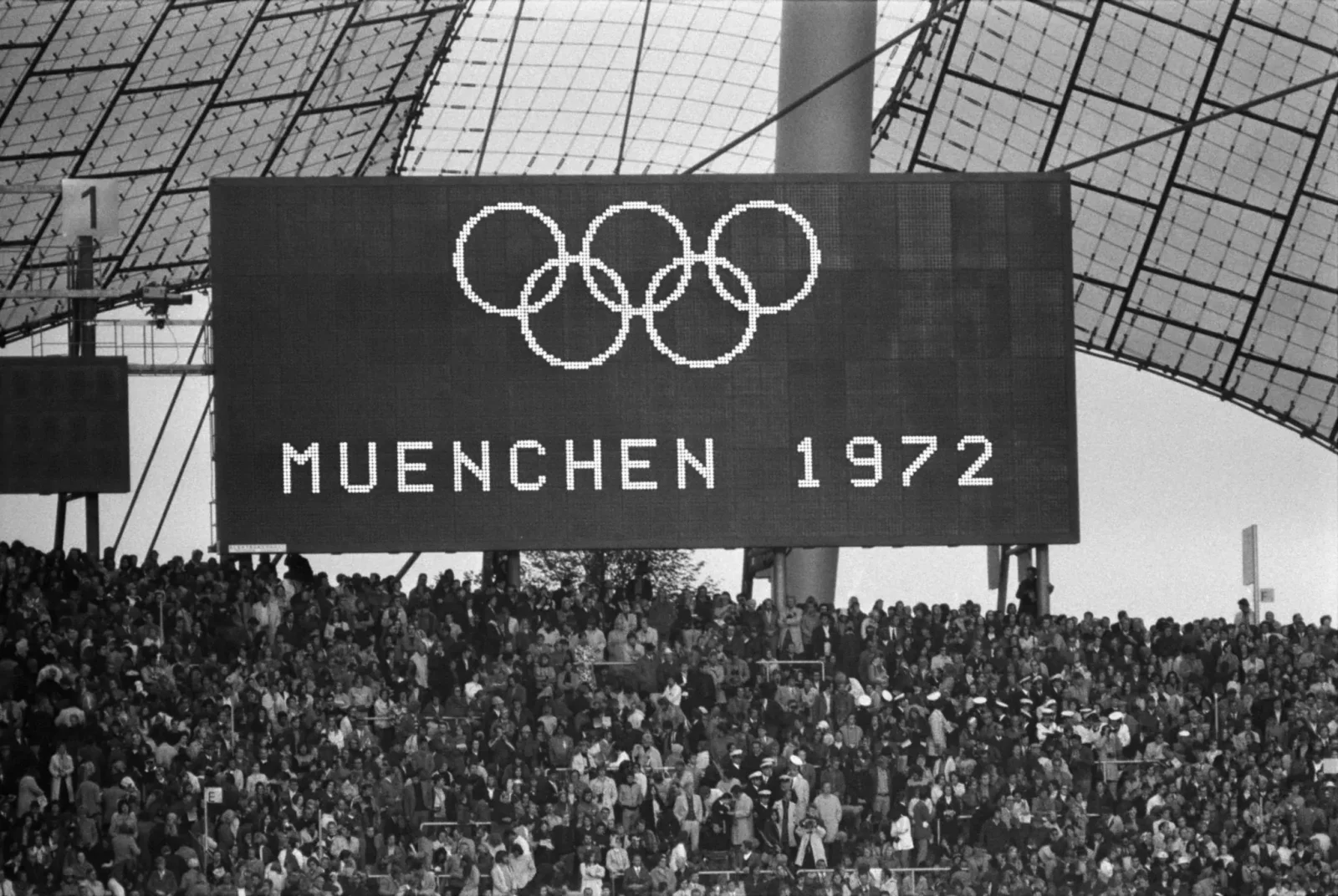
Munich transformed the former Oberwiesenfeld aerodrome into the Olympic Village with terraced housing, high-rise towers, and bungalows arranged around open green spaces. Planners divided the Village into men’s, women’s, and central zones and designed housing for post-Games use with two-story bungalow studios for students and terraced high-rises for sale.
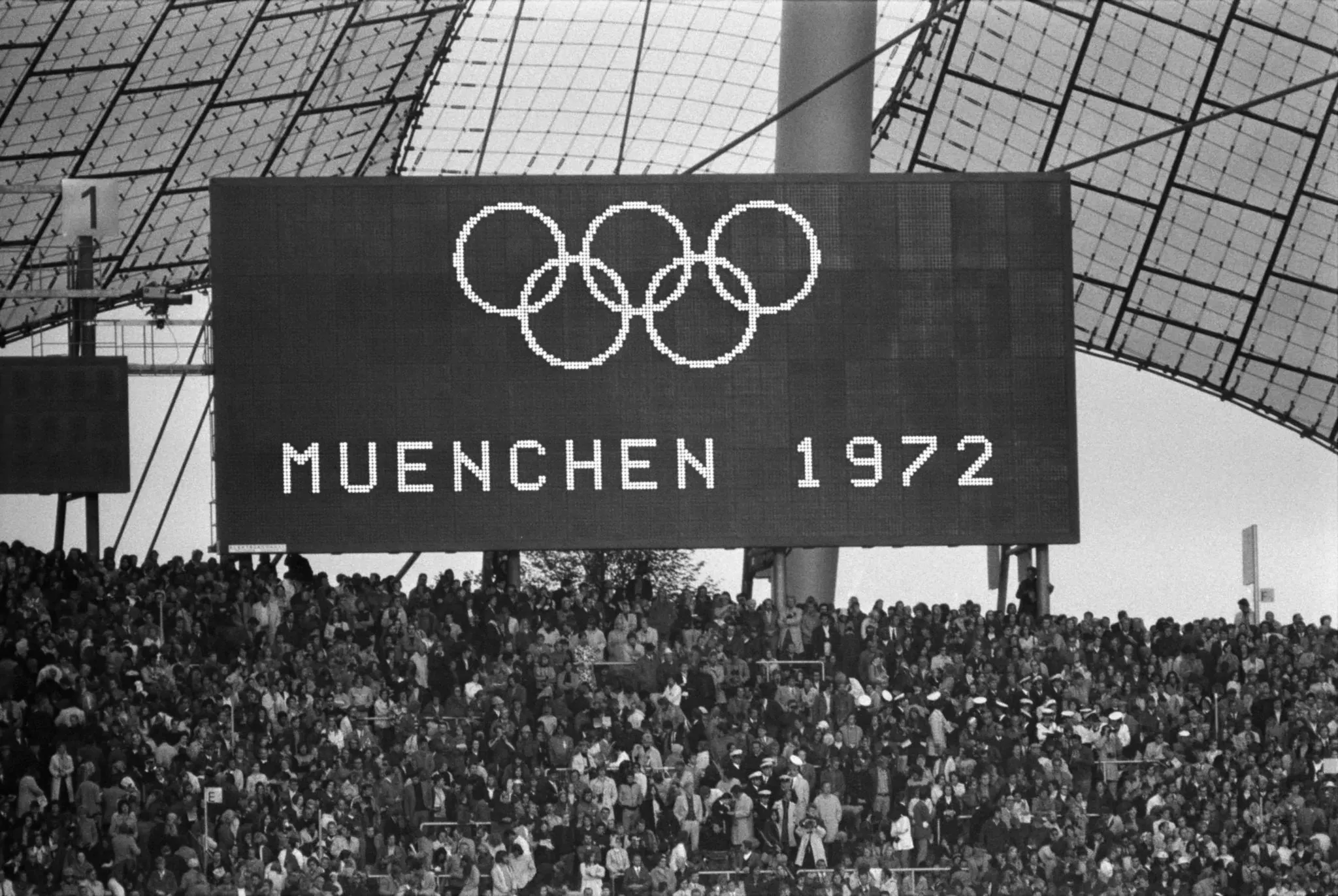
Though remembered for the tragic hostage incident, the village itself transitioned smoothly. The bungalows still serve students, while the towers remain part of Munich’s wider housing market thanks to the original reuse-focused layout.
1988 Seoul Olympics
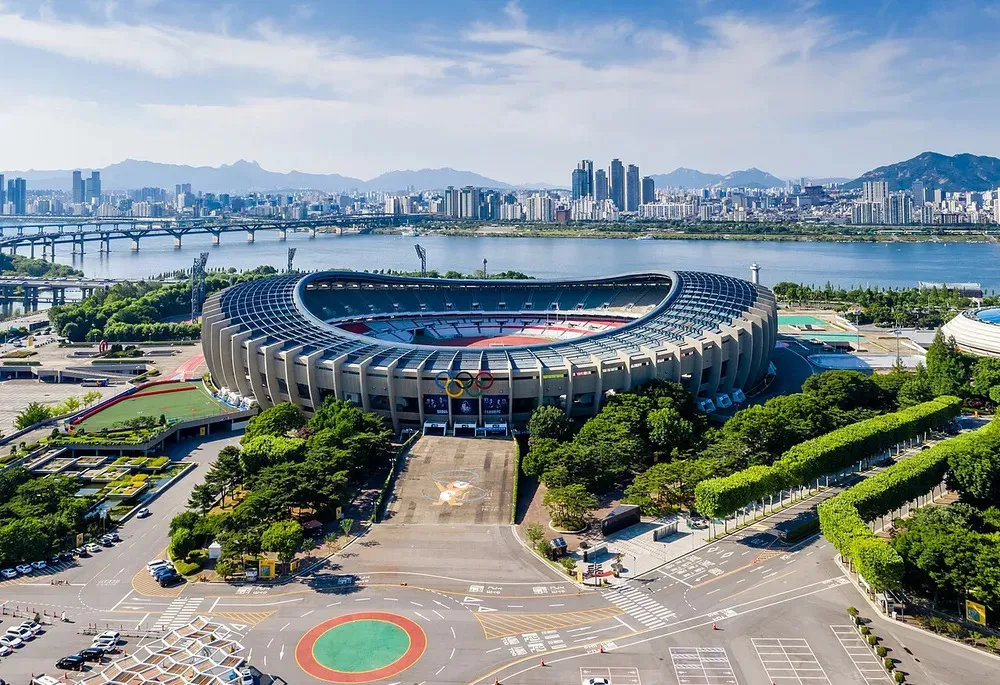
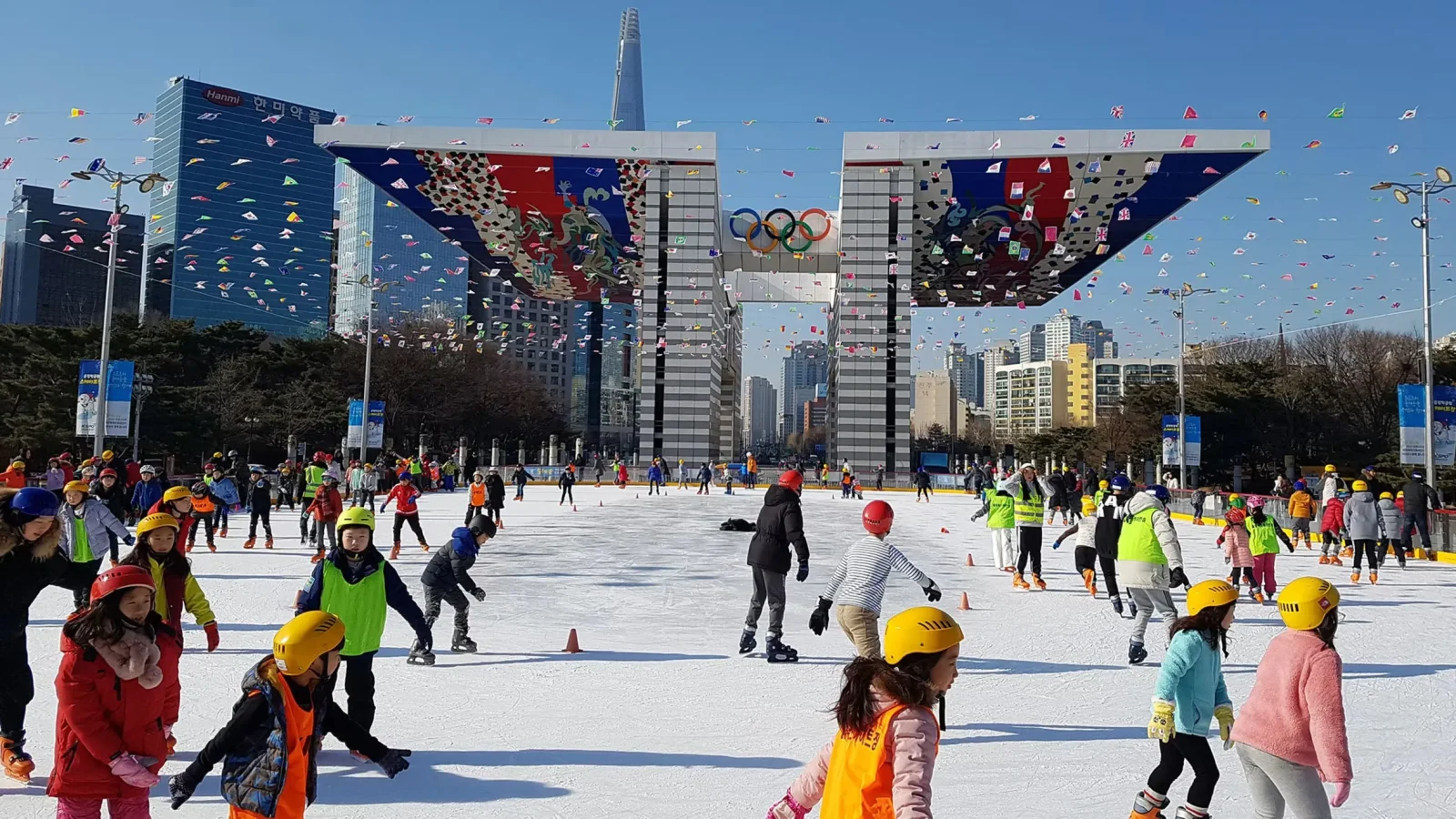
Seoul built its Olympic Village in the Songpa-gu district, designed in a semi-circular fan shape. After the Games, it became long-term housing, and residents quickly moved in. 93% of the 28 permanent venues remain in use thanks to versatile designs that support sports, cultural, leisure, and educational events.
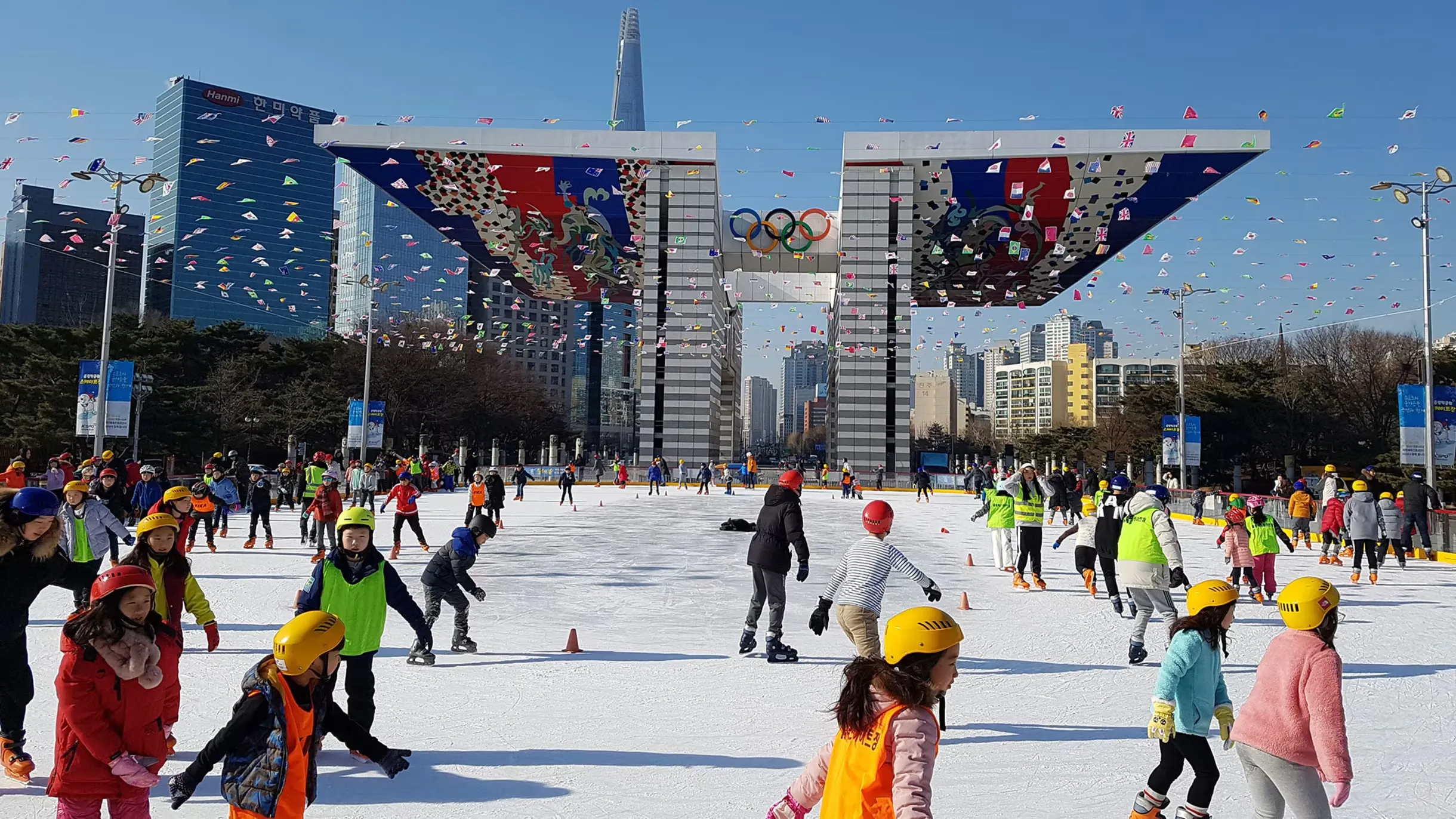
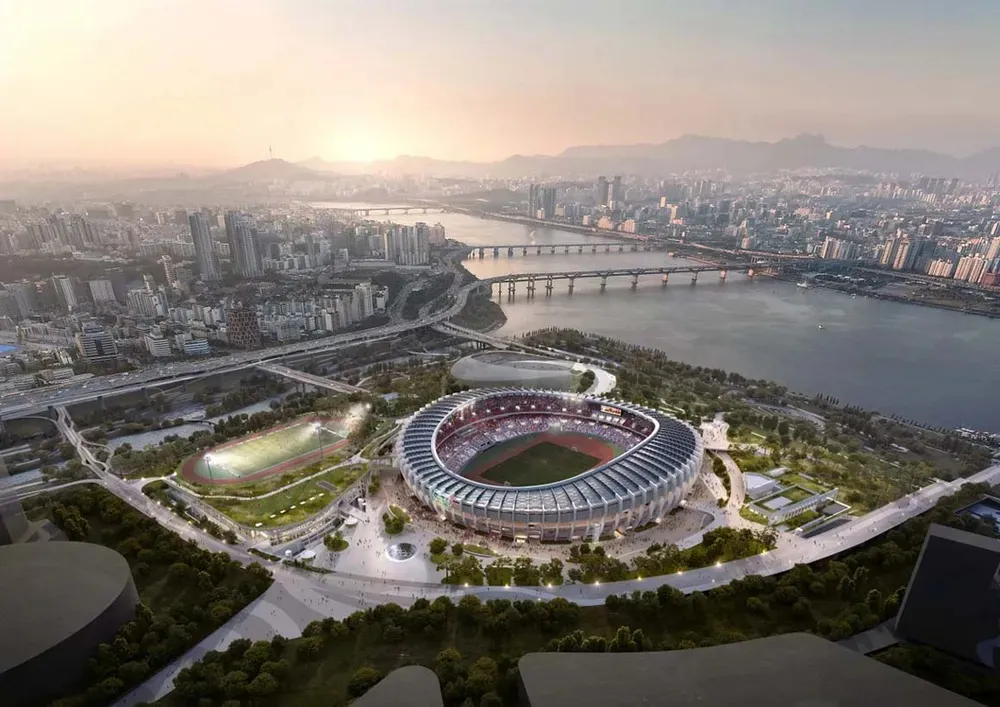
Olympic Park still draws over 14,000 visitors daily, and its Sculpture Garden features modern sculptures by artists from 66 nations. Authorities upgraded Jamsil’s infrastructure, added green spaces along the Han River, and improved transport. The main Olympic Stadium has hosted the Asian Games, professional football, and the Seoul International Marathon. It is now being rebuilt with completion set for 2026.
1992 Barcelona Olympics
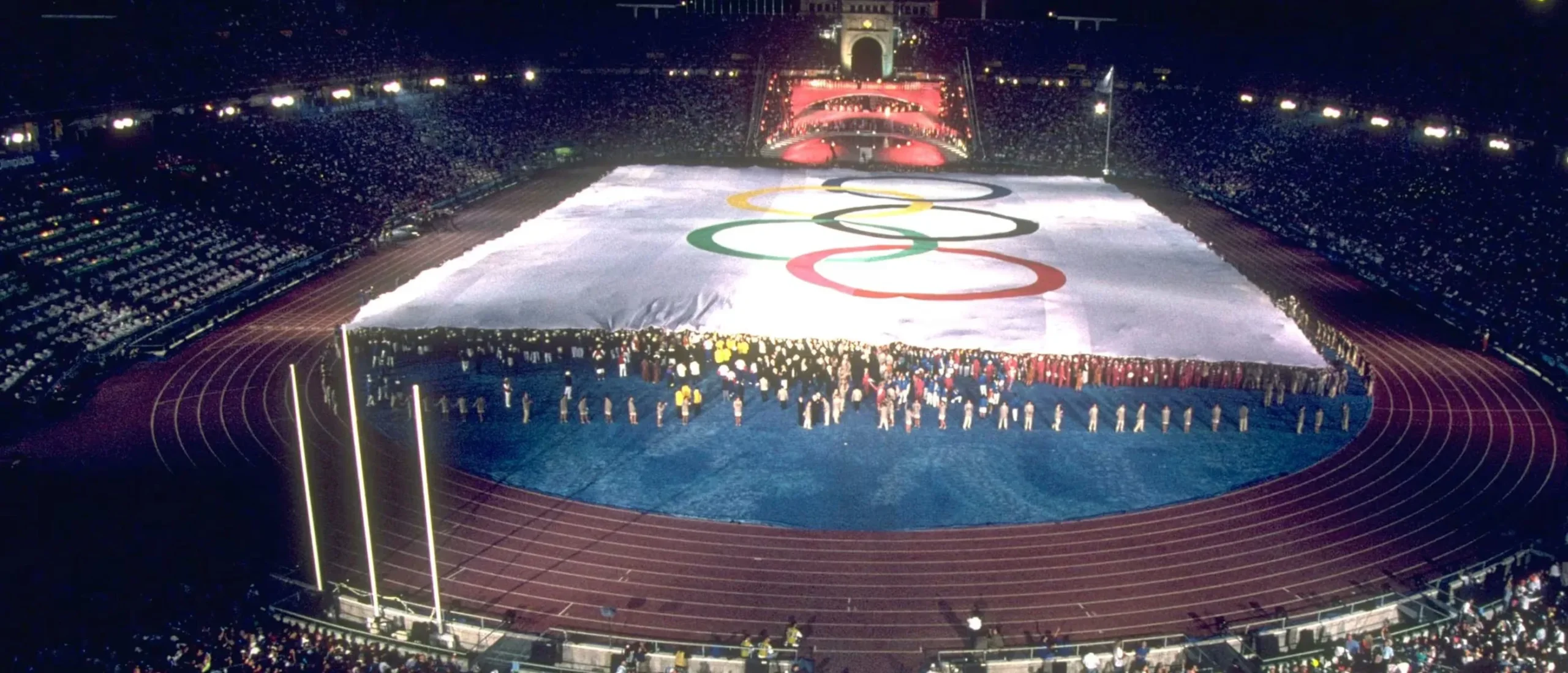
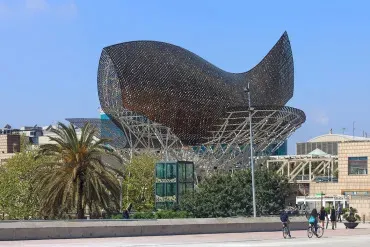
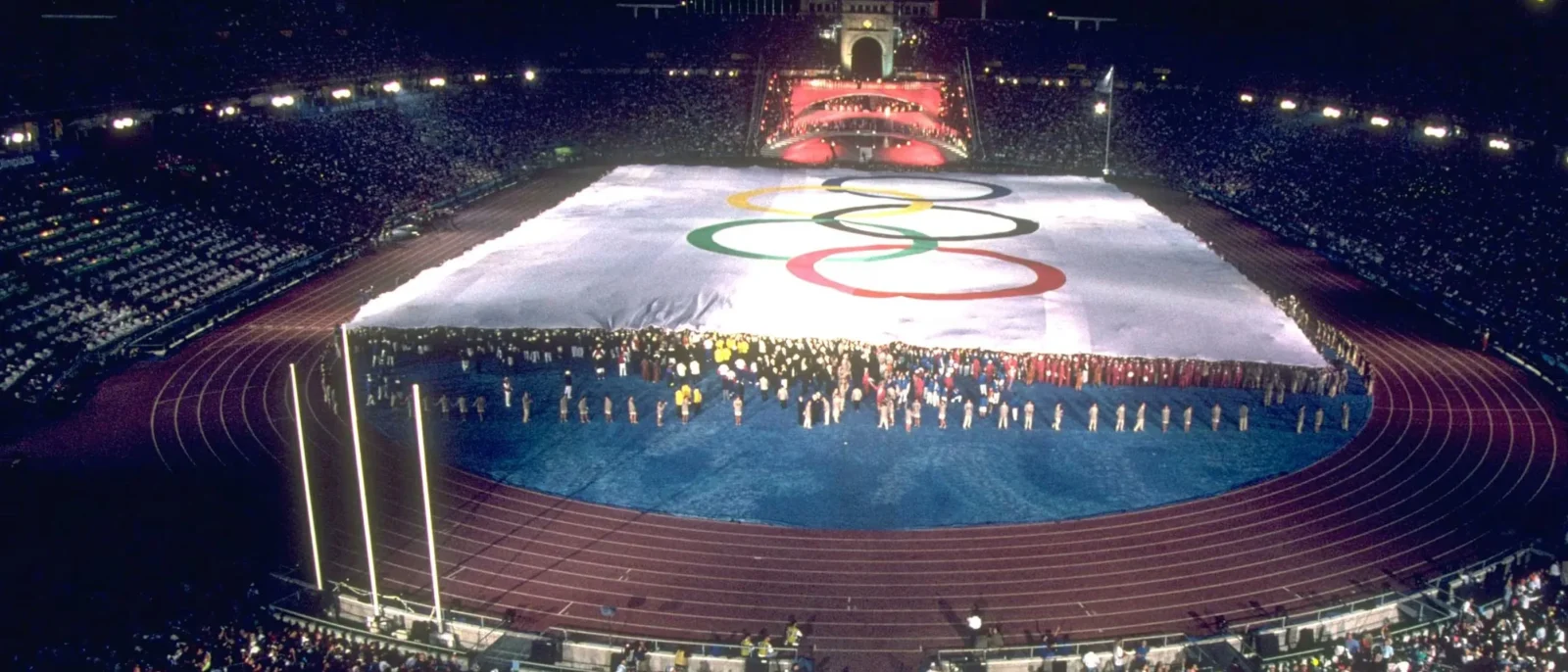
Barcelona created an Olympic Village for the 1992 Games in the Sant Martí neighborhood, near the sea and the city center, to benefit athletes and the city in the long run. The city hired several architects to prevent homogeneity and to create a diversified neighborhood. The designers transformed the Village into apartments, hotels, pubs, restaurants, parks, and other public facilities. The Games opened two miles of beaches to the public, transforming Barcelona’s relationship with its waterfront.
Barcelona’s transformation of the Olympic Village into a bustling waterfront neighborhood shows how architecture can shape communities for decades. If you’re interested in turning large-scale projects into sustainable and usable spaces, PAACADEMY offers hands-on courses where you can experiment with modular layouts, adaptive reuse, and urban planning strategies.
1996 Atlanta Olympics
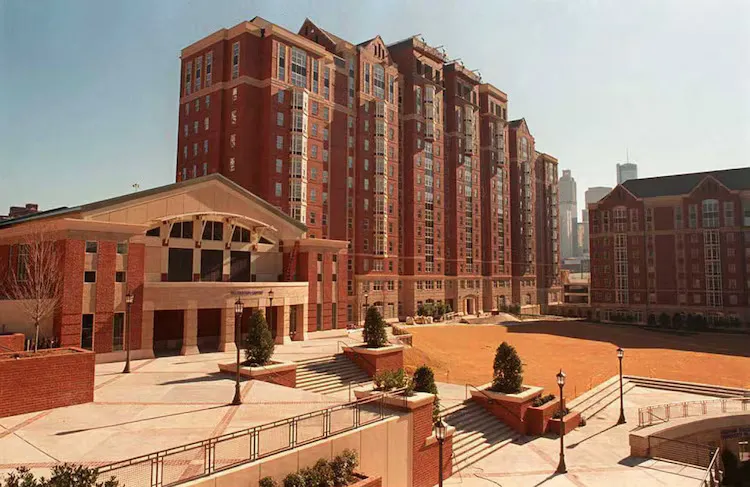
When the IOC chose Atlanta to host the 1996 Summer Olympics, Georgia Tech became the hub of the Olympic Village because planners could transform and expand its existing campus. Planners built new student apartments in line with the university’s architecture. They also refurbished existing halls and added Georgia Tech Plaza with a fountain, amphitheater, and meeting areas.
After the Games, officials returned the campus to university use, and students used the accommodation, which planners had designed with long-term needs in mind. Beyond the campus, the Olympics reshaped downtown with Centennial Olympic Park. The park was later rebuilt and helped attract the Georgia Aquarium, the Children’s Museum of Atlanta, the College Football Hall of Fame, and the World of Coca-Cola.
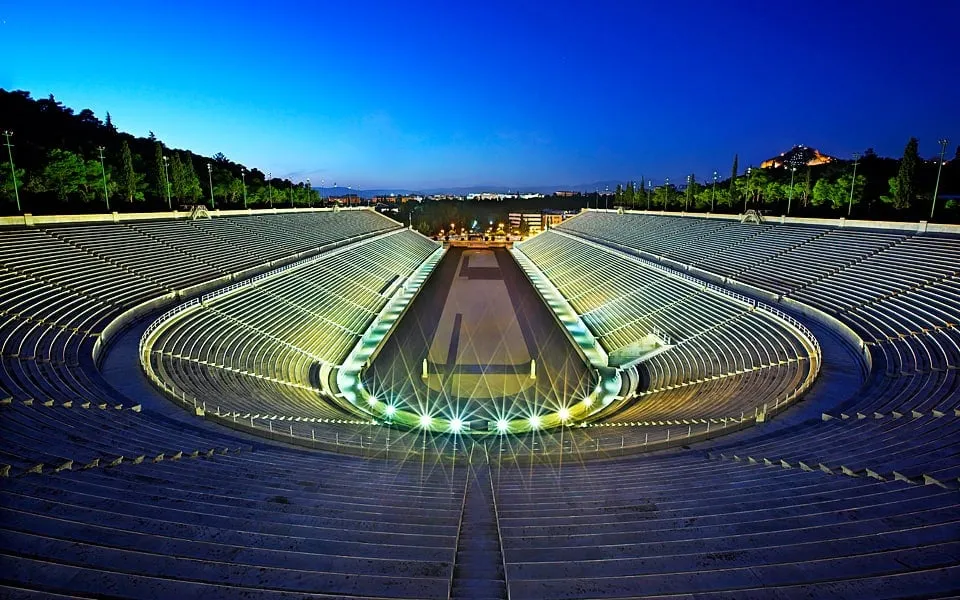
2004 Athens Olympics
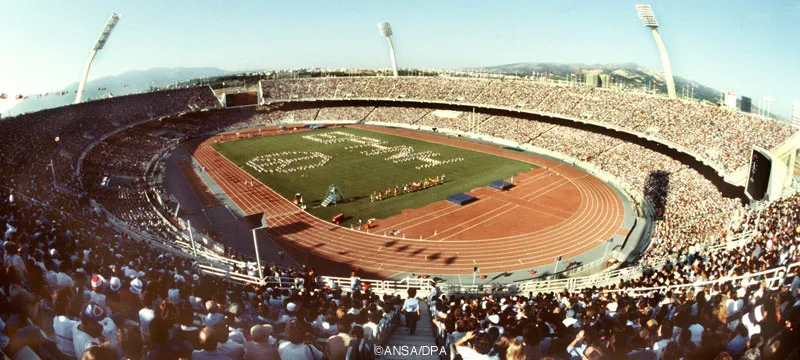
The Greek Social Housing Association built the Olympic Village at the foot of Mount Parnitha, 23 kilometers north of Athens. The association loaned it to the Olympic Committee with plans to provide permanent housing for more than 10,000 people. After the Games, families entered the flats, and the area quickly became a residential community.
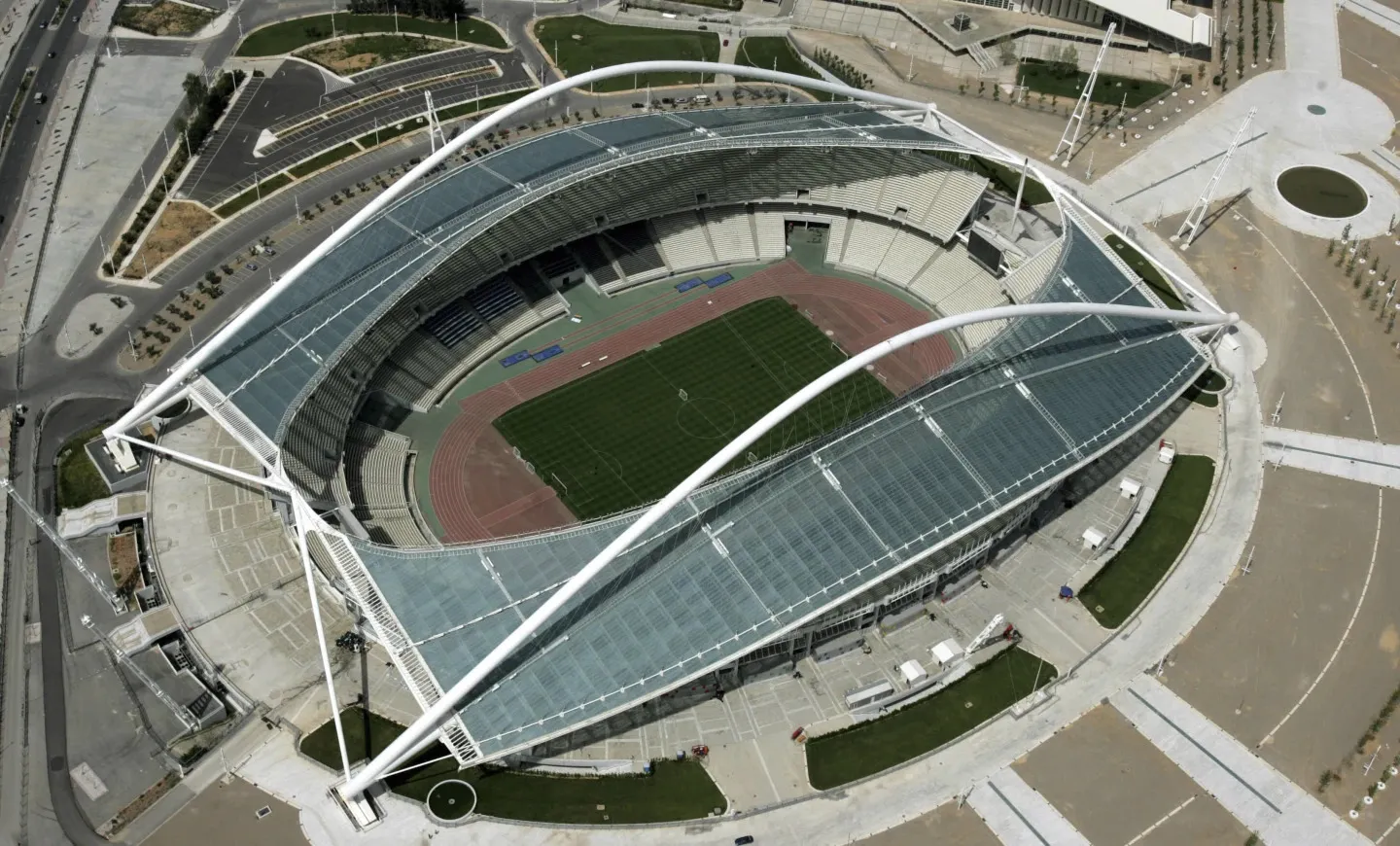
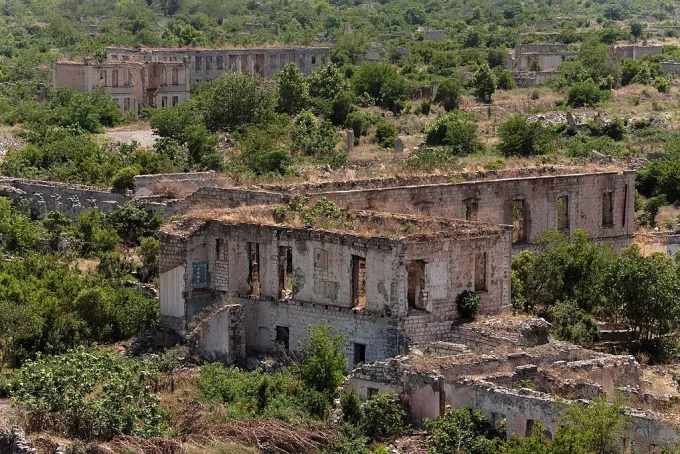
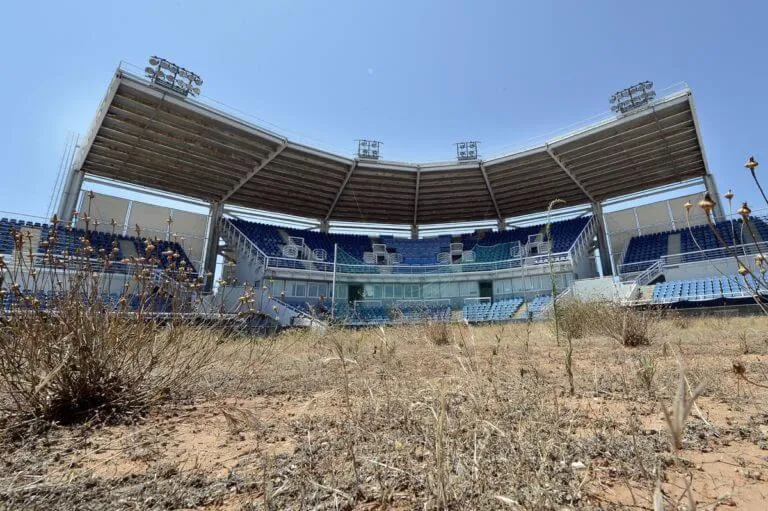
75% of Athens’ 32 Olympic sites remain in use, as the International Broadcasting Center became a commercial mall, and investors converted the Agios Kosmas sailing center into a private marina. But others fell into neglect, including facilities at the Helliniko Olympic Complex and the abandoned Beach Volleyball Stadium at Faliro. Also, the promised institutions, such as schools, hospitals, and stores, eventually closed.
2008 Beijing Olympics
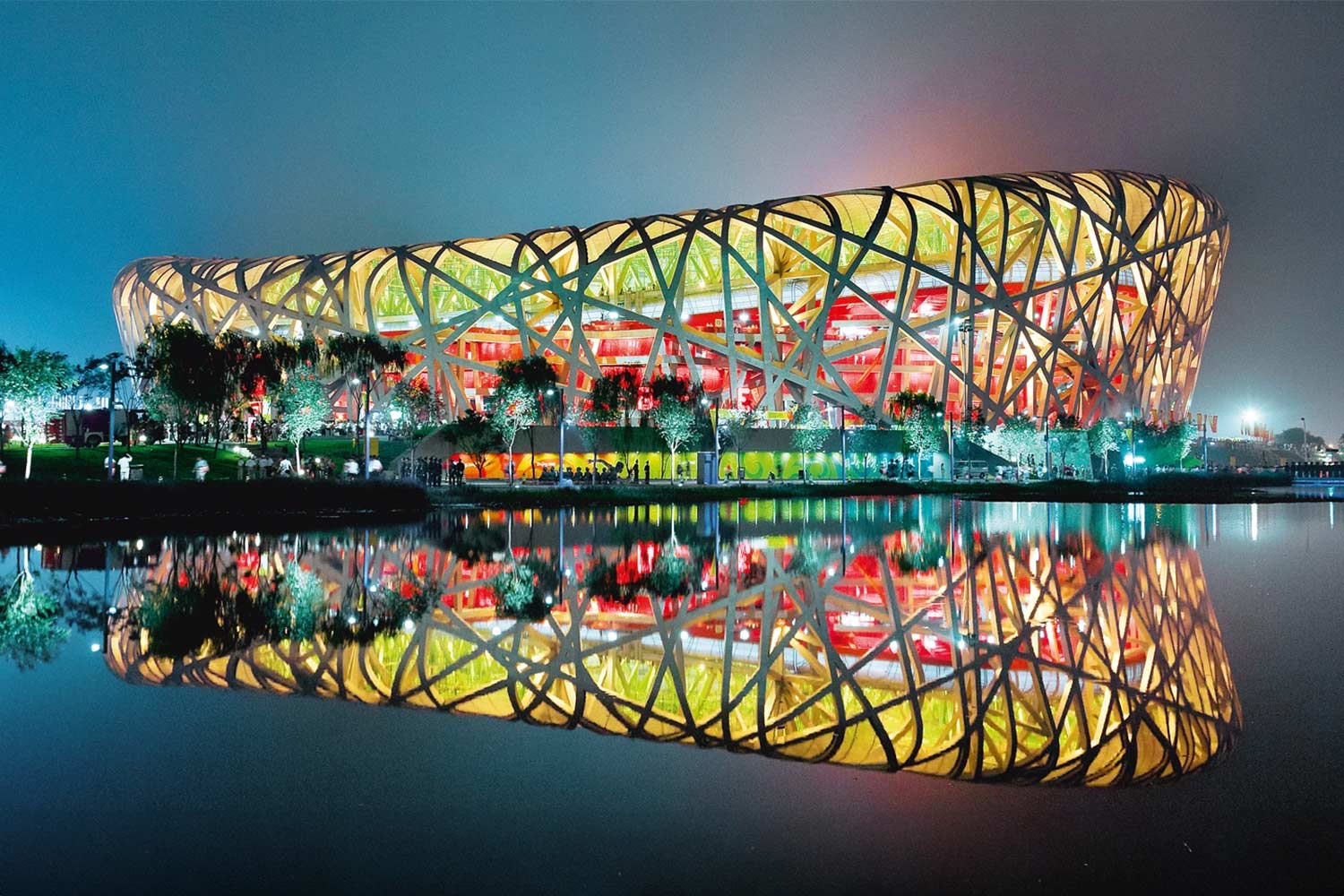
When Beijing hosted the Summer Olympics, the city made a conscious effort to develop long-lasting venues. Years later, officials renovated many of those same locations for the 2022 Winter Games using cutting-edge technologies to save energy, water use, and material waste.
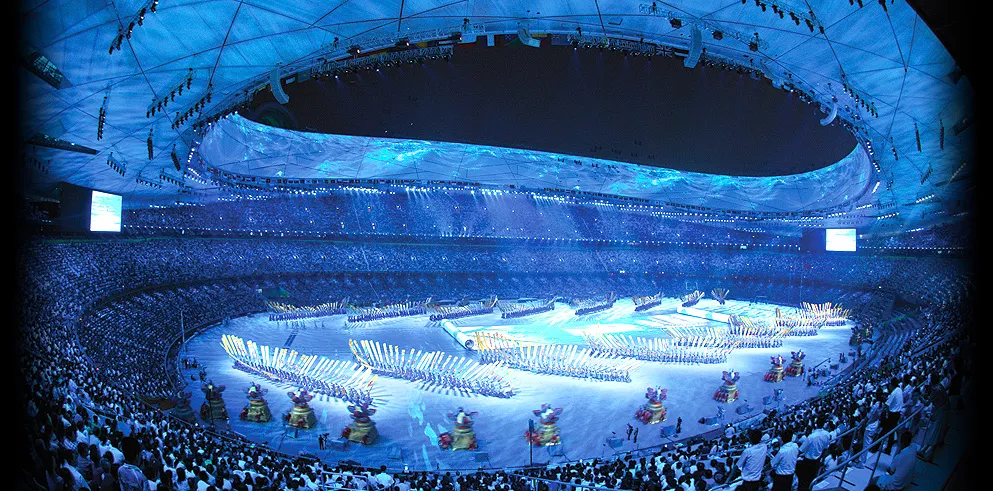
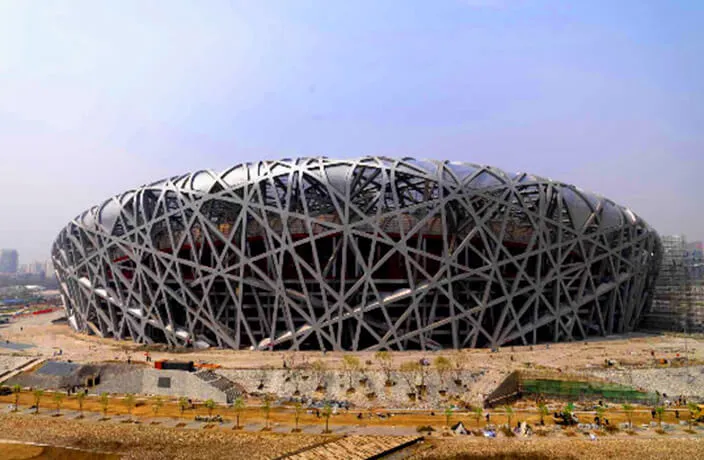
The National Stadium, designed by international architects with Chinese artist Ai Weiwei, became known as the Bird’s Nest. Its vast scale and form, inspired by Chinese-style crazed pottery, make it ideal for football matches, conventions, and large events, keeping it central to Beijing’s urban life.
2012 London Olympics
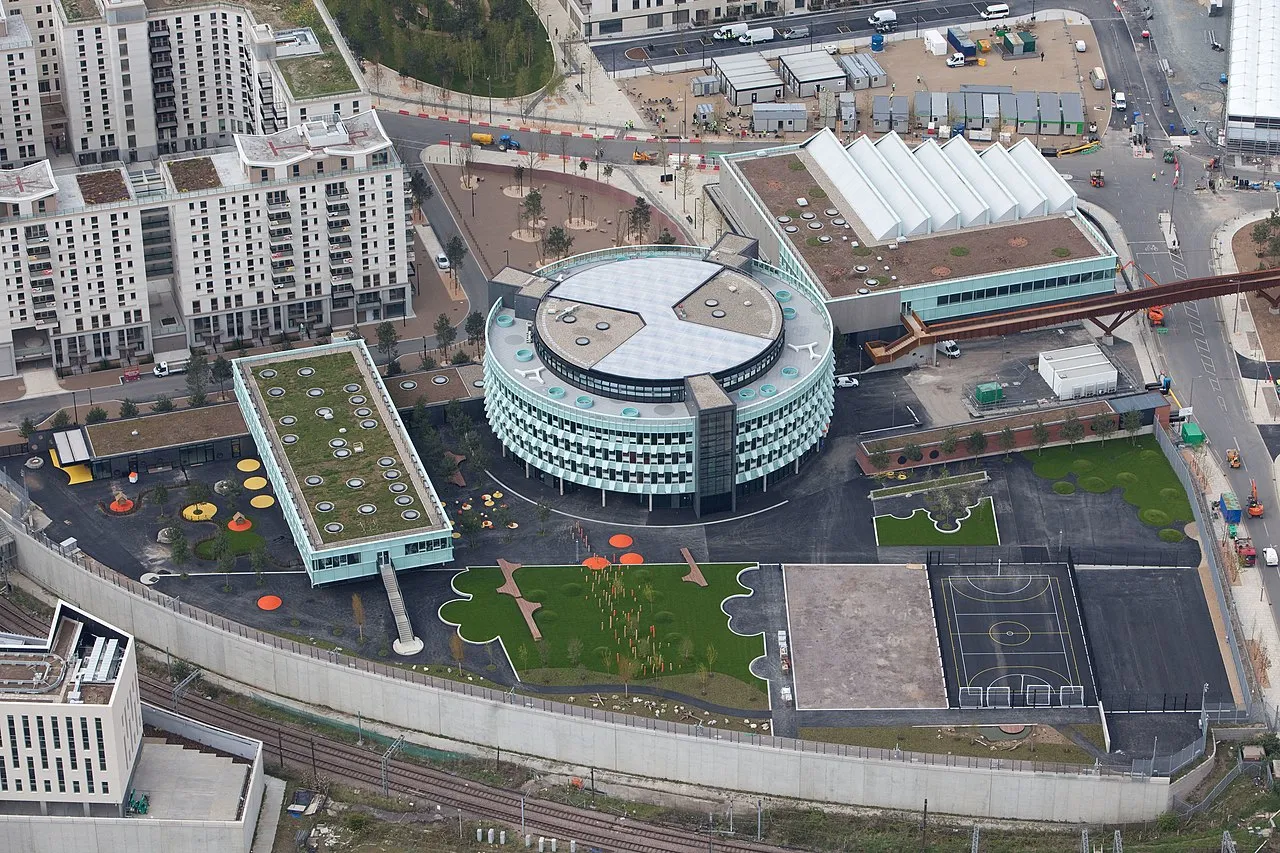
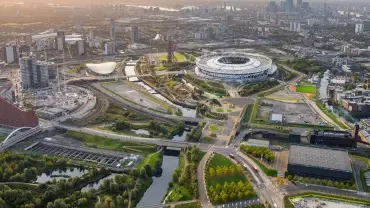
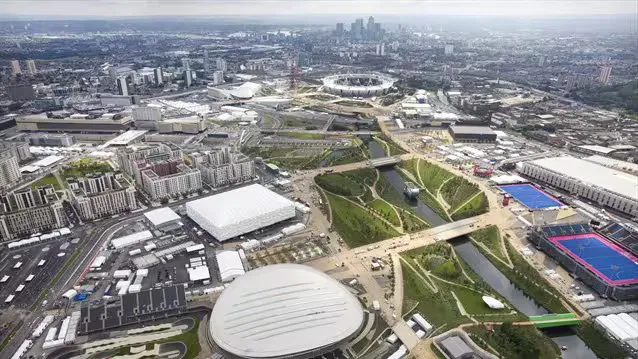
London 2012’s Olympic Village, built beside Queen Elizabeth Olympic Park, was part of a larger renewal project. Architects drew on London’s architectural legacy, designing compact buildings around inner courtyards to echo the city’s tradition. After the Games, the Village transformed into East Village, a lively neighborhood with shops, cafes, restaurants, recreational spaces, and Chobham Academy.
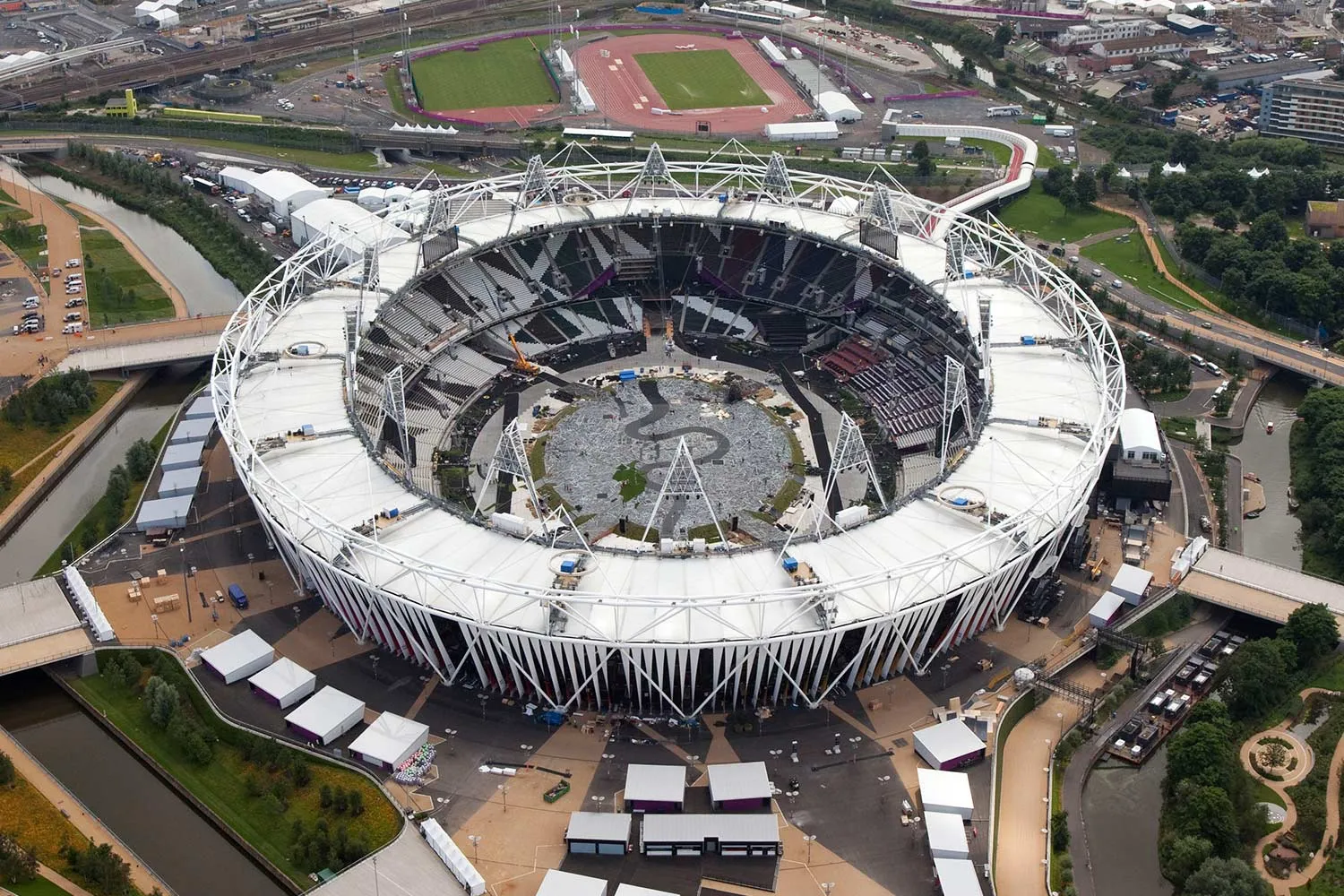
Officials renamed the Games’ polyclinic the Sir Ludwig Guttmann Health Center in honor of the Paralympic founder. Beyond the Village, the Olympic Park added green spaces, canals, and playgrounds around the Aquatics Center, Copper Box, VeloPark, and London Stadium.
2016 Rio de Janeiro Olympics
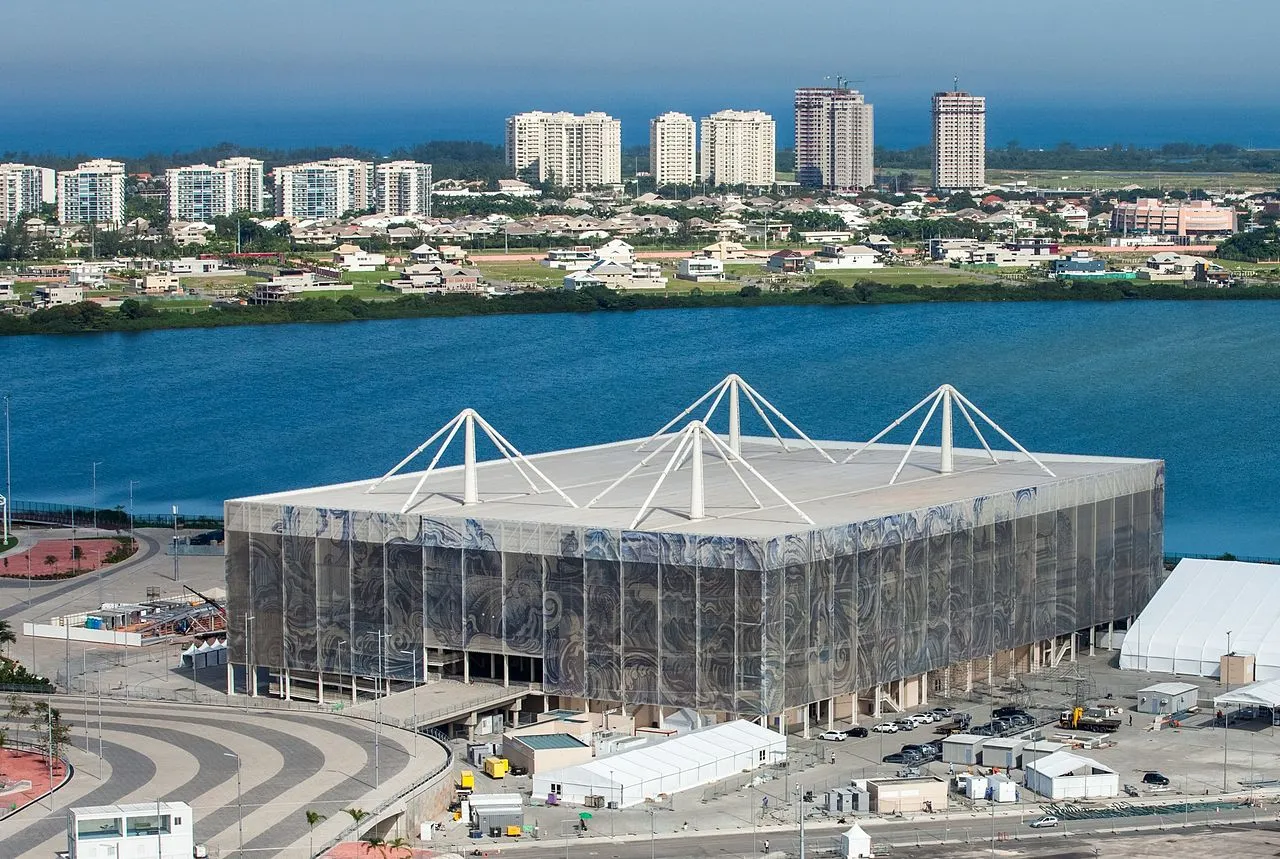
The Olympic Village in Barra da Tijuca in the city’s southwest featured 31 towers across seven districts. Planners kept it compact, adding local services, an internal shuttle, and limited car access for comfort. Plans to convert the apartments into luxury condominiums collapsed amid economic and political turmoil, leaving most structures vacant. The site was later turned into a public park with sports courts, playgrounds, skate parks, squares, and over 900 trees spread across 36,000 square meters.
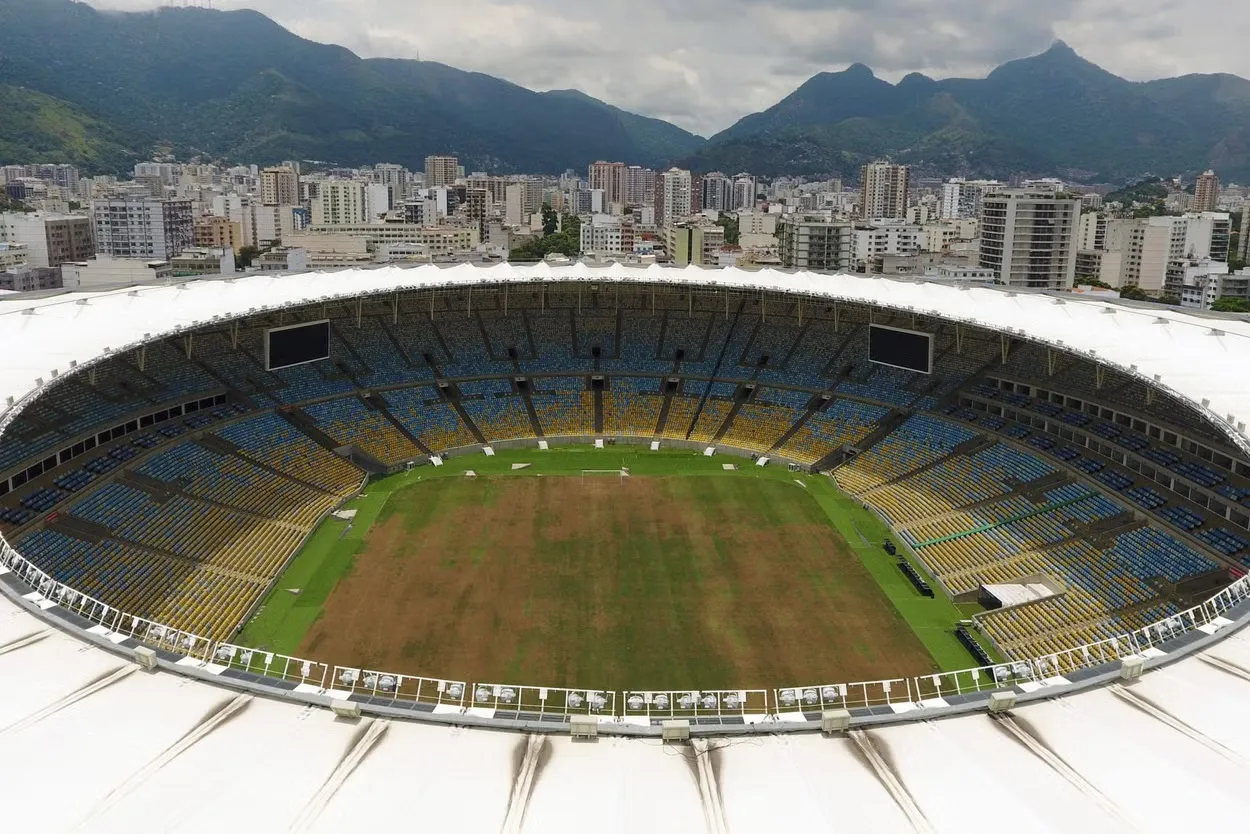
93% of Rio 2016’s 28 permanent venues remain in use. The Rio Olympic Arena hosts concerts, sporting events, and esports, while the Maria Lenk Aquatics Center supports diving, judo, and athletics. Not all survived, though, as the Olympic Aquatics Stadium fell into ruin, highlighting the uneven nature of Rio’s Olympic legacy.
2020 Tokyo Olympics
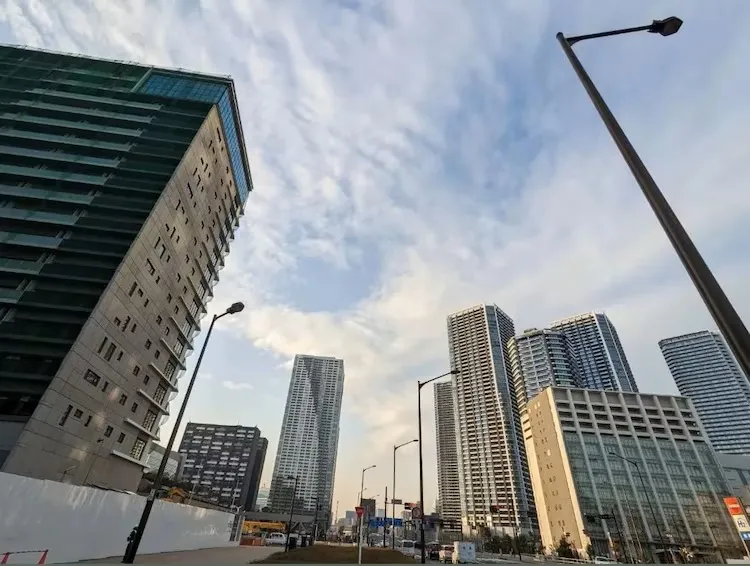
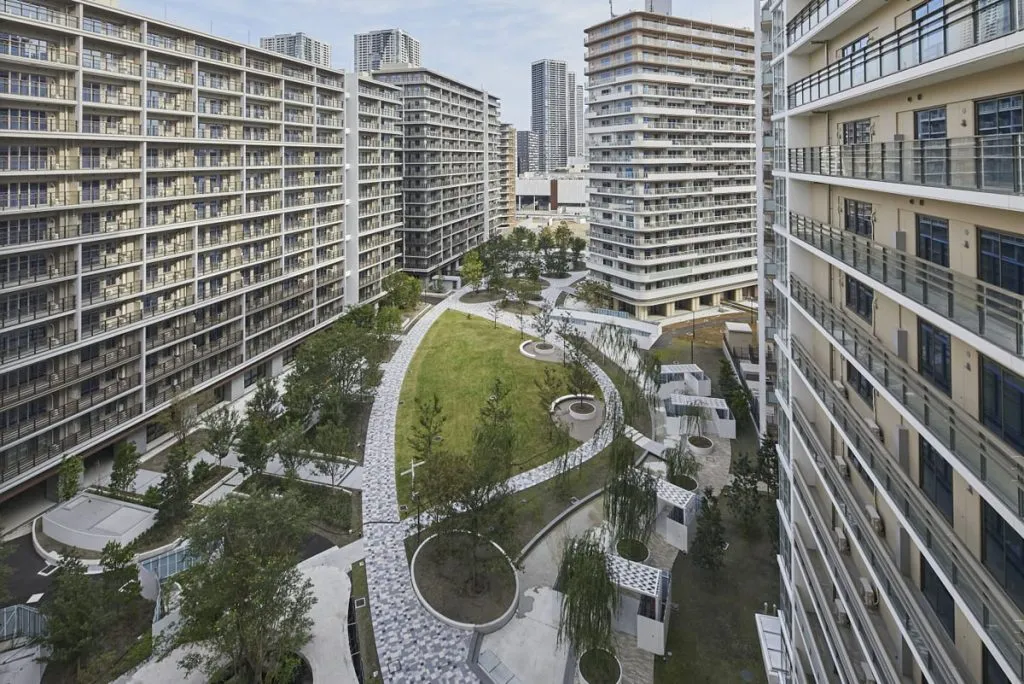
The pandemic delayed the Tokyo Games to 2021, and organizers held them without spectators. Tokyo’s Athletes’ Village in Chuo Ward, Harumi, contained 21 residential structures with almost 5,000 units, as well as two satellite villages in Saitama for track cycling and sailing. After the Games, authorities converted it into Harumi Flag, a large-scale residential project that began welcoming residents in January 2023.
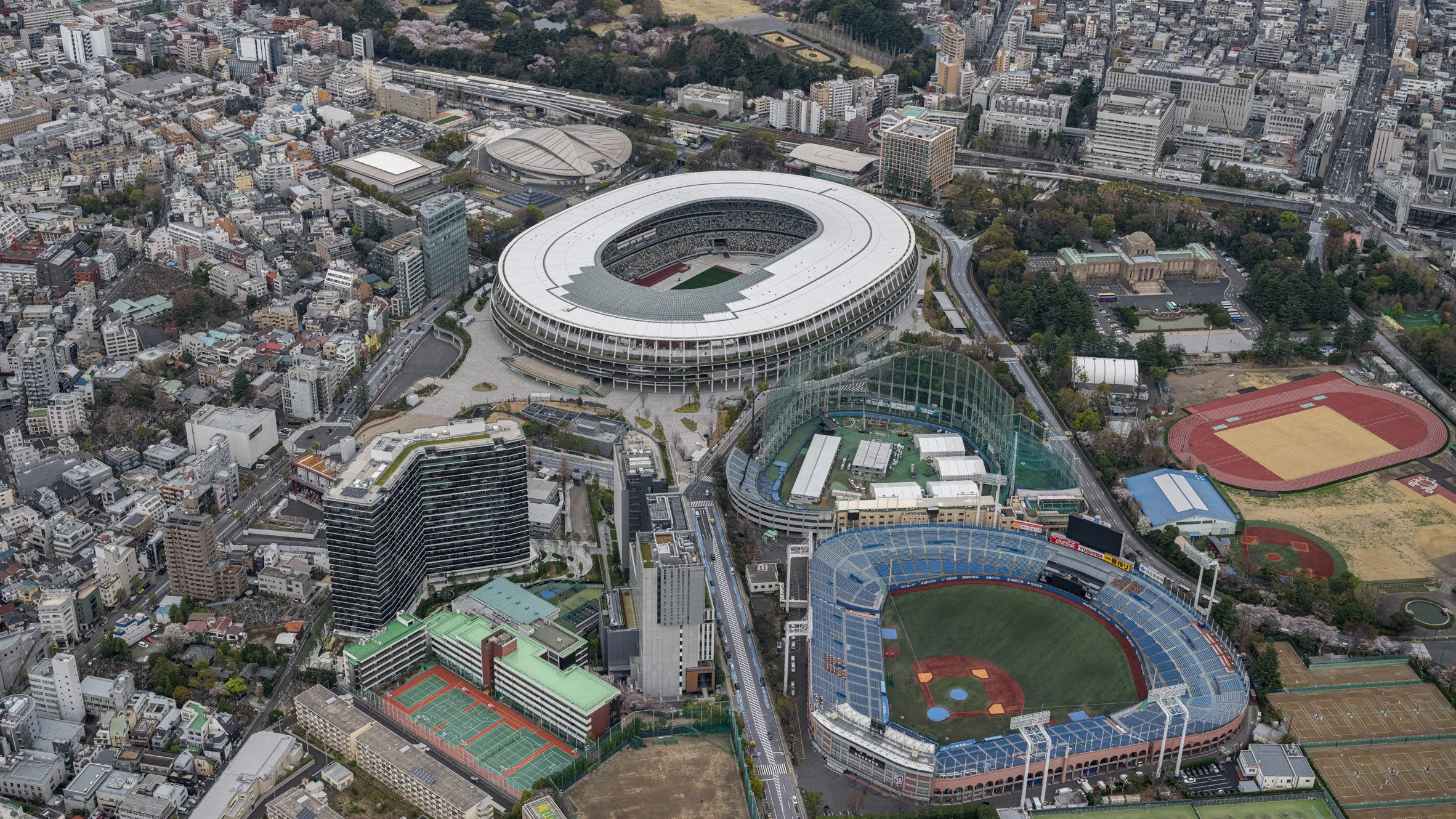
Tokyo Olympic Stadium, also known as Japan National Stadium, has a long history. Japan originally built it for the 1964 Summer Olympics, and workers dismantled it in 2012. It was again rebuilt for the 2019 Rugby World Cup and 2020 Games. Today, it remains open with tours allowing tourists to see what competing athletes previously experienced.
2024 Paris Olympics
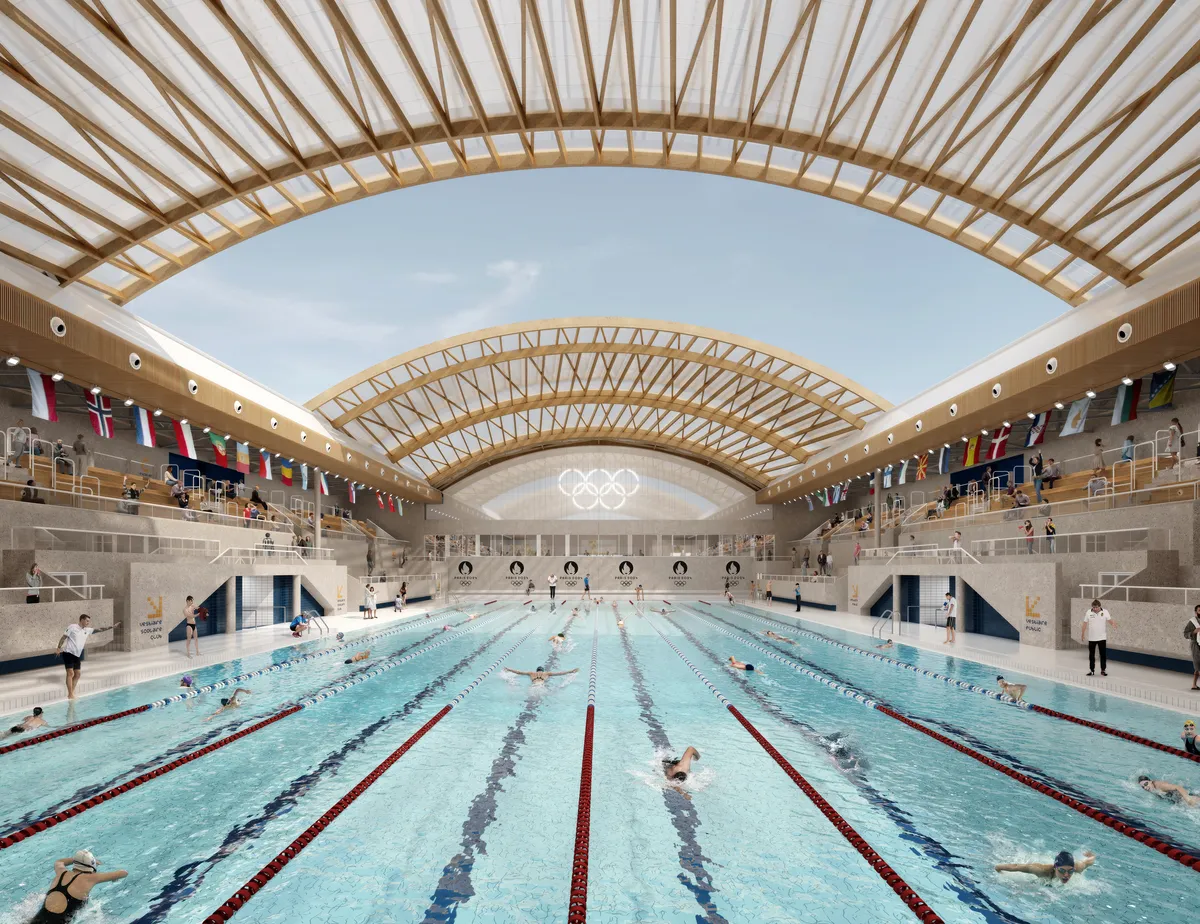
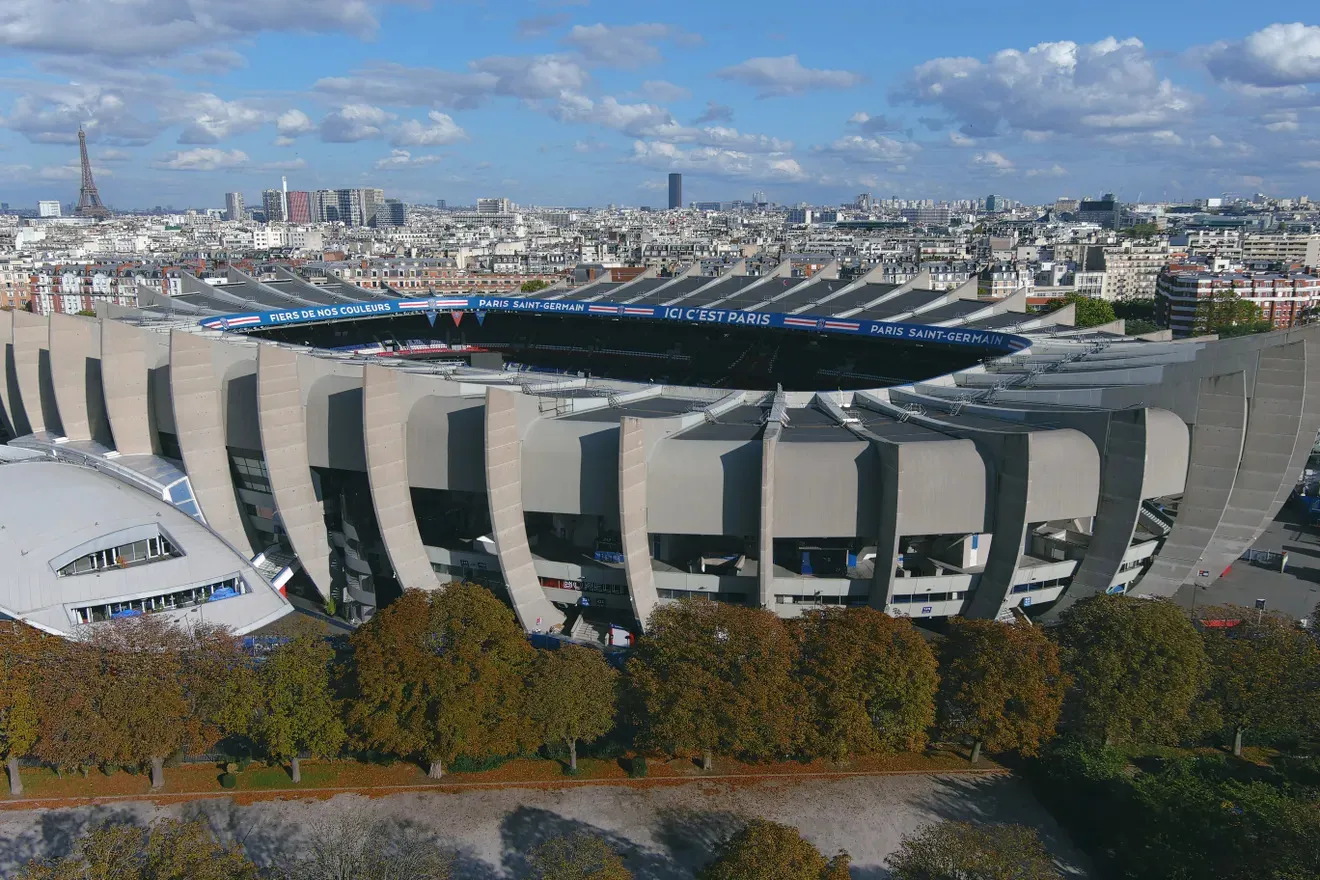
A century after the last Olympics, Paris welcomed them back in 2024 with a spectacular renewal of the new Aquatics Center and the Olympic Village in the under-invested northeastern suburbs, to transform a long-overlooked area. After the Paralympics concluded, designers transformed the Olympic Village into a mixed-use development with 82 buildings housing 6,000 inhabitants and offices for another 6,000 workers.
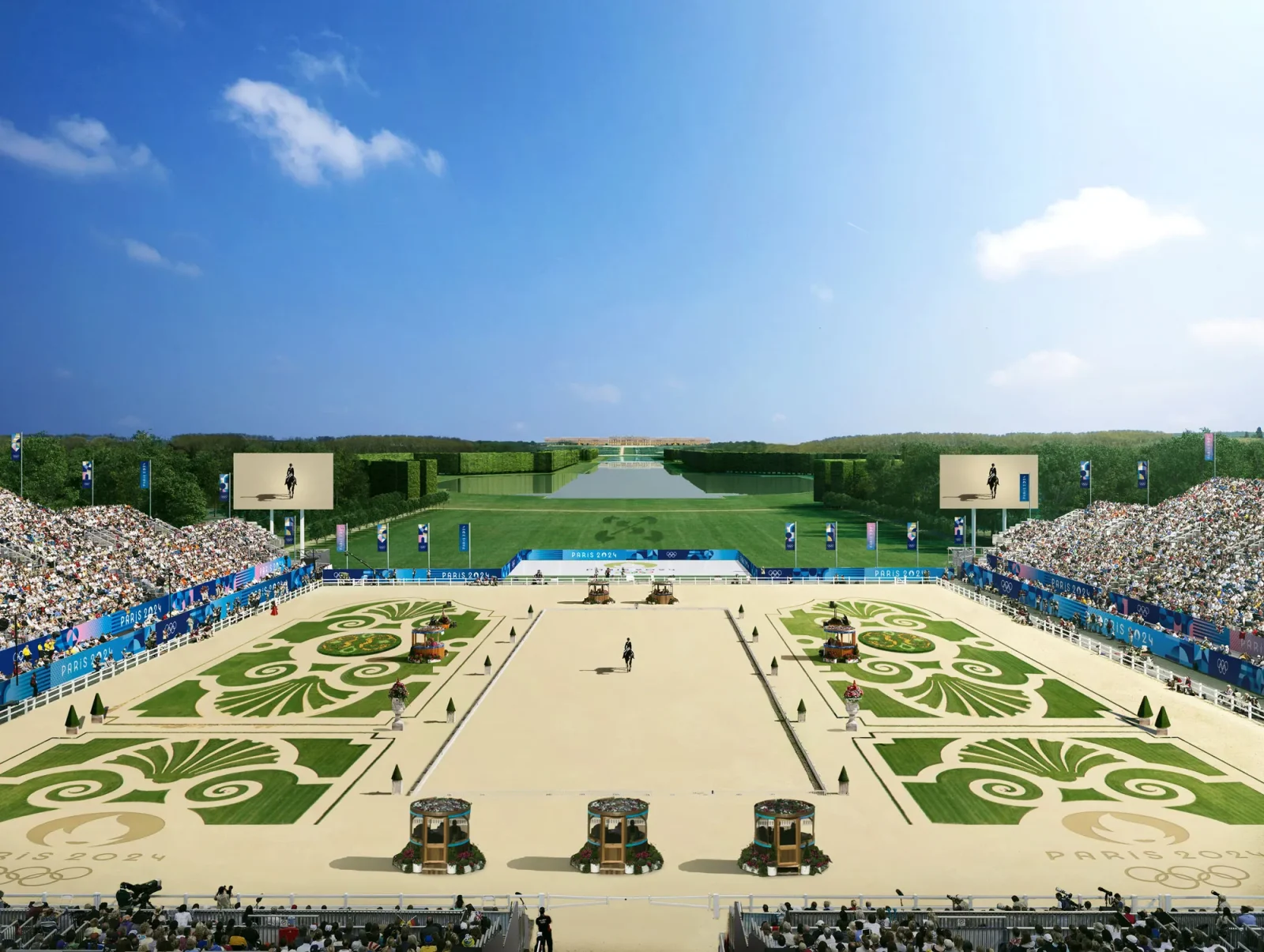
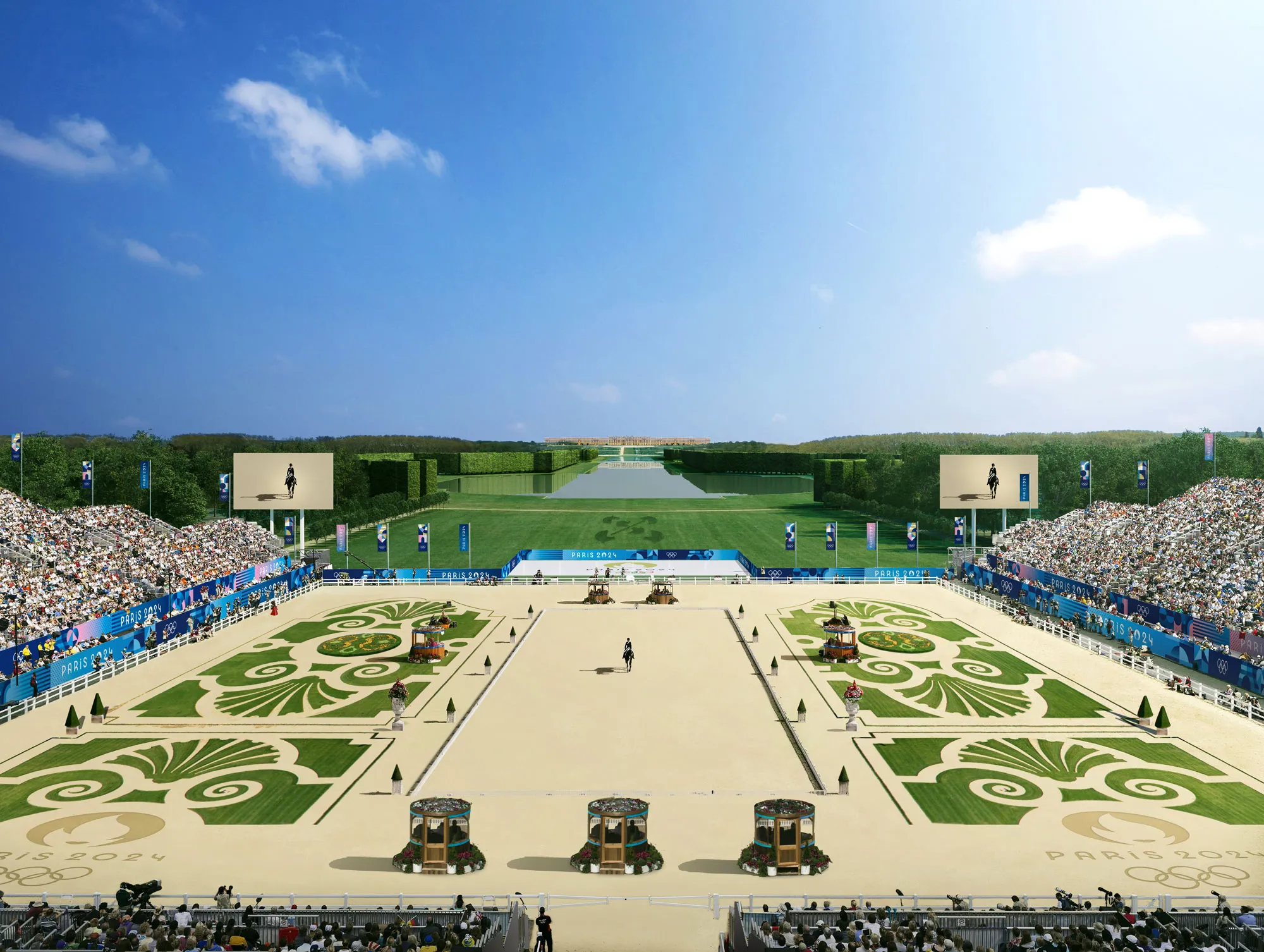
Paris promoted sustainability by recycling iconic sites like the Grand Palais and Versailles as well as relying on temporary venues that crews can dismantle and reuse. The city’s decisions hoped to maintain flexibility while avoiding the abandoned structures that have plagued past Olympic venues.
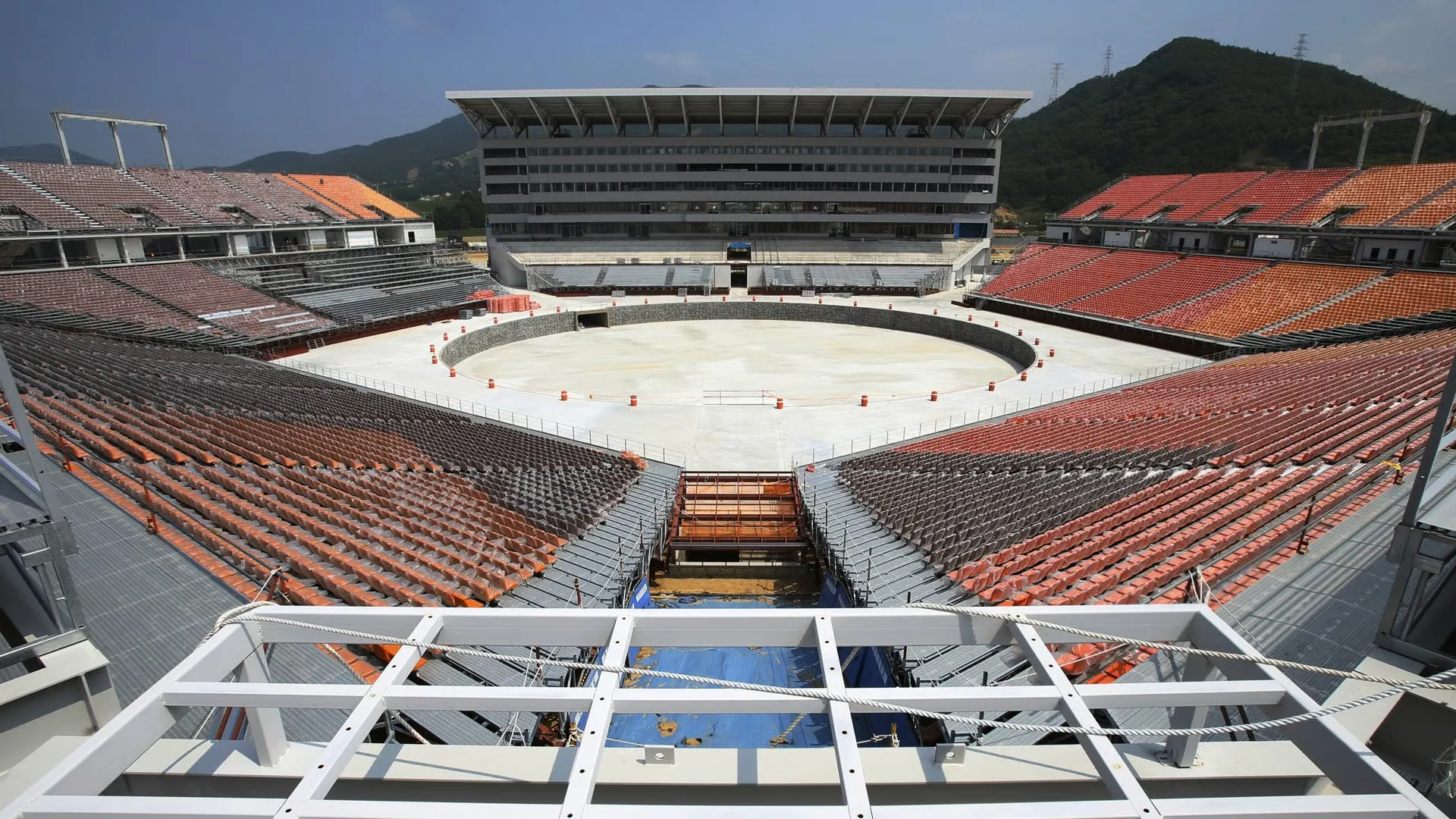
The story of Olympic sites shows that the Games leave more than memories and medals. Studies reveal a brighter picture, with 92% of permanent venues used in the 21st century, and 85% of all venues since 1896 remain in use. Some places have prospered, like Sydney’s Olympic Park, which still attracts millions of visitors each year.
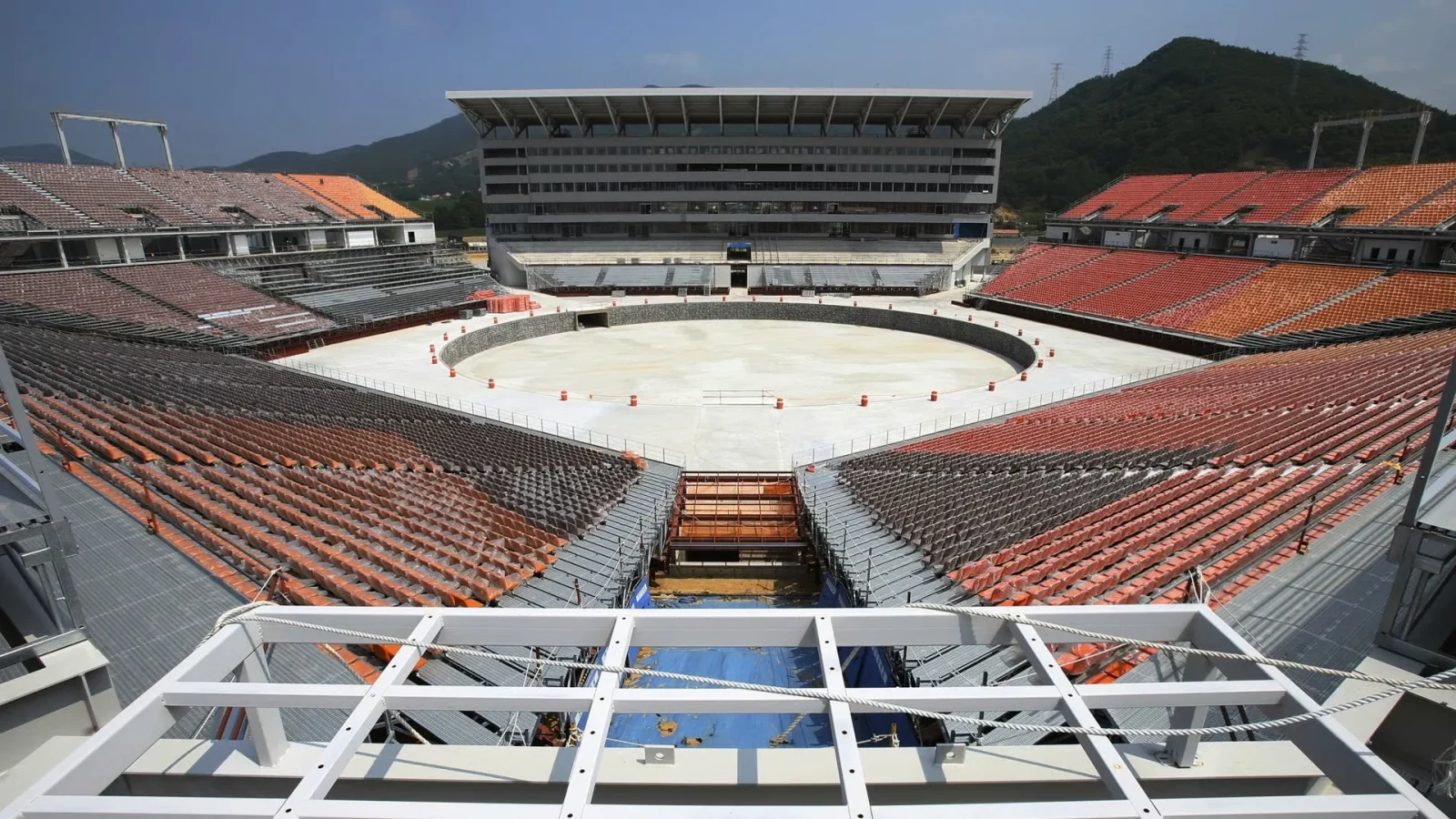
Others tell a darker story, like in PyeongChang, where the $109 million Olympic Stadium now lies in ruins after only four uses. The deeper question highlighting the gap between promise and reality is whether cities can build with a vision that lasts decades instead of just two weeks.
Explore Courses
.jpg "Ondrej Chybik - Rethinking Architecture")