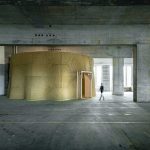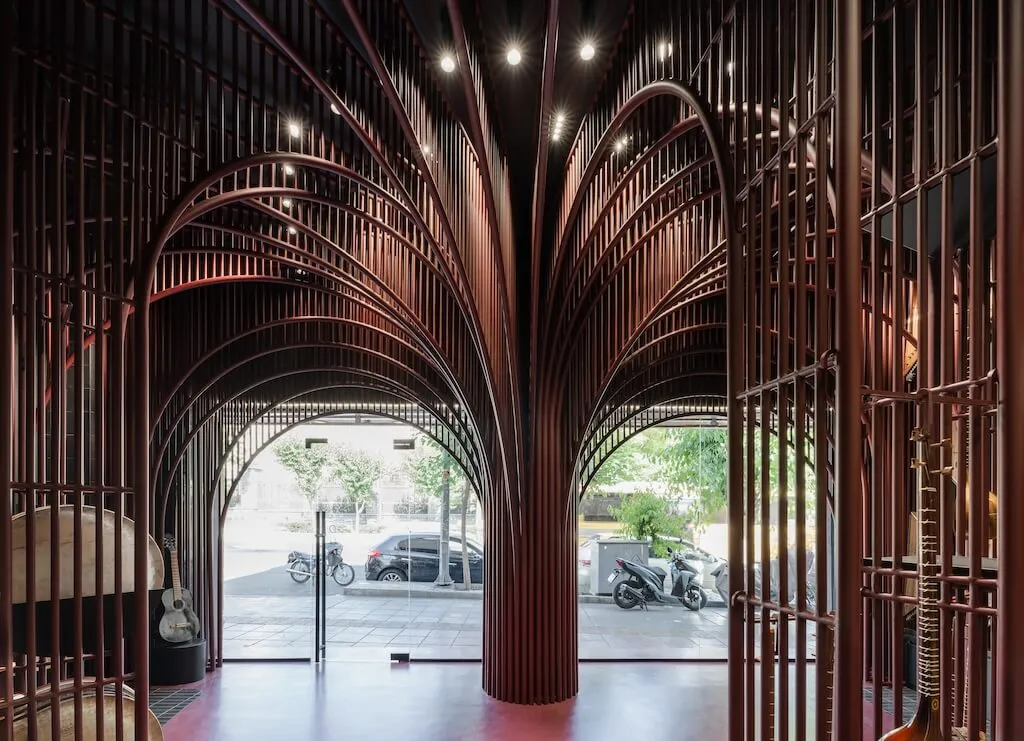
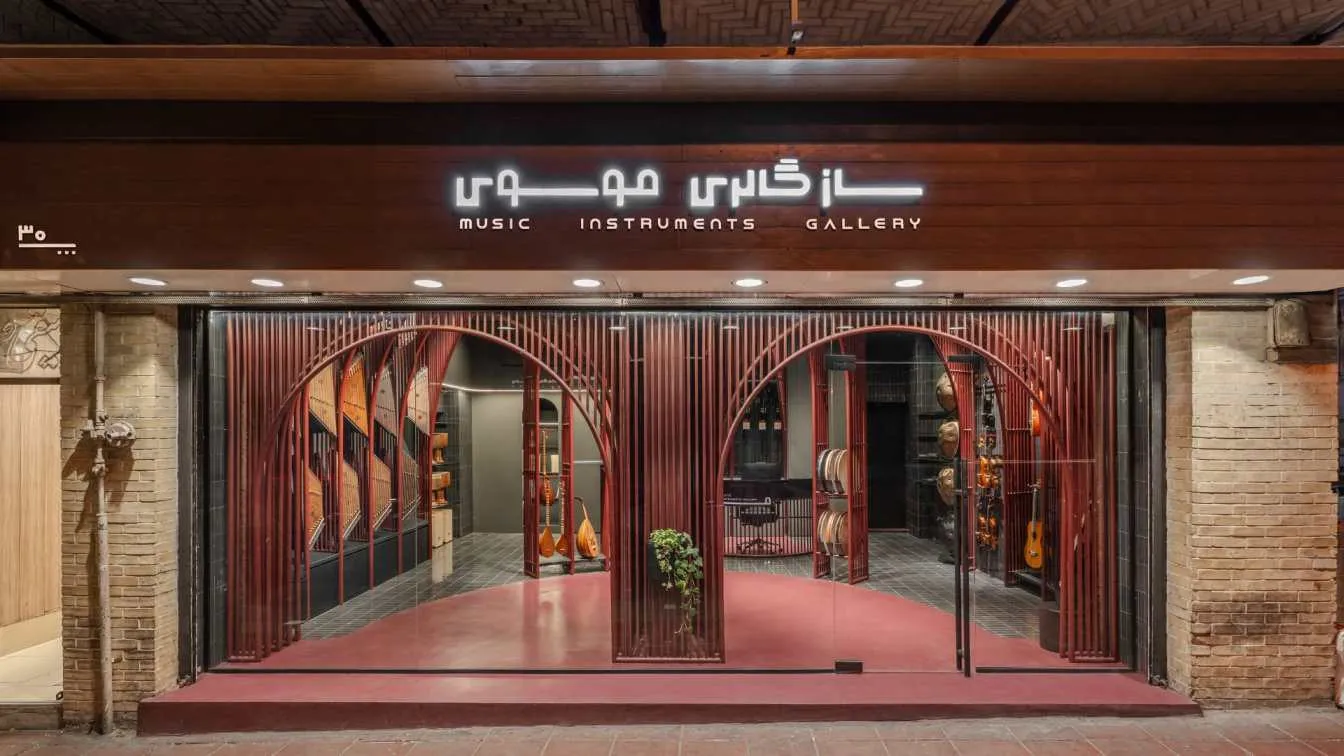
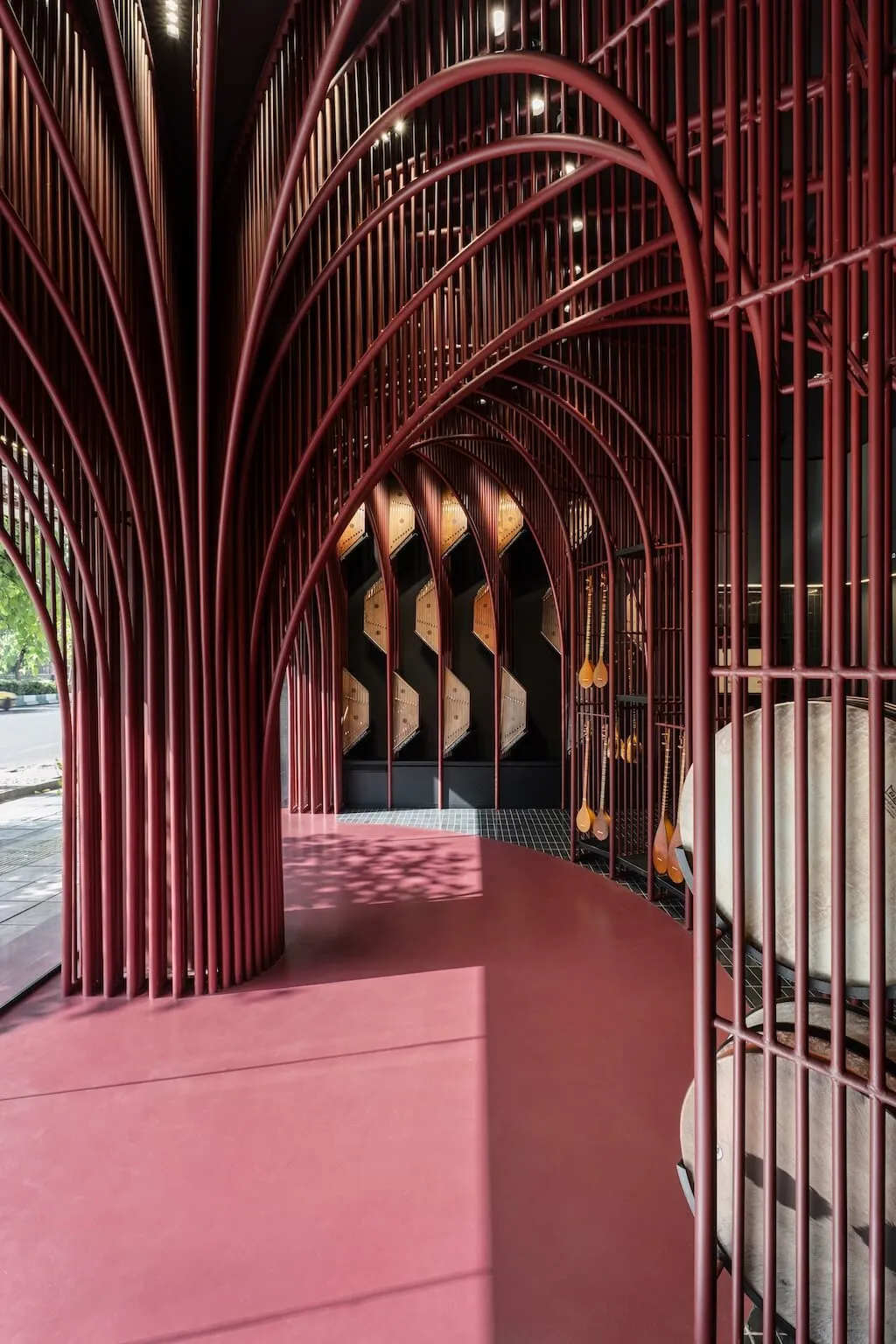
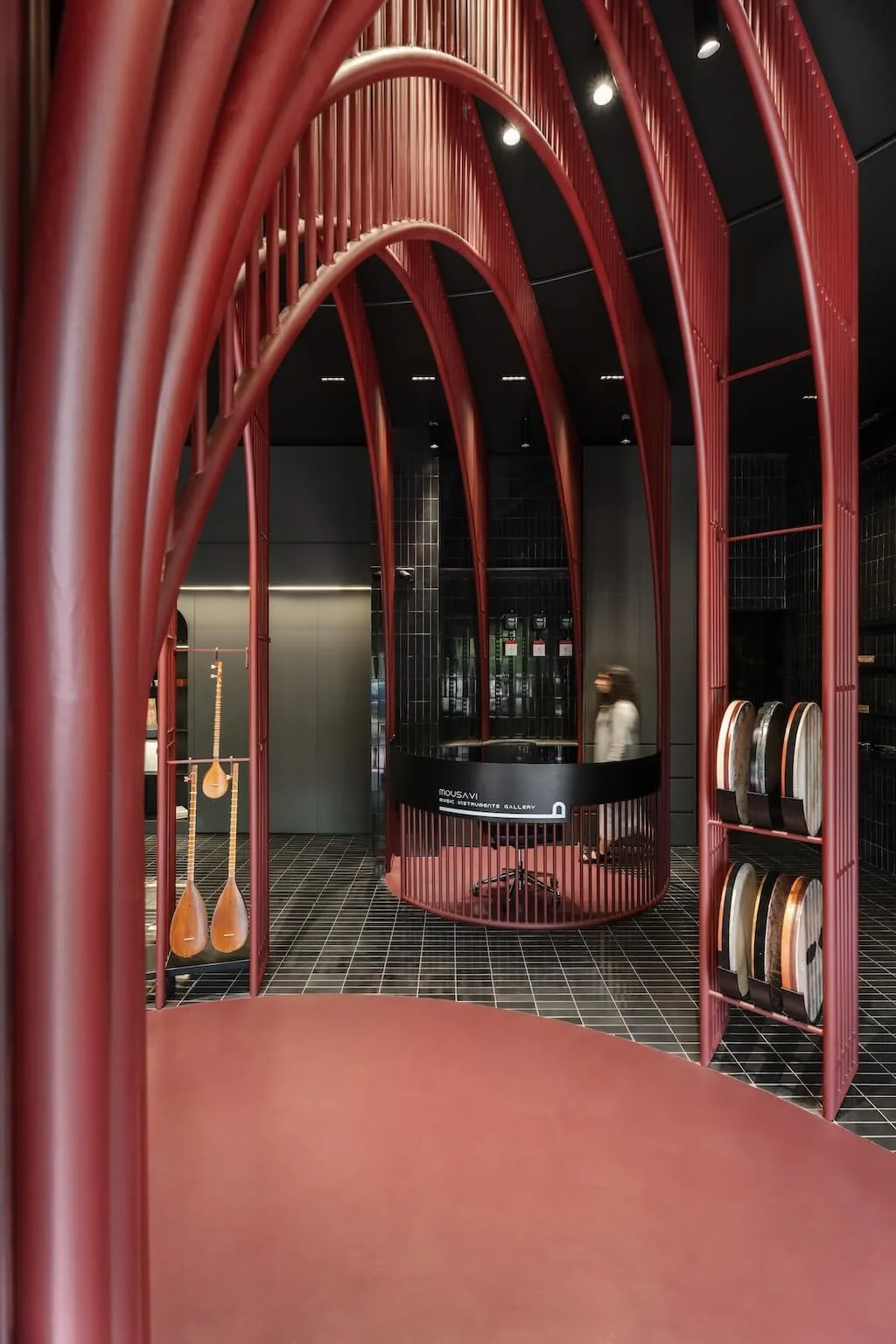
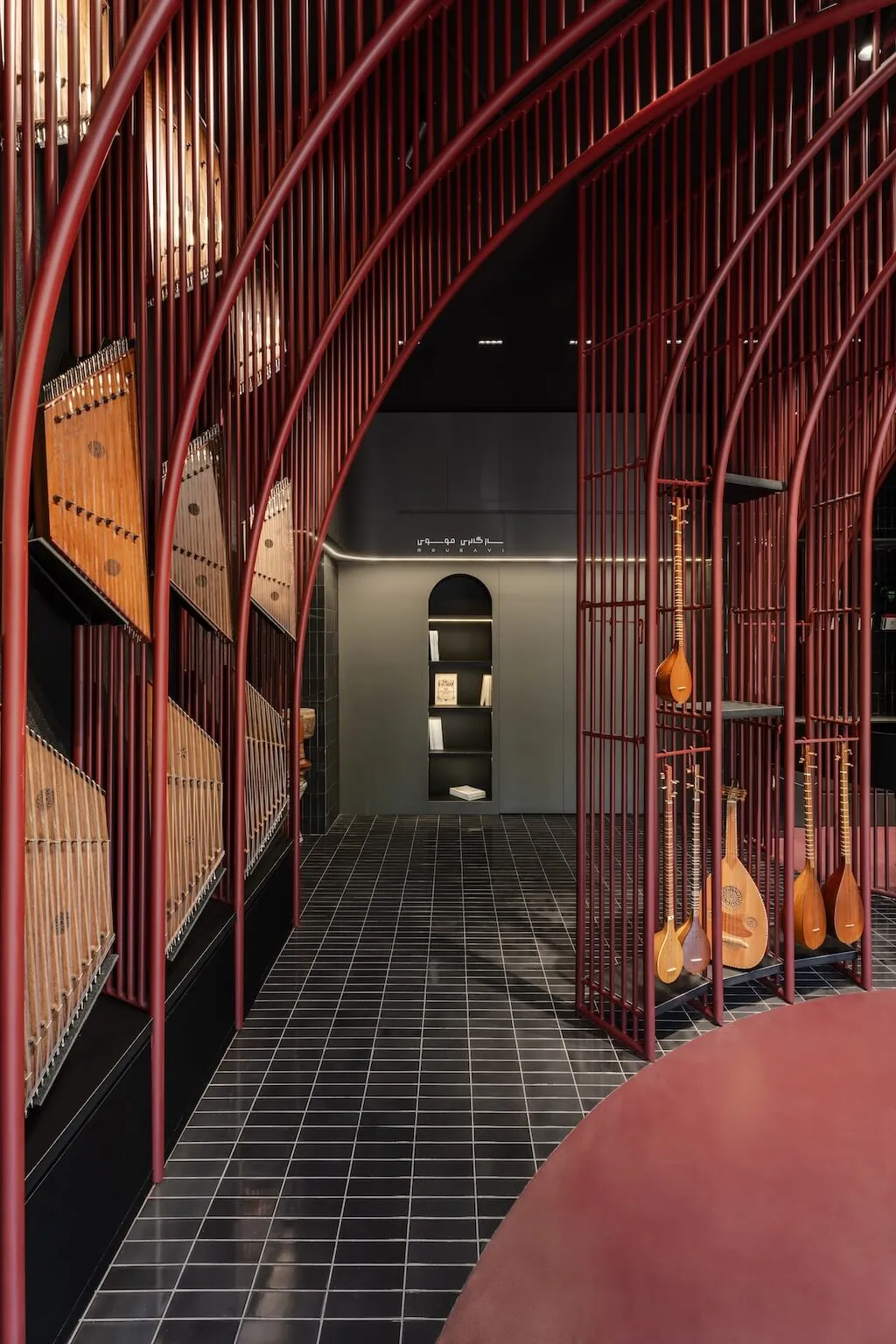
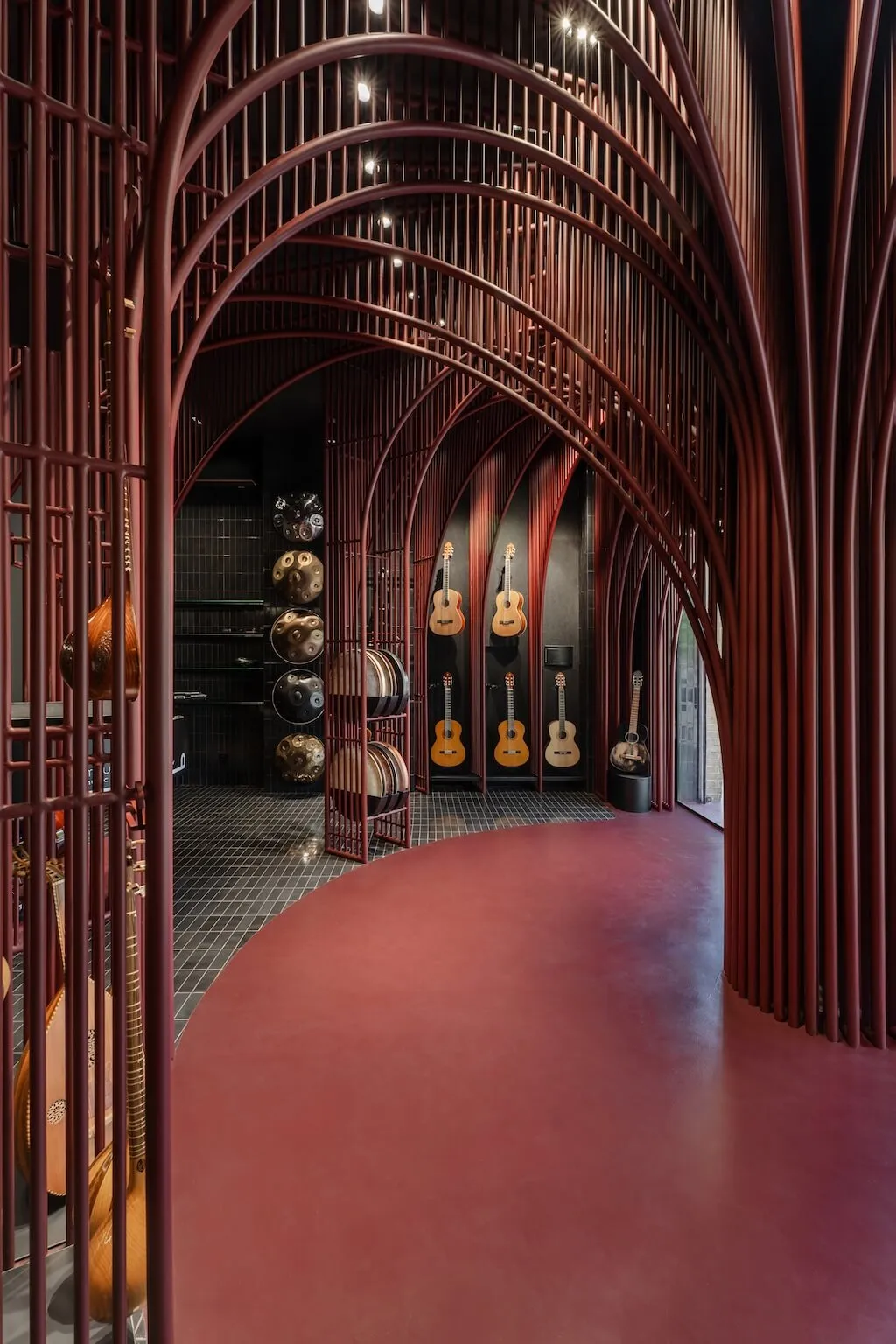
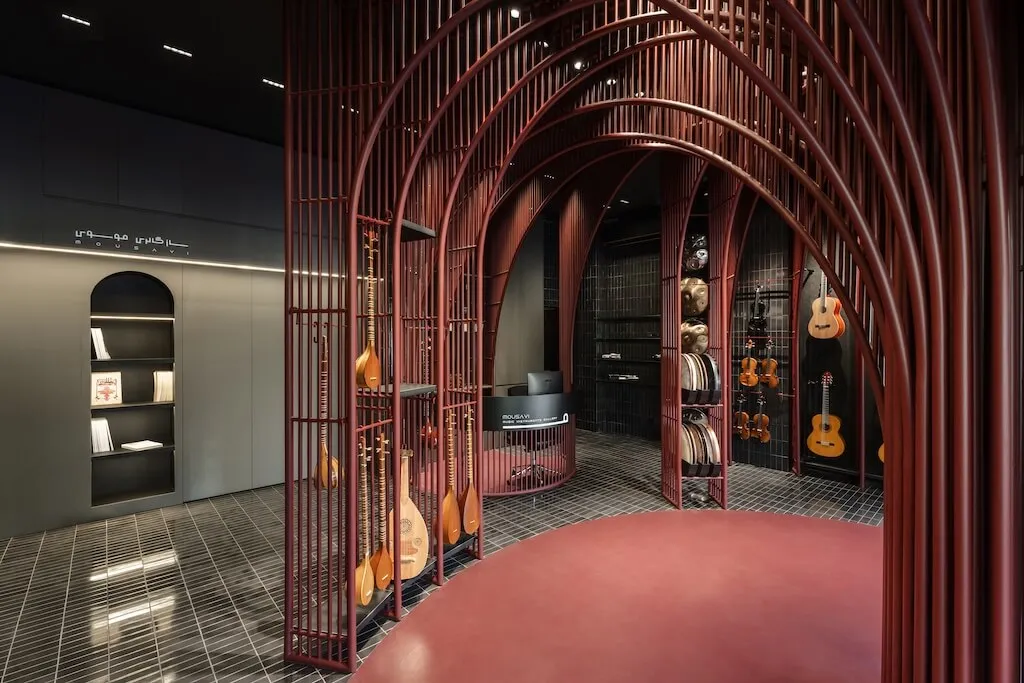
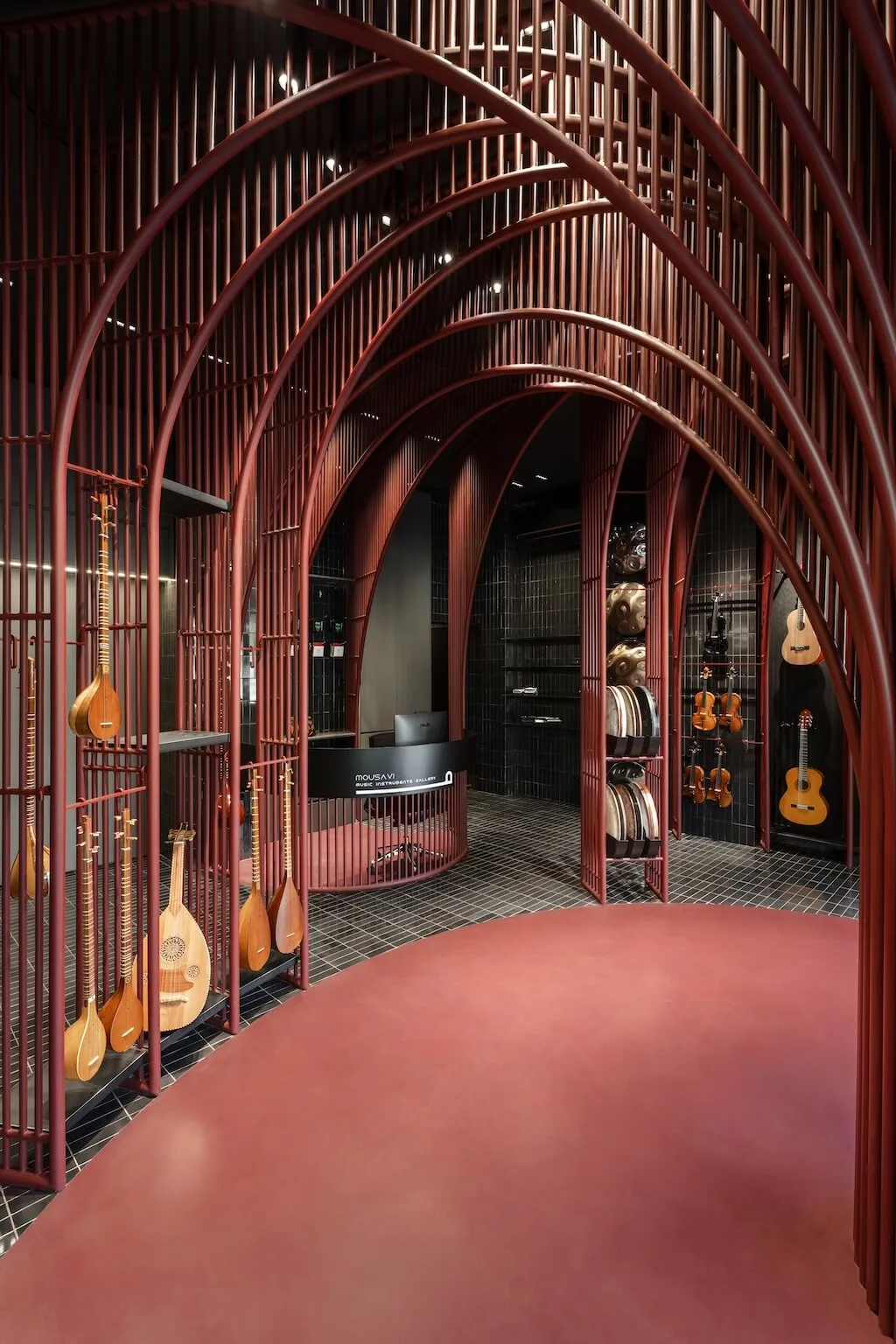
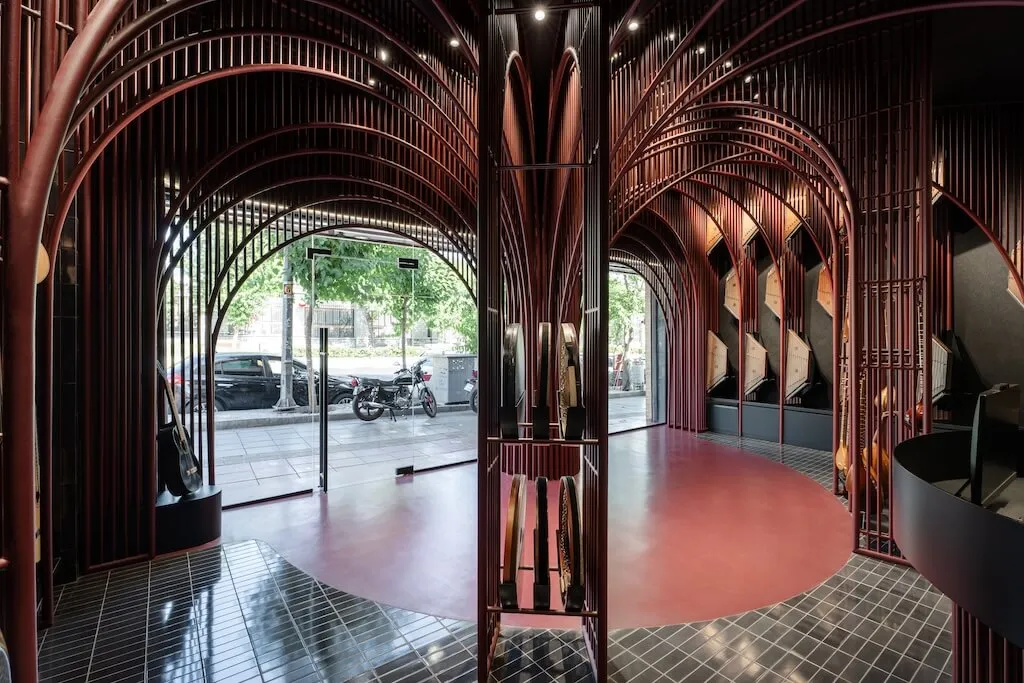
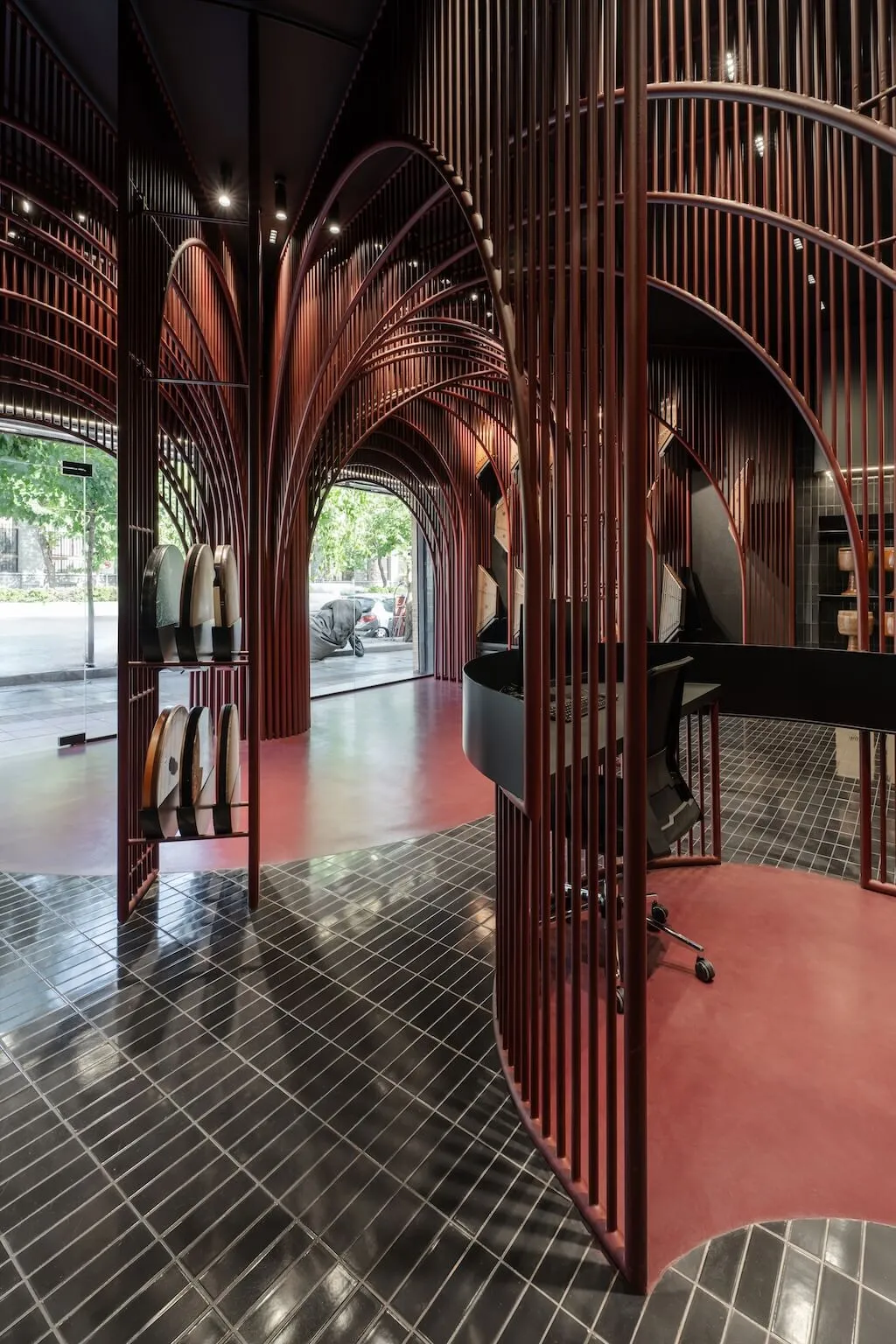
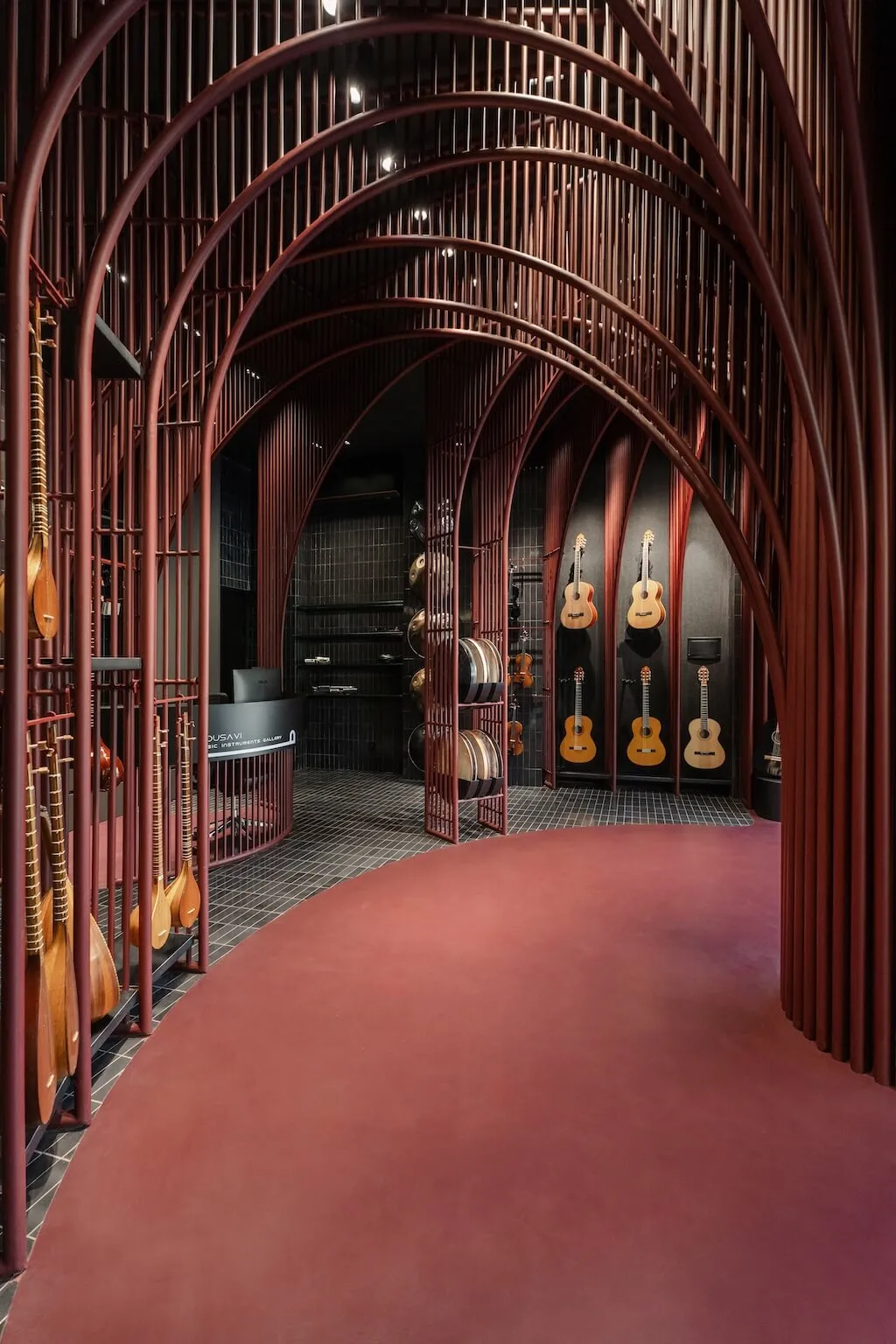
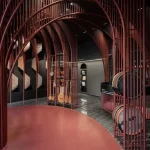
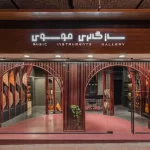
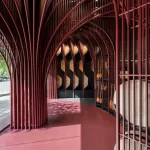
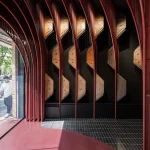
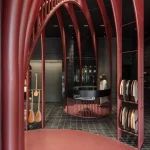
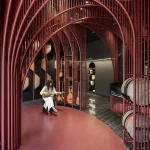
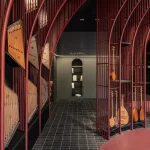
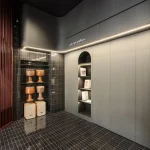
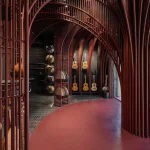
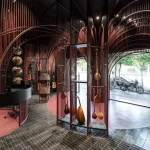
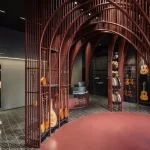
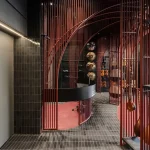
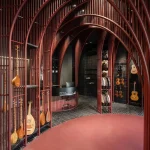
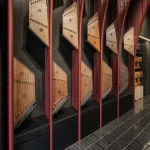
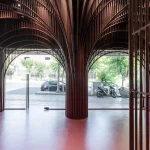
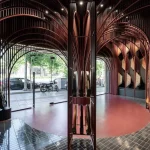
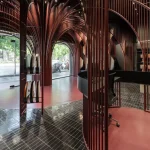
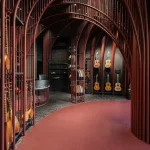
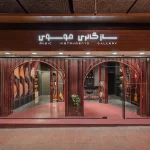
The Mousavi Music Instruments Gallery, designed by Iranian architect Neda Mirani, is a compact yet expressive project that blends retail architecture with performance, translating the language of music into spatial experience. Rooted in contemporary Iranian architecture, the gallery explores expressive materiality through a rich contrast of textures, geometries, and modular forms. This dynamic interior celebrates both the physical presence and cultural resonance of music.
Neda Mirani’s Vision for Mousavi – Music Instruments Gallery
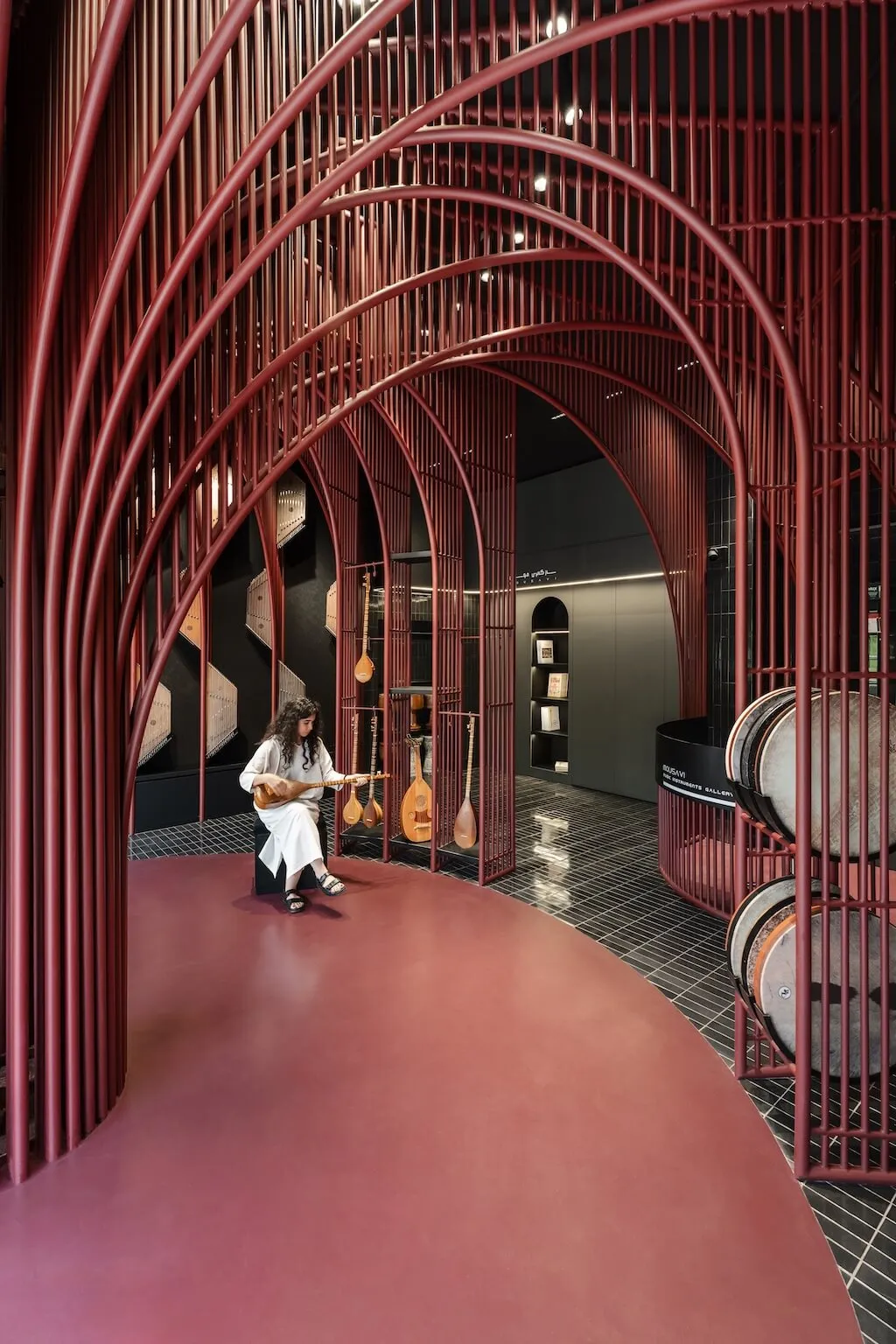
Spanning 80 square meters, the renovation of an existing retail unit located on Baharestan Street, one of Tehran’s most historic civic corridors. By blending functional needs with artistic and cultural purpose, the retail commercial space was transformed into an engaging gallery for musical instruments.
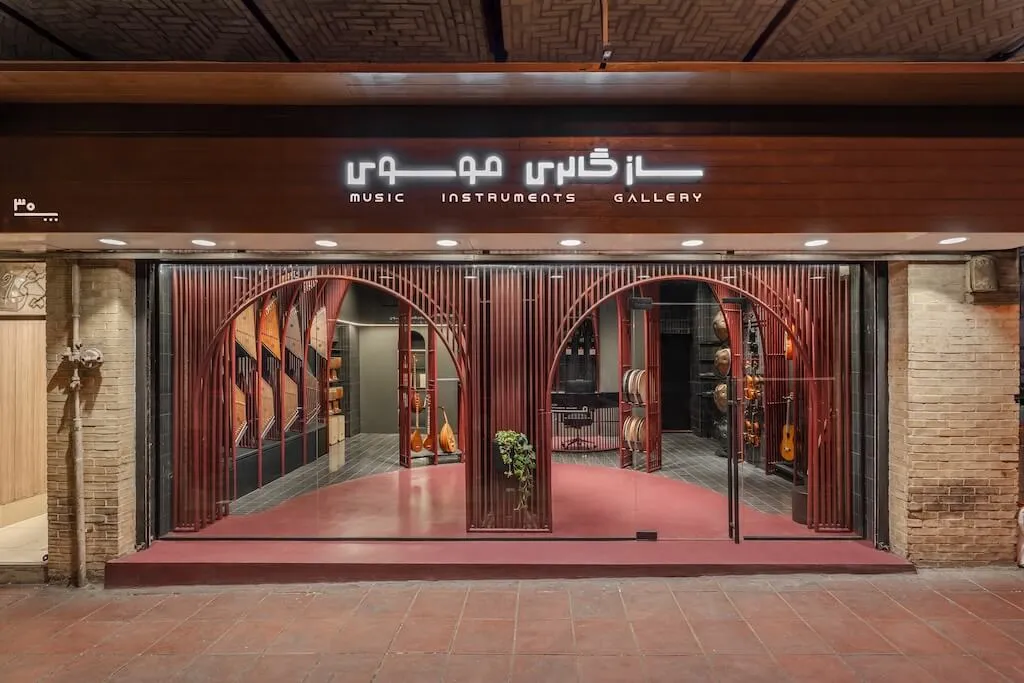
The client’s brief was to craft a retail space that not only sells musical instruments but also has an experiential gallery character. In response, the design team removed the storage-type balcony to raise the ceiling height and enhance vertical volume for flexible display layouts. Instead of presenting a typical showroom, the architect transformed the space into an experiential gallery that bridges functionality, culture, and contemporary design.
Fluid Layouts Rooted in Musical Rhythm
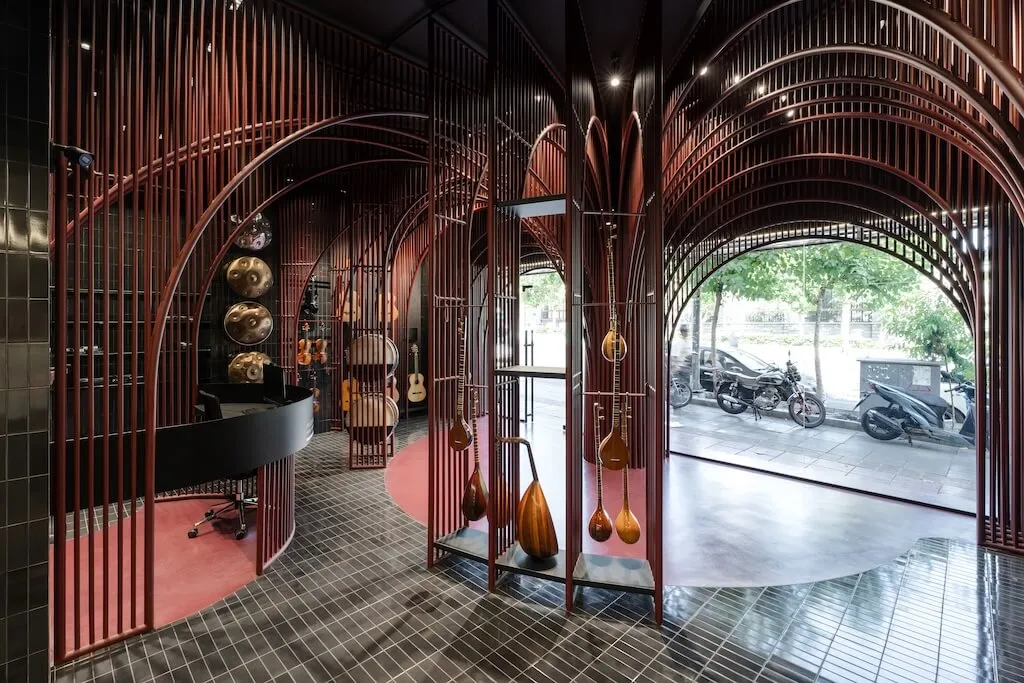
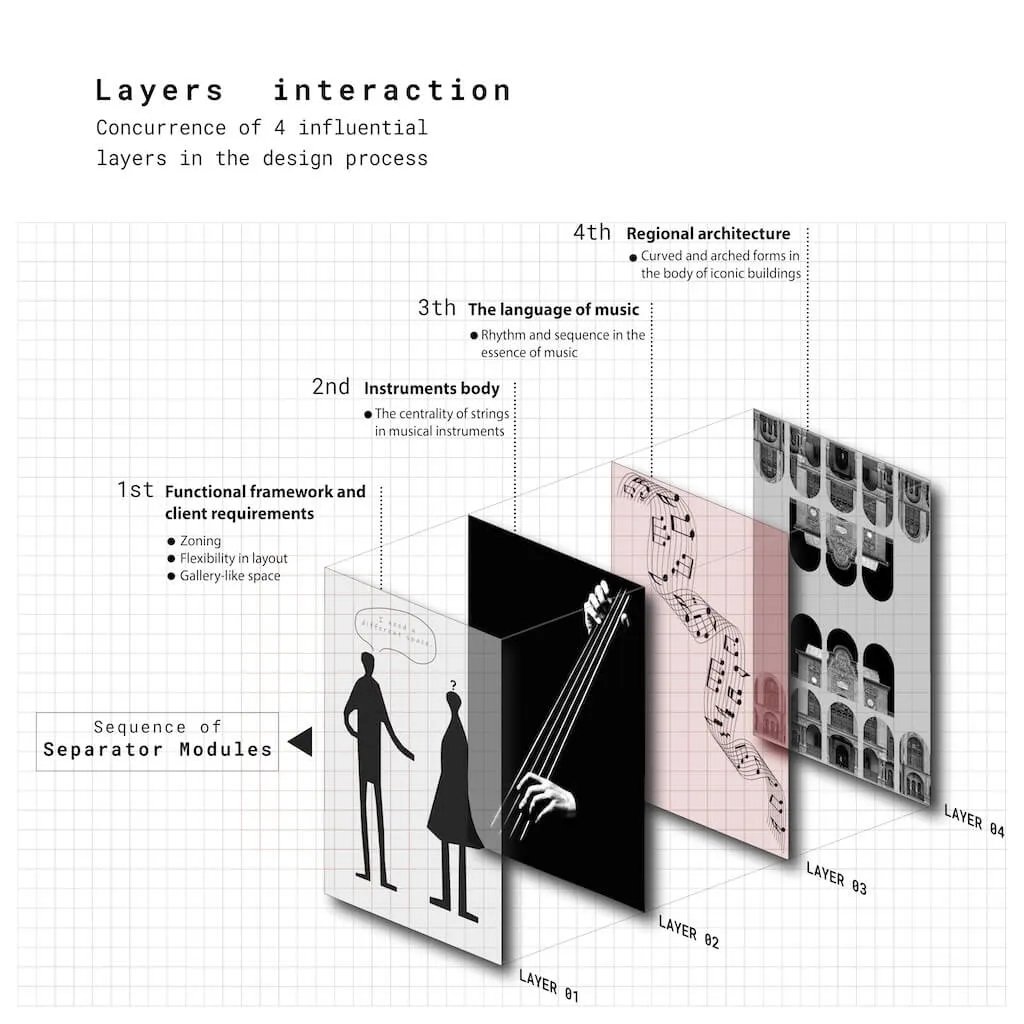
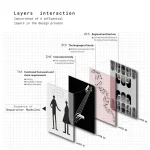
The spatial design embraced the rhythm and sculptural quality of musical instruments, creatively redefining the boundaries of retail, architecture, and performance. Conceptually designed on four main design principles of functionality, geometry, musical language, and context. This multi-layered design approach allowed space to perform on practical, symbolic, and emotional levels.
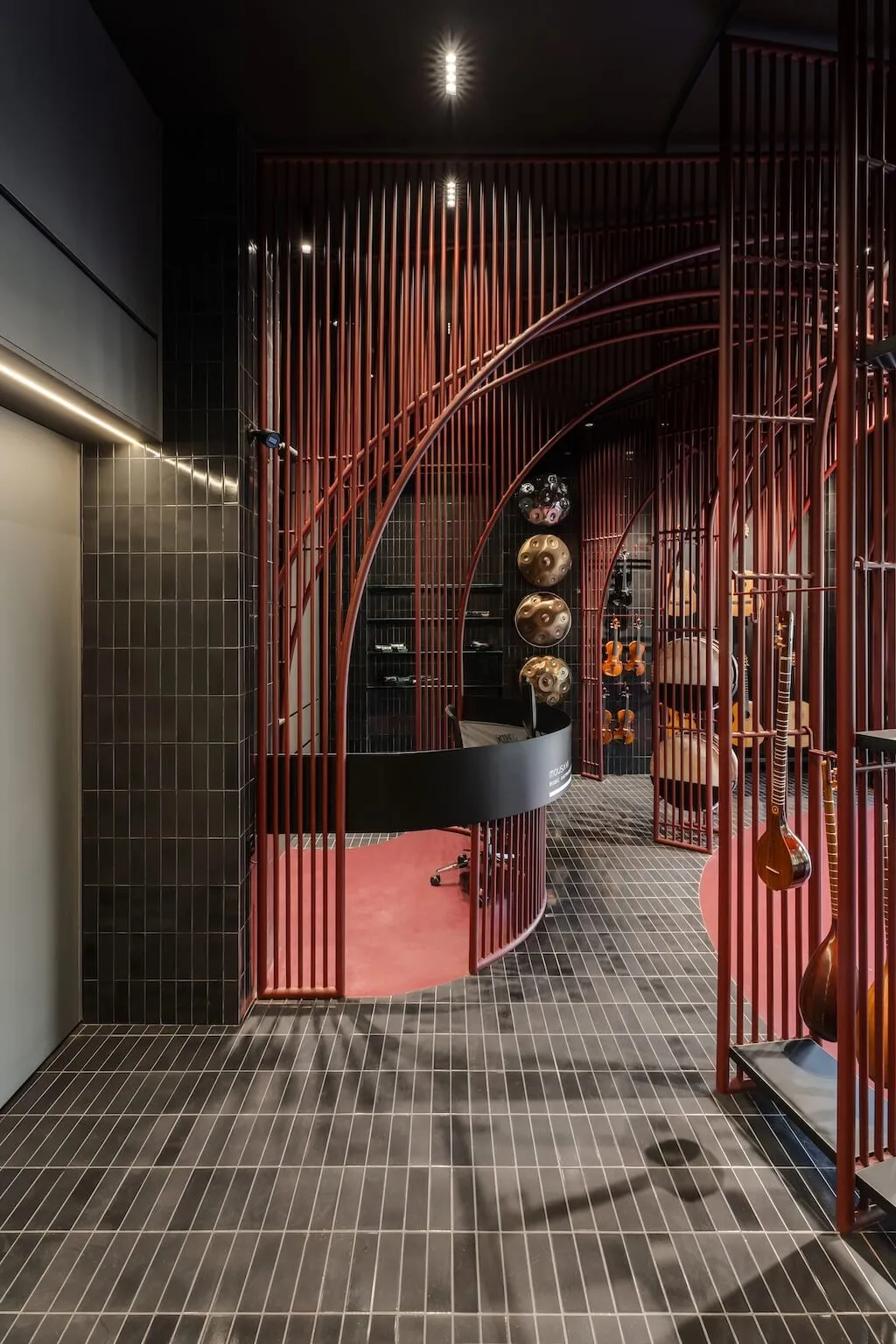
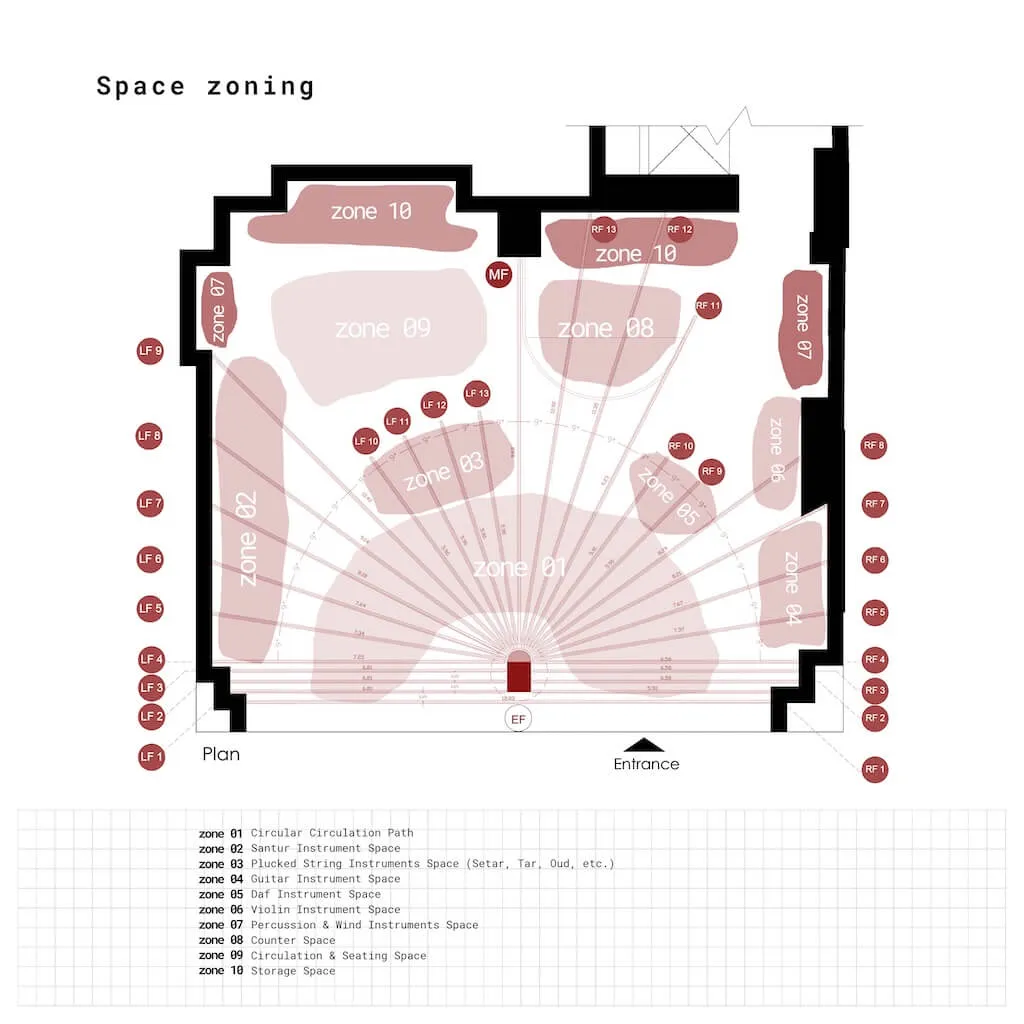
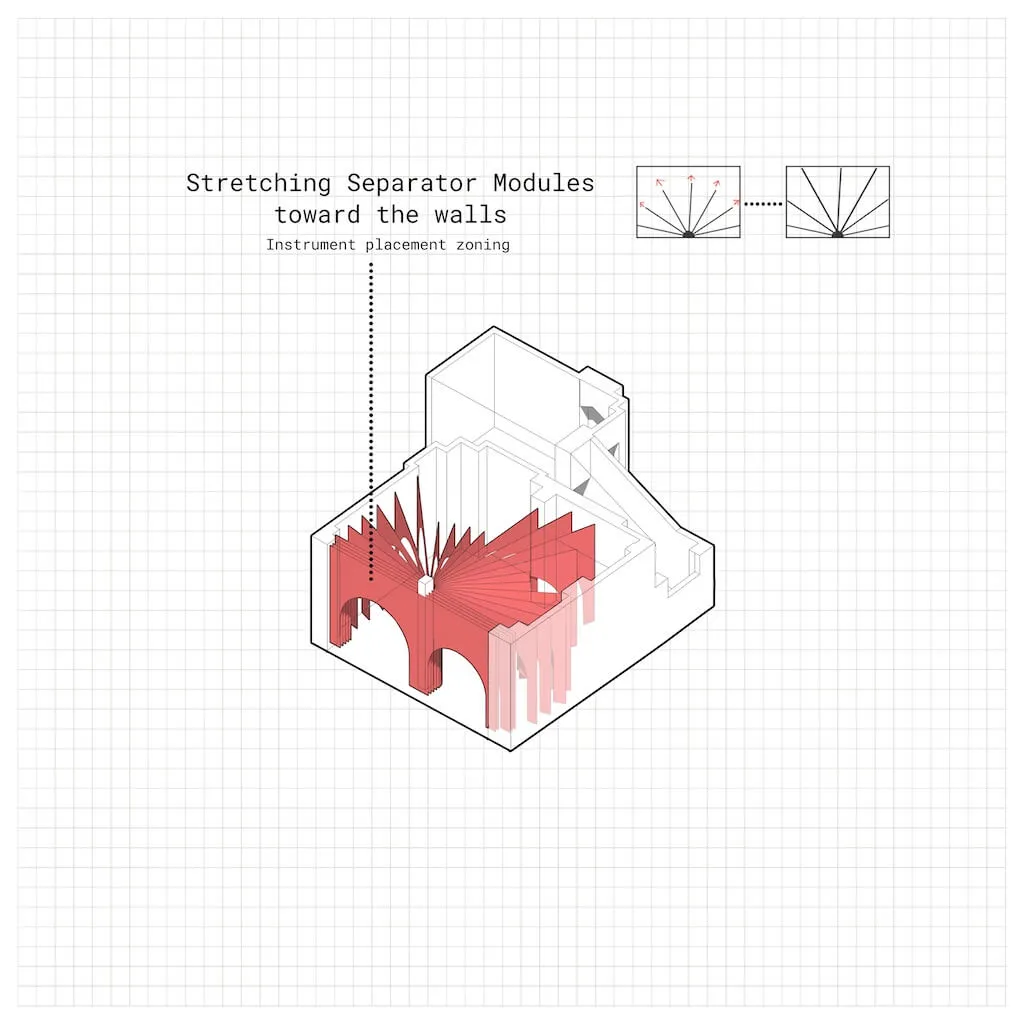
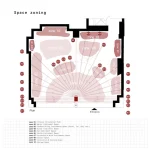
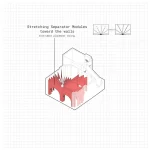
The open layout encourages fluid movement, while modular display elements offer adaptable arrangements for a variety of instrument types. The interior design employs modular construction and semi-transparent partitions with arch openings, directly inspired by historical Tehran architecture. This arrangement also mirrors the linear logic and flow found in string instruments, enhancing transparency while maintaining distinct zones.
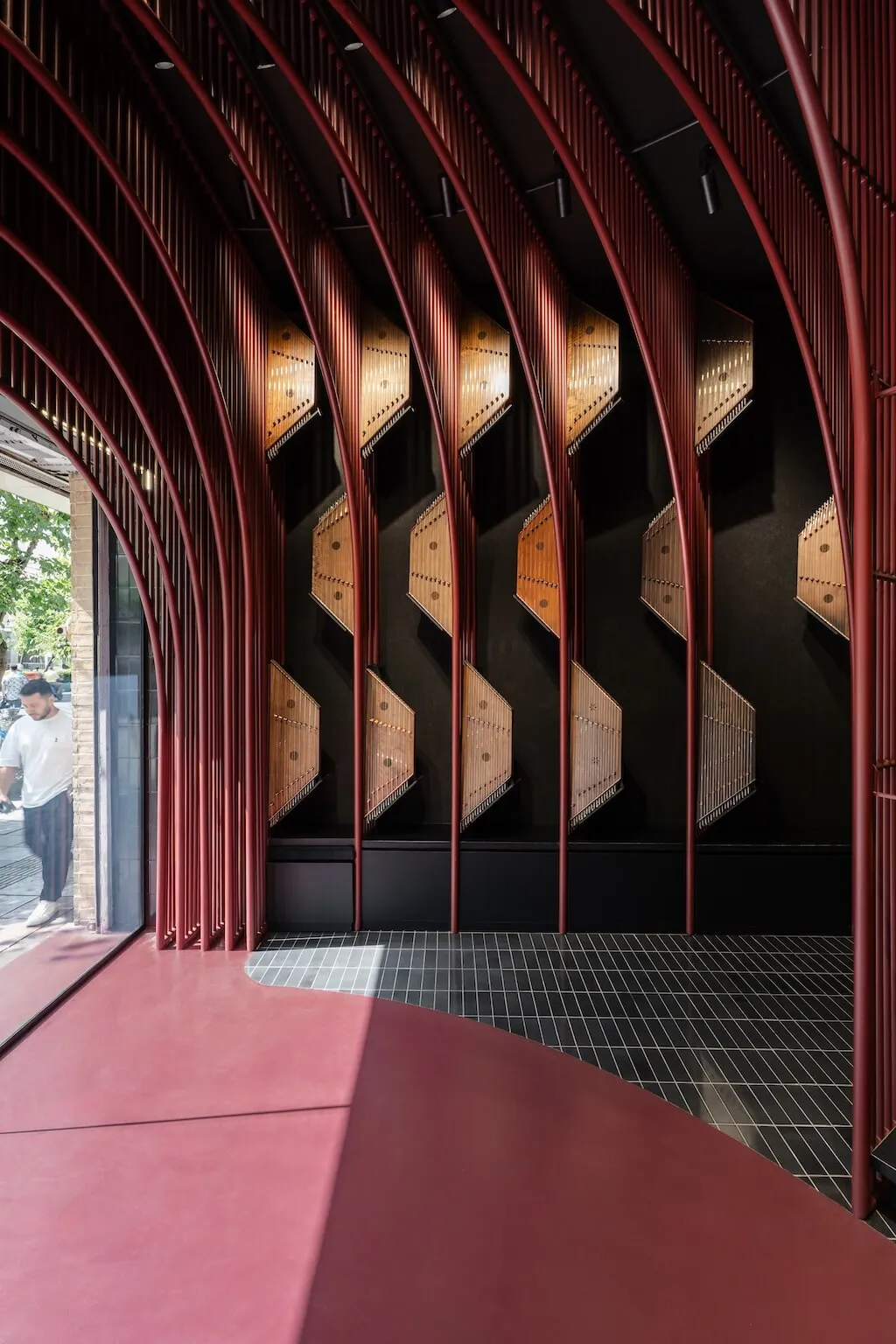
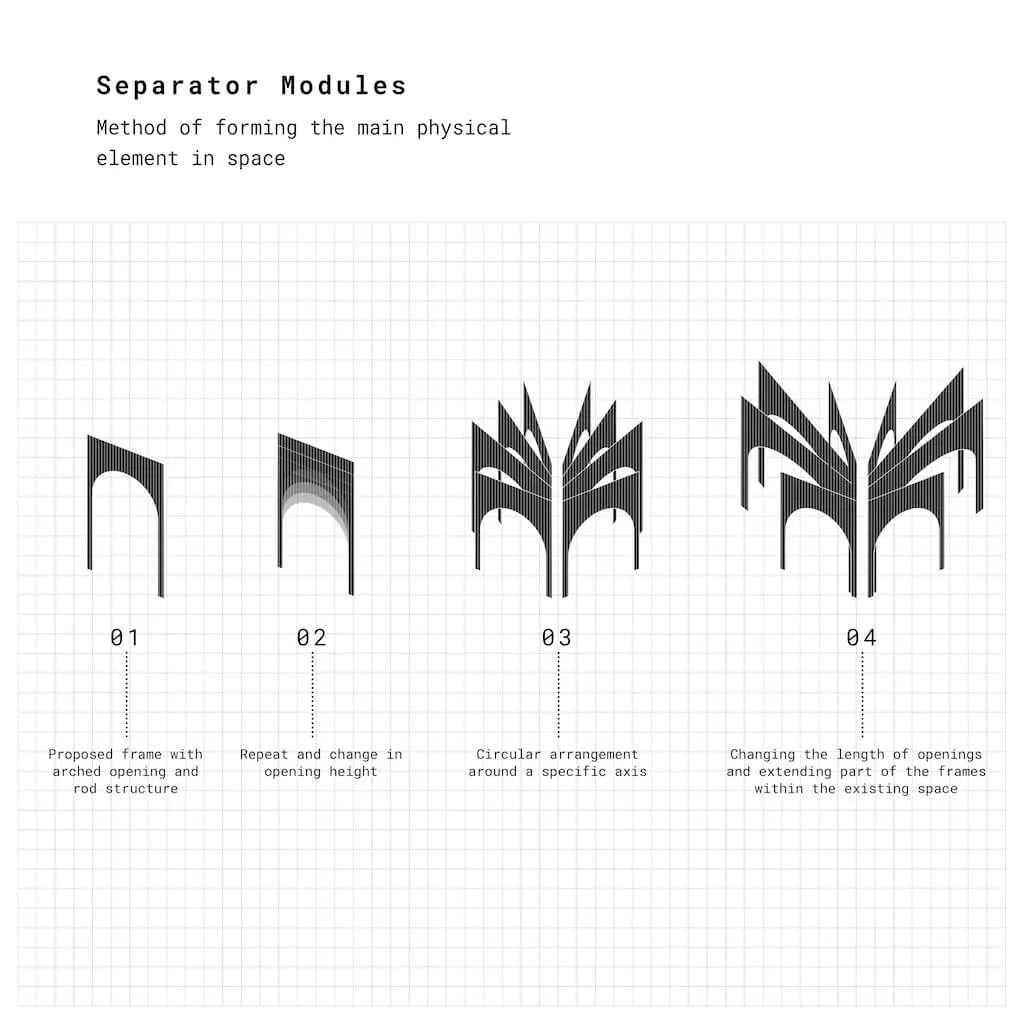
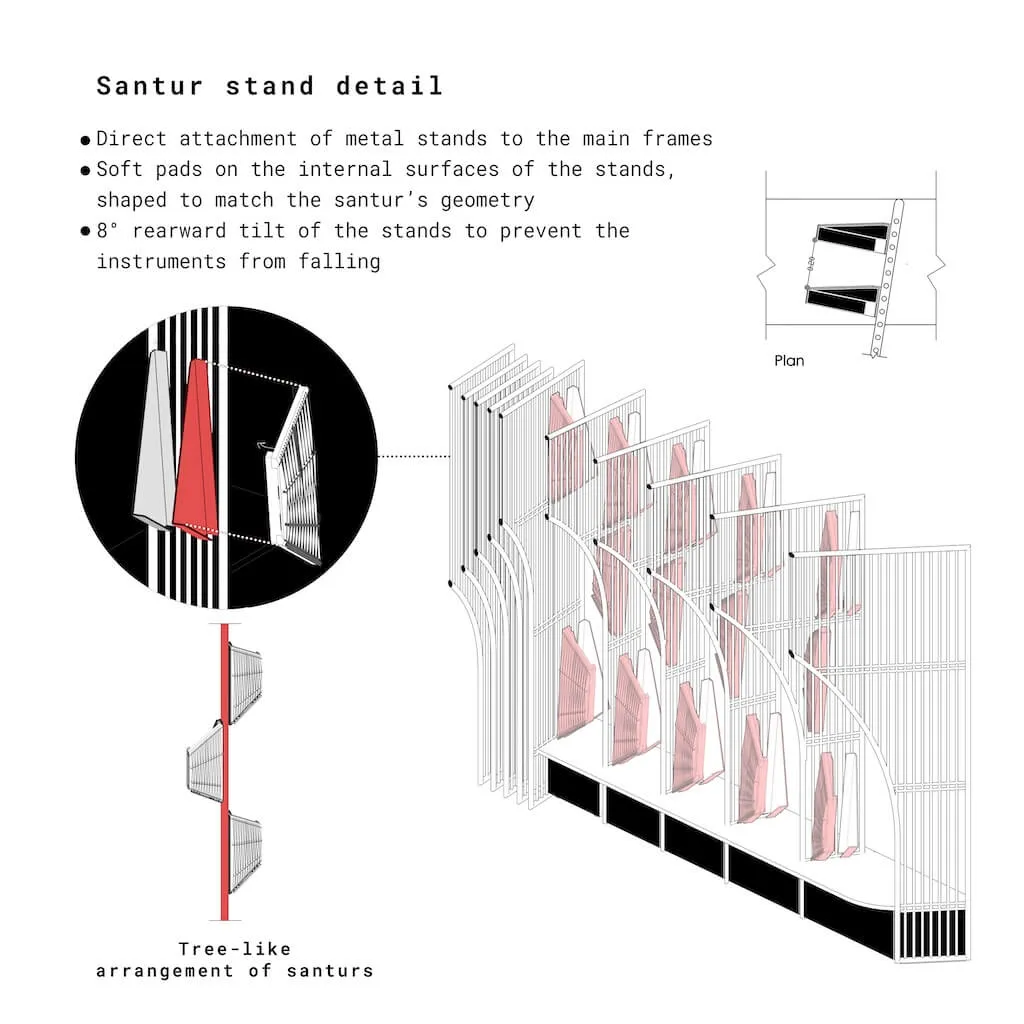
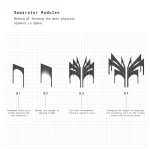
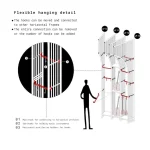
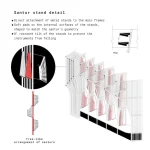
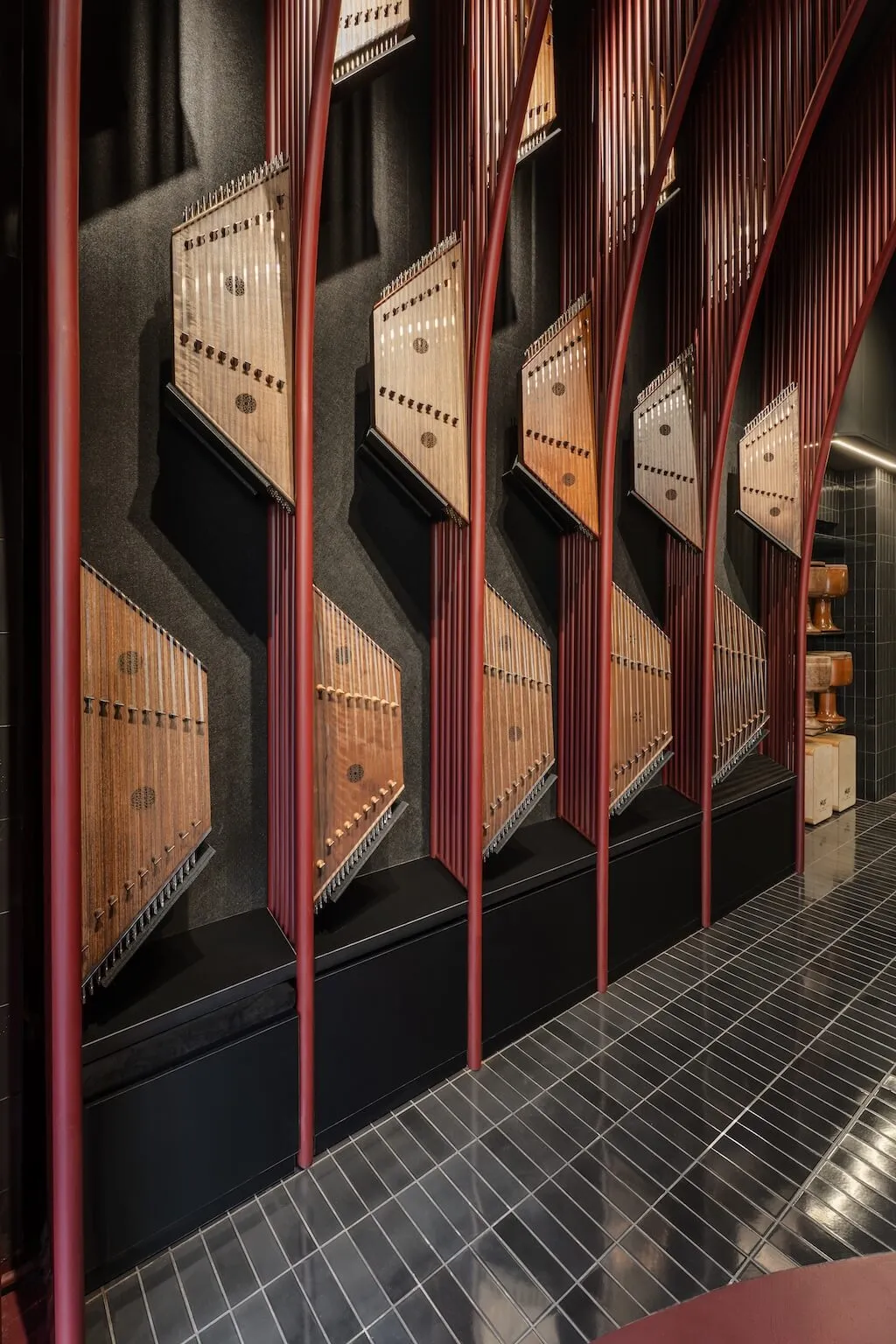
The gallery deftly balances intimacy and openness with a repurposed existing central structural column acting as a pivot point, where a modular metal frame rises in a rhythmic sequence around it. This structural arrangement evokes tensioned strings of Persian instruments like the santur while also creating spatial thresholds and visual passages.
Modular Displays for Changing Instrument Types
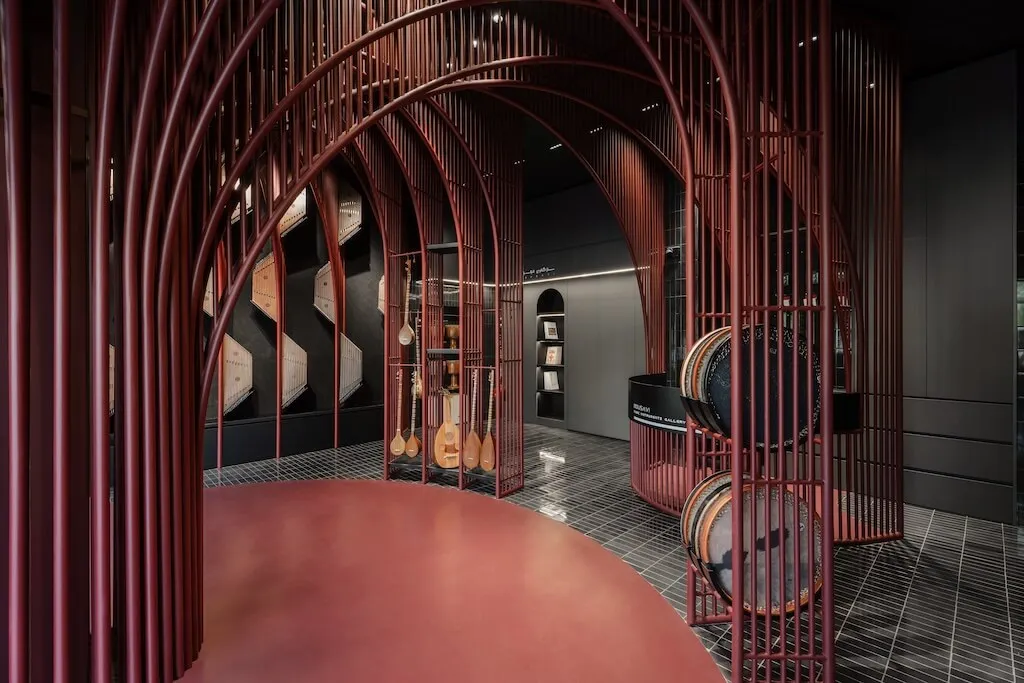
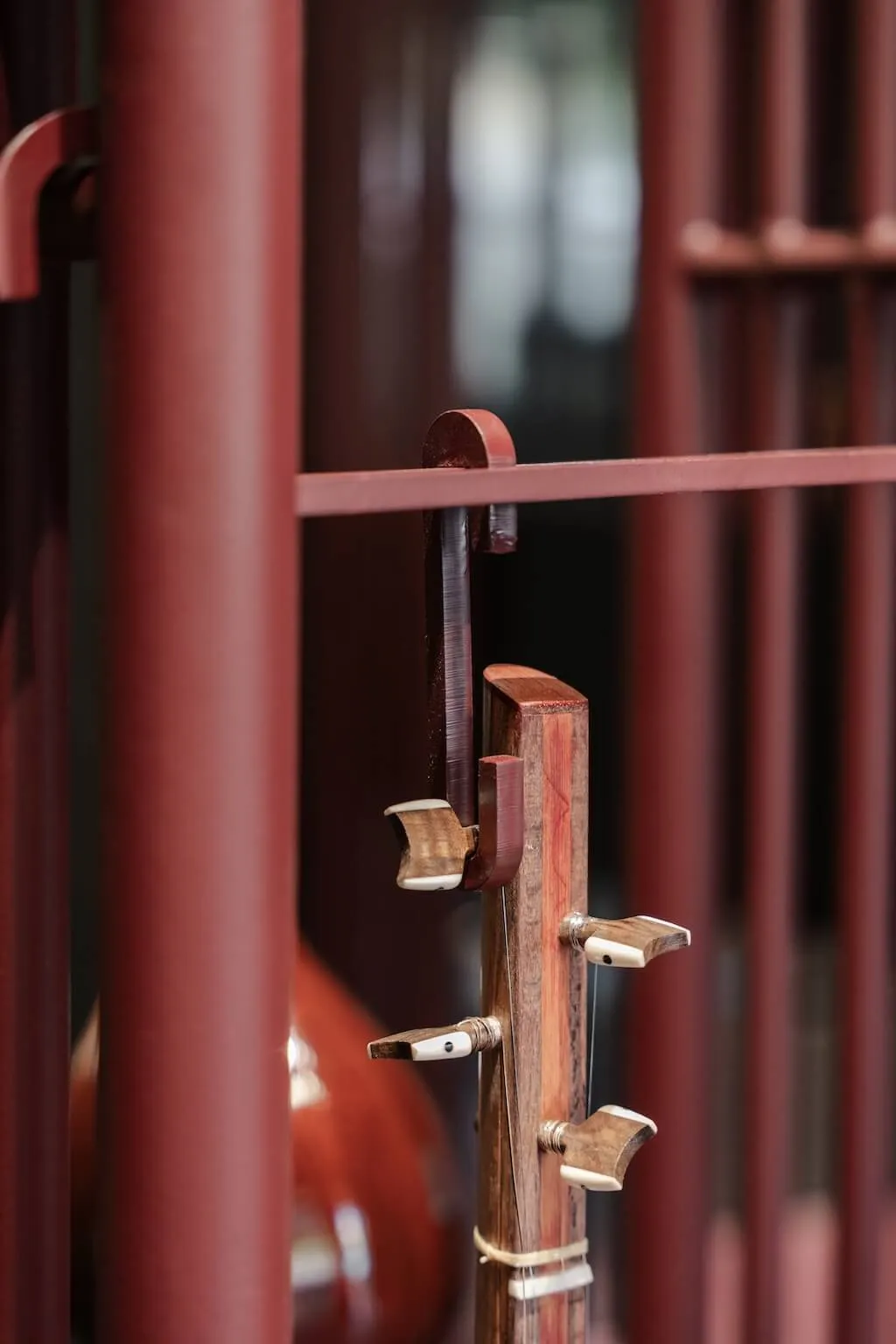
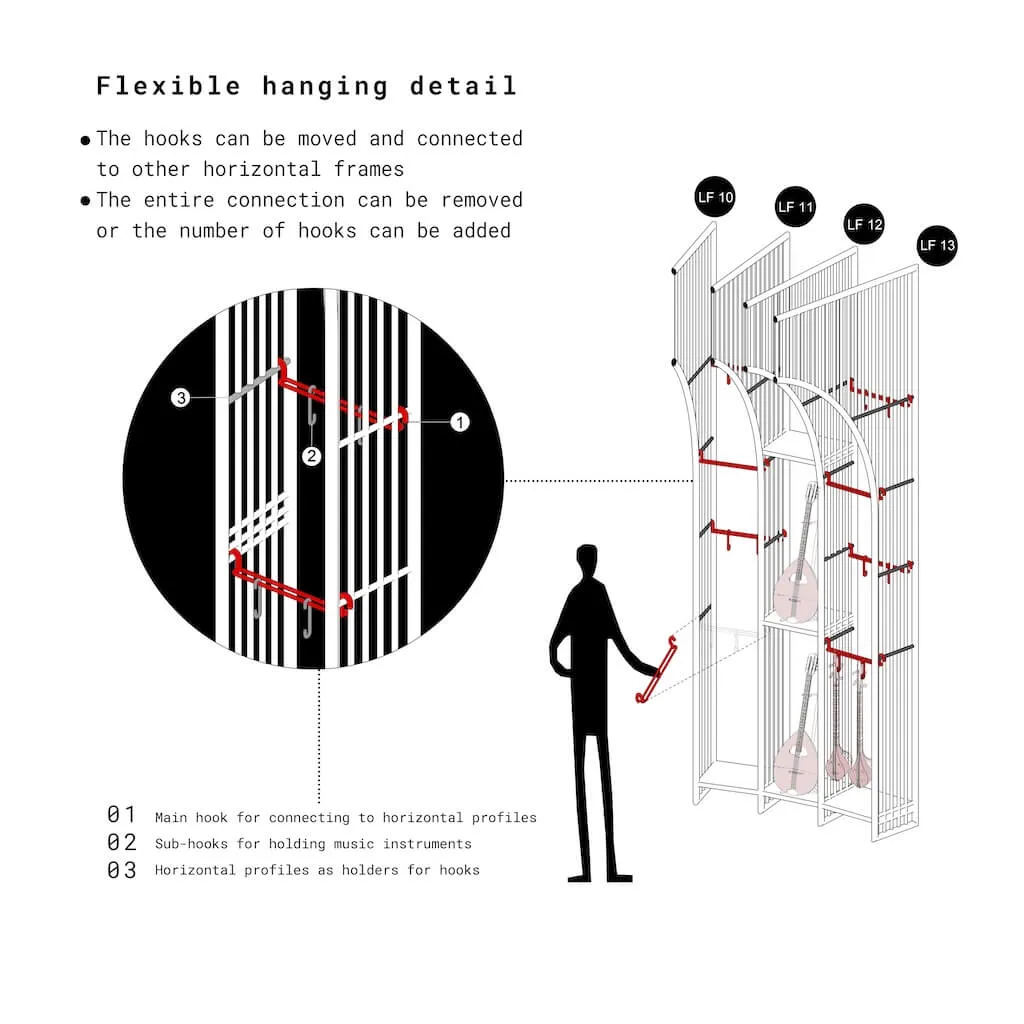
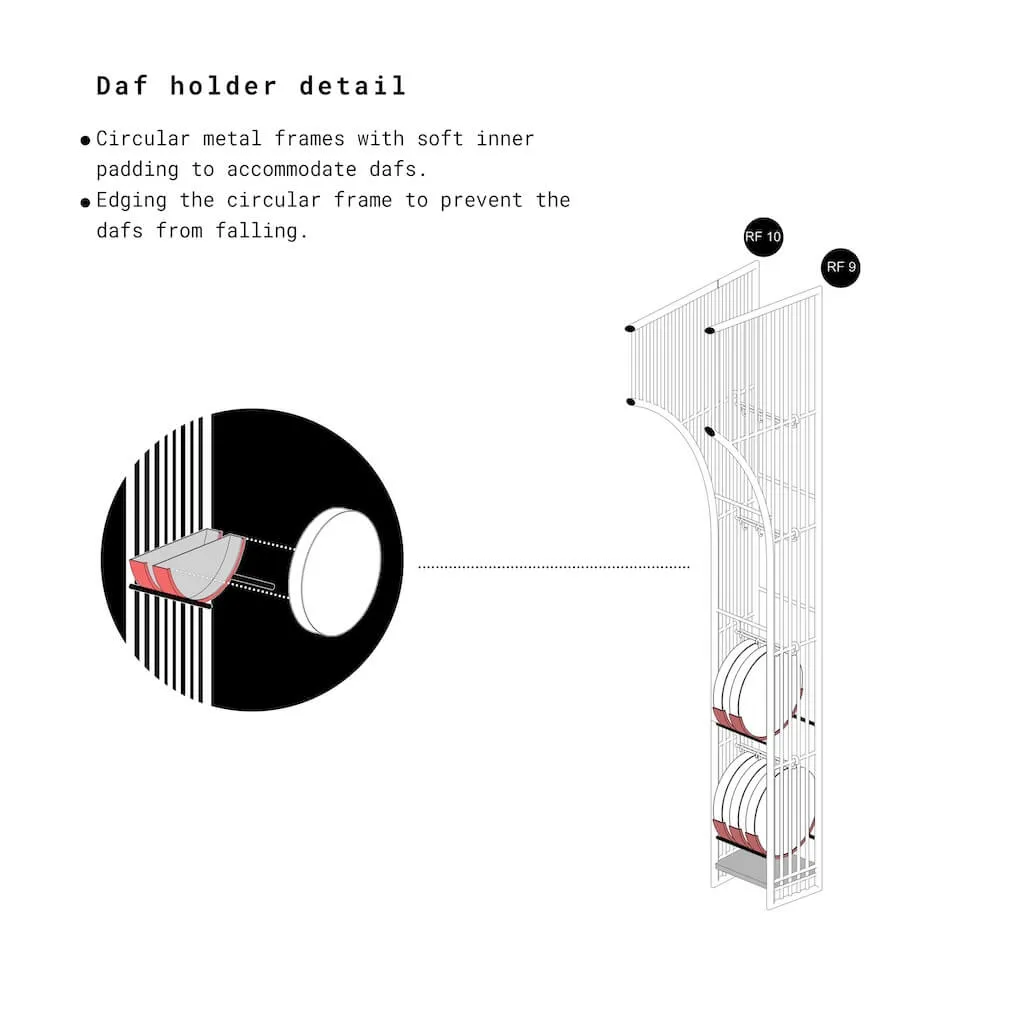
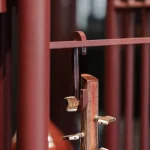
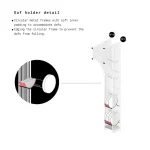
Each metal frame differs in height, span, and angle, creating a dynamic interplay of rhythm and spatial tension. The spatial experience is non-linear; as one moves through the parametric variation of frames, the visual depth shifts, continually revealing hidden perspectives and details. For the modular display, instruments are either hung or mounted between the frames or rods inspired by strings, using flexible connections at varying heights while preserving visual transparency.
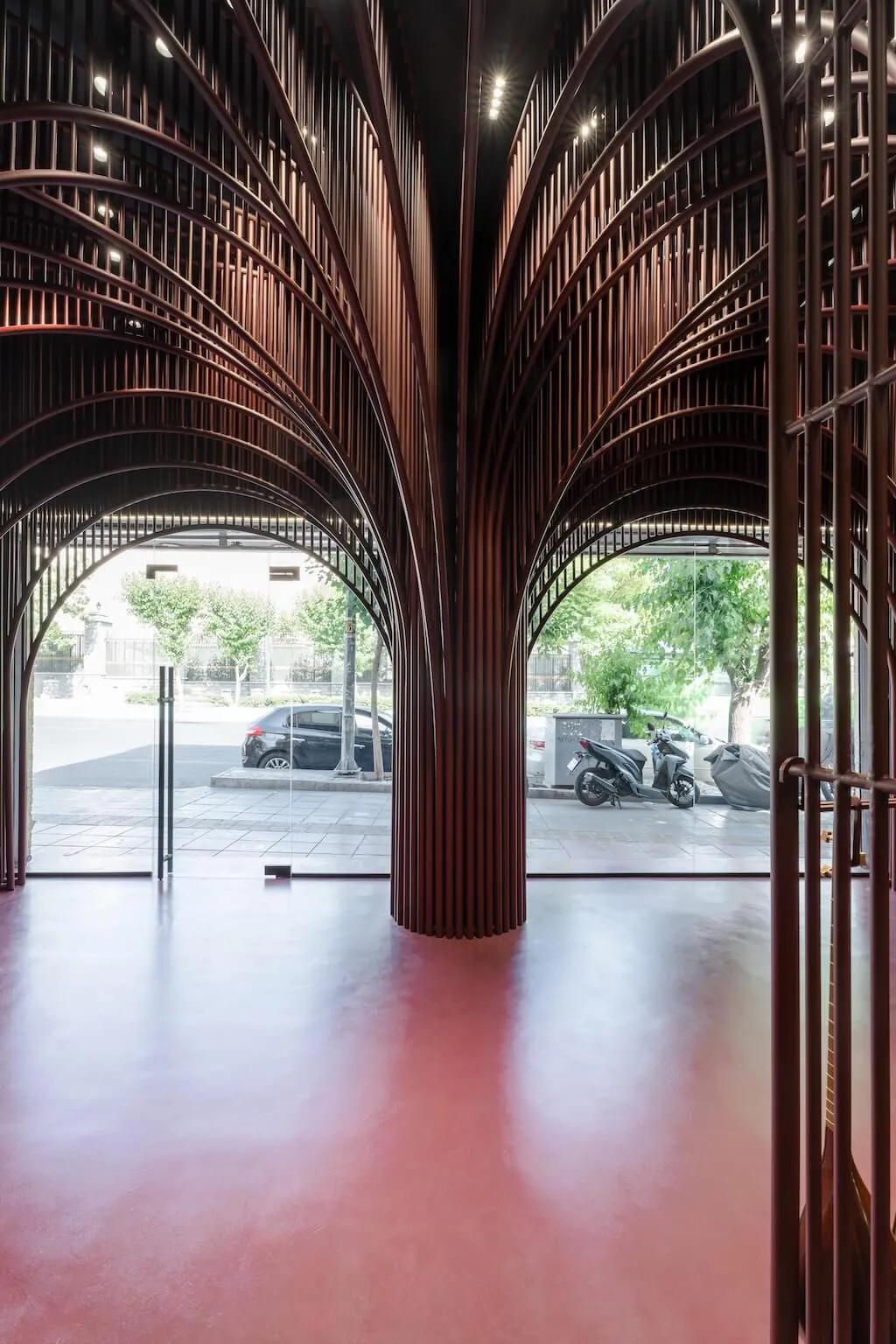
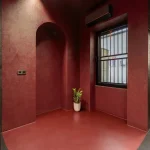
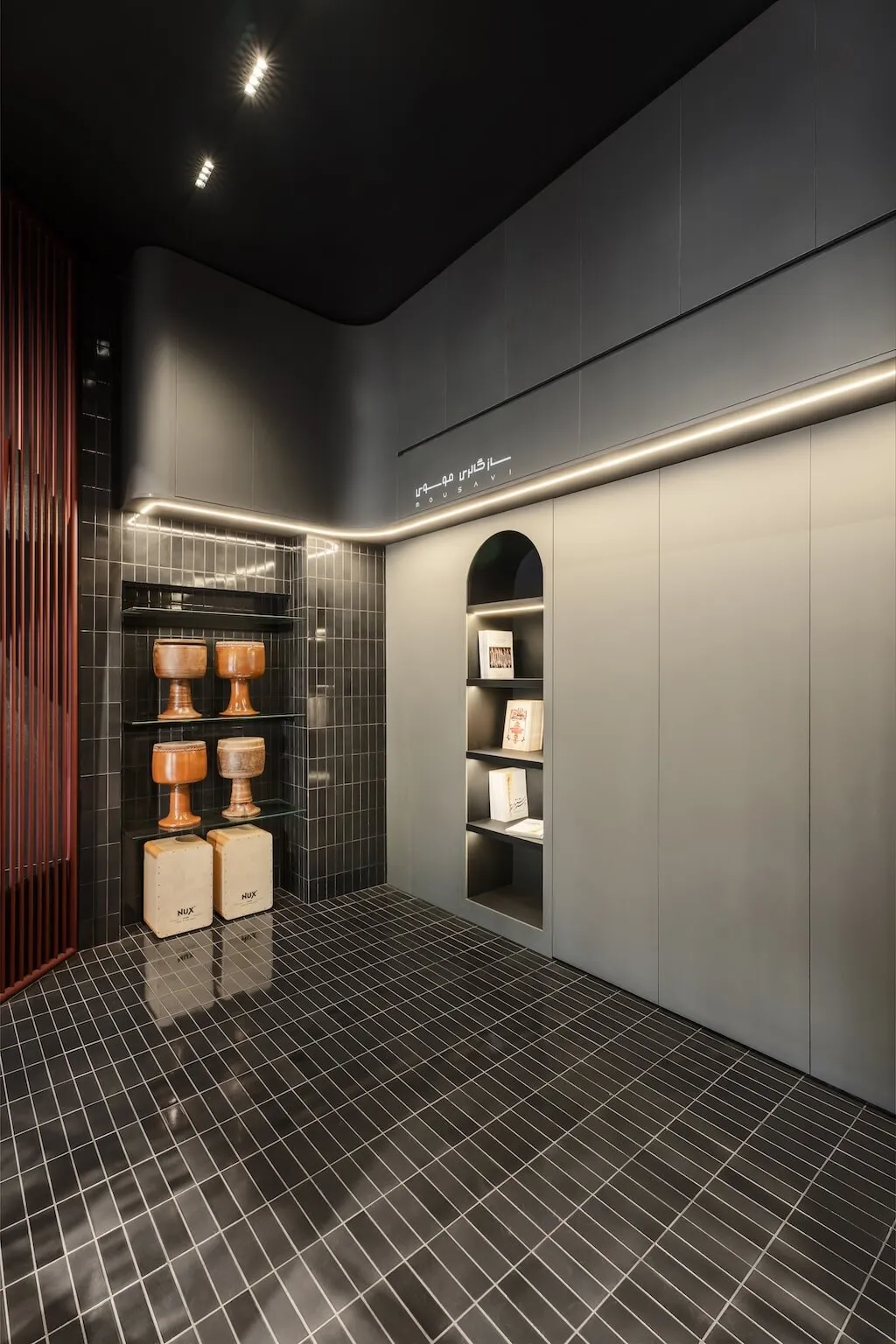
A nuanced color palette and material selections evoke the tactile qualities of music, translating into architectural form that projects sensory impact. The dark, muted palette of walls, ceilings, and floors is finished in microcement, contrasting the metal frames. Linear lighting merges with the texture and form of the instruments, guiding visitors’ journey.
A Gallery that Responds to Its Urban Surroundings
Baharestan Street is one of Tehran’s oldest civic corridors, lined with bookstores, antique shops, and remnants of Persian Qajar architecture. Rather than resisting this context, the gallery embraces it, echoing the arched geometries and subtle curvatures of its surroundings.
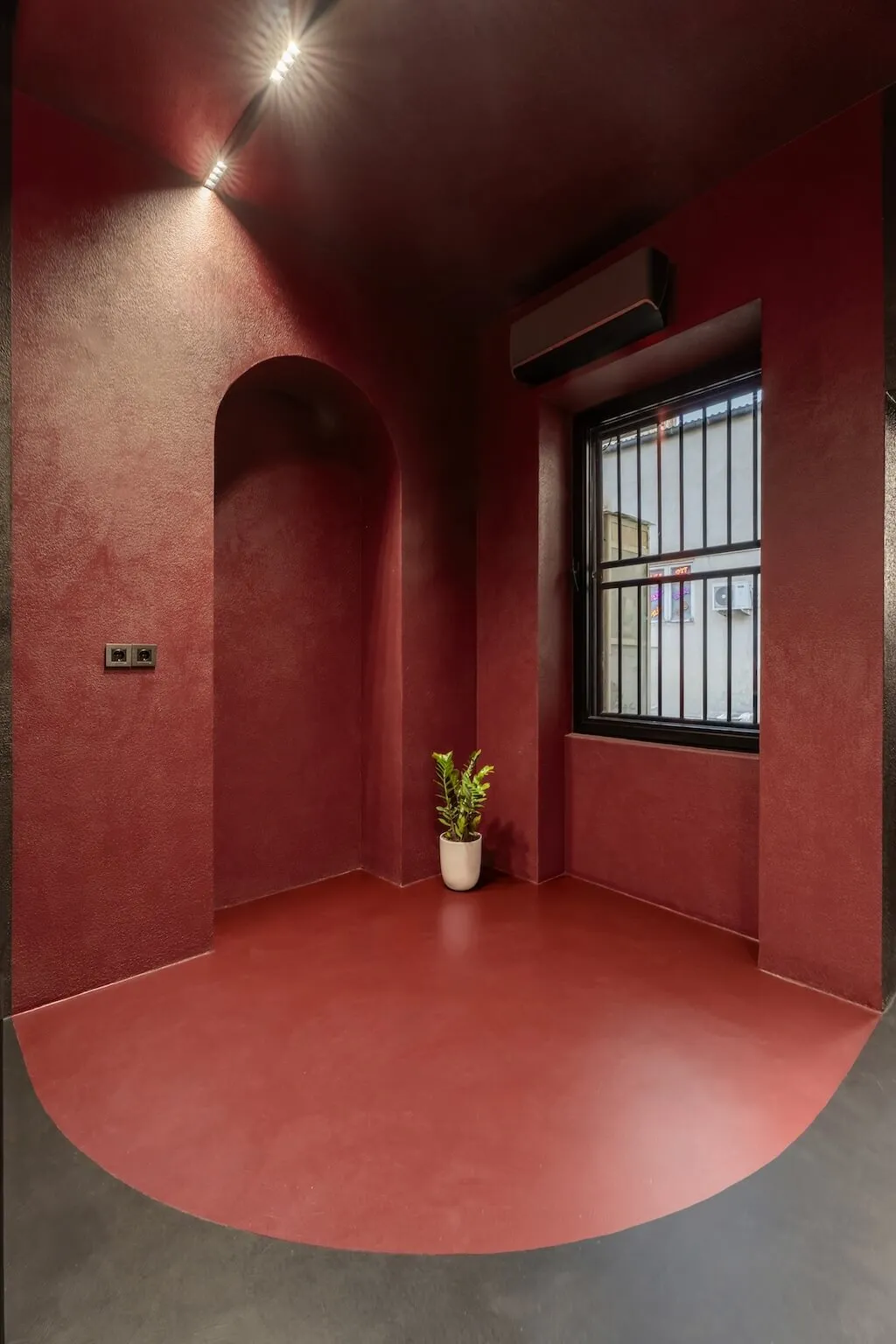
The Mousavi – Music Instruments Gallery demonstrates how a small-scale renovation project can transform spatial challenges and cultural needs rooted in an urban context into a resonant architectural experience that invites visitors to listen, explore, and connect the bridge between tradition and contemporary urban life. The project breaks the mold of passive design, transforming the gallery that shapes the visitor’s perception of the musical instruments.
Mousavi – Music Instruments Gallery Project details
Location: Baharestan Street, Tehran, Iran
Architect: Neda Mirani
Built area: 80 m²
Photography: © Benyamin Jahanshahi
Construction: Vahid Mousavi