
It doesn’t take long to find a LinkedIn post about the cultural struggles of architecture: low pay, endless all-nighters, billing headaches, and the constant debate about the true value of design. Or take it from one of the most celebrated architects of the modern era:
“When you are overworked and exhausted, there is a sense of kind of delirium and that’s why I think architects do all-nighters and they kind of do those deadlines. For four days I remember doing four nights in one row with no sleep. I mean nobody, unless you are crazy, would do that, but you are totally focused on the project.” — Zaha Hadid
Most proposed solutions hinge on others suddenly changing their perception of design’s value. While that would be ideal, it misses a basic truth about human behavior: people rarely change their perspective, especially when it means paying more.
The equation that architects can’t escape
Architects love to believe they can outsmart the old good–fast–cheap triangle.
- Good + Fast → Not Cheap. Unless an architect decides to burn nights and weekends doing unpaid work just to win the job.
- Good + Cheap → Not Fast. Unless the architect again front-loads free labor to stay competitive in a fee race.
- Fast + Cheap → Not Good. Unless an architect is willing to quietly subsidize project quality with their own time and resources.
The reality is that architects routinely bend the rules by taking the hit themselves, trading away time, fees, or quality to keep projects alive. In the short term, it works. In the long term, it devalues the profession and cements unrealistic expectations for clients.
Outdated tools aren’t helping
This cycle only gets worse when you add in the current AEC software stack. Despite being used to design the world’s most advanced buildings, our tools are anything but modern. Architects juggle fragmented workflows across platforms built for another era while productivity stalls.
It’s no wonder the industry has attracted nearly $45 billion in global investments since 2020. Everyone knows the toolkit is broken. And yet, real change has been slow to arrive.
So if the status quo is both widely accepted and universally despised, why keep playing by its rules? Instead of asking clients for more dollars while using outdated tools, what if you simply consumed less time with better ones?
AI: Your opportunity to get even
“Work smarter, not harder” has long been a mantra. But for architects stuck with tight deadlines and legacy tools, it almost always defaults to “work harder.”
AI changes that equation. By reducing friction in the earliest phases of design, AI gives architects the chance to finally work smarter, producing more in less time without sacrificing quality. That is the promise of architectural intelligence: to come alongside design teams as a collaborator, not a replacement, and help cut the overtime and overhead that erodes fees.
Snaptrude’s next horizon
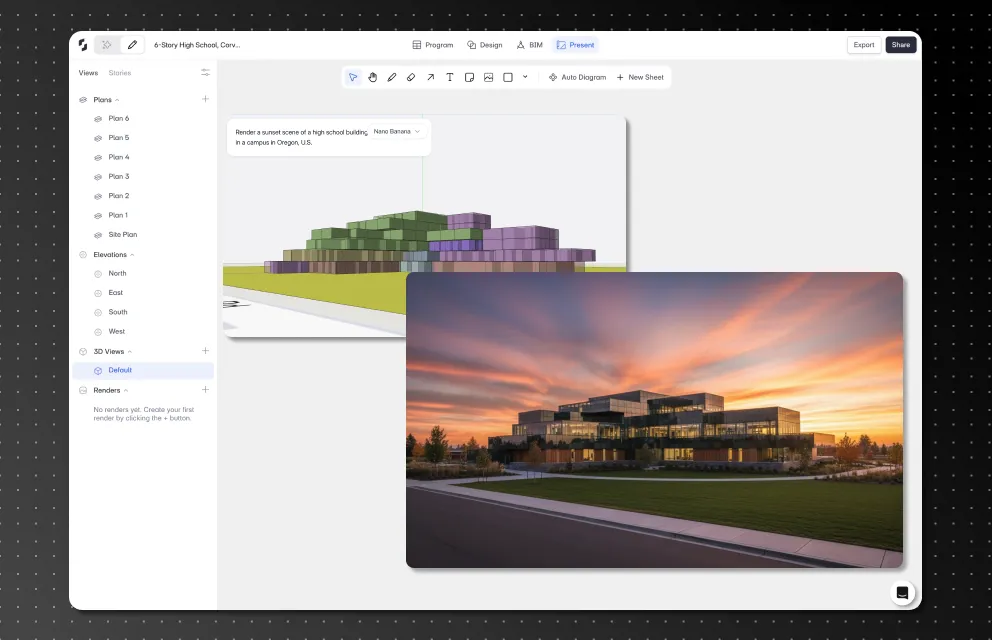
Snaptrude has always been about giving architects smarter, faster tools. Our next major release brings AI directly into the early stages of design, helping teams go from zero to one faster while keeping them fully in control of the outcome.
Prompt-to-concept with AI stack
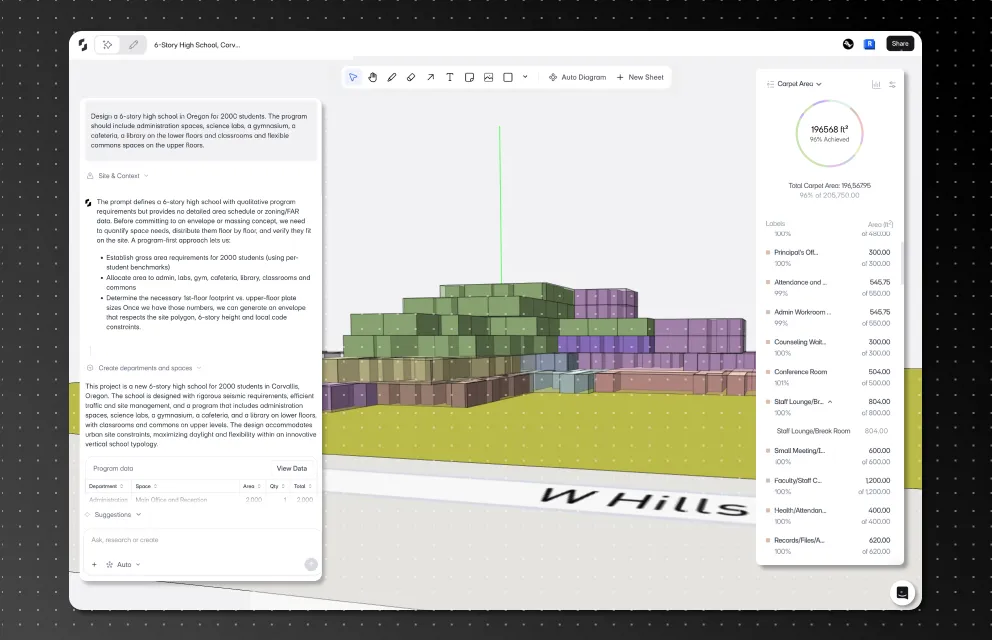
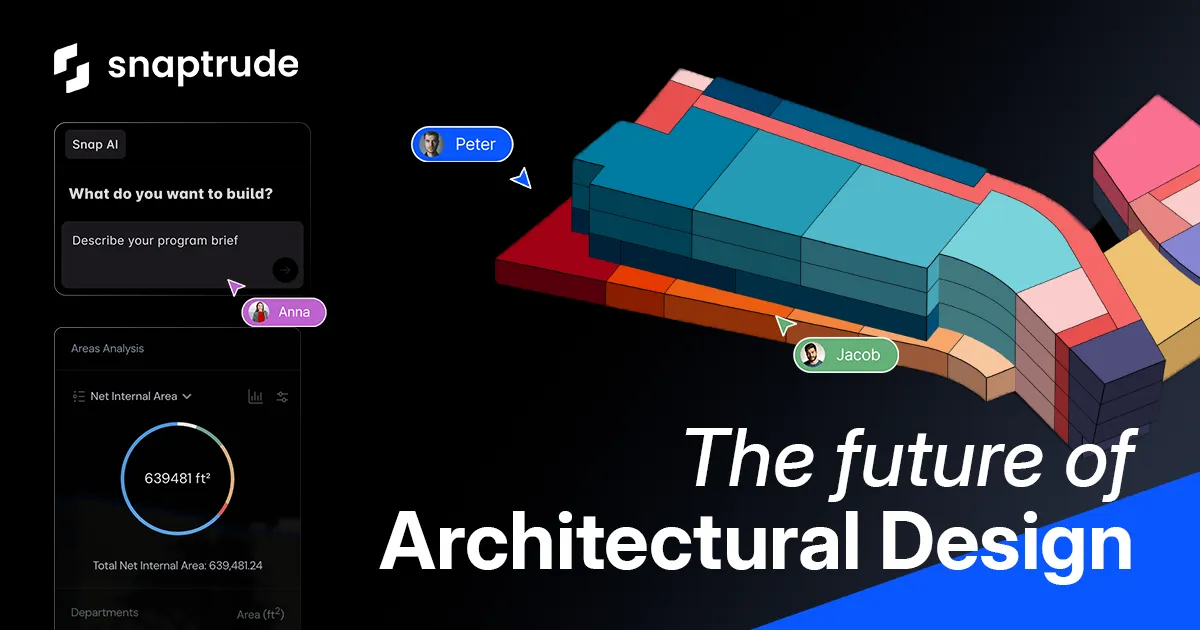
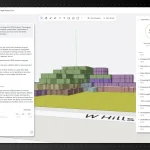
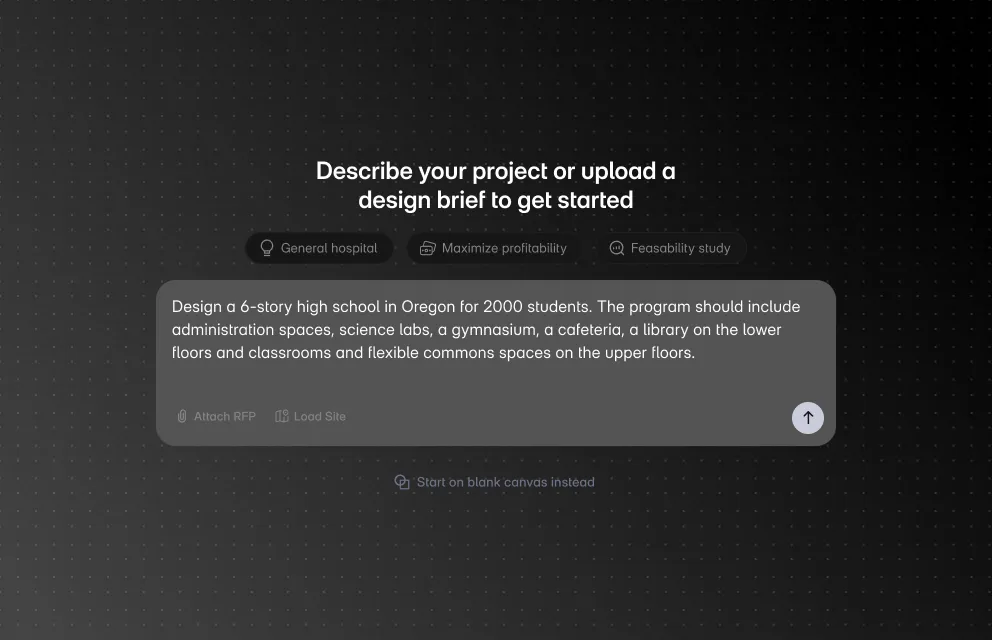
Starting a project no longer has to mean staring at a blank canvas. With Snaptrude’s AI stack, you can simply describe the building type, the site, and the intended use. Snaptrude automatically generates a layout with the right spaces, organized to hit target requirements.
Instead of piecing together programs or wrestling with massing from scratch, you begin with an intelligent starting point already aligned to your goals. And because the transition from AI mode to design mode is seamless, you can immediately take full control, customizing, iterating, and refining without losing momentum.
Instant insights with built-in research
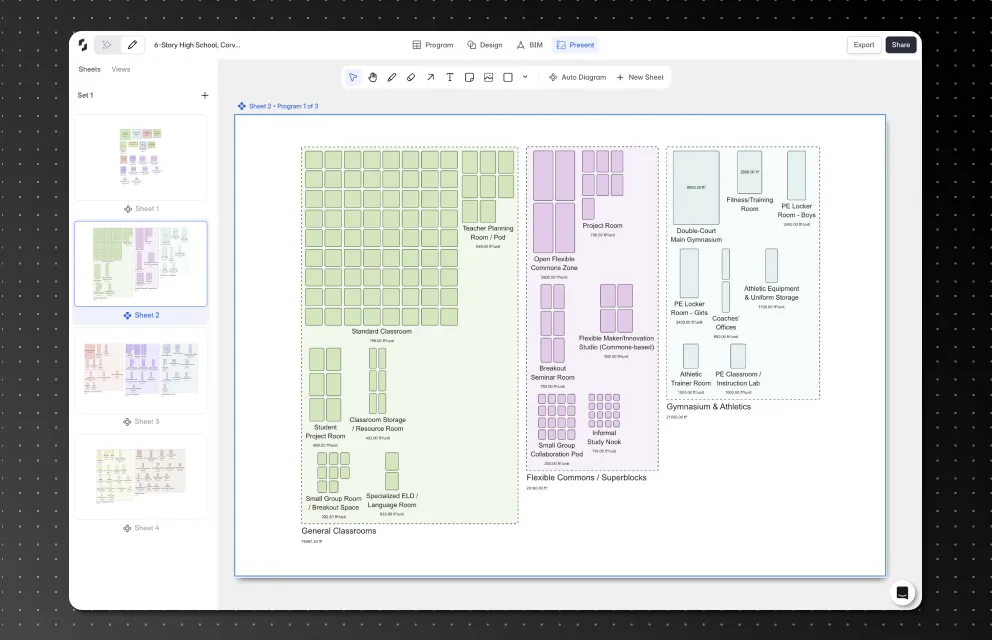
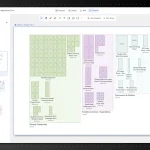
One of the most time-consuming parts of early design is just getting to the ground truth. Architects spend hours digging through codes, guidelines, and precedent studies before they can even start shaping a design. Snaptrude’s built-in AI research surfaces these insights instantly.
From analyzing building codes and ADA requirements to benchmarking space standards and costs, Snaptrude keeps everything in one place. Instead of bouncing between PDFs, spreadsheets, and old project folders, teams can validate decisions directly in the same canvas where they are designing. The result: less guesswork, faster iteration, and more confidence that every choice is rooted in solid data.
Better deliverables without the tool switching
Early concept design should be about exploration, not production drudgery. Yet architects often spend endless hours rebuilding models, photoshopping context, or tweaking styles just to get presentation graphics client-ready. Every tool switch interrupts creative flow.
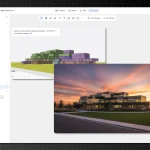
Snaptrude’s AI-powered inspiration tools close that gap. Test materials or façade openings without rebuilding. Generate presentation graphics in multiple styles with a prompt. Add context and environment directly into your visuals without leaving the platform.
The result is richer deliverables that keep up with your ideas without the tool-hopping that slows them down.
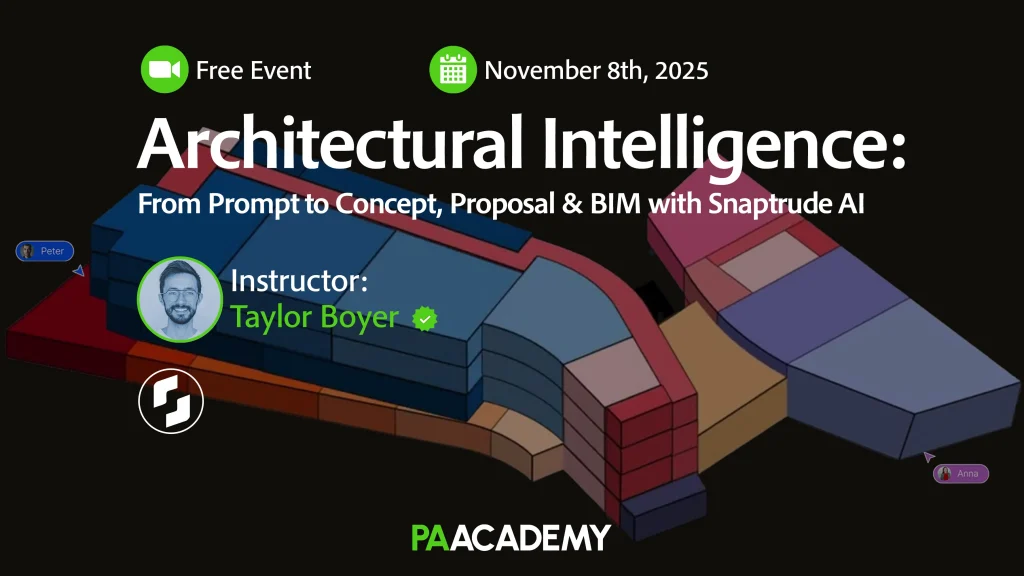
For those interested in exploring these shifts in practice, PAACADEMY is offering a workshop on Architectural Intelligence: From Prompt to Concept with Snaptrude AI. This free workshop introduces architects and designers to Snaptrude’s AI-powered workflow, guiding them from prompt-based concepts to BIM-ready models.