
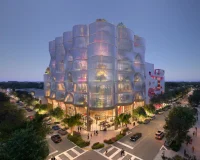

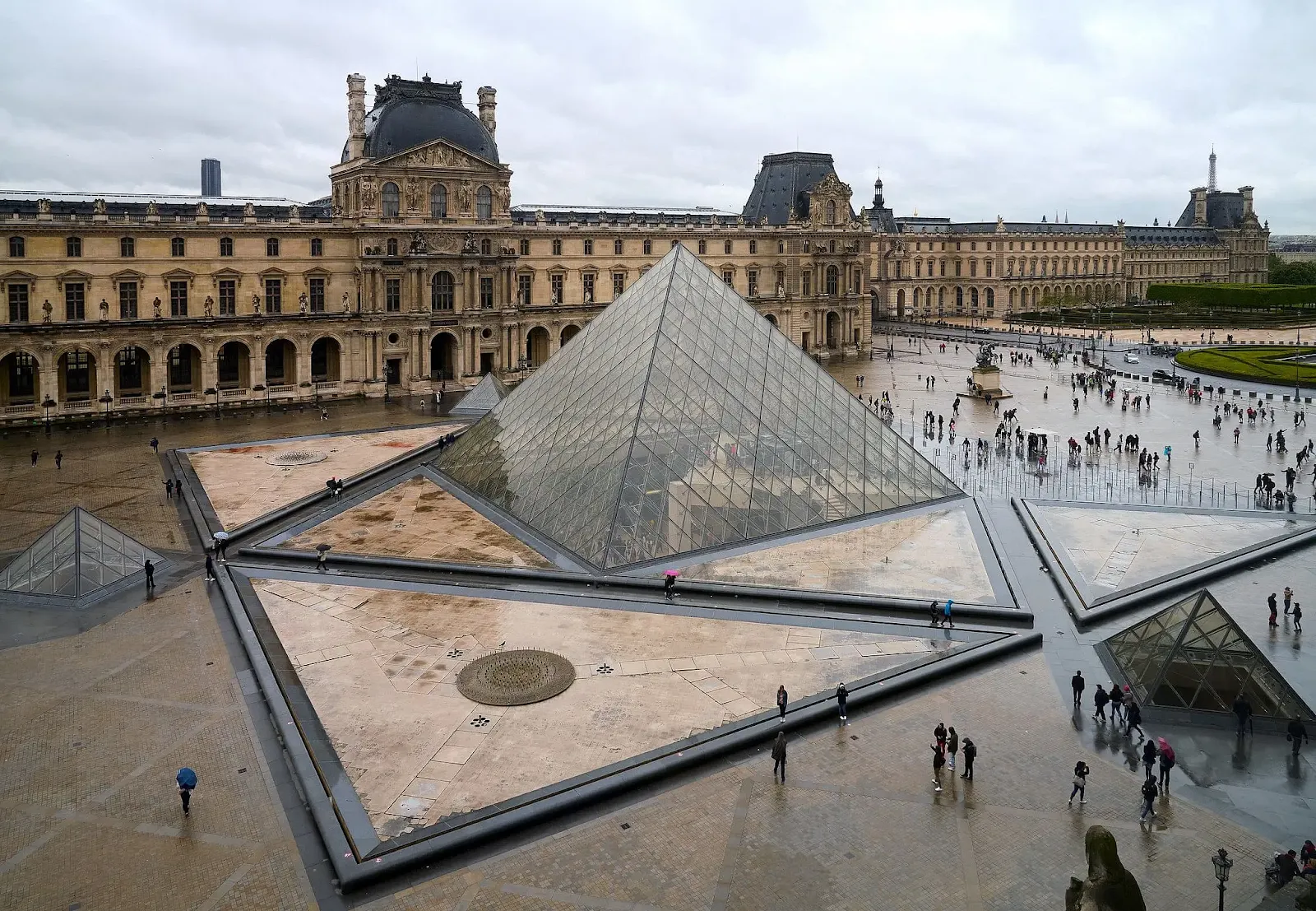
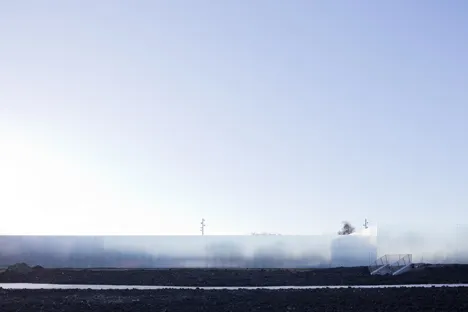
The competition for the Musée du Louvre, one of the world’s most visited cultural landmarks, was formalized under the title “Louvre, Nouvelle Renaissance,” representing one of the most culturally significant infrastructure projects of the mid-2020s. Five architectural firms have been shortlisted, among them two acclaimed Japanese studios, SANAA and Sou Fujimoto Architects, who stand out for their poetic sensibilities and refined architectural philosophies. While SANAA’s strategy emphasizes deference through dissolution, Fujimoto’s approach focuses on engagement through contrast.
Louvre – Nouvelle Renaissance – Defining the 21st-Century Louvre
Announced by French President Emmanuel Macron earlier this year, the brief was defined as a comprehensive scientific, cultural, architectural, and environmental undertaking aimed at ensuring the institution’s operational viability and cultural relevance in the 21st century, with a target completion date expected around 2031.
The international architectural competition, launched on June 28, 2025, drew global attention and received hundreds of submissions, with the selection of five finalists by a 21-member international jury in October 2025.
Key themes: Grande Colonnade and Parcours Joconde
The initiative includes a long-term infrastructure master plan titled “Louvre Demain” to ensure the monumental site meets modern standards of accessibility, sustainability, and technical systems. The competition focuses on two key themes: the Louvre–Grande Colonnade and the Parcours Joconde.
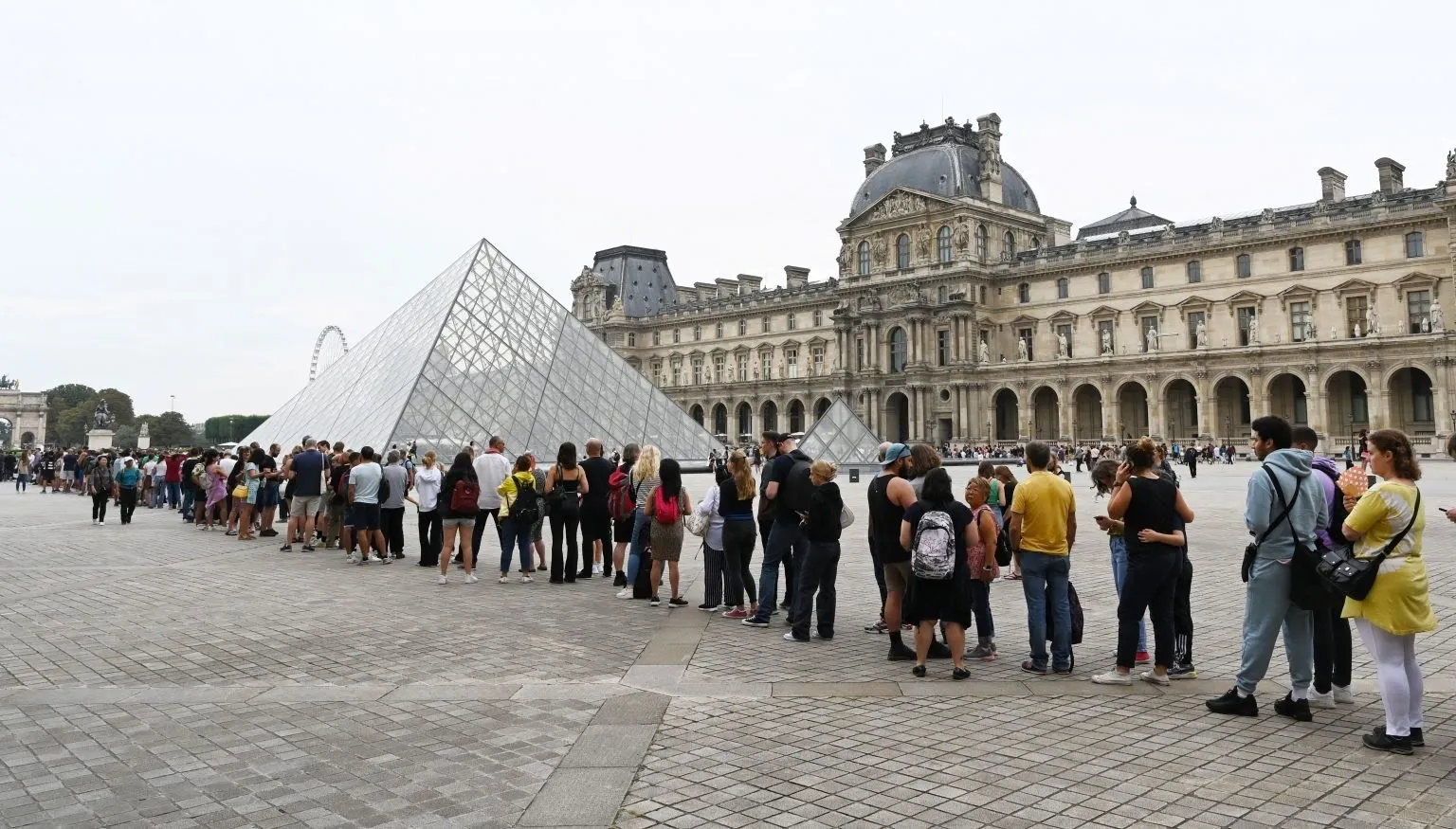
The architectural challenge of the Louvre–Grande Colonnade involves creating new public entrances through the eastern section of the palace, aiming to restore the original intent behind Louis XIV’s monumental façade. By reorienting circulation eastward, the project aims to alleviate congestion at the Pyramid and enhance visitor flow throughout the museum.
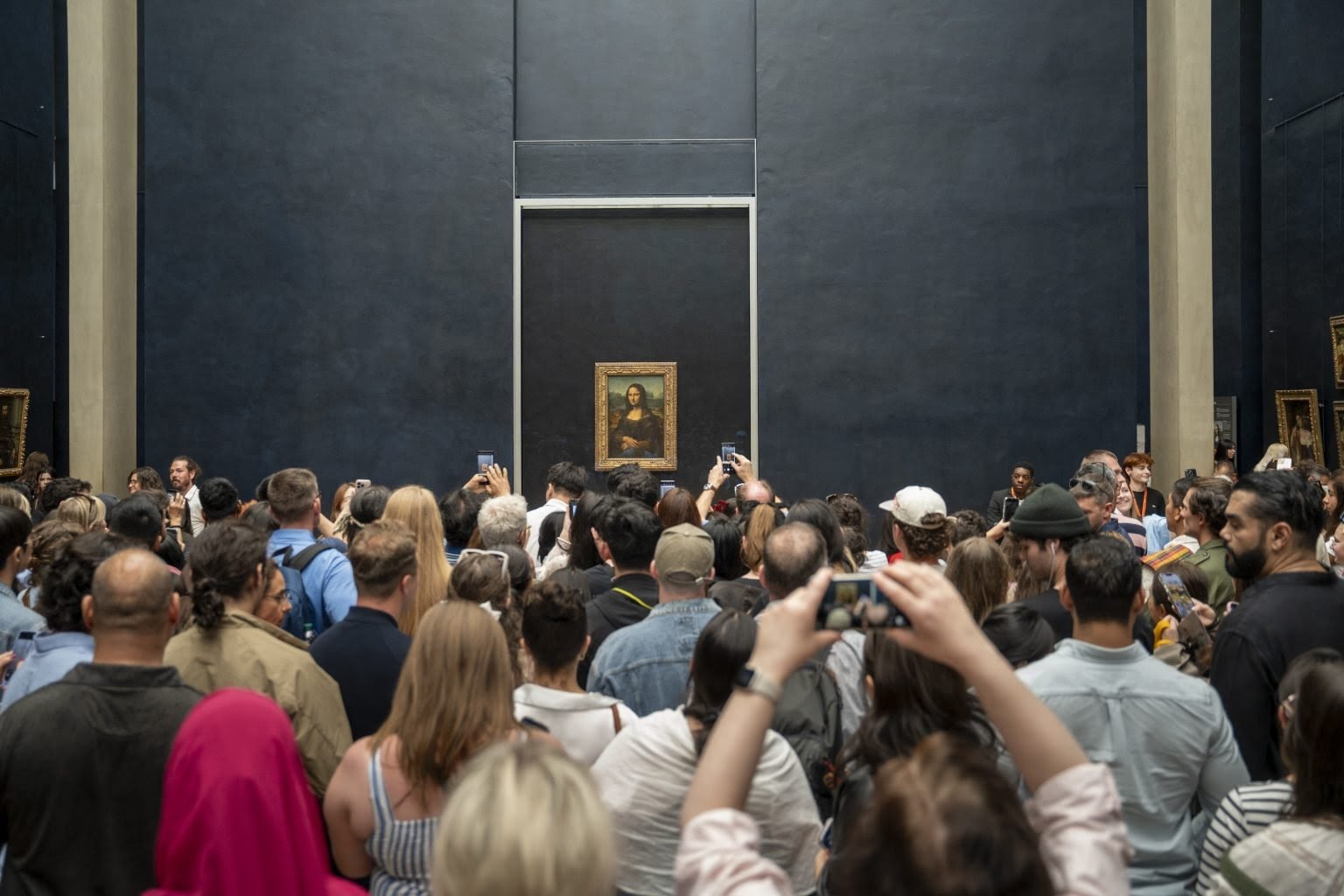
The “Parcours Joconde” will be an independent gallery dedicated to Leonardo da Vinci’s Mona Lisa, helping to redistribute visitors who currently crowd the Denon Wing. To address this issue, the jury emphasized projects that explore the architectural frontier, where innovative solutions for large-scale circulation management and museography can be implemented below, safeguarded from the historical structures above.
Five Global Firms Shortlisted for Louvre Redevelopment
The global shortlist for the expansion of Louvre proposed an architectural vision with a projected budget of €700–800 million that aims to embody sustainability, inclusivity, and the reinvention of public space.
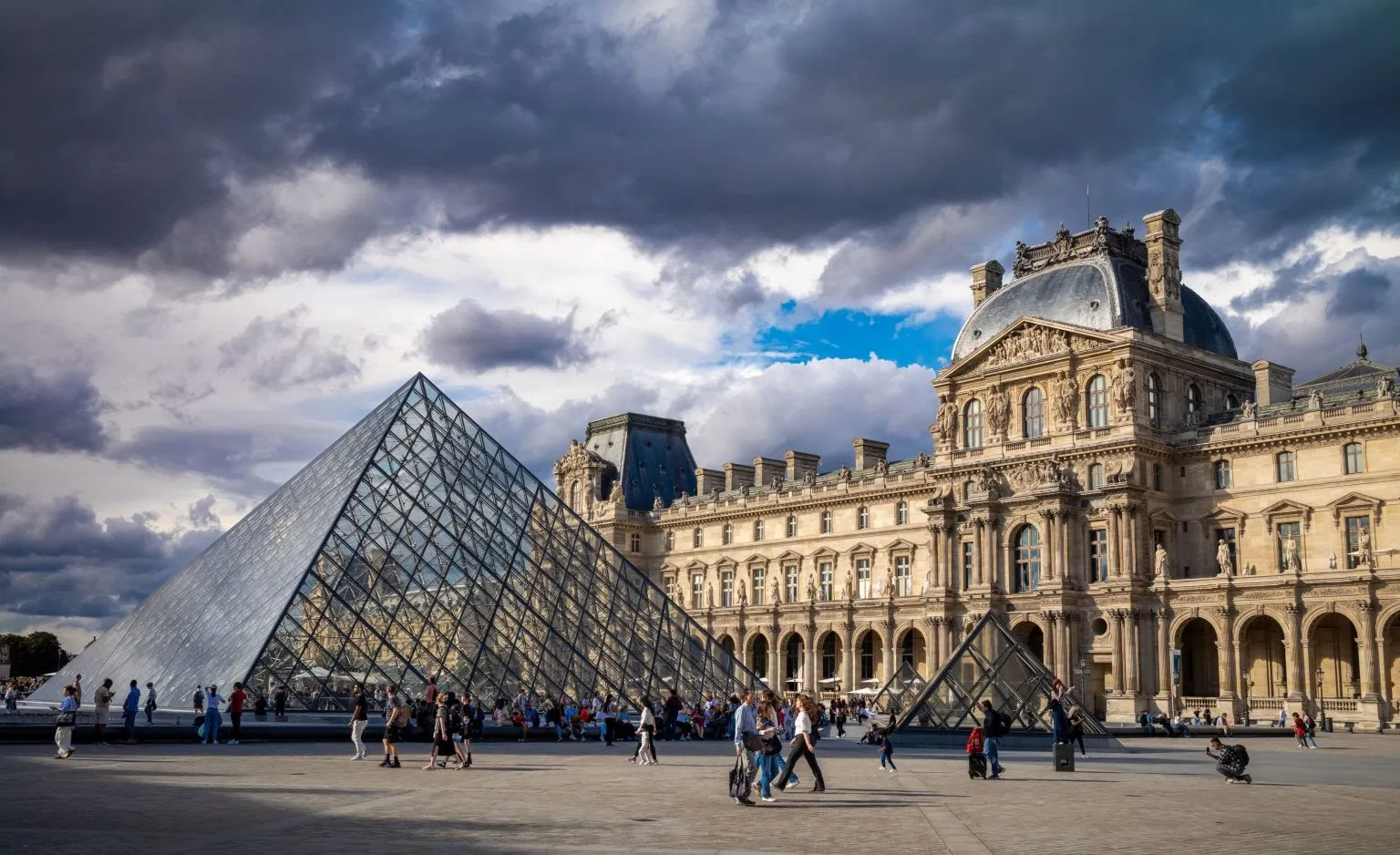
The winning proposal is expected to be announced in early 2026, with project completion anticipated around 2035.
- Amanda Levete Architects (AL_A) with NC Nathalie Crinière and Atelier SOIL
- Architecture Studio + Diller Scofidio + Renfro
- Dubuisson Architecture + SANAA + Dan Pearson Studio
- Sou Fujimoto Ateliers Paris + Sou Fujimoto Architects
- STUDIOS Architecture + Selldorf Architects
The Louvre’s last major renovation, the “Grand Louvre” project by I. M. Pei, transformed the museum into a global symbol of modernity coexisting with heritage. Four decades later, a new transformation with a Dubuisson Architecture & SANAA: Subtle Integration and Transparency
The French firm Dubuisson Architecture collaborated with the Pritzker Prize-winning Japanese studio SANAA. Led by Kazuyo Sejima and Ryue Nishizawa, SANAA is renowned for the Louvre-Lens Museum in northern France, which masterfully explores light, transparency, and landscape integration. Their architectural minimalist philosophy for Grande Colonnade focused on subtle integration, cultivating a sense of lightness and transparency.
The spatial intervention, if visible, would be transparent and dissolve the new structure into a monumental stone facade, preserving the historical presence of Louis XIV’s architecture while providing necessary access.
Sou Fujimoto Architects: Nature, Experience, and the Primitive Future
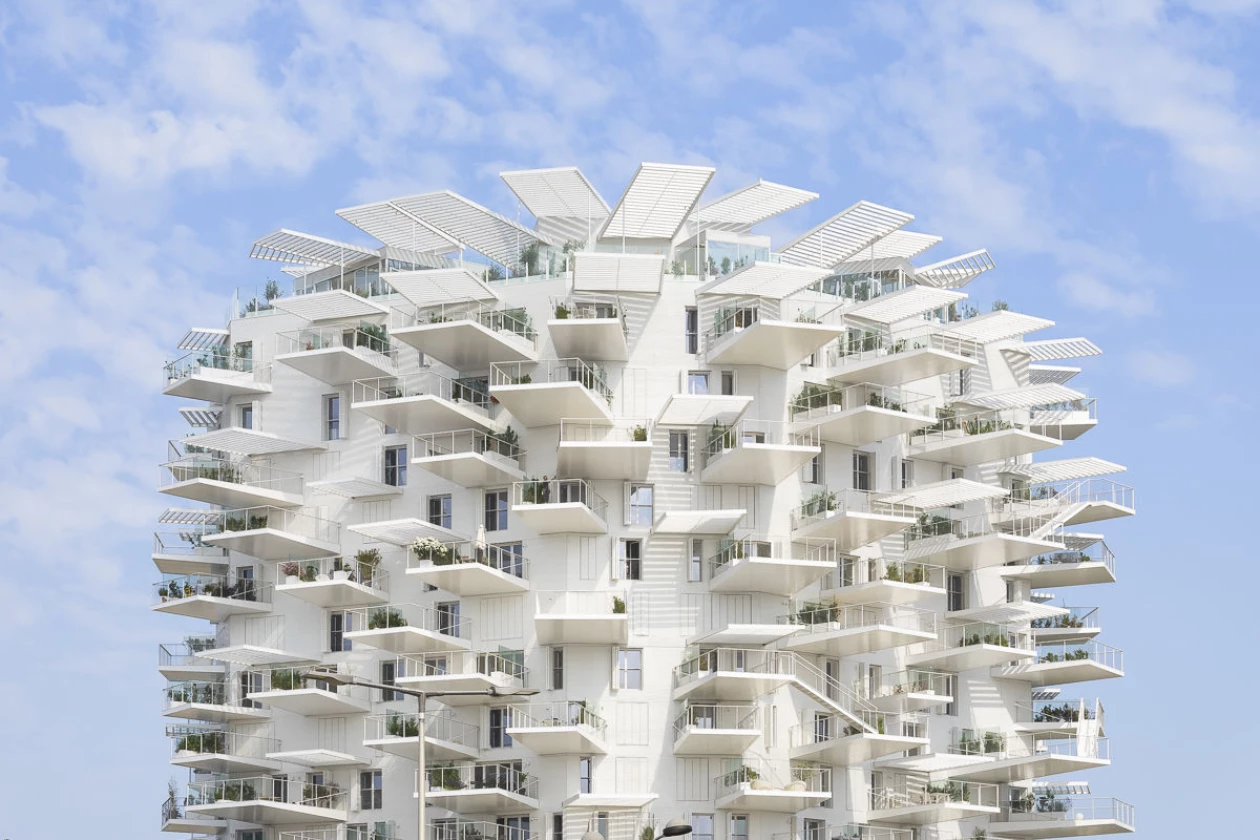
Sou Fujimoto’s designs often explore the complex relationship between nature and the built environment, a philosophy he describes as the primitive future. This concept of creating spatial environments that evoke primordial or intuitive human interactions, such as those found in a forest or a cave, was explored in the underground expansion of the proposal for the Louvre.
The layered, experiential spaces physically separate the modern museum experience from the classical palace above. Collaborating with Ducks Scéno for scenography and Vogt Paysage for landscape and urban design, the proposed spatial experiences will engage both the public realm and the museum’s monumental interiors.
Explore Courses
.jpg "Architecture Diagram Mastery: Concept to Portfolio")
.jpg%202.jpg "Building Performance with Forma & Opossum")
.jpg "Ondrej Chybik - Rethinking Architecture")