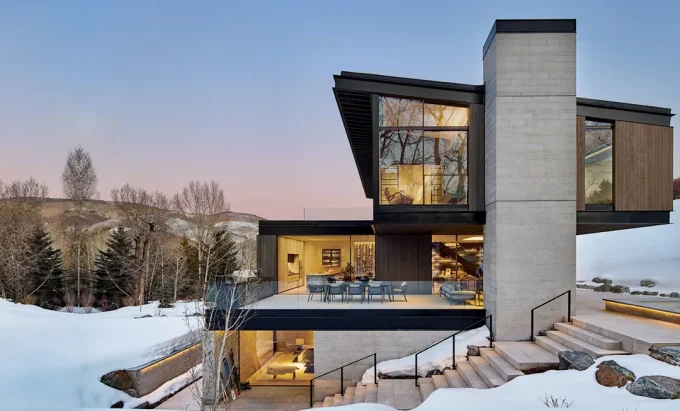





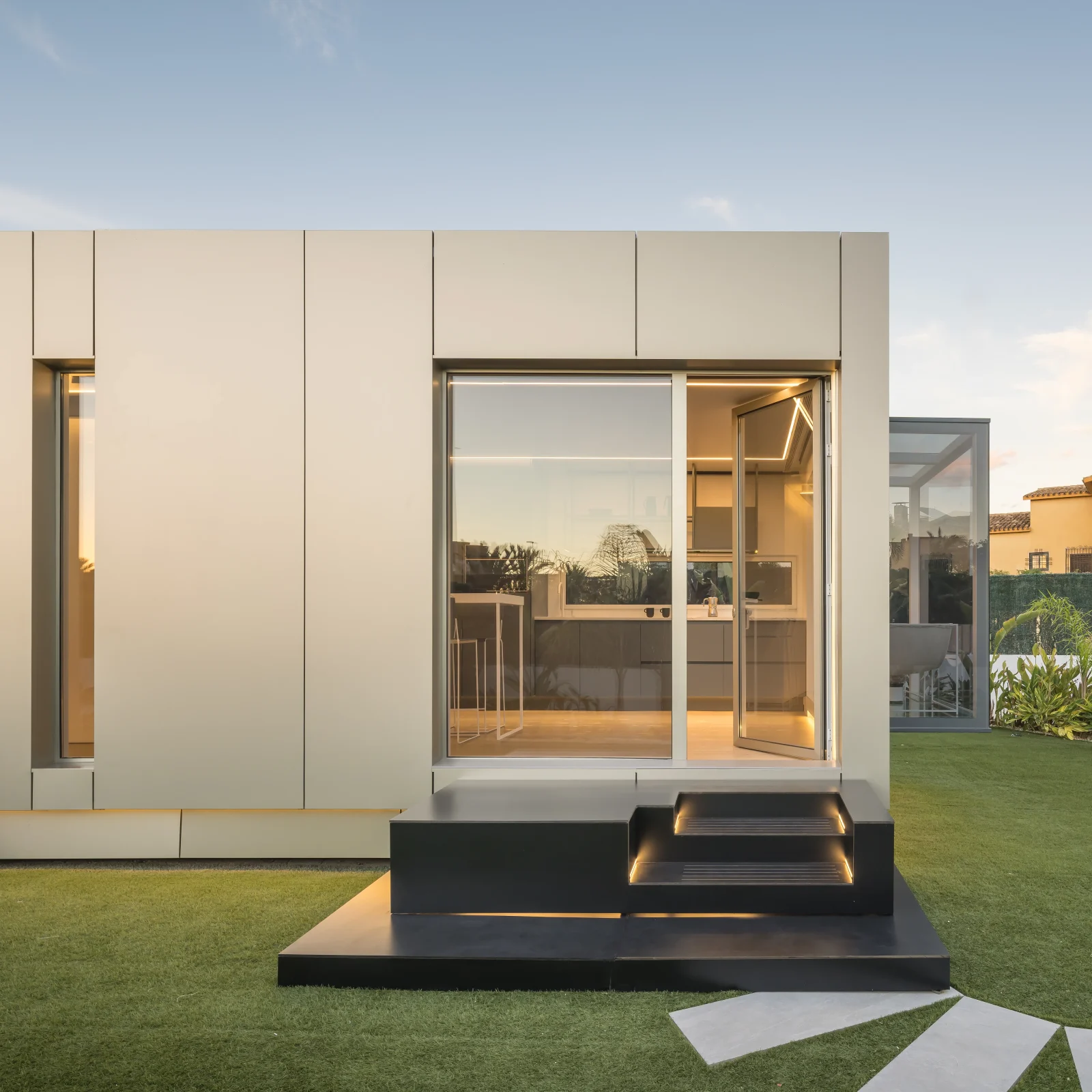
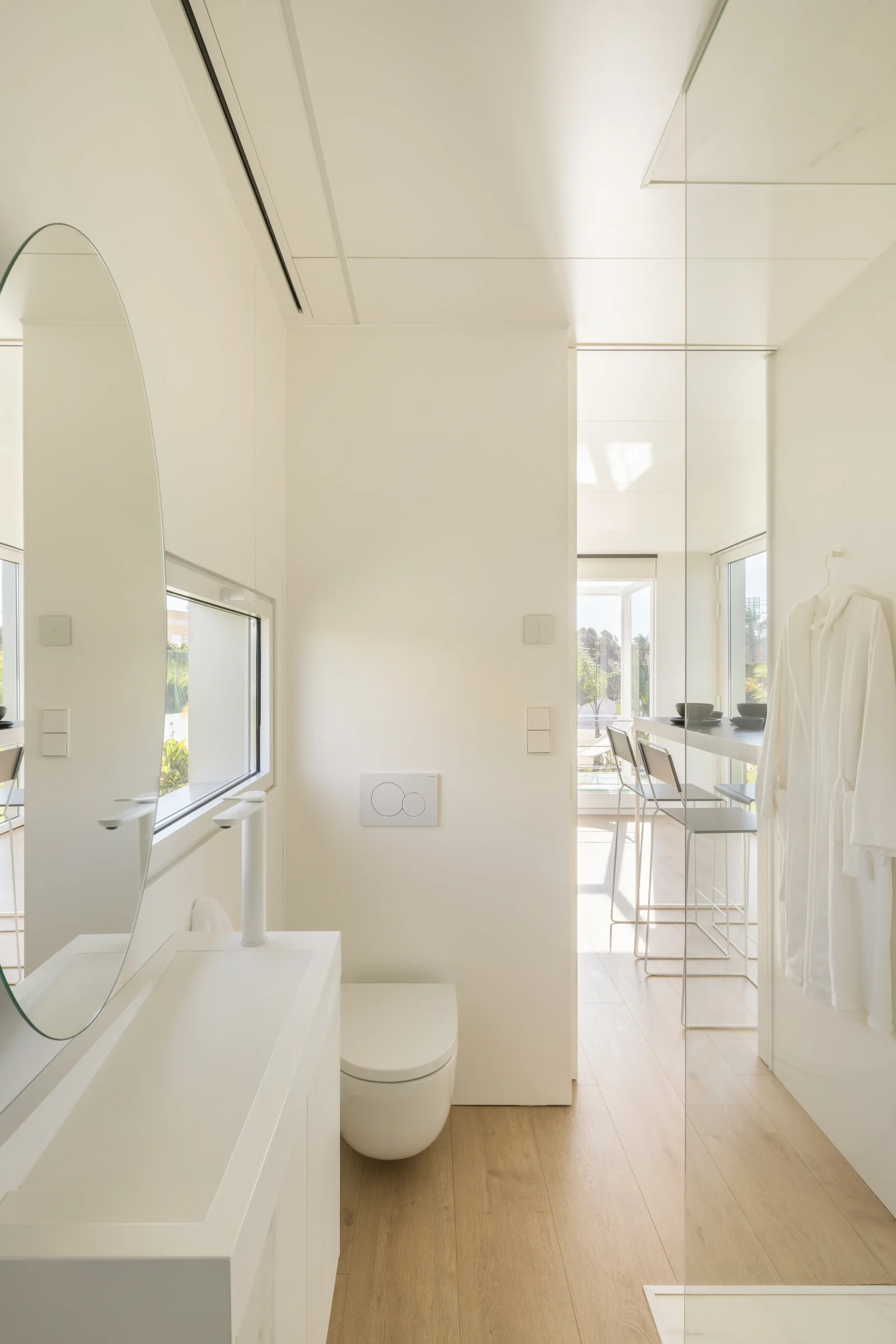
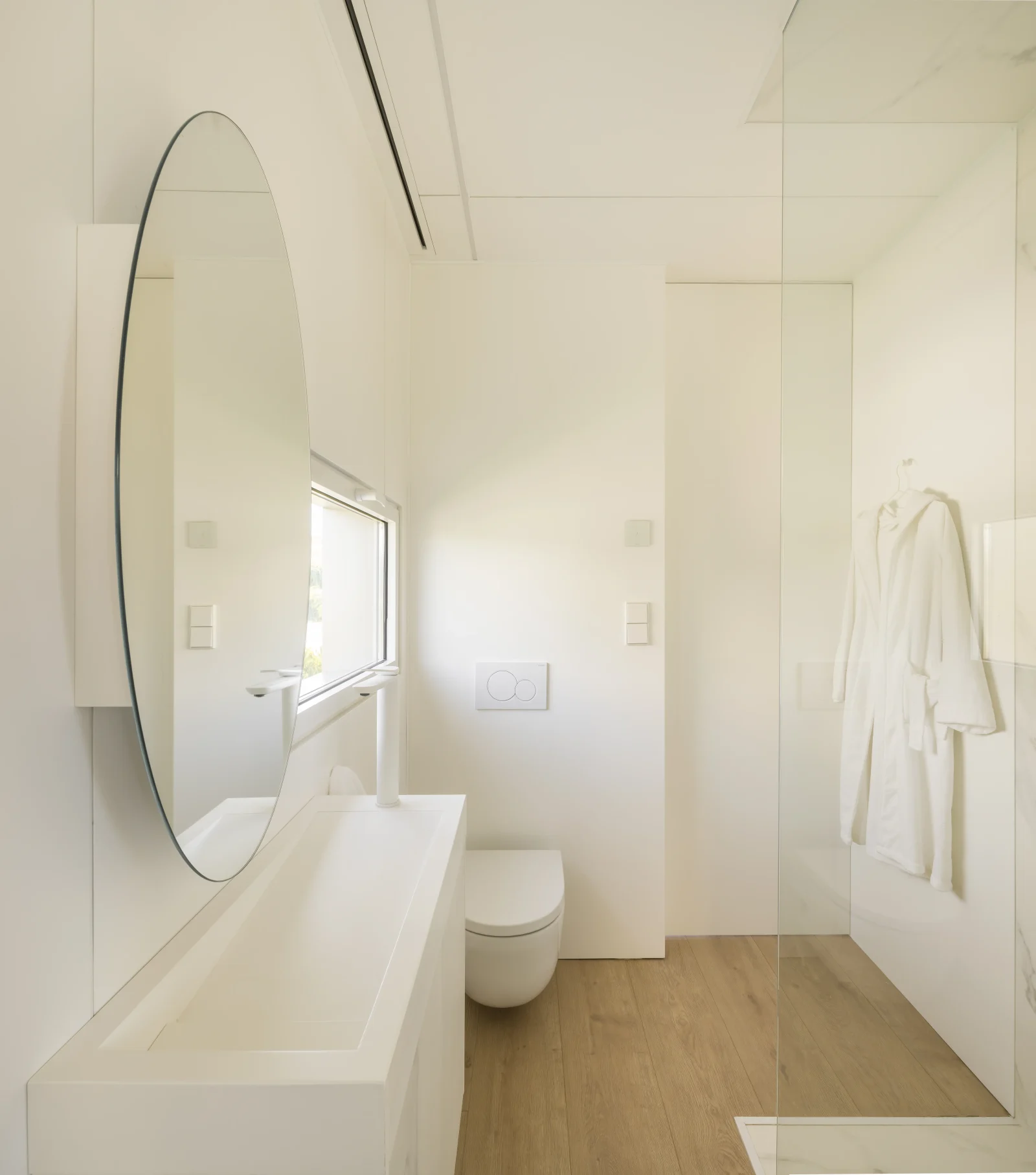
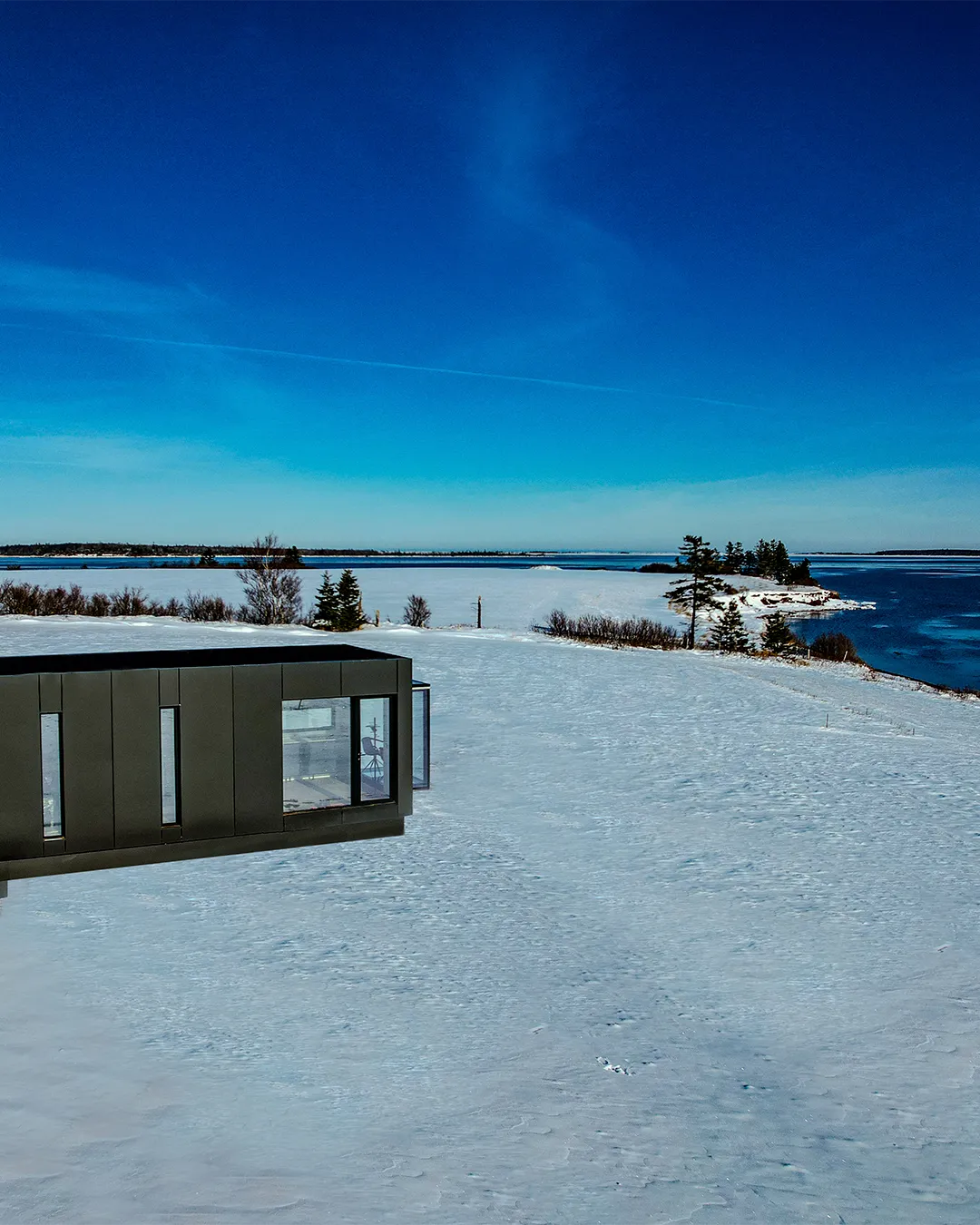
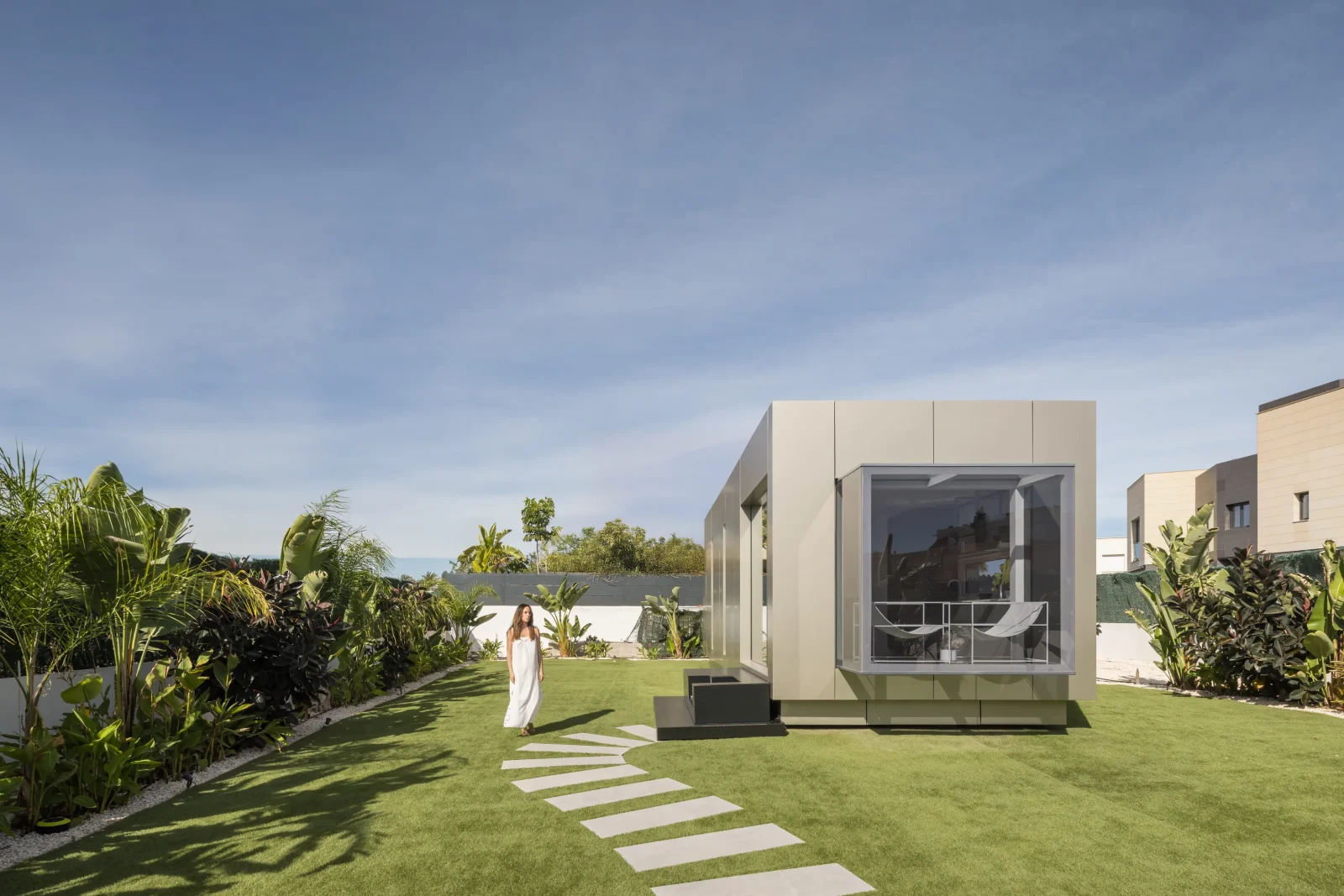
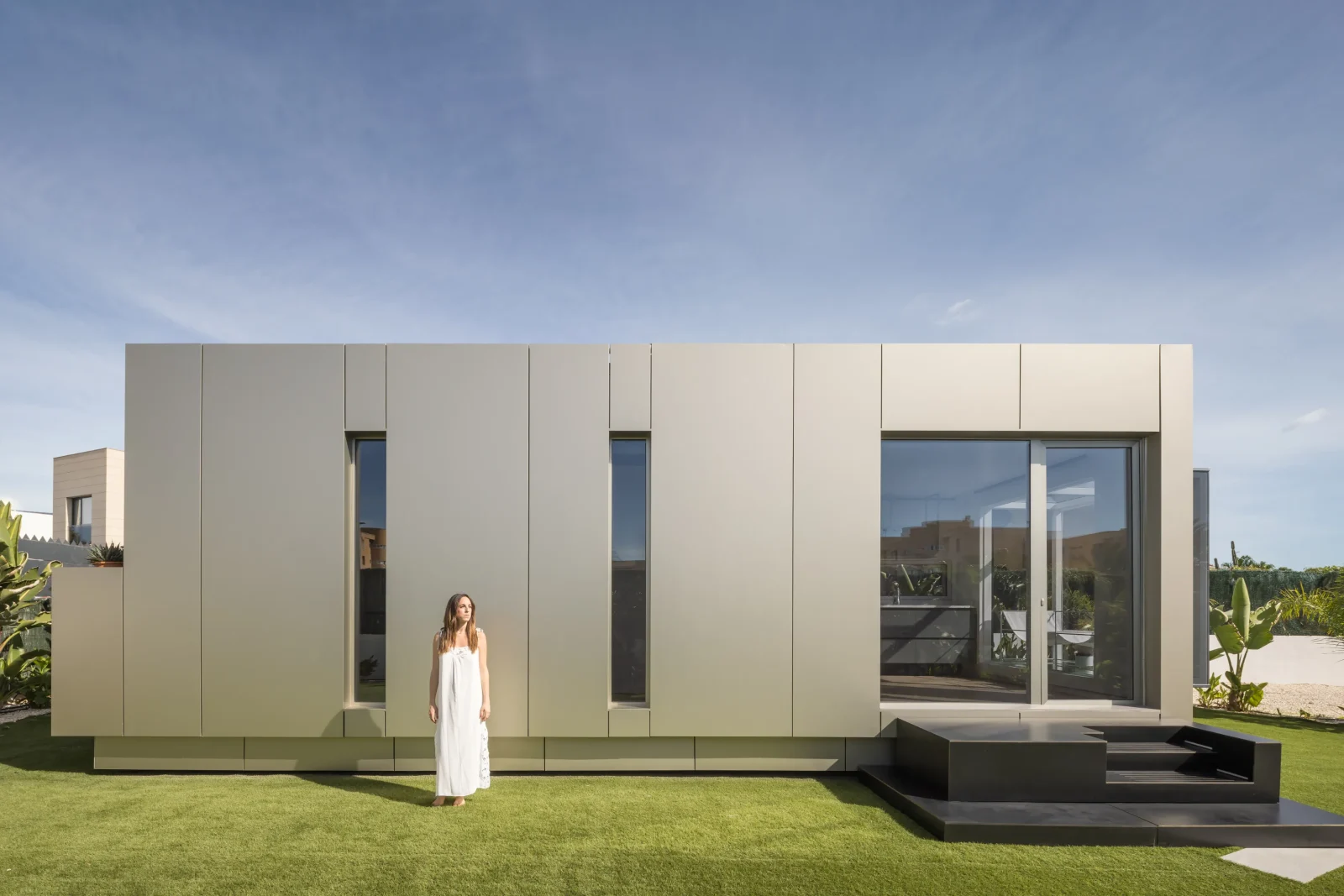
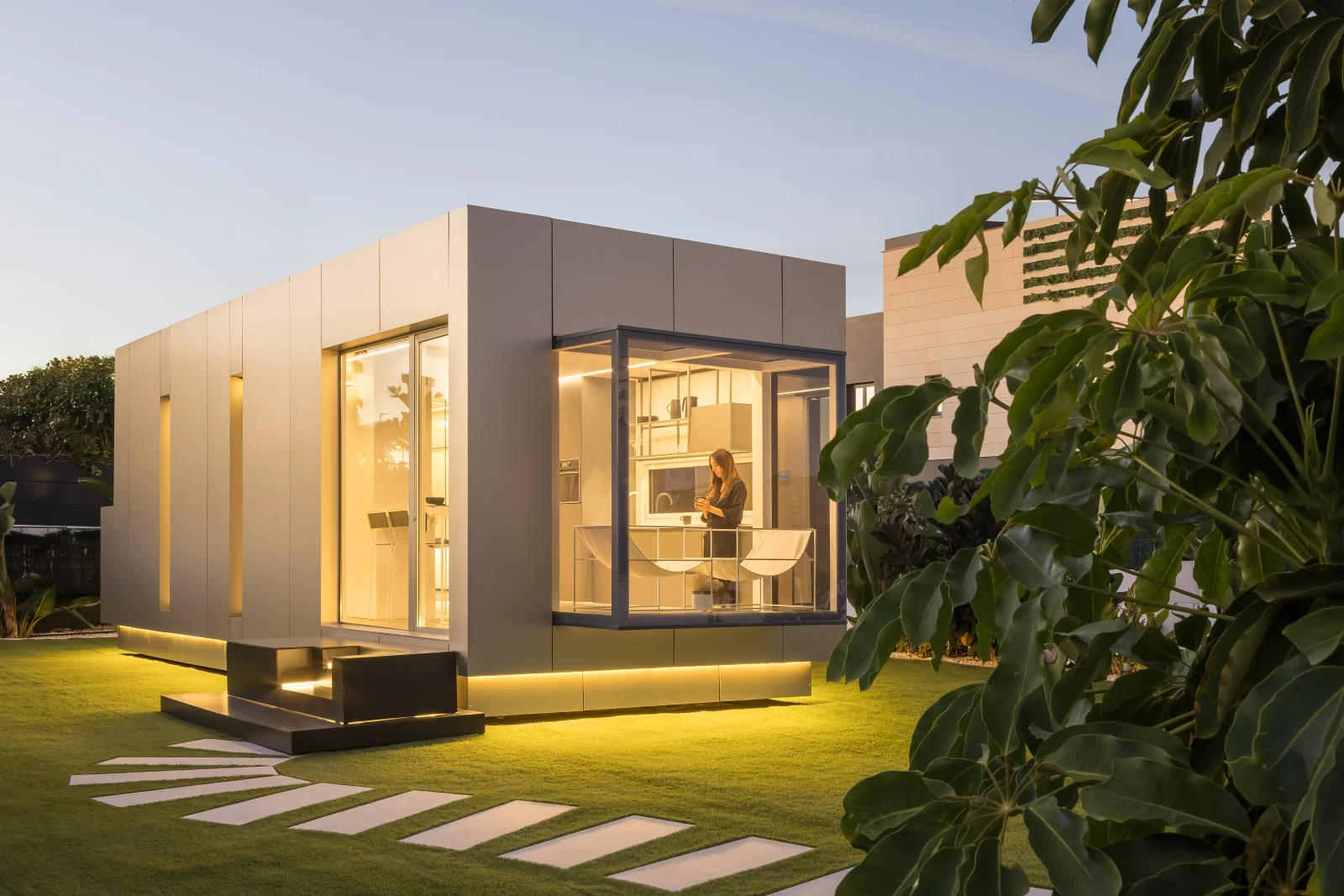
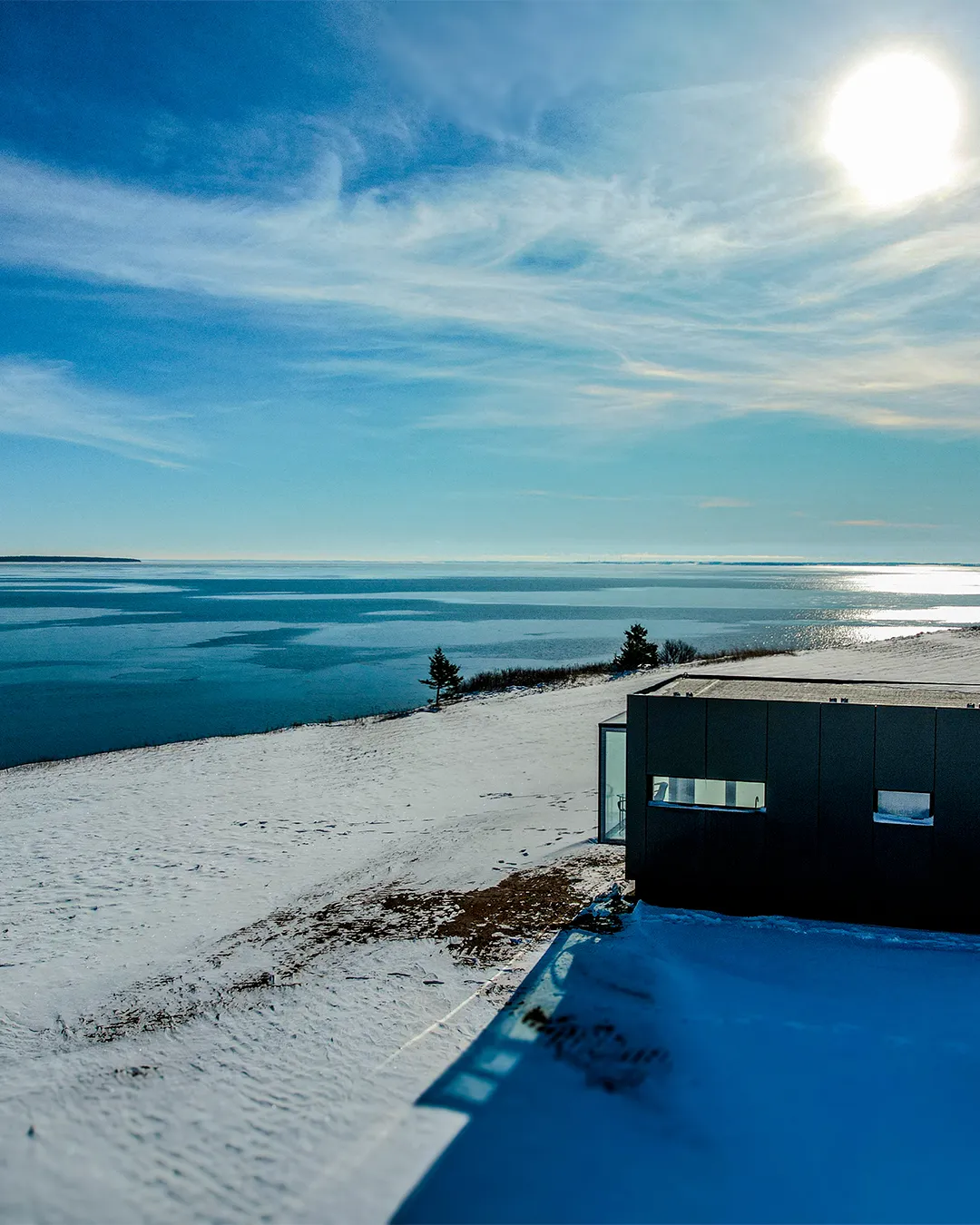
Contemporary architecture is constantly evolving, giving way to new, innovative, and sustainable models; KEU Homes is the personification of this architectural revolution. This Spanish firm has transcended the traditional concept of modular or prefabricated housing to deliver innovative units capable of withstanding extreme environments. This industrialized housing system was conceived to deliver fully finished architectural units in contexts where traditional construction often fails. KEU Homes manages an integrated process of architectural design, engineering, manufacturing, and logistics, designed to operate in demanding environments where precision, control, and predictability are paramount.
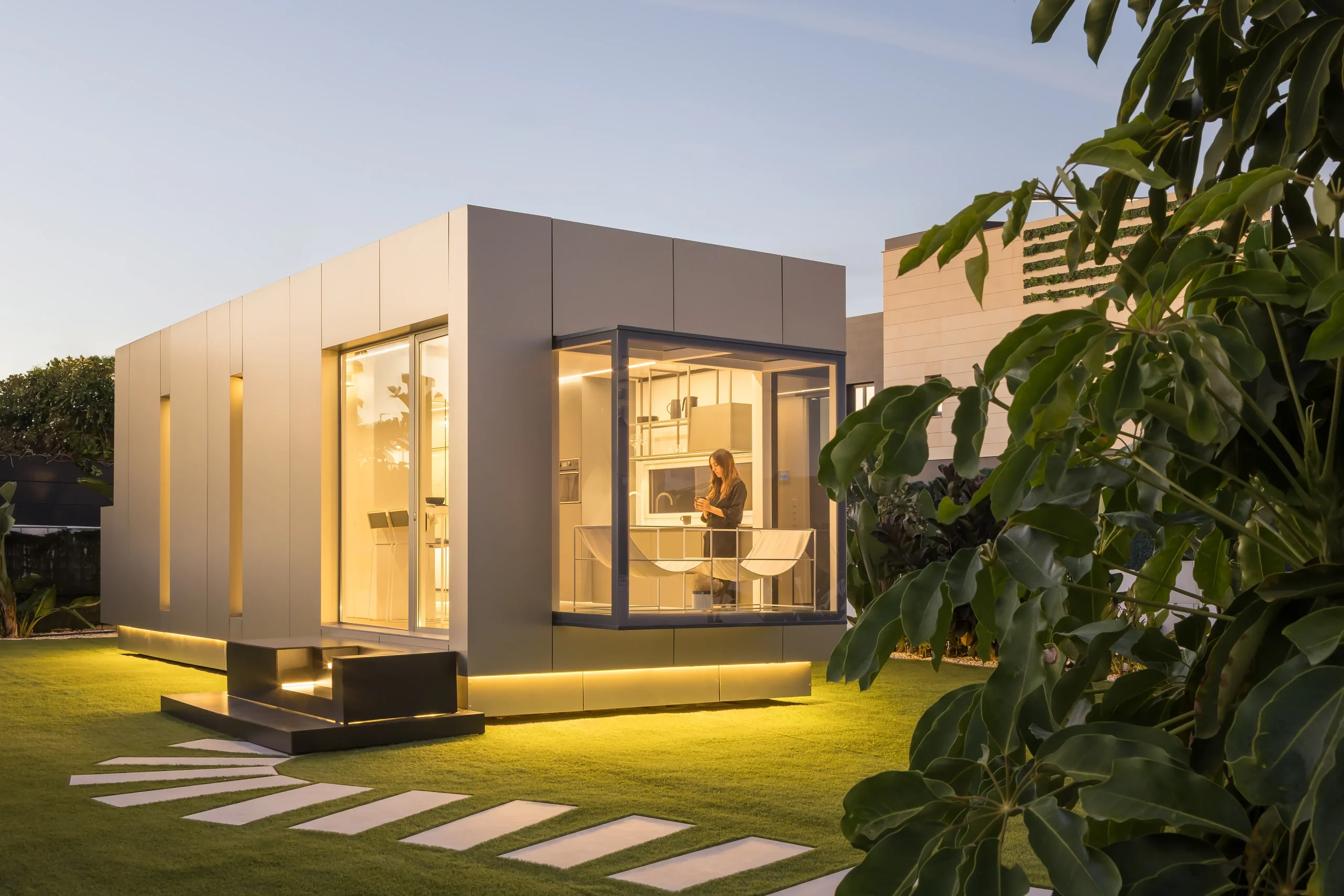
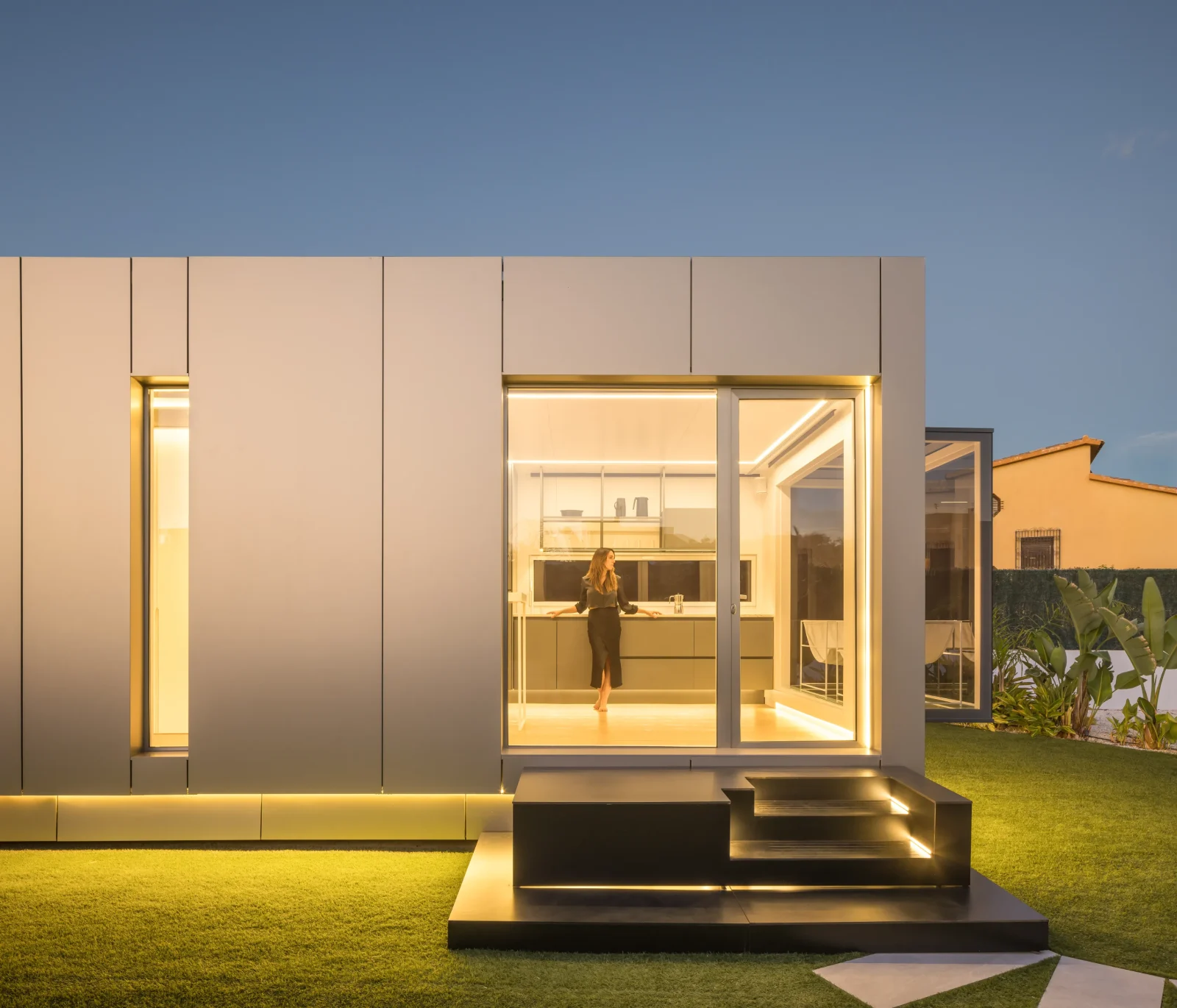
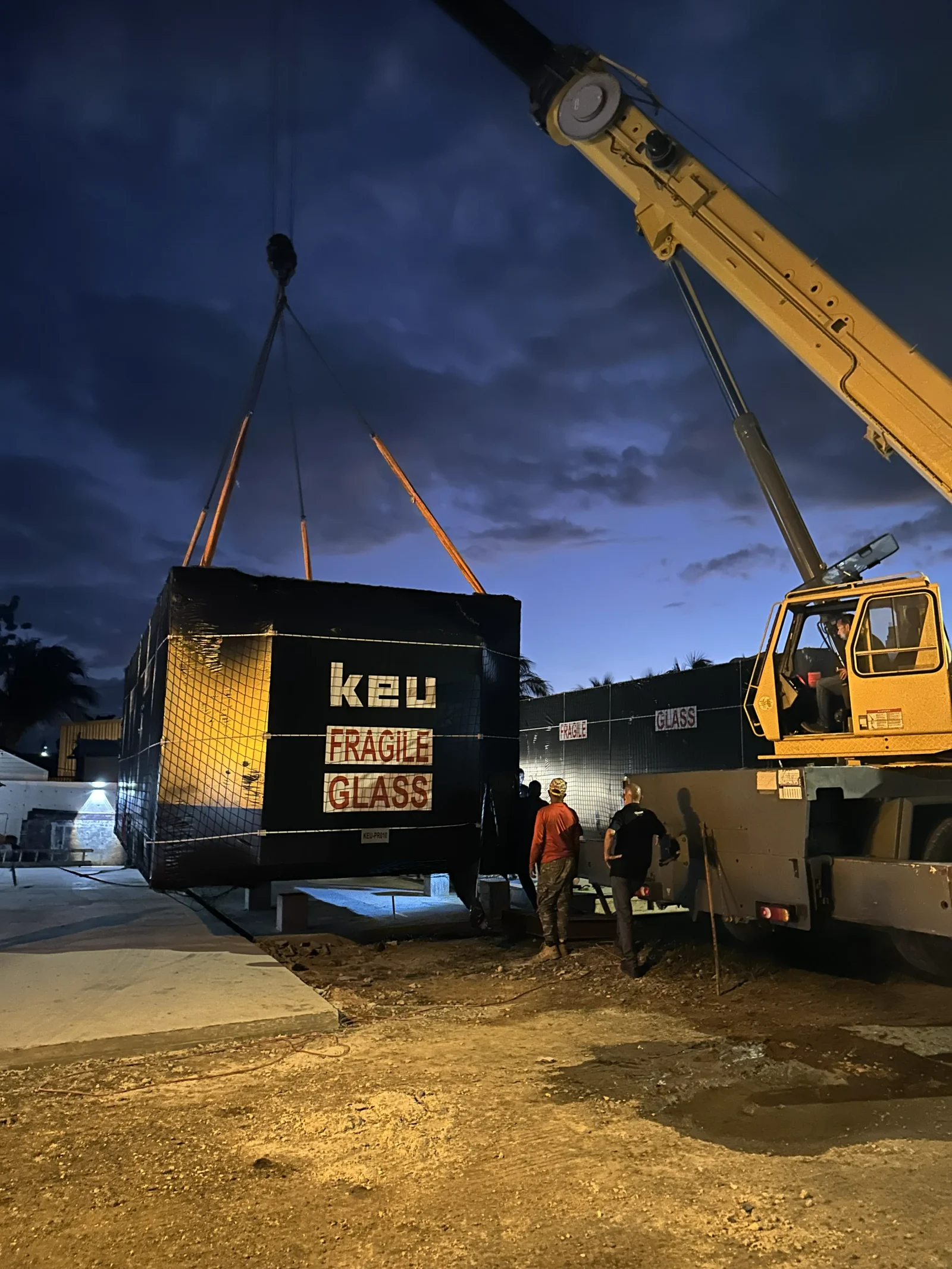
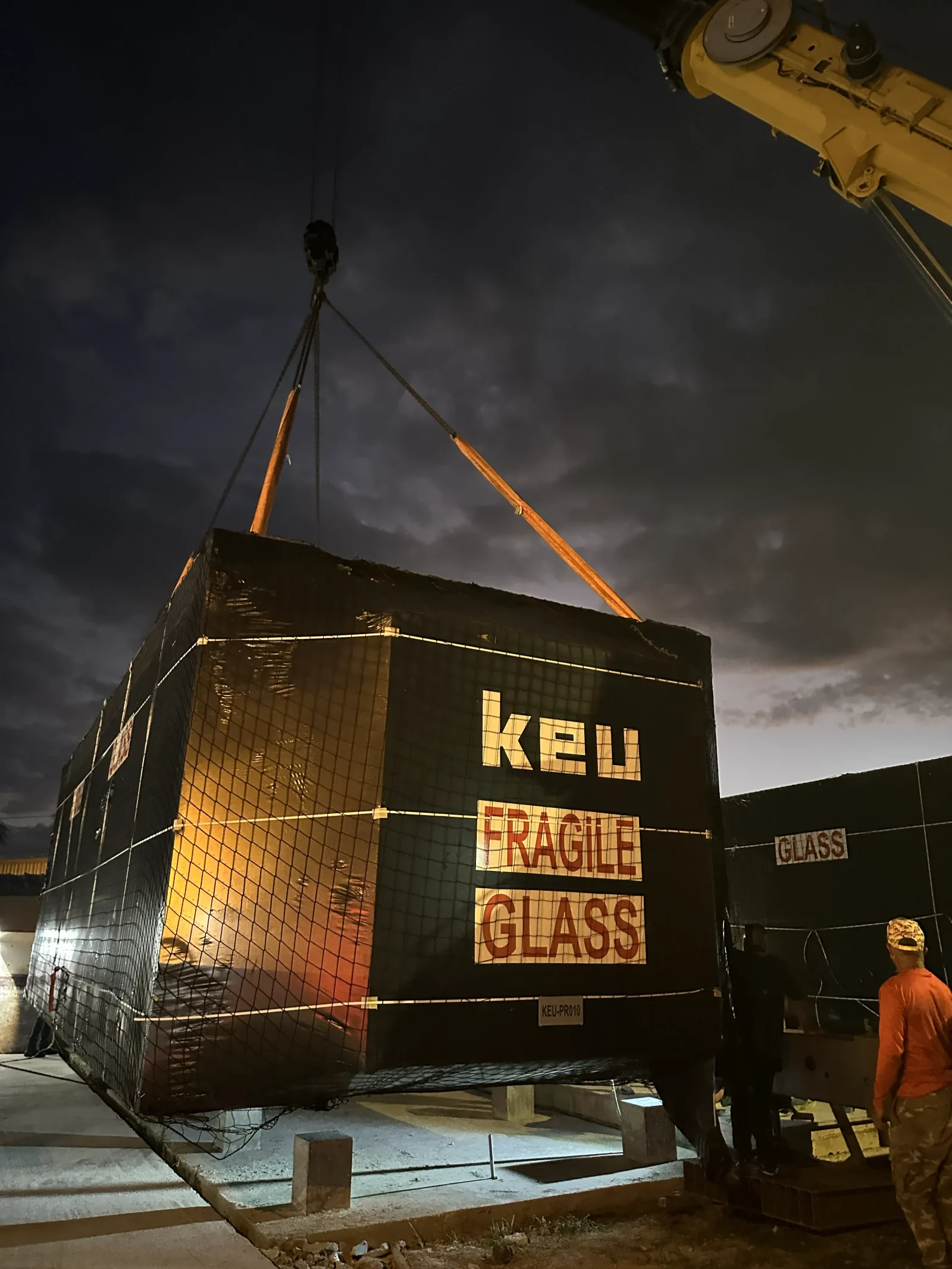
Unlike conventional models that separate design from execution, KEU approaches housing as a continuous process—where architecture, structure, interiors, and technological systems are developed simultaneously within a climate-controlled factory. This allows for the fabrication of complete homes off-site, which are then transported as a finished product and installed in less than 24 hours, effectively reducing the uncertainty associated with on-site construction. The KEU Homes system has proven that industrialization does not equate to standardization. Each unit is designed, engineered, and assembled entirely in-house; dimensional definitions, tolerances, and assembly sequences are established from the earliest design phases, minimizing risks during installation.
One of the most defining aspects that distinguishes this company within the prefabrication landscape is its nautical origin. Its founders, Alejandro Carrilero and Vidal Moreno, seasoned in the complexities of this sector, ensure that in the KEU system, precision is non-negotiable. Their homes incorporate the design details, structural integrity, and materials typical of high-end maritime vessels. This methodology results in tight coordination between design and manufacturing, guaranteeing absolute coherence between the conceptual vision and the built project; in other words, architecture and technical systems must coexist within strictly defined spatial and technical limits.
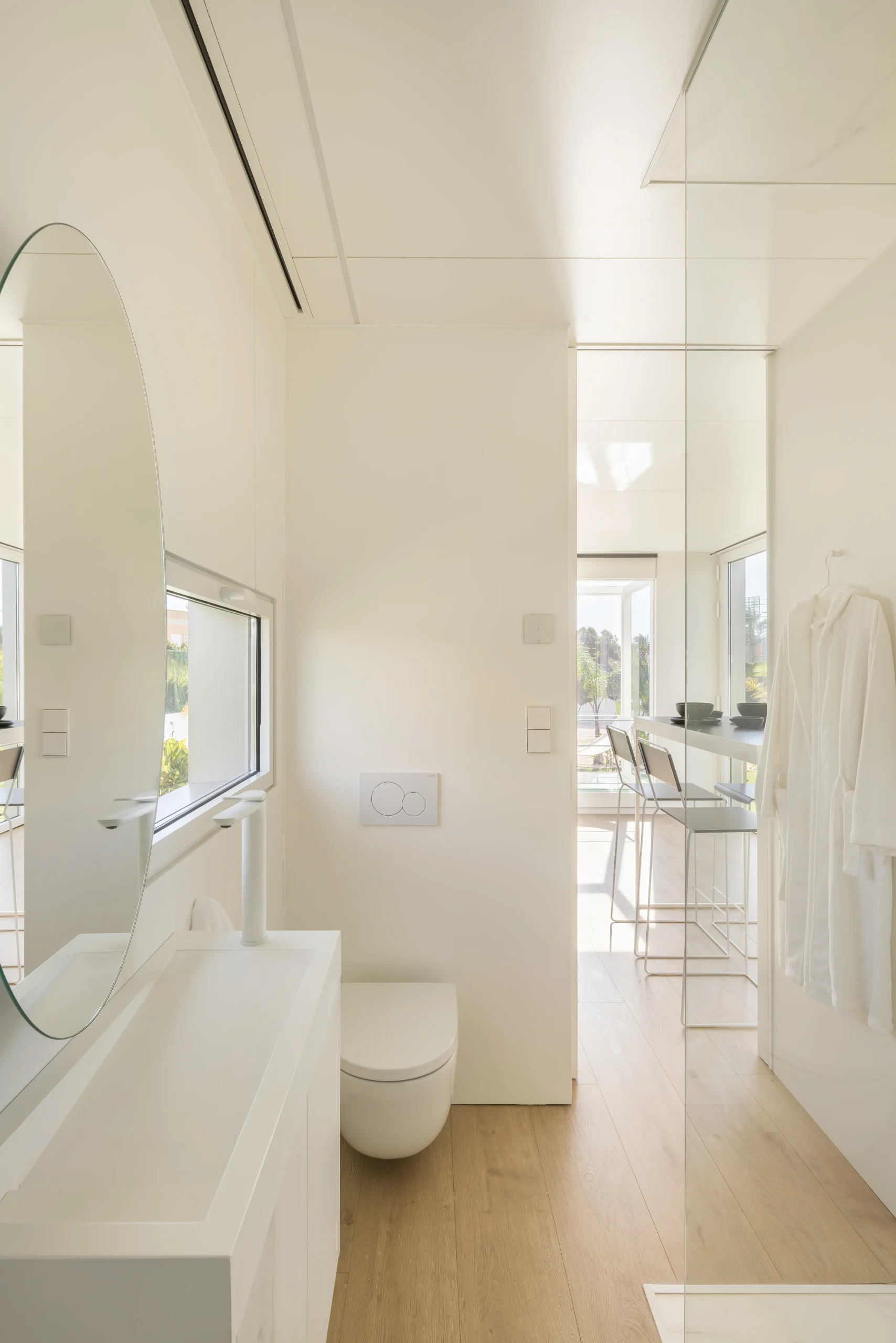
While KEU’s manufacturing relies on industrial processes, the Spanish firm maintains a strict commitment to artisanal execution. Custom cabinetry, interior finishes, and the most delicate assemblies are performed by craftsmen with over 30 years of experience. This hybrid model, which combines an industrial structure with the work of the artisan, allows each home to retain its innovative architectural character without sacrificing “efficiency with a soul,” where industrialization yields to the expertise of its master carpenters.
Designing for Extreme Environments
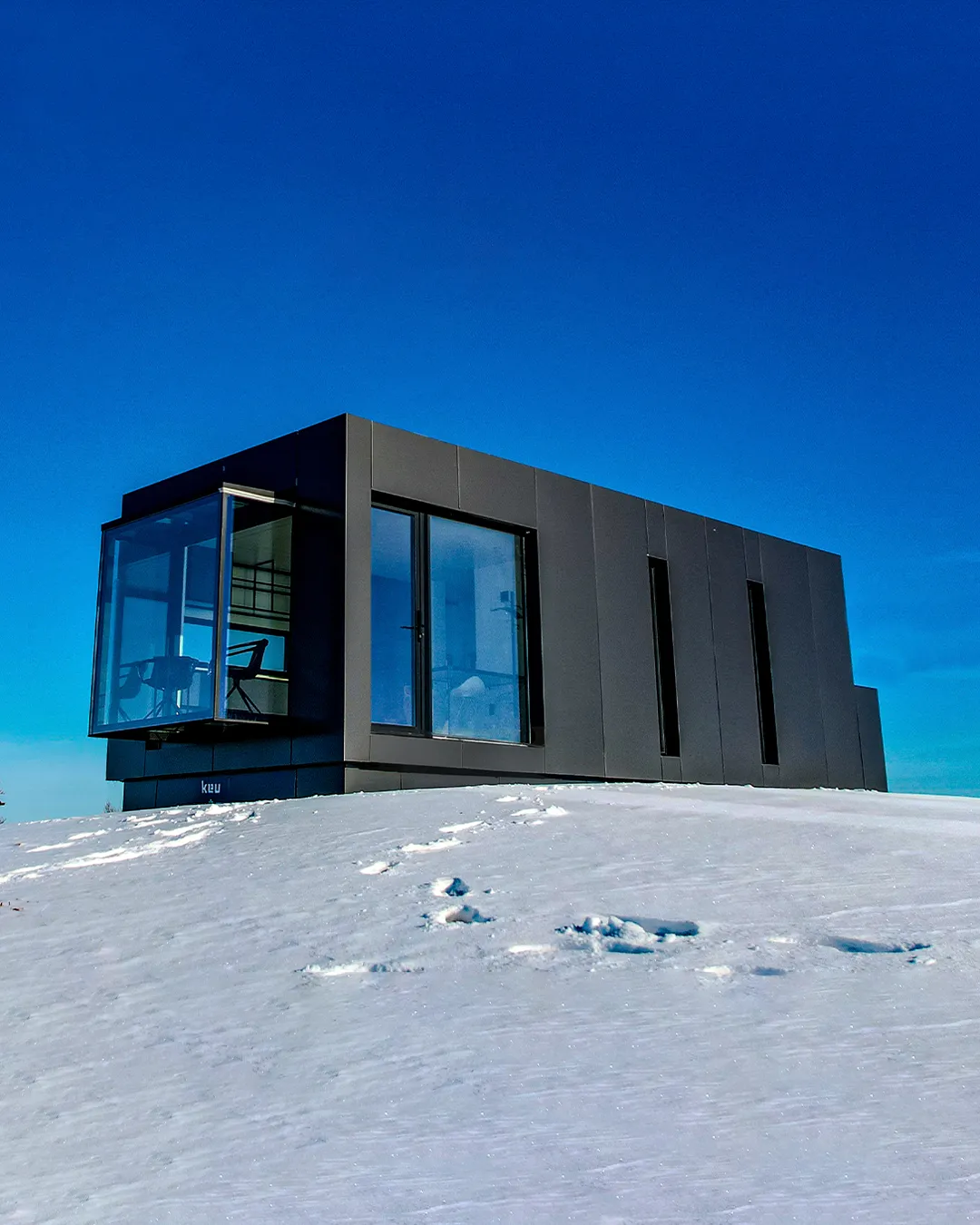
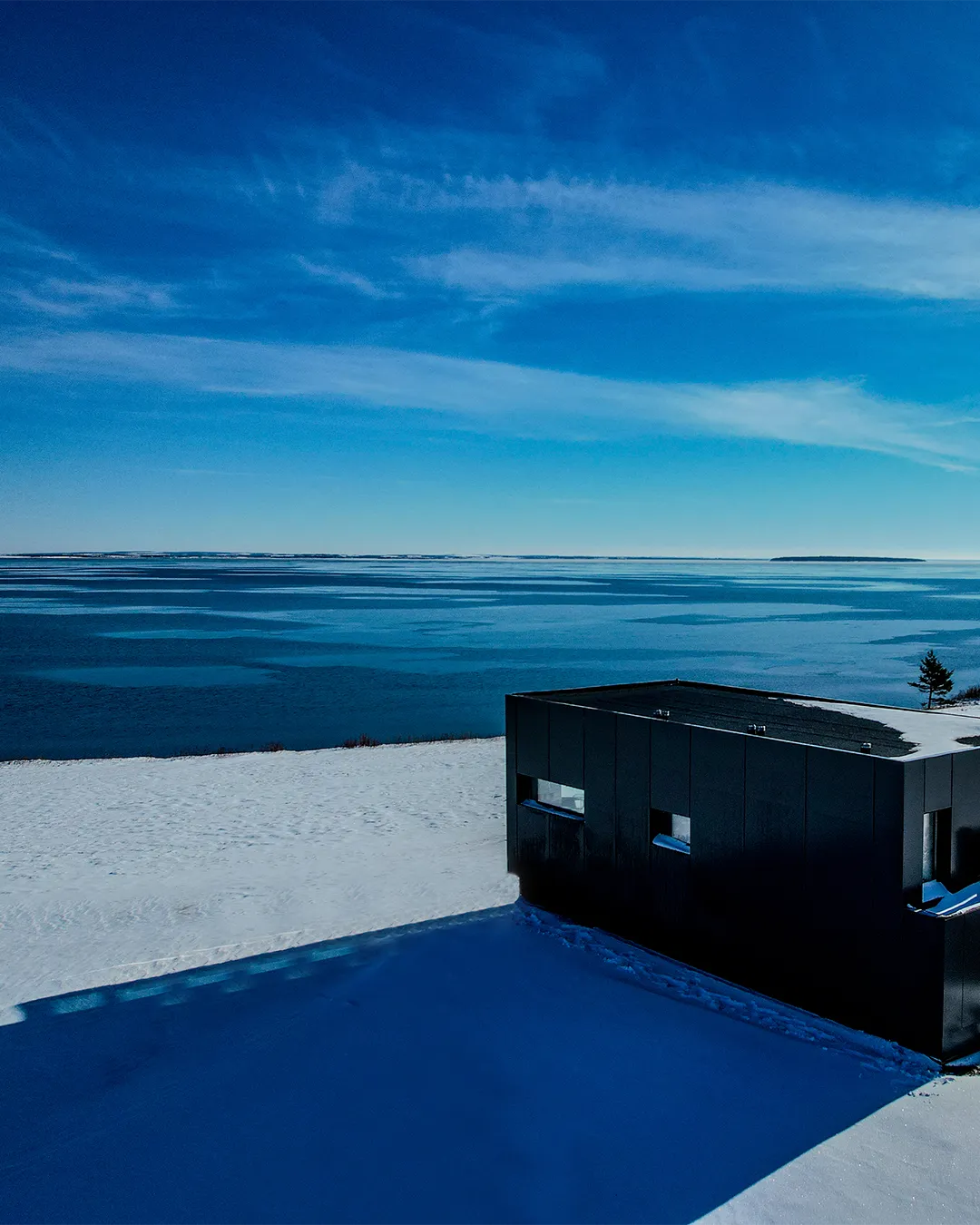
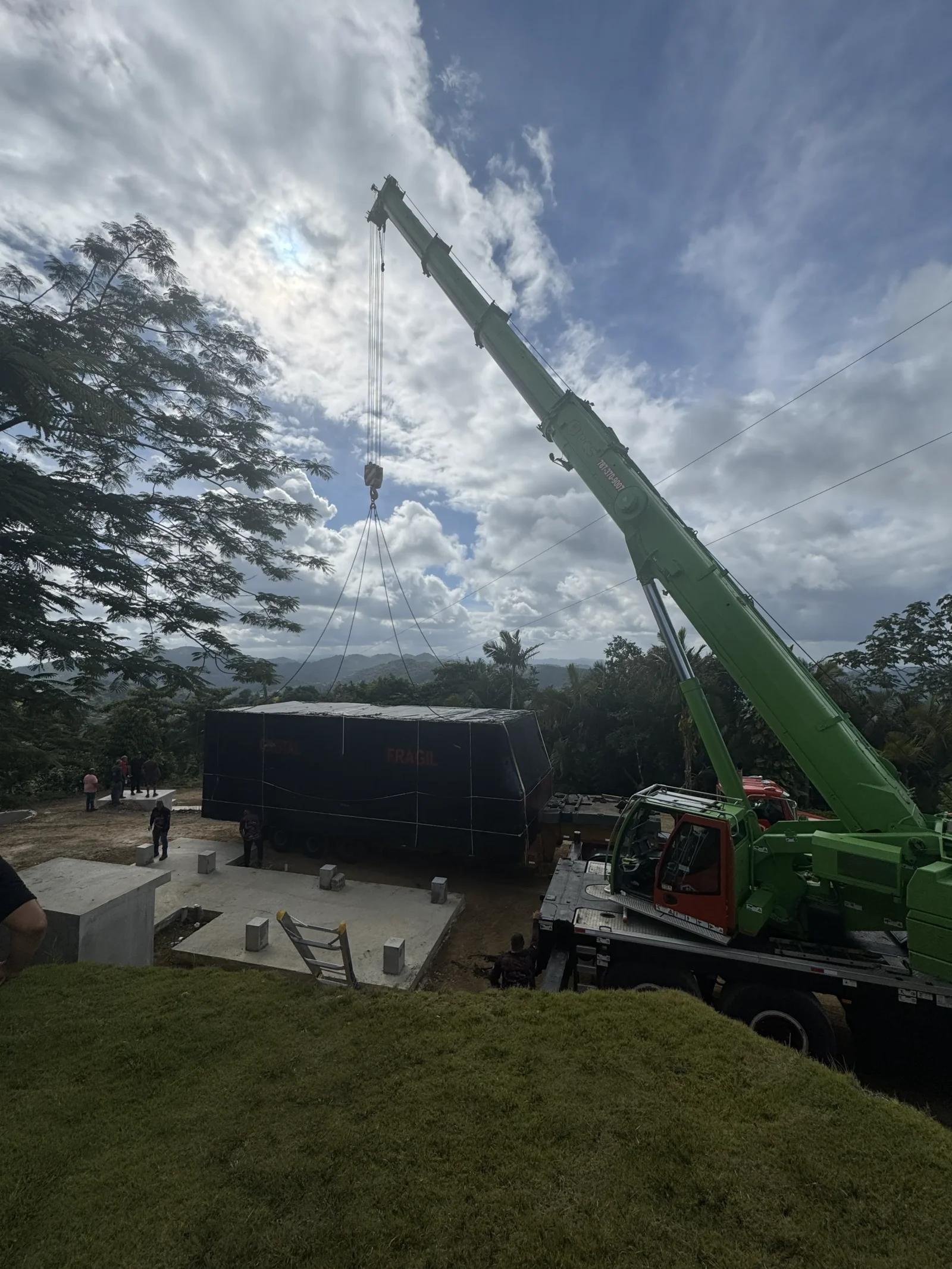
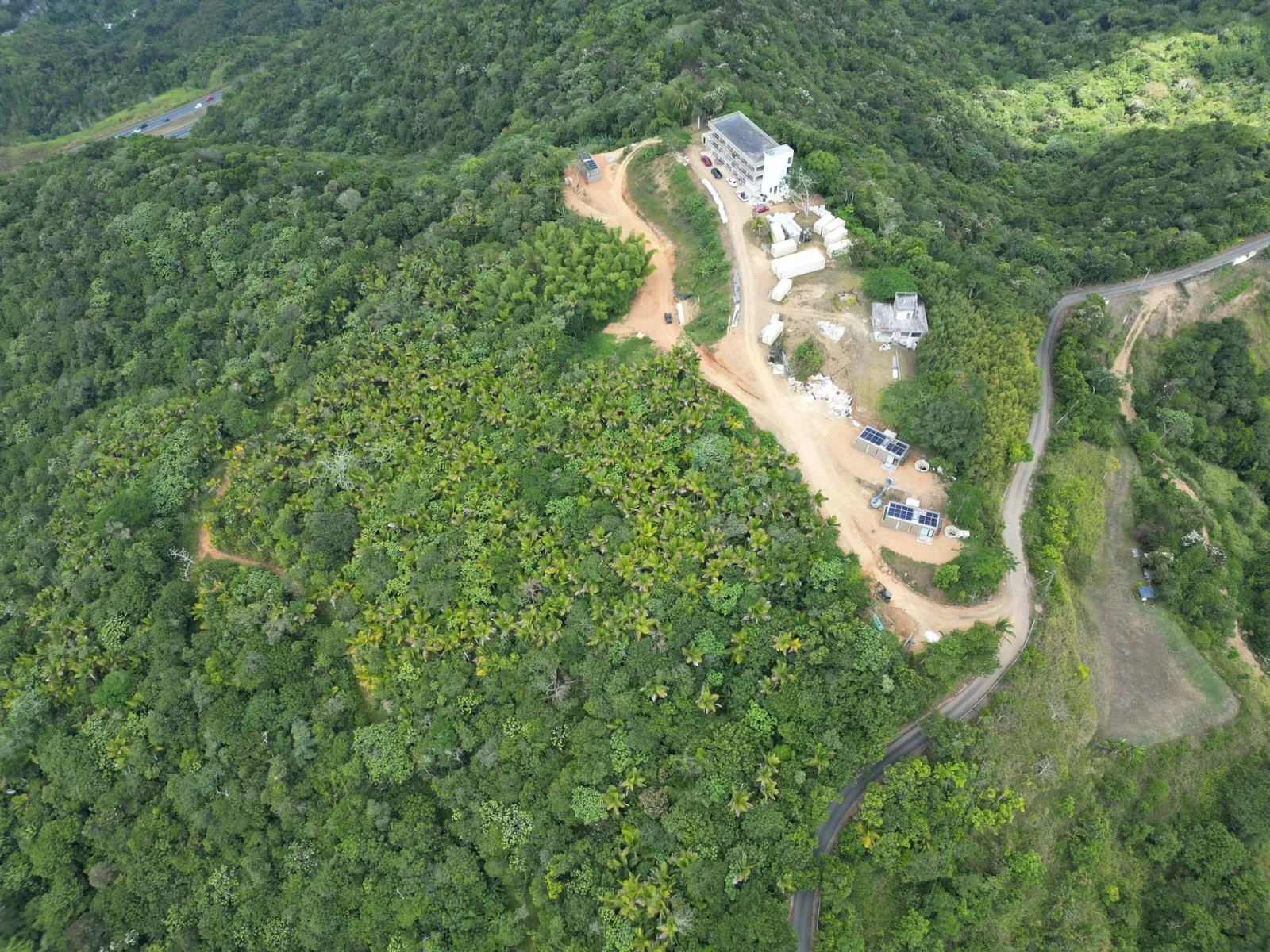
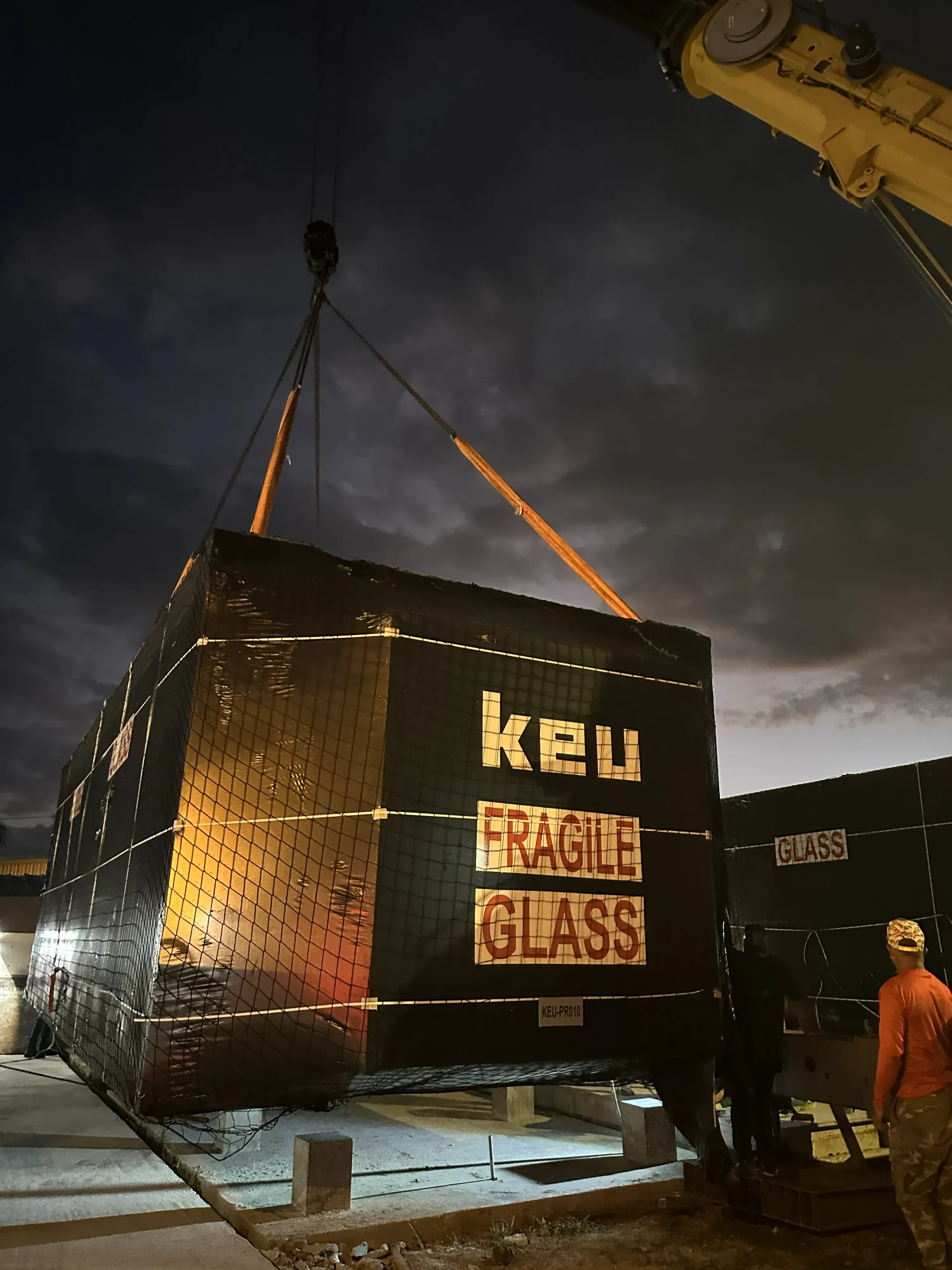
Regarding logistics, KEU Homes does not view it as a subsequent phase but as a core project variable from the outset. Homes are manufactured to travel fully finished, which requires meticulous consideration of dimensions, weight, structural reinforcements, and protection systems for long-distance maritime transport. Developing this system has involved overcoming significant logistical challenges; their homes have traveled from Alicante, Spain, to remarkably remote locations, including mountainous regions of Puerto Rico and sites in France, Canada, and other territories. These operations test not only the physical resilience of the homes but also the coherence of the construction system and the rigor of the prior planning, from initial design to final installation.
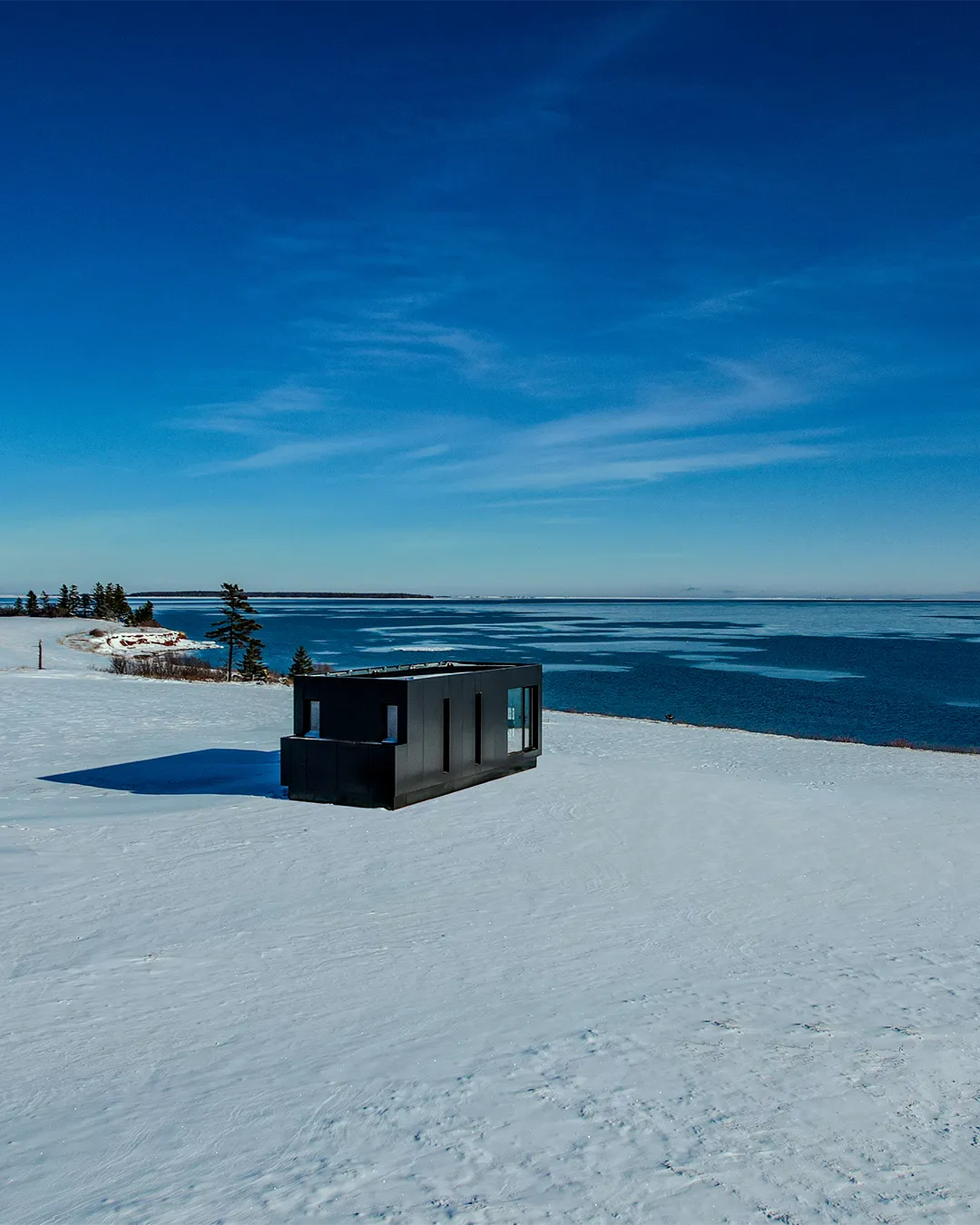
Puerto Rico has served as a true testing ground, motivated by the island’s climatic conditions—high humidity and recurrent hurricane exposure—which pose demands far exceeding many continental contexts. Coupled with access limitations and local regulatory requirements that necessitate meticulous planning, these factors confirm the effectiveness of factory construction combined with precision-designed logistics.
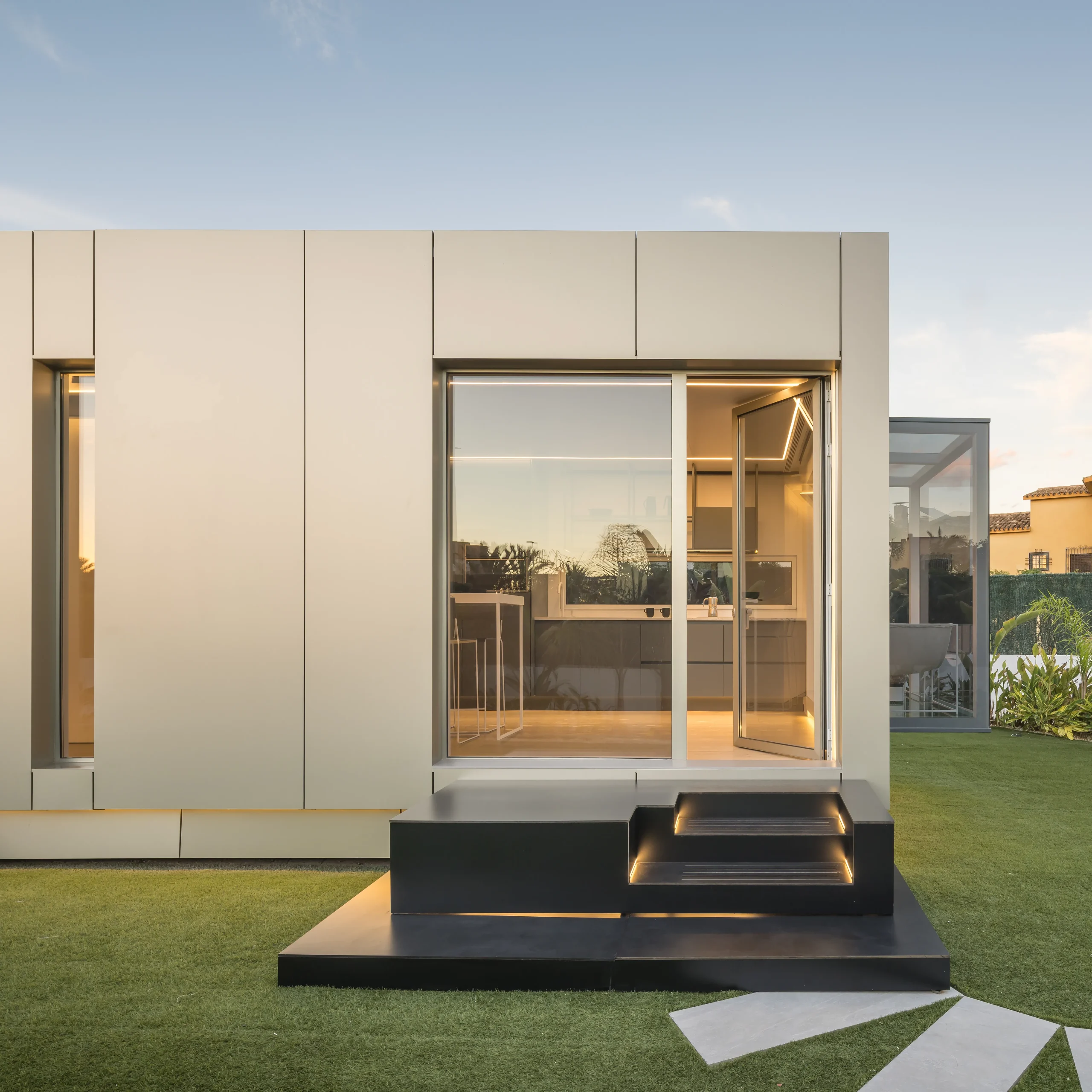
KEU homes have reached more than 12 countries in just two years. This achievement is not the result of a conventional growth strategy but rather a response to real needs in contexts where traditional construction lacks effective solutions. In many of these regions, the combination of extreme weather, hurricane risks, difficult access, a shortage of skilled labor, or housing urgency makes the on-site model unfeasible.
Currently, the brand sees high demand across various areas of the Caribbean, including the British Virgin Islands and other island territories with similar conditions. Demonstrating its capacity to adapt to extreme contexts, each home is certified to withstand winds of up to 180 mph and features a low-maintenance strategy that guarantees 30 years of durability against salt corrosion and extreme humidity, ensuring units are safe, sustainable, and long-lasting.
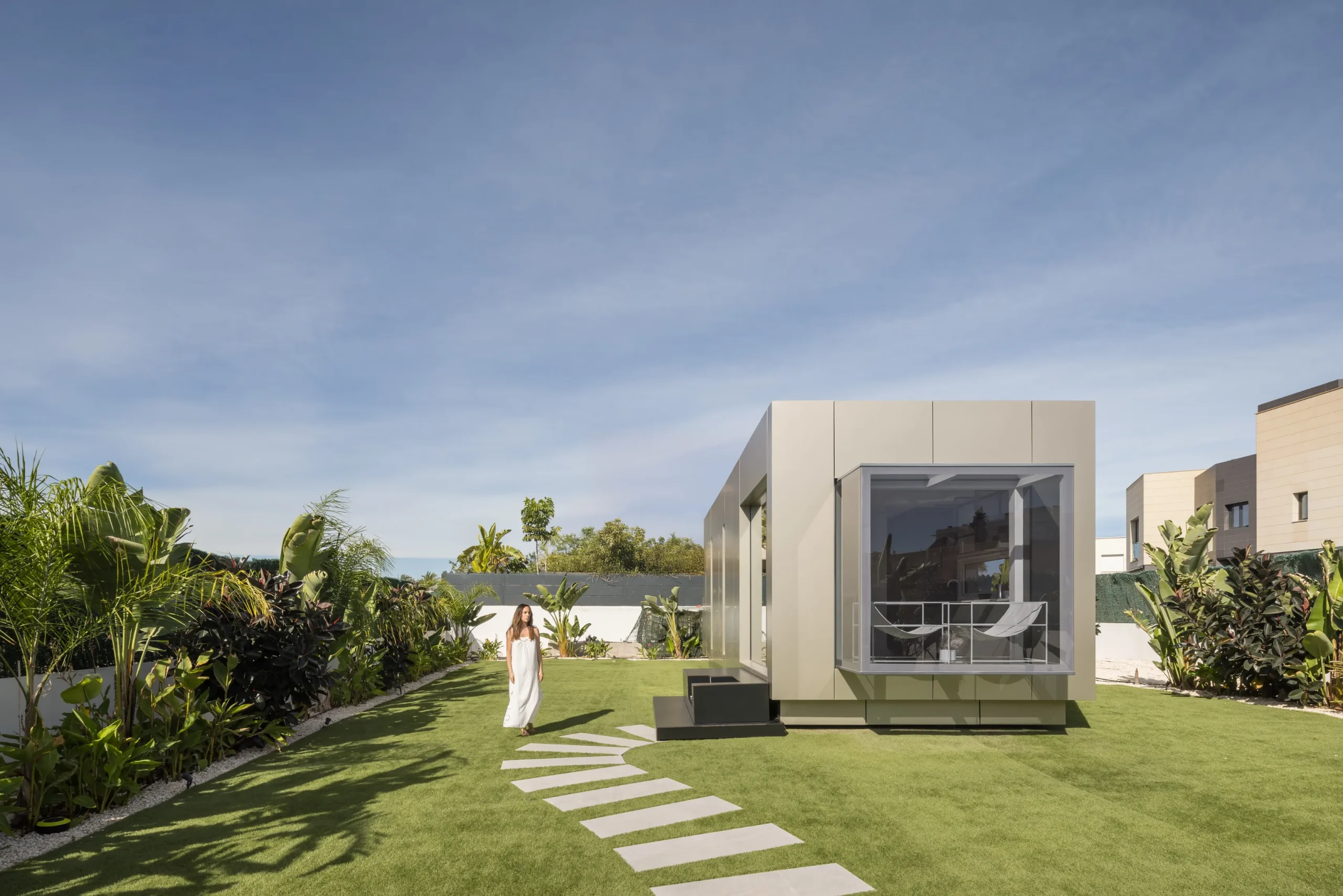
KEU’s versatility is further evidenced by its integration into adaptive reuse projects and low-impact hospitality developments. Currently, they have a presence in boutique hotels across France, Germany, Puerto Rico, Spain, and Canada, anticipating the future of global sustainable tourism.
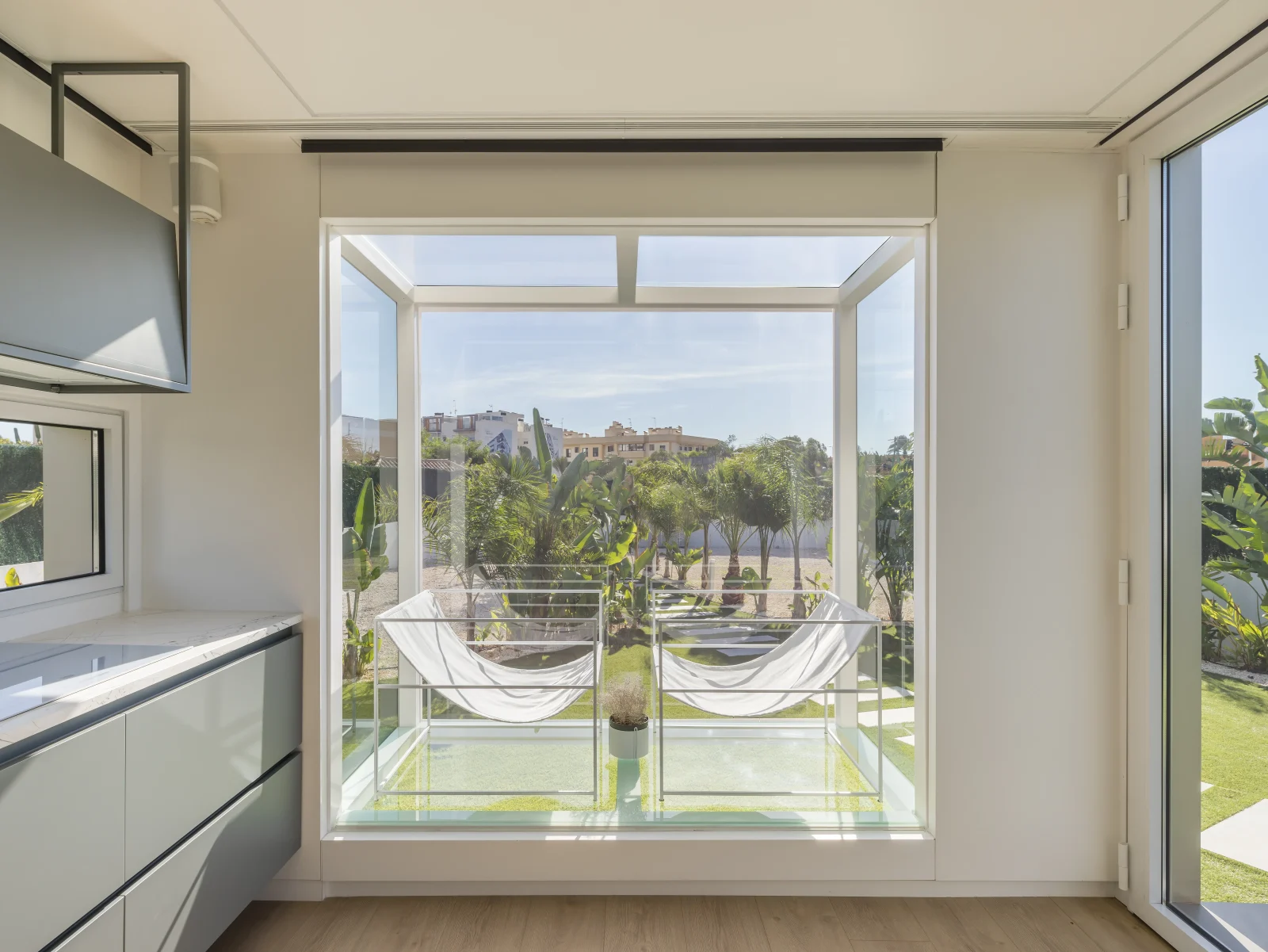
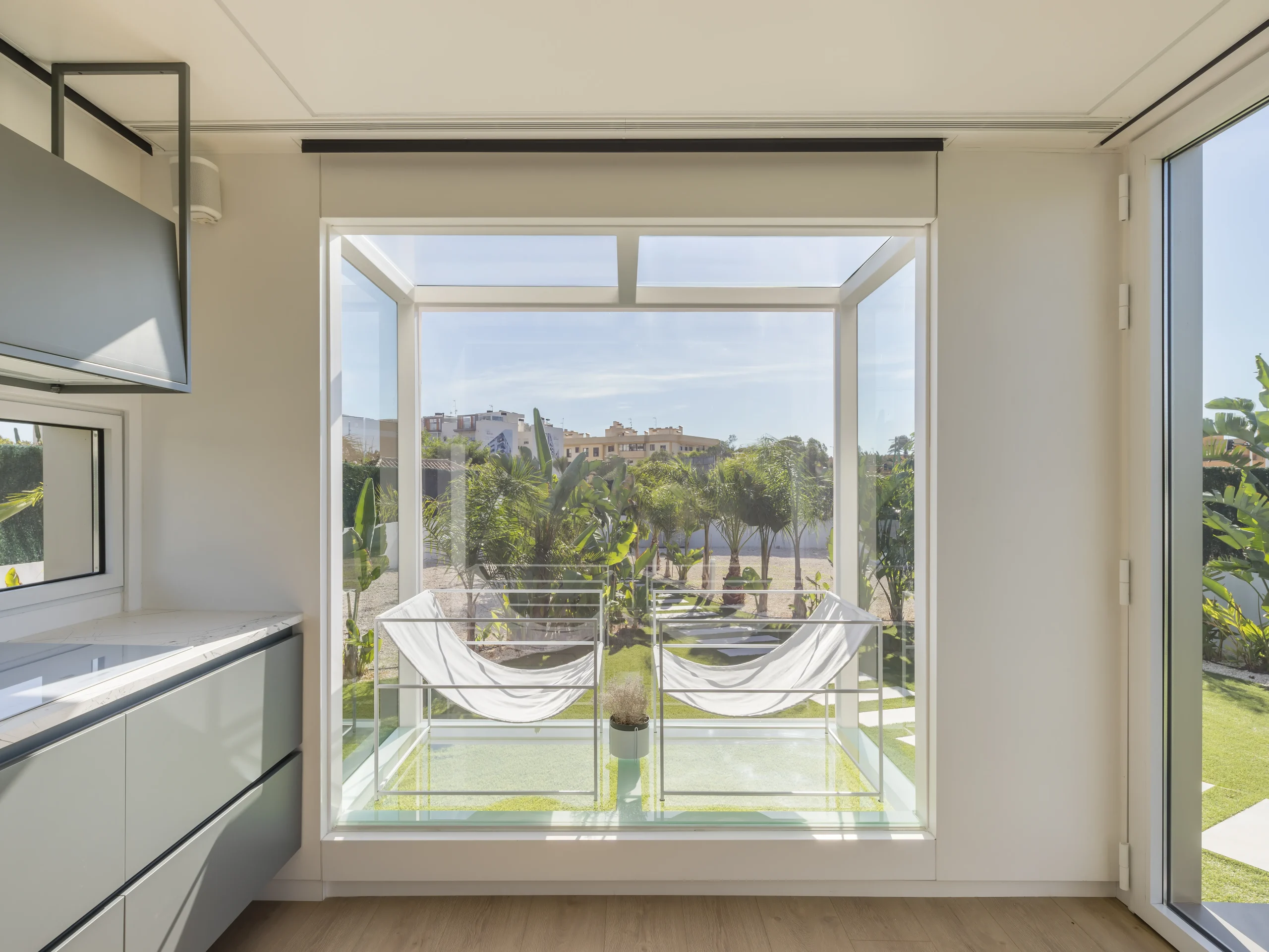
This system demonstrates that it is indeed possible to manufacture complete homes in a controlled environment and deliver them as a final product within reduced timeframes without compromising quality or technical control. All models (Little, Pocket, Nomad, Family, Evoque, and XL) include advanced home automation systems that guarantee security, biometric access, smart curtains, dimmable LED lighting, energy self-sufficiency, and more, ensuring a seamless and natural user experience. From the little model, measuring 23 $m^2$, to the imposing 77 $m^2$ XL residence, these units are designed to redefine minimal space by expanding the visual horizon. Large glass surfaces blur the boundary between the interior and the landscape, providing a sense of spaciousness and a perfect fusion with nature.
KEU not only redefines the current concept of modular construction; it also carries an inspiring history. Its founders and CEOs, Alejandro Carrilero and Vidal Moreno, are lifelong friends who worked tirelessly in a workshop for 10 years to achieve what seemed impossible: creating a smart home with the engineering and precision of a luxury yacht. While Vidal designed with the structural foundation of his architectural knowledge, Alejandro utilized his expertise in carpentry to translate that complexity into warmth, ensuring the craftsman’s touch remained beneath all that technology. Despite the firm’s rapid and organic growth, both young entrepreneurs remain deeply involved in every process, from initial design to final delivery to each client.
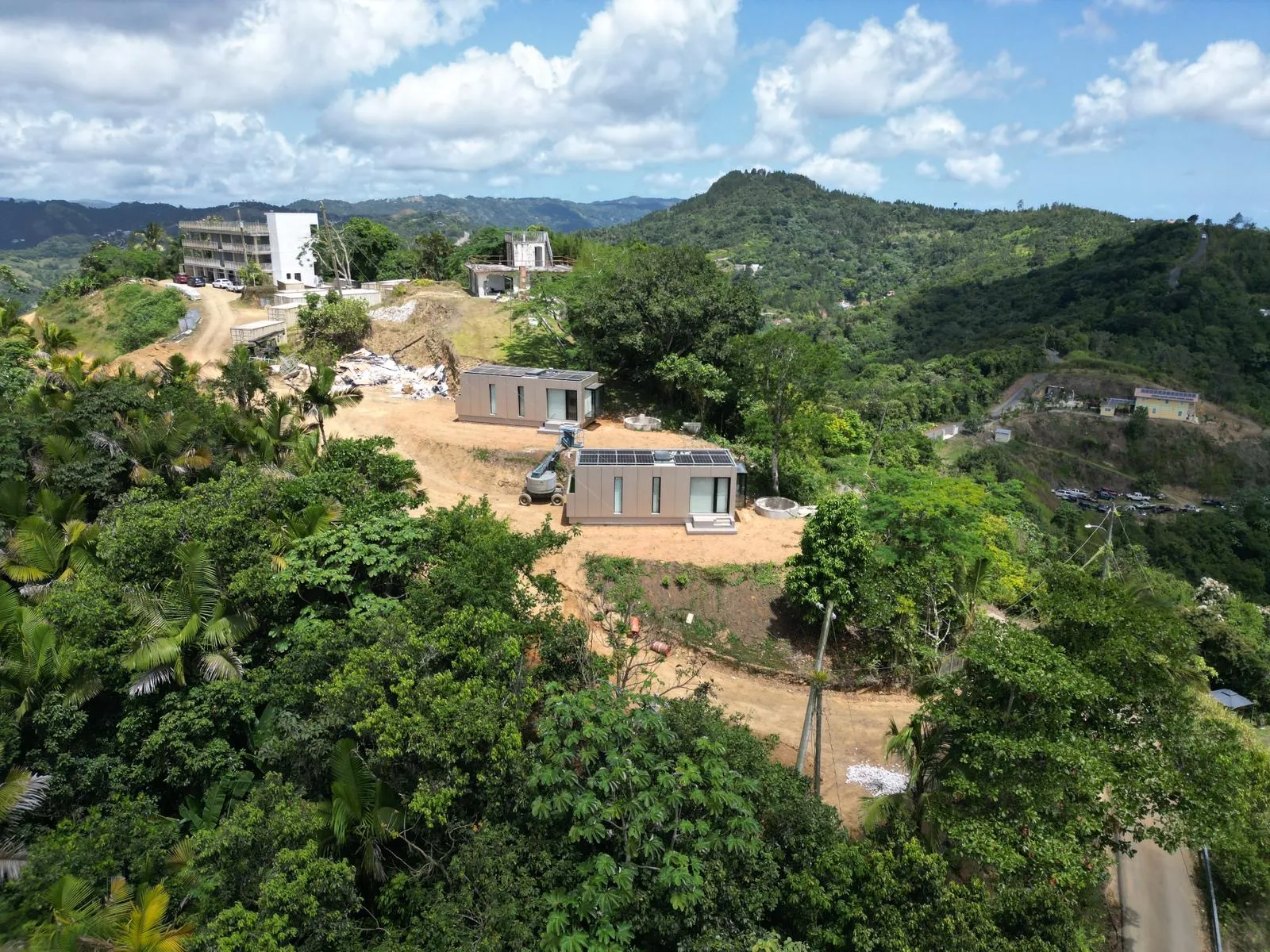
Undoubtedly, KEU Homes has consolidated its position as an architectural solution capable of operating where other systems cannot reach, defined by performance, adaptability, and reliability. This alternative to conventional construction operates with maximum efficiency in environments where precision, speed, and control are essential. This Spanish firm has challenged traditional housing standards through a synthesis of engineering and soul, reminding us that the most advanced architecture is that which best adapts to the present day.
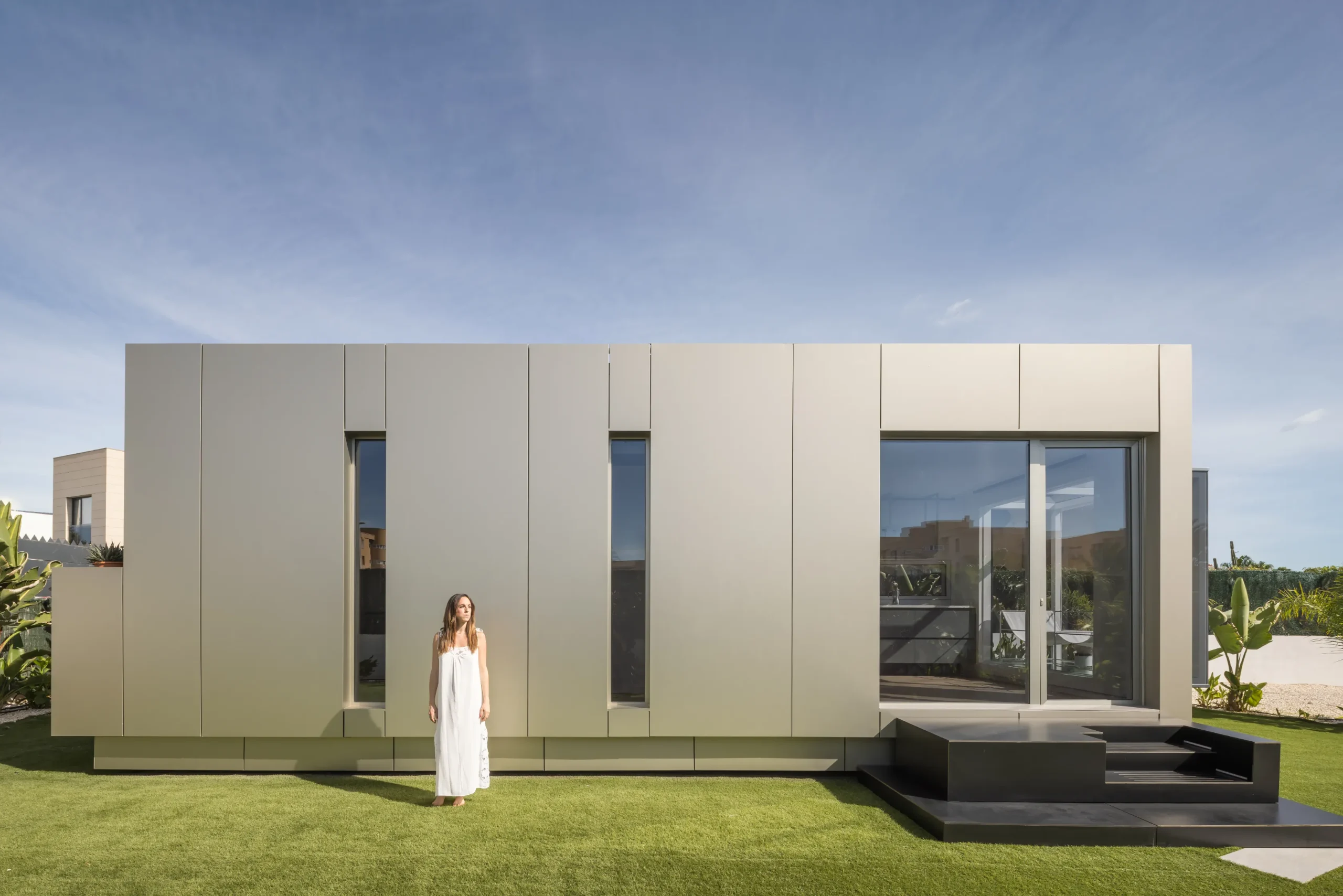
KEU Homes Details
System: KEU Industrialized Housing System.
Design & Manufacturing: KEU
Manufacturing Location: Alicante, Spain.
Deployment Regions: Europe, the Caribbean, and North America.
Explore Courses
.jpg%202.jpg "Building Performance with Forma & Opossum")
.jpg "Ondrej Chybik - Rethinking Architecture")