

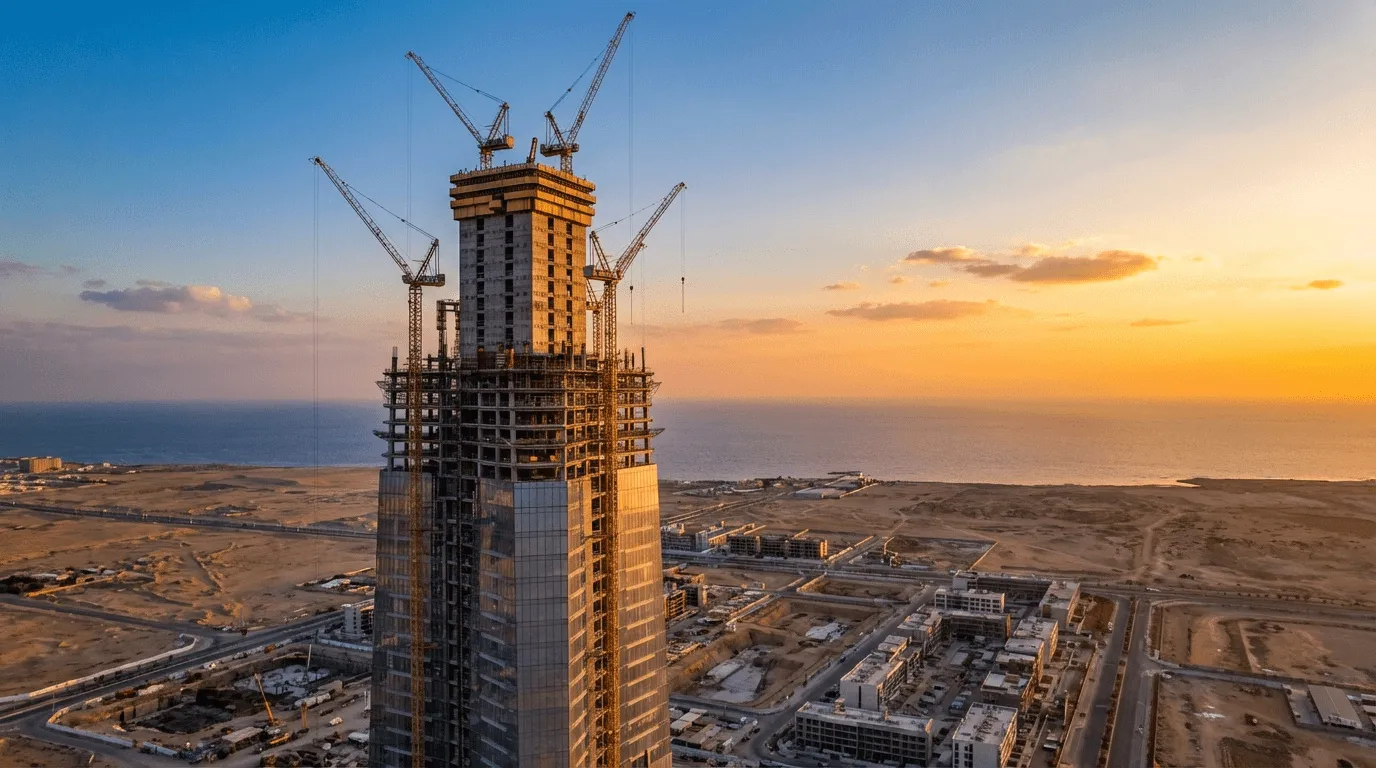
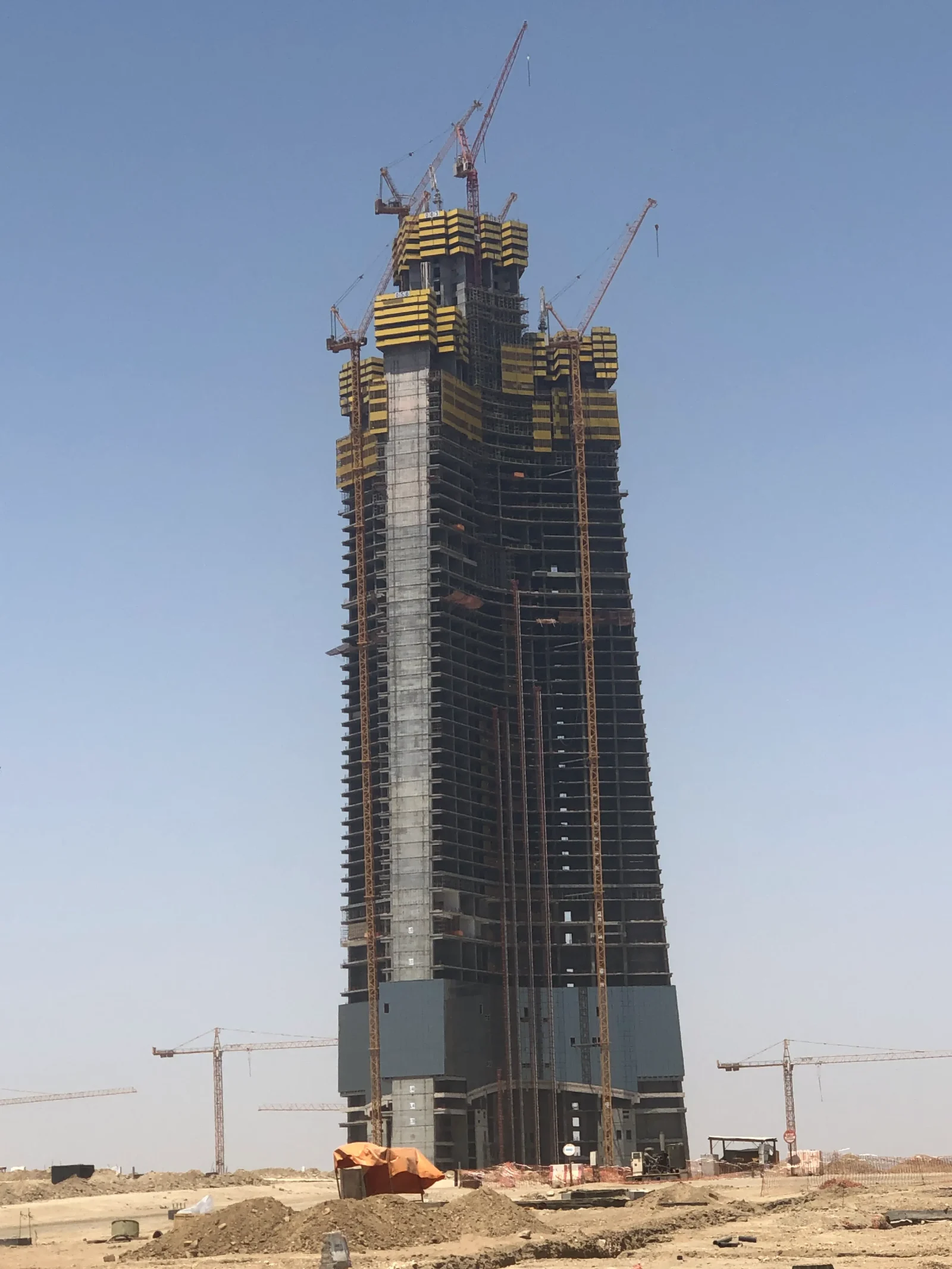
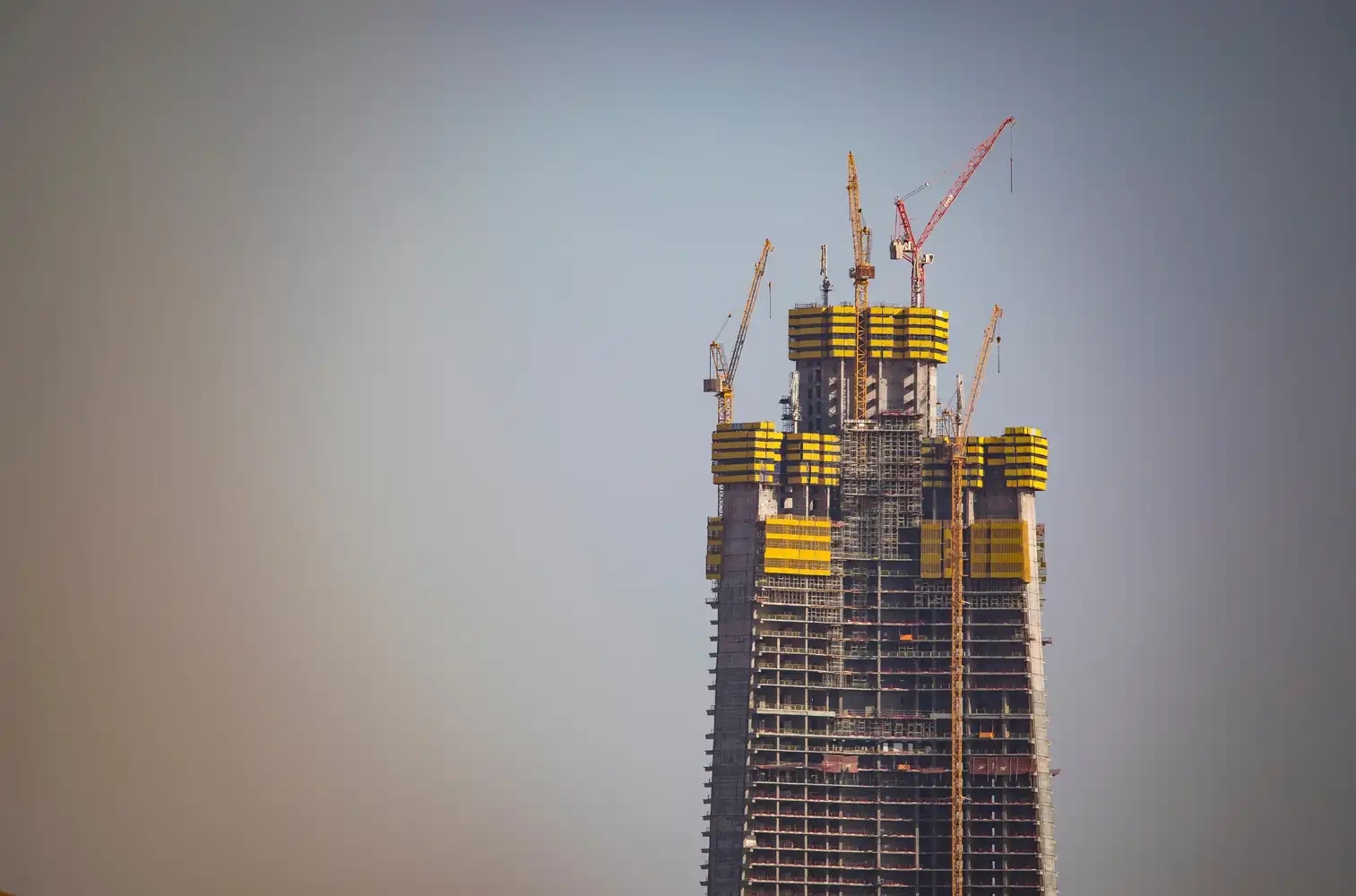
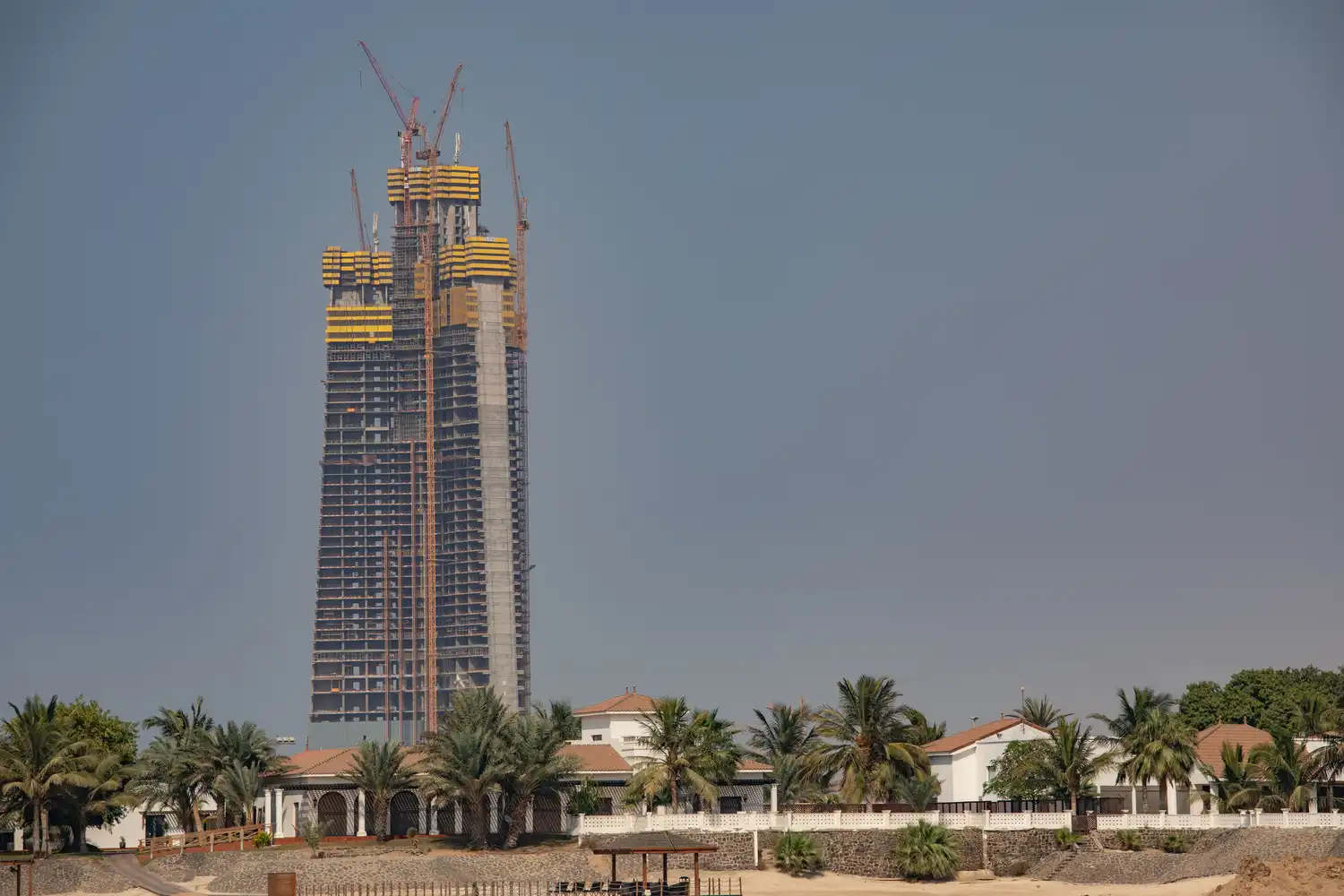
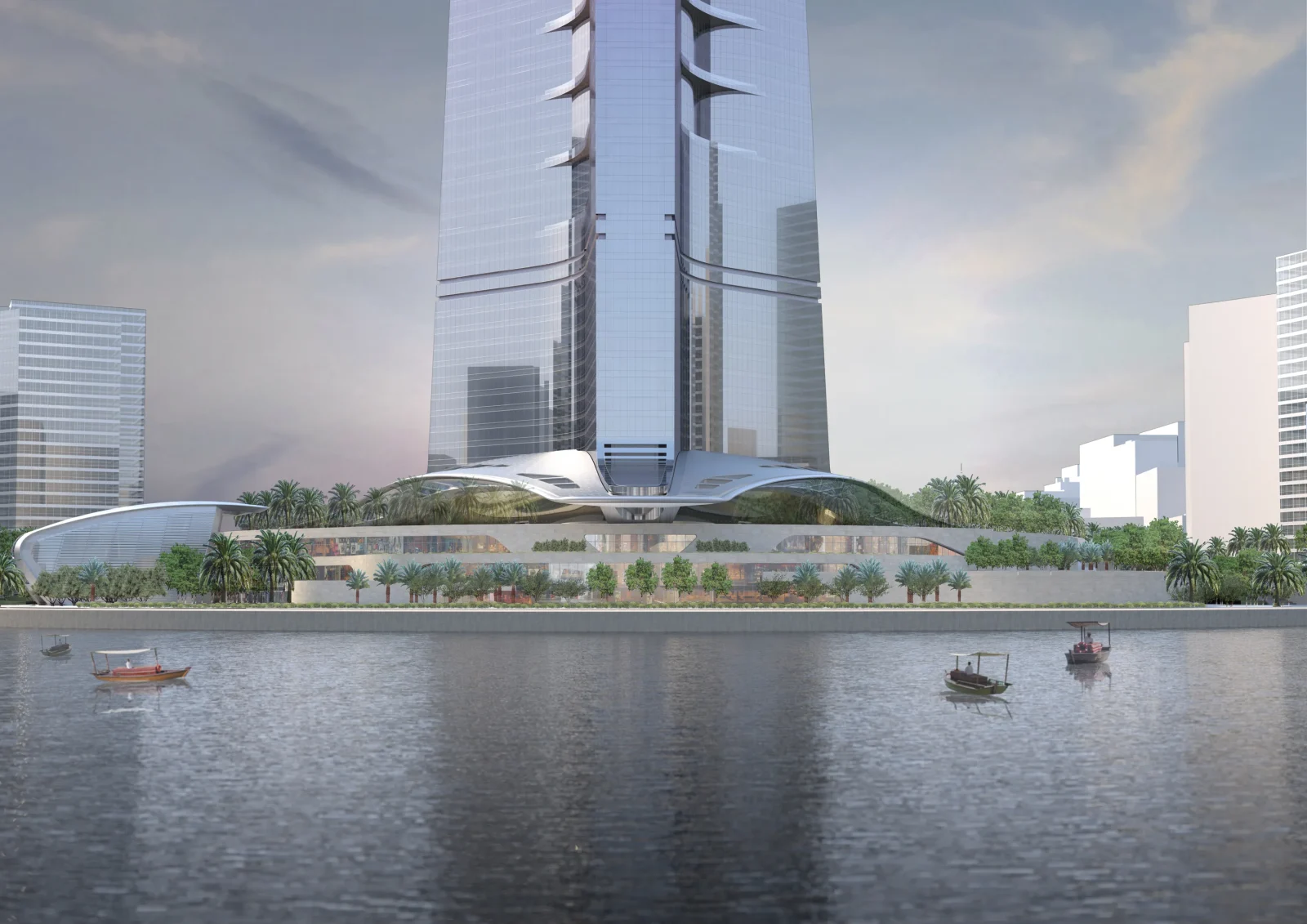


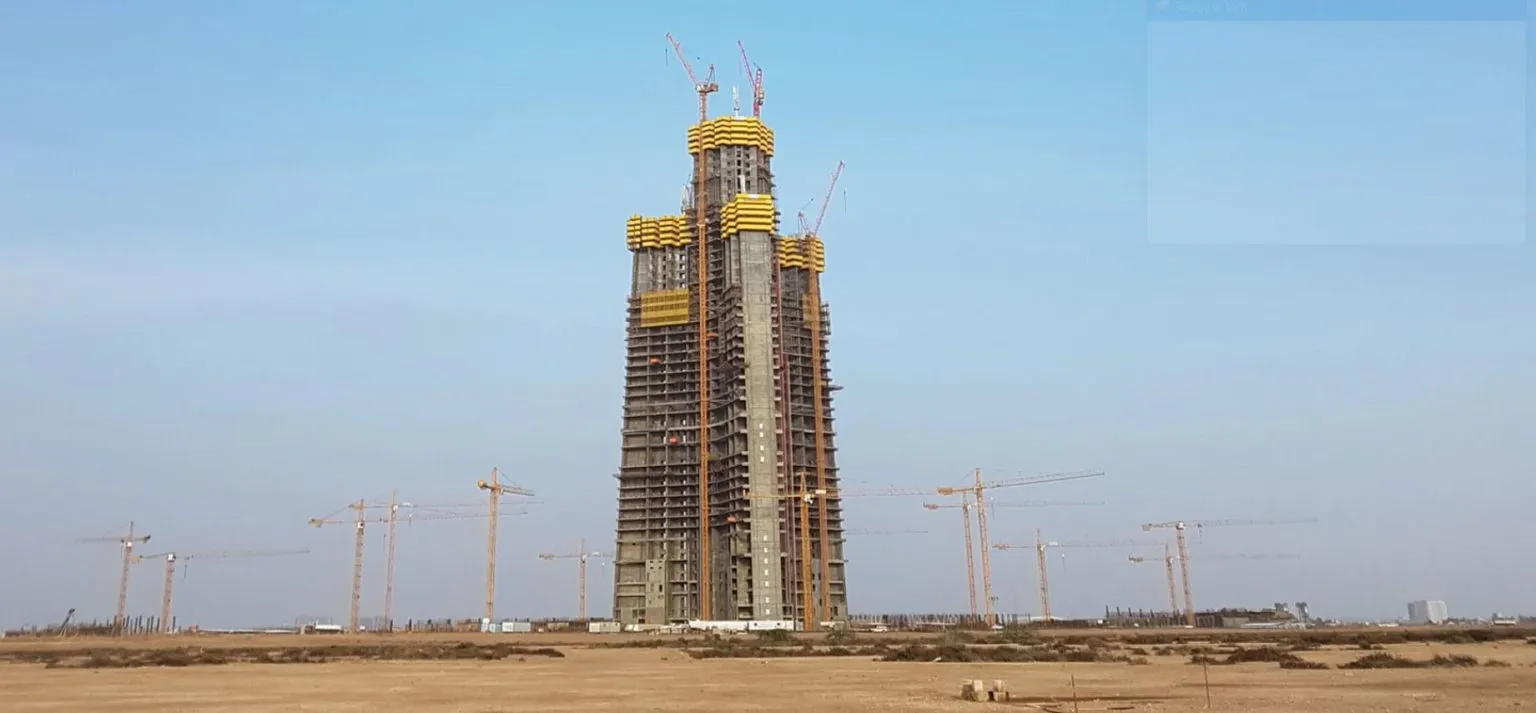
Saudi Arabia’s long-anticipated Jeddah Tower has reached a major milestone, with construction now completing around 80 floors as of December 2025. Construction resumed earlier this year after a prolonged pause, and the latest progress reflects renewed momentum on a project set to become the world’s tallest skyscraper.
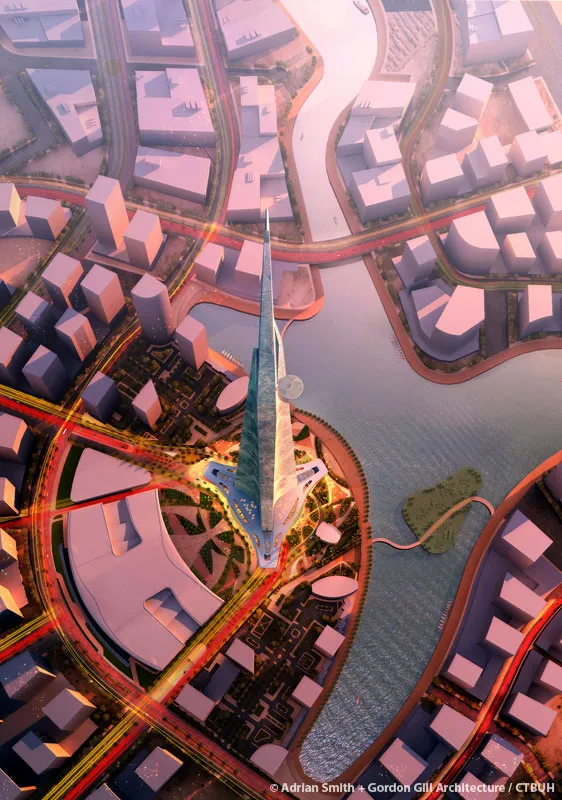
Located in Jeddah Economic City along the Red Sea coast, Jeddah Tower is part of a broader push under Saudi Arabia’s Vision 2030 to diversify the economy and elevate the kingdom’s global profile through landmark infrastructure.
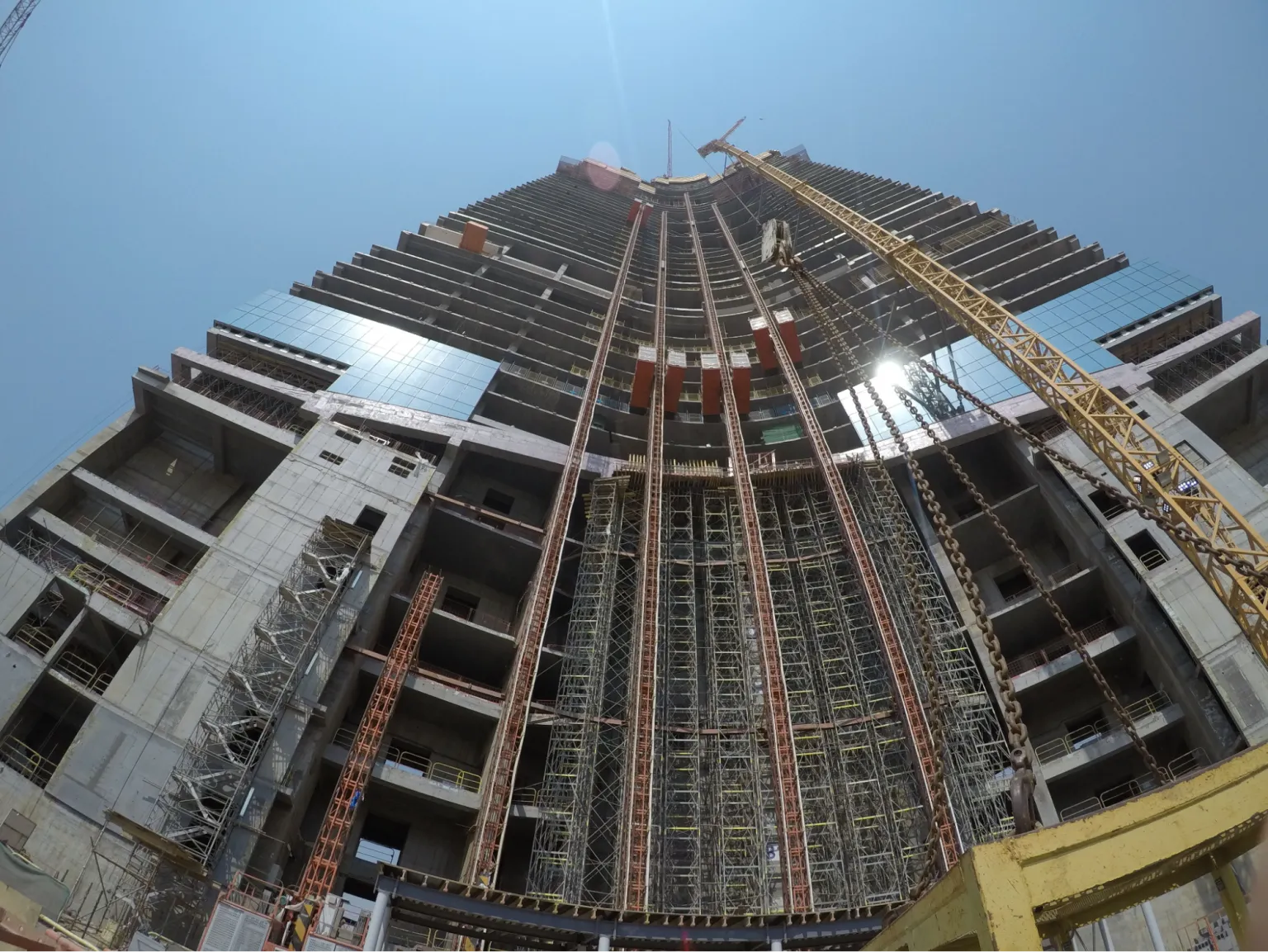
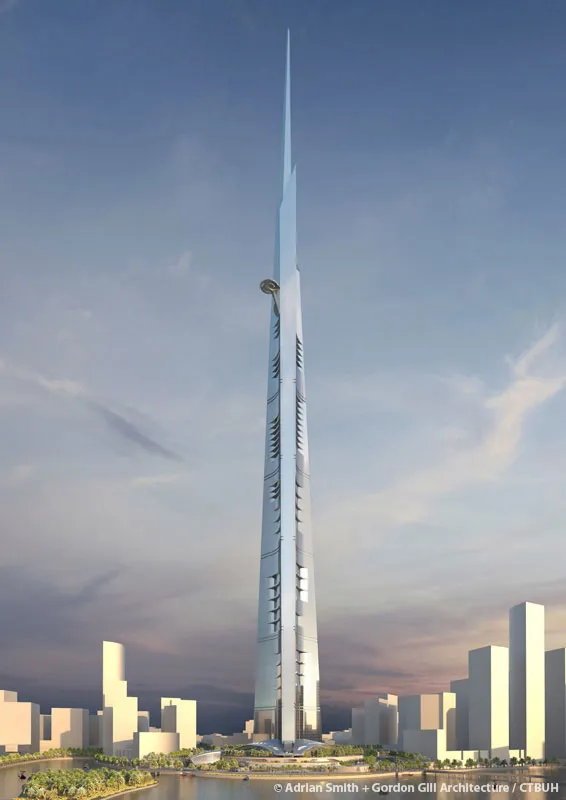
Since construction resumed in January 2025, the tower’s structure has risen rapidly, with teams adding approximately a new floor every three to four days. Multiple cranes and advanced “pumpcrete” concrete delivery systems are supporting this fast pace. When finished, the tower is designed to rise beyond 1,000 meters (approximately one kilometer), aiming to surpass Dubai’s Burj Khalifa, which has held the title of the world’s tallest building since its opening at 828 meters in 2010.
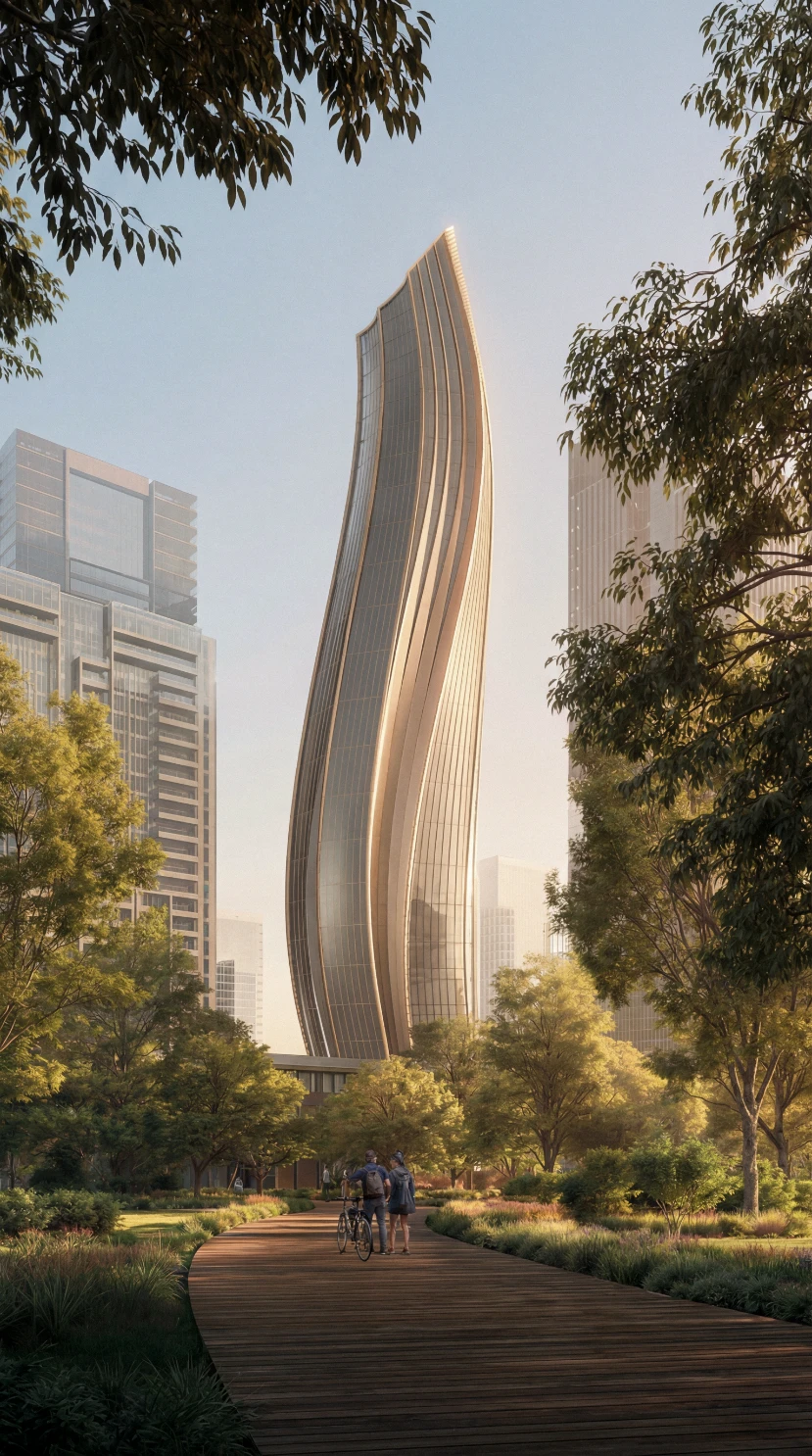
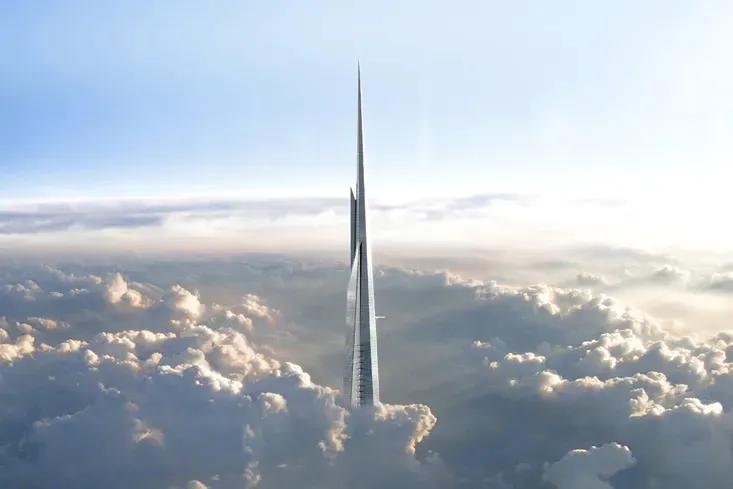
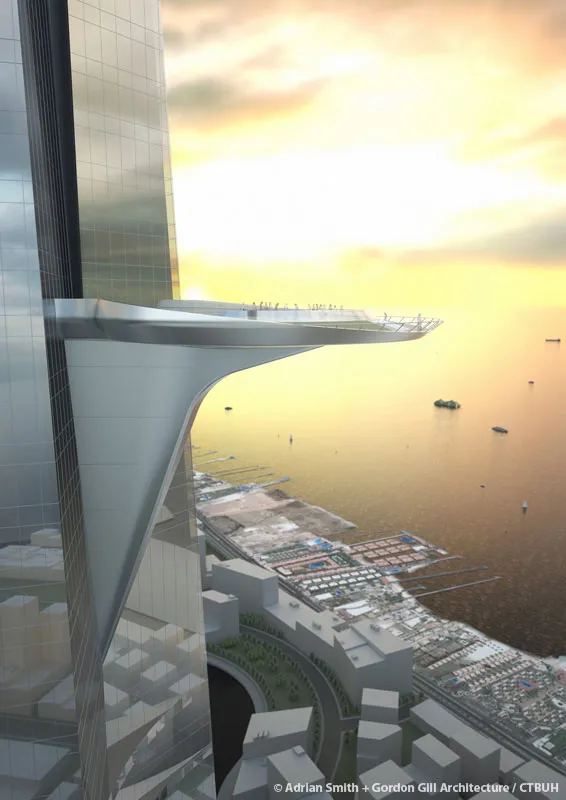
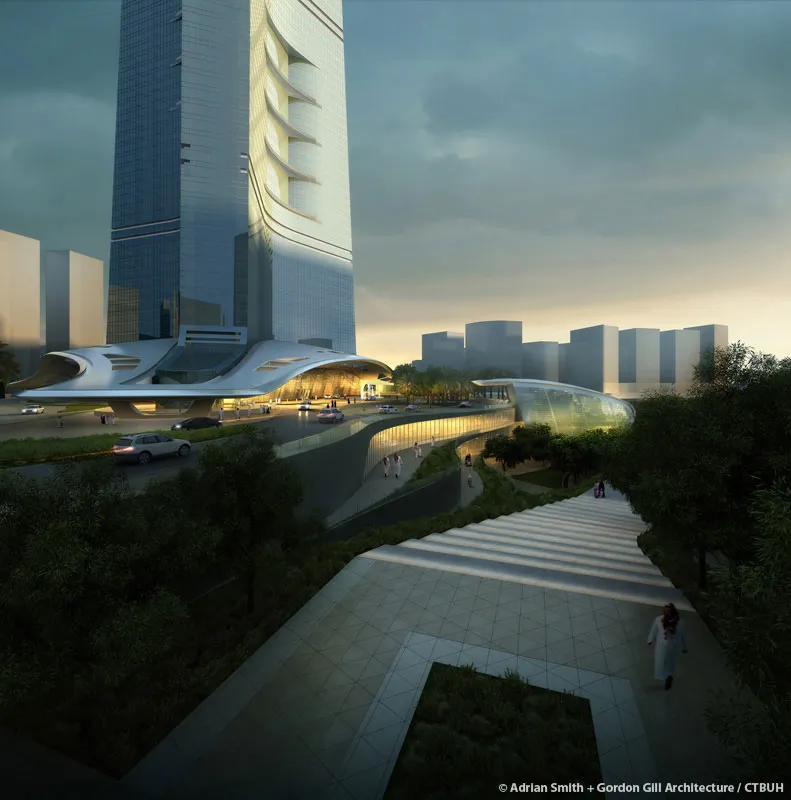
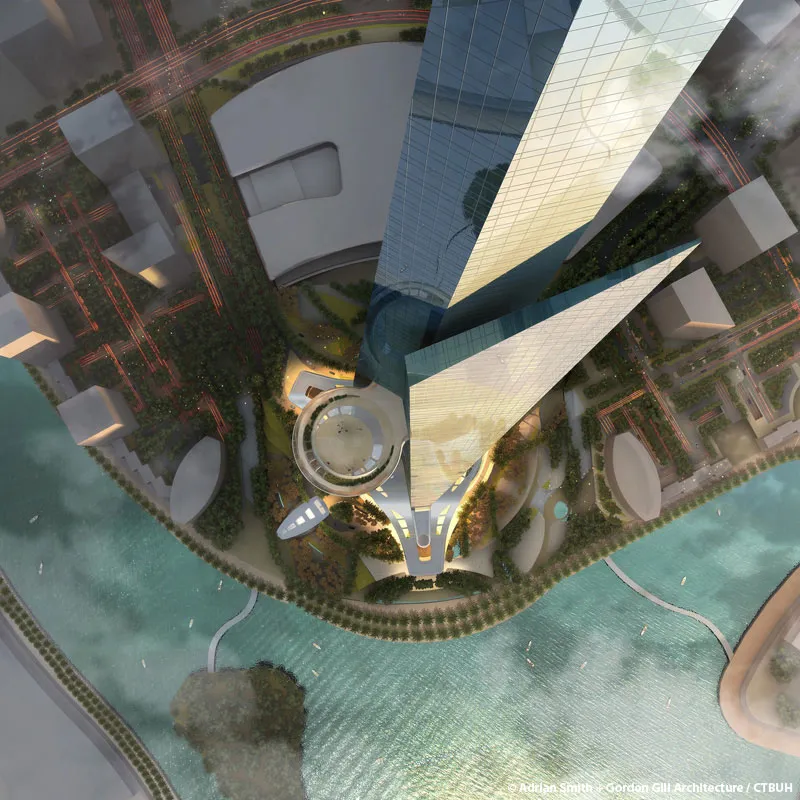
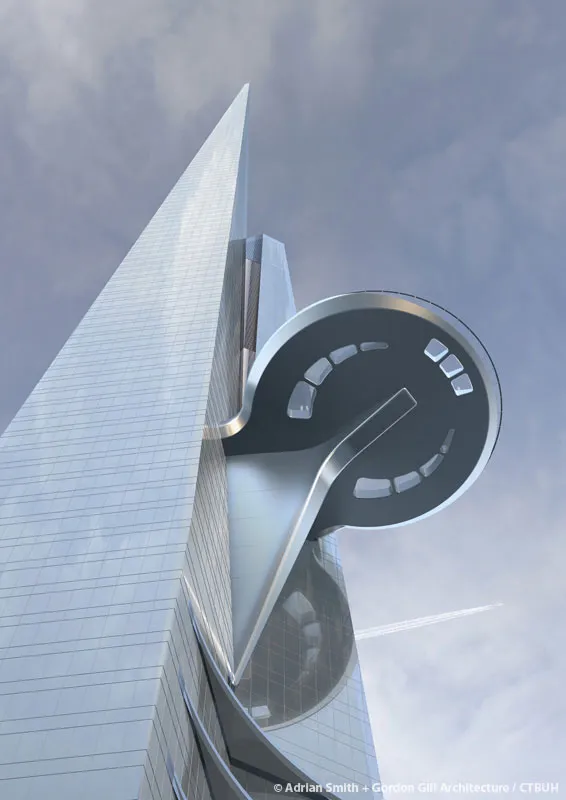
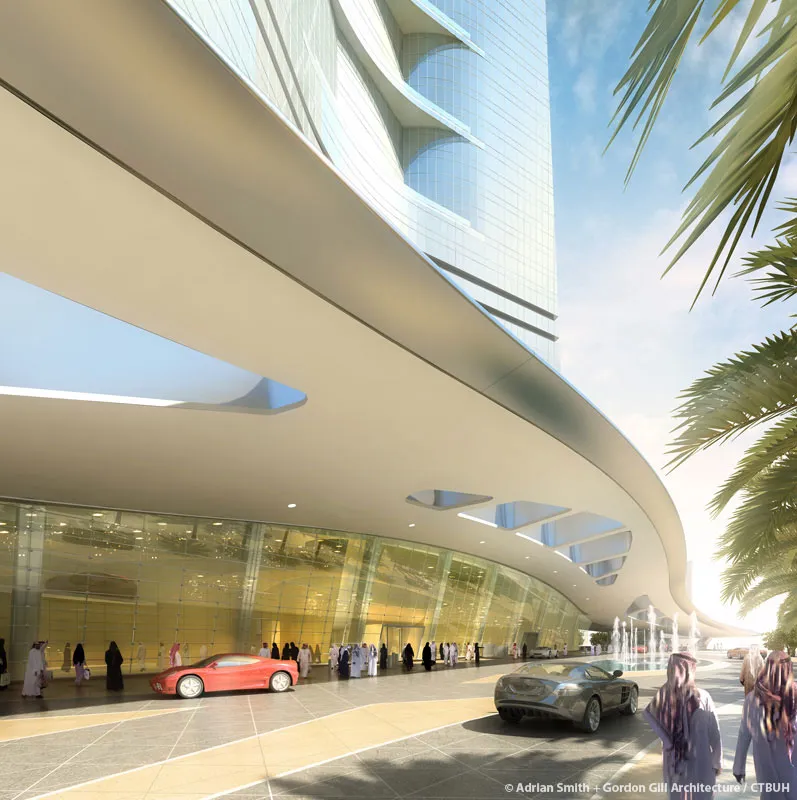
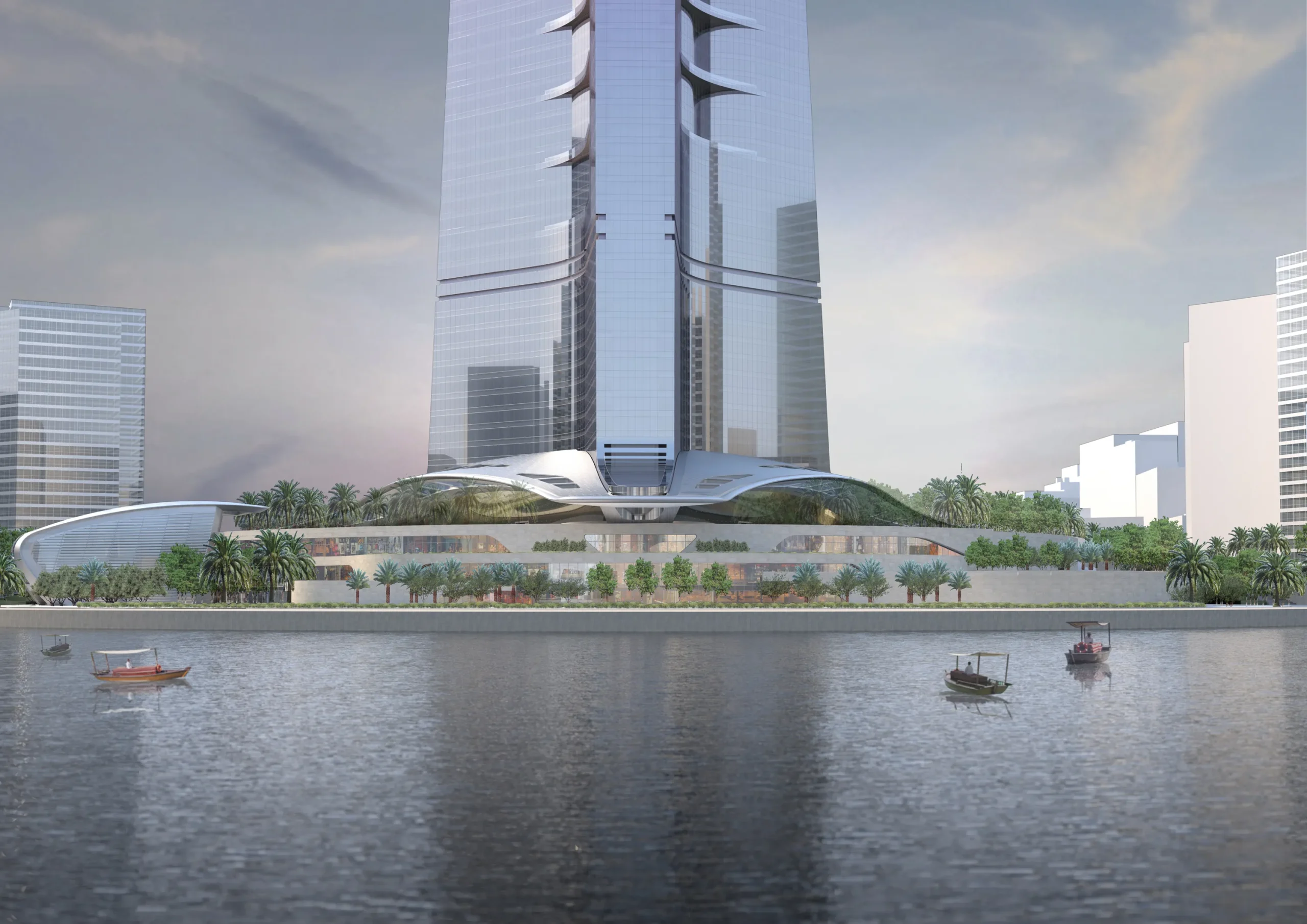
The building’s design, led by Adrian Smith + Gordon Gill Architecture (the same lead architect behind Burj Khalifa’s original design), features a sleek, tapering form with a three-petal footprint. This aerodynamic shape helps manage wind loads at extreme heights and supports structural efficiency. Jeddah Tower is planned as a mixed-use skyscraper with a luxury hotel, residential apartments, high-end offices, and one of the world’s highest observation decks overlooking the Red Sea.
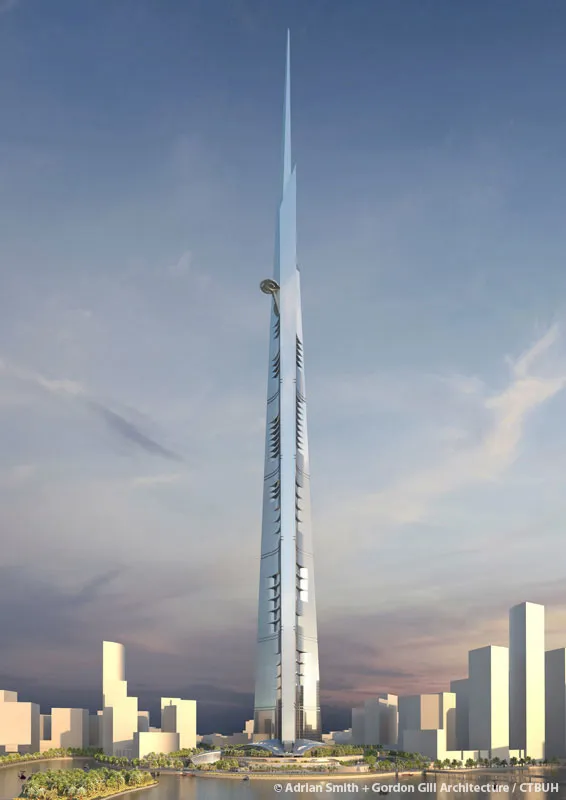
To support its height and volume, the foundation system is a thick concrete raft supported by hundreds of bored piles driven deep into the coastal limestone and coral rock, engineered to give the tower stability against both gravity and wind forces. The tower’s structural system avoids standard setbacks and instead gently tapers as it rises, allowing for more efficient construction and repetition of floor layouts. High-speed elevators capable of climbing at roughly 10 meters per second will link occupants to sky-high amenities.
Construction of Jeddah Tower originally began over a decade ago but was halted for several years due to economic and logistical challenges. Its recent revival reflects Saudi Arabia’s determination to complete the megaproject by 2028, which would firmly place the tower as a centerpiece of the kingdom’s skyline and an icon of modern architecture.
Upon completion, the 157-floor structure will overtake the Burj Khalifa as the world’s tallest building, with its tapering form and reinforced concrete core designed to manage wind loads at exceptional heights, reflecting Saudi Arabia’s long-term development vision.
Explore Courses
.jpg "Ondrej Chybik - Rethinking Architecture")