





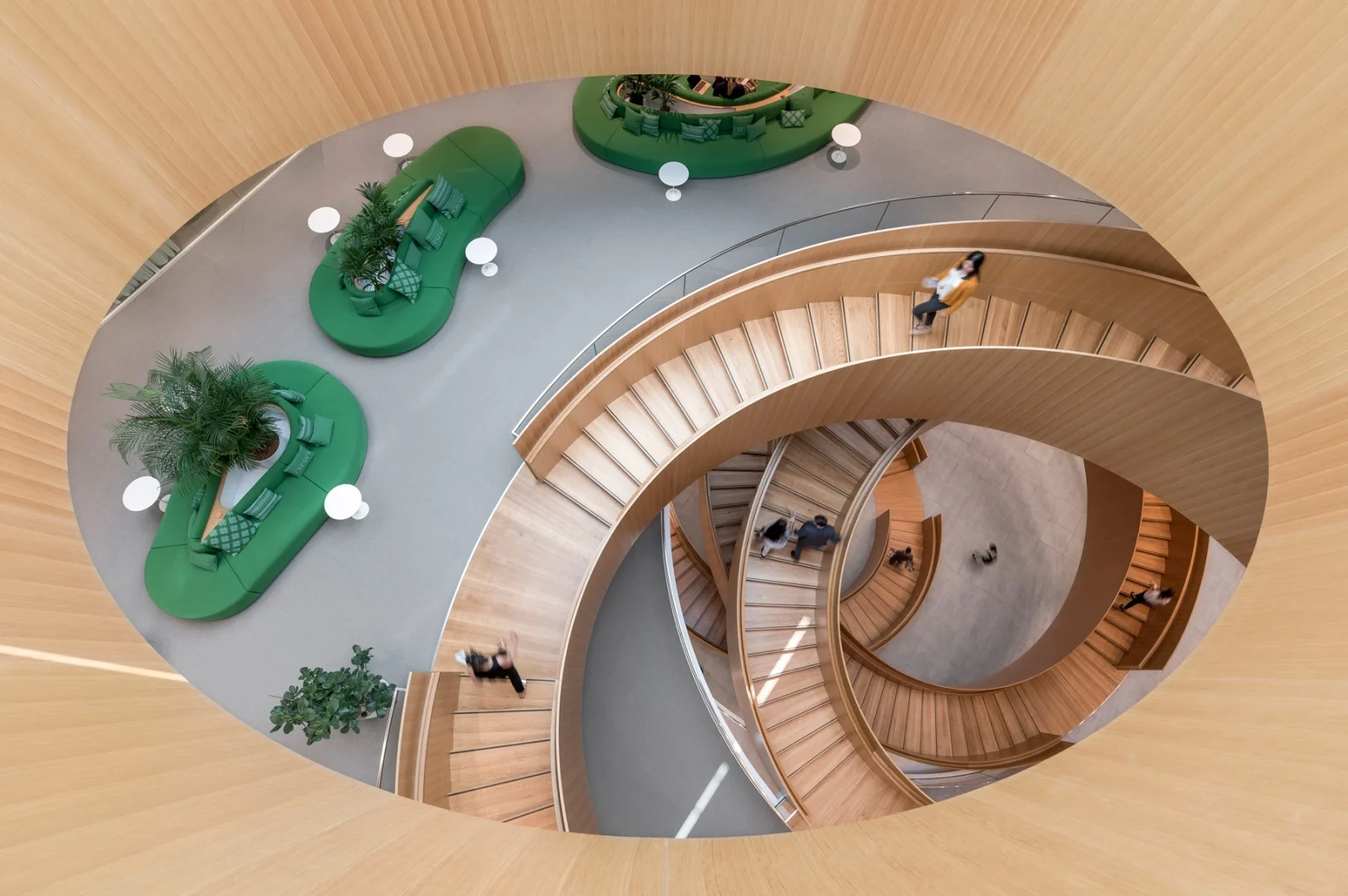
Throughout history, people have designed the spaces and environments they build according to their needs, values, and worldview. This design represents a reciprocal interaction; while humans transform space, space also shapes humans’ ways of thinking, behaviors, and inner world. The design of the environments we inhabit has a significant impact on our mood and well-being. Depending on specific Spatial design decisions, a space can evoke feelings of spaciousness and tranquility, or conversely, feelings of confinement and discomfort.
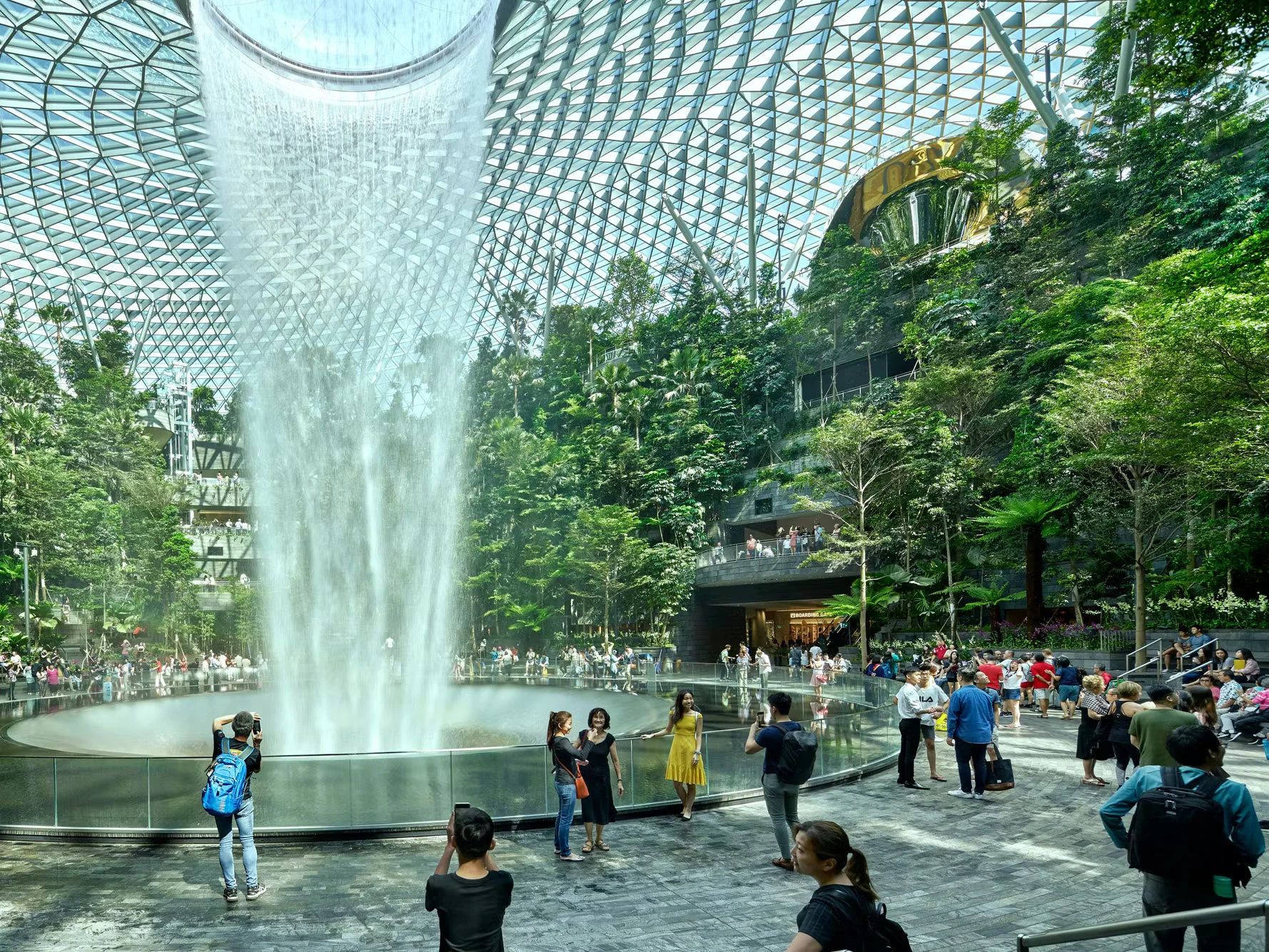
Health is defined by the World Health Organization as “not merely the absence of disease or infirmity, but a state of complete physical, mental, and social well-being.” As a complex organism influenced by a wide range of factors, one of the key components affecting human mental health is space. Instead of being a neutral backdrop, the space is an active element that influences an individual’s mood, behavior, and mental balance, but is a determinant of an individual’s psychological well-being.
The Effects of Space on Human Behavior and Psychology
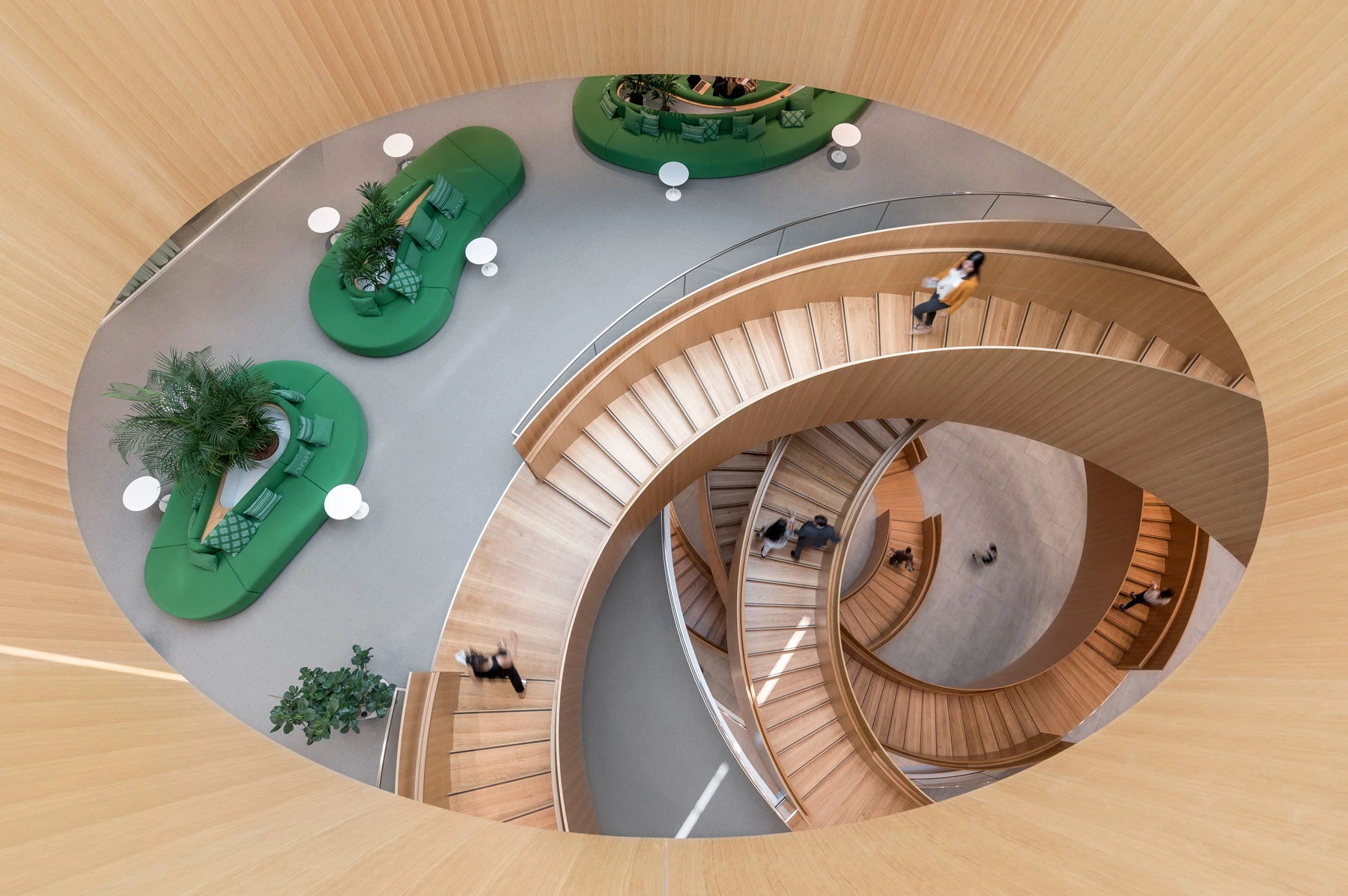
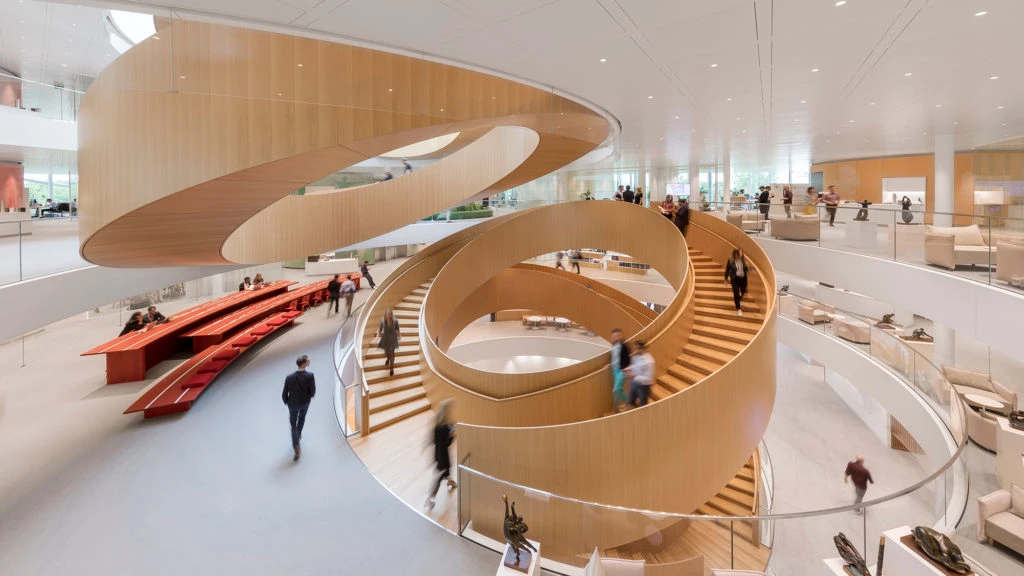
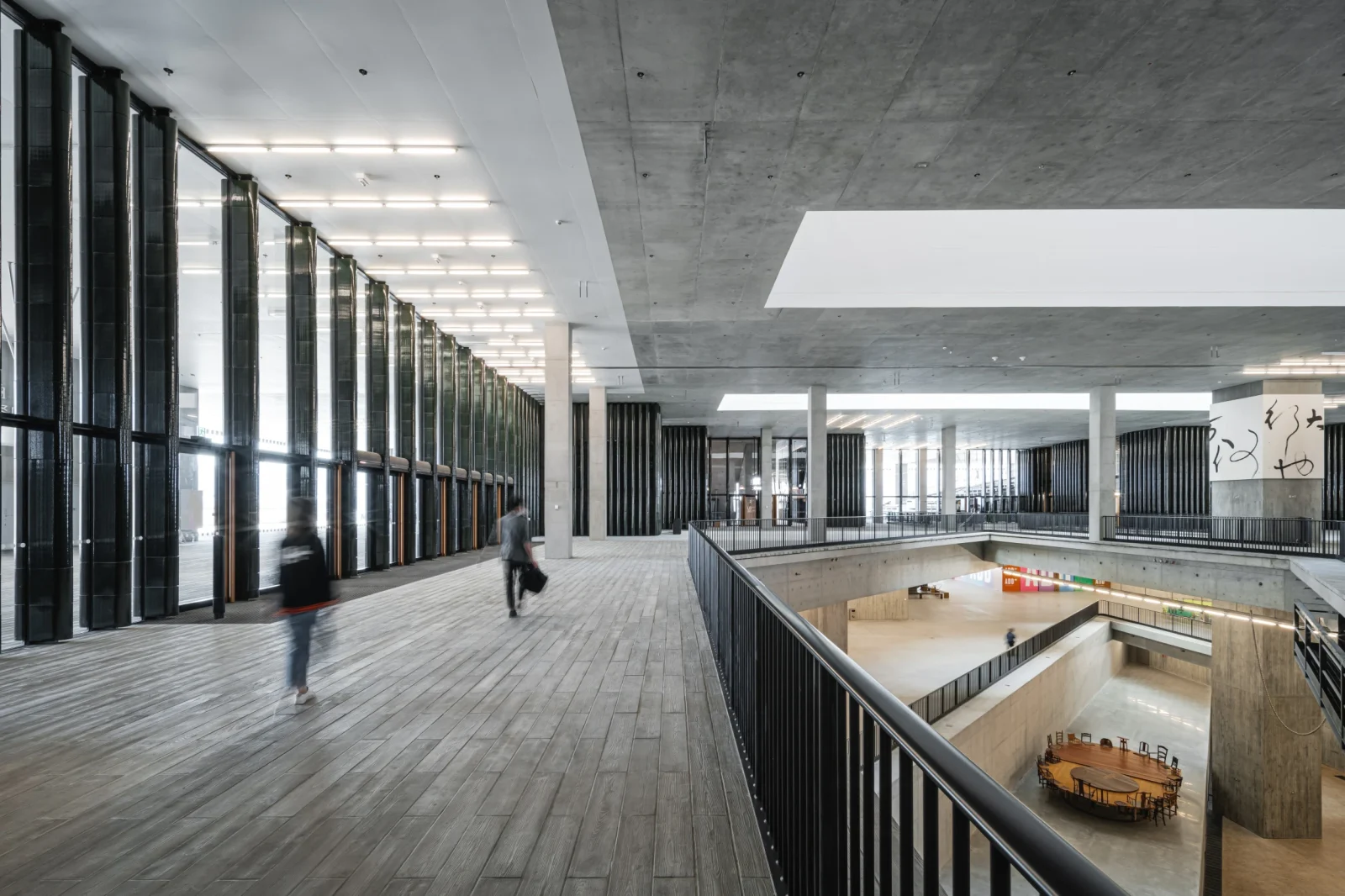
In the design world, where aesthetic concerns are generally prioritized, a space possesses a deeper design layer that directly affects the emotions and mental concerns of its users, in addition to its visual appeal. In building planning, the organization of physical spaces guides how individuals navigate an environment while subtly directing them toward certain behaviors. Open layouts are ideal for work and social areas that encourage communication, whereas enclosed spaces are preferred in settings where privacy and concentration are required.
For example, open-plan offices encourage collaboration, while quiet corners in libraries facilitate focused work. Clear circulation paths and logical zoning create a sense of order and control, while poor spatial planning can lead to frustration and cognitive overload. A space cluttered with confusing corridors or unclear signage makes it difficult for users to navigate, leading to dissatisfaction.
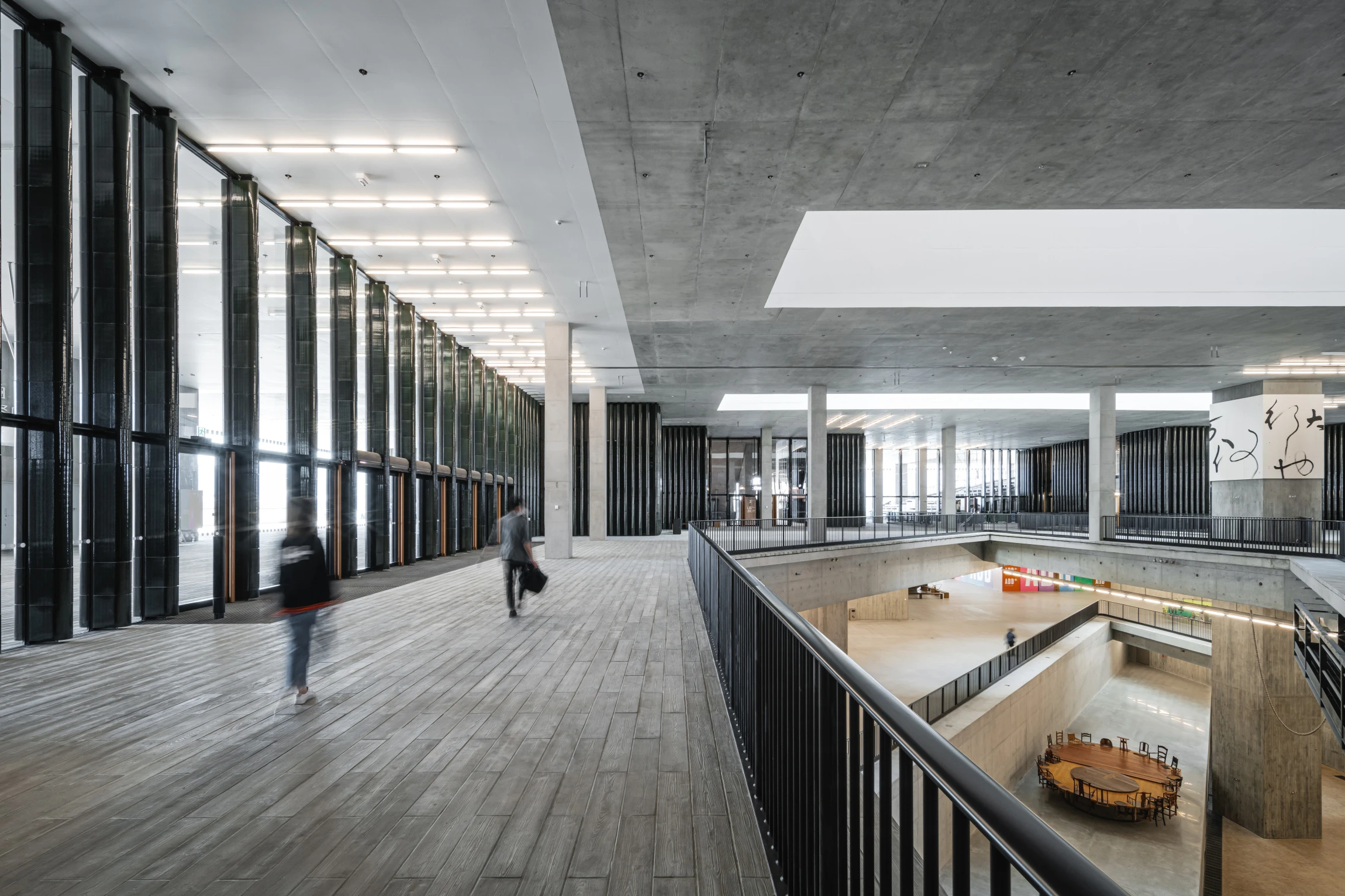
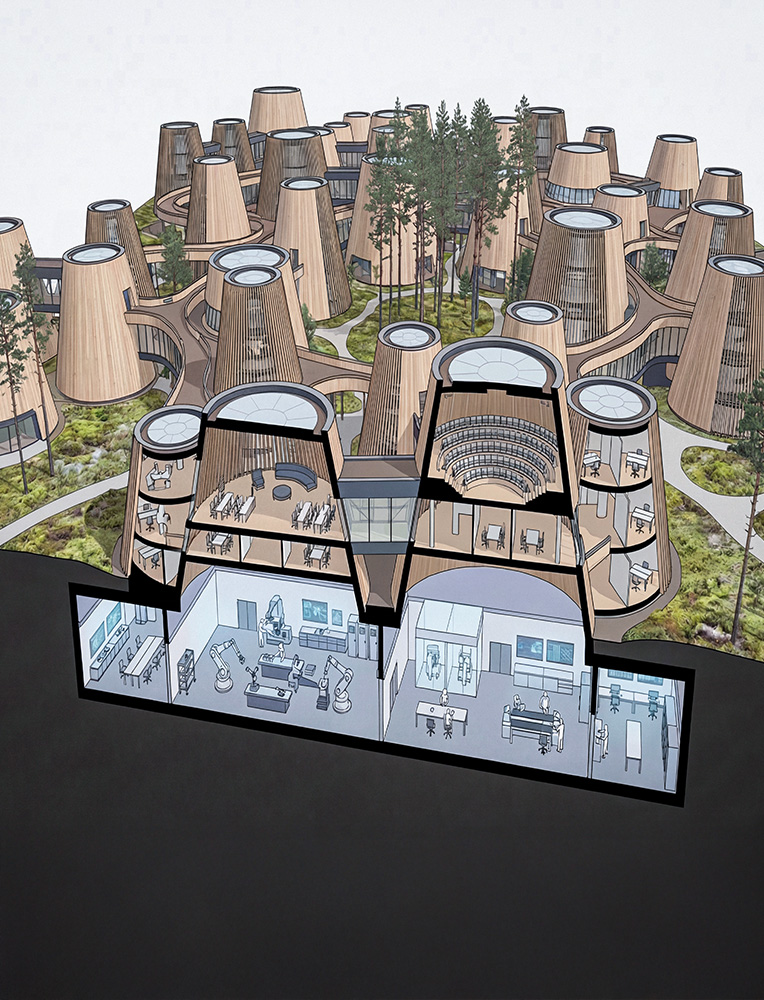
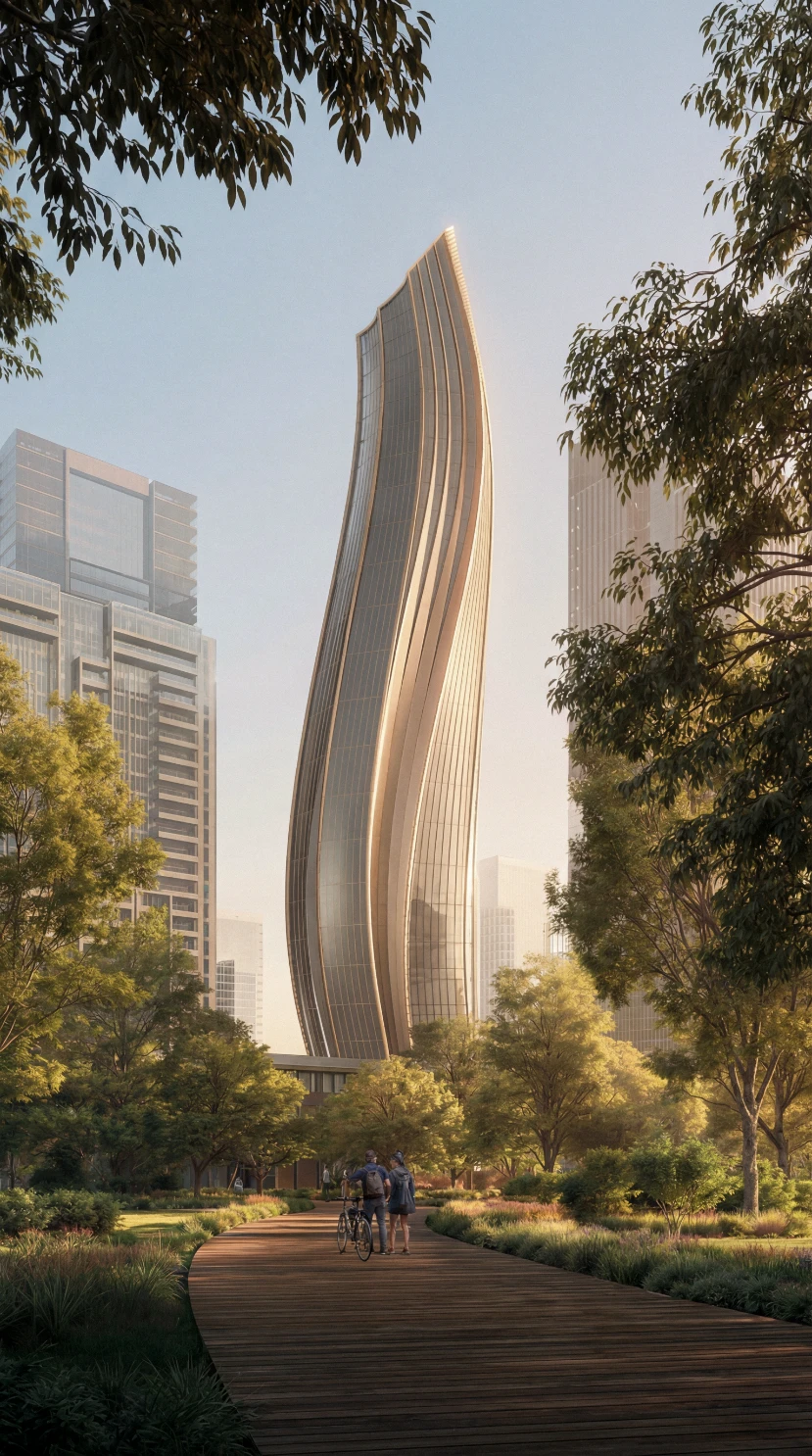
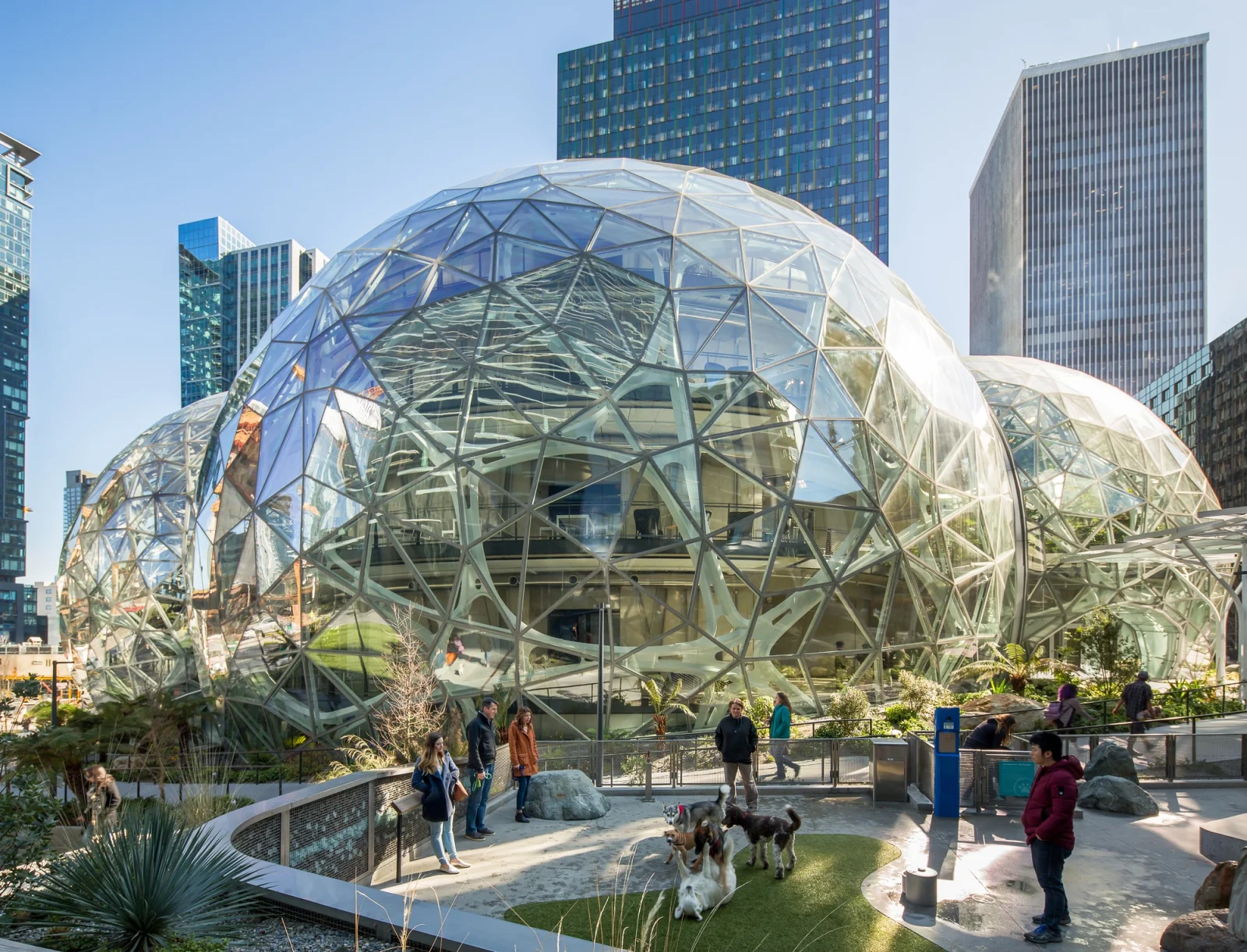
The relationship people establish with space is not only physical but also emotional. Parameters such as layout, lighting, color, texture, and proportion subconsciously shape individuals’ responses to a space. A well-designed space plays a significant role in mental relaxation and stress reduction. Spaces designed with parameters such as natural light, green areas, and open air contribute to people feeling better, improving their mood, and increasing their attention span.
However, cluttered or disorganized spaces cause anxiety, apathy, and stress in users. Design elements in social spaces also determine how often and how meaningfully people come together. This is important not only for individual well-being but also for strengthening social connections.
Psychological Effects of Color Use in Spaces
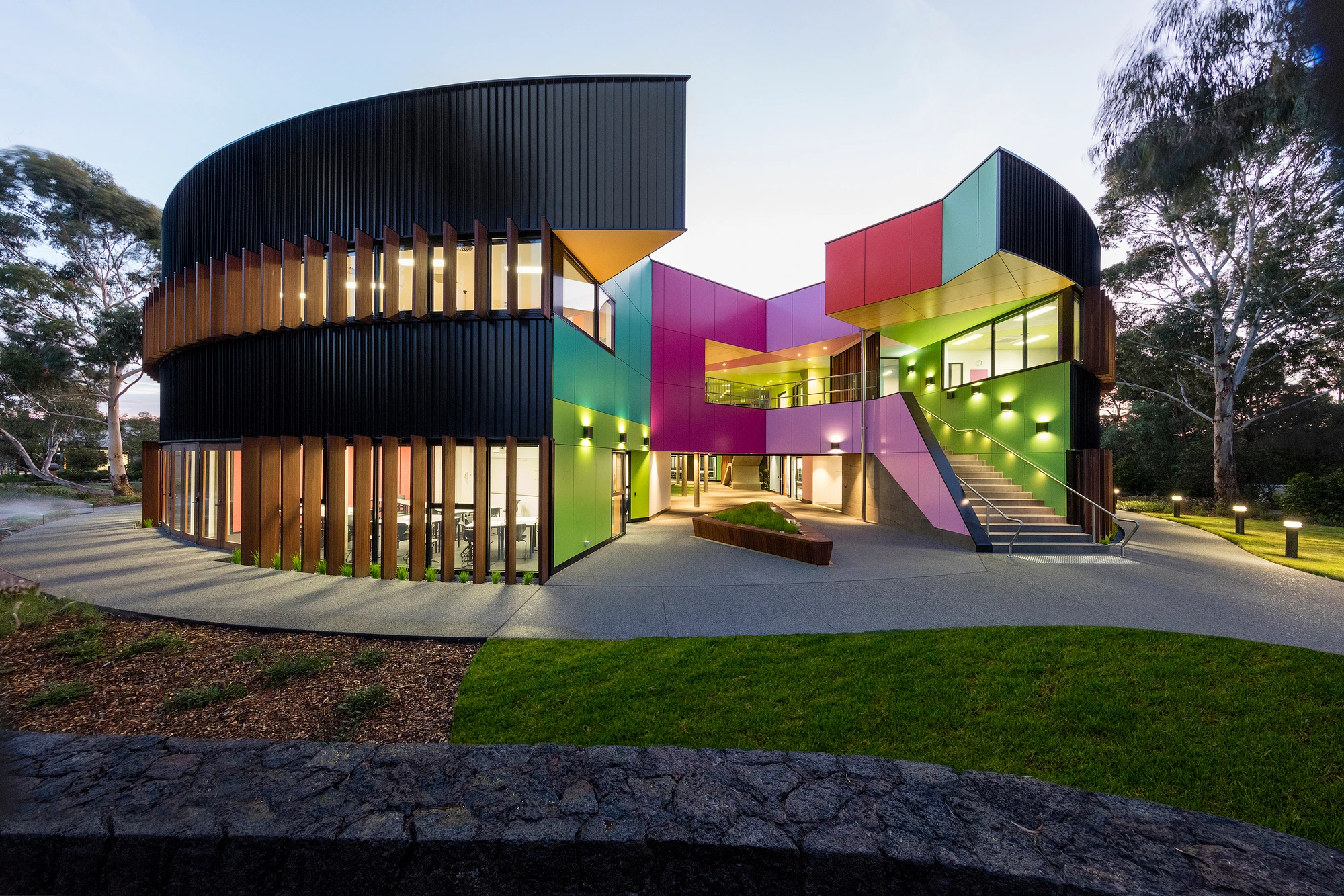
Colors, a powerful tool that shapes our perception of the world and carries different meanings in our minds, affect the appearance, atmosphere, and feel of a space while also having a psychological impact on individuals. Colors create different moods, express emotions, and encourage people to behave in certain ways. As one of the most powerful psychological tools in interior design, each color evokes different emotional responses in the user.
Red: Red, a warm and stimulating color, triggers an instinctive response in human psychology. Associated with energy, passion, and motivation, red creates a dynamic atmosphere in spaces. Evoking feelings of elegance and attractiveness due to its connection with love, red is also preferred in kitchens and restaurants due to its appetite-enhancing effect. Because it is an intense stimulant, the misuse of red in a space can cause anger and fatigue in people
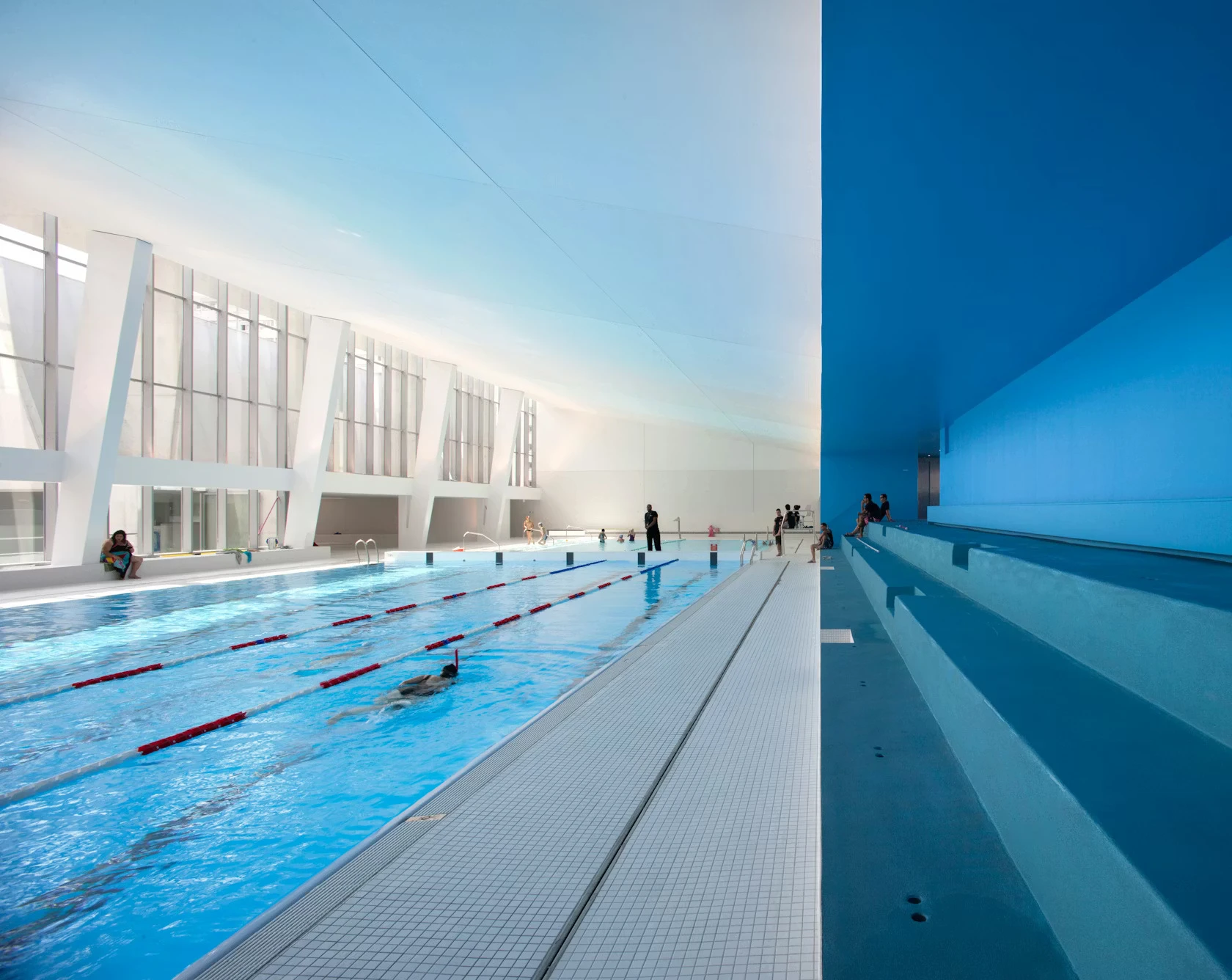
Blue: Blue, which has a calming and soothing effect on human psychology, supports feelings of trust and tranquility. It enhances calmness and concentration and can be used in environments that require a sense of openness and spaciousness. Given the physiological effects of shades of blue, such as lowering blood pressure and reducing stress levels, they are preferable for spaces like health centers and hospital rooms.
Blue is a light-absorbing color; therefore, dark shades of blue used indoors can create a gloomy atmosphere in insufficient lighting.
Yellow: Yellow, which promotes optimism and creativity, has the power to improve mood and increase energy levels. Its vibrant nature makes it ideal for creating social and lively environments, and as an appetite-stimulating color, it is frequently used in kitchens and dining areas. Although yellow represents hope and positivity, excessive use of the wrong tones can cause stress and anxiety.
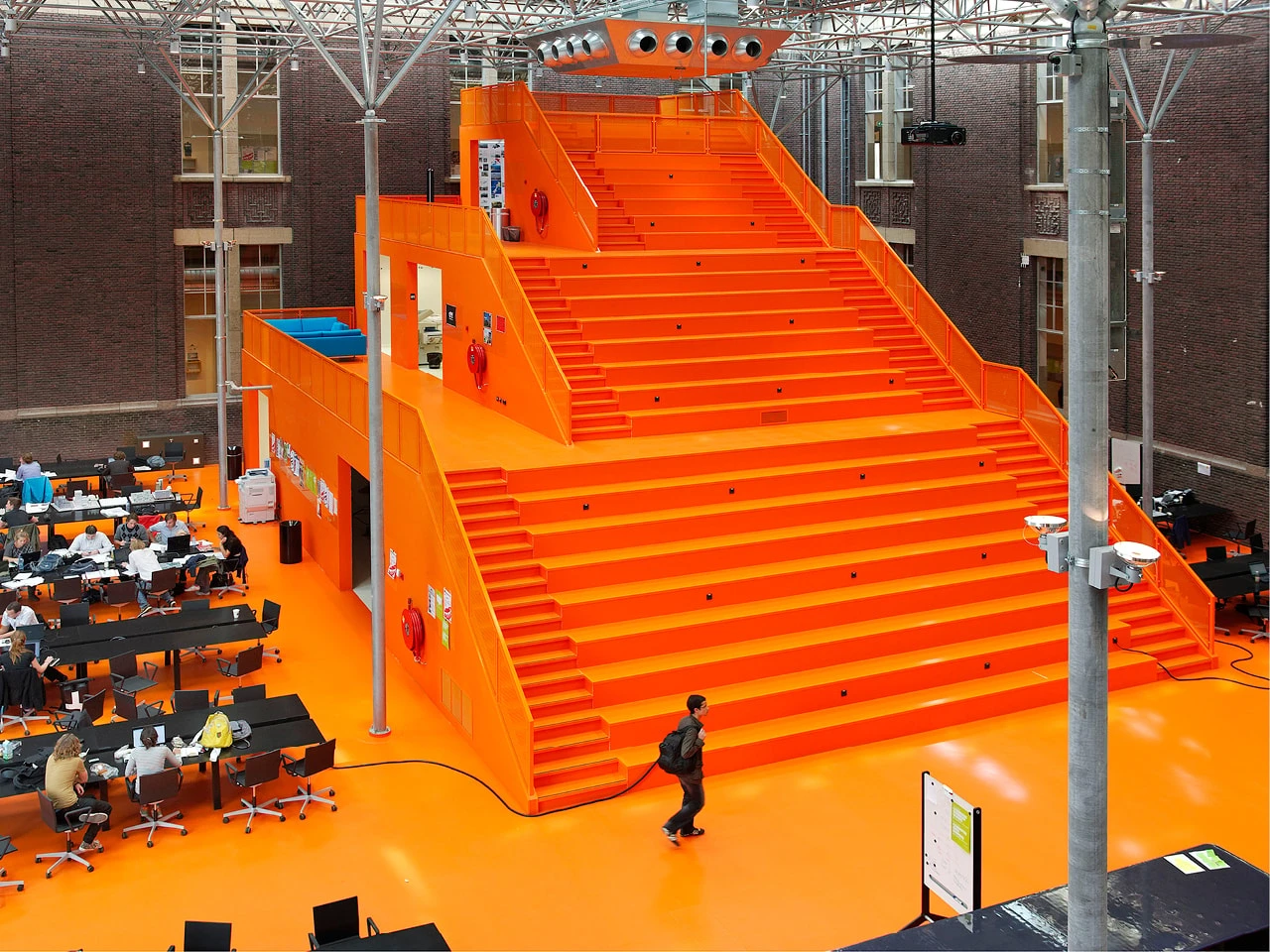
Orange: Associated with energy, excitement, and joy, orange is a powerful tool for architects to help them design spaces that empower and encourage users. As an extroverted color, orange can be preferred in spaces where a feeling of joy and happiness is desired. However, excessive use of the wrong shades leads to problems with focus, overstimulation, and irritability.
Green: Defined as the color of nature, green represents harmony, generosity, and peace. It is suitable for spaces where calmness is desired and is associated with healing, renewal, and health. Additionally, green supports creative thinking and provides mental relaxation for users.
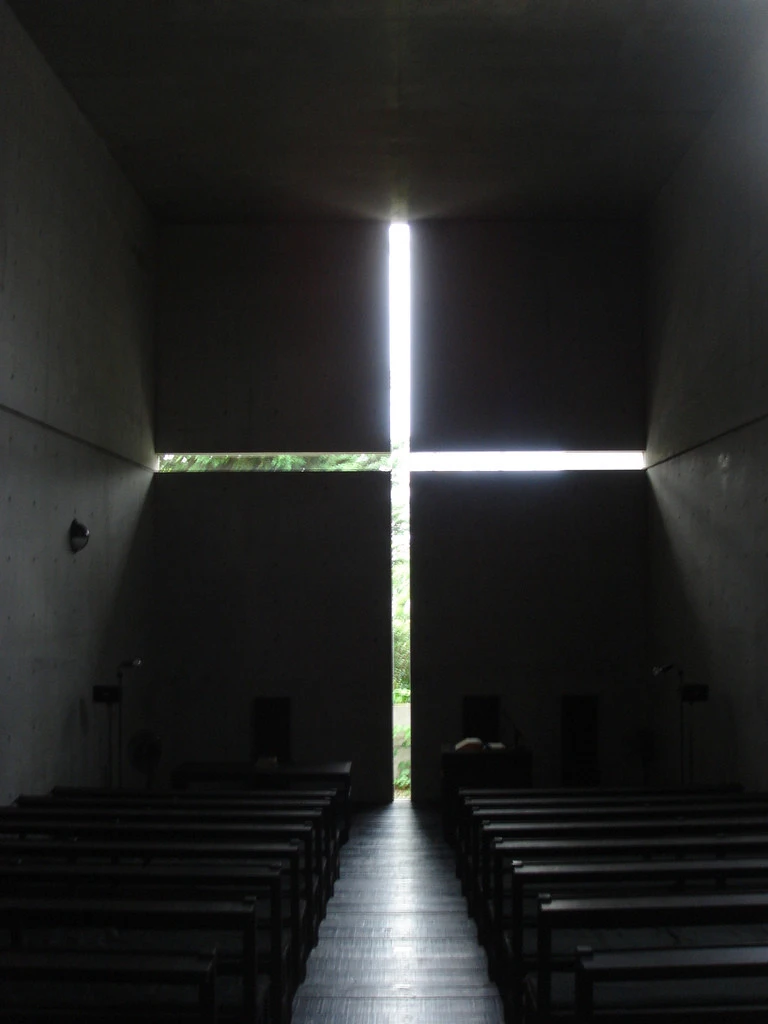
Black: Reflecting power, prestige, and authority, black is used to add elegance and depth to spaces. However, the misuse of black, which spreads a sense of seriousness and harshness throughout the space, can create depressive feelings in people.
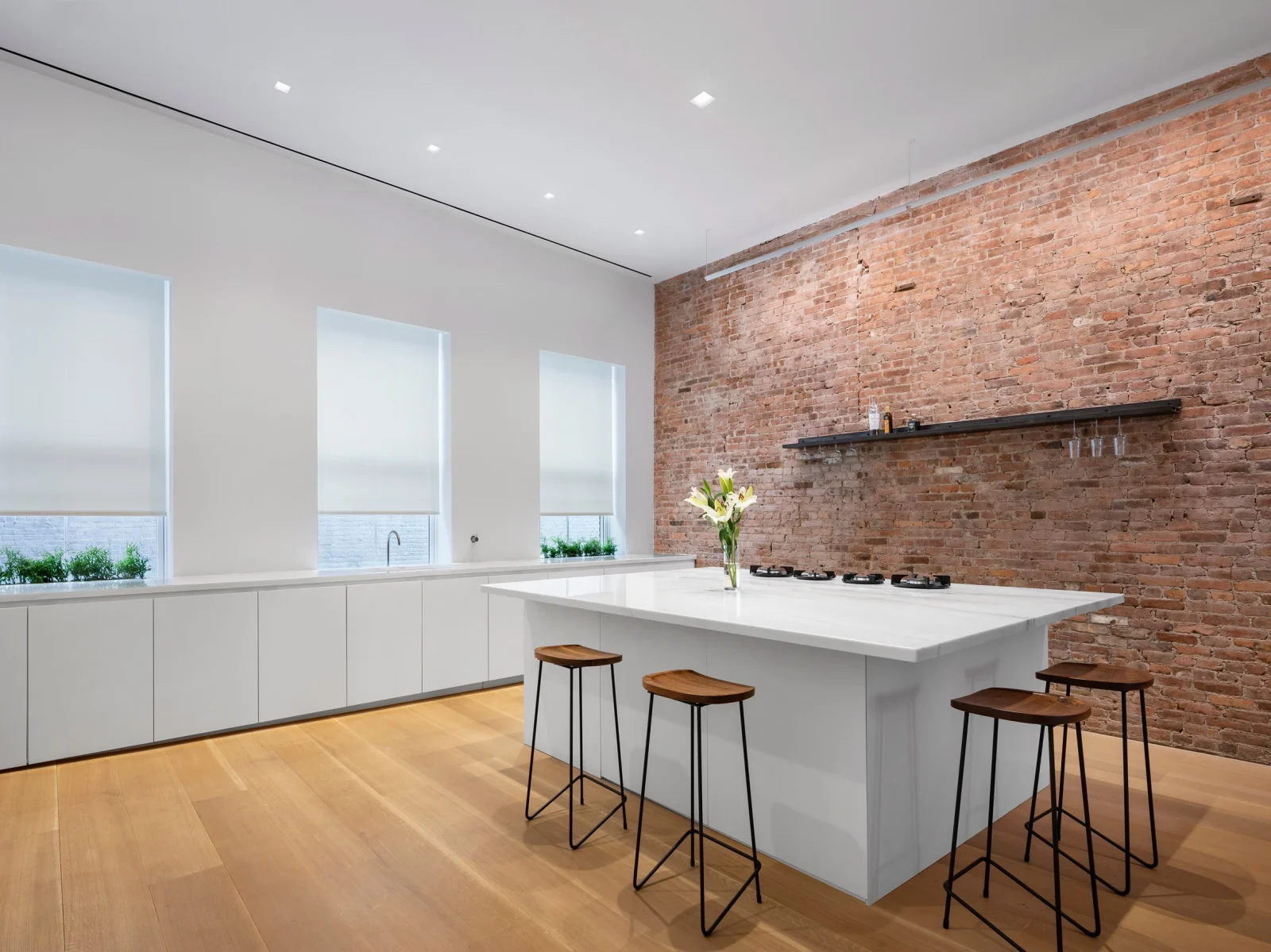
White: Reflecting purity, cleanliness, and simplicity, white is effective in creating freshness, openness, and minimalism. As a calming color, it creates a peaceful atmosphere in interiors and, due to its neutral nature, provides environments suitable for relaxation. However, spaces designed with excessive white without support from other colors may feel empty and lifeless.
The Psychological Effects of Lighting
Light, which directly shapes people’s physical and emotional responses, has a powerful influence on human psychology. The brightness and color temperature of light affect individuals’ energy levels, moods, and concentration capacities. Bright lights generally have an energizing and invigorating effect; thus, they can cause individuals to feel more energetic and happy. Harsh, cold lights, such as blue light, create a stressful, tense emotional effect, while warm lights, such as orange or yellow, generally have a relaxing, calming effect.
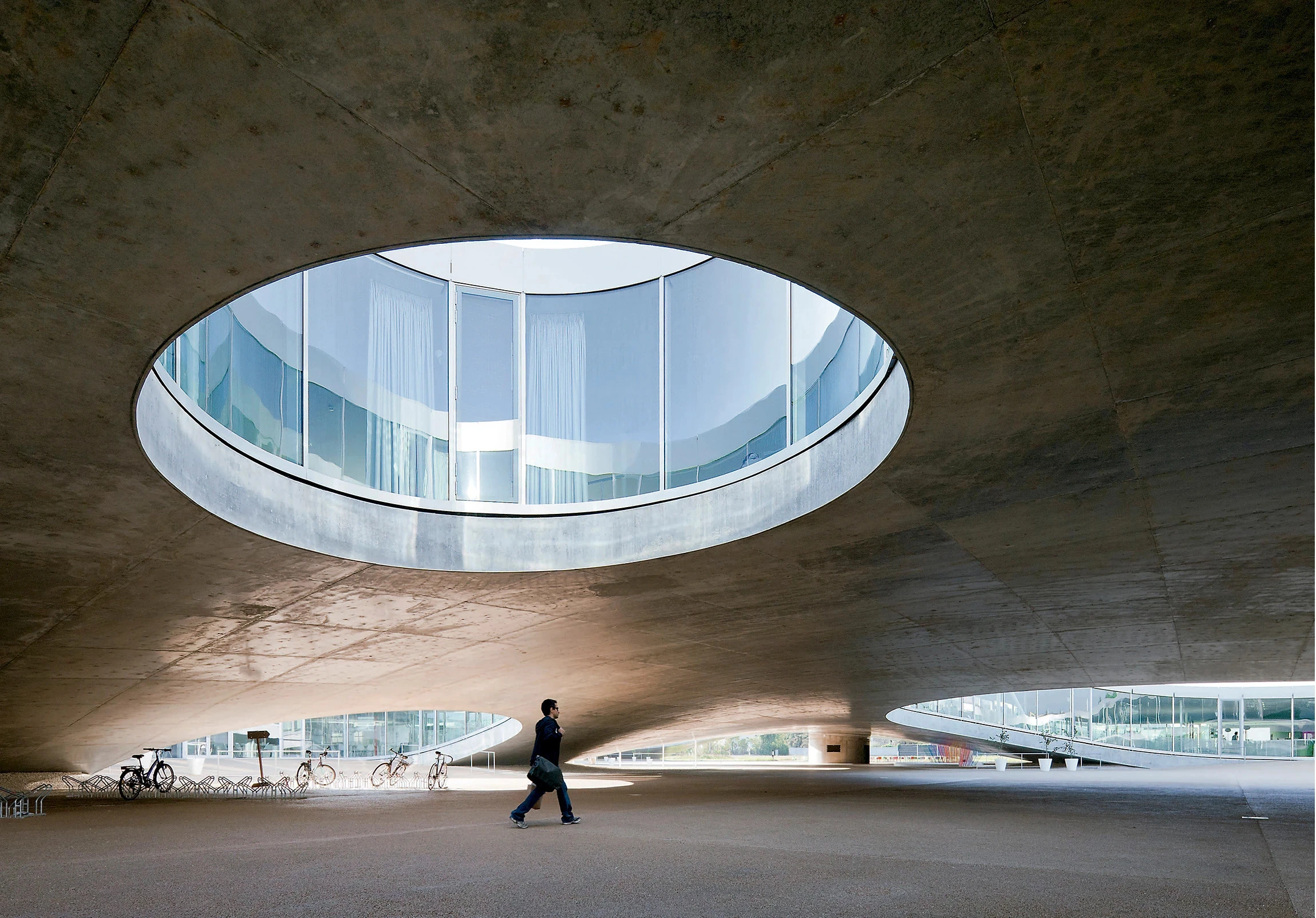
Lighting also directly impacts emotional states such as depression, anxiety, and stress. Insufficient lighting in a space can create a gloomy atmosphere and negatively affect individuals’ mood. Since sunlight stimulates the body’s production of serotonin, spaces that receive abundant natural light positively influence mental health and enhance feelings of happiness and well-being.
Lighting, which determines the level of focus and work efficiency in a space, also improves focus with proper lighting, while insufficient lighting leads to distraction. Especially in workspaces, natural or cool white light improves productivity; poor lighting strains the eyes and causes headaches.
Soft and warm lighting creates a more intimate social atmosphere, making it ideal for spaces such as restaurants and cafés by fostering relaxation and encouraging longer conversations. In contrast, cool lighting produces a more formal and task-oriented environment, but it may make prolonged social interaction less inviting.
The Psychological Effects of Texture in Space
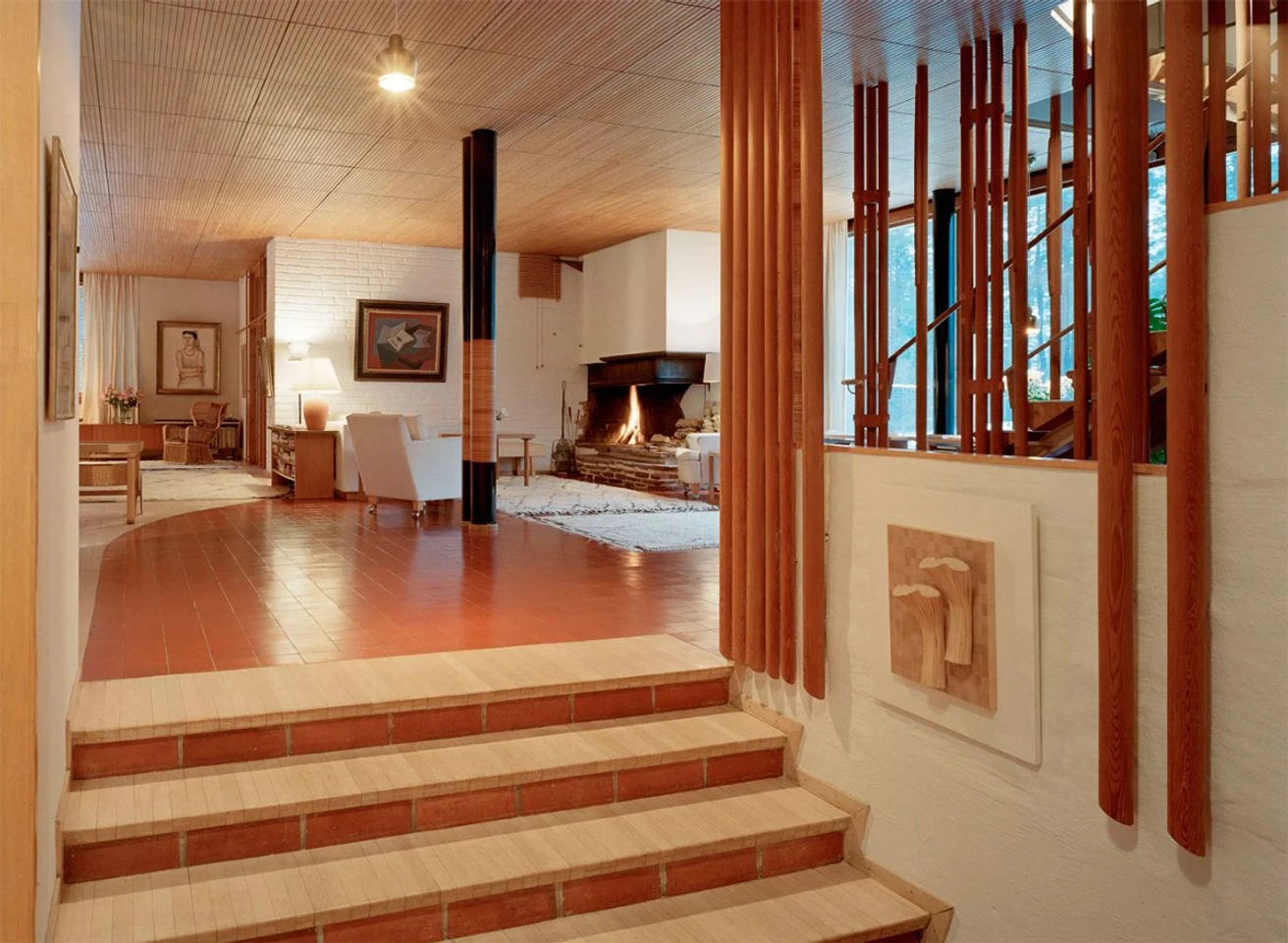
The use of texture in architecture is not only a visual and aesthetic stimulus but also an important medium that influences human psychology and perception. Architectural texture, one of the fundamental determinants of the emotional and cognitive connection an individual establishes with a space, creates a communication between the user and the space.
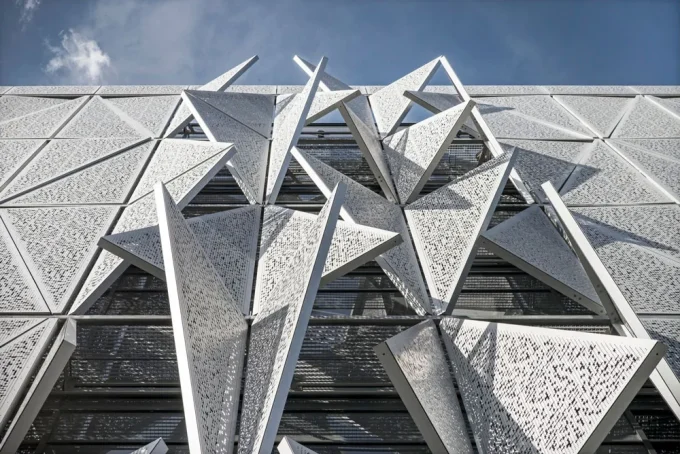
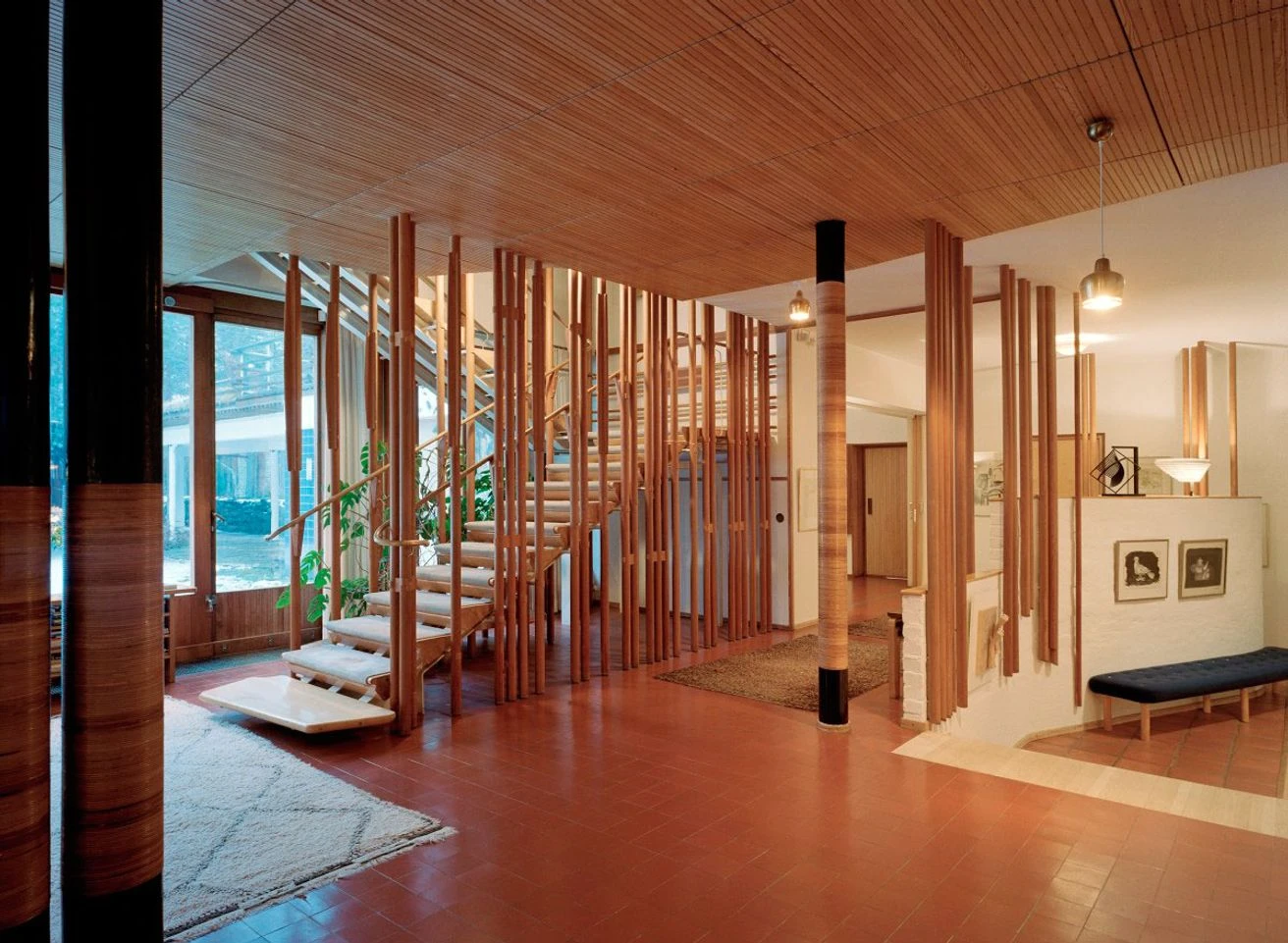
Soft and warm textures evoke a sense of security and peace within the space, while hard and sharp textures create a perception of seriousness or coldness, leading to spatial stress if misused. Natural materials such as wood, stone, and fabric create warmth and originality, while smooth, reflective surfaces give a sense of modernity and sophistication.
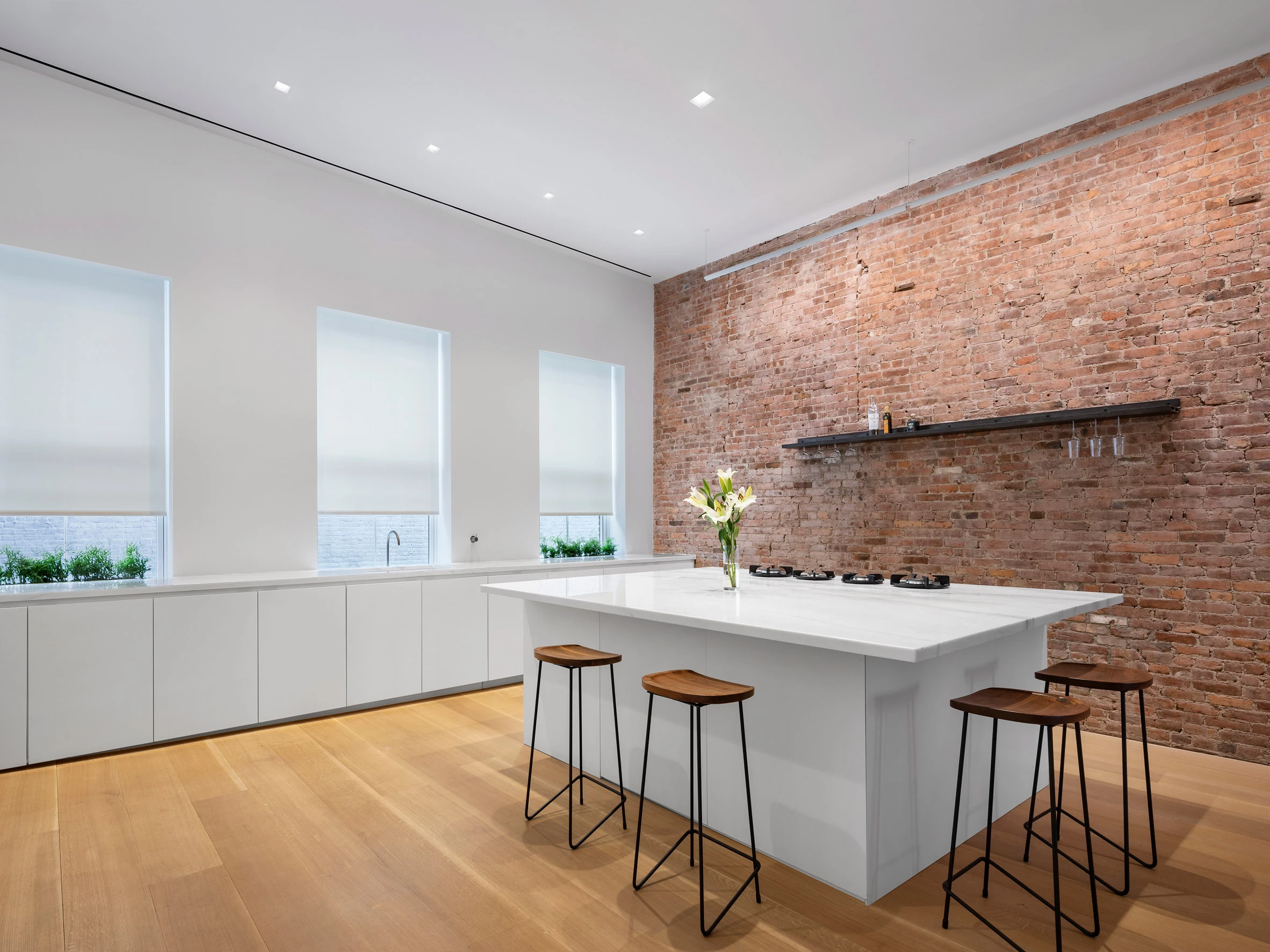
The interaction of texture with light creates plays of shadow and depth that break monotony, reduce mental fatigue, and produce a calming effect. A balanced mix of textures adds depth and visual interest to spaces, making them engaging rather than sterile. Sensory-rich environments promote comfort and emotional connection.
The Psychological Effects of Biophilic Design
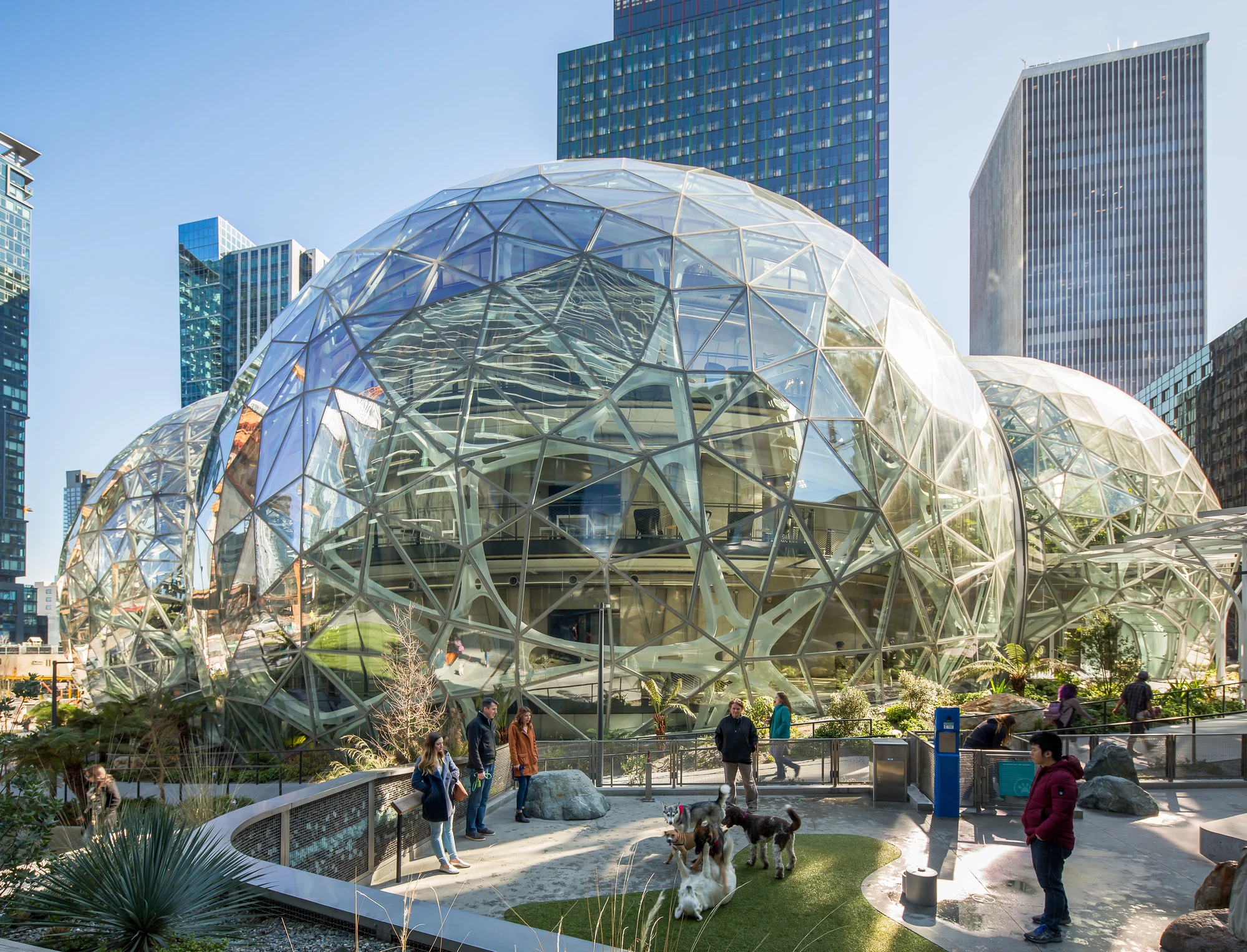
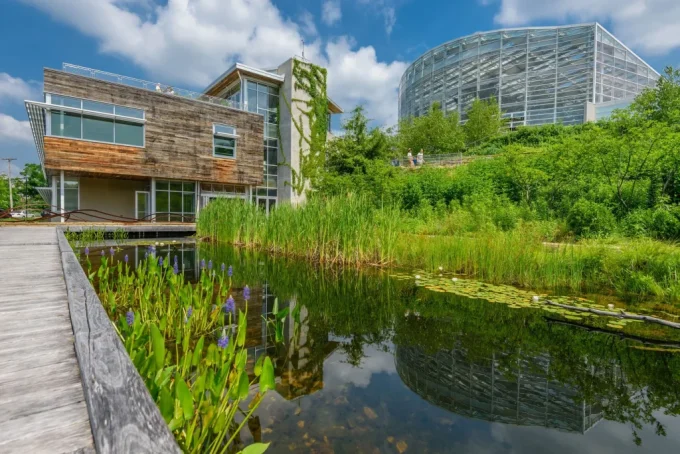
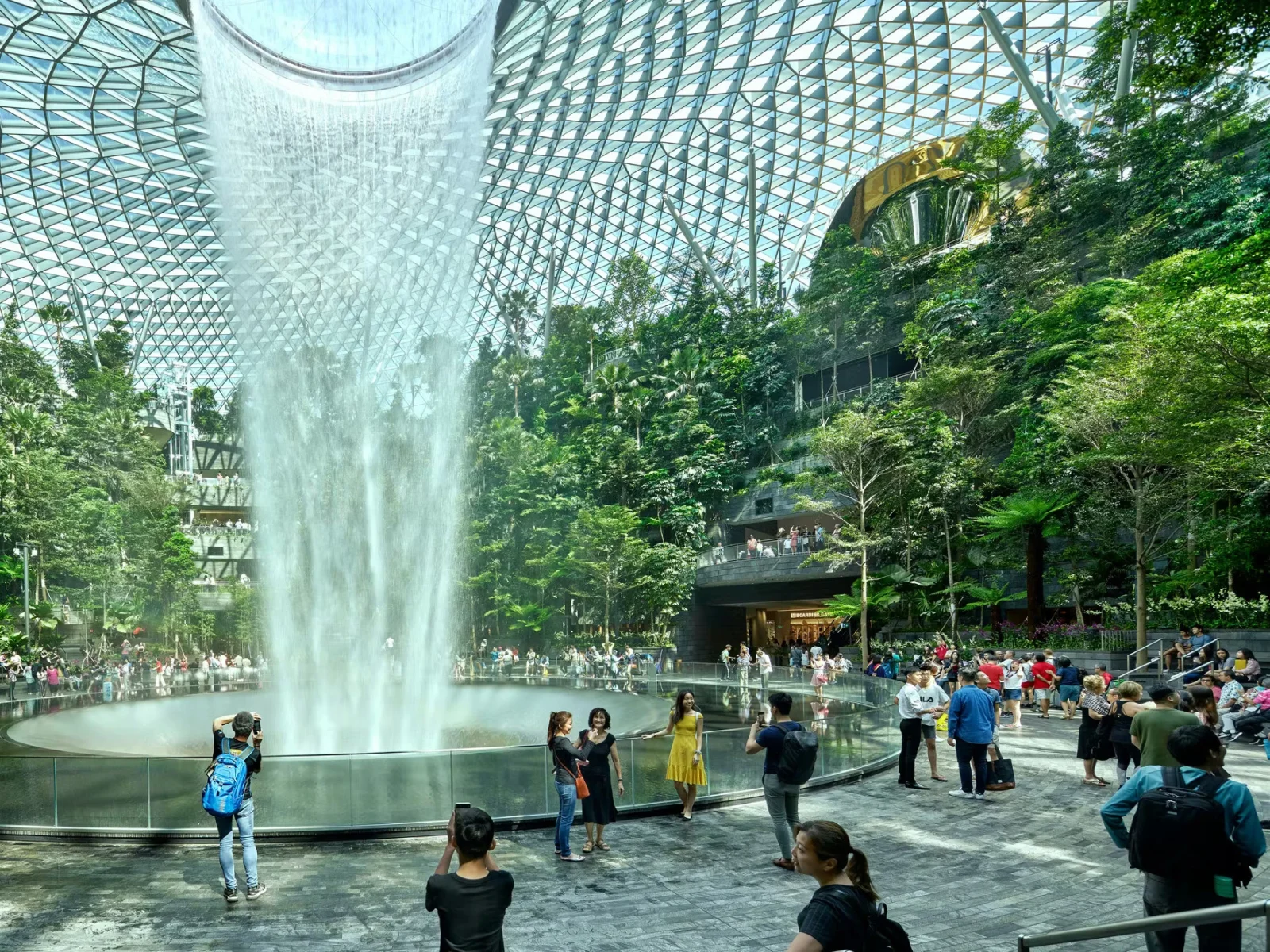
Biophilic design, which stands out as an approach inspired by nature and aimed at strengthening the human connection with it, supports emotional and mental well-being and forms the foundation of a restorative experience. The human brain has evolved to thrive in nature; therefore, when a user is in a space where these elements are present, their emotional resilience and mental health are supported.
Elements such as plants, water sources, and natural light, which aesthetically beautify spaces, also affect people’s mental health. For example, surgical patients with views of nature tend to recover faster and with fewer complications compared to those in rooms without such views. Integrating biophilic elements into spatial design is an ideal way to create harmonious and healing environments.
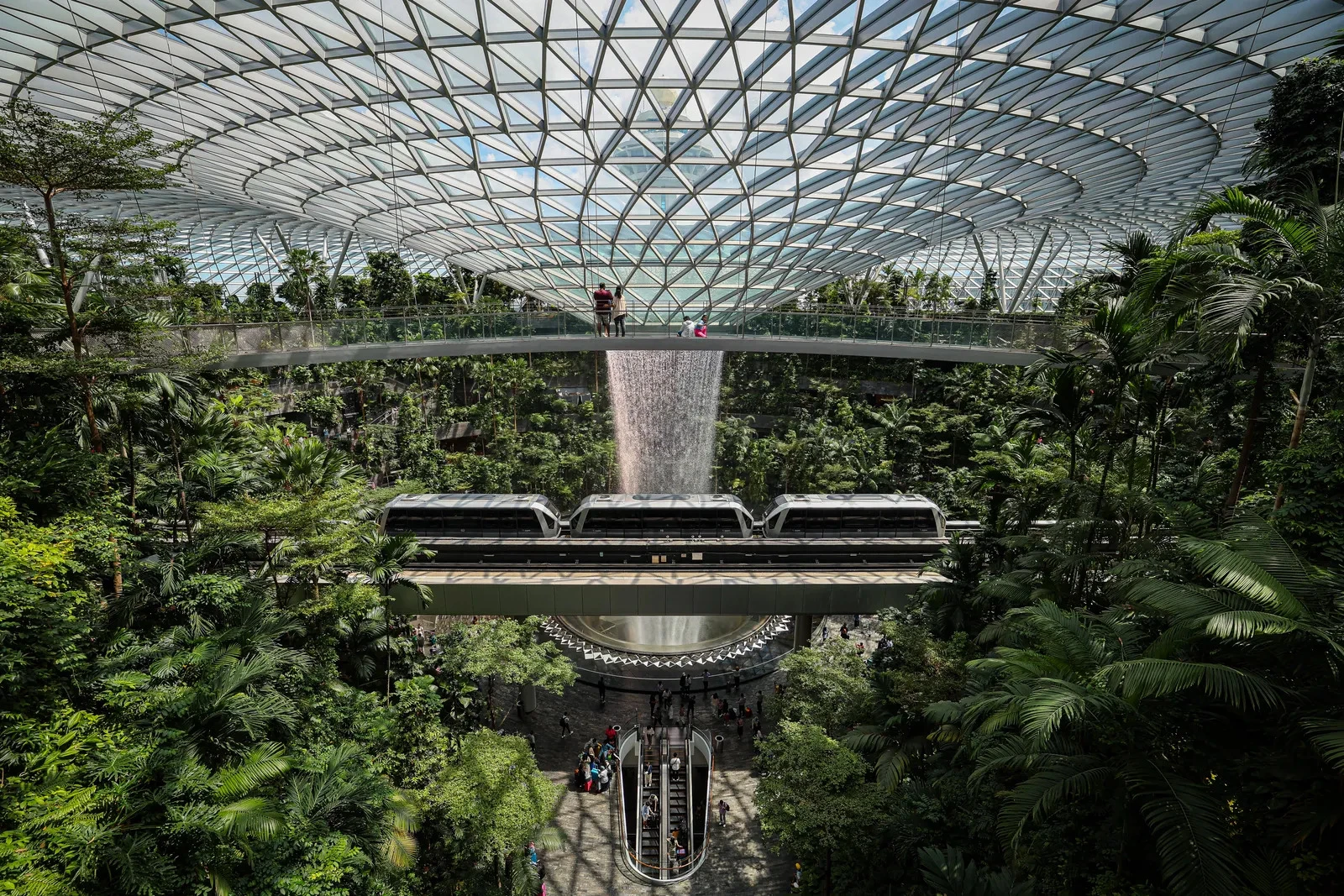
A space is not merely an aesthetic environment; it functions as a psychological guide, a spiritual balancer, and a mental healer. The psychology of space, reminding us that good design isn’t just about how a space looks, indicates how spaces make people feel and how effectively they support their daily lives. In this context, designers should create environments that are not only visually appealing but also supportive of emotional resilience and mental well-being. Understanding and designing the spaces we inhabit is key to improving our mood and, consequently, our quality of life.
Explore Courses
.jpg "Ondrej Chybik - Rethinking Architecture")