




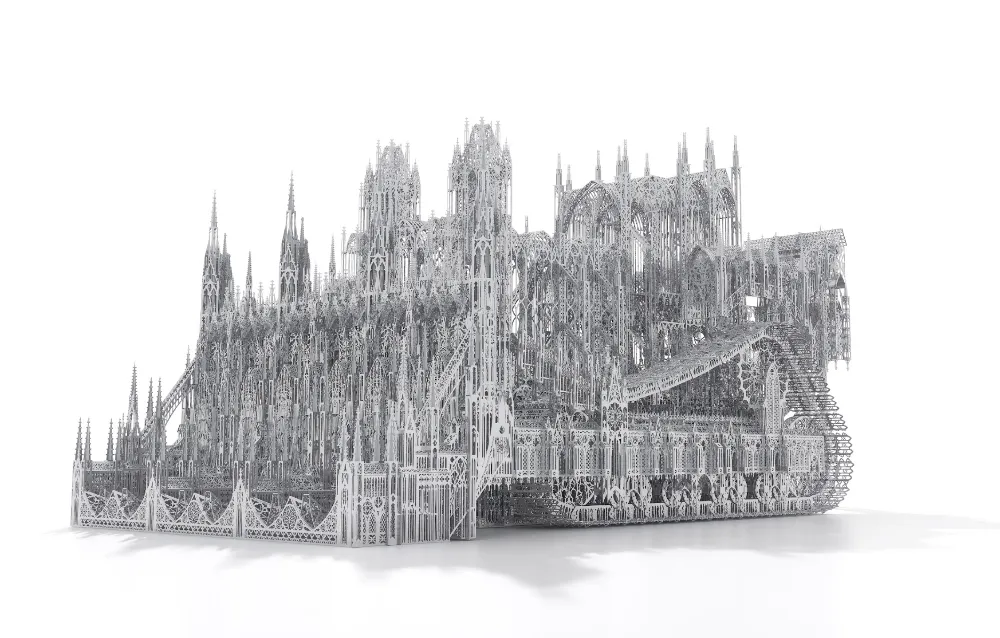
From the birth of cathedrals to the rise of Gothic counterculture and fantasy, the Louvre-Lens Museum unveils a new exhibition titled “Gothicisms,” offering an unprecedented panorama of Gothic art spanning from the 12th to the 21st century. The exhibition explores the evolution of the Gothic aesthetic from its medieval origins and neo-Gothic revival to its surprising rebirth in contemporary subcultures.
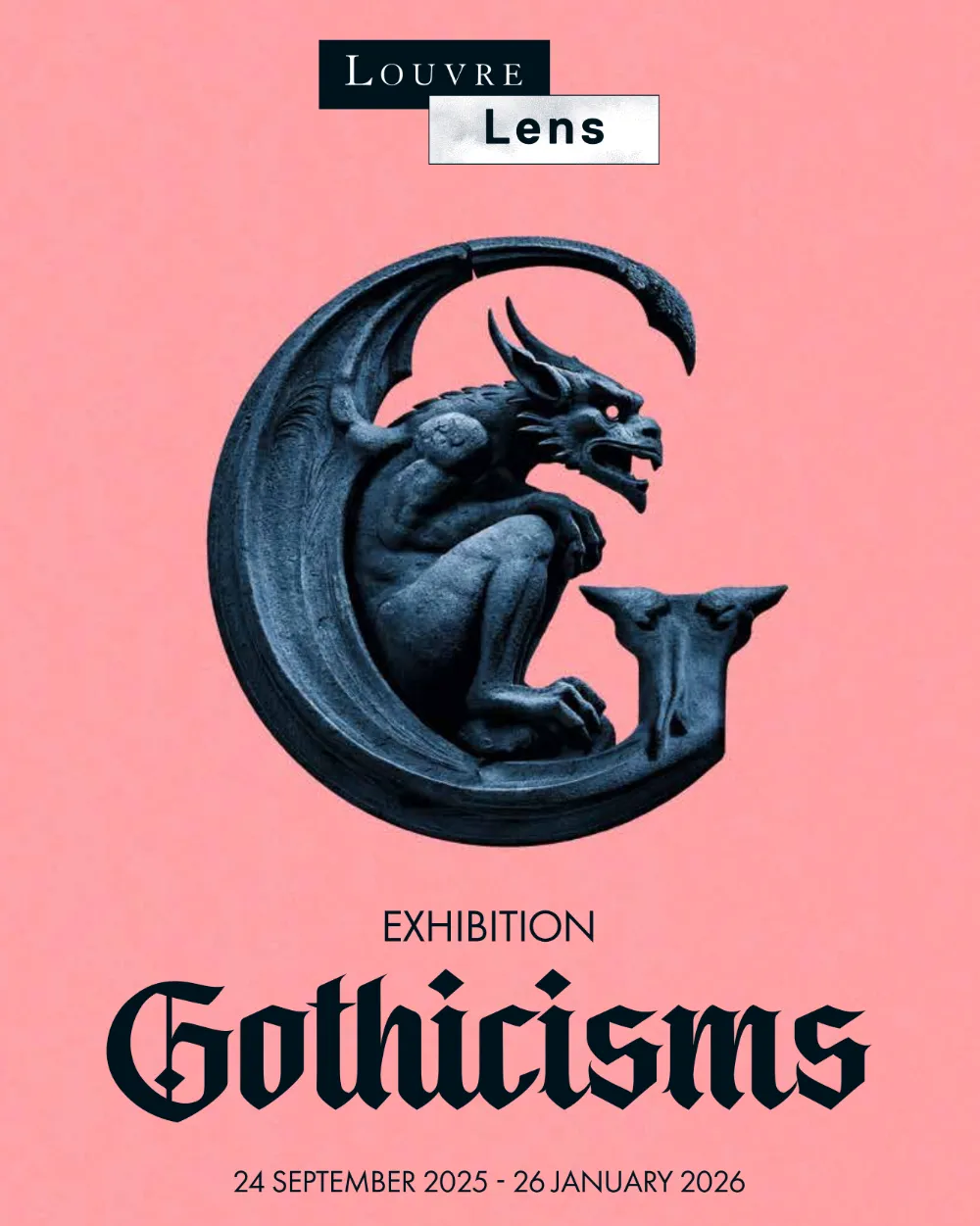
Marking the museum’s first major presentation dedicated entirely to Gothic art, “Gothicisms” traces this extraordinary artistic journey across more than eight centuries. Bringing together nearly 200 works, including sculptures, illuminated manuscripts, paintings, photographs, installations, and decorative objects, the exhibition reveals how Gothic language and symbolism have continually reinvented themselves, remaining a vital source of creative inspiration.
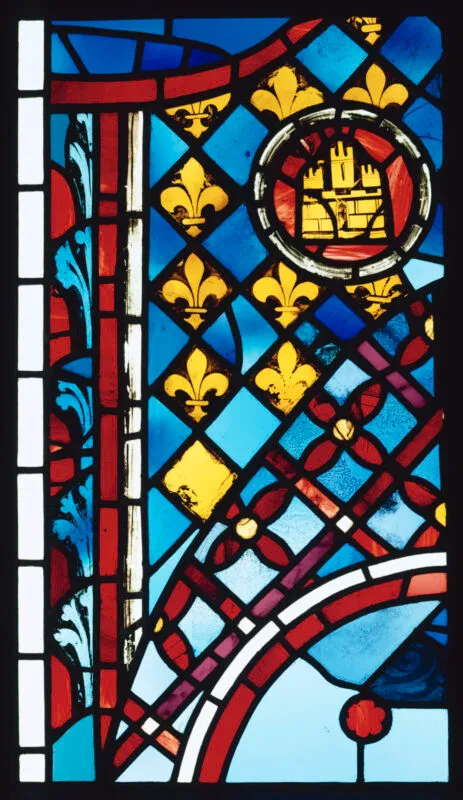
Gothic art is intertwined with the age of cathedrals, a period of immense technical and spiritual innovation. Emerging in Île-de-France and Picardy in the 12th century, this movement spread rapidly across Europe, giving rise to a new, profoundly expressive artistic style. It marked the first truly pan-European artistic phenomenon, shaping not only architecture but also sculpture, stained glass, and manuscript illumination. Defined by its height, luminosity, and intricate craftsmanship, Gothic art embodied both humanist ideals and divine aspiration.
The exhibition also invites visitors to reflect on the very origins of the word “Gothic.” Coined during the Italian Renaissance in the 15th and 16th centuries, the term was initially used in a pejorative sense, contrasting the exuberant medieval style with the revived “purity” of classical antiquity. Over time, however, the Gothic aesthetic evolved into a symbol of creativity, emotion, and mysterious qualities that continue to resonate deeply within modern culture.
From Medieval Grandeur to Modern Subculture: The Enduring Evolution of the Gothic Spirit
By the 15th and early 16th centuries, Gothic art reached its creative zenith, evolving into the so-called “Renaissance Gothic.” Across Germany, Flanders, and France, artists blended naturalism with imagination, producing intricate gargoyles, bestiaries, and the elegant Gothic script, enduring symbols of the era’s artistic mastery.
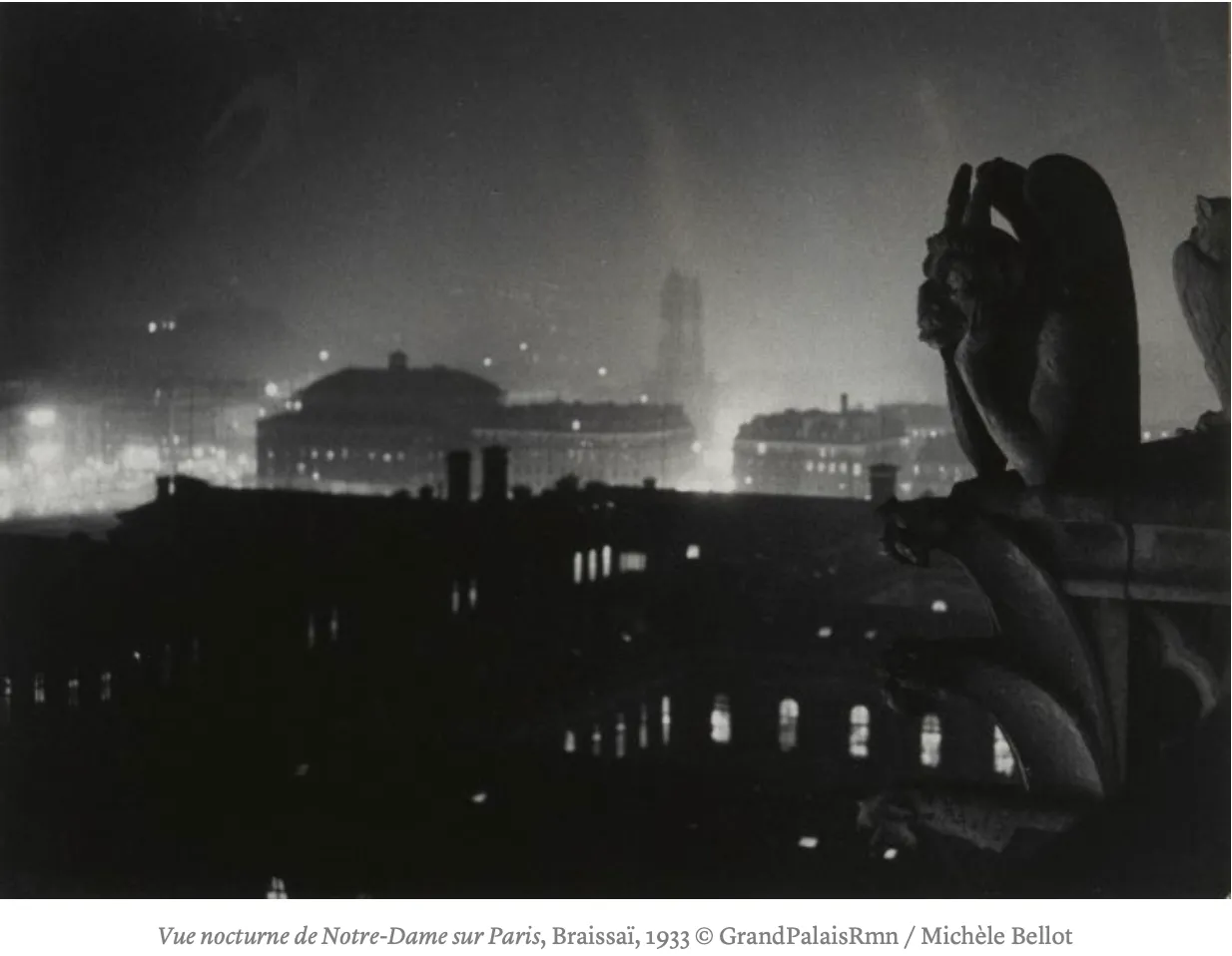
From the 18th century onward, the Gothic aesthetic took on new meaning. The ruins of medieval architecture inspired a romantic and melancholic fascination, especially in England and France, where figures like Victor Hugo, Eugène Viollet-le-Duc, and John Ruskin championed the Gothic Revival, restoring cathedrals such as Notre-Dame de Paris and redefining the style as a tribute to creativity and faith.
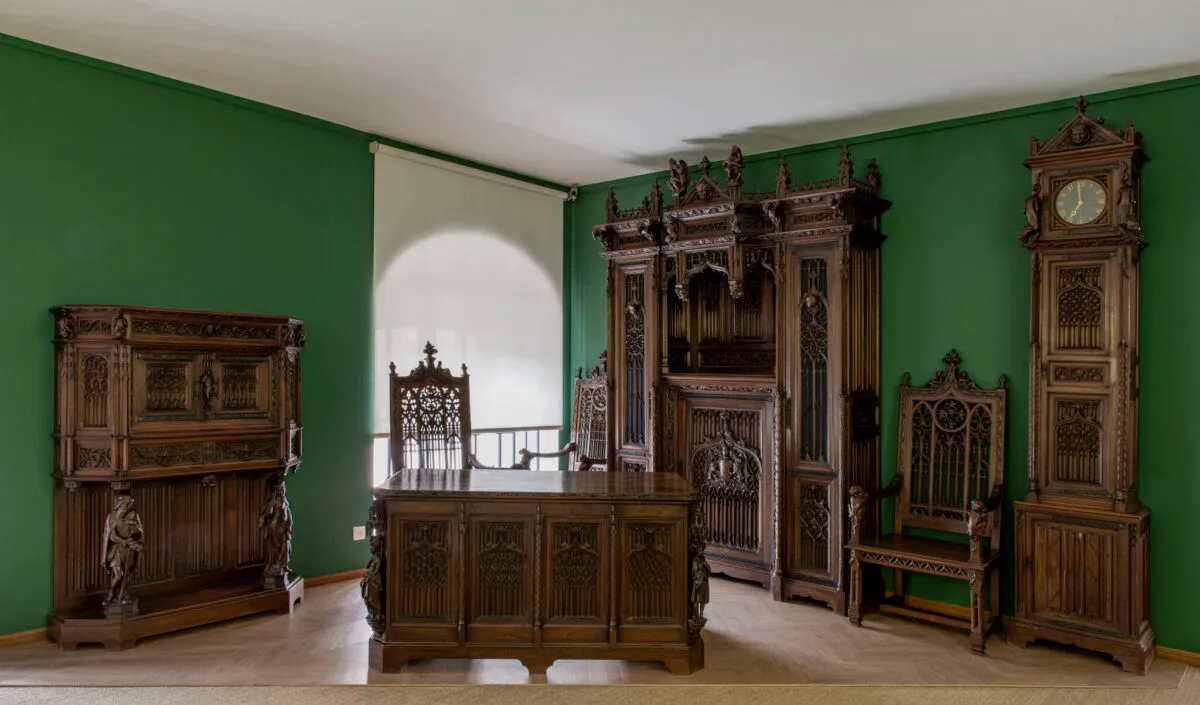
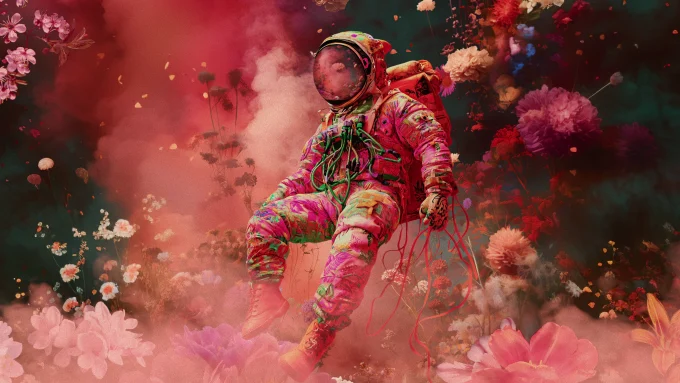
By the 19th and 20th centuries, Gothic influence extended far beyond architecture, shaping literature, design, and visual arts. In modern times, it reemerged as a symbol of counterculture and artistic rebellion, from the dark allure of punk and metal music to the immersive worlds of fantasy, gaming, and digital art.
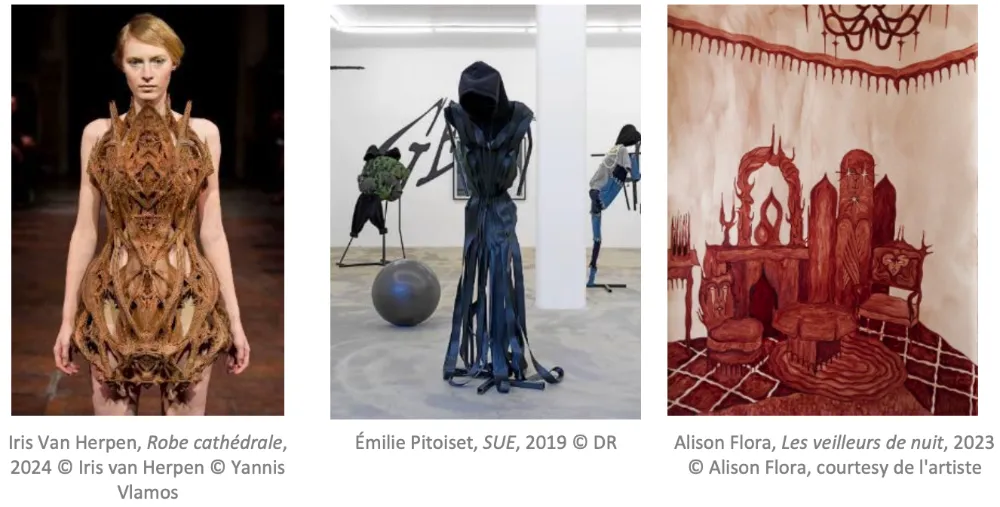
Ultimately, “Gothicisms” at the Louvre-Lens goes beyond a simple historical overview. It is a cultural mirror, reflecting how societies across centuries have reinvented the Gothic to articulate their deepest fears, aspirations, and identities. The exhibition reminds us that the Middle Ages are not merely a relic of the past; they remain a living, evolving source of artistic imagination, still casting their long shadow over the aesthetics of today.
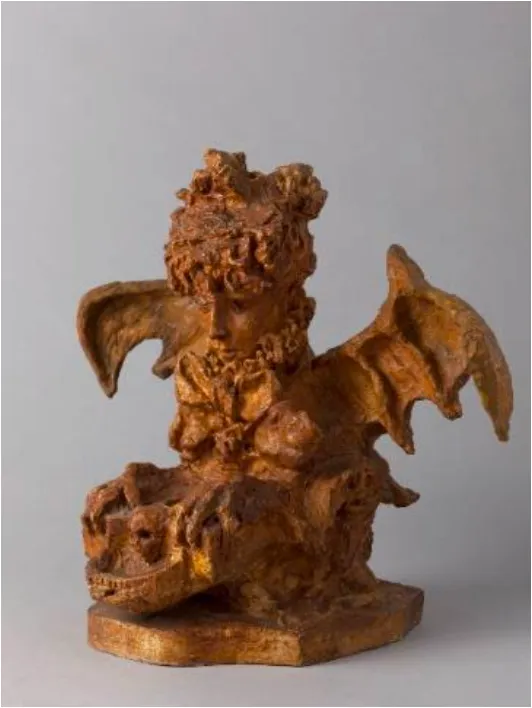
Curated by Annabelle Ténèze, Director of the Louvre-Lens, with Florian Meunier, Chief Heritage Curator at the Musée du Louvre’s Department of Art Objects, and scientific advisor Dominique de Font-Réaulx, this ambitious project benefits from the collaboration of several major institutions, including the Musée de Cluny – Musée national du Moyen Âge, the Cité de l’architecture et du Patrimoine, and the Bibliothèque nationale de France.
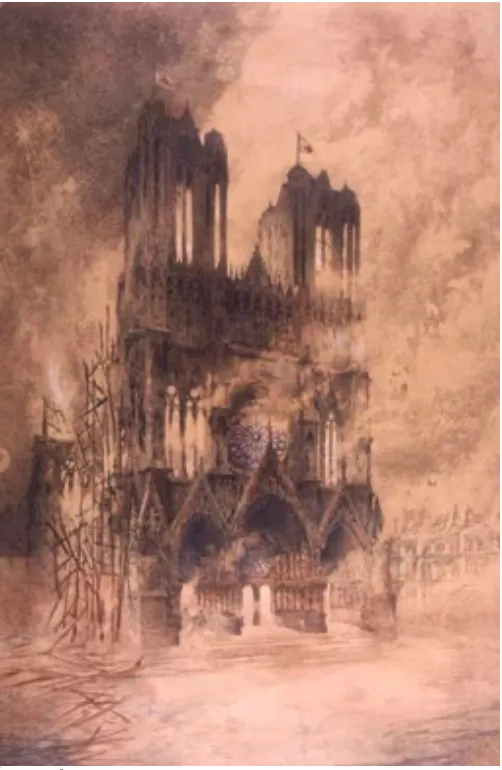
With scenography by Mathis Boucher, the exhibition immerses visitors in a dialogue between past and present, between the ethereal light of stained glass and the digital glow of modern screens. Supported by the Fonds AXA pour le Progrès Humain, “Gothicisms” stands as a testament to the timeless allure of the Gothic imagination: at once ancient and startlingly contemporary. “Gothicisms” at Louvre-Lens runs until 26 January 2026.
Explore Courses
.jpg%202.jpg "Building Performance with Forma & Opossum")

.jpg "Ondrej Chybik - Rethinking Architecture")